












All News - Page 474 of 1735 - Good News Network
Home Blog Page 474

Looking to Adopt a New Pet at the Shelter, She Found Her Dog That Went Missing 2 Years Ago

ABC/YouTube
LeHigh County Humane Society

A Pennsylvania mom was scanning local shelter sites looking for a perfect companion for her two boys—but what she found took her breath away.

Among the adoptable pets was the face of the beloved dog she’d lost more than two years ago.

At first, Aisha Nieves wasn’t sure the pup was her missing pitbull-rottweiler mix Kuvo, but a closer look revealed a small facial scar that confirmed her suspicions.

Nieves first brought Kuvo (named for a character in Disney’s Lion King franchise) home in 2014, when he was seven weeks old. In May 2019, her fence was damaged by a careless driver and Kuvo escaped.

She was four months pregnant with her second son at the time. “I had a lot of emotions going through me,” Nieves told The Morning Call. “I was crying, thinking the worst, thinking somebody kidnapped or hurt him. I was just devastated. He was there for me through everything, heartbreaks, ups and downs… and now he was gone. It was so hard to accept.”

MORE: Chinese Monk Dedicates Life to Rescuing 8,000 Dogs – He Finds Them New Homes Around the World

It turns out that Kovu was found in someone’s yard several weeks later. He was brought to the Lehigh County Humane Society, where he was christened “Ash.” After receiving medical care, he was eventually adopted.

Due to changing circumstances, however, the family who’d adopted Kuvo was forced to return him to the shelter this past June. “Ash” was put up for adoption a second time.

As soon as she realized Ash was, in fact, Kuvo—an ecstatic Nieves immediately contacted LCHS. Bringing along proof of ownership and an adoption fee, she rushed to the shelter to reclaim her fur baby.

While Nieves was a bit concerned that Kuvo might not remember her after being separated for so long, she needn’t have worried.

“He was screaming, trying to get away from the guy holding him and run to me,” Nieves told TMC. “Then, he just jumped on me and we started kissing and hugging. He sat on my lap. I told him, ‘Yeah, buddy, you’re going home. I’m so sorry this happened. Never again am I losing you.’”

RELATED: Dog Thrown From Car in Accident Found Herding Sheep on Nearby Farm

When a beloved pet goes missing, it feels as if there’s a hole in your heart. Now that Kuvo is home, Nieves says her heart is whole again.

ABC/YouTube

This coming Christmas, will mark Kuvo’s seventh birthday, but for Nieves, her Christmas gift came early this year—and she couldn’t be happier.

(WATCH the ABC video of the pair as they reunite below.)

RAISE A PAW for the Good News by Sharing This Sweet Story…

Stunning Train Station Being Built in Mexico Uses Mayan Design to Bring Sea Air in and Keep Rain Out

Rendering, Aidia Studio

The ancient Maya civilization was enshrining its legacy in stone more than a thousand years ago, and the ingenious designs from that time are being utilized in fresh ways today.

On a 950-mile (1,525 -kilometer) Mexican railway line, a new station to service the Yucatán town of Tulum is being built using techniques right out of the ancient Maya playbook.

Rendering, Aidia Studio

The Mexican-English architecture studio Aidia commissioned for the project came up with a giant sloping eyeball-shaped train roof, and a platform with a lattice-work ceiling that lets air in but keeps rain out, inspired by Mayan building methods.

A perforated roof of structured steel and fiber glass-reinforced concrete panels will line a geometric grid. It’ll be glazed in some places and fitted with polished hardwoods in the interior.

“The climate in the Yucatan peninsula is tropical with rain and high humidity in the summer, to deal with this extreme weather, we envisaged a large open lattice roof, glazed in strategic locations, enabling public semi-open spaces that function without mechanical ventilation,” wrote the designers on the project site.

Rendering, Aidia Studio

“The sunlight piercing through the roof, projects complex geometric patterns on the walls and floors of the station, a play of lights and shadows traveling throughout the space and evoking different sensations on the users,” they added.

MORE: 230,000 Acres of Tropical Rainforest Protected as Biodiversity Hotspot For Jaguars in Belize

Indeed the Maya loved playing with shadows, and the light from the sun and the shadow it casts often performed functions on their buildings such as at Chichen Itza, where the spring equinox casts the shadow of a serpent slithering down the side of the Pyramid of Kukulcan.

Rendering, Aidia Studio

The train station is designed to bring sustainability and a low-carbon footprint to the fold, so the lack of mechanized ventilation eliminates some emissions, while the surrounding area is cloaked in trees and foliage.

“The aerodynamic geometry of the roof sucks the ocean breeze in and funnels it through the station,” writes the studio. 

RELATED: Japan’s New Bullet Train Designed With Natural Disasters and Earthquakes in Mind

“Throughout the design journey, we aimed to infuse the station with some of the best-known features of Mayan Architecture; symmetry, monumentality, geometrical alignment, and the use of limestone are all constant treats in Mayan architecture. As such we have attempted to honor this heritage by rescuing that same spatial quality just reinterpreted it in a contemporary way.”

Set to begin construction in six months, the firm hopes the station is finished for the Tren Maya railway line—which connects Palenque, another famous Mayan city, with Cancun—by 2023.

SHARE This Grand Design From the Yucatán With Friends on Social Media…

Sheep Are Grazing Below Minnesota Solar Panels That Invite Pollinators to Thrive

Enel Green Power

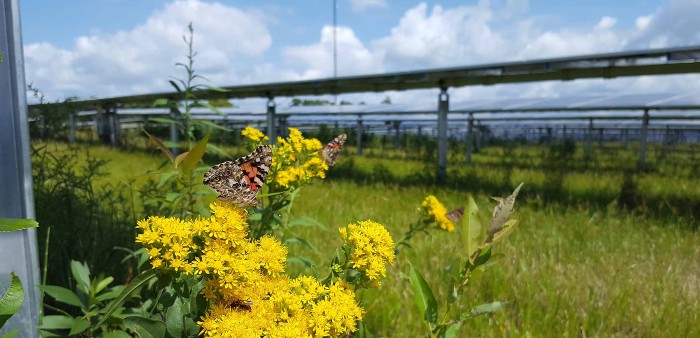
Fox sedge grasses wave in the prairie breeze, monarchs bob on swaying milkweed, while sheep graze on wild Canadian rye and the sun’s warming rays kiss the solar panels above.

If that last part seems out of place, it’s only because this ingenious way to repair prairie biodiversity is only just being adopted in Minnesota, where what could be assumed is a quaint country pasture is actually a solar farm.

Enel Green Power

Instead of unadorned turf, bare ground or gravel, the terrain underneath the Enel Green Power’s solar farm in Chisago County is coated in wild native pollinator-supplying flowers, grasses, and herbs—providing a rich habitat for insects like butterflies, bees, and even small mammals.

The Minnesota Department of Natural Resources, Board of Soil and Water Resources, and Public Utilities Commission all encourage this sort of planting under solar farms. All sixteen of Enel’s solar farms are seeded with this prairie mix, and managed by Minnesota Natural Landscapes (MNL).

Star Tribune spoke with a woman charged with ensuring the pollinator-friendly vegetation standard among the solar panels was genuine, and not simply a ploy by the energy company to raise capital.

MORE: Inspiring College Principal Converts 8 Acres of Treeless Land into Mini Forest and Orchard on India Campus

“We’ve been seeing great things in terms of the floral community and the pollinators using the habitat there,” Laura Lukens, the inspector for the St. Paul-based Monarch Joint Venture, told the Tribune. “I saw monarchs breeding at every site I visited.”

Enel Green Power

The grasses and flowers don’t only help the pollinators and monarchs, but their dark colors and shade keep the ground temperature lower than if it were bare grey stones or sand, which in turn helps keep the solar panels cooler, increasing their electricity generation.

READ: A Never-Before-Documented Flower Blooms on One of World’s Rarest Trees – A Hopeful Sign For a Comeback

Perhaps the most interesting detail is the deployment by MNL of sheep to graze the pasture-like mix.

The grazing of the sheep helps clear away dead brush and control weeds, which reduces fire risk. Their trampling of flowers and the earth below spreads seeds which attach to their wool and help to keep the soil healthy, while their dung fertilizes it after they pass.

CHECK OUT: The World Achieves its Target to Protect More Land, Adding 42%—the Size of Russia—in Last Decade

“This is the next phase of land management that we’re trying to normalize so it’s not this bizarre concept,” Jake Janski at MNL told the Tribune. “We’re trying to normalize using animals to do what animals did in nature. I’m sick of just putting Band-aids on. We’re trying to fix the prairie.”

This Minnesota mixture of modern and natural is a great example of how authentic, biodiverse landscapes can be fitted into so many of our society’s nooks and crannies.

POWER UP Some Good News in Friends’ Feeds—Share This Story…

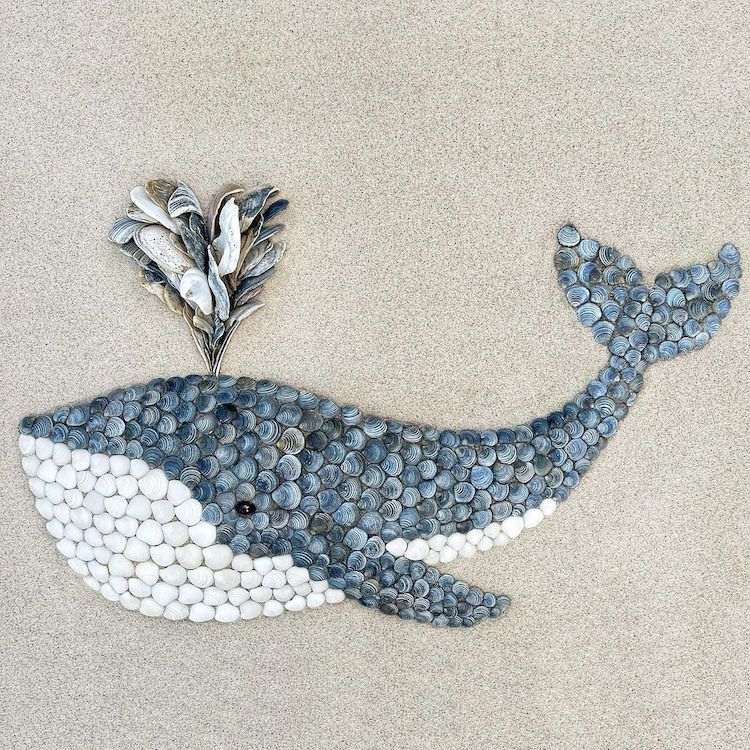
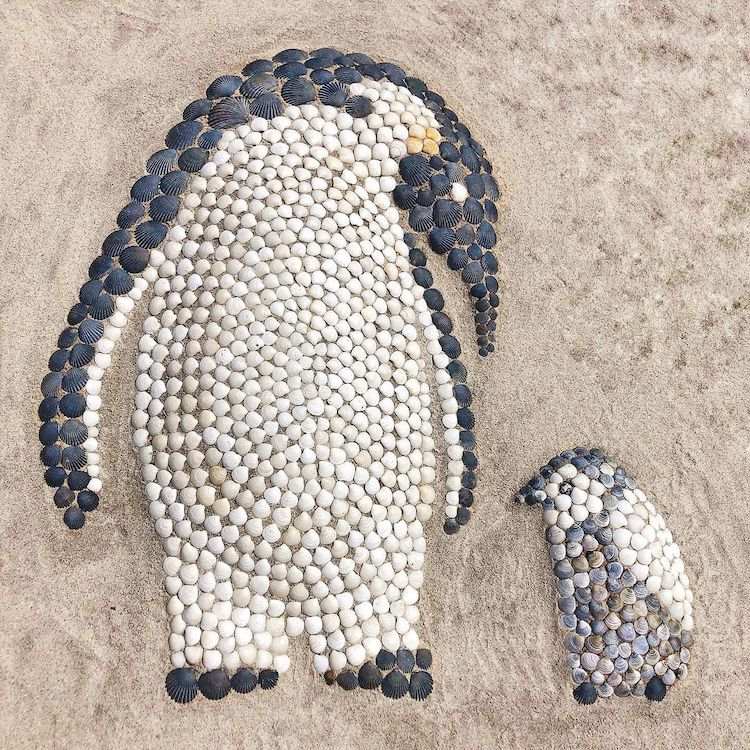
Artist Creates Stunning Animal Art From Seashells She Found at the Beach – LOOK

Anna Chan

Most people walking along the beach enjoy the surf and sand and occasionally take home a shell or two as souvenirs of a lovely day spent at the seaside.

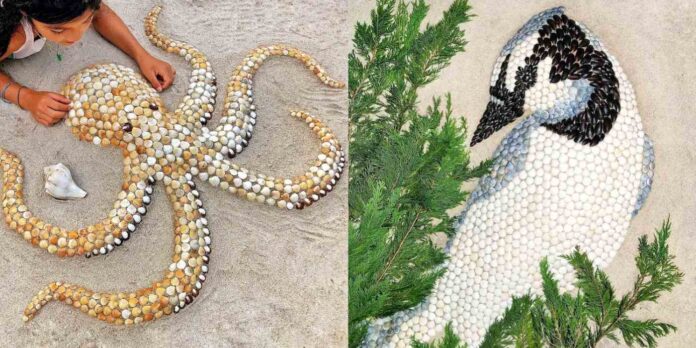
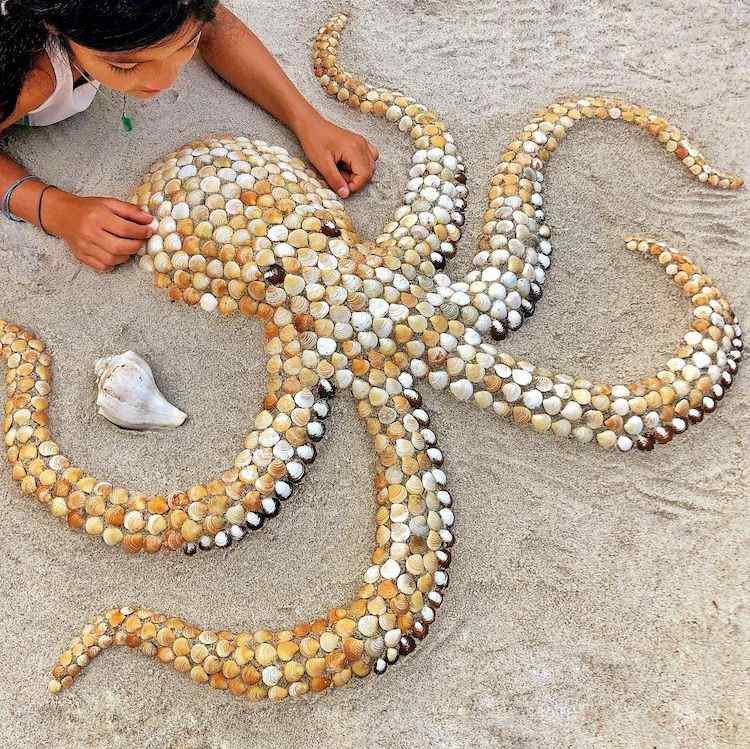
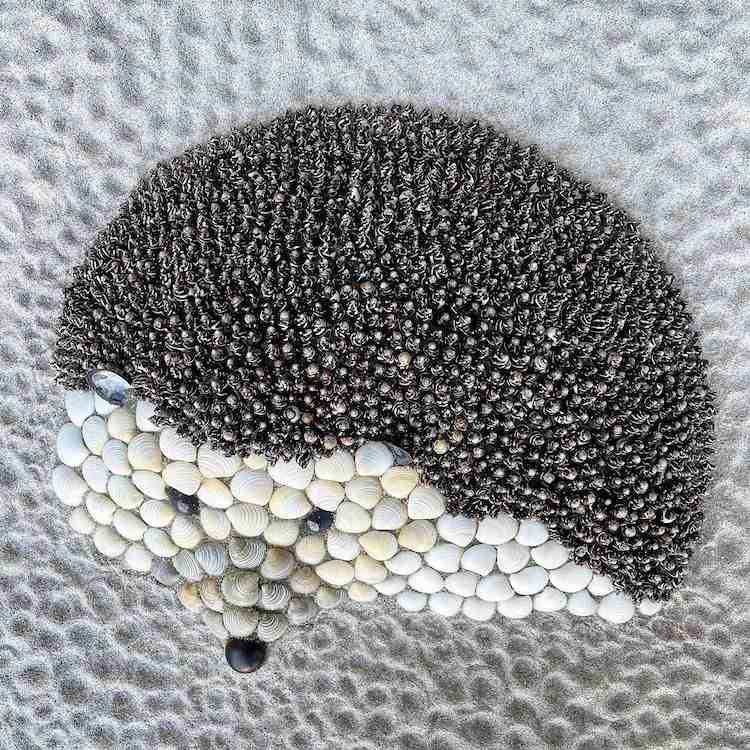
For one eagle-eyed artist, however, the beach is more like an endless jigsaw puzzle box filled with the infinite shapes and colors from which she’s created a stunning menagerie of animal portrait mosaics that makes everyone who sees them smile.

Anna Chen

During the COVID-19 lockdown, New York-based jewelry designer Anna Chan found herself with time on her hands.

To fill out her days, she and her 10-year-old daughter took to exploring the beaches of Robert Moses State Park, where they began collecting seashells.

Chan soon realized she’d discovered a whole new medium with which to express her talents.

RELATED: Watch Artist’s Enchanting Video of Flowers Floating 18 Miles Above the Earth

Initially, she thought to create a dozen different animals to grace the pages of a calendar but admits her newfound oeuvre has become something of an obsession.

Anna Chan

“Having worked on a small scale most of my life, being able to use my entire hands to sculpt large pieces was truly liberating, especially during such trying times,” Chan told My Modern Met.

Anna Chan

Aptly, Chan’s first sand and shell specimen was a sea turtle.

MORE: Artist Creates Mythical-Sized Image Of Seal And Her Pup At a Unique Local Beach

From there, using a variety of organic materials gathered on the beach, she’s gone on to sculpt an assortment of marine, avian, and terrestrial species wide and eclectic enough to fill a fanciful zoo.

Anna Chan

While Chan eventually opted to move her workspace from the seaside to a home studio in order to fine-tune her artistic vision and afford her sculptures more permanence, putting together the pieces of her lovely gift-of-nature puzzles remains the driving force behind her imaginative creations.

Anna Chan

“The seashells are like little jewels to me, each one a mosaic piece finding its place in the big picture,” Chan told MMM.

Anna Chan

“I’m inspired by their colors, texture and shapes and even the broken pieces, I find beauty in it.”

As do we.

SHARE the Beach Magic—Share This Story…

“No matter who you are, no matter what you did, no matter where you’ve come from, you can always change, become a better version of yourself.” – Madonna

Credit: Jordan Donaldson

Quote of the Day: “No matter who you are, no matter what you did, no matter where you’ve come from, you can always change, become a better version of yourself.” – Madonna

Photo: by Jordan Donaldson @jordi.d

With a new inspirational quote every day, atop the perfect photo—collected and archived on our Quote of the Day page—why not bookmark GNN.org for a daily uplift?

Jimmy and Rosalynn Carter Celebrate 75 Years of Marriage Today

White House

Both a former president and a Nobel Peace Prize laureate, Jimmy Carter has called marrying Rosalynn “a pinnacle of my life.”

The loving pair were both born in the 1920s, three miles and three years apart from each other in Plains, Georgia.

Rosalynn, who was best friends with Jimmy’s little sister, thought Jimmy was “the most handsome man” she’d ever seen. The pair became inseperable. But when Jimmy—then a young US Naval Academy student—proposed to his sweetheart, she initially said ‘no’.

Rosalynn had promised her dying father, when she was 13, that she wouldn’t get married until she’d finished college.

She kept that promise, and the pair married in the summer of 1945 after Rosalynn graduated from Georgia Southwestern.

“The best thing I ever did was marrying Rosalynn,” Jimmy has said.

The couple on their wedding day/Jimmy Carter Library

Born on October 1st, 1924, Carter has now lived longer than any other US president in history. And today, his long-lasting marriage is an impressive 75 years old.

RELATEDJimmy Carter Delivers a New Clinic to Small Town That Has Been Without a Physician

Carter, who is also one of the few American presidents to have ever received the Nobel Peace Prize, was recently responsible for creating a new health clinic in a small town that had been without a physician for four months; he leased out a portion of his own property in order to launch a solar farm powering half of his hometown; and his charity has been a major contributor in making guinea worm the second disease to ever be eradicated.

Additionally, Carter was diagnosed with stage 4 melanoma in 2016—and even though he was undergoing treatment, he still spent his time building homes for the needy through Habitat for Humanity. Thankfully, his immunotherapy treatments proved to be successful and he was declared cancer-free several months later.

Wife Rosalynn has always been by his side in these efforts. Together they have volunteered for the housing organization for 36 years, during which time they have helped build thousands of homes.

CHECK OUT: On 95th Birthday, Jimmy Carter is Still Proving Age is No Obstacle as He Builds Homes for Humanity

“Both President and Mrs. Carter are determined to use their influence for as long as they can to make the world a better place. Their tireless resolve and heart have helped to improve life for millions of the world’s poorest people,” a Carter Center spokesperson has said in a statement.

SHARE This Story of Long-Lasting Love With Pals on Social Media…

Build With Compost: Researchers Turn Food Scraps Into Materials Stronger Than Concrete

University of Tokyo
University of Tokyo

Most people don’t think much about the food scraps they throw away; however, researchers in Tokyo have developed a new method to reduce food waste by recycling discarded fruit and vegetable scraps into robust construction materials.

Worldwide industrial and household food waste amounts to hundreds of billions of pounds per year, a large proportion of which comprises edible scraps, like fruit and vegetable peels.

This unsustainable practice is both costly and environmentally unfriendly, so researchers have been searching for new ways to recycle these organic materials into useful products.

“Our goal was to use seaweed and common food scraps to construct materials that were at least as strong as concrete,” explains Yuya Sakai, the senior author of the study.

“But since we were using edible food waste, we were also interested in determining whether the recycling process impacted the flavor of the original materials.”

MORE: This Self-Healing Cement Automatically Fills Any Cracks That Form, To Save Energy and Money

The researchers borrowed a “heat pressing” concept that is typically used to make construction materials from wood powder, except they used vacuum-dried, pulverized food scraps, such as seaweed, cabbage leaves, and orange, onion, pumpkin, and banana peels as the constituent powders.

The processing technique involved mixing the food powder with water and seasonings, and then pressing the mixture into a mold at high temperature. The researchers tested the bending strength of the resulting materials and monitored their taste, smell, and appearance.

“With the exception of the specimen derived from pumpkin, all of the materials exceeded our bending strength target,” says Kota Machida, a senior collaborator.

“We also found that Chinese cabbage leaves, which produced a material over three times stronger than concrete, could be mixed with the weaker pumpkin-based material to provide effective reinforcement.”

RELATED: To Respond to Rising Sea Levels, The Maldives is Building a Floating City

The new, robust materials retained their edible nature, and the addition of salt or sugar improved their taste without reducing their strength.

Furthermore, the durable products resisted rot, fungi, and insects, and experienced no appreciable changes in appearance or taste after exposure to air for four months.

Given that food waste is a global financial burden and environmental concern, it is crucial to develop methods for recycling food scraps.

Using these substances to prepare materials that are strong enough for construction projects, but also maintain their edible nature and taste, opens the door to a wide range of creative applications from the one technology.

Source: Institute for Industrial Science, the University of Tokyo

DON’T WASTE the Good News—Share This Story With Pals…

Researchers Use Wastewater to Generate Electricity – While Cleaning It Up

LVEMP II Rwanda, CC license on Flickr

Whether wastewater is full of “waste” is a matter of perspective.

LVEMP II Rwanda, CC license on Flickr

“Why is it waste?” asked Zhen He, a professor at Washington University in St. Louis. “It’s organic materials,” he said, and those can provide energy in a number of ways.

Then there’s the other valuable resource in wastewater. Water.

His lab has developed one system that recovers both, filtering wastewater while creating electricity. Results from bench-scale trials were published in May and featured as a front cover article in the journal Environmental Science: Water Research & Technology.

The waste materials in wastewater are full of organic materials which, to bacteria, are food.

“Bacteria love them and can convert them into things we can use,” He said. “Biogas is the primary source of energy we can recover from wastewater; the other is bioelectricity.”

RELATED: How to Turn Plastic Waste From Your Recycle Bin Into Profit

Egyptian researchers who are working with him are interested in using similar technological platforms for water desalination.

There already exist ways to capitalize on bacteria to produce energy from wastewater, but such methods often do so at the expense of the water, which could be filtered and otherwise be used—if not for drinking—for “gray water” purposes such as irrigation and toilet flushing.

He’s lab took the two processes—filtration and energy production—and combined them, integrating the filtration system into the anode electrode of a microbial electrochemical system.

The system is set up like a typical microbial fuel cell, a bacterial battery that uses electrochemically active bacteria as a catalyst where a traditional fuel cell would use platinum. In this type of system, the bacteria are attached to the electrode. When wastewater is pumped into the anode, the bacteria “eat” the organic materials and release electrons, creating electricity.

To filter that same water, however, requires a different system.

He’s lab combined the systems, developing a permeable anode that acts as a filter.

The anode is a dynamic membrane, made of conductive, carbon cloth. Together, the bacteria and membrane filter out 80% to 90% of organic materials—that leaves water clean enough to be released into nature or further treated for non-potable water uses.

He used a mixed culture of bacteria, but they had to share one feature—the bacteria had to be able to survive in a zero-oxygen environment.

MORE: Scientists Use Recycled Sewage Water to Grow 500-Acre Forest in the Middle of Egyptian Desert

“If there was oxygen, bacteria would just dump electrons to the oxygen not the electrode,” He said. “If you cannot respire with the electrode, you’ll perish.”

To find the correct bacteria, He mostly defers to nature.

“It’s not 100 percent natural, but we select those that can survive in this condition,” He said. “It’s more like ‘engineered selection,’” the bacteria that did survive and respire with the electrode were selected for the system.

The amount of electricity created is not enough to, say, power a city, but it is in theory enough to help to offset the substantial amount of energy used in a typical U.S. water treatment plant.

“In the U.S., about 3% to 5% of electricity is used for water and wastewater activity,” He said. Considering the usage by a local municipal plant, He believes his system can reduce energy consumption significantly.

“Wastewater is a resource in the wrong location.”

RELATED:  For First Time Ever, Scientists Identify How Many Trees to Plant and Where to Plant Them to Stop Climate Crisis

“Typically, the process consumes about 0.5 KWH of electricity per cubic meter,” He said. Based on bench scale experiments, “We can reduce it by half, or more of that.”

But the primary goal of He’s system isn’t electricity production, it’s wastewater treatment and nutrient recovery.

“Bacteria can convert those organic materials into things we can use,” He said. “We can also recover nutrients like nitrogen or phosphorus for fertilizer. We can use it to feed plants. It’s only when we don’t use it, then it becomes waste.”

Source: Washington University in St. Louis; featured image, Patrick Brossett, CC license

DON’T WASTE the Good News—Share It With Friends…

Student Builds Life-Saving Device that Can Instantly Stop Bleeding from Stab Wounds

Loughborough University

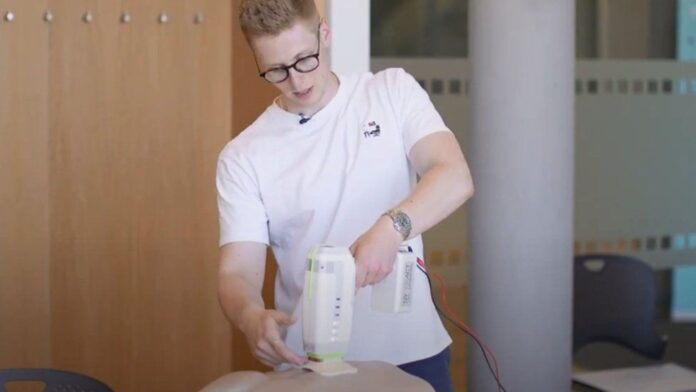
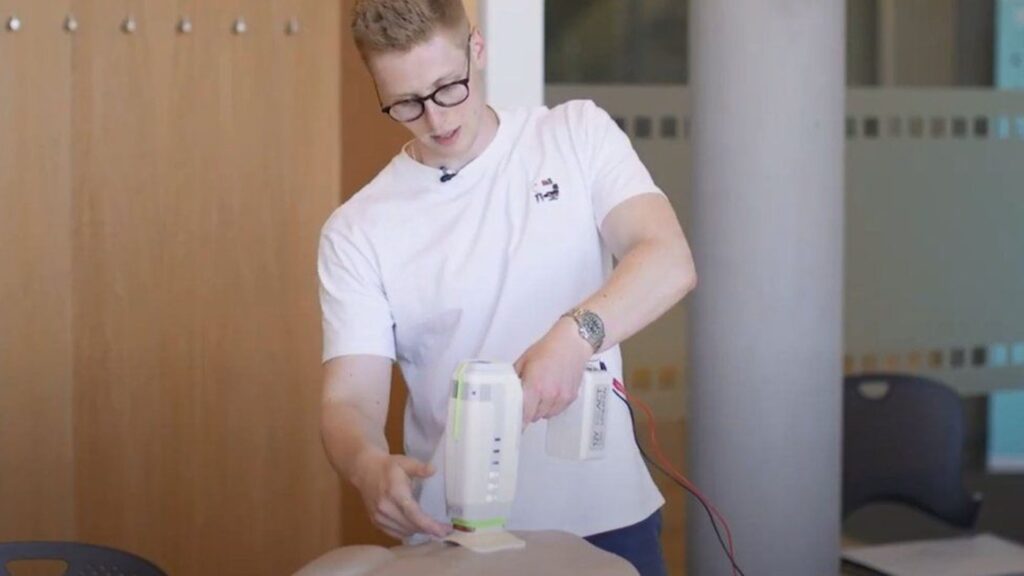
A UK college senior is doing his part to ‘stop the bleeding’ of violent knife crime by inventing a device that can help first responders better seal wounds.

Depending on the location, the victim of a stabbing doesn’t have long without proper first aid to stop blood loss, but if Joseph Bentley’s new invention is on the scene it could significantly reduce that possibility.

The device is known as the rapid emergency actuated tamponade, or REACT, and it borrows the long-utilized but hardly perfect function of gauze to apply pressure to a wound site to stop blood loss. Once blood clots stop the bleeding, the removal or disturbance of the gauze can reopen both the wound, and the problem.

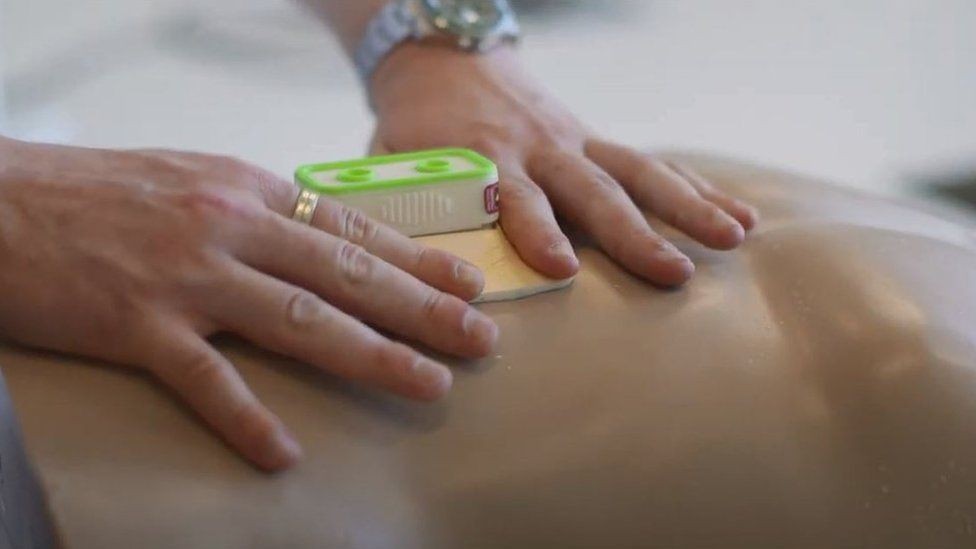
In contrast, REACT inflates a silicon balloon-like sleeve known as a tamponade, which applies similar pressure and allows the blood to clot. Once the balloon needs to be removed, it’s deflated slowly and gently, allowing the clots to remain intact.

MORE: Accidental Discovery of New T-Cell Hailed as Major Breakthrough for ‘Universal’ Cancer Therapy

First responders would insert the sleeve into an open wound, and use the actuator device, which looks a bit like a battery-powered hand drill, to first select which part of the body the wound is located on and then inflate the tamponade through a connected valve to exactly the right proportions for the location.

Loughborough University

“I know several friends who have been the unfortunate victims of knife crime, thankfully none of the incidents were fatal,” Joseph explained to Loughborough University press.

“The tamponade can be in place and stopping a hemorrhage in under a minute, saving hundreds of lives a year, and as the tamponade is suitable for large cavities like the abdomen, it is also easier and faster to remove than current methods used to stop bleeding, giving the patient the best chance in reconstructive surgery,” he added.

Currently seeking a patent for his tech, Bentley’s REACT is still a prototype, but it’s his hope that he can get it through the necessary stages in order to ensure first responders have access to it ASAP.

CHECK OUT: Simple Type-2 Diabetes Treatment With Low Calorie Diet is So Effective, It Reverses the Disease in Studies

“Medical device development takes a long time, but hopefully in a few years the REACT system will be used to control the bleeding in victims of knife crime and save lives,” Bentley said in a statement. “I’m hoping one day it will be carried by all emergency services: police, ambulance staff, even the military, but the absolute goal is to get this product in use as soon as possible.”

(WATCH the video about REACT below.)

FIX Your Friends’ News Feeds With Good News—SHARE This Story…
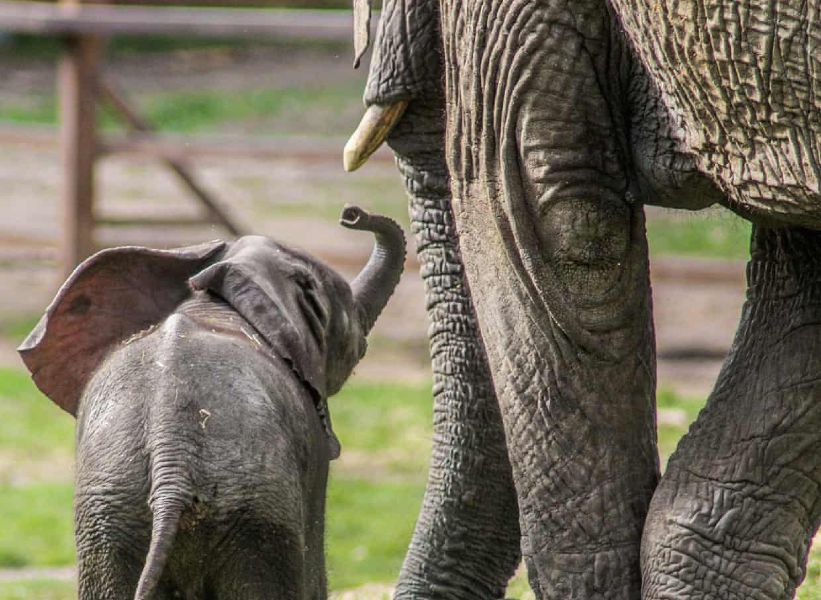
Herd of Elephants to be Moved from UK to Kenya in Rewilding ‘World First’

David Rolfee/Howletts

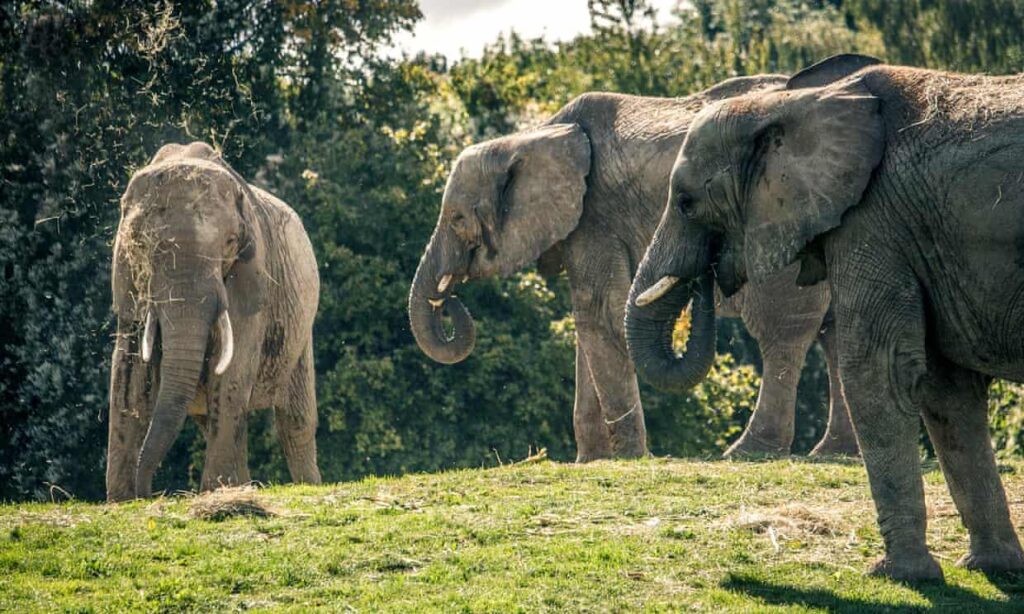
Elephants are famous for their migrations—long marches across savannahs and deserts done entirely from memory, but for 13 captive elephants in Kent, their journey will look quite a bit different.

That’s because their trip will be one-way, by plane, and will be the first of its kind—a rewilding effort that hopes to move all 25 collective tons of pachyderm via airplane back to their ancestral homeland of Kenya.

Such a challenge requires experienced minds, but the team behind the mammoth undertaking are some of the best around. Experts in wild animal relocation, The Aspinall Foundation are working with the Sheldrick Wildlife Trust and the Kenyan Wildlife Service.

At Howletts’ Wild Animal Park in Kent, near Canterbury, The Aspinall Foundation ensures that every exotic animal breeding and living in safety there generates the revenue they need for them or their descendants to be reintroduced into the wild.

David Rolfee/Howletts

Their ‘Back to the Wild’ program has already seen an impressive number of animals born at the Kent parks return to their natural habitats. Western lowland gorillas, black rhino, Javan langurs and gibbons, European bison and clouded leopards are now not only thriving in the wild, but are also successfully breeding.

On the Kenyan side, the Sheldrick Wildlife Trust has been protecting wild elephants and rescuing injured ones, nursing them back to health, and reintroducing them into the wilds of Kenya for over 50 years.

When the Howletts’ breeding herd steps onto Kenyan soil after their 4,500-mile (7,000-kilometer) journey, it will be the longest and largest elephant release effort in history.

A mammoth task

While the amount of money and work that will go into building special crates, continuously monitoring the elephants, loading them onto lorries, and then into the back of a cargo aircraft seems too much to believe, the program leaders feel there is no other option.

David Rolfee/Howletts

Carrie Johnson, the wife of Prime Minister Boris Johnson, is actually the communications director for the Aspinall Foundation, and she wrote in the Sunexplaining their decision:

“After years of weighing up the benefits and the risks, we at the Aspinall Foundation have decided on an unprecedented project and a real world first,” she said. “This is the first time a breeding herd of elephants has ever been re-wilded.”

MORE: Baby Elephant Rescued After Falling Into Indian Well 30-Feet Deep

Mr. Damian Aspinall, founder of the foundation, told BBC Radio Kent: “Elephants don’t do well in captivity. Hardly any are born. Females live to about half their natural life. Over half the elephants in captivity are obese. They suffer foot problems, skin problems, [and] mental distress.”

“I think we would have done something good in the world if we can achieve this,” he added “Once they get out there, they are going to be so happy, wandering about, meeting other wild elephants, breeding.”

The 13 elephants include three calves, which lent the idea of naming the specially-designed 747 in which they will travel the “Dumbo” jet. 

RELATED: 35 Circus Elephants Arrive in Amazing Florida Sanctuary to Retire Among Forest, Grassland, and 11 Watering Holes

Angela Sheldrick, CEO of the Sheldrick Trust, said: “Since the 1970s we have been helping elephants. Providing a wild future to more than 260 rescued orphans and operating extensive protection projects to ensure they, their wild-born babies, and their wild kin are best protected throughout their lives.”

“We look forward to offering that same opportunity to these 13 elephants when they step foot on African soil, home where they belong and able to live wild and free as nature intended.”

CREATE a Good News Stampede—Share This Story on Social Media…

“Darkness is the soil and the soul: the deep places of growth and life.” – Tonia Rose

Quote of the Day: “Darkness is the soil and the soul: the deep places of growth and life.” – Tonia Rose

Photo: by Ankhesenamun

With a new inspirational quote every day, atop the perfect photo—collected and archived on our Quote of the Day page—why not bookmark GNN.org for a daily uplift?

Revolutionary Machine That Grows New Skin for Burn Patients Unveiled

WyssZurich

A piece of skin the size of a nickel, when placed inside a revolutionary Swiss bioengineering machine, can create a skin graft the size of a manhole cover.

Neither totally real nor totally artificial, the new machine about the size of a coffee table allows skin to be stretched to much greater sizes in an effort to aid in the millions of people who suffer debilitating injury or death from burns.

Taking healthy, undamaged cutaneous skin cells from the victim, the procedure starts by “growing” them in a lab before combining them with hydrogel. The resulting 1mm inch thick skin is about the combined width of our natural skin layers.

The technology is called denovoGraft, and it’s already being used to treat people even though it’s only recently finishing phase II trials. That’s because for a select few people, this method of skin crafting is so advanced, it’s the only existing option in the world for their condition, which could be a rare illness or a significant burn.

“At the moment we can multiply the surface area of the original sample by a factor of 100, and we’re aiming eventually for a factor of 500,” said Daniela Marino, co-founder and director of denovoGraft’s developers CUTISS.

MORE: Goal of Plentiful Organ Transplants Moves Closer to Reality as Scientists Grow Tiny Working Livers from Skin Cells

A Swiss news outlet reports that 11 million people worldwide suffer serious burns every year, and a more democratized treatment option could launch the field forward to a point where those in developing countries and war zones would be able to receive a denovoSkin graft. The denovoGraft machine can make several grafts at a time with no manual input, which offers the chance to dramatically reduce both production time and costs.

While the market for skin reconstruction in the event of scars or burning is valued at a little less than $2 billion, there are only around 40 people employed full-time in the sector.

RELATED: ‘Game-Changing’ Approval of Liver Transplant Procedure Expected to Halve the Waiting List

“There are 20 centres of excellence in Europe for treating serious burns,” Marino told Swiss Info. “We’re going to start by working with them, and we can do that on our own. Later, sure, we’ll have to find partners.”

Marino expects phase III trials to be finished sometime after 2023, after which the procedure would initially be available principally in Europe.

(WATCH the video about this story below.)

CURE Your Friends of Bad News—Share This Story With Them…

Huge Supply of Water is Saved From Evaporation When Solar Panels Are Built Over Canals

Rendering, Solar AquaGrid

In an interview, famed astronomer Neil DeGrasse Tyson explained that we already have flying cars, in a way, because tunnels and overpasses allow cars to access the third dimension.

Rendering/Solar AquaGrid

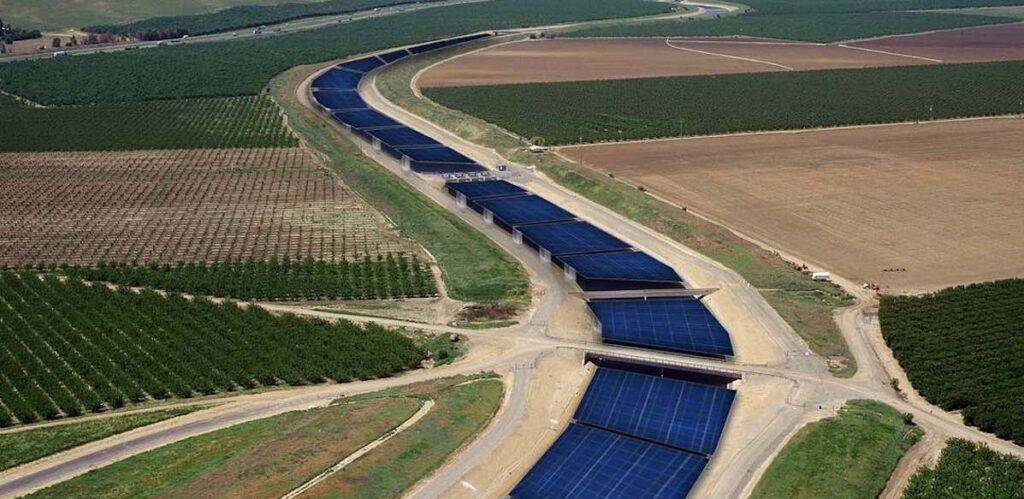
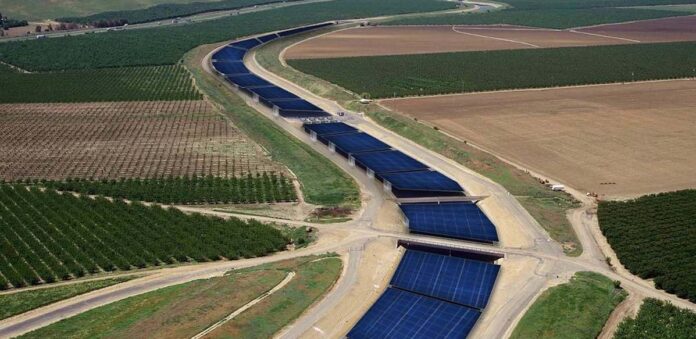
By that logic, India has invented ‘flying solar panels,’ which are being suspended above irrigation canals to cut down on the evaporation of precious water droplets by providing shade from the sun’s evaporating heat. It’s also a clever way to cut down on habitat loss, too, by placing panels in already-dedicated man-made spaces.

Now, California is eyeing the benefits derived from several successful canal installations in India. With the world’s largest irrigation canal network, and 290 days of average sunshine, California is uniquely positioned to ease its own severe water shortages with this emerging innovation of canal-covering solar farms.

UC Santa Cruz has investigated this method for use in California and estimates that—on top of generating green energy—it would save 63.5 billion gallons of water from evaporation annually, a massive windfall for a state that sometimes rations water and which regularly suffers from droughts.

MORE: Solar-Rich California Hits 95% Renewable Energy On a Recent Day Across 80 Percent of the State

However the story begins in the Indian state of Gujarat in 2014, when a pilot project covering 750 meters of canal space led to the creation of an entire canal-topped solar plant in Vadodara District, and another one totaling 100 megawatts off the Narmada River.

Researchers in India found that the water running beneath the panels cooled them, too, preventing overheating and resulting in an average efficiency increase of between 2-5%.

YouTube– REC Solar panels over canals in India

Brandi McKuin and her colleagues at UCSC wanted to model the pros and cons of covering the Golden State’s 4,000 miles of canals in solar panels, including using three separate techniques to measure water savings, and choices of construction methods that would be the most efficient to scale. (The most value conducive method of construction was thought to be steel cables.) Their results published in Nature Sustainability model a sunny future.

They believe that spanning California’s canals with solar panels could create a cost savings—from water conservation, real estate costs, aquatic weed maintenance, and enhanced electricity production—which outweighed the increased cost of building the more complex solar array.

Furthermore, the state uses diesel-powered water pumps to drive the flow of the canals, which could be replaced to the tune of 15-20 generators per megawatt of solar.

RELATED: Scientists Create World’s First Truly Biodegradable Single-use Plastic That ‘Eats Itself’ in Just 2 Weeks

Roger Bales, a coauthor on the paper put it simply, saying, “This study is a very important step toward encouraging investments to produce renewable energy while also saving water.”

Watch a video from Punjab, India, where REC solar panels suspended by cables above canals are saving 73 million liters of water which are channeled to local farms, while generating 8.4 million kW of energy annually since 2017.

POWER UP the Good News—Share This Story With Friends on Social Media…

4-Day Work Week is a Huge Success in Iceland

Nothing beats getting from Monday to Friday before a co-worker tells you it’s a three-day weekend. But what if that was how it was every Friday?

For those who don’t decide their own working hours, a trial of a 35-hour workweek without a corresponding drop in compensation among 2,500 workers in Iceland has shown the ole’ punch clock’s feeding schedule may truly not be the most productive form of labor.

The report, conducted by the think tank Autonomy, and another one called the Association for Sustainability and Democracy, found that negative markers like burnout, stress, necessary overtime, and disconnection with friends and family all went down, as would be expected, but that productivity remained at worst unchanged, and often improved in those working shorter hours.

The trials were such a success that following their conclusion in 2019, mass renegotiation by labor unions means that 86% of Icelanders are now working non-traditional work weeks which could include 5-6 hour working days or four-day working weeks.

“This study shows that the world’s largest ever trial of a shorter working week in the public sector was by all measures an overwhelming success,” said Will Stronge, director of Autonomy. “It shows that the public sector is ripe for being a pioneer of shorter working weeks—and lessons can be learned for other governments.”

Icelanders, unlike their Scandinavian neighbors, tend to work more even though the 21st century has been categorized in that part of the world with an increase in productivity paired with a decrease in working hours.

The principal theory is that “burnout” depletes the ability of workers to be productive. The lack of production will occasionally necessitate overtime, especially by managers, further increasing burnout and decreasing productivity. In those who cannot afford to be less productive, like nurses for example, the burnout simply results in negative health outcomes.

Hoping to see if they could replicate the productivity gains in other countries, the Reykjavik City Council launched this trial, mostly at public offices, but also in private firms, to measure performance and worker well-being for four years.

The mother of invention

Compared with non-enrolled firms or offices, productivity remained the same or was elevated in those participating, but it wasn’t free. Instead, as necessity is the mother of invention, a sort of mass re-imagining of operations was needed to achieve production or service goals with the reduced hours.

CHECK OUT: This Could Be Your Dream Job: Thousands Apply to Be Caretakers on Remote Irish Island

This involved, as the report details, the shortening or ending of meetings, reorganization of shifts, and often a total reevaluation of work processes to find where redundancies or inefficiencies could be removed.

One participant reported: “We shortened meetings in our workplace and we keep trying to constantly shorten them, we constantly think about how we perform the tasks here.”

A manager of one office said: “For instance, we changed our shift-plans. This changed the way of thinking in the workplace somewhat automatically, you know, you start to re-think and become more flexible. Instead of doing things the same, usual routine as before, people re-evaluated how to do things and suddenly people are doing things very differently.”

MORE: Admirable Bosses Lead to More Productive Employees, Says Survey

Experienced workers will know these kinds of changes can sometimes destroy an operation, but the reward of shorter working hours without loss of pay was, in general, more than enough of a unifying force of collective desire to ensure that firms made the most of the reduced hours.

Most importantly though, some of the profound results were found in measures of health and life. Along with increased personal time and chances to exercise, participating working parents noted being able to spend more time with their kids, for men to be able to pitch-in on home-related tasks, and for both parents to do more errands and be less stressed out by doing them.

Since the dawn of time, humans have been figuring out how to do more with less. The 9-hour, five-day workweek was pioneered in a time with limited technological assistance compared to what’s available now. Cloud storage, file sharing, instantaneous communication, the internetthese have all reduced the amount of time it takes to complete tasks in the workplace.

RELATED: These 6 Cities and This State Will Pay You to Move There

Yet humanity has not moved on from the days when writing meant using a typewriter, and one had to be sitting next to the phone in order to answer it. We are long overdue for a 35-hour working week, as technology more than compensates for those five lost hours. In another 20 years, when machine learning and bio-tech interfaces become more common, we’ll probably be able to do the same in a 30-hour workweek.

DO THE WORK for Your Friends—Share This Story on Social Media…

Honda is Designing an Ingenious In-Shoe Navigation System For The Visually Impaired

Honda
Honda

Honda is developing a in-shoe navigation system to support the visually impaired with walking, and it could be a game-changer.

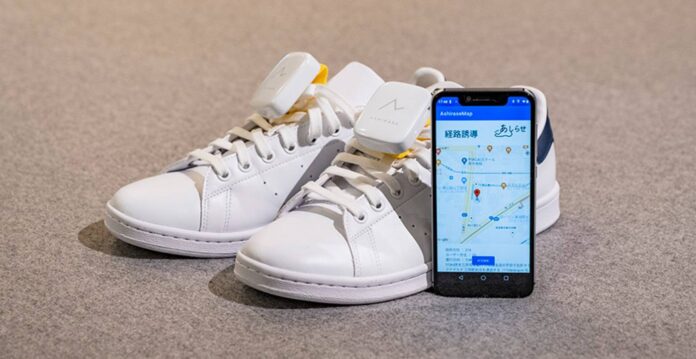
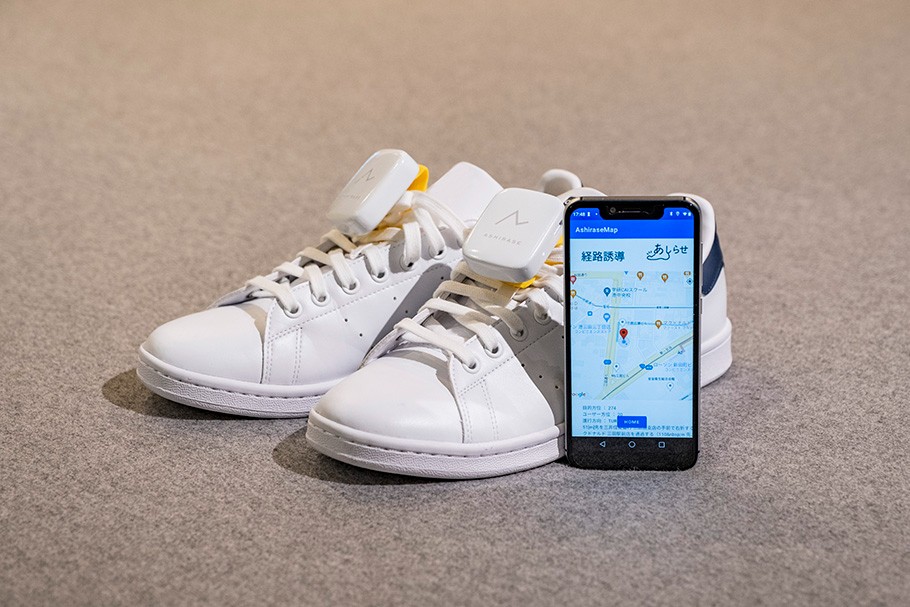
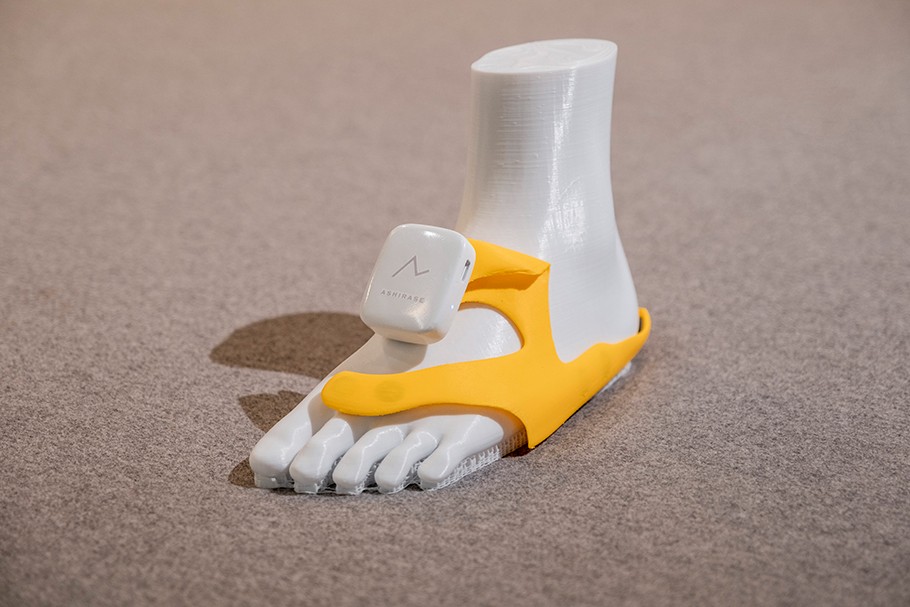
The Ashirase is a navigation system consisting of a smartphone app and a three-dimensional vibration device including a motion sensor, which is attached inside the shoe.

Based on the route set with the app, the device vibrates to provide navigation.

When the user should go straight, the vibrator positioned on the front part of the foot vibrates, and when the user is approaching a right or left turn, the vibrator on the right or left side vibrates to notify the user.

The navigation provided by Ashirase enables intuitive understanding of the route, and therefore the user does not have to be constantly mindful of the direction, which makes it possible for them to walk more safely and with a more relaxed state of mind.

Having navigation be provided through vibration on the foot is also useful in that it does not interfere with the user’s hand which is holding a white cane, or ears used to listen to ambient sounds.

Why is a company known for its automoblies getting involved in this area? Because it matters. In Japan alone, the number of people with visual impairment including low vision was estimated to be 1.64 million as of 2007, and the number is forecast to increase to nearly 2 million by 2030.

Honda

Visually impaired people constantly check their safety and route to the destination when they walk alone.

MORE: Scientists Partially Restore Vision in Blind Man Using Emerging Technique and Genes from Light-Sensitive Algae

However, as they are required to use all remaining senses to acquire information to compensate for their limited sight, it is somewhat inevitable that they will be unable to pay thorough attention and face functional issues such as “getting lost” or “falling into unsafe situations.”

Moreover, discovery sessions conducted by the development team with the visually impaired revealed that such functional issues lead to psychological issues, as indicated by comments such as:

“When I get lost, people around me sometimes do not respond when I try to talk to them. It is scary because I don’t know why they are not responding.” (comment by a person with late-onset total blindness).”

RELATED: 37 Years Ago She Began Making Braille Children’s Books to Cut the Cost By 90% And Donate Them Worldwide

With the concept of “navigation which enables safety and a relaxed state of mind for the visually impaired,” Ashriase is being developed as a product which helps the users reach their destinations safely and have a more independent lifestyle.

Wataru Chino, a designer at Honda, said, “I am sure that we will face many obstacles as we work toward the market launch of Ashirase; however, we will overcome such obstacles one by one and devote ourselves wholeheartedly to realize the freedom of mobility for visually impaired people.”

WALK a Little Good News Over to Pals—Share This Story…
“People ask me, ‘why don’t you have any tattoos?’ and I say: I don’t put bumper stickers on Ferraris.” – Sebastian Maniscalco, comedian

Quote of the Day: “People ask me, ‘why don’t you have any tattoos?’ and I say: I don’t put bumper stickers on Ferraris.” – Sebastian Maniscalco, comedian

Photo: by Martin Katler

With a new inspirational quote every day, atop the perfect photo—collected and archived on our Quote of the Day page—why not bookmark GNN.org for a daily uplift?

Watch This 4-Year-old Jump Into Action When Air Fryer Catches Fire in Kitchen

YouTube

Even the dogs weren’t aware of the fire that recently broke out in the house of one Florida family. Luckily, a four-year-old wearing a tutu saw it and saved the family home.

When little Amelia Jermyn first discovers the air fryer in the kitchen has caught fire, she adorably pumps her hand on her forehead, wondering what to do, before sprinting off to alert her daddy.

Daniel Jermyn springs to action, tossing the fryer into the pool in their Jacksonville yard.

Since that dramatic moment, Daniel has only had grateful words for his quick-thinking daughter, calling her, naturally, his ‘superhero in a tutu.’

(WATCH the Inside Edition video footage of the moment below.)

Featured image: YouTube/Inside Edition

SHARE This Little Girl’s Brave Actions With Pals…
Astonishing ‘Fairy Lanterns’ Found Growing in the Darkest Depth of Malaysian Rainforest

University of Oxford

So-called ‘fairy lanterns’ are among the most extraordinary-looking of all flowering plants.

These curious, leafless plants (genus Thismia) grow in the darkest depths of remote rainforests where they are seldom seen.

There are some 90 species worldwide, distributed across the forests of Asia, Australasia, South America, and the USA. They all lack true leaves and chlorophyll, obtaining their food from root-associated fungi shared with other green plants.

Their mysterious flowers emerge just briefly, and often under leaf litter, so few people are lucky enough to encounter them.

Scientists at Oxford and in Malaysia have just described a species of fairy lantern completely new to science.

It was first discovered by rainforest explorer Dome Nikong in 2019 who, astonishingly, found the plant growing along a popular tourist track on Gunung Sarut, a mountain located in the Hulu Nerus Forest Reserve in the state of Terengganu.

University of Oxford

In February of 2020, Dome Nikong was joined by a team of botanists including researcher Siti-Munirah. To their dismay, the only known ‘fairy lantern’ plants had been destroyed by wild boars except for a single fruiting specimen.

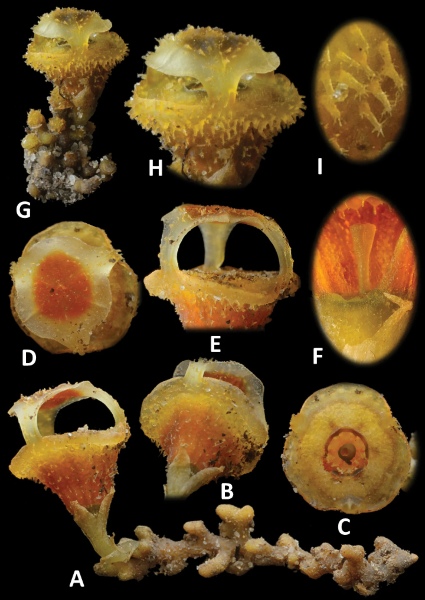
Examining the little material collected from the two trips, Siti-Munirah and Dr Chris Thorogood, Head of Science for Oxford Botanic Garden and Arboretum, were able to describe and illustrate the new species.

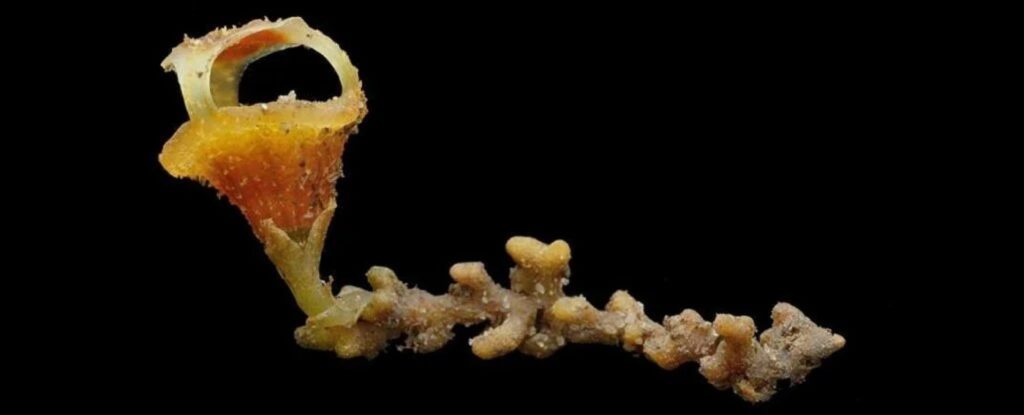
They examined the architecture of the flower—its shape, color, and surface characteristics. They found that it has a unique and peculiar orange, lantern-like flower with pillars holding up a so-called ‘mitre’—an umbrella-like structure, the function of which is a mystery.

Together, the scientists named the plant Thismia sitimeriamiae after Dome’s mother Siti Meriam, honoring the support she has given his life’s dedication to conservation work in Terengganu, Malaysia.

The plant’s unique and remarkable ‘mitre’, color, and surface texture make Thismia sitimeriamiae among the most eye-catching plants ever described from Peninsular Malaysia.

MORE: Dutch Guy Famous for Cleaning Up Pacific Garbage Patch is Now Clearing the World’s Rivers Too

Dr Chris Thorogood says, “The extraordinary architecture of the flower raises interesting questions about how it is pollinated.

Other species appear to be visited and pollinated by little fungus gnats, but in truth, we know little about the ecology of these plants—they are a mystery. What is certain is that the plant is exceptionally rare—it has only been seen twice. The conservation status of the plant is Critically Endangered (CR) according to IUCN criteria.

RELATED: This Wonder Tree is a Game-Changer for Rainforest Agriculture in Honduras And Deforested Sites Worldwide

The scientists recommend in their paper, published in the journal Phytokeys, that further survey work is needed to bring fairy lanterns out of obscurity and inform the conservation priorities for these mysterious plants.

(WATCH the botanists on their adventure below.)

Source: University of Oxford

SHARE This Fascinating Story From the Rainforest With Friends…

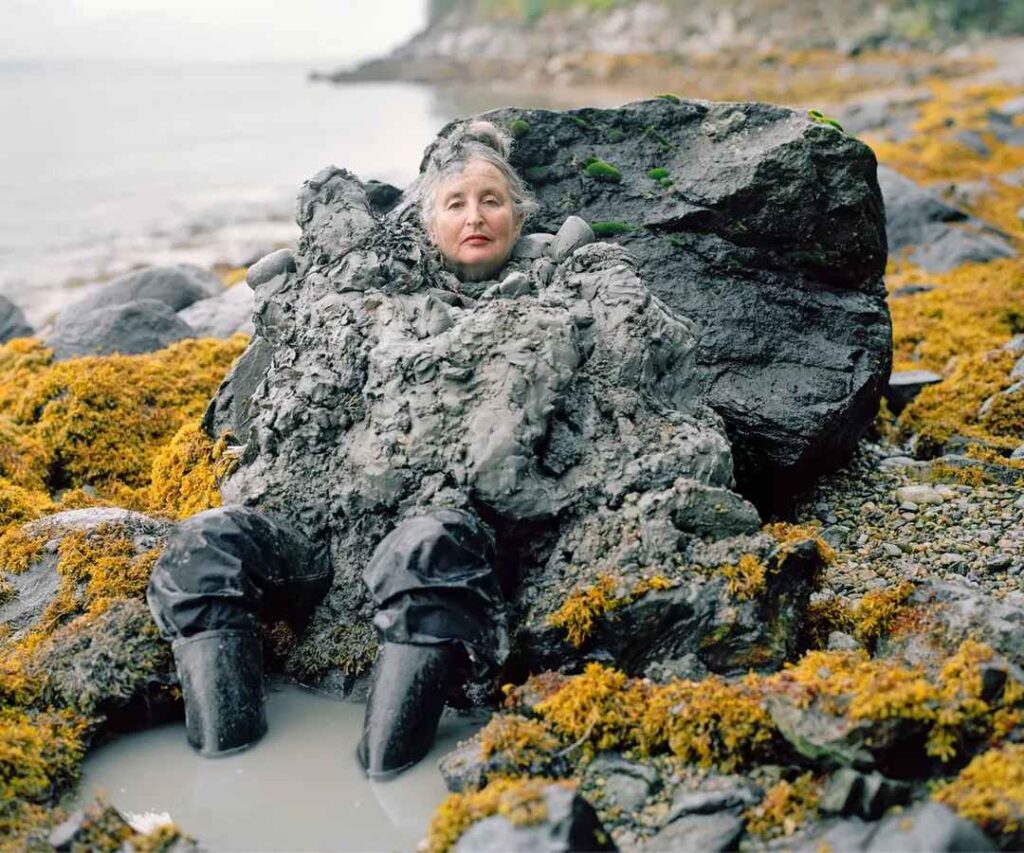
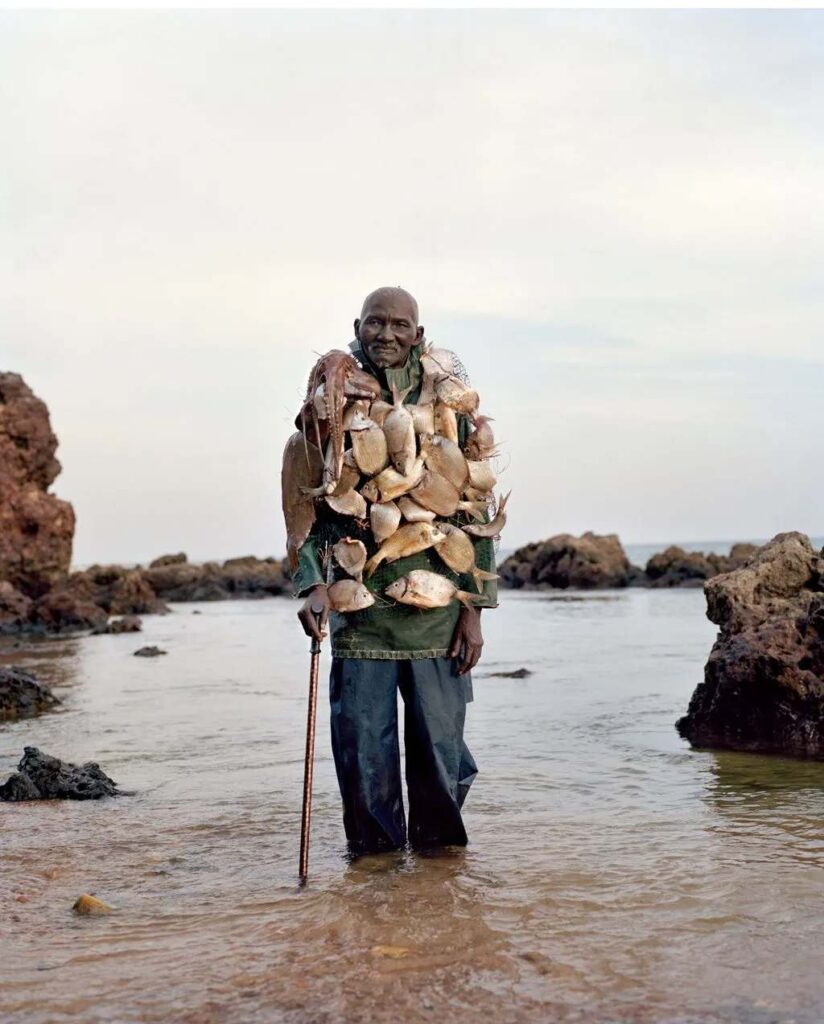
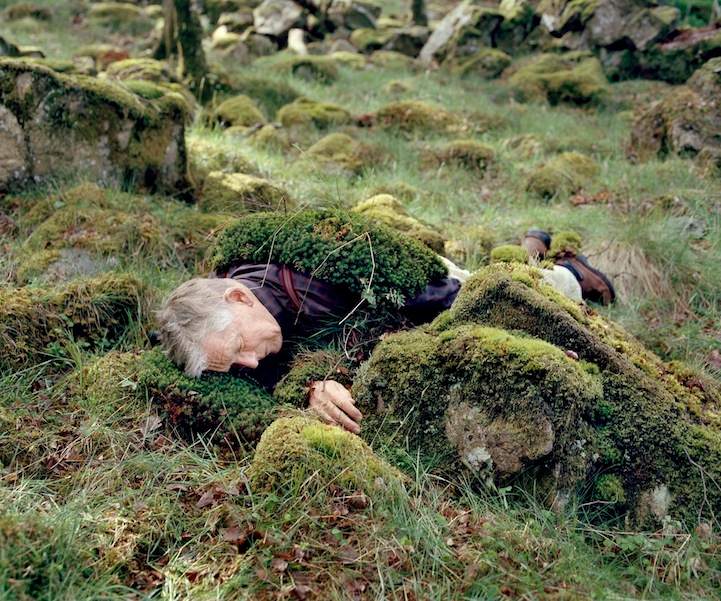
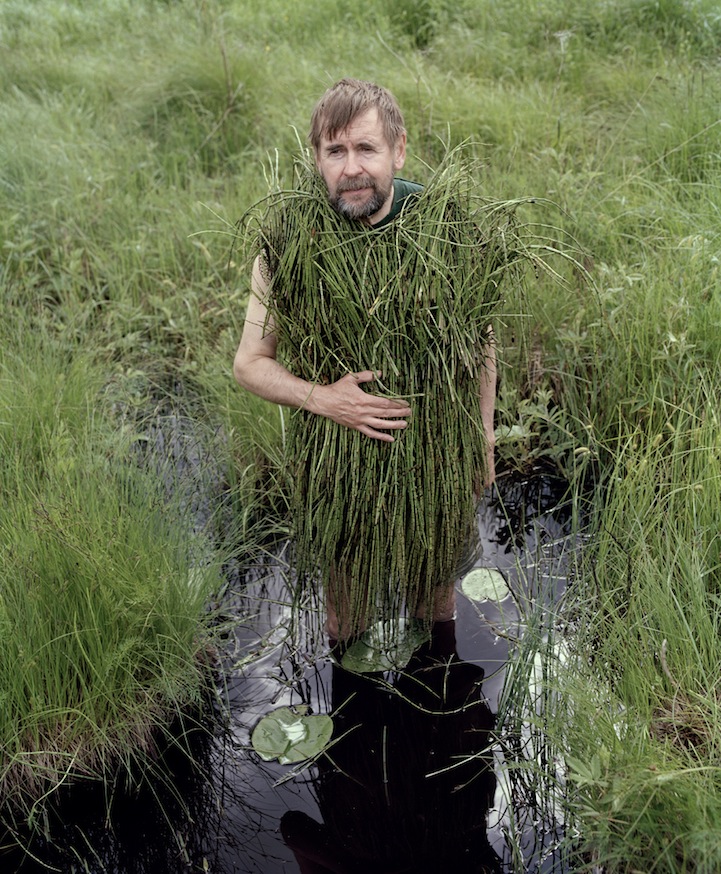
Seniors Play Dress Up With Nature to Personify the Magic Around Us– LOOK

Karoline Hjorth and Riitta Ikonen

Have you ever stared at a nature photo of an animal hiding in plain sight and had an almost impossible time trying to separate the creature from the background?

Camouflage (a.k.a. cryptic coloration) is an adaptive mechanism that helps organisms to blend in with their surroundings. It can be a life-saving form of self-defense. But when the camera lens captures senior citizens as integral, interconnected parts of the landscape they inhabit, it can also become a life-affirming revelation of self-expression.

Karoline Hjorth and Riitta Ikonen

Eyes as Big as Plates, a conceptual collaborative photography project between Finnish and Norwegian artists Riitta Ikonen and Karoline Hjorth started off as a riff on traditional Nordic folklore.

Ikonen, who’d been looking for a way to reinterpret the tales of trolls and magic creatures became intrigued by Hjorth’s photo series of Norwegian grandmothers and reached out to her.

After the two hooked up, the focus of the project evolved. “In the beginning, we were trying to illustrate certain phenomena—folklore, stories, figures from myth,” Ikonen told the BBC.

Karoline Hjorth and Riitta Ikonen

But the pair soon realized they were onto something that spoke to the bigger picture about the ways in which the elderly are seen—or perhaps more accurately not seen—and valued by society; one that might hold a deeper universal significance than a simple reimagining of regional mythology.

Karoline Hjorth and Riitta Ikonen

Throughout history, elders have been traditionally revered for their experience and wisdom. Now, however, seniors often admit they feel as if they’ve been erased from the larger cultural conversation. But, by incorporating older models as almost sculptural elements into their compositions, Ikonen and Hjorth have created a body of work that takes ostensibly invisible individuals and makes them the center of attention.

Karoline Hjorth and Riitta Ikonen

Featured models are imbued with an eye-popping, organic connection to the environment. The result? Each stunning portrait reflects a personal narrative acknowledged and venerated rather than a life story dismissed and forgotten.

Karoline Hjorth and Riitta Ikonen

Since 2011, the globetrotting pair has traveled extensively, setting up their tripods to capture their sometimes whimsical, sometimes thought-provoking, sometimes deeply moving scenarios everywhere from Norway, Finland, Sweden, Greenland, Iceland, the Czech Republic, France, the United States, Great Britain, the Faroe Islands, South Korea, Japan, Senegal, and Tasmania.

Karoline Hjorth and Riitta Ikonen

The cast of characters they’ve cataloged includes former farmers, fishermen, zoologists, plumbers, opera singers, housewives, artists, academics—and even a 90-year-old novice parachutist.

MORE: 80-Year-old Bonsai Master Creates Incredible Tiny Forests As a Rebel in the Ancient Art – LOOK

“We just try to work with whatever the people we interview bring, wherever they are,” Hjorth told BBC.

Karoline Hjorth and Riitta Ikonen

“We might be in Paris, and you might be at an opera soiree evening and there might be an old lady dancing, the last person on the dance floor,” Ikonen told CNN Style. “And you just think: Who is this fascinating person I have to meet? You approach them and ask, ‘Who are you and what are you doing tomorrow?’”

RELATED: Artist Fills Public Potholes With Colorful Mosaics – Restoring Roads and Sidewalks (Look)

For those fascinating people who take the visionary shutterbugs up on the challenge, more often than not, that means finding themselves communing with nature in a manner they’d never imagined, and ultimately, being celebrated for posterity in ways they could never have dreamed of.

Karoline Hjorth and Riitta Ikonen

SHARE This Beautiful Art With Friends on Social Media…

Inventor Creates a Machine That Turns Any Alcoholic Drink Into Soft Scoop ‘Ice Cream’

SWNS
SWNS

An inventor has developed a machine that turns beers and other alcoholic drinks into a soft scoop ‘ice cream’ that maintains its potency.

The ‘Below Zero’ machine takes any alcoholic beverage and crystallizes it in under 30 minutes for a treat that can, if you’d like, be covered in sprinkles and chocolate sauce.

Developed with WDS Dessert Stations in Hinkley, Illinois, the drink is first de-gassed to remove the carbon dioxide, then it is mixed with a gel, put in the machine, and out comes the ice cream.

Inventor and owner of Below Zero, Will Rogers, said: “The way it truly works… we like to say the gel ‘bear hugs’ the alcohol itself and turns it into ice cream.

“In the beginning days we used liquid nitrogen to make Below Zero, but now with the new machines you put it out in a cone and it’s ready to eat.”

The Nitrogen Ingredient Additive gel allows the alcohol to freeze to a near solid inside the machine as well as adding sugars.

SWNS

It is FDA-approved and pasteurized, and since the drink contains no dairy products, it’s not technically ice cream.

MORE: Pulling Vodka From the Air: This Award Winning Carbon-Negative Spirit Comes From Captured CO2

The machine itself will cost sweet-toothed breweries $6,000, but will allow them to serve all drinks, from a pint of lager to a strawberry Daiquiri, in a cone.

Inventor Will was inspired to create his machine while running an ice-cream shop and trying to formulate a highly-caffeinated espresso flavour.

He said: “One of our staff made the joke ‘what if we did this with alcohol?’ A light bulb went off in my head.”

He started experimenting with gums and stabilizers from the ice cream industry to create his patented gel.

Once he cracked the crystallization, the machine was born and he started serving boozy delicacies at catering events.

RELATED: The Queen has Launched Her Own Gin Featuring Botanicals Grown on Her Country Estate

Will said: “Vodka and lemonade cone is my personal favourite, on a hot day that’s like having an Italian ice-cream.

“We’ve run the Bud Lime through the machine, but your traditional Budweiser or Stella… I’d say sit back and have that on ice!”

SERVE UP the News of This Fun Invention to Pals on Social Media…