We’re bringing this video back from our archive vaults to celebrate National Roller Coaster Day!
An Irish youth treated his elderly great-aunt to a wild roller coaster ride that she will never forget all while sitting down in their own kitchen in 2016.
Using a set of virtual reality goggles, this senior was amazed that such a theme park ride existed—and could not stop swearing with surprise at the shock of it all.
“Oh Mother of God Almighty… this is like something out of Star Wars!” exclaimed the woman.
Much like how passing drivers cannot seem to look away from automobile wrecks, this granny could not stop looking at the virtual theme park, even while resolving to put the device down.
The video was posted by Citosc, a virtual reality goggle company founded by four teenagers in Cork.
Quote of the Day: “To change something, build a new model that makes the existing model obsolete.” – Buckminster Fuller
Photo: by Z S
With a new inspirational quote every day, atop the perfect photo—collected and archived on our Quote of the Day page—why not bookmark GNN.org for a daily uplift?
Warsaw, Poland became the latest city to feature public art projects that also clean city air, as a giant mural made of special, sun-activated, smog-cleaning pigments was painted by local artists.
Organized by the sportswear company Converse as part of their City-Forests campaign, the mural was produced using photocatalytic paint with titanium dioxide that attracts airborne pollutants before converting them into harmless nitrates through a chemical process involving sunlight.
Through this process the mural reportedly purifies the surrounding air equal to 720 trees, and when the campaign is finished, the murals spread across several countries should be doing the work of 3,000.
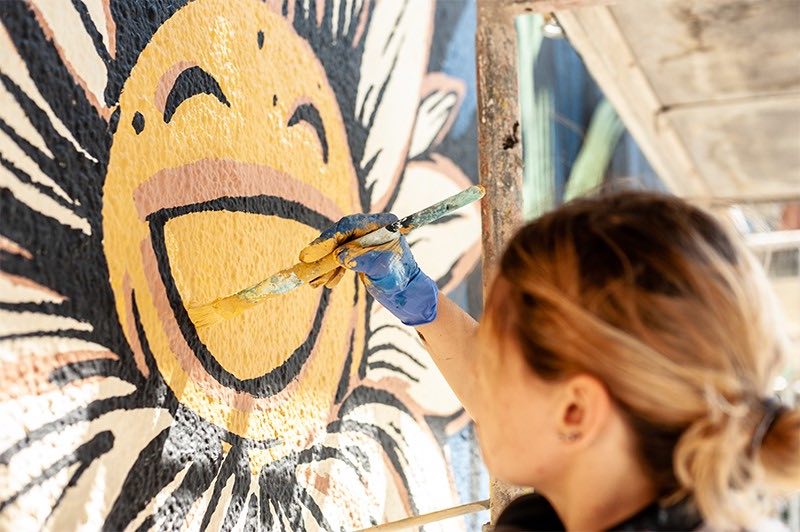
The mural was erected on a building facing a popular metro stop and features a collection of smiling flowers entangled among high rise buildings. Polish artists Maciek Polak and Dawid Ryski designed the image, which was executed by the local artist hub Good Looking Studio, involving expert muralists.
Amid the flowers are the words “Create Together For Tomorrow,” a positive message to inspire change, which Converse officials feel will help welcome people who are returning to their daily commutes after periods of COVID-19 isolation.
“…for the time being everything has slowed down. At Converse we saw this as an opportunity to speak up and help produce fresh air through painting murals,” said a spokesman.
After Bangkok in Thailand, Warsaw represents the second city to finish a mural, among 13 set to erect the City-Forests murals—Belgrade, Lima, Sydney, Jakarta, Manila, Sao Paulo, Santiago, Johannesburg, Melbourne, Bogota, and Panama City.
However, Converse is not the only ones using these special paints to clean the air. Dutch designer Studio Roosegaarde erected a series of billboards in Monterrey, Mexico, which use the same photocatalytic paint as the artwork in Warsaw.
Each billboard there generates the same amount of clean air as 30 trees every 6 hours—and it can function for up to five years—tackling some of the pollution that gets lodged in the Mexican valley, beyond the reach of strong wind currents.
Daan Roosegaarde, the mastermind behind the billboards, is an expert with smog-free design projects. For Beijing, he produced the world’s largest air purifier, which filters 30,000 cubic meters of clean air per hour — and turns the pollutants into literal diamonds that are then sold to pay for the construction of new devices.
Unsurprisingly, the Dutchmen is a cyclist at heart, and hopes his devices can make Beijing a cycling city once again.
“Beijing used to be an iconic bicycle city,” said Roosegaarde. “Together with Chinese and Dutch expertise we will bring back the bicycle as a cultural icon of China and as the next step towards smog free cities.”
A California company is making the act of purchasing a glamorous tiny home—with delivery and installation included—as simple as going online and tapping a button.
Credit: Mighty Buildings
Mighty Buildings is able to complete a home in just 24 hours—with walls, floors, and ceilings—because they 3D-print them in a warehouse in Oakland.
The startup uses a specialized material called thermostat composite that makes them durable, low maintenance, and ultra-energy efficient.
Customers can choose different sizes, from a 1 BD–1 bath unit, to a 3 BD–2 bath, with delivery and installation included in the price. The 350-sq-ft unit costs $115,000 installed. Plumbing, electricity, furnishings, doors and windows are all fitted post installation the old-fashioned way.
It’s an exciting time in the world of 3-D printing. An entire neighborhood of 50 printed houses is being completed in Mexico by Texas company ICON, and will benefit low-income residents, through grants from a nonprofit.
3D-printed homes are actually becoming fairly popular, because their costs are so much lower, and there is 90% less waste, but differences in 3-D capabilities and technologies are emerging.
Mighty Buildings is constructing family homes for 45% less than most construction firms because of its automated process—and unlike ICON, they also print the floor and roof of the building.
For Mighty Buildings, a huge boon is being able to go where some other 3D-printing construction companies cannot, with their 20-foot printer, and completing the entire structure, which is rare.
“As soon as you are able to produce not only the walls but also floor and ceiling, that saves a huge amount of hours, and specifically labor hours, which are very expensive,” Slava Solonitsyn, CEO and co-founder of the exciting startup, told Fast Company.
So how about it: Would you like to have your next home printed for you in just 24 hours?
SHARE The Positive Tiny Home News With Your Friends On Social Media…
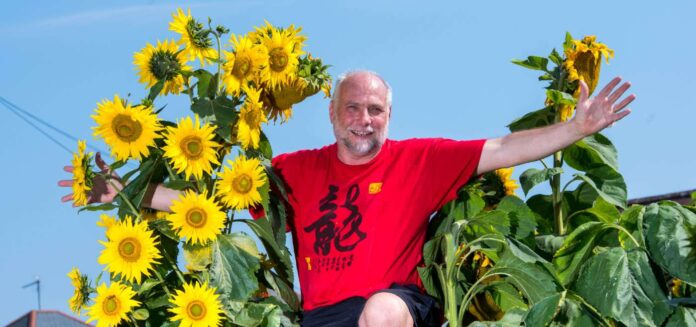
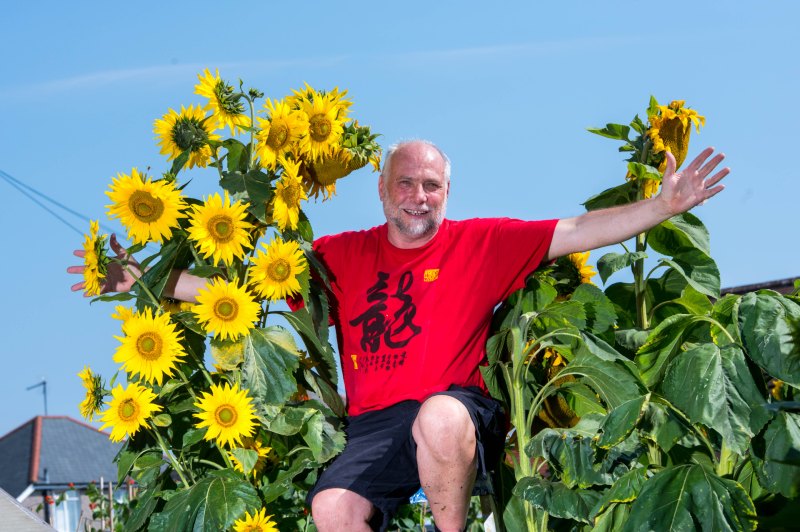
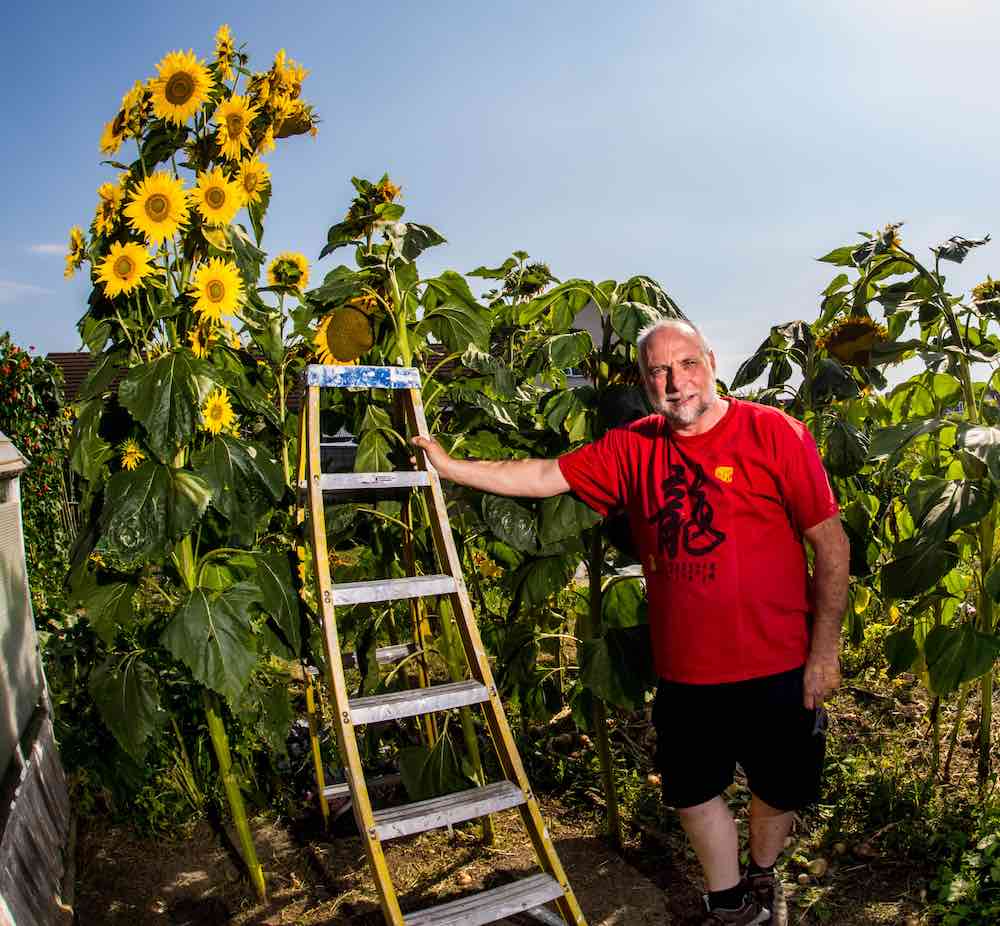
But despite his high number, Barry, of Yeovil in Somerset, England, is still a long way off from threatening the world record–thought to be more than 100.
SWNS
SHARE The Sunflower Fun With Your Gardening Friends On Social Media…
A protein that may protect against Alzheimer’s disease has been discovered by scientists.
Experiments found the degenerative brain condition spreads more rapidly in the brains of mice genetically engineered to lack it.
Known as LANDO (LC3-associated endocytosis), the protective protein was found to be less abundant by half in brains with dementia. The findings, published in Science Advances, may lead to a potential therapy for the condition.
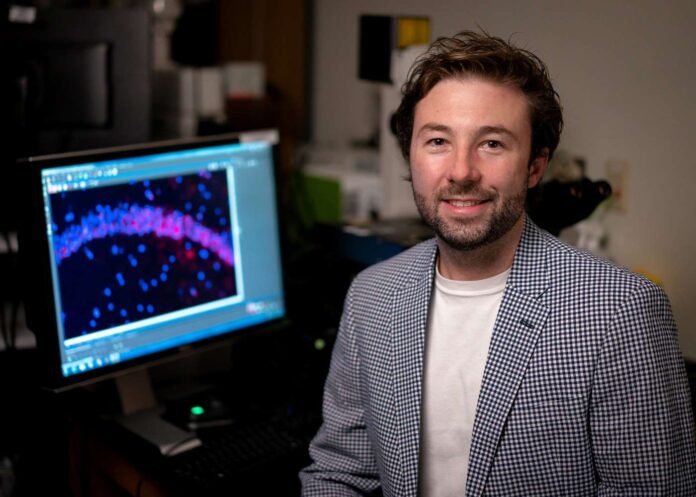
Senior author Dr. Douglas Green—an immunologist at St Jude Children’s Research Hospital, Memphis—said, “We learned about this pathway in the context of brain tumor research.
“But it has major implications for neuro-inflammatory and neuro-degenerative disease.
“We have shown [a] deficiency in LANDO, combined with aging, can lead to Alzheimer’s disease in a unique mouse model—and there is evidence suggesting this could also be the case in humans.”
Previous research by the same team found LANDO inside microglial cells, the primary immune cells of the brain and central nervous system.
When its genes were deleted, Alzheimer’s accelerated in lab rodents. The tests also found LANDO protects against neuro-inflammation, a hallmark of the disease.
Credit: SWNS
It functions like a car wash to prevent the buildup of a toxic protein called beta-amyloid that kills neurons—causing memory loss and confusion, say the researchers.
The newly identified pathway could also yield strategies for unleashing the immune response against malignant brain tumors.
Further analysis has now identified a novel function of a protein known as ATG16L. It is vital for the recycling of cells during periods of stress, a process called autophagy. The investigators found if a region called the WD domain is deleted, LANDO is inhibited while autophagy continues.
Most mice used in Alzheimer’s research rely on making genetic changes to recreate the disease. For this work, a new model with a specific deficiency of just the WD domain of ATG16L was created.
This means the rodents carry out autophagy normally but lack the LANDO pathway. By the time the mice are two-years-old, they exhibit symptoms and pathology that mimic human Alzheimer’s.
A First In Medical Research
This spontaneous age-associated model is the first to be made by deleting a single protein piece not previously associated with Alzheimer’s.
The researchers also analyzed human Alzheimer’s disease tissue samples, looking at the expression of proteins that regulate LANDO, including ATG16L. Expression of these proteins is decreased by more than fifty percent in people with Alzheimer’s.
Reducing neuroinflammation has been proposed as a potential medication. To treat their new mouse model, researchers used a compound that inhibits the ‘inflammasome’. This is a protein complex that activates pro-inflammatory immune reactions. The scientists targeted that responsible for neuro-inflammation in Alzheimer’s patients.
When the researchers profiled the behavior of the mice they identified improved cognition and memory, as well as less neuro-inflammation.
First author Dr. Bradlee Heckmann, also from St Jude, said, “This work solidifies LC3-associated endocytosis as a pathway that prevents inflammation and inflammatory protein production in the central nervous system.
“Much of the data on LANDO suggests a significant role in neuro-inflammatory and neuro-degenerative diseases.
“There is also a strong possibility it could be targeted as a therapy against cancer or even infectious diseases that rely on similar processes for survival.”
SHARE The Hopeful News of an Alzheimer’s Breakthrough on Social Media…
With a new inspirational quote every day, atop the perfect photo—collected and archived on our Quote of the Day page—why not bookmark GNN.org for a daily uplift?
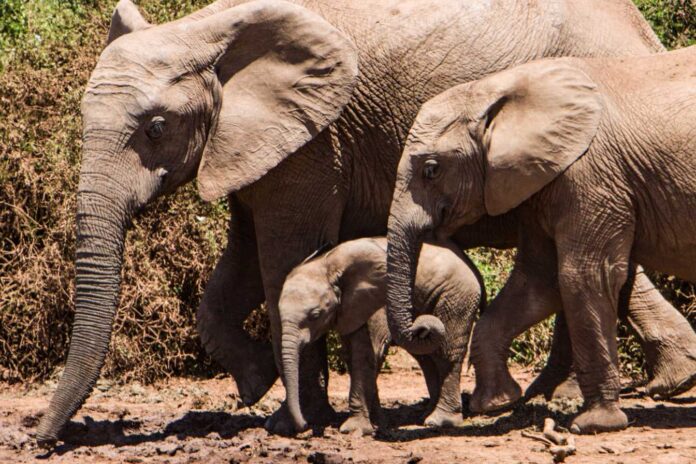
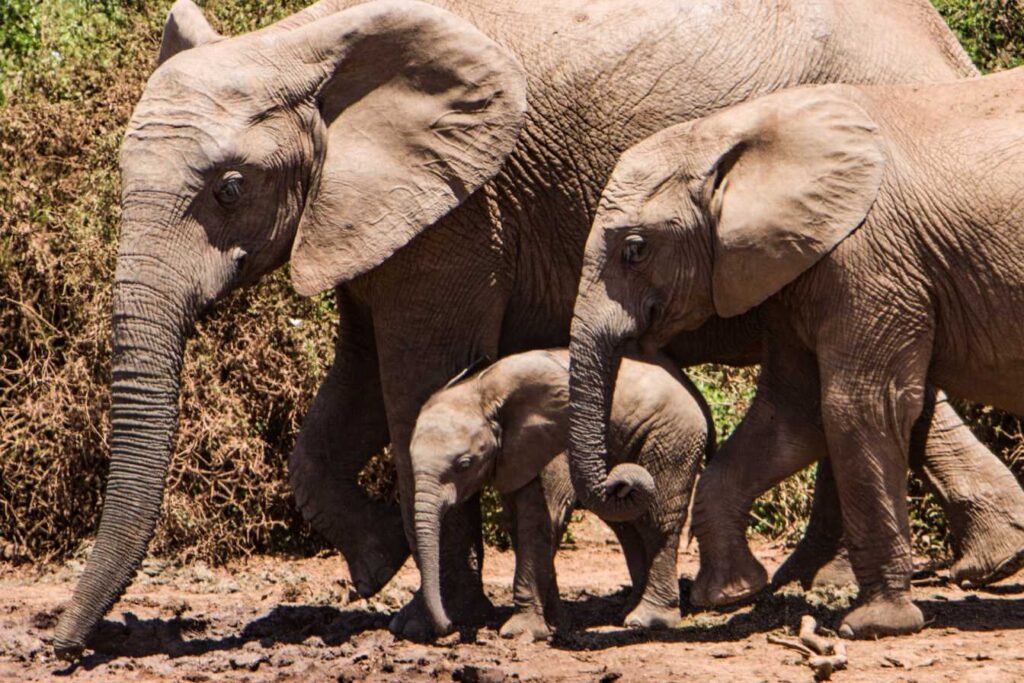
The combination of interruptions in international travel and periods of heavy rainfall has led to Kenyan wildlife officials reporting a recent elephant baby boom.
In Kenya’s Amboseli National Park, 140 elephants were born in a single calving season–a record in this park known for its breathtaking views of Kilimanjaro and the savanna.
“It has been a difficult year for all of us but there is still much to celebrate,” said Winnie Kiiru, speaking for the Elephant Protection Initiative in a statement. “Here in Amboseli, elephants are thriving. 140 beautiful calves have been born in 2020 and more are expected.”
In fact, it’s a culmination, of sorts, for the country’s pachyderms. The Kenya Wildlife Service reported on Wednesday that, from 1989 to today, the nation’s elephant population has more than doubled. This is in part because authorities in the past couple of years have “managed to tame poaching in this country,” reports Tourism & Wildlife Minister Najib Balala.
The announcements corresponded with World Elephant Day on August 12—and included the very special news that two of the newborns were twins, a rarity among the species.
Cynthia Moss, director of the Amboseli Trust for Elephants, told AA News this week, “It seems baby elephants are falling out of the sky. The ability of a female to conceive and carry a calf to term depends greatly on her own physical condition.”
In drought years, female elephants often can’t find enough food to supply their calves with milk—even in a park that is the size of Yellowstone (3,100 square miles / 8,000 sq. km)—but the rains this year have brought so much vegetation there’s been no problem supporting the newborns—even twins—as they begin their journey through life.
SHARE The Exciting News of The Elephants in Kenya With Your Friends On Social Media…
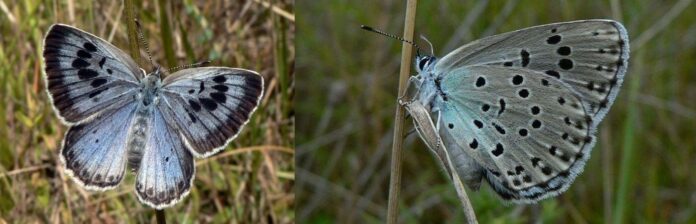
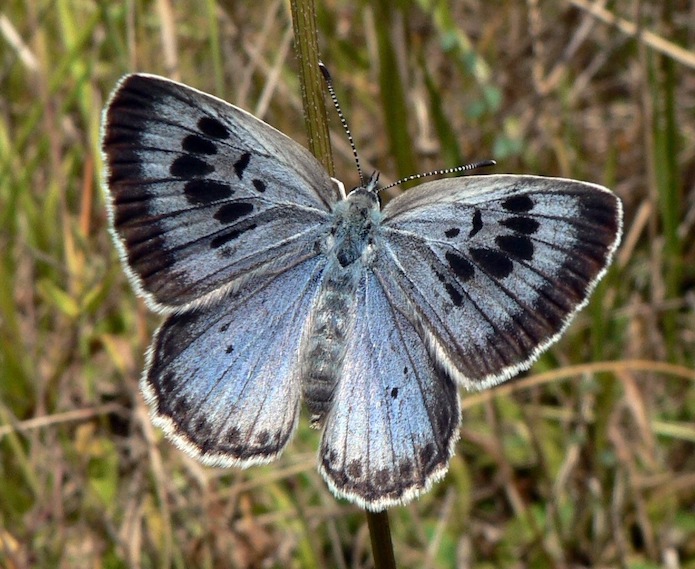
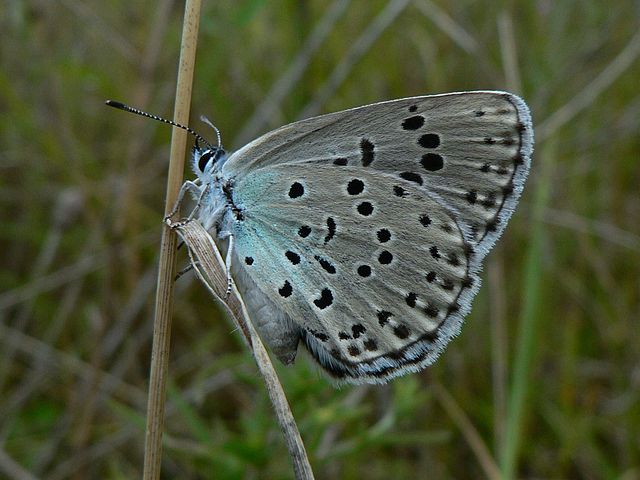
After a 150-year absence, 750 of the aptly-named large blue butterflies have successfully emerged from their cocoons to repopulate parts of their historic habitat in South West England.
Most conservation dollars don’t reach beyond elephants, pandas, and tigers, but English biologists—notoriously proud and connected to the natural life on their island—needed only five years to begin repopulating part of the country with the largest of England’s nine blue butterfly species: an unmistakable creature thanks to the row of black spots on its upper forewings.
Large blue butterfly photo by PJC&Co
Phengaris arion, which is called the ‘large blue’, was officially declared extinct in Britain in 1979, but efforts from private trusts and ecological associations created the world’s largest and most successful insect conservation program in the world, and from 1984 to 2008, it saw the large blue return to 30 previously occupied and new breeding sites.
The most recent project in Minchinhampton and Rodborough Commons in Gloucestershire is where conservationists recorded the rousing success, with 750 butterflies emerging after 1,100 larvae had been released in the area. None of these creatures had been seen in the local area for 150 years.
Furthermore, they have confirmed these butterflies to be laying eggs in the wild.
“Creating the right conditions for this globally endangered butterfly to not only survive but to hopefully thrive has been the culmination of many years work,” said Richard Evans, area ranger for the Commons.
“Butterflies are such sensitive creatures, and with the large blue’s particular requirements they are real barometers for what is happening with our environment and the changing climate.”
Large blue’s small friends
The large blue’s recovery is a classic ‘web of life’ example of how animals and plants rely on one another to survive. It’s not enough to protect the butterflies, and scientists—like those working at the Butterfly Conservation Trust—have had to organize protection for wild thyme and red ants, two species that are integral parts of the large blue’s world.
Wild thyme and marjoram are the large blue caterpillar’s primary food source, and red ants work symbiotically to protect the caterpillars from danger.
Large blue butterfly photo by PJC&Co
David Simcox, research ecologist and co-author of the Commons management plan, noted this importance in a statement: “In the summer when the ants are out foraging, nature performs a very neat trick—the ants are deceived into thinking that the parasitic larva of the large blue is one of their own and carry it to their nest.”
“It’s at this point that the caterpillar turns from herbivore to carnivore, feeding on ant grubs throughout the autumn and spring until it is ready to pupate and emerge the following summer,” he added.
In 2014, the Butterfly Conservation Trust finished a massive restoration of large blue habitat in the Polden Hills in Somerset, including the planting of over 100,000 wild thyme plants on seven different sites, as well as enhancing 10 hectares (30 acres) of scrub habitat for the red ants.
The project resulted in three re-colonizations, as well as one entirely new breeding site, and by 2019 there were 10 large blue breeding sites altogether, a jump up from six in 2017, according to an article in the magazine, Butterfly.
As a pollinator, the large blue’s recovery paints an encouraging sign for biodiversity strength in England and for the world. Cheers to that.
FLUTTER The Happy Blue News Over To Your Friends on Social Media…
An artist’s image of the floating boat cinema (Beyond Cinema)
An artist’s image of the floating boat cinema (Beyond Cinema)
Fancy coming aboard a boat for an aquatic movie adventure? It was a big success last month in Paris and now cinema fans in America and Canada can look forward to the floating theater.
This September, the Australian company Beyond Cinema says it will tour North America with their mini ‘movie’ boats, setting up in major cities along the way.
UPDATE: Hours after posting this, we noticed that the San Francisco Chronicle newspaper said the company was hard to track down, and had very little detail on their website, leading them to believe it might be a prank. We believe they are only collecting email addresses for pre-registering, and not payments yet, so proceed with caution—even though this DID happen in Paris last month…
At the events, there’ll be free popcorn for the ticket-holders who will be viewing classic films as well as new releases.
Beyond Cinema says it has created ramped-up safety measures for pandemic times, of course. According to the site, “Tickets will require you to purchase the whole boat to ensure that groups will be seated with friends and family only, and to allow for social-distancing on and between boats.”
If you’re in Los Angeles. Denver, San Diego, or San Francisco on September 2nd, you can pre-order tickets for showtimes there.
When Australia’s bars and restaurants closed down in March because of COVID-19, huge stores of beer went stale. Those ales haven’t gone to waste though. They’re being turned into renewable energy–enough to power 1,200 homes in a month.
Outside Adelaide in South Australia, almost 40,000 gallons of expired beer has been donated every week to a local water treatment plant. That beer is converted into biogas, which then gets used as electricity to power the plant.
And, best of all, the beer donations have boosted energy production to giddy new levels, thanks to its high calorie content.
CNN reports that Glenelg Wastewater Treatment Plant, which is owned by the South Australian Government, normally gets about 80 percent of its energy needs from local biogas made from organic industrial waste and sewage sludge.
Now, says Lisa Hannant, senior manager of production and treatment, says the stale beer is releasing impressive amounts of energy and the plant is setting records.
“By adding around 150,000 liters of expired beer per week, we generated a record 355,200 cubic meters of biogas in May and another 320,000 cubic metres in June, which is enough to power 1,200 houses,” Hannant said to CNN.
“Honorably,” she noted, “our thirsty digesters have been doing their bit for the environment by drinking themselves silly—and with such a horrific diet it’s no wonder they produce so much gas!”
We’ll drink to that.
Share The Exciting News From Down Under With Your Friends On Social Media…
Quote of the Day: “Your attitude is like a box of crayons that color your world. Constantly color your picture grey, and your world will always be bleak.” – Allen Klein
Photo: by Ian Fuller, CC license
With a new inspirational quote every day, atop the perfect photo—collected and archived on our Quote of the Day page—why not bookmark GNN.org for a daily uplift?
In a very modern-day fairytale, after his ballet video went viral, a Nigerian boy was offered a full scholarship to a prestigious dance school in Manhattan.
The 11-year-old has been learning to dance at theLeap of Dance Academy in his hometown of Badagry on the Nigerian coast—and it’s fair to say that Anthony Mmesoma Madu’s got talent.
When the Academy Award-winning actress Viola Davis, who just turned 55 this week, saw Anthony’s moves online, she tweeted, “Reminds me of the beauty of my people. We create, soar, can imagine, have unleashed passion, and love….despite the brutal obstacles that have been put in front of us! Our people can fly!!!”
Cynthia Harvey, artistic director at the American Ballet Theatre Jacqueline Kennedy Onassis School of Dance in New York City, also saw the video, which has been viewed hundreds of thousands of times. When she watched it, she was also amazed by Anthony’s skills. She decided to offer him a scholarship.
The school—known for its “elite atmosphere dedicated to the success of each student”—has organized internet access at home for Anthony, so he can take virtual lessons from the academy this summer.
It’s not just Anthony for whom dreams are newly coming true. According to People, his dance teacher, Daniel Ajala Owoseni, has been included in the American school’s National Training Curriculum for instructors.
The teacher’s story is an amazing one. He taught himself to dance after falling in love with the movie Save the Last Dance at age 13. “I basically learned all the fundamental principles of ballet through YouTube tutorials,” the 29-year-old told Vogue. Ten years later, he became a freelance teacher in the Nigerian capital of Lagos. But he couldn’t get an international scholarship anywhere. Applying for schools across Europe, “I was basically told that, as an African, I was not eligible for an international scholarship. It just seemed like blatant discrimination.”
He and Anthony don’t just have a love of dance in common. They’re both intent on breaking stereotypes and showing that ballet is for boys.
Anthony told the BBC, “Where I live there are no male ballet dancers like me. When people see ballet they think it is only for girls, they don’t know that it is not only for girls.
“When I am dancing… the feeling that comes over me is as if I am dreaming.”
Watching Anthony daring to dance through puddles is a reminder to everyone that there’s hope and beauty in dreaming.
“A child who shows this much dedication, you just have to help,” Cynthia said to the Cincinnati Enquirer. “If there is anything the world has taught us, it’s that we have to inspire all sorts of people and that we all have a lot to learn from one another. Providing opportunities for Daniel and Anthony is the right thing to do.”
(CLICK the arrow below to watch the uplifting video about Anthony…)
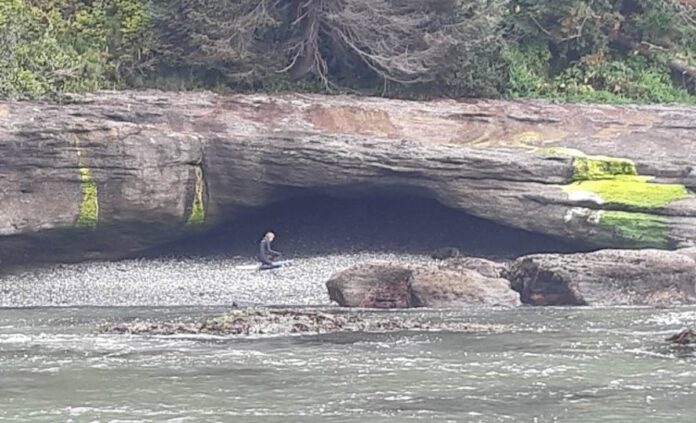
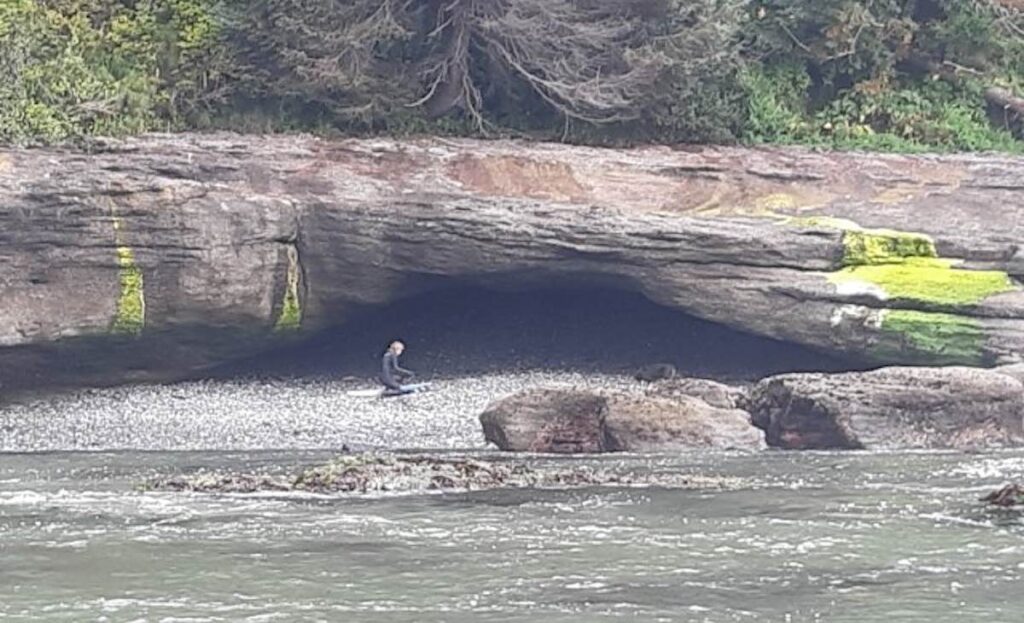
Two friends were out on a surfing trip when they saved a dog stuck in a sea cliff cave.
On August 1, Zach Regan and Matty Johnson were off on an overnight adventure on Vancouver Island’s remote west coast. With everything they needed to go surfing and fishing, it was set to be a great trip.
They were out in their small aluminum boat when, out of the corner of his eye, Matty saw the brown legs of an animal in a cave. It was too small to be a bear or a wolf.
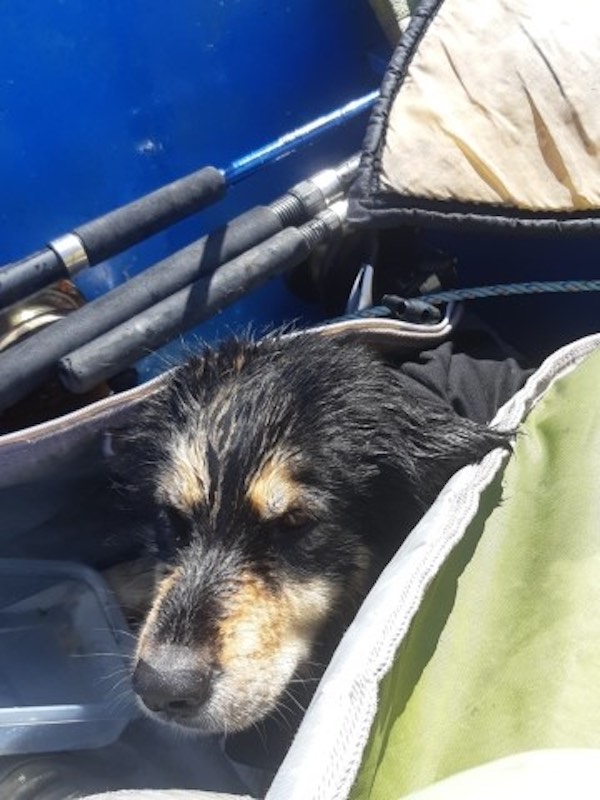
It was a starving, cold, terrified dog.
“We were trying to beat an upcoming storm, but we made the decision to save the dog,” Matty Johnson tells GNN.
The pair’s rescue mission was on. It involved a “wetsuit, a surfboard, a lasso, almost being bitten in the face, a reef, big waves, and awesome teamwork.”
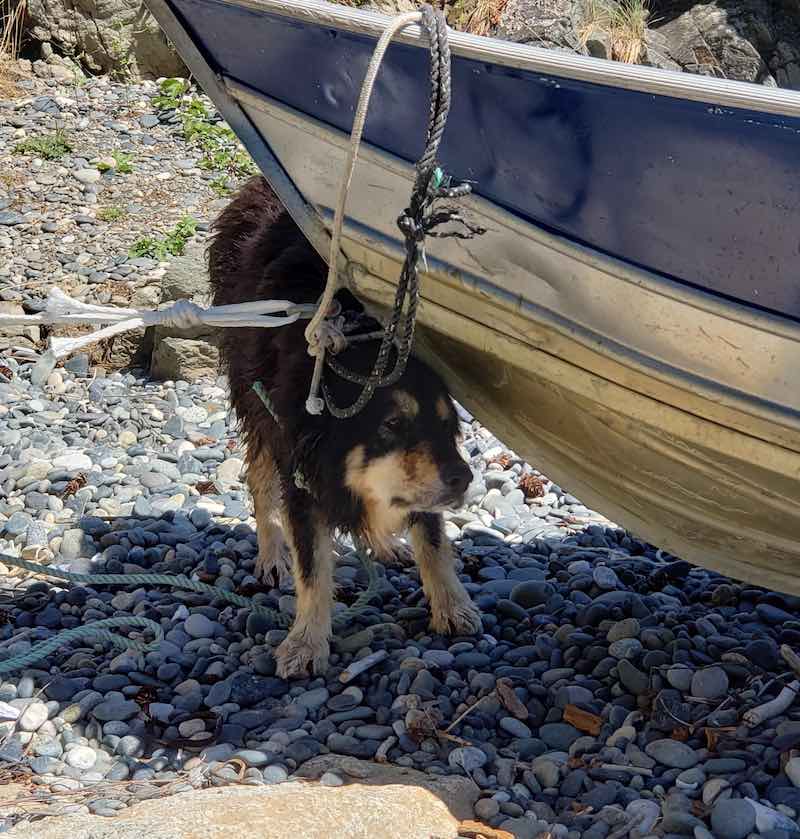
Once Stella was safely in their boat, they snuggled her in a bag to keep her warm. Then, once on dry land in Canada again, they began their search for the owner.
All photos submitted by Matty Johnson
Matty says there were great vibes all around ”when the owners—long since consigned to the death of their dog—got word she was safe.”
The owners were amazed to see their pet again. They thought they’d lost their dog forever when they became separated on the wild Juan de Fuca Trail three months ago.
Johnson wanted to share his story with GNN for one reason: “Wanting to spread good news and inspire people to put themselves out there when the opportunity arises.”
That’s just the kind of good news we love to hear.
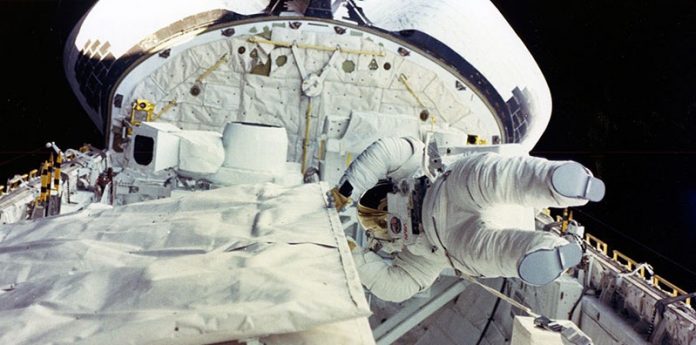
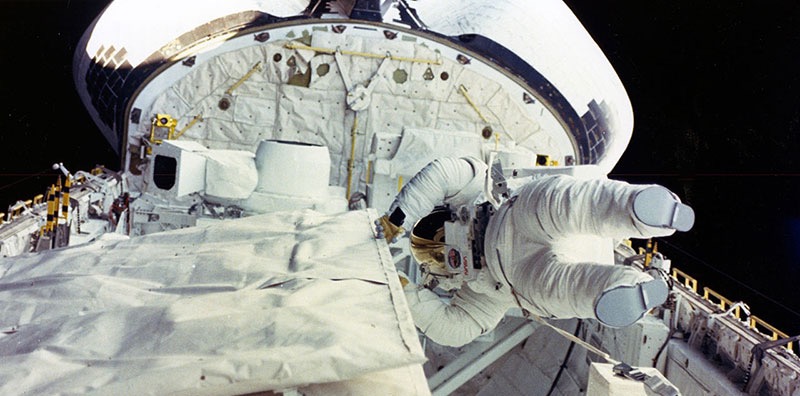
Kathy Sullivan becomes US woman to walk in space – NASA
A type of fungus that uses nuclear radiation as energy could serve as a possible form of protection, shielding astronauts from potential harm.
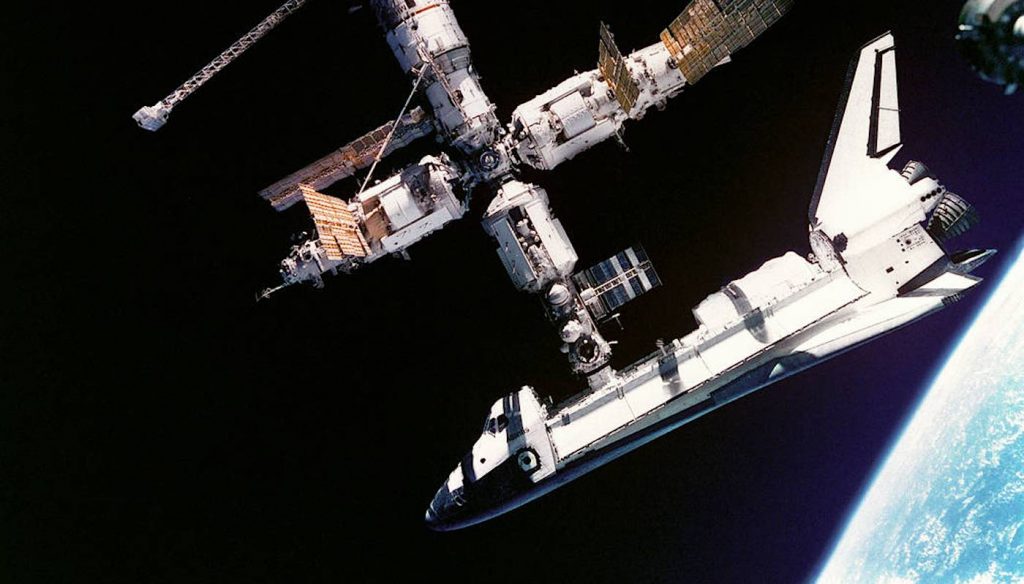
Outside of the protective magnetosphere and atmosphere of Earth, astronauts are showered with a twenty-fold higher amount of ionizing radiation—levels that would prove unsustainable without protection. But a discovery at the nuclear accident site of Chernobyl in Ukraine, has offered a possible solution.
A team of scientists from Stanford and the University of North Carolina, Charlotte, discovered a type of fungus growing inside the destroyed reactors of the Chernobyl Nuclear Power Plant, and thought if there are forms of life that can survive advanced radiation exposure long-term, they might be able to help protect astronauts on extraterrestrial voyages.
The fungus, called cladosporium sphaerospermum, uses melanin pigments to convert gamma radiation into chemical energy in a process called radiosynthesis. Observing this process led to the scientists arranging with NASA for the fungus to be sent to the International Space Station (ISS) for testing.
A living shield
Image by NASA
At the ISS, the experiment produced mixed results. The fungus was placed on around half of the surface of a petri dish. For the next 30 days, radiation levels were measured to compare how much passed through the fungus and glass compared to just the glass on the bare half of the dish.
Radiation levels were reduced by 2%, which wasn’t what the scientists were hoping for. However, the relatively low number doesn’t mean the experiments were a failure.
Writing in the abstract of the pre-peer review journal BioRxiv, the scientists detail how their results could be extrapolated to produce an almost entirely zero-cost barrier for future Mars or lunar mission astronauts, vehicles, and structures.
“Estimations based on linear attenuation coefficients indicated that a 21 cm (8 inch) thick layer of this fungus could largely negate the annual dose-equivalent of the radiation environment on the surface of Mars.”
Putting on our sci-fi thinking caps, we’d have to imagine a Mars station on which astronauts would have to grow an 8-inch thick screen of fungus across the roof and walls of their base, transforming it into a mass of greyish filaments studded with toadstools like Yoda’s hut in Star Wars, or Radagast the Brown’s house in The Hobbit.
It sounds like the stuff of fantasy, but it could save lives while costing space exploration investors almost nothing.
Plant Some Positivity By Sharing The Good News With Friends On Social Media…
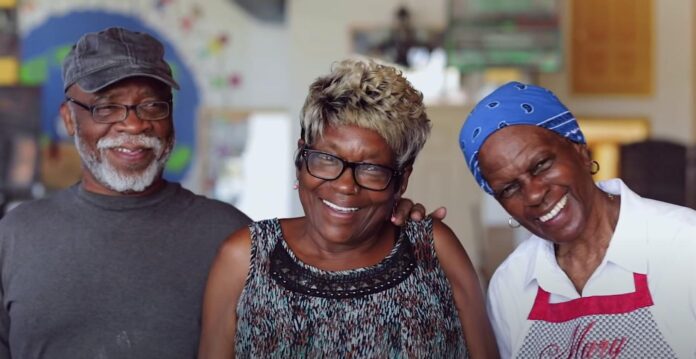
There’s a little restaurant in a small Alabama town where there’s no cash register and no prices, just a whole lot of soul… and soul food.
At Drexell & Honeybee’s in downtown Brewton near the Florida border, the menu changes daily, but there’s always a hearty selection of Southern dishes to enjoy: fried chicken, cornbread, and collared greens often show up at lunchtime from Tuesday to Thursday.
What makes this place special? Unending Southern hospitality. No matter how down on their luck a person is, they never have to worry about having no money for their lunch.
Once you’ve finished your dessert—a blueberry cobbler, perhaps?—you just leave whatever you can in a private booth near the restaurant entrance, even if that’s just a handful of coins or a little thank-you note.
The owners, a husband and wife team—Freddie and Lisa Thomas-McMillan—make no profit from their restaurant. 100% of the donations go back into serving people food. So what do they get from all this? Joy.
They say there’s a real joy to knowing that their customers leave “with a full stomach, a full heart, and the understanding that you are loved and worthy of love.”
Lisa’s always had a big heart. Through the years, she’s run a food bank. She’s opened her home to the needy. She says it may have started in second grade when she learned a powerful lesson about sharing from a little girl who always had a better sandwich, but shared it happily with Lisa in a daily trade for some of her peanut butter and jelly.
“‘Feed the Need’ is our mission statement,” Lisa told GNN, “Whatever needs people have, if we can help them… we will.”
Of course, the pandemic has made running a restaurant a little more tricky in recent months. But this hasn’t stopped this generous Alabama family from doing what they love.
“The end of June we figured out a way to do to-go orders and keep everyone safe…It is working out very well and we feel so proud to be able to do what we do, with COVID-19 affecting so many people.”
“When my husband and I opened, we agreed to put a portion of our retirement back into the running of the restaurant… as you can imagine donations are down, but we will continue to try and be of service to all the people that come to our door.”
Watch the beautiful video below—and if you’d like to share a little love to Drexell & Honeybee’s, just head here.
DELIVER This Soul Food To Friends Who Hunger For Good News On Social Media…
Quote of the Day: “We are like islands in the sea, separate on the surface but connected in the deep.” – William James
Photo: by Sidharth Bhatia
With a new inspirational quote every day, atop the perfect photo—collected and archived on our Quote of the Day page—why not bookmark GNN.org for a daily uplift?
For electric car drivers, a big fear is being stuck far from a charging station on the side of the road.
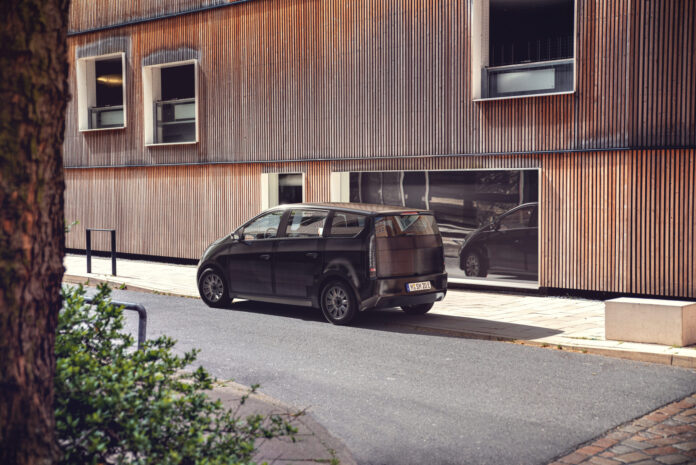
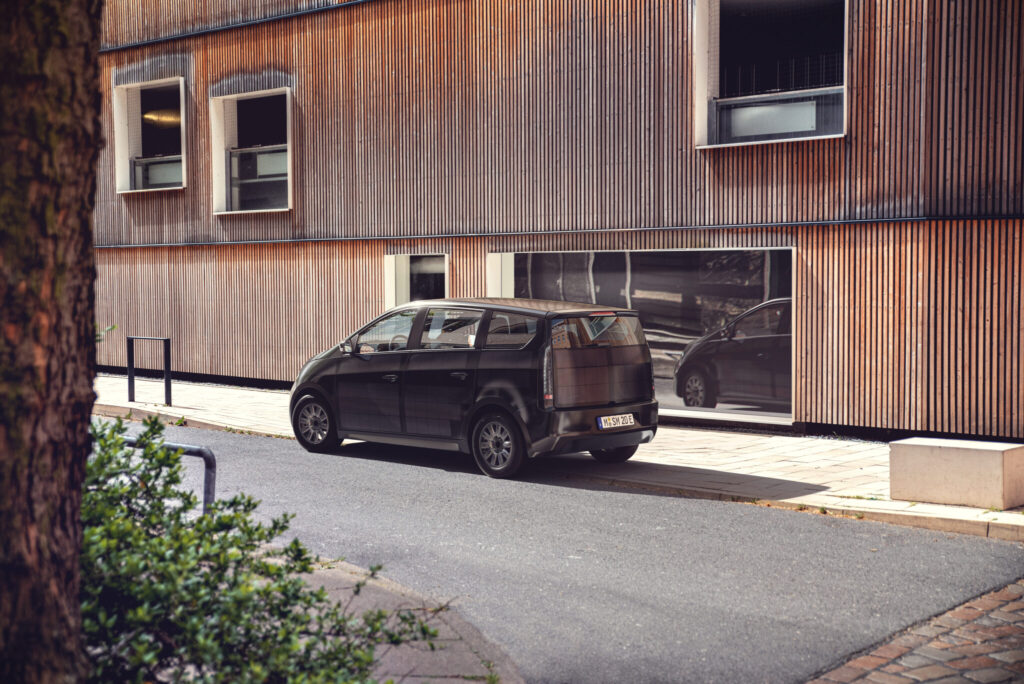
While some have suggested that putting solar panel cells on car roofs would be a could way to increase battery life, Germany’s Sono Motors have gone one step further: presenting a car entirely covered in panels, which they say allows the vehicle to power itself past the average daily commute.
Known as the Sion, it will be “the first mass-produced vehicle featuring solar integration to [reach] the market,” costing around 25,500 euros, or around $29,000.
“The solar cells meld seamlessly into the vehicle’s surface and can generate up to 34 kilometers of additional range a day at peak performance,” the company said in a press release. “This is well above the average distance of 17 kilometers commuters in Germany travel to their workplace.”
Designed and produced in Munich, the 2017 prototype of the Sion has been elongated and enlarged, now boasting a deeper footwell and more interior space along with ride-sharing application compatibility–making it ideal for eco-conscious carpooling services.
An app allows people to share the vehicle, share rides, and energy, too–thanks to a bidirectional charging function, as seen below.
All photos by Sono Motors GmbH
Sono Motors plans to develop more vehicles based on the Sion platform, for example in the areas of urban mobility, business transportation, and for ‘last-mile’ movements–such as postal delivery vehicles that only carry a product a short distance.
In a fun experiment in crowdsourced engineering, Sono Motors is involving those who have preordered a Sion in the selection of certain vehicle details by means of community votes. This kind of participation, says the company, is new in the “field of vehicle development.”
The carbon emissions that cannot be avoided or reduced during the vehicle’s production and manufacturing are entirely offset. And while the car–which is targeted to go out to its first customers in early 2022–might not be optimal for a cross-continental tour of Europe, short-distance commuters of the future will soon be able to drive a car that makes as little impact on the planet as possible.
Power Up With Positivity By Sharing The Good Car News With Your Friends On Social Media…
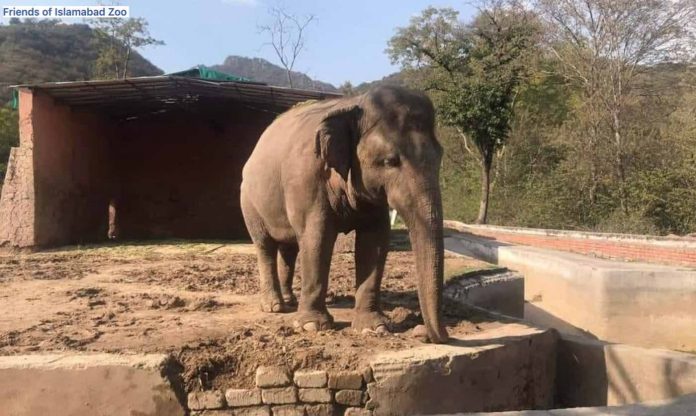
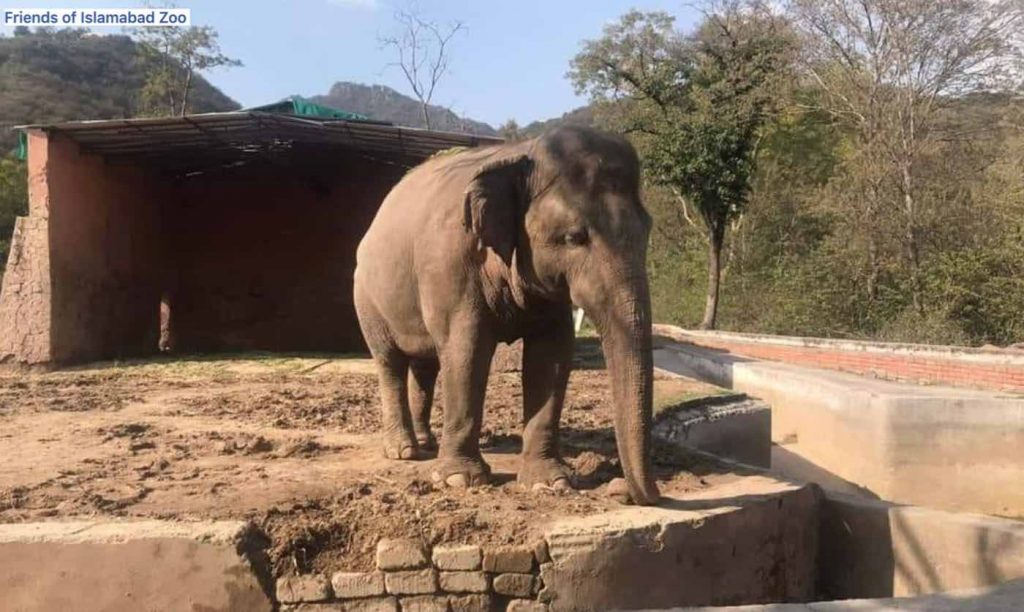
Today is World Elephant Day—and we’re sharing the long-awaited news that a 35-year-old pachyderm who spent nearly a decade without a playmate in an Islamabad zoo will finally be moved to a new home.
Friends of Islamabad Zoo – Facebook
Earlier this year, Good News Network reported that Kavaan the elephant was ordered to be freed from Murghazar Zoo following a ruling by the Pakistani High Court.
Many groups and individuals that fought for his release hailed the court’s decision—including the singer Cher, who celebrated the news by tweeting “THIS IS ONE OF THE GREATEST MOMENTS OF MY LIFE.”
Since the ruling in May, Pakistan’s Islamabad Wildlife Management Board (IWMB) has been working to find Kavaan a “suitable sanctuary.
According to a report yesterday from Euronews, if Kavaan is deemed healthy for travel, he will be relocated to Cambodia in the next few weeks to live the rest of his days at Elephant Nature Park, a sanctuary for rescued animals run by elephant expert Lek Chailert.
“Chailert treats them like humans. She treats them with dignity and respect, and she gives them love,” said the filmmaker Ashley Bell. “I’m a pretty skeptical person, but I saw it with my own eyes. To see the change in Noi Na’s behavior as soon as the chains are taken off and she’s made to feel comfortable in Lek’s sanctuary. She immediately began eating, rubbing up against walls, covering herself with dirt and scratching her butt.” All good signs.
The news of this relocation is a big development in the life of Kavaan, who’s one giant step closer to being, once again, among a social group of his peers.
HAIL This Great News On Social Media to Celebrate World Elephant Day…
Chronic liver disease represents a major global public health problem affecting an estimated 844 million people, according to the World Health Organization, and is among the top causes of mortality in the U.S., UK, and Australia. At the same time, it is both difficult to manage and diagnose. Now, the microbiome inside a person’s gut may be the unexpected answer.
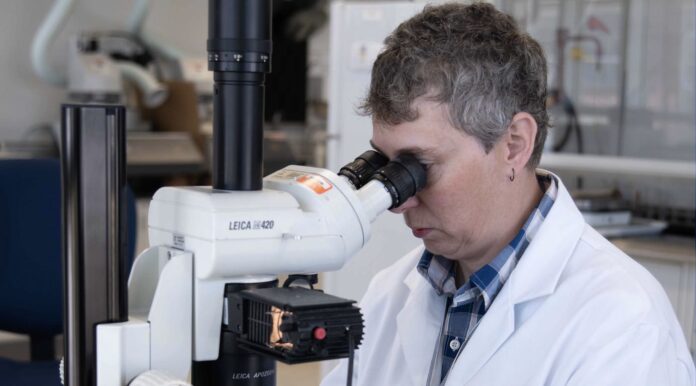
A collaborative team of Salk Institute and UC San Diego scientists have created a novel microbiome-based diagnostic tool that can quickly and inexpensively identify liver fibrosis and cirrhosis correctly over 90 percent of the time.
The non-invasive method relies on an algorithm to analyze patient stool samples—which contains traces of what lives in the gut—and could lead to improved patient care and treatment outcomes for liver disease.
“The microbiome is a dynamic living sensor of small changes in health and disease in the body, and as such, it provides an accurate readout of body health,” says Salk Professor Ronald Evans, co-author of the study published in Cell Metabolism. “Because this diagnostic is fast and low-cost, it could be something that becomes widely used, especially in the many areas that lack specialty clinics and physicians. Simply said, it could be a real game changer, with world-wide implications.”
Non-alcoholic fatty liver disease (NAFLD) is the leading cause of chronic liver disease globally and can progress to liver fibrosis and cirrhosis and potentially cancer, as the liver starts to experience scarring and cell death. But diagnostic tools for liver fibrosis and cirrhosis are lacking. Biopsies are invasive and can miss injured regions of the liver, and MRIs are expensive and are often not available in rural areas. To address these challenges, the research team explored the microbiome as a way to meet the urgent need for a new test to identify patients at risk.
“We sought to develop a universal, non-invasive test for liver fibrosis and cirrhosis based on a ‘microbiome signature’ of the disease,” says Michael Downes, a Salk senior staff scientist and co-author of the study.
In collaboration with scientists from the UC San Diego Department of Medicine, the team optimized a computational method called machine learning to uncover a complex disease signature based on 19 bacterial species present in the stool samples of a patient group. The signature is made up of the different quantities of bacteria, creating a universal fingerprint for identifying liver fibrosis and cirrhosis. The study included 163 clinical samples from both healthy as well as sick family members to identify variables that were indicative of liver disease.
Using data from microbiome genetic profiling and from metabolites from the stool samples, the researchers discovered a microbiome signature that was associated with a cirrhosis diagnosis with 94 percent accuracy. The microbiome signature could also determine the stage of liver fibrosis, which could allow doctors to grade patients based on their stage of the disease and improve treatment strategies.
“These findings demonstrate that it is possible to use machine learning to identify a universal signature that can be used for accurate diagnosis of a disease, such as liver cirrhosis,” says Tae Gyu Oh, first author of the paper and a postdoctoral researcher in the Evans lab. “The patterns we found reflect the complexity of the microbiome and how gut health likely affects disease.”
The researchers then applied their microbiome signature to two independent populations of patients from China and Italy. The team’s signature could accurately identify cirrhosis in over 90 percent of patients, which validates the power and accuracy of the algorithm across different genetics and diets.
“It is remarkable that a gut microbiome signature derived from patients residing in Southern California for cirrhosis was able to predict cirrhosis in two independent cohorts residing in China and Italy. It speaks to the new discoveries that are yet to be realized in the role of the gut microbiome to diagnose and risk-stratify liver disease,” says Rohit Loomba, co-corresponding author and director of the NAFLD Research Center at the UC San Diego School of Medicine. “I think the power of using the microbiome as a diagnostic tool is only starting to be realized.”
In the future, the scientists will examine the causal link between the microbiome and liver disease by testing whether restoring parts of the microbiome leads to regression of the disease or removing certain bacteria makes it worse. The team also hopes this approach can be used to characterize additional diseases, such as inflammatory bowel disease, colon cancer, Alzheimer’s, and other diseases shown to be likely affected by a dysregulated microbiome.

























 Two friends were out on a surfing trip when they saved a dog stuck in a sea cliff cave.