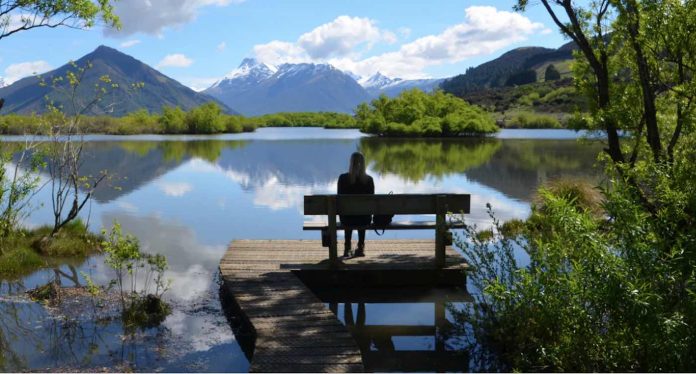
Quote of the Day: “When everything around you is crazy, it is ingenious to stay calm.” – Mehmet Murat ildan
Photo: by Robert Pearce – public domain
With a new inspirational quote every day, atop the perfect photo—collected and archived on our Quote of the Day page—why not bookmark GNN.org for a daily uplift?
Since the bushfires and flooding across southern Australia have left dozens of communities without power, several tech companies have begun installing solar panels and electrical grids with astonishing speed thanks to a philanthropist couple.
Mike and Annie Cannon-Brookes have donated $12 million towards the creation of the Resilient Energy Collective—a coalition dedicated to setting up sustainable microgrids across Australia.
The collective, which utilizes electrical batteries from Tesla and solar systems from 5B, has already deployed two clean energy grids for rural sites in New South Wales and Victoria. Prior to their installation, firefighters and locals had been depending on diesel generators for electricity during the bushfire season. In addition to these generators being particularly costly and high-maintenance, they also emit large amounts of pollutants.
The collective is now working with energy providers across the country to prioritize 100 more sites for microgrid installation.
The initiative is similar to how Tesla used solar-powered grids to restore electricity across Puerto Rico after Hurricane Maria in 2017. Now, Mr. Cannon-Brookes—who is also the co-founder and CEO of the Atlassian tech company—says that the coalition has been installing their own microgrids in as little as two days.
“In three weeks we’ve come together, found the technology, adapted it, put it on trucks and right now, it’s operating, generating electricity,” Cannon-Brookes told Eco Generation in a statement.
“That’s what this collective is all about; getting the best tech and the best ingenuity together to solve a massive problem, in days, not months or years.”
Photos by Resilient Energy Collective
Power Up With Positivity By Sharing The Good News To Social Media…
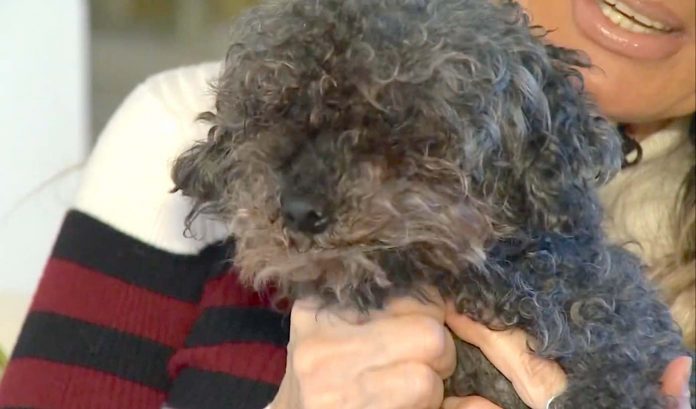
This 16-year-old dog may be blind and deaf, but she still managed to survive being carried off by a hawk last week.
Porschia the toy poodle was snatched up by the bird-of-prey as she was sitting on her porch in Whitehall, Pennsylvania.
Porschia’s owner, Deborah Falcione, was frantic with worry over her dog’s disappearance. She spent hours searching the surrounding area—but to no avail. When the evening temperatures fell below freezing, she feared the worst.
Just 28 hours after Porschia was dognapped, however, Falcione was shocked to receive a call from the local veterinary clinic saying they had the senior pup in their care.
“I said, ‘That’s impossible.’ She could not have survived 28 hours in the bitter cold weather, in 10-degree weather,” Falcione told reporters in the interview below. “This is a 6-and-a-half-pound dog. She’s blind, she’s deaf, she’s 16 years old. I went down there, and sure enough, this is the dog.”
As it turns out, a neighbor had found Porschia after the hawk had dropped her into a nearby yard just four blocks away from Falcione’s house. Although the disabled dog was relatively lethargic in the clinic’s heating tank following her harrowing ordeal, she was in surprisingly good health.
“How she got away, I have no idea,” said Falcione. “How she survived it, I will never know. But I know one thing: By the grace of God, this dog is still alive.”
(WATCH the news coverage below) – Photo by KSEE News
Be Sure And Share This Pawesome Story With Your Friends On Social Media…
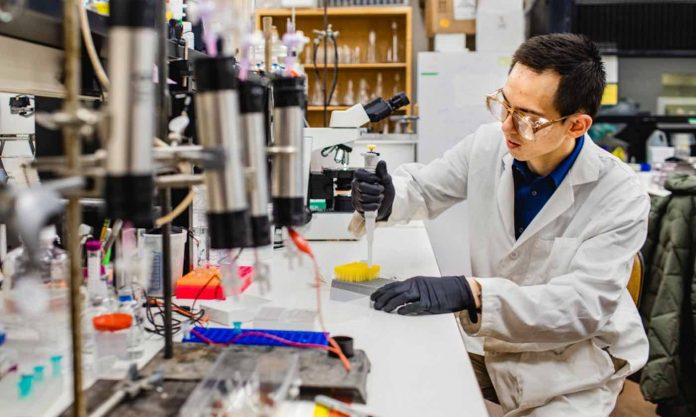
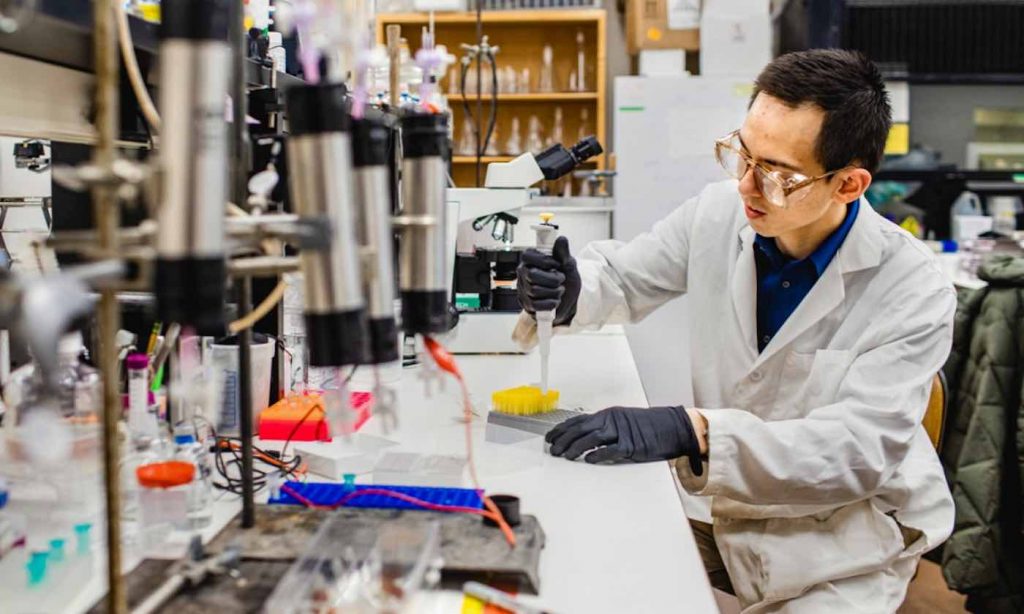
Researchers from Cornell University have found a new species of soil bacteria that is particularly adept at breaking down organic matter—including the cancer-causing chemicals that are released when coal, gas, oil and refuse are burned.
The newly-discovered “madseniana” bacteria was named after Gene Madsen—the Cornell microbiology professor who first started the research and discovered the microbe. He died in 2017, before he could confirm the discovery.
All plants and animals, including humans, host a collection of friendly bacteria that help us digest food and fight infection. The bacteria living in soils not only help plants grow, cope with stress and fight off pests, they’re also essential to understanding climate change.
The bacteria belong to the genus Paraburkholderia, which are known for their ability to degrade aromatic compounds and, in some species, the capacity to form root nodules that fix atmospheric nitrogen. The species name, madseniana, reflects the legacy of Madsen’s work in the field of environmental microbiology.
Madsen’s research focused on biodegradation—the role microbes play in breaking down pollutants in contaminated soils—with a special focus on organic pollutants called polycyclic aromatic hydrocarbons (PAHs). His work was groundbreaking in providing natural tools to address hazardous waste in areas where contaminated soils can’t easily be dug up and removed.
“Microbes have been here since life began, almost 4 billion years. They created the system that we live in, and they sustain it,” said Dan Buckley, professor of microbial ecology in the Section of Soil and Crop Sciences in the School of Integrative Plant Science. “We may not see them, but they’re running the show.”
“Gene was a humble man and a great scientist. I am so happy to see his legacy live on in this way,” said Esther Angert, professor and chair of the Department of Microbiology. “It’s so apt that a bacterium with these traits would be named after this remarkable environmental microbiologist. I think Gene must be smiling.”
The work started in a Cornell experimental forest on Turkey Hill, a natural area stewarded by Cornell Botanic Gardens. Madsen isolated the new bacteria from the forest soil; Buckley’s team brought the project to completion.
The first step was sequencing the bacterium’s ribosomal RNA genes, which provided genetic evidence that madseniana was a unique species. In studying the new bacteria, the researchers noticed that madseniana is especially adept at breaking down aromatic hydrocarbons, which make up lignin: a major component of plant biomass and soil organic matter. Aromatic hydrocarbons are also found in toxic PAH pollution.
This means that the newly-identified bacteria could be a candidate for biodegradation research and an important player in the soil carbon cycle.
Buckley’s lab focused on the bacterium’s role in the carbon cycle: the natural cycling of carbon through the Earth and the atmosphere, which scientists say has been thrown out of whack by excess human carbon emissions.
“We know remarkably little about how soil bacteria operate,” Buckley said. “Soils, every year, process about seven times more carbon than all of the human emissions from cars, power plants and heating units, all over the world, just in their natural work of decomposing plant material. Because it’s such a large amount of carbon going through the soil, small changes in how we manage soil could make a big impact on climate change.”
In the case of madseniana, Buckley’s lab wants to learn more about the symbiotic relationship between the bacteria and forest trees. Initial research suggests that trees feed carbon to the bacteria, and in turn the bacteria degrade soil organic matter, thereby releasing nutrients such as nitrogen and phosphorus for the trees.
Understanding how bacteria break down carbon in soil could hold the key to the sustainability of soil and the ability to predict the future of global climate.
The research was supported the USDA National Institute of Food and Agriculture through a McIntire Stennis grant.
An Ohio church pastor’s 3-minute sermon on multiplying blessings has managed to wipe out millions of dollars in medical debt.
Back in November, Crossroads Church senior pastor Brian Tome told his Cincinnati-based congregation that they could help alleviate medical debt for American families by donating $1 via a text hotline. For every dollar donated, the church’s partnering charity RIP Medical Debt could pay off $100 worth of medical debt.
Since Tome’s lecture was also livestreamed online, donors from Ohio, Kentucky, Indiana, and Tennessee collectively managed to raise $465,000—which abolished more than $46.5 million in debt.
Because RIP Medical Debt wipes out debt based on the zip code of individual donations, the bulk of the donations was used to free 41,233 Ohio households of their debts across 103 ZIP codes.
Although the fundraiser took place back in November, the church only recently announced the full impact of their campaign this week.
Victor Martinez, a staffer from the church’s Oakley location, told TheCincinnati Enquirer that church officials neglected to publicize the initiative because they wanted to keep the focus on their compassionate congregation.
“Jesus, before we knew who he was, he died for us, to forgive our debt,” said Martinez. “And here, we don’t know who these people are, and we are putting this money for their debt to be forgiven.”
A longtime Minnesota bus driver was given the sendoff he always wanted after he was buried in a casket decorated like a yellow school bus.
For 55 years, Glen Paul Davis worked as a loyal bus driver for the Grand Meadow school system; he often bragged that he never once had an accident over the course of his career.
He also always joked that he wanted to be buried in a casket that resembled his beloved buses.
It was only a joke until his friend, a funeral director named Jim Hindt, commissioned his niece to paint a casket like a school bus. It was even emblazoned with the #3 of Davis’s first bus—and he was incredibly touched by the gesture.
“When we showed it to Glen, he was speechless—almost brought him to tears,” Hindt told KARE 11.
Davis loved the decorated coffin so much, he would often bring people to the Hindt Funeral Home in order to show off its colorful design.
The casket drew its biggest crowd of admirers, however, when dozens of students, school staffers, and community members showed up for Davis’s funeral at St. Finbarr’s Catholic Church last week after he passed away at the age of 88.
Photo by Hindt Funeral Home
His online obituary has since sparked an outpouring of tributes and messages of support. One reader wrote: “I met Glenn more than 10 years ago. He was such a cheerleader for me. Such a sweet man. I so appreciated his kindness.”
“Everyone who worked at the Grand Meadow School knew and loved Glen!” added a woman named Mary Anderson. “He was so generous to the kids, staff, and and his donations to the school. When I retired, he hand-polished field stones for my flower garden and decorated a piece of granite with a newspaper article—still on display in my living room!”
A neighboring school district even paid homage to Davis with a message reading: “Rest in peace, fellow school bus driver. May your final stop be peaceful. Your students will not forget you.”
(WATCH the heartwarming KARE 11 news coverage below)
Be Sure And Drive This Sweet Story Over To Your Friends By Sharing It To Social Media…
Quote of the Day: “When we strive to become better than we are, everything around us becomes better too.” – Paulo Coelho, The Alchemist
Photo: by Kevin Delvecchio – public domain
With a new inspirational quote every day, atop the perfect photo—collected and archived on our Quote of the Day page—why not bookmark GNN.org for a daily uplift?
This 42-year-old Zamboni driver is being hailed as a hockey hero after he stepped in as a visiting team’s emergency goalie and helped them win the game.
LISTEN to the inspiring story told on the radio by our GNN founder in the Good News Guru podcast below—or READ the full story after that…
Dave Ayres, who is the Zamboni driver for the Toronto Maple Leafs, was tapped to play against his home team for the Carolina Hurricanes after both of their goalies were injured on the ice during the previous games.
Ayres then went on to block 8 of the 10 shots that were made against him during the final 30 minutes of the game, which helped to secure the Hurricanes’ 6–3 victory.
Although Ayres is a designated backup goalie, this was the first time he ever got the chance to play, making it his first ever NHL game.
When reporters asked him what he will remember from the experience, he simply said: “These guys, how great they were to me, how fun. The crowd in Toronto is unreal. Even though I was on the other team, they were so receptive and so awesome. Every time I made a save I could hear them cheering for me.”
Since Ayres underwent a kidney transplant 15 years ago, he never believed he would play hockey again. Now, however, the Hurricanes are selling an official Ayres jersey with a portion of the proceeds being donated to a kidney transplant charity of his choice.
According to the NHL, Ayres’s weekend performance also made him the second-oldest hockey player to make their professional debut in the NHL following 43-year-old Lester Patrick’s game in 1927.
(WATCH the heartwarming interview below) – Photo by NHL
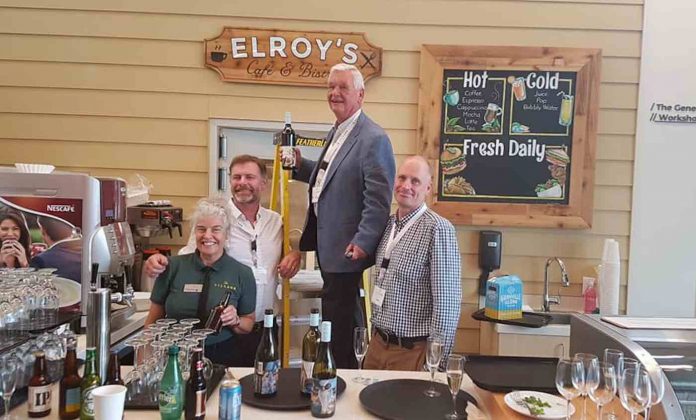
This cozy little Canadian community may seem like an ordinary village on the outside—but in actuality, it is the country’s first village designed specifically to accommodate people living with dementia and Alzheimer’s disease.
The British Columbia community, which is simply called The Village, hosts several dozen cottages, businesses, and shared living spaces for up to 78 patients.
Shortly after construction began on The Village in March 2018, Elroy Jespersen—the vice president of special projects at Verve Senior Living and the mastermind behind the Village, told CTV News that he wanted dementia patients to feel the same amount of independence as their able-bodied counterparts, saying: “We believe that it’s really important for people to be connected to nature and life and the outdoors.”
The Village now gives them a controlled space in which to live their lives, free of the stressful feeling of always “running into a locked door”.
Although residents are free to roam throughout the gardens, restaurants, and facilities of The Village, the 7.5-acre community is protected by an 8-foot fence around the perimeter of the property.
Residents are also required to wear “wellness bracelets” which uses Bluetooth technology to keep track of their locations.
The initiative draws inspiration from Hogeweyk, a similarly-designed community in the Netherlands which was declared the world’s first village for dementia patients. The compound features everything from supermarkets and stores to restaurants and gardens.
Since The Village opened in Langley back in August, it has already welcomed several dozen residents. Not only that, CBC says that there are similar initiatives now being implemented in South Vancouver and Comox.
Although housing rates for The Village range between $7,300 to $8,300 per month, its management is now conducting research on the project’s efficacy in hopes that it will eventually spur the government to help fund its operations and make its care model more affordable to the Canadian public.
(WATCH the video tour of The Village below)
Build Up Some Positivity By Sharing The Good News To Social Media…
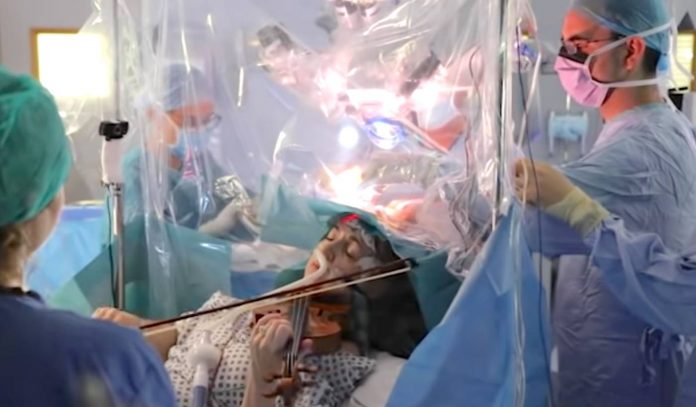
Photo by King's College Hospital NHS Foundation Trust
This video captures the stunning moment that a patient at King’s College Hospital in London played the violin while surgeons removed a tumor from her brain.
The unusual approach was taken to ensure areas of the patient’s brain responsible for delicate hand movement and coordination—crucial components when playing violin—were not inadvertently damaged during the millimeter-precise procedure.
53-year-old Dagmar Turner, a former management consultant from the Isle of Wight, was diagnosed in 2013 with a large grade 2 (slow-growing) glioma after suffering a seizure during a symphony.
The committed violinist, who plays in Isle of Wight Symphony Orchestra and various choral societies, underwent biopsy and then radiotherapy at her local specialist hospital to keep the tumor at bay. When it became apparent in autumn 2019 that the tumor had grown and become more aggressive, Turner—who has a 13-year-old son—was keen for surgery to remove it.
A consultation was arranged with Professor Keyoumars Ashkan, a highly-recommended neurosurgeon at King’s College Hospital, in order to discuss her options.
Turner’s tumor was located in the right frontal lobe of her brain, close to an area that controls the fine movement of her left hand. Precise and skilled use of this hand is essential for playing the violin as the fingers regulate the length of the strings by holding them against the fingerboard, producing different pitches. Turner explained her love of the violin and was aware of Professor Ashkan’s mutual passion for music. The brain tumor specialist holds a degree in music and is an accomplished pianist.
After explaining her concerns over potentially losing the ability to play the violin, Professor Ashkan and the neurosurgical team at King’s devised a plan. Prior to Turner’s operation they spent two hours carefully mapping her brain to identify areas that were active when she played the violin and those responsible for controlling language and movement.
Photo by King’s College Hospital NHS Foundation Trust
They also discussed with Turner the idea of waking her mid-procedure so she could play. This would ensure the surgeons did not damage any crucial areas of the brain that controlled Dagmar’s delicate hand movements specifically when playing the instrument. With her agreement, a team of surgeons, anesthetists, and therapists went on to meticulously plan the procedure.
During the operation, Prof Ashkan and the team performed a craniotomy (an opening in the skull) while Turner was brought round from the anesthetic. As her tumor was removed, Turner played her violin while closely monitored by the therapist and anesthetists.
“King’s is one of the largest brain tumor centers in the UK. We perform around 400 resections (tumor removals) each year, which often involves rousing patients to carry out language tests, but this was the first time I’ve had a patient play an instrument,” said Ashkan following the procedure.
“We knew how important the violin is to Dagmar so it was vital that we preserved function in the delicate areas of her brain that allowed her to play. We managed to remove over 90% of the tumor, including all the areas suspicious of aggressive activity, while retaining full function in her left hand.”
“The violin is my passion; I’ve been playing since I was 10 years old,” says Turner. “The thought of losing my ability to play was heart-breaking but, being a musician himself, Professor Ashkan understood my concerns. He and the team at King’s went out of their way to plan the operation—from mapping my brain to planning the position I needed to be in to play. Thanks to them, I’m hoping to be back with my orchestra very soon.”
Three days after the procedure, Turner was well enough to go home to her husband and son. She will continue to be monitored by her local hospital.
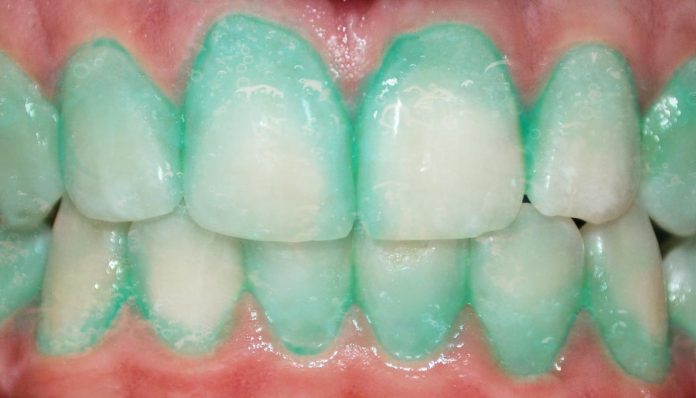
The world’s first toothpaste that identifies dental plaque could also help reduce rates of heart attack and stroke, says this new study.
The patented Plaque HD toothpaste was initially developed by an orthodontist in 2009 to provide a safe, at home plaque-reduction program for patients. Plaque HD utilizes Targetol Technology, a gluten-free coloring agent, to provide a more efficient way to highlight and clean harmful plaque from patients’ teeth and gums.
This unique plant-based concentrated combination of cleaning agents has been proven to remove more than twice the amount of plaque than conventional toothpastes.
Additionally, results published this week from a randomized trial of subjects with dental plaque confirms that Plaque HD produces statistically significant reductions in inflammation throughout the body.
For decades, researchers have suggested a link between oral health and inflammatory diseases affecting the entire body—in particular, heart attacks and strokes. Inflammation is measured by high sensitivity C-reactive protein (hs-CRP). Hs-CRP is a sensitive marker of inflammation, but it is also an accurate predictor of future heart attacks and strokes.
In this trial, all randomized subjects were given the same brushing protocol and received a 30-day supply of toothpaste containing either Plaque HD or an identical non-plaque identifying placebo toothpaste. To assess hs-CRP, levels were measured by Quest Diagnostics using an enzyme linked immunosorbent assay.
Photo by Plaque HD
“The current findings show that Plaque HD significantly decreases hs-CRP in subjects with elevated levels at baseline, which is similar to the findings in our previous trial,” said Dr. Charles H. Hennekens, senior author and the First Sir Richard Doll Professor in Florida Atlantic University’s Charles E. Schmidt College of Medicine.
“These results provide a strong rationale to conduct a large-scale randomized trial whose results could have significant clinical and public health implications,” added Hennekens.
Two years ago, the prestigious New England Journal of Medicine ranked the original manuscript published in 1997 by Hennekens and colleagues on aspirin, inflammation and cardiovascular disease, as their most influential original report of the last 20 years.
The data derived from the landmark Physician’s Health Study, in which Hennekens was the founding Principal Investigator, indicated that hs-CRP predicted future heart attacks and strokes.
A report from the United States Centers for Disease Control and Prevention found that 47.2% of American adults aged 30 years and older have some form of periodontal disease, a pathological inflammatory condition of the gums and tissues surrounding the teeth.
Periodontal disease increases with age affecting more than 70% of adults 65 years and older. Prior research has suggested that periodontal disease may be connected to variety of other diseases, including heart disease and stroke and other inflammatory diseases such as rheumatoid arthritis. Inflammation throughout the body may be a crucial link between periodontal and other systemic diseases.
Based on the findings of this trial performed at the Marshfield Clinic Research Center, Hennekens and colleagues are drafting an investigator initiated research grant proposal to the National Institutes of Health (NIH).
This randomized trial will test whether the reduction in inflammation throughout the body by Plaque HD leads to decreases in progression of atherosclerosis in the coronary and carotid arteries for which systemic inflammation is a crucial precursor.
Clean Up Negativity By Sharing The Good News With Your Friends On Social Media…
Rather than depicting an advertisement for food or clothing, this New York City billboard features a thank you message to the American firefighters who stepped up to help with the Australian bushfires.
“Imagine fighting a bushfire higher than this billboard,” reads the video advertisement. After the billboard screen is briefly consumed by animated flames, the ad reads: “Thank you to the brave Australian and US firefighters defending Australia … and to the world for all your support.”
The ad space was reportedly donated by Silvercast Media.
The NSW RFS published a video of the billboard message to Twitter this week, saying: “We wanted to say a big ‘thank you’ to all the firefighters who have worked so hard over the last few months, and to the community for its support. And when we say big, we mean big—70 feet tall in Times Square, New York.”
WATCH the video as it plays on the billboard below…
We wanted to say a big "thank you" to all the firefighters who have worked so hard over the last few months, and to the community for its support. And when we say big, we mean big - 70 feet tall in Times Square, New York. #nswrfs#nswfires#NewYorkCitypic.twitter.com/HT4vQEgkg4
Quote of the Day: “Men build too many walls and not enough bridges.” – Joseph Fort Newton
Photo: by Anders Jildén – public domain
With a new inspirational quote every day, atop the perfect photo—collected and archived on our Quote of the Day page—why not bookmark GNN.org for a daily uplift?
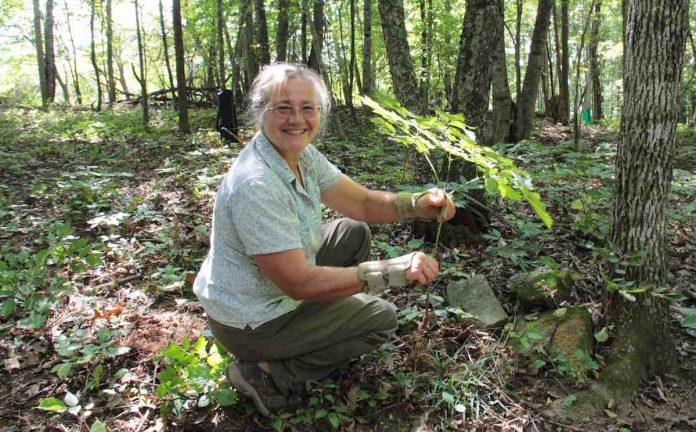
Growing black cohosh, by Priya Jaishanker – CC license, Forest Farming
For over a millennium Western society has attempted to establish clear codes of ethics in business, politics, personal relationships, religion, and even warfare. But what about a land use ethic? What does modern society have to say on the topic of ethics about our lands?
On a small farm in Massachusetts, farmer Jono Neiger is planting chestnut trees where he might have just planted corn or row crops. Once a staple crop of many Native American tribes, chestnuts provide much more than just lyrical opportunities in Christmas songs. Like a keystone endangered species in a national park, towering trees can anchor the success of a revolutionary agricultural practice that uses the noblest of ethical codes regarding the humble farmer’s acre.
Neiger, is just one of a number of American and European farmers facing the environmental challenges of the 21st century by looking backward toward the stewardship and land-use principles of the famed American conservationist Aldo Leopold, author of an essay called The Land Ethic.
“A land ethic,” he wrote in his magnum opus of the same name, “…reflects a conviction of individual responsibility for the health of the land”.
These American chestnut trees, a species almost completely extinct after a twentieth century blight tore their numbers down from 4 billion to a few individuals, will not only represent a step toward restoring North American chestnut ecosystems, but also plants the foundation for Neiger of what is called a system of “agroforestry,” “multi-story cropping,” or “permaculture” on his farm.
The nuts falling from their limbs will be one of his most critical crops, but only one of many in what will be a cyclical and regenerative agricultural practice that brings the field and the forest together, securing the food production of the former to the environmental services of the latter.
“Trees fit in well in many places where it’s not suitable to do tillage agriculture. You can use hillsides, where—any time regular monoculture agriculture occurs—it causes a lot of erosion and soil loss. Having trees in these places slows erosion, starts to rebuild soil, and sequesters more carbon,” farmer Neiger tells the BBC.
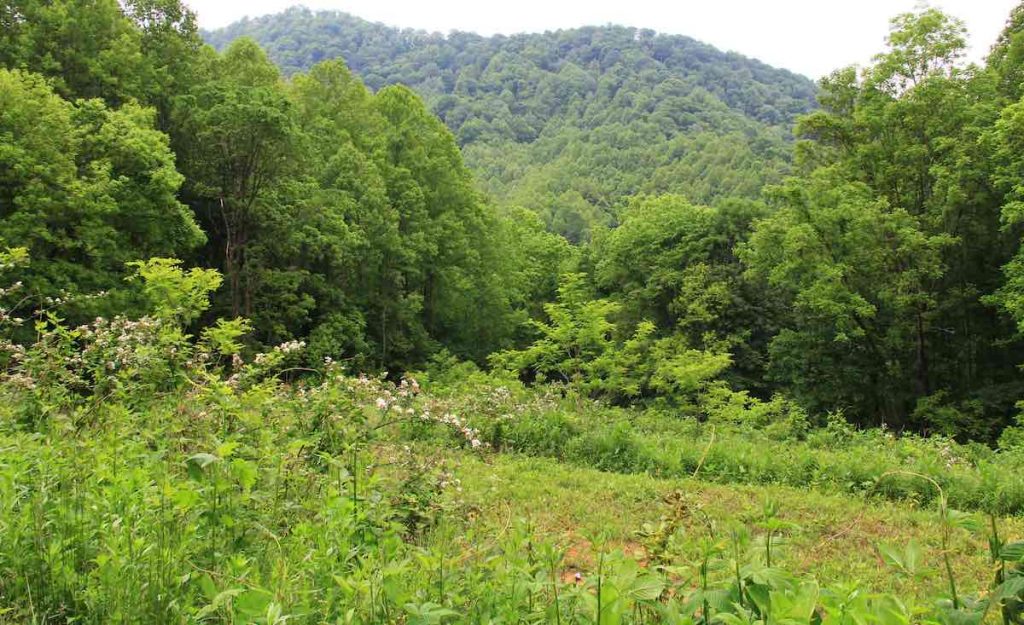
North Carolina forest farm by Priya Jaishanker, CC license – Forest Farming
In terms of producing food, his chestnuts are a great source of carbohydrate—like corn or wheat—only more nutrient-dense and growing higher up rather than down below. They were once very commonly ground into flour for baking bread, and they also provide hogs and wild forest creatures with a predictable and bountiful food source. Opting against a traditional farmer’s beige and yellow crop monopoly also frees up the forest floor for more diverse kinds of cash crops, as well as medicinal herbs and fungi.
Neiger chose papaws, persimmons, and elderberries that will grow and produce food while he waits for his chestnut trees to reach the necessary age and size. Furthermore, the ability to select a wide variety of plants to grow in and around the chestnut orchards allows Neiger and other multi-layer farmers to cultivate environments that can host the maximum number of both wild and domestic animal species.
Neiger released chickens on the land that, rather than eating corn and feed, will dine on food they actually prefer – rodents, insects, worms, as well as wild seeds and nuts. All of this turns their eggs into a natural color rich in healthier fats and nutrients.
This marriage of the canopy, cover crops, ground crops, and animals is what Neiger and other multi-story farmers are looking to master. It allows them to produce varying amounts of a large variety of different food sources, while sustaining all the environmental services provided by trees, like soil enrichment.
Aldo Leopold summed this concept up in his book Song of Gavilan:
“The oak which feeds the buck, who feeds the cougar, who dies under an oak and goes back into acorns for his erstwhile prey. This is one of the many food cycles starting from and returning to oaks, for the oak also feeds the jay who feeds the goshawk who named your river, the bear whose grease made your gravy, the quail who taught you a lesson in botany, and the turkey who daily gives you the slip”.
Land Ethics: Earning Income Without Damaging Things
Today, agriculture is one of the largest contributors to a number of practices detrimental to the environment. Forest clearance, especially in countries with tropical rainforest, is often driven by agriculture, while the resulting water contamination, soil erosion, and loss of carbon-sequestering plants, wildlife habitat, and biodiversity, all stem from age-old methods of farming and ranching.
Kansas farm by Patrick Emerson, CC license
Much of America’s farmland, and the crops which the U.S. government subsidizes, consist of corn, wheat, rice, soya, or cotton. These crops present very little nutritional value on their own, but the majorities of grain and legume harvests in the United States (corn for example,) go into producing industrial oils, sweeteners, petro-chemical additives, or bioethanol, with 5% going to livestock feed, and even less onto the plates of humans.
Estimates quoted from the Center for International Forestry Research state that merely 12 species of plants and 14 species of animal make up 98% of the entire world ag sector—a dangerous biological monopoly.
Further, the CO2 emissions from excessive soil tilling, deforestation, and synthetic fertilizer production, places agriculture as a large and prominent contributor to global warming; not nearly as big as manufacturing or transportation as some have suggested, but certainly significant.
Leopold recognized that the U.S. was moving down this path 100 years ago, commenting on the principles of 21st century permaculture even while Apache Indians still inhabited the hills of Arizona. “Health is the capacity of the land for self-renewal. Conservation is our effort to understand and preserve this capacity,”
But there is hope—as is demonstrated by Neiger, as well as others like Dr. Allen Williams who runs Soil Health Consultants, a team of farming experts who promote, not sustainable agriculture, but regenerative agriculture…
Calling it an “EpiPen” for trauma to the central nervous system, University of Michigan researchers have shown how an injection of nanoparticles can prevent the body’s immune system from overreacting to trauma—potentially preventing some spinal cord injuries from resulting in paralysis.
The approach was demonstrated in mice by the scientists in Ann Arbor, when the nanoparticles enhanced healing by reprogramming the aggressive immune cells.
“In this work, we demonstrate that instead of overcoming an immune response, we can co-opt the immune response to work for us to promote the therapeutic response,” said Lonnie Shea, the Steven A. Goldstein Collegiate Professor of Biomedical Engineering.
Trauma of any kind kicks the body’s immune response into gear. In a normal injury, immune cells infiltrate the damaged area and clear debris to initiate the regenerative process.
The central nervous system, which includes the brain and spinal cord, however, is normally walled off from the immune activity by the blood-brain barrier. But a spinal cord injury breaks that barrier, letting in overzealous immune cells that create too much inflammation for the delicate neural tissues. This leads to the rapid death of neurons, damage to the insulating sheaths around nerve fibers that allow them to send signals, and the formation of a scar that blocks the regeneration of the spinal cord’s nerve cells.
All of this contributes to the loss of function below the level of the injury. That spectrum includes everything from paralysis to a loss of sensation for many of the 12,000 new spinal injury patients each year in the United States.
Previous attempts to offset complications from this immune response included injecting steroids like methylprednisolone. That practice has largely been discarded since it comes with side effects that include sepsis, gastrointestinal bleeding and blood clots—and the risks outweigh the benefits.
But now, U-M researchers have designed nanoparticles that intercept immune cells on their way to the spinal cord, redirecting them away from the injury. Those that reach the spinal cord have been altered to be more pro-regenerative.
Hopefully, this technology could lead to new therapeutic strategies not only for patients with spinal cord injury but for those with various inflammatory diseases.
With no drugs attached, the nanoparticles reprogram the immune cells with their physical characteristics: a size similar to cell debris and a negative charge that facilitates binding to immune cells. In theory, their non-pharmaceutical nature avoids unwanted side effects.
With fewer immune cells at the trauma location, there is less inflammation and tissue deterioration. Second, immune cells that do make it to the injury are less inflammatory and more suited to supporting tissues that are trying to grow back together.
“Hopefully, this technology could lead to new therapeutic strategies not only for patients with spinal cord injury but for those with various inflammatory diseases,” said Jonghyuck Park, a U-M research fellow working with Shea.
Previous research has shown success for nanoparticles mitigating trauma caused by multiple sclerosis and the West Nile virus, for example.
“The immune system underlies autoimmune disease, cancer, trauma, regeneration—nearly every major disease,” Shea said. “Tools that can target immune cells and reprogram them to a desired response have numerous opportunities for treating or managing disease.”
The research, published in the current issue of Proceedings of the National Academy of Sciences, was supported by The National Institutes of Health. Shea is also the William and Valerie Hall Chair of Biomedical Engineering and a professor of chemical engineering.
(Source: University of Michigan)
SHARE This Breakthrough and Send Hope Through Your Social Media Feed…
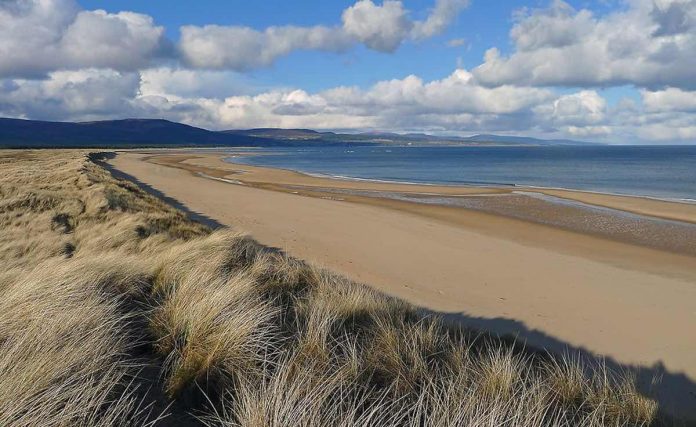
By Julian Paren / Geograph.org project, CC license
On every continent, wildlife habitats of all kinds are threatened with development and construction, but perhaps none stand at greater risk than coastline ecosystems like estuaries, salt marshes, and coastal wetlands.
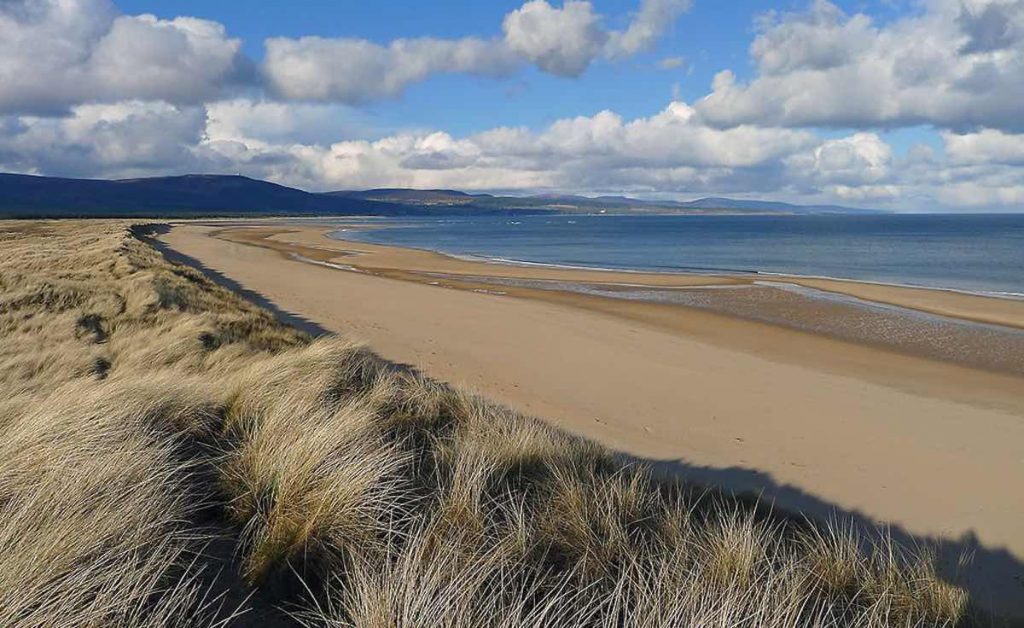
In Scotland one of the last remaining dune ecosystems of its kind in the entire country was just saved from an attempt to turn the unique sandy shore into a golf course.
The wetlands area known as Coul Links is a Ramsar site recognized by UNESCO, and part of the Dornoch Firth and Loch Fleet Special Protection Area.
After four years of campaigning by citizens and wildlife groups to preserve the coastline, home to over 1,200 species of plants and animals, some unique to Europe, Scottish ministers made their decision this week, refusing to allow the development to proceed.
The Scottish Wildlife Trust, The Royal Society for the Protection of Birds, the IUCN, and Scottish Natural Heritage cheered the news after the application was declined on the 21st of February. The groups had been arguing that there were golf courses already serving the area—one that was controversial for the same reasons (and in the news media because of its celebrity owner).
“Today’s decision demonstrates that individuals can make a real difference by taking the time to stand up for nature,” commented the Wildlife Trust’s Chief Executive Jo Pike.
By Julian Paren / Geograph.org project, CC license
“Saving Coul Links from development is a strong sign that the Scottish Government is committed to protecting Scotland’s fantastic natural environment, and that it is prepared to make difficult decisions,” she added.
The East Sutherland site is an important stopover refuge for migratory waterfowl and other rare aquatic bird species—and after the golf course at Aberdeenshire was built over a coastal ecosystem, it looked like development of Coul Links was to be par for the course of modern development. Luckily for the wild places of Scotland and their admirers, a government is willing to stand up for them.
TEE UP This Good News For Your Friends on Social Media… 😁🦆🌍
Quote of the Day: “Be the one who has an understanding and a forgiving heart, one who looks for the best in people. Leave people better than you found them.” – Marvin J. Ashton
Photo: by Igor Rodrigues – public domain
With a new inspirational quote every day, atop the perfect photo—collected and archived on our Quote of the Day page—why not bookmark GNN.org for a daily uplift?
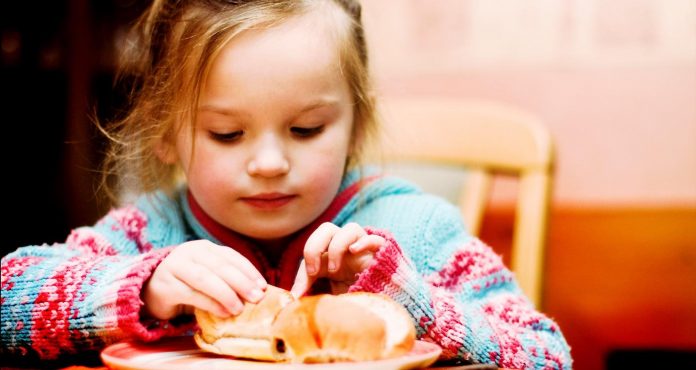
It can be quite a struggle for parents to get stubborn children to eat their vegetables—which is why generations of them have come up with creative methods for sneaking nutrition into their kids’ diets.
In the survey of 2,000 parents with children under 18, half declared a parenting ‘win’ whenever their child requested a healthy snack. 53% said another win was watching them actually enjoying that healthy snack.
These wins could arguably be the most satisfying for parents too, because 55% of respondents agreed getting their child to eat healthy food was “difficult”.
Conducted by OnePoll on behalf of Pirate’s Booty for National Snack Food Month in February, the survey looked at the top tips and hacks parents use to assist them in scoring those parentings wins.
Fifty-five percent of respondents said they’ve employed the “stealth health” technique to help them maintain a well-rounded and nutritious diet for their children.
21% of parents polled really dedicate themselves to stealth health by pureeing, dicing, or even grating vegetables so they can be snuck into a plate undetected.
Creativity is also key for parents—from slipping spinach into brownies or placing veggies underneath the cheese in pizza. One respondent even said they mix powdered baby food into mac n’ cheese in order to keep their kids eating their veggies.
‘Chicken nuggets’ is another key to stealth health, as twenty-two percent of parents surveyed said they’ve told their children breaded vegetables were chicken nuggets to help persuade the little ones to eat them and 21% said they’ve told their children all meat is chicken nuggets to give them a boost to eat it.
The most successful tip to keep their kids eating healthy, however, is simply allowing them to lend a hand in the kitchen (37%). Any way you slice it, adults all love those satisfying little ways we manage to empower ourselves while raising their brood.
WHAT ARE THE TOP 10 HACKS PARENTS USE TO MAINTAIN A NUTRITIOUS DIET FOR THEIR FAMILY? Survey Says…
1. Allowing your child to help cook meals so they will be more likely to eat them
2. Letting your child pick their own healthy snacks
3. Letting your child pick a few meals for the family to have each week
4. Only letting your child eat dessert if they’ve finished their vegetables
5. Switching the packaging from an unhealthy snack to a healthy snack
6. Bribing your child with a treat to get them to finish their dinner
7. Letting your child put a little ketchup on things they don’t like, so they will eat them
8. Using the “one more bite” rule over and over to get your child to finish their meal
9. Buying snacks with characters your child likes on the packaging so they would be more likely to eat it
10. Making faces with the food so your child will be entertained and be more likely to eat it
Share The Tips And Tricks With Your Friends On Social Media… (Photo by Dan Foy, CC license)
Ask ten of your friends to join you on stage to do improv comedy, and see how many of them say yes. Now, imagine someone suffering from anxiety or depression and ask them the same question—probably a slim chance of getting a yes out of anyone in your entire friend group.
But, those who are grappling with anxiety or depression in Chicago should seriously consider joining the program Improv for Anxiety.
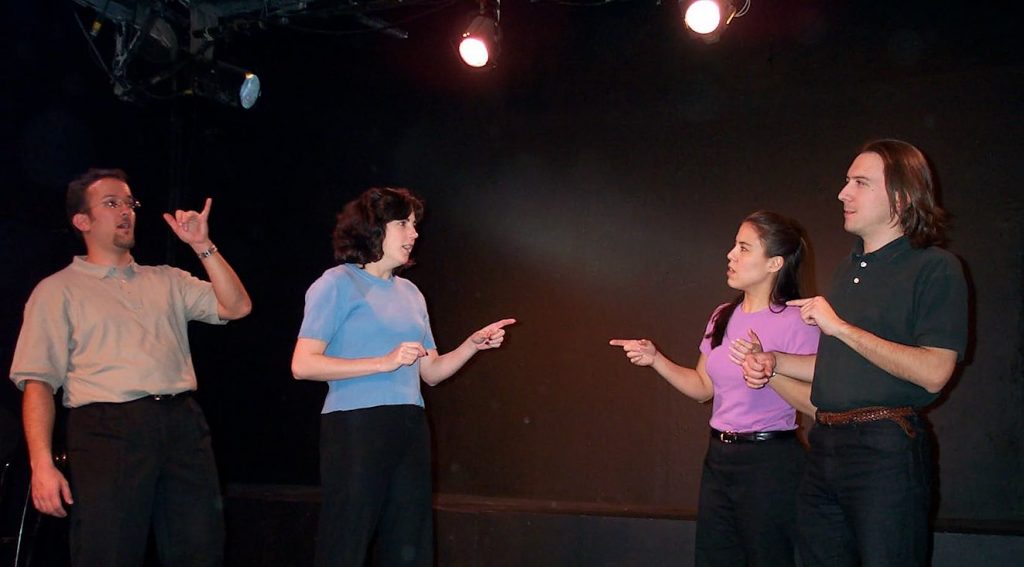
Freethink.com documented the adventure of Stephanie Azzaline and other students who signed up for the 8-week course—a mixture of group therapy sessions (led by two licensed clinicians with improv experience) and actual improv training and performances led by instructors at one of the world’s premier comedy clubs, Second City.
The idea, which came to life at Second City a couple years ago, was to create a support network, which would then help bolster the confidence of members, both teens and college students, stuck in anxiety’s grasp. And a scientific study showed it to be a potentially a great idea.
After a short-term clinical study involving 32 patients, researchers in Illinois concluded that intervention using improvisational comedy exercises may provide a strong and efficient treatment for patients with anxiety and depression.
Improv for Anxiety course methods include all of the classic games that made Whose Line is it Anyway famous, like ‘scenes from a hat,’ and ‘hoedown’.
The students found the assurance that everyone in the class was already seeking to remedy their anxiety encouraging, and it was an important part of getting them comfortable enough to perform.
Improv Offers The Gift of Being Present
“People with anxiety a lot of times are either thinking about the past, or they’re thinking about the future,” Megan Hastings, an improv student told Freethink. “But they’re normally not in the present.”
Improv forces those in the class to stay rooted in the present as they try and come up with ideas, rhymes, jokes, and more. There are no pauses in improv rounds, so if you make a mistake, the only way to fix it is to move forward and try to nail the next bit.
Photo by Matt Stratton, CC license
For instance, one of the games from Whose Line is it Anyway that Improv for Anxiety regularly uses is an exercise where they all take turns adding one word onto an ongoing sentence to try and make the funniest story.
Many of the students and participants said their anxiety had abated, sometimes a little, sometimes a lot, after taking the course. One participant managed to navigate a potential breakup without breaking up, and added that her day-to-day life was 30% easier.
The support network continues even after their eight weeks has ended, as participants share their highs and lows in a group text—undoubtedly with jokes thrown in as often as possible.
DON’T Boo This Therapy—Share it From Your Social Media Stage…
While not many of you currently clean your kitchen counters with a rotting banana peel, the natural processes inherent in decomposing fruit actually produce many of the key ingredients within many common household cleaners.
With so much food waste going to rot in landfills, a company called Veles wanted to repurpose those sugars and acids and turn them into something useful. Today, their all-purpose cleaner is made exclusively from 100% food waste, along with a selection of sustainably sourced natural fragrances—and lab tests show it to be effective 99% of the time at cleaning tough dirt from multiple surfaces.
Most household cleaners contain up to 90% water, a valuable resource in any country—but all the water in the Veles product is directly derived from the food waste.
Co-founders of the New York–based eco-company, Amanda Weeks and Brett Van Aalsburg, have partnered with food waste collectors across the city to bring the contents of food waste bins in corporate cafeterias throughout Manhattan to use in their production process.
Using a simple acid fermentation process, key cleaning ingredients can be teased out of food waste. These include water, lactic acid, acetic acid, one of the few compounds in vinegar, and alcohol. Together they make up 97% of the Veles cleaner, with natural fragrances representing the remaining 3%.
The environmental benefits of the Veles cleaner go beyond just increasing the amount of food waste being recycled. It raises awareness of the benefits of bio-matter as a cleaning agent; reduces a potent source of methane (CH4) a harmful greenhouse gas, which emanates from food waste accumulating in landfills; and also removes the need for processed ingredients to be shipped to the Veles production facility in Newark from faraway places, reducing CO2 emissions in the transportation sector.
And more good news comes from the fact that they’ve designed their handsome spray bottle to be made of recyclable aluminum sourced in the U.S., and the company will soon be selling refills for it.
Like other products that are beneficial for the environment, Veles isn’t cheap. It is available for $16.00 on their website, but the refills will be selling for half as much—for all the customers who want to maximize the green potential of their dollars, and support small business innovation.
SHARE The GREEN News From The Big Apple on Social Media…