











All News - Page 612 of 1738 - Good News Network
Home Blog Page 612

These Schools Are Offering Yoga and Mindfulness Class as an Alternative to After-School Detention

Photo by David Lynch Foundation

As far as after-school detention goes, being forced to sit in a room against one’s will for an hour rarely promotes the personal reflection that leads to any behavior change—and that’s from the mouth of a high school principal, Jack Hatert.

His school, Yellow Springs High, along with nearby Mckinney Middle school, are giving students an alternative to classic detention by offering after-school mindfulness practice led by an expert. Every Monday for 30 minutes after classes end, students can sit down on a blanket in Donna Haller’s second-floor classroom and allow themselves a quiet moment to calm their emotions and focus on stillness, being present, and increasing awareness of themselves and their school environment.

Collectively, these emotional reset sessions sit at the heart of a new Ohio statewide education initiative encouraging schools and teachers to offer mindfulness training to students. Entitled “Each Child, Our Future,” Ohio’s new plan aims to offer resources to create well-rounded and capable young people, and perhaps also address the mental health epidemic in the United States.

RELATED: One in Three Americans Now Consider Meditation to Be Essential for the Perfect Morning, Says Poll

Social-emotional learning is one of the three fundamentals in this program, which hopes to create “processes through which children and adults acquire and effectively apply the knowledge, attitudes and skills necessary to understand and manage emotions, set and achieve positive goals, feel and show empathy for others, establish and maintain positive relationships and make responsible decisions”.

Along with mindfulness classes every Monday, Yellow Springs High offers yoga classes in the school library every Wednesday.

Donna Haller, has been at the high school for the past nine years and is a certified yoga and meditation instructor for both adults and youth of all ages.

CHECK OUT: How to Follow Negative News Without Getting Depressed

“I love it,” she told Yellow Springs News after one of her guided meditation classes during Wednesday’s yoga slot. “It does as much for me as them,” she said of the calming effects.

“Someone I know said that mindfulness and yoga have helped them with their ADHD and with processing an event where they had lost someone who was dear to them,” wrote freshman Isabella Beiring for a video project about the mindfulness and yoga program.

Sweeping the Nation

But Yellow Springs, Ohio is not the only town to feature meditation, mindfulness classes, or yoga as a potential game-changer for their students.

A 2017 survey from the National Institute of Health found that 1 in 12 children reported that they had practiced yoga during the previous 12 months—and between 2002 and 2012, the number of children and adults practicing yoga doubled in the country. Between 2012 and 2017, the number continued to increase, and Yellow Springs News reports that yoga classes are now being offered in more than 940 schools across the country.

The positive research about meditation and mindfulness training are fairly compelling—the benefits are easy to achieve, effective, and long-lasting. Studies have also demonstrated that yoga, particularly in students, can help improve responses to stress, process past events that may have been difficult, enhance social engagement, and possibly even improve academic performance.

MORE: More Schools Are Being Gifted Free Washing Machines From Whirlpool So Kids Don’t Skip School

Photo by David Lynch Foundation

The San Francisco Unified School District, as well as other schools across the country are implementing the Quiet Time program, started by Twin Peaks and Fight Club director David Lynch. Quiet Time consists of two fifteen minute sessions of transcendental meditation where students are encouraged to breathe deeply, clear their minds, and find their center.

According to the David Lynch Foundation for Consciousness-Based Education and World Peace website, the Quiet Time meditation program has shown a 65% decrease in violent conflict, a 40% reduction in stress and anxiety, and an 86% reduction in suspensions over a two year period along with a dramatic increase in self-confidence, creativity, and happiness.

Transcendental meditation is different in principle to mindfulness training and yoga, but the results for the layperson tend to be the same—calmness of heart and mind, reduced stress, anger, and anxiety, and better attendance records.

MORE: Meditation and Mindfulness Tips to Combat Everyday Worries and Life’s Big Questions

Be Sure And Share The Good News With Your Friends On Social Media 

“I have been and still am a seeker, but I have ceased to question stars and books; I have begun to listen to the teaching my blood whispers to me.” – Hermann Hesse

Quote of the Day: “I have been and still am a seeker, but I have ceased to question stars and books; I have begun to listen to the teaching my blood whispers to me.” – Hermann Hesse

Photo: by Ben White – public domain

With a new inspirational quote every day, atop the perfect photo—collected and archived on our Quote of the Day page—why not bookmark GNN.org for a daily uplift?


Tokyo University Uncovers a Solution to the Problems of Hydrogen Fuel Production – Use Rust

Scientists identify a new, safe, and efficient way of producing hydrogen from organic waste solution using a catalyst derived from―of all things―rust.

Production of hydrogen fuel is a key goal towards the development of sustainable energy practices, but this process does not have feasible techniques yet. Thankfully, a team of Japanese scientists from Tokyo University of Science, led by Prof Ken-ichi Katsumata, have identified a novel technique of using rust and light to speed up hydrogen production from organic waste solution—a finding that can revolutionize the clean energy industry.

In today’s narrative of climate change, pollution, and diminishing resources, one fuel could be a game-changer within the energy industry: hydrogen. When burned in a combustion engine or in an electrical power-plant, hydrogen fuel produces only water, making it far cleaner than our current fossil fuels. With no emissions or toxic gas production, no contribution to climate change, and no smog, hydrogen may be the answer to a future of cleaner energy, so why is it not more widely used?

First, hydrogen is highly flammable and leaks very easily from storage tanks, causing potential explosion hazards during storage and transport. Second, although pure hydrogen occurs naturally on Earth, it is not found in quantities sufficient for cost-effective utilization. Hydrogen atoms must be extracted from molecules like methane or water, which requires a large amount of energy. Although several techniques exist to produce hydrogen fuel, scientists are yet to make this process “efficient” enough to make hydrogen a commercially competitive fuel on the energy market.

RELATEDScientists Develop Exciting New Way to Produce Hydrogen Fuel That’s Safe, Cheap, and Ultra-Efficient

For decades, scientists have been working on this problem One of the most promising methods to achieve this is through solar-driven processes, using light to speed up (or “catalyze”) the reaction to split water molecules into oxygen and hydrogen gas. In the 1970s, two scientists described the Honda-Fujishima effect, which uses titanium dioxide as a photocatalyst in hydrogen production.

Building on this research, the team sought to use a cheaper, more readily available semiconductor catalyst for this reaction, with the hope to increase its efficiency even further, reducing the production costs and safety of hydrogen fuel.

Their study published in Chemistry: A European Journal indicates that, by using a form of rust called α-FeOOH, hydrogen production under Hg-Xe lamp irradiation can be 25 times higher than titanium dioxide catalyst under the same light.

The experiment conducted by Prof Katsumata and colleagues aimed to address common challenges encountered in using semiconductor catalysts in solar-driven hydrogen production. There are three major obstacles described by the authors. The first is the need for the catalyst material to be suitable for the use of light energy. The second is that most photocatalysts currently used require rare or “noble” metals as cocatalysts, which are expensive and difficult to obtain.

CHECK OUT: New Power Plant Turns Waste into Energy—and Doubles as a Ski Slope and Climbing Wall

They also aimed to find a solution that could not only increase the reaction’s efficiency, but also successfully prevent hydrogen and oxygen from re-coupling and creating a potential hazard.

“We were really surprised at the generation of hydrogen using this catalyst,” states Professor Katsumata, “because most of the iron oxides are not known to reduce to hydrogen. Subsequently, we searched for the condition for activating α-FeOOH and found that oxygen was an indispensable factor, which was the second surprise because many studies showed that oxygen suppresses hydrogen production by capturing the excited electrons.”

MORE: First Fully Rechargeable Carbon Dioxide Battery is Seven Times More Efficient Than Lithium Ion

The team confirmed the production mechanism of hydrogen from water-methanol solution using a ‘gas-chromatography-mass-spectrometry’ method, showing that α-FeOOH was 25 times more active than the titanium dioxide catalyst used in previous research, supporting stable hydrogen production for more than 400 hours.

“The specific function of the oxygen in activating light-induced α-FeOOH has not been unveiled yet. Therefore, exploring the mechanism is the next challenge.”

“Although we could quickly elucidate the generation of fuel (hydrogen), it took about three years to investigate the role of oxygen (why is it consumed?),” Professor Katsumata told GNN. “At this stage, the reaction occurs only with ultraviolet light, and its quantum yield is not high. We need to continue our research to improve the efficiency of the reaction.”

For now, these findings of Katsumata and his colleagues represent new advancements in the production of a clean, zero-emissions energy source that will be central to the sustainable societies of the future.

Reprinted from Tokyo University of Science

Power Up With Positivity By Sharing The Good News With Your Friends On Social Media…

After Senior Broke His Hip Mowing His Lawn, Responding EMTs Returned to His House to Finish the Job

When an 88-year-old man was sent to the hospital with a broken hip, the firefighters who responded to the emergency call returned to his house to finish his yard work.

Howard Storelee from Rochester, Washington has been diligently keeping his yard and property tidy since his wife passed away five years ago.

When the hardy senior was mowing his lawn last week, however, he fell and broke his hip. Since he also injured himself in a more isolated part of his yard, no one could see him on the ground.

For four hours, Storelee was unable to move. Thankfully, a trio of middle schoolers who were walking in front of his house heard his cries for help and called 911.

LOOK: For 3 Hours, Firefighters Carry Park Ranger’s Gurney Through a Forest So He Could Be in Nature One Last Time

Three responders from the West Thurston Regional Fire Authority arrived on the scene and whisked Storelee off to the hospital before spending the rest of their day addressing other community emergencies. Upon finishing with their duties in the evening, they all agreed to go back to Storelee’s house and finish all of his yard work.

“There was no hesitation from anybody,” longtime firefighter EMT Alexander Trautman told The Washington Post. “We talked to our lieutenant and captain, and they were 100 percent behind it.”

“We knew he’d be down for a while,” he added. “We figured the least we could do was go back and help out.”

Clean Up Negativity By Sharing The Inspiring Story With Your Friends On Social Media…

‘Pivotal’ New Drug Helps to Preserve Brain Cells and Improve Outcomes After a Stroke

After 50 years of research and the testing of over 1,000 drugs, there is new hope for preserving brain cells for a time after a stroke.

Treating acute ischemic stroke patients with an experimental neuroprotective drug, combined with a surgical procedure to remove the clot improves outcomes as shown by clinical trial results published last week in The Lancet.

The multi-centre, double-blinded, randomized trial, led by a team at the Cumming School of Medicine’s (CSM) Hotchkiss Brain Institute and Alberta Health Services, investigates the use of the neuroprotective drug nerinetide in two scenarios in the same trial.

In one scenario, nerinetide—which was developed by NoNO Inc—is given to patients in addition to the clot-busting drug alteplase. In the second scenario, patients who were not suitable for alteplase received only nerinetide. Both groups of patients had concurrent endovascular treatment (EVT) to remove the clot.

RELATED: Accidental Discovery of New T-Cell Hailed as Major Breakthrough for ‘Universal’ Cancer Therapy

“Compared to placebo, almost 20% more patients who received nerinetide along with endovascular treatment, but did not receive alteplase, recovered from a devastating stroke—a difference between paralysis and walking out of the hospital,” says Dr. Michael Hill, a neurologist at Foothills Medical Centre (FMC). “In the patients who received both drugs, the alteplase negated the benefits of the nerinetide.”

Hill says the study provides evidence of a biological pathway that protects brain cells from dying when they are deprived of blood flow. Nerinetide targets the final stage of the brain cell’s life by stopping the production of nitric oxide within the cell.

“We really believe this is a new scientific observation,” says Hill. “There is evidence nerinetide promotes brain cell survival, offering neuroprotection until we can extract the clot. It opens the door to a new way of treating stroke.”

LOOK: Bionic Pancreas for Type 1 Diabetes Gets ‘Breakthrough’ Designation From FDA

Images of patients’ brains from the study show the expected size of the damage from the stroke is sizably reduced when nerinetide is administered and EVT is performed among patients not concurrently receiving alteplase.

“After so many studies investigating neuroprotective drugs failed, we are extremely excited by these results,” says Dr. Mayank Goyal, a neuroradiologist at the FMC, and clinical professor in the Department of Radiology at the CSM. “While nerinetide is not approved for use yet, it shows the potential of a new tool to promote recovery from stroke.”

Worldwide, 15 million people suffer a stroke each year—that’s one every nine minutes in Canada and every 90 seconds in the United States. The results can be devastating. Ischemic stroke, the most common, is caused by a clot in a blood vessel in the brain. The sudden loss of blood flow causes brain cells to die, which can permanently affect speech, vision, balance and movement.

CHECK OUT: Scientist Who Helped Develop Breakthrough Ovarian Cancer Treatment Donates All $1.2 Million in Profits

The international trial enrolled 1,105 patients between March 2017 and August 2019 at centers in North America, Europe, Australia, and Asia—a global academic collaboration bringing together scientists, clinicians, funding agencies, and industry.

“The collaboration between NoNO Inc., the University of Calgary and investigators at 48 leading stroke hospitals around the world has shown how effective such an academic-industry partnership can be in running high-quality, foundational stroke trials that can lead to positive changes in clinical practice,” says Dr. Michael Tymianski, CEO of NoNO Inc. and the inventor of nerinetide.

The results in the current study, called the ESCAPE-NA1 Trial, build on the success of the ESCAPE trial, in which the Calgary Stroke Program proved that a clot retrieval procedure known as EVT can dramatically improve patient outcomes after an acute ischemic stroke. During the procedure, a catheter is inserted in the groin and guided through blood vessels into the brain. A tiny metal mesh device is used to grab the clot and pull it out. The current study investigates whether administering nerinetide in addition to clot retrieval improves the patient’s ability to recover.

Reprinted from University of Calgary

(WATCH the video below)

Cure Your Friends Of Negativity By Sharing It With Your Friends On Social Media…

Watch 84-Year-old’s Reaction to Winning New Car After Sinking Incredible 93-Foot Putt

This is the astonishing moment that an 84-year-old woman managed to win a brand new car by sinking a golf ball from across a basketball court.

Mary Ann Wakfield was given the chance to win a free 2020 Nissan Altima from a local dealership this weekend during the Ole Miss men’s basketball game at the University of Mississippi in Oxford.

All Wakfield had to do was land a difficult 94-foot golf shot during the promotional segment of the game—and to the crowd’s delight, the senior sank the putt with surprising ease.

(WATCH the video below)

Putt The Positivity Over To Your Friends By Sharing It To Social Media…

“Compassion leads to courage, moderation leads to generosity, and humility leads to leadership.” – Christopher Moore

Matias North

Quote of the Day: “Compassion leads to courage, moderation leads to generosity, and humility leads to leadership.” – Christopher Moore

Photo: by Deva Darshan – public domain

With a new inspirational quote every day, atop the perfect photo—collected and archived on our Quote of the Day page—why not bookmark GNN.org for a daily uplift?


Come to Tony Robbins’ 60th Birthday Concert in L.A. Saturday – And Help Save Kids From Sex Trafficking

The family of Tony Robbins, the world renown leadership coach, will celebrating his 60th birthday by giving back in a big way—raising awareness and financial support for one of the most heartbreaking issues in the world today, child sex trafficking.

A benefit concert in Los Angeles Saturday evening will continue Tony’s lifelong mission to end human suffering, with organizers donating 100% of the net proceeds to Operation Underground Railroad (O.U.R.), a nonprofit mission whose founder is featured in an upcoming Hollywood film.

Half concert and half party, the event described as a “force for good,” will be held February 29 at the Microsoft Theater and feature performances by Pitbull, Melissa Etheridge, Andy Grammer, Cold War Kids, and Leona Lewis, among others. The money raised from tickets—costing $125 – $5,000, depending on seating—will support the O.U.R. mission and help expand its services to care for more children.

“We are forever grateful to Tony and Sage and their unwavering commitment to help us put an end to modern-day slavery,” said O.U.R. founder Tim Ballard, a former special agent for the Department of Homeland Security who spent over a decade as an undercover operative in the field.

“With the funds from this event, O.U.R. will be able to rescue more children, enter new countries and change thousands of lives.”

Launched in 2014, O.U.R. has rescued 3,000 survivors and assisted in the arrest of 1,800 perpetrators worldwide.

Ballard’s story is coming to the big screen this fall, with the release of the feature film The Sound of Freedom, directed by Alejandro Monteverde and starring Jim Caviezel and Mira Sorvino, which focuses on true events surrounding the creation of O.U.R.

RELATED: Tony Robbins Swoops In To Stop Nuns’ Eviction From Their Soup Kitchen

The film’s producer, Eduardo Verastegui, said, “I’m grateful and inspired by Tony Robbins for turning his 60th birthday into a celebration of freedom dedicated to rescuing thousands more children from being kidnapped for sexual exploitation.”

“I’m also grateful for the Good News Network’s continuous work promoting the good news from around the world for over two decades. Millions of people are inspired by GNN’s work—and having GNN promote Tony’s birthday is just another example!”

LOOK: Tony Robbins Interview With Wayne Dyer Will Inspire You to Do What it Takes to Have the Life You Want

“Tony has devoted his life to helping people realize their passions and change their circumstances,” said his wife Sage Robbins “I cannot think of a better way to celebrate this milestone birthday than to support his commitment to O.U.R., with the goal of saving thousands more children from some of the worst conditions on earth.” Robbins will also get an executive producer credit on the feature film.

WATCH the video about the benefit concert below…

Get your tickets here for the Saturday show: www.tonyrobbinsbday.com

SHARE With Your L.A. Friends and Inspire Change on Social Media…

Eco-Activist Hits Fashion Week Catwalk With Clothing Made Out of Abandoned Tents Collected From Music Festivals

James Marshall – SWNS

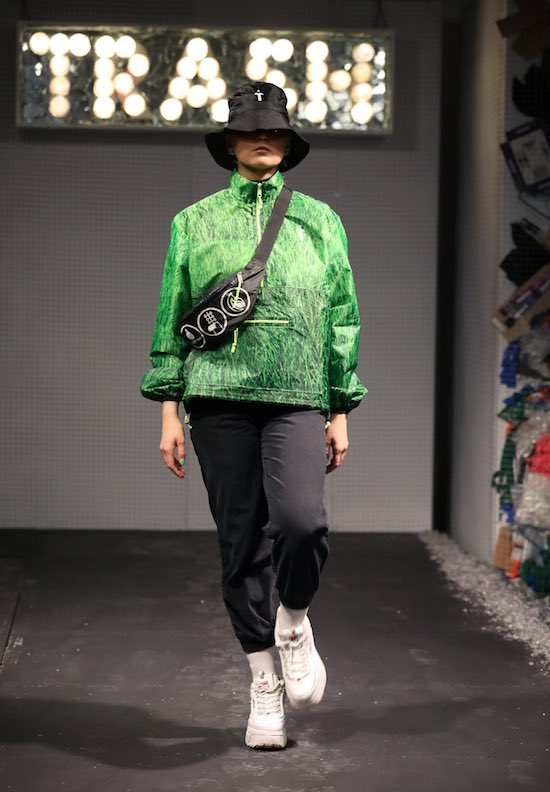
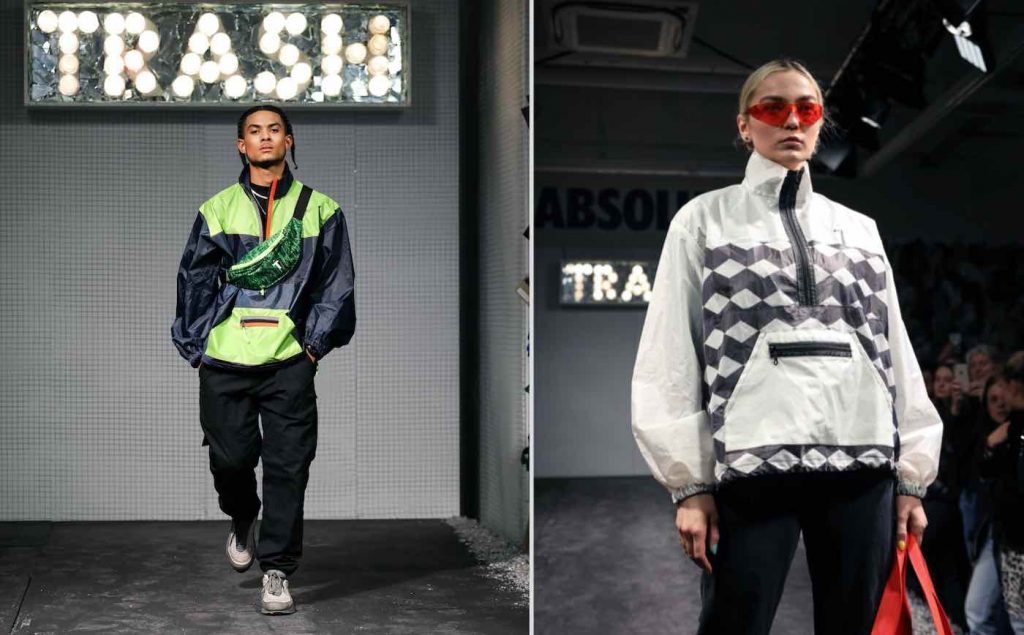
This eco-warrior entrepreneur is making clothes from abandoned tents collected from music festivals—and the line debuted this month on the London Fashion Week catwalk.

24-year-old James Marshall spent last summer scouring campsites and collecting abandoned tents following the Eden Festival in the Scottish Borders and Kendal Calling in the Lake District.

With the help of his friends and family, he amassed around 300 tents which were then turned into trendy bucket hats, bumbags, and jackets by fashion designer Imogen Evans.

Some of James Marshall’s designs at London Fashion Week. SWNS.

“We also worked with a charity in England who collect tents at the end of festivals and give them to refugees,” said Marshall. “They don’t normally collect broken tents, but they did and then sent them all over to us.”

The ultra-sustainable jacket was modeled on the catwalk at London Fashion Week in February under the brand name 10T.

RELATED: The Guys Who Sell Ocean Plastic Bracelets Hit 8 Million Pounds of Waste Pulled From the Sea

“London Fashion Week was a really good experience. The days were pretty stressful, but it was such a good feeling to get that recognition,” says Marshall. “It was nice to have the validation that the process and idea works and that we can take the idea to market and continue with it.”

James Marshall designs – SWNS

Marshall, who graduated from Edinburgh Napier University in 2018 with an MSC in Environmental Sustainability, came up with the idea for the 10T project the year he finished his studies. Shortly after he got his degree, he launched the brand.

MORE: Company Collects 80% of City’s Recyclable Plastics and Turns It All into Lumber

The firm, which also produces duffel bags made from ground-up tent sheets, is hoping to sell their products online in mid-March—just in time for the festival season.

“We will stick with collecting from sources ourselves, but we will start looking at other forms of waste,” he added. “We already have a few ideas.

“What I want to hold on to is that we collect, manifest, sort, and clean the materials and make the products ourselves.”

Tents at Leeds Festival – SWNS

Clean Up Negativity By Sharing The News With Your Friends On Social Media…

Listen to What These Couples From Around the World Have to Say About Being Married for More Than 30 Years

Photo by Great Big Story

Although love is a universal language, it may not always stand the test of time.

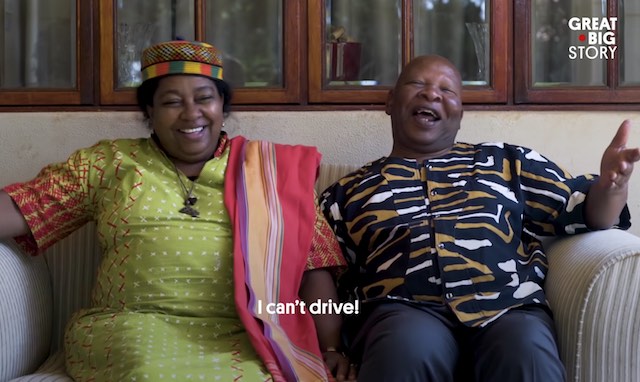
That’s why Great Big Story decided to talk to nine couples from around the world about what it has been like for them to be married for more than 30 years.

From Michigan to São Paolo; from Ghana to the Philippines—each couple was asked about their own personal gripes, romances, and advice from decades of marriage.

Although not all of the smitten seniors admitted to falling in love at first sight, they all agreed that the magic of their marriage has only gotten better with age.

(WATCH the Great Big Story video below)

Spread The Love; Share This Sweet Video With Your Friends On Social Media…

Researchers Design First-of-its-Kind Wearable Device That Can Monitor Animals’ Health Through Their Fur

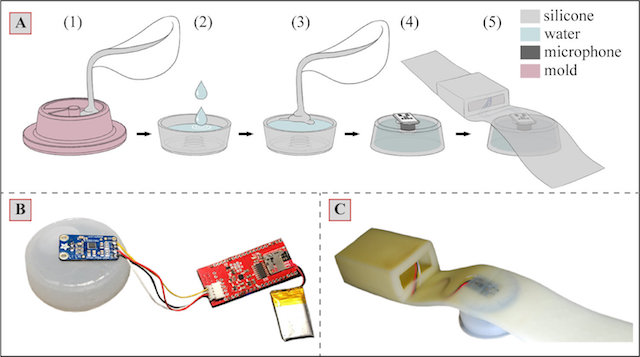
Photo by Guder Research Group/Imperial College London

Researchers from Imperial College London have invented a first-of-its-kind health tracking sensor for pets and people that can monitor vital signs through fur or clothing.

The new type of sensor, which can detect vital signs like heart and breathing rates through fur—and as many as four layers of clothing—could help make everyday wearables for pets and livestock a reality.

Such devices could help owners keep track of their pets’ health, and help vets monitor animals during surgery without the need for shaving.

They could even help improve the work of sniffer dogs used to detect bombs and missing persons.

LOOK: This New LED Lamp Has Helped 90% of Its Dyslexic Users to Read ‘Effortlessly’

For human use, they could provide a new way to measure vital signs over clothing without direct contact with the skin.

Lead author Dr Firat Guder, of Imperial’s Department of Bioengineering, said: “Wearables are expected to play a major role in monitoring health and detecting diseases early. Our stretchy, flexible invention heralds a whole new type of sensor that can track the health of animals and humans alike over fur or clothing.”

The research on this new class of sensors is published Tuesday in Advanced Functional Materials.

Watery, squishy stethoscope

Unlike in humans, for whom there are many fitness tracking devices, there aren’t currently many “wearable” options for pets and other animals. The researchers suggest that one reason for this is that current trackers cannot monitor vital signs through fur.

The new Imperial-developed device is made of a silicone-water composite material which houses a microphone that picks up sound waves, like a watery, squishy stethoscope. It is flexible and stretchy enough that it tightly moulds to the shape of the fur, clothing, or body part it is placed on, squeezing out any sound-sucking air bubbles and preventing them from re-forming.

RELATED: Bionic Pancreas for Type 1 Diabetes Gets ‘Breakthrough’ Designation From FDA

First author Yasin Cotur, of Imperial’s Department of Bioengineering, said: “The sensor works like a watery stethoscope, filling any gaps between it and its subject so that no air bubbles get in and dampen the sound.”

The sound is converted to a digital signal which is then transmitted to a nearby portable computer so that people can track an animal’s physiology in real-time.

When the researchers tested their device on five humans and one dog, they found that it works through up to four layers of clothes, and that the sensor works best when the clothing or fur sits right up against the skin.

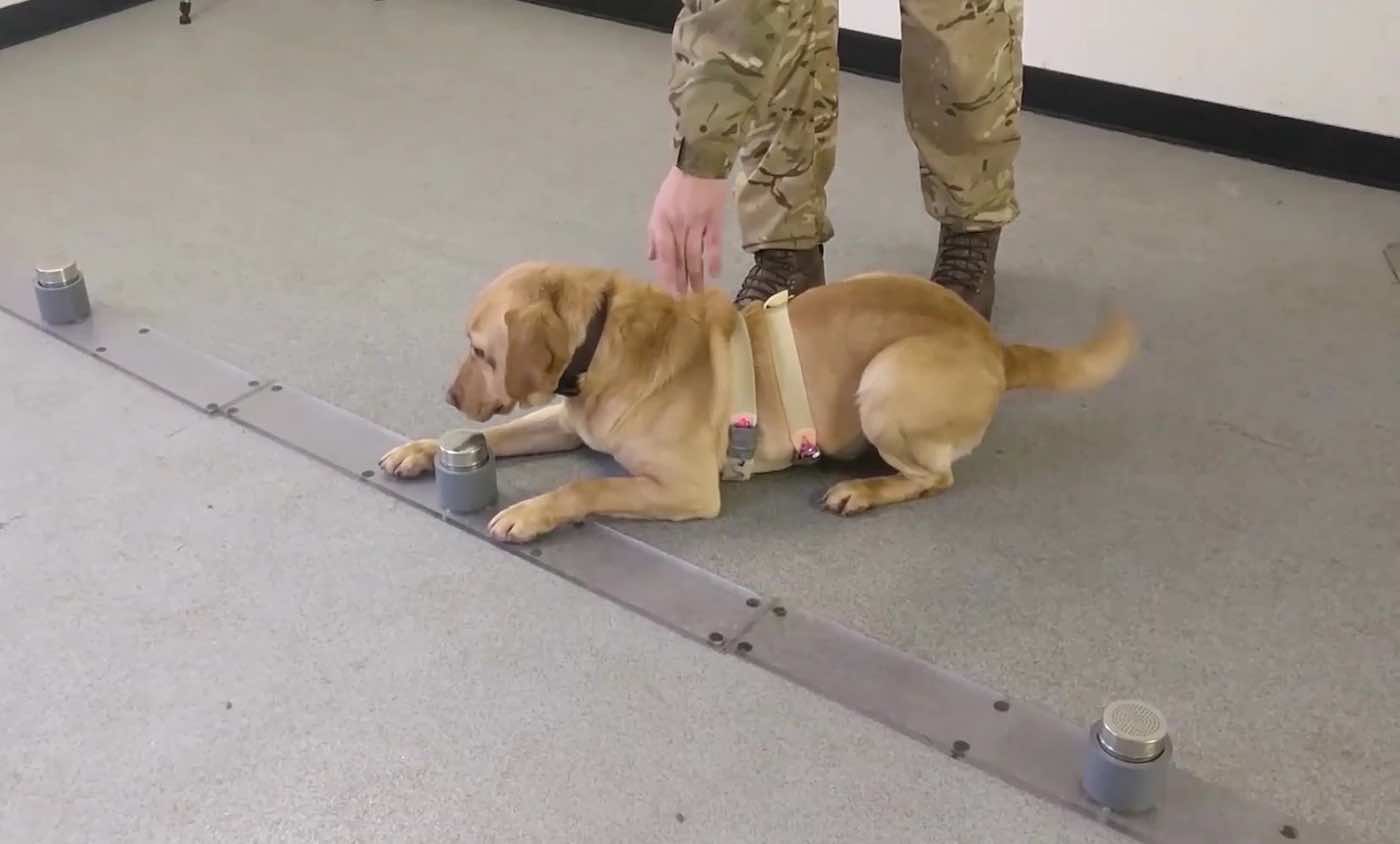
Photo by Guder Research Group/Imperial College London

Dogs with jobs

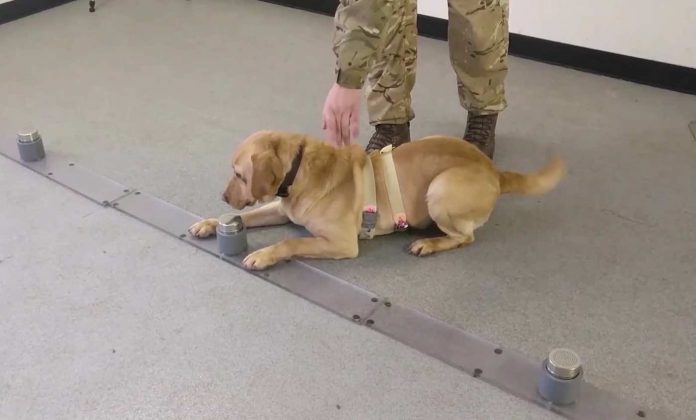
As well as health tracking, the researchers say the sensors could help turn findings from sniffer dogs into measurable data.

Sniffer dogs are trained to exhibit behaviors like sitting or barking when they detect a target object such as an explosive device or person stuck inside rubble following an earthquake.

CHECK OUT: People With Diabetes May One Day Be Monitoring Glucose With an Earring

When dogs “alert” to target objects, such as bombs, their heart and breathing rates increase because they are excited to be rewarded for correctly identifying their target.

However, “alerting” behavior can be difficult to quantitively measure.

The researchers say their new sensor could establish baselines of normal heart and breathing rates from which to quantify the level of excitement for each dog. This would be measured by how much their vital signs diverge from the norm.

By measuring how excited the dogs are, an inbuilt algorithm might even be able to tell the strength of the dog’s reaction to the smell it detects and work out how ‘sure’ the dog is of finding the desired object.

Photo by Guder Research Group/Imperial College London

Animal AI

The sensors have been tested only on dogs and humans so far, but the researchers will next try to adapt them for use on other types of pets, as well as horses and livestock.

Yasin said: “The next step is to validate our system further with animals, primarily focusing on sniffer dogs and then horses and livestock later on.”

They are also integrating motion sensors to the system so they can track animals’ movements in real time. The software could use an artificial intelligent algorithm to indicate when pets are standing, sitting, or lying, as well as which direction they are facing and how their vital signs diverge from the norm. This could hook up to a smartphone app that will tell owners how—and where—their pets are in real time.

Reprinted from Imperial College London

(WATCH the video below)

Be Sure And Share The Pawesome News With Your Friends On Social Media…

After Decade of Historic Growth, Wind Power is Now the Most-Used Renewable Energy Source in US

For the first time in U.S. history, the amount of electric power generated from wind in 2019 exceeded the amount sourced from hydroelectric.

Photo by the Energy Information Administration

According to the U.S. Energy Information Administration’s newly-released Electric Power Monthly, the exciting milestone means that wind is now the top renewable source of electricity generation in the country—a position previously held by hydroelectricity for several decades.

Annual wind generation totaled 300 million megawatthours (MWh) in 2019, exceeding hydroelectric generation by 26 million MWh. Wind generation has increased steadily during the past decade, in part, because the Production Tax Credit (PTC)—which drove wind capacity additions—was extended. Annual hydroelectric generation has fluctuated between 250 million MWh and 320 million MWh in the past decade, reflecting a stable capacity base and variable annual precipitation.

LOOK: New Power Plant Turns Waste into Energy—and Doubles as a Ski Slope and Climbing Wall

Annual changes in hydroelectric generation are primarily the result of variations in annual precipitation patterns and water runoff. Although weather patterns also affect wind generation in different regions, capacity growth has been the predominant driver of annual changes in wind generation.

Both hydroelectric and wind generation follow seasonal patterns. Hydroelectric generation is typically greatest in the spring when precipitation and melting snowpack increase water runoff. Seasonal patterns in wind generation vary across the country, but wind generation is usually greatest in the spring and fall.

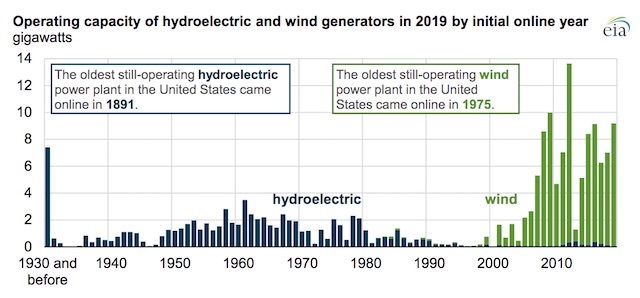
Wind capacity additions tend to come online during the fourth quarter of the year, most likely because of tax benefits. Wind capacity additions totaled 10 gigawatts in 2019 (3.8 GW installed in the fourth quarter), making 2019 the second-largest year for wind capacity additions, second only to 2012.

Photo by the Energy Information Administration

As of the end of 2019, the United States had 103 GW of wind capacity, nearly all of which (77%) were installed in the past decade. The United States has 80 GW of hydroelectric capacity, most of which has been operating for several decades. Only 2 GW of hydroelectric capacity has been added in the past decade, and some of those additions involved converting previously non-powered dams.

Although total installed wind capacity surpassed total installed hydroelectric capacity in 2016, it wasn’t until 2019 that wind generation surpassed hydroelectric generation. The average annual capacity factors for the hydroelectric fleet between 2009 and 2019 ranged from 35% to 43%. The average annual capacity factors for the U.S. wind fleet were lower, ranging from 28% to 35%. Capacity factors are the ratio of the electrical energy produced by a generating unit for a specified period of time to the electrical energy that could have been produced at continuous full power operation during the same period.

Reprinted from the US Energy Information Administration

Power Up With Positivity By Sharing The Good News With Your Friends On Social Media – Feature photo by Daxis, CC

Architect is Reuniting People With the Photo Memories He Discovered in Shuttered Printing Store

A compassionate architect is going above and beyond mere neighborliness to deliver a heap of family memories to their rightful owners.

Brian Bononi, based in Kansas City, Missouri, was taking some measurements on a recently-shuttered photo shop at the local shopping mall when he saw a stack of more than 160 photo enlargements and knick-knacks by the back door.

The memorabilia featured photo shoots celebrating peoples’ graduations, baby announcements, and family reunions—and the whole pile was on the way to the landfill because the store had closed.

RELATED: This Veterinarian Has Spent 9 Years Wandering the California Coast Treating Homeless People’s Pets for Free

After Bononi got permission to take home the store’s unpaid or abandoned orders, he and his family got to work documenting each of the items so they could finally be reunited with the people who ordered them.

Since the architect’s family began their labor of love last month, they have managed to deliver more than 20 different orders to their grateful families—and he doesn’t plan on stopping until each order has been fulfilled.

“These are people’s photos from graduation, newborns… If anyone knows anything about getting family portraits taken, [there’s] coordinating outfits, a Saturday when everyone can make it,” Bononi told ABC News. “Can you imagine getting there… and then never getting the canvas from this photoshoot?”

(WATCH the news coverage below)

Be Sure And Share This Sweet Story Of Determination With Your Friends On Social Media…

“The cardinal virtues are self-control, moderation, kindness, generosity, justice, and truthfulness tempered by discretion.” – Miriam Lichtheim, Ancient Egyptian Literature

Toa Heftiba

Quote of the Day: “The cardinal virtues are self-control, moderation, kindness, generosity, justice, and truthfulness tempered by discretion.” – Miriam Lichtheim, Ancient Egyptian Literature

Photo: by Toa Heftiba – public domain

With a new inspirational quote every day, atop the perfect photo—collected and archived on our Quote of the Day page—why not bookmark GNN.org for a daily uplift?


Stunned Couple Reunited With Wedding Photos Stolen at Their Reception Party 35 Years Ago

Mick and Tracey Hepworth wedding photograph from 1985. SWNS.
Mick and Tracey Hepworth, now 60 and 55 years old. SWNS

This married couple was recently stunned to be reunited with photographs that had been stolen from their wedding reception 35 years ago.

Back in 1985, Mick and Tracey Hepworth had been celebrating their recently-officiated wedding with family members during a party when a pair of thieves swiped a handbag that contained a roll of film from the ceremony.

The handbag, which belonged to Tracey’s cousin Karen Williams, was thrown on the ground as family members chased the thieves who fled the scene.

The couple gave up all hope of ever seeing the sentimental photographs again. Unbeknownst to them, however, a woman named Angie McHale had found the empty handbag with the roll of film that very same night—and she had the snapshots developed.

Since she had no way of tracking down the people in the photographs, she stored them away.

CHECK OUT: After Homeless Man is Featured on the Front Page, His High School Friends From 1971 Rally to Get Him Off the Street

But last month, while Angie was preparing to move again, for the fourth time since developing the film, she came across the photos once more.

Mick and Tracey Hepworth’s wedding photographs – via SWNS

She decided to post them to Facebook and ask if anybody knew who they might belong to—and within hours she was put in touch with the rightful owners.

Karen Williams, 55, said her handbag went missing while she was dancing in an English pub at her cousin’s wedding reception in Leeds, on July 6, 1985.

“We saw the two men running out and my auntie ran after them shouting,” said Karen. “The lads ran off and we just lost sight of them.”

“The camera and film were in my handbag,” she added. “As far as we were concerned, the pictures were gone, never to be seen again.”

LOOK: Bride Wore a Wedding Dress Made From the Parachute That Saved Him

SWNS

Angie picks up the story: “I was walking down the street when I spotted the hand bag. The bag was empty, but there was a roll of film. There was no internet then, so I just didn’t know how I would find who was in the pictures… (but) I would have never thrown the photographs away.”

After Angie posted the photos on Facebook, it seemed like everyone in Leeds had shared it—and there were 400-500 comments on the post.

Then Karen got a message from an acquaintance saying, “I think I have spotted you on some old photographs.”

MORE: Adorable Little Boy Can’t Contain Emotions When Mom Walks Down the Aisle

Karen couldn’t believe it—the photographs on Facebook were indeed the missing ones from 1985.

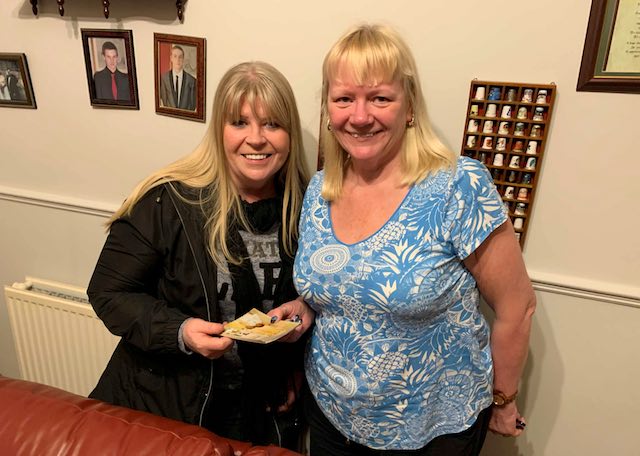
(L-R) Angie McHale with Karen Williams, SWNS photo

Angie offered to deliver them to the house, and the whole family was waiting for her with flowers.

“It was a thoughtful gesture for what was a complete stranger,” she said.

“It just shows Facebook can be used for good,” concluded Tracey, who was also very surprised at how many commenters on the post wanted to know if she and the groom were still together.

The timing could not have been better for the photos’ return, because Mick and Tracey will celebrate their 35th wedding anniversary this July.

Share This Sweet Story Of Fate With Your Friends On Social Media…

Sabrina Ionescu Makes Basketball History–Just Hours After Speaking at the Funeral of Her Mentor Kobe Bryant

Photo by Sabrina Ionescu


This week, Sabrina Ionescu made sports history by becoming the first NCAA basketball player—male or female—to score 2,000 points, 1,000 rebounds, and 1,000 assists in a career.

Not only that, the 22-year-old Oregon Ducks guard helped her team achieve their 74-66 victory against Sanford just hours after delivering an emotional speech at the memorial of her mentor Kobe Bryant and his daughter Gianna, who was also killed in the same helicopter crash which claimed Bryant.

“I wanted to be part of the generation that changed basketball for Gigi and her teammates. Where being born female didn’t mean being born behind. Where greatness wasn’t divided by gender,” said Ionescu. “‘You have too much to give to stay silent.’ That’s what he said. That’s what he believed. That’s what he lived—through Gigi, through me, through his investment in women’s basketball.”

Photo by Sabrina Ionescu

The game was also notable due to how Ionescu recorded the 26th triple-double of her career—and she had missed most of the team’s warmups because she had been battling the flu.

Ionescu took particular notice of the fact that her historic milestone took place on 2/24/20—which are the jersey numbers of Gianna, Bryant, and Ionescu respectively.

“That one was for [Kobe],” Ionescu told ESPN after the game. “To do it on 2/24/20 is huge. We had talked about it in the pre-season. I can’t really put that into words. He’s looking down and really proud of me and just really happy for this moment with my team.”

Score Big With Your Friends By Sharing The Emotional Story With Your Friends On Social Media…

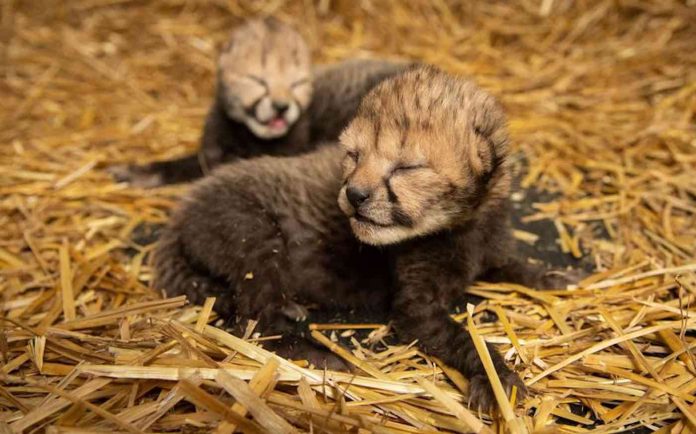
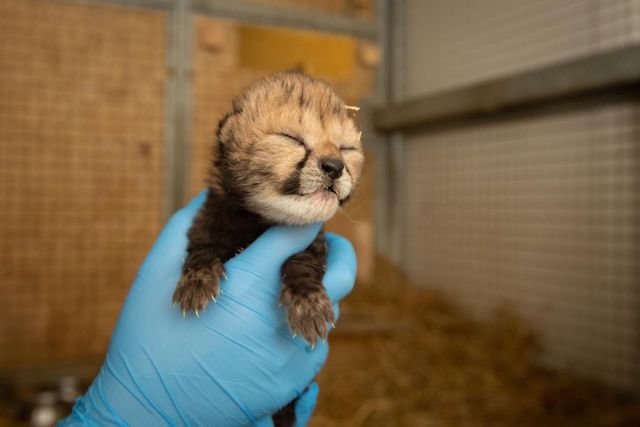
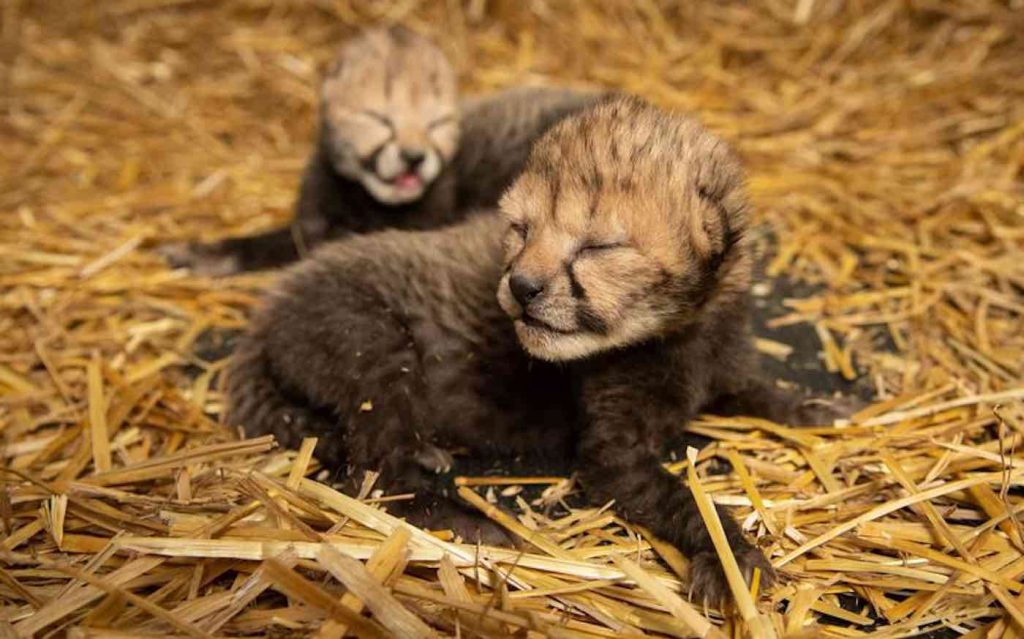
Two Cheetah Cubs Born to Surrogate Mother in World’s First Successful IVF Operation to Save the Big Cats

Photo by Grahm S. Jones / Columbus Zoo and Aquarium

In a groundbreaking scientific breakthrough, two cheetah cubs have been born through an in vitro fertilization process with the embryo transferred to a surrogate mother.

The births took place this week at the Columbus Zoo and Aquarium after years of careful planning. With in vitro fertilization, or IVF, sperm and eggs are fertilized in a laboratory and then incubated to create embryos. The embryos are implanted into a female’s womb, where they may develop into fetuses. IVF has become a more common process with humans and some other species, but it previously has been unsuccessful in large cats, including cheetahs and lions.

In this case, however, the two cubs were delivered by an older cheetah named Isabelle (Izzy) on February 19th—although the cubs’ biological mother is Kibibi.

The cheetahs’ care team observed the births through a remote camera and continue to monitor Izzy and her cubs closely. Izzy, a first-time mom, has been providing great care to her cubs at this time. The care team performed a well check on the cubs on Friday and determined that Izzy gave birth to a male cub and a female cub, both of which have been observed nursing.

WATCH: Hope on Horizon for Escaped ‘Russian Spy Whale‘ After Video of Its Rugby Skills Goes Viral

“These two cubs may be tiny, but they represent a huge accomplishment, with expert biologists and zoologists working together to create this scientific marvel,” said Dr. Randy Junge, the Columbus Zoo’s Vice President of Animal Health. “This achievement expands scientific knowledge of cheetah reproduction, and may become an important part of the species’ population management in the future.”

Kibibi first received hormone injections on November 14th, 2019 to stimulate follicle development. Eggs (oocytes) were taken from the 6-year-old big cat a few days later, as her genes are considered to be valuable in maintaining a strong lineage of cheetahs in human care. Izzy’s bloodline is already well-represented in the genetic registry, so she was selected as a surrogate. After the age of 8, cheetahs’ ability to reproduce declines significantly, and because Izzy is 3 years old, she has a better chance of safely delivering healthy, full-term cubs.

Once Kibibi’s eggs were extracted, the eggs were then fertilized on November 19th in a Columbus Zoo laboratory using thawed semen originally collected in February 2019 from two cheetahs: a male from Fossil Rim Wildlife Center in Glen Rose, Texas and another from Smithsonian’s National Zoo and Conservation Biology Institute (SCBI) in Front Royal, Virginia.

WATCH: Bison Get 22,000 Acres of Land to Roam Free—Watch The Spectacular Moment They Were Reintroduced After 150 Years

On November 21st, the early-stage embryos from Kibibi were then implanted into Izzy. It was only the third time scientists had ever attempted this procedure.

On December 23rd, an ultrasound revealed the remarkable news: two fetuses were growing in Izzy, the father of which is 3-year-old Slash from Fossil Rim Wildlife Center.

“I am very proud of the team for this accomplishment,” said Jason Ahistus, Fossil Rim Wildlife Center Carnivore Curator. “It gives the cheetah conservation community another tool to use in cheetah management, both in situ and ex situ. It really opens the door to many new opportunities that can help the global cheetah population. This is a big win for the cheetah.”

Photo by Grahm S. Jones / Columbus Zoo and Aquarium

According to the International Union for Conservation of Nature (IUCN), cheetahs have a population classification of “Vulnerable” and a decreasing population trend in their native range of Africa. Due to threats including habitat loss and fragmentation, conflict with livestock and game farmers, as well as unregulated tourism, cheetahs now inhabit just 10% of their historic range. This geographic separation has left the species genetically “bottlenecked,” creating the potential for inbreeding. Scientists estimate that the cheetah population has declined to only approximately 7,500 individuals.

The achievement at the Columbus Zoo brings the potential to help ensure the survival of cheetahs in their native range. Conservation scientists have long sought ways to boost the numbers and help maintain genetic diversity of the species. Yet, attempts to artificially inseminate cheetahs often have not been successful, with the last one occurring in 2003.

IVF previously had been somewhat successful in small domestic cats and African wildcats, but it is still rare in larger cat species, with only the birth of three tiger cubs reported back in 1990. These breakthrough births mark a significant advancement in the field, and may provide valuable information to boost future conservation efforts in cat species.

LOOK: McDonalds is Turning Dozens of Roadside Billboards into ’Bee Hotels’ in Sweden

“The first thing we had to do is show that this technique works,” said Dr. Junge. “Then we have to become proficient in it, so we can do it efficiently and reliably. With experience, we may be able to freeze embryos and transfer them to Africa.”

The Columbus Zoo’s animal care team is limiting access to the cheetahs’ private birthing area. As a cheetah’s gestation is typically 93 days and her due date was estimated to be February 22nd, Izzy’s care team put her on a 24-hour birth watch beginning Sunday, February 16, and the Zoo’s veterinary team stood ready with an incubator warmed up in case the cubs arrived early. Because complications during a birth can occur, the team also was prepared to perform an immediate Caesarean section if Izzy or the cubs became distressed.

The Columbus Zoo has extensive experience with cheetahs, having raised many cubs. Izzy and Kibibi are two of the Zoo’s ambassador cheetahs, most of whom arrived at the Zoo to be raised by hand when their mothers were unable to care for them. As a result, the cheetah ambassadors are accustomed to humans and have formed extremely close bonds with their care providers. The cheetahs are trained to voluntarily allow ultrasounds, X-rays, blood draws and other medical procedures, so the risks of anesthesia often can be avoided. Their training also allowed Zoo staff to be near Izzy during the delivery to assist, if needed.

MORE: Denmark Buys Country’s Last Remaining Circus Elephants for $1.6 Million So They Can Retire

“In the 19 years that I’ve worked with cheetahs, one of the big challenges is that we have no idea if a female is pregnant until at least 60 days following a procedure or breeding. Working with the Columbus Zoo and Aquarium was a game-changer because their females are highly cooperative. We knew that Izzy was pregnant at five weeks by ultrasound and we continued to collect ultrasound data throughout her entire pregnancy. It was a remarkable opportunity and we learned so much,” said Adrienne Crosier, cheetah biologist at the Smithsonian Conservation Biology Institute, one of the scientists who performed the embryo transfer.

Through conservation projects in Africa, the Columbus Zoo works with communities in cheetahs’ natural range, reducing farmers’ livestock losses to cheetahs by introducing Anatolian shepherd guard dogs; assisting with cheetah health exams; and learning more about cheetah populations through camera traps, scat analysis and habitat monitoring.

Reprinted from the Columbus Zoo and Aquarium

(WATCH the news coverage below)

Be Sure And Share The Groundbreaking Good News With Your Friends On Social Media…

New Study Finds Probiotics Dramatically Reducing the Symptoms of Depression

Reprinted with permission from World At Large, a news website of nature, politics, science, health, and travel.

Probiotics have already been identified in published studies as providing an ability to help alleviate allergy symptoms. Now, the same can confidently be said of regulating mental health.

Some of the most extensive research into the human microbiome has revealed that the diversity of certain bacterial species in your gut can help, sometimes significantly, with many of the most commonly diagnosed mental disorders such as depression, anxiety, or PTSD.

This includes work from the American Gut Project, which sources the world’s largest collection of gut microbe samples—more than 11,000—for use in scientific research. The project findings, while purely observational, suggest that bacterial diversity and richness in the human gut has the capacity to improve a variety of depressive symptoms.

In this paper that was recently published in the journal Nutrition, Iranian scientists found that markers for depression were reduced when taking a probiotic supplement containing particular microbes called lactobacillus casei and lactobacillus acidophilus.

In this small randomized, double-blind, placebo controlled trial, 40 people with major depressive disorder were given an 8-week course of probiotics. Diet and exercise activity were reported and controlled for, and after the 8 weeks ended, self-administered questionnaires revealed that the patients who had received a probiotic supplement had significantly lower scores on a Depression Inventory than those who had received placebo.

The results were similar to an earlier study showing probiotics alleviating anxiety.

RELATED: Gut Bacteria Could Guard Against—Even Reverse—Parkinson’s Disease, Says New Study

Blood tests also tended to show decreased insulin levels and insulin resistance, increased glutathione levels, and lower inflammation markers of C-reactive protein concentration in the probiotic group.

C-reactive proteins are compounds produced in the liver in response to inflammation. High levels can indicate anything from a simple bacterial infection to cancer. This is typical of inflammatory molecules in our bodies, as several have been linked with almost every known disease—including depression and anxiety—and low levels of inflammation have been suggested as a potential corollary of longevity in humans.

RELATED: World’s First Plaque-Identifying Toothpaste Significantly Reduces Inflammation Throughout the Body

Yogurt and Cheese for your Brain

For years, people have been eating cheese as a digestive assistant after meals, particularly in Europe where cheese holds a more prominent place in local culture and eating habits. Europe also has far less restrictive laws for the manufacturing and distribution of raw milk products.

L. casei and L. acidophilus, which can be found in supplements, are also common microbes found in raw or unpasteurized cheeses and yogurts, or in pasteurized dairy products which have been cultured. In fact, researchers have hypothesized that cheese can be an easier, less-expensive, and effective way of offering probiotic supplements to the public, since many cheesemakers use L. acidophilus and L. casei as lactic-acid starters in cheese production.

RELATED: Managing Your Gut Bacteria Shown to Alleviate Anxiety, Says New Research

In one of the two most thorough reviews of probiotic–depression literature, Roumen Milev and Caroline Wallace found that out of 7 studies that sought to establish whether probiotics can help alleviate MDD, anxiety, and improve cognition and mood, all but 2 found that it did. Across all 10 studies analyzed, the most common probiotic strain used was L. casei.

The study acknowledged that the increased expressions of C-reactive proteins, as well as pro-inflammatory cytokines (like TNF-A, IL-1B, and IL-6), are recurring motifs in patients with symptoms of a mental or anxiety disorder, and suggested this might be due to increased gut-permeability, also known as “Leaky gut syndrome”.

It is hypothesized that probiotic food and supplements improve the stomach and gut lining, reducing permeability and therefore inflammation, just as was found in the Iranian paper.

RELATED: 10 Amazing Things You Can Learn About Your Gut With a Home Test Kit

All this perhaps suggests that yogurts and cheese—especially if cultured, like kefir—can play a healthy role in the modern diet.

Help To Heal Your Friends’ Negativity By Sharing The Intriguing Research To Social Media…

Toddler Rushes to Hug Pizza Deliveryman Without Knowing He Had Just Lost His Daughter

A 2-year-old boy’s simple gesture of love towards a pizza delivery driver has generated a ripple effect of kindness for the man and his family.

Last week, Lindsey Sheely was receiving a pizza delivery order at her home in West Warwick, Rhode Island, when her son Cohen felt compelled to run out to the driver on the porch and offer him a hug and kiss on the cheek as a thank you for their dinner.

“We thought it was so sweet and funny,” Sheely later wrote on Instagram. “Then [we] realized that our doorbell might have caught the interaction on camera—and it did!!”

Sheely then posted a video of the hug to social media in hopes that it would make other people smile. To her surprise, the 20-second clip ended up on the timeline of Ryan Catterson, the delivery driver Cohen had hugged.

RELATED: Teen Praised for His Honesty After Heartfelt Apology (and Cookies) For Stranger Following Icy Road Accident

Catterson contacted Sheely and told her how delighted he was to find that there was a video of the exchange. Not only that, he told her that he only recently lost his 16-year-old daughter—and Cohen’s hug had meant the world to him.

“After losing my daughter this past week, it touched me because it was like she was there,” Catterson told WLNE. “It really just meant a lot to me.”

Since the heartwarming story of the incident has been shared across social media and local news outlets, Catterson’s GoFundMe campaign to raise money for his daughter’s funeral expenses has surged past its original goal, garnering more than $28,000 in donations.

(WATCH the quick video clip below)

Pie The Kindness Forward By Sharing This Sweet Story To Social Media…

“When everything around you is crazy, it is ingenious to stay calm.” – Mehmet Murat ildan

Robert Pearce

Quote of the Day: “When everything around you is crazy, it is ingenious to stay calm.” – Mehmet Murat ildan

Photo: by Robert Pearce – public domain

With a new inspirational quote every day, atop the perfect photo—collected and archived on our Quote of the Day page—why not bookmark GNN.org for a daily uplift?