












94 years ago today, one of Europe’s greatest landscape engineering projects, the Afsuiltdijk, was completed in the Netherlands, proving that newly-mechanized Man could tame not only the land, but also the seas. The Afsuiltdijk closed off Zuiderzee (South Sea) Bay and converted it into a freshwater lake called IJsselmeer. In the previous 100 years, the Dutch had become experts at turning wetlands into polderland for farming, and armed with hydraulic machinery, they saw no reason why they couldn’t turn a sea into farmland either. READ how it happened… (1932)
Italy Unifies its Historic Pilgrimage Trails to Offer Slower, More Intimate Tourism

With Europe more choked with tourists than ever amid year after year of record-setting summer heat, Italy is looking to change course: off the beaten path of luxury hotels and museums.
Antichi Cammini d’Italia, or the Antique Trails of Italy, responds to the growing demand for slow, authentic and sustainable tourist experiences, by uniting and modernizing one of the peninsula’s great unknown treasures: its long-distance hiking routes.
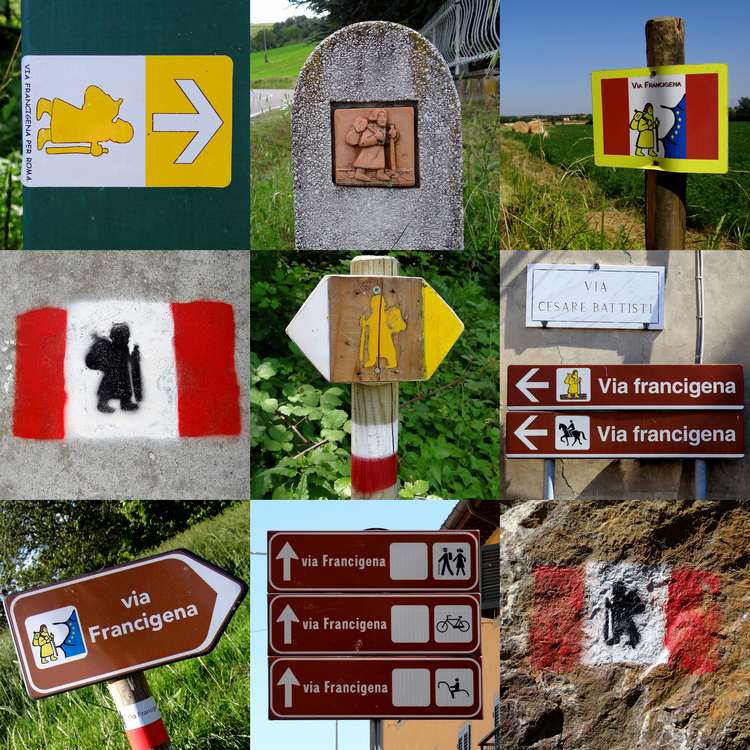
Everyone knows about the Camino de Santiago in Spain, but Italy’s 5 famous pilgrimage trails are far less famous. As noted by Panorama, only the Via Francigena carries some international recognition.
But Italy is crisscrossed with such routes—now united for the first time ever as an EU-funded initiative under the Cultural Routes of the Council of Europe—to make them and the cultural and historical treasures they carry, more accessible than ever.
The Cammini include the Via Francigena, the Via St. Francis, the Cammino St. Benedict, the Via Romea Germanica, and the Romea Strata, with details below.
The itineraries promoted by the project offer alternatives to traditional destinations, helping to ease pressure on the most crowded tourist circuits and to extend visitor flows across a broader calendar and into lesser-known areas.
One of the project’s most distinctive features is an integrated smart signage system deployed along the five itineraries. Sixty devices provide travelers with free Wi-Fi and Bluetooth Low Energy beacon technology connected to the Italia.it app.
When visitors enter the range of a beacon, they receive a push notification inviting them to discover the stage they are on and the surrounding tourism offerings: technical information on the route, geolocated maps, Point of Interest sheets, and multimedia content dedicated to places of historical, artistic, religious, and scenic value.
It’s a model that brings together the physical experience of walking and the digital dimension, offering travelers accessible tools for orientation and deeper interpretation in real time in a variety of languages.
OTHER WAYS TO DODGE TOURISTS:
Alongside this, an extensive mapping process of Points of Interest has led to the creation of more than 1,000 information sheets dedicated to churches, monuments, natural areas, squares, fountains, and other identity-defining places in the territories crossed by the routes.
More than 40% of the sites highlighted are outstanding assets that are still little represented in international tourism circuits: a heritage the project helps bring to light, promoting a more authentic and sustainable way of experiencing the territory. Italia.it is the system’s central digital hub, where all content comes together and becomes accessible to travelers.
I Cammini
The Via St. Francis follows sites linked with the life of this famous monk and founder of the Franciscan Order, and is composed of two sections totaling 304 miles (490 km) while the similarly themed Cammino St. Benedict goes from Umbria to Rome along 16 different stops across 186 miles (304 km) following the life of St. Benedict.
This tourism offer appeals to an increasingly diverse audience: pilgrims, walkers, cultural travelers, outdoor and wellness enthusiasts, families and people seeking a more direct relationship with local territories and their communities.

But for those made of sterner stuff there’s the Romea Strata: 2,900 miles, (4,700 km) 7 countries, 245 points of interest, and 50 UNESCO World Heritage Sites. The trail was reconstructed based on antique pilgrimage routes known from the Baltic down central-eastern Europe to Rome. The Italian portion is 620 miles (1,000 km) and passes through 47 stops.
The Via Romea Germanica passes Germany and Austria on its way to Rome, moving 1,367 miles (2,200 km).
As all of these routes go through Lazio on the way to Rome, they will inevitably bring the traveler in contact with the historic wealth of the Italian capital region, including the Holy Valley of Rieti, the medieval center of Viterbo, the first Benedictine monastery at Montecassino, the beautiful town of Vetralla, and St. Benedict’s Cave of Sacro Speco.
SHARE This Spectacular Way Of Seeing And Enjoying Italy With Your Friends…
Biologists Clone Wild Yaks to Save Golden Subspecies Numbering Fewer Than 300 in First of its Kind Effort
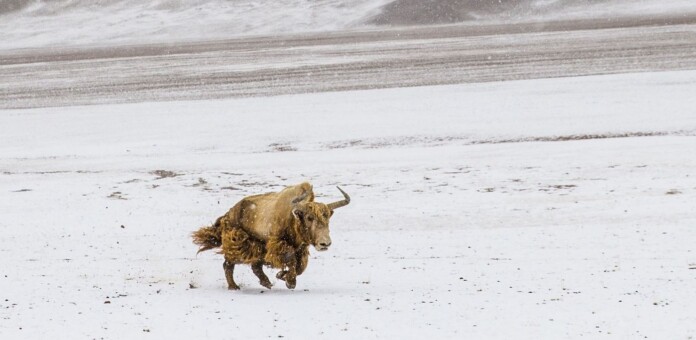
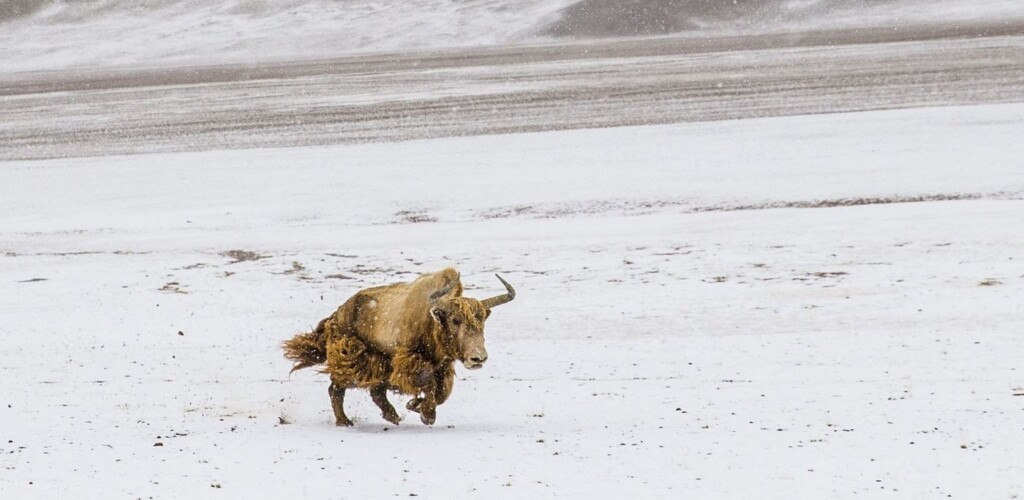
China has performed the first single and multiple cloning of wild yaks in a bid to reinforce this keystone herbivore, and save one of the rarest and most beautiful animals in China.
Legend has it that when Mount Buye on the Tibetan Plateau was married to Mount Zhaxiangqian, 7 golden wild yaks were given as a dowry. This is why, locals have it, the golden yak can only be found high in these mountains.
Conservationists and geneticists studying this enigmatic and stunning creature might say that the reason they’re only found high in these mountains is because they have been hunted, outcompeted, and outbred such that today they’re considered Critically-Endangered.
Now though, a comprehensive cloning program has seen biologists produce wild yak embryos that were then delivered organically, without assistance, by wild yak females, indicating that the first step towards potentially saving this legendary creature—with the small side benefit of increasing the “Vulnerable” wild yak population—is now possible.
Native to the Qinghai-Tibet Plateau (QTP), the wild yak (Bos mutus) evolved for thousands of years to thrive in the high altitude and frigid environment. It is the ancestor of the domestic yak (Bos grunniens) and most closely related to bison.
As humans domesticated the yaks, they quickly became the difference between life and death in the Himalayas. Their wool provided clothing to keep out the cold; their milk provided food and even oil for lighting; their dung provided fuel for the fire.
A genetically-distinct subspecies of the wild yak exists in the highest reaches of the QTP whose coats flush a brilliant burnished gold, and which seem to be even more well-equipped genetically speaking for their mountain home.
Ka Bu, a documentarian who filmed the golden population for a 2016 documentary called Golden Wild Yak, explains that protections for this animal are as stringent as can be provided under Chinese law, and that over 700 local herders and farmers are employed in keeping domesticated yaks away from their strongholds in Changtang National Park, and performing poaching patrols over the vast landscape.
Nevertheless, the population may number as few as 170 to 300, and genomic studies that have ruled out the golden yaks as being merely wild yaks with a case of leucism, have found that the population suffers from inbreeding.
In 2023, a partnership between Zhejiang University in China’s southeast, and the Institute of Plateau Biology of Xizang saw biologists sequence whole genomes of almost 9,000 wild yaks to create a total genetic inventory in advance of a cloning program. Cloning often gets misrepresented as duplicating a living animal, when really the infant thusly birthed carries entirely different genetics to its parents.
MORE CHINESE CONSERVATION:
- Chinese Pangolin Numbers Growing Steadily in the Wilds of Southern China for the First Time This Century
- 40 Years of Work Returning 900 Wild Horses to China’s Steppes is Celebrated in Year of the Horse 2026
Cloning was successfully used in America in 2008 to keep the black-footed ferret from falling back into extinction due to limited genetics. The offspring of that animal have subsequently reproduced naturally in captivity.
Last July, the Zhejiang-Xizang team succeeded in the first yak cloning in history, a feat they then surpassed by cloning 10 at a time just recently. Their aim is to establish a new wild herd with genes taken from across the wild yak gene pool, and then turn their attention to the golden yak.
The golden wild yak subspecies has already had its whole genome sequenced, and the traits that give it its robustness and golden color are well known. The scientists that performed that work, independent of the cloning program, cited the animal as a “an Evolutionarily Significant Unit (ESU) of high conservation value.”
DRASTIC MEASURES: How ‘Frozen Zoos’ Are Helping Save Vanishing Species
“Special attention should be paid to preventing genetic deterioration caused by elevated inbreeding, as well as mitigating the risk of genetic swamping through hybridization with large sympatric and neighboring populations of common wild yak,” the authors wrote, who found the golden wild yak to carry additional unique traits associated with hypoxia tolerance, reproductive function, and immune response typical of a high-elevation living.
With time and hope, this beautiful mountain ‘dowry’ just may, with the help of the most advanced biological sciences, maintain its place among the legends of its beloved mountain home.
SHARE This Cloning Success In Preparation To Save A Living Legend…
Samsung Strikes Deal with Workers for Profit Sharing in Company’s Trillion Dollar Slice of the AI Pie


Following eye-watering Q1 performance, some 48,000 of Samsung’s semiconductor division workers are set to receive a new profit-sharing-style bonus structure that will give a bigger slice of the AI pie to those making baking it.
Samsung’s compensation package was among the country’s most generous, as the tech giant accounts for a staggering 16% of national GDP. But after last month’s Q1 revenues rose over 800%, exceeding the entirety of fiscal year 2025, 40% of Samsung’s South Korea-based staff were poised to go on strike for better terms.
The issue was resolved quickly and a preliminary agreement was reached between Samsung’s largest labor union and the company which saw the staff return to work Monday morning, and the company’s shares surge 7%.
Roughly 75% of the 62,000 unionized workers backed the preliminary deal that would see an end to the cap on bonuses of 50% of annual pay, and in its place the commitment to allocate 10.5% of operating profits from its semiconductor division to worker bonuses.
Well, the semiconductor division accounted for 94% of total operating profit in the quarter, amounting to $35.8 billion, 10.5% of which divided 48,000 striking workers would equate to around $78,000 for just this quarter alone. Multiplied by 4, a worker’s slice of the AI boom would amount to $312,000.
Samsung is the country’s largest company at over $1 trillion in market cap, and it’s also the largest semiconductor manufacturer. The standoff came 8 months after the second-largest semiconductor producer, SK Hynix, improved its own bonus terms to its employees.
“The semiconductor industry is now facing a war to secure global talent,” Samsung’s union said in a statement last month. “SK Hynix has already revised its compensation structure to retain talent, while foreign companies are luring our engineers with exceptional offers.”
RESPONSIBILE LABOR: BMW Becomes First Carmaker to Join Responsible Mining Initiative Protecting Laborers and the Earth
Samsung and SK Hynix are direct beneficiaries of the global AI boom (or bubble, as some might say), as the wafer-thin processors are needed to supply the computing power to run the AI tools which can be found all throughout our society from E-commerce to hospitals to the front lines of the war in Ukraine.
The strike threatened to so thoroughly derail global semiconductor production that the Korean Prime Minister Kim Min-seok made mention of it on Sunday.
SOUTH KOREAN NEWS: Small S. Korea Town Welcomes First Newborn in 17 Years as Nation’s Fertility Rate Continues to Rise
“Any disruption to Samsung’s semiconductor production would go far beyond losses for a single corporate group, leaving deep scars across the national economy,” said the Prime Minister, whose government actually helped step in and mediate the deal.
“The agreement came later than expected,” Samsung said in a Wednesday statement. “We will work to build a more mature and constructive labor management relationship so that such a situation does not happen again.”
SHARE This Wonderful News For The Tens Of Thousands Of Samsung Staff…
70% Drop in Levels of Forever Chemicals Observed in Seabird Eggs Tracks Regulatory Success
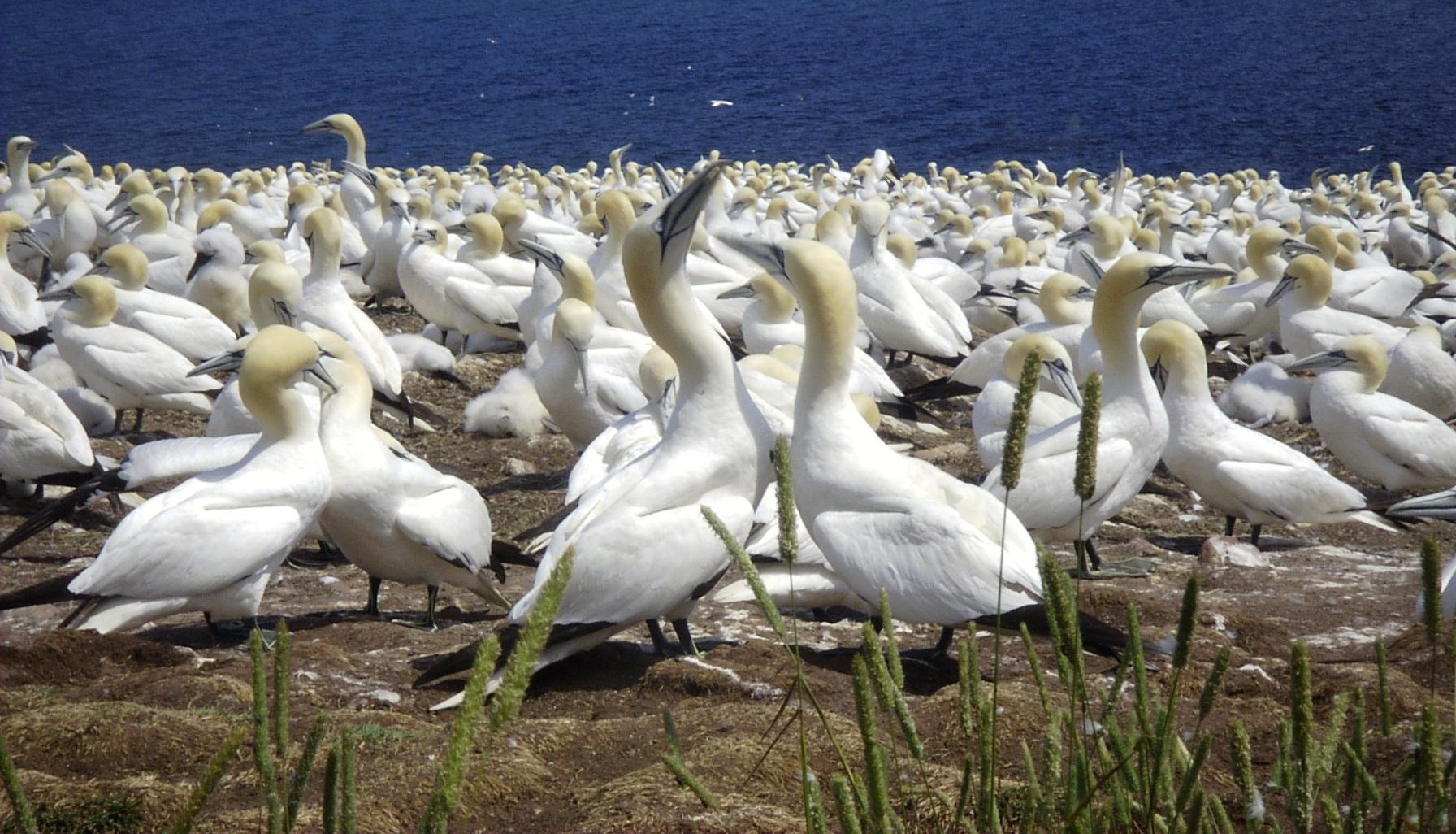
Content of several “forever chemicals” in seabird eggs were found to have sharply decreased over the last 55 years by a team of scientists.
While first rising exponentially from during the 1960s, the chemicals, classed as PFAS, peaked in the 1990s before decreasing in line with regulatory oversight by North American governments.
PFAS are a class of chemicals that form water, stain, and heat-resistant coatings in multiple products which substantially contaminate environments around the world, and are linked to multiple detrimental health outcomes.
A study published in the journal Applied Toxicology that looked at PFAS concentrations in the eggs of northern gannets on Bonaventure Island found that the content of some of the most commonly used PFAS has fallen 70% and sometimes more.
These include perfluorooctanesulfonic acid (PFOS) and perfluorooctanoic acid (PFOA), which fell 74% and 40% respectively. Concentrations of perfluorohexanesulfonic acid, (PFHxS) another of these chemicals, was also 70% lower from baseline.
“We see this incredible rise to a peak where concentrations seem to be higher than toxicological threshold for those birds, then it really decreases in a nice way,” Raphael Lavoie, a co-author and ecotoxicologist with Environment and Climate Change Canada, told the Guardian. “The regulations are having a good effect.”
The seabird subjects and the long study period were notable strengths. The 55 years of data spans the rise in PFAS production, and the eventual decline as the environmental groups and regulators caught on to the toxicity in the late 90s and early 2000s.
Bonaventure Island is the world’s largest northern gannet breeding colony. These pescatarian birds are directly exposed to PFAS contamination due to the island’s position near the St. Lawrence Seaway, which, being connected to the Great Lakes manufacturing centers north and south of the border, was exposed to substantial amounts of PFAS during the 20th century.
ALSO CHECK OUT: After 40 Years and $84 Million, Lake Muskegon Flourishing Free from Pollution and Sawdust
The PFAS got into the fish which got into the gannets and then into their eggs. Tom Perkins for the Guardian wrote that in the late 90s, the chemical corporation M3 dramatically scaled back its production of commercial PFAS in the face of regulatory scrutiny. In 2015, the chemical sector struck an agreement with the EPA to phase out production of PFOA and PFOS, while 6 years earlier at the United Nations’ Stockholm Convention, several of the chemicals tested for in the study were subjected to elimination.
This included PFOA and PFHxS, while PFOS was restricted in everything but firefighting foam.
MAKING TEMPORARY FOREVER CHEMICALS: France Bans Forever Chemicals in Cosmetics, Fashion, and Ski Wax
The study is a comprehensive demonstration of how these regulations are working to reduce the toxic load presented by PFAS in the environment. PFAS are referred to shorthanded as “forever chemicals,” however, and so the authors stress the need for continual environmental and regulatory vigilance, since any similar chemicals entering the environment today will remain, presumably forever.
SHARE This Great Environmental News With Your Friends…
“To a father growing old nothing is dearer than a daughter.” – Euripides

Quote of the Day: “To a father growing old nothing is dearer than a daughter.” – Euripides
Photo by: Getty Images for Unsplash+
With a new inspirational quote every day, atop the perfect photo—collected and archived on our Quotes page—why not bookmark GNN.org for a daily uplift?

Good News in History, May 27

96 years ago today, the Chrysler Building opened to the public in New York City. Constructed by Walter Chrysler, founder of the automotive company, the Art Deco skyscraper served as the corporation’s headquarters and lifted up the languishing East Side of Manhattan from 1930 until the 1950s. WATCH a video about the building narrated by Chrysler’s grandson… (1930)
English Pony Found Unharmed Having Been Trapped Entirely Inside a Tractor Tire
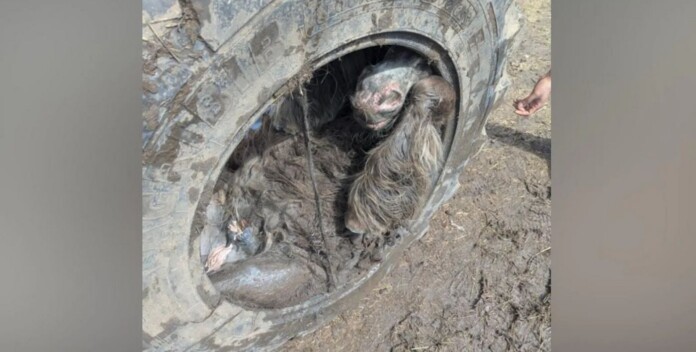
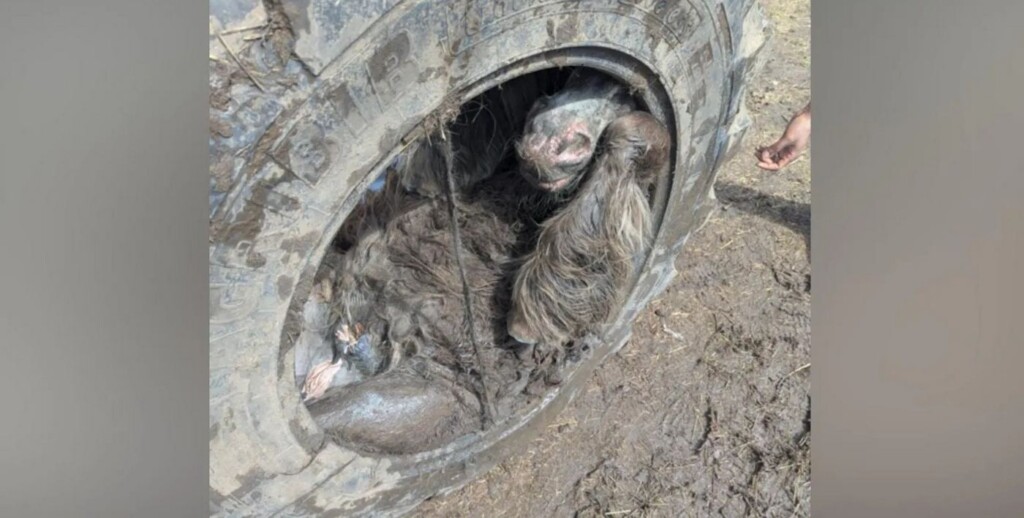
A wild rescue story with a mystery comes from Stoke-on-Trent, where a pony was found entirely trapped inside a tractor tire.
Neither residents nor rescuers had any clue or idea as to what had gone on which saw the pony jailed by the derelict tire, but no one waited around to find out.
Residents immediately called the Royal Society for the Prevention of Cruelty to Animals after finding the animal trapped in a field.
Rescue officer Nicola Riley described the event to the BBC as a “delicate operation” of an “understandably very scared and uncomfortable animal.”
Opting not to use a cutting tool, the RSCPA rescuers eased the pony’s head and shoulders out of the tire, allowing it to stand up and wobblily return to its comrades in the field.
“Thankfully, everyone worked really well together and we managed to get him out without causing any injury,” Riley said, who monitored the pony for the next hour to ensure he wasn’t suffering any lasting trauma.
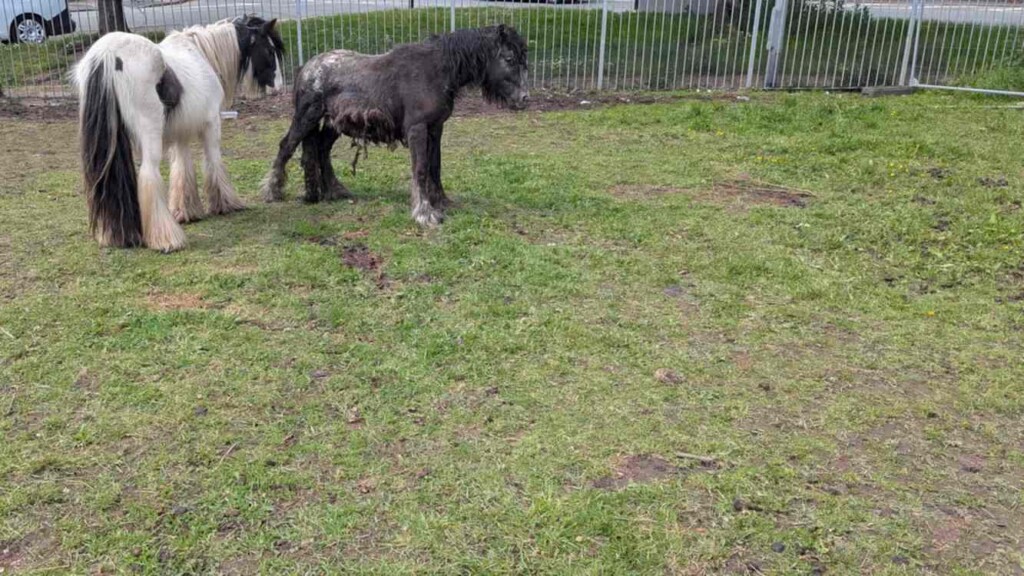
The pony began feeding not long after his release. His fur was matted and very dirty, suggesting a long period stuck in the tire.
The officer said that it could have ended very differently if the residents hadn’t called, and encouraged anyone in a similar situation to do the same thing.
SHARE This Ridiculous Story And Healthy Pony With Your Friends…
Guinea Worm Disease Reaches All-Time Low: Only 10 Human Cases Reported in 2025
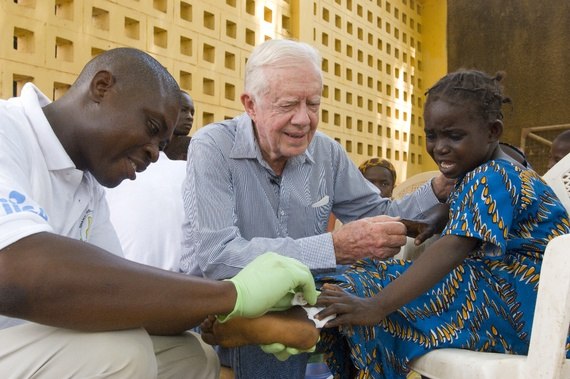
Only 10 human cases of Guinea worm were reported worldwide in 2025, the lowest number ever recorded, bringing the ancient disease closer than ever to eradication.
Poised to be only the second human disease eradicated after smallpox, the 10 Guinea worm cases mark a 33% decline from the 15 cases reported in 2024.
Shared in a statement from the Carter Center, the historic number follows the one-year anniversary of the passing of former US President Jimmy Carter who campaigned tirelessly to achieve this outcome, and in the 40th year since he began to do so.
When The Carter Center embarked of its global Guinea worm eradication campaign in 1986, an estimated 3.5 million human cases occurred annually in 21 countries in Africa and Asia.
Together with partners, including the countries themselves, the campaign has reduced the waterborne, parasitic disease by more than 99.99% compared to 40 years ago. This equates to more than 100 million cases of this devastating disease averted among the world’s most marginalized and neglected populations.
“Guinea worm causes immense suffering—not just for the individual but for their family and community as well,” said Adam Weiss, director of the Carter Center Guinea Worm Eradication Program.
“Every case is a real person we know by name. They are enduring a disease we know how to prevent, and we’ve been given this rare opportunity to wipe it out completely. We’re energized by this year’s progress, but zero is the only acceptable number, and that’s why our commitment to finishing this job is unwavering.”
The scope of the achievement is difficult to understate. Guinea worm is slated to be the first parasitic disease eradicated in history and the first without a medicine or vaccine.
However, the parasite that spreads the disease can infect both humans and animals, so eradication would require zero cases in either group. Currently, hundreds of cases are still detected every year in domestic animals. Human cases were only detected in South Sudan, Chad, and Ethiopia. Mali has now recorded zero cases for the second year in a row.
PROGRESS AGAINST TROPICAL DISEASE: Key Discovery Could Be a ‘Valuable Starting Point’ To Saving Children from Deadly Disfiguring Condition
The Carter Center wrote that eradication efforts are driven by strong partnerships, community-based interventions, and behavior change, with a network of hundreds of thousands of community-based volunteers trained to provide health education.
For a disease to be declared eradicated, every country in the world must be certified free of human and animal infections, even in those where transmission has never been known to occur. To date, the World Health Organization has certified 200 countries free of Guinea worm; only six have not been certified.
OTHER STORIES LIKE THIS: WHO Declares Kenya Free of This Deadly Tropical Parasite After Decades of Suffering
“This campaign reflects the values that shaped my grandparents’ lives—the conviction that hope, hard work, and respect for everyone can change the world,” said Jason Carter, Carter Center board chair and eldest grandchild of President and Mrs. Carter.
“Seeing Guinea worm cases reach historic lows is one of the clearest expressions of that legacy and our commitment to the communities where trust has been earned.”
SHARE This Incredible Achievement Coming Close To Ultimate Success…
Facing Desertification, Man’s Campaign Draws 30,000 Volunteers to Plant 1 Million Trees in his County


From China’s arid Gansu Corridor comes the story of a rural county welcoming thousands of big city volunteers after a viral call for help.
Minqin County is on the front line of China’s struggle against desertification, but it recently received a helping hand thanks to a social media campaign “Plant a Tree in Minqin.”
It has led to a staggering 30,000 people traveling to the remote area on their own dime to help the area protect farming areas and water sources with new plants.
English speakers have the English-version of the Chinese outlet The Paper to thank for this frontier reporting on the area which has combatted desertification since 1950 with mass tree and shrub planting campaigns.
The area relies on hardy crops like corn, onions, and melons, and uses sauxal, white thorn, and other desert plants to help green peripheral areas and water sources.
A local named Zhong Jin launched the Plant a Tree in Minqin initiative in 2024 who, according to the The Paper, had returned to his home there after graduating university in 2020 with a specialty in desert control.
His call for help using short video sharing platforms caught fire when Minqin became the set for a Chinese reality TV program called Become a Farmer. 10 urban youth were selected to cultivate 450 acres over 190 days, and the show was a hit.
The county’s public welfare center sought to capitalize on the publicity by opening a volunteer registration portal on its website—to let real people experience what went on in the show.
Between February and May, 30,000 people volunteered, made up of college and university age youth, parents looking to teach their children about farming and its challenges, and of course, fans of Become a Farmer.
GREENER CHINA: Shanghai Achieves 98% Industrial Recycling Rates After 2019 Waste Management Plan
Volunteers told the outlet that the sandstorms, rugged terrain, relentless sun, and cramped volunteer dormitories have proven a challenge, but also that they’ve brought out a spirit of frontier camaraderie as the pit-digging and tree-planting wears everyone out equally.
Local entrepreneurs have taken advantage to send the volunteers home with an experience they’ll never forget.
COMBATTING DESERTIFICATION: Planting Billions of Trees Turned Barren Desert into a Carbon Sink That Lowers CO2
“A number of curated travel routes have also been launched, guiding visitors through tree-planting sites and major scenic areas, where cultural performances and live-action exhibitions showcase Minqin’s landscapes and heritage,” The Paper wrote.
The Plant a Tree in Minqin campaign aims to project vital areas for irrigation and agriculture with 1 million trees.
SHARE This Beautiful Volunteer Response To A Viral Call For Help…
Fragments of Achilles Mural, Exquisite Bronze Statues Point to Wealthy Roman Society in Far Northern France


Fragments of a life-sized mural depicting a larger-than-life figure of the Iliad has been found in the remains of a Roman villa near Reims, France.
The discovery included several exquisite bronze statuettes and the remains of a colonnaded facade, indicating that high artistic expression among local Roman well-to-do even was typical, and available, even when settling far from the capital.
Durocortorum is located in northern France near Reims, and was an important settlement in Roman Gaul by the 2nd century CE. While the center of Durocortorum has long been known have been a center of political life for the region, the suburbs are much less understood.
Now, France’s National Institute for Preventative Archaeology, (INRAP), has made major progress on the excavations of a Roman home known as a domus, and its contents and character suggest that Durocortorum’s importance spread well beyond its forum.
Situated more than half-a-mile from the forum, in a humid space near the main river which crosses Reims, the Vesle, the building would have faced the street with a column-lined facade, indicating wealth and status. The remains of two such columns have been found.
INRAP wrote in a statement that the building likely suffered from a fire and was demolished in the aftermath. This preserved some of the objects within under a layer of rubble and ash that protected them from the deleterious effects of moisture and oxygen.
Among this layer were fragments of a wall-to-wall fresco, with one of them bearing the name of the antihero of the Greek-Trojan War recorded in Homer’s Iliad, Achilles, and the other Deidamia, which refers to a mythological scene from Achilles’ life before the war.
The mythological story, as shared by Greek Reporter, recounts that Achilles’ mother knew of a prophecy predicting his death at Troy, and so dressed him up as a girl and sent him to live in a commune of priestesses on the island of Skyros. Here, Achilles falls in love with Deidamia, a young commune member, who bears him a son.
Eventually, as Greece prepares for war with Troy, Odysseus, who knows his country’s best hope of victory lies behind Achilles’ spear, arrives on Skyros disguised as a merchant with the intent to trick the great warrior into revealing his identity.
Spreading out his wares of clothes and jewelry, Odysseus also places a shield and spear for sale and orders one of his men to falsely raise the alarm of armed attackers. His warlike nature being irrepressible, Achilles, still dressed as a priestess, instinctively grabs the weapons Odysseus had laid out, and was subsequently removed from the commune.
INRAP reports that only 4 depictions of this event in a fresco have been recorded, with the other 3—at Aquileia, Pompeii, and Rome—all located in Italy.
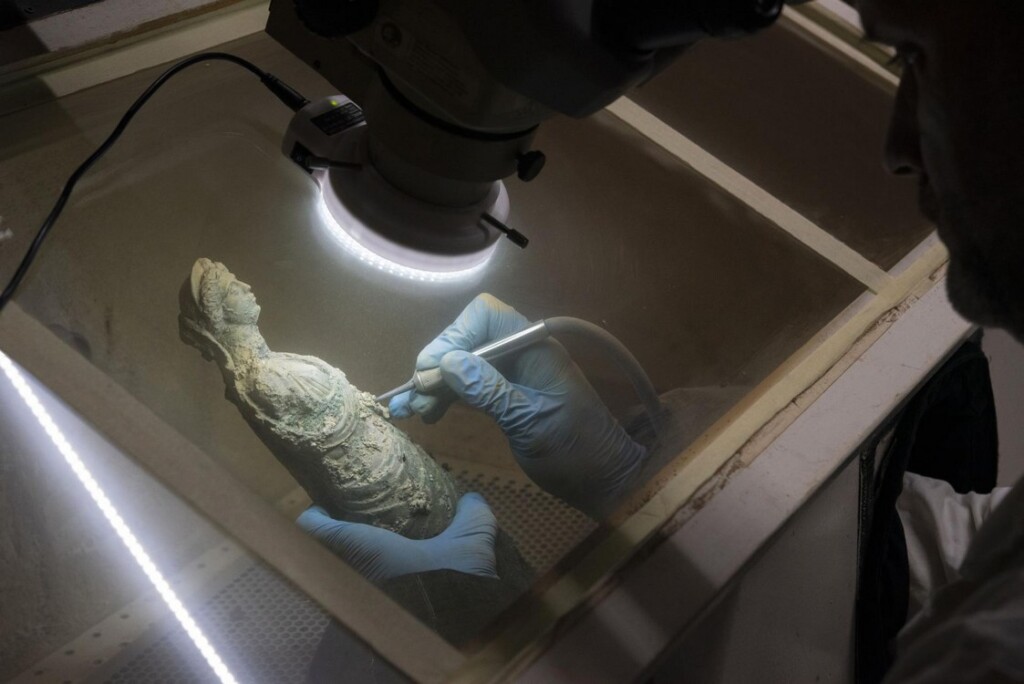
Additional finds were bronze statuettes depicting Mars, the Roman god of war, a bull, and a goddess whose identify has not been ascertained.
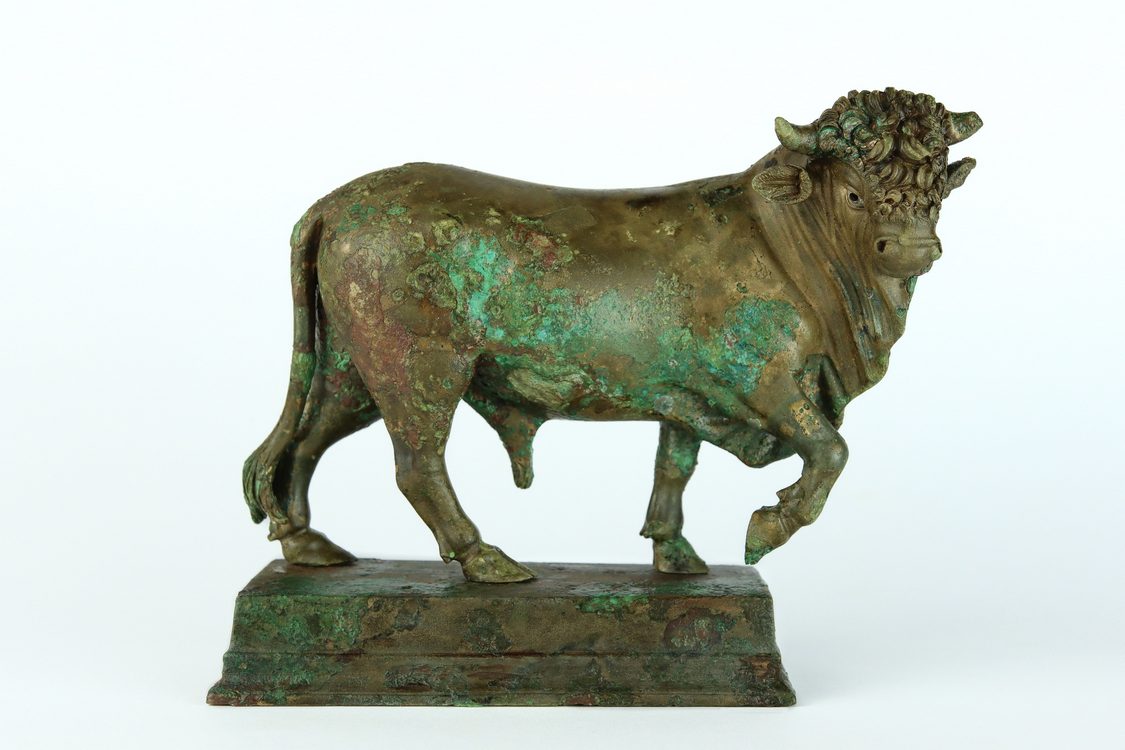
“The eyes of the Mars statuette are enhanced with silver,” INRAP wrote. “Its shield presents a relief decoration of the Capitoline wolf nursing Romulus and Remus. The cleaning revealed a Medusa’s head on its breastplate.”
“The bull rests on a rectangular base. His eyes, also highlighted with silver, give great expressiveness to his face.”
ROMAN FRANCE: Archaeologists Stumble Onto Sprawling Ancient Roman Villa During Construction of a Road in France
The goddess seems to be a compositional piece. Dressed in a flowing gown, she wields the club of Hercules surrounded by a serpent and resting on a lion, bears a helmet depicting a sphynx, a crown, and a city wall, and would have clearly borne a pair of wings on her back.
The quality of the statuettes and the rare richness of the decorative repertoire of the house’s painted coatings indicate wealthy owners who were either Romans themselves, or very attached to Roman culture.
SHARE These Impressive Finds With Your Friends Who Love Ancient Rome…
“Nothing can bring you peace but the triumph of principles.” – Ralph Waldo Emerson

Quote of the Day: “Nothing can bring you peace but the triumph of principles.” – Ralph Waldo Emerson
Photo by: Getty Images for Unsplash+
With a new inspirational quote every day, atop the perfect photo—collected and archived on our Quotes page—why not bookmark GNN.org for a daily uplift?

Good News in History, May 26

100 years ago today, jazz trumpeter and composer Miles Davis, was born. One of the most influential and innovative musicians of the 20th century, Davis broke long-held musical rules and helped popularize jazz fusion with his 4-time platinum 1959 album, Kind of Blue. From 1944 to 1948, Davis played in Charlie Parker’s revolutionary hard pop quintet, an undoubtedly strong influence on his career and music making for the following decade when he would be signed to a long-term deal with Colombia Records, where Kind of Blue was recorded. MORE more about the great man… (1926)
Helping Children Laugh Can Make Their Brains More Resilient and Learning Easier


Laughter is the best medicine, according to an old adage. Now, new research suggests it also boosts child development.
Making children laugh can help make their brains more resilient and open to learning, according to scientists.
Laughter builds deep emotional connections and soothes youngsters’ nervous systems, making them more resilient—because laughter is not frivolous, but rather a complex biological phenomenon.
Dr. Jacqueline Harding conducted extensive studies into how laughter and play contribute to healthy brain growth, emotional well-being, and social bonding.
The early childhood expert at Middlesex University in northwest London, argues in her new book The Brain That Loves to Laugh says laughter can help children navigate life’s challenges and better handle stress.
“Hope and humor, it seems, are not just the seasoning of life, but foundational to a recipe for healthy development,” said Dr Harding.
“When we see children laugh, we witness the brilliance of the brain in action: learning, connecting, and growing.”
It precedes the neural development of speech, she explained. But it also engages a distributed network of brain regions, including motor areas and the prefrontal cortex.
Laughter also “influences heart rate, respiration and production of antibodies.”
“It decreases the stress hormones cortisol and epinephrine, and increases ‘happiness chemicals’ dopamine, serotonin and endorphins.
BOY GENIUS: Instead of Selling Lemonade, Boy Sets Up ‘Drive-By Joke Stand’ to Spread Laughter

“It can strengthen the immune system and improve memory.
“Neuroimaging studies suggest that laughter plays a significant role in brain activity, as humor is cognitively demanding and engages neuro-plasticity.
“It challenges the brain to predict and resolve tension between conflicting ideas, providing a mental workout that enhances creative thought and activates both the working memory and frontal lobes.
“On the other hand, prolonged stress negatively affects both physical and mental development. It can impair learning, increase adult stress risk, suppress immune function, and contribute to illness.”
“I believe that as we continue to wrestle with humor – this most intriguing human function – we must strive to shake off any dismissal of its frivolous nature and allow its serious contribution to human learning and life in general to shine.
HAPPINESS RESEARCH SAYS: If You Can’t Muster a Real Smile, Researchers Say ‘Fake it till you make it’
“In parents and their children, laughter can boost the levels of happy chemical oxytocin and enhance neural synchrony during parent-child interactions – in other words, build emotional bonds.
“These bonds are beneficial to the child and even contribute to a reduction in parental burnout and stress.”
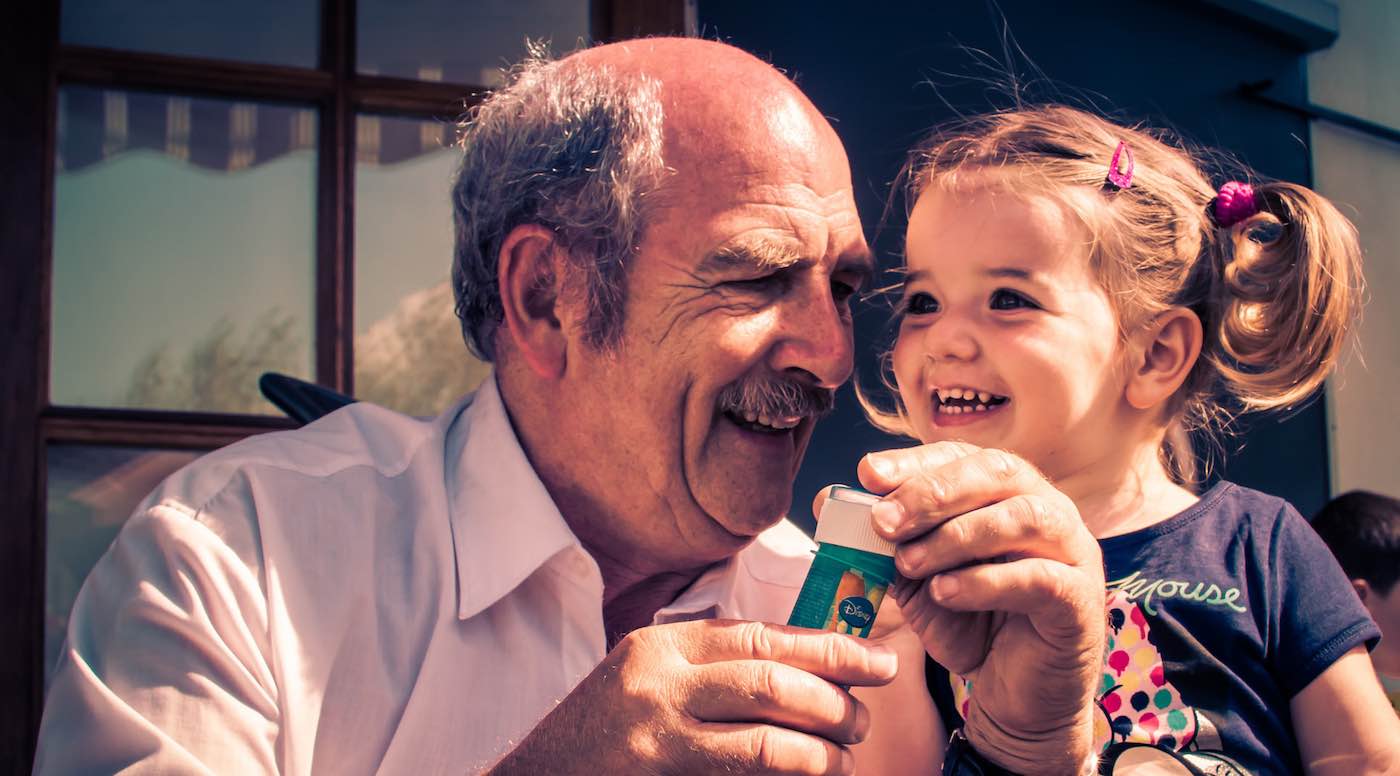
But parents don’t need to rattle off jokes
Instead of jokes, simple shared play and laughter between parents and children, with eye contact, smiles, and close proximity, can all foster connection.
“Creative, happy play does its most brilliant work at a molecular level, especially at a time when the human brain is at its most receptive,” explained Harding.
“Spontaneous joyful play is an antidote to stress, as it increases levels of endorphins released by the brain.”
As well as nurturing bonds, she suggests that “humor and hope” can improve a child’s resilience to stressful events.
“The link between co-regulation and self-regulation is now well established. Co-regulation means the way in which the baby is guided by a caring and supportive adult early in life, so that they have a working model to draw upon for their own self-regulation as they mature.”
“The immune system needs a store of positive experiences from which to draw.”
Her studies show that, in a child’s brain, the limbic system—which regulates functions such as emotion, behavior, and long-term memory—develops alongside the brain’s executive functions that help us plan, evaluate, and make decisions.
“Stated simply, the emotional state of young children directly influences how they navigate their way through the world.”
She says that carefully finding gentle ways to introduce joy and hope, and ease the burden on their nervous system, can even help youngsters who have already experienced extensive trauma.
Dr. Harding advocates integrating humor into educational settings to reduce the cognitive load, making complex information more digestible, and refresh the current educational paradigm.
HE KNOWS: Formerly Homeless Bus Driver Wins Awards Because He Never Stops Smiling – And His Passengers Love It
“Maybe, just maybe, one day the value of hope, humor, and human connection will be taken as seriously as it deserves.”
ENCOURAGE BRAIN BRILLIANCE BY Sharing the Humor on Social Media…
30 Years of Volunteering Has Kept This California Creek Pristine
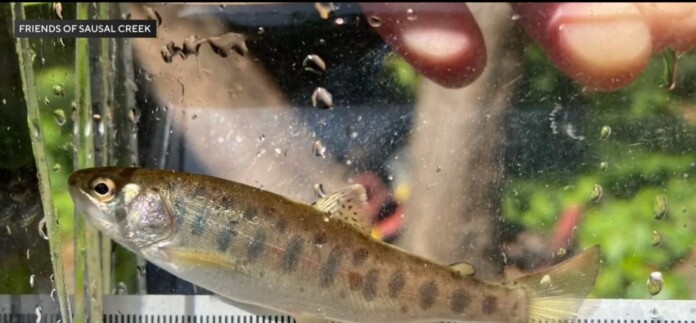
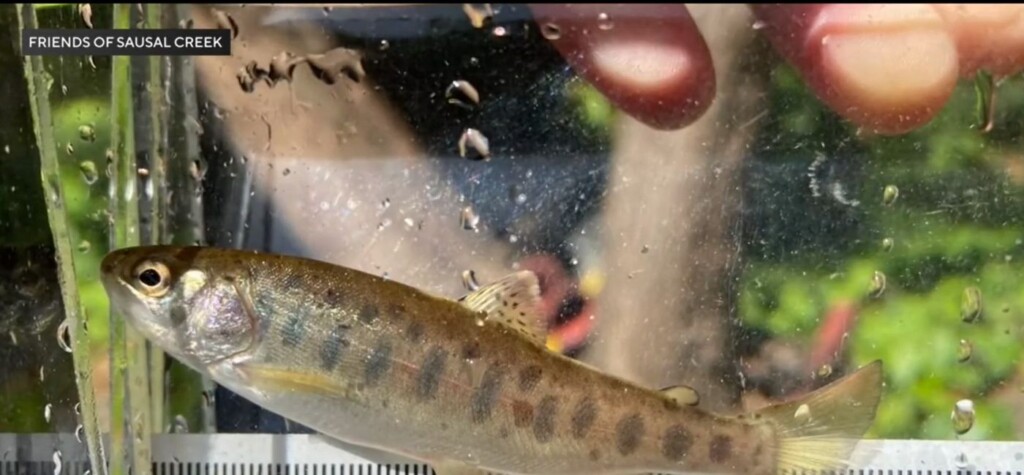
An important watershed in Oakland is now a thriving Eden of native species thanks to the work of two generations of volunteers.
30 years ago last week, Mr. Michael Thilgen and his neighbors formed the Friends of Sausal Creek nonprofit dedicating to restoring the waterway from its source in the Oakland Hills down to its terminus in the San Francisco Bay.
At 3 miles long, it’s hardly the most dramatic California water source, but one that’s nevertheless important for the local environment. Today it’s one of the only urban creeks in the state to host a wild population of rainbow trout, and also maintains a delicate population of pallid manzanita, a federally endangered species of shrub.
For 30 years, Friends of Sausal Creek has led all-volunteer efforts to keep the water course in the best possible shape, by de-weeding trails, clearing invasive vegetation, planting native plants, and even monitoring local wildlife health.
“Is the water clear? Does it look like something’s been dumped?” said volunteer and board member Kristy Brady to CBS News. “We monitor fish quality and so forth, making sure it stays healthy so everyone can enjoy it.”
The organization runs a native plant nursery and organizes seed collecting hikes to ensure they can continue to support reforestation long-term. They’ve introduced tens of thousands of native plants back into both the wild and less wild parts of the creek.
The group has also been part of a special long-term restoration project at Fern Ravine, where a second-growth coastal redwood forest meets Oakland’s own backyard. Here since 2010, Friends of Sausal Creek have been working to undo decades of disturbances.
Since 1920 when the city designated Fern Ravine a park, where a tributary of the Sausal Creek babbles away far from the sounds of car horns, high volumes of recreation traffic on trails and off them has resulted in substantial undergrowth loss.
MORE STORIES LIKE THIS: Camera Traps Reveal Beavers Have Finally Returned to the Bronx River After ‘a Very Long Time’
The lack of ground cover plants saw the soil dry out, followed by greater erosion and sedimentation, and the arrival of several invasive species which cemented control in Fern Ravine and began to outcompete the native vegetation.
Through the nonprofit’s tireless weeding and planting, “extraordinary progress” has been achieved there.
MORE FROM THE BAY AREA: California City Sees Explosion in Spawning Salmon Population in San Jose After 10 Years of Habitat Cleanup
“Oakland’s ancient redwoods are as unique and valuable as the old-growth redwood forests in California’s state and national parks,” said board member Dr. Robert Leidy in an organization document.
“Their ability to recover from centuries of abuse with proper management is a remarkable testament to their resilience. Oakland’s redwoods deserve the same reverence…”
COMMEND These Tireless Volunteers With Your Friends Near The Bay Area…
108-year-old Delaware Woman Renews Her Driver’s License to 2033, Works Out Thrice a Week


“I grow old gracefully,” said Susan Young Browne, who just received permission to keep driving until the age of 115.
That’s a testament to Browne’s enduring aptitude (and attitude) for life; having recently celebrated her 108th Birthday in Dover, Delaware.
Browne was in Delaware in 1918 during Segregation where she worked on a farm with her family—sans water or electricity. She would eventually attend Delaware State College for Colored Students, today known as Delaware State University, and graduate in 1945, going on to teach in a one-room schoolhouse (and elsewhere) for 30 years.
Married twice, she enjoys the company of a clan of children, grandchildren, and great-grandchildren.
Nowadays, she can be found three times a week at the Modern Maturity Center where she enjoys group exercise classes.
Staying active is a key to that graceful aging she talked about.

“When I get up in the morning, I have an exercise routine that I’ve been doing for the last 20 years,” she said. “When I retired—and I walked around that classroom for 30 years—I am not going to sit down.”
SPRITELY ELDERS:
• Grandmother Gets Help From Her Dog While Gardening: She Points and He Digs
• Watch London DJ Lead a Fabulous ‘Day Rave’ at Senior Center to Combat Loneliness
130 people attended her birthday party, including Delaware’s Governor Matt Meyer. Best of all, she was gifted a parking spot right in front of the building reserved especially for her.
That’s important, because as Ms. Browne told those assembled to celebrate her life, the state had just reissued her driver’s license until 2033.
WATCH the story below from CBS News…
SHARE Ms. Susan Brown With Your Friends Who Need a Little Inspiration…
Dog Saved from Pound Rescues New Owner from House Fire: ‘A genuine treasure’


From a New Zealand outlet comes the story of a man who saved a dog from the pound, and the dog who saved him from perishing in a house fire.
Even though her new forever home has turned to ashes, Hazel the dog managed to save the only thing that really mattered: a life.
With a well-placed bite she woke her sleeping owner who found to his surprise that his house was on fire.
The incident occurred in Whakatāne last Friday. Locals told Stuff that the blaze grew beyond anyone’s ability to control faster than any had imagined. Firefighters had been called early on, but for Hazel the dog, it wasn’t soon enough.
Hazel, who had been surrendered by two previous owners, was still only 9 months old at the time, and she wasn’t willing to let it be 3 from 3. Hazel woke him up in time to escape with only a case of smoke inhalation.
“His dog actually bit him and woke him up. If his dog wasn’t there, he wouldn’t be here,” Christina Eichler, the home’s property manager, told Stuff.
Dora Motateanu from JDC Rescue where Hazel was living, said the tenant’s decision to adopt Hazel had definitely saved her life, and that now she had returned the favor.
STORIES THAT MOVE YOU:
- Homeless Man Helps Find and Return Stolen Dog’s Ashes, Receives Thousands to Get Back on His Feet
- Cambodia Honors Minesweeping Hero Rat with Memorial Statue After He Cleared 100 Landmines
- Betta Fish Turns Vivid Blue When Happy Again–After Moving From Pet Shop Jar to Caring Home (WATCH)
“That’s amazing,” she said. “I mean this is why we do this, for those moments when we see dogs finding their families.”
“Despite the unfortunate circumstances she has faced, she remains the most gentle and loving girl you could ever meet,” JDC Rescue wrote online just last week before the man came to adopt Hazel, who was described as a “genuine treasure.”
“After being rescued as a small puppy, her hopes were high when she found a new home, only to be devastated once again when her owner decided to make a lifestyle change and dumped her.”
SHARE This Bittersweet Rescue Of A Pup Returning The Favor To Her Owner…
On Memorial Day: “Remember those who came out of the trenches as writers and poets, who started preaching peace (and) made this world a kinder place to live.” – Eric Burdon

Quote of the Day: Remember on Memorial Day “those who came out of the trenches as writers and poets, who started preaching peace (and) made this world a kinder place to live.” – Eric Burdon
Photo by: Aaron Burden
With a new inspirational quote every day, atop the perfect photo—collected and archived on our Quotes page—why not bookmark GNN.org for a daily uplift?

Good News in History, May 25

40 years ago today, the Hands Across America fundraising event was held, hoping to create a human chain across the entire country. Hosted over Memorial Day weekend, the hope was to raise tens of millions to fight hunger and homelessness, with volunteers encouraged to donate for a space in the chain. This seemingly fanciful goal was feasibly possible by the time the numbers of participants was counted. READ how close they came… (1986)
Owl Found in Concrete Gets Feather Transplant So it Can Fly Silently Again into the Wild (WATCH)
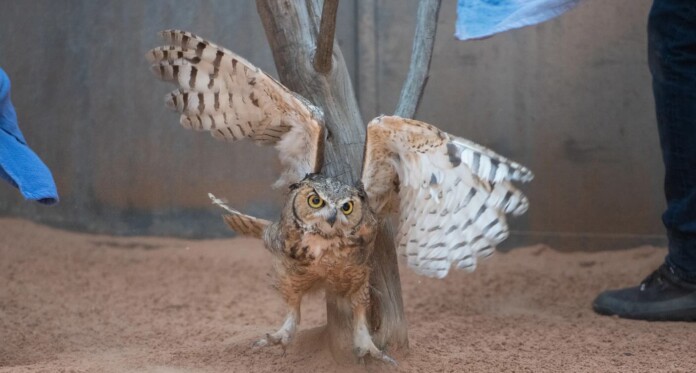
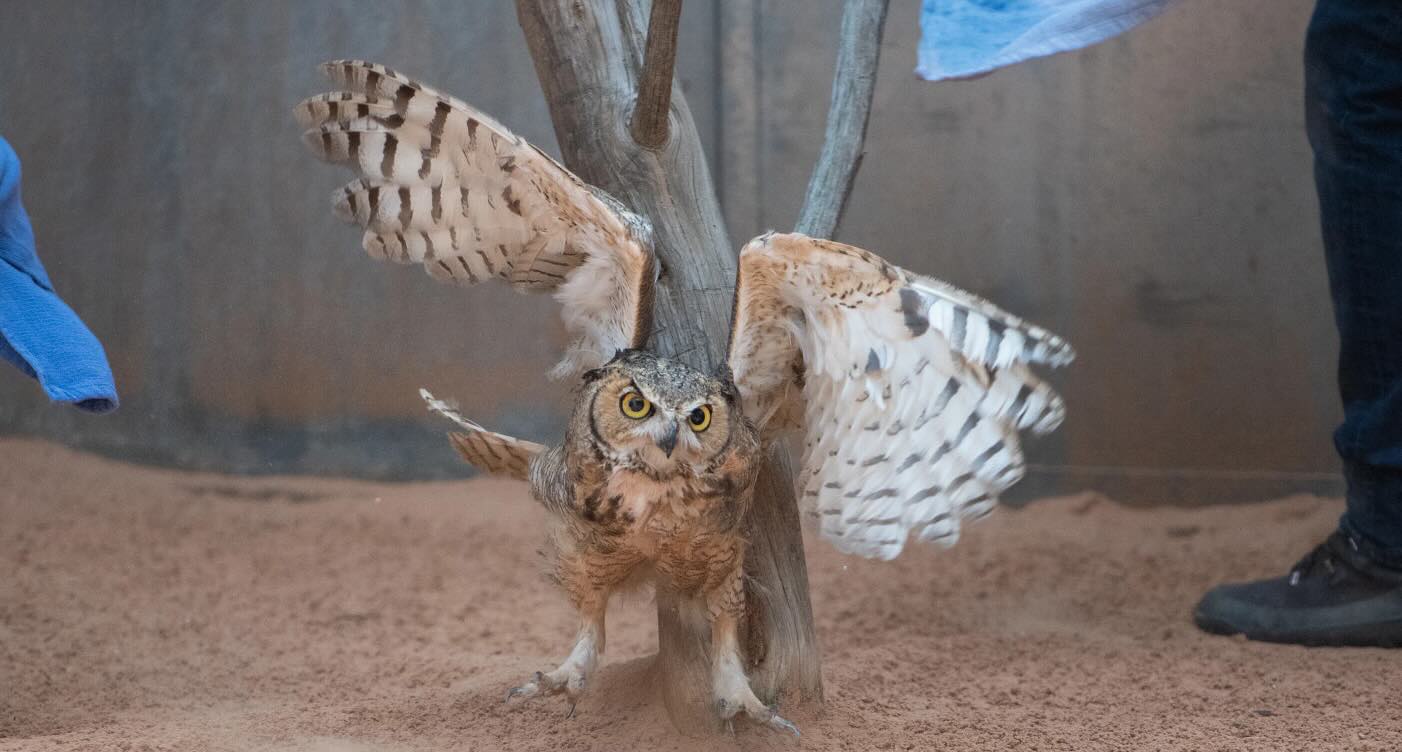
A great horned owl found covered in concrete has flown to freedom after six months of care at a Utah sanctuary.
A good Samaritan found him in a concrete mixer in October and called the Best Friends Animal Society headquarters 80 miles away in Kanab.
After removing the concrete, the team at the nonprofit’s wildlife refuge, Wild Friends, realized the young owl required new feathers to achieve silent flight, which is a necessity in the wild.
They waited patiently for the owl to molt, which would have replaced the damaged feathers naturally, but his spring molt was not going as predicted.
That led the Wild Friends team to take a training course about a procedure they had never done before: imping, which requires using donor feathers and adhesive to replace the raptor feathers.
Luckily, they found a donation from a wildlife rescue group in Northern Utah where a great horned owl of similar size had passed away.
To prepare for surgery, Supervisor Bart Richwalski kept track of the owl’s feather patterns.
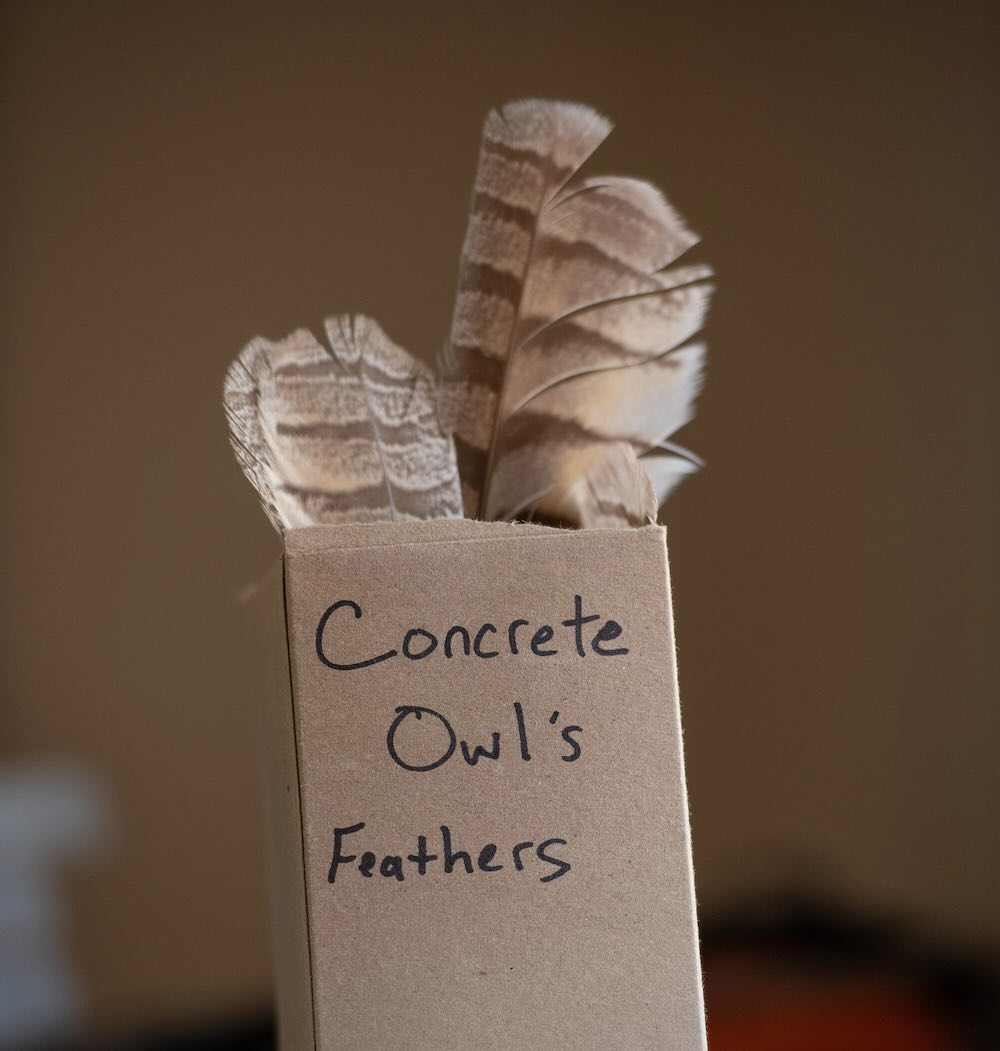
“We looked at his feathers every few weeks so we knew which ones would have to be done, snipping damaged shafts in advance.”
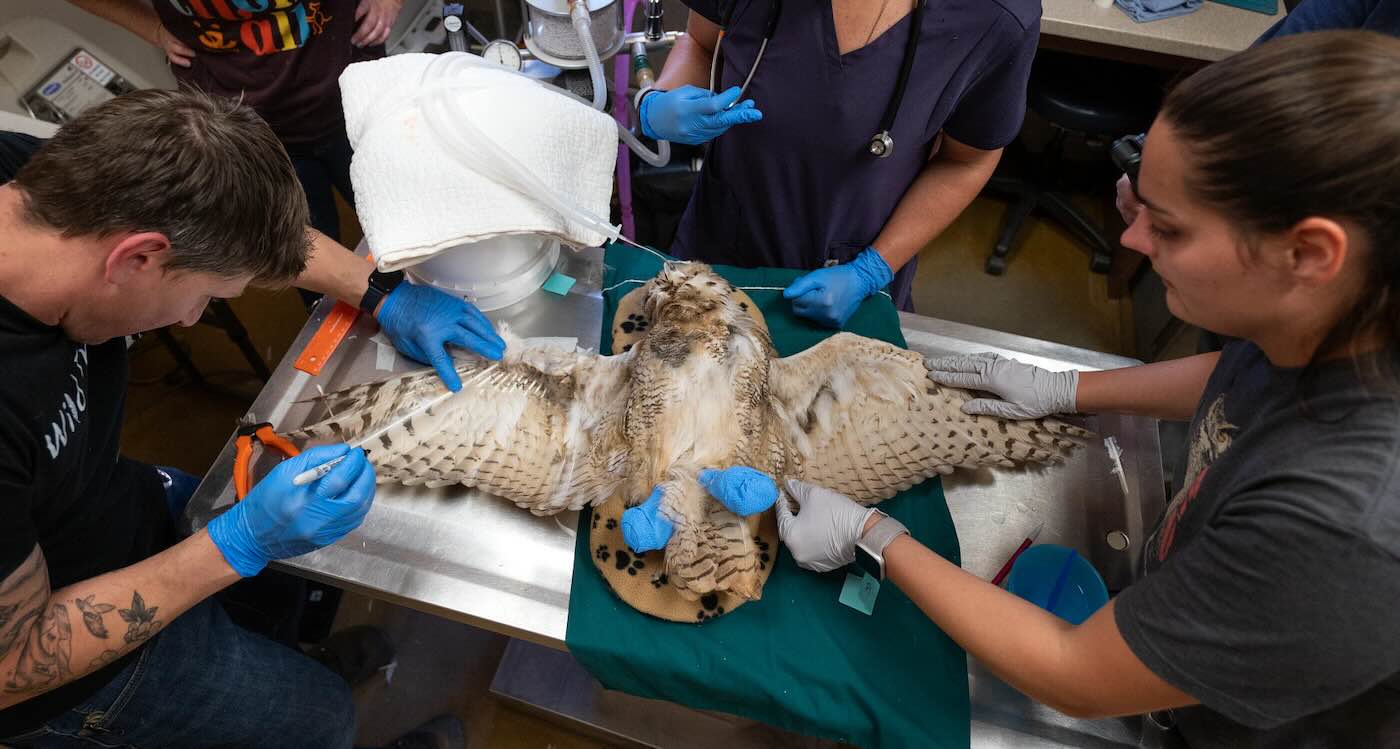
The imping finally took place on May 1, with Best Friends staff veterinarian Kelsey Paras joining three members of the Wild Friends team for the 90-minute procedure.
The donor feathers were laid out to replicate each wing, so the team could line up the replacement feather, cut it to the necessary length and adhere it, while the owl was under anesthesia. Ultimately, 10 primary and one second feather were replaced in the owl’s right wing, while the left wing didn’t require any replacements.
“The first few feathers were extremely nerve-wracking, but as we got into the groove, the imping became more comfortable, and everything went smoothly,” Richwalski said.
The team told GNN that the new feathers will come out naturally during future molts. “He’ll lose a couple of our imp feathers each year until he replaces that entire wing.”
After the successful imping, the owl was set to be released into the wild, after silent flight had been achieved inside the Wild Friends’ large aviary. (Watch the video below…)
OWL GOODIES: New Species of Owl Discovered on Tiny Island off African Coast – And it was Named After ‘Unflinching’ Park Ranger
Once the owl was seen flying to the highest perch, Richwalski measured the sound of its wingbeat using a decibel reader. He determined that the owl’s flight was quiet enough for safe release.
While the aviary roof slowly retracted, the owl hovered a bit before gaining speed, then flying straight up and out into the wild.
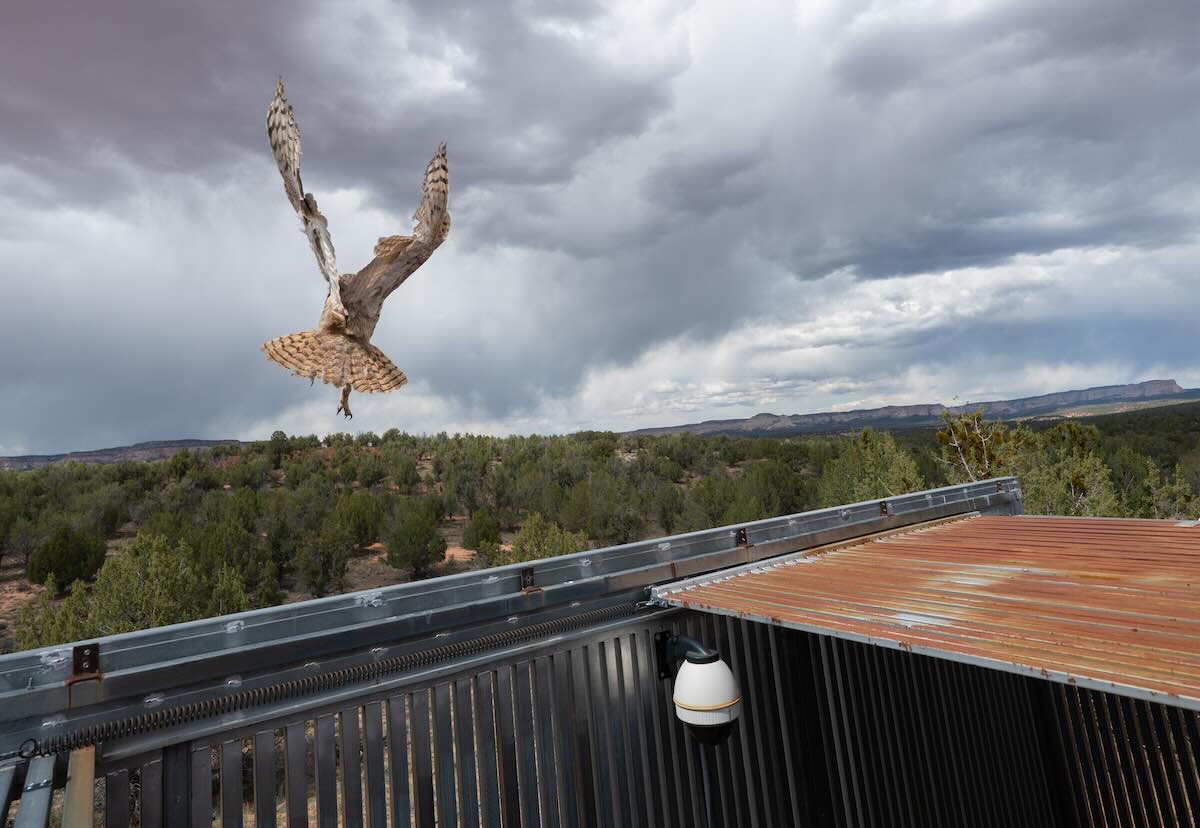
It was quite a full-circle moment for Richwalski, who had cared for the owl since picking him up in St. George.
“I don’t know that my heart was beating until I saw him leave. I was beside myself, knowing that after all this time, he was healthy and back in the wild. It was such a good feeling.”
The owl’s remarkable journey has touched every level of the organization.
GREAT OWL NEWS: Snowy Owls Are Kept Safe from Jets at Boston Airport, Thanks to Dedicated Researcher
“Best Friends Animal Society believes that every animal has intrinsic value and the care that our team took with this owl really reflects that belief,” said Judah Battista, the Society’s Chief Sanctuary Officer.
“I’m so proud of the Wild Friends team for their incredibly hard work to get this owl to freedom.” (Watch their video below…)
GIVE THIS AMAZING TALE SOME WINGS By Sharing it on Social Media…