














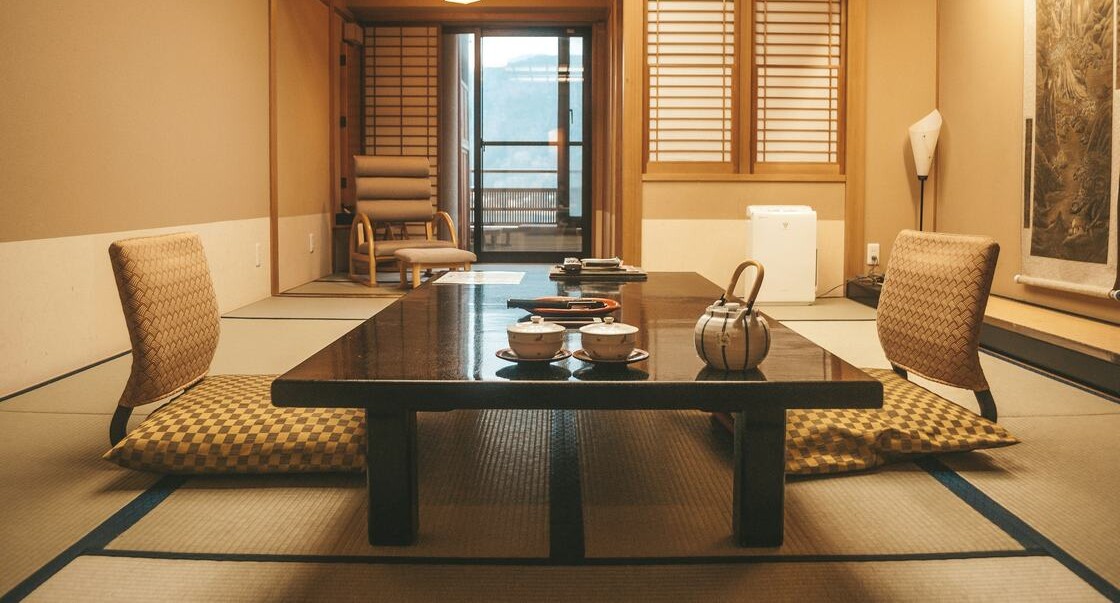
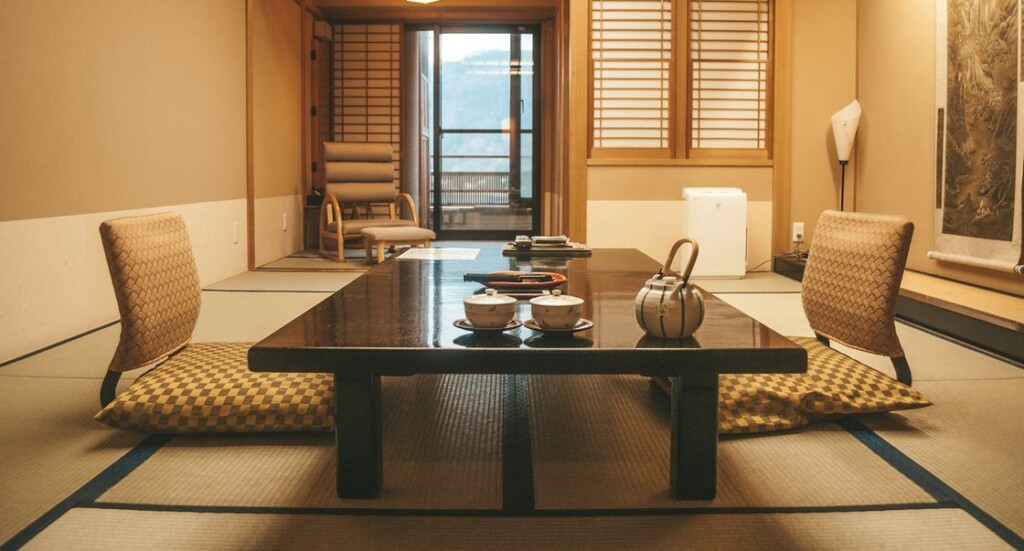
Western admirers of Japanese aesthetic are keeping afloat tatami craftsmen in Japan, where modernity and maintenance requirements are driving down interest in this artisanal form of flooring.
From Europe to the US and even in the Middle East, eager importers of tatami mats now account for a sizable amount of orders from workshops like that run by Mr. Fumio Kuboki.
Kuboki is just the latest of his kin to run the family business which has been making tatami mats for 280 years. He still sells mostly to the Japanese market, but substantial help is coming from across the Pacific.
Half of the company’s international orders come from the US, Kuboki told the Japan Times.
For hundreds of years, a Japanese house wouldn’t be complete without wall-to-wall mats made of woven grass, called tatami. Made of tightly woven igusa grass, they were the standard feature in all dry rooms.
But one of Japan’s great marvels is that, even with as characteristic and attractive a traditional culture as it cultivated over the centuries, its modern aesthetic and lifestyle is almost just as iconic. As a result, the tatami mat has become somewhat neglected among Japanese crafts: reminiscent of your grandparents house and rural living.
Western-style flooring began to be the norm starting in the 1970s, and China began mass producing synthetic tatami that was easier to clean, longer-lasting, and cheaper to replace. As a result, it’s estimated that every year, 40 traditional tatami makers close up shop for good.
Yet for the increasing number of foreign residents, tatami represents the attractiveness of the Japanese aesthetic, and as well as installing it in their residences in the country, many of them bring it back to Europe or the US.
Arno Suzuki, a professor of architectural design at Kyoto Tachibana University who has studied the use of tatami in Spain, Italy and France, told the Times that seeing the appreciation for tatami among the rest of the world has somewhat reminded the younger generations of Japan of its value
Having a tatami “space” in an apartment or house is suddenly not as uncool as it once was.
JAPANESE CRAFTS: Think Kids Are Addicted to Phones? US ‘Stationery Nerds’ Are Fueling a Japanese Notebook Boom
“Nowadays they have a tatami space—not a tatami room, but at the corner of their living room they have three or four tatami mats, and they enjoy it. And also, many people realize that it’s better for when—especially when they have small kids, like toddlers and babies, it’s safer for them to crawl,” Suzuki told the Times.
In the city of Kobe, Taro Mano is the 4th in his family to take over the 70-year-old tatami business. He too has seen a rise from foreign buyers in countries like those Suzuki studied in.
“Tatami is a kind of symbol of Japan. It’s an easy way to express a Japanese atmosphere, even in other countries,” Mr. Mano said, adding that he first thought the interest would come from the United States, but it came to be far more diverse than that.
INTERESTING JAPAN: Trading Cards Starring Middle-Aged Men Go Viral in Japanese Town, Boosting Volunteerism and Respect for Elders
Mr. Kuboki makes some 10% of his revenues from overseas sales, with many of his products being stocked year-round at Japan House in Los Angeles. 100 years ago, no one ever wondered what else could be made of tatami, but now, whether it’s a coaster or a book cover, the artform is being reimagined.
“Every day I talk with visitors and listen to what kind of tatami they want,” Mr. Kuboki said. “The products that are selected and loved by people are the ones that will naturally become the future of tatami. The future of tatami will be decided by customers.”
SHARE This Traditional Artform Being Kept Alive By Non-Traditional Buyers…