











All News - Page 591 of 1725 - Good News Network
Home Blog Page 591

“If we learn to cross them properly, the rivers that we cry can lead us to oceans of invincible happiness.” – Curtis Tyrone Jones

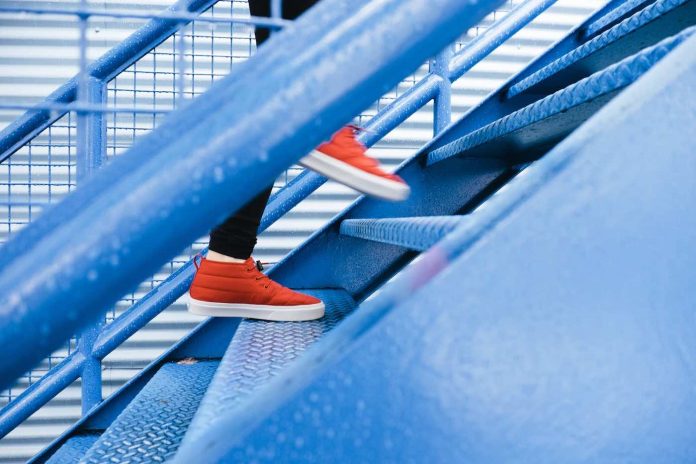
Quote of the Day: “If we learn to cross them properly, the rivers that we cry can lead us to oceans of invincible happiness.” – Curtis Tyrone Jones

Photo: by Robson Hatsukami Morgan – public domain

With a new inspirational quote every day, atop the perfect photo—collected and archived on our Quote of the Day page—why not bookmark GNN.org for a daily uplift?

The Science of Kindness: Biology Proves How We Are All Connected

This installment of the Science of Kindness was reprinted with permission from Envision Kindness.

In my exploration of how kindness connects people, it has become pretty clear to me that being kind to someone else uplifts both people and creates a positive link between them. Many times, I have read how people feel good after they help someone through volunteering, or even holding a door open—and I’ve felt it myself.

If persuaded to explain why it feels good, it is clear that helping someone else (or simply witnessing kindness) sets off a series of changes in the brain similarly to the release of endorphins, the internal opiates. Spiritually, of course, helping someone is the right thing to do. The biological connection between my spiritual understanding and how I feel suggests that nature has wired me to do so; my body is reinforcing/rewarding these “right things” with pleasurable sensations. Similarly, the receiver also feels good because he or she has been acknowledged or valued.

Acts of kindness therefore create meaningful connections between people. It is part of what I have called the “kindness-connection cycle”, in which acts of kindness connect the giver and receiver to one another.

The focus of this class is the last arc of the kindness-connection cycle, which states that meaningful connection increases kindness in turn. The central idea is that when we truly understand how each of our lives is intertwined with so many others, kindness, compassion, and collaboration flow much more naturally.

RELATEDWhy We Should Practice Forest Bathing and How to Get the Benefits of ‘Forest Medicine’

Although we are unique individuals, our lives are part of a dynamic and vibrant larger network. What each of us does in that network influences many others and vice versa—i.e., we are in this together.

There are many different examples of how we are connected to each other, such as being connected through economics, interpersonal interactions, workplace, community, family, etc.

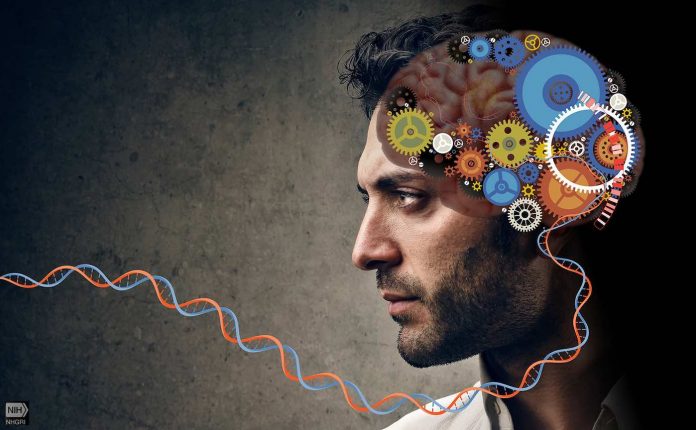
One overlooked aspect of being connected to each other, however, is the common biology that we share. For example, blood courses through our arteries and veins before being filtered by the kidneys and pumped by a heart which beats approximately 100,000 times every day.

There are many other systems that, with slight variation, function the same way in healthy people, such as the regulation of blood sugar, blood pressure, and immune responses – and although we may differ in outward appearance (height, body, facial shape, or skin color), our bodies still generally work the same way.

MOREInstead of ‘We Are What We Eat,’ the Science of Kindness Says ‘We Are What We See’ in Daily Life

Beyond the systems that we have in common, we also actively share our biological lives with each other. Let’s focus on oxygen, one of the most abundant elements on the planet that is absolutely critical for our survival. Inhaled oxygen (O2) is required to use calories and convert them into energy fuel for our cells; this process then produces carbon dioxide (CO2) which we exhale as a byproduct. Life is not possible without oxygen.

Let’s imagine that you and I are hiking a trail in the woods and we stop to admire a vista. Much of the oxygen we are inhaling is probably produced by the trees and plant life—yet how did the tree make oxygen? As other hikers have gone through the forest, the trees—powered by sunlight—absorb the carbon dioxide that is exhaled by the hikers so they can transform it into cellulose. O2 is then released from the CO2 that the trees have absorbed, thus continuing the oxygen cycle between the hikers and the trees.

This means that the oxygen I breathe in to survive was used by someone else in the past to help them live as well—and it will also be used by someone else in the future.

CHECK OUT: Man’s Cancer is Healed After Doing Random Acts of Kindness for a Year

As oxygen is constantly being recycled, and each person needs about 500 liters of oxygen each day, multiple authors have speculated on how we may have inhaled the same oxygen molecules as Julius Caesar, Abraham Lincoln, Martin Luther King, Jr., or any other historical figure.

The bottom line: all of our lives depend on sharing, and this sharing extends across time.

This example also illustrates how we are critically connected to trees and nature. Without plant life, oxygen wouldn’t be produced and carbon dioxide wouldn’t be cleared—and since roughly half of the oxygen on Earth comes from phytoplankton in the oceans, this means that our oxygen-dependent lives are also tied to the sea. Phytoplankton, in turn, depend on waste and motion from larger sea creatures—such as whales.

MOREIt’s Random Acts of Kindness Week – The Health Benefits of Being Kind and Ideas for Rocking It

When something disrupts these cycles, like deforestation or whale hunting, we share in the problems that follow. When we protect and nourish them, however, we honor their significance and are rewarded for it.

What goes around, comes around. Life is much more about cycles rather than straight lines. Oxygen is just one of many examples that, by the nature of our shared biology, we are connected to one another. The same is true for nitrogen, water, iron, and a host of other biologically essential factors that are recycled by other life forms. This gets more complex once we include the interactions of insects and animals that are necessary to keep the fabric of our interwoven network healthy and vibrant.

So what does this teach us? It tells us that our lives are more intimately connected than we might ever have thought. On a basic level, it teaches that sharing (kindness and cooperation) is actively required for living beings to survive.

RELATEDHow to Follow Negative News Without Getting Depressed

Beyond that, we are deeply connected by the oxygen cycle in a reciprocating, cooperative way. Without trees and greenery, we would not survive—and as those systems depend on carbon dioxide to survive, we sustain them in turn. Short-sighted selfishness that overuses or abuses a component of the cycle will come back around to affect us.

But the cycle is fragile; without us doing the right thing to responsibly maintain our part of a mutually nourishing cycle, it can fail. Doing the right thing honors two principles: being kind to and respecting the roles of other members of the cycle, and being kind to ourselves to sustain our own well being.

The eminent conservationist John Muir wrote: “When one tugs at a single thing in nature, you find it attached to the rest of the world.” That is, we are all connected.

Interested in learning more about the science of kindness and its role in your life? Visit EnvisionKindness.org to learn more.

Be Sure And Share This Inspiring Segment Of “The Science Of Kindness” With Your Friends On Social Media – Photo by Gabriela Palai, CC

Watch Neighborhood Come Together for Hilarious Dino-Themed Social Distancing Parade

A Wisconsin community is being praised for coming up with an amusingly prehistoric way of having some fun together during their self-isolation.

In the Bay View neighborhood of Milwaukee, dozens of people took to the streets in inflatable T-rex costumes for a dinosaur parade earlier this week.

Although the dino parade successfully brought the neighbors together for a much-needed morale boost, all of the participants and spectators were careful to maintain a CDC-recommended distance of six feet as they were marching through the streets.

“A couple of friends and me wanted to do something just for the neighborhood while people are sort of experiencing the monotony of being socially isolated,” Stacy Meyer told the Milwaukee Journal Sentinel in the video below. “If anything, just to give parents and families a little bit of a break, some joy, something different in their lives today.

(WATCH the video below)

Be Sure And Share The Parade Of Positivity With Your Friends On Social Media…

Shelter Animals Are Being Taken Home in Droves as Hundreds of People Volunteer to Foster Pets

Picture this: you’re an American parent who—after a full day of listening to your children beg for a visit to a local drive-thru—is finally ready to give in to their wishes.

At this particular drive-thru, however, you aren’t picking up ice cream or french fries—you’re picking up a furry foster animal.

Sound too good to be true? It’s not. Despite sweeping closures across the country, homeless pets are finding temporary housing faster than ever as animal shelters find new ways to arrange foster care for hundreds of pets at a time.

Without the means to facilitate traditional adoptions, humane organizations have turned to social media to ask for help in finding foster homes for their furry charges—and many of the shelters have received amazing outpourings of support from their communities.

RELATED: JOANN Stores are Handing Out Free Fabric Supplies at Curbside to Anyone Sewing Face Masks at Home

“We put out a plea for emergency fosters and received over 500 applications in a matter of DAYS, which is nothing short of incredible,” Asheville Humane Society staffer Meghan Lavender told Good News Network in an email this week. “The REALLY good news, however, is that many shelters in cities around the US are experiencing the same amazing response from their communities.”

Take the Kern County Animal Shelter in Bakersfield for example. Since the California shelter was forced to adapt to the statewide shutdowns, they decided to host a drive-thru adoption day for their shelter cats and dogs.

Much like a fast food restaurant, people would pull up in their cars with paperwork in hand. Instead of driving away with a burger and fries, however, they would get sent home with a foster pet, along with food and other supplies.

LOOK: People Are Now Stocking Little Free Libraries With Toilet Paper and Food for Neighbors in Need

The shelters two drive-thru events were successful beyond all expectation—more than 100 animals found homes by the end of the week.

“We rely on the public to adopt. When we don’t have that avenue, we’re left with no option to get animals out of the shelter. It’s not healthy to have an animal sit in a cage for 30 days,” Kern County Animal Services Director Nick Cullen told The Californian. With nowhere left to turn, Cullen put out the call on social media asking the public to participate in the impromptu drive-through pickup event. Volunteers would fill out applications online before driving to the shelter and bursting into cries of joy as they were handed their lovable new friend to take home as a temporary foster.

“What we’ve seen from the community is like nothing we’ve seen before,” he told the news outlet. “We’re floored with the response.”

MORE: After Couple Publishes 3D-Printing Guide for Face Masks, Hundreds of Volunteers Start Making Them for Free

Although California’s recent quarantine order has prevented the shelter from hosting additional drive-thru adoption days, social media has still proven itself to be a critical tool for shelters and SPCA groups across the country.

“Shortly after it became obvious that coronavirus was going to drastically disrupt everyday life, a Facebook group was utilized for animal care workers to brainstorm ideas, share what was working for them, and even to organize transfers of animals,” Lavender told GNN.

CHECK OUT: After Rediscovering Warehouse Treasure Trove of 50,000 Face Masks, IKEA Donates Them All to Hospital

The American Pets Alive! Shelter and Rescue Support Facebook page and website allows shelters and rescue charities to share lifesaving advice, health tips, and ongoing coverage and information about COVID-19 and its effects on pets and people alike.

They’ve also created a thorough, detailed guide for animal shelters across the country. The American Pets Alive! COVID-19 Animal Shelter Preparedness Guide covers topics ranging from “Feral/Community Cat Protocol” to “How To Get Your Community To Help” and even a chapter on “Found Foster Protocol for Chameleon”.

This is just one of many positive stories and updates that are coming out of the COVID-19 news coverage this week. For more uplifting coverage on the outbreaks, click here.

Be Sure And Share This Pawesome Story With Your Friends On Social Media — Photo by American Pets Alive

Homeless People From California to France Are Being Given Emergency Shelter During COVID-19 Response

As homeowners around the world are being ordered into self-isolation amidst the COVID-19 outbreaks, legislators are making sure that society’s most vulnerable people are offered the same protection.

Homeless people across North America and Europe are being offered shelter in everything from unused hotel rooms to designated self-isolation centers.

In London, Mayor Sadiq Khan booked 300 hotel rooms at a discounted rate to house the city’s rough sleepers for the next 12 weeks. The mayor’s legislative team plans to continue working with the Intercontinental Hotels Group (IHG) to facilitate additional discount booking should the crisis develop further during the coming months.

“The coronavirus outbreak affects everyone in London and we must do all we can to safeguard everyone’s health—not least those Londoners who face spending each night sleeping rough on the capital’s streets,” said Khan in a statement. “Rough sleepers already face difficult and uncertain lives and I’m determined to do all I can to ensure they, along with all Londoners, are given the best protection possible.”

RELATED: 15-Year-Old Girl is Giving Away Hundreds of Free ‘Sanitation Kits’ to Homeless People

This is just one of the many initiatives that the UK government is implementing to get homeless people off the streets during the novel coronavirus outbreaks. According to The Guardian, legislators are currently working to house rough sleepers in unused hotel rooms and other self-isolated commercial spaces. Not only is the space readily available, research also says that housing the homeless in hotel rooms is less costly than hospital space.

Similar measures have been implemented in California as well. Gov. Gavin Newsom’s legislative team has reportedly secured roughly 4,000 hotel rooms statewide with the hopes that the initiative could help lead to permanent housing after the COVID-19 crisis has been contained.

“This is an opportunity to bring folks indoors, and then try to get them into permanent housing when this is said and done,” said Ali Sutton, state deputy secretary for homelessness, in an interview with CapRadio.

LOOK: People Are Now Stocking Little Free Libraries With Toilet Paper and Food for Neighbors in Need

The state has reportedly allocated more than $150 million to local governments working to house the homeless during the outbreaks with another $50 million being distributed for renting travel trailers and hotel rooms as emergency shelter.

A KUOW report from earlier this month outlined similar initiatives taking place in Seattle as well.

Back in Europe, the Paris government has reportedly opened two separate isolation centers for homeless people who have tested positive for the novel coronavirus—but do not require hospitalization— as the city enters into lockdown. Another 80 sites have been designated as confirmed isolation spaces across the country with another 2,800 facilities identified as potential additions to the nationwide housing network.

This is just one of many positive stories and updates that are coming out of the COVID-19 news coverage this week. For more uplifting coverage on the outbreaks, click here.

Pass On The Positivity By Sharing The Good News With Your Friends On Social Media…

Riding a Toboggan Down a Swiss Mountain is a Breath of Fresh Alpine Air for This Week – Watch

This first-person view of a scenic toboggan run down the side of an Alpine mountain is exactly what we need while self-isolating.

The Rodelbahn slide snakes its way through the mountains around Oeschinensee Lake in Switzerland.

This particularly video of the run was captured by 28-year-old Rushabh Chheda, who is originally from Mumbai, India, but currently lives in the Netherlands.

LOOK: You Can Now Tour 2,500 World-Famous Museums From the Comfort of Your Own Sofa

“The coaster in itself is pretty cool, but the view makes the entire experience quite magnificent,” said Chheda. “I would definitely recommend to do this, if you have the chance.

“The lake nearby and the beautiful mountains are the main attraction—this is an added experience for the thrill seekers.”

For more information on the travel experience—or if you want to plan a trip to ride the Mountain Coaster for yourself in the future, visit the Rodelbahn website.

(WATCH the exciting video below)

Don’t Let This Spectacular Video Slide Without Sharing It With Your Friends On Social Media…

“People working together can overcome many obstacles, often within themselves, and by doing so can make the world a better place.” – Mo Mowlam

Peter Boccia

Quote of the Day: “People working together can overcome many obstacles, often within themselves, and by doing so can make the world a better place.” – Mo Mowlam

Photo: by Peter Boccia in Rome – public domain

With a new inspirational quote every day, atop the perfect photo—collected and archived on our Quote of the Day page—why not bookmark GNN.org for a daily uplift?

JOANN Stores are Handing Out Free Fabric Supplies at Curbside to Anyone Sewing Face Masks at Home

Photos by JOANN Stores

In a national emergency, some people’s initial thoughts are to fight over toilet paper. Others, like Good News Network reader Trina Branella, immediately want to leap to the aid of those in the front lines of the crisis.

Trina began constructing and sewing cloth masks for a project in Indiana to help teenage cancer patients undergoing chemotherapy. Then, wanted to donate more masks to workers at four local chemo centers in New Jersey, spurred on by a friend of hers whose mother has cancer “and right now she’s using a bandana.”

Cloth masks are useful because they keep your hands from touching your nose and mouth (especially out in public where you don’t know if surfaces are clean). They also can contain sneezes and coughs, protecting those around you who may have vulnerable immune systems.

As Trina was running low on fabric and unable to purchase more, she asked around to see if there was anyone willing to donate to a good cause, but had no luck.

She then reached out to Good News Network on Friday, the very same day GNN received a press release from JOANN fabric Stores announcing that the U.S. company would begin donating materials to anyone looking to sew together masks, gowns, or other essential medical equipment for healthcare workers.

After learning the JOANN Stores were launching the program on March 23, we submitted Trina’s order to the company and they said the supplies would be mailed immediately to her in Somerdale, New Jersey.

Branella was thrilled to hear about the donation program and ordered 5 yards of flannel, and a couple packets of 1/8 inch elastic.

“I just have this warm, little fuzzy going on right now,” she told GNN by phone. “I’m so happy they’re doing something. I love JOANN’s.”

RELATED: Crates of Masks Shipped to Italy Are Covered in Italian Poetry: ‘Leaves of the Same Tree’

Beyond just donated materials, JOANN is offering “Ship-to-Home” or “Curbside Pickup” options, so customers won’t need to come into the stores.

The chain includes 865 stores across 49 states (find your local store here)—but not all shops may be participating, so telephone the store first.

“The amazing thing about the crafting community is that, especially in difficult times, they are always looking for ways to help,” said Wade Miquelon, President & CEO of JOANN.

RELATED: People Are Knitting Mittens for Burnt Koalas After Australian Bushfires

All open JOANN locations will serve as collection points, too, so that people sewing in their homes can drop off any items created, which will then be distributed to medical centers to help extend their dwindling supplies.

Photos by JOANN Stores

“We are seeing hospital workers, organizations and individuals coming into our stores for supplies to make these essential items, and our customers are asking us how they can help,” Miquelon added. “So many are spending their time and money to help in this tragic situation, and we want to step in to do our part to protect the amazing people who are helping the communities we serve.”

According to a press release on JOANN’s website, entities in need of supplies should contact [email protected].

They say they will also open their classrooms—while adhering to social distancing guidelines—to any who want to help make these essential items. Participating locations will offer sewing machines, materials and guidance to help customers safely make face masks and covers, gowns and other items to donate to America’s hospitals. They have some How-to guides here.

POPULAR: Ten More Positive Updates on the COVID Outbreaks From Around the World

“We have a generous community who can make a big difference as our healthcare system faces this crisis,” Miquelon said. “We’re here to support them, and all who make to give year round. We are all in this together.”

SHARE the Opportunity to Get Free Supplies With Your Friends on Social Media…

The Latest Positive COVID Updates From Quarantine: A Pandemic-Positive Podcast With Geri & Anthony (Ep #4)

Listen and Subscribe to Episodes on iTunes—or Spotify, here — Or, on Podbean

Episode #4 of our quarantine-inspired Good News Gurus podcast dropped March 23: Geri and Anthony discussed the huge companies donating emergency supplies of masks; a breakthrough surgery that removed a man’s lung to clean it, and placed it right back again; plus hilarious descriptions of quarantines using only 6 words (and much more uplifting news, including magician David Minkin giving away free Skype shows for sick people).

Listen and Subscribe to Episodes on iTunes—or Spotify, here — Or, on Podbean

EMAIL us to be on the show or share good news: [email protected]

SUBSCRIBE to the Good News Morning Email: gnn.to/jolt

REVIEW and Subscribe to the show on iTunes—or on Podbean.

New Study of 900 House Cats Finally Answers Age-Old Question About What Felines Do When They Go Outside

Have you ever wondered where our pet cats go when we’re not looking? What mysterious antics they get up to when they’re prowling around the great outdoors? And will we ever understand the inner mysteries of the noble cat mind?

In an effort to answer these ancient questions, which have plagued the minds of cat-fanciers since the time of the Pharaohs, one team of scientists launched an initiative to track the movements of our feline friends and glean some insight into their outdoor lives.

The Cat Tracker Project is simple in concept: find out where cats go and what they do. Founded by researchers from the North Carolina Museum of Natural Sciences, the team placed GPS collars on the cats of willing volunteers.

After tracking the movements and behavior of nearly 1,000 cats across four countries and analyzing the data for six years, the results are in—and some of the findings come as a bit of a shock.

LOOK: This Epic Pirate Cat Has Spent Her Whole Life Sailing the Ocean

“I was surprised at how little these cats moved,” lead project author Roland Kays told National Geographic. “Most of them spent all their time within 100 meters [330 feet] of their yard.”

That’s not to say that all cats were layabouts, however. National Geographic’s Jonathan Losos goes on to note: “Seven percent covered more than 25 acres, and several cats had enormous ranges. The record-setter was Penny, a young female from the suburbs of Wellington, New Zealand, who roamed over the hills behind her house, covering an area greater than three square miles.”

Then there was Max, a neutered tomcat from England who walked from his home village of St. Newlyn East all the way to Trevilson—over a mile—and back for no apparent reason. Max made this trek twice in the six days he was tracked, leaving his human as mystified as the researchers.

RELATED: Missing Cat Finally Reunited With Owner After It Was Found Wandering the Streets 1,400 Miles Away

If you have an outdoor cat, reading some of these anecdotes might confirm something you’ve long suspected: that the inner machinations of a cat’s mind are an unknowable enigma—a felicitous riddle whose answer they themselves might not possess.

On the other hand, don’t let the tales of adventurous ramblers worry you—the study found that the vast majority of cats are, simply put, “universally lazy”, according to Kays. Aloof though their personalities may seem, chances are our furry companions are strolling just outside our own backyards, and not farther.

However, the Cat Tracker Project doesn’t end there. If have you ever wanted to understand your cat’s personality, the project’s website explains: “With help from our colleagues at Discovery Circle in Australia, we know that there are 5 overarching traits in feline personality, aptly named the ‘Feline Five’. They consist of Skittishness, Outgoingness, Spontaneity, Dominance and Friendliness. The results are calculated on a scale, showing how much your cat exhibits characteristics in each of the Feline Five traits.”

CHECK OUT: Man Who Loves Cats Transforms Home into Feline Playland—And You Can Too (For Charity)

The Cat Tracker Project also has a branch of their work that studies how much pet cats hunt local birds and mammals for sport. By analyzing hair and food samples from participants, researchers can learn about whether a particular cat is “snacking beyond the food bowl”. While this might seem merely like an unsavory side-effect of cat ownership, recent research actually indicates that free-ranging domestic cats in the United States alone kill up to 4 billion birds and 22 billion mammals each year. That could be over three times the population of human beings on planet Earth!

This isn’t the first time that the staggering number of birds killed by pet cats has led an intrepid kitty-owner to take action. In 2018, GNN covered a story about a cat mom named Nancy Brennan who had become increasingly frustrated by how many birds regularly fell prey to her pet cat George—and she became determined to stop him from hunting birds by any means necessary.

Upon reading an article about how birds tend to take notice of bright colors, Brennan created a rainbow kitty collar for George to wear. Its vibrant hues alerted nearby birds to the cat’s presence, and shortly after, she was delighted to find that George had stopped killing birds.

MORE: Frozen Cat That Was Found Unresponsive, Buried in Snow Makes Miraculous Recovery

Her “Birds Be Safe” collar ended up being so anecdotally effective for other pet owners that an ornithologist and professor at St. Lawrence University, S.K. Wilson, decided to run a 12-week scientific study on its success. Wilson’s study proved that cats killed 19 times fewer birds when wearing one of Brennan’s bright collars. The study brought a flood of new traffic to Brennan’s collar-selling site, which now distributes its bird-saving devices to cat parents all across the world—not to mention the stylish flair that the collars give their cats.

You can read the full story of George and the Birds Be Safe collars by clicking here—otherwise, if you are interested in volunteering your own feline friend to participate in the Cat Tracker Project, be sure and visit their website for more information.

(WATCH the 2014 Nat Geo video on The Cat Tracker Project below) – Feature Photo by Nat Geo

Be Sure And Share This Pawesome Story With Your Friends On Social Media…

People Are Now Stocking Little Free Libraries With Toilet Paper and Food for Neighbors in Need


There are more than 75,000 registered Little Free Libraries around the world—and people are now converting them into Little Free Pantries for their communities during the COVID-19 crisis.


Although Little Free Pantries have been popping up in people’s neighborhoods since 2016, these newly-converted pantries are being hailed as a particularly uplifting example of community kindness amidst the coronavirus outbreaks.


Pantries from Vancouver, Canada to Arlington, Massachusetts are now filled with toilet paper, canned goods, books, hand sanitizer, and toiletries.


“My kids have invested a lot of time into just making sure there’s stuff up there,” a Minnesota woman told CNN about their local pantry. “The experience for them being able to be a part of something that gives back. That’s really cool.”


As a means of respecting quarantine guidelines, local pantry caretakers are reminding visitors to wash their hands and sanitize the pantry door handles before handling its contents.


If you want to look up instructions on how to build your own Little Free Pantry—or check out a map of pantries near you—be sure and visit the Little Free website.


Build Up Some Positivity By Sharing The Good News With Your Friends On Social Media…

After Couple Publishes 3D-Printing Guide for Face Masks, Hundreds of Volunteers Start Making Them for Free

3D-printing enthusiasts all over the world are voluntarily making free, biodegradable protective plastic face masks for healthcare workers fighting the COVID-19 outbreaks—and it’s all thanks to a small business in upstate New York.

Isaac Budmen and Stephanie Keefe are the masterminds behind Budmen Industries: a company that designs and sells custom 3D-printers.

The couple was inspired to start making the inexpensive masks after they heard about a coronavirus testing site that was recently set up in Syracuse—just six miles away from their home in Liverpool. Not only that, they read reports on how healthcare workers were in need of protective face shields.

MORE: 10 Positive Updates on the COVID-19 Outbreaks From Around the World

“We started thinking about how can we help, what is something that we could do, with the resources available to us, to help the health care workers,” Budmen told the New York Daily News. “We thought, ‘that’s something a 3D printer can do.’”

Budmen and Keefe then developed a prototype for a single-use mask that can be printed in one hour and assembled in just two minutes. The elastic and foam strips used to secure the mask comfortably to the wearer’s face can be bought at a variety of stores.

Since the dynamic duo’s project has been featured across on national news outlets, they have recruited the help of local teachers to produce the masks in classrooms across the school district. Budmen Industries has also published the templates and assembly instructions for the masks for free on their website.

RELATED: Another Roundup of Positive Updates on the COVID Outbreaks From Around the World

As more and more healthcare teams have reached out to the couple about getting face masks of their own, hundreds of volunteers from around the world have offered to join the company in 3D-printing the masks for free. According to CNN, the mask design has already been downloaded from their website more than 2,000 times.

Similarly in Montana, Billings Clinic neurosurgeon Dusty Richardson developed a design for a reusable 3D-printed surgical mask so that he and his fellow community members could donate the masks to their local healthcare workers. He has also made the blueprints and assembly instructions available online for free so his fellow 3D-printing enthusiasts can make their own.

This is just one of many positive stories and updates that are coming out of the COVID-19 news coverage this week. For more uplifting coverage on the outbreaks, click here.

Photo by Budmen Industries

Protect Your Friends From Negativity By Sharing The Good News To Social Media…

Watch These Self-Isolating Seniors Stave Off Boredom by Playing Life-Sized ‘Hungry, Hungry Hippos’

As a means of staving off self-isolation boredom, these delighted seniors and their nursing home caretakers played a game of real-life Hungry, Hungry Hippos.

In a video that was published by the Bryn Celyn Care Home in Maesteg, Wales last week, four elderly women in wheelchairs were filmed giggling away as they were rolled around a room similarly to the classic children’s game.

LOOK: Two-Legged Dog Named ‘Lieutenant Dan’ is Vying to Be the Next Cadbury Bunny

Instead of using hippo mouths to capture the plastic balls, however, the women brandished baskets on sticks—and the results are pretty amusing.

“Residents really enjoyed playing a new game today: Hungry Hippos. Lots of laughter to lift morale of the team and residents!” wrote the nursing home.

Since the video was published to Facebook on Thursday, it has already racked up more than 1.8 million views.

(WATCH the sweet video below)

Share Your Hunger For Good News By Sharing This Adorable Story With Your Friends On Social Media…

“Be of good cheer. . . You have set yourselves a difficult task, but you will succeed if you persevere; and you will find a joy in overcoming obstacles.” – Helen Keller

File photo by Nathan Dumlao, CC

Quote of the Day: “Be of good cheer. . . You have set yourselves a difficult task, but you will succeed if you persevere; and you will find a joy in overcoming obstacles.” – Helen Keller

Photo: by Nathan Dumlao – public domain

With a new inspirational quote every day, atop the perfect photo—collected and archived on our Quote of the Day page—why not bookmark GNN.org for a daily uplift?

How Cutting in Line for a Free Bagel Became a Lesson in Changing Your Future (Simon Sinek)


The Lesson: “That’s when I realized that there were two types of people in the world: those who see what they want, and those who can only see what’s getting in the way of what they want.” In this engaging video, motivational speaker Simon Sinek lets us in on his five rules for changing your future one step at a time. From achieving your heart’s deepest desires to gaining respect and becoming a leader, Sinek uses an intriguing metaphor to break down the mental changes one must adopt in order to follow his advice for changing your life.

The Speaker: Simon Sinek is the marketing consultant, bestselling author, motivational speaker, and critically-acclaimed mastermind behind Start With Why: an organization made up of other business moguls dedicated to helping others find their passion and leadership stride. His TED talk, How Great Leaders Inspire Others, has been ranked as their third most popular talk of all time.

Books: Sinek is the author of several groundbreaking bestsellers, such as “Start With Why: How Great Leaders Inspire Everyone to Take Action”; “Leaders Eat Last: Why Some Teams Pull Together and Others Don’t”; and “Find Your Why: A Practical Guide for Discovering Purpose for You and Your Team”.

Podcast: Motivation Madness produces motivational and inspirational videos to help their 1.5 million subscribers get through life. Featuring a wide variety of prominent public speakers from a range of philosophical and motivational perspectives, the series aims to help you “live your dreams and not let anyone stop you from doing what makes you happy.” To learn more, check out their YouTube channel, Facebook, or Instagram page.

(WATCH the inspiring talk below)

Good Advice? SHARE It – And, CHECK Out More on our Good Talks Page

Spiderman Voice Actor is Offering to Record Encouraging Voice Messages for Kids During COVID-19 Lockdowns

File photo by Gage Skidmore, CC

Dozens—perhaps even hundreds—of children in self-isolation are set to receive messages of comfort from none other than Spider-Man himself.

That’s because Jake Johnson, the voice actor who played Peter Parker in the recent superhero film Spider-Man: Into the Spider-Verse, has offered to record personalized voice messages for kids who may be having a hard time coping with the novel coronavirus quarantines.

Earlier this week, Johnson published an Instagram post saying: “Since the quarantine, a lot of parents have DM’d me saying they’ve been watching Spiderverse with their kids. A lot.

“So, here’s my idea. If your child is home from school and wants a quick encouraging message from Peter B. Peter, then send me an email with their name and I’ll try and send over a short voice note.”

RELATED: Across Canada, Scaremongering Becomes ‘Caremongering’ as Citizens Help Each Other In Challenging Times

Since demand for the messages is likely to be high, Johnson apologized in advance for any emails he might fail to respond to—but he still hopes his post will encourage families and kids to stay home during the COVID-19 shutdowns.

Johnson—who has also starred in the television comedy series New Girl and Jurassic World—says that parents can request a comforting voice message from Spider-Man by emailing their child’s name to [email protected].

This is just one of many positive stories and updates that are coming out of the COVID-19 news coverage this week. For more uplifting coverage on the outbreaks, click here.

Save Your Friends From Negativity By Sharing This Inspiring Story To Social Media…

Watch Resourceful Man Use Flying Drone to Walk His Dog During COVID-19 Lockdowns

A particularly resourceful dog owner in Cyprus has come up with an ingenious way of walking his pup while still staying inside during the COVID-19 shutdowns.

Vakis Demetriou posted a video to Facebook last week depicting his happy canine companion taking a stroll through the streets of Limassol with his leash carried by a flying drone.

Since Demetriou uploaded the video to social media last week, it has been viewed more than a million times.

The devoted dog dad hopes that his video will help to lift the spirits of internet users during the turbulence of the pandemic—and remind people to stay home until the virus is under control.

“Stay home safe,” he wrote, “but don’t forget your dog’s happiness…”

(WATCH the video below)

Be Sure And Share This Pawesome Story Of Ingenuity With Your Friends On Social Media…

Another Roundup of Positive Updates on the COVID Outbreaks From Around the World

Last week, we published a list of ten positive updates on the COVID-19 outbreaks from around the world.

Since the article has been viewed millions of times, we thought we would go ahead and publish another round-up of optimistic occurrences to keep your spirits up.

So here is another list of reasons why the global situation is not as bad as the mainstream media might have you think.

1) World Health Organization (WHO) Officials Say There Are Now 20 Coronavirus Vaccines in Development

Although there are still a number of logistical and financial hurdles that will need to be overcome in the race to deliver a COVID-19 vaccine to the public, WHO representatives say they are working with scientists around the world to test and develop 20 different vaccines.

“The acceleration of this process is really truly dramatic in terms of what we’re able to do, building on work that started with SARS, that started with MERS and now is being used for COVID-19 ,” Dr. Maria Van Kerkhove, the technical lead for WHO’s emergencies program, said at a press conference in Geneva last week, according to CNBC.

The collective body of research is particularly “remarkable” since the vaccines are in development just 60 days after a number of international scientists decoded the virus’s genetic sequence and shared it with the rest of the world.

One of the vaccines—which is already being tested on a number of American volunteers in Seattle—has already illustrated the “unprecedented speed” with which the medical community is working together to develop a vaccine.

2) From Individuals to Countries and World Governments–Everybody is Sharing Face Masks

Not only is this French fashion designer making her own face masks and giving them away for free, she is showing how other people can make their own as well. In North Carolina, a textile mill is gearing up to start making 10 million masks per week. A number of international fashion companies have also redirected their manufacturing teams to produce face masks as well.

Multiple businesses and schools have donated their recently rediscovered face mask treasure troves to hospitals in need. Other major tech companies such as Facebook and Apple are donating millions of masks and medical supplies to US healthcare facilities. Chinese companies are passing on their own stashes of face masks to European countries newly impacted by the virus. Taiwan is reportedly donating 100,000 masks to the United States.

Even medical TV shows have donated their medical supply props to North American hospitals in need.

File photo by Senior Airman Nancy Hooks

3) As American Cities Close Up Amidst Outbreaks, Pollution Plummets

The United States is now benefiting from the same environmental silver lining to the pandemics as China and Italy: as cities encourage self-isolation, air pollution is plummeting.

Over the course of the last few weeks, satellite imaging has revealed significant reductions in air pollution—particularly across California, Seattle, and New York City.

According to CNN, environmental scientists are estimating that the improvement in air quality could collectively save as many as 75,000 people from dying prematurely.

Photo by Descartes Labs

4) As Physicians Worry About Potential Ventilator Shortages, Researchers Develop Several Low-Cost Solutions

In a stroke of genius, one scientist from the University of Minnesota says he went “full-on MacGyver” to build a makeshift ventilator in a matter of hours. Although his team has revised his design over the course of several prototypes with the hopes of eventually submitting it for FDA approval, he says that the inexpensive ventilator is one that he “would be comfortable with someone [using to] take care of me in an ICU or in an operating room.”

The compassionate medical research continues in Italy as a pair of engineers have taken it upon themselves to 3D-print free respirator parts for their local hospitals. As of last week, the Isinnova startup engineers told Forbes that they had successfully printed more than 100 parts.

Meanwhile, MIT scientists are publishing open-source instructions and research on how to build inexpensive ventilators.

“We are releasing this material with the intent to provide those with the ability to make or manufacture ventilators, the tools needed to do so in a manner that seeks to ensure patient safety,” they wrote. “Clinicians viewing this site can provide input and expertise and report on their efforts to help their patients.”

Isinnova’s Christian Fracassi and Alessandro Romaioli—Photo by Isinnova

5) Communities and Countries Opening Up New Lanes of Free Entertainment for the Masses

In addition to Italians singing songs and playing music together from their balconies, homeowners have begun projecting classic films onto building fronts for the neighbors to enjoy.

As a means of keeping self-isolated people amused during global shutdowns, many online services have made their services free to the public as well.

For starters, Amazon has unlocked more than 40 new children’s shows for all of their customers to watch for free, regardless of Prime membership. Audiobook platform Audible has also released a number of free audiobooks for users to stream from their devices.

“For as long as schools are closed, we’re open. Starting today, kids everywhere can instantly stream an incredible collection of stories, including titles across six different languages, that will help them continue dreaming, learning, and just being kids,” reads the Audible website. “All stories are free to stream on your desktop, laptop, phone or tablet. Explore the collection, select a title and start listening. It’s that easy.”

More than 2,500 art museums and galleries have also partnered with Google to offer free virtual tours and displays of their collections to art lovers around the world.

If you prefer cuter online content, then you can check out this handy list of zoos and aquariums offering livestreams of their animal residents.

View this post on Instagram

Mandando mucho amor ❤️ Sending so much love

A post shared by Penélope Cruz (@penelopecruzoficial) on

6) More Than 100,000 People Have Already Recovered From the Virus Worldwide

According to research from Johns Hopkins University, more than 100,000 COVID-19 patients have already made full recoveries from the infection—and that number may very well climb ever higher as more and more potential treatments are tested around the world.

If that’s not enough, patients as old as 90 have managed to recover from the virus as well.

As Chinese cities gradually reopen to the public now that they have gotten the virus under control with less than 10 new infections reported each day, other countries are expected to experience similar recoveries during the coming months.

7) Nobel Prize Winner Who Correctly Predicted COVID-19 Trends Says ‘We’re Going To Be Fine’

According to a recently-published interview with the Los Angeles Times, Nobel laureate and Stanford biophysicist Michael Levitt has been “remarkably accurate” in predicting China’s recovery from the virus since he began researching the infection rates back in January.

Levitt, who won the 2013 prize for developing complex chemical models of calculation, says that as long as countries continue to practice safe self-isolation measures, the numbers show that they are already beginning to experience slow signs of improvement.

“What we need is to control the panic,” he told the news outlet. “We’re going to be fine.”

© Nobel Media AB. Photo: A. Mahmoud

8) Celebrities and Businesses Have Contributed Millions Towards Feeding and Caring for At-Risk People

From Michelin-starred Chef José Andrés to the Bill Gates Foundation—millions of dollars are being donated to novel coronavirus research and charities feeding families amidst the shutdowns.

It’s hard to quantify just how many resources are being contributed to the cause, but suffice it to say that it’s a lot—in fact, here’s just a quick list of celebrities giving back to their communities that we published last week.

9) No Matter Where You Look, People Are Being Kind to Each Other

People and small businesses are delivering groceries to their elderly neighbors in self-isolation; kids are caring for the homeless; social media users are setting up “caremongering” groups to support each other and share helpful information; people are sharing their toilet paper with community members.

There are even more stories of kindness and compassion being reported from around the world every day—so remember to keep your chin up during the weeks ahead and remind yourself that this situation might not be as terrible as your social media feed might have you believe.

Spread The Good News By Sharing These Uplifting Updates With Your Friends On Social Media…

Siblings Filmed Playing Sweet Spontaneous Porch Concert for Elderly Neighbor in Self-Isolation

People around the world are finding more and more positive ways to help their neighbors during the COVID-19 outbreaks—from buying groceries for elderly people in self-isolation or sharing toilet paper with those in need.

So when these two young siblings from Columbus, Ohio heard that their 78-year-old neighbor Helena Schlam was self-isolating herself in her home last week, they knew they wanted to do something special for her.

After 9-year-old Taran Tien and and his 6-year-old sister Calliope made sure that Schlam was stocked up on groceries, they took it upon themselves to host a spontaneous concert for the senior on her front porch.

RELATED: ‘Unbelievable Act of Kindness’: Customer Left $2,500 Tip for Restaurant Staffers Before They Closed Up Shop

Taran and Calliope donned their nicest concert clothes before carrying their cellos over to Schlam’s porch. For 30 minutes, the youngsters played everything from children’s tunes to Bach suites—all while maintaining a safe distance from Schlam’s front row seat 10 feet away.

“I haven’t been out of my house for five days, and I won’t be out anytime soon,” Schlam told The Columbus Dispatch. “This was a delightful break for all of us. I love all the kids and I love music. It was such a real gift.”


The children’s mother, Rebecca Tien, later told CNN that she couldn’t have been more proud of her kids for reaching out to their neighbor during such uncertain times.

“It was one of those moments where you feel like you’re a part of something incredible,” she said. “It was also a good way to remember the value of connection, especially at a time like this when everyone feels disconnected. Just to know we were a part of something so sweet, even just for a minute, meant a lot.”

LOOK: Corner Store Owner Gives Away More Than $6,000 in Free Goods to Seniors Preparing for Quarantines

Jackie Borchardt, another local community member, captured a sweet video of the porch concert as she was passing by Schlam’s house. Since she published the footage to Twitter last week, it has been praised by several thousand social media viewers.

“This is what American values are all about!” wrote one Twitter user. “We help one another in crisis!”

This is just one of many positive stories and updates that are coming out of the COVID-19 news coverage this week. For more uplifting coverage on the outbreaks, click here.

Be Sure And Share This Sweet Story Of Kindness With Your Friends On Social Media…

“The art of progress is to preserve order amid change and to preserve change amid order.” – Alfred North Whitehead

Quote of the Day: “The art of progress is to preserve order amid change and to preserve change amid order.” – Alfred North Whitehead

Photo: by Abigail Keenan – public domain

With a new inspirational quote every day, atop the perfect photo—collected and archived on our Quote of the Day page—why not bookmark GNN.org for a daily uplift?