Quote of the Day: “The talent for being happy is appreciating and liking what you have, instead of what you don’t have.” – Woody Allen
Photo: by Andy Li
With a new inspirational quote every day, atop the perfect photo—collected and archived on our Quote of the Day page—why not bookmark GNN.org for a daily uplift?
Researchers may have discovered a safe new way to manage blood sugar non-invasively.
Exposing diabetic mice to a combination of static electric and magnetic fields for a few hours per day normalizes blood sugar and insulin resistance, researchers at the University of Iowa have found.
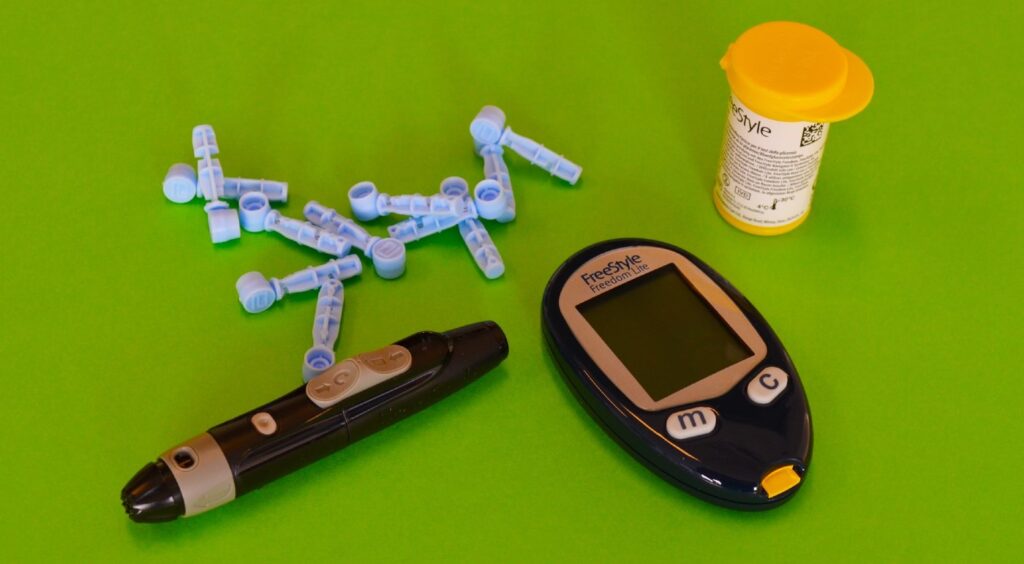
Diabetesmagazijn.nl
The unexpected and surprising discovery raises the possibility of using electromagnetic fields (EMFs) as a remote control to manage type 2 diabetes.
According to a statement from the university, the effects of exposure to electromagnetic fields (EMFs) in diabetic mice have been “long-lasting, opening the possibility of an EMF therapy that can be applied during sleep to manage diabetes all day.”
EMFs, it’s been indicated by the new study, alter the balance of oxidants and antioxidants in the liver, improving the body’s response to insulin. This effect is mediated by small reactive molecules that seem to function as “magnetic antennae.”
The initial finding–published in Cell Metabolism on October 6–was pure serendipity. Sunny Huang, Calvin Carter’s co-lead author and an MD/PhD student interested in metabolism and diabetes, needed to practice taking blood from mice and measuring blood sugar levels.
Carter offered to let her borrow some of the mice he was using to study the effect of EMFs on brain and behavior in the animals.
“It was really odd because normally these animals have high blood sugar and type 2 diabetes, but all of the animals exposed to EMFs showed normal blood sugar levels,” Huang says. “I told Calvin, ‘There’s something weird going on here.'”
The finding that these mice had normal blood sugar levels after EMF exposure was doubly strange because the mice had a genetic modification which made them diabetic.
“That’s what sparked this project,” Carter confirms. “Early on, we recognized that if the findings held up, they could have a major impact on diabetes care.”
The findings held up. Carter and Huang, working with senior author Val Sheffield and diabetes expert Dale Abel, found that the combined wireless application of static magnetic and electric fields modulates blood sugar in three different mouse models of type 2 diabetes. The team also showed that exposure to such fields, approximately 100 times that of the Earth’s, during sleep, reversed insulin resistance within three days of treatment.
EMFs and Redox Biology
EMFs are everywhere; telecommunications, navigation, and mobile devices all use them to function. EMFs are also used in medicine, in MRIs and EEGs, for example.
However, very little is known about how they affect biology. On their hunt for clues to understand the mechanisms underlying the biological effects of EMFs on blood sugar and insulin sensitivity, Carter and Huang reviewed literature from the 1970s investigating bird migration.
They found that many animals sense the Earth’s electromagnetic field and use it to orient themselves as well as for navigation.
“This literature pointed to a quantum biological phenomenon whereby EMFs may interact with specific molecules. There are molecules in our bodies that are thought to act like tiny magnetic antenna, enabling a biological response to EMFs,” Carter says. “Some of these molecules are oxidants, which are studied in redox biology, an area of research that deals with the behavior of electrons and reactive molecules that govern cellular metabolism.”
In addition to the mouse studies, the researchers also treated human liver cells with EMFs for six hours and showed that a surrogate marker for insulin sensitivity improved significantly, suggesting that the EMFs may also produce the same anti-diabetic effect in humans.
Carter and Huang are energized by the possibility of translating the findings to human patients with type 2 diabetes.
In terms of safety, the World Health Organization considers low energy EMFs safe for human health. The UI study also found no evidence of any adverse side effects in mice.
The team’s ultimate goal is to move into clinical trials with patients to translate the technology into a new class of therapies.
Heart-warming footage shows the incredible bond between a pair of dogs and their family’s horse—with the doggies always clamoring to take the pony for walks.
SWNS
Nine-year-old miniature horse Bon Jovi, nicknamed Bonnie, was rescued from an abusive home and adopted by Jessica Chemin four years ago.
Bonnie now lives with Jessica and her two French bulldogs, Lola and Nacho, at their home in Cape Town, South Africa.
The animals have become the closest of friends and spend their days playing together and enjoying each other’s company.
Jessica filmed the first time the sweet pooches took hold of Bonnie’s reigns and began leading him outside for a walk.
21-year-old Jessica, who is in her final year of studying organizational psychology at the University of Cape Town said, “He was named after Bon Jovi because of his wild nature, but after living with us he has calmed down so much and become such a ‘homebody’.
“We often find him sneaking into the house because he knows where the snack drawer in the kitchen is.”
“I couldn’t believe it when I saw Lola and Nacho taking Bonnie for a walk. It really has taken their relationship to the next level as now whenever they see the lead rein being clipped onto Bonnie’s halter, they both want to lead him up to the stables.
Of her menagerie of animals, she noted, “They all get on so well. I will often find Lola and Nacho down in the garden, lying on the grass while Bonnie grazes nearby. The three of them really seem to have the sweetest kinship and seeing their friendship makes my heart so full.”
(WATCH the awesome trio in the SWNS video below.)
SHARE The Fun And Pass The Story On To Friends Via Social Media…
“Eat your spinach,” is a common refrain in childhood, but the green vegetable, chock full of nutrients, doesn’t just provide energy in humans. It also has the potential to help power fuel cells, according to a new study.
Louis Hansel
In a statement, researchers at the American University’s (AU) Department of Chemistry explained that spinach, when converted from its leafy, edible form into carbon nanosheets, acts as a catalyst for an oxygen reduction reaction in fuel cells and metal-air batteries.
An oxygen reduction reaction is one of two reactions in fuel cells and metal-air batteries and is usually the slower one that limits the energy output of these devices.
Researchers have long known that certain carbon materials can catalyze the reaction. But those carbon-based catalysts don’t always perform as good or better than the traditional platinum-based catalysts.
The AU researchers wanted to find an inexpensive and less toxic preparation method for an efficient catalyst by using readily available natural resources. They tackled this challenge by using spinach.
“This work suggests that sustainable catalysts can be made for an oxygen reduction reaction from natural resources,” said Prof. Shouzhong Zou, chemistry professor at AU and the paper’s lead author.
“The method we tested can produce highly active, carbon-based catalysts from spinach, which is a renewable biomass. In fact, we believe it outperforms commercial platinum catalysts in both activity and stability.”
Catalysts accelerate an oxygen reduction reaction to produce sufficient current and create energy.
Among the practical applications for the research are fuel cells and metal-air batteries, which power electric vehicles and types of military gear.
Researchers are making progress in the lab and in prototypes with catalysts derived from plants or plant products such as cattail grass or rice.
Zou’s work is the first demonstration using spinach as a material for preparing oxygen reduction reaction-catalysts.
Spinach is a good candidate for this work because it survives in low temperatures, is abundant and easy to grow, and is rich in iron and nitrogen that are essential for this type of catalyst.
To create the nanosheets, the researchers put the spinach through a multi-step process that included both low- and high-tech methods, including washing, juicing and freeze-drying the spinach, manually grinding it into a fine powder with a mortar and pestle, and “doping” the resulting carbon nanosheet with extra nitrogen to improve its performance.
The next step for the researchers is to put the catalysts from the lab simulation into prototype devices, such as hydrogen fuel cells, to see how they perform and to develop catalysts from other plants.
Who knew Popeye could have the potential answer to our battery needs? We’re excited to see what happens next as part of this groundbreaking research.
Pass This Fascinating Story On To Friends Via Social Media…
Quote of the Day: “To all mankind, May we never find heart and mind so empty that we cannot fill them with love and warmth.” – Star Trek, Dr. Adams
Photo: by Helena Lopes
With a new inspirational quote every day, atop the perfect photo—collected and archived on our Quote of the Day page—why not bookmark GNN.org for a daily uplift?
Meet the adorable French bulldog dressing up as a different famous character every day in October for a Halloween series.
Toad has already appeared as Sebastian from “The Little Mermaid,” Elton John, MC Hammer, Napoleon Dynamite, and Dwight Shrute from “The Office.”
SWNS
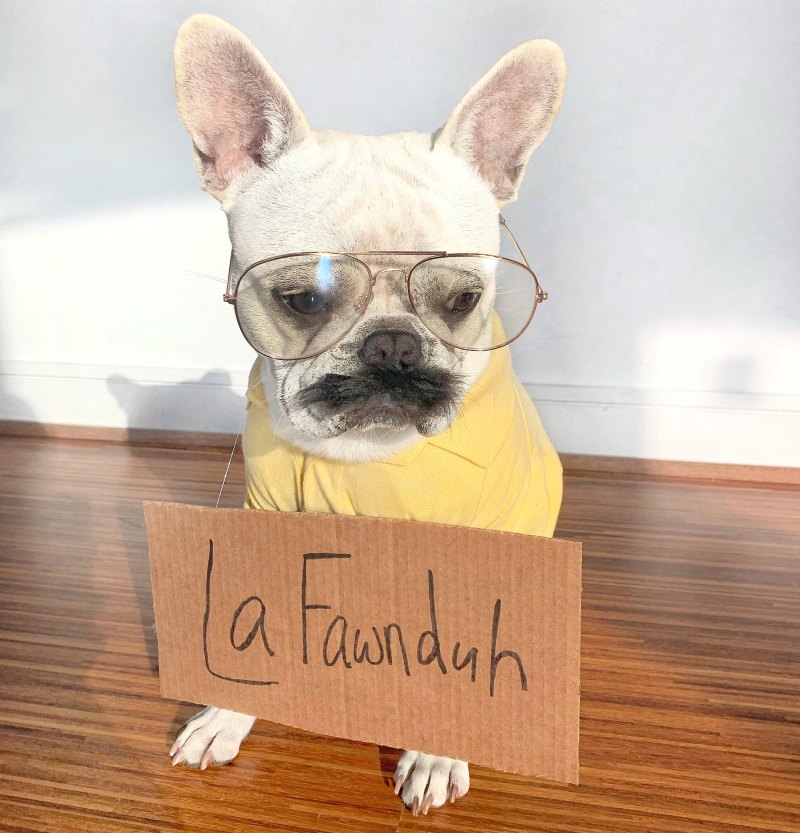
“My favorite one is LaFawnduh from Napoleon Dynamite,” said Toad’s 30-year-old owner Amy Herrington.
“The way he looked down in the photo really captured Kip from the movie.
“We use sily characters from our favorite movies,” Amy, an attorney from Dallas, Texas, said, explaining that a lot of the clothes for the cute pup are kids’ clothing.
Toad has been part of the family since February, “right before lockdown happened.
“We got into making a fun little page while we stuck inside, trying the TikTok thing and Instagram. My husband isn’t as into it as me, but it takes two people. Someone has to hold onto a treat while we take the photos.”
Despite already having taken dozens of photos of Toad, Amy says she’s yet to run out of great costume ideas.
“We’re gonna do Willy Nelson. We also have a blonde wig, so we’re thinking of doing Regina George from “Mean Girls.” We also want to dress Toad up as Mrs Doubtfire, a garden gnome, and a Chia pet.
“My husband likes “Lord of the Rings,” so maybe we’ll dress Toad up as Frodo as well.”
As a result of Amy’s costuming and Toad’s modeling expertise, Toad’s fledgling Instagram page has already garnered over 13,000 followers.
You can check out the fun page, and look out for that upcoming Regina George image, @Goodboy.toad.
It’s a little bit funny… but doesn’t Elton John look a little different these days?
Under the sea is the right place to be for the Little Mermaid’s best friend Sebastian.
What’s for dinner, pup?
Heck yes, it’s Napoleon Dynamite.
SHARE Toad’s Pawsome Outfit Changes With Your Friends on Social Media…
At a time when food production is one of the biggest climate culprits, we need to seek out new food sources which can nourish us and, at the same time, not overburden the planet.
Peter Castleton, CC license
More and more people are opting to become vegetarians or, even more radically, vegans.
However, the large majority of people find it difficult to entirely shelve meat in the name of preventing climate change, according to Professor Ole G. Mouritsen of the University of Copenhagen’s Department of Food Science.
In a statement published by the university, he said, “Many people simply crave the umami flavor that is, for example, found in meat. Therefore, it may be more realistic to consider a flexitarian diet, where one consumes small quantities of animal products, such as meat, eggs and milk, alongside vegetables. However, one can also begin thinking about alternatives to the juicy steak–of which there are many,” he says.
In a new meta-study, Professor Mouritsen and PhD student Charlotte Vinther, his colleague at the Department of Food Science have presente alternative sources for protein and healthy fatty acids, while giving their take on what a sustainable diet of the future might look like.
Hello sand lance, gobi and sprat
Among other things, the researchers recommend that we look to the sea for foods of the future.
More specifically, we need to get to the bottom of ours oceans, where species typically associated with being by-catch and industrial fish live. These species emit far less CO2 than beef, pork, and chicken.
“The climate-friendly bycatch fish currently used for pig feed or fish oil live near the bottom of the ocean. They include: sand lance, a fish which digs into the sandy bottom to lay eggs; sprat, a relative of herring which is widespread in Danish waters; and the black-mouthed gobi, another small, but tasty and overlooked fish,” explains Mouritsen.
Sprat alone could satisfy 20 percent of Denmark’s protein needs, for example. And by fishing for sprat, we can avoid the over-exploitation of more well-known fish species such as cod, plaice, and salmon, explains the professor.
À la carte algae, squid, and seaweed
Brian Yurasits
Seaweed and algae are also an overlooked and extremely climate-friendly food source.
However, only 500 of 10,000 species are currently exploited and recognized as food–despite the fact that marine algae are packed with incredibly healthy nutrients and vitamins.
Similarly, cephalopods are only fished to a small extent, with 30 out of approximately 800 species being used for food globally.
“Among other things, this has much to do with our culture and traditions. Food consumption habits take time to change. We have been eating and preparing meat for more than a million years. So even though seaweed, squid and mollusks contain important fatty acids and vitamins, and can taste great, we remain reluctant to count these species among our food sources,” says Ole G. Mouritsen.
New technology could lend vegetables the umami taste of meat
One possible explanation for the fact that we find it difficult to green our diet is that we have an innate preference for sweetness and foods with an umami flavor. According to the professor:
“Sweetness signals calories and survival to the brain, and umami signals that we are consuming something good for our muscles. However, many seafoods, marine algae, and vegetables have the potential to taste great, and that’s something that we can use technology to help develop.”
For example, by fermenting or adding enzymes to vegetables, sweet and umami tastes can be brought out, says Ole G. Mouritsen.
“Several Asian food producers have something called ‘shio-koji’, which can also be made at home. Koji is a salty solution of dead microscopic fungi with active enzymes. By adding it to sliced broccoli and putting them in the fridge for a few hours, you’ll be able to taste more sweetness and umami in the pieces of vegetable,” he says, concluding:
“It is essential that we continue to communicate these new opportunities to eat sustainably. By doing so, we will gradually effectuate change upon our eating habits and traditions. We hope that this study plays a part.”
What started as a DIY project to consolidate his children’s school clutter has taken on a life of its own.
As a building inspector with two decades of carpentry experience, all it took for Mitchell Couch to throw together a couple of inexpensive wooden desks where his kids could stash their stuff was a quick trip to the hardware store and about $50 in supplies.
When Couch posted his creations to social media, he was inundated with requests from parents for blueprints to help them replicate the desks for their own at-home learners.
Due to new COVID-19 protocols, many school districts have swapped out traditional classroom teaching for distance learning or hybrid programs. With more kids learning from home than ever before, providing optimal learning environments has proved challenging.
It turns out that in addition to having a tidier household, being able to compartmentalize school from other activities actually enhances the distance learning experience for kids.
“We heard from teachers that the kids who have their own space to learn do so much better with distance learning,” Couch told CNN, recalling what he’d taken away from a parent-teacher conference. “It’s so much easier to separate home and school life that way. When you’re done with school, you can leave the desk and come eat at the kitchen table.”
With that in mind, Couch put together a DIY tutorial for his YouTube channel detailing the materials required and step-by-step instructions on how to build the desks.
The video was an overnight sensation. “It went crazy,” Couch told FOX26. “I had 200 messages the following morning.”
Among the video’s impressed viewers were family friends Karin and David McKinney who own and operate the local Lemoore California Grocery Outlet. After seeing the tutorial, the couple was inspired to take things to the next level by helping out kids in their own community dealing with the difficulties of distance learning.
“They’re home. They’re struggling,” McKinney told FOX26. “We thought, just a place for them to be, a spot for them to have to do their work would be beneficial.”
The McKinneys made Couch an offer he couldn’t refuse: They’d pick up the cost of supplies if he would agree to build 35 student desks.
Couch signed on for the project enthusiastically. The rest of his family has gotten into the act as well. Couch’s wife, Janessa, has sanding duty, and his kids join the “assembly line” whenever they can.
So far, “The Couch Factory” has built and assembled 40 desks.
With requests continuing to pour in, Janessa set up a GoFundMe page to deal with the overflow in hopes of keeping the momentum going.
While the desks are certainly appreciated by the families that receive them, Couch’s true motivation in building them is to reinforce a sense of neighborhood unity. “I’m hoping [people] look closer at their community and realize the most positive change happens in your community,” he said. “It can be making desks or even helping a neighbor across the street with their yard.”
We doubt Mr. Rogers could have said it better himself.
SHARE The Good News With Your Friends on Social Media…
Rock and roll legend Dave Grohl has spent weeks in lockdown engaged in an epic virtual music battle with a 10-year-old girl.
Now, Nandi Bushell has upped the game, penning an original tune for the Foo Fighters’ frontman. Its title? “Rock and Grohl.”
Nandi Bushell/YouTube
The English phenom kicked off the drum battle back in August when she challenged Dave to match her performance of his hit song Everlong. Grohl then answered back with his rendition of a song by Them Crooked Vultures.
Nandi matched Grohl’s beats expertly, and he had to concede, “You got me.”
But, Dave warned Nandi, “Buckle up, ‘coz I have something special in mind…”
That special something was an original song written and performed just for her. In his homemade video for his new friend, Dave even had his young daughters, nicknamed The Grohlettes, doing backing vocals.
The ball’s been in Nandi’s court for a few weeks now—and she’s finally come back with her own rocking tune.
Turns out, not only can Nandi hit the skins as well as the former drummer for Nirvana, she’s pretty nifty at writing lyrics and melodies too.
In her music video, just like Dave, she is singing and also displaying talent as a multi-instrumentalist—playing the electric guitar, bass, and keyboard.
Her soaring lyrics proclaim: “Rock ‘n’ roll’s my love / rock ‘n’ roll’s my soul / rock ‘n’ roll will help me change the world.”
Nandi tells Dave, “I hope you love my song as much as I love your song for me! Whoever wins this round, it’s been an honor to battle you. The Rock Gods of old are happy!”
Grohl’s response? “I’m down, BUT I’M NOT OUT. Your epic song will definitely be hard to beat, but I think I know just what to do…”
We’ll be sure to update you when round three begins.
(WATCH Nandi’s awesome music video below.)
SHARE With The Musicians in Your Life on Social Media…
COVID-19 has had an impact on pretty much every aspect of our lives—how we work, how we play, how we shop, and especially how we travel.
When 27-year-old University of Denver grad student Brittney Woodrum realized she was going to shelve her globetrotting plans at least temporarily, the Kentucky native decided to put the time to good use.
Brittney Woodrum
Woodrum—who goes by the nickname “Bert”—is working toward her Master’s degree in humanitarian assistance after focusing on nonprofit administration and Spanish as an undergrad at the University of Kentucky.
Fittingly, she has a long history of working with nonprofit NGOs to help at-risk and marginalized populations under her belt.
She cites her experience living at a Buddhist nunnery in Myanmar while helping to launch a language program with shaping her worldview. “The nuns taught me a lot about the idea of ‘impermanence,’” Woodrum explained. “With a desire to learn more, I eagerly dove into their way of life, shaving my hair and donating nearly everything I owned… These women had nothing compared to [the] life I was used to, yet their lives were overflowing with joy and purpose.”
In addition to her humanitarian efforts, Woodrum is an avid outdoorswoman and hiker. Faced with enforced time off, she started looking for an organization to hook up with that would allow her to combine the two passions.
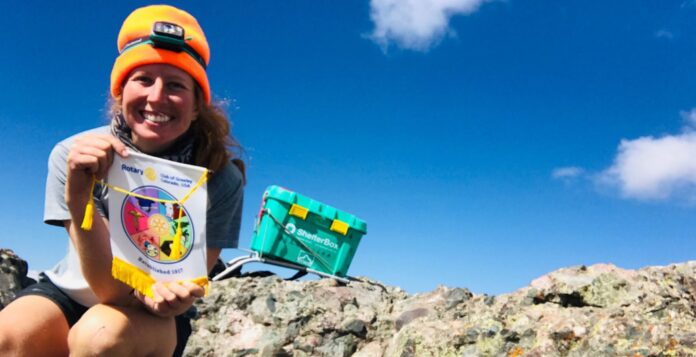
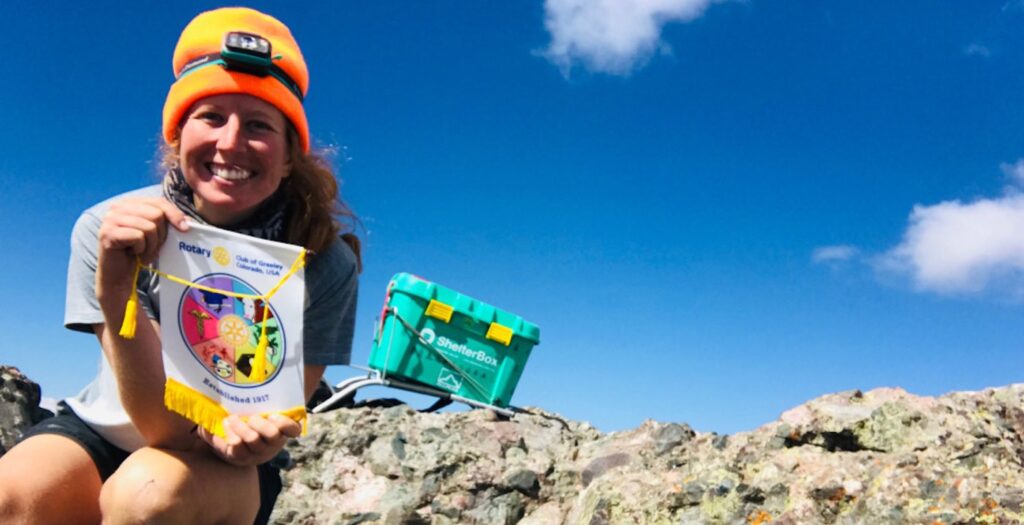
ShelterBox was the perfect solution. “No one should have to worry about where their shelter will come from, and that’s why I was really struck by ShelterBox’s mission,” she said.
Brittney Woodrum
Known for its trademark turquoise box filled with essential relief items, ShelterBox is “a global organization made up of people who believe in shelter as a human right, [and] that shelter from the chaos of disaster and conflict is vital.”
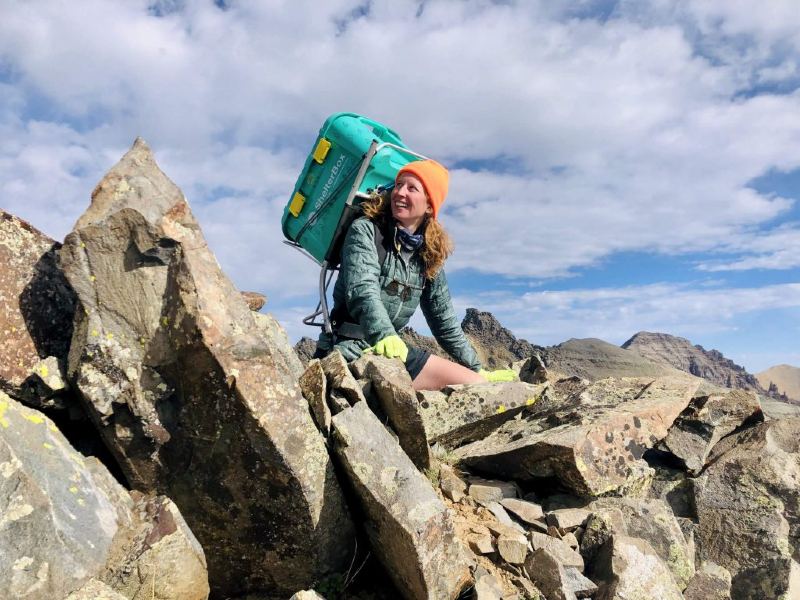
Colorado’s “Fourteeners,” a total of 58 peaks with elevations of 14,000 feet or more, are considered some of the toughest climbing destinations in North America.
For her challenge, Woodrum planned to take on all of them, one at a time, with the goal of raising funding and awareness for families who’d lost everything as a result of the global pandemic.
With her Fourteeners Project in place, Woodrum hit the ground climbing—always with her trusty 14-pound blue box on her back.
Because the process went so quickly from idea to implementation, she really didn’t think she’d be collecting more than a few thousand dollars for the cause, but she was in for a very pleasant surprise.
It took Woodrum 78 days, but after summiting her last peak—Crestone Needle in the Sangre de Cristo Range—on September 26, she’d raised nearly $85,0000.
“Word seemed to spread very quickly and a lot of people were equally impassioned by ShelterBox’s mission and what I was doing,” she told CNN. “I have an immense amount of gratitude to everyone who came out to support me both virtually and physically.”
While the extended outdoor sojourn took its toll—Woodrum spent some nights camping out in her car and avoided grocery shopping as much as possible—at the end of the day, she couldn’t have asked for a better outcome.
With her mission accomplished, Woodrum plans to take a little well-deserved downtime, but she doesn’t plan to rest on her laurels for very long. “I feel very privileged with everything I have ever had…” she told The Aspen Times. “The best thing I can do with my life is [to] pay some of that forward and help others who by no fault of their own have had the worst day or year of their life.”
PASS On The Adventures And Share This Story With Your Friends…
Quote of the Day: “When you are loved, you can do anything in creation.” – Paulo Coelho, The Alchemist
Photo: by Matheus Ferrero
With a new inspirational quote every day, atop the perfect photo—collected and archived on our Quote of the Day page—why not bookmark GNN.org for a daily uplift?
Including a few plants in a bare front yard could reduce your stress levels as much as eight weekly mindfulness sessions.
Noah Buscher
These are the findings from new research by the Department of Landscape Architecture in collaboration with the UK’s Royal Horticultural Society (RHS).
The researchers, at the Universities of Sheffield, Westminster, and Virginia, found that a greener front yard can also make you feel happier, more relaxed, and closer to nature.
The four-year scientific research project added ornamental plants to previously bare front gardens in economically deprived streets of Greater Manchester, England.
According to a statement from the researchers, 42 residents received: 1 tree (juniper or snowy mespilus), 1 shrub (azalea), 1 climber (clematis), sub-shrubs (lavender, rosemary), bulbs (daffodils, crocuses, snowdrops), and bedding plants (petunia, viola) to fill two containers. The experimental design included a control group who received the plants one year later.
By measuring the residents’ concentrations of cortisol hormone before and after the plants were added, the research team were able to see if the greenery had any impact on stress levels.
Cortisol levels change across the day. In healthy diurnal patterns, levels peak in the early morning shortly after awakening and drop to the lowest concentration at night.
Steeper daily declines indicate more effective regulation of circadian and hormonal mechanisms, which is a likely consequence of reduced stress.
Before the experiment, only 24% of residents had healthy cortisol patterns. Over the course of the year following the plantings, this increased to 53% of residents having healthy cortisol patterns.
Perceived stress levels decreased by 6% after the introduction of the plants.
Over half (52%) of the residents said their front yard helped them be happier, 40% said it helped them be more relaxed, and over one in four (26%) said it helped them be closer to nature.
Dr Lauriane Suyin Chalmin-Pui, who conducted the research as part of her PhD and who is now an RHS Wellbeing Fellow, said: “We can now further evidence the vital need to incorporate plants into our front gardens and domestic spaces. This will require a change in the way we strategise, design, plan and build our living spaces.
“The stress reduction data is startling, in that we found such a significant response with just a relatively small number of plants. Now we know that access to even a tiny patch of nature has beneficial effects for our health.
“Since I started this research, it’s been fascinating to see how adding plants to front gardens really did have a transformative effect on residents’ lives. Residents suffering from loneliness and other mental health issues found it especially uplifting and motivational.”
Professor Alistair Griffiths added, “With so many millions more people gardening after discovering a passion to grow during lockdown, the RHS hopes this research inspires more people to plant a few plants, from containers and window boxes to hedges and trees, in their street-side outside spaces.
“Today life is even more stressful for so many, meaning the results of this experiment are more important than ever… Together we should all try to make a positive difference one plant at a time.”
PLANT The Good News And Share It With Your Friends On Social Media…
Shakespeare said, “All the world’s a stage and all the men and women merely players,” but now it seems, dogs are determined to get into that act as well—or at least that was the case for one homeless pooch in the Turkish city of Izmit.
İZMIT BELEDIYESI
When the canny hound made his unscripted entrance during an outdoor performance being given by a local theatrical troupe, he wasn’t looking for applause. It seems that Numan Ertuğrul Uzunsoy’s portrayal of an injured man was so realistic, the dog believed the actor was actually hurt and in need of comfort.
As Uzunsoy lay on the ground feigning a fall from a horse, the dog came up to him and gently began to nuzzle his face and neck. It took a few seconds for Uzunsoy to realize what was happening.
“I felt warmth on my face. First, I thought my costar was approaching me,” Uzunsoy told the Dodo. “I was very happy when I felt the dog’s kisses… I was very touched. He was like an angel who wanted to help me. It was a very emotional moment for me. I was not expecting it.”
While the audience and cast members were obviously amused by the ad-libbing pup and didn’t mind the interruption, after a few moments, the dog was led offstage. Uzunsoy resumed his character and the show went on.
The local stray did not wait around to take his curtain call. However, since the good samaritan shepherd is known to frequent the area where the performance took place, Uzunsoy hopes to be reunited with his unintentional costar in the near future.
Dog-loving Uzunsoy is so determined to find the sweet-natured pup, he plans to keep coming back until’s he’s found his heart- and scene-stealing four-legged friend. Once he does, Uzunsoy’s vowed to make sure this very good boy lands a starring role in a “furever” home of his own.
(WATCH the adorable moment on Facebook below.)
SHARE This Pawsome Story With Your Pals on Social Media…
A new ‘Smell-by’ label has been invented to help people know whether their food has actually gone bad, or if it’s still good to consume.
Too Good To Go
Best Before dates. Despite what many people think, these labels don’t actually tell you whether your food is safe to eat.
Surprised? Well, you wouldn’t be alone.
According to a statement from the mobile app Too Good To Go, a third of Brits rely solely on Best Before labels when deciding whether their food has gone bad. The problem? These dates are indicators of quality, not safety.
They’re only there to tell you when your bread will be at its softest and your lettuce leaves will be at their crunchiest.
In other words, that means that we’re throwing away thousands of tonnes of perfectly edible, delicious food–all because of a little label that’s just trying to say that your food isn’t quite as fresh as it once was.
So Too Good To Go came up with an idea. ‘Smell-by’ labels.
How Smell By labels work
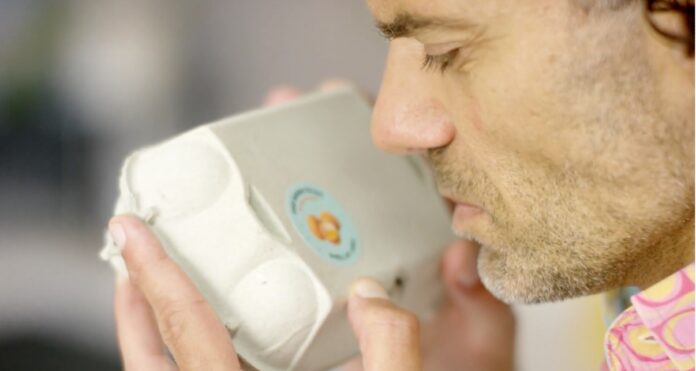
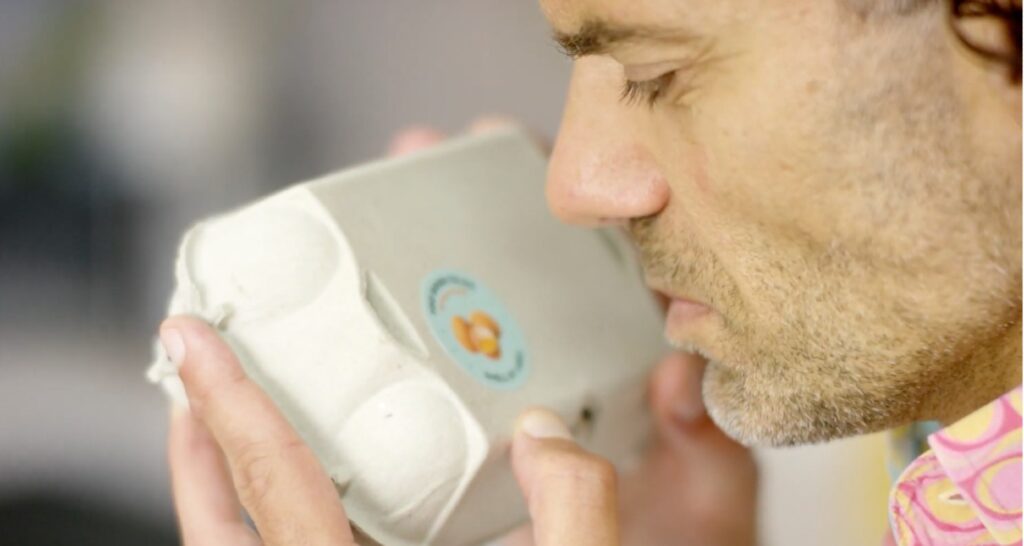
Covering off four commonly wasted products (oats, orange juice, eggs, and beer), these scratch ‘n’ sniff sticker labels will train your nose to know exactly what your food would smell like if it was really no longer okay to eat.
The aim? To help us all get back in touch with our common sense; trusting our senses to do their job and alert us if we’re hovering near something we shouldn’t be eating.
For the project, Too Good To Go teamed up with the world’s first professional S’mellier, Dariush Alavi, whose nostril superpowers were deployed to help prove when these foods are still good to go.
Too Good To Go is planning to work with retailers in the future to help the stickers reach labeling on your packages. For now though, they can be ordered free from this website. So what are you waiting for?
(WATCH the ‘scratch ‘n’ sniff’ stickers in action in the video below.)
>
HELP Your Pals Sniff Out The Good News And Share The Story on Social Media…
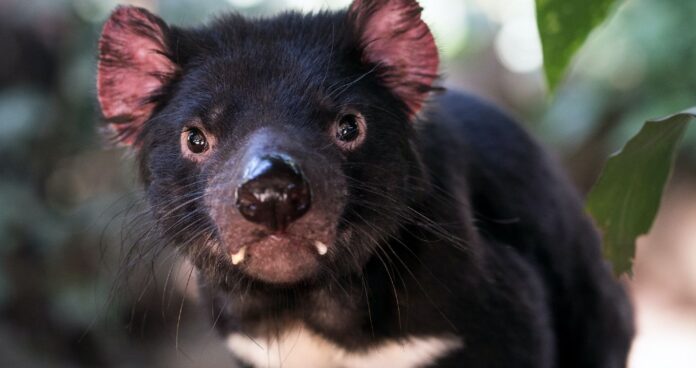
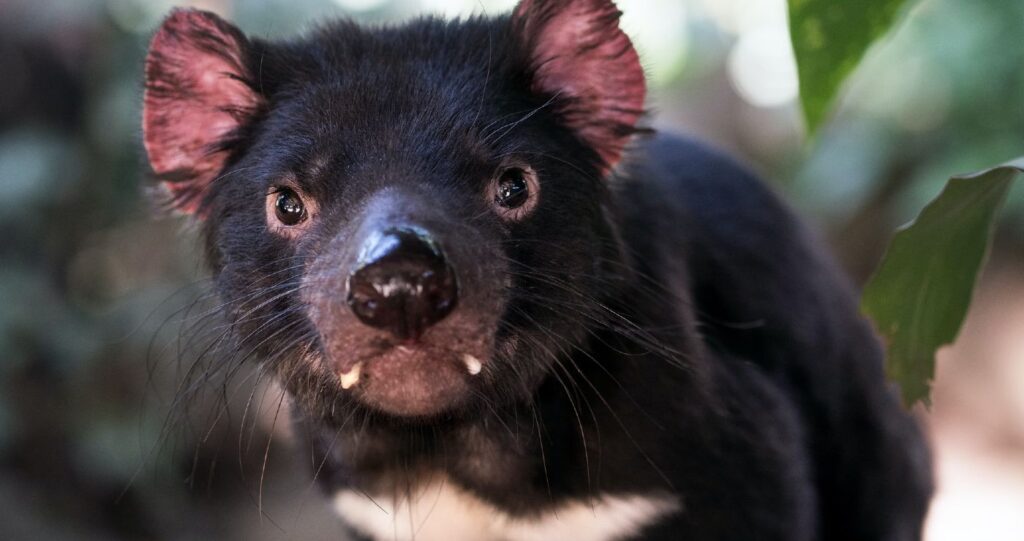
The iconic Tasmanian devil has just been returned to mainland Australia for the first time in 3,000 years.
David Clode
This first historic release is only step one in the mission to rewild Australia and bring balance to the bush, according to nonprofit Aussie Ark and its partners Global Wildlife Conservation and Wild Ark.
In a statement, Aussie Ark explained they are committed to returning Australia’s ecosystems to that of pre-European settlement, free from introduced feral predators–an island oasis.
To date, more than 390 devils have been born and raised at Aussie Ark in a way that fosters natural behavior in the animals, preparing them for release into the wild.
This year, 26 Tasmanian devils were released into a 400-hectare wild sanctuary. In the next two years, Aussie Ark plans two additional releases of 20 devils each. If all goes as planned, the animals will breed and produce joeys, eventually resulting in a self-sustaining wild population.
Not only does the reintroduction bode well for the recovery of the Tasmanian devil, but as native apex predators and the world’s largest carnivorous marsupials, they help control feral cats and foxes that threaten other endangered and endemic species.
As scavengers, they help keep their home clean and free of disease.
Their return to the wild therefore establishes the foundation for an ambitious vision to rewild Australia.
Tasmanian devils vanished entirely from mainland Australia in large part because they were outcompeted by introduced dingoes, which hunt in packs.
The devils survived only on the island of Tasmania, where the dingoes never reached.
Across the island state, a transmissible, painful and fatal disease called Devil Facial Tumour Disease (DFTD)—the only known contagious cancer—decimated up to 90 percent of the wild population of Tasmanian devils. Just 25,000 devils are left in the wild of Tasmania today.
The animals Aussie Ark has released will be monitored through regular surveys, radio collars fit with transmitters, and camera traps.
This will give the researchers the opportunity to learn about how the devils are faring, where they are claiming territory, what challenges they are facing, what they are eating, and whether they’re reproducing.
All of this information will help to inform future releases, including in Tasmania and elsewhere on the mainland, to continually refine the process.
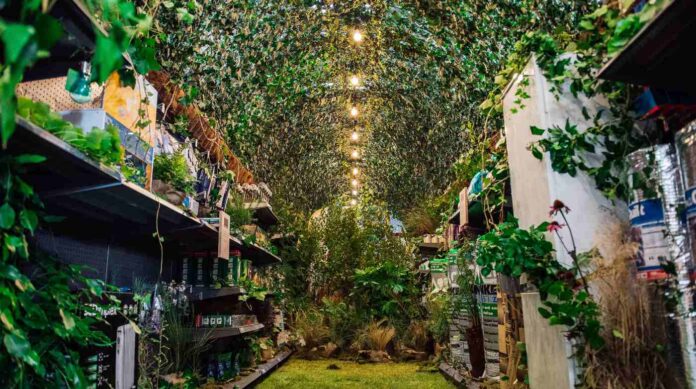
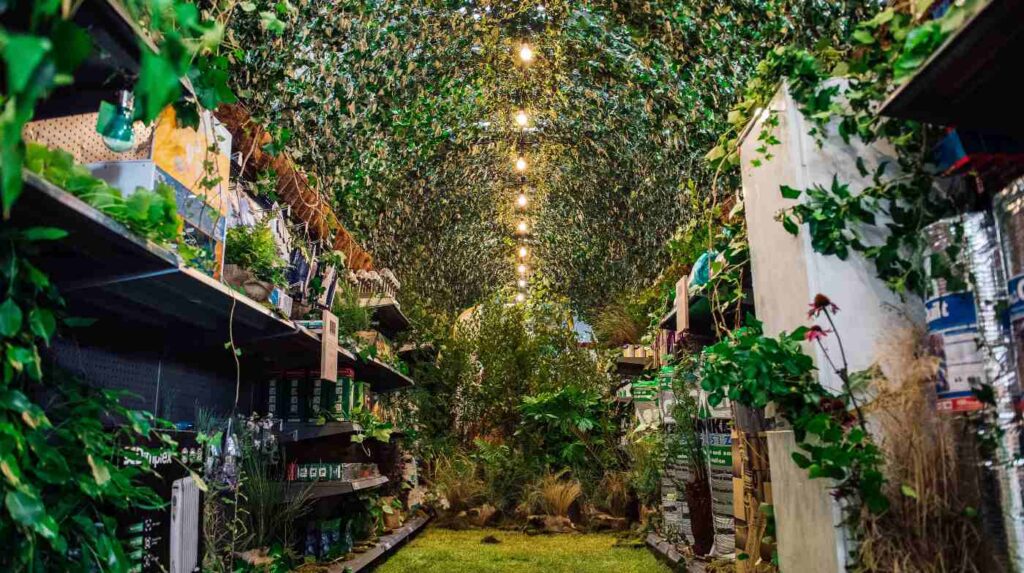
Environmentally-minded DIY enthusiasts can now enjoy the first ever ‘green shopping aisle’–complete with a real grass walkway and a canopy infused with foliage and butterflies.
SWNS
The green aisle is, quite literally, festooned with evergreen climbers and vegetation to help eco-conscious shoppers find the section of the hardware store that will make their home more sustainable.
‘The Green Aisle’ launches today at one of Britain’s major hardware chains, Homebase. The first stores to get the foliage-festooned aisle are: Haringey in London, Edinburgh, Bridgend, Birmingham, and Leeds–with more stores to follow.
In partnership with Smart Energy GB, the aisle showcases eco-friendly and energy-efficient home improvement products, as well as information on how to get a smart meter installed, all in one place.
All of these efforts will help make homes greener and ready for winter.
‘The Green Aisle’ was created after research found 74 per cent of Brits are keen to make their home greener, but half have no idea where to start.
Craig Phillips, DIY expert and one of the first to visit the ‘Green Aisle’ in Haringey, said, “I’ve helped hundreds of people improve their homes over the years by making small changes which have a big impact–the same is true for taking small energy efficiency measures in the home.
“It can be hard to know where to start when it comes to making greener choices.
“The Green Aisle helps make this process even easier for people by identifying which products are more environmentally friendly, and likewise understand the positive impact they can have.”
Data from Energy Saving Trust also shows a household can save up to £581 ($751) on energy bills each year if they implement a full range of efficiency measures.
These include the purchase of efficient appliances and exercising best practice energy-saving behaviour, which can be encouraged with a smart meter.
On top of the financial savings, a household could also save 2,141 kg of CO2 emissions, which is the equivalent of driving 7,500 miles or enough energy to power the lights in 27 homes in the UK for a year.
So whether you’re looking for a water-saving shower faucets, eco-friendly paint, a smart meter, or just a draught excluder for your door, if you’re in Britain you now know the green aisle to go to.
SHARE The Good Green News With Your Pals On Social Media…
Quote of the Day: “You may not be responsible for being down, but you must be responsible for getting up.” – Jesse Jackson
Photo: by Matheus Ferrero
With a new inspirational quote every day, atop the perfect photo—collected and archived on our Quote of the Day page—why not bookmark GNN.org for a daily uplift?
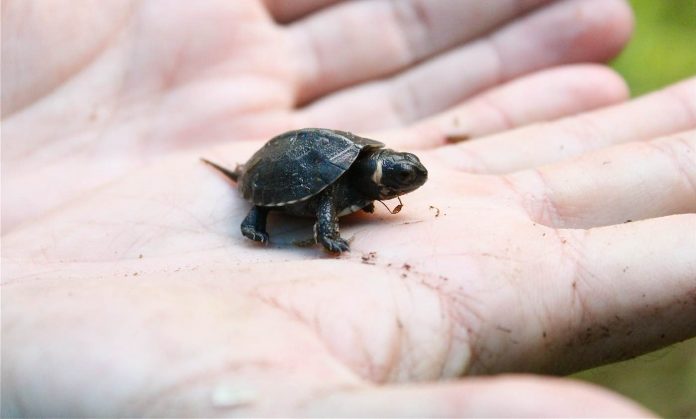
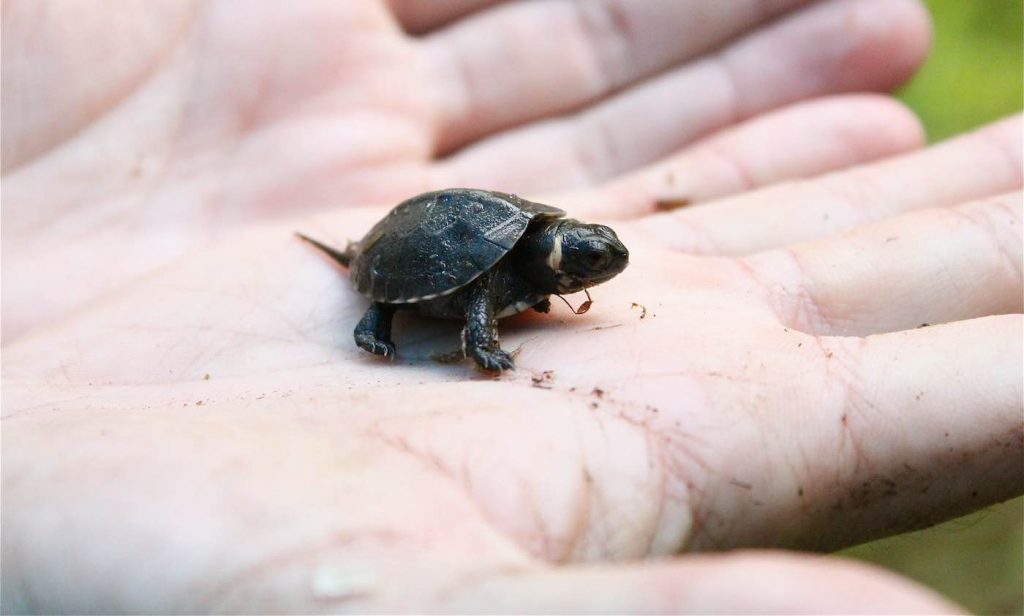
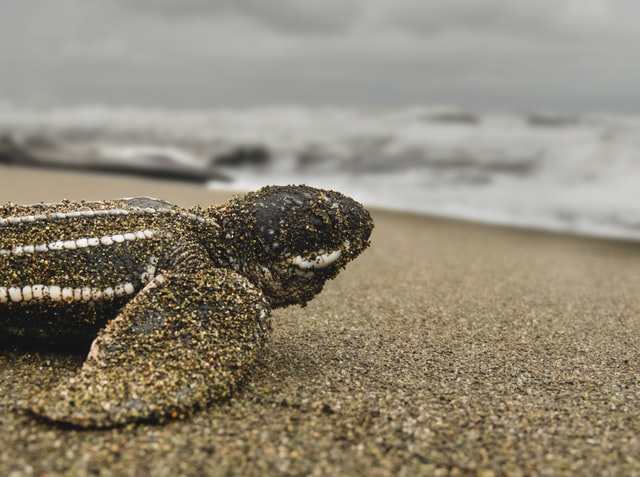
By placing decoy eggs into nests on the beach, it could be possible to gather key evidence needed to stop the illegal trade of baby sea turtles.
This is the finding of a new study published in the journal Current Biology that explains how the researchers specifically tested how well the decoy eggs work and their safety for the turtles.
“Our research showed that placing a decoy into a turtle nest did not damage the incubating embryos and that the decoys work,” says lead author Helen Pheasey of the University of Kent. “We showed that it was possible to track illegally removed eggs from beach to end consumer as shown by our longest track, which identified the entire trade chain covering 137 kilometers.”
The GPS-enabled egg decoys, dubbed InvestEggator, were developed by the conservation organization Paso Pacifico to address the illegal trade of turtles in Central America, where they are smuggled from beaches and sold to restaurants and bars as a delicacy.
Paso Pacifico-affiliated scientist Kim Williams-Guillen conceived and designed the decoys in response to a call for proposals from the United States Agency for International Development (USAID) Wildlife Crime Tech Challenge.
They were looking for projects using technological advances to fight wildlife poaching.
“The idea was kind of an ‘Aha’ moment,” Williams-Guillen says.
It immediately brought to mind two of her favorite TV shows, “Breaking Bad” and “The Wire,” which both happened to deal with illegal drug trafficking.
“In ‘Breaking Bad’, the DEA places a GPS tracking device on a tank of chemicals to see who receives the chemicals,” she said. “In one episode of ‘The Wire’, two police officers plant an audio device in a tennis ball to surreptitiously record a suspected drug dealer.
“Turtle eggs basically look like ping pong balls, and we wanted to know where they were going.” Put those two ideas together and you have the InvestEGGator.
To see how well they’d work in practice, Pheasey and her colleagues put the 3D-printed decoys in 101 turtle nests on four beaches in Costa Rica.
A quarter of the fake eggs were taken illegally from the nests, allowing the researchers to track eggs from five clutches, including two green turtle nests and three olive ridley nests.
One of the decoys made it close to a residential property before going silent. Another went two kilometers to a bar. The one that went farthest ended up 137 kilometers inland, spending two days in transit from the beach to a supermarket loading-bay and then on to a residential property.
The researchers assume the egg wasn’t sold at the market but was rather handed off, from a trafficker to a salesperson.
They also got some anecdotal reports of cases where someone discovered the decoy. “One decoy went off-line in a residential area near Cariari, a town 43 km from the deployment beach,” they wrote. “After 11 days, we received photographs, sent from Cariari, of the dissected egg.”
Max Gotta
Along with the photos, they got information about where the egg was purchased and how many eggs had been exchanged, yielding intelligence information in addition to tracking data.
Pheasey says that the early evidence shows that the majority of stolen eggs don’t leave the local area. The finding reaffirmed their suspicions, as well as some local reports that most of the trade takes place close to the nesting beach. “Knowing that a high proportion of eggs remain in the local area helps us target our conservation efforts,” Pheasey says.
“We can now focus our efforts on raising awareness in the local communities and direct law enforcement to this local issue. It also means we know where the consumers are, which assists us in focusing demand reduction campaigns.”
Pheasey says that the key thing isn’t to find the people who take the eggs from the beach. To a large extent, that’s already known. From a law enforcement perspective, the critical thing is to identify those who are trafficking and selling the eggs, often door to door.
Just the beginning
“As trafficking is a more serious crime, those handover points are far more valuable from a law enforcement perspective than catching someone taking a nest,” Pheasey says.
That’s what makes the InvestEGGator such an important tool, according to Williams-Guillen. “But,” she adds, “it really must be used in the context of a multi-pronged conservation approach that uses education, building better economic opportunities, and enforcement to help fight sea turtle egg poaching.”
In addition to continuing to improve the technology and its deployment, they’re also interested in expanding the technology to other species. For example, Paso Pacifico plans to work with Costa Rican scientists to adapt the transmitter for use in tracking shipments of shark fins, and possibly the theft of eggs from parrot nests.
HATCH The Good News By Sharing It With Your Friends On Social Media…
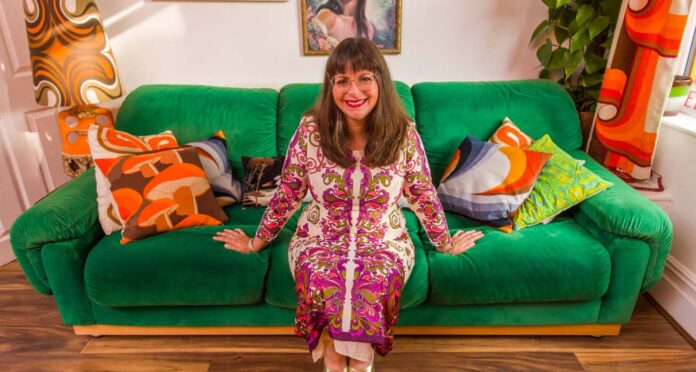
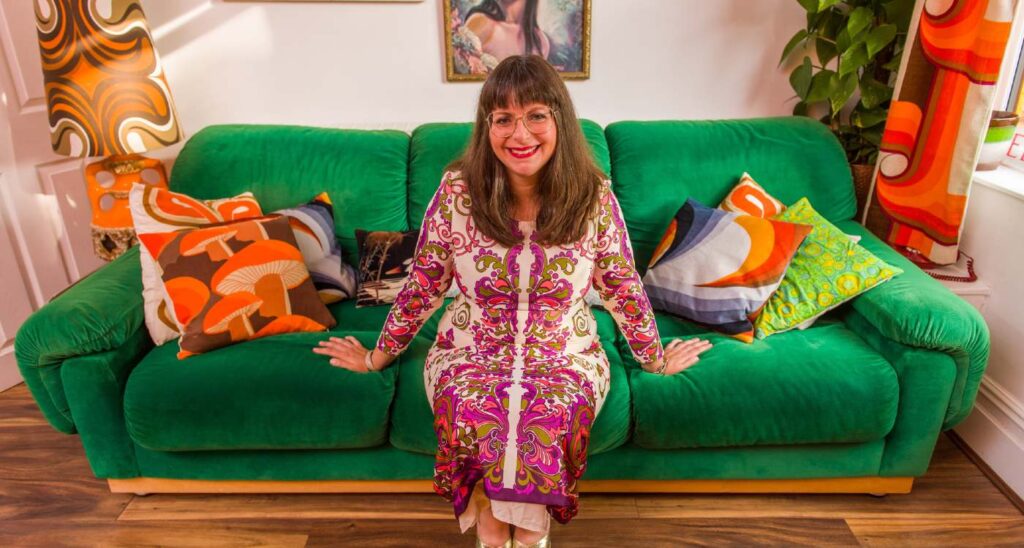
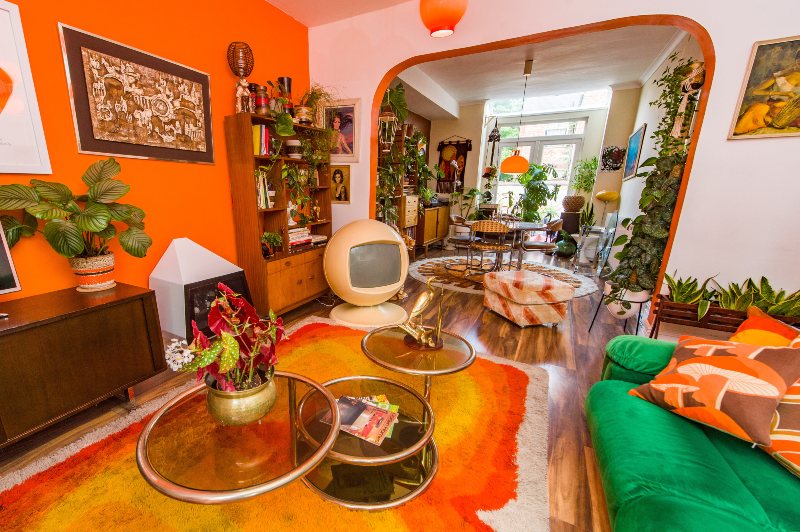
Meet the mom who has transformed her home into a spectacular tribute to the 1970s.
SWNS
England’s Estelle Bilson has loved all things vintage since her student days and spends hours tracking down original pieces in auctions, on eBay, and in thrift stores.
The retro-obsessed mom-of-one decided to take her obsession to the next level when her family moved into their new three-bedroom home five year ago.
She has painted her house in Stretford, Greater Manchester, with hues of orange and greens and hasn’t bought anything modern–apart from a hoover and a mattress.
Everything else in the home–from the disco balls in the loo to the original magazines near the space-inspired TV set–are straight from the 70s.
Upholstery designer Estelle even matches the house with her clothing tastes, drawing inspiration from fashion label of the decade, Biba.
SWNS
She estimates the revamp cost just £1,500 ($2,000), because all of it is second hand.
Estelle, who lives with her partner Stephen De Sarasola, a sound engineer, and their four-year-old son, said, “I started collecting in 1990 when I was about 13 and it went from there.
“When I was at university you could pick up 1970s bits and bobs on the street when people were having a clear-out.
“A lot of my artwork at school and university was inspired by abstract impressionists like Jackson Pollock, Warhol, and Rothko. I guess it’s something I’ve always been interested in.
“I absolutely love kitsch. I’m a bit like a kitsch magpie; anything really random, gold, shiny, multi colored, and the weirder the better. That’s why I’ve got the tiger and Flamingo sculptures.
“Things were built to last back then and to be repaired, not discarded.”
The family home is now a funky pad, complete with vinyl records and psychedelic prints (see the video at the bottom).
SWNS
It is kitted out with floral wallpaper and classic 1970s pieces, Austin Powers-style Keracolour TV, KEF speakers, and orange-tinted lights.
“Mostly I stumble upon things when I’m not even looking for them, like my dining table and chairs and my space-age bed,” says Estelle.
This doesn’t mean she’s averse to contemporary technology, though. “We have a modern TV – it’s a necessity really with a child. We have smartphones and laptops too. We don’t live in the 70s, we just like the styling.
After receiving compliments from friends and family, Estelle set up the Instagram account @70shousemanchester, which has nearly 30,000 followers.
“Some have compared it to a shrine or a museum–it’s neither. It’s simply our home which we chose to furnish with things that make us happy.”
(SEE inside the fun home in the SWNS video below.)
SHARE These Retro Vibes With Your Pals On Social Media…
As the old African proverb says, “It takes a village to raise a child,” but it seems that same wisdom may also hold true when it comes to caring for elderly Alzheimer’s patients.
Village Landais Alzheimer
Rather than placing them in traditional memory care units, some groups charged with the care of these special seniors are taking a more innovative approach.
In southwestern France near the city of Dax, a community has been created with the specific needs of its 105 residents—all of whom suffer from Alzheimer’s in varying stages.
Built in the same spirit as De Hogeweyk, a purpose-built village for dementia patients in the Netherlands, it’s the first such facility in France.
In addition to nursing facilities, the Landais campus includes a grocery store, hair salon, cafeteria, library, and music room.
Residents are given as much freedom as their conditions allow, and treated to numerous entertainments.
They’re also encouraged to participate in daily activities that can include shopping, cooking, and regular hairstyling appointments, as it’s believed sticking to a familiar routine may actually hinder the advance of the disease’s worst symptoms.
“It’s like being at home,” 82-year-old Madeleine Elissalde, one of the village’s first residents, told Reuters. “We’re well looked after.”
The program costs in the neighborhood of 6.7 million euros to run each year. Residents and their families kick in about 24,000 euros in annual fees, but more than half the total expense is subsidized by government authorities.
Expensive? Perhaps, but researchers at France’s National Institute of Health and Medical Research Shows closely studying how such model conditions impact the progression of dementia may ultimately conclude the insights they gain for future treatment standards will be well worth the cost.
In the meantime, residents of villages in France, the Netherlands, and another prototype community in Canada are able to live out the remainder of their years with not only a measure of self-esteem, dignity, and sense of purpose but some true “liberté, égalité, et fraternité” as well.
(WATCH the video tour of this French village below.)
Build Up Some Positivity By Sharing The Good News To Social Media…