













All News - Page 2 of 1731 - Good News Network
Home Blog Page 2

Therapy Donkeys Prove Such a Balm of Calm to Psychiatric Hospital That Organizers Look to Expand

- credit Getty Images for Unsplash +
– credit Getty Images for Unsplash +

An animal therapy program at a psychiatric hospital in France is providing major improvements in care outcomes for patients.

This is reported by the patients themselves, observed by hospital staff, and presented by the program organizers, who now want proper research done into the practice to help standardize it and allow it to be available more broadly across the country.

Compared with the horse, the donkey definitely suffers from stereotyping across human culture and folklore. But it’s fair to say this is a pretty unjustified rap, since the donkey has been with us far longer than its taller, rangier cousin the horse.

Domesticated two-thousand years or more before a horse ever felt the tug of a rein, donkeys are often used as therapy animals because of their gentle, social, and intelligent natures—owed perhaps to this long history of cooperation with humans.

Every Friday at Ville-Evrard hospital complex, in Neuilly-sur-Marne, near Paris, patients suffering from psychiatric disorders, anxiety, loneliness, and other ailments get to visit the hospital’s wooded farm sanctuary for a therapy session with a therapy donkey.

Donkeys were bred to bear tremendous burdens over long distances—the anxiety or even schizophrenia of the patients is no sweat for equines like Nono, Pitou, Oscar, Manolo, or Malraux, who will pull some of the patients around in carts, offer their hooves for a nice cleaning to those who are a bit more confidant, or just quietly nuzzle others who need a good nuzzling.

Patients attend free of charge, and several described it as a valuable change of scenery which brings “relief.”

“Talking with people, taking part in activities I wouldn’t normally do, it helps me in my daily life,” said a patient, 52-year-old Jérôme. “It helps you break away from the routine of treatment and medication. Staying at home isn’t good for me.”

ALSO CHECK OUT: Depressed Cow ‘Overjoyed’ to Be Reunited With Therapy Goat Stolen From Their Paddock

Married couple Ermelinda and François Hadey launched the project for Ville-Evrard, and the first donkeys trained by François arrived in 2016. Ermelinda, a psychiatric therapy nurse, strongly believed in animal therapy. The couple determined that donkeys would be the perfect choice, but the program has grown to include all kinds of critters, including goats, turtles, rabbits, guinea pigs, chickens, and doves.

Alicia Fabi, an 18-year-old nursing student, told the Associated Press that the activity gives patients a chance to leave the hospital environment.

THERAPY ANIMALS TO THE RESCUE: Tiny Therapy Horses Have Big Impact on Hurting Humans

“Every time we come back from the activity, they say they feel good, calm and relaxed, and that they enjoyed the outing. That’s really positive,” she said.

The hospital and the Hadeys are looking to have proper scientific research performed on the donkey therapy program. Their hope is that it can be offered more broadly across the country.

WATCH the story from Euronews… 

BRAY About This Brilliant New Standard Of Care With Your Friends…

7-11 Owner Pays Forward Kindness from Decade Ago with Viral Signs Offering Shelter from Scorching Heat

- credit, みんなやさしくなあれ retrieved from Facebook
– credit, みんなやさしくなあれ retrieved from Facebook

Okay, so you can’t read Japanese, but you’ll want to keep scrolling to see what this “almost too kind” 7-Eleven owner had to say to his customers.

Located in several cities in Niigata Prefecture, western Japan, signs inviting customers to come in and cool off suddenly popped up at 3 such convenience stores.

“If you feel unwell and think it may be heatstroke, please don’t push yourself — come inside and cool off,” the friendly notice, devoured by social media, read. “There is no need to purchase anything out of courtesy. Please focus solely on recovering your strength.”

The words weren’t written originally by 63-year-old store and franchise owner Tatsuya Takahashi, but he adopted them after seeing a similar notice online during last year’s scorching summer. He was at the time wondering what he could do to help his community.

The first viral post of the notice appeared on X where half a million people liked it, and was shared in translated versions by overseas accounts.

As the 90-degree days turned into bitterly cold winters, Mr. Takahashi switched out the friendly signs with new ones.

“You must be tired of driving on snowy roads. Then, please don’t hesitate to come inside and warm up,” the new sign read with a similar assurance that no purchases need be made.

“We pray for your safety” it concluded. The response to the sign was especially enthusiastic at the Ozumi Parking Area near the city of Nagaoka, which is an area known for heavy snowfall where truck drivers often sleep in their cabs.

MORE STORIES LIKE THIS: Wichita ‘Taco Hero’ Gets Year of Free Tacos for ‘Mind-Blowing’ Kindness After Card Reader Went Down

Shared by the Mainichi Shimbun, the longest running English-language daily in Japan, Takahashi explained that his goal was to “pay forward” the kindness which he received while traveling a decade ago.

Suffering heatstroke, he sought refuge in a restaurant where the owners took care of him until the recovered. He never forgot the simple acts of giving him cold water and leading him to the coolest seat, and hopes that others may likewise recover in one of his convenience stores.

JAPANESE CHARACTERS: Trading Cards Starring Middle-Aged Men Go Viral in Japanese Town, Boosting Volunteerism and Respect for Elders

“Even small acts of kindness can come full circle,” Takahashi told the paper.

Equally inspired by the man’s kind signs, Japanese 7-Eleven launched a “cool share” campaign at locations around the country inviting people to come in and do just the same.

SHARE This Nice Japanese Man Paying Forward Kindness In His Community… 

Inventor’s Microfiber Laundry Filter Is Already Keeping Tons of Fossil-Fuel Fibers Out of the Environment

Adam Root (center) and his microplastic filter - credit, Matter Industries
Adam Root (center) and his microplastic filter – credit, Matter Industries

An English inventor has partnered with home appliance giant Bosch to produce a laundry machine filter for artificial microfibers, the world’s most significant source of microplastic pollution.

You’ve got to be a bit eco-conscious to fork over the $250 or so to buy the food-processor sized device that hooks right up to a home washing machine, but the home market is just one direction that inventor Adam Root is pursuing.

Microplastic pollution may be the world’s largest public health threat. The tiny fragments are found everywhere in the world a scientist has cared to look, including in every human organ and tissue, from the brain to the placenta.

Scientists aren’t aware of all their potential health consequences, but research has concretely demonstrated that microplastics dysregulate hormones at least, and are linked to a variety of other conditions including stunted growth, reduced fertility, and stomach, kidney, and liver problems.

Many people will equate the plastic bottle floating in the sea to the pollution, but the largest source are microfibers and come from two sources: artificial clothing and textiles, and tire tread wear.

Root says that every load of home laundry will ultimately shed about 1 gram of tiny fossil fuel-based thread filaments, and that these are typically washed out of the machine and into the sewage system, to join rivers and eventually the sea.

That’s why Root is working to pioneer his easy-to-install, self-cleaning, and filterless device at scale to textile plants and industrial washing operations.

“The most common thing we hear is: ‘I cannot believe how much material is coming out of the washing machine,’” Root told the Guardian. “Somebody sent me [photos of] dinner-platefuls.”

Additional benefits is the filtering out of normal fabric fibers that are chock full of synthetic dyes and other chemicals that do our biology no favors either.

Root and his company Matter Industries which makes the filter device aren’t waiting around for the citizens of the world to all miraculously find $250 to spend on something that will have no measurable effect on the benefit of their lives, and is instead going right to the source: to the factories that make artificial textiles.

ANOTHER INSPIRING INVENTIONS: 3 Teens Win Earth Prize for Asia Inventing Tamarind Powder That Easily Removes Microplastics

Part of the manufacturing process for these textiles is dyeing and washing which will release 360 metric tons of microfibers in one year in a single factory. These large industrial washing operations are prime targets for filtration.

Root has additionally campaigned in the UK to get a version of his filtration device on wastewater treatment plants that will handle discharge from home washing machines.

MORE HOME SOLUTIONS: Lampshades Are Turned into Indoor Air Purifiers by Applying “Clever” New Coating

German manufacturing giants Bosch and Siemens have already teamed up with Matter to expand Root’s efforts, and $20 million in fundraising has already seen him and his team take big steps towards getting the technology out into the world.

In 2025, Matter Industries finished as a finalist of the Earthshot Prize, and since the launch of its product line in June, enough of the home devices have been shipped out to capture  4.6 tons of microfibers over their operational lives.

SHARE This Big Impact Already From One Man On A Mission To Help The World…

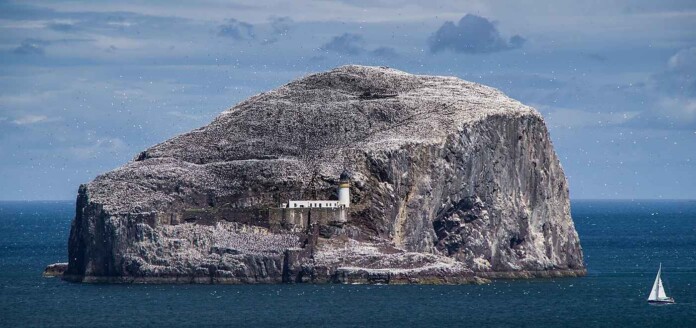
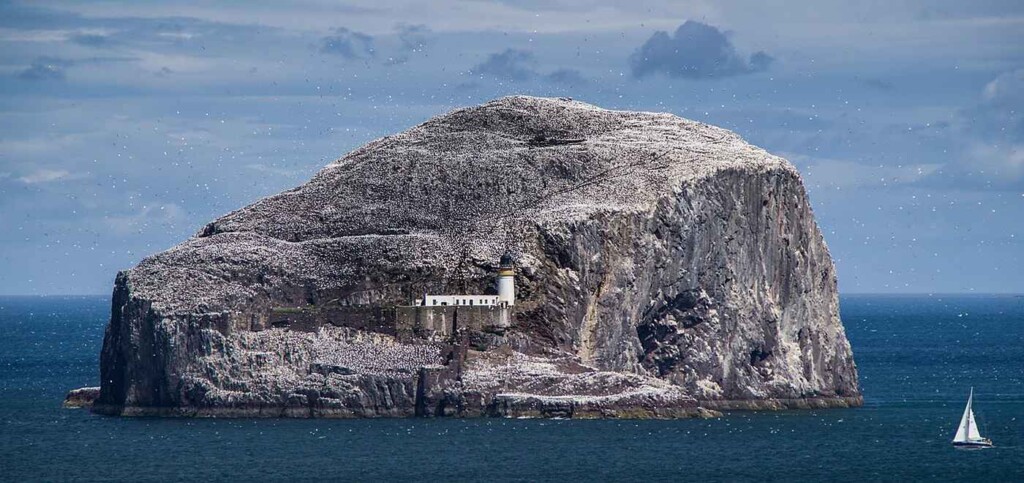
Family That Owned This ‘Wildlife Wonder of the World’ for 300 Years Sells Bass Rock to Protect 100,000 Seabirds

Bass Rock with its castle walls and lighthouse - credit CC Ben Clarke 4.0. BY-SA
Bass Rock with its castle walls and lighthouse covered in Gannets – credit CC Ben Clarke 4.0. BY-SA

A globally-important colony for seabirds has been sold to the Royal Society for the Protection of Birds to ensure the 100,000 gannets and 10,000 puffins that live there will benefit from top-notch conservation management.

Owned by the Scottish noble Dalrymple family for 320 years, Bass Rock and the neighboring uninhabited island of Craigleith have long been famous worldwide for the epic colony of gannets which nest there.

Located in the Firth of Forth, the gannets live among the remains of a 14th century castle and a 17th century prison dubbed “Scotland’s Alcatraz.” The ‘Rock’ has been a figure of inspiration in song and literature for generations.

Sir David Attenborough described it as one of the “12 wildlife wonders of the world.”

Today though, the royals have decided to call time on their stewardship of the island after rising numbers of Scottish seabird fatalities brought Sir Hew Dalrymple around to the idea that conservationists will be better able to protect the magnificent colony with unfettered management of the island.

“I made the decision to do this because of the risk these birds are now facing,” Sir Dalrymple told reporters from the island. “I thought an organization like the RSPB would be better equipped to protect the islands and their wildlife than a private individual.”

“Hence, we have been in discussions and I am glad to say, although with some emotional regret, they are now custodians of these two islands.”

The Dalrymple family had long collaborated with the Scottish Seabird Centre to carry out conservation measures on Bass Rock, which The Scotsman credited with supporting the growth of the island’s puffin colony to 5-figure numbers, and with eliminating an invasive tree species.

ROYAL STORIES: 

However with a massive offshore wind farm being recently approved nearby that is estimated to have an impact on the gannet colony, the decision was made to sell.

RSPB bought the islands for around $680,000 worth of British pounds with the help of the National Heritage Memorial and Lottery funds.

“For the Memorial Fund, this is a once in a lifetime opportunity to secure the islands for the public and ensure that, with RSPB Scotland and the Scottish Seabird Centre at the helm, their role as seabird sanctuaries is protected for the future,” said Simon Thurley, chairman of both funds for the National Trust.

SHARE This Story Of Royals Choosing Wildlife Protection Over Possession… 

“Children are the keys of paradise.” – Eric Hoffer

Credit: Andrea Tummons

Quote of the Day: “Children are the keys of paradise.” – Eric Hoffer

Photo by: Andrea Tummons

With a new inspirational quote every day, atop the perfect photo—collected and archived on our Quotes page—why not bookmark GNN.org for a daily uplift?

Credit: Andrea Tummons

Good News in History, June 11

40 years ago today, Ferris Bueller’s Day Off hit the big screen. The hit comedy directed by John Hughes tells the epic tale of teenagers skipping school. Starring Matthew Broderick as the mischievous Ferris, the story follows him, his girlfriend, and best friend Cameron, as they play hooky, evade the school’s principal, steal Cameron’s father’s Ferrari, and cavort around downtown Chicago. On the 30th anniversary the city held a “Ferris Fest” to celebrate the film’s debut. WATCH a scene involving the principal… (1986)

Mouse with Severed Spinal Cord Recovers ‘Normal’ Movement After Potentially Revolutionary Treatment

(top) A healthy zebrafish spinal cord (middle) an injured one (bottom) and the repaired one - credit ETH Zurich
(top) A healthy zebrafish spinal cord (middle) an injured one (bottom) and the repaired one – credit ETH Zurich

In an impressive early demonstration of a potentially revolutionary technology, biotech engineers in Zurich used micro-sized robots and stem cells to restore normal movement in a mouse whose spinal cord was entirely severed.

The tech was also demonstrated in zebrafish, and the engineers behind the demonstration say it brings multiple advantages over existing, similar methods.

Spinal cord injuries can have devastating consequences for those affected. Nerve cells in the spinal cord rarely regenerate naturally, while scarring often prevents the regrowth of nerve fibers.

Implantable electrode nerve stimulation is a method that can repair nerve damage in humans and animals by injecting the area with stem cells and using electrical stimulation to promote the growth of new nerve cells.

It can restore some lost movement, but significant challenges exist. It requires implanting electrodes into an extremely sensitive area, and the transplanted cells do not always survive or integrate properly into the existing tissue.

Researchers at ETH Zurich, one of the world’s top 10 engineering schools, are pursuing a new approach, which they have published in the journal Nature Materials.

It involves combining therapeutic stem cells with nanoparticles which can be guided magnetically to the precise site of an injury and stimulate the stem cells to accelerate repair.

The first step is to take a patient’s skin sample and turn it into induced pluripotent stem cells which will then turn into neuro progenitor cells (NPCs) that can take the form of nerve cells. Next, nanoparticles are created with an inner layer that responds to magnetic fields and an outer layer that converts this response into electrical signals.

These are cleverly combined in a culture medium on a laboratory one square centimeter in area, developed by team member and study co-author Professor Salvador Pané i Vidal of ETH Zurich’s Multi-Scale Robotics Lab, to produce “NPCbots”.

MICROROBOTS IN MEDICINE: These Micro-robots Can Clean Teeth By Shapeshifting into Toothbrush or Floss Forms

In about thirty minutes the cells and the nanoparticles combine, and once several million of these are extracted, the therapy is ready.

The researchers tested the NPCbots on zebrafish, whose spinal cord can repair itself naturally, and in mice. The zebrafish exhibited quick, substantial, and lasting improvements in movement.

In the mouse model, more relevant certainly for potential human use, the results were very promising. After 28 days, the animals’ nerve cells at each end of the severed spinal column reconnected.

During this period, the treated mice exhibited increasingly normal movement patterns; their gait, stride length, coordination and exploratory behavior improved significantly. The treatment was well tolerated by the animals, with no evidence of any adverse effects or immune reactions.

Will it work in humans? The first step is to continue animal models to test for side effects. The researchers expect the nanoparticles to be stable and minimally reactive thanks to a coating of barium-titanate, and may even go on to dissolve in muscle tissue. They want to see, however, if instead they are excreted in some way.

MORE STORIES LIKE THIS: Injured Spinal Cords Repaired With Breakthrough 3D-printed ‘Scaffolding’–Team Regrows Nerves in Rats

“In addition to many clinical aspects, we first need to test which magnetic fields work best in humans and determine the optimal stimulation duration,” Hao Ye, senior scientist and the study’s first author, said in a news release.

There is currently no sure fire way of repairing nerve damage in the human spinal cord. Should their method be able to translate to our species, it would revolutionize standard of care for spinal cord injuries.

SHARE This Potential Revolution In The Making With Your Friends… 
Chicago Home Builder Lauded for Halting Construction Just to Save Killdeer Nest

A killdeer juvenile in New Jersey and a clutch of killdeer eggs - credit, (left) CC 2.0. SA Peter Massas, (right) CC 2.0. SA Вasil
A killdeer juvenile in New Jersey and a clutch of killdeer eggs – credit, (left) CC 2.0. SA Peter Massas, (right) CC 2.0. SA Вasil

From Chicago comes the story of a married couple who held up home construction to save a bird’s nest, and of the construction company who promised to halt work.

Brought to us by the Tribune’s Audrey Pachuta, Ray and Shelly Romolt fancy themselves as good neighbors and so were delighted to hear that the empty lot near their Lockport home was going to be turned into a new house.

Seeing the ‘sold’ sign driven into the dirt next door would have been a happy day, if it weren’t for the fact that the Romolts knew: someone had already moved it.

Following something of a media storm over endangered Great Lakes piping plovers along Lake Michigan’s Montrose Beach, Ray and Shelly had recently taken an interest in their local birdlife, and noticed that two adult killdeer frequented the empty lot next to their house.

Taking a walk among the weeds one day, the couple found a nest with 4 speckled killdeer eggs inside. If construction began, they would almost certainly be destroyed, and so against their yearslong wish for new neighbors, the pair began to request that work be postponed.

“We want you to stop, just for a month or so,” Shelly Romolt said her husband told an employee at the development’s model home. “And then, please, build away.”

Imagine, potentially, their surprise when a crew that had brought a bulldozer to the lot stood and diligently listened as Ray explained the killdeer was protected federally under the Migratory Bird Treaty. D.R. Horton, the building contractor whose corporate office Ray then called, suggested phoning the Illinois Department of Natural Resources for confirmation.

A VERY SIMILAR STORY: In the Land of Infrastructure Projects, Activists and Nature Lovers Saved Endangered Spoonbill Habitat

Shelly did just that, and received confirmation that these birds are, in fact, protected federally, and that the building crew would have to cite a special permit to proceed, or would otherwise be liable for penalties.

“Within a day of their exchange with the conservation police, the Romolts said the site supervisor came to the lot and placed caution tape and cones around the nesting site, assuring them the company would postpone their scheduled ‘dig date’ until the birds had hatched,” reported Pachuta.

MORE FROM THE TRIBUNE:  All of the Chicago City Buildings Now Run on Renewable Energy

The world conservation authority, the International Union for the Conservation of Nature down-listed the killdeer from “Least Concern” to “Near-Threatened” in 2024 after reviewing scientific reports that suggested the animal’s population would fall 20% over the next three generations; probably because of incidents like the one the Romolts sought to avoid.

The couple were impressed with D.R. Horton’s responsiveness to the situation, and told the Tribune they expected the company to keep its word.

COMMEND These Good Neighbors And The Responsible Company To Your Friends…

Loophole in Endangered Species Act Is Closed to Coal Miners After Court Ruling

A mountaintop removal site in Appalachia

As May drew to a close, a US district court issued a ruling that the federal government’s attempts to undercut Endangered Species Act protections for the sake of coal mining were illegal.

Coal mines had been allowed to rely on a streamlined process that did not require an analysis of the harm they actually cause and were operating without limits on the extent of that harm, the Center for Biological Diversity, which sued federal mining authorities over the issue, wrote in a statement.

Coal mines will now be required to follow the law and ensure their activities don’t harm protected plants and animals, it said.

“This is an incredibly important victory for the streams and rivers of Appalachia and the people and wildlife who rely on them,” said Jared Margolis, a senior attorney at the Center for Biological Diversity.

“For too long regulators have allowed coal mining to devastate wildlife. This decision will require coal mines to fully account for their threats and harms and do more to ensure that imperiled wildlife aren’t pushed to extinction for dirty fossil fuel profits.”

The decision was issued by the US District Court for the District of Columbia and invalidates the federal government’s unlawful attempt to streamline how coal mines comply with the Endangered Species Act.

The Endangered Species Act requires such harm analyses to ensure that wildlife won’t be lost forever, and that damaging practices can be swiftly curtailed.

MORE REGULATORY STORIES: Tennessee Joins States Requiring Data Center Owners to Pay Full Electricity, Infrastructure Costs

The court found that the government’s process wasn’t consistent with the law and vacated the nationwide biological opinion that coal mines in many states used to avoid the more thorough analysis and implementation of mitigation measures that are essential to protect wildlife.

“The Endangered Species Act only works if federal regulators properly enforce it,” said Willie Dodson, coal impacts program manager for Appalachian Voices, which joined the center as plaintiff.

KICKING OUT COAL: Mercury Emissions Fall 70% Over the Last Four Decades Thanks to UN Treaty, Coal Phase-Out

According to Dodson, a regulatory opinion in 2020 regarding the incidental take of wildlife set up “a ludicrous and extra-legal scheme enabling coal companies to evade the law and engage in wildly destructive surface mining in watersheds where species like the Guyandotte River crayfish and the candy darter are just barely hanging on.”

“These species are bellwethers for all of us. They need clean water,” Dodson said. “We need clean water.”

SHARE This Court Win For Biodiversity In Appalachia With Your Friends…
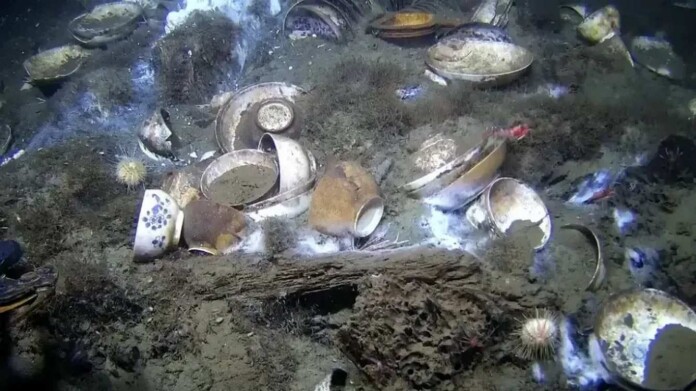
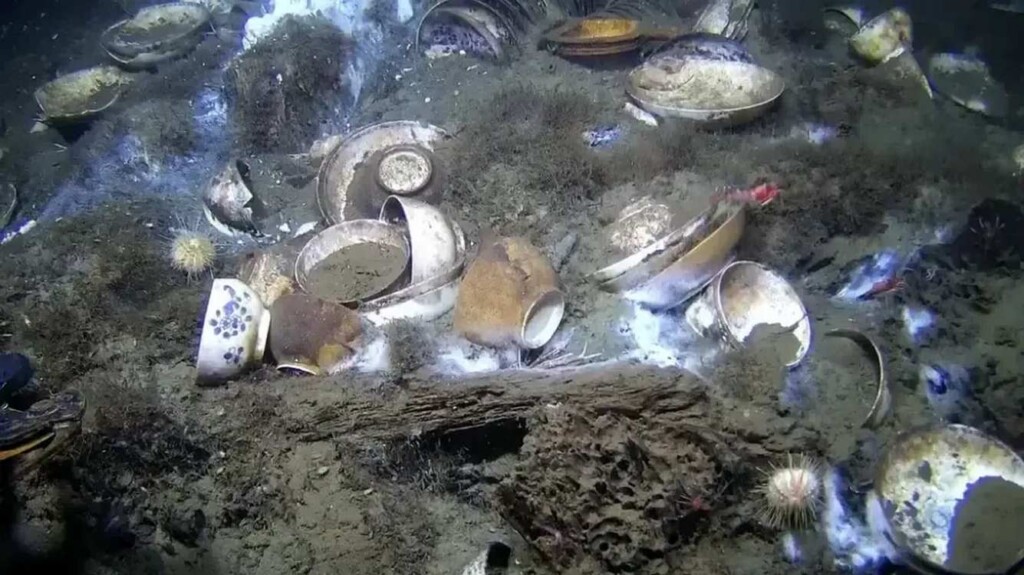
Shipwreck ‘Almost Beyond Belief’ Stunned Archaeologists with its Cargo of Intact Porcelain

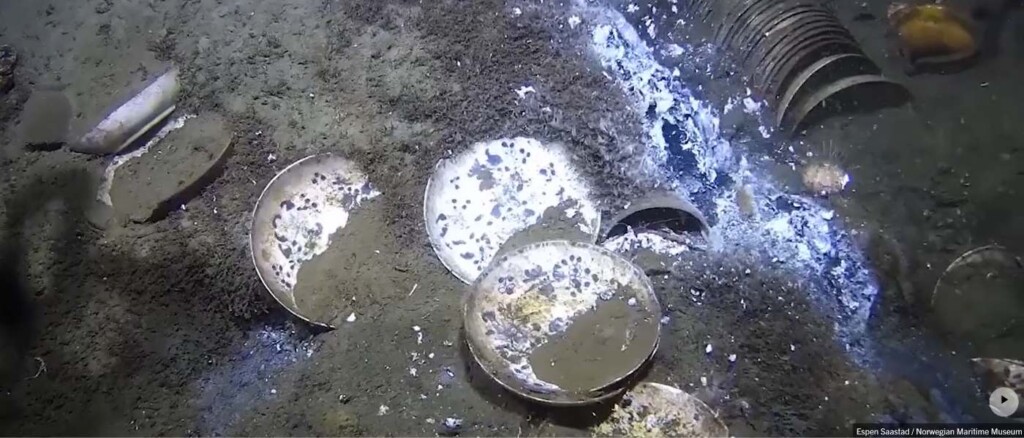
The porcelain cargo - credit, Espen Saastad
The porcelain cargo – credit, Espen Saastad

A private citizen in Norway with a passion for underwater exploration has turned up an astonishing find in the nation’s waters: a shipwreck with a cargo of intact Chinese porcelain.

Espen Saastad, a watchmaker by trade, also happens to own a small underwater survey company, and it was during one such survey in the Skagerrak Strait between Norway and Sweden that his underwater vehicle found the wreck.

The video of the ROV gliding over sparkling white and blue porcelain dishes sticking out of the marine sand is hair-raising. Saastad called the Norwegian Directorate for Cultural Heritage and explained what he had found.

Later, a joint-expedition used another ROV armed with a suction cup to venture down to the wreck and recover some 40 artifacts.

“I had to rub my eyes when I grasped the scale of this find,” says Hanna Geiran, director general of the Norwegian Directorate for Cultural Heritage, in a statement. “It is almost beyond belief.”

Discovered last fall, the cargo is the subject of a new museum exhibition at the Norwegian Maritime Museum in Oslo.

Measuring 72-feet in length, the vessel has rested upright some 2,000 feet below the sea for nigh on 300 years after it sank fairly quickly. The cargo contains two styles of porcelain: Batavia style, which features blue decorations, and Dehua style which is almost always entirely white, a feature for which it was prized in Europe as “Blanc de Chine.”

The porcelain kilns that produce Dehua ceramics in the city of the same name on China’s south coast are collectively listed as a UNESCO World Heritage Site. The crates which held them were packed with rice straw, suggesting their point of origin was indeed the Far East, however experts doubt the ship traveled all that way.

– credit, Espen Saastad

Instead, it probably picked them up directly from an intermediary. In addition to the porcelain, it contained blown and stemmed glass shaped into a variety of good from platters to chandeliers, barrels of grain, and containers of biological substances which have degraded over time, but may have been coffee, medicine, cocoa, or tea.

The combined evidence suggests the ship sank around 1750—a period marked by profound political, economic and social change in Northern Europe. Trade in raw materials and luxury goods, which had previously taken place in separate markets, was now developing into an interconnected maritime trading system.

MUST SEE SHIPWRECKS: 

At the same time, the rise of the middle classes and the growth of international trade drove a rapid expansion in commerce and shipping. Among the wreckage was a clue as to the ship’s origin or shipping route: a brick baked in the northern German city of Lübeck.

The brick was part of the galley—the ship’s kitchen. However, a galley may have been repaired or replaced during a ship’s lifetime, so it doesn’t necessarily point to the two-masted vessel being a German one.

Many questions remain unanswered, and much of the cargo remains on the seabed.

SHARE This Fantastic Story Showing What Awaits Us On The Ocean Floor… 

“The pine stays green in winter… like wisdom in hardship.” – Norman Douglas

Jonny Gios for Unsplash+

Quote of the Day: “The pine stays green in winter… like wisdom in hardship.” – Norman Douglas

Photo by: Jonny Gios for Unsplash+

With a new inspirational quote every day, atop the perfect photo—collected and archived on our Quotes page—why not bookmark GNN.org for a daily uplift?

Jonny Gios for Unsplash+

Good News in History, June 10

Photo by Jonn Leffmann, CC license

91 years ago today, Alcoholics Anonymous was founded in Akron, Ohio, by Bill Wilson—who, the previous day, drank his last drink. He co-founded it with Dr. Bill Smith who helped form AA’s Twelve Step program of spiritual and character development to enable its members to “stay sober and help other alcoholics achieve sobriety.” READ about the Twelve Traditions through which they operate… (1935)

First Live White Abalone Found in 5 Years During Channel Islands Survey Sparks Hope for Recovery

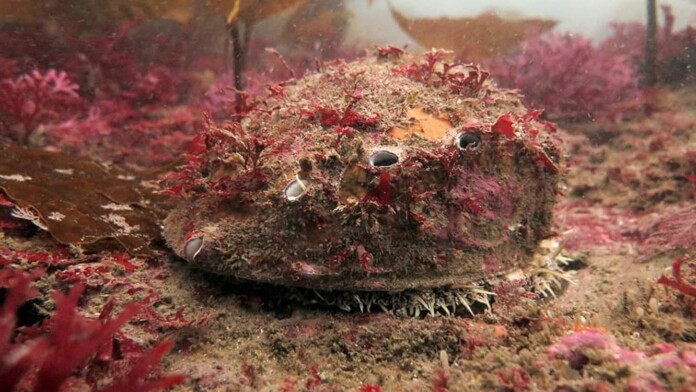
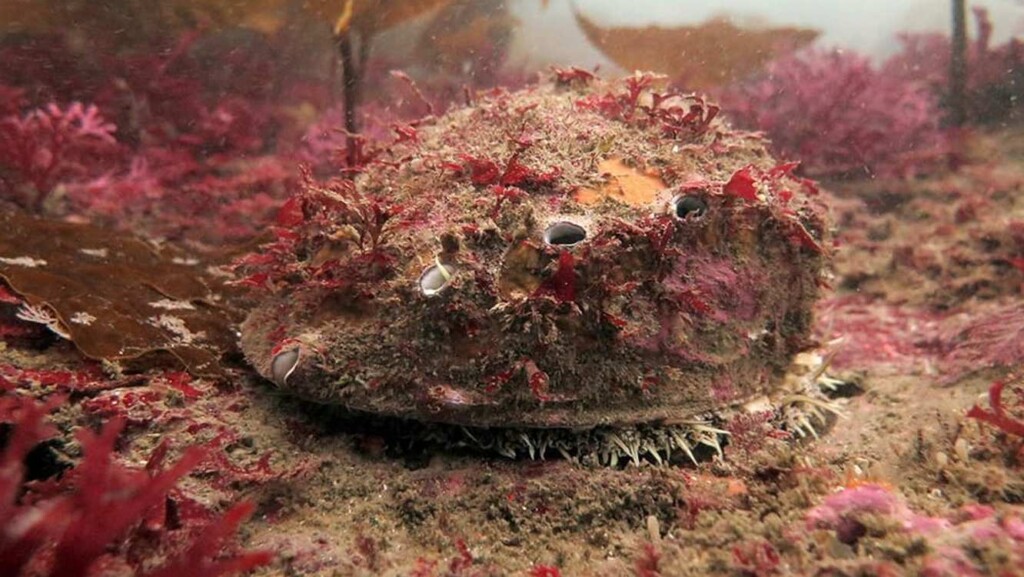
A critically-endangered white abalone - credit, Athena Maguire
A critically-endangered white abalone – credit, Athena Maguire

This rather charismatic mollusk is the white abalone, a Critically-Endangered species of sea snail that’s Wanted: Alive in the state of California.

That’s because it hasn’t been seen in 5 years after populations declined 99% since the 1970s.

On May 12th, 2026, a research mission aboard the National Oceanic and Atmospheric Administration research vessel Shearwater identified a living white abalone as part of the Wanted Alive! White Abalone campaign that engages citizen scientists and recreational divers to record potential sightings of the creature.

With so few remaining among the coastal kelp forests of California, which themselves have been severely reduced by sea urchin plagues, individuals are often too far apart to reproduce successfully.

Scientists like those onboard Shearwater are working hard to understand where white abalone still occur and what habitat may support their recovery.

“It’s been like searching for a needle in a haystack,” explained Julie Bursek who is the education and outreach coordinator for Channel Islands National Marine Sanctuary.

“Community science, research partnerships, and habitat surveys like this one are all important tools for helping scientists better understand where white abalone may still survive in the wild.”

Bursek and her team surveyed areas near Santa Rosa and Santa Cruz islands, focusing on habitat characterization and collecting environmental DNA, or eDNA, which allows scientists to collect and analyze genetic material shed by organisms into the surrounding water.

LOVE FOR MOLLUSKS: Florida’s Trying ‘Speed Dating’ Service to Save Endangered Mollusk–Matching Queen Conchs with Caring Mates

After initial surveys on the southeast side of Santa Rosa Island, the team moved to a state marine protected area on the southwest side of Santa Cruz Island. There, the team identified promising white abalone habitat.

During a survey dive, Bursek along with Jaimee Butler, assistant dive safety officer of field operations from Aquarium of the Pacific, a partner on the Wanted Alive! White Abalone project, spotted what they guessed was their quarry.

THE CHANNEL ISLANDS: Two Channel Island Plants Found Nowhere Else are Off Endangered Species List and Now Flourishing

They took video and a shell length measurement. Project leads at NOAA Fisheries later confirmed the sighting based on video footage, marking the first live white abalone discovery in the sanctuary’s waters in five years.

The team also successfully deployed the new eDNA sampler and collected samples for future analysis. Next steps include conducting additional habitat surveys on the southwest side of Santa Cruz Island, attempting to relocate the individual, and processing the eDNA samples.

SHARE This Story With Any Divers You Know–Maybe They Can Help…

Community Spares No Effort to Reunite Lost Dog with Owner After Their Car Was Rolled in a Crash

Dearah’s husband Sharron with Daisy - Submitted by Dearah Jordan
Dearah’s husband Sharron with Daisy – Submitted by Dearah Jordan

After a serious crash on a rural, British Columbia highway, a woman and her husband had to search for days to find their missing dog Daisy.

Along the way, they experienced just about every kind of help imaginable until 96 hours after their crash, they were reunited with their Australian shepherd.

Dearah Jordan and her husband Sharron were struck in Kelowna, BC, by a pickup truck that ran the pair of them off the road. Their car rolled over and Jordan suffered a series of small injuries.

When the crashing and rolling stopped, all Jordan could think about was Daisy, her dog, who wasn’t there.

Ignorant of her injuries she began to search, until at the insistence of first responders, she was taken to the nearest hospital. It was soon obvious that nothing serious was hiding under her scrapes and bruising, and the doctor eagerly discharged Jordan to go look for her dog.

Meanwhile, while responding to another call, a local member of the all-volunteer Central Okanagan Search and Rescue asked the Royal Canadian Mounted Police about the sirens he had heard earlier, and was told that two cars had rolled over on the highway near Kelowna.

Rescue member Forrest Kellerman got home and looked up more information on Jordan and Daisy’s crash, and saw a notice that an Australian shepherd was missing. Whether it was the passion for finding people that saw him join the search and rescue volunteers, or whether it was his own Australian shepherds staring him in the eye that afternoon, but Kellerman and his wife Tracey decided they were going to go find Daisy and bring her home safely.

The next day they spent hours searching the area around the crash site. The day after that, they met Dearah and Sharron, who had hardly slept since the crash. By then, the whole community had got wind of their ordeal and came out to help, either physically searching, providing a thermal imaging drone, or even just bringing out a hot meal.

“People were bringing us food, satellite links, everything imaginable, like volunteers were coming out of the woodworks, just complete strangers. It was so emotional,” Jordan told CBC News.

SIMILAR STORIES: After Hiker Falls From Cliff, Dog is Left Behind Shivering Until Pilot Crowdfunds for Rescue Flight to Reunite Them

On the 4th day, Tracey still felt compelled to go look for Daisy, and so the Kellermans went to the crash site where Tracey decided to do what could have been described as the obvious: in the immediate vicinity of the collision. The man who hit Jordan with his truck was still hospitalized with serious injuries, and his truck was still lying in the brush.

Credit: Forrest Kellerman for Central Okanagan Search and Rescue

Approaching, Tracey suddenly saw movement, a small face with big eyes: it was Daisy. She was sitting on the passenger seat.

LOST AND FOUND: Treacherous 43-Day Mountain Search Finally Reunites Dog With Owner After it Bolted During Road Trip: ‘It was amazing’

She didn’t make any sudden movements but began sweetly talking to the dog while calmly alerting Forrest on the road to go and get Jordan.

The dog mom couldn’t hold back her emotions upon seeing Daisy who whimpered intensely at seeing Jordan. Like Jordan herself, Daisy was no worse for wear after the crash, and the two went home delighting in their good fortune and in the kindness of strangers that brought it about.

SHARE This Inspiring Rescue Story From The Woods Of BC… 

Staggering Results Show HIV-Transmission Reduced 100% with Twice-Yearly Lenacapavir Injection

A 2-stage trial testing a new and acclaimed HIV-prevention drug has shown almost unthinkable results of no new infections among a sample size of 3,200 participants.

Called PURPOSE 1, the aim of the first trial was testing a subcutaneous injection of the drug Lenacapavir given twice a year to people in a high-HIV-incidence country, which in this case was Uganda or South Africa.

The results were nothing short of extraordinary—100% efficacy, not a single young woman contracted HIV.

This was followed up by PURPOSE 2, which expanded the geographical area significantly to more countries on more continents, and expanded the pool of individuals from beyond just young women to men—and to those of all ages. 5,000 participants took part.

The result was the same: 99.9% reduction in infection rates.

Both were considered phase 3 clinical trials, and were conducted in a randomized, double-blinded protocol, but were not tested against a placebo. Instead, the Lenacapavir injections were compared to the current standard of HIV prevention—a pill called Truvada or Descovy taken daily.

These both were also found to prevent HIV transmission by 99.9% during development, but must be taken every day to achieve this level of protection. As anyone who’s tried to stick to a once-a-day pill regime long-term will agree, it’s not an easy thing to maintain month after month.

By contrast, the twice-yearly injections are much easier to adhere to, and they also come with the added benefit of removing the social stigma of being seen taking a daily pill and therefore at risk of HIV transmission. This can be particularly alleviating in high-HIV-prevalent countries where male homosexuality is illegal, such as Uganda.

Indeed the superiority of a twice-yearly injection was so clear that both PURPOSE trials were halted early over ethical reasons. A 52-week follow-up screened for HIV developments.

Lenacapavir was named by Science Magazine as the Breakthrough of the Year in 2024, and was approved by the FDA for use in humans under the brand name Yeztugo.

HIV DEVELOPMENTS: Third Case of HIV Being Cured Confirmed 10 Years After Treatment of the ‘Düsseldorf Patient’

It works to break down the HIVs capsid shell by binding to an “highly conserved” protein on the exterior. That means that no matter how many times or into what form the virus mutates, the exterior shell protein remains—presenting the perfect target for the drug.

In layman’s terms, the drug then works through the protein to disrupt the capsid shell, which the virus ‘takes down’ and ‘builds up’ several times during its lifecycle with perfect geometric precision. The disruption prevents the virus from completing its life cycle.

GAME-CHANGING DRUGS: ‘Incredibly Encouraging’ Drug Trial Shrinks Tumors in Head and Neck Cancer Patients Within Six Weeks

Initial R&D, regulation compliance, and proof of efficacy and safety requirements mean that producing Lenacapavir has cost its developer, Gilead Sciences, an undisclosed total cost that would be reasonable to estimate at well over a billion dollars based on normal pharma development costs.

Gilead has nevertheless committed to providing the drug at cost in certain low-income regions and has licensed generic manufacturers to produce it for approximately $40 per year in 120 low and middle-income countries starting in 2027.

SHARE This Funeral Dirge For HIV On Social Media With Your Friends… 

Dutch Ocean Cleanup Folks Are Clearing LA’s Rivers of Trash in Time for 2028 Olympics

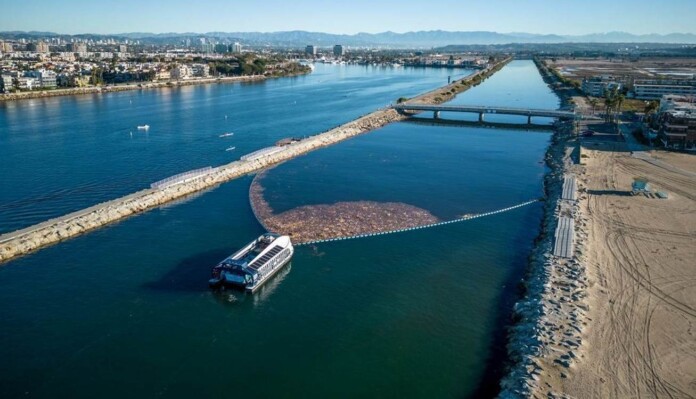
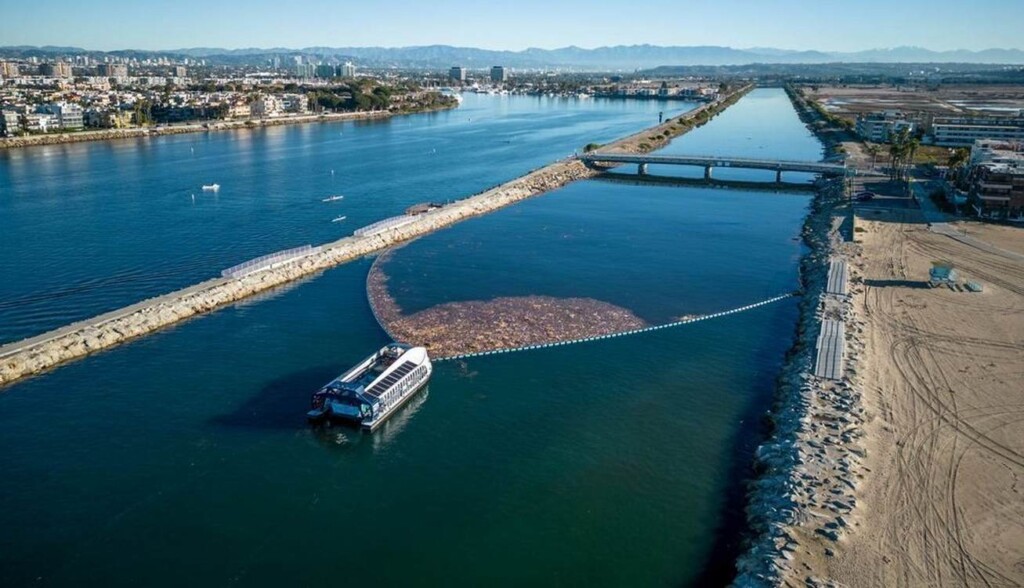
The Interceptor deployed on Ballona Creek - credit, The Ocean Cleanup, press photo
The Interceptor deployed on Ballona Creek – credit, The Ocean Cleanup, press photo

Seeking to preen and pamper its beaches ahead of the 2028 Summer Olympics, authorities in 2 Los Angeles districts needed to figure out how to get thousands of pounds of trash out of the LA and San Gabriel rivers.

They turned to the best in class; a man who among those whose passion is cleaning up water bodies, needs no introduction: Boyan Slat.

The once-child-wiz kid behind the Ocean Cleanup, the international nonprofit using the currents of the ocean to clean up the Great Pacific Garbage Patch, Slat also invented a device for cleaning up rivers called the Interceptor.

It had already been deployed in Ballona Creek near Marina Del Rey, where it collects some 28,000 pounds of trash every year from Westside communities like Venice, Beverly Hills, and Santa Monica.

Seal Beach City Councilmember Joe Kalmick and state assemblymember for parts of Orange County Diane Dixon, contacted the Ocean Cleanup to explore the possibilities of getting an Interceptor in the San Gabriel River.

The two formed the San Gabriel River Working Group, and began to appoint a team to draft a feasibility study for replicating the success of Ballona Creek.

The Interceptor deployed on Ballona Creek – credit, The Ocean Cleanup, press photo

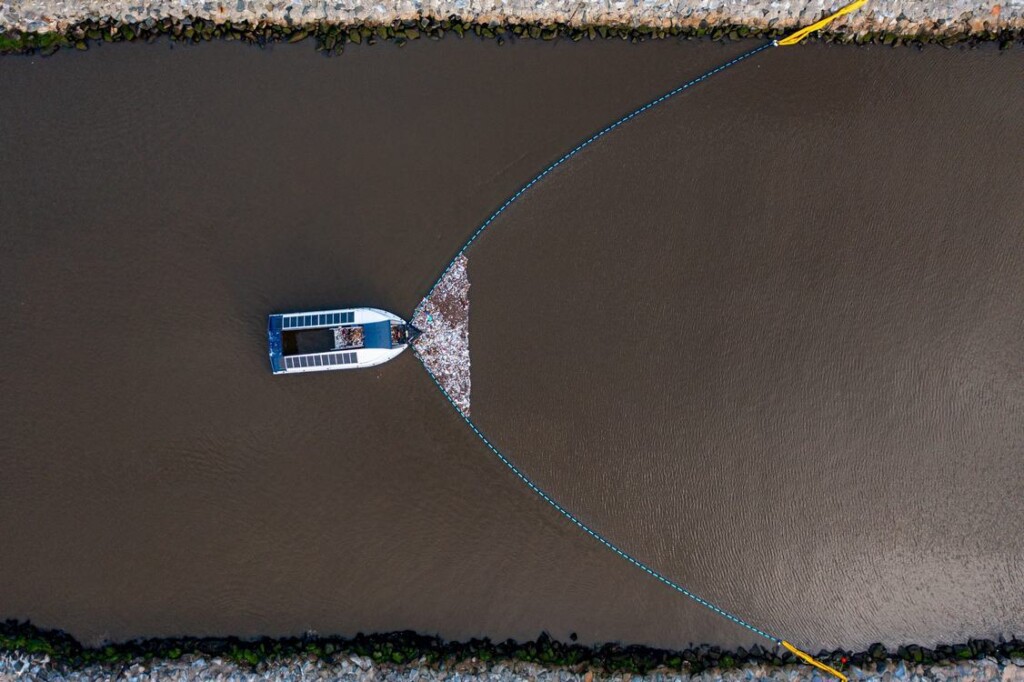
Slat’s Interceptor is a rather bulbous and immobile white barge that sits in the river doing very little until it rains, when the heavens wash the garbage of a dozen zip codes down towards the ocean and the beaches.

At that point, a diver is called to connect a boom and net to the concrete side of the canalized river which collects trash amid the flow and funnels it to a central mouth. There, a conveyor belt pulls it out and dumps it into six bins in the middle of the barge.

Once full, the boat hauls the trash to the harbor where a crane and net recovers it for processing. Since the Interceptor was installed in Ballona in 2022, it has collected more than 200 tons of trash, officials said.

ALSO CHECK OUT: Study Shows Littering Declined 34% Across America Since 2020

Slat originally developed the Interceptor for the world’s 100 most polluting rivers—mostly located in low and middle income countries. James Patterson, head of Ocean Cleanup’s operations for Los Angeles, said that every barge is built a little differently.

Boyan Slat (middle) among LA county and city authorities at a 2026 press event – credit, The Ocean Cleanup, press photo

“One of the challenges with the LA River and San Gabriel River is the sheer volume of trash,” he said, according to the LA Times. “We need a good extraction method that can actually pull trash out in a rapid amount of time.”

MORE GREAT CLEAN-UPS: Pollution Efforts in Lake Tahoe Have Cut Sediment and Algae Run-off to Preserve the Water’s Iconic Clarity

With Long Beach hosting some of the Olympic events, such as rowing and open swimming, city authorities want their famous beaches to be in the best shape they can be.

“We want to make sure we present the very best of Los Angeles and Long Beach, and that includes a cleaner, healthier, more beautiful coastline,” Long Beach Mayor Rex Richardson said regarding the decision to bring the barge, costing several millions of dollars, into San Gabriel.

SHARE This Great News For LA Beaches And Waters With Your Friends… 

“Dancing, singing, storytelling, and silence are the four universal healing salves.” – Angeles Arrien

Credit: Ardian Lumi (cropped)

Quote of the Day: “Dancing, singing, storytelling, and silence are the four universal healing salves.” – Angeles Arrien

Photo by: Ardian Lumi

With a new inspirational quote every day, atop the perfect photo—collected and archived on our Quotes page—why not bookmark GNN.org for a daily uplift?

Credit: Ardian Lumi (cropped)

Good News in History, June 9

On this day 111 years ago, the musician and innovator Les Paul was born in Waukesha, Wisconsin. A natural engineer and phenomenal musician, Lester Polsfuss, as a teen, invented his own speaker and one of the earliest solid body guitars–carving it out of a piece of railroad plank. READ more… (1915)
Striped Rock Dismissed as Natural in 1928 Reclassified as UK’s Oldest Cave Painting

Painted panel in 1913 (left) and 2024 -Photograph by George Nash
Painted panel in 1913 (left) and 2024 -Photograph by George Nash (supplied)

It was a case of better late than never for the Guardian: editors issued something of a correction 98 years after the paper reported the UK’s oldest prehistoric art was actually a natural phenomenon.

On October, 1912, red streaks discovered on a wall in Bacon Cave near Mumbles, Wales, were believed to be made by humans. A 1928 analysis later concluded the red streaks to be iron oxide seeping through cracks in the rock.

The record has now been re-corrected, however. The stripes are indeed prehistoric art, and nothing less than the oldest ever found in the UK with an estimated age of 15,100 BCE.

“It was never considered to be rock art after 1928, and also it could never be dated, because in those days they didn’t have the scientific means that we have today,” Dr. George Nash, a British specialist in prehistoric art who headed an international team that conducted the new research, said in a statement.

“We’ve used uranium-thorium dating for the pigments. We’ve got data 17,100 years before present, which makes it the oldest rock art in the British Isles. I was taken aback that we were able to date it and analyze the pigments. This is an exciting rediscovery, significant in understanding what was going on in Wales in the deep past.”

While the artwork was discovered in 1912, Bacon Cave was no secret. In 1894, a fisherman graffitied the opposite wall. The graffiti made it difficult to understand the full scope of the painting.

Using methods common at the time, two scientists: Henry Breuil and William Solas were able to isolate traces of clay pigments among the calcite of the local limestone rock. They wrote in 1912…

“Based on both field observations … and laboratory examination of the pigment samples, it is evident that the pigmented lines were intentionally created by human agency, rather than resulting from natural processes.”

OLDEST CAVE ARTWORKS: 

17,000 years ago, the area near the Bristol Channel where Bacon Cave is located was emerging from a severe cold period. It likely served as a natural channel of migratory megafauna, and with ample fishing resources, the caves would have been the perfect shelter for semi-nomadic hunter-gatherers.

Bacon Cave is just one feature of the Gower Peninsula limestone landscape near the Bristol Channel, and the scientists who overruled the 1928 prognosis that the artwork was formed by nature believe it should be protected as the UK-equivalent of a National Monument in the US, like Canyon of the Ancients in Colorado, for example.

SHARE The Story Of The Oldest UK Paleolithic Artwork Ever Found…

Mangrove Loss Worldwide Is Now Reversing—with More, Denser Forests Than 20 Years Ago

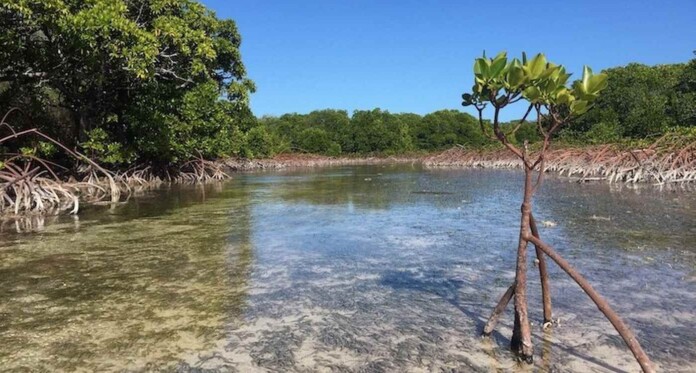
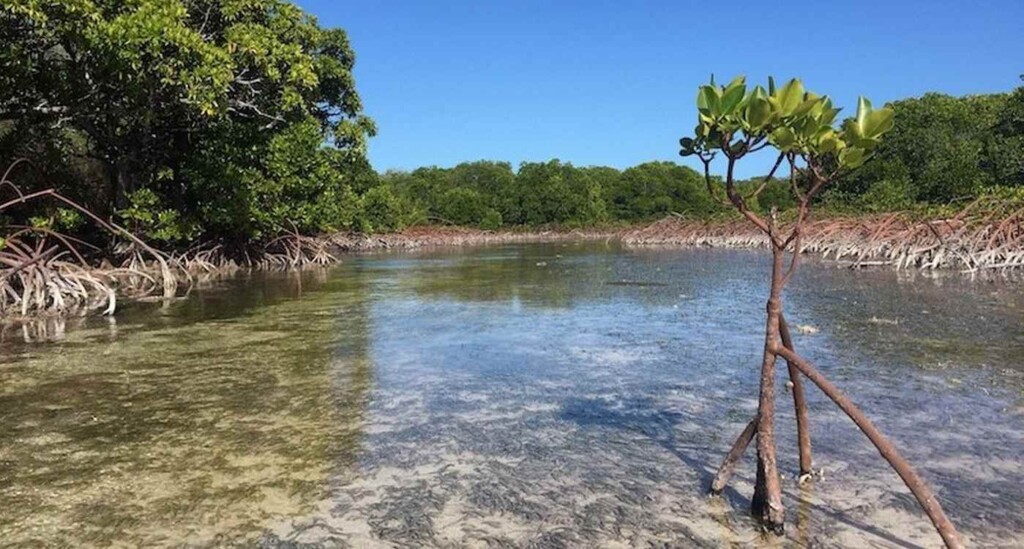
Mangrove forest on Ouvéa Atoll, in New Caledonia - credit, Daniel Friess via Tulane University
Mangrove forest on Ouvéa Atoll, in New Caledonia – credit, Daniel Friess via Tulane University

In what is both literally and figuratively a “landmark” study, research has shown that mangrove forest destruction has not only stopped in the last 20 years, but reversed—the world has more than it did at the turn of the century.

Additionally, the degree of age and robustness among intact mangrove forest, known as “closed canopy” forest, has increased far more.

Mangrove forests are among our planet’s best environmental stewards. They absorb up to 5-times more carbon than terrestrial trees, provide exceptional filtering services of pollutants and excess nutrients, and a nursery sanctuary for fish, invertebrates, and crustaceans to grow and feed beyond the reach of predators.

They also provide unrivaled defense against storm surges and tsunamis, as humanity came to understand following the great and tragic Indian Ocean tsunami of 2004.

The countries of South and Southeast Asia were subjected to a sort of A/B test—how much damage was inflicted on nations that had clear-cut their mangroves forests versus those who still had them.

In Indonesia, where this test played out island by island, the result was clear to see, and a clear piece of evidence presented in the new study published in Science by a team from Tulane University.

“Some islands were covered by mangroves and after the tsunami those islands were [still] protected very well, so that increased public awareness about the importance of protecting mangroves,” lead author Dr. Zhen Zhang told the BBC.

Mangrove forests declined through much of the late 20th century, with the world losing nearly 1,120 square miles between the 1980s and 2010. During the past 16 years, gains have outpaced losses. By 2023, mangrove areas had rebounded, resulting in only about a 1% net decline over the entire 4-decade period—a much smaller loss than previously estimated.

“What we’re seeing now is a real shift. Mangroves are now showing a net increase globally, and the rate of degradation is slowing,” said Daniel Friess, Cochran Family Professor of Earth and Environmental Sciences at Tulane and director of The Mangrove Lab. “While some mangroves are still being lost, this could make them a rare conservation success story and an important source of optimism for climate action.”

SWAMPY SUCCESS: Everglades Restoration Project Ongoing for 20-Plus Years Sees Huge Rewilding Success

If Professor Friess read GNN more, he’d know that conservation success stories are not rare at all, but regardless, mangrove restoration could be considered as a greater success than most.

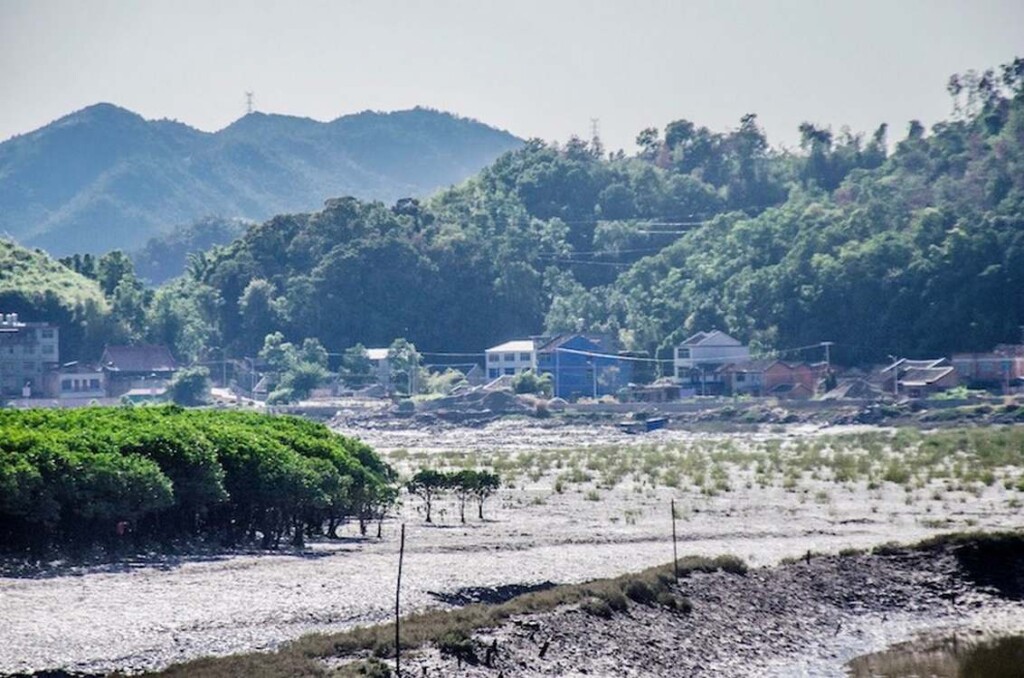
Mangroves and seedlings are thriving in the Zhangjiang River Estuary in Fujian Province, China – credit, Zhen Zhang via Tulane University

With their location along coastlines and their habit of attracting diverse marine and freshwater wildlife, they are tempting targets for development, either into aquaculture operations or coastal housing.

Additionally, very few people take time off for a hike in a mangrove forest; it takes a real nature lover to endure the mud, bugs, and humidity in and around them. Their recreational value is therefore much less than a terrestrial forest.

MORE MANGROVE MEDIA: The Largest Landfill in Latin America has Been Turned into a Mangrove Forest

Beyond increases in area, the Tulane research highlights another encouraging trend: many existing mangrove forests are becoming denser and healthier. Closed-canopy mangrove forests, which store more carbon and provide stronger coastal protection, have expanded globally over the past 4 decades.

Rates of degradation have dropped significantly since the 1980s, reflecting the growing impact of conservation policies and restoration programs worldwide. That growth suggests that mangroves may be capturing more carbon than previously recognized.

SHARE This Encouraging Sign The Natural World Is Recovering…