









All News - Page 564 of 1735 - Good News Network
Home Blog Page 564

Once Left For Dead, The Aral Sea Is Now Brimming With Life Thanks to Global Collaboration

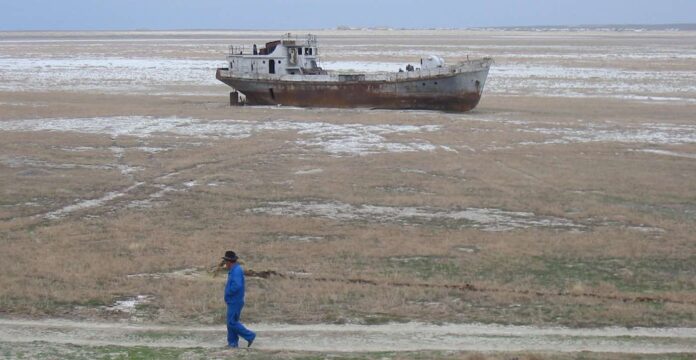
Kissing the borders of Uzbekistan and Kazakhstan, the North Aral Sea is experiencing an ecological resurgence following a long period of decline.

In 2005, a $86 million project from the World Bank made repairs to dykes and paid for the construction of an eight-mile dam.

This project raised water levels of the sea by 11-feet in just seven months—going far beyond scientists’ hopes of a rise over three years.

The Kokaral Dam’s erection south of the Syr Darya River has proven to be the catalyst in an incredible resurgence of local fish stocks. Beyond this great news for local fishing communities, the sea’s recovery has also led to a reduction in local disease rates from formerly-contaminated drinking water.

Once the fourth-largest freshwater lake on Earth, starting in the 1960s the Aral Sea shrank dramatically after the rivers that fed it were diverted by Soviet irrigation projects—so much that it split into the North and South Aral Seas.

When this happened, increased salinity in the water led to the die-off of several fish species like bream and perch, leaving the resilient flounder as the only animal capable of dealing with the high salt content.

More Good News: Two Sturgeons Found in Georgia River Delight Conservations Who Feared Prehistoric Fish to Be Extinct in Europe

Fishing for hope

Between 1957 and 1987, fish harvests fell from 48,000 per year to zero. Now, since the Kokaral dam was built, levels of salt have returned to normal. As a result, fish stocks have exploded back to life.

National Geographic reports that in 2018, catch limits were set at a generous 8,200 tons: a 600% increase from 2006.

Many of the surrounding communities depend on fishing for their livelihoods, and for Askar Zhumashev, 42, a supervisor at Kambala Balyk Processing Plant, he has seen the recovery firsthand in the inland town of Aralsk, where he and his team process roughly 500 tons of fish a year.

“When I was born, the sea was already gone,” Zhumashev told National Geographic. “I went to the Aral Sea for the first time only two years ago. My parents used to tell me that the boats would come in and out every day from the old port.”

Related: Two South African Women Take On Mission to Tackle Plastic Along One of Worst Rivers For Ocean-Bound Pollution

The World Bank followed up with an effort to restore delta and wetland habitats on the Uzbekistan part of the Aral Sea through the Drainage, Irrigation and Wetlands Project.

The project is based on a successful pilot program that saw the restoration of the 100,000 acre (40,000 hectare) Lake Sudochi elsewhere in the region.

LOOK: Satellites Reveal There Are 20% More Emperor Penguin Colonies in Antarctica Than Previously Thought

Not only do fisheries benefit from improved wetland and delta habitat. Ranching and farming improves as well. Since the project began, river and delta salinity has returned to normal, allowing local farmers to irrigate their crops.

That’s good news for local communities. And the world. As Kristopher White, a professor at KIMEP University, put it, the success of the Aral Sea project just goes to show, “Anthropogenic ecological damage can be reversed by human intervention.”

Share This Hopeful Environmental News With Your Friends On Social Media…

“Sweet is the memory of distant friends! Like the mellow rays of the departing sun, it falls tenderly, yet sadly, on the heart.” – Washington Irving

Quote of the Day: “Sweet is the memory of distant friends! Like the mellow rays of the departing sun, it falls tenderly, yet sadly, on the heart.” – Washington Irving

Photo: by Joshua Earle 

With a new inspirational quote every day, atop the perfect photo—collected and archived on our Quote of the Day page—why not bookmark GNN.org for a daily uplift?

Good Samaritans Shock Stranger in a Parking Lot Offering to Transport Their Appliance When it Doesn’t Fit

good Samaritans with their truck in NY

If you come across these “Guardian Angels” in Ogdensburg, New York, please extend to them “A Thousand Thanks” from me.

Imagine this. In the midst of a global pandemic, and under a continental heat dome, I decided it was finally time to replace my inoperable propane grill. My friend in her roomy Forester, and I in my tiny Prius C headed to the local big box store to buy a shiny new on-sale model. She parked in front of the line of grills, I ran into the store, bought the grill and within 10 minutes a couple employees were ready to load it into my friend’s Suburu.

44x 45 inches. No matter how often, or which way the saleswomen measured it, the Forester offered 1” less breadth than needed.

While considering swapping the ready-to-go grill for the boxed need-to-put-together grill, I calculated the expected assembly time, and quickly realized that my self-initiated progress would probably develop along the same timeline as a Covid vaccine.

Other options were percolating but…

Seconds later, a masked couple in a HUGE pickup truck parked behind us, jumped out, and volunteered, “looks like you can’t fit it in your car. We’ll take it to your house.”

Grateful but not knowing them, and knowing my house was over 15 miles away, I thanked them anyway, but told them how far away their trip would be. They looked at each other, shrugged their shoulders and said, ”That’s OK…we don’t have anything else to do!”

RELATED: Disheartened by News Reports, Café Owner Withdraws $10,000 in Cash to Give Away to Unemployed Strangers

John and Avis Thompson

Astonished, I asked, “What are you, my Guardian Angels? Who ARE you?”

Introductions were made as the gentleman and the two sales ladies hoisted the grill into the back of the truck, then off we went to my house, with the Subaru leading the way for the “angels”, and my Prius C bringing up the rear, watching my new grill ride securely toward its new home.

As we unloaded, I tried to give them a monetary token of my appreciation but they refused. Flatly! “It wouldn’t be a good deed if we took money”, they both argued.

LOOK: Watch Thoughtful Duck Retrieve Boy’s Sandal After it Had Fallen into a Muddy Ditch

I strongly disagree; it truly IS “the thought that counts”. In the midst of vile, vitriolic words and inflammatory actions attacking from all directions, and in this extended isolation, to have this gracious deed received from complete strangers, is a thankful reminder that altruism and goodness is not a lost value in the US.

As I write this from my home on the St. Lawrence River—with our beautiful 1000 Islands—I wanted to launch a thousand ships of thanks to John and Avis Thompson.

SHARE This Good Old-Fashioned Kindness To Brighten Someone’s Day…

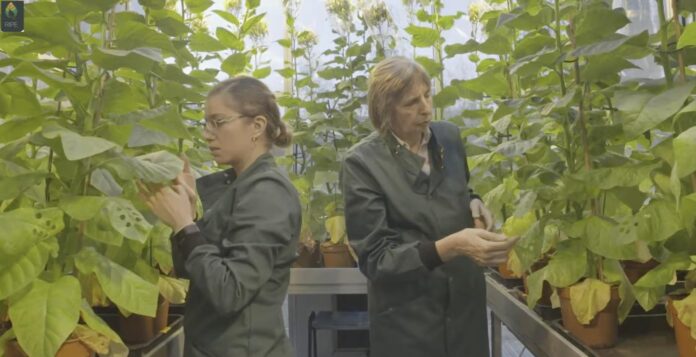
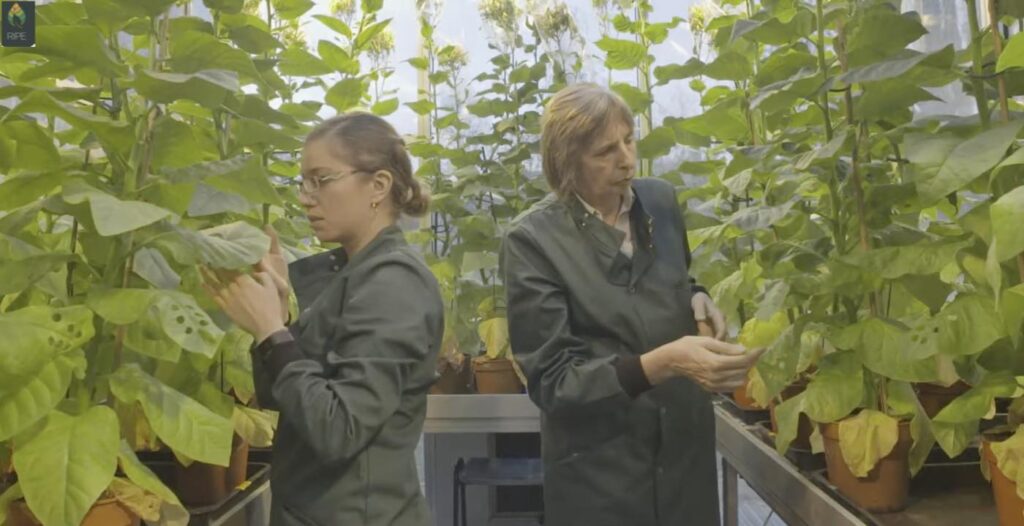
Scientists Hack Photosynthesis to Make Crops Produce More, But With Less Water

RIPE scientists – Youtube

A team of researchers are managing to tweak the system of photosynthesis in plants to help them conserve water and increase food yields—and, they are simply adding natural proteins and enzymes to the process.

A University of Illinois-led collaboration called RIPE, Realizing Increased Photosynthetic Efficiency, is working to help plants become heartier in a world where the frequency and severity of droughts may require them to be more resilient—particularly for humans needing to stave off starvation.

All children in school learn about photosynthesis—the process by which plants use light to convert carbon dioxide into energy—and RIPE is breaking down each step in the natural solar-powered assembly line to see whether or not various systems can be improved.

Previous discoveries, along with their recent study, suggest that hacking into a few key photosynthetic processes could improve plant yields by more than 50%.

“Like a factory line, plants are only as fast as their slowest machines,” said Patricia Lopez-Calcagno, a postdoctoral researcher at partner school University of Essex, who led this most recent project for RIPE. “We have identified some steps that are slower, and what we’re doing is enabling these plants to build more machines to speed up these slower steps in photosynthesis.”

RELATED: Topping Soil With Rock Dust Could Suck Billions of Tons of CO2 From the Air and Increase Crop Nutrients – Study

Inside the plant’s assembly line

Addressing the first of RIPEs goals, increasing yield, the researchers targeted plastocyanin, a protein that works on a schedule shuttling electrons into parts of the photosynthesis process. RIPE found that plastocyanin has an affinity for another protein, and like a transit bus disrupting its timetable by waiting too long at one stop, it slows down the electron-transfer process.

Adding cytochrome c6, a protein found in algae which has a similar function but that is more efficient, allowed plants to increase their yield by 27%. Furthermore, because cytochrome c6 requires iron to work while plastocyanin requires copper, any imbalances in soil mineral content can be worked around by plants opting to rely on one shuttling protein more than the other.

RIPE scientists – Youtube

The next place that needed work was the plant’s Calvin-Benson Cycle, wherein carbon dioxide is fixed into sugars which feed the plant. Increasing the amount of a key enzyme in the process by bringing in cellular machinery from cyanobacteria, another species of plant, was found to better the ratio of biomass produced per unit of water expended, making them more efficient with the water they received.

POPULAR: Scientists Use Recycled Sewage Water to Grow 500-Acre Forest in the Middle of Egyptian Desert

This is vital, because research suggests that climate change could be increasing the frequency and severity of droughts in crop-rich regions like the Sahel, or California.

“This study provides the exciting opportunity to potentially combine three confirmed and independent methods of achieving 20 percent increases in crop productivity,” said RIPE Director Stephen Long, University Chair of Crop Sciences and Plant Biology at the University of Illinois.

“Our modeling suggests that stacking this breakthrough with two previous discoveries from the RIPE project could result in additive yield gains totaling as much as 50 to 60 percent in food crops.”

LOOK: Man Succeeds Where Government Fails: He Planted a Forest in the Middle of a Cold Desert

With help from scientists all over the world, including China and Australia, RIPE is testing to see if these three changes in plants’ factory settings can work together to produce the higher yields—starting with tobacco because it’s easy to grow, engineer, and test, and eventually moving to widely-used stables like maize, cassava, and soybean.

WATCH the video from RIPE…

PLANT Some Hope With Your Friends By Sharing on Social Media…

This Police Dog Had The Most Successful First Shift Ever—Finding a Missing Mom And Her 1-Year-old in Remote Ravine

First days in a new job are often nerve-wracking. There’s so much to learn—and a new boss to impress.

One Welsh police dog just knocked his first day out of the park when he located a missing mother and baby on his very first shift.

Newly licensed, Max reported for duty with the Dyfed-Powys Police, with his handler PC Peter Lloyd, and promptly tracked down a woman who had spent a night in a remote location in Powys, Wales with her young child.

The two-year-old mixed German Shepherd swiftly put his training into action during his first operational shift, covering a significant distance to find the mom and child.

RELATED: Retriever Has Been Helping Owner Collect Hundreds of Pounds of Trash From Beach Since She Was a Pup

He was called into duty at just before midday on Saturday, August 1, when the force received a call reporting the woman missing and immediately launched a search to find her and her one-year-old.

Officer Peter Lloyd and police dog Max, Photo by Dyfed-Powys Police

“The woman had not been seen or spoken to for two days, which was out of character, and her phone wasn’t working, so naturally concern for her safety was high,” said Inspector Jonathan Rees-Jones in a statement.

“Thanks to excellent work between teams, the woman’s car was quickly found on a mountain road. Although this gave officers a location to search from, there was still a vast area to cover given the amount of time she had been missing.

The Search Continues

“This is where PD Max’s tracking skills really came into play. Despite only recently becoming licensed, and on his first operational shift, he immediately commenced an open area search.”

MORE LIKE THIS: Pit Bull Hailed As a Hero After Reportedly Fighting Off a Shark to Save Its Owner

With support from Brecon Mountain Rescue Team and an NPAS helicopter, along with advice from a search expert, additional units were deployed to assist in searching the area which included a small reservoir and woodland.

Max and Lloyd covered a significant distance, and at around 1:30pm, guided by the canine’s nose, the officer spotted the missing woman, waving for help, near a steep ravine on the mountainside.

“After an hour-and-a-half of searching, the mom and baby were found…safe, but cold,” said Rees-Jones.

The two were checked out by paramedics and made a complete recovery.

LOOK: Minnesota Woman ReunitedWith Long-Lost Dog After It Was Featured on Florida Beer Advertisement

“This was a fantastic coordinated and determined team effort from everyone involved, (but) I must give a special mention to PC Pete Lloyd and Max, who on their very first day since completing their training together covered a significant amount of mileage in the search, eventually locating them safe.”

BARK Your Approval of This Good Dog, And Share His News With Your Friends On Social Media…
Spunky Grandma Uses Virtual Goggles to Ride Roller Coaster For First Time (With Hilarious Irish Profanity)

We’re bringing this video back from our archive vaults to celebrate National Roller Coaster Day!

An Irish youth treated his elderly great-aunt to a wild roller coaster ride that she will never forget all while sitting down in their own kitchen in 2016.

Using a set of virtual reality goggles, this senior was amazed that such a theme park ride existed—and could not stop swearing with surprise at the shock of it all.

WATCHCat Tolerates Baby Chick– But a Chicken? Laugh Out Loud

“Oh Mother of God Almighty… this is like something out of Star Wars!” exclaimed the woman.

Much like how passing drivers cannot seem to look away from automobile wrecks, this granny could not stop looking at the virtual theme park, even while resolving to put the device down.

The video was posted by Citosc, a virtual reality goggle company founded by four teenagers in Cork.

RELATED: Dr. Saves Baby With $20 Google Cardboard Virtual Reality Glasses

(WATCH the video below…)

Share The Laughs With Your Friends on National Roller Coaster Day!

“To change something, build a new model that makes the existing model obsolete.” – Buckminster Fuller

Quote of the Day: “To change something, build a new model that makes the existing model obsolete.” – Buckminster Fuller

Photo: by Z S 

With a new inspirational quote every day, atop the perfect photo—collected and archived on our Quote of the Day page—why not bookmark GNN.org for a daily uplift?

Beautiful Mural in Warsaw Eats Up Smog, Purifying The Air Equal to 720 Trees

Via Looking Good website
Good Looking Studio

Warsaw, Poland became the latest city to feature public art projects that also clean city air, as a giant mural made of special, sun-activated, smog-cleaning pigments was painted by local artists.

Organized by the sportswear company Converse as part of their City-Forests campaign, the mural was produced using photocatalytic paint with titanium dioxide that attracts airborne pollutants before converting them into harmless nitrates through a chemical process involving sunlight.

Through this process the mural reportedly purifies the surrounding air equal to 720 trees, and when the campaign is finished, the murals spread across several countries should be doing the work of 3,000.

The mural was erected on a building facing a popular metro stop and features a collection of smiling flowers entangled among high rise buildings. Polish artists Maciek Polak and Dawid Ryski designed the image, which was executed by the local artist hub Good Looking Studio, involving expert muralists.

Amid the flowers are the words “Create Together For Tomorrow,” a positive message to inspire change, which Converse officials feel will help welcome people who are returning to their daily commutes after periods of COVID-19 isolation.

Good Looking Studio

“…for the time being everything has slowed down. At Converse we saw this as an opportunity to speak up and help produce fresh air through painting murals,” said a spokesman.

LOOK: Box of Stained Glass Bought at Auction Solves 80-year Mystery of Church Windows Gone Missing During WWII

A global movement

After Bangkok in Thailand, Warsaw represents the second city to finish a mural, among 13 set to erect the City-Forests murals—Belgrade, Lima, Sydney, Jakarta, Manila, Sao Paulo, Santiago, Johannesburg, Melbourne, Bogota, and Panama City.

Good Looking Studio

However, Converse is not the only ones using these special paints to clean the air. Dutch designer Studio Roosegaarde erected a series of billboards in Monterrey, Mexico, which use the same photocatalytic paint as the artwork in Warsaw.

Each billboard there generates the same amount of clean air as 30 trees every 6 hours—and it can function for up to five years—tackling some of the pollution that gets lodged in the Mexican valley, beyond the reach of strong wind currents.

LOOK: Nursing Home Residents Recreate Classic Album Covers While in Lockdown

Daan Roosegaarde, the mastermind behind the billboards, is an expert with smog-free design projects. For Beijing, he produced the world’s largest air purifier, which filters 30,000 cubic meters of clean air per hour — and turns the pollutants into literal diamonds that are then sold to pay for the construction of new devices.

Unsurprisingly, the Dutchmen is a cyclist at heart, and hopes his devices can make Beijing a cycling city once again.

“Beijing used to be an iconic bicycle city,” said Roosegaarde. “Together with Chinese and Dutch expertise we will bring back the bicycle as a cultural icon of China and as the next step towards smog free cities.”

RELATED: This Billboard Generates Clean Drinking Water Straight From The Air in Arid Peru

CLEAN UP Your Social Media Feeds By Sharing This Artistic Genius With Friends…

Stylish Tiny Homes Are Now Being 3D-Printed In 24 Hours And Shipped to Your Site

Credit: Mighty Buildings

A California company is making the act of purchasing a glamorous tiny home—with delivery and installation included—as simple as going online and tapping a button.

Credit: Mighty Buildings

Mighty Buildings is able to complete a home in just 24 hours—with walls, floors, and ceilings—because they 3D-print them in a warehouse in Oakland.

The startup uses a specialized material called thermostat composite that makes them durable, low maintenance, and ultra-energy efficient.

Customers can choose different sizes, from a 1 BD–1 bath unit, to a 3 BD–2 bath, with delivery and installation included in the price. The 350-sq-ft unit costs $115,000 installed. Plumbing, electricity, furnishings, doors and windows are all fitted post installation the old-fashioned way.

It’s an exciting time in the world of 3-D printing. An entire neighborhood of 50 printed houses is being completed in Mexico by Texas company ICON, and will benefit low-income residents, through grants from a nonprofit.

3D-printed homes are actually becoming fairly popular, because their costs are so much lower, and there is 90% less waste, but differences in 3-D capabilities and technologies are emerging.

RELATED: After Debuting World’s Largest 3D-Printed Building, Startup is Set to Bring Affordable Housing to US

Mighty Buildings is constructing family homes for 45% less than most construction firms because of its automated process—and unlike ICON, they also print the floor and roof of the building.

For Mighty Buildings, a huge boon is being able to go where some other 3D-printing construction companies cannot, with their 20-foot printer, and completing the entire structure, which is rare.

CHECK OUT: 3D-Printer Completes the Largest 3D-Printed Home in Europe – With 2 Stories and 980 Square Feet – in Just 3 Weeks

“As soon as you are able to produce not only the walls but also floor and ceiling, that saves a huge amount of hours, and specifically labor hours, which are very expensive,” Slava Solonitsyn, CEO and co-founder of the exciting startup, told Fast Company.

So how about it: Would you like to have your next home printed for you in just 24 hours?

SHARE The Positive Tiny Home News With Your Friends On Social Media…

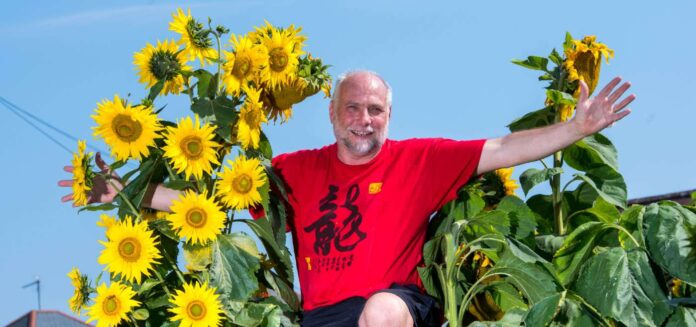
This Green-Fingered Gardener Has Grown Something Amazing – A Sunflower With 27 Heads

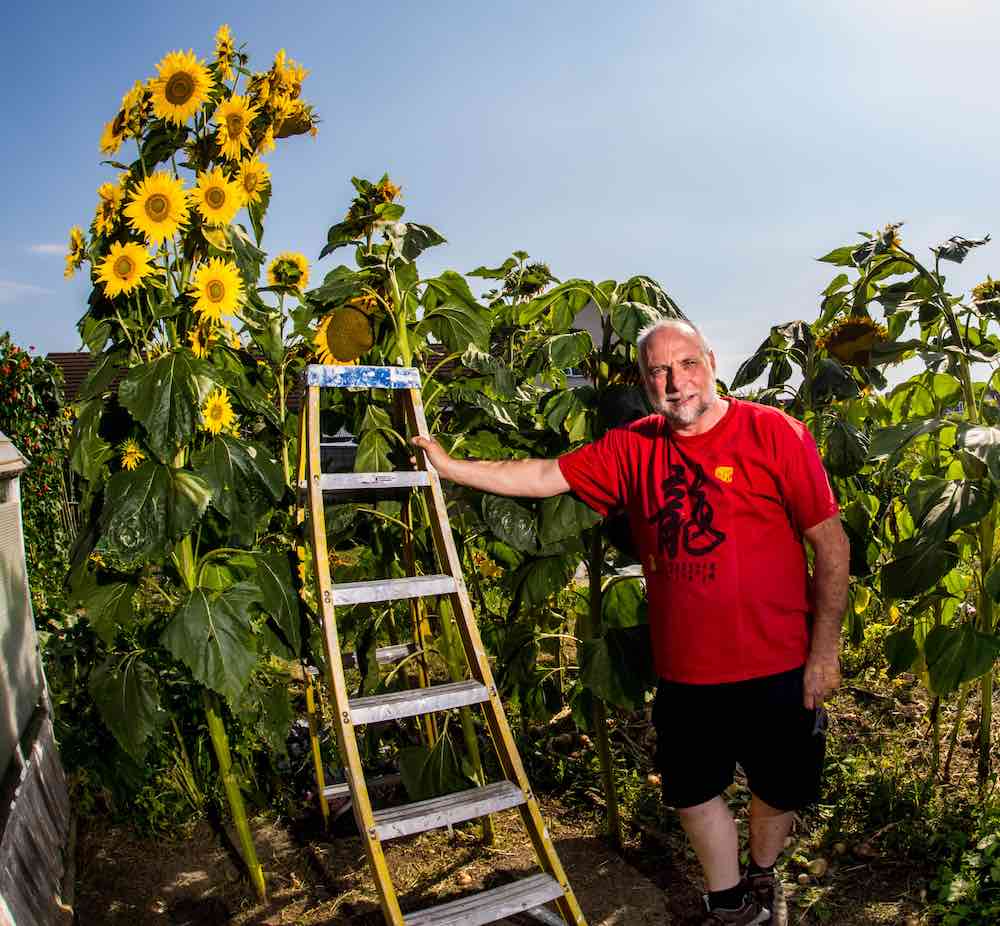
A green-fingered gardener was stunned to find his self-seeded sunflower had grown a staggering 27 heads.

Credit: SWNS

Barry Boyton turned up to his garden one day this spring to find the plant was blooming with not one, not two, but multiple heads.

It is not uncommon for a sunflower to have several heads on a single stem, although experts say twenty is usually the maximum.

RELATED: Trailblazing Gardener Discovers How to Grow Vegetables in Winter—Now He’s Helping Others Do It Too

But despite his high number, Barry, of Yeovil in Somerset, England, is still a long way off from threatening the world record–thought to be more than 100.

SWNS

SHARE The Sunflower Fun With Your Gardening Friends On Social Media…

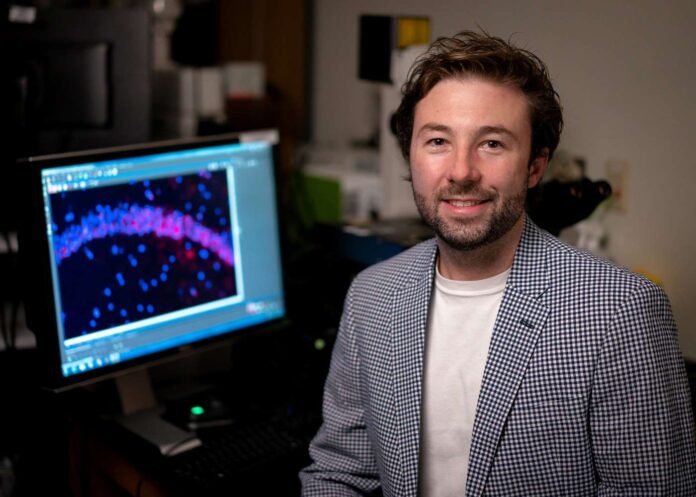
Alzheimer’s Research Has Found a Protein That Protects Against The Disease

Credit: SWNS

A protein that may protect against Alzheimer’s disease has been discovered by scientists.

Experiments found the degenerative brain condition spreads more rapidly in the brains of mice genetically engineered to lack it.

Known as LANDO (LC3-associated endocytosis), the protective protein was found to be less abundant by half in brains with dementia. The findings, published in Science Advances, may lead to a potential therapy for the condition.

Senior author Dr. Douglas Green—an immunologist at St Jude Children’s Research Hospital, Memphis—said, “We learned about this pathway in the context of brain tumor research.

“But it has major implications for neuro-inflammatory and neuro-degenerative disease.

“We have shown [a] deficiency in LANDO, combined with aging, can lead to Alzheimer’s disease in a unique mouse model—and there is evidence suggesting this could also be the case in humans.”

RELATEDPossible Breakthrough in Alzheimer’s Research: ‘Love Drug’ Oxytocin Found to Reverse Damage in Mice Brains

Previous research by the same team found LANDO inside microglial cells, the primary immune cells of the brain and central nervous system.

When its genes were deleted, Alzheimer’s accelerated in lab rodents. The tests also found LANDO protects against neuro-inflammation, a hallmark of the disease.

Credit: SWNS

It functions like a car wash to prevent the buildup of a toxic protein called beta-amyloid that kills neurons—causing memory loss and confusion, say the researchers.

The newly identified pathway could also yield strategies for unleashing the immune response against malignant brain tumors.

Further analysis has now identified a novel function of a protein known as ATG16L. It is vital for the recycling of cells during periods of stress, a process called autophagy. The investigators found if a region called the WD domain is deleted, LANDO is inhibited while autophagy continues.

RELATED: New Alzheimer’s Nasal Spray Shown to Reduce Proteins Which Cause the Disease in Mice

Most mice used in Alzheimer’s research rely on making genetic changes to recreate the disease. For this work, a new model with a specific deficiency of just the WD domain of ATG16L was created.

This means the rodents carry out autophagy normally but lack the LANDO pathway. By the time the mice are two-years-old, they exhibit symptoms and pathology that mimic human Alzheimer’s.

A First In Medical Research

This spontaneous age-associated model is the first to be made by deleting a single protein piece not previously associated with Alzheimer’s.

The researchers also analyzed human Alzheimer’s disease tissue samples, looking at the expression of proteins that regulate LANDO, including ATG16L. Expression of these proteins is decreased by more than fifty percent in people with Alzheimer’s.

MORE: Experimental Alzheimer’s Drug Stirs Hope After Early Trials Reduce Toxic Protein Clusters by 70%

Reducing neuroinflammation has been proposed as a potential medication. To treat their new mouse model, researchers used a compound that inhibits the ‘inflammasome’. This is a protein complex that activates pro-inflammatory immune reactions. The scientists targeted that responsible for neuro-inflammation in Alzheimer’s patients.

When the researchers profiled the behavior of the mice they identified improved cognition and memory, as well as less neuro-inflammation.

First author Dr. Bradlee Heckmann, also from St Jude, said, “This work solidifies LC3-associated endocytosis as a pathway that prevents inflammation and inflammatory protein production in the central nervous system.

RELATED: New Study Says Infrared Lasers Destroy Harmful Plaques in Alzheimer’s Brains

“Much of the data on LANDO suggests a significant role in neuro-inflammatory and neuro-degenerative diseases.

“There is also a strong possibility it could be targeted as a therapy against cancer or even infectious diseases that rely on similar processes for survival.”

SHARE The Hopeful News of an Alzheimer’s Breakthrough on Social Media…

“Poise is the pearl of great price.” – Florence Scovel Shinn

Quote of the Day: “Poise is the pearl of great price.” – Florence Scovel Shinn

Photo: by my hobby, CC license

With a new inspirational quote every day, atop the perfect photo—collected and archived on our Quote of the Day page—why not bookmark GNN.org for a daily uplift?

There’s an Elephant Baby Boom in Kenya: Thanks to Rainfall, a Record Number Born Including Rare Twins

Photo by Tobin Rogers on Unsplash

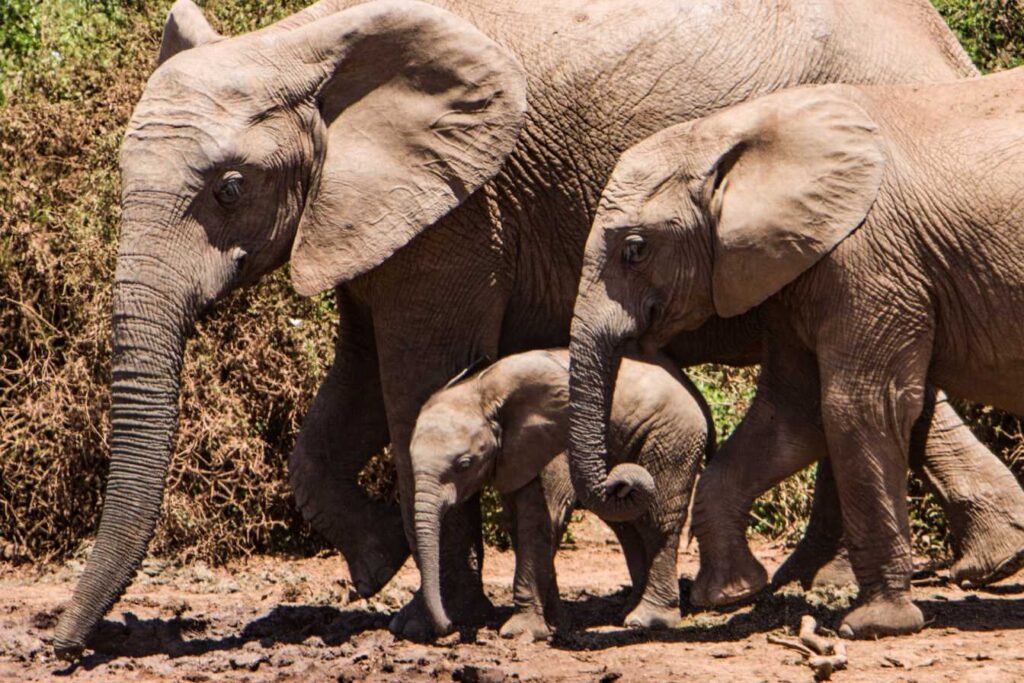
The combination of interruptions in international travel and periods of heavy rainfall has led to Kenyan wildlife officials reporting a recent elephant baby boom.

In Kenya’s Amboseli National Park, 140 elephants were born in a single calving season–a record in this park known for its breathtaking views of Kilimanjaro and the savanna.

“It has been a difficult year for all of us but there is still much to celebrate,” said Winnie Kiiru, speaking for the Elephant Protection Initiative in a statement. “Here in Amboseli, elephants are thriving. 140 beautiful calves have been born in 2020 and more are expected.”

In fact, it’s a culmination, of sorts, for the country’s pachyderms. The Kenya Wildlife Service reported on Wednesday that, from 1989 to today, the nation’s elephant population has more than doubled. This is in part because authorities in the past couple of years have “managed to tame poaching in this country,” reports Tourism & Wildlife Minister Najib Balala.

MORE GOOD NEWS: ‘World’s Loneliest Elephant’ Finally Headed For Sanctuary After Pakistan Ordered Him Released From Zoo

The announcements corresponded with World Elephant Day on August 12—and included the very special news that two of the newborns were twins, a rarity among the species.

Cynthia Moss, director of the Amboseli Trust for Elephants, told AA News this week, “It seems baby elephants are falling out of the sky. The ability of a female to conceive and carry a calf to term depends greatly on her own physical condition.”

RELATED: World’s Most Endangered Primate Population Triples After 17 Years of Careful Conservation

In drought years, female elephants often can’t find enough food to supply their calves with milk—even in a park that is the size of Yellowstone (3,100 square miles / 8,000 sq. km)—but the rains this year have brought so much vegetation there’s been no problem supporting the newborns—even twins—as they begin their journey through life.

SHARE The Exciting News of The Elephants in Kenya With Your Friends On Social Media…
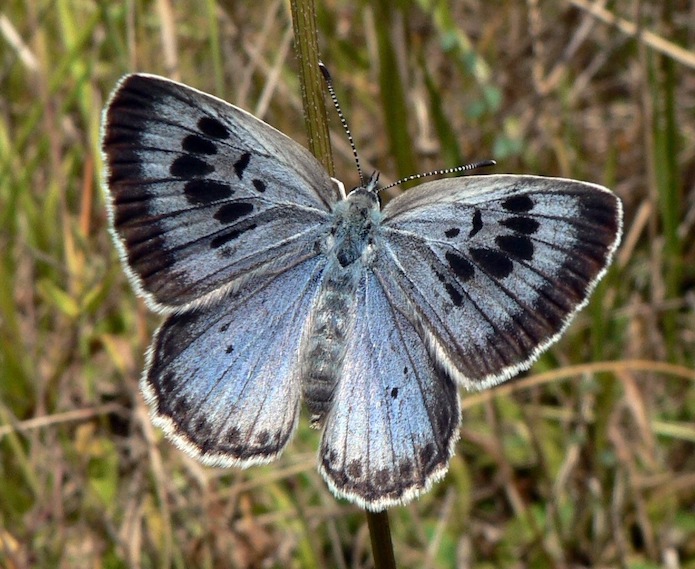
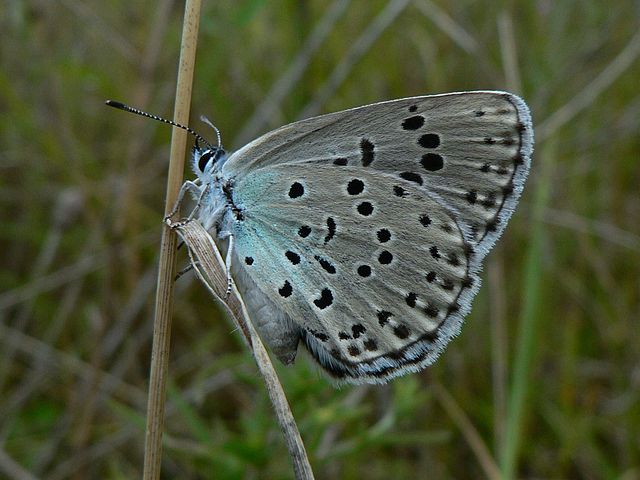
Large Blue Butterflies Were Extinct in England, But Now Those Beauties Are Back After 50 Years

After a 150-year absence, 750 of the aptly-named large blue butterflies have successfully emerged from their cocoons to repopulate parts of their historic habitat in South West England.

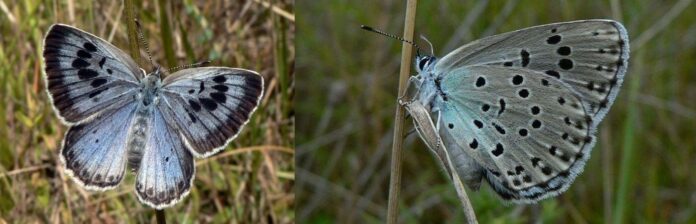
Most conservation dollars don’t reach beyond elephants, pandas, and tigers, but English biologists—notoriously proud and connected to the natural life on their island—needed only five years to begin repopulating part of the country with the largest of England’s nine blue butterfly species: an unmistakable creature thanks to the row of black spots on its upper forewings.

Large blue butterfly photo by PJC&Co

Phengaris arion, which is called the ‘large blue’, was officially declared extinct in Britain in 1979, but efforts from private trusts and ecological associations created the world’s largest and most successful insect conservation program in the world, and from 1984 to 2008, it saw the large blue return to 30 previously occupied and new breeding sites.

The most recent project in Minchinhampton and Rodborough Commons in Gloucestershire is where conservationists recorded the rousing success, with 750 butterflies emerging after 1,100 larvae had been released in the area. None of these creatures had been seen in the local area for 150 years.

Furthermore, they have confirmed these butterflies to be laying eggs in the wild.

RELATED: Historic Deal to Protect Millions of Monarch Butterfly Habitat Acres is Unprecedented

“Creating the right conditions for this globally endangered butterfly to not only survive but to hopefully thrive has been the culmination of many years work,” said Richard Evans, area ranger for the Commons.

“Butterflies are such sensitive creatures, and with the large blue’s particular requirements they are real barometers for what is happening with our environment and the changing climate.”

Large blue’s small friends

The large blue’s recovery is a classic ‘web of life’ example of how animals and plants rely on one another to survive. It’s not enough to protect the butterflies, and scientists—like those working at the Butterfly Conservation Trust—have had to organize protection for wild thyme and red ants, two species that are integral parts of the large blue’s world.

Wild thyme and marjoram are the large blue caterpillar’s primary food source, and red ants work symbiotically to protect the caterpillars from danger.

Large blue butterfly photo by PJC&Co

David Simcox, research ecologist and co-author of the Commons management plan, noted this importance in a statement: “In the summer when the ants are out foraging, nature performs a very neat trick—the ants are deceived into thinking that the parasitic larva of the large blue is one of their own and carry it to their nest.”

POPULAR: Over 1 Million Gardeners Have United to Create Global Network of Greenery That Nourishes Bees and Butterflies

“It’s at this point that the caterpillar turns from herbivore to carnivore, feeding on ant grubs throughout the autumn and spring until it is ready to pupate and emerge the following summer,” he added.

In 2014, the Butterfly Conservation Trust finished a massive restoration of large blue habitat in the Polden Hills in Somerset, including the planting of over 100,000 wild thyme plants on seven different sites, as well as enhancing 10 hectares (30 acres) of scrub habitat for the red ants.

MORE LIKE THIS: Wild Bison Are Returning to England’s Forests for the First Time in 6,000 Years

The project resulted in three re-colonizations, as well as one entirely new breeding site, and by 2019 there were 10 large blue breeding sites altogether, a jump up from six in 2017, according to an article in the magazine, Butterfly.

As a pollinator, the large blue’s recovery paints an encouraging sign for biodiversity strength in England and for the world. Cheers to that.

FLUTTER The Happy Blue News Over To Your Friends on Social Media…

Floating Movie Nights Where Viewers Sit in Socially-Distant Boats May Be Coming to the U.S. And Canada

An artist’s image of the floating boat cinema (Beyond Cinema)

Fancy coming aboard a boat for an aquatic movie adventure? It was a big success last month in Paris and now cinema fans in America and Canada can look forward to the floating theater.

This September, the Australian company Beyond Cinema says it will tour North America with their mini ‘movie’ boats, setting up in major cities along the way. 

UPDATE: Hours after posting this, we noticed that the San Francisco Chronicle newspaper said the company was hard to track down, and had very little detail on their website, leading them to believe it might be a prank. We believe they are only collecting email addresses for pre-registering, and not payments yet, so proceed with caution—even though this DID happen in Paris last month…

At the events, there’ll be free popcorn for the ticket-holders who will be viewing classic films as well as new releases. 

Beyond Cinema says it has created ramped-up safety measures for pandemic times, of course. According to the site, “Tickets will require you to purchase the whole boat to ensure that groups will be seated with friends and family only, and to allow for social-distancing on and between boats.”

If you’re in Los Angeles. Denver, San Diego, or San Francisco on September 2nd, you can pre-order tickets for showtimes there.

RELATED: Drive-in Movies Are Coming to Walmarts Across America – And Every Showing is Free

The following week, sanitized boats will pop up in St. Louis, Orlando, Chicago, Miami, and Houston.

The week after that, if you’re in NYC, Pittsburgh, Toronto, Calgary, or Vancouver, it’s your lucky day.

Then, lucky folks in Austin, Cleveland, Philadelphia, Columbus, and Cincinnati can head out on the water on September 23rd.

LOOK: Seniors Recreate Iconic Movie Posters For Calendar That’s Raising Thousands For Alzheimer’s – And They’re Amazing

If this unique cinema event floats your boat, you can pre-register on the Beyond Cinema ticket website.

SHARE This Exciting Movie News With Someone You’d Like To Go Boating With…

Unsold Beer From Australia‘s Lockdown Is Making Renewable Energy – And in Record Amounts

When Australia’s bars and restaurants closed down in March because of COVID-19, huge stores of beer went stale. Those ales haven’t gone to waste though. They’re being turned into renewable energy–enough to power 1,200 homes in a month.

Outside Adelaide in South Australia, almost 40,000 gallons of expired beer has been donated every week to a local water treatment plant. That beer is converted into biogas, which then gets used as electricity to power the plant.

And, best of all, the beer donations have boosted energy production to giddy new levels, thanks to its high calorie content.

CNN reports that Glenelg Wastewater Treatment Plant, which is owned by the South Australian Government, normally gets about 80 percent of its energy needs from local biogas made from organic industrial waste and sewage sludge.

More Good News: Used Electric Car Batteries Could Be Recycled into New Life as Energy Storage for Solar Farms, Says New Study

Now, says Lisa Hannant, senior manager of production and treatment, says the stale beer is releasing impressive amounts of energy and the plant is setting records.

“By adding around 150,000 liters of expired beer per week, we generated a record 355,200 cubic meters of biogas in May and another 320,000 cubic metres in June, which is enough to power 1,200 houses,” Hannant said to CNN.

Check Out: This New German Car is Covered With Solar Panels and Charges As It Drives

“Honorably,” she noted, “our thirsty digesters have been doing their bit for the environment by drinking themselves silly—and with such a horrific diet it’s no wonder they produce so much gas!”

We’ll drink to that.

Share The Exciting News From Down Under With Your Friends On Social Media… 

“Your attitude is like a box of crayons that color your world. Constantly color your picture grey, and your world will always be bleak.” – Allen Klein

Box of crayons

Quote of the Day: “Your attitude is like a box of crayons that color your world. Constantly color your picture grey, and your world will always be bleak.” – Allen Klein

Photo: by Ian Fuller, CC license

With a new inspirational quote every day, atop the perfect photo—collected and archived on our Quote of the Day page—why not bookmark GNN.org for a daily uplift?

This Nigerian Boy Just Won A Scholarship After Dancing In The Rain Video Goes Viral (WATCH)

Anthony Mmesoma Madu - Instagram
Anthony Mmesoma Madu – Instagram

In a very modern-day fairytale, after his ballet video went viral, a Nigerian boy was offered a full scholarship to a prestigious dance school in Manhattan.

The 11-year-old has been learning to dance at the Leap of Dance Academy in his hometown of Badagry on the Nigerian coast—and it’s fair to say that Anthony Mmesoma Madu’s got talent.

When the Academy Award-winning actress Viola Davis, who just turned 55 this week, saw Anthony’s moves online, she tweeted, “Reminds me of the beauty of my people. We create, soar, can imagine, have unleashed passion, and love….despite the brutal obstacles that have been put in front of us! Our people can fly!!!”

Cynthia Harvey, artistic director at the American Ballet Theatre Jacqueline Kennedy Onassis School of Dance in New York City, also saw the video, which has been viewed hundreds of thousands of times. When she watched it, she was also amazed by Anthony’s skills. She decided to offer him a scholarship.

The school—known for its “elite atmosphere dedicated to the success of each student”—has organized internet access at home for Anthony, so he can take virtual lessons from the academy this summer.

WATCH: Diver Perform Expressive 6-Minute Dance Underwater in World’s Deepest Pool

It’s not just Anthony for whom dreams are newly coming true. According to People, his dance teacher, Daniel Ajala Owoseni, has been included in the American school’s National Training Curriculum for instructors. 

The teacher’s story is an amazing one. He taught himself to dance after falling in love with the movie Save the Last Dance at age 13.  “I basically learned all the fundamental principles of ballet through YouTube tutorials,” the 29-year-old told Vogue. Ten years later, he became a freelance teacher in the Nigerian capital of Lagos. But he couldn’t get an international scholarship anywhere. Applying for schools across Europe, “I was basically told that, as an African, I was not eligible for an international scholarship. It just seemed like blatant discrimination.”

RELATED: Boy Named Blessing was Born With Deformed Legs, But Watch His Award-winning Breakdance Moves

He and Anthony don’t just have a love of dance in common. They’re both intent on breaking stereotypes and showing that ballet is for boys.

Anthony told the BBC, “Where I live there are no male ballet dancers like me. When people see ballet they think it is only for girls, they don’t know that it is not only for girls.

“When I am dancing… the feeling that comes over me is as if I am dreaming.”

Watching Anthony daring to dance through puddles is a reminder to everyone that there’s hope and beauty in dreaming.

“A child who shows this much dedication, you just have to help,” Cynthia said to the Cincinnati Enquirer. “If there is anything the world has taught us, it’s that we have to inspire all sorts of people and that we all have a lot to learn from one another. Providing opportunities for Daniel and Anthony is the right thing to do.”

(CLICK the arrow below to watch the uplifting video about Anthony…)

Pirouette For This Beautiful Ballet Story And Share With Your Friends on Social Media…
Two Surfers Save a ‘Starving, Cold’ Dog From Sea Cave After It Had Been Missing For 3 Months

Two friends were out on a surfing trip when they saved a dog stuck in a sea cliff cave.

On August 1, Zach Regan and Matty Johnson were off on an overnight adventure on Vancouver Island’s remote west coast. With everything they needed to go surfing and fishing, it was set to be a great trip.

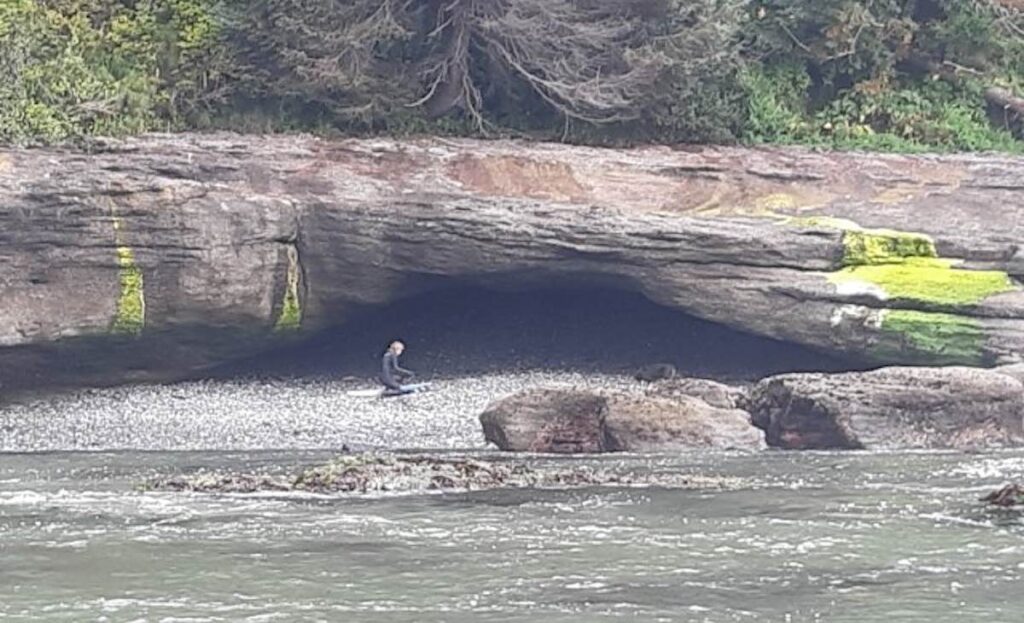
They were out in their small aluminum boat when, out of the corner of his eye, Matty saw the brown legs of an animal in a cave. It was too small to be a bear or a wolf.

It was a starving, cold, terrified dog.

“We were trying to beat an upcoming storm, but we made the decision to save the dog,” Matty Johnson tells GNN.

The pair’s rescue mission was on. It involved a “wetsuit, a surfboard, a lasso, almost being bitten in the face, a reef, big waves, and awesome teamwork.”

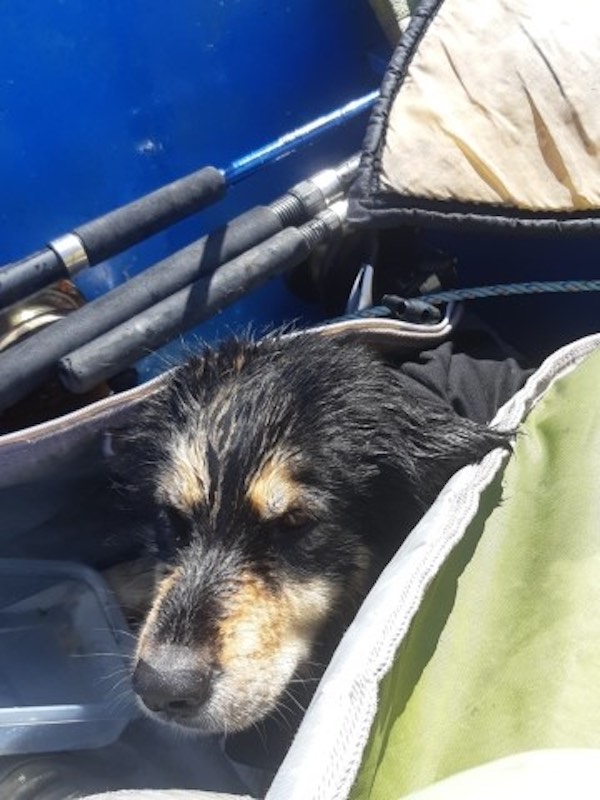
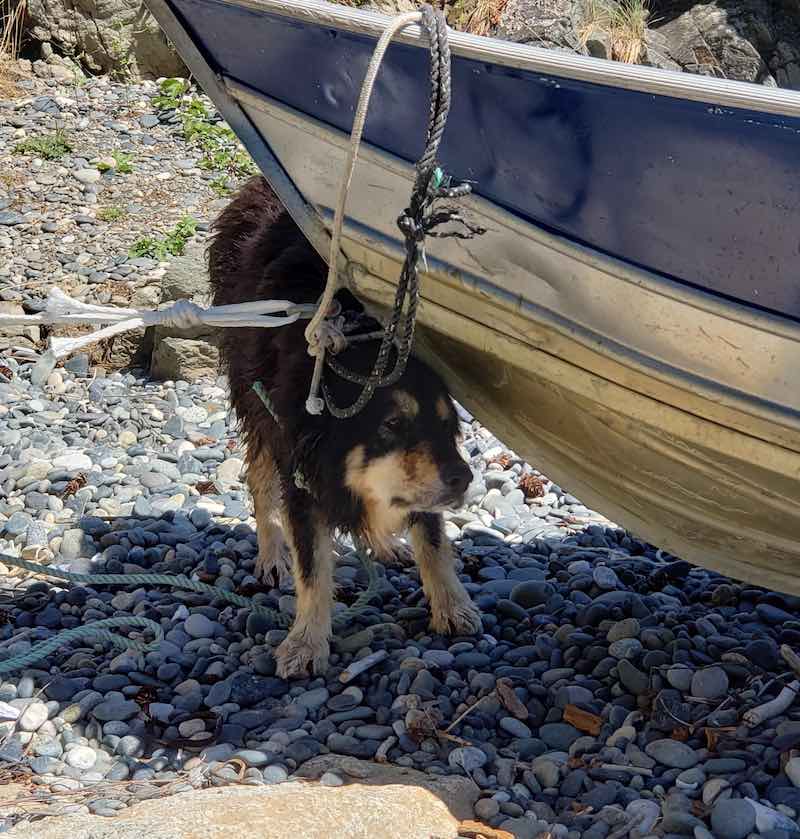
Once Stella was safely in their boat, they snuggled her in a bag to keep her warm. Then, once on dry land in Canada again, they began their search for the owner.

All photos submitted by Matty Johnson

Matty says there were great vibes all around ”when the owners—long since consigned to the death of their dog—got word she was safe.”

The owners were amazed to see their pet again. They thought they’d lost their dog forever when they became separated on the wild Juan de Fuca Trail three months ago.

RELATED: Hero Park Ranger Carries Dehydrated Dog To Safety Down a Treacherous Mountain Trail

Johnson wanted to share his story with GNN for one reason: “Wanting to spread good news and inspire people to put themselves out there when the opportunity arises.”

That’s just the kind of good news we love to hear.

Stella, safe on land, Matt Johnson

WATCH the video of their epic rescue from the Canadian news network CTV.

BARK Your Praise For These Surfing Heroes By Sharing With Friends on Social Media…
Amazing Fungus Discovered at Chernobyl Could Be Grown On Rockets to Protect Astronauts from Toxic Space Radiation

Kathy Sullivan becomes US woman to walk in space – NASA

A type of fungus that uses nuclear radiation as energy could serve as a possible form of protection, shielding astronauts from potential harm.

Outside of the protective magnetosphere and atmosphere of Earth, astronauts are showered with a twenty-fold higher amount of ionizing radiation—levels that would prove unsustainable without protection. But a discovery at the nuclear accident site of Chernobyl in Ukraine, has offered a possible solution.

A team of scientists from Stanford and the University of North Carolina, Charlotte, discovered a type of fungus growing inside the destroyed reactors of the Chernobyl Nuclear Power Plant, and thought if there are forms of life that can survive advanced radiation exposure long-term, they might be able to help protect astronauts on extraterrestrial voyages.

RELATED: Student Who Grew Her Own Canoe Out of Mushroom Thinks Fungus is Our Best Ally in Climate Change

The fungus, called cladosporium sphaerospermum, uses melanin pigments to convert gamma radiation into chemical energy in a process called radiosynthesis. Observing this process led to the scientists arranging with NASA for the fungus to be sent to the International Space Station (ISS) for testing.

A living shield

Image by NASA

At the ISS, the experiment produced mixed results. The fungus was placed on around half of the surface of a petri dish. For the next 30 days, radiation levels were measured to compare how much passed through the fungus and glass compared to just the glass on the bare half of the dish.

Radiation levels were reduced by 2%, which wasn’t what the scientists were hoping for. However, the relatively low number doesn’t mean the experiments were a failure.

MORE LiKE THIS: Fungi Discovered In The Amazon Can Devour Plastic in Landfills

Writing in the abstract of the pre-peer review journal BioRxiv, the scientists detail how their results could be extrapolated to produce an almost entirely zero-cost barrier for future Mars or lunar mission astronauts, vehicles, and structures.

“Estimations based on linear attenuation coefficients indicated that a 21 cm (8 inch) thick layer of this fungus could largely negate the annual dose-equivalent of the radiation environment on the surface of Mars.”

Putting on our sci-fi thinking caps, we’d have to imagine a Mars station on which astronauts would have to grow an 8-inch thick screen of fungus across the roof and walls of their base, transforming it into a mass of greyish filaments studded with toadstools like Yoda’s hut in Star Wars, or Radagast the Brown’s house in The Hobbit.

It sounds like the stuff of fantasy, but it could save lives while costing space exploration investors almost nothing.

Plant Some Positivity By Sharing The Good News With Friends On Social Media…