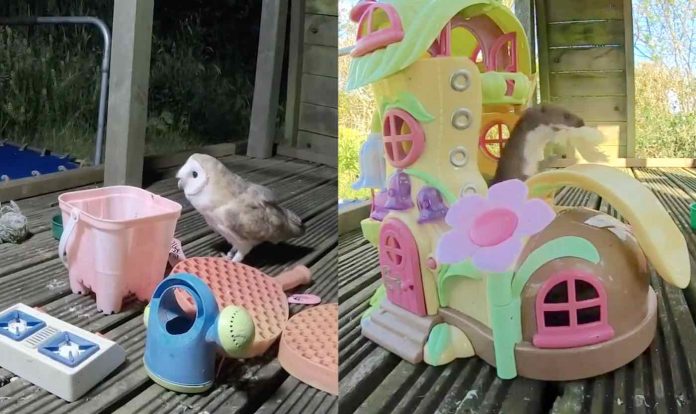
When English wildlife photographer Robert Fuller bought a secondhand playground for his daughters, he assumed that they would be the only ones to put it to good use.
Over the course of the last few years, however, Fuller has spotted a number of different animals playing on the jungle gym.
As a means of capturing the furry visitors in action, he set up several hidden cameras around the play set—and the results are adorable.
Fuller’s camera footage shows the playground being visited by weasels, hedgehogs, badgers, owls, deer, songbirds, and even a family of stoats.
The play frame is located in the family’s 3-acre garden along with a miniature trampoline, a shoe-shaped doll house, watering cans, and an old sand castle bucket—all of which have been used by the visiting wildlife.
“I decided to fit cameras and lighting to the climbing frame to capture more animals using it,” said Fuller, who is from Thixendale, North Yorkshire. “It wasn’t until I started to review the footage that I realized just how many animals and birds were enjoying the play frame.
“It has been in place for six years now, and in that time it has given me, my girls and a host of wild species so much pleasure—especially recently when we’ve been in lock-down.
“I see it providing fun for many more years to come too. I’ve yet to see any animal find a use for its bright yellow bumpy slide, but you never know!”
(WATCH the amusing video below)
Be Sure And Share This Pawesome Story With Your Friends On Social Media…
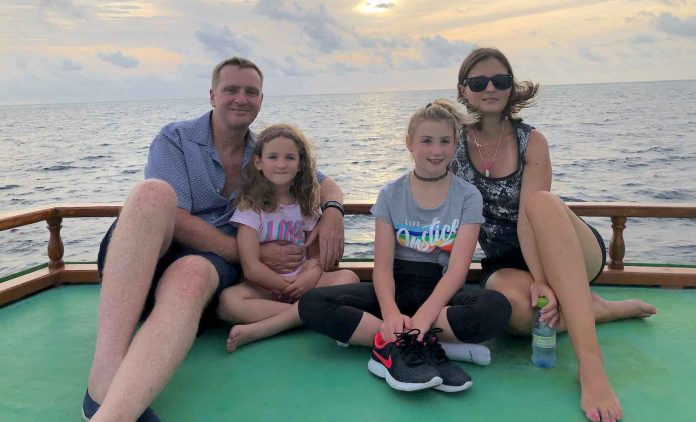
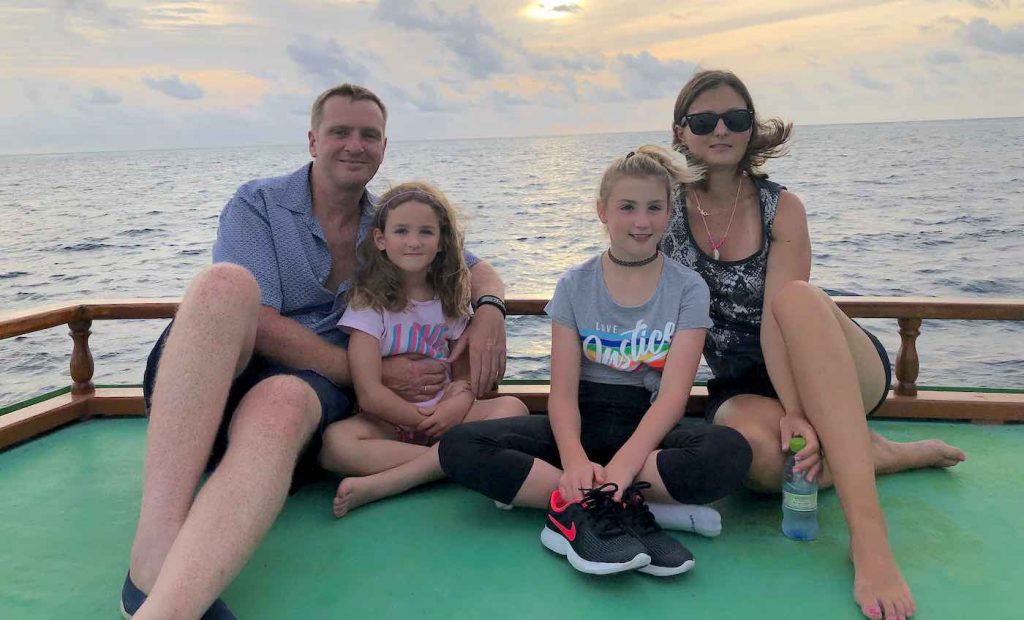
(L-R) Barry, Josephine, Georgina and Karolina Seath. SWNS.
Rather than continue living a comfortable urban life, this British family has sold their London home in favor of launching the world’s smallest nature reserve to save a nation’s coral reef system.
(L-R) Barry, Josephine, Georgina and Karolina Seath. SWNS.
Karolina and Barry Seath—along with their two young daughters—are preparing to move to an island in the Seychelles measuring just 1,300 feet long by 980 feet wide (400 by 300 meters).
They’ve launched a charity and teamed up with local biologists in a bid to revitalize the coral reefs in the smallest African country, which have been devastated by rising sea temperatures.
Their land-based coral farm will be only the second of its kind in the world, the other being on Australia’s Great Barrier Reef, to specialize in regrowing coral to regenerate the reef.
47-year-old Barry, who is a former recruitment consultant and policeman, said: “We are just a normal husband, wife, and two kids, living the sort of life that most others do… but we felt the need to make a positive change for ourselves, our children, and the world we had largely taken for granted. So we have sold our home and parted company with most of our worldly possessions.”
Over the course of several vacations to the Seychelles, the Seaths witnessed the gradual deterioration of the reefs as they snorkeled around the coastline.
“Every time we visited, we noticed the coral was getting worse and worse,” said Barry. “All the tourists say the same thing. They love the beaches, but are really disappointed with the coral. They expect these lush coral reefs, but what they actually find is lots of coral rubble.”
After more than 15 years running a London recruitment firm, Barry felt it was time to make a change and show his daughters an alternative way of eco-friendly living.
Barry then teamed up with experts at the Marine Conservation Society Seychelles in order to develop the facility. Building the farm is scheduled to take just three months with all the equipment, including tanks, chillers, filters, and pipework, costing £25,000.
Once complete, it will be the first large-scale, land-based coral farm in the Indian Ocean. The eco-warriors hope to use the facility to grow around 10,000 corals per year.
Moyenne Island in the Seychelles. SWNS.
Once planted across local reefs, their diverse range of coral species is expected to maintain the biodiversity of the reefs and replenish the estimated 250,000 individual corals that have already been lost in the seas and reefs in the Seychelles archipelago.
“It’s not going to change things overnight and will take a lot of work, but as we scale up operations, we expect to have a major and positive impact on the coral reefs in the area,” said Barry.
In order to produce the coral at scale, the team plans to harness the latest techniques in “micro-fragmentation”—a recently-discovered coral farming technique which can dramatically increase growth rates far beyond what occurs in the wild.
Much like how skin cells grow over a cut, the process involves cutting an individual coral into small pieces to stimulate its growth rate. Ordinarily, it takes coral reefs between 25 to 75 years to reach sexual maturity. This means that it can take up to 6 years just to plant 600 coral—but micro-fragmenting helps them to grow 40 times faster than they do in the wild.
The corals can then be grown in temperature-controlled tanks for up to nine months before they are replanted on the local reefs. Whilst in the tanks, the corals will also be exposed to warmer temperatures, enabling them to adapt at a young age to the ever-increasing sea temperatures they will face when returned to their natural habitat.
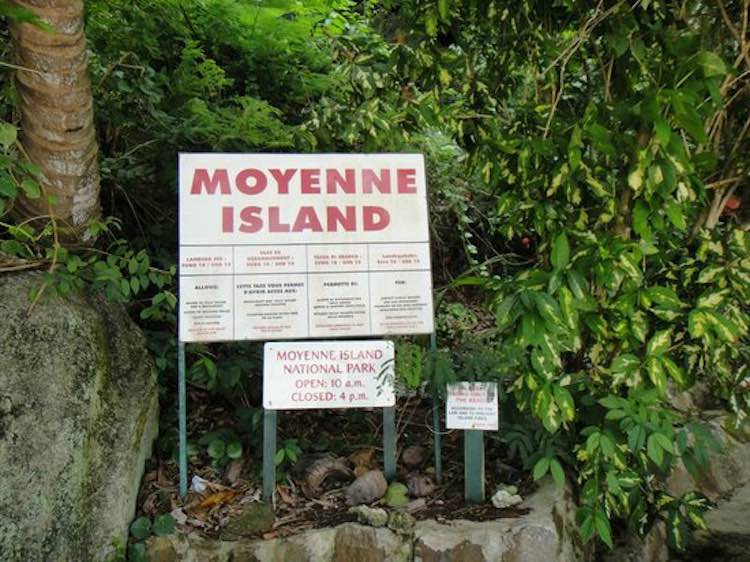
The national park sign for Moyenne Island. SWNS.
The Seaths are already talking to UK university researchers about using their tanks to carry out groundbreaking research on new coral farming techniques. And, the Seaths’ project could provide a rare chance for scientists to develop their laboratory research on a larger scale while also providing educational tours to local schoolchildren and tourists.
The farm will be located on Moyenne Island, a tiny property located just off the coast of Mahé, the Seychelles’ largest island.
Moyenne was designated the world’s smallest National Park in 2012 after its only inhabitant, British expat and former newspaper editor Brendon Grimshaw, passed away.
Grimshaw lived there for four decades after he bought the island for just £8,000 in 1962. Over the course of his life on the island, the conservationist planted thousands of trees and introduced giant tortoises which still roam the area to this day.
“The island has an amazing history. There are stories of hotel groups and rich individuals wanting to buy the island from Brendon,” says Barry. “They told him he could just name his price, but he refused every time. He didn’t want it to be developed.
“We hope to honor Brendon’s legacy by using the island as the venue of our first coral farm.”
Since the novel coronavirus outbreaks have also devastated the Seychelles’ tourism-dependent economy, the family hopes that replenishing the coral reefs will help bring more visitors back to the East African nation in the future. Additionally, the team hopes the farm’s success will help to launch more coral farms around the world.
Barry said: “Our long-term goal is to show everyone that—with just a relatively small investment—you can make a serious impact on the marine environment that will in turn boost the tourism industry. It should be a no-brainer.”
The Seaths plan to divide the project responsibilities amongst themselves with Karolina coordinating social media for the project, while parenting their daughters. Meanwhile, Barry will work as a full-time volunteer on the farm as his daughters, 11-year-old Georgina and 7-year-old Josephine, take on the role of youth ambassadors alongside their studies at a new school on Mahé island, which is just a 15-minute boat trip from Moyenne.
The sisters are eager to start their new adventure, with Josephine saying, “I’ll miss my friends, but I’m really looking forward to seeing lots of different animals and doing lots of snorkeling and helping my dad look after the coral.”
(L-R) Georgina and Josephine Seath. SWNS.
Georgina wants to learn to dive so she can help with the project, adding: “I’m really excited to have this opportunity to move abroad and learn more about the world. I hope we can make a real difference.”
The family is hoping that international flights will return to normal as coronavirus lockdowns are eased ahead of their planned departure in late August. Until then, they are busy establishing a nonprofit charity called Coral Reef Conservation UK—and they are already collecting donations from individuals and corporations.
The world’s only other land-based coral farm, which sits on The Great Barrier Reef, relies on considerable funding from the Australian government. Although there was a similar £1.6 million-facility which was launched in the Bahamas, it was destroyed by a hurricane just weeks after completion.
The Seaths, however, have kept total costs to just £200,000 for the first two years, thanks to a generous offer from the island’s current owner.
The family have enough money to support themselves for that time, but they will still need additional donations to fund the project’s operating costs.
“Because we are working for free and since the landowner has agreed to pay the building costs, we are able to create this farm at a fraction of the cost you might expect,” said Barry. “So it’s a real opportunity to make a massive difference for a pretty small amount of money.
“We’re very excited at the opportunity to make a positive impact and we hope that people will be able to support us.”
If you are interested in contributing to the Seaths’ labor of love, you can donate to their GoFundMe campaign or visit their website for more information.
(WATCH the Seaths’ informational video below)
It’s Not Hard To Sea That You Should Share This Inspiring Story With Your Friends On Social Media…
Quote of the Day: “Your history is an epic of brilliant deeds… O Canada, we stand on guard for thee.” – Canadian national anthem (adopted 40 years ago today)
Photo: by John Maschak – CC license
With a new inspirational quote every day, atop the perfect photo—collected and archived on our Quote of the Day page—why not bookmark GNN.org for a daily uplift?
Three kids got the surprise of a lifetime when their artwork showed up on a giant billboard, as a colorful reminder to frontline workers that we all thank them for their service.
Shutterfly chose the designs from more than 450 works of art submitted from children across the nation during the company’s #CreateThanks campaign on Twitter and Instagram.
7-year-old Kelli-Rose Simpson Forde, pictured above, is the Long Island granddaughter of a New York City transit worker who inspired her drawing.
She wanted to show him appreciation for helping people commute to work on the transit system, and her mixed-media “thank you” has gone from hanging on her front door to hanging in Times Square.
While NYC has been in the beginning stages of reopening, essential workers there continue to rely on mass transit during the pandemic—and Shutterfly chose two of the city’s busiest commuter hubs (Grand Central Stations and Port Authority) to display uplifting messages of thanks, crafted by children, to bring a little joy to their commutes.
The digital image company surprised Kelli-Rose and her family, unveiling her artwork to them for the first time at 8th Avenue and 42nd Street, where her artwork is emblazoned high up on a billboard.
Xavier Garcia, age 5, also from Long Island, wanted to thank frontline workers for being there for those who are sick and in need, especially his aunt who is a nurse’s assistant at Mount Sinai South Nassau.
“I made this picture to thank the doctors and nurses for being superheroes,” said Xavier.
Rounding out the trio is a Brooklyn 4-year-old named Amarry London Alhassan, who wanted to share “a heart and a helping hand” to show her appreciation for healthcare workers everywhere, including his mom, who is a physician assistant.
Shutterfly is also delivering thanks directly into the hands of those who are keeping us healthy by distributing 500 care packages to medical staff at Mount Sinai and Elmhurst Hospitals, and giving more than $750,000 in donations, as part of their For Good initiative.
National Human Genome Research Institute - CC license
Scientists have found a way to use CRISPR to create new neurons in mice with Parkinson’s disease—and the new method could also be used for other neurodegenerative diseases, offering hope of a cure or treatment for potentially millions of people.
When biologists first developed the CRISPR gene-editing tool, scientists working in a wide range of specializations were able to imagine what CRISPR might be able to do for their research—and we’ve now seen the remarkable tool applied to all kinds of problems, from sickle cell disease to HIV.
Now, scientists from China and the U.S. have discovered that deleting the RNA-binding protein Ptbp-1 in a specific type of brain cell—glial cells called astrocytes—causes them to turn into useful neurons.
The degradation in motor skills associated with Parkinson’s disease stem from a loss of dopamine-emitting neurons, and securing neuronal cell numbers has been hypothesized as a potential cure for the disease, but has so far been restricted only to healing and protecting neurons because neurons don’t repopulate when they are damaged or dead the way other cells do.
Previously, tampering with Ptbp-1 within other cells has resulted in positive neuronal changes. This year a Chinese study published in Cell was also able to achieve glial-neuronal conversion using CRISPR, this time turning Müller glial cells into retinal ganglion cells, and demonstrated an alleviation of associated symptoms.
The RNA-binding protein prevents astrocytes from becoming neurons, so using the CRISPR tool, they edited the genetics of the astrocyte RNA in mice before injecting the cells back into various parts of the brains. Three of four mice showed “significant restoration of dopamine release,” according to the corresponding paper published in Nature.
In the words of every published scientist since Copernicus, more research is needed; particularly as it relates to the impact of astrocyte depletion in the brain.
Furthermore, when testing mice aged 1 year, the equivalent of a 60-year old human there was a marked and aging-correlated reduction in the number of CRISPR-altered astrocytes that became neurons; as many as 60% in some cases.
“This mouse study is just the beginning,” Xiang-Dong Fu, a biologist at UC Berkeley, told South China Morning Post. “It’s the proof of a concept.”
(Image credit: National Human Genome Research Institute, CC license)
SHARE the Innovation With Friends on Social Media…
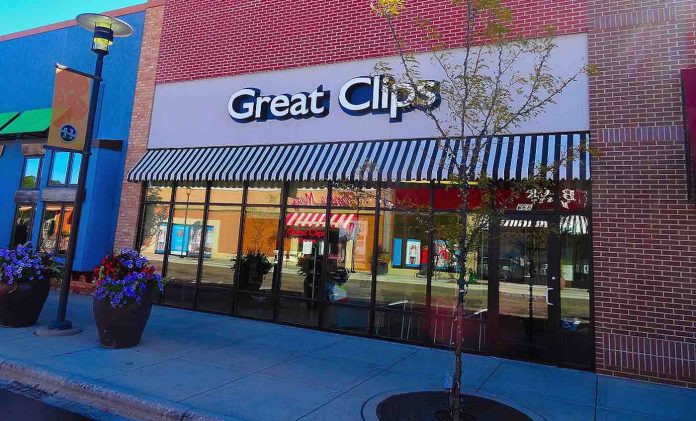
It seemed like the stuff of a quarantine nightmare. Two Missouri hair stylists started feeling ill just one day after returning to work at their salon. They ended up testing positive for COVID-19—but not until they had already given haircuts to 140 clients.
Public health officials in Springfield braced for the worst as all those who’d had appointments with the two Great Clips stylists went to get tested. When the results came back, they were shocked—and relieved—to find that not one of the salon customers had tested positive.
How did things turn out so well? One reason might be that all employees and patrons at the hair salon were required to wear masks. It now seems like the policy saved everybody from contracting the virus.
“The result appears to be one of the clearest real-world examples of the ability of masks to slow the spread of the novel coronavirus,” reported The Washington Post.
The incubation period if customers contracted the virus ended on June 8th, so health officials are now sure that those who came into contact with the hair stylists did not contract COVID-19. Now, the Springfield-Greene County Health Department is sponsoring a study of “the outbreak that never happened” in hopes of providing some insight into prevention measures that can save lives, and expand our understanding of how this novel spreads.
“This is exciting news about the value of masking to prevent COVID-19,” said Director of Health Clay Goddard. “We are studying more closely the details of these exposures, including what types of face coverings were worn and what other precautions were taken to lead to this encouraging result.”
In addition to requiring clients and employees to wear masks, public health officials also say that social distancing policies such as spreading out patron’s chairs in the waiting room and staggering appointments were also helpful in preventing infections.
While no method of preventing transmission of the virus is 100% effective, this incident is just the latest in a string of scientific studies illustrating the dramatic impact of wearing masks. Perhaps most notably, researchers from the University of California–San Diego, Caltech, and Texas A&M found that the spread of COVID-19 in Wuhan, China was found to be much less severe than in New York and Italy because its citizens were already prone to wearing masks against air pollution.
The World Health Organization also recently funded a study which drew the same conclusion based on the data from more than 170 other studies.
Dr. Hoyen hopes this good news will encourage Americans to do their part, saying “if everybody wears masks, we’re all much more protected.”
Multiply The Good News By Sharing This Heartening Story With Your Friends On Social Media…
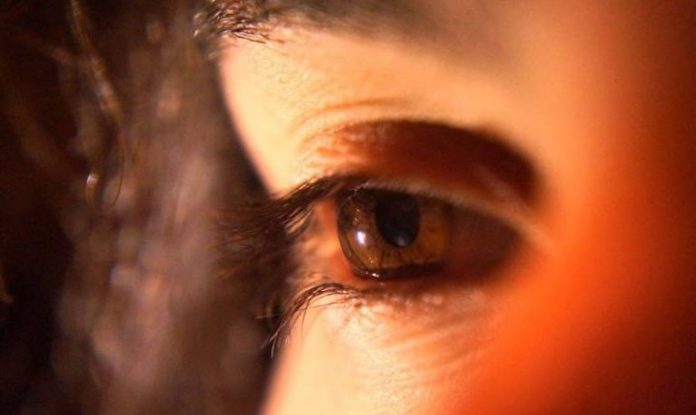
Shining a deep red light for three minutes a day into your eye, even through the eyelid, can significantly improve declining eyesight, finds a new University College London-led study, the first of its kind in humans.
Scientists believe the discovery, published this week in the Journals of Gerontology, could help the millions of people globally with naturally declining vision by signaling the dawn of new affordable home-based eye therapies.
In the UK, there are currently around 12 million people over the age of 65—and all will have some degree of visual decline because of retinal aging.
“As you age, your visual system declines significantly, particularly once over 40,” said the study’s lead author Professor Glen Jeffery from the UCL Institute of Ophthalmology.
“Your retinal sensitivity and your color vision are both gradually undermined,” he continued. “To try to stem or reverse this decline, we sought to reboot the retina’s aging cells with short bursts of longwave light.”
The pace of aging in an eye’s retina is partially set when the cells’ mitochondria, whose role is to produce energy (known as ATP) and boost cell function, start to decline.
Mitochondrial density is greatest in the retina’s photoreceptor cells, which have high energy demands. As a result, the retina ages faster than other organs with a 70% ATP reduction over life, causing a significant decline in photoreceptor function as they lack the energy to perform their normal role.
Researchers built on their previous findings in mice, bumblebees, and fruit flies, which all found significant improvements in the function of the retina’s photoreceptors when their eyes were exposed to deep red (long wavelength) light.
“Mitochondria have specific light absorbance characteristics influencing their performance: longer wavelengths spanning 650 to 1000nm are absorbed and improve mitochondrial performance to increase energy production, rather like re-charging a battery.” said Professor Jeffery.
Photo by the University of College London
The retina’s photoreceptor population is formed out of cones that mediate color vision, and rods, which provide peripheral vision and adapt vision in low/dim light.
At the start of the study, 24 people (12 male, 12 female) between the ages of 28 and 72 with no ocular disease were tested for the sensitivity of their rods and cones. Rod sensitivity was measured in dark adapted eyes (with pupils dilated) by asking participants to detect dim light signals in the dark, and cone function was tested by subjects identifying colored letters that had very low contrast and appeared increasingly blurred—a process called color contrast.
All participants were then given a small LED torch to take home and were asked to look into its deep red 670nm light beam for three minutes a day for two weeks (participants were free to close their eyes and place them over the devices since the red light is not filtered by the eye lid.) They were then re-tested for their rod and cone sensitivity.
The researchers found that although the 670nm light had no impact in younger individuals, significant improvements were obtained in those around 40 years old and over.
Cone color contrast sensitivity (the ability to detect colors) improved by up to 20%, particularly in the blue part of the color spectrum that is more vulnerable in aging. Rod sensitivity (the ability to see in low light) also improved significantly, though less than color contrast.
“Our devices cost about £12 to make, so the technology is highly accessible to members of the public,” he added, though Amazon has some already for sale in the 660mn range.
File photo by thamuna, CC
“Our study shows that it is possible to significantly improve vision that has declined in aged individuals using simple brief exposures to light wavelengths that recharge the energy system that has declined in the retina cells,” said Professor Jeffery. “The technology is simple and very safe, using a deep red light of a specific wavelength that is absorbed by mitochondria in the retina to supply energy for cellular function.
This research was funded by the Biotechnology and Biological Sciences Research Council.
Quote of the Day: “They say a person needs just three things to be truly happy in this world: someone to love, something to do, and something to hope for.” – Tom Bodett
Photo: Mallorca, Spain after lockdown – by Katarina Branovacki, submitted
With a new inspirational quote every day, atop the perfect photo—collected and archived on our Quote of the Day page—why not bookmark GNN.org for a daily uplift?
With scientists and public health advisors warning of things like “second waves” of COVID-19, resulting from the progressive loosening of restrictions in countries around the world, Google’s latest Maps update includes information on public health mandates in your area.
It can be difficult to be sure you’re following enforced social-distancing or other measures like mask-wearing, especially if you are planning to travel to other countries as it gradually becomes an option again.
Maps is including public-transit information in a lot of countries where travelers might find themselves, including, but soon expanding beyond: Argentina, Australia, Belgium, Brazil, Colombia, France, India, Mexico, Netherlands, Spain, Thailand, United Kingdom and the U.S.
The new alerts feature mandates on social-distancing and mask-wearing, but also include things like average passenger counts and the greatest hours of crowdedness on trains and buses. Powered by millions of contributions from past transit passengers, the new predictions can help people see how crowded a particular bus line or train tends to be at any given time of day.
Google said in a press release that this function should be ideal for essential workers looking to get to and from work in a safer and informed way.
Once Google receives authoritative data from local, state and federal governments or from their websites, their update will also include driving alerts showing COVID-19 road checkpoints, and information on requirements and eligibility when driving to hospitals or coronavirus test centers.
There aren’t many things more unsettling than trying to find laws and regulations on foreign government websites while you’re traveling, making these new tools perfect for the vanguard of post-COVID-19 world explorers taking to the sea and sky as borders gradually reopen.
Need more positive stories and updates coming out of the COVID-19 challenge? For more uplifting coverage, click here.
ALERT The Travelers in Your Life By Sharing This on Social Media…
A secluded retreat in South Iceland caters to guests who want to be surrounded by nature—and you will be literally immersed in it, staying in your own private bubble nestled in the forest.
You can sleep under the vast sea of twinkling stars and be entirely enclosed in the glass bubble—and if you are lucky, you’ll get a once-in-a-lifetime view of the aurora borealis over your head.
Robert Robertsson, the owner and managing director of the Buubble project based in Reykjavík summed it up saying, “Some childhood dreams stay with us for our whole lives.”
“Sleeping under the stars or watching the aurora borealis dance is one of those lifelong dreams.”
The entrepreneur created the Bubble concept to fulfill those dreams. And, now with COVID-19 cases down to one or two per day in Iceland, it might be the perfect pandemic getaway.
“Forget the city, forget work, and enjoy watching the aurora borealis dance for you. We can‘t guarantee you will see the lights, but if they show up you will have a magical night.”
Licensed as a travel agency, Buubble.com has two location in South Iceland.
Up to 2 guests can stay in the bubbles, with children under the age of 6 can staying in the bed with the parents.
SWNS
The regular cost is $830, but Robertsson is offering a COVID-19 discount which would bring the amount down to $618, and allow you to book anytime using the open ticket in the next five years.
This amazing footage shows an insanely talented girl performing mind blowing basketball stunts—and she is only 12 years old.
Karolina Ramirez began showing flair and talent for the sport of basketball at age six.
The incredible child prodigy films herself performing crazy trick shots in her hometown of Stuart, Florida.
The footage shows her on a pogo stick passing two basketballs through a hoop multiple times before seamlessly transitioning into a dribbling routine.
“It become apparent that Karolina was a talented player at 6 years old after playing and practicing basketball since she was 4,” said her father Orlando Ramirez.
“She performs the trick shots by practicing for hours and challenging herself.”
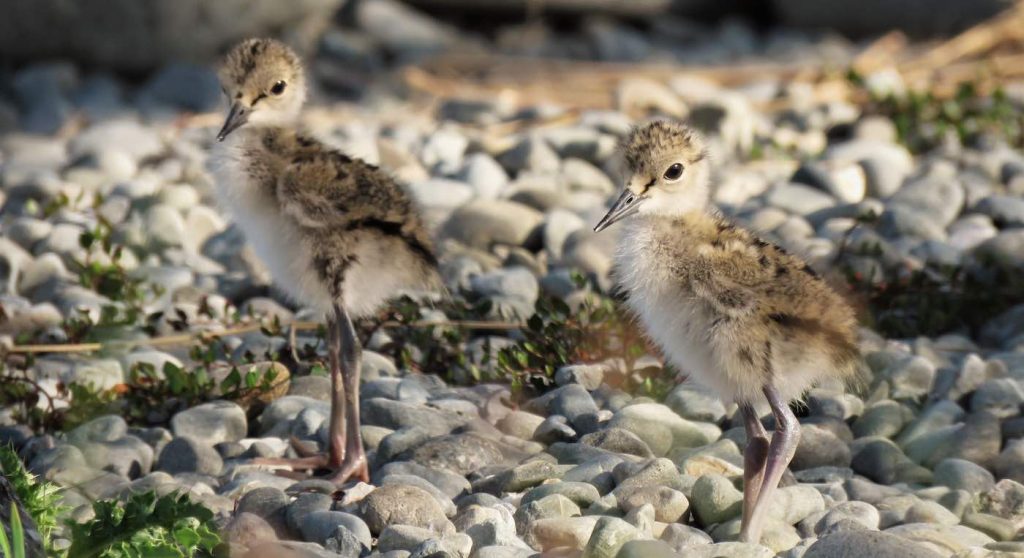
A decades-long fight to recover the world’s rarest wading bird is turning a corner with the success of New Zealand’s massive effort to prevent extinction of their most unique and amazing species.
A nearly 40-year program to protect the kakī, or black stilt is paying off, with a record number of adult kakī now living in the wild. Thanks to the ongoing work of the New Zealand Department of Conservation’s Kakī Recovery Program, the population of adult kakī has increased by 30 percent to 169, the largest increase in nearly 40 years.
The kakī is the ‘Man vs Wild’ of the wading bird world. After all of its friends have left New Zealand’s Southern Alps for the winter, the kakī shelters in place, toughing out temperatures as low as minus 4 degrees (-20 C).
It’s the only non-migratory wading bird that breeds in this high country region.
Global Wildlife Conservation funded the majority of newly expanded housing that has allowed the DOC to double the number of birds that they’ve been able to hatch and house as part of this successful breeding and reintroduction program.
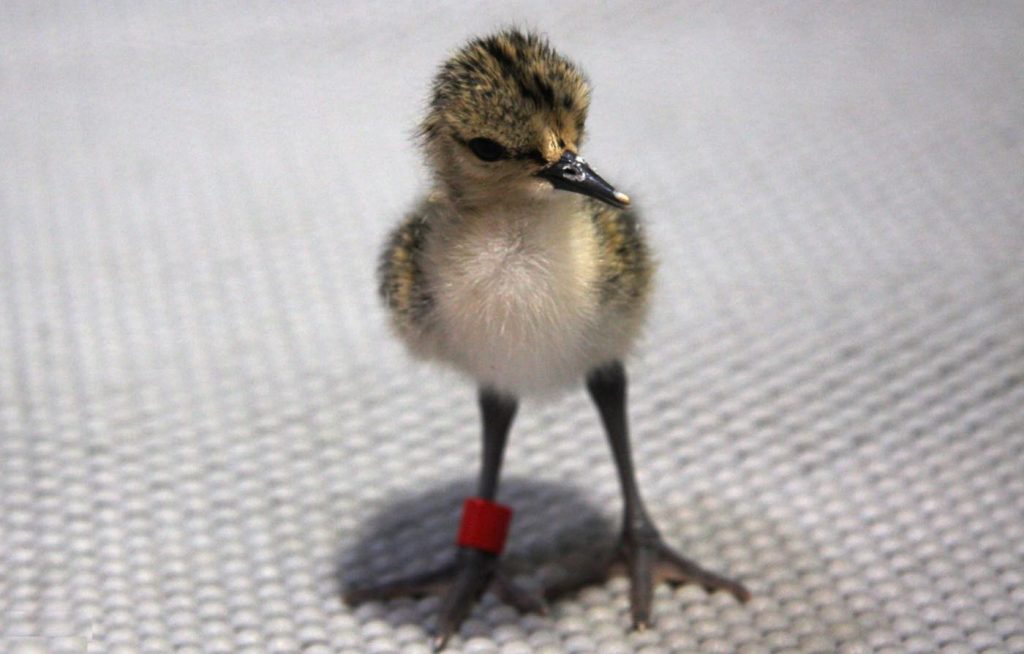
This includes a new brooder room for hand-rearing chicks and a new aviary for juvenile kakī, which could mean up to 60 extra birds released into the wild each year. (See the video below…)
2 chicks, Global Wildlife Conservation -released
“New Zealand’s commitment to turn the tide on the decline and extinction of native species shows their leadership in biodiversity conservation,” said Wes Sechrest, GWC chief scientist and CEO.
Kakī are found only in New Zealand, where the Māori regard the bird as a taonga species, or a living treasure. The adult birds have distinct black plumage and long pink-red legs. In addition to predation, they face habitat destruction and disturbance in the South Island’s Mackenzie Basin. The kakī are a key indicator species for the future recovery of the native fauna and flora of the unique basin ecosystem.
Kakī were once widespread across a unique system of braided rivers in New Zealand. But the introduction of non-native predators, including stoats, ferrets, feral cats and rats, decimated the population, leaving a mere 23 adults and four breeding pairs in the wild by 1981.
The Te Manahuna Aoraki Project, which GWC also supports, is helping ensure that the birds that are part of the conservation breeding program have a safer environment to be released into. This large-scale conservation project aims to restore the iconic landscapes and threatened species of the upper Mackenzie Basin and Aoraki/Mt. Cook National Park.
“Thanks to the team effort involved in the Department of Conservation’s successful captive breeding program and amazing support from partner organizations, there are 40 more adult birds living and breeding in the wild than this time last year,” said Minister of Conservation Eugenie Sage.
DOC currently has 116 juveniles and 11 older kakī in their care. This season, DOC collected eggs from three breeding pairs in their facilities and 26 wild breeding pairs. They then artificially incubated the kakī and raised the young chicks, who were held over winter and released into the wild at nine months of age.
NZ Department of Conservation
“With these impressive efforts, we hope to see the kakī join the ranks of species that have been successfully brought back from the brink of extinction, including the black-footed ferret, the California condor, and golden-lion tamarins,” Sechrest said. “We are proud to support the conservation not only of kakī, but of their incredible home in the upper Mackenzie Basin and Aoraki/Mt. Cook National Park.”
See where they are hatching in the video below…
FLY This Story of Human Compassion to Your Friends on Social Media…
Quote of the Day: “A dog is the only thing on earth that loves you more than he loves himself.” – Josh Billings
Photo: Jamie Street, public domain, cropped
With a new inspirational quote every day, atop the perfect photo—collected and archived on our Quote of the Day page—why not bookmark GNN.org for a daily uplift?
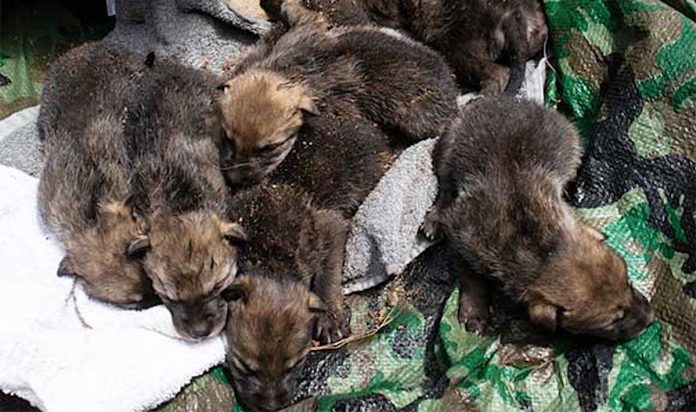
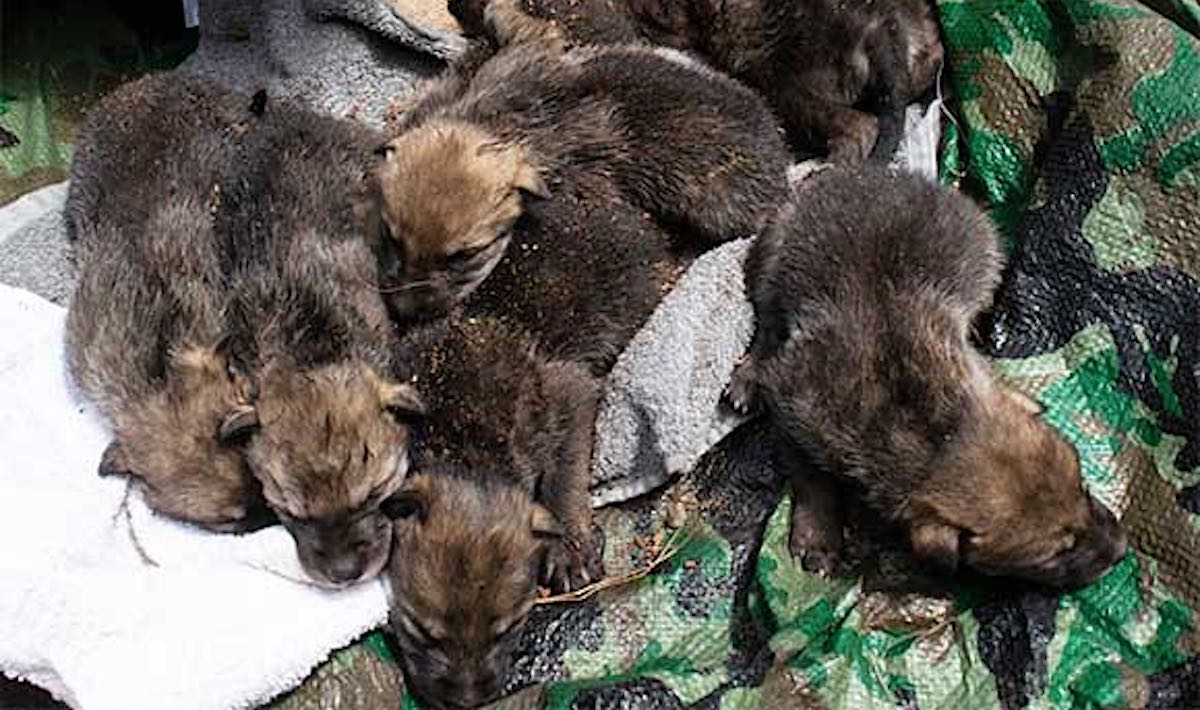
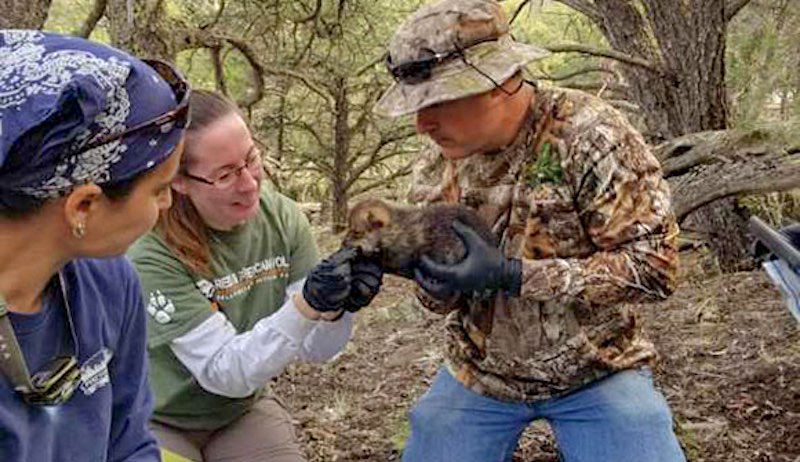
Recovery efforts for one of North America’s most charismatic and persecuted species, the Mexican wolf, received a huge boost this spring as 20 wolf pups born in captivity were successfully integrated within wild packs across the southwest United States.
Credit: Interagency Field Team
Captive breeding programs in zoos and wolf centers in Missouri, New Mexico, Kansas, California, Arizona, provided the 20 pups from seven different litters, which were in turn placed among seven wild packs in Arizona and New Mexico. The innovative program is managed by the Arizona Game and Fish Department with extensive support from the U.S. Fish and Wildlife Service (FWS).
Cross-fostering is a proven method of reintroduction that involves taking pups about 14-days old and placing them in wild wolf dens containing pups of similar age. Studies have shown cross-fostered wolves has the same survival rate as wild-born pups throughout their first year of life, the highest rate of survival of any wolf-reintroduction methods.
“Managing genetics is one of the biggest challenges facing Mexican wolf conservation, even as constant progress is being made on numeric recovery,” said Jim deVos, an Assistant Director at the Arizona Department. “Cross-fostering young pups works in increasing genetic diversity.”
The species canis lupus baileyi had been hunted to extinction in the U.S. by the mid-20th century for its killing of livestock. However, after successful conservation efforts to reintegrate the wolf, 109 animals had been reintroduced by 2015, according to a FWS survey.
The Mexican Wolf Interagency Field Team (IFT) started cross-fostering wolves in 2014, and began with just 2 wolf pups. Since then, 30 pups born in captivity have been taken to the wild to be fostered in dens—and, at least 10 cross-fostered wolves have survived and been recruited into wild wolf packs.
FWS, 2019
The IFT doesn’t collar and track every single cross-fostered wolf, so it’s likely that more have survived and have just gone unnoticed.
The 2019 census counted 163 wild Mexican wolves (76 in Arizona and 87 in New Mexico), up from 131 animals counted one year earlier.
Wild wolf packs are also bouncing back from extinction in Europe, and thanks to the efforts of American conservationists, it will be sooner, rather than later, that citizens of the southwest return from their camping and hiking trips with tales of howls in the hills, and visions of tawny brown and rusty red figures vanishing into the bushes.
SHARE This Paw-some Good News With Animal Lovers on Social Media…
It’s an all-too-familiar story during the coronavirus pandemic. A woman arrives at her retail job only to hear that she is out of work. Many would respond with a sense of self-pity, but her reaction has been an inspiration to thousands.
Like many of us, Michelle Brenner, who worked at a menswear store, first turned to comfort food—using her grandmother’s special recipe, she made a huge pan of lasagna.
Then, she offered to go grocery shopping for some friends and was dismayed that they had added frozen lasagnas to their lists. Her culinary mind screamed, “This just won’t do at all!”
It was then that she realized she could put some smiles on some faces in Gig Harbor, Washington.
The Italian-American posted on Facebook, letting her friends and neighbors know that she could whip up some homemade goodness for them—all they had to do was ask, and come by to pick it up. She received her $1,200 government stimulus check, and used all of it to buy ingredients for her cooking.
A retired neighbor and unemployed friend were the first to take her up on the generous offer. Before long, many strangers who’d heard about her kindness started stopping by. Three months have passed now, and Michelle is still assembling the layers of love—8 hours a day, seven days a week.
She has made over 1,200 pans of lasagna—no questions asked—for anybody who wants one. She even began dropping them off for essential workers at the local police and fire departments, the hospital (and even the prison).
Facebook
“The world as we know it is falling apart, but my two little hands are capable of making a difference,” the 45-year-old angel told the Washington Post. “I can’t change the world, but I can make lasagna.”
At first, Ms. Brenner was assembling the lasagna at home and leaving it for pick up in her front yard. All people had to do was take it home and pop it in the over. When word spread about her generosity, strangers stepped up to support the unique philanthropy.
The Gig Harbor Sportsman’s Club offered the use of their huge clubhouse kitchen.
“We saw what a great thing she was doing, and we have this nice commercial kitchen that wasn’t being used because of COVID,” Le Rodenberg, the club’s president, told the Post. “I can tell you that she takes extra care with every one of those lasagnas.”
In order to scale up her operation, she set up a fundraiser on Facebook to support her work. Before long, it had raised more than $22,000, mostly from strangers on Facebook from all corners of the world. She says this will enable her to continue cooking for several months.
Michelle expects she’ll be able to get back to work at some point during the summer. But even when that happens, she will continue making her delicious pasta dishes from grandma’s recipe, and she says she could easily continue for the rest of her life.
“One lasagna at a time, we’re going to get through this,” she told KING 5 news.
WATCH the KING 5 report from May 4…
Need more positive stories and updates coming out of the COVID-19 challenge? For more uplifting coverage, click here.
SHARE the Gooey Goodness on Social Media to Support the Lasagna Lady…
Not all heroes wear capes—some wear hiking boots and work in America’s National Parks.
The temperature was rising to 90 degrees on Tuesday in the mountainous hills of the Delaware Water Gap National Recreational Area, when Lexie Daniel and her friends witnessed a heroic act of kindness to save a dog’s life.
Lexie and her fellow hikers encountered a man whose dog was severely overheated. Even though they donated their water, the group was afraid that it wouldn’t be enough to sustain the pup, after seeing how much the dog was already struggling.
“The owner brought along a huge jug, but no amount of water seemed to be helping,” Lexie told GNN.
Too tired to carry the dog himself, Lexie said ”the loving owner called the park rangers ASAP,” and reported their location on Mount Tammany.
Supervisory Park Ranger Kris Salapek soon found them on the trail.
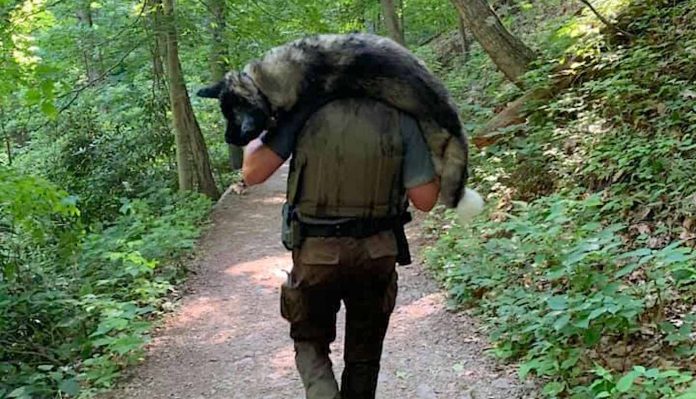
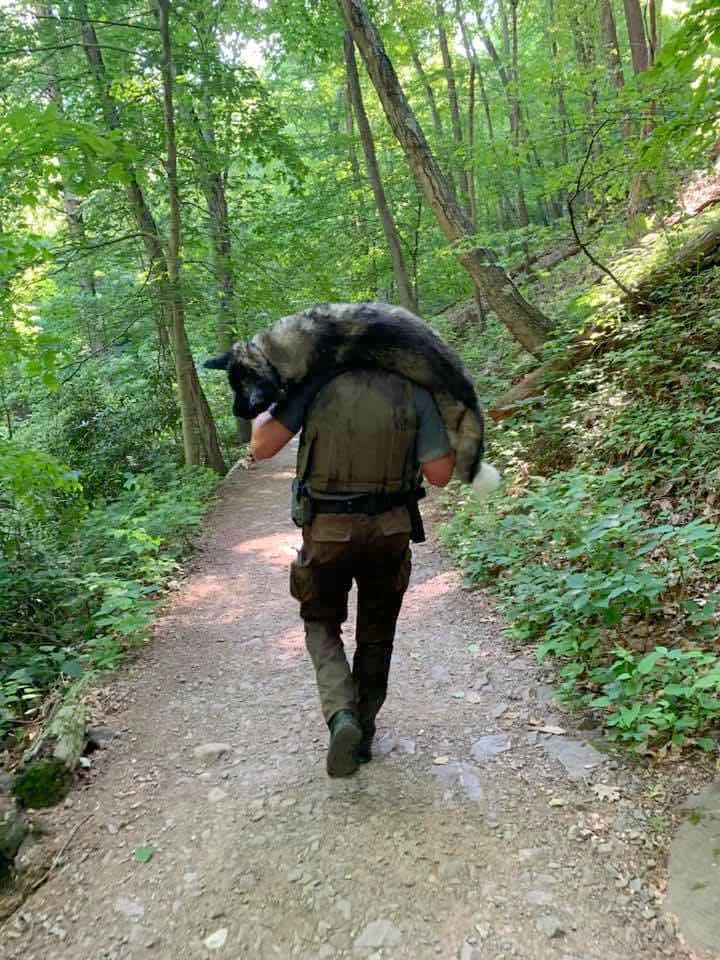
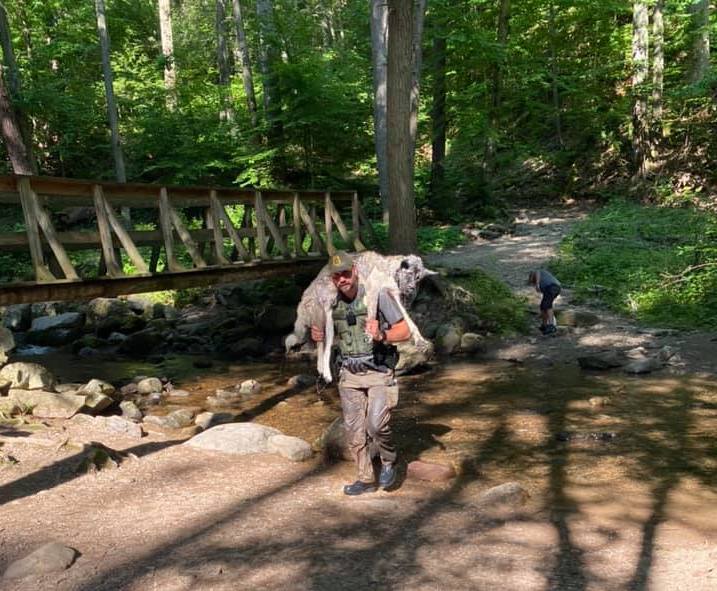
Kris then lifted the huge dog onto his shoulders and began carrying him down the mountain.
Submitted by Lexie Daniel
“It was a LONG distance—a couple miles down an incredibly rocky path,” says Lexie.
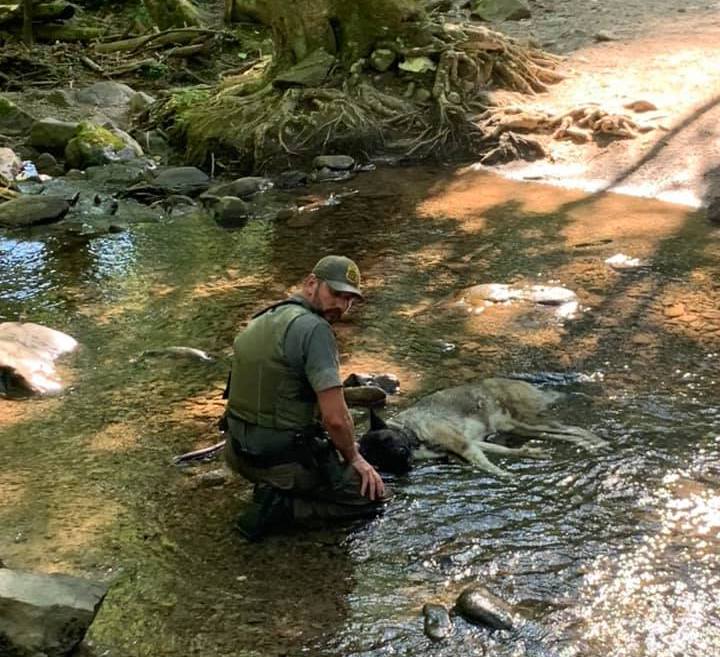
When they reached the stream, Kris “laid him in the water as he knelt beside him and poured water on him.”
Photo submitted by Tori Matyola
“The ranger then picked him back up over his shoulders and walked all the way back down to the street.”
“He must’ve been on his shoulders for about an hour, it was a long way down!” Lexie said via text message.
Mount Tammany in New Jersey, Nicholas A. Tonelli, CC license
Lexie’s cousin Tori Matyola said, “The owner hiked down ahead of the ranger so that once he got down the mountain he had the car ready to take him straight to the vet.”
“The dog was looking a little better by the time he got to the car and picking up his head.”
Lexie Daniel, submitted
When she got home, Lexie, a pediatric nurse from Hackettstown, New Jersey, posted the good deed on Facebook and it went viral with 35,000 people sharing the post and showing admiration for the ranger.
“This is a HERO,” Lexie wrote. “We are so lucky to have rangers like this (who) put even animals before themselves. This ranger deserves insane recognition and a standing ovation for his bravery, selflessness, and strength.”
Quote of the Day: “What sunshine is to flowers, smiles are to humanity… The good they do is inconceivable.” – Joseph Addison
Photo: Masaaki Komori, public domain
With a new inspirational quote every day, atop the perfect photo—collected and archived on our Quote of the Day page—why not bookmark GNN.org for a daily uplift?
XPRIZE has always held global competitions to find the best solutions to some of the world’s biggest challenges, and now they want to solve the problem of rising unemployment due to the pandemic.
On Monday, the nonprofit organization announced XPRIZE Rapid Reskilling to reinvent job training methods to reemploy the hardest hit communities.
Sponsored by the nonprofit philanthropy group, New Profit, the contest aims to find optimal ways to give workers new skills and secure employment amid drastic changes due to technological advances as well as COVID-19.
XPRIZE is inviting teams to develop new innovative ways that can be applied to multiple occupations. Teams must prove reskilling can be done two-times faster than current solutions and must be affordable, accessible, and collaborative.
The focus will be on over 80 specific occupations that are growing fast, require only a high school diploma or post-secondary certificate, and pay above a living wage. The goal is to set a new standard for how current and future generations of workers are trained for the jobs of tomorrow.
“On the 100th Day of the global COVID-19 pandemic, we launched one of our most important competitions to date,” said XPRIZE CEO Anousheh Ansari. “XPRIZE Rapid Reskilling is designed to address the reality of a changing workforce where technology is displacing workers at an unprecedented pace, which has only been heightened by COVID-19.”
It’s not about automation, robotics, or artificial intelligence. It’s about people.
With a $5 million top prize, they are calling on all tech experts, educators, training providers, staffing agencies, employers and academic institutions to form teams that will use novel methods to rapidly train 500 people at no cost in 60 days, and place them in jobs…ensuring job retention of at least 90 days, while demonstrating “exponential adoption by deploying the training solutions for 5,000 individuals in three industries.”
Rapid Reskilling is committed to ensuring diversity because most of the people unemployed in the U.S. right now are people of color, and their goal is to have at least 40 percent of the teams made up of people from those communities.
XPRIZE Rapid Reskilling is part of New Profit’s broader Future of Work Grand Challenge, a collaborative, cross-sector effort that will help prepare 12 million Americans from disinvested communities for workforce success by 2025, with help from the MIT program ‘Reimagining Pathways to Employment in the US’ from MIT Solve.
XPRIZE is no stranger to solving major problems on a global scale. They launched the Carbon XPRIZE, which is developing breakthrough technologies to convert CO2 emissions into everyday, usable products.
“We’ve been at the forefront of innovation for 25 years,” said Dr. Emily Musil Church, Executive Director of Equity at XPRIZE. “The future of work isn’t just robotics, or artificial intelligence, or automation; it is ultimately about people. XPRIZE Rapid Reskilling will create a future in which all workers can rapidly attain new and more relevant skills to open up new opportunities equal to the pace of technological developments.”
If you’re interested in forming a team and joining the competition, visit rapidreskilling.xprize.org for more information.
One of the biggest challenges with widespread implementation of renewable energy is storage—but now in England, a trailblazing company is developing the world’s first liquid-air battery storage facility for renewable energy.
And the zero-emission concept costs half as much to produce as lithium-ion batteries.
Capable of powering 200,000 homes for a whole day and storing renewable energy for weeks on end, the facility is slated for operation in 2022.
Good News Network has recently reported on other schemes of renewable energy storage, including Swedish energy company Azelio’s recycled aluminum batteries for storing thermal energy in an block of molten aluminum.
When grid demand is low, leftover green energy is used to compress air into a liquid form for storage. When grid demand rises, pressure on the liquid air releases, turning it back into a gas. This gas is then used as a fuel for a green-energy wind turbine that can generate clean electricity to be sent back into the grid.
The most admirable qualities of the technology are its scalability, generating anywhere from 80MW per hour to 200MW per hour; its zero emission output; and the cost, which is 50% lower than manufacturing lithium-ion batteries.
Photo by Highview Power
The government of Manchester, England has supported the project with a £10 million grant in hopes of supporting the country’s decarbonization goals and encouraging a green recovery from the COVID-19 lockdowns that have hurt the English economy.
“Air is everywhere in the world. The main competitor is really not other storage technologies but fossil fuels,” says Highview CEO Javier Cavada told The Guardian.
“This revolutionary new facility will form a key part of our push towards net zero, bringing greater flexibility to Britain’s electricity grid and creating green-collar jobs in Greater Manchester.
Highview is projected to launch similar locations for similar battery systems in the UK, Europe, and US, but the Manchester project will be the first facility to come online, scheduled to be completed in 2022.
“The first one is definitely the most important and this is why we really value the UK government’s bold move to use UK technology to solve UK problems and afterwards export the tech globally,” said Cavada.
Power Up With Positivity By Sharing The Good News With Your Friends On Social Media…
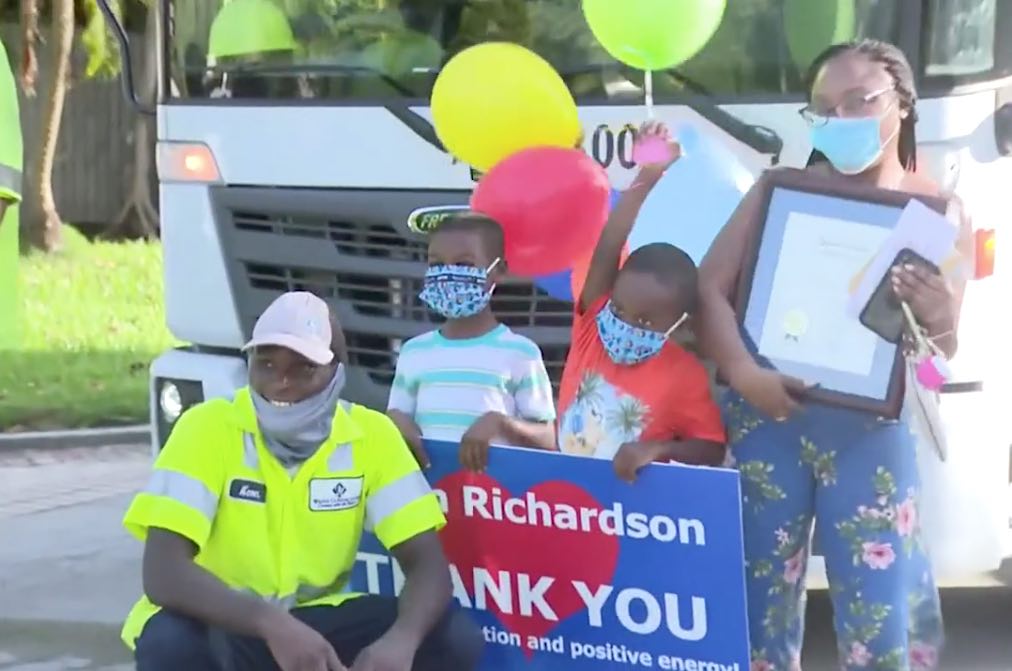
Saul and Keon have never missed a day of work picking up trash in Miami Beach—and they’re especially glad they were covering their route this week as a beautiful surprise awaited them.
When their huge truck rolled down the street into the North Bay Road community they found scores of residents who’d gotten up early to line the street with signs and balloons, all to simply say ‘we love you’.
Jennifer Elegant wanted to show her family’s appreciation so she organized the socially-distancing surprise ‘thank you’ celebration to honor the essential workers whom she called “extraordinary”.
Even the Miami Beach mayor, Dan Gelber, showed up to salute them— because Saul Scruggs and Keon Richardson do so much more than pick up trash.
“They bring an incredible, positive energy to the entire neighborhood,” Jennifer told GNN. “Simply put, they spread joy.”
What is particularly special about these two men is the positive energy that they bring with them. They always have smiles on their faces and never miss an opportunity to say hello and brighten someone’s day. They also go out of their way to help others and expect nothing in return.
One day, Saul spent 45 minutes helping a neighbor dig through her trash to help her look for her lost wedding ring. He also waited over an hour with another neighbor who was having heart issues and needed an ambulance.
Jennifer has had “meaningful discussions” with these amazing sanitation workers about their inspiring levels of happiness and often share their wisdom with her Miami Dade College psychology students.
“They continue to maintain their upbeat demeanor even during this stressful COVID-19 pandemic, sacrificing their own safety in order to keep our city clean and beautiful,” she said.
Keon with his family – video by Brian Ely on YouTube
“Every day we are surrounded by heroes who bring us inspiration and joy but too often we are unable to recognize these special individuals for the impact they make on others. I wanted Saul and Keon to know that we are thankful from the bottom of our hearts.”
And the thanks showed up yesterday in gift bags, cards, and presents—like a mini-trash truck from a little boy—presented to these ‘essential workers’ from the many people who appreciate them.
WATCH the local news coverage from WPLG News… (Featured photo shows Jennifer, Saul, and his wife)
SHARE This Sweet Gesture on Social Media and Inspire Others to Do the Same…


















 Three kids got the surprise of a lifetime when their artwork showed up on a giant billboard, as a colorful reminder to frontline workers that we all thank them for their service.









 A secluded retreat in South Iceland caters to guests who want to be surrounded by nature—and you will be literally immersed in it, staying in your own private bubble nestled in the forest.














 RELATED: