All News - Page 601 of 1737 - Good News Network
Home Blog Page 601

NBA Players Recovered From COVID-19 Are Donating Plasma to Clinical Trials Helping Sick Patients

A number of NBA players who have recovered from COVID-19 are now becoming role models for a new national healthcare initiative to treat patients who are still sick with an experimental therapy.

Just days after the US Food and Drug Administration (FDA) approved testing of “convalescent plasma treatment”, physicians at the Methodist Hospital in Houston, Texas became the first in the nation to test the therapy on a small group of COVID-19 patients this week.

The treatment involves drawing blood plasma out of an individual who has built up an immunity to the virus as a result of their recovery. The plasma—which is chocked full of healthy antibodies that have grown to fight the virus—is then injected into a sick patient so the antibodies can theoretically attack the virus for its new host.

RELATED: After the UK Told James Dyson It Needed 10,000 Ventilators, He Invented One in Just 10 Days—And is Donating 5,000

Since hospitals across the country are now searching for recovered COVID-19 patients to donate blood plasma, several NBA players are now cooperating with the National COVID-19 Convalescent Plasma Project (CCPP19) to volunteer as donors.

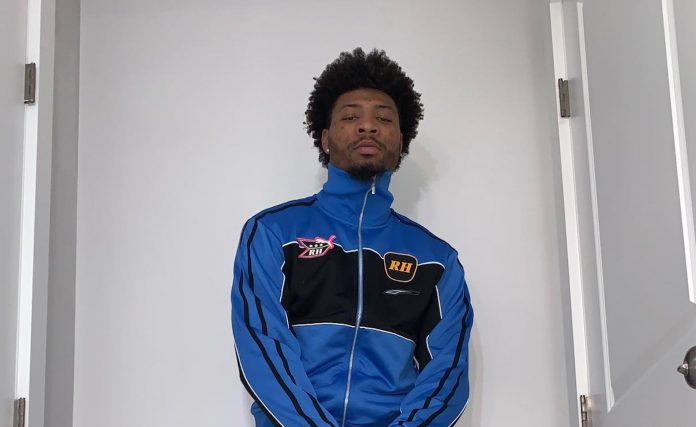
Dr. Michael Joyner, who is a member of the project’s leadership team, told ABC News that four basketball players are participating in the program. Although three of the players have not yet been identified, Boston Celtics guard Marcus Smart confirmed to the news outlet through his agent that he is donating blood plasma after he was declared coronavirus-free by the Massachusetts Department of Health this week.

Not only is Joyner applauding Smart’s efforts as a role model for other recovering COVID-19 patients, he says that athletes who donate blood plasma are likely to be ideal candidates for the experimental treatment.


“These are big men with blood volumes, and as a result [they] have a lot of plasma volume,” Joyner told ABC News. “Frequently people who are physically trained also have an increase in their plasma volume from what you would expect from them just being regular-sized guys … We believe [the treatment] can be disease-modifying and reduce duration and severity in some patients.”

The NBA has also donated $100,000 to the CCPP19 project. If you would like to learn more about the healthcare project—or if you would like to donate blood plasma to a participating hospital near you—be sure and check out the CCPP19 website.

This is just one of many positive stories and updates that are coming out of the COVID-19 news coverage this week. For more uplifting coverage on the outbreaks, click here.

(WATCH the news coverage below) – Feature photo by Marcus Smart

Multiply The Good By Sharing The Exciting News With Your Friends On Social Media…

Mystery Mom Has Been Leaving Out Free Bagged Lunches ‘Made With Love’ for Anyone Who May Need Them

An anonymous Maryland mother is being hailed for leaving out hundreds of bagged lunches for her community during the novel coronavirus shutdowns.

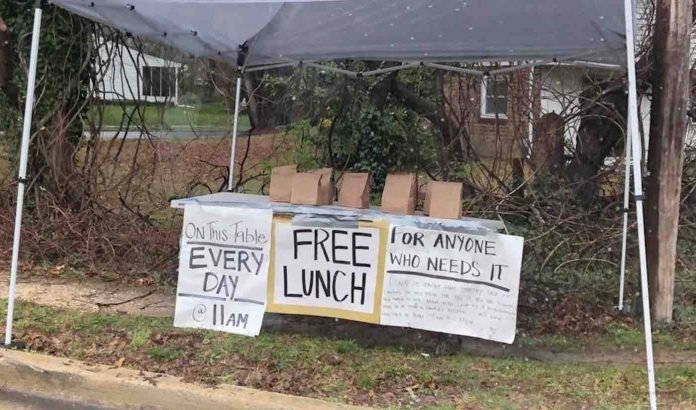
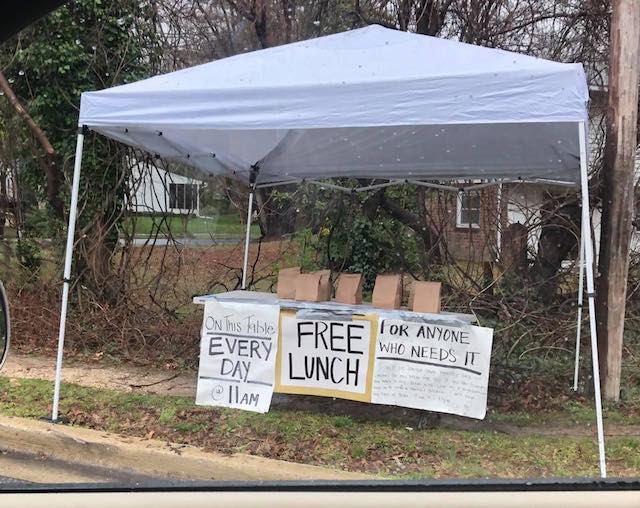
The unidentified do-gooder has been leaving the healthy meals on a tent-sheltered table at a busy intersection in Severna Park. Hanging from the table is a sign that reads: “For anyone who needs it … I will be leaving some healthy sack lunches on this table for you if you are hungry and need to eat. Made with love by a neighborhood mom in a clean and sanitized kitchen.”

The table has reportedly been stocked with free lunches between 11AM and 1:30PM every day for a number of weeks.

For Kimberly Gussow, a mother-of-two who has been scrimping and saving to make ends meet as she works from home, the lunches have been a much-appreciated gesture of kindness for her kids during the quarantine.

RELATED: Disheartened by News Reports, Café Owner Withdraws $10,000 in Cash to Give Away to Unemployed Strangers

“This makes me embrace my community even more. I’m proud to live here,” Gussow told ABC News. “It’s great to show our kids that there is good in our world. It’s not just about ourselves, it needs to be about others too.”

The table even caught the eye of state Delegate Nic Kipke, who praised the labor of love on his Facebook page, saying: “Things like this really lifts my spirits! It’s great to see so many in our community doing so much to care for others during this stressful time.”

This is just one of many positive stories and updates that are coming out of the COVID-19 news coverage this week. For more uplifting coverage on the outbreaks, click here.

Photo by Delegate Nic Kipke

Be Sure And Share This Sweet Story Of Kindness With Your Friends On Social Media…

‘Landmark’ Study Lays Road Map for Exactly How We Can Restore Oceans to Former Glory in Just One Generation

Photo by King Abdullah University of Science and Technology

A “landmark” new international study has laid out a trailblazing road map for restoring marine ecosystems to healthy levels—and if accomplished, the world’s oceans could recover to their former glory by 2050.

The study, which involved some of the world’s leading marine scientists working across four continents, in 10 countries and from 16 universities, uses evidence from successful conservation interventions around the globe to recommend crucial steps the international community can take to restore the abundance of marine life.

Edge of extinction

Successful conservation projects highlighted by the research include the recent surge in numbers of humpback whales following the end of commercial hunting in the Southwest Atlantic which brought the species to the edge of extinction.

The researchers found that while human activity has often had a devastating impact on the marine environment, there is evidence that sea life is remarkably resilient. While there were steep losses in marine biodiversity throughout the 20th century, population losses have slowed and in some places bounced back in the first two decades of the 21st century.

RELATED: For First Time Ever, Scientists Identify How Many Trees to Plant and Where to Plant Them to Stop Climate Crisis

Co-author of the study, Professor Callum Roberts from the Department of Environment and Geography at the University of York, said: “The success of many marine conservation projects in recent years illustrates how we can make a real difference to life in our oceans if we apply the lessons learnt from them at scale and with urgency.

“Over-fishing and climate change are tightening their grip, but there is hope in the science of restoration. We now have the skills and expertise to be able to restore vital marine habitats such as oyster reefs, mangrove swamps and salt marshes—which keep our seas clean, our coasts protected and provide food to support entire ecosystems.”

“Science gives us reason to be optimistic about the future of our oceans,” Roberts added.

Climate change

The review states that the recovery rate of marine life can be accelerated to achieve substantial recovery within two to three decades for most components of marine ecosystems, if climate change is tackled and efficient interventions are deployed at large scale.

MORE: One Million ‘Wonder Plant’ Seedlings Are Planted in Wales to Fight Climate Crisis—and Create Healthy Seas

The researchers have identified nine components integral to rebuilding marine life, saltmarshes, mangroves, seagrass, coral reefs, kelp, oyster reefs, fisheries, megafauna and the deep-sea.

The report identifies specific actions within the broad themes of protecting species, harvesting wisely, protecting spaces, restoring habitats, reducing pollution, and the mitigation of climate change.

The actions recommended include identified opportunities, benefits, possible roadblocks and remedial actions. They provide a tangible road map to deliver a healthy ocean providing huge benefits for people and planet.

CHECK OUT: Whales Feces Represent One of the Greatest Allies Against Climate Change—Even More Than Trees

The report states that success largely depends upon the support of a committed, resilient global partnership of governments and societies aligned with this goal. It will also require a substantial commitment of financial resources, but the new study reveals that the ecological, economic and social gains from rebuilding marine life will be far-reaching.

“We are at a point where we can choose between a legacy of a resilient and vibrant ocean or an irreversibly disrupted ocean,” said Carlos Duarte, lead author of the study and KAUST professor of marine science.

“Our study documents recovery of marine populations, habitats and ecosystems following past conservation interventions [and] it provides specific, evidence-based recommendations to scale proven solutions globally,” Duarte added.

Reprinted from University of York

Photo by King Abdullah University of Science and Technology

It’s Not Hard To Sea That You Should Share The Exciting News With Your Friends On Social Media…

This Diligent Dog Has Been Delivering Groceries, Meals, and Mail to Senior Neighbor in Quarantine

This sweet golden retriever is showing that dogs aren’t just man’s best friend—they’re also man’s best neighbor, too.

71-year-old Renee Hellman is just one of many Colorado residents who have isolated themselves in their homes for fear of risking exposure to the novel coronavirus. Since Hellman is also particularly vulnerable to the virus because of her chronic obstructive pulmonary disease, she has been quarantined inside her home in Manitou Springs for more than three weeks.

Hellman’s neighbor of 10 years, Karen Eveleth, knew that she wanted to do something to help her senior neighbor in quarantine—but she didn’t know how to offer any assistance without potentially endangering Hellman.

In a stroke of genius, Eveleth then taught her pet dog Sundance how to deliver groceries to Hellman’s door.

WATCH: Love in the Time of Corona—NYC Man is Now Dating His Neighbor After He Creatively Woos Her in Quarantine

Not only has Sundance been delivering food and meals to Hellman, he has also been retrieving her mail from the postal box.

“I make meals for her also and Sundance brings back the empty bowls,” Eveleth told CNN. “He is a humble hero. When he hears something drops, he knows I’ve got to get that for mom because I have a bad back. He also gets the mail. I have the carrier leave the box open. Sunny has two siblings, but delivery and pick up is not in their DNA.”

With Sundance’s daily visits to cheer her up in isolation, Hellman is calling the golden retriever her “humble hero”.

This is just one of many positive stories and updates that are coming out of the COVID-19 news coverage this week. For more uplifting coverage on the outbreaks, click here.

(WATCH the news coverage below) – Photo by KCAU

Be Sure And Share This Pawesome Story With Your Friends On Social Media…

“Take a limitation and turn it into an opportunity. Take an opportunity and turn it into an adventure by dreaming BIG!” – Jo Franz

Ian Stauffer

Quote of the Day: “Take a limitation and turn it into an opportunity. Take an opportunity and turn it into an adventure by dreaming BIG!” – Jo Franz

Photo: by Ian Stauffer – public domain

With a new inspirational quote every day, atop the perfect photo—collected and archived on our Quote of the Day page—why not bookmark GNN.org for a daily uplift?

Doctor Left Crying After Officer Pulls Her Over For Speeding But Gives Her Face Masks Instead of a Ticket

Photo by Minnesota State Patrol
Dr. Sarosh Ashraf Janjua

When a Minnesota state trooper pulled over Dr. Sarosh Ashraf Janjua for driving above the speed limit in her car last week, she assumed she was going to be ticketed for the offense.

Upon handing the policeman her Massachusetts driver’s license, Janjua explained how she flies out to Minnesota from Boston once a month in order to do cardiology work at the local hospitals.

“He went back to his patrol car to look up my license, and when he returned, quite firmly told me it was very irresponsible of me to be speeding, especially since I would not only take up resources if I got into an accident, but would also not be in a position to help patients,” 37-year-old Janjua later recounted on Facebook.

“Feeling thoroughly chastised, I waited for him to write me a ticket. Instead, he told me he was going to let me off with a warning. As I sputtered to apologize and say thank you, he reached in to hand me what I assumed was my license back.”

RELATED: ‘Unbelievable Act of Kindness’: Customer Left $2,500 Tip for Restaurant Staffers Before They Closed Up Shop

To her surprise, the officer handed her five new N95 masks from his own personal state-supplied stash.

“I burst into tears. And though it may just have been the cold wind, I think he teared up a little as well, before wishing me well and walking away,” she continued. “Like all healthcare workers and emergency responders around the world, I have felt afraid of not having adequate protective equipment, and in my darkest moments, have worried about what would happen if I fell sick far from home.

“This complete stranger, who owed me nothing and is more on the front lines than I am, shared his precious masks with me, without my even asking,” she added. “The veil of civilization may be thin, but … we are going to be ok.”

MORE: Restaurant Flooded With Business After Launching an ‘Adopt a Doc or Nurse’ Catering Service

The state trooper, who was later identified as Brian J. Schwartz, says that he was simply hoping to support a hardworking healthcare professional combatting the novel coronavirus outbreaks in Duluth.

“Thank you to Sarosh for her hard work and dedication,” wrote the state trooper’s Facebook page. “Troopers are working hard during the pandemic and are thinking about all the first responders who are caring for Minnesotans during this critical time.”

This is just one of many positive stories and updates that are coming out of the COVID-19 news coverage this week. For more uplifting coverage on the outbreaks, click here.

Photo by Minnesota State Patrol

Be Sure And Share The Inspiring Story Of Kindness With Your Friends On Social Media…

Russia Sends Cargo Plane of Medical Supplies to US: ‘There is no alternative to working together’


The Russian government has reportedly deployed their largest cargo plane filled with medical supplies bound for the United States as a means of helping curb national shortages amidst the COVID-19 outbreaks.

According to Reuters, the AN-124 Russian plane carrying face masks, medical gowns, and hospital equipment left Moscow yesterday evening.

Although the gesture of assistance has generated mixed political feedback as a result of ongoing strains between Russia and the US these last few years, the Russian Embassy in Washington, D.C. quoted the Russian president’s press secretary Dmitry Peskov saying: “Being aware of the serious epidemiological situation in America, the Russian side offered medical equipment and protective gear as assistance.

“Importantly, when offering assistance to the American colleagues, President Putin is guided by the following consideration: when US manufacturers of medical equipment gain momentum they will be able to reciprocate if need be,” he continued. “Now, when the current situation affects each and every one and can be characterized as global, there is no alternative to working together in the spirit of partnership and mutual help.”

RELATED: Chinese Company Ships Crates of Masks to Italy Covered in Italian Poetry: We Are ‘Leaves of the Same Tree

This is not the first time Russia has sent supplies to the U.S. during times of emergency. They were one of the first countries to offer assistance in the wake of Hurricane Katrina, sending multiple jets with special evacuation gear, medical equipment, a water-cleansing system, a rescue helicopter, and six tons of drinking water.

The U.S. has received other international aid shipments during the novel coronavirus pandemic; Taiwan reportedly donated 100,000 masks to America’s shores earlier this month. Furthermore, European Union member nations have been exchanging a number of supplies and services between countries in need over the course of the last month.

This is just one of many positive stories and updates that are coming out of the COVID-19 news coverage this week. For more uplifting coverage on the outbreaks, click here.

Share The Uplifting Diplomacy With Your Friends On Social Media…

New COVID-19 ‘Citizen Science’ Project Lets Any Adult with a Smartphone Help Fight Coronavirus

To help fight the novel coronavirus now plaguing humanity, a new initiative by UC San Francisco physician-scientists, dubbed COVID-19 Citizen Science (CCS), will allow anyone in the world age 18 or over to become a citizen scientist advancing understanding of the disease.

The spread of coronavirus that causes COVID-19 has varied across individuals and regions, and the factors that determine how it affects individuals and populations are not well understood. A critical mass of CCS participants uploading information though the app, launched on March 26th could help data-crunching researchers gain insight into how the virus is spreading and identify ways to predict and reduce the number of new infections, according to Gregory Marcus, professor in the Department of Medicine at UCSF and a co-leader of CCS.

Based around a smartphone app, information on the study can be accessed via the Eureka signup website (if prompted, enter the study key: covid) or by texting “COVID” to 41411.

Marcus said the researchers’ hope is for the new study to “go viral”—in a good way—with a goal to ultimately enroll more than 1 million individuals around the world.

RELATED: From Italy to Seattle, Reports Find Social Restrictions Are Working to Curb New COVID-19 Cases

“We are asking each participant to share the link to recruit at least five others,” Marcus said. “We want to demonstrate that the number of people signing up for this scientific study and contributing their data can increase exponentially, faster than the disease itself.” To illustrate this hoped-for exponential growth, the researchers plan to create and share a data visualization that maps enrollment in CCS in real time, which Marcus hopes will show study participation outpacing the global spread of the virus.

With widespread social distancing in place, and with quarantine and isolation for some, public health studies can be challenging, Marcus said—but all that’s needed to join CCS is the link and a smartphone to download the mobile phone-based app. Once enrolled, participants will be asked to complete an initial 10- to 15-minute survey about their health and daily habits. Follow-up questions, delivered by push notification or text message on an ongoing basis, are expected to require five to 15 minutes per week.

Participants will be also given the option of providing nearly continuous geolocation (GPS) data, and soon, additional data from Fitbit or other Bluetooth-enabled biomonitoring devices, including blood pressure, weight, blood oxygen levels, body temperature, exercise and sleep.

CHECK OUT: After the UK Told James Dyson It Needed 10,000 Ventilators, He Invented One in Just 10 Days—And is Donating 5,000

In the long term, the collective participation of committed individuals in CCS will help identify behaviors, influences and factors that increase or decrease the risk of infection or that affect outcomes after infection, Marcus said. The greater the number of participants, the greater the likelihood of statistically valid findings emerging from the study.

CCS springs from a project called the Health eHeart Study which Marcus launched in 2013 to harness online and mobile advances in order to collect and analyze cardiovascular information from study participants, using not only surveys, but also smartphone apps, portable blood pressure cuffs and electrocardiogram smartphone cases.

The experience gained through Health eHeart helped the UCSF team compete successfully when the National Institutes of Health sought to establish a national center for mobile health research. The result is Eureka, a mobile-app-focused health research platform that offers personnel and infrastructure, including cloud-based databases that can handle very dense data from millions of participants, to enable researchers to get studies up and running quickly.

MORE: Researchers Have Found a Way to Sterilize and Reuse Face Masks During Pandemic

Having already hosted 28 studies by various research teams on Eureka, the UCSF researchers decided to launch CCS on the platform. To stretch beyond cardiology-focused research they enlisted UCSF colleagues from a variety of medical and research specialties to contribute ideas about survey questions and study parameters.

“We are like a company that during wartime switches from making cars to making tanks,” Marcus said.

Health eHeart already has nearly 250,000 participants, and spans more than 80 countries worldwide. They are accustomed to taking part in research, sharing personal medical information and being pinged with questions, and they all have been asked to be among the first to join the new CCS project, and to invite others.

LOOK: JOANN Stores are Handing Out Free Fabric Supplies at Curbside to Anyone Sewing Face Masks at Home

With cell phones become essentially ubiquitous only in recent years, it is still early days for mobile health studies, Marcus said, but CCS has the potential to be the largest-ever prospective epidemiological study of infectious disease, perhaps of any disease. In prospective studies information is collected in real time, instead of relying solely on retrospective memory and other information that can be gathered about past events. In general, prospective studies are considered more likely than retrospective studies to correctly identify associations between variables and risks.

“Social distancing keeps many protected,” Marcus said, “but joining together to contribute data will help us beat this thing.”

Reprinted from the University of California San Francisco

Multiply The Good News By Sharing This With Your Friends On Social Media…

Bon Jovi Finally Unveils Backyard Fountain of Youth for Public Use

Bon Jovi - CC David Shankbone
File photo by David Shankbone, CC

Legendary American rocker Jon Bon Jovi has dispelled tabloid rumors that he brews vitality potions under midsummer full moons in order to retain his dashing good looks by finally unveiling his private fountain of youth to the masses.

Whether the singer’s immortality will be considered a disqualifier for People Magazine’s Sexiest Artists remains to be seen, although users of the fountain continue to be revealed, such as Keanu Reeves, George Clooney, and Rob Lowe.

However, Bon Jovi implied that his fellow New Jersey rock star rival Bruce Springsteen was denied access to the fountain because “there can be only one.”

Circulating rumors concerning the original ownership of the fountain belonging to John Stamos could also offer a clue as to why the dreamy 56-year-old(?!) actor felt compelled to do a Fuller House reunion.

WATCHFans Excited For Show About Nothing Reunion, But Disappointed To Find It’s Not Seinfeld

The fountain is said to be carved out of Grammy awards while the mystical waters contain ambrosia from Mount Olympus and New Jersey fan girl tears.

Though Bon Jovi’s hit song declares he is “wanted dead or alive”, we believe it’s safe to say that American soccer moms really just want him alive so he can continue to bless them with his chiseled cheek bones and Zoolander-esque Blue Steel expression of rock and roll disdain.

WATCH: Fans Remind Dick Van Dyke He Is DEFINITELY NOT Using Fountain Of Youth

Though the “58-year-old” musician announced in a press release that the fountain will be open to the public, a modest donation of $1 million dollars is requested for use—with all contributions going to a new Keith Richards mortality betting pool.

This story was brought to you as an affectionate April Fool’s Joke courtesy of the GNN team!

Be Sure And Share The Jolly Prank With Your Friends On Social Media…

Uber to Launch New Fleet of Cars Piloted by Specially-Trained Canine Drivers

In a bid to attract even more customers to their platform, Uber has just announced that they will be launching a new ride service that allows passengers to request a canine driver.

The service, which is being called UberArf, will employ a team of specialized mid- to large-sized pups as drivers in several major US cities.

The pups will reportedly be receiving a wage of four treats and three belly rubs per hour, although Uber representatives declined to comment on whether this constituted “equal pay”.

Though cats were also considered as employees for the project, an Uber spokesperson said that some of their passengers experienced discomfort over their sense of “ominous threat” emanating from the feline drivers during early trials of the program. Plus, the cats’ legs were reportedly too short to reach the gas pedals.

MORE: Bon Jovi Finally Unveils Backyard Fountain Of Youth For Public Use

In contrast to the mixed reviews of their grouchier feline counterparts during the 6-week pilot program, the canine drivers were shown to receive remarkably high reviews from passengers.

“We were stunned by the positive feedback to the program,” Uber spokesperson Charles Dane told Good News Network in an email. “One of our canine drivers received 5-star reviews from all 657 of his passengers.

“Never in Uber’s history have we had a driver who has maintained an entirely perfect 5-star rating—but judging by the passenger comments, I guess these new drivers are just really good boys.

MORE: Cat Becomes First Animal to Win Academy Award for Best Supporting Actress 

“We did detect some hesitation in a few of the reviews. Some people would say things like ‘Where is this driver’s credentials?’ or ‘I didn’t know that dogs were legally allowed to drive in the state of California’, but otherwise the response was pretty phenomenal.”

The researchers are now trying to iron out some issues with the project before it is made available to the public. For starters, some of the canine drivers were prone to “unexpected detours” which involved swerving off the road in pursuit of squirrels, but many of the mutts blamed these incidents on the Uber app’s faulty navigational system.

Regardless of the hiccups, Uber representatives are optimistic about the project’s launch.

“We figured that if we now have cat cafés and goat yoga, then our passengers deserve to experience the unique joy of hiring canine drivers,” the company said in a statement.

This story was brought to you as an affectionate April Fool’s Joke courtesy of the GNN team!

Be Sure And Share The Pawesome Prank With Your Friends On Social Media…

“Life will give you whatever experience is most helpful for the evolution of your consciousness.” – Eckhart Tolle

Quote of the Day: “Life will give you whatever experience is most helpful for the evolution of your consciousness.” – Eckhart Tolle

Photo: by Noemí Galera – public domain

With a new inspirational quote every day, atop the perfect photo—collected and archived on our Quote of the Day page—why not bookmark GNN.org for a daily uplift?

Myth-Busting Study Says Cats Form Emotional Attachments to Their Owners Just Like Dogs and Babies

Photo by Matthew Newby / SWNS

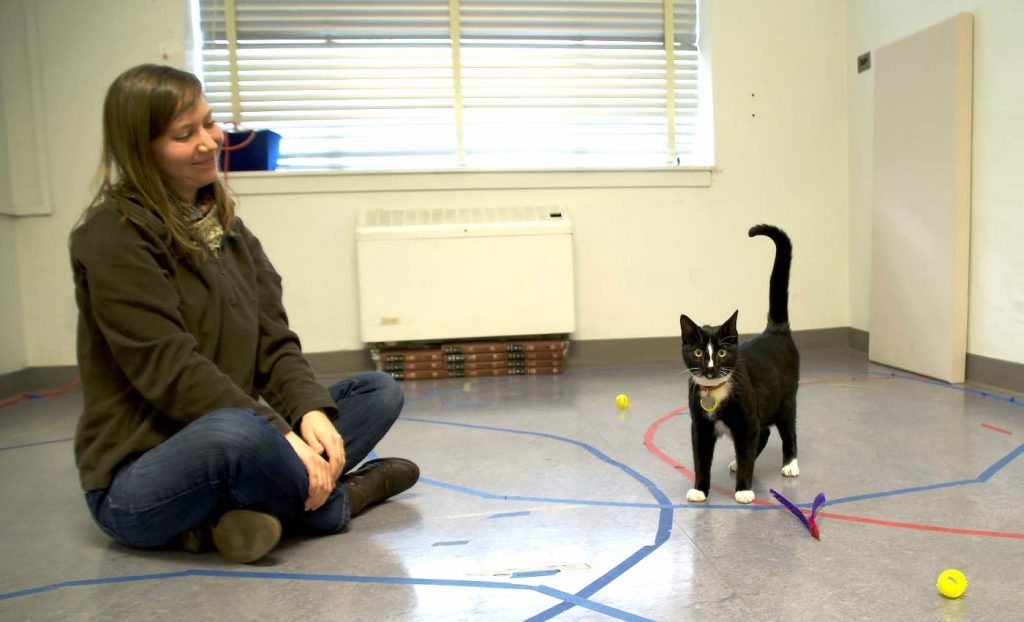
Cats have a reputation for being aloof and independent—but this study of the way domestic cats respond to their caregivers suggests that their socio-cognitive abilities and the depth of their human attachments have been underestimated.

The findings reported in the journal Current Biology on September 23rd might have been the first to show that, much like children and dogs, pet cats form secure and insecure bonds with their human caretakers.

The findings suggest that this bonding ability across species must be explained by traits that aren’t specific to canines, the researchers say.

“Like dogs, cats display social flexibility in regard to their attachments with humans,” said Kristyn Vitale of Oregon State University. “The majority of cats are securely attached to their owner and use them as a source of security in a novel environment.”

RELATED: Goats Want to See You Smile, Says Adorable New Study

One revealing way to study human attachment behavior is to observe an infant’s response to a reunion with their caregiver following a brief absence in a novel environment. When a caregiver returns, secure infants quickly return to relaxed exploration while insecure individuals engage in excessive clinging or avoidance behavior.

Similar tests had been run before with primates and dogs, so Vitale and her colleagues decided to run the same test, only this time with cats.

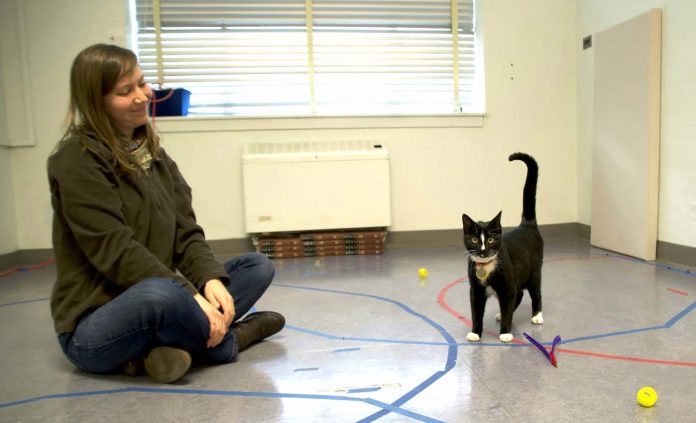
During the test, an adult cat or kitten spent two minutes in a novel room with their caregiver followed by two minutes alone. Then, they had a two-minute reunion. The cats’ responses to seeing their owners again were classified into attachment styles.

WATCH: Orphaned Elephant Returns to Human Rescuers So She Can Introduce Them to Her Newborn Calf

The results show that cats bond in a way that’s surprisingly similar to infants. In humans, 65% of infants are securely attached to their caregiver.

“Domestic cats mirrored this very closely,” Vitale says. In fact, they classified about 65% of both cats and kittens as securely bonded to their people.

The findings show that cats’ human attachments are stable and present in adulthood. This social flexibility may have helped facilitate the success of the species in human homes, Vitale says.

The researchers are now exploring the importance of this work in relation to the thousands of kittens and cats that wind up in animal shelters. “We’re currently looking at several aspects of cat attachment behavior, including whether socialization and fostering opportunities impact attachment security in shelter cats,” Vitale said.

Be Sure And Share This Pawesome Science Story With Your Friends On Social Media…

First-of-its-Kind Blood Test Can Detect Over 50 Kinds of Cancer—Often Before Symptoms Even Show

Researchers have developed the first blood test that can accurately detect more than 50 types of cancer and identify in which tissue the cancer originated, often before there are any clinical signs or symptoms of the disease.

In a paper published today on March 31st in the leading cancer journal Annals of Oncology, the researchers show that the test—which could eventually be used in national cancer screening programs—has a 0.7% false positive rate for cancer detection, meaning that less than 1% of people would be wrongly identified as having cancer.

As a comparison, about 10% of women are wrongly identified as having cancer in national breast cancer screening programs, although this rate can be higher or lower depending on the number and frequency of screenings and the type of mammogram performed.

The test was able to predict the tissue in which the cancer originated in 96% of samples, and it was accurate in 93%.

RELATED: In a Revolutionary Medical Treatment, Man’s Lung Was Removed, Cleaned, and Replaced—No Transplant Necessary

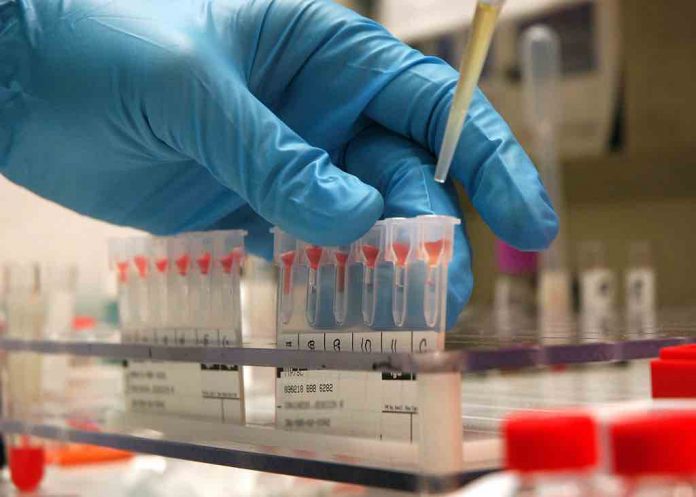
Tumors shed DNA into the blood, and this contributes to what is known as cell-free DNA (cfDNA). However, as the cfDNA can come from other types of cells as well, it can be difficult to pinpoint cfDNA that comes from tumors. The blood test reported in this study analyses chemical changes to the DNA called “methylation” that usually control gene expression. Abnormal methylation patterns and the resulting changes in gene expression can contribute to tumor growth, so these signals in cfDNA have the potential to detect and localize cancer.

The blood test targets approximately one million of the 30 million methylation sites in the human genome. A machine learning classifier (an algorithm) was used to predict the presence of cancer and the type of cancer based on the patterns of methylation in the cfDNA shed by tumors. The classifier was trained using a methylation database of cancer and non-cancer signals in cfDNA. The database is believed to be the largest in the world and is owned by the California-based company involved in this research, GRAIL, Inc..

Senior author of the paper and President of US Oncology Dr. Michael Seiden said: “Our earlier research showed that the methylation approach outperformed both whole genome and targeted sequencing in the detection of multiple deadly cancer types across all clinical stages, and in identifying the tissue of origin. It also allowed us to identify the most informative regions of the genome, which are now targeted by the refined methylation test that is reported in this paper.”

MORE: Accidental Discovery of New T-Cell Hailed as Major Breakthrough for ‘Universal’ Cancer Therapy

In the part of the Circulating Cell-free Genome Atlas (CCGA) study reported today, blood samples from 6,689 participants with previously untreated cancer (2,482 patients) and without cancer (4,207 patients) from North America were divided into a training set and a validation set. Of these, results from 4,316 participants were available for analysis: 3,052 in the training set (1,531 with cancer, 1,521 without cancer) and 1,264 in the validation set (654 with cancer and 610 without cancer). Over 50 types of cancer were included.

The machine learning classifier analyzed blood samples from the participants to identify methylation changes and to classify the samples as cancer or non-cancer, and to identify the tissue of origin.

The researchers found that the classifier’s performance was consistent in both the training and validation sets, with a false positive rate of 0.7% in the validation set.

CHECK OUT: FDA Approves Pancreatic Cancer Drug Treatment After It Was Shown to Double Patient Lifespans

The classifier’s ability to correctly identify when cancer was present (the true positive rate) was also consistent between the two sets. In 12 types of cancer that are often the most deadly (anal, bladder, bowel, esophageal, stomach, head and neck, liver and bile duct, lung, ovarian and pancreatic cancers, lymphoma, and cancers of white blood cells such as multiple myeloma), the true positive rate was 67.3% across clinical stages I, II and III.

These 12 cancers account for about 63% of cancer deaths each year in the USA and, at present, there is no way of screening for the majority of them before symptoms show. The true positive rate was 43.9% for all cancer types in the study across the three clinical stages.

Detection improved with each cancer stage. In the 12 pre-specified cancers, the true positive rate was 39% in stage I, 69% in stage II, 83% in stage III and 92% in stage IV. In all of more than 50 cancer types, the corresponding rates were 18%, 43%, 81% and 93%, respectively.

LOOK: Scientist Who Helped Develop Breakthrough Ovarian Cancer Treatment Donates All $1.2 Million in Profits

The test was also consistent between the training and validation sets in its ability to identify the tissue where cancer had originated, with an accuracy of 93% in the validation set.

Dr. Seiden said: “These data support the ability of this targeted methylation test to meet what we believe are the fundamental requirements for a multi-cancer early detection blood test that could be used for population-level screening: the ability to detect multiple deadly cancer types with a single test that has a very low false positive rate, and the ability to identify where in the body the cancer is located with high accuracy to help healthcare providers to direct next steps for diagnosis and care.

“Considering the burden of cancer in our society, it is important that we continue to explore the possibility that this test might intercept cancers at an earlier stage and, by extension, potentially reduce deaths from cancers for which screening is either not available or has poor adherence. To our knowledge, this is the largest clinical genomics study, in participants with and without cancer, to develop and validate a blood test for early detection of multiple cancers.”

RELATED: Husband-Wife Duo Has Developed ‘Gene and Cell Therapy’ Cancer Vaccine Now Being Tested on Patients

The study is funded by GRAIL, the maker of the blood test. Researchers are continuing to validate the test in large, prospective studies in the USA (STRIVE and PATHFINDER studies) and the UK (SUMMIT study), and to examine its feasibility for screening populations.

A strength of the CCGA study is that it includes more than 15,000 participants from 142 clinics in North America, ensuring results are generalizable to a diverse population. The ongoing studies are assessing the test’s performance in even broader populations. Limitations include: all the participants with cancer had already been diagnosed with cancer (e.g. via screening or patients presenting with symptoms); the study was not designed to establish the test’s impact on death from cancer or other causes; at the time of this analysis, not all patients had been followed for a year, which is needed to ensure their non-cancer status was accurate; and some inaccuracy occurred in the detection of the tissue of origin for cancers that are driven by the human papilloma virus (HPV), such as cancers of the cervix, anus, and head and neck—this information is being used to improve the test’s performance.

Editor-in-chief of Annals of Oncology, Professor Fabrice André, said: “This is a landmark study and a first step toward the development of easy-to-perform screening tools. Earlier detection of more than 50% of cancers could save millions of lives every year worldwide and could dramatically reduce morbidity induced by aggressive treatments.

“While numbers are still small, the performance of this new technology is particularly intriguing in pancreatic cancer, for which mortality rates are very high because it is usually diagnosed when it’s at an advanced stage.”

Reprinted from European Society for Medical Oncology

Treat Your Friends To A Daily Dose Of Good News By Sharing This To Social Media…

Reports Find Social Restrictions Are Working to Curb New COVID-19 Cases From Italy to Seattle

Posted by Joy Erickson on GNN’s FB Page

As more and more US states and world regions implement various stay-at-home orders and shutdowns during the COVID-19 outbreaks, some areas that have been hit hardest by the virus are showing that the restrictions are working.

Since symptoms of the novel coronavirus generally start to show within two weeks of infection, today’s infections are the result of interactions from early March. China has slowly begun lifting its strict social restrictions since their quarantine regulation helped the nation recover from the virus.

It has now been roughly two weeks since Italy ordered a nationwide lockdown amidst the outbreaks, and rates of infection have steadily been declining since the country’s first recorded death on February 21st.

According to The Times of Israel, the daily infection rate in Italy reached a high of 57% back in early March. Last week, it reached a record-low of 7.5%.

MORE: 10 Positive Updates on the COVID-19 Outbreaks From Around the World

“The slowdown in the [infections] growth rate is extremely positive,” World Health Organization deputy director Ranieri Guerra reportedly told Italy’s Capitale radio. “I think the measures taken [by Italy] are absolutely correct—perhaps with a certain delay at the start, but that is understandable.”

Similarly in the US, six Bay Area counties became the first in the nation to implement stay-at-home orders in mid-March followed by Gov. Gavin Newsom’s statewide order three days later. Although many Californian hospitals have been struggling to address ventilator and bed shortages, some researchers report that the virus has been spreading slower than they initially thought—and it’s likely because of the lockdowns.


Dr. Timothy Dyster, a resident physician from the University of California San Francisco, published some encouraging datasets on Twitter, illustrating how the weeks-long uptick in new infections fell for the first time this week—and it may indicate a continuing decline in infection rates.

“These data should be regarded as a ‘cheer from the sidelines’ in this marathon we’re on together,” wrote Dyster. “It’s been hard work and sacrifice, and it will continue to be, but there might be some early evidence that those efforts are paying off,” Dyster said. “So please, keep staying home and keep washing your hands!”

CHECK OUT: Chinese Company Ships Crates of Masks to Italy Covered in Italian Poetry—We Are ‘Leaves of the Same Tree’

Jahan Fahimi, another physician from UCSF, added: “We’ve been anxiously awaiting the surge of COVID19 patients in San Francisco. The number of hospital cases increase slowly daily. But, it hit me today… we are in a flattened curve.

Posted by Joy Erickson on GNN’s FB Page

“While the surge is surely still coming, we have time. Each day we are more prepared. By delaying the surge, hospitals have time to: get ventilators, open respiratory isolation wards, stockpile PPE, integrate telemedicine, expand testing, train workforce, [and] learn from colleagues in hot spots.”


Officials in Seattle told The New York Times this week that their lockdowns are also reflecting a decline in new cases as the rate of individual person-to-person infections has reportedly fallen from 2.7 people to 1.4.

With 29 American states now maintaining stay-at-home orders, Kinsa Health—a company that has been producing and distributing internet-connected thermometers—launched an online map of the country which depicted rates of fevers, colds, and flus.

Within days of creating the map on March 22nd, the researchers noted a significant decline in commonly transmitted sicknesses. Although the map does not offer evidence that social restrictions are curbing COVID-19 cases, The Times does report that new datasets from New York and Washington have confirmed the trends illustrated by the map.

RELATED: Another Roundup of Positive Updates on the COVID Outbreaks From Around the World

Not only that, Kinsa Health’s influenza predictions have reportedly been two to three weeks ahead of those from the Center for Disease Control and Prevention—and the company is now working to share their technology with government health agencies to continue monitoring disease trends for the public.

“As of March 30th, we have seen illness levels in [New York City] drop to normal levels for this time of year, and we are seeing similar trends across the entire country,” writes the company. “This does not mean that COVID-19 cases are declining. In fact, we expect to see reported cases continue to surge in the near term, but this data indicates these measures are starting to slow the spread.

This is just one of many positive stories and updates that are coming out of the COVID-19 news coverage this week. For more uplifting coverage on the outbreaks, click here.

Multiply The Good By Sharing The Uplifting News With Your Friends On Social Media…

Man Doggedly Completes Half-Marathon on His Balcony for Charity Following COVID-19 Shutdown

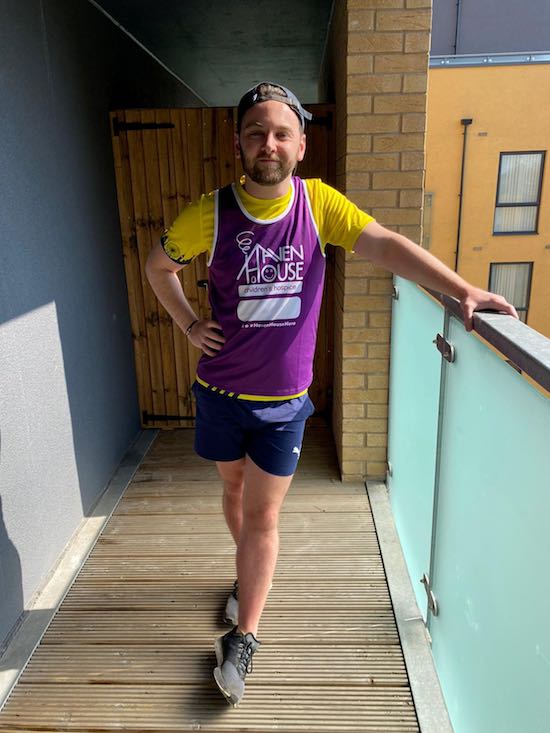
Sam Hustler — SWNS
Sam Hustler-SWNS

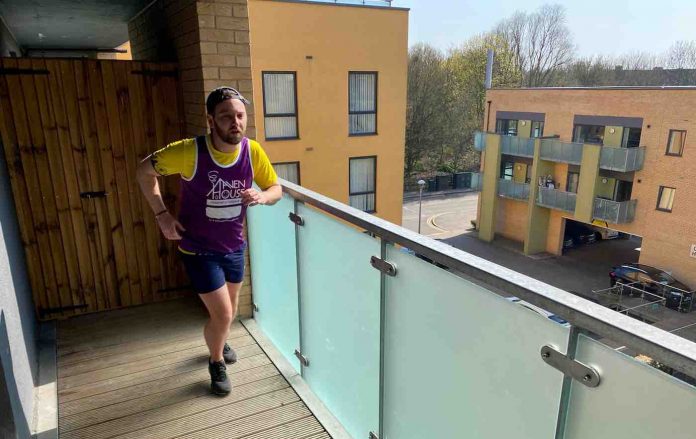
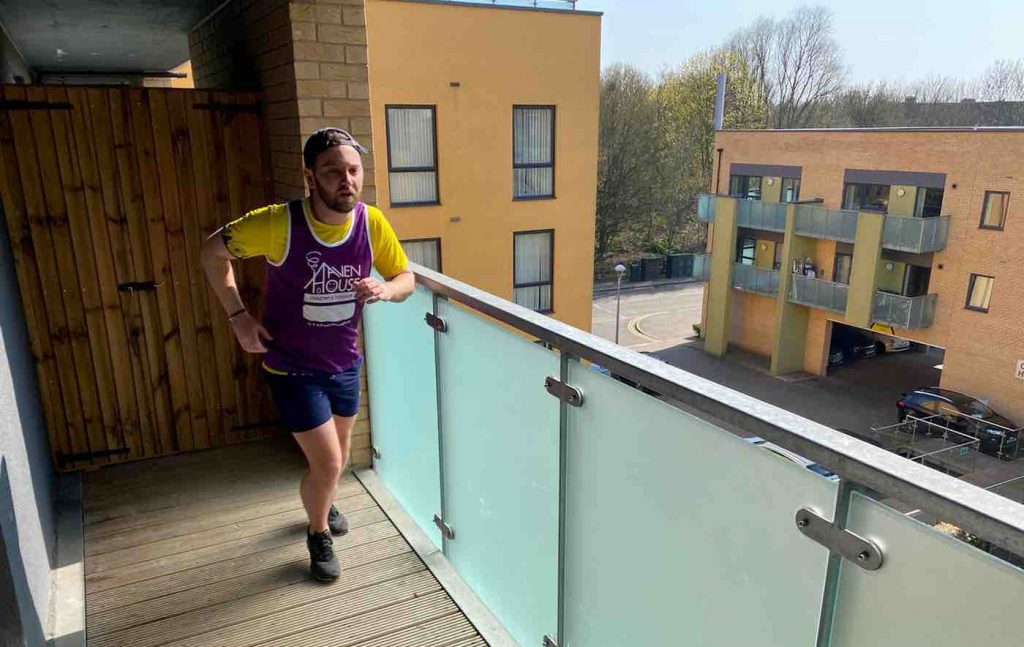
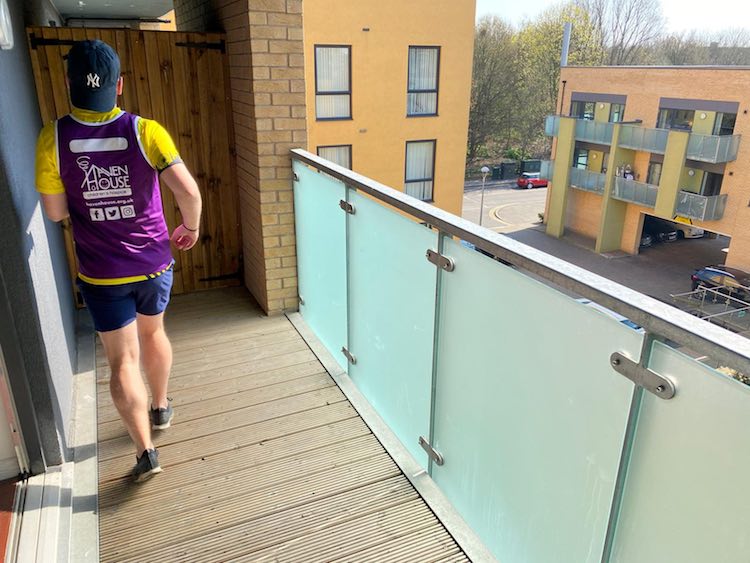
A determined English runner completed a half-marathon from his quarantined home earlier this week by running the length of his balcony 5,000 times.

27-year-old Sam Hustler completed the 13-mile (21-kilometer) trek by completing 5,000 “laps” on the balcony of his flat.

Prior to the COVID-19 shutdowns, he had been training to run in the London Landmarks Half Marathon, which would have taken him past such sights as Big Ben, St. Paul’s Cathedral, and The Shard. Due to the government-imposed restrictions on public gatherings during the novel coronavirus outbreaks, the race was cancelled.

“It was going to be my first ever half-marathon and I was excited to do it, so it was devastating when it was cancelled,” said Hustler. “I had put so much training in and it’s such a great cause I am running for, that I still wanted to do it any way I could.”

WATCH: Love in the Time of Corona—NYC Man is Now Dating His Neighbor After He Creatively Woos Her in Quarantine

Organizers encouraged runners to get creative and identify their own local landmarks and map a run around hidden gems in their area on a solo run.

However, Hustler and his girlfriend Chloe Skerritt have been self-isolating since she developed a fever and a cough last week.

Sam Hustler — SWNS

“We have been self-isolating since Monday. We’re fine, but it’s more of a precaution, really,” says Hustler. “We took the decision to work from home and not go out because my mum works for the NHS and my dad has health issues so we didn’t want to risk spreading anything to vulnerable people.

“I saw a video of a man in Italy who ran a full marathon on his balcony so I thought I could do a half-marathon on mine. I did a little 2-kilometer run on it on Tuesday and I thought ‘well it’s boring, but I can do it.’”

RELATED: Restaurant Flooded With Business After Launching an ‘Adopt a Doc or Nurse’ Catering Service

So with nothing but the views from his third floor apartment in South Woodford, Essex, Hustler completed the run in three hours with Skerritt cheering him on.

Hustler, an amateur cricket player Sam who had previously never ran more than 11 miles, said he had been training hard for the half-marathon and did not want that training to go to waste. He also wanted to honor his commitment to raising money for Haven House Children’s Hospice, a charity which supports children with life-threatening or life-limiting illnesses.

CHECK OUT: JOANN Stores are Handing Out Free Fabric Supplies at Curbside to Anyone Sewing Face Masks at Home

“I really wanted to do it for Haven House and raise as much money as possible,” says Hustler. “They’ve been going since 1990 and they’ve just put up an emergency appeal for funding. All their fundraising events have been cancelled and their charity shops have had to close, which was a major source of their income.

“They are an amazing charity that believes in the best possible life for every baby and child with a life-limited or life-threatening condition,” he added. “They do so much for families who live in my community and I’ve seen the work they have done, which is absolutely amazing.”

Although Hustler originally planned on running the half-marathon to raise £500 ($620) for Haven House, his backyard stunt has thus far managed to raise more than £1,900 ($2,400).

SWNS

Run This Inspiring Story Over To Your Friends By Sharing It To Social Media…

“The soul that gives thanks can find comfort in everything; the soul that complains can find comfort in nothing.” – Hannah Whitall Smith

Brooke Cagle

Quote of the Day: “The soul that gives thanks can find comfort in everything; the soul that complains can find comfort in nothing.” – Hannah Whitall Smith

Photo: by Brooke Cagle – public domain

With a new inspirational quote every day, atop the perfect photo—collected and archived on our Quote of the Day page—why not bookmark GNN.org for a daily uplift?

Feeling Brave? Here Are Some of Americans’ Most Bizarre Food Combos to Try in Lockdown

Pickles wrapped in cheese, popcorn with beans, and ice cream on meatloaf, are just a few of the surprising food combinations Americans said they loved.

According to a survey of 2,000 American adults in California, Texas, New York, Hawaii, and Florida, these connoisseurs also said that mayo and peanut butter sandwiches, and cookies dipped in guacamole, are some of their favorite bizarre meals.

The survey aimed to uncover the most unusual food combinations Americans enjoy—as well as the characteristics coinciding with them—and yielded other otherworldly answers, including meatballs and mayo, octopus and roasted bell peppers, and alligator and fries.

RELATED: These Are the 3 Most Promising Longevity Supplements From Scientific Research So Far

Commissioned by the SPAM brand and conducted by OnePoll, the survey found respondents were most likely to have discovered their favorite food combinations from family or friends (41%).

TOP 5 WAYS AMERICANS DISCOVERED THEIR FAVORITE FOOD PAIRINGS
1. Family/friends 41%
2. Restaurant 36%
3. Social media/print/online news 33%
4. Word of mouth 32%
5. Celebrity endorsement/advertisement 25%

Others found their go-to combinations while dining at a restaurant (36%) or via social media (33%)—and three in four are proud to share their unexpected food mashups with others.

While some combinations are quirky, others are classics: the survey found the most popular food combo Americans love is dipping their french fries in their chocolate milkshake.

MORE: Having Trouble Sleeping? New Research Says a Dose of Saffron Can Help You Doze

Other top combinations were chocolate and popcorn (44%) or sour cream-and-onion chips with chocolate (36%).

Over a quarter (26%) of respondents can’t eat a meal without adding hot sauce to it while 27% can’t imagine eating a meal without mayonnaise. Beyond hot sauce and mayo, another 28% won’t eat a meal without a salt shaker handy.

TOP 10 MOST POPULAR—AND PERHAPS CRAZY—FOOD COMBINATIONS
1. French fries and chocolate milkshake 55%
2. Cottage cheese and fruit 50%
3. Fruit preserves with cheese and crackers 47%
4. Chocolate and popcorn 45%
5. Peanut butter and apple 44%
6. Sauerkraut and cheese 43%
7. Cheddar cheese and apple pie 42%
8. French fries and pickles 37%
9. Cold pizza and ranch dressing 36%
10. Sour cream and onion chips and chocolate 36%

Also interesting, over half of those surveyed said they’ll have a “freak out” if their different foods touch each other while on their plate.

39% of those surveyed said they sometimes choose to eat their dessert first while 41% skip breakfast altogether to enjoy a larger lunch instead.

CHECK OUT: Parents Reveal Their Top 10 Sneaky Techniques for Getting Kids to Eat Vegetables

Nearly half get a hankering for a specific snack when their friends talk about a recent food experience, while a third get a specific craving when they’re extra stressed.

TOP 5 THINGS THAT SPARK A FOOD CRAVING
1. Watching food videos/entertainment/TV 52%
2. Talking to friends about a food experience 42%
3. Seeing an advertisement for a specific food 41%
4. Looking for recipes 36%
5. Stress 32%

Fifty-two percent of Americans say their cravings, mostly experienced at night, are brought on by watching food videos or some type of entertainment, whether online or on TV.

Through their search, Americans have found an affinity for popular food trends including flavored gnocchi (39%), SPAM Musubi—which contains a block of rice, wrapped together with nori in the tradition of Japanese sushi (34%), and cauliflower pizza crust (31%), which they would all enjoy again.

What Are Some Of Your Favorite Food Combos? Let Us Know In The Comments Below—And Ask Your Friends by Sharing on Social Media…

Disheartened by News Reports, Café Owner Withdraws $10,000 in Cash to Give Away to Unemployed Strangers

Photos by Pete Darmos

A 62-year-old Australian café owner has been affectionately nicknamed “Generous Pete” after he spent his afternoon handing out $100 bills to people left unemployed by the COVID-19 shutdowns.

Despite how Pete Darmos had been forced to close his restaurant in Melbourne amidst the outbreaks, he felt inspired to share his financial fortune with his community last week after watching a particularly emotional news segment about the lines of people queuing up outside of social security offices across the city.

Rather than twiddle his thumbs at home, Darmos rushed to the bank, withdrew $10,000 in cash, and handed out each of the $100 notes to the people standing in line at the nearby Centrelink location in Box Hill.

RELATED: Restaurant Flooded With Business After Launching an ‘Adopt a Doc or Nurse’ Catering Service

“I started at the back of the queue and then basically handed everybody a $100 note,” he told 7 News. “There were tears and disbelief. $100 is not a lot of money, but four or five bags of food meant a lot to these people.”

Darmos later told reporters that although he had initially wanted to keep his identity anonymous, he now hopes that news of his good deed will inspire other people to show some compassion to their neighbors during these turbulent times.

This is just one of many positive stories and updates that are coming out of the COVID-19 news coverage this week. For more uplifting coverage on the outbreaks, click here.

(WATCH the news coverage below)

Multiply The Good By Sharing The Inspiring Story With Your Friends On Social Media…

Ex-Coal Man Flips the Script By Rallying Appalachians to Plant 187 Million Trees on Abandoned Mines

Photo by Appalachian Regional Reforestation Initative

Although the Appalachian Mountains are often only thought of as coal country, the ecosystem as a whole is one of the richest and most biodiverse seasonal deciduous forests on earth.

In addition to the mountains boasting rich populations of freshwater mussels, a corridor for migratory birds, and more species of salamanders than any other range, Appalachia is also home to National Parks like the Shenandoah and the Great Smoky Mountains in Tennessee—a park that may have as many as 100,000 species just on its own.

However, Appalachia also has a darker, decades-long history of toxic coal-mining tactics such as mountaintop removal, surface reclamation, and blasting and tunneling that had done almost irreparable damage to local ecosystems, leaving hundreds of barren and bald hills throughout eastern Kentucky and West Virginia.

RELATED: Scientists Use Recycled Sewage Water to Grow 500-Acre Forest in the Middle of Egyptian Desert

These were the scenes which characterized Patrick Angel’s life and career as a coal-industry regulator through the late 20th century—but in 2003, the Kentucky native had the power of spirit to turn over a new leaf and begin working to undo years of environmental degradation that were caused by the policies he once enforced.

Now 70 years old, Angel—an ex-coal man turned sheep farmer and father-of-five—has been the driving force behind a re-greening of coal country that has given out-of-work miners a chance to undue the environmental damage that they contributed to during coal’s hay day.

It has since amounted to 187 million trees being planted over 275,000 acres of former mines.

Photo by Appalachian Regional Reforestation Initiative

A Long Hard Road

Far from the glamor of the forest-green uniform and badges of the National Park Service, Angel had a long 25-year career in the Office of Surface Mining Reclamation and Enforcement (OSM) a particularly small and unloved agency in the Department of the Interior.

It was in 2002, after years of telling coal companies to pack rubble and plant grass on the remains of mountaintop blasting and strip mining sites, Angel noticed that the big trees—the life-giving forces of Appalachia—were not returning to the area.

According to a Seattle Times piece, Angel went to the University of Kentucky to pursue a Ph.D. There he met Chris Barton, a young forestry professor who was studying how regrowing forests could solve frequent flooding problems. Barton then went on become Angel’s colleague as he opened a new position in the OSM specifically to work on reforesting old strip mines and mountaintop removal sites.

CHECK OUT: First Drone Project of Its Kind in Canada is Aiming to Plant 1 Billion Trees by 2028

In 2004, Angel, Barton, and others created the Appalachian Regional Reforestation Initiative and held the inaugural meeting in Stonewall State Park, West Virginia. Regulators from all levels of government, scientists, environmentalists, and even coal miners agreed—trees should be planted on mines.

Within just a few years, almost all new mines in the states of Virginia, West Virginia and Pennsylvania were reforested upon completion, rather than packed tight and hydro-seeded with grass.

“For the first time in my career, I saw OSM get favorable press,” Angel told the Seattle Times.

Angel and Barton’s journey hasn’t been easy, as tree planting is much-less profitable than mining—and just as laborious.

WATCH: Man Succeeds Where Government Fails—He Planted a Forest in the Middle of a Cold Desert

“Why would someone who once made $60,000 or even $100,000 a year do harder work for a fraction of the pay and no job security?” asked one Kentuckian—a former hire under Angel’s green jobs program Green Forests Work.

Since Obama-era coal regulations made it all but illegal to close a mine without reforesting the area, the slow work of reforesting the area continues without the help of big name environmental groups or major funding.

Instead, the work is being continued by the sweat of people from the mountains of West Virginia and Kentucky who understand the beauty and importance of their forested homes.

Plant Some Positivity By Sharing The Good News With Your Friends On Social Media…

These Restaurants Are Giving Away Free Food and Coffee to Hospital Staffers Fighting COVID-19

As a means of expressing their gratitude towards the healthcare employees working on the frontlines to combat the novel coronavirus crisis, these businesses and restaurant chains are offering up tons of free goodies to hospital staffers and emergency responders.

According to an open letter from Starbucks president and CEO Kevin Johnson, cafés across Canada and the US are now offering free small coffees to anyone who identifies themselves as a front line responder over the course of the next month.

Although the North American branches are now operating solely as drive-thru locations, they will be providing the free coffees to police officers, firefighters, paramedics, doctors, nurses, and hospital employees until May 3rd.

CHECK OUT: Hotels Are Opening Up Free Rooms to Healthcare Workers Battling the COVID-19 Outbreaks

“This moment in time, as the world is united in an effort to mitigate the effects of COVID-19, requires coordinated action by governments, health care providers, businesses, and people in every community,” wrote Johnson. “Working together, we are making a difference and, together, we will overcome this unprecedented challenge.”

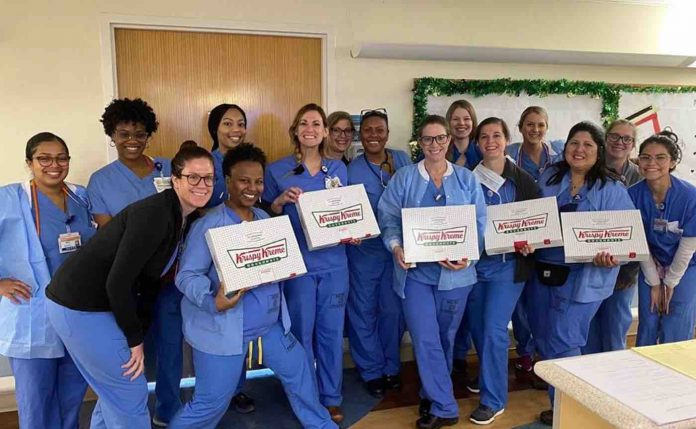
International donut chain Krispy Kreme is also offering free boxes of donuts to health care workers every Monday starting today on March 30th for National Doctors’ Day.

“Just go to a Krispy Kreme drive-thru, tell us what you need and show us your employer badge,” reads the Krispy Kreme website. “That’s it. Pick up some free dozens on the way to work for you and your colleagues, or maybe a free dozen on your way home to family after a long shift.”


Since Crocs has always been a popular non-stick, cleanable shoe option for hospital staffers, the company is also giving away free pairs of shoes through their online site.

Tropical Smoothie locations are also giving away 100,000 smoothies to healthcare workers across the US.

“In cafes across the country, the Tropical Smoothie Cafe family is working tirelessly to support our local communities, which are currently facing unprecedented hardship,” said Charles Watson, CEO of Tropical Smoothie Cafe, LLC. “Our safety is dependent upon the selfless, hard work of our local healthcare workers and first responders and we want to help them in any way we can.

RELATED: Restaurant Flooded With Business After Launching an ‘Adopt a Doc or Nurse’ Catering Service

“The 100K smoothie giveaway is a simple, but impactful example of one way we can show our gratitude and bring a smile to their face—one sip at a time.”

If you want to find more businesses offering free services during the outbreaks, check out this list from Thrillist.

This is just one of many positive stories and updates that are coming out of the COVID-19 news coverage this week. For more uplifting coverage on the outbreaks, click here.


 Multiply The Good By Sharing The Positive News With Your Friends On Social Media…