All News - Page 906 of 1725 - Good News Network
Home Blog Page 906

Mystery Man Hands Out $100 Bills to McDonald’s Workers

man-hugging-mcdonalds-workers-cbs

Giving Tuesday isn’t for another two weeks, but that didn’t stop this anonymous man from kicking off the holiday season by handing out $100 bills to McDonald’s workers.

The Fort Worth, Texas man – who is supposedly a regular customer – started out by handing one employee the cash without ordering anything on the menu. Once she started crying and hugging the man, the other workers caught on as well.

Each and every one of them received the green gift with a hug in return.

Before the man departed the store, he left 33 more bills for the employees who weren’t even working that day.

RELATEDValedictorian Anonymously Posts Kind Words About all 657 Schoolmates

The staff have put together a thank you card for the next time he returns, calling him “a living angel”.

CBS reporters were later approached by a woman named Lisa Davila who worked for the mystery man, saying that he had recently been diagnosed with cancer. Even though it was a tough time for him, that didn’t stop him from wanting to spread joy where he could.

“You could tell it blessed their day,” Davila told CBS. “They didn’t come in there [to work] thinking that was going to happen that day… and that was the best part about it.”

(WATCH the video below)


Click To Share The Kindness With Your FriendsPhoto by CBSDFW

New Jersey to Become First State That Bans Declawing

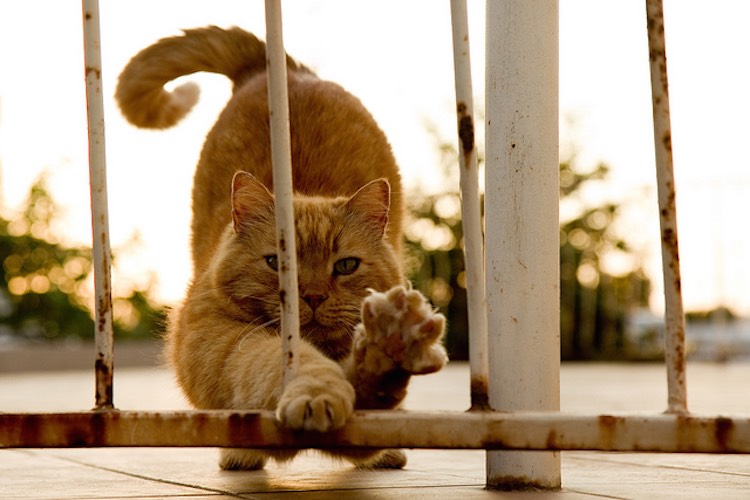
cat-scratching-cc-tom-wachtel

New Jersey is on its way to becoming the first American state that bans the declawing of cats.

A bill sponsored by Assemblyman Troy Singleton was recently passed through an Assembly committee stating that the medical practice of onychetomy would be considered animal cruelty, with the exception of special health reasons like the removal of tumors or gangrene.

“Declawing is a barbaric practice that more often than not is done for the sake of convenience rather than necessity,” according to Singleton’s statement after the hearing. “Many countries worldwide acknowledge the inhumane nature of declawing, which causes extreme pain to cats. It’s time for New Jersey to join them.”

RELATEDDogs Can Now Join NYC Diners at Outdoor Tables, Say New Rules

Animal welfare organizations oppose onychetomy because it’s a painful procedure that is typically done to save furniture while many cats start displaying physical and mental complications in the years following the operation. Over 20 other countries in the world already have declawing bans because it’s considered animal cruelty.

Some pet owners and projects opposed the bill because they believe that the reasons behind such an act is between an animal caregiver and their veterinarian.

However studies show that declawed cats have increased chances of being relinquished to shelters – and thus euthanasia – because of behavioral tendencies that follow declawing, such as soiling the carpet and increased aggression.

Click To Share This Pawesome Story With Your FriendsPhoto by Tom Wachtel, CC

Alaska Airlines Makes History With First Bio Fueled Commercial Flight

alaska-air-alaska-air

Alaska Airlines made history this week when they completed the first commercial airplane flight powered by renewable bio fuel.

The flight went from Seattle-Tacoma International Airport to Reagan National Airport in Washington, D.C. using a blend of jet fuel made from forest residuals such as branches and bark.

The excess biomass left over from forest thinning is typically piled and burned. The forest residuals for the fuel were all collected from sustainably managed forests in the Pacific Northwest.

MORECosta Rica Has Been Powered Only By Renewable Energy For 122 Days

Using the renewable bio fuel instead of traditional jet fuel cuts greenhouse gas emissions by 50-80% from its creation to its use. Though one flight doesn’t seem like enough to make a huge dent in the airline’s carbon footprint, the company plans on replacing 20% of its fuel use with green energy, saving the atmosphere from 142,000 metric tons of CO2.

“We strive to set ourselves apart by driving sustainable innovation and performance, and are committed to making choices that have a positive impact on our communities. For us, it’s just how we do business,” says the airline’s website. “In 2013, we developed a 2020 sustainability strategy to focus our efforts on the most important sustainability challenges. Since then, we’ve reported openly on our goals, progress and challenges.”

Fly This Story Over To Your Friends: Click To SharePhoto by Alaska Airlines

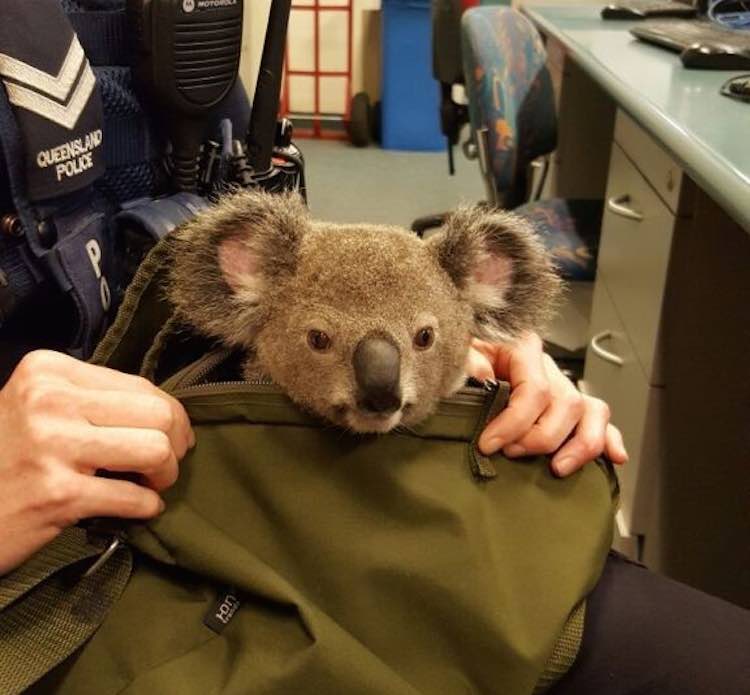
Koala Rescued From Backpack During Routine Traffic Stop

backpack-koala-750p-rspca

This sweet little joey was rescued from a woman’s car when she was stopped during a routine traffic stop.

The koala was zipped inside a backpack when the Upper Mount Gravatt Tactical Crime Squad pulled the driver over. Due to outstanding charges, the woman was detained. When asked if she had anything the declare, she stated that she had a koala in her green backpack. True to her word, the police discovered the marsupial and proceeded to call the RSPCA in Queensland.

LOOKRomanian Shelter Gives Paraplegic Dogs Love, Care, and Wheelchairs

The koala-kidnapper had apparently found the animal by the side of the road and was planning on keeping it as a pet, which is illegal without a permit.

“He’s been on fluids but is doing well and will shortly be going out to a carer,” said RSPCA Qld spokesperson Michael Beatty in a statement. “He weighs 1.5 kg and we’ve called him Alfred.”

Click To Share This Cute Story With Your FriendsPhoto by RSPCA

More and More Smokers Are Kicking Tobacco Every Year

cigarette butt smoking-cc- lanier67

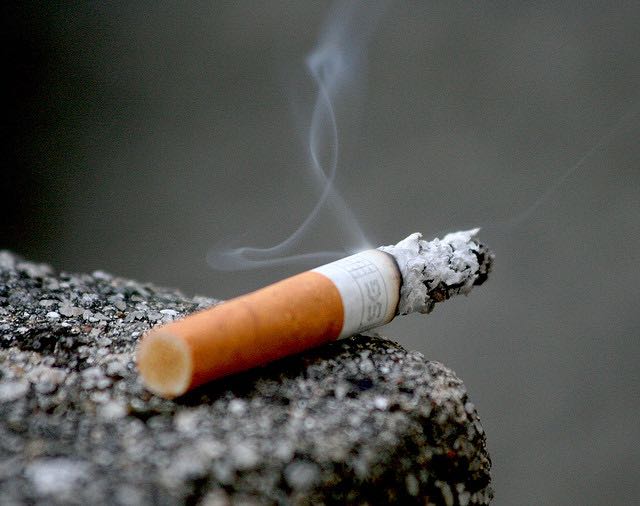
Smoking cigarettes is the leading cause of preventable diseases in the U.S.A. – thankfully, more and more American smokers are quitting the harmful habit every year.

The Centers for Disease Control and Prevention released a report this week stating that the amount of American adult smokers dropped by 27.7% since 2005 – that’s 8.5 million adults.

This decline in smoking is credited to increased tobacco prices, comprehensive smoke-free laws, anti-tobacco mass media campaigns, and barrier-free access to tobacco cessation counseling and medications. The decline was also observed amongst all subgroups of sex, poverty status, and U.S. region.

RELATEDCrime Rate Continues its Decline in New York City During 2015

Smoking reportedly contains over 250 chemicals that are harmful to humans, 69 of which have been shown to cause cancer in the lungs, esophagus, larynx, mouth, and throat.

If someone quits smoking, the benefits are immediate: the heart rate and blood pressure levels return to normal as well as the blood’s carbon monoxide content. Within months, lung function improves drastically – within years, there’s lower risks of cancer, heart disease, and other chronic diseases.

Click To Share The Good News With Your FriendsPhoto by Lanier67, CC

Bikers Stop to Help Stranded Motorcyclist Only to Find It’s ‘The Boss’

bruce-springsteen-and-biker-facebook

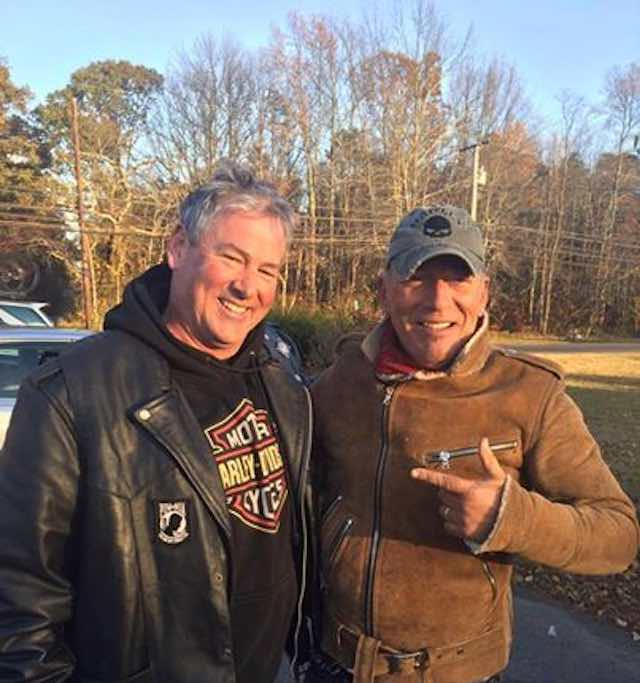
When three bikers pulled over to assist a fellow motorcyclist whose ride broke down, they were delighted to find it was none other than American rock and roll legend Bruce Springsteen.

The motorists – Dan Barkalow, Bob Grigs, and Ryan Bailey – were returning from a Veteran’s Day ceremony conducted at the Vietnam Veteran’s Memorial in Holmdel when they found the musician next to his busted bike in Freehold, New Jersey. Though they were unable to start the Boss’s bike, they helped him call for roadside assistance and a ride.

WATCH92-Year-old’s Sweet Reaction to Willie Nelson Singing a Song She Wrote

Bruce hopped on the back of Ryan’s bike and the gang went to a bar in Farmingdale where they enjoyed a beer before the rock star’s ride arrived.

“Dan stated that Bruce was a very down to earth regular guy who fit right in with his fellow, not so famous, Freehold boys,” said the motorcyclists’ group Facebook page. “Bruce did take their names and telephone numbers, so maybe they’ll be riding together some day!”

Just another good deed between Americans on thunder road.

Don’t Be Afraid To Dance In The Dark: Click To SharePhoto by Freehold American Legion

Tiny Super Magnets Could Be the Future of Drug Delivery

magnets-cc-riebart

Microscopic crystals could soon be zipping drugs around your body, taking them to diseased organs.

In the past, this was thought to be impossible – the crystals, which have special magnetic properties, were so small that scientists could not control their movement. But now a team of Chinese researchers has found the solution, and their discovery has opened new applications that could use these crystals to improve – and perhaps even save – many lives.

Kezheng Chen and Ji Ma from Quingdou University of Science and Technology, Quingdou, China have published a method of producing superparamagnetic crystals that are much larger than any that have been made before. They recently published their findings in Physics Letters A.

MOREFirst Ever Quadriplegic Treated With Stem Cells Regains Motor Control in His Upper Body

If some magnetic materials, such as iron oxides, are small enough – perhaps a few millionths of a millimeter across, smaller than most viruses – they have an unusual property: their magnetization randomly flips as the temperature changes.

By applying a magnetic field to these crystals, scientists can make them almost as strongly magnetic as ordinary fridge magnets. It might seem odd, but this is the strongest type of magnetism known. This phenomenon is called superparamagnetism.

In theory, superparamagnetic particles could be ideal for drug delivery, as they can be directed to a tumor simply by using a magnetic field. Their tiny size, however, has made them difficult to guide precisely – until now.

CHECK OUT: New Drug Inspires Hope For Alzheimer’s Cure

“The largest superparamagnetic materials that we have been able to make before now were clusters of nanocrystals that were together about a thousand times smaller than these,” commented Dr. Chen. “These larger crystals are easier to control using external magnetic fields, and they will not aggregate when those fields are removed, which will make them much more useful in practical applications, including drug delivery.”

Chen and Ma explained that the high temperature and pressure under which the crystals form made tiny meteorite-like ‘micro-particles’ of magnetite escape from their surface. This caused the unusual pock-marked appearance of the crystal surfaces and induced a high degree of stress and strain into the lattice of the growing crystals.

Crystals that grow under such high stresses and strains form with irregularities and defects in their crystal lattice, and it is these irregularities that are responsible for the unusual magnetic properties of Chen’s crystals.

RELATED12-Year-old Creates First App to Help Alzheimer’s Patients Keep Track of Things

Magnetite crystals of a similar size that are grown at a lower temperature and under normal pressure are only very weakly magnetic.

This method of making larger superparamagnetic crystals paves the way for the development of superparamagnetic bulk materials that can be reliably controlled by moderate external magnetic forces, revolutionizing drug delivery to tumors and other sites in the body that need to be targeted precisely.

And this is just the beginning. Chen’s crystals might, for example, be useful in the many engineering projects that need “smart fluids” that change their properties when a magnetic field is applied. These can already be used to make vehicle suspension systems that automatically adjust as road conditions change, increasing comfort and safety, and to build more comfortable and realistic prosthetic limbs.

Now that superparamagnetism is no longer restricted to minute particles that are difficult to handle, researchers can start exploring in which ways this can contribute to improving our lives.

(Source: Elsevier)

Click To Share The News With Your Friends – Photo by Riebart, CC

Officer Who Rescued Animals From Burning Pet Shop Has Good News

pet-shop-facebook

Dozens of pets are now safe and sound thanks to one heroic police officer who put himself in harm’s way just to save them.

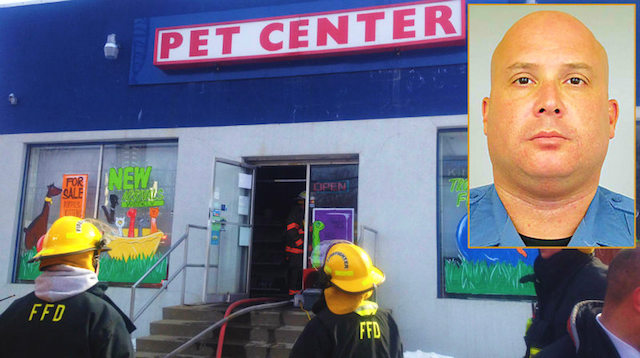
When the Route 23 Pet Center in Franklin, New Jersey went up in flames due to an electrical malfunction, police were first to arrive on the scene.

Though the building was already filled with smoke, Officer Rafael Burgos conducted an investigation of the facilities to make sure there were no staffers trapped inside. Once he was sure that there were no human workers in the building, he got to work evacuating all the frightened, caged animals.

RELATEDSchool Bus Driver Calmly Rescues 20 Children From Flaming Vehicle

Though humans are capable of sustaining a large amount of smoke inhalation, dog lungs are much more sensitive to irritation. If Burgos had not acted as quickly as he did, many of the pets could have perished from the smoke or flames.

They have been moved to another veterinary center for treatment, while Burgos was taken to a local hospital. The courageous hero is expected to make a full recovery despite the smoke inhalation.

Click To Share This Pawesome Story With Your Friends

Mislabeled Seafood May be More Sustainable, Study Says

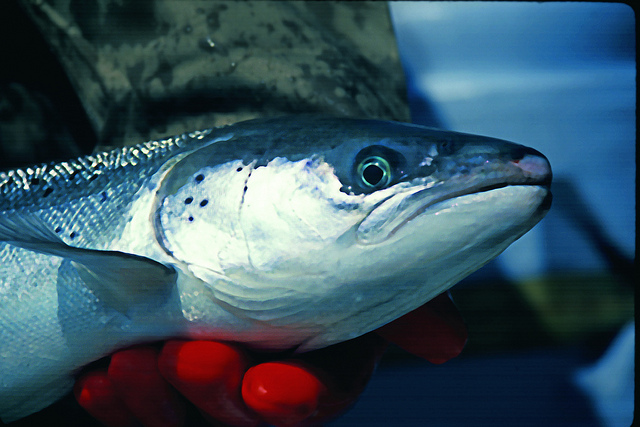
Atlantic Salmon Public Domain US Fish and Wildlife Service

When it comes to seafood, what you see is not always what you get.

It’s no secret that mislabeling is rampant around the world. Recent studies estimate up to 30 percent of seafood served in restaurants and sold in supermarkets is actually something other than what is listed on the menu or label.

Why mislabeling happens is another bit of mystery. Fraud, human error, or marketing ploys— combined with an often multinatioinal journey from boat to restaurant —make it possible that you are eating a different fish than what’s on the menu.

RELATEDCosta Rica Has Been Powered Only By Renewable Energy For 122 Days

A University of Washington study is the first to broadly examine the ecological and financial impacts of seafood mislabeling. The paper, published online Nov. 2 in Conservation Letters, finds that in most cases, mislabeling actually leads people to eat more sustainably, because the substituted fish is often more plentiful and enjoys a better conservation status than the fish on the label.

“One of the motivations and hopes for this study is that we can help people who are trying to exert their consumer power to shift seafood markets toward more sustainable options,” said co-author Christine Stawitz, a UW doctoral student in the School of Aquatic and Fishery Sciences and the Quantitative Ecology and Resource Management program.

The researchers, all UW graduate students in aquatic and fishery sciences, aggregated data from 43 published papers that tested the DNA of fish at various locations, including ports, restaurants, grocery stores and fish markets to determine whether mislabeling occurred. They then matched the conservation status and estimated price for each of the mislabeled and true fishes listed in the studies.

MOREManatee Population Has Rebounded 500 Percent, No Longer Endangered

They found a wide range of conservation status and price differences, but two general trends emerged: True fish sold are of a better conservation status and slightly less expensive than the species named when fish are mislabeled.

Their analysis found that true fish are valued at about 97 percent of the mislabeled seafood. That means consumers are paying on average a little more for mislabeled fish.

CHECK OUTWorld’s Largest Vertical Farm Near NYC Uses 95% Less Water and No Pesticides

The study didn’t examine the potential reasons behind this, but the researchers speculate that while it could be intentional mislabeling to rip off consumers, it is just as likely restaurants and markets are serving and stocking fish they think match the label, but are cheaper, more plentiful options. A white-fish filet can look like any number of species, they explained, and substitutions could happen anywhere in the supply chain.

The new study also summarizes which fish are most likely to be mislabeled and of those which varied the most in conservation status between true fish and mislabeled fish. For example, snapper is one of the most frequently mislabeled fish. Its conservation status is vulnerable to endangered — meaning its population isn’t doing well— but the fishes most often substituted for snapper are considered less endangered.

Results from this study could be useful in helping consumers make sustainable purchasing decisions by avoiding fish that are most likely to be mislabeled. That list is led by croakers, shark catfish (or “basa”), sturgeon and perch. Consumers can also look out for fish commonly replaced with species that are not from sustainable stocks. Examples include eel, hake and snapper.

MORESuperMeat Promises Real Meat With No Harm To Any Animals

These results could also help seafood certification efforts such as the Marine Stewardship Council and the Monterey Bay Aquarium’s Seafood Watch focus efforts on fisheries that are most likely to be mislabeled, the researchers say. The Marine Stewardship Council certifies fisheries for sustainable fishing practices and traceability from the port to markets. A fish often travels from the port to processors and several distributors before reaching the end market, and this change of hands is likely where mislabeling happens, the new study found.

“We hope this study can help certifiers understand where in the chain of custody they should be putting their efforts,” Siple said.

(Source: University of Washington)

Click To Share This Fishy Story With Your Friends

Rescued Pit Bull is Showered with Love From the Police Who Saved Her (LOOK)

jamie-the-pit-bull-aspca

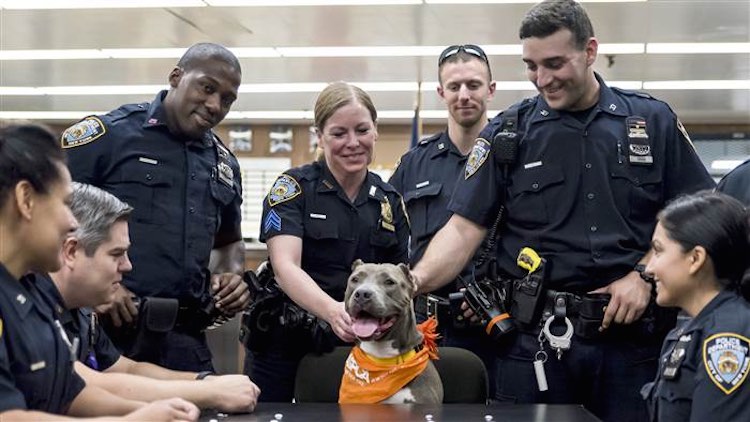
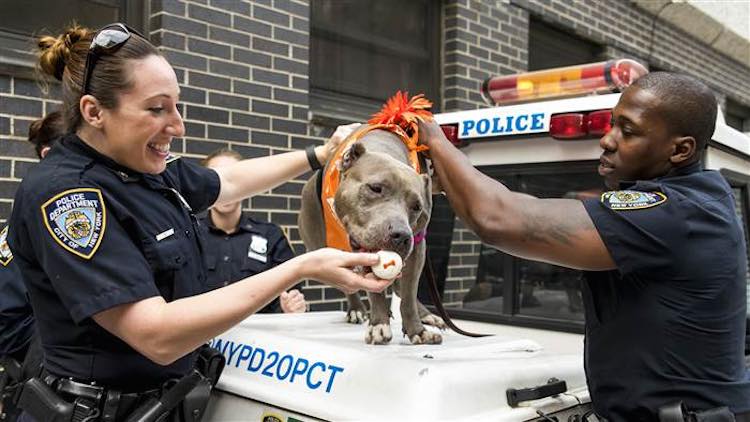
When New York City cops rescued Jamie the pit bull from a Brooklyn apartment basement, she was malnourished, dirty, and afraid – now she’s the most popular pup in town.


cops-petting-jamie-the-pit-bull-aspca

After being rehabilitated for six months with the ASPCA, Jamie is available for adoption


dog-in-police-car-aspca

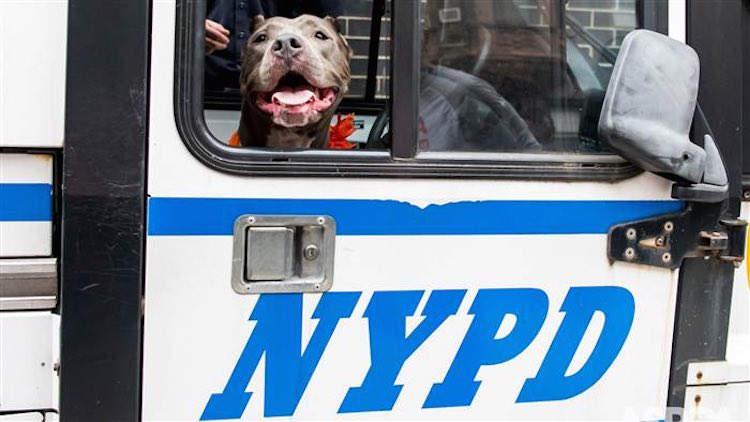
In an effort to help her get more publicity, the boys in blue took her out for a special doggie day featuring cuddles, walks, adoration, and pup-cake treats.


pupcakes-aspca

If you can’t tell from the photos above, the 4-year-old pooch has become as friendly as can be since her salvation.

Jamie’s rescue is just one of many similar stories that have resulted in the NYPD’s three-year partnership with the ASPCA. The police have gone to great lengths to answer all animal cruelty calls and reports in the city. These increased response efforts have resulted in over 850 animals – just like Jamie – getting a second chance at a happy ending.

RELATED:  Cop Posts Selfies with Dogs He Saved To Help Them Reunite With Owners

If you’d like to adopt Jamie, you can check out her adoption page featuring a sparkling review: “This social girl likes saying hello to friendly faces and sharing her love with everyone she meets. Jamie is a sweetheart who loves meeting new people. She is content with cuddling on the couch and hanging out with her best friends.”

Click To Share This Pawesome Story With Your FriendsPhotos by ASPCA

Homebound Veterans Get Virtual Reality Visits to WWII Memorials in DC


wwii-iwo-jima-memorial-youtube

For elderly or disabled veterans who are unable to travel, there are some sacred tributes to their service that they will never be able to visit – like the new WWII Memorial in Washington D.C.

But thanks to a recently formed nonprofit called Honor Everywhere, they can now experience standing amidst the monumental site by using a virtual reality headset.

The organization’s founder, Sarah Hill, created Honor Everywhere in honor of her late grandfather, a WWII veteran who was never fit enough to travel to the memorial. Now they’re providing that service to ex-servicemen everywhere free of charge.

MOREConnecticut Becomes Second State to End Veteran Homelessness

“The Virtual Reality experience is viewed with special goggles which are brought to a veteran’s bedside, wheelchair, or assisted living center,” says Honor Everywhere’s website. “These short films create immersive experiences for terminally ill and aging veterans using Stereoscopic 360, 3D video. Regardless of their physical location, veterans are able to experience the World War II Memorial, the Iwo Jima Memorial and Arlington National Cemetery, as if they were there in person.”

(WATCH the video below)

Make Every Day Veteran’s Day: Click To Share

Video Game Chief Pays $15M for Protection of 7,000 North Carolina Acres

tim-sweeney-released

Tim Sweeney, founder of the American video game developing company Epic Games, has paid $15 million of his own money to protect 7,000 acres of wilderness from development.

Though the North Carolina land is still under private ownership, the easement will ensure that it won’t be harmed by construction or logging in the future.

The Box Creak Wilderness, located near the famed Blue Ridge Mountains, is not the first tract of land that Sweeney has saved. Since 2008, he has bought over 40,000 acres of North Carolina forestry.

RELATEDFarmer Returns 700 Acres of California Coast to Native American Tribe

“I’m grateful for the efforts of Senator Richard Burr to help protect Box Creek Wilderness,” Sweeney said in a statement, referring to the Republican senior senator in the U.S. Congress. “And I’m grateful for the whole Fish and Wildlife Service team’s tireless efforts to preserve vital North Carolina natural areas in partnership with conservation-minded landowners like me.”

Epic Games, based in Cary, North Carolina, is responsible for such hit games as Gears of War and Infinity Blades. 

Click To Share This Story With Your Friends

Professor Insists Young Mom Bring Her Newborn Son With Her To Class

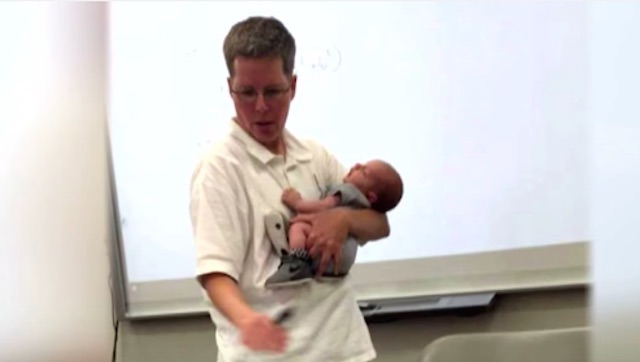
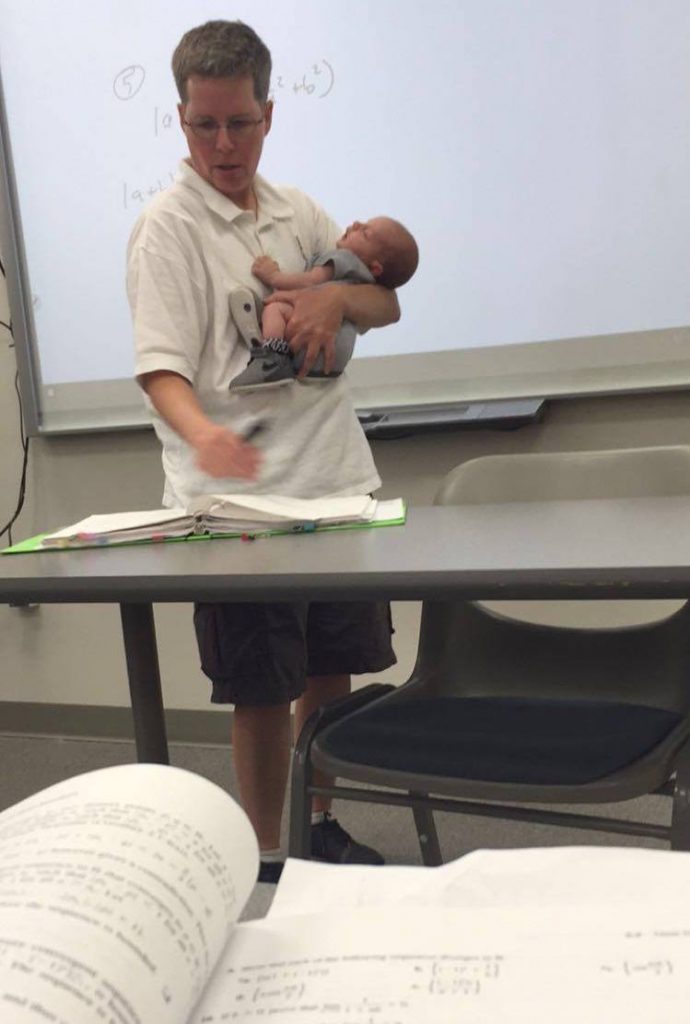
This college professor didn’t want a young mother to worry about her infant son while taking her math course – so she told the student to bring her baby along.

Sarah Thompson was only a week into Dr. Josie Ryan’s mathematics class at Lander University in Greenwood, South Carolina when she gave birth to her son Isaiah.

Knowing that Sarah would be overwhelmed, Ryan simply told her to bring the baby into class.

The teacher showed the hesitant mom where the breast-feeding room was on campus, insisted that it was not a problem, and even carried the infant during the entirety of the first class.

WATCHSimple Act of Kindness Marks His Third Day on the Job

“It’s so reassuring to know that there are professors out there like this,” Sarah wrote on Facebook. “Not only is she an amazing person, she’s also one of the best math professors I’ve ever had.”

“Hopefully this post will encourage other educators or moms or pregnant/working women who are students to ask for help,” Thompson wrote. “Our families are beyond supportive of my decision to graduate within the first year of his birth and I couldn’t do this without them. It’s hard – but with support like this, how can I lose if I trust God & believe in myself!?”

(WATCH the video below)

Cradle Your Friends With This Story: Click To SharePhoto by Sarah Thompson

iPad Game Is Surprisingly Effective in Treating Children with Lazy Eye

iPad-boy-CC-aperturismo-Foter

iPad-boy-CC-aperturismo-Foter

A special iPad game was quickly effective in treating children with lazy eye over a two week period, and was more effective than the standard treatment of patching, according to a recent study.

Amblyopia is the leading cause of monocular visual impairment in children, affecting 3 percent of kids in the United States. It has traditionally been viewed as a monocular disorder that can be treated by patching the opposite (fellow) eye to force use of the amblyopic eye, but it does not always restore 20/20 vision or teach the eyes to work together. Because the condition arises from binocular discordance, binocular treatments are likely to yield better vision outcomes.

Krista R. Kelly of the Retina Foundation and colleagues randomly assigned 28 children (average age, 7 years) with amblyopia to binocular game treatment or to patching treatment. The action-oriented adventure iPad game required children to wear special glasses which separate game elements seen by each eye so that reduced-contrast elements are seen by the fellow eye. High-contrast elements are seen by the amblyopic eye, and high-contrast background elements are seen by both eyes. For successful game play, both eyes must see their respective game components. Children were asked to play the game at home for 1 hour a day for 5 days over a 2 week period.

CHECK OUTNew Drug Inspires Hope For Alzheimer’s Cure

“We show that in just 2 weeks, visual acuity gain with binocular treatment was half that found with 6 months of patching, suggesting that binocular treatment may yield faster gains than patching. Whether long-term binocular treatment is as effective in remediating amblyopia as patching remains to be investigated,” the authors write.

MOREFirst Ever Quadriplegic Treated With Stem Cells Regains Motor Control in His Upper Body

The researchers found the average visual acuity improvement after binocular treatment being more than double the improvement found with patching, and this was achieved with less than 50 percent treatment time required for patching (10 hours vs 28 hours of patching). Five of 13 children (39 percent) with binocular treatment reached 20/32 or better visual acuity compared with 1 of 14 children (7 percent) with patching.

At 2 weeks, patching children crossed over to binocular game treatment, and all 28 children played the game for another 2 weeks. At the 4-week visit, no group difference was found in BCVA change, with children who crossed over to the binocular games catching up with children treated with binocular games.

The study was published online in The JAMA Network Journals.

Don’t Be Lazy: Click To Share With Your Friends – Photo by Aperturismo, CC

Levels of Mercury in Atlantic Tuna Rapidly Declines

bluefin tuna-cc-Tom Puchner

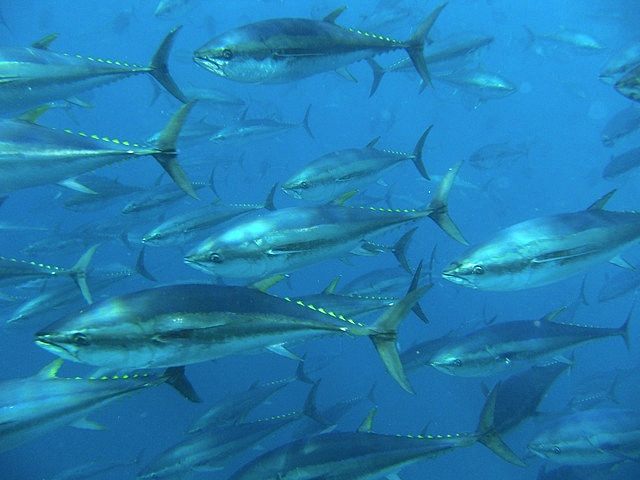
Many people stopped eating tuna salad sandwiches after learning the fish were accumulating too much mercury—but new data might bring a smile back to lunchtime tuna lovers.

According to the nonprofit American Chemical Society, which was chartered by the U.S. Congress, tuna consumption contributed the largest share of mercury in U.S. consumers, more than any other source.

But recently, as U.S. federal regulations have cut down on mercury emissions from industrial smokestacks, research shows mercury concentrations in some fish are also dropping. One report showed drastically lower toxins in bluefish caught off the Atlantic coast. The latest study, published in Environmental Science & Technology, reports that this is the case for larger fish at the top of the ocean food chain, including the prized Atlantic bluefin tuna.

MOREManatee Population Has Rebounded 500 Percent, No Longer Endangered

To measure the effects of the regional emissions caps, researchers from Stony Brook University, the University of Massachusetts and Harvard University collected and analyzed tissue samples from nearly 1,300 Atlantic bluefin tuna captured between 2004 and 2012.

Tests for mercury content showed that over an eight-year period, the concentration in the fish dropped rapidly— an average of 19 percent.

Although mercury emissions globally continue to rise, due largely to increases in coal burning in Asia, emissions in North America between 1990 and 2007 went down 2.8 percent per year, according to published studies in 2010 and 2013. Over a similar period, mercury in north Atlantic waters dropped 4.3 percent annually. And between 2001 and 2009, mercury in the air above the north Atlantic declined by 20 percent, or about 2.5 percent per year.

(Source: American Chemical Society)

There’s Nothing Fishy Here: Click To Share Photo by Tom Puchner, CC 

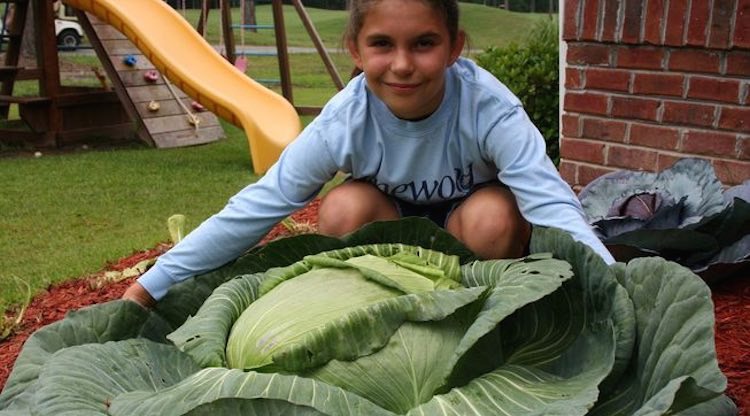
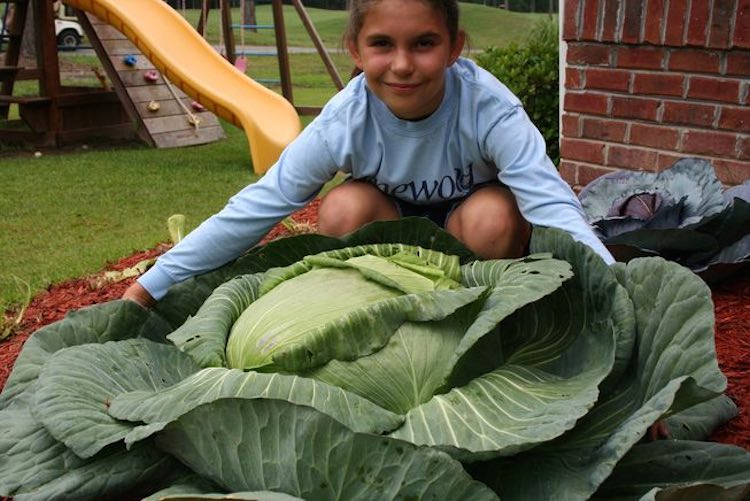
How One Girl Fed Thousands Thanks to an Unusually Large Cabbage

big-cabbage-stacy-stagliano

This little girl became the founder of an organization that fed thousands thanks to a freakishly large 3rd grade project.

When 9-year-old Katie Stagliano was in elementary school, her teacher gave all the students an assignment to plant and grow a cabbage seedling.

Katie’s cabbage went on to become an unusually whopping 40-pound vegetable – so the Stagliano family decided to donate the greens to a nearby soup kitchen in Summerville, South Carolina.

Feeding 275 other people with her cabbage ignited a spark in the young student, and led her to create Katie’s Krops: an organization that encourages other kids in America to grow their own vegetables and feed thousands of hungry people nationwide.

MORETeen Volunteer Wins $70,000 SUV in Charity Raffle, Then Stuns Crowd

“It is the most incredible feeling to know that there are kids across the country who are as passionate as me about ending hunger,” Katie told the Good News Network. “Together as a family of growers, we are helping to grow a healthy end to hunger in our communities.”

The team of young gardeners have already served over 2,000 meals and donated thousands of pounds of produce across the US.

CHECK OUT: This Doctor Broke The Law To Engineer a Better Nursing Home, And the Death Rate Plummeted

“We want to expand Katie’s Krops to 500 gardens in all 50 states,” said the now-18-year-old gardener. “Currently, we are at 100 gardens in 31 states, but thanks to our incredible supporters at Sub-Zero, we are able to start 25 new Katie’s Krops gardens across the United States in 2017.”

The group is currently accepting applications from kids ages 9-16 who want to start a Katie’s Krops Garden in their community to help end hunger.

RELATEDWoman Donates Entire Toy Store to Kids in Homeless Shelters

Katie’s achievements don’t end at a garden’s marigold border, however: She and a team of volunteers host a monthly dinner that provides free garden-to-table meals to the community; she published Katie’s Cabbage in 2014, which won the 2015 Carol D. Reiser Children’s Book Award; and she has founded a yearly summer camp that teaches young gardeners growing techniques.

Though she’s off to college, she hopes to take Katie’s Crops internationally and wipe out hunger for good.

(WATCH the video below)

Grow Some Positivity: Click To Share This Story With Your FriendsPhoto by Stacy Stagliano

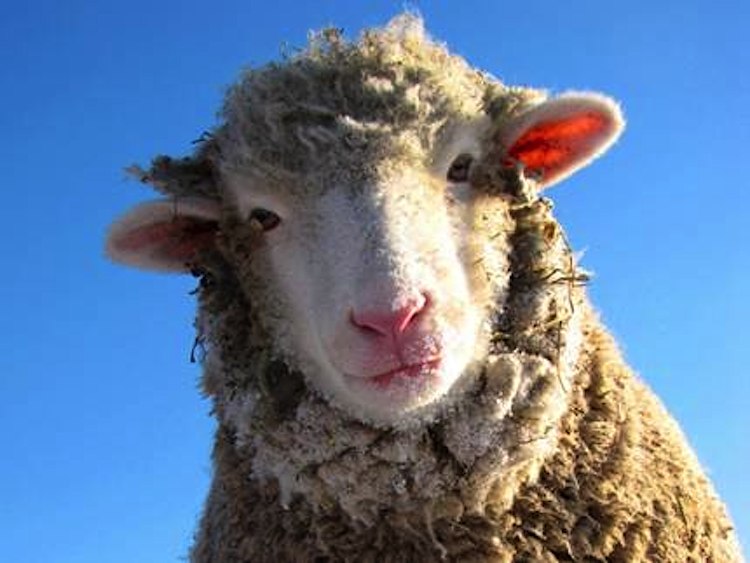
Massachusetts Voters Pass Historic Animal Protection Law

sheep-face-Farm Sanctuary-submitted

Thanks to over 5 million affirmative votes, the Massachusetts Minimum Size Requirements for Farm Animal Containment – also known as Question 3 – was passed this Tuesday.

Question 3 makes it illegal for farmers to house their cows, pigs, lambs, and egg-laying hens in confined spaces. A confined space is defined as a pen that “prevents the animal from lying down, standing up, fully extending its limbs, or turning around freely.”

MORESuperMeat Promises Real Meat With No Harm To Any Animals

This definition bans the use of veal crates, gestation crates, and battery cages. Thouh several states have already prohibited some of these individual devices, Massachussetts is the first to dispose of all three.

Though some legislators said that the bill would make animal byproducts more expensive for poorer Americans, 77.6% of Massachusetts voters approved the vote in protest of the cruel livestock practices.

The bill will also prevent business owners from importing products from outside Massachusetts that do not comply with the treatment standards. Farmers have until 2020 to meet the requirements before they start being fined by the state.

Click To Share This Story With Your Friends Photo by Farm Sanctuary
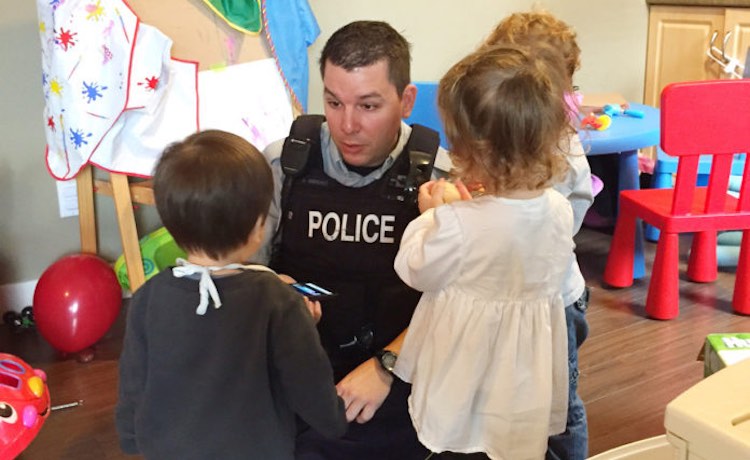
Police Are Best Substitute Teachers Ever, When Daycare Provider is Hospitalized

babysitting-cop-west-shore-rcmp

Three Canadian police officers aren’t just good at protecting and serving – they’re pretty good at babysitting too.

When a daycare provider in Langford was taken to a nearby hospital as a precaution, these West Shore RCMP officers stepped up to look after the four kids awaiting their parents.

According to the West Shore RCMP, the boys in blue knew exactly what they were doing: “playing with balloons, singing songs, making French fries out of Play-Doh and above all, making sure those children were well-looked after while trying to make contact with parents to come and pick up their children.”

RELATEDWhen a Preschool Opens Inside a Nursing Home, All Heaven Breaks Loose

Constable Alex Bérubé – one of the officers who answered the call – was delighted to entertain since he is reportedly already a father to a 5-year-old.

After two hours of play, the children were taken home by their parents with sparkling reviews of their local law enforcement guardians.

Multiply The Good: Click To Share This Story With Your FriendsPhoto by West Shore RCMP

Student Spends 8 Hours Giving Free Hugs on Campus to Help Heal Post-Election Tensions

alejandro-andrade-free-hugs-good-news-network

Emotions were high in America the night after Election Day – so Alejandro Andrade decided to spread the love to his fellow classmates.

The 18-year-old psychology student stood on the campus of Virgina Commonwealth University in Richmond, Virginia shivering from the cold weather. Despite the chill, however, he refused to stop holding his sign reading “In light of the hate and/or mistrust… FREE HUGS”.

When I asked him how long he had been standing there for, he chuckled and said “What time is it? Eight thirty? So about eight hours.”

The other VCU students – Democrat, Republican, and Libertarian alike – were also apparently pretty grateful for the compassionate gesture.

MOREMan Makes 108 Pounds of BBQ For Displaced Baton Rouge Flood Victims

“I had a guy come up to me earlier and ask if I gave hugs to Republicans and I said ‘absolutely’,” Alejandro told the Good News Network. “Another girl gave me a hot chocolate as a thank you. Everyone’s been really nice.”

He asked if my friend and I wanted to pick up his spare signs and join him, but we were unfortunately already headed home to recuperate.

RELATEDA Hopeful Message From Good News Network On the Morning After Elections

Even though it may not have been much against the political division currently affecting the country, I have to admit that after taking him up on the hugging offer, I couldn’t help but feel a lot more hopeful for the future.

Click To Share This Sweet Story With Your FriendsPhoto by McKinley Corbley

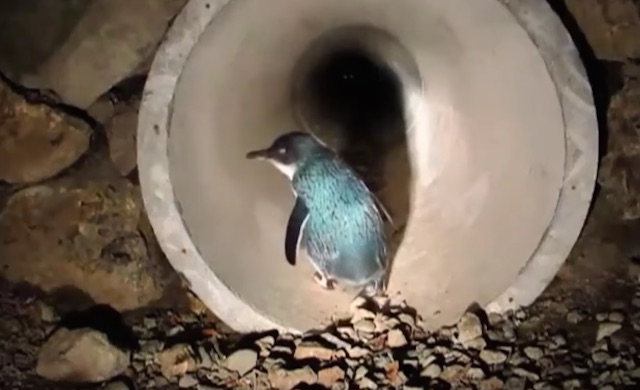
New Zealand Town Builds Underpass for March of the Penguins

penguin-underpass-youtube

These little blue penguins just got their own VIP pass away from traffic and tourists.

Thanks to the local Waitaki district council of Oamaru Harbour, Otago in New Zealand, water and power lines were pushed aside in order to allow construction of a penguin-sized tunnel.

This underpass allows the birds to safely travel from their nests to the sea in privacy.

RELATEDManatee Population Has Rebounded 500 Percent, No Longer Endangered

The blue penguin – also known as the little penguin or the fairy penguin – has fallen prey to human development and pollution, however the species still thrives on the coasts of New Zealand, Australia, and possibly even Chile.

(WATCH the video below)


Waddle This Story Over To Your Friends – Click To Share