











All News - Page 621 of 1737 - Good News Network
Home Blog Page 621

Molecule Combo Actually Reverses Arthritis in Human Cartilage and Rats, Says ‘Exciting’ New Study

People with osteoarthritis—“wear and tear” arthritis—have had, in the past, limited treatment options, either pain relievers or joint replacement surgery.

Now, Salk researchers have discovered that a powerful combination of two experimental treatments reverses the cellular and molecular signs of osteoarthritis in rats as well as in isolated human cartilage cells. Their results were published in the journal Protein & Cell earlier this week.

“What’s really exciting is that this is potentially a therapy that can be translated to the clinic quite easily,” says Juan Carlos Izpisua Belmonte, lead author and a professor in Salk’s Gene Expression Laboratory. “We are excited to continue refining this promising combination therapy for human use.”

Affecting 30 million adults, osteoarthritis is the most common joint disorder in the United States and its prevalence is expected to rise in coming years due to the aging population and increasing rate of obesity. The disease is caused by gradual changes to cartilage that cushions bones and joints. During aging and repetitive stress, molecules and genes in the cells of this articular cartilage change, eventually leading to the breakdown of the cartilage and the overgrowth of underlying bone, causing chronic pain and stiffness.

RELATED: First Ever Study Shows Chair Yoga is Effective Arthritic Treatment

Previous research had pinpointed two molecules, the protein alpha-KLOTHO and the gene TGF beta receptor 2 (TGFβR2), to potentially treat osteoarthritis. αKLOTHO acts on the mesh of molecules surrounding articular cartilage cells, keeping this extra-cellular matrix from degrading. TGFβR2 acts more directly on cartilage cells, stimulating their proliferation and preventing their breakdown.

While each one alone had only moderately curbed osteoarthritis in animal models of the disease, Izpisua Belmonte and his colleagues wondered if the two together would act more effectively in concert.

“We thought that by mixing these two molecules that work in different ways, maybe we could make something better,” says Paloma Martinez-Redondo, a Salk postdoctoral fellow and co-first author of the new study.

CHECK OUT: Give Yourself a Break—New Research Says Kicking Back in a Sauna Has Surprising Health Benefits

The researchers treated young rats with osteoarthritis using viral particles containing the DNA instructions for making αKLOTHO and TGFβR2.

Six weeks after the treatment, rats that had received control particles had more severe osteoarthritis in their knees, with the disease progressing from stage 2 to stage 4. However, rats that had received particles containing αKLOTHO and TGFβR2 DNA showed recovery of their cartilage: the cartilage was thicker, fewer cells were dying, and actively proliferating cells were present. These animals’ disease improved from stage 2 to stage 1, a mild form of osteoarthritis, and no negative side effects were observed.

The top image shows a knee joint in a healthy rat. (White indicates cartilage.) The second image from top shows a joint with grade 2 untreated osteoarthritis. The third image shows a joint with osteoarthritis that has worsened from grade 2 to grade 4 after six weeks of placebo therapy. The bottom image shows a joint with osteoarthritis that improved from grade 2 to grade 1 (mild) after six weeks of combination therapy with the two drugs.
Photo by Salk Institute.

“From the very first time we tested this combination on just a few animals, we saw a huge improvement,” says Isabel Guillen-Guillen, the paper’s co-first author. “We kept checking more animals and seeing the same encouraging results.”

Further experiments revealed 136 genes that were more active and 18 genes that were less active in the cartilage cells of treated rats compared to control rats. Among those were genes involved in inflammation and immune responses, suggesting some pathways by which the combination treatment works.

MORE: Drinking Baking Soda Could Be Cheap, Safe Way to Combat Autoimmune Disease, Says Scientists

To test the applicability of the combination to humans, the team treated isolated human articular cartilage cells with αKLOTHO and TGFβR2. Levels of molecules involved in cell proliferation, extra-cellular matrix formation and cartilage cell identity all increased.

The research team plans to develop the treatment further, including investigating whether soluble molecules of the αKLOTHO and TGFβR2 proteins can be taken directly, rather than administered through viral particles. They also will study whether the combination might prevent the development of osteoarthritis before symptoms develop.

Reprinted from the Salk Institute

Be Sure And Share The Good News With Your Friends By Sharing It To Social Media…

Puppy Manages to Save Himself From Alleged Dognapping After Alerting Pet Store Employees to His Plight

This clever Canadian canine had a hand (or, rather, a paw) in saving itself when it alerted pet store employees to its plight earlier this week.

In a serendipitous twist of fate, a pair of alleged dognappers brought Vango the 5-month-old Australian shepherd into a pet store in Gatineau, Québec.

Yves Jodoin is an employee and dog trainer who was working at Au Royaume des Animaux when the couple brought Vango into the shop. As he chatted with the couple, he became more and more suspicious of the dog’s origins when they failed to tell him how old the dog was, what kind of food he ate, and how much they had paid for him.

LOOK: Couple Awakens to Find Random Malnourished Dog in the Living Room – and All the Windows and Doors Shut

“The dog was barking, the dog was poking and he really wanted my attention,” Jodoin told CBC. “They were evading the questions. I was giving the dog cookies, but the dog was still barking.”

Jodoin continued to talk to the couple while his co-worker ran some internet searches on missing dog reports. Sure enough, they found a picture of Vango saying that the dog had been reported missing from its home only two and a half hours earlier.

Jodoin then recognized Vango from an obedience class that the pup had undergone at the store in the past.

WATCH: Woman Who Visited and Fed Chained-Up Dog for a Year Finally Gets to Adopt it From Neighbor’s Yard

“At that point I said, ‘Vango, come!’ And the dog was reacting, he was jumping,” Jodoin said. “All along he was barking and poking, trying to say, ‘Hello, I’m not the dog they say I am.’”

One of the alleged dognappers was a pregnant woman who insisted that they had found Vango in the woods earlier that day. She told Jodoin that she had planned on keeping him as a service dog since she couldn’t afford a trained canine to help with her poor health.

Jodoin managed to convince the couple to relinquish Vango to him. He then called the pup’s frantic owner, Josée Francoeur, and told her that her dog was safe and sound in the store—and she was overwhelmed with relief.

MORE: Stray Dog Found Keeping Litter of Newborn Kittens Warm Amidst Frigid Temperatures On Canadian Road

Francoeur had suspected that Vango had been dognapped earlier that very same day after she let him out to pee in her fenced-in backyard only to have him disappear minutes later. Since Vango had not yet been microchipped, she immediately began posting to local social media pages. Upon filing an official police report, she began to lose hope—only to have Jodoin call her a short while later.

“I can’t talk about it without crying,” Francoeur told CBC. “Imagine, If those people didn’t go to that pet store, I would have lost my dog forever.”

Francoeur, who has since made an appointment to get Vango microchipped, now hopes that their story will spur other pet owners to do the same.

Be Sure And Share The Pawesome Rescue Story With Your Friends On Social Media…

“Hope is not a feeling or a mood or a personality type. Hope is a choice.” – Jim Wallis

Quote of the Day: “Hope is not a feeling or a mood or a personality type. Hope is a choice.” – Jim Wallis

Photo: by Ryan Wick, CC license (cropped and lightened)

With a new inspirational quote every day, atop the perfect photo—collected and archived on our Quotes page—why not bookmark GNN.org for a daily uplift?


Pre-Packing an Exercise Bag (Particularly With These Essentials) Could Make You More Likely to Workout

Having trouble getting yourself to the gym? If so, you’re not alone—one in five people have lied about working out.

That being said, a new survey of 2,000 exercising Americans says that if you make sure to pack all of your essentials prior to going to the gym, you’re far more likely to finish your workout.

The survey found more than a third (37%) admitted they’re more likely to wrap a workout early because they forgot something; 3 in 10 have skipped the entire workout because they didn’t have an “essential” item.

Conducted by OnePoll on behalf of Gatorade, the survey examined the successes (and failures) of working out and broke down what respondents had to have to make it all the way through a sweat-session.

WORKOUT ESSENTIALS
1. Sneakers 83%
2. Workout bottoms 70%
3. Socks 69%
4. Hydration 67%
5. Workout top 64%
6. Deodorant 62%
7. Weights 60%
8. Headphones 56%
9. Gym bag 42%
10. Music device 38%
11. Hair tie 36%
12. Workout/yoga mat 32%
13. Cleansing wipes 26%
14. Lock for locker 25%
15. Phone charger 23%
16. Dry shampoo 13%

Sneakers topped the list (83%), closely followed by workout bottoms (70%), socks (69%), hydration (67%) and a workout top (64%). Over half (56%) admitted their headphones qualified as required workout gear and just under a third couldn’t get their heart rate up without a snack.

LOOK: How a Yoga Teacher is Saving First Responders Across America From Depression—With Downward Dog

Furthermore, 50% of participants say they wouldn’t make it through their entire exercise routine without their favorite tunes to keep their mind occupied.

When asked which songs pump respondents up while exercising, Queen’s “Another One Bites the Dust,” Survivor’s “Eye of the Tiger,” ABBA’s “Dancing Queen,” Katy Perry’s “Roar” and Lizzo’s “Truth Hurts” were found to be some of the go-to tunes.

TOP WORKOUT SONGS
• “Another One Bites the Dust” by Queen
• “Back in Black” by ACDC
• “Eye of the Tiger” by Survivor
• “Born in the U.S.A.” by Bruce Springsteen
• “Dancing Queen” by ABBA
• “Despacito” by Luis Fonsi
• “Immigrant Song” by Led Zeppelin
• “Roar” by Katy Perry
• “Truth Hurts” by Lizzo

Sixty-two percent of respondents admitted that little tweaks to their routine can have a major impact—over half (52%) saw a change in their workout performance if they ate or drank something different before or during exercise.

However, 19% say they have lied about working out—and 37% admit doing so in order to convince someone else they were busy.

That was followed by hoping to impress someone (35%) and respondents being embarrassed by what they were actually doing (31%).

TOP WORKOUT EXCUSES
1. Too tired 58%
2. Other things to do 51%
3. Didn’t want to go 30%
4. Made up an excuse 21%
5. Spent too much time at work 21%
6. Wanted to go home 19%
7. Forgot something 17%
8. Ate too much before 12%
9. Felt dehydrated 11%
10. Didn’t eat enough 9%

Respondents dug deep into the excuses they use on themselves when they’re itching to ditch a workout.

The top justifications were being too tired (58%), having other things to do (51%), straight up not wanting to go (30%), and too much time spent at work (21%).

In spite of the flimsy excuses people came up with to stay out of the gym, three in four (76%) said they feel “accomplished” when they finish a workout.

WHAT MAKES WORKOUTS BETTER
1. Right hydration 46%
2. Great playlist 44%
3. Workout with a friend 41%
4. New workout routine 34%
5. New sneakers 31%
6. New workout clothes 29%
7. Personal trainer 21%
8. Workout class 20%
9. Right pre-workout snack 20%
10. Right post-workout snack 18%

Be Sure And Share The Intriguing Survey Results With Your Friends On Social Media…

Disaster Breeds Invention: Philippine Residents Use Volcanic Ash to Repair Damaged Buildings

While a volcanic eruption doesn’t conjure many reasons for celebration, residents of Binan, Philippines have utilized the immense destructive power of nature and turned it into an unorthodox opportunity.

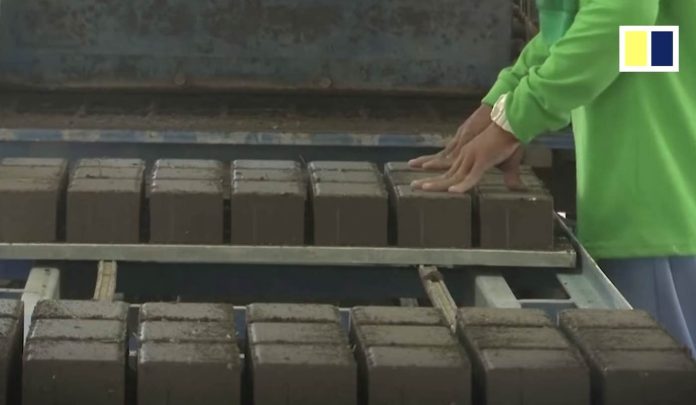
Tens of thousands of grey bricks, produced with the very ash from the recent eruption as well as cement and discarded plastic have been made for the purpose of repairing the parts of the city damaged by the eruption on January 12th, providing a short economic stimulus, and even reducing amounts of plastic in the city’s landfills.

After the Taal volcano erupted last week on the island of Luzon, the mayor of the city of Binan asked residents to collect the fine grey ash deposited all around the city by Taal and place it in sacks to be sent to a state-owned factory.

LOOK: Company Collects 80% of City’s Recyclable Plastics and Turns It All into Lumber

“Instead of just piling up the ashfall somewhere, we are able to turn it into something useful. And it includes plastics, too,” said city environmental officer Rodelio Lee, according to DW.

So far, 5,000 bricks are being produced per day, all of which contain some plastic waste in addition to the ash. In the midst of a natural disaster, Binan has essentially created a massive recycling opportunity.

“When the ash came, we thought we’d exchange the white sand which we mix with plastics to be converted into bricks with ash. We did it and they came out sturdy,” city Mayor Walfredo Dimaguila told Reuters.

MORE: World’s First Community of 3D Printed Homes is Set to House Mexico’s Poorest Families

“What we plan is to turn them into hollow blocks and bricks and sell them to interested companies,” he said, adding that the proceeds would be donated to residents affected by the volcano.

Positioned on the Pacific Ring of Fire, communities in the Philippines are often under threat from erupting volcanoes, with Taal being one of the most formidable in the region.

(WATCH the news coverage below) – Photo by Reuters

Build Up Some Positivity By Sharing The News With Your Friends On Social Media…

Woman Finally Finds Long-Lost Father After 56 Years Thanks to ‘Suggested Friends’ Facebook Feature

SWNS

Talk about social media bringing people together! A woman has been reunited with her long-lost father, after 56 years apart, and it’s all because he was a “suggested friend” on her Facebook page.

LISTEN to the inspiring story told on the radio by our GNN founder in the Good News Guru podcast below—or READ the full story after that…

56-year-old Karen Harris was adopted as a little girl in the early 1960s after she was born out of wedlock to her teenage birth parents.

When she turned 18, Harris approached an adoption agency seeking to track down her birth parents.

She knew virtually nothing about her biological family, but after a social worker shared with her what details they could, Harris managed to find her mother ten years later, after she had had a child of her own.

RELATED: Teen Saved From Seizure After Online Gaming Friend Calls Police From 5,000 Miles Away

However, finding her father proved to be more difficult.

She knew he was an electrician from Croydon and his name was Trevor Sinden, but with such little information at her disposal, she failed to track him down—that is, until decades later when she saw the name appear on the “Suggested Friends” feature of the social media site.

Harris, who lives in Penryn, Cornwall, saw Sinden lived 350 miles away in Kent. Upon scanning his online profile and history, she realized she might indeed be looking at her father.

MORE: Two Sisters Have Been Reading Bedtime Stories for Children on Facebook Live Every Night

The pair then chatted for several weeks before meeting for the first time in an emotional reunion last week—and they both said it was like they have known each other their whole lives.

“It’s so surreal, the chances of actually meeting were so slim,” said 72-year-old Sinden. “I have looked on the internet, but could never find her. It’s early days now, but I feel we already know each other quite well.

“If it wasn’t for Facebook we wouldn’t have met.”

The reunited father and daughter decided to meet in Lyme Regis, Dorset, roughly halfway between Cornwall and Kent. When they first spotted each other, they hugged for so long that a passerby said: “I hope you know each other.”

They had a lot of catching up to do in the following days, which were spent going on walks and searching for fossils on the Jurassic Coast.

All photos by SWNS

Harris was also introduced to two of her long-lost cousins and has had “an amazing time with many new memories.”

MORE: Irishmen Without Phones Reunited With Tourist Pic After Asking Woman to Put It On Internet for Them to Find

“Looking at your family that brought you up, you’re really grateful that they brought you up, but you don’t have that sense of belonging,” says Harris. “Now I’ve found completion. I’ve found connection and completion and I’m cherishing it.

“Those who are adopted can understand that moment when you first see someone other than yourself in a mirror that has your cheek bones, your eyes, your chin,” says Harris. “It is something that someone who isn’t adopted probably can’t relate to or understand, but it changes the way you look at the world.

“Now there is someone else like me, loving me for me and I cherish every moment. I’m incredibly blessed to find him now.”

Help Your Friends See This Sweet Reunion Story By Sharing It To Your Own Social Media Page…

New Molecule Can Harvest Energy From Entire Visible Spectrum of Light—And Then Turn It into Hydrogen Fuel

Scientists for the first time have developed a single molecule that can absorb energy from the entire visible spectrum of light, meaning it can harness over 50% more solar energy than current solar cells can.

Additionally, it can also act as a catalyst to transform that solar energy into hydrogen—a clean alternative to fuel for things like gas-powered vehicles.

The finding, which was published this week in Nature Chemistry, could help humans transition away from fossil fuels and toward energy sources that do not contribute to climate change.

The research team was led by Claudia Turro, a chemistry professor and director of The Ohio State University Center for Chemical and Biophysical Dynamics.

CHECK OUT: Exciting New Study Says That Crops Thrive Underneath Solar Panels—and the Panels Produce More Energy

“The whole idea is that we can use photons from the sun and transform it into hydrogen. To put it simply, we are saving the energy from sunlight and storing it into chemical bonds so it can be used at a later time,” Turro said.

Photons are elemental particles of sunlight that contain energy. The researchers showed, for the first time, that it is possible to collect energy from the entire visible spectrum of sunlight—including low-energy infrared, a part of the solar spectrum that previously had been difficult to collect—and transform it, quickly and efficiently, into hydrogen. Hydrogen is a clean fuel, meaning it doesn’t produce carbon or carbon dioxide as a byproduct of its use.

“What makes it work is that the system is able to put the molecule into an excited state, where it absorbs the photon and is able to store two electrons to make hydrogen,” Turro said. “This storing of two electrons in a single molecule derived from two photons, and using them together to make hydrogen, is unprecedented.”

David Monje / Unsplash

Turning energy from the sun into, say, fuel for a car, first requires a mechanism to collect the energy. That energy then has to be converted into a fuel. The conversion requires something called a catalyst—a thing that speeds up a chemical reaction, allowing the conversion from solar energy to usable energy like hydrogen.

Most previous attempts to collect solar energy and turn it into hydrogen have focused on the higher-energy wavelengths of sunlight—think ultraviolet rays, for example.

Previous attempts also have relied on catalysts that are built from two or more molecules, which exchange electrons—energy—as they make fuel from solar power. But energy is lost in the exchange, making those multi-molecule systems less efficient.

LOOK: Toronto Garbage Trucks Will Soon Be Powered by Biogas From the Very Food Scraps That They Collect

The few attempts that relied on a single-molecule catalyst were also inefficient, Turro said, in part because they did not collect energy from the full visible spectrum of sunlight, and in part because the catalysts themselves degraded quickly.

Turro’s research team figured out how to make a catalyst out of just one molecule—a form of the element rhodium—which means less energy is lost, she said. Furthermore, they figured out how to collect energy from infrared to ultraviolent—the entire visible spectrum. The system this research team designed is nearly 25 times more efficient with and low-energy near-infrared light than previous single-molecule systems operative with ultraviolet photons, according to the study.

MORE: First Fully Rechargeable Carbon Dioxide Battery is Seven Times More Efficient Than Lithium Ion

In the study, the researchers used LEDs to shine light onto acid solutions containing the active molecule. When they did, they found that hydrogen was produced.

Before the research team’s finding can be put into real-world applications, Turro said, there is still much work to be done. Rhodium is a rare metal and producing 10top-casinos catalysts from rhodium is expensive. The team is working on improving this molecule to produce hydrogen over a longer period of time and is working on building the catalyst out of less expensive materials.

Reprinted from Ohio State University

Power Up With Positivity By Sharing The Good News With Your Friends On Social Media…

Man Finds $43K Inside Used Couch and Returns it All to Woman Whose Grandfather Hid it in Secret

A compassionate Michigan man has proven that honesty is indeed the best policy after he happily returned thousands of dollars in cash that he found inside of a recently purchased secondhand couch.

Howard Kirby had bought the couch from the Habitat for Humanity store in Ossowo last month so he could use it in his at-home man cave—but after lounging on it for several weeks, he found it to be oddly uncomfortable.

When his daughter later ended up unzipping the cushions in hopes of improving the couch, they were shocked to find hundreds of dollar bills tucked inside.

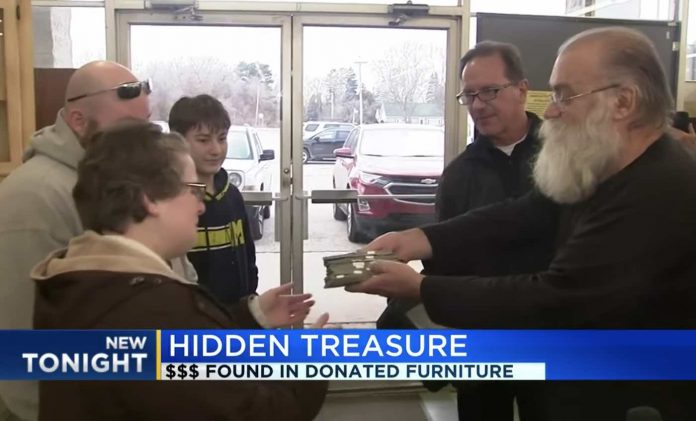
In total, Kirby and his daughter pulled $43,170 in cash out of the couch cushions.

RELATED: Unemployed Man Wants to Find Stranger Who Returned His $273M Lotto Ticket So He Can Share the Wealth

Kirby’s lawyer told him that he had no obligation to return the money, but he still felt that it was his moral duty to contact the original owner.

After calling the Habitat for Humanity store, he discovered that the couch had been donated by Kim Fauth-Newberry back in December. She had only recently donated the couch since inheriting it from her grandfather after he passed away sometime last year.

Not only was she shocked to learn of the money’s existence from the ReStore, she was even more stunned to hear that Kirby would be giving her every dime.

LOOK: When Stranger Finds Lost Wallet on Airplane, He Returns It to Owner With Even More Cash Inside

“It’s just crazy,” she told WNEM. “It’s completely awesome.”

Kirby later told reporters that he could have used the money for a new roof on his home, but he was happier knowing that he did the right thing.

“I always thought ‘what would I do if that ever happened’ and now I know,” says Kirby, “and it makes me feel good.”

(WATCH the news coverage below) – Photo by WNEM-TV

Multiply The Good By Sharing The Inspiring Story With Your Friends On Social Media…

“We can only be said to be alive in those moments when our hearts are conscious of our treasures.” – Thornton Wilder

Quote of the Day: “We can only be said to be alive in those moments when our hearts are conscious of our treasures.” – Thornton Wilder

Photo: by Indi Samarajiva, CC license (cropped and digitally enhanced)

With a new inspirational quote every day, atop the perfect photo—collected and archived on our Quotes page—why not bookmark GNN.org for a daily uplift?


Middle School Boys Restore Internet’s Faith in Humanity With Strikingly Good Manners and Tidy Table

A group of young boys has restored a woman’s faith in humanity after they showed particular care and courtesy towards her at work.

Nicole Marie, who works as a waitress at the Red Dog Saloon in Milford, Michigan, was surprised to be serving a table of seven middle schoolers earlier this month.

“They asked if they had enough money to cover 40 wings and pops,” Marie recalled in a Facebook post. “I looked around confused, wondering where their parents were. I asked if they were alone and they said ‘yes, and we’ve been looking forward to this for weeks!’

WATCH: Viral Video of Young Fast Food Worker’s Drive-Thru Demeanor is Infectiously Positive

“They were so excited and were EXTREMELY polite the whole entire time,” she continued, “using please and thank you and trying to make it as easy as possible for me to get their order; they even told me they’d tip well. One of the boys even told his friend to get off the phone when I was talking to them!

“It was so heartwarming to see how much they were trying, especially when there were no parents around to scold them if they weren’t on their best behavior.”

Marie later told TODAY that her experience with the eighth grade boys was the most positive serving experience she has had at the Red Dog Saloon since she started working there ten years ago.

RELATED: Hospital Janitor Forges Lasting Friendship Between Two Boys in Isolation After Noticing a Love of LEGOS

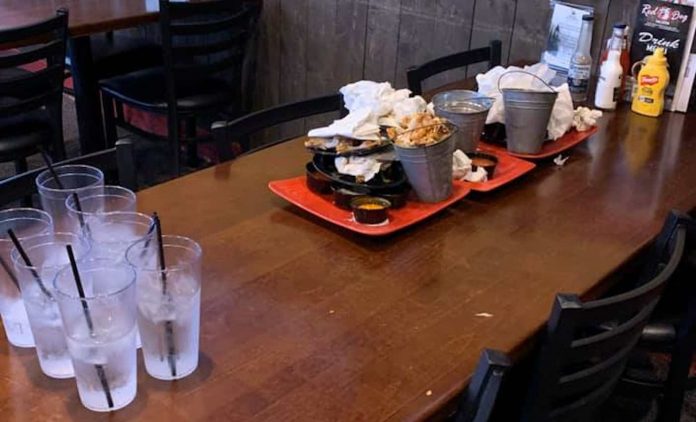
When they left, they even took care to make her job easier by tidying up the table, stacking their dishes, and putting all their trash into a pile.

She wasn’t the only one who paid attention to their good manners, either—a neighboring patron ended up picking up the tab for the boys and telling them to pay it forward. Furthermore, her Facebook post about the boys’ table has been shared more than 10,000 times since she posted it to social media this month.

“I just wanted to give a big props to the parents of these boys—keep doing what you’re doing!!” Marie concluded. “Pictured is how they left the table! Even grown adults (myself included) rarely leave the table this clean!”

Serve Up Some Positivity By Sharing The Good News With Your Friends On Social Media…

Move Over, Sudoku—Neurologists Release 3 Online Brain Training Games Scientifically Proven to Work

Photo by Sapna Parikh/NYU News

A team of university professors from New York and California have designed and developed three free digital games to help its users’ brains work more efficiently.

NYU Steinhardt Professor Jan L. Plass and his colleagues have created three digital games to help children and adults improve their cognitive skills.

While some digital games falsely claim to improve cognitive skills, these three games have actually been proven to do so. Evidenced through a series of research studies, these games can help users boost memory, inhibition, and cognitive flexibility.

“Can games actually have positive effects on players? We believe they can, and we designed three games to support learners in developing cognitive skills that researchers have identified as essential for success in daily life, executive functions,” said Jan L. Plass, Paulette Goddard Professor of Digital Media and Learning Sciences at New York University’s Steinhardt School of Culture Education and Human Development and co-creator of the games.

RELATED: Next Time You’re Feeling Stressed or Anxious, This Study Says You Should Play Tetris

Plass—along with his colleagues Bruce D. Homer of the Graduate Center, City University of New York and Richard E. Mayer of University of California, Santa Barbara—developed the games as a result of a 4-year research project funded by the U.S. Department of Education’s Institute of Education Sciences.

The goal of the research was to design targeted computer games that improve cognitive skills—specifically, executive functions like memory and inhibitory control. Upon discovering that the games successfully improved executive functions after as little play as two hours, the scholars made them available online and in the iOS and Google Play app stores.

“While some children have access to the best schools and resources, this is not the case for many families from less affluent communities across the nation. We hope these games can help close the gap that this lack of opportunity has created,” continued Plass.

The Games and How They Work

The researchers developed three online games: Gwakkamolé, CrushStations, and All You Can ET. Each of these brain training games support a different executive function.

“Unlike other games, our apps were designed from the ground up by a team of developmental psychologists, neuroscience researchers, learning scientists, and game designers to train cognitive skills,” says Homer, a professor of educational psychology and one of the researchers.

Photo by Sapna Parikh/NYU News

Gwakkamolé

The first game, Gwakkamolé, was designed to train inhibitory control, a subskill of executive functions. Inhibitory control is the ability to control one’s attention, behavior, thoughts, and/or emotions.

In the game, players are instructed to smash the avocados that pop up on the screen while avoiding any of the avocados wearing hats—some of the avocados in the game have spikey hats, hard hats, or electric hats on top of their “heads.”

CHECK OUT: This Game Allows You to Plant Trees Around the World Simply By Answering Trivia Questions Correctly

As a player gets to higher levels in the game, more avocados appear on the screen and the speed in which players must smash them increases. Each time a player smashes a hatless avocado they gain points, and adversely, they lose points when they smash an avocado wearing a hat. Gwakkamolé forces players to focus their attention and respond quickly and deliberately (by smashing hatless avocados) to gain points.

CrushStations

CrushStations, which involves crustaceans rather than avocados, focuses on training working memory. Working memory is responsible for temporarily holding and processing information. It plays a major role in how humans use and remember information they learn on a daily basis.

To help train working memory, CrushStations—which takes place in the ocean—requires each player to remember the color and type of creatures on the screen to free them from a hungry octopus. If a player accurately remembers the color and type of crustacean in front of the octopus, the animal goes free. However, if a player is unable to remember both the color and type of creature, the crustacean is captured and eaten by the octopus. The game increases in difficulty by giving players more creatures to remember and more difficult sequences to process.

All You Can E.T.

All You Can ET is the third game in the set released by the three scholars. This game is designed to train cognitive flexibility—the mental ability to switch between thinking about two different concepts, and to think about multiple concepts simultaneously.

In this game, players are providing aliens with food and drinks to help them survive. The challenge in this game is that the aliens frequently change their minds about whether they would like to eat or drink, depending on how many eyes they have and what color their bodies are. For example, in one round, two-eyed orange aliens only eat cupcakes while one-eye green aliens only drink milkshakes. As the game increases in difficulty, the rules for what each alien prefers to eat or drink changes.

Research Findings

In addition to developing the games, all three of which were developed at New York University’s CREATE Lab, Plass, Homer and Mayer published eight research articles reporting on the effectiveness of these games (1, 2, 3, 4, 5, 6, 7, 8).

“We found replicated evidence across multiple experiments that playing our games for two hours causes improvements in executive function skills as compared to a control group that plays an unrelated game,” said Mayer. “This is one of the few scientific experiments showing the benefits of game-based training on executive function skills such as being able to shift from one task to another or being able to keep track of a series of events. This work shows the benefits of designing games based on the cognitive theory of game-based training.”

As next steps, the scholars plan to continue research and build out virtual reality versions of the games. Together, they have also already edited a handbook of game-based learning.

The handbook, being published by the MIT Press, will be available on February 4th and includes the results from this research as well as a myriad of other studies on games and learning.

Reprinted from New York University

Be Sure And Share The Intriguing News With Your Friends On Social Media…

Watch Stray Dog Jump into Action to Help Kindergartners Safely Cross Busy Street

Not all heroes wear capes—but this canine crossing guard is a perfect example of how they might wear collars.

Earlier this week, a group of kindergartners in Batumi, Georgia was trying to cross a busy street with their human chaperone only to have several cars continue to drive past the designated crosswalk without stopping.

That’s when a stray neighborhood dog named Kursha took it upon himself to deter oncoming traffic by barking at the cars and clearing the road ahead of the children.

WATCH: More Than 220 Sheep Saved From Australian Bushfires After Heroic Pup Herds Them to Safety

By the time Kursha was done scolding the nearby vehicles, the kids were able to cross the street without interference.

Although Kursha’s impressive display of safety skills make seem like just another walk in the park, he has become an internet sensation since a sidewalk pedestrian named Beqa Tsinadza managed to film the adorable exchange and post it to social media.

(WATCH the video below)

Be Sure And Share The Pawesome Story With Your Friends On Social Media…

Accidental Discovery of New T-Cell Hailed as Major Breakthrough for ‘Universal’ Cancer Therapy

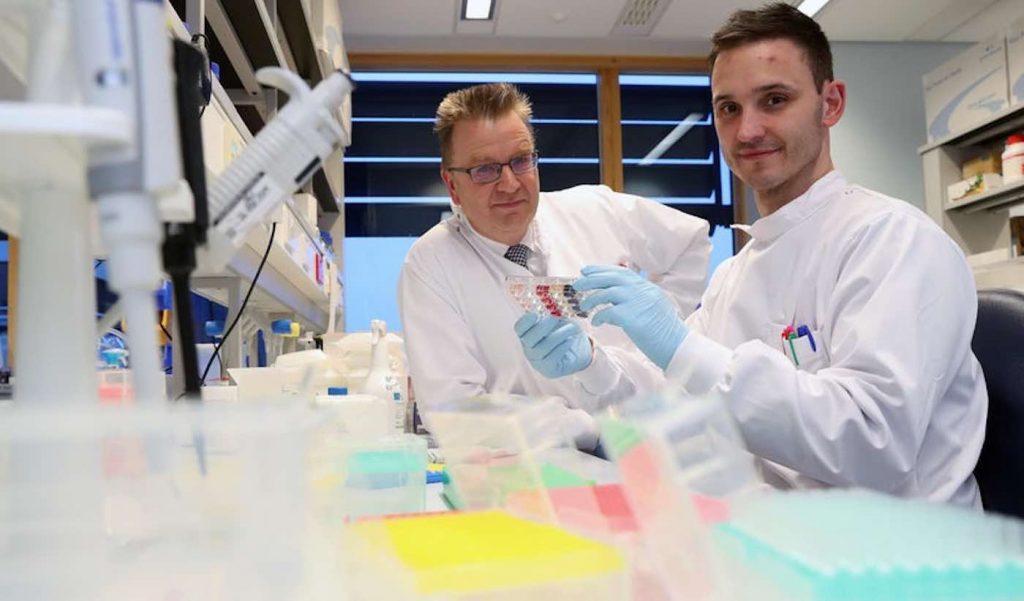
Andrew Sewell and Garry Dolton / Cardiff University

Researchers at Cardiff University have discovered a new type of killer T-cell that offers hope of a “one-size-fits-all” cancer therapy.

T-cell therapies for cancer—where immune cells are removed, modified and returned to the patient’s blood to seek and destroy cancer cells—are the latest paradigm in cancer treatments.

The most widely-used therapy, known as CAR-T, is personalized to each patient, but it only targets a few types of cancers and has not been successful for solid tumors, which make up the vast majority of cancers.

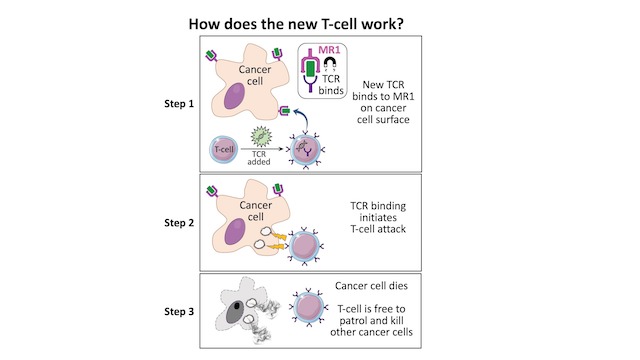
Cardiff researchers have now discovered T-cells equipped with a new type of T-cell receptor (TCR) which recognizes and kills most human cancer types, while ignoring healthy cells.

RELATED: FDA Approves Pancreatic Cancer Drug Treatment After It Was Shown to Double Patient Lifespans

This TCR recognizes a molecule present on the surface of a wide range of cancer cells as well as in many of the body’s normal cells but, remarkably, is able to distinguish between healthy cells and cancerous ones, killing only the latter.

The researchers said this meant it offered “exciting opportunities for pan-cancer, pan-population” immunotherapies not previously thought possible.

Photo by Cardiff University

How does this new TCR work?

Conventional T-cells scan the surface of other cells to find anomalies and eliminate cancerous cells—which express abnormal proteins—but ignore cells that contain only “normal” proteins.

The scanning system recognizes small parts of cellular proteins that are bound to cell-surface molecules called human leukocyte antigen (HLA), allowing killer T-cells to see what’s occurring inside cells by scanning their surface.

MORE: Scientist Who Helped Develop Breakthrough Ovarian Cancer Treatment Donates All $1.2 Million in Profits

HLA varies widely between individuals, which has previously prevented scientists from creating a single T-cell-based treatment that targets most cancers in all people.

But the Cardiff study, published this week in Nature Immunology, describes a unique TCR that can recognize many types of cancer via a single HLA-like molecule called MR1.

Unlike HLA, MR1 does not vary in the human population—meaning it is a hugely attractive new target for immunotherapies.

Andrew Sewell and Garry Dolton / Cardiff University

What did the researchers show?

T-cells equipped with the new TCR were shown, in the lab, to kill lung, skin, blood, colon, breast, bone, prostate, ovarian, kidney and cervical cancer cells, while ignoring healthy cells.

To test the therapeutic potential of these cells in vivo, the researchers injected T-cells able to recognize MR1 into mice bearing human cancer and with a human immune system.

CHECK OUT: Husband-Wife Duo Has Developed ‘Gene and Cell Therapy’ Cancer Vaccine Now Being Tested on Patients

This showed “encouraging” cancer-clearing results which the researchers said was comparable to the now NHS-approved CAR-T therapy in a similar animal model.

The Cardiff group were further able to show that T-cells of melanoma patients modified to express this new TCR could destroy not only the patient’s own cancer cells, but also other patients’ cancer cells in the laboratory, regardless of the patient’s HLA type.

Professor Andrew Sewell, lead author on the study and an expert in T-cells from Cardiff University’s School of Medicine, said it was “highly unusual” to find a TCR with such broad cancer specificity and this raised the prospect of “universal” cancer therapy.

“We hope this new TCR may provide us with a different route to target and destroy a wide range of cancers in all individuals,” he said.

RELATED: Apples, Tea, and Moderation—The 3 Ingredients for a Long Life

“Current TCR-based therapies can only be used in a minority of patients with a minority of cancers.

“Cancer-targeting via MR1-restricted T-cells is an exciting new frontier – it raises the prospect of a ‘one-size-fits-all’ cancer treatment; a single type of T-cell that could be capable of destroying many different types of cancers across the population.

“Previously nobody believed this could be possible.”

What happens next?

Experiments are under way to determine the precise molecular mechanism by which the new TCR distinguishes between healthy cells and cancer.

The researchers believe it may work by sensing changes in cellular metabolism which causes different metabolic intermediates to be presented at the cancer cell surface by MR1.

MORE: Broccoli Isn’t Just Good For You—Scientists Find It Holds Molecule That Could Be the ‘Achilles’s Heel’ of Cancer

The Cardiff group hope to trial this new approach in patients towards the end of this year following further safety testing.

Professor Sewell said a vital aspect of this ongoing safety testing was to further ensure killer T-cells modified with the new TCR recognize cancer cells only.

“There are plenty of hurdles to overcome however if this testing is successful, then I would hope this new treatment could be in use in patients in a few years’ time,” he said.

Professor Oliver Ottmann, Cardiff University’s Head of Haematology, whose department delivers CAR-T therapy, said: “This new type of T-cell therapy has enormous potential to overcome current limitations of CAR-T, which has been struggling to identify suitable and safe targets for more than a few cancer types.”

Professor Awen Gallimore, of the University’s division of infection and immunity and cancer immunology lead for the Wales Cancer Research Centre, said: “If this transformative new finding holds up, it will lay the foundation for a ‘universal’ T-cell medicine, mitigating against the tremendous costs associated with the identification, generation and manufacture of personalized T-cells.

“This is truly exciting and potentially a great step forward for the accessibility of cancer immunotherapy.”

Reprinted from Cardiff University

(WATCH the explanatory video below)

Be Sure And Share The Exciting News With Your Friends On Social Media…

“Every action you take is a vote for the type of person you wish to become.” – James Clear

Trinity College by Hernán Piñera, CC license

Quote of the Day: “Every action you take is a vote for the type of person you wish to become.” – James Clear

Photo: Trinity College by Hernán Piñera, CC license, cropped

With a new inspirational quote every day, atop the perfect photo—collected and archived on our Quotes page—why not bookmark GNN.org for a daily uplift?


Woman Found Religious Peace After Receiving ‘Blessing’ From Deceased Grandfather in Ireland (MOTH Monday)

Today is MOTH Monday on Good News Network: In partnership with The Moth, a nonprofit dedicated to the art of storytelling, we bring you the most uplifting speakers from live stages across the world.

When Krista Tippett was a little girl, she adored her grandfather “Gaggy”: a roving evangelist who pastored to tiny country churches throughout the south.

For years, she idolized his traditional teachings and strict style of living—until she went to college and began studying theology.

Despite the flaws in his line of theological thinking, Tippett grew up to interview more and more religious figureheads only to realize that her grandfather may have been more correct in the ways of mysticism than she originally thought.

Her epiphany came to a tee when she eventually spoke to an Irish woman who shocked Tippett by telling her that there was an older preacher offering his blessings to her from beyond the grave.

Listen to her story below…

The Moth gives people an opportunity to tell a true story in front of a live audience, and sometimes their stories are chosen to air on the radio show, now celebrating its tenth year, and broadcasting on 485+ public radio stations—and on The Moth podcast, which is downloaded over 52 million times a year.

The Moth’s third book, Occasional Magic: True Stories About Defying the Impossible is now available for purchase through your favorite booksellers.

Be Sure And Share This Awe-Inspiring Story With Your Friends On Social Media…

Florida is Purchasing 20,000 Acres of Everglade Wetlands to Protect It From Oil Drilling

Photo by Gov. Ron DeSantis's Press Office

The state of Florida is purchasing more than 20,000 acres of wetlands in the Everglades in order to protect it from oil drilling.

Last week, Governor Ron DeSantis announced that the Florida Department of Environmental Protection (DEP) reached an agreement that will allow for the purchase of 20,000 acres of critical wetlands in Water Conservation Area 3 (WCA 3) within the Everglades Protection Area located in Broward County for $16.5 million.

According to the Republican governor, this acquisition will represent the largest wetland acquisition in a decade.

“One of my administration’s top environmental priorities has been expediting Everglades restoration,” said Governor DeSantis. “Today we take another step in the right direction by reaching this agreement between DEP and Kanter Real Estate that will allow for the purchase of 20,000 acres of critical wetlands.

LOOK: Epic New Trail Will Allow Cyclists and Hikers to Travel 3,700 Miles Across America From Coast to Coast

“This significant purchase will permanently save these lands from oil drilling,” he added. “I’m proud of our progress, but also recognize this is just the beginning. I will continue to fight every day for the Everglades and Florida’s environment.”

The property, which is located in the heart of the Everglades in WCA 3, is part of the Everglades Protection Area—one of the most important wetland systems in the Everglades ecosystem.

With this acquisition, there will be nearly 600,000 acres of wetlands in WCA 3 that will be permanently protected in public ownership for restoration and recreation.

Photo by Gov. Ron DeSantis’s Press Office

“Under the leadership of Governor DeSantis, 2020 is already starting out as a banner year for Everglades restoration,” said South Florida Water Management District Governing Board Chairman Chauncey Goss. “These wetlands are critical to the health of the Everglades and now we can guarantee that there will be no oil and gas drilling on 20,000 acres in the heart of the Everglades.”

The Everglades Foundation CEO Eric Eikenberg added: “We applaud Governor DeSantis for his swift action in protecting these lands. This is yet another demonstration of his commitment to restoring America’s Everglades and ensuring that we achieve more now for Florida’s environment.

“We also stand in strong support of the Governor’s request for sustained funding at the $625 million level annually for the Everglades, springs, and clean water. Recurring funding is critical to expediting and completing key Everglades restoration projects like the Everglades reservoir that will send an average of 120 billion gallons of clean freshwater south to Everglades National Park and Florida Bay, reducing unwanted discharges to the East and West coasts.”

Reprinted from Gov. Ron DeSantis’s Press Office

Be Sure And Protect Your Friends From Negativity By Sharing The Good News With Your Friends On Social Media…

Brothers Break Three World Records for Charity By Rowing Across Atlantic Ocean in Just 35 Days

SWNS
(L-R) Lachlan, Jamie, and Ewan celebrate their arrival in Antigua. SWNS.

An intrepid team of brothers has become the youngest and fastest trio to row across the Atlantic—all after spending 35 days, 9 hours, and 9 minutes at sea.

The MacLean brothers beat the previous world record by six days, rowing from La Gomera in Spain to Antigua in the Caribbean.

The rowing team—known as BROAR—set three world records in total by also becoming the first three brothers to row across any ocean and also the youngest trio to row across the Atlantic.

RELATED: American Woman Just Became First Paralyzed Veteran to Complete a Marathon Using a Robotic Exoskeleton

The brothers, Jamie, Ewan and Lachlan, set off from Spain on December 12th last year and last completed their 3,000-mile ocean crossing after overcoming seasickness, battery issues, storms, dehydration, and exhaustion.

They had to row the last 20 days without any music, podcasts, or audiobooks, as their iPhone cables succumbed to damage caused by sun and seawater.

Being musicians, however, they were able to keep themselves entertained with bagpipes, a harmonica, and ukulele on board.

SWNS

The brothers, originally from Edinburgh, finished first among trios and third overall in this year’s Talisker Whisky Atlantic Challenge, beating teams of four and five people.

26-year-old Jamie and 21-year-old Lachlan, students at the University of Glasgow and Glasgow School of Art respectively, convinced their brother Ewan, a design engineer for Dyson in Bristol, to take a sabbatical from work to make this world record attempt.

WATCH: Simone Biles Breaks Record for Most World Medals Won By Any Gymnast, With New Move That Now Bears Her Name

27-year-old Ewan said: “They had to twist my arm but I will be forever grateful to my brothers for convincing me to do this.

“This was, without doubt, the defining experience of my life,” he continued. “It was incredibly difficult but the way we came together, the way our bodies and minds coped with every single challenge, will stay with me for a long time.

SWNS

“It definitely tested our relationship, but it was remarkable how we were able to lift each other up as we struggled.

“It’s brought us closer together, although I am looking forward to getting to see and talk to some different people.”

MORE: 34-Year-Old Athlete Just Became the First Human in the World to Finish a Marathon in Under 2 Hours

Now they’ve smashed a world record, BROAR hope to reach their fundraising target of £250,000 for Feedback Madagascar and Children First. They have so far raised £112,000.

Jamie Spencer, managing director of Feedback Madagascar, said: “Ewan, Jamie and Lachlan are an amazing team—it seems like there’s nothing they can’t do.

SWNS

“Their strength and determination has helped them beat this record at the same time as saving and transforming lives with every stroke. Every £5,000 raised pays for a freshwater borehole for a village in Madagascar—that’s fresh water for 3,000 people so far, and rising.”

Ewan concluded: “We don’t do things by halves, so we were always going to go for a World Record. I’m incredibly proud of beating the record, but mostly, I’m proud of the money we’ve raised for charity and the difference we’ll make to two causes very close to our hearts.”

Having set their first world records, Ewan refused to cancel out other ocean record attempts.

“Who knows what comes next,” he says. “We’ll be eyeing up other oceans.”

SWNS

If This Incredible Story Floats Your Boat, Be Sure And Share It With Your Friends On Social Media…

China is Now Phasing Out Single-Use Plastics as Early as This Year

Since being identified as the world’s largest producer and manufacturer of plastic, China has begun ramping up its restrictions on harmful single-use plastics.

According to Reuters, the National Development and Reform Commission and the Ministry of Ecology and Environment this week issued a new policy which will ban the use of plastic bags in all major cities by the end of 2020, with smaller towns and cities required to follow suit by 2022.

Plastic straws will also be phased out in major cities by the end of this year, and the restaurant industry will be required to reduce single-use plastic consumption by 30% in towns and smaller cities before 2025.

RELATED: NASA Happily Reports the Earth is Greener, With More Trees Than 20 Years Ago–and It’s Thanks to China, India

Other disposable tableware items, such as plastic cutlery and carryout containers, are soon expected to be included in the phase out as well.

Reporters go on to say that China has continued to speed up recycling rates by implementing more and more “comprehensive resource utilization” facilities across the country.

Save Your Friends From Negativity By Sharing The Good News To Social Media…

100-Year-old Bookshop Flooded With Orders After Heartbreaking ‘Tumbleweed Day’ Tweet


A 100-year-old book store has been given a much-needed boost in business after they made a social media post about their first ever “tumbleweed day” with no customers.

Last week, the historic Petersfield Bookstore of Petersfield, England posted several photos of their empty shop to Twitter, lamenting how “not a single book had been sold” that day.

The heartwrenching tweet spurred dozens of Twitter users to reach out with online book orders and messages of encouragement—but the real support came from a retweet courtesy of famed English novelist and fiction writer Neil Gaiman.

After Gaiman retweeted the photos of the empty book shop, Petersfield was flooded with orders.


The shop later confessed that the “tumbleweed day” was indicative of a much more bleak sales history. In fact, they had not even been sure the shop would survive the week if the trend continued.

“It is not always easy for a business to admit that it has been so close to the edge, and we don’t do it lightly. It was a horrible situation and of course things remain fragile,” wrote the shop. “The thought of having to announce the closure of The Petersfield Bookshop was heartbreaking.


“It was nothing short of miraculous this has happened to us in the same week … and we are truly grateful,” they continued. “We are trying to think of ways to pay it forward and to use our new found voice with 20k followers to help the book trade in general.”

Since the store does not open on Sundays, they now plan on taking to Twitter on their days off to recommend independent publishers, shops, and authors who might deserve the extra social media exposure.


Help Your Friends Read The Good News By Sharing It To Social Media…

“You can only protect your liberties in this world by protecting the other man’s freedom. You can only be free if I am free.” – Clarence Darrow (100 years ago ACLU founded)

Quote of the Day: “You can only protect your liberties in this world by protecting the other man’s freedom. You can only be free if I am free.” – Clarence Darrow (100 years ago today, the ACLU was founded)

Photo: by Ryan Welsh, CC license via Flickr

With a new inspirational quote every day, atop the perfect photo—collected and archived on our Quotes page—why not bookmark GNN.org for a daily uplift?