Besides a jolt of caffeine to get you through your day, a long-term study shows that coffee may have additional ‘perks’…
Researchers say an inflammation-lowering effect of the beverage could be the reason coffee drinkers were 54 percent less likely to develop type 2 diabetes as non-coffee drinkers, as reported in the European Journal of Clinical Nutrition.
Between 2001-2002, more than 1,300 men and women in Athens, Greece, were selected to participate in the study. The random sampling included 816 ‘casual’ drinkers – consuming less than 1.5 daily cups of coffee, 385 ‘habitual’ drinkers – who drank more than 1.5 cups per day, and 239 non-coffee drinkers.
Participants had blood tests to evaluate protein levels – which are markers of inflammation, and antioxidant levels – which indicate the body’s ability to neutralize cell-damaging “free radicals”. Ten years later, 191 people had developed diabetes. The study showed those who reported higher coffee consumption had lower likelihoods of developing the disease, even after accounting for smoking, high blood pressure, and family history of diabetes.
According to researchers, levels of serum amyloid, an inflammatory marker in the blood, pointed to a connection between coffee and diabetes. Higher consumption of the beverage went along with lower amyloid levels.
Demosthenes B. Panagiotakos, Professor of Nutrition and Dietetics at Harokopio University in Athens, Greece, told Reuters, “Oxidative stress has been shown to accelerate the dysfunction of pancreatic b-cells and antioxidants intake has been shown to decrease diabetes risk, so the antioxidant components of coffee may be beneficial, but still more research is needed toward this direction.”
Last week, a father was shocked by the kindness that rained down on him, courtesy of a fellow parent and the strangers she rallied on Facebook.
Marc Sable had just lost his wife, Belinda, 28, to ovarian cancer, and as an overnight custodian was wondering how he was possibly going to provide for their two young children by himself.
Holly Lafferty knew Sable from a group, Therapy for Me, where their children receive occupational therapy. She didn’t really know the man—only that, like her, he had a child with special needs. They crossed paths at the Eden Prairie, Minnesota, clinic, and that’s where she was last month when she heard the sad news.
“OK,” Lafferty thought, “We have to do something here.”
“Do you ever witness a moment that you can’t shake?” she wrote in a post titled “It takes a village…” Respectful of the young family’s privacy, she simply invited her friends to join her in doing “Something nice to brighten their day.”
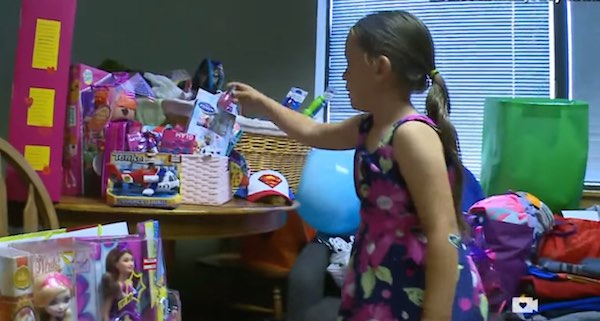
By the time she got home, Lafferty already had donations piling on her doorstep….and they just kept coming. Eventually, the donated money, toys, food, and other goods were enough to fill an office inside the clinic.
“Wow, look at all this stuff, you guys!” Sable said to his children, when the door was opened to reveal the bounty.
(WATCH the video below from KARE-11 News)
Sharing Good Things Feels Great, So Please Share This!
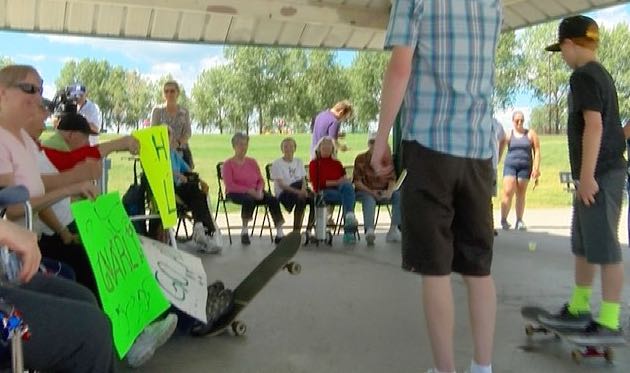
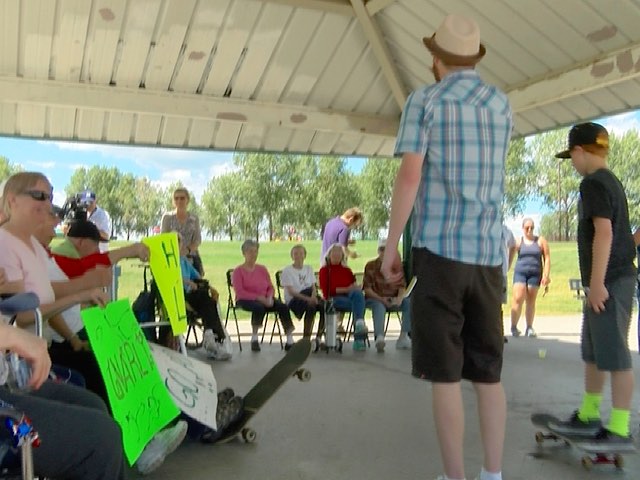
We all know seniors need to keep their minds and bodies active, but taking folks from an assisted living center to the local skateboard park seems a bit extreme.
It turns out Cody Kohlhagen knew what he was doing all along.
The Activities Director at Willowbrook Place headed out with his group of spunky seniors armed with lemonade and lawn chairs to partake in some inter-generational fun and schooling–with inspiration flowing back and forth– and wheels of all kinds.
The seniors in Littleton, Colorado handed out cool drinks, chatted and cheered while the youth showed off their stunts at Clement Park July 25.
“The skate park is unique because it evokes sensations like, vitality, youthfulness, resilience, and eagerness,” Cody told Good News Network. “Every resident was stimulated socially, intellectually, emotionally, physically, and spiritually.”
Whether they roller skated or skateboarded themselves back in the day, the seniors really pick up on the kids’ energy.
With twenty plus kids on the grounds that day, there was always someone dropping in, popping out, or just cruising around; the constant activity never lost the attention of the residents who live two miles away.
“Its good to get them out here to watch the young people and to interact with them,” said one pint-sized boarder in the KMGH-TV video below.
A 96-year-old resident named John said he’s learned more about the sport in one day than he ever thought he would, and his friend Gary agreed that it was something totally different—and “awesome.”
“Most of my female residents were very nervous for the kids when they ‘bailed,’ but I assured them these kids fall down quite often,” Cody added.
Finding new things to do for the more than 50 residents at Willowbrook Place is a dream job for Cody. He reads to them regularly from Good News Network and says he has really found his calling and would gladly spend the rest of his life working there.
“I always say give the residents what they want, and also give them things they didn’t know they might enjoy–shake things up from time to time.”
Shake, rattle, and roll–at whatever age–on whatever wheels you’ve got.
At least 20 kids have recovered from years of bullying thanks to a special “safe school” founded by a pair of grandparents in the U.K..
Three years ago, Fred and Vivian Morgan turned their 10-bedroom home into a private school called Northleigh House School in Hatton, Warwick, in order to give the kids a safe place to learn and heal.
Half of the children struggle with severe depression, and all of the kids that come to them are usually so troubled from their experiences with bullying that they are unable to function at their normal school.
One of the students, who gave wrong answers in class to keep bullies from picking on him, completed the Morgan school a “straight A” student.
“When they leave here, they’re like normal happy, laughing teenagers, and they’ve caught up on their work,” Vivian told the Telegraph.
The kids, aged 11 through 16, spend a year at the school learning English, math, science, and piano, all taught by a staff of 22 part-time employees.
There’s even an Italian therapist on staff, in case the kids want to flex their bi-lingual muscles.
The Morgans ask the kids to stay in touch in case they ever need help when they return home.
(READ more at the Telegraph) Photo: LoveShareCare.com, YouTube —Story Tip from Jan
When you’re watching what you eat, party can sound like a four letter word.
Have no fear: if you’re throwing the shindig yourself—or attending someone else’s— nibbles nutritionist Tanya Zuckerbrot gave us these suggestions to keep you on a nutritious, yet yummy, track.
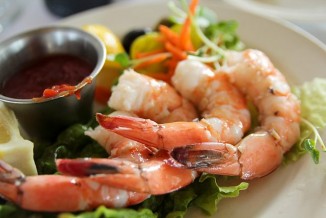
OUT: Crab Cakes IN: Shrimp Cocktail
Classic crab cakes are often filled with fattening fillers and are fried, making them a less than healthy appetizer option. Just one fried crab cake will cost you 290 calories and 19g fat, and that’s before the creamy dipping sauce! Instead, reach for waistline friendly shrimp cocktail.
Five large shrimp with 2 tablespoons cocktail sauce is only 45 calories and 0g fat. Shrimp is a great source of lean protein, which will help fill you up before dinner is served.
OUT: Chicken Wings IN: Chicken Strips
An order of Buffalo wings can be over 1,700 calories. Chicken wings contain a minimal amount of meat, and are mostly skin and bones. Spicy foods, though, have the added benefit of spiking thermogenesis, the heat-producing effect that raises metabolism.
To get the hot flavor (and metabolism spike) without the over-the-top amount of calories and fat, replace wings with chicken breast strips. Crisp them in the oven, and coat in a sizzling buffalo sauce.
OUT: Italian Meatballs IN: Turkey Breast Meatballs
An average serving of four meatballs can have as much as 560 calories and 42g of fat. That’s because a traditional meatball consists of fat-filled beef, or a mixture with fatty pork.
To save on calories and fat, swap out traditional meats for fat-free ground turkey breast—a recipe of which can pack around 250 calories and 4g fat. That’s almost 90% less fat!
OUT: Spinach And Artichoke Dip With Cheese, Chips In: Spinach And Artichoke Dip With Yogurt, Veggies
A typical serving of spinach and artichoke dip contains up to 1,100 calories and 100 grams of fat, which is almost a day’s worth of calories. If you want to make your own, substitute fat-free Greek yogurt for the mayo and cheese. It will retain the creamy texture while slashing more than half the calories and saturated fat.
Additionally, spinach and artichoke is commonly served with bread or tortilla and pita chips. If the option is available, cut calories by skinny-dipping. Skip the chips and instead dip with veggies like carrots, celery, or red pepper strips. Because these vegetables have a high water content, they fill you up on minimal calories.
OUT: Mayo-Filled Deviled Eggs IN: Less Devilish Eggs
Low-carb and packed with flavor, savory deviled eggs are delicious, super-portable and they fill you up. However, with the addition of mayonnaise to the egg yolk, the calories and fat are nearly doubled.
Skip the mayo and add nonfat plain Greek yogurt, diced peppers, and a little paprika for a spicy, high-protein bite. Another option is swapping the mayo for mashed avocado, a healthy Omega-3 fat that will turn the eggs green–great for Christmas, Irish, or sports-themed events. Try swapping salsa to turn the eggs red.
Tanya Zuckerbrot, MS RD, is a Registered Dietitian in private practice in Manhattan and founder of the F-Factor Diet.
Photos: Jo del Corro, Steven Depolo, Meal Makeover Moms, CC
A young Turkish couple wanted to celebrate their wedding day by bringing happiness to some of the refugees who have fled Syria since the outbreak of the civil war four years ago.
Fethullah Üzümcüoğlu and Esra Polat, who married last week in a province near the Syrian border, pooled the money they got from friends and family and used it to host a party for thousands of strangers.
“I was shocked when Fethullah first told me about the idea but afterwards I was won over by it. It was such a wonderful experience. I’m happy that we had the opportunity to share our wedding meal with the people who are in real need,” Esra told i100.
The idea was first proposed by the groom’s father, Ali Üzümcüoğlu, who said he hopes others will follow their example and help feed their Syrian neighbors in need.
(WATCH the video below or READ more at Telegraph.UK) Photo: YouTube
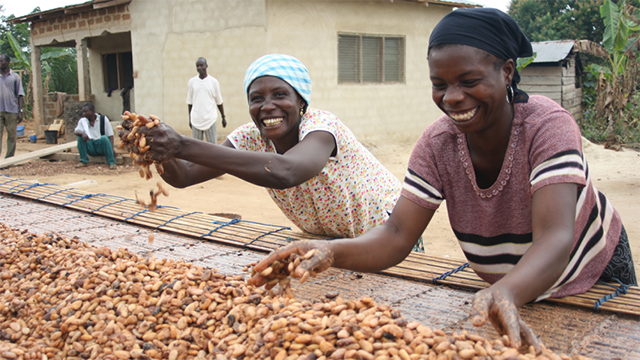
Unwrap a bar of Divine Chocolate and you’ll find…not a golden ticket, but the story of one of the company’s owners.
Peel back one more —why not? Life is short!—and the stories inside may continue to surprise you. That’s because, as the only fair-trade chocolate maker owned by a farmers cooperative, Divine Chocolate has transformed the lives of tens of thousands of growers, many of them now-powerful women.
With profits shared by its family of cocoa producers, a cooperative of farmers in Ghana called Kuapa Kokoo, which means “good cocoa,” has turned out to be a great deal for cocoa growers and their children.
In a country where women are not always given the tools they need to succeed, Kuapa Kokoo has provided a delicious array of resources to empower women workers and their families.
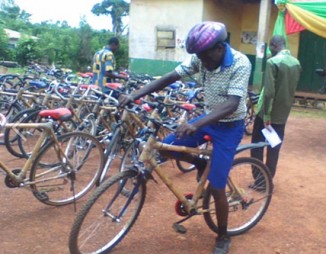
For instance, Kuapa Kokoo has recently started a program to distribute 100 free bamboo bicycles to children of co-op member growers. Many of the children, between the ages of 9 and 16, normally have to walk over 4 miles to school.
To keep jobs in the local economy, Kuapa Bikes and Divine Chocolate worked with Ghana Bamboo Bikes, an enterprise that trains young people to make and fix bikes, using local bamboo to construct the frames. Free workshops, ensure the bikes’ owners have the skills to maintain and fix them after miles of enduring the rough terrain of Western Ghana. (Watch a video about Bamboo Bike project here)
“As a single mother, it was very difficult for me to cater to my children, it was difficult to have three meals a day,” Mary Appiah, Kuapa Kokoo treasurer and mother of seven, told Global Envision.
Kuapa Kokoo provides their workers with social services, worker protections, a credit union, even a weekly radio show that keeps growers in remote locations (many of whom are unable to read) up-to-date on issues of critical importance in the industry.
Through Divine Chocolate’s Women’s Cocoa Farming Training program and the Kuapa Kokoo Women’s Fund, women learn everything from reading, writing and arithmetic to small business skills and new trades—things like soap-making, batik and vegetable gardening—to supplement their income.
Praising Ghana’s leading chocolate cooperative, and its 85,000 member growers, Ms. Appiah says, “They have empowered women in our communities to become leaders, which was not always encouraged in Ghana.”
News This Delicious Deserves to Be Shared, So Please Do:
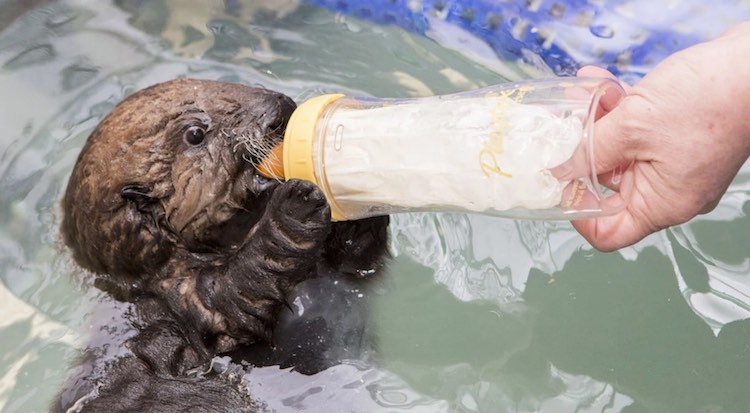
“Luna” was only a week old when found lost and alone on a California beach. Weighing just two pounds at the time, she was taken in by Chicago’s Shedd Aquarium, where people have been teaching her the ways of the world — an otter’s world – how to swim, how to groom, and how to eat.
How to be adorable, however, comes naturally.
As part of the Monterey Bay Aquarium’s Sea Otter Program, six to eight animal care experts will give her round-the-clock attention until she’s eight months old.
“Our animal care team is teaching the pup how to be an otter,” said Tim Binder, Vice President of Animal Collections at Chicago’s Shedd Aquarium.
Over the past 25 years, nearly 700 sea otters—adults and pups—have come through the program, which rescues, treats and releases injured otters; raises and releases stranded pups through a surrogacy program; provides care for sea otters that can’t return to the wild; and conducts scientific research.
Luna is on track to graduate with a diploma in ottering.
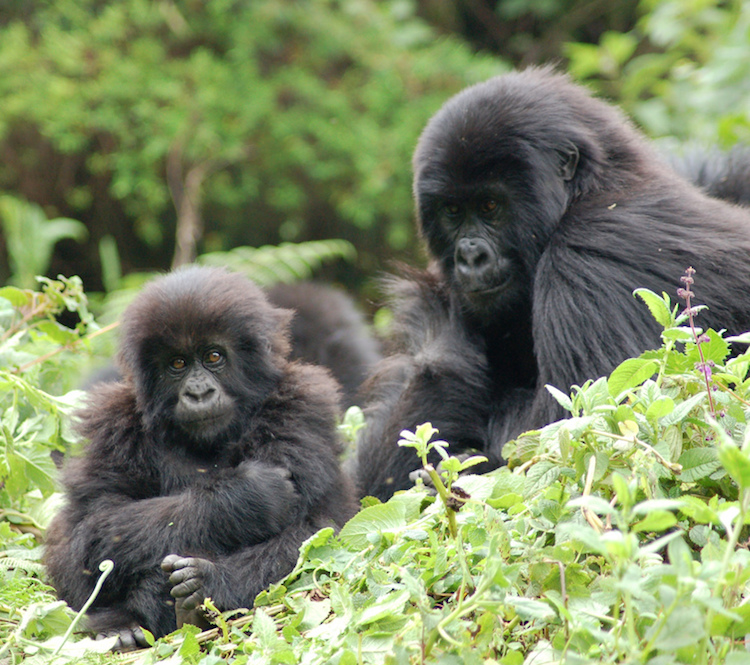
The largest population of mountain gorillas in the world has grown to four times the size of its once-dwindling number, as poaching has become virtually non-existent among the magnificent apes of Virunga National Park in the Democratic Republic of Congo.
Nearly 1,000 gorillas live in the park now, quadruple the number from 30 years ago, and a very special organization is to thank for the population boom.
Set up by governments and conservationist in 2005 to totally overhaul the failing park’s management, The Virunga Foundation battled the root causes of poaching by creating jobs and doing what governments normally do, like building new schools, businesses, and a $22 million hydroelectric project that will provide electricity and 1200 local jobs over the next three years.
The foundation also raised the salaries of honest park rangers to unprecedented levels — $200 a month, eight times the average salary in Congo – to ensure loyalty among the workers.
The changes led to a dramatic decline in poaching and since 2007, only one gorilla has been killed in the park.
The gorillas themselves have contributed to greater peace in the region, too.
The Virunga park’s bordering countries — Congo, Uganda, and Rwanda — have long mistrusted each other, but agree on one thing – the value of the gorillas and the hundreds of millions of tourism dollars brought in every year.
Working together to protect gorillas has led to cooperation on other issues that will bring peace not only to the apes but the humans in the three nations, as well.
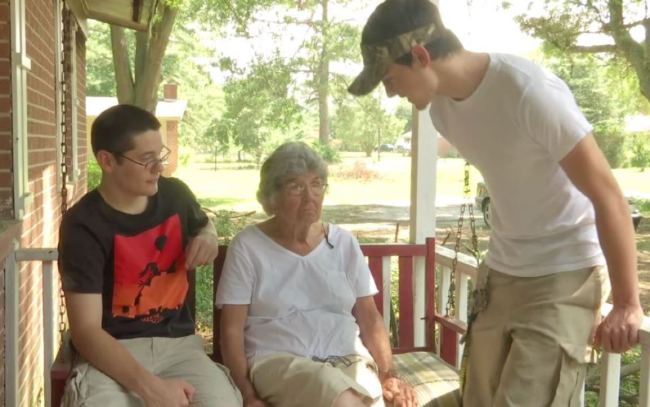
An elderly South Carolina woman didn’t realize her house was on fire until two teenage neighbors pulled her out of the burning building.
Logan Campbell and step-brother James Brown were startled by an exploding electrical transformer in the middle of the night. When they went to check it out, they realized it had set fire to their neighbor Pearl Mabry’s house.
“I’ve known her my whole life, and she’s helped my grandma raise me. I’d do anything for her,” Brown told WBTW News.
What he and Campbell did was race into the burning house.
The 89-year-old Mabry was still asleep as the building was going up in flames all around them. She said she wasn’t even sure why the were helping her out of the house until she was outside.
It helps her stand out in the crowd every Monday when she serves a hot meal to the homeless in town, which she’s been doing for years.
Murphy says she was out of her “comfort zone” and nervous about asking the manager at a fried chicken restaurant for unsold food when she first started.
“I’m trying to figure out how to ask him,” Murphy told WGHP news. “‘There are these people in this camp, and I wanted to see if — do you ever have any leftover chicken?’”
Blurting out that question got the manager onboard with her idea. She’s been picking up chicken from that restaurant ever since – and more restaurants have started donating their unsold food as well.
And with that, getting over a case of butterflies in her own stomach helped Murphy put food in hundreds of hungry ones.
(WATCH the WGHP News video) — Photo: WGHP video – Story Tip: Kelly Harrington
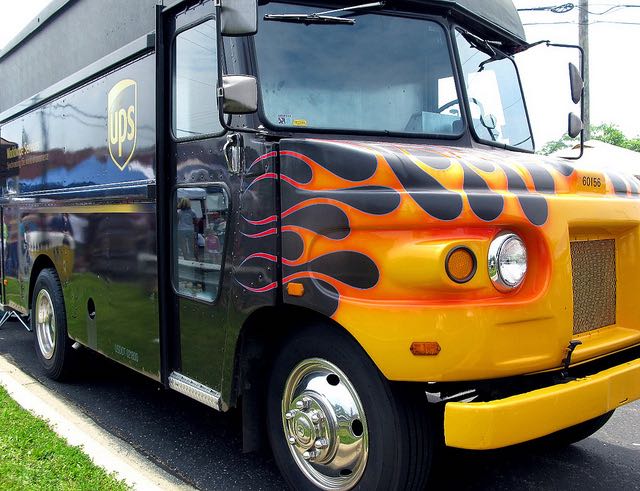
United Parcel Service (UPS) has committed to buying 46 million gallons of renewable diesel made from waste oils and animal fats, delivering on its promise to cut petroleum-based fuel use by 12% in the next two years.
Renewable diesel produces up to 90% less greenhouse gas emissions than conventional diesel. That means the deal could prevent more than 51,000 tons of carbon dioxide from being released into the atmosphere.
The UPS decision comes as other companies are looking for alternatives to oil based fuel. United Airlines recently invested $30 million into a company that makes aviation biofuels and FedEx is planning to use at least three million gallons of renewable jet fuel every year starting in 2017.
(READ more at the New York Times) – Photo: frankieleon, CC
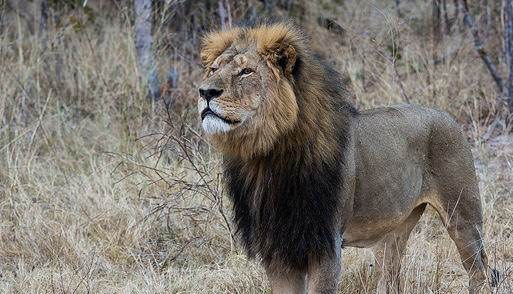
On July 2, Cecil, a 13-year-old male Southwest African lion, was killed in a hunting expedition in Zimbabwe.
A main attraction at the Hwange National Park, Cecil was shot with a cross bow by an American dentist who was led by a licensed local game-hunter.
Whether he believed he had the proper permit or not, people around the world were horrified and began signing a Care2 petition, which led to significant victories for animal rights groups, as well as creative tributes to the lion.
Before the petition gained traction, most people outside Zimbabwe had no idea that Cecil existed.
Within 24 hours, the black-maned cat’s death was an international news topic and the petition has since gained more than one million signatures.
“The petition demanding justice for Cecil was the fastest growing petition Care2 has ever seen in our 17 year history. It absolutely took off and this topic clearly resonated with people worldwide,” said Care2 CEO Randy Paynter.
As a result, trophy hunting was officially suspended in Cecil’s home country, Zimbabwe.
Additionally, Zimbabwe has suspended the hunting of lions, leopards and elephants in the area where Cecil was killed, until further notice, the country’s wildlife authority said Saturday.
On Friday, U.S. Senator Bob Menendez announced that he will be introducing a bill in Congress, the Conserving Ecosystems by Ceasing the Importation of Large Animal Trophies Act (CECIL), to curb the sport killing by Americans of species that are proposed to be listed as threatened or endangered under the Endangered Species Act of 1973.
Other good news has announced by three major airlines, who have banned the transportation of buffalo, elephant, leopard, lion, or rhino “trophies.”
American Airlines, United Airlines, and Delta have all implemented this new policy, effective immediately.
Heartwarming tributes have surfaced as well, like the TY Beanie Baby company’s new Cecil the Lion, created in memory of the beloved cat.
Ty has pledged 100% of profits from the original sale to WildCRU, the Wildlife Conservation Research Unit of University of Oxford in England.
“Hopefully, this special Beanie Baby will raise awareness for animal conservation and give comfort to all saddened by the loss of Cecil,” said Ty Warner.
Also on the topic, Aaron Blaise, an animator who worked on Disney’s Lion King, created a speed paint tribute video in honor of Cecil.
“As you may be able to tell I am a HUGE animal lover and it drives me crazy when I see these beautiful creatures destroyed for no good reason,” Blaise wrote.
“In fact, I’ve decided to get personally involved and hopefully our efforts can help educate people and prevent these horrible things from happening in the future. It’s not much, but hopefully it will make people think.”
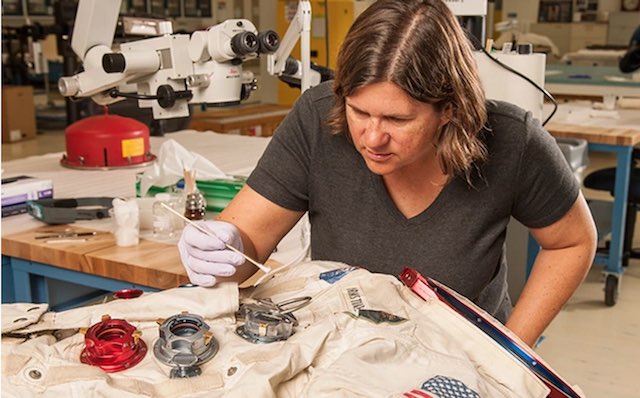
When the Smithsonian Institution took the small step of launching a Kickstarter campaign to save the spacesuit Neil Armstrong wore on the first moonwalk, there was a giant leap of donations.
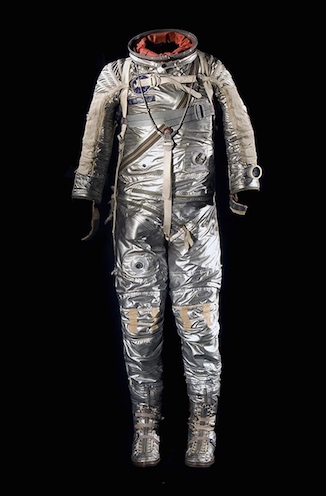
The museum reached its half-million dollar goal to “Reboot the Suit” in just five days — so it raised the goal to $700,000 to also restore the suit Alan Shepard wore (pictured left) on another historic mission–America’s first manned space flight.
The campaign is the largest project any museum has tried on the crowdfunding site. It is also a way for the Smithsonian to let individuals play a part in preserving a piece of history.
It turns out that spacesuits are pretty delicate — they’re breaking down from age. It’s been 46 years since Armstrong first set his boot on the moon’s surface and 54 years since Shepard’s flight.
The money will pay to repair the suits (pictured right), put them on pubic display, and preserve them for years to come. The Smithsonian Air and Space Museum’s Alison Mitchell tells Good News Network it means creating climate-controlled display cases and custom-built mannequins to support the suits.
Eventually, they’ll be the centerpiece of the Smithsonian Air and Space Museum’s “Destination Moon” exhibition.
She says the donations will also pay for creating a 3-D scan “of the spacesuits, helmets and gloves and the production of an online 3-D model.”
The Smithsonian will also research the best ways to preserve the suits, create a webcast about them, and publish work on the cleaning and preservation of spacesuits.
While the Smithsonian gets some federal money, it doesn’t pay for all the Institution’s projects. They have always relied on donations for major restoration projects but this was the Smithsonian’s first effort at crowdfunding.
More than $620,000 given by nearly 8,000 people provided the lift-off to their Kickstarter campaign, which still has 13 days to go.
(WATCH the Kickstarter video or READ more at the Washington Post) — Photos: Smithsonian Institution; NASA
Launch This Story To Your Friends, Share It Below…
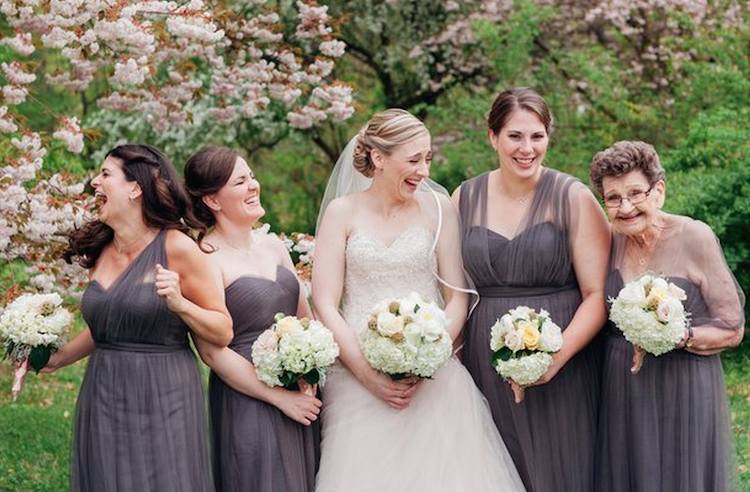
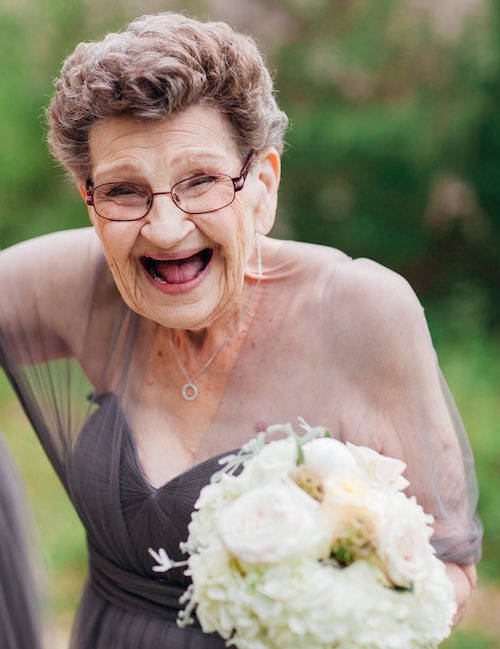
At Christine Quinn’s Pennsylvania wedding in May, one of her bridesmaids was her 89-year-old grandmother.
Nana Betty was hesitant at first, worried that she wasn’t as “young and pretty” as the other bridesmaids—but the sassy senior happily donned the same dress as the other ladies in the bridal party–and even joined them in the party bus on the big day.
“She had the entire wedding party laughing with her words of wisdom and funny comments throughout the day,” the bride told Huffington Post. “It was amazing.”
Shelter residents are harvesting organic produce to nourish themselves while growing their skills for an eventual return to the workforce.
The Metro Atlanta Task Force for the Homeless started its rooftop garden in 2009 to teach homeless people about urban farming and organic food production.
Now the gardeners harvest from 80 beds that grow various greens, vegetables and fruits. The scope of its sustainable agriculture initiative includes beekeeping, with 1,300 bees for pollination and producing honey, and collecting rainwater to irrigate the crops.
Shelter resident-volunteers tend to the garden as part a partnership with Truly Living Well – a training program that also distributes fresh produce to farmer’s markets and local restaurants.
In addition to harvesting food for the homeless, the program provides volunteers with training in garden planning, plant selection, food storage and a whole ‘crop’ of invaluable skills to prepare them for careers in urban farming.
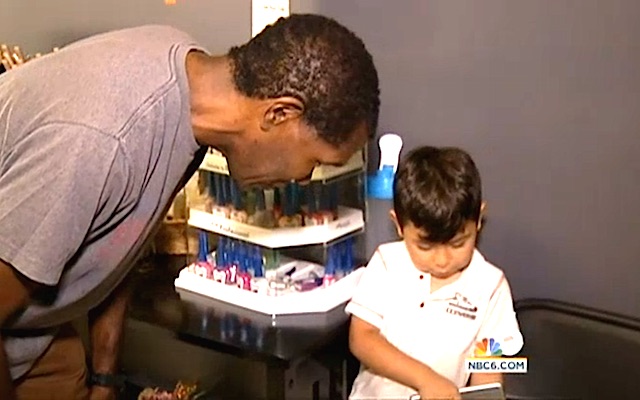
After a four-year-old lost his iPad to a thief, he soon discovered that he had a former boxing champion in his corner.
When Howard Davis, Jr. and his wife saw the video of a boy in Tamarac, Florida, getting the gadget snatched from his hands, they decided to stop by to provide relief, and a little lesson.
Davis, who won a gold medal for boxing at the 1976 Montreal Olympics, says that when you get knocked down, you have to get right back up.
The little boy, identified only as Alejandro, is clearly elated, and once he’s old enough to understand how big a deal it is for a complete stranger, and an Olympic champion, to have helped, we’re sure that iPad will be all the more valuable….even 10 generations of new iPads later.
(READ more at the Sun Sentinel) – Photo: WTVJ video
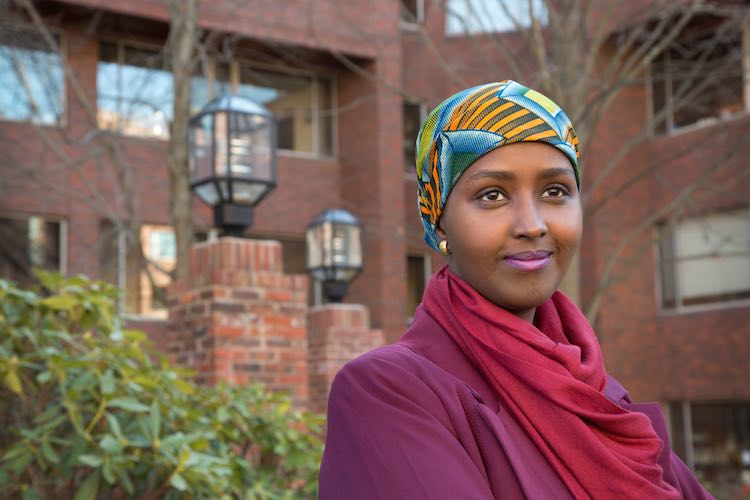
After fleeing her homeland almost 25 years ago, Fadumo Dayib has decided she wants to be president of Somalia.
“I’m generally an optimist,” Ms. Dayib told Good News Network.
She certainly needs to be, since she’s the first female candidate in the nation and going up against some fiery opponents in a male-dominated country.
Her life story provides reason for optimism, too. She’s beaten enormous odds during her 42 years.
She learned to read at age 14, an impressive feat for any Somalian woman – and used that skill to earn a master’s degree in health care and public health, and a second one in public administration from Harvard’s Kennedy School of Government.
Dayib and her family left as refugees fleeing Somalia’s civil war when she was just a child, living briefly in Kenya before settling in Finland.
She returned to Somalia briefly as part of a U.N. mission to build clinics and provide health care in 2005, but left the country again when the U.N. deemed it was no longer safe to stay.
Always in the back of her mind, Dayib, now a mother of four, wanted to heal the wounds in her homeland and knew the changes would have to come from the top—which is why, having graduated from Harvard this spring, she is running next year to become the first woman president of her native country.
“Somalia needs a multidimensional approach to tackling issues,” Dayib told Good News Network. “But everything boils down to tackling poverty.”
Somalia is still recovering from more than 20 years of civil war and its aftermath, and the country lacks many basic services; but Dayib believes Somalia is poised for a brighter future.
This summer, U.S. President Barack Obama visited neighboring Ethiopia, another African nation rebounding after decades of strife and famine—Dayib herself points to Liberia and Rwanda as examples of African nations that have rebuilt themselves after civil war.
All three countries have been torn apart by factional infighting, but Liberiapo and Rwanda have been restoring civil order and a new government. She now sees Somalia following in their footsteps – establishing in 2012 its first parliament in two decades, and, next year, holding it’s first democratic presidential election since 1967.
She sees health care, sanitation, education and jobs as the building blocks to eliminating poverty and laying a new foundation for the nation. Though a 67% unemployment rate may be overwhelming, she believes Somalis could benefit greatly through access to micro-finance — small loans that help build simple farming, fishing or other businesses so people can lift themselves out of poverty.
Dayib also wants to end terrorism by inviting militants to the peace table.
“We can’t get out of the hole we’re in until we admit to the role we’ve played in the state the country is in,” she said.
Digging Somalia out of poverty will indeed require Somalis, long divided by internal fighting, to lay down weapons and work together.
Dayib wants a truth commission, similar to South Africa’s Truth and Reconciliation Commission set up in 1996 following apartheid, which allowed victims of violence to tell their stories and the perpetrators who listened to be granted amnesty for their role. The Commission, led by Archbishop Desmond Tutu who was awarded the Nobel Peace Prize, healed many of the deep-seated wounds between whites and blacks in that country.
Boundlessly courageous, Ms. Dayib is unshaken by death threats from militants angry over the idea of a woman running for office. Despite the threats and painful memories of this place, Dayib believes she must return to heal the country’s pain while it still suffers.
“I’m a dreamer,” she said. “I dream of what Somalia could be like.”
A dreamer and optimist might be the last kind of person you’d expect to see running for president in the Horn of Africa, or it might be exactly what it takes to stay in the race.
(WATCH the video interview below and READ more at the Harvard Gazette) – Photo from Harvard.edu
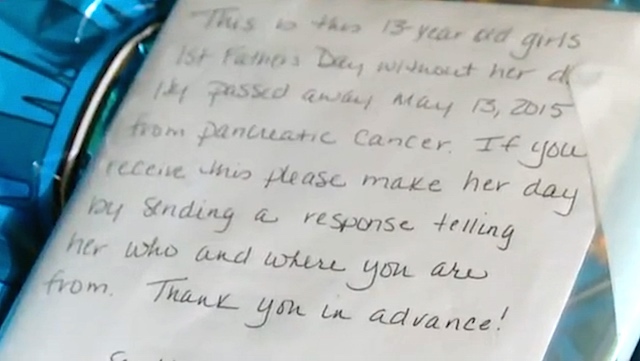
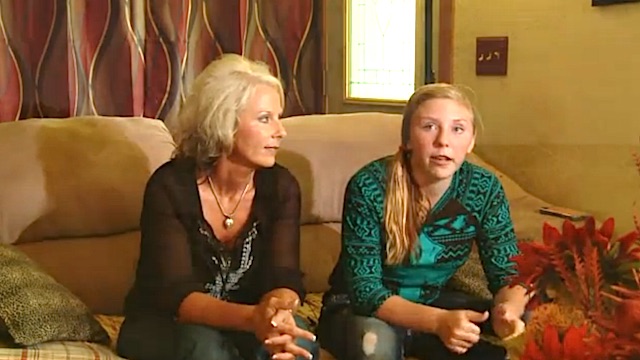
On her first Father’s Day without her dad, 13-year-old Saige Seibold and her mother Sandy decided to “send a message to Heaven.”
They were stunned by the sudden reply.
John Seibold had passed away just a month earlier, and his wife and daughter (pictured left) visited his grave to release a balloon carrying their message.
The note asked whoever found it to contact Saige and “make her day.”
After returning home to Cement, Oklahoma, 25 miles away from the cemetery, Saige took a walk in the pasture where she used to spend time with her dad. There, caught on a barbed-wire fence, was the balloon and her note.
“I think I started crying,” Sandy told KFOR News. “It felt like a message from him.”
(WATCH the KFOR News video) – Photos: KFOR video
Launch This Sweet Story To Your Family And Friends…
Caught on cop cam: officer risks the wrath of a scared skunk to help free him from a yogurt container.
While Rochester, Michigan Officer Merlin Taylor was on patrol, his squad car pulled up near a skunk running in circles with his head stuck in a yogurt container.
Poor little guy—he was just hungry.
Officer Taylor boldly attempted to get the lid off of the skunk’s snout, risking exactly what happened at the end.





















 The kids, aged 11 through 16, spend a year at
 Classic crab cakes are often filled with fattening fillers and are fried, making them a less than healthy appetizer option. Just one fried crab cake will cost you 290 calories and 19g fat, and that’s before the creamy dipping sauce! Instead, reach for waistline friendly shrimp cocktail.





 To keep jobs in the local economy, Kuapa Bikes and Divine Chocolate worked with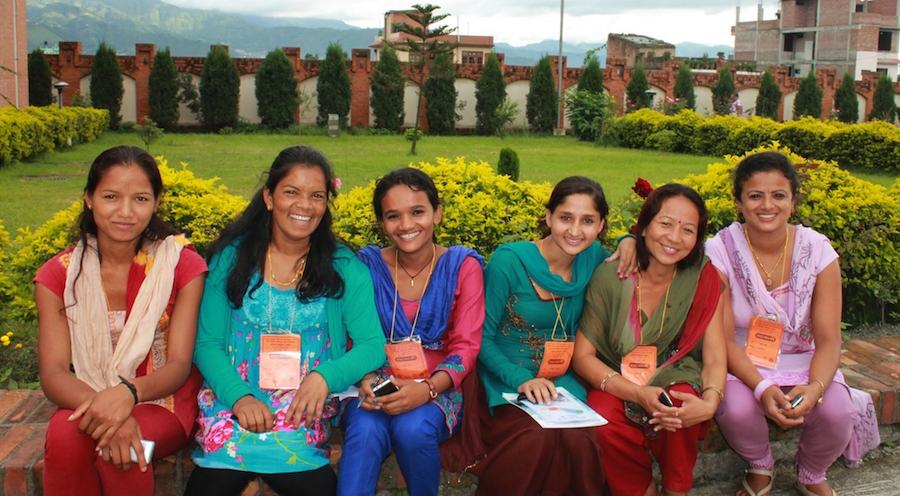
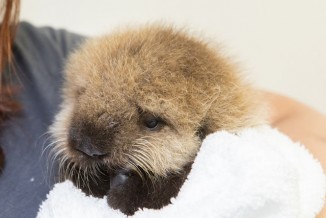 How to be adorable, however, comes naturally.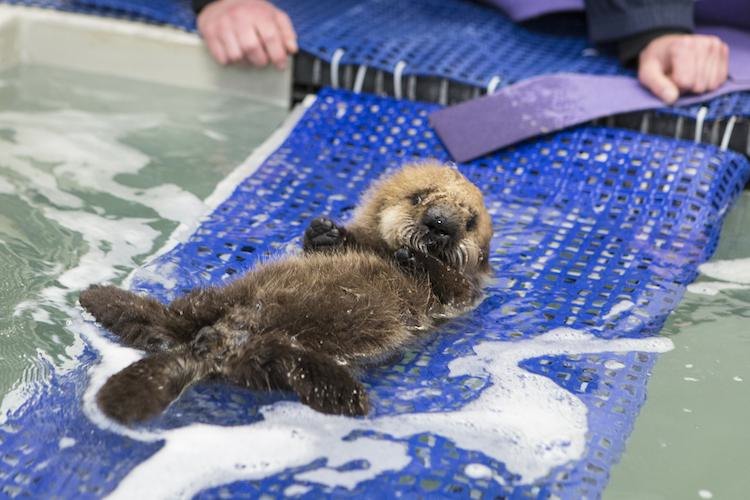





 Whether he believed he had the proper permit or not, people around the world were horrified and began signing a Care2 petition, which led to significant victories for animal rights groups, as well as creative tributes to the lion.
 Other good news has announced by three major airlines, who have banned the transportation of buffalo, elephant, leopard, lion, or rhino “trophies.”