All News - Page 660 of 1737 - Good News Network
Home Blog Page 660

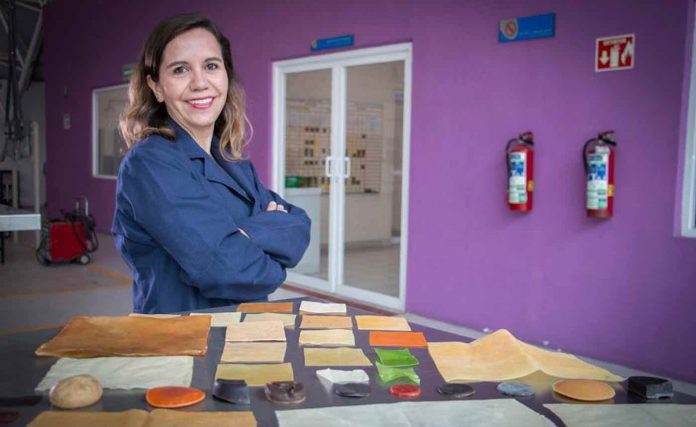
Mexican Scientist Makes Edible, Biodegradable New Form of Plastic Out of Cactus Leaves

Photo by University of Valle de Atemajac
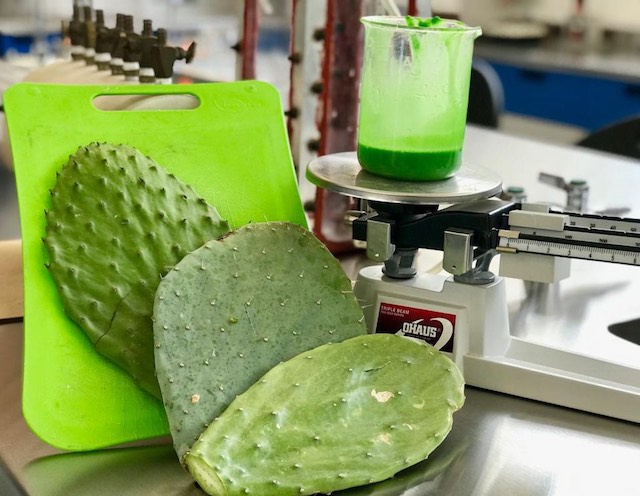
Photo by Sandra Pascoe Ortiz

A Mexican scientist has developed a sustainable new form of biodegradable plastic out of cactus juice.

Professor Sandra Pascoe Ortiz concocted her brilliant formula at the University of Valle de Atemajac. By using a few leaves from the nopal cactus and some non-toxic additives, Ortiz made the plastic so that it begins to degrade after sitting in soil for just one month. When submerged in water, it degrades in a matter of days.

Her mixture is so eco-friendly, it can safely be digested by humans and animals alike—although she told BBC that it doesn’t taste very good.

This new formula is particularly exciting because—in contrast to corn-based plastic—cacti can grow in harsh, arid environments with little to no maintenance or excessive resources.

RELATED: Scientists Are Replacing Plastic With Algae, a Revolutionary Idea That Can Suck Carbon Out of the Air

Since there are more than 300 native species of nopal cactus in Mexico, Ortiz is now conducting further research to identify which cactus species are most effective for the mixture.

It currently takes Ortiz and her team about ten days to brew up a new batch of the eco-friendly plastic, but she believes the process can be sped up with the help of industrial production—which why she is now collaborating with several companies to implement the procedure on a larger scale and bring the plastic to a commercial market.

“I believe that it is never too late to start changing things,” Ortiz told Forbes. “Every day there is a new opportunity to do things better, so if we each do what we have to do, there is another opportunity to reverse all the damage we have done to the planet.”

(WATCH the news coverage below) – Feature photo by University of Valle de Atemajac

Plant Some Positivity By Sharing The Good News With Your Friends On Social Media…

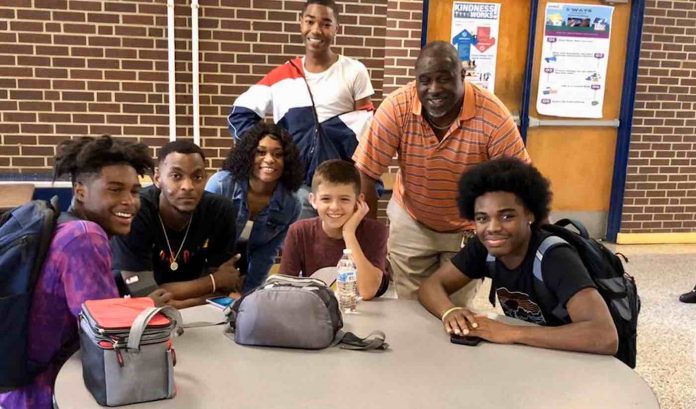
After Bullied Boy Has Terrible First Day of School, Upperclassmen Take Him Under Their Wing

Despite how Cale Wrenn had been having trouble during his first few days of high school, a couple of compassionate upperclassmen helped to turn it around.

The 14-year-old freshman had been struggling to make friends at Reidsville High School in North Carolina—and it didn’t help that some of the other students were picking on him for being short.

LOOK: When Boy With Autism Was Overwhelmed By First Day of School, Kind Classmate Soothed Him

Cale expressed his frustration to his older sister Leah Edwards, saying that he had been forced to eat lunch by himself because some kids thought he “was a loser”.

Leah was heartbroken by her brother’s predicament—so she took some screenshots of their text conversation and posted them to Twitter, asking her followers to send messages of reassurance to Cale.


Not only did the youngster receive a slew of encouragement from social media users, Leah’s post also caught the eye of a few high school seniors.

Demontez Canada, who is a member of the football and basketball teams, told WLKY: “We decided to catch [Cale] off guard at lunch and have lunch with him and show him around the school and make sure he was OK and give him new friends.”

True to his word, Demontez—along with several other members of the basketball team and the school’s Boys to Men Club—sat with Cale at lunch and took him under their wing.


Cale was stunned by the students’ kindness, but he says he is incredibly grateful for their intervention.

“It felt really nice to know that there are people who care,” he told the news outlet.

He now hopes that his story will help other bullied kids to keep their chin up and remember that things do get better.


After he and his new friends were interviewed by local reporters, he also made sure to thank his beloved sister for what turned out to be “probably the best experience” of his life.

(WATCH the news coverage below)

Be Sure And Share This Sweet Story Of Young Kindness With Your Friends On Social Media…

“I intend to live forever. So far, so good.” – Steven Wright

Quote of the Day: “I intend to live forever. So far, so good.” – Steven Wright

Photo: by Nithi Anand, CC License, cropped

With a new inspirational quote every day, atop the perfect photo—collected and archived on our Quotes page—why not bookmark GNN.org for a daily uplift?


Governor Intervened So Mom Could Keep Her Hilarious License Plate

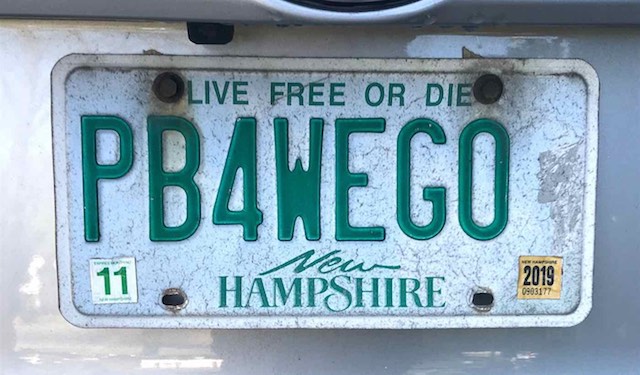
Photo by Wendy Auger

For 15 years, Wendy Auger’s license plate has brought laughter and smiles to her fellow motorists—so when she received a warning letter about her tags being too inappropriate, she was flabbergasted.

Most families are familiar with the golden rule of road trips: always use the bathroom before you leave so your parents don’t have to pull over at a rest stop ten minutes into the journey.

That’s why Auger, who is a mother-of-four from New Hampshire, made her car’s vanity plate say “PB4WEGO”.

LOOK: Couple Fights Lawsuit Until Judge Rules They Can Keep Their “Starry Night” Home

“[People] think it’s funny,” she told TODAY. “I get thumbs-ups, honks on the highway, people yelling ‘Awesome plate!’ in drive-through lines. It brings a chuckle and a smile to the people who can figure it out.”

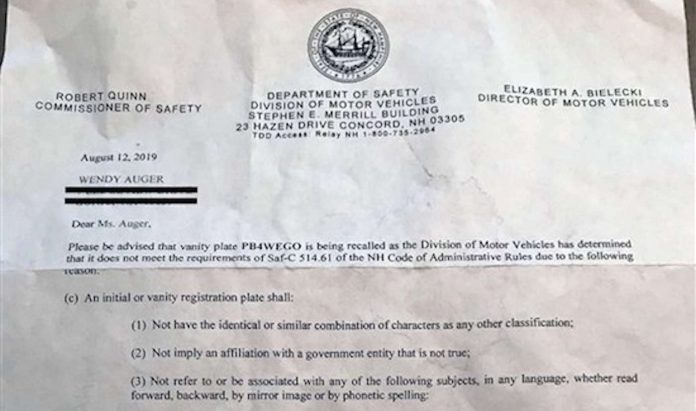
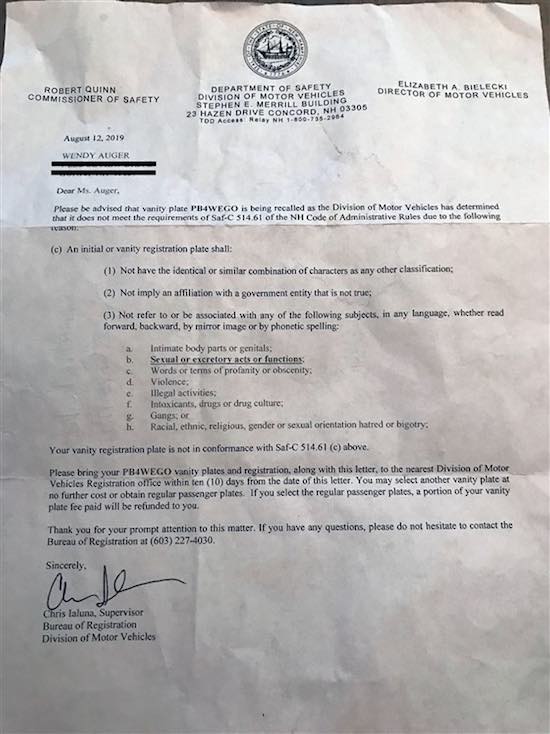
Despite the plate’s popularity, however, Auger received a letter from the Department of Motor Vehicles (DMV) in early August saying that her plate was being revoked for referring to “excretory acts”.

Auger was bewildered by the bureaucratic demand, but she wasted no time in appealing the recall.

Photo by Wendy Auger

Thankfully, she received an unexpected ally in her fight to keep her family’s beloved plate.

A few days into Auger’s appeal, Governor Chris Sununu had been out grocery shopping when a friend told him about the kerfuffle—and he immediately contacted the DMV about letting the mom keep her plates.

“Upon this being brought to my attention, I reached out to the Division of Motor Vehicles and strongly urged them to allow Wendy to keep the license plate she has had for the last 15 years,” Sununu said in a statement. “I recently left a message on her phone to share the good news that her plate will not be recalled.”

RELATED: Dad Has Been Using His Town’s Roadside Message Board to Make Thousands of People Laugh

Needless to say, Auger was thankful for the intervention.

“I’m glad, now that there’s been a resolution,” she told TODAY. “It makes me happy, but I was still shocked … it’s just crazy.

“I mean, I could see if it was offensive in some manner, but clearly in 15 years I haven’t offended anybody with the plate,” she added.

A Little Common Sense For All: Be Sure And Share The Happy Ending With Your Friends On Social Media…

For the First Time Ever, Canadians Use Crowdfunding to Buy Up Land For New Protected Public Park

For the first time ever, a crowdfunding campaign has raised enough money to buy out a new swath of Canadian wilderness as a protected park.

More than $3 million was raised through individual donations to protect 2,000 acres (800 hectares) of the Princess Louisa Inlet on British Columbia’s Sunshine Coast.

The crowdfunding campaign was launched by the BC Parks Foundation, a nonprofit that works in collaboration with BC Parks to protect the province’s pristine landscapes. After several months of fundraising, the last chunk of donations needed to purchase the land from a private seller came in just before the campaign’s deadline last week.

MORE: First US National Park to Offer Heavy-Duty Wheelchairs for Disabled Visitors to Enjoy the Scenery

Once the sale is finalized, the land will be transferred to BC Parks for conversion into a Class A Provincial Park so it will be forever protected from logging and development.

BC Parks Foundation CEO Andrew Day wrote a letter to the campaign’s supporters thanking them for their “miraculous” success.

“We still have to finalize the sale with the vendor (now September 3rd), and there are more steps to come, but in donating the funds you have scaled a substantial peak on this amazing expedition,” wrote Day.

RELATED: Park Rangers Hailing Little Girl as a ‘Steward’ of Nature After She Returned a Rock With an Apology Note

“We know people want to keep B.C. beautiful, and we know our parks are the core of our identity. They are our cathedrals, our towers, our pyramids; the wonders of our world. But we couldn’t have predicted such a fabulous outpouring in such a short time from so many different people and places. We are in a state of awe and gratitude.

“We will keep you posted when the deal is finalized. Any funds that continue to come in will be put in our Parks Bank to protect more areas in Princess Louisa and British Columbia,” he concluded.

Save Your Friends From Negativity By Sharing The Sweet Story With Your Friends On Social Media…

When 16-Year-old Missed Jonas Brothers Concert for Chemo, They Surprise Her at the Hospital

Social media users are burning up with love for the Jonas Brothers after they took some time out of their busy concert schedule to surprise a 16-year-old fan undergoing chemotherapy.

Lily Jordan was supposed to be seeing the boy band perform in Hershey, Pennsylvania this week. Instead, she found herself stuck at the Penn State Children’s Hospital for cancer treatments.

Since she was heartbroken over missing the concert, she made an Instagram post to express her dismay and jokingly invite the Jo Bros to her hospital room.

RELATED: Woman Who Used Metallica Song to Scare Off a Hungry Cougar Gets Unexpected Call From Band’s Frontman

“I was supposed to be at your Hershey concert tomorrow but instead I’m across the street doing chemo,” wrote Lily. “If y’all wanted to pop in, I’ll give you my room number.”

To her surprise, the post was shared across social media until the Jonas Brothers’ media feed was filled with requests for them to visit Lily.

Even Pennsylvania Rep. Scott Perry made a Facebook post for the youngster, saying: “Our good friend Lily is fighting for her life in Hershey tonight, and so badly wanted to see the Jonas Brothers tomorrow night at Hershey Park, but can’t because of her urgent treatment. If there is anyway for them to visit her, we are lifting up her hopes and our prayers for help.”


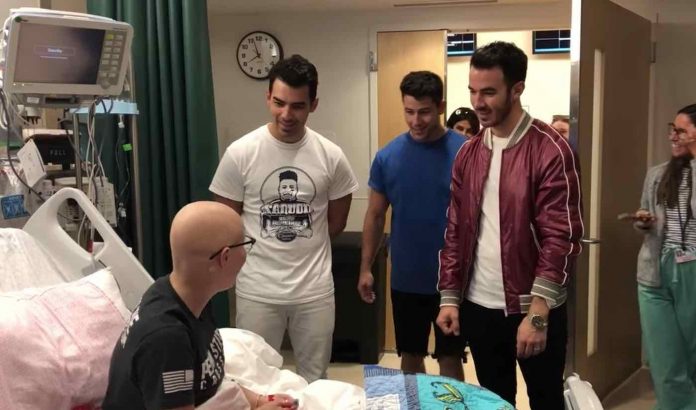
In response to the social media posts, the Jonas Brothers then stopped by Lily’s hospital room to say hi before their show—and the youngster could barely contain her excitement.

Penn State later posted a video of the encounter to Facebook, and it has already been viewed thousands of times.

“Wow. The power of social media, you guys,” Lily wrote on Instagram. “YOU did this. YOU made my crappy chemo session into something incredibly special and unforgettable. Literally made my life.”

(WATCH the video below)

We’re Suckers For Good News; Share This Sweet Story With Your Friends On Social Media…

Say Goodbye to Temporary Fillings: Scientists Successfully Use a Gel to Regrow Tooth Enamel

Pixabay
Photo by Zhejiang University / Science Advance

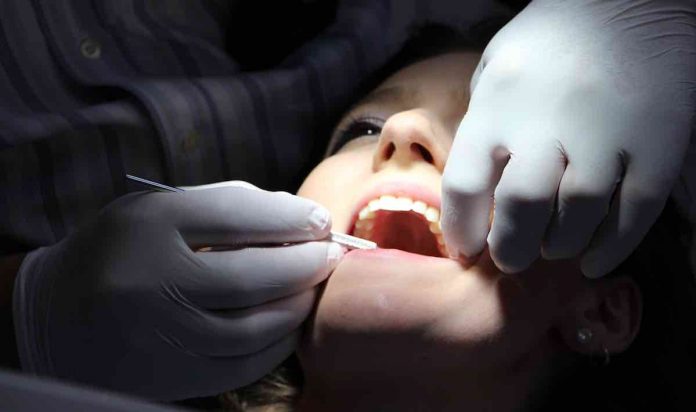
Dental fillings may soon be a thing of the past, thanks to this latest breakthrough from Chinese scientists.

Enamel is the mineralized substance that protects the surface of teeth. Though it is one of the toughest tissues in our bodies, it is prone to degradation over time particularly as a result of consistent exposure to certain acids that are found in food and drinks.

We currently use resins and ceramics to fill in deteriorated enamel, but these fillings can often become loose within just a few years of their placement—and with tooth decay being one of the most prevalent chronic diseases amongst humans, scientists have puzzled over how they can recreate enamel.

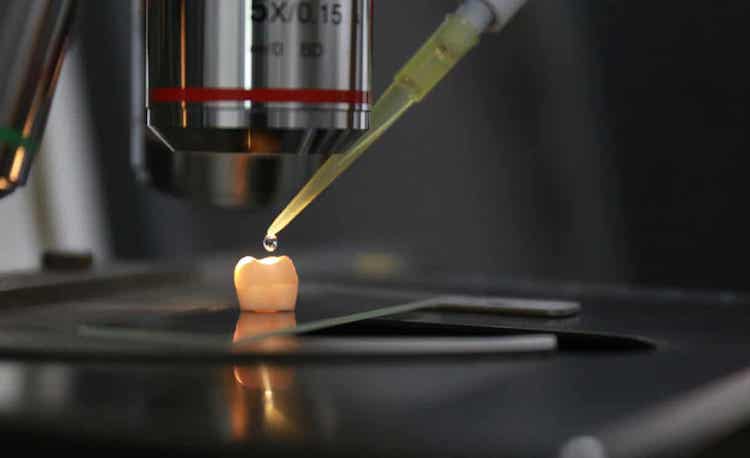
Until now, we have not been able to reproduce the toughened tissue because of its complex cellular structure—but a team of researchers from Zhejiang University School of Medicine has developed a gel that makes enamel repair itself.

RELATED: Scientists Activate Stem Cells to Make Hair Grow

The researchers mixed calcium and phosphate ions—two minerals found in enamel—into an alcoholic solution with the organic compound trimethylamine and applied it to damaged tooth samples. Over the course of 48 hours, the gel helped to create a new layer of enamel about 3 micrometers thick.

The team now plans on testing their technique in the complex biological environment of the human mouth, and they plan on launching clinical trials sometime in the next one to two years.

“Our newly regenerated enamel has the same structure and similar mechanical properties as native enamel,” said Dr Zhaoming Liu, a co-author of the study which was published in the journal Science Advances this week.

CHECK OUT: Good Dental Health ‘Substantially’ Decreases Risk of Alzheimer’s, Says Study

“We hope to realize tooth enamel regrowth without using fillings which contain totally different materials and we hope, if all goes smoothly, to start trials in people within one to two years.”

Not only might it be possible to use the gel for the repair of decayed parts of a tooth, but it could be a preventative technique used to regenerate the protective enamel so decay is never again a problem.

Chew On The Good News By Sharing It With Your Friends On Social Media…

Awestruck Police Officer Snaps Photo of Teen Using His Jacket to Shield an Older Woman From the Rain

Photo by Independence Police Department

A compassionate teenager is being praised for helping an older woman get to her car amidst the pouring rain after an awestruck police officer posted a photo of the good deed to social media.

Officer Joe Holt with the Independence Police Department in Missouri had been sitting in his parked car so he could enjoy a bite to eat earlier this week when he saw the youngster jump into action.

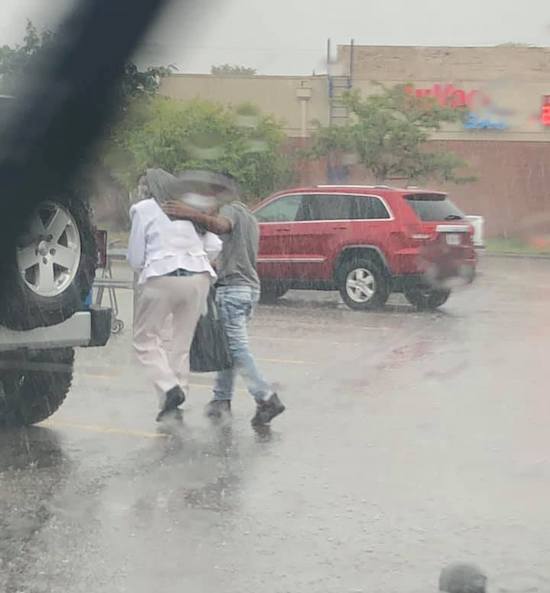
Upon noticing an older woman walking to her vehicle in the downpour, the youngster hopped out of his mother’s van, took off his jacket, and used it to help keep the woman dry until she got to her car.

Holt was so impressed by the teen’s kindness, he snapped a photo of the gesture and approached the teen’s mother so he could thank her for raising such a compassionate young man.

WATCH: As Disabled Man Frantically Wheels Himself Home Before Tornado, Teen Hops Out of His Car to Help

“She teared up pretty good. It was a moment between the both of us. I mean I teared up a little bit. I’m a parent as well. So, I told her that I was very impressed with him and that he should be proud,” Holt told WDAF in the interview below.

Since Holt published the photo to the Independence Police Department Facebook page, it has been shared thousands of times. He now hopes that the post will reach the boy and his mother so he can take the teen out to dinner as a thank you for his kindness.

“This kid cared less about race, religion or color. The only thing this kid cared about was being kind,” wrote Holt. “Kiddo, if you see me on the street again, this guy owes you a dinner. You ever need anything, I will come running to ya.”

(WATCH the news coverage below)

Be Sure And Share This Sweet Story Of Kindness With Your Friends On Social Media…

“A hundred times every day, I remind myself that my inner and outer life depend on the labors of other men, living and dead.” – Albert Einstein

Quote of the Day: “A hundred times every day, I remind myself that my inner and outer life depend on the labors of other men, living and dead.” – Albert Einstein

Photo: by ILO Asia-Pacific, CC License, cropped

With a new inspirational quote every day, atop the perfect photo—collected and archived on our Quotes page—why not bookmark GNN.org for a daily uplift?


People Are Falling in Love With How Lebanese Grandma Pronounces Famous English Words

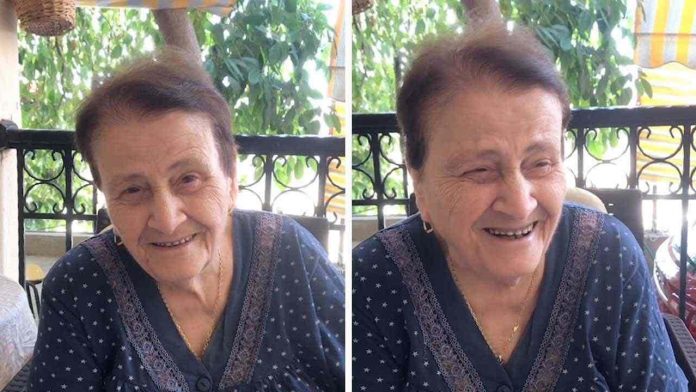
An adorable Lebanese grandmother has managed to rack up thousands of international fans since she and her grandson made a video of her English pronunciation.

In the video, Georges Nassar can be heard asking his 84-year-old grandma Janette Jreije to try and say everything from celebrity names like “Justin Bieber” to car brands such as “Mercedes Benz”.

“It makes me laugh because we all make mistakes while speaking English,” says Georges.

Based on the footage of him and his favorite octogenarian, it seems they are more than happy to share their laughter with the world.

(WATCH the video by geonvlogs below)

WATCH More of GNN’s Funny Videos on our Laughs Page.

Be Sure And Share This Sweet Story Of Love And Language With Your Friends On Social Media…

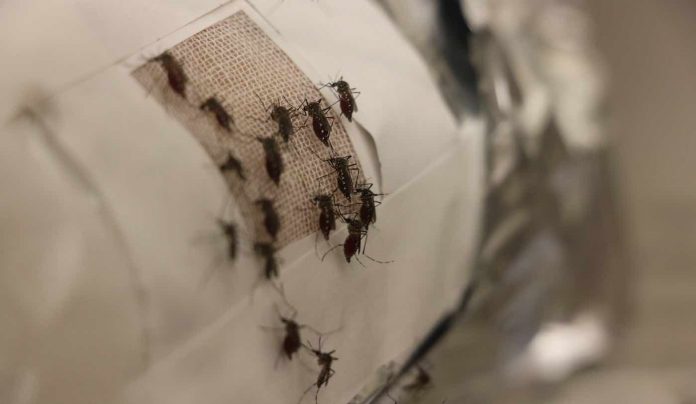
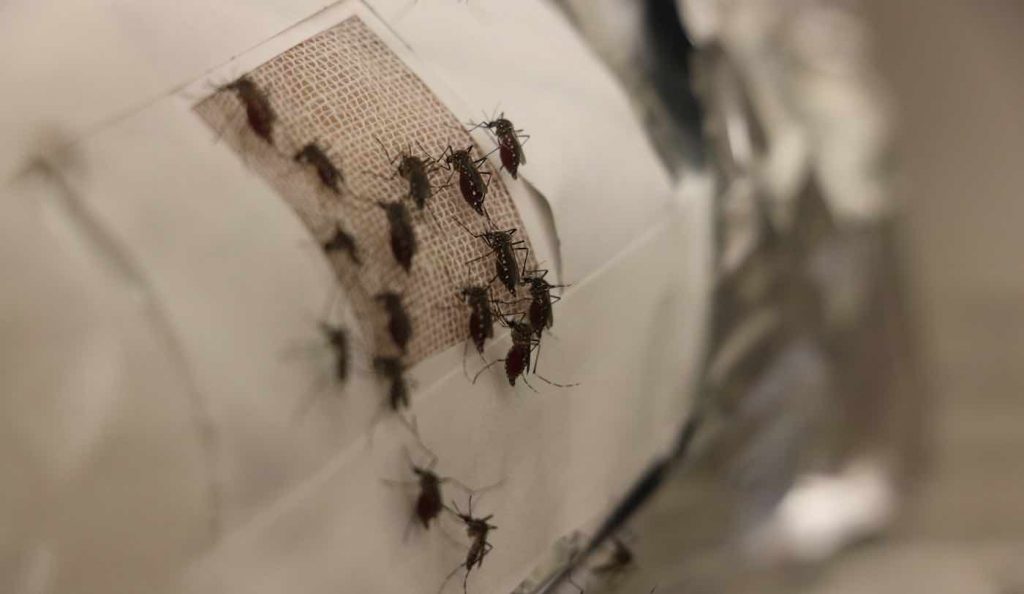
Preventing Mosquito Bites And the Disease That Killed 445,000 People in 2016 By Using Graphene-Lined Clothing

Photo by Hurt Lab/Brown University

Nearly half the world’s population is at risk for mosquito–transmitted malaria, which actually killed nearly 445,000 people in 2016.

Now, researchers have come up with a way to drastically reduce the frequency of mosquito bites through the use of graphene-lined clothing, which would help stop the spread of deadly diseases like malaria.

The scientists from Brown University discovered that the super-thin and incredibly strong material blocks the odors of sweat which compel the blood-sucking insects to bite.

While also incorporating breathability into the fabric, testing revealed that the material is also too strong for mosquitoes to bite through.

RELATED: Gentle Ear Stimulation Shown to Significantly Reduce Symptoms of Parkinson’s Disease–Even Months Later

“There’s a lot of interest in non-chemical mosquito bite protection,” said the study’s senior author Professor Robert Hurt who is leading the clothing’s development team.

“We had been working on fabrics that incorporate graphene as a barrier against toxic chemicals—and we started thinking about what else the approach might be good for. We thought maybe graphene could provide mosquito bite protection as well.”

Photo by Hurt Lab/Brown University

His research team compared the number of bites that participants received on their bare skin, compared to volunteers who had their skin covered in cheesecloth and on skin covered by graphene oxide (GO) films sheathed in cheesecloth.

The researchers were surprised to discover that the mosquitoes completely changed their behavior in the presence of the graphene-covered arm.

CHECK OUT: Researchers ‘Shocked’ by Discovery That ALS-Diseased Neurons Show Incredible Resilience if Given Glucose

Study author Cintia Castilho, a Ph.D. student at the university in Rhode Island, said: “With the graphene, the mosquitoes weren’t even landing on the skin patch—they just didn’t seem to care.

“We had assumed that graphene would be a physical barrier to biting, through puncture-resistance, but when we saw these experiments we started to think that it was also a chemical barrier that prevents mosquitoes from sensing that someone is there.”

The researchers found mosquitoes flocked to areas of graphene barrier dabbed with some human sweat, which confirmed it worked as a chemical barrier. Further tests showed GO was puncture-resistant to mosquito bites, but only when it was dry.

MORE: Broccoli Isn’t Just Good For You—Scientists Find It Holds Molecule That Could Be the ‘Achilles’s Heel’ of Cancer

Another form of GO with reduced oxygen content called rGO was shown to provide a bite barrier while it was both wet and dry, but since it wasn’t particularly breathable, the researchers are now trying to find a way to stabilize the GO so that it’s tougher when wet.

“GO is breathable, meaning you can sweat through it, while rGO isn’t,” said Hurt. “So our preferred embodiment of this technology would be to find a way to stabilize GO mechanically so that is remains strong when wet.

“This next step would give us the full benefits of breathability and bite protection.”

The findings were published in the journal Proceedings of the National Academy of Sciences.

Spread The Good News Amongst Your Friends By Sharing This To Social Media…

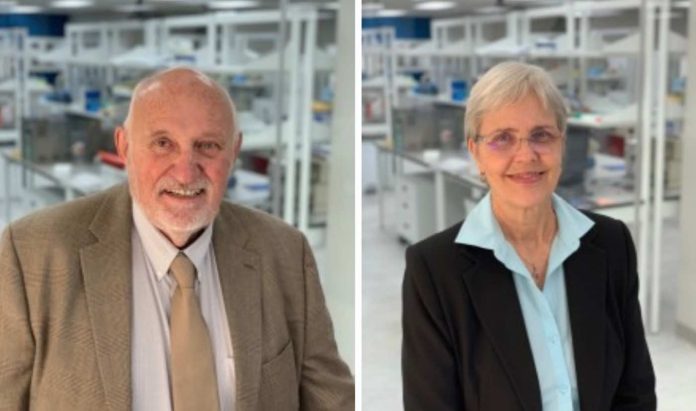
Husband-Wife Duo Has Developed ‘Gene and Cell Therapy’ Cancer Vaccine Now Being Tested on Patients

Michael and Patricia Lawman have been working for years to develop a vaccine that can treat multiple forms of cancer without any side effects—and after a series of successful trials, the vaccine is being tested on humans.

Rather than developing a preventative vaccine that would protect the human body against quickly-mutating cancer cells, the Lawmans have combined gene and cell therapy to develop a “therapeutic” vaccine.

Modern immunotherapy treatments, such as CAR-T cell therapy, generally work by reprogramming a patient’s own cells to recognize and attack a specific kind of cancer cell. However, the immune system is not always able to catch every cancer cell.

On the other hand, the “ImmuneFx” therapeutic vaccine designed by the Lawmans is injected directly into a tumor so that the cancer cells are forced to present a specific bacterial antigen on their surface that makes them easily identifiable to the immune system.

RELATED: He Was Called Foolish for His Research—Now Documentary Tells How He Won Nobel Prize for ‘Cancer Cure’

“We put this gene into a patient’s tumor cells and because there is a proprietary sequence within this protein, it is actually expressed on the surface of the tumor cell where it acts like a big red flag to the immune system,” Patricia told CEOCFO.

Patricia and Michael reportedly began their research in 1995 after they left the Walt Disney Memorial Cancer Institute in order to launch their Tampa-based company Morphogenesis.

Over the years, they have worked with veterinary partners to test the vaccine on naturally-occurring cancers in 430 cats, dogs, and horses. Not only did their tests prove that the treatment was safe, one of their studies showed that the vaccine dramatically reduced the amount of tumors in 77% of the horses tested.

CHECK OUT: New ‘Trojan Horse’ Cancer Drug Successfully Treats Patients With 6 Different Kinds of Lethal Tumors

In November 2018, Morphogenesis partnered with the Moffitt Cancer Center in order to conduct clinical trials on six human patients suffering from stage three and stage four melanoma; although the Lawmans are confident that the vaccine could work on any form of cancerous tumor.

Once the phase-one trials are concluded next year, the ImmuneFx vaccine will likely be tested on 160 more patients—particularly in conjunction with additional cancer therapies—in a number of clinics across the country.

(WATCH the news coverage below)

Cure Your Friends Of Negativity By Sharing The Good News To Social Media…

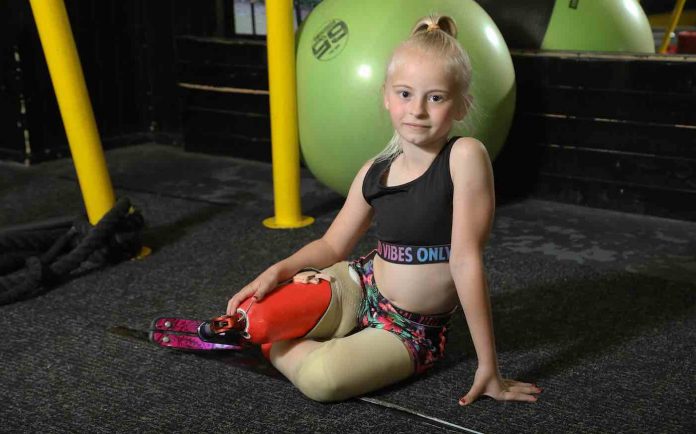
9-Year-old Double Amputee to Make History on ‘New York Fashion Week’ Catwalk

SWNS
SWNS

A 9-year-old British schoolgirl is set to make history after she becomes the first child double amputee to walk the catwalk at New York Fashion Week.

Daisy-May Demetre has been chosen as a model for the French-inspired fashion line Lulu et Gigi Couture after its founder saw her modeling in London.

Her appearance at the prestigious New York Fashion Week on September 8th will mark the first time a young double amputee has starred in the show.

LOOK: Hearts Are Melting Over Little Girl Admiring a Beauty Ad Depicting Woman in a Wheelchair

The Birmingham schoolgirl is also set to strut her stuff in Paris Fashion Week at the end of next month.

Daisy-May’s legs were amputated as a result of being born with fibular hemimelia, a birth defect in which part of the fibular bone in the leg is missing.

Her parents, Alex and Claire Demetre, were shocked to learn of her condition after a doctor consulted a baby scan and informed them that the child would “have no legs”.

SWNS

Her parents Alex and Claire were given the difficult choice of either watching Daisy-May grow up with deformed feet that she wouldn’t be able to use or allowing doctors to perform a double amputation.

Hoping prosthetics would give her a better quality of life, she had the bottom of both limbs removed when she was just 18 months old.

WATCH: He Built His Own Prosthetic Out of LEGOS and Hopes to Provide Cheap Solutions for Others Who Need a Hand

Her parents never dreamed that their daughter would go on to become a fearless gymnast, as well as a model for Boden, Britain’s largest clothing catalogue.

“We didn’t know at the time that Daisy-May would be as good as she is now,” said Alex. “At the time, I was pretty isolated myself—I had a drinking problem and gambling addictions.

SWNS

“That has all changed—and that’s down to her taking each day with a big smile on her face,” he added. “She motivates me and I motivate her.”

Daisy-May got her big break in modeling as a result of Alex watching TV on his day off. He saw a feature from Zebedee Management, a modeling agency which casts children with disabilities in ad campaigns, and got in touch with them on a whim.

WATCH: Blind 6-Year-old ‘Prodigy’ Who Taught Himself to Play Piano Has Become an Internet Star

Since taking up modeling, Daisy-May has also worked for Nike and Matalan, and represented Lulu et Gigi at London Kids’ Fashion Week.

Daisy-May’s career has since sky-rocketed in popularity, and she has been inundated with interest from people wanting to cast her in modeling projects and advertisements.


Lulu et Gigi founder Eni Hegedűs-Buiron said: “For me, a child is a child and thus is beautiful and perfect,” she added.

Alex, meanwhile, says that he couldn’t be more proud of his daughter.

“[Daisy is] going to be making a little bit of history,” he boasted. “It is a good thing she is first to do it, but going forward, we want child amputees to be modeling at these shows all the time.


“Disability doesn’t stop you; it definitely doesn’t stop Daisy. She is fitter than most grown men I know.

“But the modeling doesn’t define her, it is just a part of what does,” he added. “She just does Daisy, the way she goes about life with a smile on her face.

Be Sure And Share This Stylish Story With Your Friends On Social Media…

“The two most important days of a man’s life are the day on which he was born and the day on which he discovers why.” – Ernest T. Campbell

Quote of the Day: “It has been said that the two most important days of a man’s life are the day on which he was born and the day on which he discovers why.” – Ernest T. Campbell

Image: by Brenna Lyn Photography (brennaval), CC License, cropped

With a new inspirational quote every day, atop the perfect photo—collected and archived on our Quotes page—why not bookmark GNN.org for a daily uplift?


Largest Study of Its Kind Identifies the Surprising Health Benefits of Fasting Every Other Day

File photo by Jean Fortunet, CC

In recent years, there has been a surge of studies looking at the biologic effects of different kinds of fasting diets in both animal models and humans. These diets include continuous calorie restriction, intermittent fasting, and alternate-day fasting (ADF).

Now, the largest study of its kind to look at the effects of strict ADF in healthy people has shown a number of health benefits. The findings were reported this week in the journal Cell Metabolism.

“Strict ADF is one of the most extreme diet interventions, and it has not been sufficiently investigated within randomized controlled trials,” says Frank Madeo, a professor of the Institute of Molecular Biosciences at Karl-Franzens University of Graz in Austria.

“In this study, we aimed to explore a broad range of parameters, from physiological to molecular measures. If ADF and other dietary interventions differ in their physiological and molecular effects, complex studies are needed in humans that compare different diets.”

In this randomized controlled trial, the participants alternated between 36 hours of zero-calorie intake with 12 hours of unlimited eating. 60 participants were enrolled for four weeks and randomized to either an ADF or an ad libitum control group, the latter of which could eat as much as they wanted. Participants in both groups were all of normal weight and were healthy. To ensure that the people in the ADF group did not take in any calories during fast days, they underwent continuous glucose monitoring. They were also asked to fill in diaries documenting their fasting days. Periodically, the participants had to go to a research facility, where they were instructed on whether to follow ADF or their usual diet, but other than that they lived their normal, everyday lives.

RELATED: Apples, Tea, and Moderation—The 3 Ingredients for a Long Life

Additionally, the researchers studied a group of 30 people who had already practiced more than six months of strict ADF previous to the study enrollment. They compared them to normal, healthy controls who had no fasting experience. For this ADF cohort, the main focus was to examine the long-term safety of the intervention.

“We found that on average, during the 12 hours when they could eat normally, the participants in the ADF group compensated for some of the calories lost from the fasting, but not all,” says Harald Sourij, a professor at the Medical University of Graz. “Overall, they reached a mean calorie restriction of about 35% and lost an average of 7.7 pounds (3.5 kilograms) during four weeks of ADF.”

The investigators found several biological effects in the ADF group:

  • The participants had fluctuating downregulation of amino acids, in particular the amino acid methionine. Amino acid restriction has been shown to cause lifespan extension in rodents.
  • They had continuous upregulation of ketone bodies, even on nonfasting days. This has been shown to promote health in various contexts.
  • They had reduced levels of sICAM-1, a marker linked to age-associated disease and inflammation.
  • They had lowered levels of triiodothyronine without impaired thyroid gland function. Previously, lowered levels of this hormone have been linked to longevity in humans.
  • They had lowered levels of cholesterol.
  • They had a reduction of lipotoxic android trunk fat mass—commonly known as belly fat.

“Why exactly calorie restriction and fasting induce so many beneficial effects is not fully clear yet,” says Thomas Pieber, head of endocrinology at the Medical University of Graz. “The elegant thing about strict ADF is that it doesn’t require participants to count their meals and calories: they just don’t eat anything for one day.”

CHECK OUT: Give Yourself a Break—New Research Says Kicking Back in a Sauna Has Surprising Health Benefits

The investigators point to other benefits that ADF may have, compared with continuous calorie restriction. Previous studies have suggested calorie-restrictive diets can result in malnutrition and a decrease in immune function. In contrast, even after six months of ADF, the immune function in the participants appeared to be stable.

“The reason might be due to evolutionary biology,” Madeo explains. “Our physiology is familiar with periods of starvation followed by food excesses. It might also be that continuous low-calorie intake hinders the induction of the age-protective autophagy program, which is switched on during fasting breaks.”

MORE: Doctor Who Discovered Natural Way to Treat Vertigo for Free Writes Book On How Sufferers Can Thrive

Despite the benefits, the researchers say they do not recommend ADF as a general nutrition scheme for everybody. “We feel that it is a good regime for some months for obese people to cut weight, or it might even be a useful clinical intervention in diseases driven by inflammation,” Madeo says. “However, further research is needed before it can be applied in daily practice. Additionally, we advise people not to fast if they have a viral infection, because the immune system probably requires immediate energy to fight viruses. Hence, it is important to consult a doctor before any harsh dietary regime is undertaken.”

In the future, the researchers plan to study the effects of strict ADF in different groups of people including people with obesity and diabetes. They also plan to compare ADF to other dietary interventions and to further explore the molecular mechanisms in animal models.

Feed Your Friends The Intriguing News By Sharing It To Social Media — File photo by Jean Fortunet, CC

Dozens of People Rally Together to Rescue Elephant Trapped in 20-Foot Well—Watch Them Do It Using a Massive Crane

SWNS
SWNS

This is the heartwarming moment that dozens of Indian rescuers rallied together to use a crane in order to save an elephant trapped at the bottom of a 20-foot well.

The massive rescue effort took place last week close to the Panagar army camp in Jalpaiguri, Western Bengal, after the elephant strayed out of the Bishnupur jungle and into the well.

Army officials realized the elephant was trapped inside the well after hearing a noise coming from deep inside.

SWNS

After they found the distressed pachyderm, the military officers threw in some food for the creature and called the Burdwan Forest Department for help.

Video footage of the delicate rescue operation shows how the team used a crane to hoist the huge animal out of the well and onto the back of a truck so it could be taken to an examining room for evaluation of any injuries.

The elephant was kept under close supervision for a few days before it was successfully released back into the wild.

(WATCH the video below)

Save Your Friends From Negativity By Sharing The Inspiring Story To Social Media…

Bedridden for 11 Years, Man Proves the Experts Wrong By Inventing a Surgery to Cure Himself

Doug Lindsay had just entered his senior year at Rockhurst University in Kansas City, Missouri when he came home from his first day of class only to be plunged into a real-life “final project” that took him 13 years to finish.

The assignment: to find the origin and cure for a mysterious condition that had plagued the bodies of his family for generations, and now was targeting his own.

He was only 21 that day when the room began to spin around him and he collapsed onto the dining room table in 1999.

As a biology major, Lindsay had seen himself becoming a biochemistry professor—or maybe even a writer for “The Simpsons.” He was a former high school track athlete, and he was poised to finish the year and earn his degree.

RELATED: After 68% of Patients Were Cured of PTSD in Phase-2 Trials Clinics May Soon Offer MDMA Therapy

However, Doug admitted to always wondering if the debilitating condition that sidelined his mother and aunt in their early adult years would eventually affect him, too. “When I called my mom that night to tell her I needed to drop out (of college), we both knew,” he told CNN.

His mother had gotten weaker until she couldn’t pick him up when he was just 18 months old. By the time her son was four, she couldn’t walk. She lived on for decades, but she was too frail to do much beyond submitting to years of tests that never confirmed any condition.

As his ability to stand and walk worsened, he realized that physicians and specialists were no more enlightened than when they’d tested his mother and aunt (who was also sidelined by the mystery condition). When one puzzled doctor finally told Doug that he should see a psychiatrist, he knew he would have to unravel the family “curse” on his own.

LOOK: Girl Born With Backwards Legs Walks for the First Time Thanks to Strangers Funding ‘Miracle’ Surgery

He worked through the clues in his living room from the hospital bed where he stayed 22 hours a day. He began by pouring over medical books he’d collected, and then recalled a 2,200-page endocrinology textbook he’d picked up next to a trashcan on campus. At the time, he was hoping it would hold the secret to what was wrong with his mother. As he read through the book a second time, a passage captured his attention and gave him an idea.

Doug’s mother suspected her weakness was related to her thyroid somehow, but this book suggested adrenal gland problems can share the same symptoms with thyroid issues. He then formed a bold hypothesis—that there existed an entire class of diseases of the nervous system still undiscovered by medicine.

He knew he needed to find a courageous doctor interested in pursuing new discoveries. He found that partner in Dr. H. Cecil Coghlan, a medical professor at the University of Alabama–Birmingham.

MORE: Paralyzed Patients Regain the Use of Their Hands Thanks to Breakthrough Nerve Surgery in Australia

Coghlan thought the young student might be onto something—so he helped Doug begin an IV protocol of noradrenalin to counter any excessive adrenalin his glands might be producing. The drug, usually prescribed to critically ill patients to raise blood pressure, worked enough to get him walking again for short periods around the house—and he was hooked up to the bag of liquid continually for six years.

But why was his body producing so much adrenaline in the first place? Dr. Coghlan proposed an adrenal tumor might be the culprit, but three scans all came up negative. Undeterred, Doug pored through the literature and came to believe that something else could be acting like a tumor, causing his glands to misbehave.

CONTINUE READING ON PAGE 2

Since Community College Started Printing Their Own Textbooks, Students Have Saved Over $2.5 Million

When a team of educators in Oregon became sick and tired of their students being charged heaps of cash for college textbooks, they began making their own—and it has collectively saved their students more than $2.5 million.

Since Chemeketa Community College began writing and printing their own academic materials in 2015, they have collectively published 33 textbooks, all of which cost less than $40 apiece.

The Chemeketa Press textbooks are created as a collaboration between the college’s teachers and students through a rigorous revision process in order to ensure that the text covers all the necessary information while still being easy to understand and devoid of common “academic jargon”. Once completed, teachers can then use the textbook as an examples of their published writing—and pupils can benefit from comprehensive course material that has been co-edited by students for students.

Cheaper textbooks also mean that students are more likely to actually buy them for their classes, which makes the coursework easier for the teachers to teach. Furthermore, Chemeketa Press has helped to curb college dropout rates as well.

RELATED: Watch Billionaire Tell College Grads He Will Pay Off All $40 Million of Their Collective Student Loan Debt

Chemeketa Press managing editor Brian Mosher told the Salem Reporter that when students are daunted by the costs of expensive college textbooks, they tend to take fewer classes per semester—and the longer it takes students to get their degrees, the less likely they are to finish their college education.

“No book should be $300 unless it is rare or out of print or signed by Charles Dickens,” Mosher told the news outlet. “There’s no morality behind it.”

In addition to Chemeketa Press being the only community college printing service in Oregon, it is quite possibly the only one in the United States. Though most of their services are funded through college grants, they hope to eventually be entirely financed by textbook sales.

That’s why the college is now recruiting teachers and professors from other schools to use the textbooks in their coursework. [Editor’s Note: The article at Salem Reporter is producing an error currently.]

Be Sure And Share The Good News With Your Friends On Social MediaFile photo by Wohnai, CC
‘Someday’ is not a day of the week. – Sam Horn

Quote of the Day: ‘Someday’ is not a day of the week. – Sam Horn

Image: by Ares Nguyen, Creative Commons License, cropped

With a new inspirational quote every day, atop the perfect photo—collected and archived on our Quotes page—why not bookmark GNN.org for a daily uplift?


More Than 40% of Millennials Have Changed Their Diets Because It’s Better for the Environment

A new survey of American millennials found that their relationship to food is more unique than that of previous generations, as almost 6 in 10 of them (57%) currently subscribe to a special diet.

For those who follow a special diet, 44% do so because it’s better for the environment, while 37% say it’s more ethical.

Commissioned by vegetarian and plant-based food producer Sweet Earth Foods and conducted by OnePoll, the survey of 2,000 millennials looked at the trends and spends for millennial diets, examining their tastes and must-haves when it comes to food.

Millennials reportedly devote about a month and a half per year to food—the equivalent of 1,140 hours—time spent meal-prepping and cooking to eating out, according to the participants.

RELATED: Apples, Tea, and Moderation—The 3 Ingredients for a Long Life

Results also found that millennials spend $2,242 at the grocery store and $1,672 dining out over the course of a year—averaging $187 and $139 per month, respectively—and they also try an average of 46 new foods.

Millennials reported making 17 tweaks or changes to their diet per year, with the top changes found to be eating healthier foods (46%), avoiding sugar/carbs (41%) and focusing more on plant-based foods (36%).

That’s in addition to one-third (34%) of participants who have cut down on their meat consumption.

A YEAR IN FOOD FOR MILLENNIALS INCLUDES…
• $2,242 spent at the grocery store and $1,672 spent at restaurants (eating out, delivery, etc.)
• 17 tweaks or changes to their diet
• 183 hours purchasing food, 238 hours prepping and planning meals, 326 hours cooking, 160 hours deciding where to eat and 233 hours eating food
• 46 new foods tried and 47 photos posted on social media
• 90 meals out (with friends or a date), 53 frozen meals, 41 dinner parties

A year in food for millennials also includes 41 dinner parties and eating out 90 times—split evenly between friends and with dates.

Still, not all millennials are choosing to eat out. Some are held back from eating out more often because of a lack of time (37%) or because of a lack of money (37%), while 42% of millennials report eating healthier when they cook for themselves.

MORE: It’s Amusing the Ways Each Generation Defines ‘Adulting’ – Top 20 Things That Make You an Adult

Three-quarters (74%) of those on a special diet find it more difficult to eat at restaurants—and 59% of respondents feel like there’s judgment to ordering and buying foods that subscribe to a special diet.

When millennials prepare meals at home, they find food inspiration from a variety of sources, with their friends (49%), parents (46%) and cookbooks (44%) in the top three—beating out more modern methods of finding recommendations, such as social media.

CHANGES MILLENNIALS HAVE MADE TO THEIR DIETS IN THE PAST YEAR
1. Tried to eat healthier foods 46%
2. Avoided sugar/carbs 41%
3. Focused more on plant-based foods 36%
4. Had alcohol-free weeks or months 34%
5. Cut down on meat consumption 34%

Additionally, when it comes to what they eat, millennials’ top priorities are cost (48%), having it be full of nutrients (46%) and no artificial additives in their food (40%).

This is followed by organic food (39%) and having it be plant-based (37%).

“Finding delicious plant-based food should be easy and affordable,” said Kelly Swette, CEO and Co-Founder of Sweet Earth. “Bonus points if it’s easy to prepare and good for the environment. We know millennials are smart and health-conscious and we think their changing tastes reflect our mission of sustaining the land and a healthy body, and cultivating a curious mind and palate.”

REASONS TO FOLLOW A SPECIAL DIET
1. Healthier for my body 67%
2. Working to lose weight 53%
3. Concerns about health problems/illnesses 48%
4. Better for the environment/more sustainable 44%
5. More ethical 37%

Feed Your Friends Some Positivity By Sharing The Inspiring Survey Results To Social Media…