











All News - Page 736 of 1721 - Good News Network
Home Blog Page 736

Historic Pacific Cleanup Vessel Has Been Successful With Trials at Sea And Will Soon Hit the Patch

In a historic milestone for oceanic conservation, the much-anticipated Ocean Cleanup initiative that was created by a Dutch teenager has successfully set sail and is now undergoing its final round of tests before it begins tidying up the Great Pacific Garbage Patch.

The ingenious vessel that has been designed to tackle the massive trash island left San Francisco Bay on September 9th and began testing on September 19th.

The vessel, which has been dubbed System 001 (or “Wilson”), traveled 350 nautical miles away from the coast to fulfill its 5-item checklist before taking on the garbage patch.

According to the Ocean Cleanup organization, one of the tests has already been successfully checked off the list. Testing is only expected to take one more week before it can tackle the patch.

RELATEDWorld’s Second Largest Coral Reef Has Just Been Removed From Endangered List

Once completed, System 001 will be towed the remaining 1,000 nautical miles to the patch to begin the cleanup. The team has already started publishing groundbreaking evidence of their technology successfully in action.

“Consider it a final dress rehearsal before the main performance—cleaning plastic from the ocean,” the organization said in a statement.

“Confirming these objectives will provide us with the understanding to know if the system is up for the challenge it’s set to face in the patch. Should we encounter any issues, it is much easier to tow the system back to shore from here than it would be all the way from the patch.”

This patch is a massive island of trash drifting halfway between California and Hawaii. Over a trillion pieces of debris have collected there because of the swirling vortex of current—a floating mass roughly twice the size of Texas.

After discovering the patch in the 90s, scientists said it would take thousands of years to clean it up—but Boyan Slat said in his TEDx talk that he could do it in less than ten, if he could get his special machinery built.

Though his claim caused many skeptics to raise their eyebrows, Slat dropped out of college so he could bring his plans to life. In addition to crowdfunding $2.2 million for his idea, he garnered millions more dollars through interested investors.

CHECK OUT: Remember the Young Man With a Plan to Rid Oceans of Plastic? His Massive Project to Launch This Summer

His nonprofit, the Ocean Cleanup Project, now employs 70 engineers, researchers, and scientists. With boats arriving to clean up the trash every six to eight weeks, Slat estimates that half of the patch will be collected in five years.

“I am incredibly grateful for the tremendous amount of support we have received over the past few years from people around the world, that has allowed us to develop, test, and launch a system with the potential to begin to mitigate an this ecological disaster,” says Slat.

You can follow System 001’s progress and location via the tracker on the Ocean Cleanup website.

Clean Up Negativity By Sharing The Good News With Your FriendsPhoto by the Ocean Cleanup

Daughter is Overwhelmed by Internet’s Response to Her Request for Grieving Father’s Birthday

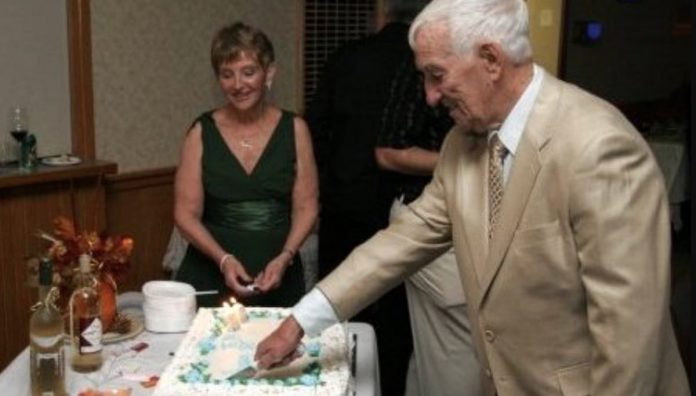
It’s been a difficult six months for Gerard Dunn since his wife passed away – but thankfully, the internet is there to cheer him up.

92-year-old Gerard and 82-year-old Ellen had been married for more than six decades. While she worked as a doting educator in Sydney, Nova Scotia, Gerard used to be a Canada Post mailman.

For this reason, Gerard loves the mail – and since Ellen died earlier this year, her husband has been cheered by the daily mail delivery.

His children have supplemented his mail-related adoration by sending him letters – but his daughter Miriam wanted to do something better for his birthday.

CHECK OUTAnonymous Love Letters Lift the Spirits of Anyone Signed Up on Website

Earlier this week, Miriam made a Twitter post asking people to send letters to her father for his birthday in October.

Though she was only expecting a few people to respond, she was immediately overwhelmed by the positive response. Since she published the request, her tweet has been retweeted over 20,000 and received 40,000 likes. Users are promising to deliver artworks, food, cards, and tidbits; teachers are sending her photos of their students absorbed in the task of writing letters for Gerard; and thousands more people have sent her online well-wishes and appreciation.

“Dad really does wait for the mail every day, so the last couple of months, the siblings have been trying to send him a card or a newspaper clipping. Something small just to have something arrive in the mail,” she told Global News.

“I thought maybe I could get a few strangers on the internet to send him something that would really please him. I anticipated five or 10 people would say, ‘I will do that,’ but I certainly did not anticipate this.”

RELATEDCity Gives Trees Email Addresses So Folks Can Report Problems, But They Send Love Letters Instead

Miriam says that she has been doing her best to respond to the deluge of adoration, and though her dad is a bit too shy to address his sudden fame, she says that he is grateful for the kindness that is being shown to him in memory of his wife.

“My dad sees this as a tribute to mom not to him,” Miriam told the news outlet. “He sees this as something that acknowledges her life even though it’s done because of her absence, but he totally feels that this is more about her.”

Pass On This Positive Story To Your Own Friends By Sharing The Good News – Photo by Miriam Dunn

Father-Daughter Duo Donates $44 Million Ranch for University Veterinary Students

A compassionate father-daughter duo has donated a $44 million cattle farm to a school for veterinary medicine in order to offer students a unique resource to learn about animal medicine, ethical farming, and sustainable agriculture.

90-year-old Jack Anderson and his daughter Wynne Chisholm have been managing W.A. Ranches since 2005 when the senior turned away from his work in the gas and oil field. They are now donating the 19,000-acre (7,700-hectare) farm to the University of Calgary’s Faculty of Veterinary Medicine.

Their only conditions for the donation are guaranteed employment for their five full-time ranch workers and the ability to visit the farm from time to time. Otherwise, the university will take on full ownership of the ranch and all of its assets.

“It was important to us that we would still be allowed to come onto the ranch, particularly at calving time, and see the animals,” Chisholm told The National Post about their love for the land. “My dad will probably still want to do a drive-around weekly like he does now, to be able to see what’s happening.”

RELATEDFarmers Stay Silent During Auction So Young Man Can Win the Bid on His Long-Lost Family Farm

According to the news outlet, the ranch is the single largest gift of a ranch to a university in North American history.

“Our hope is that this gift will transform the teaching, learning and outreach experiences at UCVM, and empower faculty and students to create and share the scientific, evidence-based discoveries that will improve animal care and welfare, enhance our industry, and inform the public,” Chisholm added in a statement.

Dr. Baljit Singh, dean of the Faculty of Veterinary Medicine, said: “The gift of a cattle ranch of this size and calibre offers unprecedented educational opportunities within the dynamic and innovative teaching model practiced at the university.

MOREStudent Proves We Can Grow Millions of Pounds of Food By Planting it on Top of Trash

“The ranch will provide a platform for collaboration with other faculties, industry and the public sector to foster interdisciplinary learning and research, and the development of an international centre of excellence in beef cattle health.”

“This gift will advance the leadership of our Faculty of Veterinary Medicine even further, providing a unique opportunity for our students to engage in immersive learning, develop their professional skills, and make the connections between human, animal and environmental health,” says university president Elizabeth Cannon.

Plant Some Positivity Amongst Your Friends And Share The Good NewsPhoto by Claire Windeyer / University of Calgary

These Paralyzed People Are Beginning to Walk Again Thanks to Electrical Implant

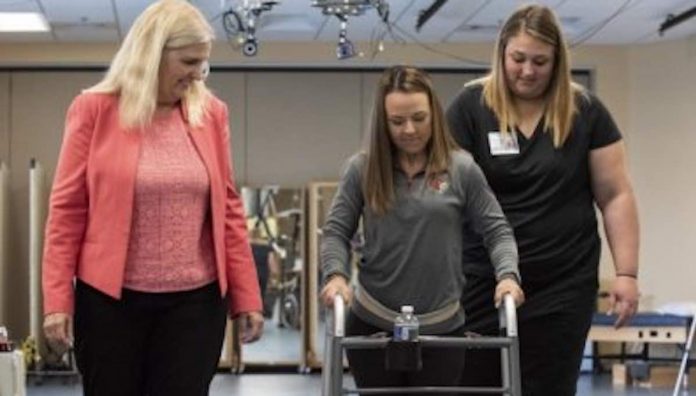
Four people who have been paralyzed from the waist down are achieving what was previously thought to be impossible thanks to a groundbreaking new therapy.

Using a spinal implant, two of the participants living with traumatic, motor complete spinal cord injury are able to walk independently once more while the other two are able to stand and take limited steps.

When the four participants joined the study, they were at least 2.5 years post injury. They were unable to stand, walk or voluntarily move their legs. Eight to nine weeks prior to the implantation of an epidural stimulator, they started training their motor skills by manual facilitating stepping on a treadmill for five days per week, two hours each day.

Although there were no changes to their locomotor abilities prior to the implant, following the epidural stimulation, participants were able to step when the stimulator was on and the individual intended to walk. Two of the participants were even able to achieve walking over ground – in addition to on a treadmill – with assistive devices, such as a walker and horizontal poles for balance while the stimulator was on.

RELATEDAfter 15 Years in a Vegetative State, Nerve Stimulation Restores Consciousness

“Being a participant in this study truly changed my life, as it has provided me with a hope that I didn’t think was possible after my car accident,” said participant Kelly Thomas, a 23-year-old from Florida. “The first day I took steps on my own was an emotional milestone in my recovery that I’ll never forget as one minute I was walking with the trainer’s assistance and, while they stopped, I continued walking on my own. It’s amazing what the human body can accomplish with help from research and technology.”

Jeff Marquis, a 35-year-old Wisconsin native who now lives in Louisville, was the first participant in this study to attain bilateral steps.

“The first steps after my mountain biking accident were such a surprise, and I am thrilled to have progressed by continuing to take more steps each day. In addition, my endurance has improved, as I’ve regained strength and the independence to do things I used to take for granted like cooking and cleaning,” said Marquis. “My main priority is to be a participant in this research and further the findings, as what the University of Louisville team does each day is instrumental for the millions of individuals living with paralysis from a spinal cord injury.”

MOREWhen Doctors Predicted These Coma Patients Would Not Wake Up, AI Disagreed. Then All 7 Patients Woke Up.

This research is based on two distinct treatments: epidural stimulation of the spinal cord and locomotor training. Epidural stimulation is the application of continuous electrical current at varying frequencies and intensities to specific locations on the spinal cord. This location corresponds to the dense neural networks that largely control movement of the hips, knees, ankles and toes. Locomotor training aims to ultimately retrain the spinal cord to “remember” the pattern of walking by repetitively practicing standing and stepping. In a locomotor training therapy session, the participant’s body weight is supported in a harness while specially trained staff move his or her legs to simulate walking while on a treadmill.

This groundbreaking progress is the newest development in a string of outcomes at from the University of Louisville Hospital, all pointing to the potential of technology in improving quality of life – and even recovery – following spinal cord injury. This latest study builds on initial research published in The Lancet in 2011 that documented the success of the first epidural stimulation participant, Rob Summers, who recovered a number of motor functions as a result of the intervention. Three years later, a study published in the medical journal Brain discussed how epidural stimulation of the spinal cord allowed Summers and three other young men who had been paralyzed for years to move their legs.

“This research demonstrates that some brain-to-spine connectivity may be restored years after a spinal cord injury as these participants living with motor complete paralysis were able to walk, stand, regain trunk mobility and recover a number of motor functions without physical assistance when using the epidural stimulator and maintaining focus to take steps,” said author Susan Harkema, professor and associate director of the Kentucky Spinal Cord Injury Research Center at the University of Louisville.

LOOKWhen Hospitals Can’t Afford Equipment, Doctor Uses Discarded Shampoo Bottles to Cut Mortality by 75 Percent

“We must expand this research – hopefully, with improved stimulator technology – to more participants to realize the full potential of the progress we’re seeing in the lab, as the potential this provides for the 1.2 million people living with paralysis from a spinal cord injury is tremendous.”

Maxwell Boakye, chief of spinal neurosurgery at the University of Louisville, said: “Epidural stimulation is likely to become a standard treatment with several improvements in design of the device to target more specific neurological circuits.”

The study was conducted at the Kentucky Spinal Cord Injury Research Center at the University of Louisville and is published in this week’s New England Journal of Medicine.

Reprinted from University of Louisville

(WATCH the footage below)

Cure Your Friends Of Negativity By Sharing The Good NewsPhoto by University of Louisville Hospital

“If your actions inspire others to dream more, learn more, do more and become more, you are a leader.” – John Quincy Adams

Photo by Elliot Margolies, CC license

Quote of the Day: “If your actions inspire others to dream more, learn more, do more and become more, you are a leader.” – John Quincy Adams

Image: by Elliot Margolies, CC license

With a new inspirational quote every day, atop the perfect photo—collected and archived on our Quotes page—why not bookmark GNN.org for a daily uplift?

Indonesian Teenager Spends 49 Days Adrift at Sea in Fishing Hut, His Tears Turning to Joy With Rescue

A 19-year-old boy has finally been rescued from the ocean after he spent 49 days adrift at sea in a small fishing hut.

Aldi Novel Adilang works as a lamplighter on the Indonesian island of Sulawesi. Back in mid-July, the young man had been fulfilling his job of maintaining the lights aboard a floating fishing trap called a “rompong”.

Designed similarly to a small hut, the rompong has no paddles or engines of any kind. It floats on the ocean’s surface and uses lights to lure in fish.

While Aldi had been aboard the vessel during a particularly windy night, the ropes that kept the rompong moored to the seabed snapped, and he was set adrift.

MOREMan Bought School Bus to Rescue Shelter Pets During Hurricanes –He Just Saved 64 During Florence

He only had a few days worth of food, water, and fuel, so he managed to survive by catching fish and cooking them over fires that he made using the wooden fencing of the rompong. He also reportedly drank saltwater through his shirt to minimize his salt intake.

“[He] said he had been scared and often cried while adrift,” Indonesian diplomat Fajar Firdaus told The Jakarta Post. “Every time he saw a large ship, he said, he was hopeful, but more than 10 ships had sailed past him. None of them … saw [him].”

Finally, after spending a month and a half at sea, he was eventually spotted by a Panamanian vessel more than 77 miles (125 kilometers) at sea in Guam waters. Officials say they are unsure as to how he wasn’t dehydrated upon his rescue.

RELATEDBeer Deliveryman Prevents Suicide on a Bridge By Offering a Cold One—While Channeling Denzel Washington

The sailors took the young man to the Indonesian consulate in Japan where he was flown home to his family two days later, reportedly in good health.

Overjoyed by her son’s safety, Aldi’s mother said that their family will be celebrating his return.

(WATCH the rescue video below)

If This Story Floats Your Boat, Be Sure And Share It With Your FriendsPhoto by Indonesian Consulate General Osaka Facebook

After 15 Years in a Vegetative State, Nerve Stimulation Restores Consciousness

A 35-year-old man who had been in a vegetative state for 15 years after a car accident has shown signs of consciousness after neurosurgeons implanted a small nerve stimulator.

Using a simple 20-minute surgery, the simulator was attached to the vagus nerve in the patient’s chest. The outcome challenges the general belief that disorders of consciousness that persist for longer than 12 months are irreversible, the researchers say.

The findings reported in Current Biology this week show that vagus nerve stimulation (VNS) – a treatment already in use for epilepsy and depression – can help to restore consciousness even after many years in a vegetative state. By stimulating the vagus nerve, we show that “it is possible to improve a patient’s presence in the world,” says Angela Sirigu of Institut des Sciences Cognitives Marc Jeannerod.

The vagus nerve connects the brain to many other parts of the body, including the gut. It’s known to be important in waking, alertness, and many other essential functions. To test the ability of VNS to restore consciousness, the researchers, led by Sirigu and clinicians lead by Jacques Luauté, wanted to select a difficult case to ensure that any improvements couldn’t be explained by chance. They looked to a patient who had been lying in a vegetative state for more than a decade with no sign of improvement.

RELATED‘Groundbreaking’ Type 1 Diabetes Drug Has Just Been Trialed on First Human Patients–With No Side Effects

After one month of vagal nerve stimulation, the patient’s attention, movements and brain activity significantly improved, they report. The man began responding to simple orders that had been impossible before. For example, he could follow an object with his eyes and turn his head upon request. His mother reported an improved ability to stay awake when listening to his therapist reading a book.

After stimulation, the researchers also observed responses to “threat” that had been absent. For instance, when the examiner’s head suddenly approached the patient’s face, he reacted with surprise by opening his eyes wide. After many years in a vegetative state, he had entered a state of minimal consciousness.

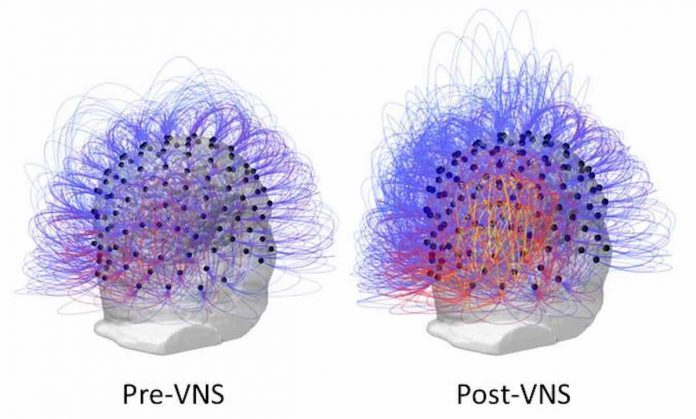
Recordings of brain activity also revealed major changes. A theta EEG signal important for distinguishing between a vegetative and minimally conscious state increased significantly in areas of the brain involved in movement, sensation, and awareness. VNS also increased the brain’s functional connectivity. A PET scan showed increases in metabolic activity in both cortical and subcortical regions of the brain, too.

MOREA Woman Given Months to Live From Advanced Breast Cancer is ‘Cured’ in World First

The findings show that the right intervention can yield changes in consciousness even in the most severe clinical cases, the researchers say.

“Brain plasticity and brain repair are still possible even when hope seems to have vanished,” Sirigu says.

The researchers are now planning a large collaborative study to confirm and extend the therapeutic potential of VNS for patients in a vegetative or minimally conscious state. In addition to helping patients, Sirigu says the findings will also advance understanding of “this fascinating capacity of our mind to produce conscious experience.”

Be Sure And Pass On The Groundbreaking News To Your FriendsPhoto by Corazzol et al

Boy Who Parks His Bike in Same Spot Every Day Finds That Someone Reserved the Space for Him

In what is being called the “most adorable random act of kindness”, a stranger has made sure that a little boy will always be able to continue using his favorite parking space.

According to a Twitter post created by freelance travel writer Christie Dietz, her 4-year-old son has been parking his bike by the same lamppost “pretty much every day for the last year”.

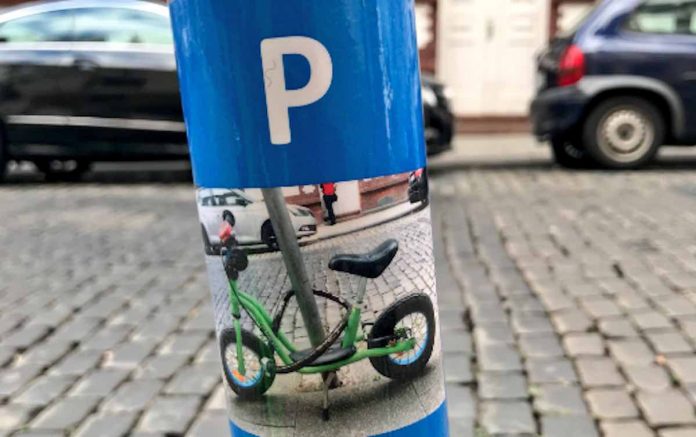
Then earlier this week, her son was surprised – and delighted – that someone had attached a specialized parking sticker to the lamppost.

RELATEDWhen 92-year-old Woman Orders Food Straight From Delivery Guy, He Obliges and Helps Her Out

On the sticker was a photo of the boy’s little green bike above the word “Only”.

“Absolutely made our day,” wrote Dietz. “People can be so brilliant.”

Though Dietz has no idea who in Wiesbaden, Germany could have done the good deed for her son, she says that she plans on leaving a note by the parking spot to properly thank whomever may have created it.

Be Sure And Pedal This Sweet Story Over To Your FriendsPhotos by Christie Dietz

“Being realistic is the most commonly traveled road to mediocrity.” – Will Smith, 50 years-old today

Quote of the Day: “Being realistic is the most commonly traveled road to mediocrity.” – Will Smith, 50 years-old today

Image: by Sandy Brown Jensen, CC license

With a new inspirational quote every day, atop the perfect photo—collected and archived on our Quotes page—why not bookmark GNN.org for a daily uplift?

New Study Shows That Weight Loss Can Be Boosted Fivefold Thanks to Novel Mental Imagery Technique

If you’re trying to shave off some of those extra pounds, this new study shows that visualization may be a huge contributor to successful weight loss.

Overweight people who used a new motivational intervention called Functional Imagery Training (FIT) lost an average of five times more weight than those using talking therapy alone.

In addition, users of FIT lost 1.6 more inches (4.3cm) around their waist circumference in six months – and continued to lose weight after the intervention had finished.

The research involved 141 participants, who were allocated either to FIT or Motivational Interviewing (MI) – a technique that sees a counsellor support someone to develop, highlight and verbalize their need or motivation for change, and their reasons for wanting to change.

RELATEDMan is Transformed After His Weight Takes Up 2 Plane Seats During Wildfire Evacuation

FIT goes one step further than MI, as it makes use of multi-sensory imagery to explore these changes by teaching clients how to elicit and practice motivational imagery themselves. Everyday behaviors and optional app support are used to cue imagery practice until it becomes a cognitive habit.

Maximum contact time was four hours of individual consultation, and neither group received any additional dietary advice or information.

“It’s fantastic that people lost significantly more weight on this intervention, as, unlike most studies, it provided no diet/physical activity advice or education. People were completely free in their choices and supported in what they wanted to do, not what a regimen prescribed,” said Dr. Linda Solbrig, the researcher who led the study from the School of Psychology.

MOREWhile Trying to Lose Weight, Here’s Why You Should Wear Bunny Slippers

The study showed how – after six months – people who used the FIT intervention lost an average of 9 pounds (4.11kg), compared with an average of 1.6 pounds (0.74kg) among the MI group.

After 12 months – six months after the intervention had finished – the FIT group continued to lose weight, with an average of 14.2 pounds (6.44kg) lost compared with 1.48 pounds (0.67kg) in the MI group.

Dr. Solbrig continued: “Most people agree that in order to lose weight, you need to eat less and exercise more, but in many cases, people simply aren’t motivated enough to heed this advice – however much they might agree with it. So FIT comes in with the key aim of encouraging someone to come up with their own imagery of what change might look and feel like to them, how it might be achieved and kept up, even when challenges arise.

CHECK OUTWoman Makes Drug-free Patches That Treat Nausea, Cramps, Vertigo, Hangovers – And Even Car Sick Pets

“We started with taking people through an exercise about a lemon. We asked them to imagine seeing it, touching it, juicing it, drinking the juice and juice accidentally squirting in their eye, to emphasize how emotional and tight to our physical sensations imagery is. From there we are able to encourage them to fully imagine and embrace their own goals. Not just ‘imagine how good it would be to lose weight’ but, for example, ‘what would losing weight enable you to do that you can’t do now? What would that look / sound / smell like?’, and encourage them to use all of their senses.

“As well as being delighted by the success of the study in the short term, there are very few studies that document weight loss past the end of treatment, so to see that people continued to lose weight despite not having any support shows the sustainability and effectiveness of this intervention.”

Trisha Bradbury was one of the participants allocated to the FIT study, and she explains: “I lost my mum at 60, and being 59 myself with a variety of health problems, my motivation was to be there for my daughter. I kept thinking about wearing the dress I’d bought for my daughter’s graduation, and on days I really didn’t feel like exercising, kept picturing how I’d feel.

RELATEDGive Yourself a Break – New Research Says Kicking Back in a Sauna Has Surprising Health Benefits

“I’ve gone from 14 stone to 12 stone 2 (196 to 170 pounds) and have managed to lower the dosage I need for my blood pressure tablets. I’d still like to lose a touch more, but I’m so delighted with the mind-set shift.”

Professor Jackie Andrade, Professor in Psychology at the University of Plymouth, is one of the co-creators of FIT, and she explains: “FIT is based on two decades of research showing that mental imagery is more strongly emotionally charged than other types of thought. It uses imagery to strengthen people’s motivation and confidence to achieve their goals, and teaches people how to do this for themselves, so they can stay motivated even when faced with challenges.

“We were very excited to see that our intervention achieved exactly what we had hoped for and that it helped our participants achieve their goals and most importantly to maintain them.”

Reprinted from the University of Plymouth

Be Sure And Pass On The Positive News To Your Friends…

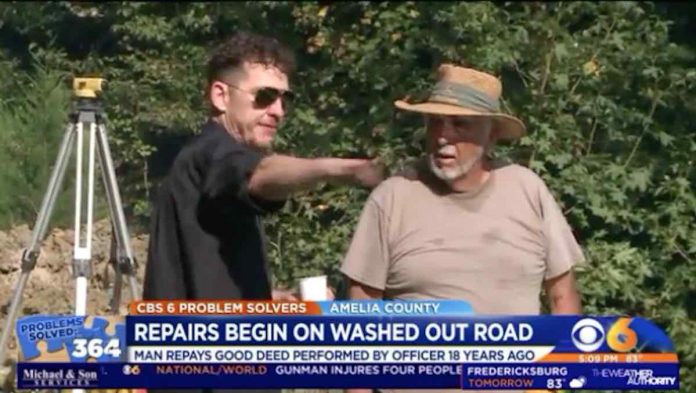
Man Helps Repair Washed Out Road, Discovers It Leads to the Man Who Saved His Life

Following the severe weather conditions of Hurricane Florence, this rural community was left stranded by a damaged road in rural Virginia.

Although dozens of volunteers stepped forward to help fix the road, one man in particular found a greater meaning in his mission: he was helping to repay the police officer who saved his life 18 years ago.

Bill Ford and his neighbors were trapped in their Amelia County homes after the floodwaters forged a 10-foot drop in the private road running through their neighborhood.

Ordinarily, it would have cost them roughly $10,000 to fix themselves – but after broadcasting their dilemma through local news outlets and social media, a team of contractors and engineers offered to fix the road themselves.

RELATEDWoman Discovers Her Co-worker is the Very Infant She Nursed Back to Health 28 Years Ago

The team of helpers was organized by Winston Marsden, a Lynchburg business owner who felt inclined to help after he saw a post about the road on social media. He coordinated the effort through several phone calls with Ford – but when they finally met in person, they realized that they had met each other before.

Ford is the former deputy of the Amelia County Sheriff’s Department. Back in 2000, he answered a call about a young man who had fallen into a icy creek from his ATV. With an internal temperature of just 75º Fahrenheit, Ford immediately rushed the man to the hospital where he was saved.

MOREIn Twist of Fate, NFL Star’s Organs Go to the Ailing Sports Hero Who Inspired Him

That man was Marsden – and now, 18 years later, he is grateful to be repaying the debt to his savior.

“I made him a promise way back when, that I was going to do something for him, to pay him back, and this is it,” Marsden told WWBT.

Pave The Way For Positivity And Share The Good News With Your FriendsPhoto by WTVR

In Historic First, Scientists Have Landed Rovers On an Asteroid and They’re Transmitting Photos

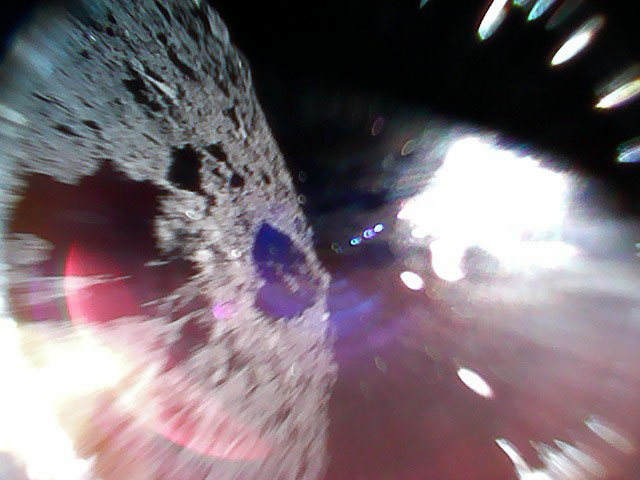
Scientists have just made history by landing the world’s first unmanned drones on an asteroid.

On September 21st, researchers from Japanese space agency JAXA successfully deployed and landed two rovers on the surface of the Ryugu asteroid.

The two robots are now transmitting pictures and information of their surroundings as “the world’s first man-made object to explore movement on an asteroid’s surface.”

The robots, named Rover-1A and Rover-1B are both collectively known as Minerva-II1.

WATCHMan Brings Telescope to the Street and Invites People to Look at the Moon –Their Reactions Will Bring You to Tears

The first image that was transmitted by Rover-1A depicts its dizzying deployment from the Hayabusa2 spacecraft rotating. In the bottom left corner of the image, you can see the surface of the Ryugu asteroid.

The second photo that was released by JAXA shows Rover-1B’s immediate deployment from the spacecraft.

The third photo was taken while Rover-1A was hopping around the surface of the 1-kilometer-wide space rock.

LOOKHawaiian Volcano Erupts Into Smiley Face Just as its Flow Reaches the Sea

Scientists believe that asteroids contain a treasure trove of information about the solar system’s evolution and history. The two drones will be collecting samples and data from above and below the surface of Ryugu until their scheduled return to Earth in 2020.

“I cannot find words to express how happy I am that we were able to realize mobile exploration on the surface of an asteroid,” said Yuichi Tsuda, Hayabusa2 project manager. “I am proud that Hayabusa2 was able to contribute to the creation of this technology for a new method of space exploration by surface movement on small bodies.”

RELATEDHigh Schooler’s Experiment is So Good, It’s Going to Space

Takashi Kubota, spokesperson for the Hayabusa2 project, added: “The good news made me so happy.

“The image taken by MINERVA-II1 during a hop allowed me to relax as a dream of many years came true. I felt awed by what we had achieved in Japan. This is just a real charm of deep space exploration.”

This News Is Out-Of-This-World: So Be Sure And Share It With Your FriendsPhotos by JAXA

Community is Overjoyed to Pitch in and Care For New Local Celebrity: The Island’s Only Duck

What walks like a duck, quacks like a duck, and splashes around like a duck? Well, for residents on the small island of Niue, the answer to that question is a duck – but they may not have been able to answer that before last month.

A recent settler to the island, Trevor the duck has been causing a stir in the local community; because Niue has never had a duck before.

No one knows how he could have gotten there, either. Theories range from him flying all the way from New Zealand to stowing away aboard a luxury yacht!

Regardless of the “how”, the intrepid mallard, who is named after Trevor Mallard, the speaker of New Zealand’s House of Representatives, has already made a home for himself in a small puddle by the airport. Locals visit him every day to bring him peas, corn, rice, and sometimes a former New Zealand commissioner comes by to feed him bok choy. Tourists even stop by to take pictures with the feathery celebrity.

RELATEDEndangered Parrots Won’t Stop Messing With Traffic Cones So the Cheeky Birds Have Been Given Their Own Roadside Gyms

Felicity Bollen, the chief executive officer of Niue Tourism, told the ABCs Pacific Beat: “We pride ourselves on being a funny, quirky little island and he fits with the quirkiness, so he’s a perfect fit from a marketing perspective for our country.”

Even the local fire department is involved in welcoming their new neighbor; they’re in charge of refilling his puddle when it gets low.

Bollen went on to tell The Guardian that interest in Trevor stems from the lack of land animals and birds in Niue. “We have whales and dolphins, we have a lot of things in the water, but not land animals… so for a duck to be wandering around the island, that’s why it’s so interesting.”

WATCHMesmerizing Video of 10,000 Snow Geese Taking Flight Will Soothe Your Soul

The island residents are debating the merit of getting a companion duck for Trevor so he doesn’t get lonely – but for now, Niue is more than happy to provide all the food and love that a community could provide a wandering fowl.

If you want to find out more about Trevor the duck, you can check out his official Facebook page.

If This Story Floats Your Boat, Be Sure And Share With Your FriendsPhoto by Trevor the Duck Facebook

“The greatest discovery of my generation is that a human being can alter his life by altering his attitudes.” – William James

Quote of the Day: “The greatest discovery of my generation is that a human being can alter his life by altering his attitudes.” – William James

Photo: by Jeff Hitchcock, CC license

With a new inspirational quote every day, atop the perfect photo—collected and archived on our Quotes page—why not bookmark GNN.org for a daily uplift?

Sign Encouraging ‘Silly Walks’ at Road Crossing Leads to Hilarious Video of Pedestrians

In Ojre, Norway, pedestrians crossing the street have been encouraged—by an official-looking street sign—to show off their best silly walk.

The art installation was an homage to Monty Python and its co-founder, the tall, lanky John Cleese.

Reidar Johannes Søby from the Kreativiteket art group told local broadcaster NRK that it was just for fun. “There’s no deep thought behind it,” he said.

Meanwhile, at the federal level, the bureaucrats at the Norwegian Public Roads Administration didn’t find it amusing at all. They said the signs should be taken down.

However, the Mayor of Marker Municipality, Kjersti Nythe Nilsen, apparently does have a sense of humor—and a little rebel inside her.

“I think the signs should be allowed. They are not any nuisance and are very similar to normal pedestrian crossing signs. In fact, no one has noticed that we have changed them, after all, they have been there a couple of months,” she said.

She said that despite the threat from the Norwegian Public Roads Administration, she has no plans to remove the signs and feels she must resort to a little civil disobedience.

The idea also spread to Ottawa, Canada—and we think a Silly Walks sign is just the remedy for boring commutes the world over.

Share This Glorious Idea in Your Hometown!

Caring Ambulance Workers Take Detour to Grant Dying Man’s Simple Ice Cream Wish

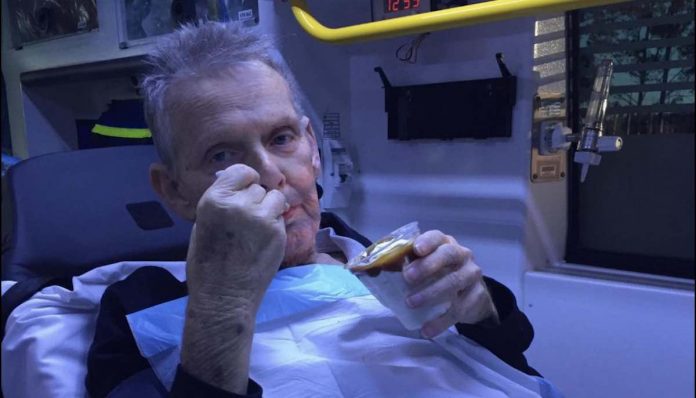
Thanks to the attention and kindness of two Australian ambulance workers, a dying man was able to have the last meal he most desired.

After 17 years of fighting pancreatic cancer, Ron McCartney was set to be taken into palliative care earlier this month.

His wife Sharon, however, needed to call for a medical escort after her husband’s sickness took a bad turn. While the Queensland paramedics conducted an evaluation in the ambulance, they discovered that the 72-year-old had not been eating for several days.

The two paramedics, identified only as Kate and Hanna, asked the senior: “If you could eat anything… what would it be?” He replied, “A caramel sundae.”

LOOKHundreds of People Bring Backpacks Instead of Flowers to Woman’s Funeral

The medics then detoured from their route, so they could buy McCartney the sweet treat before arriving at the hospital.

After Sharon expressed her appreciation for the gesture, the pair posted a photo of McCartney with his sundae.

Kate and Hanna said they were “humbled” by the note of gratitude which “underlines an often-unseen aspect of patient care; the caring.”

“Sharon’s message emphasized the enjoyment Ron received from such a simple action and thanked paramedics for the swift and high level of care and compassion shown to him on both this occasion, and their previous interactions over the last few months as well,” wrote the ambulance service.


Shortly after the ambulance ride, McCartney’s daughter Danielle Smith commented on the photo to express her own appreciation for the compassion shown to her father before he passed away.

RELATEDWhen Widow Carries On Husband’s Kind Tradition of Filling a Cooler, People Pay It Forward

“Dad enjoyed this so much and [it] was the last thing he was able to eat by himself,” wrote Smith. “Mum and I cannot thank QAS enough for all the help and compassion you have all given towards us.”

The story is a perfect example of how important kindness can be, even if it’s as simple as ice cream.

Be Sure And Share This Sweet Story Of Compassion With Your FriendsPhoto by Queensland Ambulance Service

When Hospitals Can’t Afford Equipment, Doctor Uses Discarded Shampoo Bottles to Cut Mortality by 75 Percent

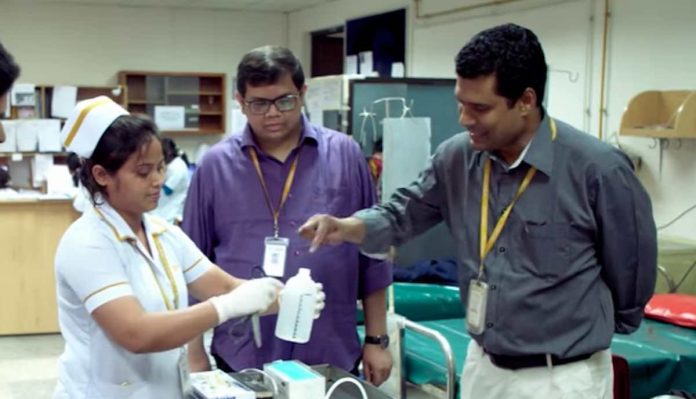
A Bangladeshi doctor has identified an unlikely savior for hundreds of thousands of babies: discarded shampoo bottles.

Back in 1996, Dr. Mohammod Chisti was working his first shift as a medical intern when he witnessed three children die as a result of pneumonia. Though the event broke his heart, it motivated him to come up with a solution for the high rates of pneumonia-related child mortalities – and the result is nothing short of extraordinary.

Pneumonia is a dangerous infection that causes the lungs to become swollen and filled with fluid, making it hard to breathe. Ordinarily, the condition can be treated with a ventilator that helps the patient to breathe – but since the average ventilator costs about $15,000, many hospitals in developing countries can’t afford the proper equipment.

The infection was listed as the number one cause of mortality in children under age five in developing countries, at the time—and Bangladesh contributed the majority of those fatalities since malnourished children are particularly vulnerable to the condition.

RELATEDWhen Doctors Predicted These Coma Patients Would Not Wake Up, AI Disagreed. Then All 7 Patients Woke Up.

While Chisti was studying in Australia, however, he was introduced to a different kind of ventilator that employed bubble-CPAP (continuous positive airway pressure). The machine employs a tube that feeds a child’s exhaled breath into a vat of water, which creates bubbles that pressurize and feed back into the patient’s lung. This helps to improve a patient’s lung capacity so they can overcome the infection.

Unfortunately, these ventilators cost about $6,000, which is still too costly for poorer nations.

Then one day, Chisti noticed a discarded shampoo bottle that happened to be filled with bubbles. It reminded him of the ventilator he had seen in Australia and he became inspired to use the bottle as the basis for a cheaper design.

MORE‘Groundbreaking’ Type 1 Diabetes Drug Has Just Been Trialed on First Human Patients–With No Side Effects

He tested his makeshift shampoo bottle ventilator on several patients and was stunned to find that they recovered almost overnight.

Chisti and his research team at the the Dhaka Hospital of the International Center for Diarrhoeal Disease Research then conducted a randomized 2-year study and published the result in The Lancet.

His ingenious ventilator cut pneumonia-related infant deaths by 75%.

WATCHHundreds of People Are Being Cured of Blindness Every Day With Cheap, Minutes-Long Surgery

This is roughly the same mortality rate achieved at more affluent hospitals using conventional ventilators – except his shampoo bottle rig only costs about $1.25, meaning that his hospital has spent 90% less money on pneumonia treatment.

Since the bottle also uses oxygen far more efficiently, his hospital went from spending $30,000 on oxygen every year to just $6,000.

Chisti’s device is currently being tested in Ethiopian hospitals, and the good doctor hopes his invention will start being used by medical facilities around the world.

(WATCH the BBC video below)

Be Sure And Pass On The Incredible Story To Your FriendsPhoto by BBC News

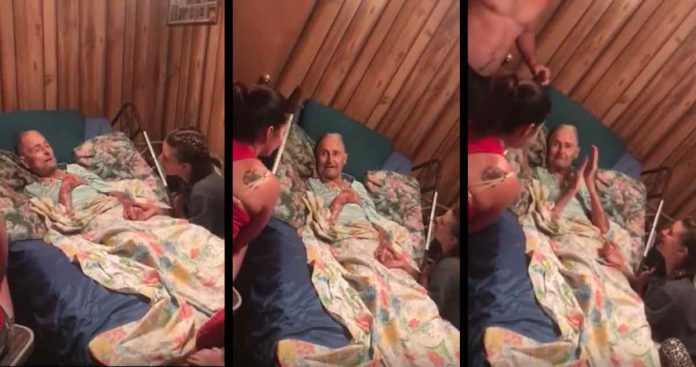
Watch Ailing Senior’s Emotional Reaction to Daughter and Granddaughter Singing in His Bed

There is nothing quite like music to bring a family together – which is why this video of Kayla Hartman singing for her grandfather is being watched millions of times.

As a means of cheering her ailing father, Hartman and her daughter sang a heartwarming rendition of “Grandpa” by The Judds.

RELATEDWatch the Tender Moment When Elvis Reaches Out His Hand to Sing Duet With Senior in a Walmart

The performance was caught on video, and based on the emotional reactions of the family members, it’s not hard to see why it’s being shared so widely.

“Being able too get this video is absolutely amazing,” says Hartman. “I break down in the middle but he loves every minute of it!”

(WATCH the video below)

Be Sure And Share This Sweet Clip With Your Friends On Social MediaPhoto by Elizabeth Swanger via Storyful

Architects Build Stunning Hotel Into the Walls of an Abandoned Rock Quarry

Adventurers and travel junkies have another quirky destination to visit during their next world tour.

The Deep Pit Hotel, which is being called the world’s first “underground” hotel, opens next month as a swanky new Intercontinental resort that has been built inside an abandoned quarry southwest of Shanghai, China.

The hotel has 18 floors, two of which are submerged in an aquarium. Every room on the other 16 floors is equipped with its own balcony that looks out over the strange landscape.

The facility was also built with sustainability in mind. The hotel’s structure was mainly kept within the walls of the quarry to minimize environmental impact. Additionally, the hotel will be drawing on geothermal and solar energy for power.

As a means of serving adrenaline junkie visitors, the hotel will also offer bungee jumping and rock climbing from the top of the quarry.

LOOKHotel’s Devotion to Service Includes Delivering Nic Cage on Guest’s Pillow

Over the course of the last decade, the “Intercontinental Shimao Wonderland” has required over 5,000 workers from the British design firm Atkins to finish the building.

Now, the hotel is expected to open to the public this October.

Tell Your Friends About The Groovy Getaway by Sharing the News To Social MediaPhotos by Intercontinental

“Tough times test your valor, persistence, and ability to make decisions. They force you to fight for your dreams.” – Paulo Coelho

Quote of the Day: “Tough times test your valor, persistence, and ability to make decisions. They force you to fight for your dreams.” – Paulo Coelho

Photo: by Jonathan Gross, CC license

With a new inspirational quote every day, atop the perfect photo—collected and archived on our Quotes page—why not bookmark GNN.org for a daily uplift?