All News - Page 680 of 1724 - Good News Network
Home Blog Page 680

“Sometimes it’s not enough to know what things mean, sometimes you have to know what things don’t mean.” – Bob Dylan

Quote of the Day: “Sometimes it’s not enough to know what things mean, sometimes you have to know what things don’t mean.” – Bob Dylan

Photo: Sarcophagus of Ahmes, by Richard Mortel, CC license via Flickr

With a new inspirational quote every day, atop the perfect photo—collected and archived on our Quotes page—why not bookmark GNN.org for a daily uplift?


Girl Born With Backwards Legs Walks for the First Time Thanks to Strangers Funding ‘Miracle’ Surgery

SWNS
SWNS

A “one-in-a-million” little girl who was born with both legs bent backwards has walked for the first time thanks to an outpouring of financial support that helped pay for her “miracle” surgery.

3-year-old Victoria Komada was born with bilateral tibial hemimelia – a congenital deformity which results in deformed legs and missing bones.

Doctors initially told Victoria’s family that the only solution was a double amputation – but then her parents found a surgeon in Florida who would be able to reconstruct one of her legs.

LOOKSurgeons Successfully Implant World’s First 3D-Printed Rib – and They Plan On Doing Even More in the Future

Though the surgery cost a whopping £180,000 ($235,000), thousands of people raised money for the polish family so they could travel to America from their home in Norwich last July.

Upon successfully raising the funds for the treatment, the family flew out to the Paley Institute in West Palm Beach, Florida where Dr. Dror Paley told them that her left leg could be fixed and her right leg could simply be fitted with a prosthetic.

Victoria had her first nine-hour operation in July. After months of treatments and therapy, she underwent a second operation in November so the bones in her left leg could be fused together. Two days later, she could walk.

SWNS

Victoria and her parents Marzena Drusewicz and Dariusz Komada are now back at their home in Norwich, Norfolk after nine months of treatment and two operations. Not only that, the young girl can now walk, run and play sports.

“Of course I was so scared and didn’t know what would was going to happen,” said Marzena, Victoria’s mom.

MOREIn ‘World First’ Blind People Have Their Vision Restored Thanks to Stem Cells From Deceased Organ Donors

“[But] every week, she got better and better and now she is not in any pain at all. She can now walk normally and we can all start our life again now we are home.

SWNS

“We were so happy when she took her first steps, we started crying,” she added. “We were on the way to the car and she said ‘Mummy, can I show you something.’”

Dr. Paley, the mastermind who performed the surgery, said: “We achieved all that we said we would achieve for her. The reconstructed leg is very functional.

“She can walk and run and do sports now. She has had superb results.”

Victoria is now due to start school in September.

(WATCH the video below)

Be Sure And Share This Inspiring Story With Your Friends On Social Media…

What You Never Learned About Fiber and Why It May Be Exactly What You Need for Stubborn Ailments

Reprinted with permission from World At Large, a news website reporting on nature, science, health, and travel.

Without having much education on the subject, most people understand that fiber is an important part of a healthy diet. There are many reasons why fiber is an invaluable nutrient to the human species, but only 5% of Americans are likely to consume an ideal amount of it as recommended by the US Dietary Guidelines.

Misunderstandings about what fiber actually is, what fiber does, where it comes from, and how much is required, altogether serve to distort the picture of fiber in the diet. Most Americans are aware that fiber is good for digestion and for promoting healthy bowel movements, but beyond the stick of celery with buffalo wings and whole wheat bread, statistics show that people don’t actually know very much about it.

The consequences of misunderstanding fiber result in far more than the occasional bout of indigestion, and they can result in a variety of different upsets from immune-system health to hormonal production.

Fiber and the Gut

During a process called dehydration synthesis, glucose molecules can bind together to create larger molecules known as polysaccharides. Some examples of polysaccharides are cellulose, chitin, and starch – in order words, fiber. Polysaccharides and fiber have another name as well – complex carbohydrates.

Complex carbohydrates retain their hearty structure as they travel down the gastrointestinal tract. Simple carbs and sugars, on the other hand, are often fully pulverized long before they reach the large intestine or colon, which deprives the bacteria in this digestive region of receiving any nourishment.

RELATEDEating Mushrooms a Few Times a Week Could Dramatically Reduce Dementia Risk, Says 6-Year Study

The colon is the eventual destination of dietary fiber, and it’s there that the complex carbs which survive the downward journey are fermented by the microbes which make up our gut microbiota – allowing for a rather fascinating biological process to occur.

When fiber is consumed by the buggers in our colon, their waste products are utilized by our body as nutrients. For instance, short chain fatty acids are one of these compounds that are produced when dietary fiber is fermented in the colon. One short chain fatty acid called butyrate acts as the primary energy source for colonic cells, and are key for colonic health and warding off colon cancer.

T-regulatory cells are members of the immune-cell family which calm the immune system, preventing them from aggressively targeting the host’s biology with excessive inflammation and damage. If dietary fiber is not consumed it’s likely the immune system is operating in a hyper-inflamed state.

MORE86-Year-old Has Lost 120 Pounds Simply By Walking Around Her One-Bedroom Apartment

It’s this hyper-inflammatory state that has been linked with the increased numbers of cases of chronic autoimmune diseases like IBS, along with food allergies and asthma, and most metabolic disorders. In fact, inflammation seems to be the primary indicator and driver of aging, with most centenarians and supercentenarians displaying a telling lack of inflammation.

If starved of complex carbs, the only source of nourishment for the bacterial ecology within the gut is mucin cells within the mucus membrane which line the inside of the GI track. The obvious danger is the enhanced gut permeability going in both directions. Immune-cells from inside the body inflame and target the bacteria in the gut, while bacteria which would otherwise be harmless if it remained in the gut, can seep into the bloodstream causing further inflammation as the immune-system seeks to destroy the harmful agent.

Dig in the Dirt

Most foods that are minimal sources of fiber display the “Good source of fiber” USDA designation loudly on their packaging. While many cereals and whole grain/wheat breads and pastas may advertise 3 to 4 grams of fiber per serving, they are also loaded with inflammation-inducing simple carbohydrates, like sugar and wheat flour, and are normally fortifying it with only one form of supplemental fiber, rather than a compliment of different starches and cellulose that you’d find in vegetables.

CHECK OUTBlue Light Reduces Blood Pressure, Just as Effectively as Medication – UK Study

That’s why the best sources of fiber are good old-fashioned, dirt-covered produce.

Unlike packaged foods such as cereal or different snack bars, vegetables and fruits contain a compliment of important phytonutrients including polyphenols, alkaloids, keratinoids, and tannins.

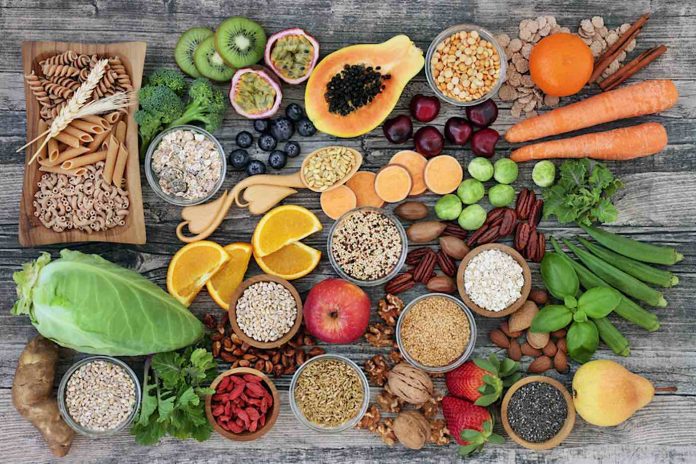
Split peas, lentils, and beans are the best commonly available source of fiber by weight. Other great sources are vegetables like collard greens, broccoli, brussels sprouts, and green peas. Starch-heavy vegetables like acorn and butternut squash, turnips, parsnips, are also good choices. Finally, nuts and stone fruit, eaten with their skins on, can be a supplemental fiber source.

A History of Chewing

In a paper titled Paleodietics the author provides a graph demonstrating the immense drop in the presence of fiber in man’s plant based food sources as he left the paleolithic-era behind. This is due to several reasons, not least of which is the invention of agriculture and the domestication of wheat, grains, and fruit. Early agri-communities began to select for palatability rather than fiber content, resulting in sweeter, and more easily digested produce.

MOREGive Yourself a ‘Dry January’ – You’ll Sleep Better, Save Money, and Lose Weight

There are a number of scientific papers written on the topic of pre-agricultural societies and their consumption of fiber. While the USDA states that 18 grams of fiber per 1,000 calories is required to stave off the effects of fiber deficiency, early ancestors likely consumed twice that figure or more of fiber in their diet.

In his book “Human Diet”, Steven Ungar outlines the presence of fiber in monkey and chimpanzee diets. His team has found that over a year of studying chimps and 3 different species of monkey in Uganda, that chimpanzee diets are extremely high in fiber, and that like humans, they can digest these compounds due to fermentation in the colon and large intestine.

Considering the presence of fiber in the diets of primitive societies and in chimpanzee populations, it seems that we undoubtedly evolved to consume large amounts of fiber, both insoluble and soluble. Moreover, through the understanding of how complex carbs interact with the bacteria in the gut, we understand that not only did we evolve to eat them, but that they facilitate the production of vital components for our longterm health.

Help Your Friends Stay Healthy By Sharing The Good News To Social Media…

NYC Passes Bold New Legislation Requiring Green Roofs on New Buildings – and Much More

New York City recently passed a trailblazing new piece of legislation that is set to propel the Big Apple towards the forefront of America’s fight against climate change.

The new Climate Mobilization Act, which was passed on April 18th, contains six climate measures intended to help the city reach carbon neutrality and 100% clean energy by 2050.

One of the notable provisions in the bill requires all new residential and commercial buildings to cover their rooftops with plants or renewable energy sources such as solar panels.

MORECity in England Has Finally Achieved its Goal of Becoming the World’s First ‘Sustainable Palm Oil City’

Since plants absorb light that would otherwise become heat, legislators have been pushing for greener rooftops in order to reduce the “urban heat island effect.” By mitigating this heat gain, there is a reduction in energy costs for cooling systems inside buildings.

The bill also outlines the establishment of a renewable energy loan program to assist with “greening” buildings and details new changes to the city’s building codes in order to promote construction of wind turbines.

“Today, we are passing a bill that won’t just make our skyline prettier—it will also improve the quality of life for New Yorkers for generations to come,” said Rafael Espinal, the New York City Council member who sponsored the bill.

According to research published by the National Research Council of Canada, a green roof can cut a building’s daily energy demand for air conditioning by up to 75%. This is particularly significant because the bulk of New York City’s CO2 emissions come from its buildings.

That is why it is now mandated that a building’s greenhouse gas emissions cannot exceed the levels that are set by the legislation, which makes New York City the first in the world to require large existing buildings to reduce their CO2 emissions.

The limits are set based on the occupancy group of the building. The bill requires large and medium-sized buildings, which account for nearly a third of all greenhouse gas emissions in the city, to reduce their emissions by 40% before 2030 and 80% by 2050. The very worst performing buildings will have to act by 2024 to curb their emissions.

LOOKOrigami-Inspired Solar Panel Could Start Generating Renewable Electricity From Your Window

“Retrofitting for efficiency and sustainability will reduce our city’s carbon footprint and create thousands of much-needed, good-paying jobs,” said Councilor Ben Kallos, Co-Chair of the Progressive Caucus.

Additionally, the bill calls upon the New York State Department of Environmental Conservation to deny the Water Quality Certification permit for the construction of the Northeast Supply Enhancement pipeline through New York Harbor. Mayor de Blasio said that due to the fact there is no federal leadership to address climate change, “we have to do it ourselves, in this city and cities all over the country.”

MOREWe May Soon Be Able to Build Houses Out of the Byproducts From Our Bathroom Breaks

Legislators now hope that the bill will inspire other American municipalities to take similar action against climate change.

“We hope that if we can make it here, we can make it anywhere,” says Samantha Wilt, senior policy analyst for Natural Resources Defense Council’s Climate and Clean Energy Program.

Plant Some Positivity By Sharing The Good News To Social MediaFile photo by Arlington County, CC

Researchers Finally Find Cure for the Fatal Sting of the World’s Most Venomous Creature

Photo by Jamie Seymour

Reprinted from the University of Sydney

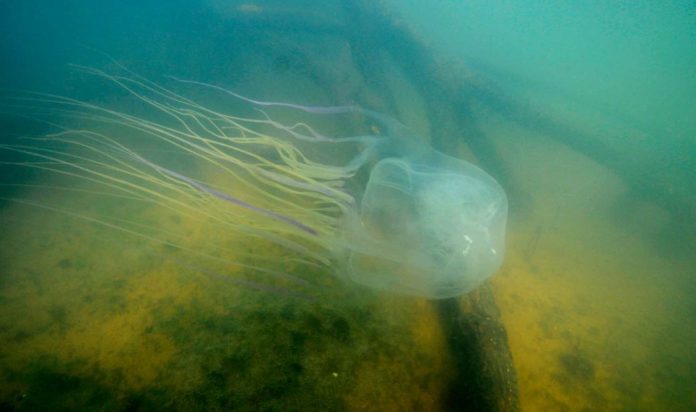
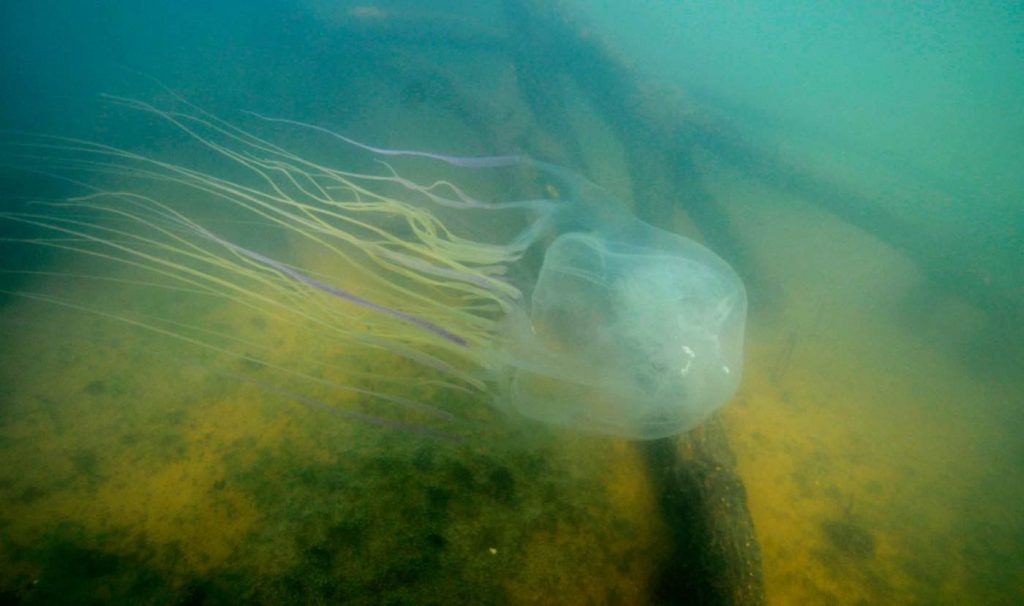
Researchers have finally discovered an antidote to the deadly sting that is delivered by the most venomous creature on earth – the Australian box jellyfish.

The Australian box jellyfish (Chironex fleckeri) has about 60 tentacles that can grow up to 3 meters (10 feet) long. Each tentacle has millions of microscopic hooks filled with venom.

Each box jellyfish carries enough venom to kill more than 60 humans.

A single sting to a human will cause necrosis of the skin, excruciating pain, and – if the dose of venom is large enough – cardiac arrest and death within minutes.

WATCHHe Was Called Foolish for His Research; Now Documentary Tells How He Won Nobel Prize for ‘Cancer Cure’

Associate Professor Greg Neely and Dr Raymond (Man-Tat) Lau and their team of pain researchers at the University of Sydney’s Charles Perkins Centre were studying how the box jellyfish venom works when they made the discovery.

They uncovered a medicine that blocks the symptoms of a box jellyfish sting if administered to the skin within 15 minutes after contact.

The antidote was shown to work on human cells outside the body and then tested effectively. Researchers now hope to develop a topical application for humans.

“We were looking at how the venom works, to try to better understand how it causes pain. Using new CRISPR genome editing techniques we could quickly identify how this venom kills human cells. Luckily, there was already a drug that could act on the pathway the venom uses to kill cells, and when we tried this drug as a venom antidote on mice, we found it could block the tissue scarring and pain related to jellyfish stings,” said Associate Professor Neely. “It is super exciting.”

LOOKYears After She Smells Parkinson’s Disease on Her Husband, Woman is Now Paving the Way for Early Detection Test

Published in the prestigious journal Nature Communications, the study used CRISPR whole genome editing to identify how the venom works. Genome editing is a technology that allows scientists to add, remove or alter genetic material in an organism’s DNA.

In the study, the researchers took a vat of millions of human cells and knocked out a different human gene in each one. Then they added the box jellyfish venom – which kills cells at high doses – and looked for cells that survived. From the whole genome screening, the researchers identified human factors that are required for the venom to work.

“The jellyfish venom pathway we identified in this study requires cholesterol, and since there are lots of drugs available that target cholesterol, we could try to block this pathway to see how this impacted venom activity. We took one of those drugs, which we know is safe for human use, and we used it against the venom, and it worked,” said Dr. Lau, who is the lead author on the paper. “It’s a molecular antidote.”

CHECK OUT: In ‘World First’ Blind People Have Their Vision Restored Thanks to Stem Cells From Deceased Organ Donors

“It’s the first molecular dissection of how this type of venom works, and possible how any venom works,” Dr. Lau said. “I haven’t seen a study like this for any other venom.”

“We know the drug will stop the necrosis, skin scarring and the pain completely when applied to the skin,” said Associate Professor Neely, who is the senior author on the paper. “We don’t know yet if it will stop a heart attack. That will need more research and we are applying for funding to continue this work.”

Photo by Jamie Seymour

Found in coastal waters in northern Australia, from Queensland to Western Australian and into the waters around the Philippines, the box jellyfish is extremely dangerous. They don’t just float – they can actively swim, gaining speed of 7.5 kilometers per hour (4.6 miles per hour) when they are hunting. They feed in shallow waters, mainly small fish and prawns.

There are two types of box jellyfish, the Irukandji, which is tiny, and the Chironex fleckeri, which is about 3 meters long. “We studied the biggest, most venomous and scary one,” said Associate Professor Neely. “Our drug works on the big beast. We don’t know yet if it works on other jellyfish, but we know it works on the most-deadly one.”

MOREBoy is Cured of Aggressive Cancer Thanks to Stem Cell Treatment Using Donated Umbilical Cord

The venom used in the study was collected from a box jellyfish off the waters of Cairns by Associate Professor Jamie Seymour at James Cook University.

Anecdotal evidence suggests the only current treatment for a sting is dousing the area with vinegar for 30 seconds or running very hot water over the affected area for 20 minutes. If it’s a major sting, continuous CPR is needed to keep the heart beating.

“Our antidote is a medicine that blocks the venom,” said Associate Professor Neely. “You need to get it onto the site within 15 minutes. In our study, we injected it. But the plan would be a spray or a topical cream. The argument against a cream is when you are stung it leaves lots of little stingers in you so if you rub the cream on it might be squeezing more venom into you. But if you spray, it could neutralize what’s left outside of your body.”

Associate Professor Neely and his team are now looking for potential partners to work on making the medicine available to the public.

RELATEDFDA Grants ‘Breakthrough’ Status to Psilocybin Mushroom Therapy for Untreatable Depression

Associate Professor Neely’s team work in functional genomics and study chronic pain at the Charles Perkins Centre and he heads the Sydney Genome Editing Initiative at the University of Sydney. They are studying a range of deadly Australian creatures – the box jellyfish, and a wide variety of other venomous animals – in order to understand what causes pain.

In 2018, pain and chronic pain cost $139 billion to the Australian economy and is heading towards $215 billion by 2050, according to Pain Australia.

“Most of our work is directed at developing non-addictive pain killers for humans,” said Associate Professor Neely. “One way we do this is to figure out how painful venoms from Australian creatures work using brand new CRISPR technology. It is super cool.”

(WATCH the video below)

Cure Your Friends Of Negativity By Sharing The Good News To Social Media…

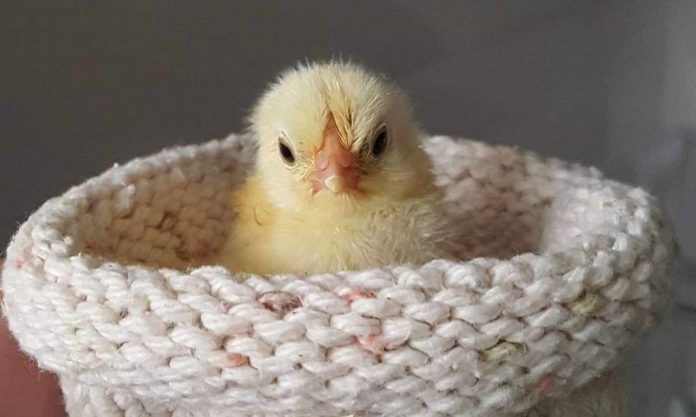
When Bird Rescuers Ask for Help During Nesting Season, Thousands of People Donate Hand-Knitted Nests

With the flowers blooming and the weather getting warmer, these wildlife rescuers have been struggling to accommodate all of the injured and orphaned baby songbirds that arrive at their shelter.

Last month, the Carolina Waterfowl Rescue of Charlotte, North Carolina posted a plea for help on their Facebook page. With the influx of rescued birds during nesting season, they asked their readers to send in knitted nests for the chicks.

Staffers say that since nesting season is always their busiest time of year, their shelter will often take in as many as 3,000 birds in need of care.

LOOKWith Only 147 of World’s Fattest Parrots Left, This Year’s Baby Boom Has Left Researchers Positively Squawking

If the chicks aren’t able to properly mature from the safety of a nest, then they will grow up to have splayed legs.

Upon posting their request to Facebook, however, it was shared hundreds of times. The shelter quickly became flooded with thousands of hand-knitted nests, messages of encouragement, and greeting cards from all over the country.

Needless to say, the rescue workers have been delighted by the response, and they have encouraged readers to continue sending the nests.

“We could always use a [few] more and even if we don’t use them, we can send them to other people who we know that does need them,” shelter wildlife rehab specialist Bayleigh MacHaffie told WGRZ.

Additionally, MacHaffie says that all of the staffers are always excited to read each and every letter from their donors.

RELATEDScientists Praise 96-Year-old for His Hobby of Saving Dwindling Bluebird Populations

“It really makes it a personal experience,” she told the news outlet. “It is a huge relief for us to get in these things and I mean you’re helping us. So we would love to be able to sort of see who’s on the other side of this nest and know you’re appreciated.”

If anyone is shy about their knitting capabilities, the shelter says that they are always looking for volunteers to help feed the birds since the chicks require round-the-clock care.

The shelter also relies on donations to help pay for their bird food and rehabilitation expenses.

(WATCH the news coverage below) – Photo by Carolina Waterfowl Rescue

Fly This Story Over To Your Friends By Sharing It To Social Media…

“Paris is a place where just walking down a street that I’ve never been down before is like going to a movie.” – Wes Anderson (50-years-old today)

Quote of the Day: “Paris is a place where just walking down a street that I’ve never been down before is like going to a movie.” – Wes Anderson (50-years-old today)

Photo: by Игорь М, CC license via Flickr

With a new inspirational quote every day, atop the perfect photo—collected and archived on our Quotes page—why not bookmark GNN.org for a daily uplift?


Man Named ‘Miracle’ Credited for Saving Woman’s Life After Following His Instincts On the Road

A 77-year-old woman was rescued from dire straits earlier this week thanks to a man who is apparently living up to his namesake.

Chris Miracle works for his family’s towing company in Manntown, Florida. He had been driving through town at 2AM last week when he saw some flashing lights shining through the brush on the side of the road.

He only noticed the lights because he had been keeping a sharp eye out for deer – but after he had already driven one mile past the mysterious flashes, he couldn’t help but feel like he had to turn around and investigate.

WATCHWhen Two Dogs Became Trapped in Ice, the Perfect Russian Rescuer Happened to Be Walking By

It’s a good thing that he did, too. Miracle drove back to the spot where he had seen the lights and discovered that there was a car plunged halfway into a creek 40 yards from the road with its hazards on.

Miracle approached the car and found a 77-year-old woman inside. Upon asking her if she was okay, she explained how she had veered off the road because of an adverse reaction to her medication. Without any cell phone to call for help, she simply had to turn on her hazard lights and wait.

After Miracle called emergency responders to the scene, he used his tow truck to pull the woman’s car out of the creek.

MOREUPS Driver Hailed a Hero for Following His Gut and He Hopes Other Drivers Will Do the Same

The woman was reportedly released from the hospital earlier this week in good condition, and Miracle says that he is glad he trusted his instincts; if no one else had spotted her hazard lights in the dark, then she may have been stuck in her car until daytime, making it even more difficult for anyone to see her vehicle through the brush.

“I mean the timing was just impeccable,” Miracle told News 4 JAX. “[I think it was] God’s work. Right place, right time – it was meant to be.”

(WATCH the news coverage below) – Photo by News 4 JAX

Save Your Friends From Negativity By Sharing The Good News To Social Media…

Rooftop Panels of Tiny Plants Can Cleanse Polluted Air at 100 Times the Rate of a Single Tree

Photo by Imperial College London / Thomas Glover

Scientists have succeeded in developing the world’s first “biosolar leaf” technology to cleanse polluted city air with shocking efficiency.

Researchers say that the new BioSolar Leaf system uses photosynthesis to purify the same amount of air as 100 trees – all while taking up the same amount of space as a single tree.

The BioSolar Leaf cultivation system facilitates the growth of tiny plants, such as microalgae, diatoms, and phytoplankton, across large platforms that can be installed similarly to solar panels on top of various buildings and landscapes.

The microscopic bits of biomass then use photosynthesis to suck greenhouse gases out of the air and turn it into clean, breathable oxygen.

MOREIKEA Has Developed a Curtain That Reduces Indoor Air Pollution

The technology, which was developed in collaboration between Imperial College London and startup company Arborea, also serves to create a sustainable source of nutritious, edible food additives that can be harvested and used for plant-based nourishment.

Julian Melchiorri, who is the founder and CEO of Arborea, has also been responsible for developing similar air-purifying technologies. In 2017, he was hailed for creating a “living chandelier” that used algae to suck CO2 out of the air.

Photo by Imperial College London

His company will now be working with the UK university to pilot their cultivation system on the school’s campus.

“In our ever-growing modern cities, cooperation between start-ups, academic institutions and governmental bodies is critical to enable and accelerate sustainable innovation that benefits both our society and environment,” Melchiorri said in a statement.

LOOKCity is Converting Highway Pillars into Vertical Gardens to Clean the Air

“When I founded Arborea, my goal was to tackle climate change while addressing the critical issues related to the food system. This pilot plant will produce sustainable healthy food additives while purifying the air, producing oxygen and removing carbon dioxide from the surrounding environment.”

Plant Some Positivity By Sharing The Good News With Your Friends On Social Media

Pilots Are Giving Free Flights to Diverse Kids Who Need High-Flying Role Models and Mentors

Photo by Fly for the Culture

There is a notorious lack of diversity in the aviation industry, but this man is using his passion for flying to encourage youngsters to pursue their dreams – no matter their race.

According to a 2017 census from the Bureau of Labor Statistics, only 7% of US pilots and flight engineers are people of color, while only 3% are African-American.

So as a means of being a positive role model for kids who face the same cultural difficulties as himself, Jerome Stanislaus gives free flights and mentorship to children – particularly kids of color.

Photo by Fly for the Culture

“I told myself that I would probably never be a pilot because I actually never saw a pilot that looked like myself,” Stanislaus told CBS News.

“[But now,] I love it, I really do. I really want to be able to make a difference and this is how I do it,” he added. “It’s like my purpose.”

Stanislaus’s labor of love first started last year when he began working with a nonprofit called Fly for the Culture.

Photo by Fly for the Culture

The organization has been trying to bring more diversity to the aviation industry by providing free flights and mentorship to youngsters.

In addition to pairing children with positive role models in the industry, Stanislaus also says that when kids are in a plane for the first time, their reactions are “priceless”.

(WATCH the emotional news coverage below or our international viewers can watch the footage on the CBS News website)

Fly This Sweet Story Over To Your Friends By Sharing It To Social Media Feature photo by CBS News

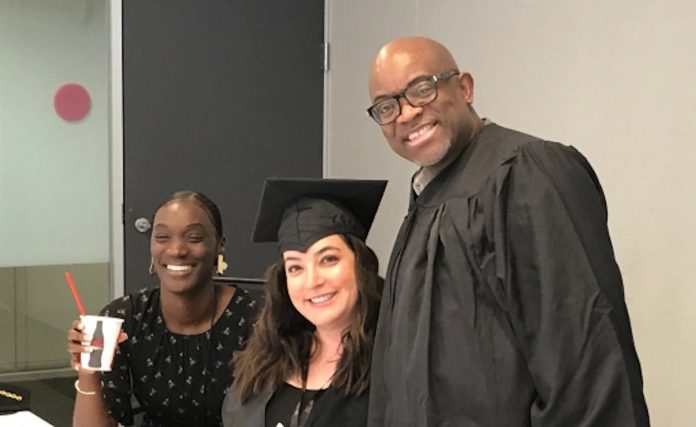
Hundreds of High School Graduates May Soon Be Wearing Caps and Gowns Made of Recycled Plastic Bottles

Next spring, the high school graduates of Atlanta public schools may be the first group of students to wear caps and gowns made out of recycled plastic.

Throughout the duration of Earth Week, the Coca-Cola Company collected plastic bottles to recycle and recreate as graduation gear for the class of 2020.

The company hopes to outfit 200 high school graduates by collecting at least 7,000 PET bottles from across Atlanta and several other US cities.

The bottles’ journey to next year’s graduation will continue when they arrive at WestRock Recycling in Atlanta, where they will be sorted and cleaned before making their way to processing plant in North Carolina. There, the bottles will be broken down into pellets, returning the PET to its virgin state. The materials will then be “upcycled” and woven into polyester yarn fabric and shipped to a mill to be cut and sewn into caps and gowns.

RELATEDAdidas Test to Sell Shoes Made of Ocean Plastic Was So Successful, They’re Going Even Further

“Graduation day is the most important day in the lives of our seniors. It exemplifies how we truly live our mission: graduating students prepared and ready for college and career,” said Dr. Meria Carstarphen, the superintendent Atlanta Public Schools (APS).

“Many of our students have persevered through adversity, overcome challenges and beat the odds to earn their diploma and carve out a bright future. As such, donning caps and gowns in their splendid school colors on graduation day means so much to them,” she added.

“[This] donation will help alleviate the burden of the cost of caps and gowns which are part of senior fees which families sometimes struggle to afford. It’s a beautiful gesture for giving back to both their hometown schools and the environment.”

LOOKSupermarket Praised for Replacing Plastic Produce Packaging With Banana Leaves

The corporation’s partnership with the city of Atlanta will dispatch street teams to every zip code in the city to “tip” open recycling carts and “tag” them with cards informing residents about what they can and can’t recycle, and to let them know how they’re doing in order to improve recycling rates and reduce recycling contamination.

These efforts are all part of the company’s #CocaColaRenew campaign to positively impact local communities and the planet. If successful, Coca-Cola hopes that their efforts will help Atlanta to become the first U.S. city without packaging waste.

Clean Up Negativity By Sharing The Good News To Social MediaPhoto by Coca-Cola Company

High School Kids Praise Anonymous Man Who Paid for Their Dinner With One Specific Condition

Prom night is already a memorable night for most high schoolers – but this group of teens had a particularly wonderful night thanks to an anonymous man who offered to pay for their meal.

After their dance was over, eleven Fortuna High School students had gone out for dinner at the Double D Steak restaurant in California to get a bite to eat.

As they were preparing to order, however, the waiter approached the table and said that another patron was offering to pay for their dinner with one specific stipulation: the teens had to enjoy their time together without using their cell phones.

The teens happily put all of their cell phones onto a tray and gave it to the waiter for safekeeping.

LOOKYoung Man Invites Solitary Senior to Eat With Him and Discovers She is a Widow On a Special Anniversary

One of the students later recounted the story to her mom Kim McKenzie Emmons, and the proud parent made a Facebook post in order to praise the patron for his kindness.

“The great part about this story is that my daughter said they talked the whole night without distractions and said it was a blast,” wrote Emmons. “The anonymous gentleman came to their table while he was leaving and told them they were a beautiful group and that it brought back memories of his time when he was younger.”

“Thank you to the gentleman that not only paid for their dinner, but taught them you can have a really good time without technology,” she added.

MOREStranger Drives 7 Hours Straight So Couple on the Side of the Road Can Be With Dying Mother

Another parent commented on the post, saying: “I am still humbled, proud and excited for these kids! What an amazing man to do such a selfless gesture.

“I hope Each and every young person at that table took a valuable lesson from it. I’d really like to find this amazing man and thank him myself,” she added.

The steak restaurant also chimed in on the post and said they would be happy to try and identify the compassionate patron so they could thank him on behalf of the parents.

“This was so awesome! It was so nice to see them all conversing with each other and not on the phones!” wrote the restaurant. “I can try and find out [who the man is because] I thought it was such a cool, kind gesture!”

Be Sure And Share This Sweet Story Of Kindness With Your Friends On Social Media – Photo by 

“April hath put a spirit of youth in everything.” – William Shakespeare (Sonnet XCVIII)

Quote of the Day: “April hath put a spirit of youth in everything.” – William Shakespeare (Sonnet XCVIII)

Photo: by Nic Redhead, CC license via Flickr

With a new inspirational quote every day, atop the perfect photo—collected and archived on our Quotes page—why not bookmark GNN.org for a daily uplift?


“To me, if life boils down to one thing, it’s movement. To live is to keep moving.” – Jerry Seinfeld (65-years-old today)

Quote of the Day: “To me, if life boils down to one thing, it’s movement. To live is to keep moving.” – Jerry Seinfeld (65-years-old today)

Photo: by alfonso venzuela, CC license via Flickr

With a new inspirational quote every day, atop the perfect photo—collected and archived on our Quotes page—why not bookmark GNN.org for a daily uplift?


When Parents Tried to Fix Her Visual Impairment, She Was Inspired By a Poster and a Handyman (MOTH Monday)

Today is MOTH Monday on Good News Network: In partnership with The Moth, a nonprofit dedicated to the art of storytelling, we bring you the most uplifting speakers from live stages across the world.

When Anagha Mahajan was a child growing up in India, she was often forced to spend hours in a dark room focusing on a candle so she could improve the vision in her left eye.

As a means of trying to improve her focus and her attention, she hung an inspirational poster on the wall with a little poem about how it was important for her to try her hardest.

Surprisingly enough, the poster did help her to “get better” – but she says it was only because of the handyman who would regularly come in to fix her air conditioner.

Listen to her story below…

The Moth gives people an opportunity to tell a true story in front of a live audience, and sometimes their stories are chosen to air on the radio show, now celebrating its tenth year, and broadcasting on 485+ public radio stations—and on The Moth podcast, which is downloaded over 52 million times a year.

The Moth’s third book, Occasional Magic: True Stories About Defying the Impossible is now available for purchase through your favorite booksellers.

Be Sure And Share This Powerful Story With Your Friends On Social Media…

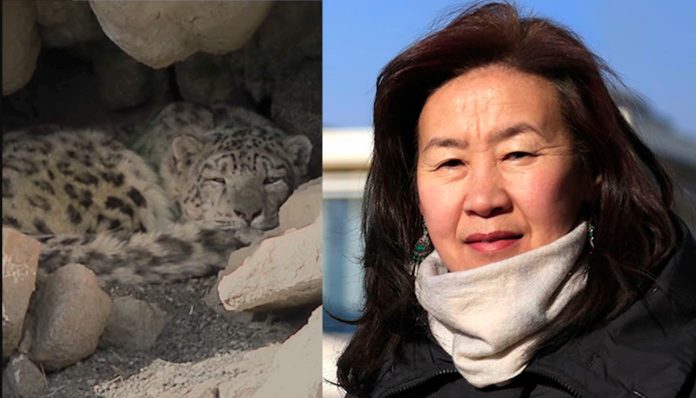
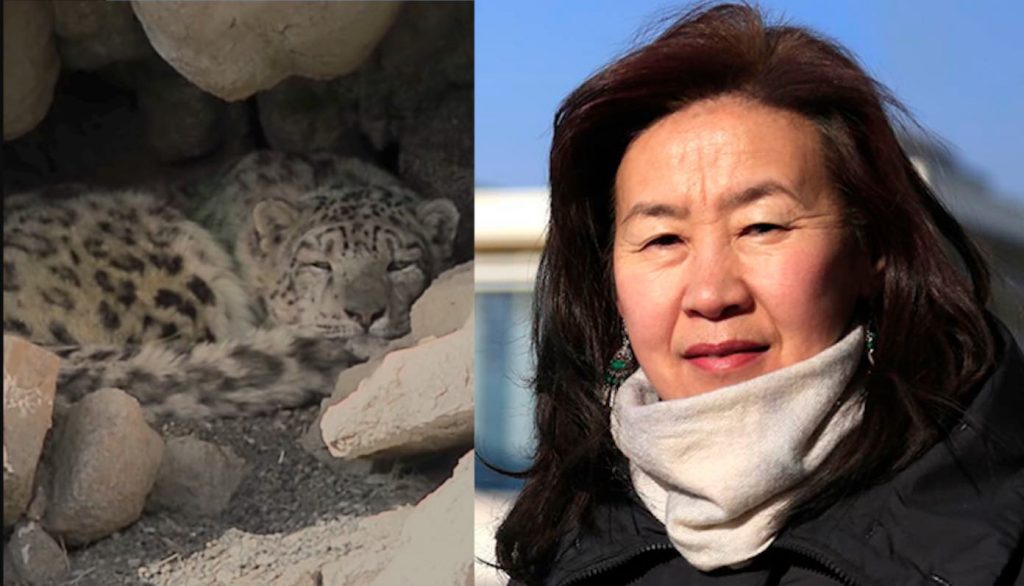
How a Former Teacher Beat the Mining Industry and Saved the Rare Snow Leopards

Thousands of snow leopards have been saved from the dangers of mining companies thanks to the tireless efforts of a former language teacher turned animal activist.

49-year-old Bayarjargal Agvaantseren first became determined to save the vulnerable big cats after she spent some time working as a translator for a wildlife scientist back in the 1980s.

The big cat population of southern Mongolia has been dwindling as a result of habitat loss and poaching. Prior to Agvaantseren’s conservation efforts, snow leopards also fell prey to Mongolian farmers who were keen on protecting their livestock.

RELATEDWatch the Badass Footage of Africa’s First All-Female Anti-Poaching Team in Action

Upon successfully creating an insurance program for local herders, however, Agvaantseren managed to recruit the farmers as allies in her fight to protect the big cats.

Then in 2009, she learned of extensive mining operations that were being launched in a critical area of snow leopard habitat in the South Gobi Desert.

Her advocacy resulted in the region being turned into the 1.8 million-acre Tost Tosonbumba Nature Reserve, which is the first federally protected area in Mongolia created specifically for snow leopard conservation.

LOOKWith Only 147 of World’s Fattest Parrots Left, This Year’s Baby Boom Has Left Researchers Positively Squawking

Not only that, Agvaantseren also succeeded in persuading the Mongolian government to cancel all 37 mining licenses on the precious land and ban all future mining permits on the reserve.

In recognition for her conservational career, Agvaantseren was recently awarded the 2019 Goldman Environmental Prize for Asia.

“In a remote, unforgiving corner of the world dominated by runaway mining operations, Agvaantseren championed protections for Mongolia’s remaining population of snow leopards,” read’s the Goldman website. “Moreover, she was able to shift perceptions of snow leopards among herder communities, who now see the animal as an integral part of their identity.”

(WATCH the video below) – Photo by Goldman Environmental Prize

Uplift Your Friends’ Faith in Humanity—Share on Social Media…
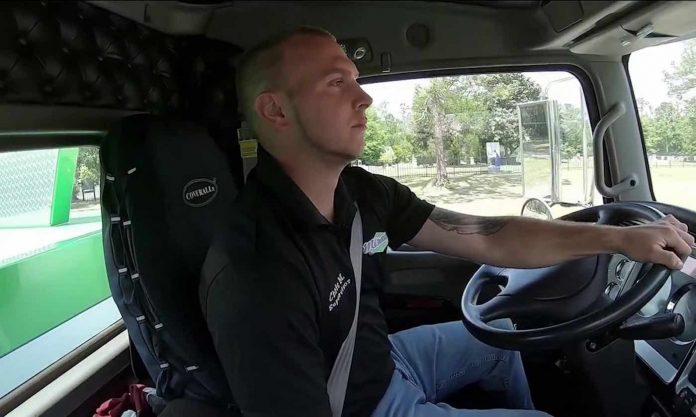
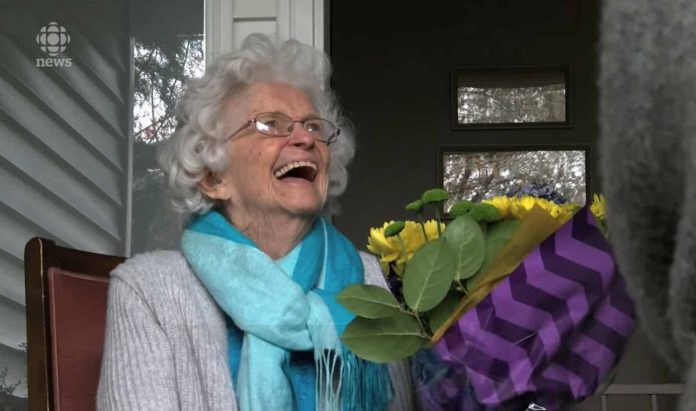
After 12 Years of Waving to Students From Her Window, Watch Her Reaction to 400 Kids Saying Goodbye

Tinney Davidson has been waving to the children in her town for over a decade – and now that she is finally moving out of her home, the local youngsters made sure to give her a proper sendoff.

The 88-year-old Canadian woman has been waving to the kids of Comox, British Columbia since she and her husband moved into their house back in 2007.

Since the couple’s home is located near the local high school, they delighted in waving to all the teens who were walking to school – and the teens delighted in waving back.

MOREWatch the Heartwarming Results of Teen Skaters Befriending 5-Year-old Boy With Autism on His Birthday

Even after her husband died, Davidson continued the tradition of sitting in front of her window and waving to the kids. In 2016, the youngsters even decided to repay her kindness by giving her dozens of cards and gifts for Valentine’s Day.

So when the community heard that the “Waving Granny” would soon be moving into an assisted living home, more than 400 youngsters gathered in her front yard to say goodbye.

As Davidson cried tears of joy, the kids collectively blew her kisses, gave her hugs, and waved farewell.

(WATCH the CBC video below) – Photo by CBC

Be Sure And Share This Sweet Story With Your Friends On Social Media…

First Marathon to Swap Plastic Bottles for Biodegradable Pouches Made Out of Plants

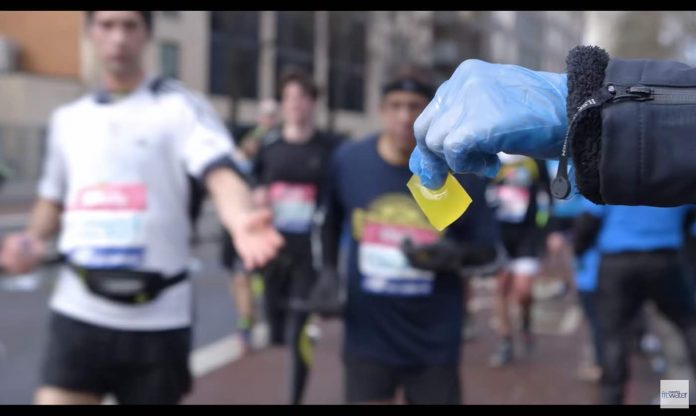
Rather than giving plastic water bottles to the 41,000 athletes who participated in the London Marathon this weekend, the runners were given little biodegradable blobs as a means of reducing plastic waste.

The London Marathon became the first full marathon to replace their plastic bottles with the edible Ooho water bottles.

The Ooho packaging, which is made entirely out of sustainable seaweed extracts, only costs about 2 cents to make.

LOOKScientists Are Replacing Plastic With Algae, a Revolutionary Idea That Can Suck Carbon Out of the Air

Designed by London-based startup Skipping Rocks Labs, the tasteless biodegradable container is made out of a thin, flexible membrane composed of sodium alginate – a natural derivative of brown algae – and calcium chloride.

It can either be ripped open so the runner can drink the liquid out of the membrane, or the pods can simply be consumed whole like a cherry tomato.

The water containers have successfully been tested during several smaller sports events, such as the Harrow Half-Marathon back in September, but this week’s full marathon was the largest trial of the edible containers to date.

MORENetherlands to Build Roads With Recycled Plastic From the Ocean

Over 30,000 Ooho capsules of sports drink were distributed to the runners during the marathon. Combined with the event’s other eco-friendly initiatives, the packaging helped to save over 200,000 plastic bottles from being used on the course.

The biodegradable bottles were part of the London Marathon Event’s (LME) commitment to achieving zero landfill waste by December 2020.

“It is a huge challenge as we must balance providing proper runner welfare with reducing our environmental impact,” says LME event director Hugh Brasher. “We can’t achieve everything in one event, in one year, but the changes and the trials we’re introducing for this year have the potential to change how mass participation events are delivered in future. Everyone can make a difference: our participants, spectators, contractors, volunteers and staff.”

(WATCH the video below) – Photo by Lucozade Sport

Power Up With Positivity By Sharing The Exciting News With Your Friends On Social Media…

Guys Who Befriended Solitary Widow Have ‘Vowed’ to Make Time for Her: ‘I already feel like we’re her grandkids’

One man’s compulsion to sit with a woman who was eating by herself in a restaurant has resulted in an amazing new bond of friendship.

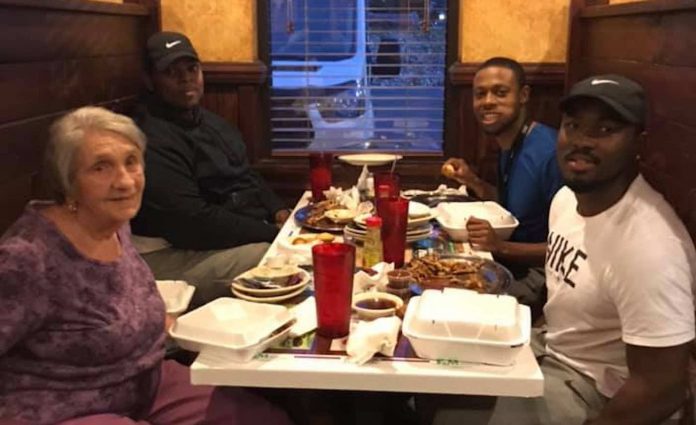
Last week, Jamario Howards and his friends were sharing a meal at Brad’s diner in Oxford, Alabama when he saw a woman named Eleanor sitting alone.

“My exact thoughts [were] ‘dang I’d hate to have to eat alone,’” Howard recalled on Facebook.

The young man then approached Eleanor and asked if he could sit with her. Upon chatting about their lives, the elderly woman revealed that she was a widow and it was the day before her 60th wedding anniversary to her late husband.

MORESince Officers Gave Her a Car, Strangers Have Donated Thousands to 20-Year-old Raising Her 5 Siblings

Howards immediately asked Eleanor to have dinner with him and his two friends. After he posted a photo of the widow and her three new acquaintances to social media, it was shared thousands of times and featured on dozens of news outlets.

In a recent interview with CBS News, Eleanor says that she believes God sent her to the restaurant that night so she could be reminded of the kindness of strangers.

Howards, who says that he and his friends “already feel like they’re her grandkids,” says that they have all vowed to make time for their new surrogate grandma – and it seems that they are already meeting Eleanor at the restaurant for regular dinners.

(WATCH the heartwarming interview below or our international viewers can watch the footage on the CBS website) – Photo by Jamario Howard

Be Sure And Share The Sweet Story With Your Friends On Social Media…
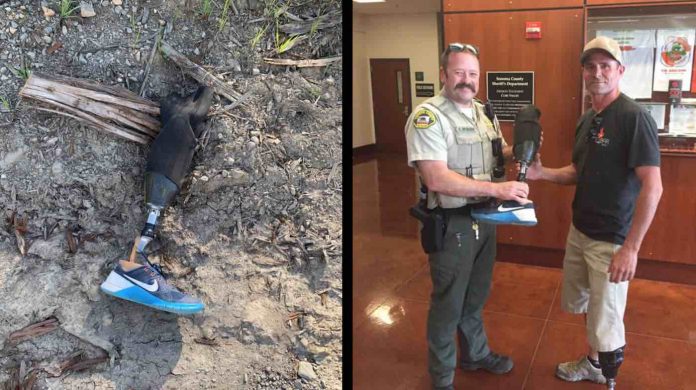
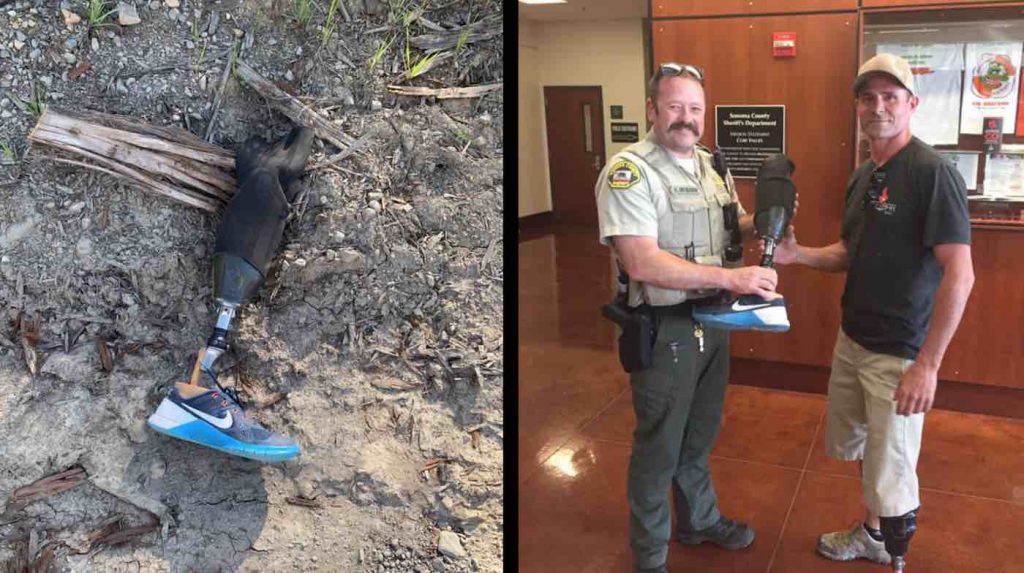
Mystery of Prosthetic Leg Found Atop Sawdust Pile Points to Man’s Passionate Hobby (GNN Podcast)

We should all have such a hobby we love to practice as passionately as the one that Dion does. He is even willing to give up a prosthetic leg to do so. Hear our Good News Guru tell the fun story on the radio in Los Angeles—during the April 26, 2019 Ellen K. Morning Show on KOST-103.5.

SEE video and the full story on GNN

Subscribe to our Good News podcast on iTunes, or for Android devices on Podbean.

Also, Check Out Our Little Paperback Book of Good News—Buy on Amazon or White Cloud Press