All News - Page 702 of 1734 - Good News Network
Home Blog Page 702

Stray Pup in Nepal Follows Mountain Climbers to The Top in Amazing Feat – May Be the World Record for a Dog (GNN Podcast)

A tenacious stray dog may have just set a world record for the highest elevation ever reached by a canine – and it also resulted in a loving new home. Hear our Good News Guru tell the inspiring story on the radio in Los Angeles—during the March 15, 2019 Ellen K. Morning Show on KOST-103.5.

SEE Full Story with more pics at GNN

Subscribe to our Good News podcast on iTunes, or for Android devices on Podbean. (Photo by Don Wargowsky, Facebook)

Also, Check Out Our Little Paperback Book of Good News—Buy on Amazon or White Cloud Press

This Company is Paying for You (and Your Neighborhood) to Recycle Your Razors – Here’s How You Can Start

Rather than tossing your used razors in the trash and having them contribute to excessive landfill waste, Gillette is paying for them to be recycled – and they’re encouraging people to get their communities to do it as well.

Consumers can now recycle their razors and all of their disposable packaging by shipping the used hygiene products to Terracycle, a US-based company that specializes in recycling items that are generally non-recyclable, such as cigarette butts, light bulbs, batteries, and hazardous waste.

Gillette isn’t just partnering with Terracycle to process their own razor brands, either; participants can send in razor-related trash generated by any other rival shaving company – and Gillette will still foot the bill for free.

RELATEDWe May Soon Be Able to Build Houses Out of the Byproducts From Our Bathroom Breaks

All participants have to do to recycle their razors is visit the Terracycle website, sign up for a free account, print out a free shipping label, and send their trash off for processing.

Furthermore, Terracycle is allowing people to create community recycling outposts so that organizations, workplaces, school campuses, and neighborhood spaces can collectively package and send their shaving-related trash in one shipment.

Once properly cleaned, separated, and processed, the trash can then be used to make new park benches, picnic tables, and other useful community items.

MOREIn Bid to Cut Food Waste, Kellogg’s is Using Their Rejected Cornflakes to Make Beer

“Through this innovative, first-of-its-kind program, disposable razors, replaceable-blade cartridge units and their associated packaging are now nationally recyclable through the Gillette Recycling Program,” said TerraCycle CEO and founder Tom Szaky. “We are proud to partner with this forward-thinking company to offer consumers a way to divert razor waste from landfills.”

The program is currently only available in the United States, but Gillette representatives say that they are working on rolling out similar initiatives in other countries.

Go Green By Sharing The Good News With Your Friends On Social Media…

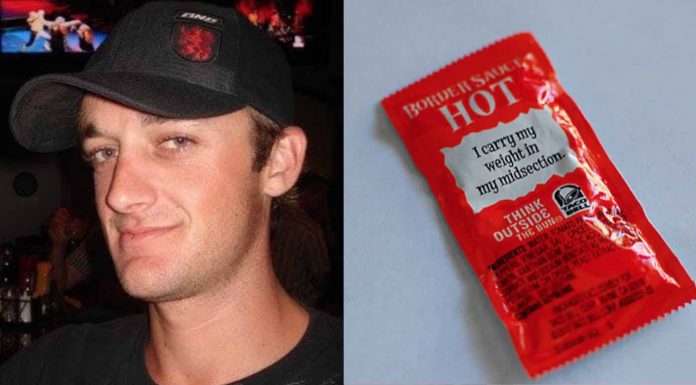
Man Praises Taco Bell Hot Sauce for ‘Saving’ His Life After Being Trapped in His Car for 5 Days

When heavy snow forced this 36-year-old Oregon man to spend five days in his car awaiting rescue, he says that he was “saved” by some leftover packets of hot sauce.

Jeremy Taylor had been driving through Deschutes County earlier this month when his SUV got stuck in the powder.

Hoping that the weather would ease up during the night, Taylor resigned himself to sleeping in his car alongside his dog Ally. The next day, however, the record-breaking snowfall had only made things worse. Taylor and Ally tried to hike through the snow for help, but the snow was so deep, he knew that it would be too risky to try and find help.

Taylor and Ally then hunkered down in his car and waited for rescuers to arrive. The two of them spent the next five days in his car, during which he would periodically eat leftover Taco Bell fire sauce for energy and turn on his car for occasional heating during the frigid nighttime temperatures.

MORERescuers Pull Car From Frigid Water, Find a Driver Who Survived for 5 Hours Using an Air Bubble

After days of slurping down hot sauce packets, Taylor was finally found by a snowmobile rider who discovered his car and called the Deschutes County Sheriff’s Office.

“Jeremy and Ally were found to be in good condition, but hungry after being stuck in the snow for five days,” the department wrote in a Facebook post.

Upon being brought back to civilization, Taylor made his own social media post to thank his friends and family for their support, saying: “I’m safe, my Ally dog is safe. I really appreciate all the help. Got lucky, lets never do that again. I’ll be in touch with everyone soon.”

CHECK OUTHeroic Momma Hiked 26 Miles Through Heavy Snow to Save Husband, Son

In addition to his tale of survival being shared by news outlets from around the world, a Taco Bell spokesperson reportedly reached out to Taylor in order to offer him a year’s worth of free food.

Though we are not yet sure whether Taylor is destined to be the new Taco Bell poster boy, he did jokingly praise the fast food chain’s hot sauce in a Facebook comment, saying: “Taco Bell fire sauce saves lives.”

Fire Up Your Friends With The Good News By Sharing It To Social Media – Photo by Deschutes County Sheriff’s Office Oregon Facebook / Jamie, CC

Eating Mushrooms a Few Times a Week Could Dramatically Reduce Dementia Risk, Says 6-Year Study

An intriguing new study says that seniors who enjoy eating regular helpings of mushrooms with their meals may be significantly less likely to develop mild cognitive impairment (MCI).

MCI is typically viewed as the stage between the cognitive decline of normal aging and the more serious decline of dementia. Seniors afflicted with MCI often display some form of memory loss or forgetfulness and may also show deficit on other cognitive function such as language, attention and visuospatial abilities.

However, the changes can be subtle, as they do not experience disabling cognitive deficits that affect everyday life activities, which is characteristic of Alzheimer’s and other forms of dementia.

That being said, a team from the the Yong Loo Lin School of Medicine at the National University of Singapore (NUS) has found that seniors who consume more than two standard portions of mushrooms every week could reduce their odds of experiencing mental decline by as much as 50%.

RELATEDIn ‘World First’ Blind People Have Their Vision Restored Thanks to Stem Cells From Deceased Organ Donors

A portion was defined as three quarters of a cup of cooked mushrooms with an average weight of around 150 grams. Two portions would be equivalent to approximately half a plate. While the portion sizes act as a guideline, it was shown that even one small portion of mushrooms a week may still be beneficial to reduce chances of MCI.

“This correlation is surprising and encouraging. It seems that a commonly available single ingredient could have a dramatic effect on cognitive decline,” said Assistant Professor Lei Feng, who is from the NUS Department of Psychological Medicine, and the lead author of this work.

The six-year study, which was conducted from 2011 to 2017, collected data from more than 600 Chinese seniors over the age of 60 living in Singapore. The results were published online in the Journal of Alzheimer’s Disease earlier this week.

MOREBoy is Cured of Aggressive Cancer Thanks to Stem Cell Treatment Using Donated Umbilical Cord

“People with MCI are still able to carry out their normal daily activities. So, what we had to determine in this study is whether these seniors had poorer performance on standard neuropsychologist tests than other people of the same age and education background,” explained Feng. “Neuropsychological tests are specifically designed tasks that can measure various aspects of a person’s cognitive abilities. In fact, some of the tests we used in this study are adopted from the commonly used IQ test battery, the Wechsler Adult Intelligence Scale (WAIS).”

As such, the researchers conducted extensive interviews and tests with the senior citizens to determine an accurate diagnosis. “The interview takes into account demographic information, medical history, psychological factors, and dietary habits. A nurse will measure blood pressure, weight, height, handgrip, and walking speed. They will also do a simple screen test on cognition, depression, anxiety,” added Feng.

After this, a two-hour standard neuropsychological assessment was performed, along with a dementia rating. The overall results of these tests were discussed in depth with expert psychiatrists involved in the study to get a diagnostic consensus.

WATCH86-Year-old Has Lost 120 Pounds Simply By Walking Around Her One-Bedroom Apartment

Six commonly consumed mushrooms in Singapore were referenced in the study: golden, oyster, shiitake and white button mushrooms, as well as dried and canned mushrooms. However, it is likely that other mushrooms not referenced would also have beneficial effects.

The researchers believe the reason for the reduced prevalence of MCI in mushroom eaters may be down to a specific compound found in almost all varieties.

“We’re very interested in a compound called ergothioneine (ET),” said Dr Irwin Cheah, senior research fellow at NUS’s biochemistry department. “ET is a unique antioxidant and anti-inflammatory which humans are unable to synthesize on their own. But it can be obtained from dietary sources, one of the main ones being mushrooms.”

CHECK OUT: Seven Years After Undergoing Experimental MS Treatment, Woman is Still Experiencing No Symptoms

An earlier study by the team on elderly Singaporeans revealed that plasma levels of ET in participants with MCI were significantly lower than age-matched healthy individuals. The work, which was published in the journal Biochemical and Biophysical Research Communications in 2016, led to the belief that a deficiency in ET may be a risk factor for neurodegeneration, and increasing ET intake through mushroom consumption might possibly promote cognitive health.

Other compounds contained within mushrooms may also be advantageous for decreasing the risk of cognitive decline. Certain hericenones, erinacines, scabronines and dictyophorines may promote the synthesis of nerve growth factors. Bioactive compounds in mushrooms may also protect the brain from neurodegeneration by inhibiting production of beta amyloid and phosphorylated tau, and acetylcholinesterase.

The potential next stage of research for the team is to perform a randomized controlled trial with the pure compound of ET and other plant-based ingredients, such as L-theanine and catechins from tea leaves, to determine the efficacy of such phytonutrients in delaying cognitive decline. Such interventional studies will lead to more robust conclusion on causal relationship. Additionally, Feng and his team hope to identify other dietary factors that could be associated with healthy brain aging and reduced risk of age-related conditions in the future.

(Source: National University of Singapore)

Be Sure And Share The Fascinating Research With Your Friends On Social MediaPhoto by NUS

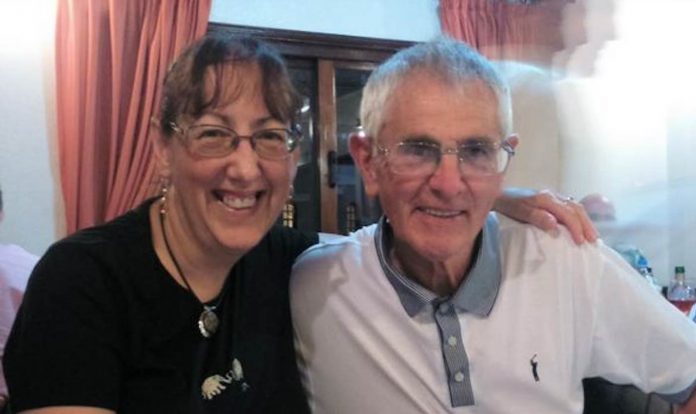
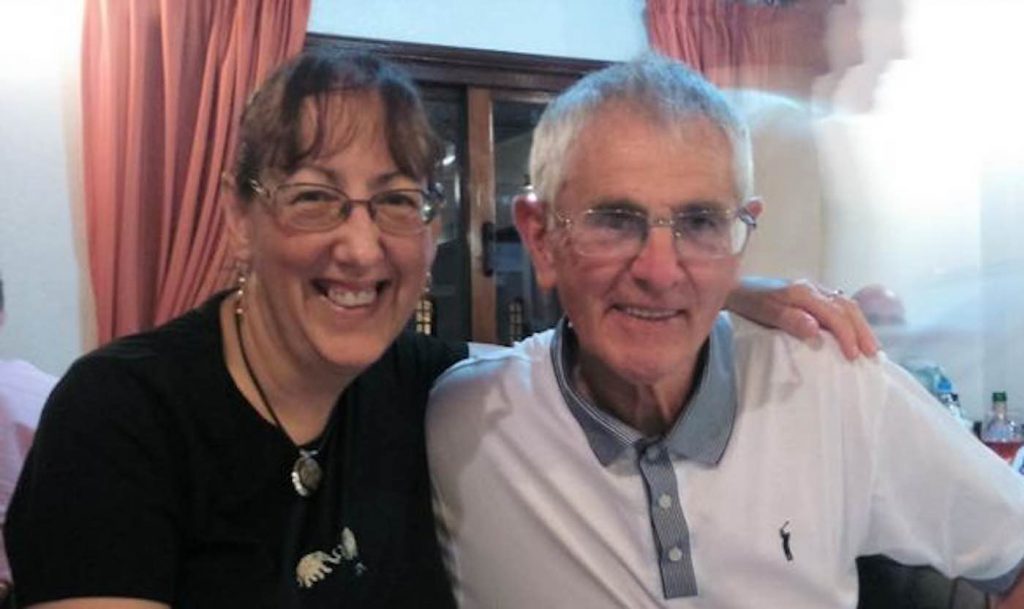
Stranger Drives 7 Hours Straight So Couple on the Side of the Road Can Be With Dying Mother

Ron and Sharleen Gillies – Courtesy of Ron Gillies

Sharleen and Ron Gillies were just hours away from saying their final goodbyes to his dying mother when their car broke down – and they may not have made it in time if it had not been for a compassionate stranger.

The Scottish couple had been driving south from Edinburgh to see Ron’s mother in Cambridge when they got in a minor car collision which left their vehicle stranded on the side of the road with a damaged wheel.

Though the incident left them unharmed, they became increasingly distraught when they called their insurance company and were “robotically” told that no one would be able to rescue them for another three hours – and even then, they would only be able to get a ride to the train station.

Thankfully, 40-year-old Dean Moore had been driving to his own home in North Ormesby when he saw the Gillies on the side of the ride.

RELATEDUnemployed Man Wants to Find Stranger Who Returned His $273M Lotto Ticket So He Can Share the Wealth

Unable to drive past the anxious older couple, Moore pulled over to make sure that they were okay.

Moore then became so frustrated by the couple’s plight, he volunteered to drive them the remaining 200 miles to Cambridge.

True to his word, Moore drove for three and a half hours until he was able to deliver the Gillies at the bedside of Ron’s dying mother at midnight. After taking a quick bathroom break, Moore then turned around and made the three and a half hour drive back home.

As fate would have it, Ron and Sharleen arrived just in time to spend a few hours with his mother before she died the following day.

LOOKeBay Seller is Moved to Tears Over Heartfelt Thank-You Note From 86-Year-old Who Bought VHS Player

“I just can’t put into words what that lad did for us,” Ron told Gazette Live. “This happened on the Sunday and she died the next day, she died on Monday. If it hadn’t been for Dean, there’s a fair chance we would have not got there in time.”

Even though Moore says he was “knackered” at work the next day following his 7-hour drive, he has remained humble about his actions.

“They were stuck in a bad situation, I just made it a little better,” Moore told the Gazette. “I don’t deserve such a fuss being made, I just want to drift off into the background. But I obviously left a good impression of the area and I’m glad about that.”

Be Sure And Share This Sweet Story With Your Friends On Social Media – Photo by Ron Gillies

“Much of our frustration in life comes from attempting to control what we can’t control and neglecting to control what we can.” – Dr. Richard D. Dobbins

Quote of the Day: “Much of our frustration in life comes from attempting to control what we can’t control and neglecting to control what we can.” – Dr. Richard D. Dobbins

Photo: by Edna Winti, CC license via Flickr

With a new inspirational quote every day, atop the perfect photo—collected and archived on our Quotes page—why not bookmark GNN.org for a daily uplift?


Listen to Man’s Hilarious Story About ‘Empathetically Yelling’ With a Stranger (MOTH Monday)

Today is MOTH Monday on Good News Network: In partnership with The Moth, a nonprofit dedicated to the art of storytelling, we bring you the most uplifting speakers from live stages across the world.

Jeff Simmermon was in a particularly lousy mood following his “surprise divorce” several years ago. All he wanted to do was get back to his New York City home so he could get out of the rain and quell his negative emotions with copious amounts of ice cream.

His patience was tested, however, when his rain-soaked grocery bags tore open on the train home from the grocery store.

Simmermon became even more irritated when a train passenger testily accused him of being inconsiderate of her space.

What followed was a strangely heartwarming exchange in which Simmermon and the woman “empathetically yelled” at each other – and it left him feeling significantly better than when he boarded the train.

Listen to his story below…

The Moth gives people an opportunity to tell a true story in front of a live audience, and sometimes their stories are chosen to air on the radio show, now celebrating its tenth year, and broadcasting on 485+ public radio stations—and on The Moth podcast, which is downloaded over 52 million times a year.

The Moth’s third book, Occasional Magic: True Stories About Defying the Impossible will be published in March 2019 and is available for pre-order from your favorite bookseller now.

Be Sure And Share This Uplifting Tale With Your Friends And Fellow Moms On Social Media…

This Questionnaire Could Prevent Thousands of Unnecessary Prostate Cancer Surgeries

This new free online tool could help thousands of prostate cancer patients avoid unnecessary – and risky – medical treatments.

According to Cancer Research UK, there were over 47,000 new cases of prostate cancer in 2015. Progression of the disease, which is usually presented later in a patient’s life, is very variable: in most cases, the disease progresses slowly and is not fatal.

It is often said that more men die with prostate cancer than from it. However, tumors can metastasize and spread to other organs in a significant number of men, threatening their health.

When a patient is diagnosed with prostate cancer, they are currently classified as low, intermediate or high-risk. Depending on the patient’s risk group, clinicians will recommend either an “active monitoring” approach or treatment. Treatment options include radiotherapy or surgery and can have potentially significant side-effects, including erectile dysfunction and urinary incontinence.

RELATEDClinical Research Begins On Cannabis Inhalers Offering Immediate Pain Relief to Cancer Patients in Israel Who Can’t Smoke

However, evidence suggests that these classifications, which are in the current guidelines provided by the National Institute for Health and Care Excellence (NICE), are only 60 to 70% accurate. This means that many men may elect for treatment when it is not necessary. In fact, a recent study carried out in the UK showed that for early prostate cancer (low and intermediate-risk), treatment is no more beneficial in terms of ten-year survival compared to no treatment.

That’s why scientists at the University of Cambridge developed the PREDICT Prostate online tool, which was launched earlier this week alongside their research publication in the journal PLOS Medicine of the research that underpins it.

It brings together the latest evidence and mathematical models to give a personalized prognosis, which the researchers say will empower patients as they discuss treatment options with their consultant.

MOREIn ‘World First’ Blind People Have Their Vision Restored Thanks to Stem Cells From Deceased Organ Donors

“We believe this tool could significantly reduce the number of unnecessary – and potentially harmful – treatments that patients receive and save the NHS millions every year,” says the project’s lead research Dr. Vincent Gnanapragasam.

“This isn’t about rationing treatments – it’s about empowering patients and their clinicians to make decisions based on better evidence. In some cases, treatment will be the right option, but in many others, patients will want to weigh up the treatment benefits versus the risks of side effects. It will also show men who do need treatment a realistic estimate of their survival after treatment.”

Cambridge researchers have already shown that it is possible to improve the accuracy of the NICE-endorsed model to more than 80% by stratifying patients into five rather than three groups. Their next challenge was to use this information to give a more individual prediction of outcome to patients at no extra cost. The result is PREDICT Prostate.

CHECK OUT: Boy is Cured of Aggressive Cancer Thanks to Stem Cell Treatment Using Donated Umbilical Cord

The online questionnaire takes routinely available information including PSA test results, the cancer grade and stage, the proportion of biopsies with cancerous cells, and details about the patient including his age and other illnesses. It then gives a 10 to 15 year survival estimate. Importantly, the tool also estimates how his chance of survival differs depending on whether he opts for monitoring or treatment, providing context of the likelihood of success of treatment and risk of side effects.

“As far as we are aware, this is the first personalized tool to give an overall survival estimate for men following a prostate cancer diagnosis,” says first author Dr. David Thurtle, an academic fellow in urology at the University of Cambridge.

“PREDICT Prostate is designed for men who are considering whether to choose to monitor or to opt for treatment. This is the choice that faces nearly half of all men who are diagnosed with prostate cancer. We hope it will provide a more accurate and objective estimate to help men reach an informed decision in discussion with their consultant.”

MORE‘Eye-opening’ Dementia Breakthrough Announced Today by USC Researchers

The tool could also save health care systems and patients thousands of dollars in medical costs. Data from the National Prostate Cancer Audit has shown that rates of treatment for low-risk prostate cancer vary across different hospitals between 2 to 25%. “Radical” treatment – surgery or radiotherapy, for example – costs on average around £7,000 ($9,300) per patient and treating these men unnecessarily wastes considerable resources as well as causing significant side-effects.

Thurtle and Gnanapragasam have since carried out a randomized study of almost 200 prostate cancer specialists in which they gave some clinicians access to the tool and a series of patient vignettes, while others received the vignettes only. In most cases, the clinician overestimated the risk of the patient dying from the cancer, compared to the estimate given by PREDICT, going on to recommended treatment in many cases and overestimate how successful this treatment would be. When given access to the tool, the clinicians were less likely to recommend treatment in good prognosis cancers.

LOOKBedside Bioprinter May Soon Use Burn Patients’ Cells to Print Out New Skin Directly on Wounds

Gnanapragasam says that the development of PREDICT Prostate has only been possible because of the intactness of records available through Public Health England. The tool was developed using data from over 10,000 UK men recorded in the East of England. This regional registry, he says, is one of the highest quality and most comprehensive data sets available both in the UK and internationally. The data was then validated externally in a sample of 2,500 prostate cancer patients in Singapore. The web tool was developed in collaboration with the Winton Centre for Risk and Evidence Communication

The researchers caution that the tool is strongly recommended for use only in consultation with a clinician. It is also not suitable for men with very aggressive disease or who have evidence of disease spread at the time of diagnosis.

(Source: Cambridge University)

Cure Your Friends Of Negativity By Sharing The Good News To Social Media – File photo by Amtec Photos, CC

Longtime Firefighter Saved By the Very Device He Lobbied for Months Earlier

This 63-year-old firefighter is alive today thanks to a fateful decision he made several months earlier.

Bill Staudt has been a New York City firefighter for the last 36 years, but he only recently had the idea to lobby for a defibrillator in the fire department building.

Upon submitting a request to the department’s management team, the building in Queens was finally equipped with an automated external defibrillator (AED) device.

It’s a good thing that he did, too; back in September, only several months after he submitted the request, Staudt suddenly felt a burning sensation in his chest as was walking back to his desk.

RELATEDBoy is Cured of Aggressive Cancer Thanks to Stem Cell Treatment Using Donated Umbilical Cord

Next thing he knew, he was in the back of an ambulance.

Staudt had gone into cardiac arrest – and thanks to the recently-equipped AED device in his building, his fellow first responders were able to resuscitate him and bring him to the hospital.

“He’s a subset of patients who have cardiac arrest without known cause,” Dr. JoonHyuk Kim from NewYork-Presbyterian Queens told WLNY. “When a person has cardiac arrest outside a hospital setting, the survival rate is very low.”

Though he now has an implanted defibrillator that will monitor his heart in the future, Staudt is alive thanks to the AED – and doctors hope that Staudt’s survival story serves as a lesson to others on the importance of having a defibrillator in the workplace.

(WATCH the news coverage below or our international viewers can watch the footage on the CBS News website) – Photo by WLNY

Save Your Friends From Negativity By Sharing The Good News With Your Friends On Social Media…

Walk Through This Giant Stunning Exhibit Where Van Gogh’s Artwork Comes to Life in Light

This breathtaking new French exhibition has taken Vincent Van Gogh’s artwork to soaring new heights.


The Carrières de Lumières, an art center which is located northwest of Marseille in Les Baux-de-Provence, has launched a new music and light display that immerses the visitor in the life and work of the Dutch artist.


The exhibition has been designed to display Van Gogh’s work on the facility’s 50-foot-high concrete walls. Collectively, the display covers 75,000 square feet (7,000 meters).


The “Starry Night” display, which launched on March 1st, will be open to the public until January 5th, 2020.


(WATCH the video below)

Be Sure And Share The News With Your Fellow Van Gogh Fans On Social Media…

Woman Quits Successful City Career So She Can Live in the Woods With Over 100 Rescued Animals

Photo by Daria Pushkareva

Daria Pushkareva was a successful photographer living in Russia’s capital city of Moscow when she decided to leave the bustling city life behind – which is why she now lives in the woods with over 100 rescued animals.

As a child growing up in Russia, Pushkareva had always dreamed of rescuing dogs and opening up her own dog shelter. Though she ended up leading a robust career as an elite wedding photographer in Moscow, she always felt a desire to leave everything behind in search of something more.

Pushkareva’s first rescue was a one-eyed, flea-covered puppy from the local animal control. She soon started taking in more rescued animals, especially those that had special needs.

LOOKIndia Gets Its First Ever Hospital for Abused Elephants – and They’ve Already Treated Dozens

Her rescue efforts kept snowballing until one day when Pushkareva finally decided to follow through on her dream and buy a country house in a forest 100 miles from Moscow.

Pushkareva and her husband now use it to care for over 100 animals. In addition to rescuing dogs, she also saves animals from the fur farming industry, such as raccoons, raccoon dogs, foxes, and arctic foxes.

People from all over have contacted Pushkareva and asked her to take in rescued and unwanted dogs, many of which either have behavioral issues, special needs, or disabilities – but if they had not been taken in by the Russian couple, then they would most likely have been euthanized.

Photo by Daria Pushkareva

They now devote their entire lives to taking care of their rescued animals. They mostly spend their days making sure that all the dogs have been fed; giving the animals their medication; and keeping all of the living spaces clean and tidy. They have also built nighttime enclosures for all of the animals, but the furry residents apparently get to run around all they want during the day.

WATCH170 Foxes Are Rescued From Fur Farm and Given New Home at a Buddhist Monastery

Since the Russian couple mostly lives off of the grid, they use solar panels and a generator for electricity – and thanks to a little help from their friends, they also now have running water and indoor plumbing.

The animal rescuers says that even though taking care of 100 critters can be exhausting, Pushkareva now feels more fulfilled than ever – and she hopes that her work will help to show people that even disabled dogs can live long and happy lives.

Photo by Daria Pushkareva

Be Sure And Share This Pawesome Rescue Story With Your Friends On Social Media…

“Spirit has placed a dream in your heart for a better world… Speak your truth and inspire others, for you are meant to make a significant and sizable difference.” – Mary Manin Morrissey

By DenSmith, CC license

Quote of the Day: “Spirit has placed a dream in your heart for a better world… Speak your truth and inspire others, for you are meant to make a significant and sizable difference.” – Mary Manin Morrissey

Photo: by DenSmith, CC license via Flickr

With a new inspirational quote every day, atop the perfect photo—collected and archived on our Quotes page—why not bookmark GNN.org for a daily uplift?


Can ‘Depression’ Be Good For You? An Enlightened Look at the ‘Epidemic’

By bandita, CC license

By Dr. Neel Burton, Psychiatrist at Oxford University

Most people think of depression as a mental disorder, that is, a biological illness of the brain. Here I argue that the concept of depression as a mental disorder has been unhelpfully overextended to include all manner of human suffering, and, more controversially, that ‘depression’ can even be good for us—an idea that I first visited in my book The Meaning of Madness.

Many of the most creative and insightful people in society suffer or suffered from depression or a state that may have been diagnosed as depression. They include the politicians Winston Churchill and Abraham Lincoln; the poets Emily Dickinson, Sylvia Plath, and Rainer Maria Rilke; the thinkers William James, Isaac Newton, Friedrich Nietzsche, and Arthur Schopenhauer; and the writers Charles Dickens, William Faulkner, Graham Greene, Leo Tolstoy, and Tennessee Williams, among many others.

Let us begin by thinking very broadly about the concept of depression. In traditional societies human distress is more likely to be seen as an indicator of the need to address important life problems rather than as a mental disorder requiring professional treatment, and for this reason the diagnosis of depression is correspondingly less common.

In modern societies such as the UK and the USA, people talk about depression more readily and more easily. As a result, they are more likely to interpret their distress in terms of depression, and also more likely to seek out a diagnosis of the illness. At the same time, groups with vested interests such as pharmaceutical companies and mental health experts promote the notion of saccharine happiness as a natural, default state, and of human distress as a mental disorder.

The concept of depression as a mental disorder may be useful for the more severe and intractable cases treated by hospital psychiatrists, but probably not for the majority of cases, which, for the most part, are mild and short-lived and easily interpreted in terms of life circumstances, human nature, or the human condition.

RELATEDFDA Grants ‘Breakthrough’ Status to Psilocybin Mushroom Therapy for Untreatable Depression

Another (non-mutually exclusive) explanation for the important geographical variations in the prevalence of depression may lie in the nature of modern societies, which have become increasingly individualistic and divorced from traditional values. For many people living in our society, life can seem both suffocating and far removed, lonely even and especially among the multitudes, and not only meaningless but absurd. By encoding their distress in terms of a mental disorder, our society may be subtly implying that the problem lies not with itself but with them, fragile and failing individuals that they are. Of course, many people prefer to buy into this reductive, physicalist explanation than, presumably, to confront their existential angst. But thinking of unhappiness in terms of an illness or chemical imbalance can be counterproductive, as it can prevent us from identifying and addressing the important psychological or life problems that are at the root of our distress.

All this is not to say that the concept of depression as a mental disorder is bogus, but only that the diagnosis of depression has been over-extended to include far more than just depression the mental disorder. If, like the majority of medical conditions, depression could be defined and diagnosed according to its pathology—that is, according to its physical cause or effect, or an objective criterion such as a blood test or a brain scan—such a state of affairs could not have arisen. For this reason especially, the concept of depression as a mental disorder has been charged with being little more than a socially constructed dustbin for all manner of human suffering.

ALSOHow a Yoga Teacher is Saving First Responders Across America From Depression – With Downward Dog

Depression, in fact, may be conferring an important adaptive advantage for the human species.

What important adaptive advantage could the depressive position be conferring? Just as physical pain has evolved to signal injury and to prevent further injury, so the depressive position may have evolved to remove us from distressing, damaging, or futile situations. The time and space and solitude that the adoption of the depressive position affords prevents us from making rash decisions, enables us to see the bigger picture, and—in the context of being a social animal—to reassess our social relationships, think about those who are significant to us, and relate to them more meaningfully and with greater compassion. In other words, the depressive position may have evolved as a signal that something is seriously wrong and needs working through and changing or, at least, processing and understanding.

Sometimes we can become so immersed in the humdrum of our everyday lives that we no longer have time to think and feel about ourselves, and so lose sight of our bigger picture. The adoption of the depressive position can force us to cast off the Polyannish optimism and rose-tinted spectacles that shield us from reality, stand back at a distance, re-evaluate and prioritize our needs, and formulate a modest but realistic plan for fulfilling them.

Although the adoption of the depressive position can serve such a mundane purpose, it can also enable us to develop a more refined perspective and deeper understanding of ourselves, of our lives, and of life in general. From an existential standpoint, the adoption of the depressive position obliges us to become aware of our mortality and freedom, and challenges us to exercise the latter within the framework of the former. By meeting this difficult challenge, we are able to break out of the mold that has been imposed upon us, discover who we truly are, and, in so doing, begin to give deep meaning to our lives. To quote Marcel Proust, who himself suffered from depression, ‘Happiness is good for the body, but it is grief which develops the strengths of the mind.’

CHECK OUT: What It’s Like For a Woman With Depression to Build an Upbeat Multi-Million Dollar Company

You see, people in the depressive position are often stigmatized as ‘failures’ or ‘losers’. Of course, nothing could be further from the truth. If these people are in the depressive position, it is most probably because they have tried too hard or taken on too much—so hard and so much that they have made themselves ‘ill with depression’.

In other words, if these people are in the depressive position, it is because their world was simply not good enough for them. They wanted more, they wanted better, and they wanted different, not just for themselves, but for all those around them.

So if they are failures or losers, this is only because they set the bar far too high. They could have swept everything under the carpet and pretended, as many people do, that all is for the best in the best of possible worlds. But unlike many people, they had the honesty and the strength to admit that something was amiss, that something was not quite right. So rather than being failures or losers, they are just the opposite: they are ambitious, they are truthful, and they are courageous. And that is precisely why they got ‘ill’.

To make them believe that they are suffering from some chemical imbalance in the brain and that their recovery depends solely or even mostly on popping pills is to do them a great disfavor.

It denies them the precious opportunity not only to identify and address important life problems, but also to develop a deeper and more refined appreciation of themselves and the world around them—and therefore to deny them the opportunity to fulfill their highest potential as human beings.
Dr. Neel Burton is author of Growing from Depression, The Meaning of Madness, and other books. Excerpts reprinted with permission, original article can be read in full at Psychology Today.

(Featured photo by bandita, CC license)

SHARE the Empowering Essay with Friends on Social Media… 

eBay Seller Touches a Mother’s Heart After Learning Their Family Lost Everything in the Wildfires

A beautiful stranger reached out and touched the life of Aimee Child Gray who had recently lost her entire home in a deadly California wildfire.

Aimee’s daughter was just about to turn 2 when the firestorm hit two months before Christmas. Shortly after the fire, Aimee was searching on eBay hoping to replace the mini muffin baking set she’d bought before the fire—a special Christmas gift she found at the local consignment sale for her daughter’s Christmas.

“I was so excited to find a replacement for the one we lost and in the comment box to the seller I wrote her a little note telling her how much it meant to me to have a replacement after everything we lost. Upon receiving the mini cupcake baking set from her, I opened up the shipping box and was shocked.”

“It was filled with tons of other stuff: piping bags, sprinkles, numerous cute muffin tin liners, a book with different cupcake recipes and ways to decorate them—AND a crisp $100 bill.”

MOREVolleyball Team Devastated by Fire Shows Up Without Equipment, But Opponents Have New Uniforms, Supplies and Gift Cards Waiting

“After all that, she sent the sweetest, heartfelt letter telling us how sorry she was to hear about the fires in California and she hoped that her package would bring us joy.”

In the upper left is the kids’ cupcake baking set she was looking to replace

Last week, Aimee’s family was finally getting ready to move into a new house after the fire. It still puts a smile on her face to remember what that ‘sweet and thoughtful lady’ did.

“I still get teary-eyed when I think about her generosity and thoughtfulness,” Aimee told GNN. “So many wonderful things happened to us after the fire with pure strangers showing how much they cared and what compassion truly means.”

SPREAD the LOVE on Social Media…

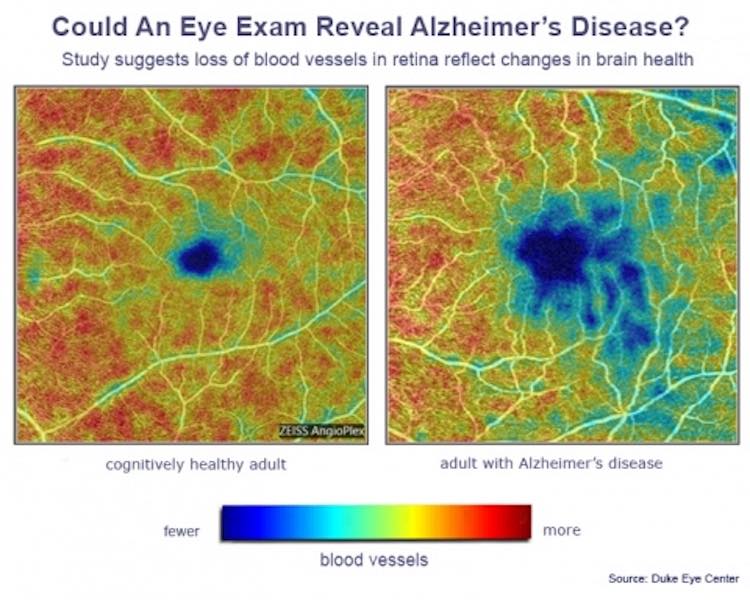
Routine Eye Test Can Detect Earliest Stages of Alzheimer’s in Seconds, According to New Research

A routine eye test can detect the earliest stages of Alzheimer’s disease in seconds, according to new research.

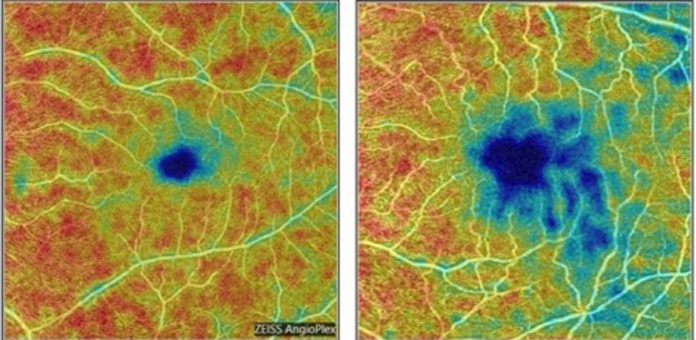
The non-invasive scan looks for changes in blood vessels in the retina. Tiny alterations in this small piece of tissue mirror those going on in the brain and are the first signs of dementia, say scientists.

The technique, which is called OCTA (optical coherence tomography angiography), could revolutionize treatment of the devastating neurological disorder because it enables early diagnosis. Physicians can now see blood vessels in the back of the eye that are smaller than the width of a human hair.

Senior author Professor Sharon Fekrat, an ophthalmologist at the Duke Eye Center in Durham, North Carolina, said: “If we can detect these blood vessel changes in the retina before any changes in cognition, that would be a game-changer.”

RELATED‘Eye-opening’ Dementia Breakthrough Announced Today by USC Researchers

The study published in Ophthalmology Retina compared the retinas of Alzheimer’s patients, people with mild cognitive impairment (MCI) and healthy controls.

The Alzheimer’s group had loss of small retinal blood vessels at the back of the eye. A specific layer of the retina was also thinner. Even those with MCI did not show this.

The differences in density were “statistically significant” after the researchers took into account other factors such as age and sex.

LOOKMan Comes Up With Ingenious Way to Keep Dementia Patients Hydrated After His Grandma’s Close Call

It demonstrates how the imaging device can even distinguish between Alzheimer’s and the MCI-related preliminary forgetfulness which often leads to dementia.

The findings were based on more than 350 participants including 39 with Alzheimer’s, 72 with MCI and 254 who were cognitively healthy.

It bolsters the importance of other recent research on the eye’s connection with Alzheimer’s. It is the largest analysis of its kind to date and it adds to a growing body of evidence that OCTA is a potentially vital tool for figuring out this disease.

CHECK OUT: How Flickering Lights or Electrical Stimulation Might Banish Alzheimer’s and Parkinson’s

Because the retina is an extension of the brain which shares many of the same similarities, the tissue suggests that deterioration in one mirrors the other.

They are connected by way of the optic nerve, which Fekrat and colleagues say offers “a window into the disease process.”

The test could mean that patients may want to be given drugs decades before symptoms develop when treatments are most likely to work. Lifestyle changes, such as eating the right foods and exercising more, may also slow or even halt the condition in those identified at risk.

MOREAlzheimer’s Gene is Neutralized in Human Brain Cells for the First Time

Current dementia medications only treat the symptoms – not the cause – meaning there is still no cure. This has led to an increasing focus on prevention.

One of the main reasons new drugs have been ineffective so far may be the fact that they are usually administered late in the disease’s development when it has already become too advanced. Early diagnosis will make possible clinical trials to administer various treatments sooner in the disease process, which may lead to better results.

RELATEDIn ‘World First’ Blind People Have Their Vision Restored Thanks to Stem Cells From Deceased Organ Donors

Fekrat and colleagues said diagnosing Alzheimer’s is a challenge. Some techniques can detect signs of it, but they are impractical for screening millions of people.

Brain scans are expensive and spinal taps which use needles to collect cerebrospinal fluid from the spine have risks.

Instead, the disease is often diagnosed through memory tests or observing behavioral changes, by which time it’s already too advanced.

Fekrat and lead author Professor Dilraj Grewal, who are based in the same lab, expect their work will one day have a positive impact on patients’ lives.

CHECK OUT: Two Patients Make History After Essentially Being Cured of HIV Using Stem Cell Transplant

“Early diagnosis of Alzheimer’s disease is a huge unmet need,” said Fekrat. “It’s not possible for current techniques like a brain scan or lumbar puncture to screen the number of patients with this disease.

“It’s possible these changes in blood vessel density in the retina may mirror what’s going on in the tiny blood vessels in the brain. Our work is not done.

MOREBoy is Cured of Aggressive Cancer Thanks to Stem Cell Treatment Using Donated Umbilical Cord

Her results follow a host of recent studies using OCTA that have linked eye changes to Alzheimer’s.

The cells of the retina convert light signals coming into the eye into neural signals the brain can interpret.

An earlier study of 32,000 people by University College London using a similar technique found those with thinner retinas were more likely to have problems with memory and reasoning.

SHARE the Amazing Discovery With Friends Social Media…

Watch the Sweet Moment When a Police Officer Soothes Frightened Student With Muppet Song

A school security guard is being praised for sharing a heartwarming moment of kindness and patience with a frightened middle school student last week.

Meaghan King, who is a special needs teacher in Santa Rosa, California, said that the student had been standing in the school hallway because she was afraid of going outside.

“She was just having hard time transitioning from the hallway to outside,” Meaghan King told ABC News. “Transitions are tough.”

As the student was anxiously clutching a Kermit the Frog toy, school resource officer Chris Morrison walking up and offered the youngster some comfort.

RELATEDOfficer Becomes Hero to Neighborhood Kids After Sitting Down to Play With Girls Who ‘Were Afraid of Cops’

Inspired by the girl’s Muppet toy, Morrison gently started singing “Rainbow Connection” (The lovers, the dreamers, and me) to soothe her nerves – and it worked.

Morrison has worked with kids in the past. Prior to joining the Santa Rosa Police Department 18 years ago, she served as a teacher for at-risk students in Los Angeles for 12 years. Ms. King’s video of the sweet moment is just another testament to Morrison’s compassionate disposition.

“[Morrison] goes out of her way, goes above and beyond, especially in situations like this where a child just needs a little extra help,” Santa Rosa Police Sgt. Jeneane Kucker told ABC News. “It’s typical of her with her personality. She’s just a very caring officer, person in general to go out of her way to assist a teacher with this child.”

(WATCH the video below) – Photo by Meaghan King

Comfort Your Friends By Sharing the Compassion with Friends On Social Media…

“If you’re Irish, it doesn’t matter where you go – you’ll find family.” – Victoria Smurfit

Quote of the Day: “If you’re Irish, it doesn’t matter where you go – you’ll find family.” – Victoria Smurfit

Photo: by Jeff Hart, CC license via Flickr

With a new inspirational quote every day, atop the perfect photo—collected and archived on our Quotes page—why not bookmark GNN.org for a daily uplift?


In What May Be its Largest Ever Gift to Charity, Businessman in India Donates $7.5 Billion

A 73-year-old billionaire may have just made the single largest donation to charity in Indian history.

Azim Premji is the chairman of Wipro Ltd., the fourth-largest IT service company in the country. Though the company started by his father in 1945 had humble beginnings as a small vegetable oil manufacturer, Wipro is now worth billions.

Premji himself is ranked as the second-richest man in India, according to Bloomberg, but he has created more of a name for himself through his giving—an astonishing philanthropic legacy.

Earlier this week, Premji announced that he would be giving $7.5 billion to the Azim Premji Foundation. Since launching the education-focused charity in 2001, this contribution brings Premji’s total donation amount to a whopping $21 billion.

RELATEDAerosmith’s Steven Tyler Donates $500K to Open Up Another Home for Abused and Traumatized Girls

His donations are particularly noteworthy due to recent reports that India’s wealthiest citizens (anyone with a net worth over $55 million) are donating less money to charity than they did five years ago.

Premji, on the other hand, was responsible for 80% of the nation’s “large” private donations (donations of $1.4 million or more) in 2018, according to CNN.

Furthermore, he was the first Indian citizen to sign The Giving Pledge, a campaign which was launched by Bill and Melinda Gates and Warren Buffet in order to encourage the world’s richest people to donate at least half of their wealth to charity.

MORESwiss Businessman is Contributing $1 Billion Towards Protecting 30% of the Planet

The Premji Foundation says that they plan on using their founder’s latest donation to launch a new university in northern India and more than triple certain branches of their education workforce.

Pay The Positivity Forward By Sharing The Good News To Social MediaPhoto by World Economic Forum, CC

How and Why to Start a Compost Pile at Home – The Benefits of ‘Black Gold’

If you have gardens around your house, it’s time to become aware of free resources you have been throwing away and opt to start composting as a way to increase your sustainability—and the health of your plants.

Creating your own compost reduces waste that goes into local landfills—and the result is “black gold”. Spreading it on your gardens will foster a better environment for plants while improving the long term health of the soil environment.

Naturally occurring biological processes driven by bacteria and fungi break down unwanted kitchen and yard waste, turning it into an organic material that is rich in nutrients and helpful soil bacteria that bolsters healthy roots.

Home composting can seem like a daunting task initially, but with a few steps outlined here it’s easy to begin a lifelong environmentally—beneficial habit.

LOOKCheap ‘Plant Pods’ That Can Grow More Lettuce in a Room Than Half-Acre Plot May End Hunger

To begin composting it’s important to understand the fundamentals, and why materials need to be balanced in a proper ratio for the magical decomposition to occur.

In the simplest terms, most kitchen and yard/garden waste is classified as being either ‘brown’, which is carbon-based, or ‘green’, nitrogen-based. The ’black gold’ results when the two types of materials are mixed in the proper balance. A simple rule of thumb is to make sure the compost pile has approximately 2/3 “brown” materials—like dead leaves and sticks— and 1/3 “green” materials—like rotting vegetables, banana peels, and coffee grounds.

Carbon-based materials give compost its light, fluffy body and typically consists of items that are more wood-based, or fibrous. Fireplace ashes, sawdust, or pine needles are also considered “brown” and provide food for the bacteria and microorganisms.

Nitrogen or protein-rich material (manures, food scraps, green leaves) provides the raw materials (amino acids and proteins) needed for the enzymatic reactions that are occurring. These items are considered “green” materials.

Buy an attractive compost bucket with a handle for your kitchen, to collect the egg shells, vegetable waste and coffee grounds—it makes the whole process more fun.

Now on to building a pile… The simplest way to compost is to create a pile or heap in the yard, tending to it as necessary. Situate it in a dry, shady spot, if possible.

Start by clearing a space in the yard or garden, removing grass and other plants to expose the bare soil. This allows earthworms and microorganisms to come up out of the soil into the pile, encouraging a speedier decomposition process. One method is to dig a big hole there. You can use the dirt exhumed for covering the pile, which keeps the bees or other critters away.

Another method is to build up a layer of straw or twigs as a base. A few inches of materials helps aerate the pile and provide good drainage.

Once you’ve created a base or hole, add your layers of waste, alternating between brown and green materials. Incorporate a nitrogen source such as manure or fresh grass clippings to activate the decomposition process, especially if you don’t have many worms. Some gardeners will even add a small amount of nitrogen fertilizer to jumpstart the composting.

RELATEDDon’t Rake Those Leaves – They’re Good for Your Yard, and the Planet

Turning the compost pile every few weeks with a shovel or pitchfork will speed the breakdown of materials by providing oxygen and fresh “food” to the bacteria breaking down the waste under the surface.

As a natural process, decomposition has the ability to fluctuate its speed based upon the conditions and materials in a compost pile. To facilitate quicker breakdown, heed the following tips and tricks.

  • It’s best to cut up larger produce (like a potato or grapefruit) before adding them because smaller pieces will break down quicker.
  • Keep the pile moist without letting it get soggy. In areas of high rainfall cover the top of the pile with plastic sheeting or plywood. It is recommended the moisture of the materials within the pile be akin to a slightly dampened sponge.
  • Add nitrogen fertilizer if the amount of brown materials is too high, keeping the carbon to nitrogen ratio at approximately ⅔ carbon and ⅓ nitrogen.
  • When you add food waste from your kitchen, cover it with leaves, straw, dirt, or grass clippings, to keep rodents and bees away.
  • Don’t add diseased plants or weeds! Dispose of them in a refuse bin to avoid contaminating the pile.
  • Avoid adding brambles, large branches, pet waste or used litter, meat or bones, dairy products, fats or oils, pressure treated wood, and black walnut leaves or twigs.

LOOKIKEA Releases Free Design For Garden Sphere That Feeds a Neighborhood

Soon, all this organic material will begin to look like really dark soil with a deep, earthy smell. The pile will always shrink down in size, as the composting progresses, and none of the food scraps or sticks will be recognizable.

Finally, it’s time to start incorporating the compost into the garden and reaping all the benefits!

Matt Hagens writes at yardcare.life about all things yard care and gardening. His website offers buying guides, product reviews and informative articles. He lives in Pennsylvania with his wife and 3 girls.

You Might Also Like…

Man Creates Gardens For Unwanted Bees, Grows Free Food in 30 Abandoned Lots

Blind 6-Year-old ‘Prodigy’ Who Taught Himself to Play Piano Has Become an Internet Star

Stevie Wonder may be reminiscing about his own childhood if he’s watching this completely adorable 6-year-old boy.

Avett Ray Maness is a self-taught piano player who has been tickling the ivories since he was just 11 months old.

The youngster from Dayton, Ohio has become somewhat of an internet celebrity after his mom started uploading videos of his piano performances to YouTube. What’s even more impressive than his self-directed learning is the fact that he learned to play while blind.

Born with optic nerve fibroplasia, Avett Ray is completely blind in one eye and has a little vision in the other. Significantly visually impaired, he walks with a cane and reads braille. Lack of plain sight has not deterred him, though, from finding his way among 88 keys.

RELATED16-Year-old Protester Nominated for Nobel Peace Prize Ahead of Her Biggest Global Youth-Led Rally Yet

In addition to accumulating thousands of YouTube subscribers, Avett Ray has also performed on stage for hundreds of people. As of late, the youngster has enjoyed playing songs—and singing—songs by his two favorite bands: Queen and The Turtles.

His mother, Sara Moore, says that she hopes her son’s talent will help to raise awareness for, and encourage people to improve, accessibility and resources for the visually impaired.

“Music is in his body,” Moore told CBS News. “He’s really practicing on performing now. Since his talent is so amazing, people are asking him to perform.”

(WATCH the video below or our international viewers can watch the clip at the CBS News website) – Photo by Avett Ray Maness

Help Your Friends See This Sweet Story By Sharing It To Social Media…