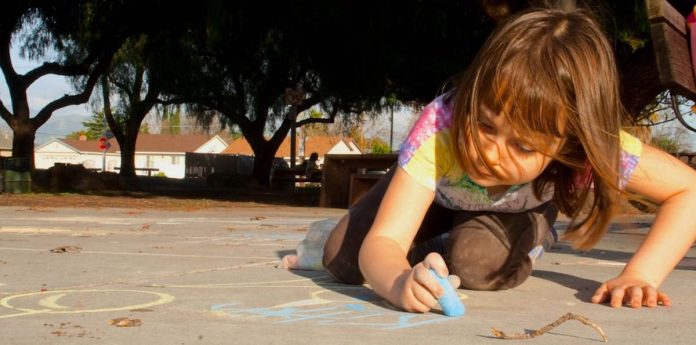
Quote of the Day: “Setting goals is the first step in turning the invisible into the visible.” – Tony Robbins
Photo: by Charlie f, CC license
With a new inspirational quote every day, atop the perfect photo—collected and archived on our Quotes page—why not bookmark GNN.org for a daily uplift?
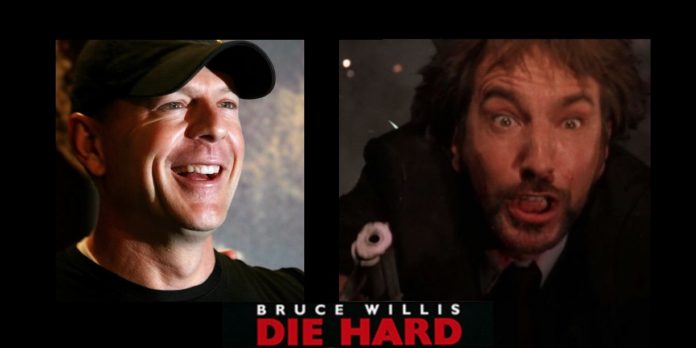
30 years ago today, a cobbled-together action film called Die Hard was released into select US theaters. Costing $28 million, it ended up grossing over $140 million that summer, and turned Bruce Willis—a comedic TV actor—into a blockbuster superstar.
Its success sparked a franchise of four sequels, video games, and a comic book—it also spawned a string of movies that involve a random citizen turns into a hero against overwhelming odds.
Considered a Christmas picture, Die Hard portrays off-duty NYC cop John McClane (Willis) trying to rescue his wife in a skyscraper where her office holiday party is being terrorized by gunmen. The lead villain, Hans Gruber, was played by Alan Rickman in his very first film role ever.
You might know all this already, but chances are you don’t know these interesting trivia tidbits… SPOILER Alert: Some of these facts will give away certain details of the film.
1) The script is based on Roderick Thorp’s 1979 novel Nothing Lasts Forever, the sequel to The Detective, which was adapted for a film starring Frank Sinatra. The studio, 20th Century Fox, was contractually obligated to offer Sinatra the lead role in Die Hard, but he turned it down.
2) Arnold Schwarzenegger declined to shoot the film as a sequel to Commando, so the script was offered to a variety of action stars, including Sylvester Stallone, Harrison Ford, Don Johnson, Clint Eastwood, Richard Gere, and Burt Reynolds—all of whom turned it down.
3) Fox reluctantly gave the role to Willis, who was known as a comedic television actor. Plus, they paid him $5 million, a figure virtually unheard of at the time for an actor who had starred in only one moderately successful film. (Some speculate it was done to make Willis seem desirable to the public.)
4) The plot’s ending had not been finalized by the time filming commenced, which resulted in a truck (used for transporting the terrorists to the building) appearing too small to contain the ambulance that was later revealed to be inside it.
5) In the original script, the events took place over three days, but director John McTiernan decided they should take place all in a single night, inspired by Shakespeare’s A Midsummer Night’s Dream.
6) The building’s 30th floor (filmed in the actual Fox building that was under construction), where the hostages are held, was a recreation of the Frank Lloyd Wright-designed house Fallingwater, including a large rock with water dripping from it.
7) The scene of McClane falling down a ventilation shaft and catching onto a lower opening was the result of an accident after Willis’ stunt man fell. Editor Frank Urioste chose to use the unintentional scene in the final film.
8) During Alan Rickman’s death scene, he was dropped on a green screen set, with cityscape to be added later. The shot used was the first take; Rickman was dropped sooner than he had been told he would be, so the startled look on his face is genuine.
9) The DVD commentary revealed that the script did not originally include the scene where McClane runs into Gruber who pretends to be a hostage; it was later added when it was discovered that the British Rickman could do an amazing American accent. (See the scene below)
10) Beethoven’s 9th Symphony (more commonly known as “Ode to Joy“) was featured prominently in the film score, as well as variations on “Singin‘ in the Rain”. McTiernan said he used them in the soundtrack as an homage to Stanley Kubrick’s A Clockwork Orange (which featured both pieces of music).
11) The film’s final four minutes were tracked with music from two other Fox features and meant to be temporary—but they made the final cut: in the reunion scene with McClane and wife, from the film Man on Fire, and the rifle scene from the score of Aliens.
12) Bruce Willis donated the undershirt worn in the film to the National Museum of American History at the Smithsonian Institution in 2017.
13) The film was selected for preservation in the U.S. National Film Registry last year by the Library of Congress as being “culturally, historically, or aesthetically significant”.
(WATCH the original 2-min trailer to hear all the iconic lines…)
Yippie-Ki-Yay! Share the Die Hard Birthday Trivia…
It’s been fifteen years since these two sisters have seen each other – and despite both of them having Alzheimer’s disease, they immediately recognize each other during this heartfelt reunion.
Even though 88-year-old Ann Patrick is nine years older than 79-year-old Marguerita Wilson, her little sister’s neurodegenerative disease has progressed more severely.
The siblings normally had been very involved in each other’s lives – but due to their circumstances, it became harder for them to see each other. The recent unexpected reunion came about because Ann Patrick’s granddaughter, Louise Gover, works for a nonprofit that helps people with Alzheimer’s to live more fully their daily lives.
Gover had been hosting an event for the British charity when she serendipitously met her Great Aunt Marguerita. Gover noticed that the senior had an accent that was similar to her own grandmother’s, so she struck up a conversation.
As they chatted, the young woman was shocked to suddenly discover her identity.
When she learned the sisters had not seen each other in 15 years, she facilitated a reunion–and the results were incredibly emotional.
(WATCH the heartwarming clip below)
Be Sure And Share The Sisterly Love With Your Friends – Photo by Caters News Agency
Since Ernesto is a Colombian fan, he uploaded a clip of his cat’s cheer last week when Yerry Mina scored a goal against Senegal.
Though Colombia unfortunately went on to lose its match against England, the enthusiastic feline is setting himself up to be the mascot for the next World Cup in 2022 in Qatar.
(WATCH the hilarious video below…)
Score Big With Your Friends By Sharing This Pawesome Clip To Social Media
In a mega-progressive step toward protecting the ocean (and climate), a massive majority of krill fishing companies have agreed to actually stop fishing aroun the Antarctic Peninsula.
Overfishing krill has been hurting marine ecosystems since the 1970s. The crustaceans are sought after for the Omega-3 oils they provide for health supplements. They’re also used as food at fish feederies. Since krill are an essential bottom step of the food chain for hundreds of Arctic species, declining numbers have threatened the wildlife that depends on them, such as whales, penguins, seals, and albatrosses.
Additionally, krill help in the fight against climate change by feeding on the algae that produces greenhouse gases near the ocean’s surface. The tiny critters are estimated to block roughly 35 million cars worth of carbon dioxide from entering the atmosphere every year.
So as a means of protecting Arctic waters, the Association of Responsible Krill harvesting (ARK), which represents roughly 85% of krill fishing companies, have agreed to stop fishing in the Antarctic Peninsula.
Not only that, they have agreed to establish no-fishing zones around the continent in order to protect Arctic wildlife.
According to the BBC, Kristine Hartmann of Aker BioMarine, the largest krill-fishing company in Antarctic waters, said: “We are positive that our commitment will help ensure krill as a sustainable and stable source of healthy omega-3s for the future… through our commitment we are showing that it is possible for no-fish zones and sustainable fisheries to co-exist.”
“The momentum for protection of the Antarctic’s waters and wildlife is snowballing,” said Frida Bengtsson of Greenpeace. “A huge movement of people globally has been joined by scientists, governments, celebrities and now even the companies fishing in the Antarctic. This is a bold and progressive move.”
SHARE Some Good News, for a Change! – Photo by Øystein Paulsen, CC
Dogs are notoriously scared of the bright, noisy fireworks that ignite American skies every Fourth of July – and shelter pups have no one to soothe them.
Thankfully, the canines at this animal shelter in Phoenix, Arizona felt like they had a caring family on this year’s Independence Day.
Maricopa County Animal Care and Control launched their first ever “Comforting Companions” initiative in which they asked volunteers to spend their holiday evening calming the nervous dogs.
And the shelter was delighted when 200 people arrived, eager to help.
“Some people sang to them, some people read to them, some people just sat there and gave treats!” says shelter work Amy Engel. “It was so so awesome because the dogs absolutely love the attention and were focused on the people and not the fireworks going on outside.”
Additionally, Engel’s photos of the Calming Companions event were shared so widely on Facebook, they were eventually picked up by several online news outlets. Now, the photos are reportedly inspiring other American animal shelters to adopt similar initiatives next year.
The shelter praised the participants on Facebook, saying “Because of YOUR kindness, many more shelters are planning on participating next year so I hope you will reach around and pat yourself on the back!”
“We remain very grateful to all of you and hope you will consider joining us as ‘regular’ volunteers,” they added.
(WATCH the sweet video below)
Share The Pawesome Idea With Your Community! – Photo by Amy Engel
Quote of the Day: “When I recognize and appreciate the miracle that I am, peace fills me.” – The Daily Word, Unity
With a new inspirational quote every day, atop the perfect photo—collected and archived on our Quotes page—why not bookmark GNN.org for a daily uplift?
The Lesson: Following our dreams can be a challenge and a difficult task to accomplish – which is why “The Alchemist” teaches us about the spiritual quality that we need to have in order to follow our dreams and make them come true. The author speaks about what happens when we are honest about our journey and what is the universal power that always puts us back on track and helps us follow the right path.
Notable Excerpt: “Before a dream is realized, the soul of the world tests everything that was learned along the way. It does this, not because it is evil, but shows that we can, in addition to realizing our dreams, master the lessons we have learned as we moved towards that dream. When the real test come that is the point when most of the people give up.”
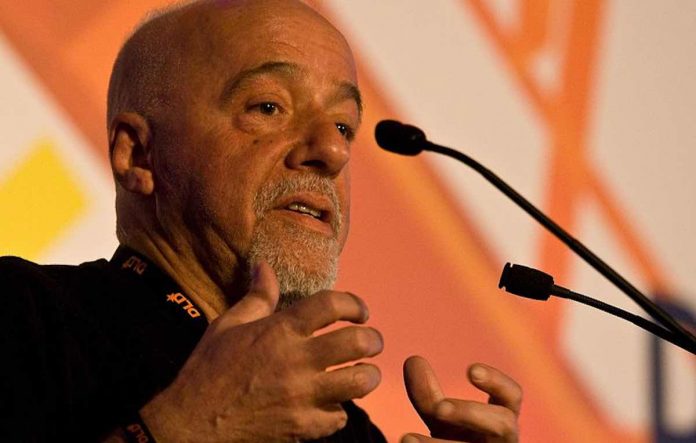
The Guest: Paulo Coelho is a Brazilian author who has been given numerous international awards in recognition for his simple, but profound spiritual storytelling. He is best known for his novel “The Alchemist” which has been translated into 80 languages, making it the most translated book by any living author.
The Host: Oprah Winfrey is an American talk show host, actress, producer, author, philanthropist, and media tycoon. In addition to being the richest African-American person in history, she also hosted the highest-rated television show of its kind and has been called the most influential woman in the world.
As a means of giving veterans a self-esteem boost, this small tailoring business has been giving free, custom-made suits to those who served the country.
This summer marks the fourth time that Hunter and Lords has initiated the “Suits for Soldiers” program. Between July 4th and Labor Day, the Columbus-based company is asking people to nominate veterans or service members who could use a little confidence boost.
At the end of the nomination period, the Ohio store selects eight veterans to receive the free suits – and then the tailors get to work.
Everything from the socks and the shoes to the jacket and shirt are custom-made, which is why an entire Hunter and Lords suit costs roughly $10,000.
Despite that being a lot of donated materials and work, the mastermind behind the program, Jim Rieser, says that it is all worth it when he gets to see the fruits of his labor.
“The expression on their faces when that clothing goes on their back and when they have their kids watching and their wives watching – that’s all I need to see and hear,” Rieser told 10TV.
The suit isn’t just a confidence boost, either – it can be an invaluable tool for finding employment after spending a lifetime in the military.
“It’s a lot easier to join the military than to leave the military,” Captain David Peters told The Washington Post about receiving one of the special suits. “The fear and anxiety I felt over the last year has been pretty powerful. This in some ways is like a message from the universe that I’ll be okay, that I’ll be able to make the transition, that the civilian world’s not going to destroy me, that I can use a lot of the skills I developed in the military.”
The California Air Resources Board just announced that greenhouse gas pollution in California fell below 1990 levels for the first time since emissions peaked in 2004—an achievement roughly equal to taking 12 million cars off the road or saving 6 billion gallons of gasoline a year.
“California set the toughest emissions targets in the nation, tracked progress and delivered results,” said Governor Edmund G. Brown Jr. “The next step is for California to cut emissions below 1990 levels by 2030 – a heroic and very ambitious goal.”
Under Assembly Bill 32 passed in 2006, California must reduce its emissions to 1990 levels (431 million metric tons) by 2020. The 2016 Greenhouse Gas Emissions Inventory published today shows that California emitted 429 million metric tons of climate pollutants in 2016 – a drop of 12 million metric tons, or three percent, from 2015.
“In California we see the impacts of climate change all around us, but our efforts to curb its worst impacts are on track. We are well positioned to meet the challenge of the 2030 target,” said CARB Chair Mary D. Nichols. “This is great news for the health of Californians, the state’s environment and its economy, even as we face the failure of our national leadership to address climate change.”
Senate Bill 32, signed in 2016, requires the state to go even further than AB 32 and cut emissions 40 percent below 1990 levels by 2030—the most ambitious carbon goal in North America.
The state’s annual emissions inventory helps keep the state accountable for meeting its emissions reduction targets. Highlights from the inventory published today include carbon pollution dropping 13 percent statewide since a 2004 peak; meanwhile, the economy grew 26 percent. Per capita emissions continue to be among the lowest in the country, at approximately half as much as the national average.
Additionally, Carbon pollution dropped 3 percent between 2015 and 2016—roughly equal to taking 2.4 million cars off the road or saving 1.5 billion gallons of gasoline and diesel fuel. California now produces twice as many goods and services for the same amount of greenhouse gas emissions as the rest of the nation.
Thanks to the carbon price signal created by the Cap-and-Trade Program that makes fossil fuel generation more expensive, cleaner out-of-state electricity is increasingly taking the place of fuels such as coal. This included more imports of hydroelectric power from outside the state, which grew by nearly 39 percent in 2016 thanks to abundant rainfall throughout the West Coast.
“Emissions may vary from year-to-year depending on the weather and other factors,” said CARB Executive Officer Richard Corey. “However, this inventory demonstrates that our policies are working to incentivize GHG-free energy sources and ensure the state remains on track to meet its climate targets in 2020 and beyond.”
The transportation sector, the state’s largest source of greenhouse gases, saw a 2 percent increase in emissions in 2016 because of increased fuel consumption. But the state also saw cars and trucks use a record amount of biofuels – 1.5 billion gallons in all – as a result of the state’s Low Carbon Fuel Standard. These low-carbon alternative fuels, consisting mostly of biodiesel, renewable diesel, and ethanol, avoided 14 million metric tons of carbon dioxide from entering the atmosphere, compared to what would have happened if conventional fossil fuels had been used.
Emissions from the industrial sector – including refineries, oil and gas extraction, cement plants, and other stationary sources – fell 2 percent from 2015 levels, though emissions from refineries increased slightly.
The latest data for this inventory is from 2016. This is because the process for verifying and validating required reporting of emissions from all facilities under the Cap-and-Trade Program takes more than a year, and additional data undergoes rigorous vetting by other government agencies.
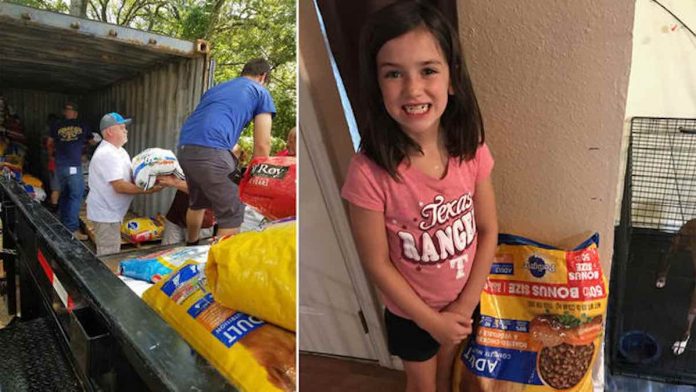
Instead of asking for toys or treats, this 8-year-old girl wanted something particularly special for her birthday last week.
Adisynn Kiker from Kemp, Texas told her friends and family that all she wanted for her birthday was food for the rescue pets at the local animal shelter.
When her wish was broadcasted on Facebook, it touched the hearts of hundreds.
As a result, the Humane Society of Cedar Creek Lake received over 12,000 pounds of donated dog and cat food. The shelter also says that they were given almost 600 pounds of cat litter and some much-needed cleaning supplies.
“Our fur babies greatly appreciate it,” said the shelter on Facebook.
Tesla CEO and tech mogul Elon Musk is paying to have new water filters installed in any Flint, Michigan homes that are below federal water safety guidelines.
Musk initiated the effort after a Twitter user nudged him in a tweet earlier this week, reading: Hey [Elon Musk] I heard a bunch of people saying there’s NO WAY you could help get clean water to Flint, Michigan. Said you wouldn’t be capable idk.”
Regardless of whether the post was meant as a joke or a jab, Musk immediately rose to the task.
“Please consider this a commitment that I will fund fixing the water in any house in Flint that has water contamination above FDA levels. No kidding,” Musk replied.
Please consider this a commitment that I will fund fixing the water in any house in Flint that has water contamination above FDA levels. No kidding.
In the tweets and posts that followed, Musk posted a call for Flint residents to send him direct messages with information about their water testing and results.
Musk reaffirmed his pledge with CNET news when asked for comment. Additionally, 11-year-old Flint activist Mari Copeny, also known as “Little Miss Flint”, confirmed that the tech company’s team had been working in Flint for the last week.
If that isn’t enough, Mari had been hosting a charity event for the city in honor of her birthday. When she reached out to Musk on Twitter, Tesla Motors ended up donating over 500 bikes for local children, as well as more bottled water for residents.
For now, reply to my tweet with ppm & ppb test results & will send someone to install a water filter. Creating email [email protected], but I’m in China so that won’t be working until tomorrow.
You’re right on both counts. Most houses in Flint have safe water, but they’ve lost faith in govt test results. Some houses are still outliers. Will organize a weekend in Flint to add filters to those houses with issues & hopefully fix perception of those that are actually good.
Hey world. Let’s set the record straight. My team has been working with @elonmusk and his team for over a week to figure out the best solution to help #Flint with the #FlintwaterCrisis Extremely grateful for him and all he has done so far.
Further Twitter comments have been exchanged between Musk and the Mayor of Flint on replacing water pipes and other ways they will take action during the coming month.
“Gathering input this week, will begin taking action next week and let people know how they can help,” wrote Musk.
(WATCH the video of the charity event below)
Clean Up Negativity And Share The Good News With Your Friends – Photo by Dan Taylor Heisenberg Media, CC
Humans can spend an hour studying themselves in a mirror, but what about animals?
A strategically placed camera in the Amazon rainforest captured the reactions of a dozen animals seeing themselves reflected in a large mirror – and their reactions are quite varied.
When an adult jaguar sees itself in the mirror, it seems like its trying to figure out why its new acquaintance is copying every single one of its gestures. A family of wild pigs catches sight of themselves only to flee into the jungle. A puma, on the other hand, aggressively tries to fight its foe, only to fail (for obvious reasons).
(WATCH the footage below)
Go Wild: Share This Cool Clip With Your Friends On Social Media – Photo by Untamed Photography
Quote of the Day: “When moral value is considered, the concern is not the actions, which are seen, but rather with their inner principles, which are not seen.” – Immanuel Kant
Photo: by lila510, CC license
With a new inspirational quote every day, atop the perfect photo—collected and archived on our Quotes page—why not bookmark GNN.org for a daily uplift?
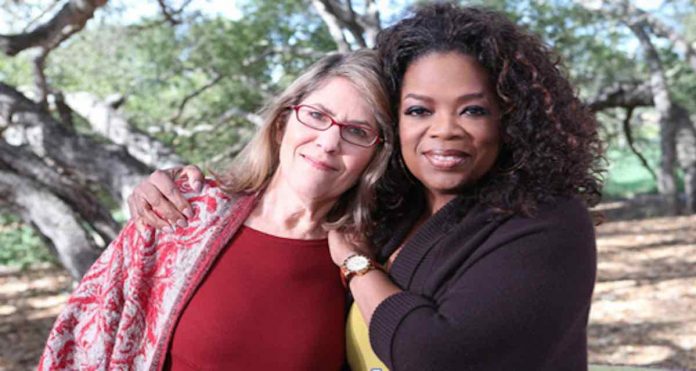
The Lesson: When confronted with adversity, it can sometimes be challenging to forge on. The path to turning difficulties into successes isn’t always an obvious one, and in this heartfelt episode of her podcast series, Oprah Winfry speaks to Elizabeth Lesser about how to harness the healing power of love to change one’s life for the better and how the power of love can aid in cleansing important relationships, facing hardships head-on, and living every single day to the fullest.
Notable Excerpt: “I think [the phrase ‘the soul is covered in a thousand veils’] means that everything you need to know is in that line … What it means to me is that you have a soul, first of all, and that soul is like the music [that is] your song to sing here on this plane. That is your soul. It’s precious, it’s yours, it’s unique.”
The Guest: Initially drawn to spirituality as a child, Elizabeth Lesser has been a leading voice in the field of healing for nearly 40 years. She has written three books, including the New York Times best-sellers “Broken Open” and “Marrow”, the unforgettable story of her and her sister’s journey through a bone marrow transplant. Prior to her groundbreaking venture as the founder of the world-famous Omega Institute, Lesser worked as a midwife and birth educator.
The Host: Oprah Winfrey is an American talk show host, actress, producer, author, philanthropist, and media tycoon. In addition to being the richest African-American person in history, she also hosted the highest-rated television show of its kind and has been called the most influential woman in the world.
A person’s wedding day might be one of most memorable days of their entire life – so it can be pretty devastating if something goes wrong.
Dulce Gonzalez was experiencing this kind of devastation when a monstrous thunderstorm started pouring rain on her beach wedding.
The 24-year-old bride and her husband Ariel were determined to get married on the beaches of Pascagoula, Mississippi because that’s where they first met – and where they started seeing each other romantically. The couple was set to get married on the last week of June, but the weather had other plans.
Gonzalez and dozens of other wedding guests watched the rain come down from their cars, hoping that it would stop – but thankfully, there was someone else who was watching the situation unfold as well.
Throughout the day, 67-year-old Cynthia Strunk and her husband had been watching the Gonzalez wedding preparations from their beach house. Since the Strunks first moved into the house in 1999, they have seen dozens of weddings take place on the beach, but they had never seen one get rained out before.
Heartbroken by the predicament, Cynthia ran up to the bride’s car, soaking wet and without an umbrella, and told Dulce to simply host the wedding in her beach home.
“The bride’s mother started crying at that point and [Gonzalez] said ‘thank you’ and she had tears in her eyes,” Strunk told The Washington Post.
Cynthia simply asked for ten minutes to prepare the house. She told the Post that despite the house usually being pretty messy from their grandkids, luck was on their side; the house was tidy, and since the Strunks are used to having family reunions with plenty of relatives, they had several dozen folding chairs at the ready.
Cynthia arranged and decorated one of their larger rooms “as if it was her own daughter” who was getting married.
When all of the wedding guests were escorted into the house, sheltered from the rain with umbrellas in hand, Dulce was “shocked” by what she saw.
“They had everything set as if we actually planned it,” Gonzalez said. “It was perfect. I told my husband that [the Strunks] were little angels that God sent us.”
The cozy little wedding proceeded wonderfully with a gorgeous view of the rainy beach from the windows. After the ceremony, Dulce’s father delivered a speech thanking the Strunks for their kindness.
“The father was just so appreciative and they were just such gracious, wonderful people,” Strunk told the Post. “We were just happy to do it — and to us, it was no big deal.”
The newlyweds have kept in contact with the Strunks on social media since the spontaneous indoor wedding. The Gonzalezes brought the older couple cake and flowers for the Fourth of July, and Dulce says that she plans on making them dinner sometime soon.
On top of that, the Strunks told Dulce that if she ever has a child, she should bring them by the house so they can see how her marriage began – and Dulce says that she will be more than happy to do so.
Say “I Do” To This Sweet Story And Share It With Your Friends – Photo by Dulce Gonzalez
Testing chemicals, medicines, and cosmetics on animals may soon be a thing of the past thanks to this new, “more reliable” approach.
A recently published study shows that advanced algorithms working from large chemical databases can predict a new chemical’s toxicity better than standard animal tests.
The researchers at Johns Hopkins Bloomberg School of Public Health mined a large database of known chemicals they developed to map the relationships between chemical structures and toxic properties. They then showed that one can use the map to automatically predict the toxic properties of any chemical compound—more accurately than a single animal test would do.
The most advanced toxicity-prediction tool the team developed was on average about 87% accurate in reproducing consensus animal-test-based results—across nine common tests, which account for 57% of the world’s animal toxicology testing. By contrast, the repetition of the same animal tests in the database were only about 81% accurate—in other words, any given test had only an 81% chance, on average, of obtaining the same result for toxicity when repeated.
“These results are a real eye-opener—they suggest that we can replace many animal tests with computer-based prediction and get more reliable results,” says the study’s principal investigator Thomas Hartung.
The computer-based approach could also be applied to many more chemicals than animal testing, which could lead to wider safety assessments. Due to costs and ethical challenges, only a small fraction of the roughly 100,000 chemicals in consumer products have been comprehensively tested.
Animals such as mice, rabbits, guinea pigs and dogs annually undergo millions of chemical toxicity tests in labs around the world. Although this animal testing is usually required by law to protect consumers, it is opposed on moral grounds by large segments of the public, and is also unpopular with product manufacturers because of the high costs and uncertainties about testing results.
“A new pesticide, for example, might require 30 separate animal tests, costing the sponsoring company about 20 million dollars,” says Hartung, who also directs the Center for Alternatives to Animal Testing, which is based in the Bloomberg School’s Department of Environmental Health and Engineering.
The most common alternative to animal testing is a process called read-across, in which researchers predict a new compound’s toxicity based on the known properties of few chemicals that have a similar structure. Read-across is much less expensive than animal testing, yet requires expert evaluation and somewhat subjective analysis for every compound of interest.
As a first step towards optimizing and automating the read-across process, Hartung and colleagues two years ago assembled the world’s largest machine-readable toxicological database. It contains information on the structures and properties of 10,000 chemical compounds, based in part on 800,000 separate toxicology tests.
For their study, the team enlarged the database and used machine-learning algorithms, with computing muscle provided by Amazon’s cloud server system, to read the data and generate a “map” of known chemical structures and their associated toxic properties. They developed related software to determine precisely where any compound of interest belongs on the map, and whether—based on the properties of compounds “nearby”—it is likely to have toxic effects such as skin irritation or DNA damage.
“Our automated approach clearly outperformed the animal test, in a very solid assessment using data on thousands of different chemicals and tests,” Hartung says. “So it’s big news for toxicology.” Underwriter’s Laboratories (UL), a company that specializes in developing public safety standards and testing against them, co-sponsored this work and is making the read-across software tool commercially available.
The U.S. Food and Drug Administration and the Environmental Protection Agency have begun formal evaluations of the new method, to test if read-across can substitute for a significant proportion of the animal tests currently used to evaluate the safety of chemicals in foods, drugs and other consumer products. The researchers also are starting to use it to help some large corporations, including major technology companies, to determine if they have potentially toxic chemicals in their products.
“One day perhaps, chemists will use such tools to predict toxicity even before synthesizing a chemical so that they can focus on making only non-toxic compounds,” Hartung says.
While a community mourns a friend, father, and firefighter, this NFL player is being hailed for quietly reaching out to ease their financial struggles.
Last week, firefighter Captain Cory Barr died in a gas explosion when he was responding to a call near his home in Sun Prairie, Wisconsin. In addition to Cory’s wife Abby having to grieve her husband, the explosion also destroyed the tavern that she managed with her husband.
A 15-year veteran of the fire department, Barre was also beloved by his community – so as a means of raising money for their fallen friend, a local church started a GoFundMe page for Barr’s family.
One Twitter user took it upon themselves to send a direct message to JJ Watt, the defensive backend for the Houston Texans football team, in the hopes that the Wisconsin native would sympathize with the cause.
The tweet read: “[JJ Watt] please do what you can for Cory Barr’s family. He was very well known, liked & appreciated in the Sun Prairie community. He was brave and a true hero! Any & all support from one fellow firefighter family to another!”
@JJWatt please do what you can for Cory Barr's family. He was very well known, liked & appreciated in the Sun Prairie community. He was brave and a true hero! Any & all support from one fellow fire fighter family to another! #RIPCaptCoryBarr#firefamilyhttps://t.co/oEE9aCNPqW
Not long after, a massive donation of $10,000 was made to the GoFundMe page courtesy of JJ Watt.
He did not publicize his good deed or draw attention to it, but people noticed. The original goal for the campaign was $15,000; within a few hours, it had raised over $40,000. One day later, the page has now raised $121,000.
Share This Inspiring Story Of Kindness With Your Friends – Photo by Jeffrey Beall, CC
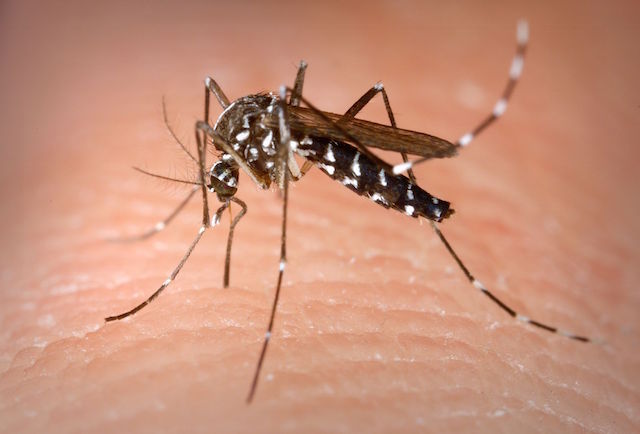
An exciting new trial experiment from Australia has successfully eliminated 80% of a disease-carrying mosquito population.
The Aedes aegypti species of mosquito has been called the most dangerous, invasive pest in the world. The Aegypti, along with two other species, are responsible for 17% of the world’s infectious disease transmissions globally, the most recent outbreaks including dengue and Zika.
So as a means of wiping out the perilous bugs, scientists in North Queensland reared millions of male Aegypti mosquitos that were infected with a bacteria that would make them sterile. The researchers then released these mosquitos across three towns on Cassowary Coast.
The male mosquitos could not bite or spread disease – but when they mated with wild females, the eggs wouldn’t hatch and the population took a massive dive.
The experiment, which was conducted with the help of Verlily, an affiliate of Google’s Alphabet Inc., is part of their Debug project: an initiative that is dedicated to wiping out disease-carrying mosquitos in a sustainable, eco-friendly way.
While this sort of technique may seem to have disastrous ecological implications, the researchers are quick to mention that the Aegypti mosquito is a horribly invasive species that is native to Africa.
“The main ecological impact would be to restore the ecosystem to how it was before the mosquitoes invaded,” says the Verily website.
The team also says that the “Sterile Insect Technique” has been around since the 1950’s – but wielding it against mosquitos has proven difficult without the ability to rear and raise large amounts of male mosquitos.
Now, they hope to continue their experiments so that they can prevent millions of diseases and infections in the future and bring balance to worldwide ecosystems.
“We learned a lot from collaborating on this first tropical trial and we’re excited to see how this approach might be applied in other regions where Aedes aegypti poses a threat to life and health,” Kyran Staunton from James Cook University said in a statement.
Be Sure And Share The Buzz-Worthy News With Your Friends
When a young boy was too scared to get on the diving board at a local pool, Michael Bliss was the man to prove him wrong.
The 95-year-old Air Force veteran was determined to jump off the diving board as a means of showing a neighborhood youngster that there was nothing to be afraid of.
So with cane in hand and family members gently helping him along, Bliss stepped up to the plate.
While it seems that he may have given his folks a heart attack by almost losing his balance on the board, the senior finally managed to take the plunge – and he did it by performing one of the most impressive half-belly flops ever executed by someone in their golden years.
Bliss’s daughter, Christine Ross, reassured USA Today by saying: “He is very spry for his age – he’s 95 soon to be 96-years-old and is both a WWII and Korean War veteran in the U.S. Air Force. He is full of amazing stories and has song for every situation.”
After hearing about his video being shared online Bliss reportedly told his grandson that he now “wants to be seen around the world”.
(WATCH the video below)
Help Your Friends Dive Into The Good News By Sharing This Sweet Story – Photo by Militarykind