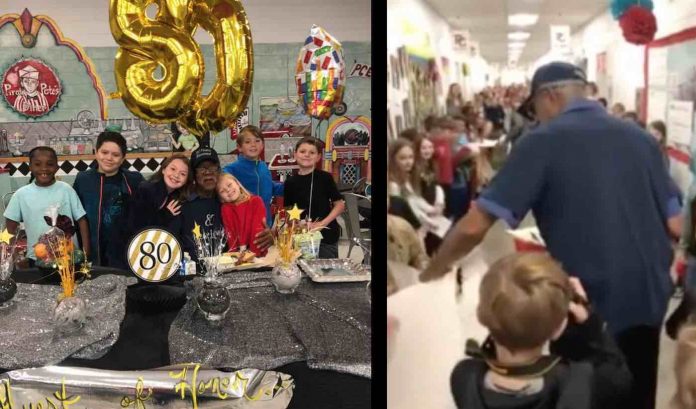
80-year-old Haze Mabry went to work last month anticipating a busy day of cleaning up trash and bagging garbage. Instead, he was greeted by 800 of his biggest fans.
Mabry has worked as a janitor at Pike County Elementary School in Zebulon, Georgia for the last 13 years, a school from which all three of his kids have graduated—but he feels that every single one of the students are “like children of his own”, according to an interview with The Washington Post.
His special attention to the students is why he is considered “the most loved person” in the whole building – which is why the studenta put together a special surprise for him in recognition of his 80th birthday last month.
When Mabry entered the building last month, he was greeted by youngsters filling the hallways chanting his name
They began handing him cards; singing happy birthday; and holding up banners for his special day. Mabry received so many birthday cards, he had to have a few students follow behind him so they could collect all of the letters and greeting cards into buckets.
He was overwhelmed, but hugged every youngster who reached out to him—and apparently has taken extra time to read each greeting card and offer his sincerest thanks to the students.
Since the school recently posted several photos to go along with the video footage of the janitorial surprise, they’ve been shared hundreds of times across social media.
“It may be his birthday, but we are the ones who receive a gift—the gift of having him in our school, lives, and hearts,” the school wrote on Facebook. “This is the good stuff! Mr. Haze, you sir are loved, admired, and adored here at PCES.”
(WATCH the heartwarming video below)
Share This Sweet Story Of Kindness With Your Favorite Schools On Social Media…
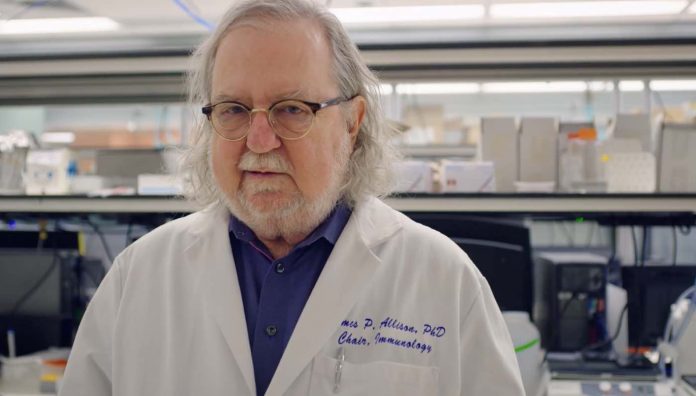
Jim Allison has been the quiet hero behind some of the most ground-breaking medical research of the last quarter century—but before he won the Nobel prize for his work, he was laboring tirelessly to proves his theories against a skeptical scientific community.
Back in the 90s, Allison was called “foolish” for claiming that the immune system could fight off cancer. Despite being shot down time and time again by medical researchers and pharmaceutical companies, Allison developed the basis for immuno-oncology drugs – also known as “lpi.”
Allison first became inspired to research cancer treatments as a result of his mother passing away after a long and debilitating battle with lymphoma when he was just 11 years old. After his mother’s passing, Allison would go on to lose a brother and two uncles to cancer; and he himself would end up beating cancer three different times.
Yet, Allison spent years pushing his research until it finally came to fruition and became the framework for several cancer treatments that made tumors disappear.
Since their development, lpi cancer treatments have successfully treated over one million people diagnosed worldwide, including the former president Jimmy Carter.
“I didn’t launch this work to try to cure cancer, but once I saw the implications for patients worldwide, I was fiercely determined to build drugs for cancer patients!” said Allison, who is a professor and chair of immunology and executive director of immunotherapy platform at the MD Anderson Cancer Center at the University of Texas.
As a means of thanking him for his determined efforts, Allison was co-awarded the 2018 Nobel prize for physiology or medicine. More recently, film director Bill Haney released a documentary about Allison last month called Breakthrough – and it has been hailed as a masterpiece since its release.
“I was interested in doing a documentary that united Americans,” said director Bill Haney. “One of the blessings of Jim’s work is there are no Americans—rich, poor, North, South, red, blue—who are pro-cancer. By watching the amazing work of Jim and his team of inspiring collaborators, we can see how to work together for the common good. The scientific revolution that Jim has sparked in immuno-oncology is changing the lives of millions of patients and their families, worldwide.”
(WATCH the Breakthrough documentary trailer below)
Cure Your Friends Of Negativity By Sharing The Good News To Social Media…
As Dr. King once said: "Everybody can be great, because anybody can serve." We're grateful to our community for giving back with us over the years by helping parents and caregivers prepare their children for success in school and beyond. #MLKDaypic.twitter.com/Ec4QDDdsDI
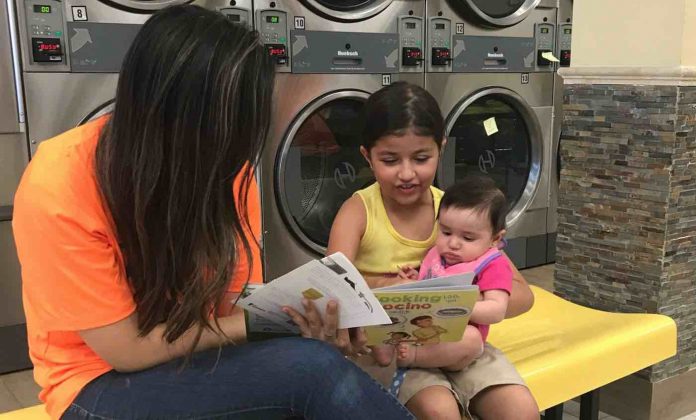
Days spent at the laundromat can often be incredibly boring, especially for children waiting on their parents. But, instead of asking kids to entertain themselves by watching the rinse cycle, librarians are visiting locations so they can read to the children.
The Too Small to Fail initiative has been trying to improve children’s literacy by bringing books, story time, and reading groups to unusual community spaces, such as laundromats.
The program is especially beneficial for closing the literacy gap between children from lower and higher-income families.
Though the organization has been operating in various locations across the country, they recently conducted a study on the efficacy of their reading programs in six New York laundromats.
Every weekend, volunteer librarians would team up with laundromat owners in order to transform a corner of the facility into a learning corner equipped with educational toys and books.
According to Education Week, the initiatives had a dramatic impact on the children’s reading abilities, especially when parents joined in on the fun.
“We have the right audience … parents and kids who need the most help when it comes to literacy and access to books,” Brian Wallace, president and CEO of the Coin Laundry Association, told Education Week. “Rather than watch the socks tumble … use that time and make it more productive.”
(WATCH the video below)
Help Your Friends Read This Story By Sharing It To Social Media…
Quote of the Day: “Volunteers do not necessarily have the time; they just have the heart.” – Elizabeth Andrew
Photo: by Daniel Thornton, CC license via Flickr
With a new inspirational quote every day, atop the perfect photo—collected and archived on our Quotes page—why not bookmark GNN.org for a daily uplift?
This group of surfers was treated to a stunning sight last week after they were joined by some unlikely companions.
This breathtaking drone footage captures the moment a pod of dolphins cruise into the path of some surfers off the coast of Australia.
The video, which was filmed by Shaun Petersen, shows dozens of the cetaceans gliding through the water on a small ocean wave that carries them, and surfers, past the shore.
Since Petersen posted it to Instagram, it has been viewed thousands of times.
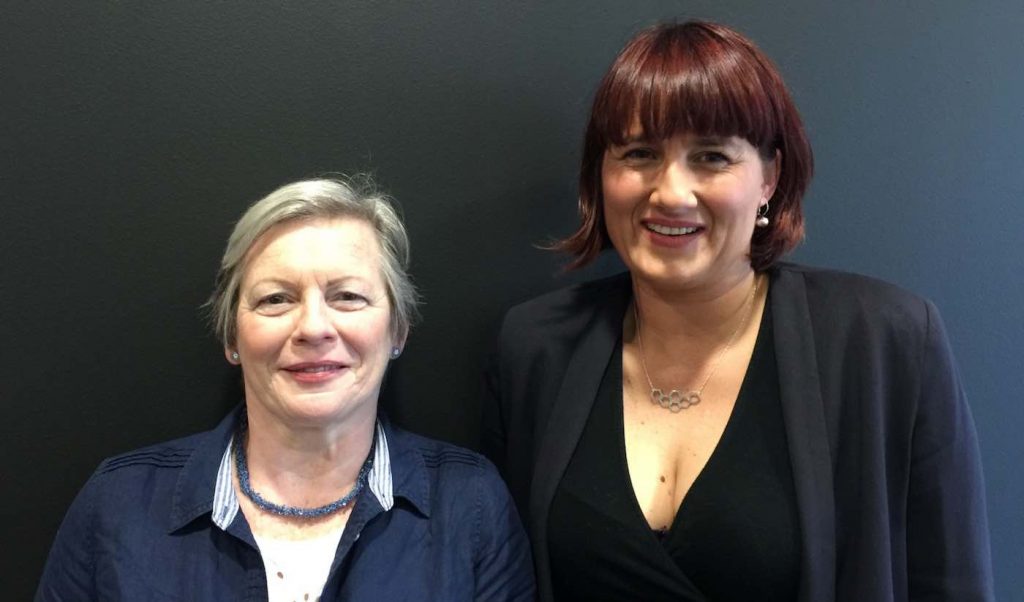
Joy Milne and Professor Perdita Barran – University of Manchester
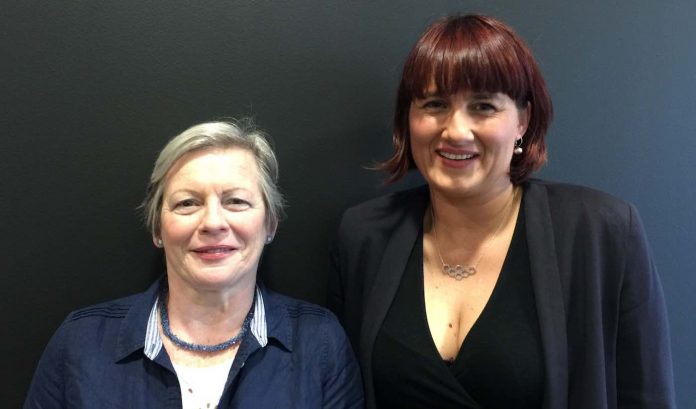
Joy Milne (left) and Professor Perdita Barran – University of Manchester
This woman’s keen sense of smell is being used to develop a tool that could be a major step forward in detecting and treating Parkinson’s disease.
Joy Milne is a retired nurse who possesses a very singular talent: she is capable of smelling Parkinson’s disease in other people.
The 68-year-old from Perth, Scotland first caught scent of the disease’s “musky, oily odor” when she smelled it on her now-late husband Les. 12 years after she first detected the smell, he was diagnosed with Parkinson’s at the age of 45.
Milne did not realize that she had been smelling the disease for over a decade until she attended a support group for Parkinson’s patients and found that everyone of them had the same distinctive smell.
After mentioning her strange discovery to Parkinson’s researchers, they began working with the retired nurse in order to test her olfactory abilities.
Milne was asked to smell several dozen tee-shirts worn by patients with, and without, the disease. In addition to being able to identify which shirts belonged to Parkinson’s patients, Milne also smelled the disease on a shirt worn by a “healthy” participant. Eight months later, the patient received a positive diagnosis.
The tests revealed that the Scottish woman was 98% accurate in diagnosing the disease in 50 different shirt samples. After conducting further research, scientists discovered that Milne was smelling a compound contained in the patients’ sebum. Sebum is the waxy, lipid-based biofluid which moisturizes and protects the skin, particularly on the forehead and upper back. Excessive production of the substance is a known symptom of Parkinson’s – and now, thanks to Milne’s nose, scientists have identified specific biomarkers in the sebum that serve as red flags for the disease.
“Finding changes in the oils of the skin in Parkinson’s is an exciting discovery that was sparked by a simple conversation between a member of the public and a researcher,” said Professor David Dexter, Deputy Director of Research at Parkinson’s UK.
“More research is needed to find out at what stage a skin test could detect Parkinson’s, or whether it is also occurs in other Parkinson’s related disorders, but the results so far hold real potential. Both to change the way we diagnose the condition and it may even help in the development of new and better treatments for the 145,00 people living with Parkinson’s in the UK.”
Despite being the second most common neurodegenerative disease next to Alzheimer’s, Parkinson’s does not yet have a cure – but early detection could help researchers develop future treatments and therapies to slow the disease’s progression or stop it altogether.
And thanks to Milne’s help in the research, which was published last month in the journal ACS Central Science, scientists could now be one step closer to developing a non-invasive procedure to detect the disease before symptoms even start to occur.
“This could have a huge impact not only for earlier and conclusive diagnosis but also help patients monitor the effect of therapy,” says University of Manchester Professor Perdita Barran, one of the study’s lead researchers. “We hope to apply this to at risk patient groups to see if we can diagnose pre-motor symptoms, and assist with potential early treatment.”
Cure Your Friends Of Negativity By Sharing The Good News To Social Media…
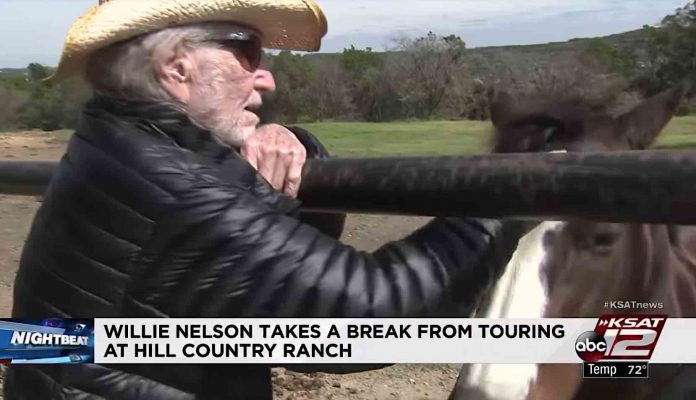
Whenever Willie Nelson isn’t on the road again, or raising money for American farmers as co-founder of Farm Aid, the country singer is looking after his beloved horses on his Texas farm.
His herd isn’t just made up of regular horses—Nelson rescued all 70 of the equines from being shipped off to the slaughterhouse over the last few years.
Nelson told KSAT in a recent interview that his ongoing rescue mission is part of the reason why he named his 700-acre Spicewood farm “Luck Ranch”.
Rather than being sent to a butcher’s block, the happy horses now enjoy spending their lucky days roaming the countryside and eating regularly hand-fed meals.
(WATCH the news coverage below) – Photo by KSAT
Combat the Crazy! Share the Compassion To Social Media…
Quote of the Day: “The art of being wise is the art of knowing what to overlook.” – William James
Photo: by OMAR-MALO, CC license via Flickr
With a new inspirational quote every day, atop the perfect photo—collected and archived on our Quotes page—why not bookmark GNN.org for a daily uplift?
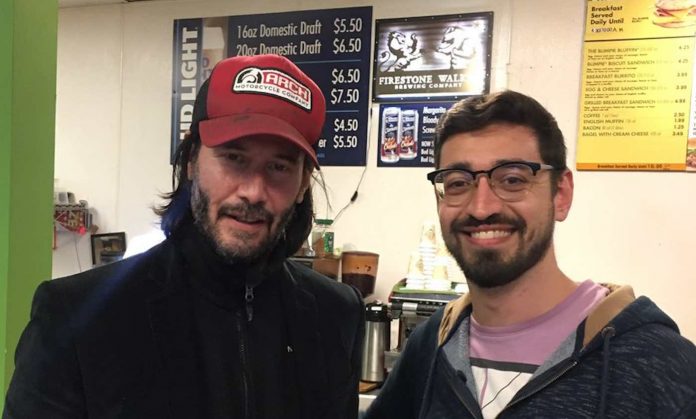
Keanu Reeves became the perfect travel companion when a plane was forced to land 2 hours away from its destination with dozens of passengers stranded in Bakersfield. Hear our Good News Guru tell the fun story on the radio in Los Angeles—during the April 12, 2019 Ellen K. Morning Show on KOST-103.5.
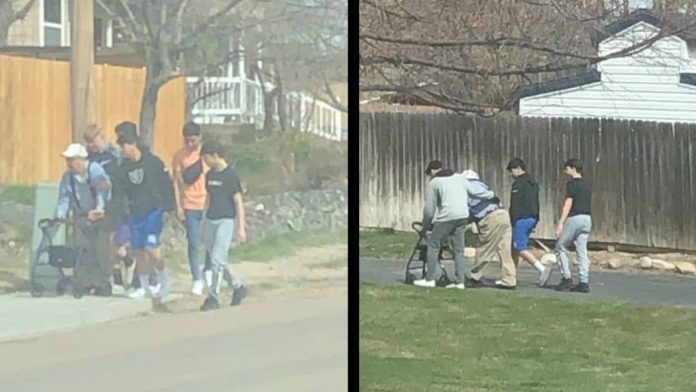
These five teenage boys are being praised as “hometown heroes” after they came to the rescue of an old man last month.
The young men from Caldwell, Idaho had been in the car on their way to play some basketball when they saw an elderly man fall to the ground.
Isaac Hernandez, who had been behind the wheel at the time, says that when he saw the man hit the sidewalk, he immediately pumped the brakes so he and his friends could go and check on the senior.
Upon helping him back to his feet and asking if he was okay, the teens insisted on helping him back to his house. After they had successfully escorted him inside, the young men cleaned up his wounds with some napkins and rubbing alcohol.
Though the teens did not know it at the time, their good deed had been captured on camera by Erika Tovar.
She had also been driving past the elderly man when she saw him fall in the rearview mirror. After she had turned her car around to check on him, however, she saw that the boys were already rushing to his side – so she snapped some photos of the exchange and posted them to Facebook, praising them for their kindness.
Since the photos have been shared hundreds of times, local Caldwell businesses have showered the boys with gifts, food, and presents as a thank you for their kindness.
But the five young men say that they were simply trying to do the right thing.
“We didn’t do it for the attention, we just did it out of the kindness of our hearts,” Hernandez told KTVB. “I think it makes us all feel good because we are out here helping other people… and we don’t expect anything in return.”
However, the boys say that they have now developed a firm friendship with the man they helped, José Garcia. In the weeks following their first encounter, the boys have been paying regular visits to the senior at his apartment – and they plan on visiting much more in the future.
Be Sure And Share This Sweet Story Of Kindness With Your Friends On Social Media…
Millions of acres of degraded landscapes can be brought back to life thanks to these drones.
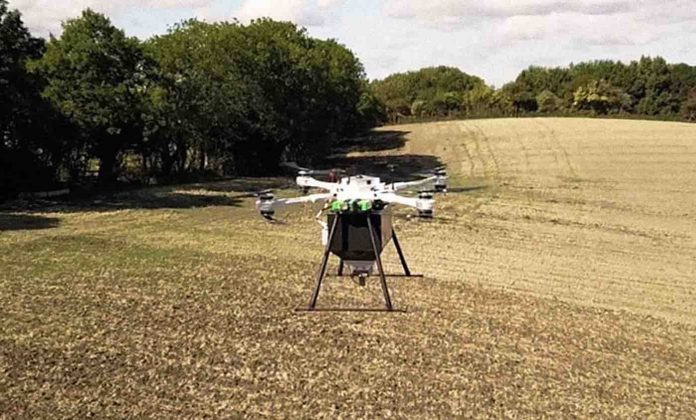
A tech company called BioCarbon Engineering has been using the flying robots to plant trees on a massive scale. The drones, which were developed by an ex-NASA engineer, are designed to fire off pre-germinated seed pods into the ground.
The drones have been shown to plant trees exponentially faster than locals being forced to plant them by hand, and the method is far cheaper than traditional planting methods.
BioCarbon has been working with conservational nonprofit Worldview International Foundation in order to replant mangrove saplings in Myanmar. Since the drones began their work in September, the saplings have grown to be 20 inches tall, which offers exciting new evidence that the drones can be deployed on a much larger scale.
“We now have a case confirmed of what species we can plant and in what conditions,” BioCarbon engineering co-founder Irina Fedorenko told Fast Company. “We are now ready to scale up our planting and replicate this success.”
Over the course of the last seven years, Worldview has worked with Myanmar communities to plant over 6 million trees – but now with the help of the drones, they hope to plant another 4 million trees by the end of the year.
Representatives estimate that with two local workers being trained to operate a fleet of ten drones, they could plant up to 400,000 trees per day. Assuming the project continues to show success, then the drones could soon help to resuscitate degraded landscapes around the world.
(WATCH the launch video below) – Photo by BioCarbon Engineering
Plant Some Positivity By Sharing The Good News To Social Media…
Thousands of people have come together in order to support a 20-year-old woman who has been supporting her five younger siblings since their parents died.
Samantha Rodriguez is the oldest of her brothers and sisters, ranging in age from 5 to 17. Since both of their parents died from cancer within the last five years, she has taken charge of their family.
The Rodriguez kids moved to Orange County, Florida in order to live with their grandmother, and though it has been tough taking care of her siblings, Sam said that she was not about to let them be sent into the foster care system.
“I knew what I had to do,” Sam told CNN. “I learned so much from my mom. I was like her sidekick. I learned what it meant to raise a family.”
Upon hearing about the Rodriguez family’s circumstances in December, however, the Orange County Sheriff’s Department felt compelled to give the kids a break from their hardships.
The officers orchestrated a surprise Christmas party for the youngsters at the police station. When the kids walked through the doors of the facility, they were shocked to see dozens of gift-wrapped presents waiting for them under a Christmas tree.
The police department posted a video of their heartwarming surprise to social media, and their inbox quickly became flooded with messages from readers who wanted to help the family – and the police lieutenant remembered that the Rodriguez kids had arrived in an Uber because they didn’t have a car.
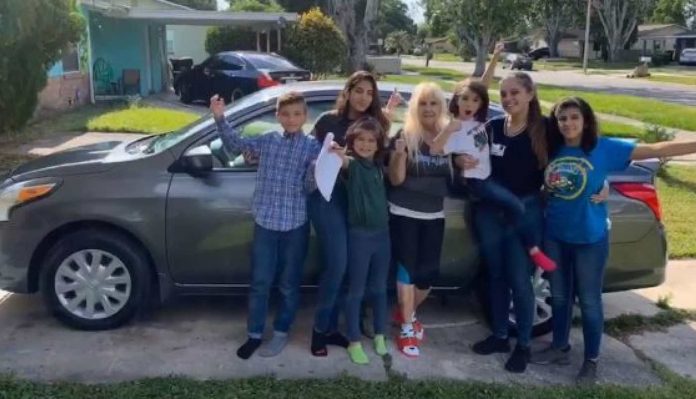
Four months later, Samantha was invited back to the police station for a “meeting” with the officers she had met at Christmastime. The officers then told her that a group of anonymous donors had contacted the station in order to help Sam and her family – and they had rallied together in order to get Sam a brand new car.
Needless to say, Sam was stunned. The lieutenant even escorted her to the dealership to help her pick up the car and get it insured.
“It really didn’t sink in until a couple of days after,” she told CNN. “Everything I plan now for the kids is so much easier. I don’t have to call for a ride.
“I’m very grateful for it,” she added. All these people reminded me that I’m not alone.”
The kindness hasn’t stopped there, either. Since Sam’s story has been shared across social media throughout the week, a GoFundMe page for the Rodriguez family has already raised over $11,000 in one day.
(WATCH the news coverage below) – Photo by the Rodriguez family
Pass On The Positivity By Sharing This Sweet Story To Social Media…
Reprinted with permission from World At Large, a news website of nature, science, health, and travel.
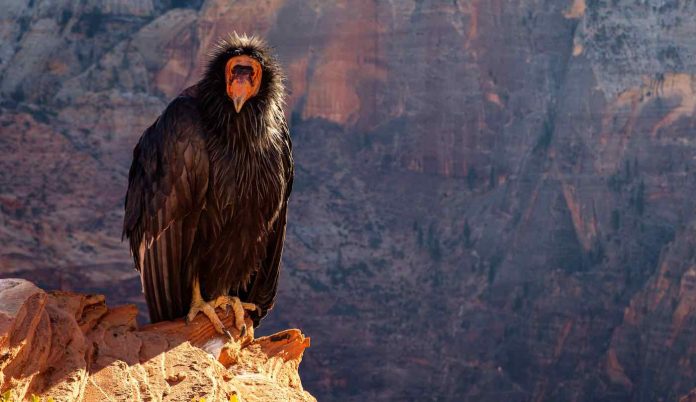
It has been 127 years since California condors were seen in the wilderness of the Pacific Northwest – but that’s about to change thanks to this exciting new initiative.
The US Fish and Wildlife Service (FWS) is planning to introduce a small group of condors to northern California, northwest Nevada and across the state of Oregon as a means of developing a stable, non-essential population in the wild.
The California condor, which is the largest land bird in North America, was placed on the endangered species list on March 11th, 1967. Due to the species suffering from lead poisoning, a severe population bottleneck, and a loss of genetic diversity, all remaining wild condors were captured. By 1987, the condor existed only in captivity.
Thankfully, conservationists have slowly been reintroducing the exquisite bird back into the wild. As of December 2017, there were 290 California condors in the wild, divided among the four release areas: Central California (90 condors); southern California (80 condors); northern Arizona and southern Utah (82 condors); and the Sierra de San Pedro Mártir release site in Baja California (38 condors). At the same time, there were only 463 condors in the world.
However, there hasn’t been a specimen in the proposed northwest area since 1892, and a considerable distance lies between the experimental population and currently existing groups of condors.
Based on section 10 of the Endangered Species Act, an animal must be entirely separated from existing wild populations in order to be reintroduced into a part of its historic range where it is currently absent.
But such efforts are an ideal way to increase species resiliency since separated populations reduce the risk of certain events threatening the species’ existence.
There are frequent ongoing releases of captive California condors into each of the wild populations. Plenty of hard work is put into these reintroduction efforts by the breeding centers, and releases are carefully coordinated among the different sites in order to ensure a healthy age structure, sex ratio, and distribution of founder genomes.
If commissioned and approved, this more recent reintroduction effort would likely start with small groups of breeding pairs, varying in size based on captive-bred numbers, to be released annually into Redwood National Park and allowed to spread north and east as the population grows.
The page on the FWS website is open until early June for public commenting, and members of the public are free to use the organization’s post office and electronic mailing addresses for input.
Be Sure And Fly This Story Over To Your Friends On Social Media…
LISTEN to this cool story on the radio below from The Good News Guru (our GNN founder), or READ the FULL story below…
Dozens of airline passengers were left stranded at a California airport last week after a mechanical issue forced their plane to make an emergency landing, but the jilted travelers were soothed and entertained by a very special passenger: Keanu Reeves.
We already learned last year that Reeves is a secret charity hero. For 15 years, he’s played a blockbuster role for kids with cancer, raising funds and making personal visits after his sister’s diagnosis of leukemia.
Until his connection to the foundation was leaked in 2018, he had done it all anonymously—but he didn’t hide his face on the flight last week, which left dozens grounded in Bakersfield, California two hours north of their LA destination.
Throughout the airplane ride, Reeves had reportedly been very amiable and talkative with airline employees. He had “enthusiastically” been talking about his new project and agreeing to take pictures with eager fans before the plane was forced to make its landing.
Rather than using his celebrity resources to flee the airport in private, the Canadian actor worked with airline staffers to arrange for a fleet of vans to escort every single one of the passengers to their exact destinations.
That time when your flight out from #GDC almost crashes and you have to emergency land in a remote airport but at least Keanu Reeves is having as bad a day as you are. pic.twitter.com/XSPa1wlNuO
Reeves himself hopped into one of the vans and spent the next two hours entertaining his fellow travelers, playing California country music on his phone while reading aloud fun-facts about Bakersfield. (See the video below.)
“Its population is around 380,000,” he read in a bemused tone, “making it the ninth most populous city in California.”
After playing tunes by Bakersfield Sound, the passengers were dropped off one by one, with Reeves bidding them a cheerful and fond farewell, sending them on their way.
keanu got stranded somewhere in california and had to take a bus instead of a plane and some guy filmed the entire experience and i am BEGGING yall to watch this pic.twitter.com/I1TmLOEYiK
This is not the first time that the John Wick actor has made headlines for being a cool, down-to-earth guy. Recently it was revealed that when two women, who were in awe of the film star, broke onto his property, rather than calling the police, Reeves invited them in for a beer.
Share The Keanu Kindness With Your Friends On the Social Matrix…
Quote of the Day: “Baseball is nothing but a great slow contraption for getting you to pay attention to the cadence of a summer day.” ― Michael Chabon
Photo: by Joel Olives, CC license via Flickr
With a new inspirational quote every day, atop the perfect photo—collected and archived on our Quotes page—why not bookmark GNN.org for a daily uplift?
These music boxes may be small, but they are having a huge impact on the families who use them.
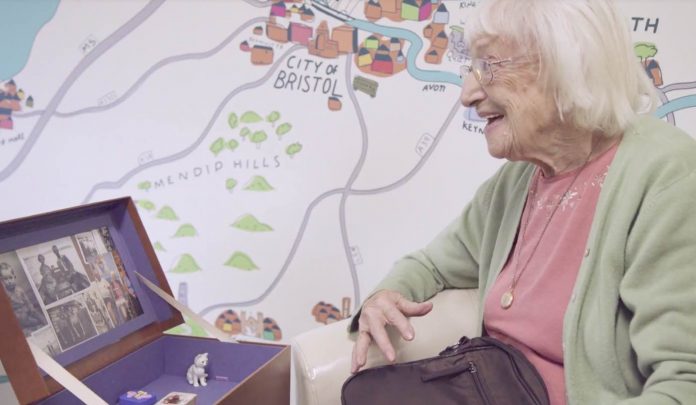
The Music Memory Box was created as a means of using photographs, objects, and music to help people with dementia to remember their past.
The box is programmed to play certain songs that are associated with the various possessions and photos. When one of the objects is placed in the center of the box, a sensor triggers box’s speakers so that it plays the song that corresponds with the object.
28-year-old designer Chloe Meineck says that her great-grandmother’s experience with dementia served as the inspiration for the box. Whenever Meineck when to visit the senior at her nursing home, the woman always failed to recognize her. Upon hearing certain songs, however, Meineck’s great-grandmother would suddenly begin to recall heartfelt stories from her past.
Meineck developed the first box in 2011 when she was taking a 3D-printing course at the University of Brighton. After graduating from school one year later, she designed several dozen prototypes to send to families for testing – and they apparently had remarkable results.
74-year-old Monica Garrity told SWNS that she and her husband Steve, who has dementia, began using the box in 2017 as a means of helping him to remember events from their marriage – and they’ve been regularly using the box ever since.
“We have been able to connect again, it is wonderful,” says Monica. “He doesn’t usually communicate with me but when the music plays, he hums along and even holds out his hand to grab mine. It takes us back to when we got married.”
In addition to receiving dozens of awards for her design, Meineck recently held a Kickstarter campaign in order to fund the manufacturing of the first batch of Music Memory Boxes.
Within two weeks, she was able to raise the necessary funds – and she is now preparing to send out the first batch of pre-ordered boxes.
(WATCH the boxes in action in the heartwarming video below)
Remember To Share This Sweet Story With Your Friends On Social Media…
This Saturday, music stores around the world will be abuzz with special events and releases for Record Store Day 2019 – so here are some of the key highlights.
In addition to the plethora of albums that will be released this weekend, one of the more notable new releases is an album of live performances recorded on the popular “WTF With Marc Maron” podcast.
All of the proceeds generated from the album sales will be donated to Musicians On Call, a charity that uses music to help heal hospital patients.
Additionally, the record – which features intimate garage performances from artists including Aimee Mann, Nick Lowe, and Jason Isbell – is the first album to be released under the official new Record Store Day record label.
Other Record Store Day vinyl releases include new tunes, live sets, raw recordings, collaborations, and new EPs from artists across all genres, only some of which include Bob Dylan, David Bowie, Greta Van Fleet, Janis Joplin, John Lennon, Miley Cyrus, Motorhead, Prince, and Weezer.
Additionally, Pearl Jam was nominated as the official ambassadors for Record Store Day – and they were delighted.
“Independent record stores are hugely important to me, and have been ever since I was 12 years old. Before I even really knew what they were, there was a certain feeling of ‘this is a dream come true,’ and it’s a wonderland and there’s so much to learn in here… and it’s still that way,” says Mike McCready, guitarist and a founding member of Pearl Jam.
“Support every independent record store that you can. They’re really a good part of society. Know if you love music, this is the place to find it. And it helps people who work here and that’s important, too. And it kind of takes an effort, you have to look for something that you want; you have to talk to people. I had to talk to people to figure out which Aerosmith record to get first or anything back in the day. It’s a place to learn. It’s a place to have fun. And it’s a place to discover new music.”
To find a participating record store near you, check out the event’s online store locator for a complete list.
Be Sure And Share The News With Your Fellow Music Fans On Social Media…
When this 18-year-old girl found that she had nowhere to pray in her new city, her neighbors were quick to open their hearts – and their doors.
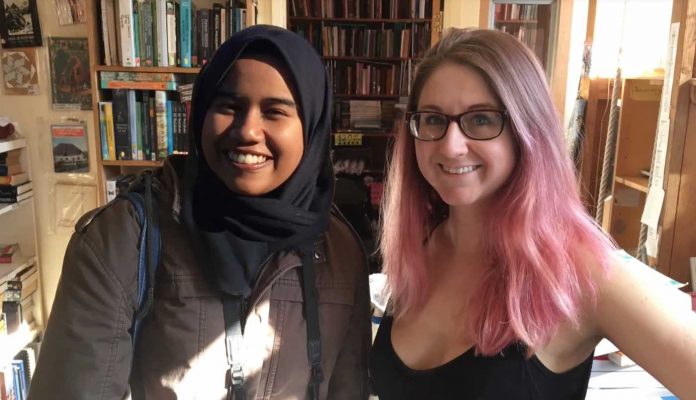
Atul, as her friends call her, is an exchange student who recently moved from Malaysia to Arcata, California so she could attend the public charter school Northcoast Preparatory Academy (NPA).
Because Atul is also a Muslim, she is required to pray five times per day. Though the teen has been happy in Arcata, she quickly found that the city was not equipped with the prayer rooms that she was accustomed to in Malaysia.
“In my country, they are everywhere, as my country is a majority Muslim country,” said Atul.
Shortly after she began raising awareness for her plight in the city, however, several schools and organizations offered up their facilities for her to use as prayer rooms.
The assistant manager of local bookstore Tin Can Mailman even offered up two of their spare rooms for Atul to use for prayer.
“I was so touched by the kind-hearted support I found,” Atul said in a school statement. “Tin Can Mailman gave me two spaces: they explained that one of the spaces might sometimes not be available if there are books on the floor, and in that case, I could always use the other room.”
The teenager says that the offers of support and hospitality have also reaffirmed her faith in humanity, which later prompted her to make a video about her new prayer rooms on Youtube as a thank you to the contributors.
“I was scared at first because I was still wondering ‘What is it like to be a Muslim in America?’” said Atul. “But with my community support, I know that even if we have many differences such as in religion and faith, we still can be connected as human beings. We will never be disconnected as long as we are being kind-hearted to each other.”
(WATCH Atul’s thank you video below)
Share This Sweet Story Of Kindness With Your Friends On Social Media…
In one of the largest studies of its kind, researchers are using “powerful” new gene-editing technology to pinpoint the weaknesses in cancer cells.
If surgery or localized therapy is not an option, then patients are generally forced to undergo chemotherapy and radiation as a means of attacking cancer cells.
Unfortunately, that also means that patients have to endure all of the debilitating side effects and potential health risks that come with it.
Thankfully, scientists from the Wellcome Sanger Institute and Open Targets have developed a groundbreaking new road map that identifies and pinpoints the weakest genetic points of different cancer cells.
In a study that was published in Nature this week, the team used CRISPR technology to disrupt every gene in over 300 cancer models from 30 cancer types and discover thousands of key genes essential for cancer’s survival. The team then developed a new system to prioritize and rank 600 drug targets that show the most promise for development into treatments.
The team focused on common cancers, such as lung, colon and breast, and cancers of particular unmet clinical need, such as lung, ovarian and pancreatic, where new treatments are urgently needed.
However, the team also managed to discover a new genetic weakness called Werner syndrome RecQ helicase, which is common in many stomach and colon cancers – and this discovery could lead to the first treatments capable of targeting the gene and treating the cancers.
CRISPR Screen photo by Wellcome Sanger Institute / Genome Research Limited
The results accelerate the development of targeted cancer treatments and bring researchers one step closer to producing the Cancer Dependency Map, a detailed rulebook of precision cancer treatments to help more patients receive effective therapies.
“The Cancer Dependency Map is a huge effort to identify all the weaknesses that exist in different cancers so we can use this information to empower the next generation of precision cancer treatments,” said Dr. Mathew Garnett, co-lead author from the Wellcome Sanger Institute and Open Targets.
“This tool will be freely available for scientists across the world to understand what makes a cancer a cancer, and how we might target different types of cancers much more effectively than we do today.”
Scientists and pharmaceutical companies are exploring new targeted therapies that selectively kill cancer cells, leaving healthy tissue unharmed. Currently, producing new effective treatments is very difficult; it costs approximately $1-2 billion to develop a single drug, but around 90% of drugs fail during development. Therefore, selecting a good drug target at the beginning of the process can be seen as the most important part of drug discovery.
Dr Francesco Iorio, co-first author from the Wellcome Sanger Institute and Open Targets, said: “To give a new drug the best chance of succeeding in the very final phases of clinical trials, it is crucial to select the best and most promising drug target at the beginning of the drug development process.
“For the first time, in a data-driven way, we provide guidance at a genome-scale on which new therapeutic targets should be put forward for the development of new anti-cancer drugs,” he added.
Professor Karen Vousden, Cancer Research UK’s chief scientist, said: “What makes this research so powerful, is the scale. CRISPR provides a unique tool to accelerate discovery of oncology drug targets, and this study is a salient leap in a positive direction.”
(WATCH the explanatory video below)
Cure Your Friends Of Negativity By Sharing The Good News To Social Media…
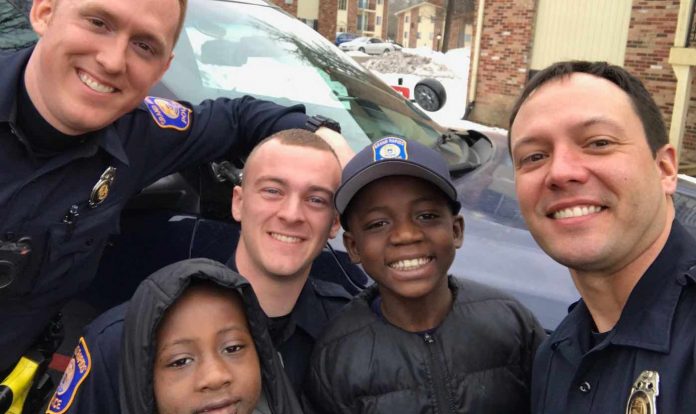
No one is happy about missing their bus – but if young Thomas Daniel had successfully made it onto his school bus last week, he would have never met Officer Lynema.
Lynema, who is with the Grand Rapids Police Department in Michigan, says that he saw the 9-year-old boy chasing after a school bus early in the morning.
Lynema asked Thomas if he wanted a ride to school, which the youngster gratefully accepted (with his mom’s permission).
On the way to school, Thomas invited Lynema to his birthday party that evening. The boy also said that he was worried none of his classmates would show up for the party because he is often bullied in school.
When Lynema attended the party later in the day, he was heartbroken to discover that he and Thomas’s siblings were the only people who had shown up for the party – and the youngster didn’t even have a cake.
The next day, Lynema rallied his fellow police officers and returned to Thomas’s house to throw him a second birthday party.
After Thomas got back from school, he was shocked to come home and find presents, a Krispy Kreme donut cake, and a singing quartet waiting to surprise him – all courtesy of Lynema and his colleagues.
Thomas later said that it was the “best birthday ever.”
The police department posted photos of the youngster and his new friends in hopes that it would inspire other people to take action against bullying.
“No kid should get bullied, and no kid should worry if anyone will come to the party,” wrote the police department Facebook page. “Next year Thomas Daniel, make sure you drop us that invite a little sooner. We wouldn’t want to miss it!”
(WATCH the video below)
Be Sure And Share This Sweet Story Of Kindness With Your Friends On Social Media…