Quote of the Day: “Happiness comes more from loving than being loved.” – J.E. Buckrose
Photo: by Fernando Jiménez, CC license via Flickr
With a new inspirational quote every day, atop the perfect photo—collected and archived on our Quotes page—why not bookmark GNN.org for a daily uplift?
New pill can deliver insulin Capsule that releases insulin in the stomach could replace injections for patients with type 2 diabetes.
Written by Anne Trafton MIT News
Daily needle injections may soon be a thing of the past for diabetes patients thanks to this latest breakthrough.
An MIT-led research team has developed a drug capsule that could be used to deliver oral doses of insulin as a means of potentially replacing the injections that people with type 2 diabetes have to give themselves every day.
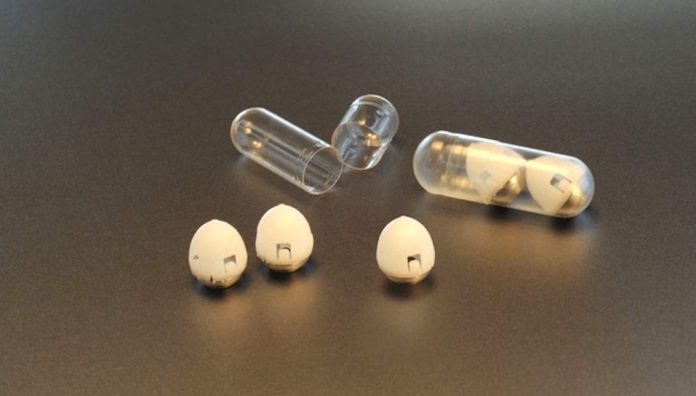
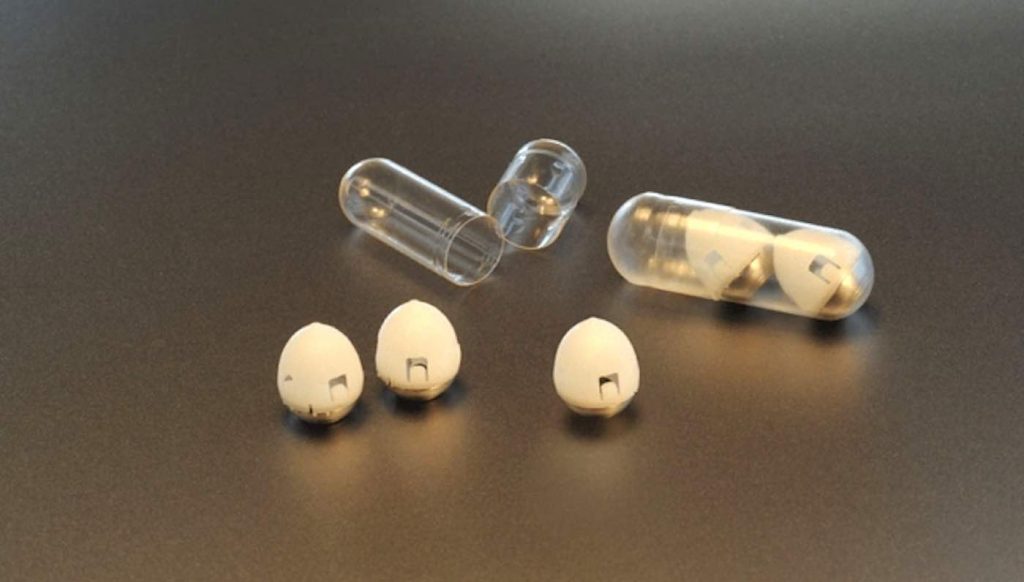
About the size of a blueberry, the capsule contains a small needle made of compressed insulin, which is injected after the capsule reaches the stomach. In initial tests, the researchers showed that they could deliver enough insulin to lower blood sugar levels that are comparable to those produced by skin injections. They also demonstrated that the device can be adapted to deliver other protein drugs.
“We are really hopeful that this new type of capsule could someday help diabetic patients and perhaps anyone who requires therapies that can now only be given by injection or infusion,” says Robert Langer, a member of MIT’s Koch Institute for Integrative Cancer Research and one of the senior authors of the study, which was published in Science earlier this week.
Several years ago, a group of MIT colleagues developed a pill that was coated with tiny needles that could be used to inject drugs into the lining of the stomach or the small intestine. For the new capsule, the researchers changed the design to have just one needle, allowing them to avoid injecting drugs into the interior of the stomach, where they would be broken down by stomach acids before having any effect.
The tip of the needle is made of nearly 100 percent compressed, freeze-dried insulin, using the same process used to form tablets of medicine. The shaft of the needle, which does not enter the stomach wall, is made from another biodegradable material.
Within the capsule, the needle is attached to a compressed spring that is held in place by a disk made of sugar. When the capsule is swallowed, water in the stomach dissolves the sugar disk, releasing the spring and injecting the needle into the stomach wall.
The stomach wall has no pain receptors, so the researchers believe that patients would not be able to feel the injection. To ensure that the drug is injected into the stomach wall, the researchers designed their system so that no matter how the capsule lands in the stomach, it can orient itself so the needle is in contact with the lining of the stomach.
“As soon as you take it, you want the system to self-right so that you can ensure contact with the tissue,” says Giovanni Traverso, a visiting scientist in MIT’s Department of Mechanical Engineering and a senior author of the study.
The researchers drew their inspiration for the technology from the leopard tortoise. This tortoise, which is found in Africa, has a shell with a high, steep dome, allowing it to right itself if it rolls onto its back. The researchers used computer modeling to come up with a variant of this shape for their capsule, which allows it to reorient itself even in the dynamic environment of the stomach.
“What’s important is that we have the needle in contact with the tissue when it is injected,” says Alex Abramson, MIT grad student and first author of the paper. “Also, if a person were to move around or the stomach were to growl, the device would not move from its preferred orientation.”
Once the tip of the needle is injected into the stomach wall, the insulin dissolves at a rate that can be controlled by the researchers as the capsule is prepared. In this study, it took about an hour for all of the insulin to be fully released into the bloodstream.
In tests in pigs, the researchers showed that they could successfully deliver up to 300 micrograms of insulin. More recently, they have been able to increase the dose to 5 milligrams, which is comparable to the amount that a patient with type 2 diabetes would need to inject.
After the capsule releases its contents, it can pass harmlessly through the digestive system. The researchers found no adverse effects from the capsule, which is made from biodegradable polymer and stainless steel components.
Maria José Alonso, a professor of biopharmaceutics and pharmaceutical technology at the University of Santiago de Compostela in Spain, describes the new capsule as a “radically new technology” that could benefit many patients.
“We are not talking about incremental improvements in insulin absorption, which is what most researchers in the field have done so far. This is by far the most realistic and impactful breakthrough technology disclosed until now for oral peptide delivery,” says Alonso, who was not involved in the research.
The MIT team is now continuing to work on developing the technology and optimizing the manufacturing process for the capsules. They believe this type of drug delivery could be useful for any protein drug that normally has to be injected, such as immunosuppressants used to treat rheumatoid arthritis or inflammatory bowel disease. It may also work for nucleic acids such as DNA and RNA.
“Our motivation is to make it easier for patients to take medication, particularly medications that require an injection,” Traverso says. “The classic one is insulin, but there are many others.”
Instead of importing expensive new plastic materials from another country, this architecture studio has started making chairs out of old and discarded local fishing gear.
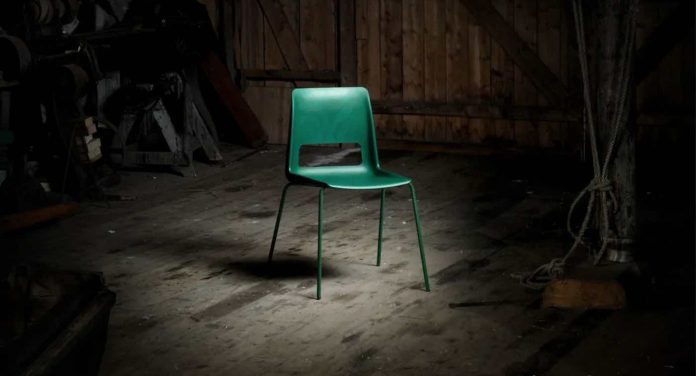
Earlier this week, Nordic architecture studio Snøhetta unveiled their new S-1500 chair – a fixture that is made entirely out of recycled materials.
Though the chair’s plastic texture looks similarly to marble, it is actually mass-produced using old fishing nets and ropes that were contributed by various fishing companies all located within a 12-mile radius of the studio.
“One of our goals was to do a project to inspire and show the industry that you can actually make businesses out of what they today consider as trash,” Snøhetta architect Stian Ekkernes Rossi told Fast Company. “Through design and architecture, plastic becomes a resource.”
The chair was designed for furniture company Nordic Comfort Products and showcased at this year’s Stockholm Design Week. It is expected to go on sale for the general public before the end of the year.
By abstaining from using raw materials to manufacture the chairs, the furniture fixture currently has “one of the lowest carbon footprints in the market” – and the studio hopes that the chair’s design will inspire other companies to think more critically about how they use and source their plastic.
“When you use plastic for certain things that are meant to last, it’s a wonderful material,” says Rossi. “When you misuse it in products with a short life-span, it’s a misunderstanding of the material’s capability.”
(WATCH the company video below) – Photos by Bjørnar Øvrebø / Snøhetta
Be Sure And Share The Green News With Your Friends On Social Media
“I remember Sadie coming in and I said … ‘Mommy needs help,’” Hatcher told First Coast News. “And then, they were gone.”
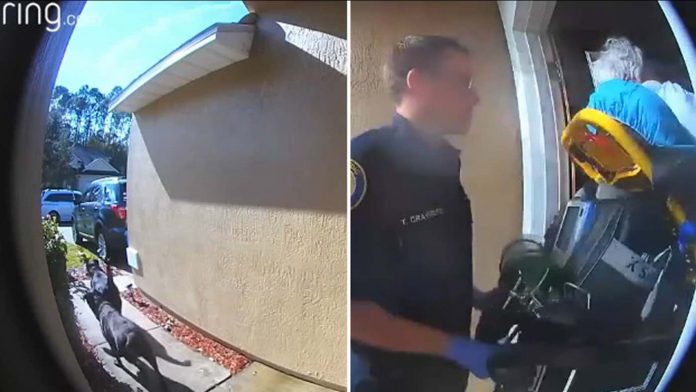
Hatcher’s doorbell camera captured footage of the Labs running out of her front door and into the street. Minutes later, they can be seen returning with Hatcher’s neighbor, Alexandra Naspolini.
Though Naspolini was anxious about entering Hatcher’s home, she knew something was wrong. She then found Hatcher on the ground and called 911.
Paramedics arrived on the scene just in time. They wheeled Hatcher into the ambulance and gave her medical treatment before the stroke could do any serious damage.
Since strokes need to be treated as quickly as possible, the emergency rescuers say that Hatcher’s dogs undoubtably saved her life.
“By rights, I shouldn’t be in the shape that I’m in,” Hatcher said. “I am blessed… very blessed.”
(WATCH the video below)
Be Sure And Share This Pawesome Rescue Story With Your Friends On Social Media
What do I do if I’m fighting with a friend? How do I apologize? What if I want to end the friendship? Young people can learn more about arguing with a friend here: https://t.co/PC1zGRx0pXpic.twitter.com/Zb11VBqnpr
Whether kids are simply having trouble with their homework or they’re suffering from something a little more serious, there is a team of adults who are ready to help at a moment’s notice.
The Kids Help Phone is a nationwide hotline service that offers free counseling, support, guidance, and response to Canadian youth. Teens and children who need help can either text, call, or instant message the hotline for immediate assistance 24 hours a day, 7 days a week.
For almost 30 years, kids have been using the hotline service for advice on things like how to deal with a breakup; LGBTQ issues; coping with toxic friendships; failing grades; dealing with grief; feeling depressed; body image issues; and even child abuse.
Unless the young caller is in immediate danger of being harmed or harming someone else, the hotline can also be used anonymously. However, the adult responders have an online database at the ready with more than 30,000 resources on how to deal with various support issues.
The organization only rolled out their texting services back in November following a successful pilot program that resulted in more than 13,000 text conversations between adult helpers and troubled youngsters, and they have already experienced impressive results.
86% of participants reported a meaningful reduction in stress after finishing a texting conversation with a Crisis Responder, while 87% of respondents reported feeling less alone, less distressed, less upset, more hopeful, more confident and more in-control.
Furthermore, 52% of respondents said that they felt confident that they could cope with their situations after a texting conversation. Almost 100% of respondents said they were satisfied with the service and were likely to recommend the texting service to a friend. On a more serious note, 7% of users said they would have gone to the emergency room if they had not used the service.
“This service fills an important gap in mental health support for youth in Canada – in crisis, in between health care appointments, and for those who are dealing with significant mental health issues,” said Professor Wendy Craig, Head of Psychology at Queen’s University.
The hotline has been hailed as one of the world’s best support systems for troubled youngsters – and based on its continuing success in 2019, mental health advocates are hoping it will inspire similar services outside of Canada in the near future.
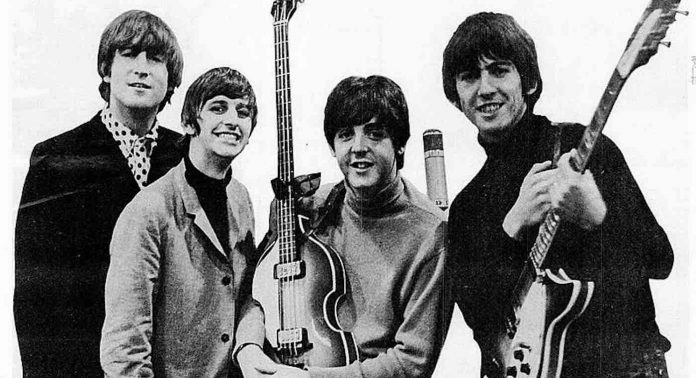
It won’t be long (yeah!) till Fab Four fans will have the chance to revel in a brand new documentary about the Beatles courtesy of a cinematic mastermind.
Sir Peter Jackson, the director of the critically-acclaimed Lord of the Rings trilogy, has been gifted with the task of creating the latest Beatles documentary nearly 50 years after the release of their last studio album.
It seems that the Fab Four still have a great deal to offer their fans, too; with 55 hours of never-before-seen, unreleased footage, and a narrative untold to the public, the documentary seems destined to further cement the Beatles as the greatest, most influential, and persistently relevant music group in modern history.
“The 55 hours of never-before-seen footage and 140 hours of audio made available to us ensures this movie will be the ultimate ‘fly on the wall’ experience that Beatles fans have long dreamt about – it’s like a time machine transports us back to 1969, and we get to sit in the studio watching these four friends make great music together,” said Jackson.
What was originally designed to be a television documentary, naturally developed into a feature-length film, as Peter Jackson gave into his Beatlemania and decided that 60 minutes of airtime was simply not enough.
At the premiere of Ron Howard’s Eight Days a Week, Jackson said: “I’m not a musical expert – and The Beatles are just about the only music I like.”
“I’m thrilled and honored to have been entrusted with this remarkable footage – making the movie will be a sheer joy.”
What is even more exciting than Jackson’s zeal for the project is the promise of an untold narrative; one that negates claims of discord amongst the Beatles during their last months of being a band – and the classic Beatle banter that we’ve grown to love and miss is apparently evermore present in the soon-to-be-released footage.
“I was relieved to discover the reality is very different to the myth,” said Jackson. “Sure, there’s moments of drama – but none of the discord this project has long been associated with.
“Watching John, Paul, George, and Ringo work together, creating now-classic songs from scratch, is not only fascinating – it’s funny, uplifting and surprisingly intimate,” says Jackson.
Don’t Let Your Fellow Beatle Fans Down: Share The Exciting News To Social Media
Quote of the Day: “If you follow your bliss, doors will open for you that wouldn’t have opened for anyone else.” – Joseph Campbell
Photo: by philHendley, CC license, via Flickr
With a new inspirational quote every day, atop the perfect photo—collected and archived on our Quotes page—why not bookmark GNN.org for a daily uplift?
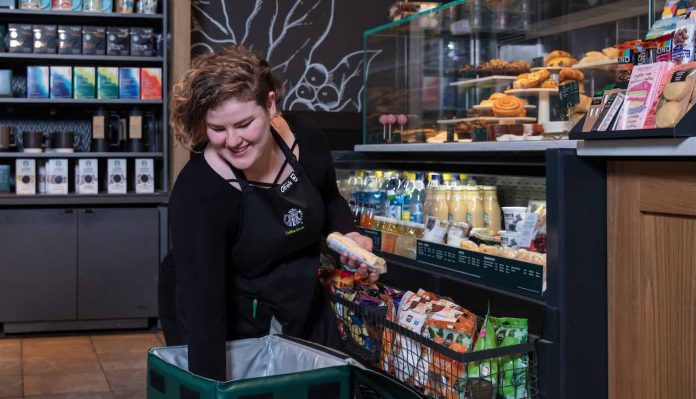
Though Canadian Starbucks stores have always donated unsold pastries and baked goods to charity, the company is now going one step further.
Earlier this week, Starbucks Canada announced the launch of Starbucks FoodShare: a national effort to provide nourishing, ready-to-eat meals to people in need by ensuring that all of their edible, non-expired products will be rescued from the trash can as well.
The FoodShare project is part of the company’s commitment to eventually rescuing 100% of their food available for donation from its more than 1,100 company-owned stores, amounting to a whopping total of 1.5 million meals for the hungry every year.
The initiative, which builds on a successful pilot program with Second Harvest, the largest food rescue organization in Canada, will launch in Ontario starting with more than 250 stores in the Greater Toronto Area by February 22nd. Starbucks is now working to expand the program to even more cities and provinces, with a goal to have a national solution in place by 2021.
“Wasted food is a wide-scale problem for everyone in the food business, while more than 4 million Canadians are impacted by hunger,” says Luisa Girotto, the vice president of public affairs at Starbucks Canada. “This is unacceptable, and we will help solve this now that we have a way to safely donate chilled, perishable food, while preserving its quality.”
Starbucks previously invested in research and quality assurance-testing to develop a sector-leading program ensuring that chilled and perishable food can be safely donated to those in need. This means that nourishing company products, such as breakfast sandwiches, paninis, protein boxes, salads, yogurt, milk and dairy alternatives like soy and coconut, can be safely donated and enjoyed by those in need.
The FoodShare program has identified guidelines and developed a training framework on maintaining food temperature, texture, flavor so that it is guaranteed to maintain its quality and safety. In turn, Second Harvest will work with local community groups across the province to collect the food and enforce the new food safety standards.
“We’re thrilled to partner with Starbucks to support food recovery in local neighborhoods to ensure people have the food they need to be healthy while also making a positive impact on the environment,” says Lori Nikkel, CEO of Second Harvest. “We all have a part to play in reducing the social and environmental costs of food waste and it’s great to see Starbucks taking a leadership role.”
In addition to combatting hunger, the Starbucks FoodShare program will divert food surplus from landfills, which will help to minimize the company’s environmental footprint. In Canada, it is estimated that nearly 60% of all food produced is lost and wasted annually, according to a recent study titled The Avoidable Crisis Of Food Waste. To limit the effects of climate change, the United Nations has set a target of halving food loss and waste by 2030.
The movement to donate unsold food has been gaining momentum globally, with consumers showing increased concern for the greater issue of waste – and this initiative is just one way that Starbucks is joining in on the conservational mission.
Be Sure And Share This Grande Good News Story With Your Friends On Social Media
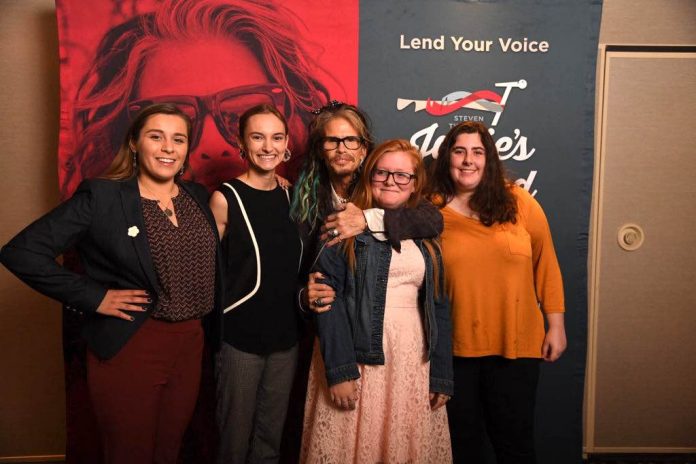
Rock and roll musician Steven Tyler has already donated hundreds of thousands of dollars in order to ensure the health and happiness of abused girls – and now, his money is being used to run a new women’s shelter in Tennessee.
Earlier this week, the Aerosmith frontman attended a ribbon-cutting ceremony for Jamie’s House: a newly-renovated shelter for abused and neglected girls outside of Memphis.
The shelter was opened earlier this week on the Youth Villages Bartlett campus
thanks to a $500,000 donation from Tyler.
Its facilities are designed to offer treatment and accommodations for up to 14 girls who have experienced trauma in the past. The shelter was aptly named after Aerosmith’s hit 1989 song “Janie’s Got a Gun” about a girl who was abused by her family.
This is the second Janie’s House shelter that Tyler has opened. The first facility was opened in Atlanta back in 2017 – and with the help of Tyler’s philanthropic organization, Janie’s Fund, he hopes to open many more shelters in the future.
Janie’s Fund was created in partnership with the Youth Villages nonprofit in 2015. In addition to opening two Janie’s Houses, Tyler also made a $532,000 donation in December to support American foster children after they have aged out of the foster care system.
In total, Tyler’s initiative has raised about $4 million in funding for abused women and children.
(WATCH the news coverage below) – Photo by Janie’s Fund
Your Friends Don’t Want To Miss A Thing, So Be Sure And Share The News To Social Media
The recent US government shutdown was certainly a source of frustration for many federal workers – especially park rangers.
But for the elephant seals of Drake Beach, California, the absence of human activity became a prime opportunity to claim a new home for their nesting season.
As the number of rangers monitoring the coastline just north of San Francisco dwindled during the shutdown, the once visitor-friendly shoreline was occupied by over 100 of the formerly endangered mammals.
In an effort to protect both seals and visitors, the park service of Point Reyes national seashore has closed the beaches until early April, when it is expected for the seals to vacate.
“In January 2019, elephant seals occupied the section of Drakes Beach adjacent to the [visitor center], and, at times, the parking lot and wooden ramps leading up to the visitor center,” the park service announced. “As a result, the entire Drakes Beach area south of the [highway junction] was closed to the public to better protect the elephant seals from disturbance.”
In the weeks following the closure, the elephant seal population has continued to increase, with the arrival of a dozen newborn pups alongside their respective mothers. The isolation, as well as lack of disturbance from visitors, has helped to create a perfect safe haven where the female seals can nurse their young, the pups can explore, and the massive, 12-foot long males can duke it out over territorial disputes.
Since the elephant seal was almost hunted to extinction in the late 19th century, the seal’s resurgence is being celebrated by conservationists.
“If you just get out of the way, wildlife will find their way in,” Chief Seashore Wildlife Ecologist Dave Press told The Guardian.
As the government shutdown nears its conclusion, limited access to the beach has been granted to visitors, allowing them the rare opportunity to observe Drake Beach’s newest residents.
“With the partial government shutdown ended, Point Reyes National Seashore has reopened,” said the NPS in a statement. “The [road and park rangers] will be on site to provide direction, education, and safe elephant seal viewing opportunities for the public. Access may change based upon elephant seal activity.”
Drakes Beach Rd is open today. Remember, it will close at 5pm and the beach itself remains closed pic.twitter.com/FS82HlcJ8D
One man’s heartwarming new friendship with a 16-month-old girl is proving that friendship has no boundaries.
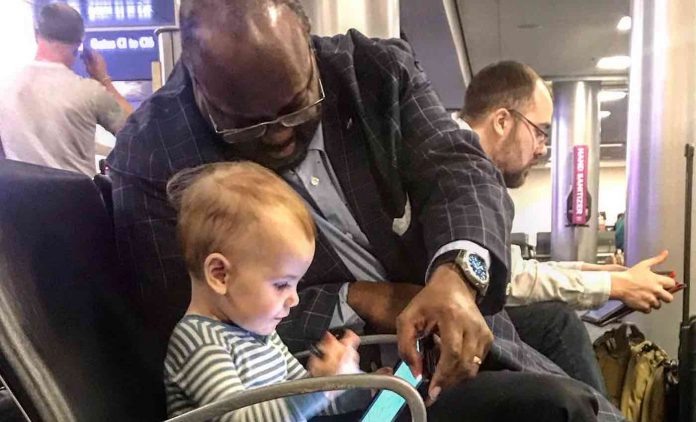
Former US Marine Kevin Armentrout had been waiting to catch a plane from Las Vegas to San Diego with his daughter Carter earlier this week when she started befriending their fellow passengers in the airport.
“[Carter] was being her usual inquisitive self, wanting to meet and say ‘hi’ to everyone she could, until she walked up on this man,” Armentrout wrote in a Facebook post about the encounter. “He reached out and asked if she wanted to sit with him.”
For the next 45 minutes, the man – who was identified only as a Samsung sales manager from Oklahoma named Joseph – taught Carter how to draw pictures on his tablet; watched cartoons with her; and even accepted her generous offer to share her snacks.
“Watching them in that moment, I couldn’t help but think, different genders, different races, different generations, and the best of friends. This is the world I want for her,” wrote Armentrout.
“In a country that is continuously fed that it’s so deeply divided by beliefs, I want her life to be filled with moments like this… not liberal or conservative republican or democrat, socialist or capitalist, just HUMAN.”
Armentrout, who now works as a writer, speaker, and nutritionalist, posted a photo of Carter and Joseph to social media where it has since racked up almost 100,000 shares.
Though Armentrout has reportedly spoken to Joseph since publishing the photo, he made sure to end his post with a heartfelt word of gratitude, saying: “Thank you for showing my daughter what kindness and compassion looks like. Continue to shine your light in the world.”
Be Sure And Share This Sweet Story Of Friendship With Your Own Acquaintances On Social Media
This rock idol didn’t hesitate to hop aboard his private jet and fly first to Trinidad, then 6000 miles to Syria, to reunite a two siblings with their mother. Hear our Good News Guru tell the inspiring story on the radio in Los Angeles—during the February 1, 2019 Ellen K. Morning Show on KOST-103.5.
Quote of the Day: “Happiness is not in the mere possession of money; it lies in the joy of achievement, the thrill of creative effort.” – Franklin D. Roosevelt
Photo: by Statkraft CEOs, CC license, via Flickr
With a new inspirational quote every day, atop the perfect photo—collected and archived on our Quotes page—why not bookmark GNN.org for a daily uplift?
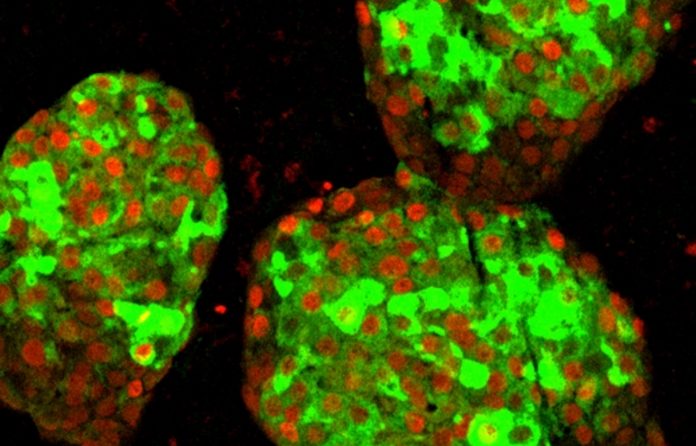
For the first time ever, researchers have successfully transformed human stem cells into mature insulin-producing cells, a major breakthrough in the effort to develop a cure for type 1 (T1) diabetes.
Replacing these cells, which are lost in patients with T1 diabetes, has long been a dream of regenerative medicine, but until now, scientists had not been able to figure out how to produce cells in a lab dish that work as they do in healthy adults.
“We can now generate insulin-producing cells that look and act a lot like the pancreatic beta cells you and I have in our bodies. This is a critical step towards our goal of creating cells that could be transplanted into patients with diabetes,” said Matthias Hebrok, director of the UCSF Diabetes Center and senior author of the new study, which was published in Nature Cell Biology.
T1 diabetes is an autoimmune disorder that destroys the insulin-producing beta cells of the pancreas, typically in childhood. Without insulin’s ability to regulate glucose levels in the blood, spikes in blood sugar can cause serious organ damage and eventually death. The condition can be managed by taking regular shots of insulin with meals, but people with type 1 diabetes still often experience serious health consequences like kidney failure, heart disease and stroke.
Patients facing life-threatening complications of their disease may be eligible for a pancreas transplant from a deceased donor, but these are rare and the wait time is long: Out of the approximately 1.5 million people living with type 1 diabetes in the US, only about 1,000 get pancreas transplants in any given year. The procedure is also risky: recipients must take immune-suppressing drugs for life and many of the transplants end up failing for one reason or another. Transplants of just the pancreatic “islets” – clusters of cells containing healthy beta cells – are currently in clinical trials, but still rely on pancreases from deceased donors.
That’s why Hebrok and other diabetes researchers have long hoped to use stem cells to grow healthy beta cells in a lab so they could be transplanted into patients without the need to wait for a pancreas or islet transplant – but for years, scientists have been unable to figure out how to program stem cells into fully mature beta cells.
“The cells we and others were producing were getting stuck at an immature stage where they weren’t able to respond adequately to blood glucose and secrete insulin properly. It has been a major bottleneck for the field,” Hebrok said.
In the new study, Hebrok and colleagues, led by postdoctoral fellow Gopika Nair, realized that the key to growing lab-grown beta cells into full maturity lay in an overlooked facet of beta cell development – the physical process by which the cells separate from the rest of the pancreas and form the so-called islets of Langerhans.
“A key principle in biology is that form follows function, so we reasoned that the formation of islets might be an important process for beta cells to mature properly,” Nair said.
When the researchers replicated that process in lab dishes by artificially separating partially differentiated pancreatic stem cells and reforming them into islet-like clusters, the cells’ development suddenly leapt forward. Not only did the beta cells begin responding to blood sugar more like mature insulin-producing cells, but the entire islet “neighborhood” – including less well-understood alpha and delta cells – also seemed to develop in ways that had never been seen in a laboratory setting.
The researchers then transplanted these lab-grown “islets” into healthy mice and found that they were functional in a matter of days – producing insulin in response to blood sugar much like the animals’ own islets.
In collaboration with bioengineers, geneticists, and other colleagues at UCSF, Hebrok’s team is already working to move regenerative therapies from dream to reality, for instance by using CRISPR gene editing to make these cells transplantable into patients without the need for immune-suppressing drugs, or by screening drugs that could restore proper islet function in patients with T1 diabetes by protecting and expanding their few remaining beta cells to reboot pancreatic insulin production.
“Current therapeutics like insulin injections only treat the symptoms of the disease,” Nair said. “Our work points to several exciting avenues to finally finding a cure.”
“We’re finally able to move forward on a number of different fronts that were previously closed to us,” Hebrok added. “The possibilities seem endless.”
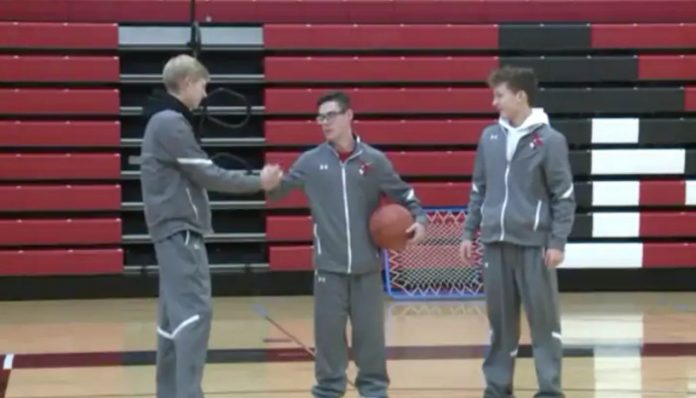
Clay Warner has worn his basketball uniform to every single one of his high school games, waiting on the bench for his chance to play – but until last week, he had never been called onto the court.
The 18-year-old senior plays defense for the Comets team at North Polk High School in Iowa. Though he has been called the “heart and soul” of the team, his coaches have never brought him into play out of concern that he would get hurt.
This is because Clay is legally blind – even when he wears glasses. His mother says that he was born as a “micropreemie” with cerebral palsy at just 23 weeks old, although he manages to aim for the basketball hoop by focusing on the right corner of his glasses.
So in lieu of the high school’s Senior Night last week, Clay’s coach finally called him onto the court during the final minute of the game. With the audience already giving him a standing ovation, Clay got into position as the crowd cheered him on.
“I wanted to get him in. It was Senior Night,” the head coach told WHO-TV in the interview below. “If there’s an opportunity that presented itself, I wanted to take it advantage of it. All the players were for it, too.”
Once the game was back in play, one of Clay’s teammates passed him the ball – and though he has been shooting hoops since he was in third grade, this was the first time he had ever taken a shot on his high school basketball team.
As the crowd waited with baited breath, Clay took the shot and sank the ball clean through the net, barely touching the rim – and the spectators erupted in wild cheers.
“This whole gym was yelling my name,” Clay told the news outlet. “Everything, both benches were jumping. The whole crowd was going crazy. It was like I was a little kid again.”
(WATCH the footage below) – Photo by WHO-TV
Score Big With Your Friends By Sharing The Inspiring Story To Social Media
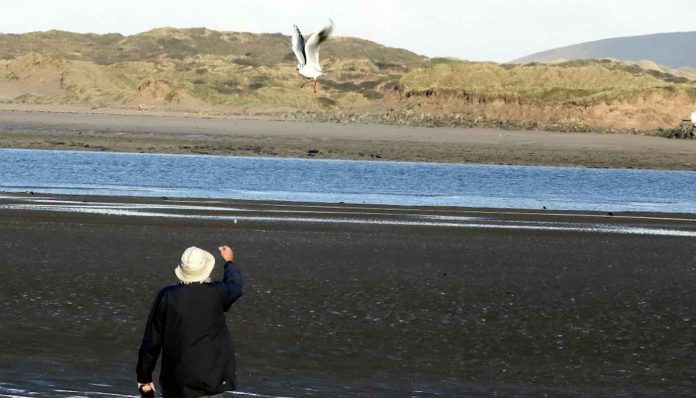
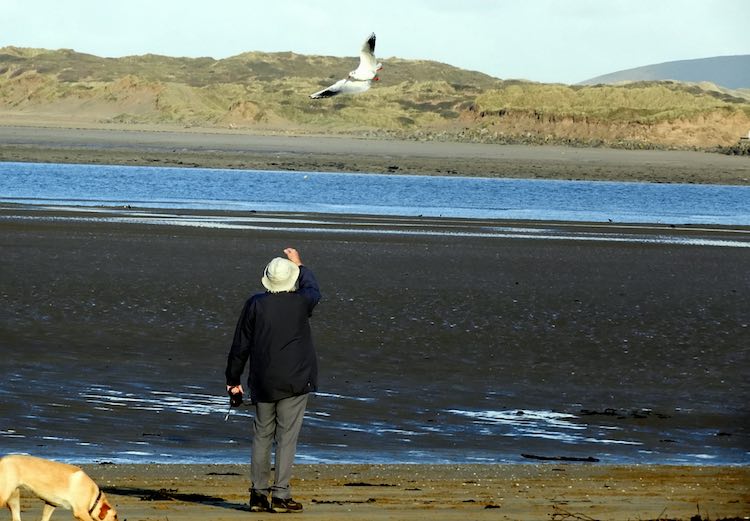
It has been 12 years since this elderly man saved the life of a seagull – and it still returns to visit him every day.
John Sumner and his feathered friend ‘Chirpy’ have developed a unique bond since they started spending a portion of each chilly seasonal day playing together on the beach.
Sumner first met Chirpy when the bird had a broken leg. Luckily for the seagull, Sumner helped to nurse him back to health.
“I saw him screaming and shouting above my head in agony and I did not know what to do,” recalled 80-year-old Sumner. “The next day he came around me again and tried to land, but was screaming in pain. I did not think he would live, his leg was completely broken.”
To help the bird, Sumner fed it dog biscuits that he had originally brought along to the beach for his pet Jack; a tradition that he has repeated every time he has returned to the sandy shores.
With the help of his human counterpart, Chirpy’s leg healed, and although it was a bit crooked, the bird was back to his regular self – and it now shares a special friendship with Sumner.
SWNS
“He comes right up to me, he gets so close. He won’t go to anybody else but me, so he has got some sort of relationship with me,” says Sumner. “In March, he will go off and do his natural thing and then in September, he is back with me as normal after they have done their nesting.
Chirpy, who is believed to be around 20 years old, won’t approach anyone else on Instow Beach near Yelland, Devon – but the bird will fly straight over to Sumner as soon as he arrives.
“There’s not that many black-headed gulls on Instow Beach. If there was more than 20, I’d be surprised,” he added. “He encourages the rest to come over, but he is the only one that comes close to me and he will just stay there and hover.
“People are aghast when I tell them, they can’t believe a seagull would come back like that. It makes you wonder what kind of world we actually are in – do they know more than we think they know?”
SWNS
Be Sure And Share This Sweet Story Of Boyfriend And Gull-Friend To Social Media
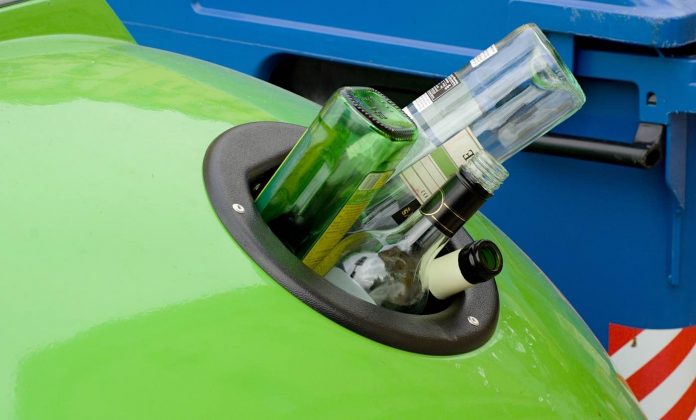
A statewide program which pays consumers for their beverage containers has resulted in a recycling rate that is more than double the national average.
The recycling rate of Oregon’s bottle exchange program reached an all-time high in 2018 when it reported that 90% of its deposits were recycled, resulting in over 2 billion beverage containers being saved from landfills.
This is a drastic improvement from 2016 when the state recycling rate was at just 64% – and it’s even more impressive considering how the national recycling average is only about 40%, according to the Oregon Beverage Recycling Cooperative.
“That’s a really interesting thing given how much change is happening in recycling markets right now,” the collective’s Joel Schoening told NPR. “Because we deal only in glass, plastic and aluminum with very few exceptions, we have a very clean recycling product, which makes it easier to sell and recycle domestically.”
The program incentivizes state residents to recycle by offering them 10 cents for every glass, aluminum, and plastic container that is dropped off at their BottleDrop locations. Additionally, the cooperative has teamed up with Oregon breweries to create reusable bottles that are thicker and more durable than normal glass bottles. This way, the BottleDrop processing system can easily detect and separate the bottles so that they can be given back to the breweries for reuse.
The cooperative says that the program’s success is largely thanks to the Oregon Liquor Control Commission upping the bottle redemption rate from 5 cents to 10 cents when recycling rates failed to reach state goals in April 2017. As a result of that extra nickel, the recycling redemption rate skyrocketed from 59% to 82% for the remainder of the year.
Pass On The Positivity To Your Friends On Social Media By Sharing The Good News To Your Feed
Quote of the Day: “Great is the art of beginning, but greater is the art of ending.” – Henry Wadsworth Longfellow
Photo: by mcdarius, CC license, via Flickr
With a new inspirational quote every day, atop the perfect photo—collected and archived on our Quotes page—why not bookmark GNN.org for a daily uplift?
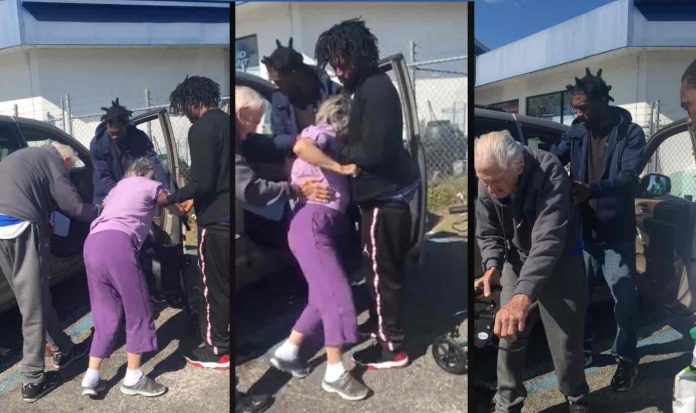
Three young men are being praised for coming to the aid of a 100-year-old man who was having trouble helping his exhausted wife into their car’s passenger seat.
The good deed was caught on camera thanks to Officer Kanesha Carnegie of the Levy County Sheriff’s Office in Bronson, Florida.
The policewoman had been in a gas station parking lot in Williston when she saw 89-year-old Rose Griest struggling to get back into her car.
The elderly couple had reportedly stopped on their way to a medical appointment in order for Griest to use the gas station bathroom. Upon returning to the car, however, Griest was so exhausted from the trip she could barely stand.
Carnegie was about to go over to offer her assistance to the Griests when she saw three young rappers from the neighborhood approach the couple and help them into their car.
Carnegie, who recognized the three friends as Joc Koe Stoe, Marty, and Freddy G, instead asked their permission to film the exchange so she could inspire other people with their act of compassion.
“It was a beautiful thing to see,” Carnegie told Yahoo! News. “I know these men from the neighborhood, and I wanted them to have that moment to show who they really are.”
Since uploading the video to Facebook last week, it has been viewed millions of times.
(WATCH the heartwarming clip below) – Photo by Kanesha Carnegie
Be Sure And Share This Sweet Story Of Positivity With Your Friends On Social Media
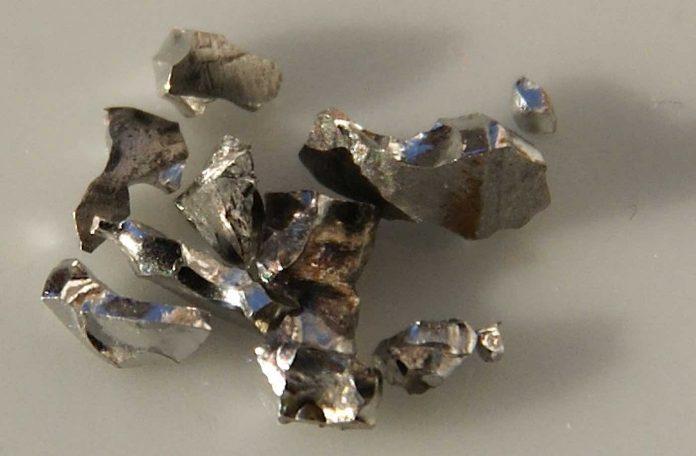
This alien metal was found on the meteor that wiped out the dinosaurs – but now, it could be used to cure cancer, according to new research.
The metal, which is known as iridium, is one of the world’s rarest elements. Experiments show that it penetrates the nucleus of cancer cells by latching onto the blood protein albumin. After the metal is injected into the nucleus of cancer cells, the material can then be blasted with a laser beam to produce a poisonous form of oxygen that is deadly for tumor cells and harmless for healthy ones.
This treatment, which is known as photodynamic therapy, activates the metal to kill the cancer cells through oxidization, where the cells’ own oxygen is converted into a lethal form. More importantly, healthy tissue is unaffected.
British scientists say that it could revolutionize treatment for the deadliest forms of the disease. Professor Peter Sadler, from the department of chemistry at Warwick University, said: “It’s amazing this large protein can penetrate into cancer cells and deliver iridium which can kill them selectively on activation with visible light.
“If this technology can be translated into the clinic, it might be effective against resistant cancers and reduce the side effects of chemotherapy.”
He said iridium can be applied locally and in smaller doses. His international team used a special organic coating to hook up iridium to albumin, causing it to glow very brightly. Under powerful microscopes, they tracked its passage into lung cancer tumors grown in the lab and found that the process had destroyed the growths. The next step for the treatment is pre-clinical animal trials.
Photodynamic therapy is based on chemical compounds called photosensitizers that produce oxidizing species when switched on by lasers. It’s already being used to treat a range of common cancers including those of the skin, breast, and lung.
What is more, albumin was able to deliver it right into the nucleus of cancer cells, which contains all of the cancer’s genetic material.
The dormant iridium can then be turned on by red laser light irradiation, destroying them from their very center. The bright luminescence of the iridium allowed its accumulation in the nucleus of tumors – and its activation leading to the death of cells – to be followed in real-time.
Co-author Dr, Cinzia Imberti, who is also from Warwick, said: “It’s fascinating how albumin can deliver our photosensitiser so specifically to the nucleus.
“We are at a very early stage, but we are looking forward to see where the pre-clinical development of this new compound can lead.”
With cancer becoming resistant to certain treatments, it’s crucial to find other methods such as this. Additionally, the precious platinum metal is already used in over half of cancer chemotherapies.
Though iridium can be found deep within the Earth’s crust, it is more commonly found in meteorites and asteroids, such as the massive seven-mile wide space rock that landed 66 million years ago, killing off 70% of living species – including the dinosaurs.
The brittle silvery-white metal was found in the world-famous Chicxulub crater underneath the Yucatan Peninsula, which was created as a result of the asteroid strike believed to be responsible for the death of the dinosaurs.
Sadler believes other precious metals like iridium – which are safe with minimum side-effects – can potentially combat treatment resistance, saying that: “It’s certainly now time to try to make good medical use of the iridium delivered to us by an asteroid 66 million years ago.”