Quote of the Day: “Nature always seems trying to talk to us as if she had some great secret to tell. And so she has.” – John Lubbock
Photo: copyright 2019 – GWC
With a new inspirational quote every day, atop the perfect photo—collected and archived on our Quotes page—why not bookmark GNN.org for a daily uplift?
This week, Apple announced a comprehensive $2.5 billion plan to help address the housing availability and affordability crisis in California.
As costs skyrocket for renters and potential homebuyers—and as the availability of affordable housing fails to keep pace with the region’s growth—community members like teachers, firefighters, first responders, and service workers are increasingly being forced to relocate to cheaper housing further away from their jobs.
Nearly 30,000 people left San Francisco between April and June of this year and homeownership in the Bay Area is at a seven-year low.
“Before the world knew the name Silicon Valley, and long before we carried technology in our pockets, Apple called this region home, and we feel a profound civic responsibility to ensure it remains a vibrant place where people can live, have a family and contribute to the community,” said Tim Cook, Apple’s CEO. “Affordable housing means stability and dignity, opportunity and pride. When these things fall out of reach for too many, we know the course we are on is unsustainable, and Apple is committed to being part of the solution.”
Apple designed its initiative to accelerate and expand new housing production; jump-start long-term developments that would otherwise not be possible; help first-time buyers purchase homes; and support new housing and programs to reduce homelessness, after extensively studying the issue and listening to different perspectives.
In partnership with Governor Gavin Newsom, the state of California and community-based organizations, Apple is providing a significant investment that offers statewide housing support as well as funding for projects in Silicon Valley and the Bay Area.
“This unparalleled financial commitment to affordable housing, and the innovative strategies at the heart of this initiative, are proof that Apple is serious about solving this issue. I hope other companies follow their lead,” said Gavin Newsom, governor of California. “The sky-high cost of housing. . . can only be fixed by building more housing. This partnership with Apple will allow the state of California to do just that.”
Apple’s commitment to the state of California includes their new $1 billion affordable housing investment fund committed to the state of California, which is a first-of-its-kind affordable housing fund that will provide the state and others with an open line of credit to develop and build additional new, very low- to moderate-income housing faster, and at a lower cost.
Additionally, the tech company is working with the state to launch their $1 billion first-time homebuyer mortgage assistance fund for first-time homebuyers, which will provide aspiring homebuyers with financing and down payment assistance.
The funding commitment to California is expected to take approximately two years to be fully utilized depending on the availability of projects. Capital returned to Apple will be reinvested in future projects over the next five years.
In addition to these initiatives, Apple is working to identify private developers who, with the right financing and investment, are ready to start construction on affordable housing projects in the Bay Area immediately.
Apple will also provide $200 million to support new lower-income housing and help some of the most vulnerable populations in the Bay Area:
$150 million Bay Area housing fund: In a public-private partnership, Apple is launching a new $150 million affordable housing fund with partners including Housing Trust Silicon Valley to support new affordable housing projects. The fund will consist of long-term forgivable loans and grants.
$50 million to support vulnerable populations: Apple will donate $50 million to support Destination: Home’s efforts to address homelessness in Silicon Valley and focus its contribution on driving systemic change across the many factors affecting homelessness. Apple will also be identifying similar efforts in Northern and Southern California, focusing on strategies that both end and prevent homelessness.
“We’re so grateful that Apple has made this significant philanthropic commitment towards solving Silicon Valley’s growing homelessness crisis,” said Jennifer Loving, Destination: Home’s CEO. “With this generous contribution, we’ll be able to scale two proven strategies for reducing homelessness in our community: the production of more permanently affordable housing for our most vulnerable residents and an expansion of prevention programs that help at-risk families remain stably housed.”
One of the first projects Apple will fund as part of its philanthropic commitment to Destination: Home will be an expansion of the organization’s Homelessness Prevention System, a network of service providers offering employment assistance, legal aid, rent subsidy, case management and other support to reduce homelessness.
“We have worked closely with leading experts to put together a plan that confronts this challenge on all fronts, from the critical need to increase housing supply, to support for first-time homebuyers and young families, to essential philanthropy to assist those at greatest risk,” said Lisa Jackson, Apple’s vice president of Environment, Policy and Social Initiatives. “Apple is committed to being a good neighbor and helping to write the next chapter of the region that has been a great home of innovation and creativity for generations.”
By putting its $2.5 billion investment to use across multiple initiatives and partners, Apple’s housing initiative offers a comprehensive and multi-pronged approach to address some of the most urgent challenges facing affordable housing in California. This initiative is a major step, and Apple will continue looking for ways to support communities and affordable housing.
Be Sure And Share The Good News With Your Friends On Social Media – File photo by Ibudiallo
“Never give up on your dreams”; “education is the best legacy”; and “believe in yourself” are just a few examples of the best pieces of advice given to Americans by their role models, according to new data.
A survey of 2,000 Americans found that 74% of respondents had or currently have a role model—and intelligence, leadership skills, and confidence in their abilities are the top three characteristics we admire in those we look up to.
Conducted by OnePoll on behalf of the University of Phoenix, the survey found that ‘dad’ is the one most likely to exemplify those traits—and he was chosen as the top role model by 47% of respondents .
Mom was a close second (42%), followed by a favorite teacher or professor (41%).
RESPONDENTS’ TOP ROLE MODELS
1. Dad
2. Mom
3. Teacher/professor
4. Celebrity (actor, athlete, etc.)
5. Coach or other instructor (arts, music, etc.)
6. Historical figure
7. Manager/boss
8. Pastor or youth leader
9. Family friend
10. Friend
But the survey looked at more than just who our role models are; it also delved into the influence they have on our lives.
The vast majority of those with a role model (81%) say their role model has influenced some of life’s major decisions.
This includes advice on overcoming obstacles, setting financial goals, helping respondents choose a career path, and encouraging them to finish their degree.
55% percent of those with a role model said the person they look up to motivated them to pursue higher education—and when things got tough and they wanted to quit, 55% said their role model encouraged them to continue their schooling.
Additionally, 86% said their role model encouraged them to be a lifelong learner.
Turns out, that’s an important part of being a role model: Three-quarters of those surveyed believe that young people’s perception of education is influenced by their role model.
The survey also revealed that 56% of respondents believe they are themselves a role model for others.
The top ways they’re exhibiting the traits of a role model include making a difference in their local community (61%) and following their moral and ethical convictions (57%). Those were followed by working to achieve personal goals, as well as continuous learning and upskilling (54%, each).
BEST ADVICE GIVEN BY ROLE MODELS
• Never give in to critics
• Always be proud of who you are
• Be yourself and love yourself
• There will never be a shortcut to success
• Fight for your dreams
• Be loyal and honest
• Readers are leaders
• Set goals and follow them
• You are a product of what you think of yourself
• Facing obstacles makes your stronger
• Believe in yourself
• Always save for tomorrow
• Education is the best legacy
• We are built to learn
• Never give up on your dreams
Be Sure And Share The Inspiration With Your Friends On Social Media…
Breast cancer could be detected up to five years before there are any clinical signs of it, using a blood test that identifies the body’s immune response to substances produced by tumor cells.
Cancer cells produce proteins called antigens that trigger the body to make antibodies against them: autoantibodies. According to new research presented at the 2019 NCRI Cancer Conference earlier this week by researchers at the University of Nottingham (UK), these tumor-associated antigens (TAAs) are good indicators of cancer, and now they have developed panels of TAAs that are known already to be associated with breast cancer to detect whether or not there are autoantibodies against them in blood samples taken from patients.
In a pilot study, the researchers took blood samples from 90 breast cancer patients at the time they were diagnosed with breast cancer and matched them with samples taken from 90 patients without breast cancer (the control group).
They used screening technology (protein microarray) that allowed them to screen the blood samples rapidly for the presence of autoantibodies against 40 TAAs associated with breast cancer, and also 27 TAAs that were not known to be linked with the disease.
“The results of our study showed that breast cancer does induce autoantibodies against panels of specific tumor-associated antigens,” said Daniyah Alfattani, a PhD student in the group who presented the research at the NCRI Conference. “We were able to detect cancer with reasonable accuracy by identifying these autoantibodies in the blood.”
The researchers identified three panels of TAAs against which to test for autoantibodies. The accuracy of the test improved in the panels that contained more TAAs. The panel of five TAAs correctly detected breast cancer in 29% of the samples from the cancer patients and correctly identified 84% of the control samples as being cancer-free. The panel of seven TAAs correctly identified cancer in 35% of cancer samples and no cancer in 79% of control samples. The panel of nine antigens correctly identified cancer in 37% of cancer samples and no cancer in 79% of the controls.
“We need to develop and further validate this test,” said Alfattani. “However, these results are encouraging and indicate that it’s possible to detect a signal for early breast cancer. Once we have improved the accuracy of the test, then it opens the possibility of using a simple blood test to improve early detection of the disease.”
The researchers are now testing samples from 800 patients against a panel of nine TAAs, and they expect the accuracy of the test to improve with these larger numbers.
“A blood test for early breast cancer detection would be cost effective, which would be of particular value in low and middle income countries. It would also be an easier screening method to implement compared to current methods, such as mammography,” said Alfattani.
The researchers estimate that, with a fully-funded development program, the test might become available in the clinic in about four to five years.
A similar test for lung cancer is currently being tested in a randomized controlled trial in Scotland, involving 12,000 people at high risk of developing lung cancer because they smoke. They have been randomized to have (or not) an autoantibody blood test called ELISA (Early CDT-Lung). Participants who test positive for the autoantibodies are then followed up with a CT scan every two years in order to detect lung cancer in its early stages when it is easier to treat.
The CEAC group is also working on similar tests for pancreatic, colorectal and liver cancers. Solid tumors like these, as well as lung and breast cancer, represent around 70% of all cancers.
“A blood test capable of detecting any of these cancers at an early stage is the over-riding objective of our work,” concluded Alfattani.
“Early diagnosis using simple, non-invasive ways of detecting the first signs of cancer is a key strategic priority for NCRI and something we’d all like to see working in practice,” said NCRI CEO Dr. Iain Frame. “The results from this pilot study for a blood test to detect early breast cancer are promising and build on this research group’s expertise in other cancers, such as lung cancer. It’s obviously early days but we look forward to seeing the results from the larger group of patients that are now being investigated.”
Nara Kim, Campaign Manager of HSI Korea, interacts with Big Ben at a dog meat farm in Yeoju, South Korea, on Tuesday, September 24, 2019. The operation is part of HSIs efforts to fight the dog meat trade throughout Asia. In South Korea, the campaign includes working to raise awareness among Koreans about the plight of meat dogs being no different from the animals more and more of them are keeping as pets.
Photo by Jean Chung / HSI
After one year of tireless advocacy work, the South Korean city of Seoul has finally been declared free of dog slaughter.
Seoul’s last three dog meat shops have agreed to end dog slaughter on-site, following over a year of campaigning from Seoul’s Mayor Park Won-soon and the Seoul Metropolitan Government.
The initiative has been welcomed by leading animal charity Humane Society International/Korea, which has been active in South Korea working with dog meat farmers to close farms, rescue dogs, and drive change.
HSI/Korea has so far rescued more than 1,800 dogs and closed 15 dog meat farms in South Korea since they began their work in the city back in 2015. Additionally, the organization has helped farmers to close down their dog meat farms and transition to alternative, more humane livelihoods, as dog farmers are increasingly keen to exit the controversial trade due to societal shame, family pressure and decreasing profits.
Dog meat consumption is also declining rapidly in South Korea, particularly among younger generations. A survey by Gallup Korea conducted in June 2018 shows that 70% of South Koreans say they will not eat dog meat in future. In July this year HSI/Korea assisted in the closure of South Korea’s notorious Gupo dog meat market in Busan, following the closure the previous year of Taepyeong, the largest dog slaughterhouses in the country in Seongnam.
“I am so happy to see Seoul’s last remaining dog meat shops end dog slaughter,” said Nara Kim, dog meat campaign manager for Humane Society International/Korea. “Although these shops can still sell dog meat, it is nonetheless wonderful to see South Korea take one step further away from this dying industry that most Koreans want nothing to do with. It gives me hope that South Korea’s future is dog meat-free.
“HSI/Korea will continue working with the government, and supporting farmers who no longer want to work in the dog meat trade, so that one day we will be able to celebrate the closure of South Korea’s final dog slaughterhouse,” she added.
Nara Kim, Campaign Manager of HSI Korea, interacts with Big Ben at a dog meat farm in Yeoju, South Korea, on Tuesday, September 24, 2019. The operation is part of HSIs efforts to fight the dog meat trade throughout Asia. In South Korea, the campaign includes working to raise awareness among Koreans about the plight of meat dogs being no different from the animals more and more of them are keeping as pets. Photo by Jean Chung / HSI
Be Sure And Share The Pawesome Good News With Your Friends On Social Media…
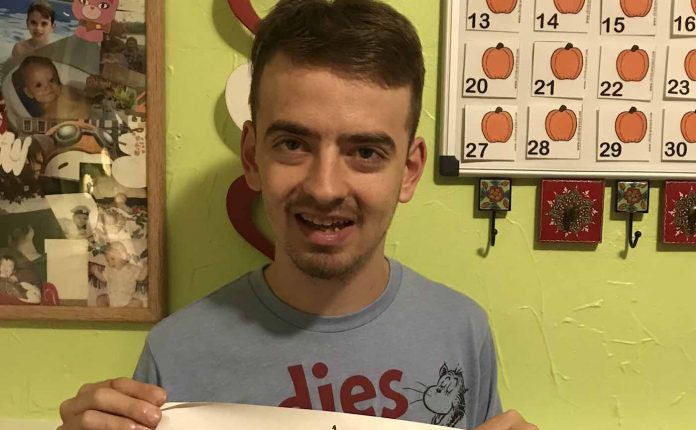
Since 21-year-old David Bloch is mostly nonverbal, he doesn’t often say things to his parents—and since the autistic young man also has a rare immunodeficiency disorder, he rarely spends much time outdoors.
This means that David doesn’t really have any friends in his hometown of Neptune Beach, Florida. He has been homeschooled his entire life, and he hasn’t spent much time around other people his own age.
But after he recently asked his mother a question for the first time in his life, he has made thousands of friends all over the world.
David and his mother Kerry were watching television together earlier this week when he asked her a simple, but heart-wrenching question: “Would someone like me?”
“I was flabbergasted,” she told BBC. “That’s the first question he has ever said to me. I left the room because I had to cry. I didn’t want David to think I was upset.”
Upon regaining her composure, Kerry told her son that there were “thousands of people” out there who would like him. She was so moved by the conversation, she later made a Twitter post about the incident and shared it with her few hundred social media followers—and she was stunned by the response.
My 21 year old autistic son has no communication skills. Today he asked me his first question ever. It was. “Would someone like me?” pic.twitter.com/vw1DMQN9s8
Despite how Kerry does not use Twitter for very much other than following other parents of autistic children, her post began receiving thousands and thousands of responses from strangers all over the world.
David has received messages of encouragement from firefighters, police departments, sports stars, and even basketball players from his favorite sports team.
Since his post has gone viral, David is apparently “a changed boy”. In addition to smiling constantly, he is now insisting on responding to every single message so that none of his new friends feel left out.
Quote of the Day: “Confidence isn’t optimism or pessimism, and it’s not a character attribute. It’s the expectation of a positive outcome.” – Rosabeth Moss Kanter
Photo: by Droid Gingerbread – CC license on Flickr, cropped
With a new inspirational quote every day, atop the perfect photo—collected and archived on our Quotes page—why not bookmark GNN.org for a daily uplift?
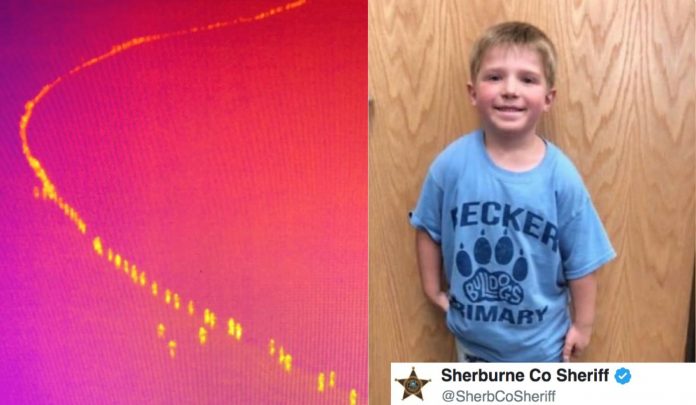
A 6-year-old walked away from his Minnesota home with his dog as the sun was setting and, after hours of temperatures dropping, the worried Sheriff’s Department needed help—and hundreds of citizens in Sherburne County heeded the call, including a man with an expensive piece of hardware.
Steve Fines was scrolling through Twitter and saw the official tweet announcing that a boy was missing. Fines lived nearby and knew that the neighborhood was filled with “cornfields and swampy woods with ankle-deep water”, not ideal conditions for finding a child in the dark.
His company, Fines Imaging, owns a heat-seeking drone, so he headed to the scene where 600 volunteers had turned out to search for Ethan and his dog.
A little before 11:00, Fines posted on Facebook, saying his $30,000 thermal camera “lets me cover lots of wet ground that people can’t walk easily,” but admitted that he’d had “no luck yet.”
The Washington Post says he uses the drone to help farmers find runaway livestock by pinpointing their body heat.
It was about 30 degrees in Palmer Township, but skies were clear.
While Fines was running the camera in the dark, he took an astonishing photo that showed a long line of bright spots, showing all the people out in a field getting ready to walk across in a search pattern—literally hundreds of people in wet, muddy ground, in freezing temperatures at 1:00 a.m. because they wanted to help.
Courtesy of Fines Imaging / finesaerial.com
“I only knew in which direction to look because volunteers on the ground had found a footprint that pointed me in the right direction. I knew which areas had already been searched because of the excellent coordination of the Sherburne County Sheriff.”
At about 1:50 a.m., a little more than a mile to the east of his home, Ethan Haus and Remington were found lying down shivering in the field when the drone spotted their heat signatures. Fines knew it was a dog, because of his career experience spotting deer and other animals.
Ethan was cold but was otherwise in good health, according to the Sheriff Joel Brott.
“This truly was the epitome of a community caring for its own,” Brott said. “To see the outpouring of support in such a short time period to come out and help find this boy and his dog is heartwarming.”
The Sheriff posted the drone photo from Fines Imaging depicting the endless line of volunteers, which elicited heartwarming praise and gratitude.
One volunteer who was in the cornfield commented on how the drone was able to expand the limited line of sight available to those on the ground: “You brought your talent and equipment to do something for the greater good. A state patrol helicopter spent 6 hours on site, but you made it happen.”
Steve Fines / Facebook
Brenda Haus, Ethan’s aunt, wanted to personally thank Steve for his part in helping find her nephew.
“I wish I could hug and personally thank every single person that was there because it truly was amazing! No one ever gave a up hope including you… You will forever be in our hearts as we are so grateful that you could be such a big part of helping us get him home! Thank you again from the bottom of our hearts!”
Searching For The Meaning of Community? SHARE This Story as the Answer…
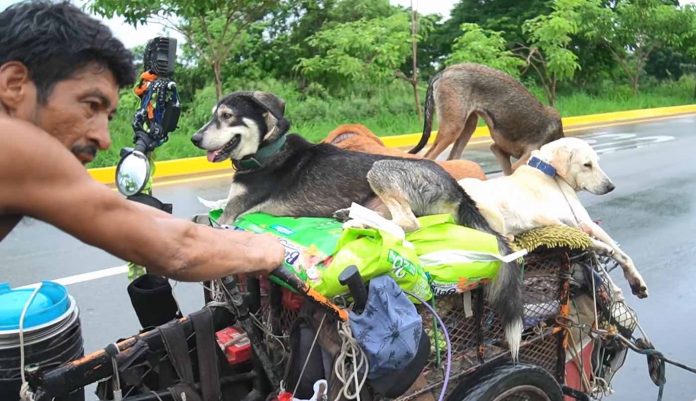
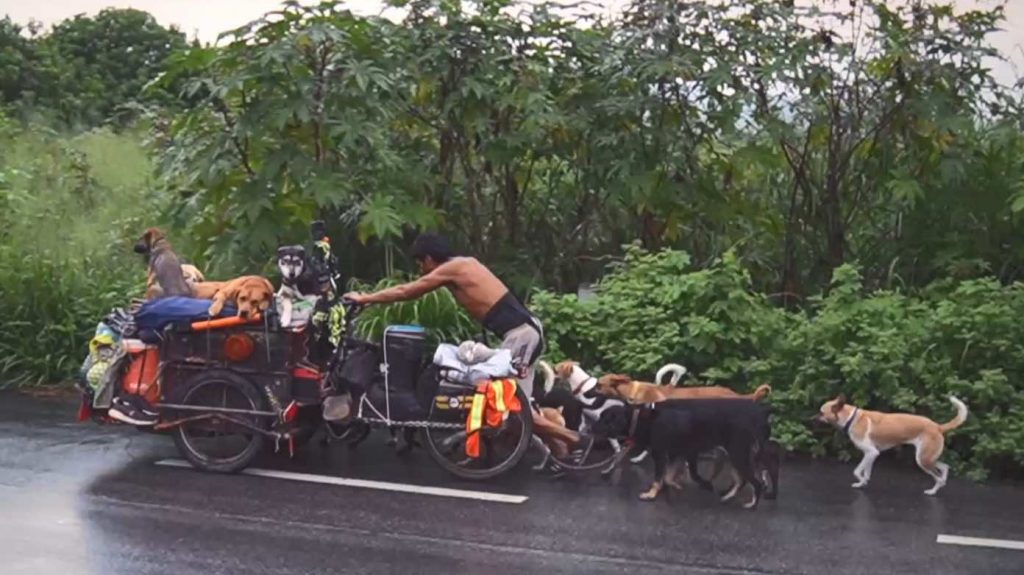
A few months ago, Stuart Williams was driving out of the small Mexican town of Mazunte, Oaxaca, when he saw a peculiar sight on the side of the road. A man was pushing a trolley down the road surrounded by a dozen dogs.
“Dogs were on top of his trolley. Dogs were behind him, in front of him and by his side. Tails were wagging furiously, barks were sounding and he just kept pushing his trolley through the heat,” he told GNN.
All photos by Stuart Williams, The Yogi Photographer
Williams calls himself the ‘Yogi Photographer’ and after hearing the story of Edgardo “Perros” Juarez, he produced a short documentary about this humble man who has single-handedly rescued almost 500 dogs.
Edgardo is walking the entire perimeter of Mexico saving sick and injured street dogs along the way.
On the road for six years, Edgardo Perros has inspired hundreds of humans, too.
A standing ovation from the hundreds of people attending the City Council meeting in Eureka, California, marked an ‘unprecedented moment’ for indigenous people—they got their land back.
The city formally transferred ‘Indian Island’ back to the Wiyot Tribe, which had, for decades, held sacred ceremonies annually for generations until 1860.
“Today is a good day to be alive,” said tribal chairman Ted Hernandez.
After decades of pursuing legal channels and regaining pieces of the island, Eureka Mayor Susan Seaman signed a deed of trust along with Hernandez transferring ownership of the largest island in Humboldt Bay.
For generations, the Wiyot people held their yearly World Renewal Ceremony on Tuluwat, a sacred site on Duluwat Island, and, after fundraising efforts to raise $100,000 to purchase that 1.5 acre plot, the ritual ceremony was once again held in 2014. Four years later, the city gave the tribe another 40 acres of the island, which was for decades commonly known locally as ‘Indian Island.’
The transfer of the remaining 200+ acres was completed on October 21, 2019, after a unanimous vote from the Eureka City Council.
“Nonprofits and the federal government have returned land to Native people, but nobody consulted by the Journal could recall a local municipality repatriating hundreds of acres of land to a local tribe in the absence of a sale or lawsuit settlement.”
“I think it’s a big deal,” said Bob Anderson, the director of the Native American Law Center at the University of Washington School of Law who served in the Interior Department providing legal advice on issues of Indian law and sovereignty. “It sets an important precedent for other communities that might be thinking about doing this.”
One year ago, Hernandez told the Times-Standard newspaper that he looked forward to seeing the land returned to the Wiyot and called it “a step in the right direction.”
“It’s closure,” he said. “Our ancestors will be at rest and at peace, and the ceremonies will be able to continue.”
Three Bold Resolutions That Reaffirm America’s Commitment To Conservation Pass in the U.S. House of Congress
The U.S. House of Representatives just used a 55 year-old law to bring under federal protection hundreds of thousands of additional wilderness in Colorado’s White River National Forest, San Juan Mountains, and lands around the Thompson Divide.
The 1964 Wilderness Act, written by The Wilderness Society’s Howard Zahniser created the National Wilderness Preservation System, which has protected over 100 million acres of wilderness areas from coast to coast.
“A wilderness, in contrast with those areas where man and his own works dominate the landscape, is hereby recognized as an area where the earth and its community of life are untrammeled by man,” wrote Zahniser, ”where man himself is a visitor who does not remain.”
The new Colorado Outdoor Recreation and Economy Act (CORE), which faces an uphill battle in the US Senate, adds 400,000 acres to the list of federally protected wilderness and management areas.
These Wilderness Areas had comprised 111 million of the almost 700 million aces that make up the public land system in America. In total, 5% of the United States is considered wilderness—and normally reserved for lands and ecosystems that are exceptionally well-preserved, existentially-threatened, or whose wildlife are in dire need of time to recover.
An additional 28,676 acres, also in Colorado, will be preserved in the new resolution as the Camp Hale National Historic Landscape—which unlike wilderness areas—are designated for the purpose of preserving historical structures, lands, settlements, and archaeological sites that document the history of our nation.
The Grand Canyon Centennial Protection Act
Another new law, designated as H.R. 1373, which also passed the House, celebrates the 100th anniversary of the Grand Canyon being added to the list of America’s National Parks.
The text of this resolution is brief but powerful, according to the World At Large news website, a statement that typifies America’s commitment to conservation.
It removes, subject to existing rights, 1 million acres that make up the Colorado River watershed, surrounding environment, and cultural landscape from ever being subject to patent or entry by mining laws, entry or operation under any geothermal or mining leasing laws, and any form of disposal or appropriation under public lands laws.
The move is meant to enshrine the Grand Canyon, the ecosystem that created it, and the cultures that dwelt around it, forever for the enjoyment of ‘We the People’.
(Featured photo by Paul Fundenburg, CC license)
SHARE the News With Wilderness Fans on Social Media…
Quote of the Day: “Speak only that which will bring you honor.” – Guru Nanak (founder of Sikhism, born 550 years ago today)
Photo: by RichardBH – CC license on Flickr, cropped
With a new inspirational quote every day, atop the perfect photo—collected and archived on our Quotes page—why not bookmark GNN.org for a daily uplift?
John Cena will soon be appearing in movie theaters everywhere for his latest Hollywood role as a firefighter—so he is now sharing his fortune with the firefighters who are currently combatting the California wildfires.
The former WWE wrestler published a video to Twitter last week saying that he planned on donating $500,000 to a charity that will benefit California first responders.
Cena himself plays a firefighter in the movie Playing With Fire, which is due in theaters on November 8th—so Cena asked the film’s production company Paramount Pictures to pick the charities to receive his donation.
“Right now, California is in dire straits,” Cena said in the video. “It is under siege from massive wildfires statewide, which means our first responders are working around the clock and they need our help.”
Upon asking himself how he could help, Cena said: “I want Paramount to do me one favor. I want them to pick a charity. Pick a charity that aids our first responders as soon as possible, and on behalf of Playing with Fire and out of respect to the people that I truly believe are heroes, my response would be to immediately donate half a million dollars to this cause.”
Not only did Paramount Pictures select Los Angeles Fire Department Foundation and the California Fire Foundation as the donation recipients, the film studio also volunteered to match Cena’s donation and contribute $500,000 of their own to the cause, bringing the grand total to $1 million.
This is not the first time that Cena has shared his wealth with the nation’s heroes—with fans donating more than a half-million dollars to the Fit Ops nonprofit organization for US veterans, Cena also donated more than $500,000 to the charity in celebration of Veteran’s Day.
So overjoyed and thankful to all who’ve donated to @fit_ops helping our #veterans You have given over $500k so far and I will MATCH every dollar up to $1,000,000! Let’s make #VeteransDay even more impactful and all do our best to help our heroes! pic.twitter.com/mnFTxuBW7K
When it comes to managing anxiety disorders, William Shakespeare’s Macbeth had it right when he referred to sleep as the “balm of hurt minds.”
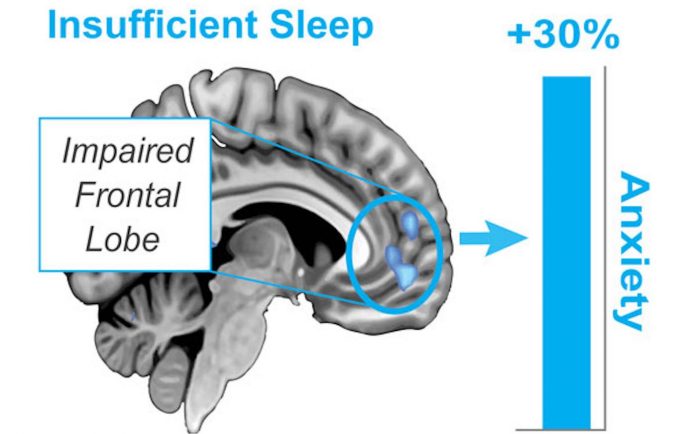
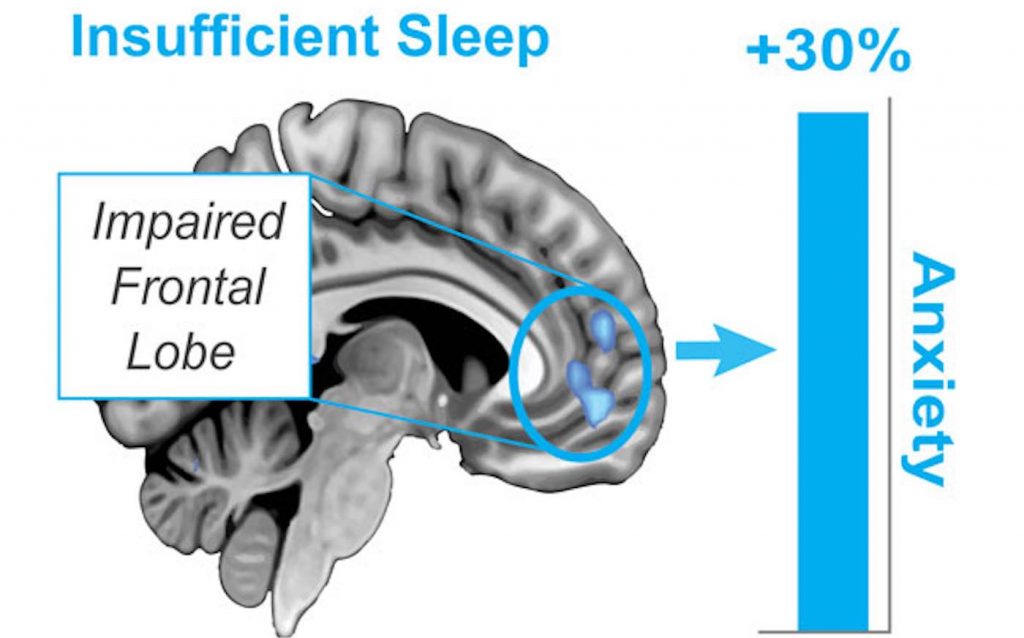
While a full night of slumber stabilizes emotions, a sleepless night can trigger up to a 30% rise in anxiety levels, according to new research from the University of California, Berkeley.
UC Berkeley researchers have found that the type of sleep most apt to calm and reset the anxious brain is deep sleep, also known as non-rapid eye movement (NREM) slow-wave sleep, a state in which neural oscillations become highly synchronized, and heart rates and blood pressure drop.
“We have identified a new function of deep sleep, one that decreases anxiety overnight by reorganizing connections in the brain,” said study senior author Matthew Walker, a UC Berkeley professor of neuroscience and psychology. “Deep sleep seems to be a natural anxiolytic (anxiety inhibitor), so long as we get it each and every night.”
The findings, published this week in the journal Nature Human Behavior, provide one of the strongest neural links between sleep and anxiety to date. They also point to sleep as a natural, non-pharmaceutical remedy for anxiety disorders, which have been diagnosed in some 40 million American adults and are rising among children and teens.
“Our study strongly suggests that insufficient sleep amplifies levels of anxiety and, conversely, that deep sleep helps reduce such stress, said study lead author Eti Ben Simon, a postdoctoral fellow in the Center for Human Sleep Science at UC Berkeley.
In a series of experiments using functional MRI and polysomnography, among other measures, Simon and fellow researchers scanned the brains of 18 young adults as they viewed emotionally stirring video clips after a full night of sleep, and again after a sleepless night. Anxiety levels were measured following each session via a questionnaire known as the state-trait anxiety inventory.
After a night of no sleep, brain scans showed a shutdown of the medial prefrontal cortex, which normally helps keep our anxiety in check, while the brain’s deeper emotional centers were overactive.
“Without sleep, it’s almost as if the brain is too heavy on the emotional accelerator pedal, without enough brake,” Walker said.
After a full night of sleep, during which participants’ brain waves were measured via electrodes placed on their heads, the results showed their anxiety levels declined significantly, especially for those who experienced more slow-wave NREM sleep.
“Deep sleep had restored the brain’s prefrontal mechanism that regulates our emotions, lowering emotional and physiological reactivity and preventing the escalation of anxiety,” Simon said.
Beyond gauging the sleep-anxiety connection in the 18 original study participants, the researchers replicated the results in a study of another 30 participants. Across all the participants, the results again showed that those who got more nighttime deep sleep experienced the lowest levels of anxiety the next day.
Moreover, in addition to the lab experiments, the researchers conducted an online study in which they tracked 280 people of all ages about how both their sleep and anxiety levels changed over four consecutive days.
The results showed that the amount and quality of sleep the participants got from one night to the next predicted how anxious they would feel the next day. Even subtle nightly changes in sleep affected their anxiety levels.
“People with anxiety disorders routinely report having disturbed sleep, but rarely is sleep improvement considered as a clinical recommendation for lowering anxiety,” Simon said. “Our study not only establishes a causal connection between sleep and anxiety, but it identifies the kind of deep NREM sleep we need to calm the overanxious brain.”
On a societal level, “the findings suggest that the decimation of sleep throughout most industrialized nations and the marked escalation in anxiety disorders in these same countries is perhaps not coincidental, but causally-related,” Walker said. “The best bridge between despair and hope is a good night of sleep.”
Women performing net-mending work after the fishing boats return in China - SWNS
The Netherlands – SWNS.
These breathtaking photos have all been selected as some of the world’s best photos depicting the color blue.
Bagan, Myanmar – SWNS
The pictures have all been entered into the Agora Images competition for the World’s Best Photos of #Blue2019.
Myanmar – SWNS
These images are just a few of the 50 finalists in the competition, who were selected out of 17,554 submissions.
Spain – SWNS
Judges will soon be voting on who will be the winner of the international competition and its $1,000 prize on November 21st.
Underwater cave in Java, Indonesia – SWNS
“It can be easy to forget how manifold our world is when we live our everyday lives,” said a spokesperson for Agora Images.
Workers in Vietnam harvesting salt at night to avoid sun exposure – SWNS
“Taking a step back and noticing the all the different people, places, and animals we live alongside with can show us just how bright the world can really be.
A foggy morning in Mastershausen, Germany – SWNS
“With the launch of #Blue, photographers were given the opportunity to interpret the contest in any way they wished, which resulted in a wide range of colorful subjects and scenic images.
An eye-catching aerial shot from Jersey, UK – SWNS
“Whether it is in the depths of the ocean or looking up at the night sky, each photographer presents their own version of of what #Blue means to them.”
Queensland, Australia – SWNS
If you want to check out more of Agora Images “Top 50” competitions, click here.
Be Sure And Share The Blue Beauty With Your Friends On Social Media…
Quote of the Day: “Being deeply loved by someone gives you strength, while loving someone deeply gives you courage.” – Lao Tzu
Photo: by Marco – CC license on Flickr, cropped
With a new inspirational quote every day, atop the perfect photo—collected and archived on our Quotes page—why not bookmark GNN.org for a daily uplift?
Dozens of volunteers have been offering romantic advice to the world’s most lovelorn souls—and they’ve been doing it all on behalf of William Shakespeare’s most iconic heroine.
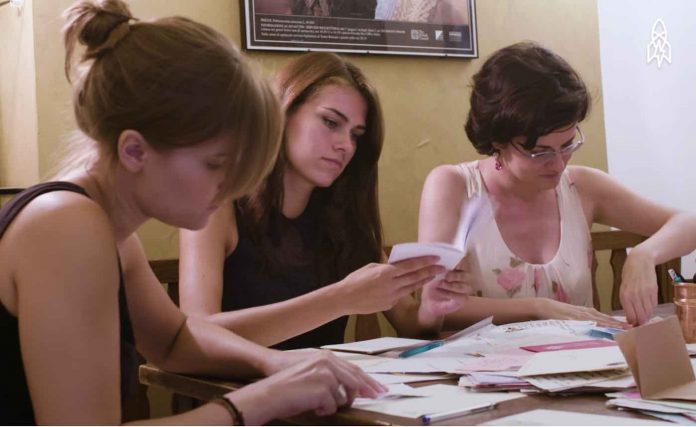
The Juliet Club is a nonprofit organization that responds to letters that have been sent to Juliet Capulet, the tragic figure in Shakespeare’s Romeo and Juliet which takes place in Verona, Italy.
Addressed simply to “Juliet, Verona” thousands of letters arrive from all over the world from people lamenting their various romantic woes and heartache—and the Juliet Club volunteers have always done their best to offer up some valuable advice in return.
41-year-old Martin Hopley told BBC that he has now been a Juliet Club volunteer for several years, motivated to continue after receiving a response to one of his own replies based on his experience with a particularly devastating breakup.
Hopley says that he often takes several days to respond to some of the letters because he wants to send them the most thoughtful answers possible.
The club hosts a multitude of writers who have had a variety of unique relationship experiences so they can respond to every different form of inquiry.
“From the woman who’s fallen in love with a close friend, to the man whose wife has passed away, to the boy who’s coming to terms with his sexuality, to the girl who doesn’t believe she’s beautiful enough to find love… Juliet has probably heard every possible scenario you can think of,” Hopley told BBC.
“When people write to Juliet, [their] hearts are often frustrated, confused and in a mess,” he concluded. “But she takes all those feelings, calms them down, and reads them back to you as a beautiful song that’s easier to understand.”
(WATCH the Great Big Story video below)
Friends, Romans, Countrymen! Be Sure And Share This With Your Friends On Social Media…
The US Food and Drug Administration (FDA) has just approved a groundbreaking new treatment for cystic fibrosis—and it is the first treatment that has been developed for the disease in several decades.
The newly-approved Trikafta medication, which was developed by Vertex Pharmaceuticals, can be used to treat patients 12 years and older with cystic fibrosis who have at least one F508del mutation in the cystic fibrosis transmembrane conductance regulator (CFTR) gene.
While there are approximately 2,000 known mutations of the CFTR gene, the most common mutation is the F508del mutation—and Trikafta is the first approved treatment that is effective for these cystic fibrosis patients, which make up approximately 90% of the those with the disease.
Cystic fibrosis, a rare, progressive, life-threatening disease, results in the formation of thick mucus that builds up in the lungs, digestive tract, and other parts of the body. It leads to severe respiratory and digestive problems as well as other complications such as infections and diabetes. Cystic fibrosis is caused by a defective protein that results from mutations in the CFTR gene.
Trikafta is a combination of three drugs that target the defective CFTR protein. It helps the protein made by the CFTR gene mutation function more effectively. Currently available therapies that target the defective protein are treatment options for some, but many patients have mutations that are ineligible for treatment, until now.
The efficacy of Trikafta in patients over 12-years-old with cystic fibrosis was demonstrated in two trials. The first trial was a 24-week, randomized, double-blind, placebo-controlled trial in 403 patients while the second trial was a four-week, randomized, double-blind, active-controlled trial in 107 patients who had two identical F508del mutations.
In each trial, the primary analysis looked at increases in the percent predicted forced expiratory volume in one second, known as ppFEV1, which is an established marker of the lung disease’s progression.
Trikafta increased the ppFEV1 in both trials. In the first trial, it increased mean ppFEV1 13.8% from baseline compared to placebo. In the second trial, it increased mean ppFEV1 10% from baseline compared to tezacaftor/ivacaftor. In the first trial, treatment with Trikafta also resulted in improvements in sweat chloride, number of pulmonary exacerbations (worsening respiratory symptoms and lung function), and body mass index (weight-to-height ratio) compared to placebo.
The Cystic Fibrosis Foundation (CFF)—which is the world’s leader in the search for a cure for CF—hailed the FDA’s approval of the treatment as “the single greatest therapeutic advancement in the history of CF.”
Back when the foundation formed in 1955, there were no available treatments for the disease. Now, CFF President and CEO Dr. Preston Campbell says: “We at the CF Foundation, and many in the CF community, have dreamed about this milestone for decades.
“Throughout my decades as a clinician caring for people with CF, I’ve looked forward to the day when we would be able to dramatically transform the treatment of this disease. I’m deeply grateful to be able to say that day is here.”
A Vertex representative told KXAN that the drug will be commercially available for roughly $311,000 per year, but he says they are confident that insurance companies will be ready to alleviate the financial burden of the treatment based on their research results.
(WATCH the interview below)
Be Sure And Share The Groundbreaking Good News With Your Friends On Social Media…
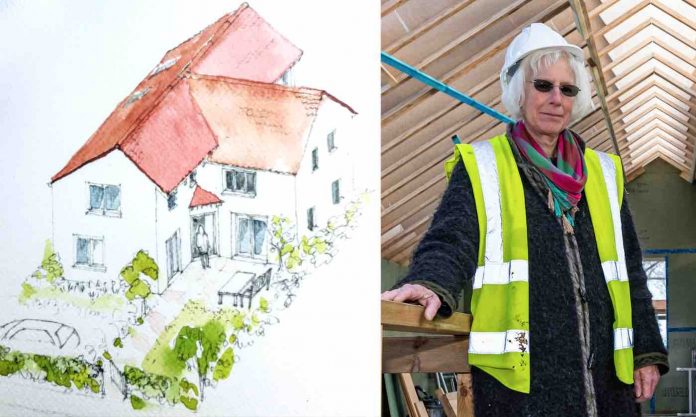
This architect was so appalled by the plans for two new homes in her English village, she bought the land for herself so she could design and build better houses for her neighbors.
66-year-old Fran Bradshaw says that she was “horrified” when developers revealed their plans for the two houses that they planned to build on the plots next to her home in Hickling, Norfolk.
She wanted to design houses which enhanced the village and helped the environment—so she decided to match their price for the plots.
Bradshaw, who has been an architect for over 30 years, then designed and built eco-homes which she says are more in keeping with the area.
“A developer had expressed interest to build two houses and put in a planning application for two homes on the plot next door [which was formerly a car garage],” says Bradshaw. “Our neighbor … approached us and asked if we wanted to purchase the plot ourselves instead.
“The plans from the developers were, in my opinion, horrible. It was price maximizing and I was cross about it. They were badly designed, didn’t fit on the site, and were designed only to increase the site value.
“It made me so angry because I hate designs like those,” she continued. “I believe houses should be built for the people living in them, not the developer’s pockets.
Fran Bradshaw’s design for eco-homes. SWNS
“I thought ‘was that really what people wanted?’ So I matched the offer to buy the plot and have designed two semi-detached houses [and] the village has been very supportive and encouraging of us building the new homes.”
Bradshaw, who is also a partner at an architectural firm in London, specializes in low-energy sustainable design and detailing, using natural materials and the Passivhaus standard buildings.
The Passivhaus design is known for combining traditional styles and cutting-edge technology that improves a building’s energy efficiency.
“It’s good for people to know about Passivhauses because they’re so much more beneficial in the long-run for health, comfort, and energy efficiency than conventional homes,” says Bradshaw. “They give people a very even temperature and they’re also so energy efficient that—in the long-run—they end up becoming more cost-efficient than any other house design because they can naturally regulate the temperature to about 21 degrees Celsius.
SWNS
“People are seeing it works with sensible, long-term savings.”
Insulation for the houses will even include newspaper and sheep’s wool and have each piece numbered so they are assembled like a big jigsaw puzzle.
The plot, which was bought last Christmas, cost Bradshaw and her retired partner Georg Hermann just over £200,000. It’s taken local, specialist builders only nine weeks to get the houses almost finished in basic structure.
SWNS
Bradshaw’s 82-year-old neighbor Anne Savage said the houses have already had a positive impact on the community.
“The local schoolchildren have been on a school trip up there to study them because they’re eco-friendly,” says Savage. “I think they look quite nice and they look better than the other house that’s a bit further up.”
Bradshaw built her own home with the same Passivhaus design five years ago, although her roof is thatched.
“What’s good about the Passivhaus system is that is uses a timber framed system and is very good at controlling heat-loss and banishing drafts.
“In this country moisture has always been a big issue but this design is perfect for combatting that and regulating a house’s temperature.
Fran Bradshaw and George Hermann’s home — SWNS
“I think we’re as a country, very conventional in our building methods and I think perhaps more sustainable methods are not adopted because to teach the labour industry and turn it into a highly-skilled industry would be very difficult. These really are the houses everyone should be building.”
Build Up Some Positivity By Sharing The Empowering News To Social Media…
More than 250 teen activists are being hailed for launching creative campaigns to fight plastic pollution around the world—and 15 projects have been awarded prize money for their efforts.
Last week, Bow Seat Ocean Awareness Programs (Bow Seat) announced the winners of its Marine Debris Creative Advocacy Competition, which challenged middle and high students from around the world to design and lead creative campaigns to inspire action and reduce or prevent ocean pollution.
The students working to protect the sea—and their local watersheds—hailed from the U.S., Australia, Canada, India, Nigeria, Pitcairn, Vietnam, and elsewhere.
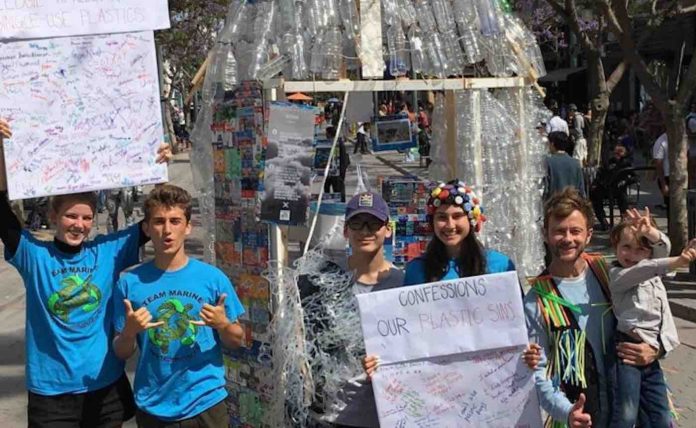
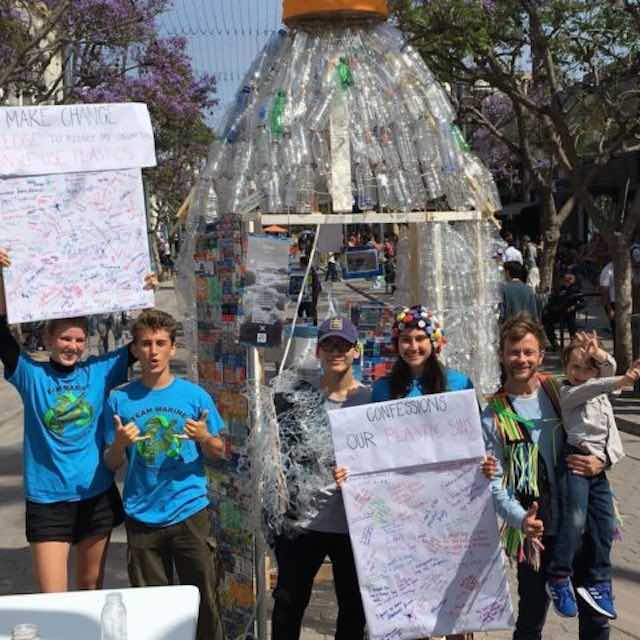
Team Marine, an environmental club from Santa Monica High School in California, won the Competition’s Gold award and a $5,000 prize. As part of their comprehensive top-down, bottom-up campaign, Team Marine educated 800 high school freshmen about plastic pollution and successfully lobbied the school district to pass a sustainability plan that ensures support for integrating environmental literacy and stewardship into the school curriculum.
Team Marine’s campaign culminated in a giant public art installation—made out of 600 plastic water bottles—that provided a platform for the group to educate more than 400 community members about marine debris and alternatives to single-use plastics.
“We are now even more committed to improving environmental awareness because we saw the impact our actions can have,” said Team Marine member Siri Storstein-Norgaard.
Photo of Team Marine plastic installation by Bow Seat
“From the mom who came back to our booth to show us her purchase of a metal straw to the six-year-old who was disgusted by the video we showed of plastic flowing into the ocean—we saw the difference we were making.”
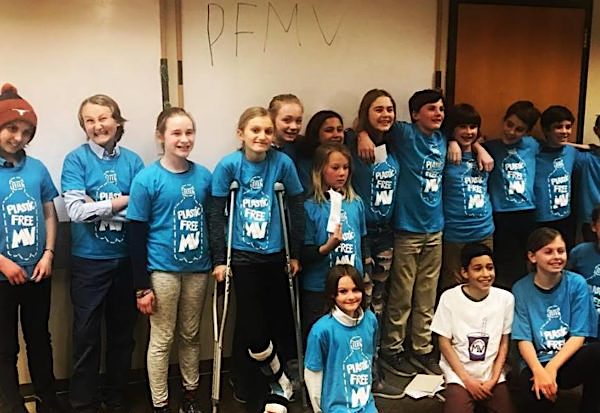
One of two Silver prize winners was Plastic Free MV, a group of students who helped make their community “the first in North America to ban the sale of both single-use plastic water and soda bottles”.
Residents of idyllic Martha’s Vineyard, in Massachusetts, the middle schoolers of Plastic Free MV understand that the ocean is the backbone of their fishing and tourist island home. But after doing several beach clean-ups, they recognized that marine debris is an increasing threat. Therefore, they wrote a bylaw to ban the sale and distribution of single-use plastic water and soda bottles and got it included on the town dockets of three neighboring communities—then went to work convincing residents to vote in their favor.
Plastic Free MV, photo courtesy of Bow Seat
The group held five public forums to present their campaign, spoke at town meetings, and met with local politicians and business owners. To help alleviate business owners’ concerns, the students partnered with local organizations like the Vineyard Conservation Society to distribute information, add refill stations, and find solutions, such as alternative materials and distributors.
Other competition participants also realize that living sustainably means not creating trash in the first place—so they educated their peers and community members about an emerging “R” in waste management—“refuse”—and provided solutions and resources to support a waste-free lifestyle.
In addition to making tangible impacts in their schools, communities, and local watersheds, students reported that participating in the competition strengthened their personal environmental attitudes and behaviors—and their belief that they can make a difference by influencing others to refuse single-use plastic items and increase recycling.
After presenting Team Marine with $5,000 for their Gold-winning campaign, and two Silver Award winners, including Plastic Free MV, with $2,500 each, Bow Seat awarded one Bronze Award winner with $1,000. Three teens won $750 for their Distinguished Honorable Mention Awards; two Honorable Mention Award winners earned $500; and six won $100 for Notable Submissions. See all the winners here.
“Water connects us all—whether we live in island nations, landlocked communities, or coastal cities—and marine debris is a global, borderless problem that requires a large-scale effort,” said Linda Cabot, founder and president of Bow Seat. “We are so impressed by the creative, sophisticated, and impactful campaigns. These projects reflect the leadership of today’s youth, who are directing incredible social movements to advocate for the changes they want to see in their communities and for their futures.”
“Having the opportunity to review the entries was so inspiring and uplifting,” said Competition guest judge Doorae Shin, chapter coordinator of Surfrider Foundation O’ahu. “I loved being able to be reminded of all the hope there is out there.”
Bow Seat’s Marine Debris Creative Advocacy Competition was launched in 2016 with a two-year grant from the National Oceanic and Atmospheric Administration (NOAA) Marine Debris Program, which supports projects that use outreach and education to inspire people to reduce and prevent marine debris.
(WATCH the Team Marine video project below)
It’s Not Hard To Sea That You Should Share This Good News With Your Friends On Social Media…