











All News - Page 626 of 1736 - Good News Network
Home Blog Page 626

Which Companies Are Taking the Lead in Commitments to Plastics Reduction?

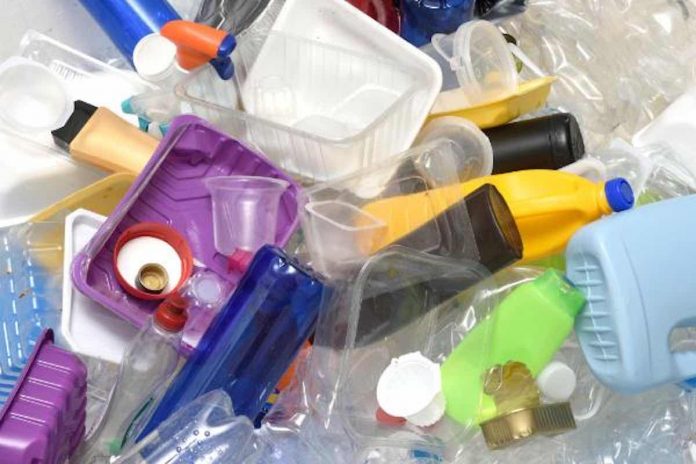
According to Plastic Oceans International (POI), we produce over 300 million tons of plastic each year around the world, half of which is for single-use purposes. If production remains unchecked, the planet and its ecosystems will be overrun. Fortunately, awareness of this issue is growing thanks to activists young and old.

Governmental action on the local, state, and national level is also forcing many companies to re-examine their manufacturing processes, their supply chains, and distribution networks regarding both products and packaging.

IKEA

One leader is Ikea, which recently committed to transition much of its plastic packaging to a mushroom-based renewable alternative that can grow in a controlled environment, and, like plastic, be easily formed into shapes.

If kept dry, this “MycoComposite” can be used over and over. It can also decompose fully in just 30 days. Producing the material uses only 12 percent of the energy required to make the same amount of plastic, and with 90 percent lower carbon emissions.

They are also ditching the use of plastic bags. Starting in 2020, the company’s 363 outlets worldwide will be eliminating everything from single-use plastic plates, drink stirrers, cups, tableware and straws to freezer bags, garbage bags, and packaging.

RELATED: New Factory That Uses Enzymes to Recycle All Plastics At Once Has the Backing of Major Corporations

MATTEL

Another step in the right direction is Mattel’s recent commitment to use 100 percent recycled, recyclable or bio-based plastics materials in both its products and packaging by 2030. Early in 2020 the company will debut its first product aligned with this new goal, the Fisher-Price Rock-a-Stack, made from sugarcane-based plastics and packaged in 100 percent recycled or sustainably sourced material.

WALMART

Walmart announced in February that it seeks to achieve 100 percent recyclable, reusable or compostable packaging for its private brand packaging by 2025 and will encourage other brands that it sells to set similar goals. The retailing behemoth is also working with suppliers to eliminate non-recyclable PVC plastic in general merchandise packaging altogether by 2020.

MORE: Plastic Bag Sales Have Fallen by 90% in England Since They Introduced 5-Pence Charge in 2015

HOLIDAY INN and CROWNE PLAZA HOTELS

The company that runs the Holiday Inn and Crowne Plaza hotel chains announced this week that all of its 843,000 guest rooms will provide shampoo and other bathroom amenities from bulk-sized containers, eliminating millions of plastic bottles from landfills. InterContinental Hotels Group (IHG), one of the world’s leading hotel companies, will be implementing the phase-out across all 5,600 of their properties worldwide with the transition to be completed within two years.

SAINSBURY’S

A huge chain of supermarkets in the United Kingdom has committed to cutting a further 1,284 tons of plastic from their supply chain over the course of the next year, including plastic cutlery, bags, lids, and trays. Sainsbury’s will start by removing 489 tonnes’ worth of plastic bags, which are currently used for loose fruit, vegetables and bakery items. Customers buying loose fruit and vegetables will either be able to bring their own bags or buy a re-usable bag made from recycled materials. Paper bags will be available to customers for loose bakery items.

RELATED: Australia Slashes Plastic Bag Use By 80% in Just 3 Months, Thanks to Two Grocery Stores

AMERICA’S LARGEST GROCERY CHAIN

Kroger, America’s largest supermarket chain, announced that it will be phasing out all of its single-use plastic bags in favor of reusable alternatives. When fully implemented, the waste generated by bags in their 2,800 stores, which include Harris Teeter, Fred Meyer, Fry’s, and Ralphs, will drop by 123 million pounds per year.

BEER MAKERS

Heineken, Corona, Carlsburg, and Guinness have all announced in 2019 that they are eliminating plastic from their packaging, replacing them by next year with biodegradable 6-pack rings, or glue.

(With contributions from the 501(c)3 nonprofit EarthTalk EarthTalk® See more at Emagazine.com.) – Featured image by Swansea University, released

Help Consumers Be Smarter by Sharing This on Social Media… 

Bill Gates Honors Girl Who Gave 95 Gifts to Strangers, With 81-Lb FedEx Delivery of Personalized Surprises

The Microsoft founder has participated in a ‘Secret Santa’ online gift exchange annually since 2013, but this year he really put Santa to shame with his extraordinary kindness toward a young Michigan woman who’d just lost her mother this year.

Shelby herself has been generous in the online gift exchange—although her bank account is never as happy as the strangers she mails packages to—preparing 95 different personalized Christmas gifts over the years, thoughtfully sending them to people she doesn’t even know.

On December 17 she spied an email alert informing her that a Secret Santa package had been shipped through RedditGifts—the program offered by the global online discussion group—and it was being overnighted (an expensive shipping option) from Washington state. She immediately joked to her husband that maybe it was from Bill Gates, who was well-known as an avid RedditGifts player.

On top of that, the next day she saw that the package weighed 81 pounds, and got the feeling that it was going to be “something truly special.”

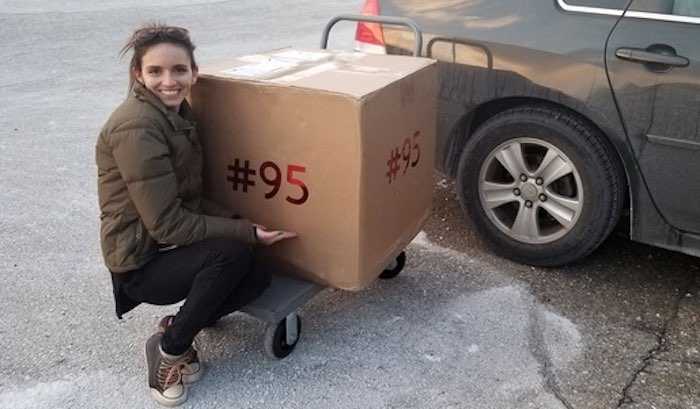
When she arrived at the FedEx office, her wildest dreams were coming true. The employees were all excited, exclaiming, “You’re the BILL GATES package! We’ve been waiting for you all day.” They were even happier because the box was so big it wouldn’t fit into her car. It meant she had to open it in the store.

Photos courtesy of Shelby on RedditGifts

The carton was emblazoned with a big red #95 on the sides—a tribute to Shelby’s 95th RedditGifts exchange, a fact that was mentioned on her gift profile page. That page is where Gates and his team got most of the information to personalize each gift item. And there were tons of presents geared toward her interest in books, Star Wars, Harry Potter, the Zelda game, Twin Peaks, cats, and outdoor leisure.

There was one special fact the Gates team discovered on their own, though—and it was the gift that meant the most. Shelby’s mom had died unexpectedly in March, just ten days before Shelby’s wedding, and Gates made a donation to the American Heart Association in her mother’s name, a request her family had made public in their obituary.

WATCH: Single Mom Receives Free Car in the Drive-Through After Being Nominated for a ‘Christmas Wish’

“I open the box and am immediately struck by a package that is literally lit up with a strand of fairy lights. Wow! I see the infamous Bill Gates letter placard and photo (showing him signing the card) and my stomach flips.”

Each gift was impressively wrapped (and “indicative of the contents”), so she took them home and made a couple videos. Thoughtful as always, Shelby made sure to carefully open them so she could reuse the paper on gifts in future exchanges.

Inside, she found a hard-bound copy of the original manuscript of “The Great Gatsby,” with Fitzgerald’s handwriting, which is her favorite book; a Harry Potter Santa hat; a pair of elaborate adult-level Lego building sets, including a giant Hogwarts castle and R2D2; eight more books; toys for her cat; Zelda earrings and a gorgeous heavy handmade Zelda quilt; a hammock with mosquito net; a Twin Peaks jacket worn by someone on the crew, and 5 scripts from season 2; and eight packages of assorted Oreos.

MORE: Senior Surprised With New Walker After Accidentally Dialing Attorney’s Office Instead of Medical Store

“Bill Gates, you are a blessing. I still cannot believe how lucky/cool/honored I am to have had someone craft such a special and personal set of gifts just for little ol’ me,” she wrote on Reddit. “And your donation to The American Heart Association in my mom’s memory is the most special gift of all. It means more to me than I can express.”

RELATED: Watch Company Surprise All 198 of Their Awestruck Employees With $10 Million in Holiday Bonuses

(WATCH a video from local news…)

Be Sure to SHARE the Good Karma With Your Friends on Social Media…

May the tears you cried in 2019 water the seeds you’re planting for 2020.

Quote of the Day: “May the tears you cried in 2019 water the seeds you’re planting for 2020.” – yesimadiva.com

Photo: by the yes man, CC license via Flickr – cropped

With a new inspirational quote every day, atop the perfect photo—collected and archived on our Quotes page—why not bookmark GNN.org for a daily uplift?


One Giant Leap for Mankind; Top 10 Scientific Breakthroughs of 2019

If there is one thing that we’re grateful for as we head into the new decade, it’s that scientists from all over the world have been tirelessly continuing to solve some of the most fascinating mysteries of the universe and toughest problems on Earth.

Not only have researchers made historic strides in uncovering the cosmic nature of black holes, scientists have come up with incredible solutions and strategies for combatting the climate crisis and protecting our own planet.

So without further ado, here are the top ten most fascinating and innovative stories of science from 2019.

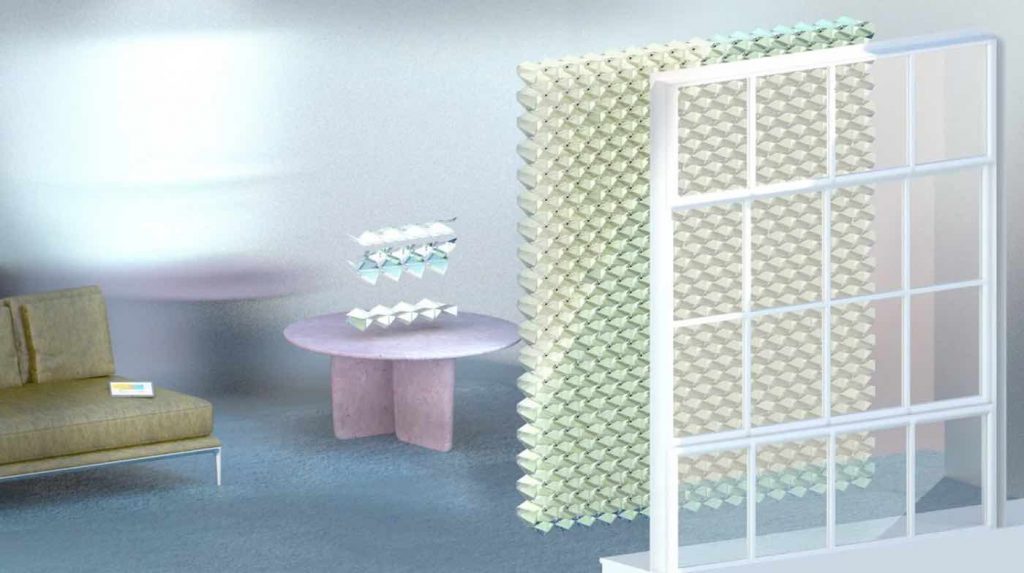
10) Origami-Inspired Solar Panel Could Start Generating Renewable Electricity From Your Window

Photo by Solgami

This unique origami-inspired solar panel has the potential to turn windows into a source of electricity for any apartment dweller.

For urban residences and buildings, implementing renewable sources of energy can be difficult. Researchers have tried building solar panels out of various materials so they can be placed in front of windows, but this generally leads to a large decrease in natural lighting in exchange for limited energy generation.

Soligami, on the other hand, is a solar panel system that works similarly to shutter blinds so that light can still be allowed to pass through a window. (Read more)

9) Students Design Beach Vacuum That Can Suck Up Microplastics While Leaving All the Sand

Photo by Hawaii DNLR

It’s already challenging enough for environmentalists to keep beaches clear of washed up trash and plastic debris—but the most difficult problem lies in cleaning up all of the millions of tiny microplastics that are impossible to pick up and separate from the sand.

Fortunately, a group of Canadian engineering students succeeded in developing a massive new vacuum cleaner called the Hoopla One that can collect microplastics without removing any of the sand from the beach. (Read more)

8) Researchers Successfully Made First-Ever Robotic Arm That Can Be Controlled By Your Mind

Photo by College of Engineering, Carnegie Mellon University

Back in June, researchers accomplished a groundbreaking new technological feat by developing the first-ever successful mind-controlled robotic arm exhibiting the ability to continuously track and follow a computer cursor controlled by one’s thoughts.

Being able to non-invasively control robotic devices using only thoughts will have broad applications, in particular benefiting the lives of paralyzed patients and those with movement disorders. (Read more)

7) Scientists Developed Exciting New Way to Produce Hydrogen Fuel That’s Safe, Cheap, and Ultra-Efficient

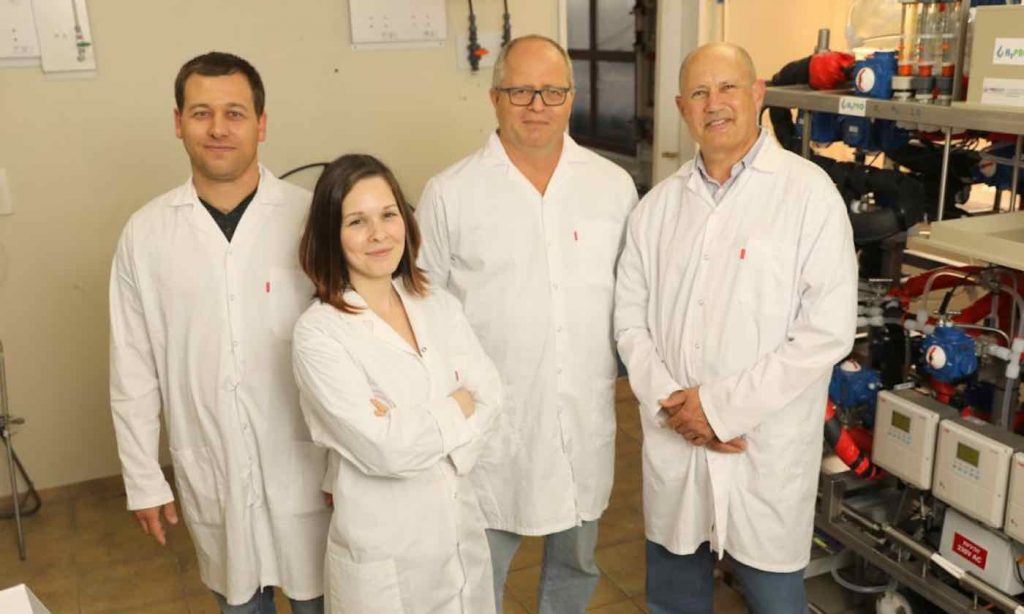
H2Pro researchers – Photo by Chen Galili / Technion

In September, researchers at the Technion-Israel Institute for Technology published a paper in Nature detailing their success in creating a safe, clean, inexpensive, and ultra-efficient new method of splitting water molecules into oxygen and hydrogen fuel.

The team’s system, which uses their specialized E-TAC technology (electrochemical thermally activated chemical), splits water 30% faster than the traditional method of electrolysis, but doesn’t require rare, expensive earth minerals—and it can be manufactured at a 50% reduced cost. (Read more)

6) This Tasty Seaweed Reduced Cow Emissions by 99%—and It Could Soon Be a Climate Game Changer

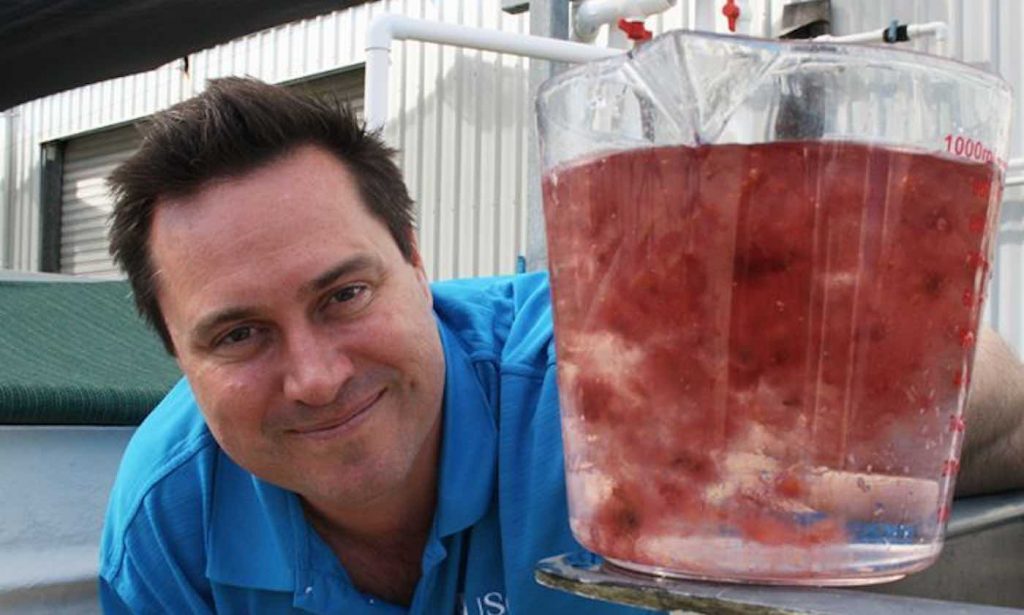
Photo by USC

The particular seaweed species, called Asparagopsis, grows prolifically off the Queensland Coast, and was the only seaweed found to have the effect. Even a small amount of the puffy pink seaweed in a cow’s diet was shown to reduce the animal’s gases by 99%.

Associate Professor Nick Paul, who is the leader of the Seaweed Research Group at the University of the Sunshine Coast (USC), said that if Australia could grow enough of the seaweed for every cow in the nation, the country could cut its greenhouse gas emissions by 10%—which is why it is now being primed for mass farming. (Read more)

5) First Fully Rechargeable Carbon Dioxide Battery Shown to Be Seven Times More Efficient Than Lithium Ion

Lithium-carbon dioxide batteries are attractive energy storage systems because they have a specific energy density that is more than seven times greater than commonly used lithium-ion batteries. Until now, however, scientists have not been able to develop a fully rechargeable prototype, despite their potential to store more energy.

Researchers at the University of Illinois at Chicago were the first to show that lithium-carbon dioxide batteries can be designed to operate in a fully rechargeable manner, and they have successfully tested a lithium-carbon dioxide battery prototype running up to 500 consecutive cycles of charge/recharge processes. (Read more)

4) Robotic Arm Named After Luke Skywalker Enabled Amputee to Touch and Feel Again: ‘It almost put me to tears’

Photo by Dan Hixson/University of Utah College of Engineering

Back in July, researchers from the University of Utah developed a way for the “LUKE Arm” to mimic the way that a human hand feels objects by sending the appropriate signals to the brain.

That means an amputee wearing the prosthetic arm can sense the touch of something soft or hard, accurately understand how to pick it up, and perform delicate tasks that would otherwise be impossible with a standard prosthetic with metal hooks or claws for hands. (Read more)

3) Student Trekked to Yellowstone and Finds Bacteria That Eats Pollution and ‘Breathes’ Electricity

Photo by Washington State University

A team of researchers from Washington State University spent several hours hiking through the Heart Lake Geyser Basin area so they could leave a few electrodes inside of several hot water pools.

One month later later, the team returned to the hot springs to collect the submerged electrodes only to find that they had succeeded in capturing their prey: heat-loving bacteria that “breathe” electricity through the solid carbon surface of the electrodes. (Read more)

2) Rather Than End Up in a Landfill, Non-Recyclable Glass Was Found to Be a Cheaper New Ingredient in Concrete

SWNS

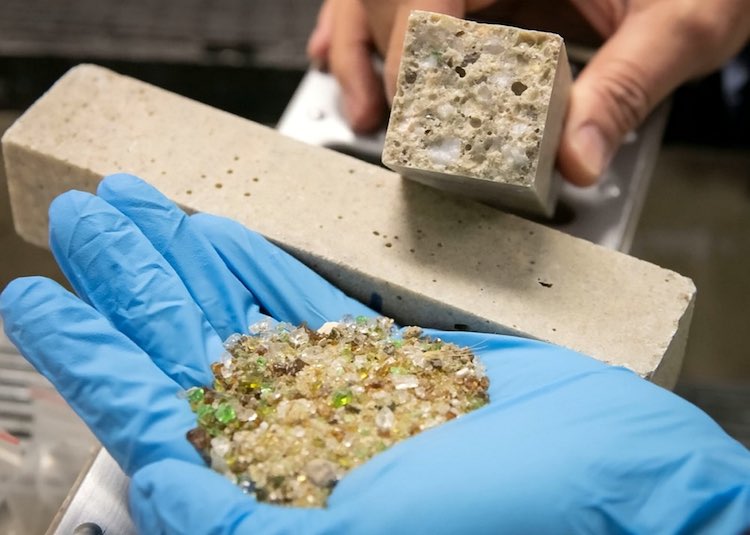
Back in June, Australian researchers developed an exciting new technique for making concrete out of non-recyclable glass that had been turned back into sand.

More specifically, the team found that ground-up glass could be to make polymer concrete, a material that uses polymers—typically resins—to replace lime-type cement as a binder for roads. Since polymer is a particularly high-strength, water-resistant material, it is also suited for areas with heavy traffic such as service stations and airports.

Now that the team has successfully used the waste as a replacement for the industrial flooring, they believe that the process could open a whole new world for recycling glass that could not be remade into newer glass. (Read more)

1) Not Only Did Scientists Capture First Ever Image of Black Hole, They Also Detected Tone Pattern in Ringing of Newborn Black Hole, Proving Einstein Right Again

Photo by NASA / CXC / Villanova University

There are a lot of clichés that get thrown around when talking about big scientific discoveries. Words like “breakthrough” or “game changing” are often used. They grab people’s attention, but it’s fairly rare that they apply.

The announcement of the first image ever taken of a black hole back in April, however, truly rose up to that standard.

Only months later in September, scientists confirmed Albert Einstein’s theory of general relativity after they studied the ringing of an infant black hole, and found that the pattern of this ringing does, in fact, predict the black hole’s mass and spin.

Be Sure And Share This Inspiring Collection Of Stories With Your Fellow Scientists On Social Media…
‘Friendship Over Business’: Coffee Shop Owner Helps Competitor Stay Open During Hospice Treatment

These two Oregon coffee shops have always maintained their competition for business—but that didn’t stop one of them from offering a friendly hand when financial difficulties arose for the other.

It has been one year since Dave and Tina McAdams opened up The Local Coffee Company in Oak Grove, Portland.

Unfortunately, Dave was forced to celebrate the milestone while he was in hospice care.

This is the third time that Dave has been diagnosed with cancer, although this most recent bout has been declared inoperable—and terminal.

LOOK: When Young Waffle House Worker Was Left Alone to Run Entire Restaurant, Empathetic Customers Jump In to Help

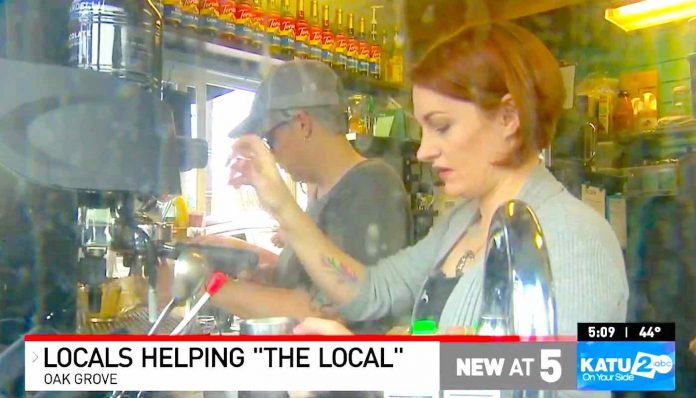
Rather than let the McAdams couple cope with the diagnosis and medical bills on their own, Pixie Adams of the Moonlight Coffee café on the other side of town stepped in to help.

Adams has been volunteering her time to the family by working at The Local for free. Not only have her actions helped to generate additional income to pay for the McAdams’ medical bills, it has also helped to guarantee that The Local will stay open even after Dave is gone.

“It’s supposed to be friendship over business, community over competition,” Pixie Adams told KATU. “I am here supporting them, trying to generate attention for their business to help make sure that after Dave is gone, they still have the ability to keep the coffee place open.”

(WATCH the news coverage below) – Photo by KATU

Be Sure And Give A Cup Of Kindness With Your Friends By Sharing This Sweet Story To Social Media…
Rolls-Royce Unveils Its Aircraft Which They Are Building to Be the World’s Fastest All-Electric Plane

SWNS
SWNS

This week, Rolls-Royce unveiled its first all-electric plane—and they are aiming for it to be the fastest sustainable aircraft in the world.

After the iconic automotive company presented the machine at Gloucestershire Airport in Staverton, England, they will now begin work on integrating the groundbreaking electrical propulsion system to enable the zero-emissions plane to make a run for the record books.

The plane will be targeting a speed of more than 300 miles per hour (480 kilometers per hour) in order to break the record when it deploys in the spring.

LOOK: World’s Largest Electric Vehicle is a Dump Truck That Doesn’t Even Need to Be Plugged in for Recharging

The aircraft, which is part of an initiative called Accelerating the Electrification of Flight (ACCEL), is a key part of the company’s new strategy to champion electrification.

The ACCEL project plane will have the most power-dense battery pack ever assembled for an aircraft, providing enough energy to fuel 250 homes or fly 200 miles on a single charge. Its 6,000 cells are packaged to minimize weight and maximize thermal protection.

Furthermore, an advanced cooling system ensures optimum performance by directly cooling the battery cells during the high-power record runs.

SWNS

Rolls-Royce Electrical Director Rob Watson said: “Building the world’s fastest all-electric aircraft is nothing less than a revolutionary step change in aviation.

“This is not only an important step towards the world-record attempt but will also help to develop Rolls-Royce’s capabilities,” he added. “[It will] ensure that we are at the forefront of developing technology that can play a fundamental role in enabling the transition to a low carbon global economy.”

SWNS

Power Up With Positivity By Sharing The Exciting News With Your Friends On Social Media…
Scientists Use Recycled Sewage Water to Grow 500-Acre Forest in the Middle of Egyptian Desert

Desertification, also known as desert-creep or desert-spread, is a process that has caused much concern over the last decade—and it’s a major problem for the ancient land of Egypt, where 96% of the country’s landmass is desert.

So why is it that—if you drove a car 10 miles west of the Suez Canal—you would see bountiful forests of eucalyptus, teak, and mahogany trees limned against the orange sand and blue sky of the Sahara?

Serapium Forest is the most prosperous of Egypt’s 36 tracts of land that make up an ambitious program to combat desertification by creating sustainably managed commercial forests fed entirely by wastewater.

The 500-mile forest is only a short distance from the populous Egyptian city of Ismailia, inhabited by 400,000 people who produce millions of tons of sewage and sewage water every year.

RELATED: First Drone Project of Its Kind in Canada is Aiming to Plant 1 Billion Trees by 2028

Routed a dozen miles to the Serapium site, the sewage water arrives in massive microorganism-populated underground vats where oxygen is fed in to accelerate the bacterial purification process. A system of pipes then deposits the wastewater throughout the forest.

Since human wastewater is still rich in nitrogen and phosphorus even after being treated, it is effectively a MiracleGro formula provided free of charge by Ismailia’s citizens. (Watch the encouraging video below.)

An Ambitious Effort

Recent efforts by Egyptian scientists have produced plenty of research suggesting that the wastewater potential for afforestation in the country could turn 1.6 million acres of desert into commercial forests that are arable and economically viable.

CHECK OUT: Man Succeeds Where Government Fails—He Planted a Forest in the Middle of a Cold Desert

The federal effort, called the National Program for the Safe Use of Treated Sewage Water for Afforestation is going a long way towards achieving the country’s commendable ambitions voiced in the 1992 UN Rio conference on climate change—because so many trees can soak up hundreds of tons of CO2.

The research was supported by Forest Finance, a German forest investment company that has already established near-natural forests in Panama and Vietnam to aid those countries in economic development, CO2 absorption, and wildlife conservation.

Forest Finance wants to increase the number of species grown in Serapium by including a plantation on the site. That way, the biodiversity of the commercial forest would be able to support a greater array of life and species, and hopefully increase the profitability as well.

Green Walls

Although desertification is sometimes thought of as the swallowing of lands adjacent to deserts, it is actually a process whereby land that was once fertile or semi-arable becomes desert as a result of things like unsustainable agricultural practices, or long-lasting drought.

MORE: For First Time Ever, Scientists Identify How Many Trees to Plant and Where to Plant Them to Stop Climate Crisis

Africa’s Great Green Wall project, a remarkable effort across more than 10 countries to build a giant patchwork wedge of vegetation to combat desertification in Africa’s Sahel region—the band of semi-arid yet arable land south of the great Sahara—swaps the word desertification for land degradation.

Africa’s Great Green Wall is a success that is also currently being matched by the Chinese, whose “Green Great Wall,” is made in a similar way to Egypt’s.

The African green wall has produced some staggeringly good figures along their stated goals of jobs created, carbon sequestered, land reclaimed, and food produced. It has established best practices for the combating of land degradation by ensuring that the “wall” is a mosaic of different families of plants and land use strategies, providing greater robustness and flexibility in the face of drought or fire.

Although the Serapium Forest suffers from the precarious circumstances derived from lack of funding and political stability, it’s still growing—a 500-acre green wall to join the others in the world in fending off the sands of the world’s deserts from spreading.

(WATCH the 2016 news coverage on Egypt’s miracle forest below)

Plant Some Positivity By Sharing The Good News With Your Friends On Social Media…

“Don’t aspire to make a living, aspire to make a difference.” – Denzel Washington (turns 65 today)

Quote of the Day: “Don’t aspire to make a living, aspire to make a difference.” – Denzel Washington (turns 65 today)

Photo: by Mount Rainier National Park, CC license – cropped

With a new inspirational quote every day, atop the perfect photo—collected and archived on our Quotes page—why not bookmark GNN.org for a daily uplift?


Café Owner’s Heartfelt Yelp Response to 1-Star Review Rallies Support for Him and His Homeless Patron

When the owner of a California donut shop was criticized for regularly welcoming a homeless man into his restaurant, he responded with compassion—and he is now being repaid with a flood of support towards him and his homeless customer.

LISTEN to the inspiring story told on the radio by our GNN founder (in the Good News Guru podcast below) or READ the full story after that…

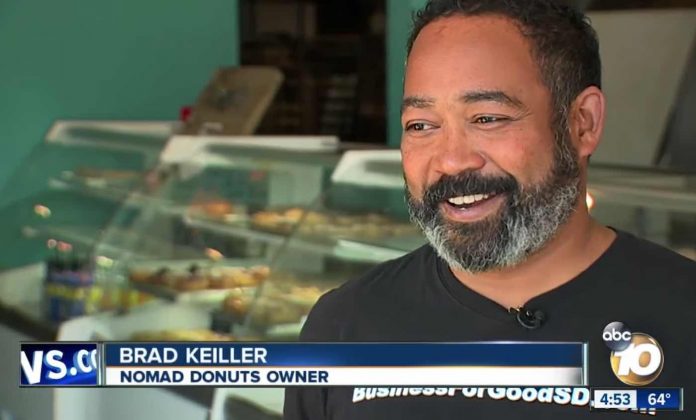
Since Brad Keiller opened Nomad Donuts in San Diego five years ago, the café has become a popular little hotspot for locals, particularly 58-year-old Ray Taylor.

Taylor has been living on the streets since a series of unfortunate financial setbacks left him broke and without health insurance in 2011.

“It was a financial decision to be homeless, not a drug addiction or a moral breakdown,” Taylor told the San Diego Union-Tribune.

RELATED: Man Who Once Spent Winter Without Heating Pays ‘Past Due’ Utility Bills for 36 Families at Risk of Losing Power

Despite enduring the difficulties of being homeless, Taylor doesn’t drink, do drugs, or panhandle for money. Thanks to his friendship with Keiller, however, he does spend many of his afternoons sitting outside of Nomad Donuts, enjoying the occasional conversation with the customers.

Taylor’s presence outside of the store is what prompted one of Keiller’s customers to leave a 1-star Yelp review of the shop back in November. The review, which has since been removed, said that Taylor’s regular appearances outside of the shop “really made them feel great about spending $5 on a jelly donut.”

Keiller spent several days contemplating how to respond to the review before he eventually opted to post a patient public response illustrating how Taylor—and others suffering from difficult circumstances—would always be welcome at the store.

CHECK OUT: Watch Company Surprise All 198 of Their Awestruck Employees With $10 Million in Holiday Bonuses

“I understand how you feel, it’s not easy to look at,” wrote the 49-year-old restauranteur. “I know I probably lose some business, possibly yours, too, because of my choice not to chase him away, but I won’t. He’s not looking for handouts and he tries not to bother anyone. If you stop and talk to him, maybe you’ll come to like him, too.”

Since publishing the response, Keiller’s donut shop has become flooded with an influx of supportive customers. Additionally, Keiller started a GoFundMe campaign to help pay for some of Taylor’s daily necessities—and to Taylor’s surprise, it has raised almost $6,000 in donations from around the world.

MORE: After ‘Mountain Santa’ Dad Spent 42 Years Giving Away Gifts to Poor Families, His Son Decides to Do the Same

“Thank you all for contributing to Ray’s GoFundMe!” wrote Keiller in a later crowdfunding update. “We’ve exceeded [our goal of $1,000], which is just overwhelming for Ray! He’s incredibly touched by all the love and good will.

“Know that you’ve made Ray’s day to day a lot less stressful and more comfortable. He thanks me and all of you daily!

“Yesterday, we withdrew $200 from the fund, which Ray used to buy a VISA gift card from the local Target. He treated himself to a hot meal from the Barons Market last night—and he now has a bus pass thanks to you!!”

(WATCH the news coverage below) – Feature photo by KGTV News

Do-not Forget To Share This Sweet Story Of Kindness With Your Friends On Social Media…

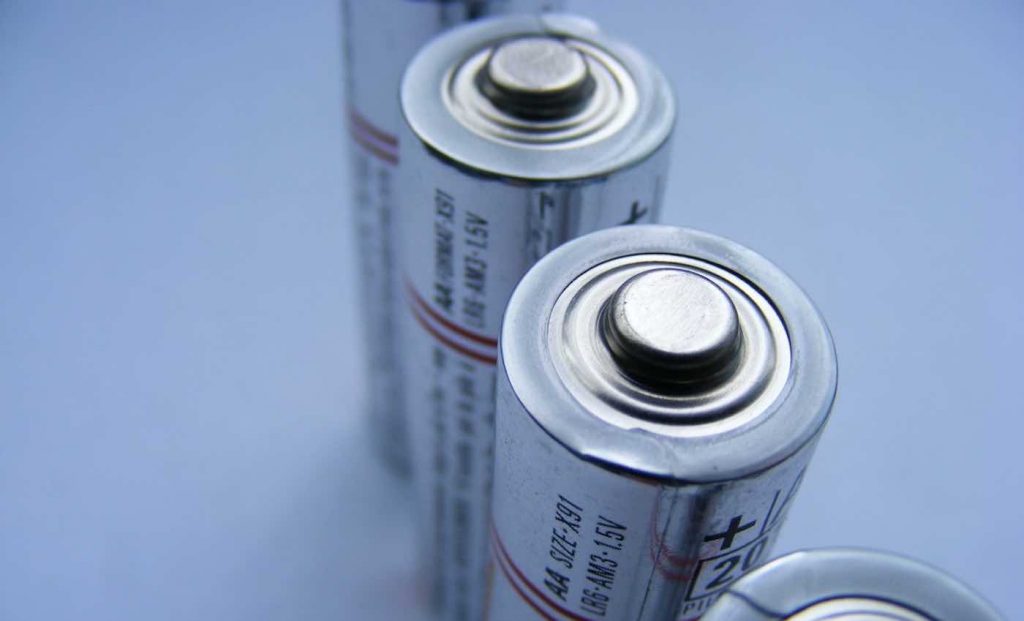
Scientists Develop New Material to Make Lithium Ion Batteries Self-Healing and Easily Recyclable

Lithium-ion batteries are notorious for developing internal electrical shorts that can ignite a battery’s liquid electrolytes, leading to explosions and fires.

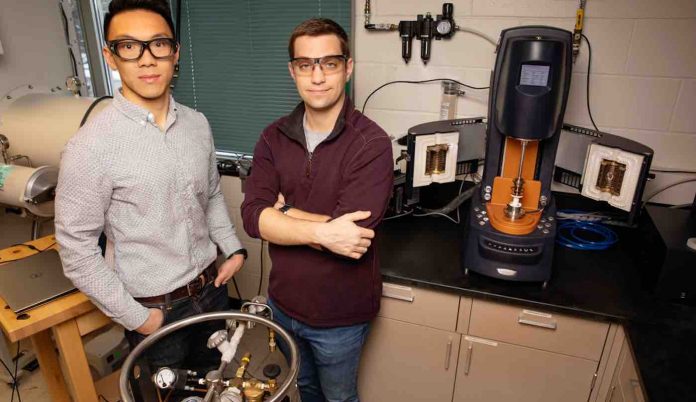
Engineers at the University of Illinois, however, have developed a solid polymer-based electrolyte that can self-heal after damage—and the material can also be recycled without the use of harsh chemicals or high temperatures.

The new study, which could help manufacturers produce recyclable, self-healing commercial batteries, is published in the Journal of the American Chemical Society.

As lithium-ion batteries go through multiple cycles of charge and discharge, they develop tiny, branchlike structures of solid lithium called dendrites, the researchers said.

LOOK: Three-Story ‘Water Battery’ Has Already Slashed University’s Electrical Costs By 40% in One Month

These structures reduce battery life, cause hotspots and electrical shorts, and sometimes grow large enough to puncture the internal parts of the battery, causing explosive chemical reactions between the electrodes and electrolyte liquids.

There has been a push by chemists and engineers to replace the liquid electrolytes in lithium-ion batteries with solid materials such as ceramics or polymers, the researchers said. However, many of these materials are rigid and brittle resulting in poor electrolyte-to-electrode contact and reduced conductivity.

“Solid ion-conducting polymers are one option for developing non-liquid electrolytes,” said Brian Jing, a materials science and engineering graduate student and study co-author. “But the high-temperature conditions inside a battery can melt most polymers, again resulting in dendrites and failure.”

MORE: First Fully Rechargeable Carbon Dioxide Battery is Seven Times More Efficient Than Lithium Ion

Past studies have produced solid electrolytes by using a network of polymer strands that are cross-linked to form a rubbery lithium conductor. This method delays the growth of dendrites; however, these materials are complex and cannot be recovered or healed after damage, Jing said.

To address this issue, the researchers developed a network polymer electrolyte in which the cross-link point can undergo exchange reactions and swap polymer strands. In contrast to linear polymers, these networks actually get stiffer upon heating, which can potentially minimize the dendrite problem, the researchers said. Additionally, they can be easily broken down and resolidified into a networked structure after damage, making them recyclable, and they restore conductivity after being damaged because they are self-healing.

Photo by L. Brian Stauffer / University of Illinois

“This new network polymer also shows the remarkable property that both conductivity and stiffness increase with heating, which is not seen in conventional polymer electrolytes,” Jing said.

“Most polymers require strong acids and high temperatures to break down,” said materials science and engineering professor and lead author Christopher Evans. “Our material dissolves in water at room temperature, making it a very energy-efficient and environmentally friendly process.”

Although the researchers acknowledge that more work is required before the material could be used in batteries that are comparable to what is in use today, the team probed the conductivity of the new material and found its potential as an effective battery electrolyte to be particularly promising.

Reprinted from the University of Illinois at Urbana-Champaign News Bureau

Power Up With Positivity By Sharing The Good News With Your Friends On Social Media…
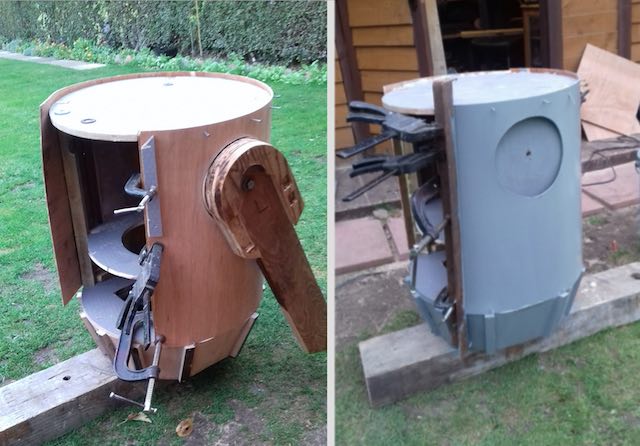
66-Year-old Grandfather Stays Sharp by Building Elaborate Star Wars Replicas—And This R2 is His Latest Creation

SWNS
SWNS

This Star Wars mega-fan has celebrated the release of the latest sci-fi blockbuster by unveiling an ultra-realistic working replica of the iconic droid R2-D2.

Over the course of the last 12 months, 66-year-old Ricky Butler has spent countless hours toiling away in his garden shed to create the remarkable 3.5-foot-tall imitation.

LOOK: Dad Spends 1,200 Hours Renovating ‘Back to the Future’ Car So He Can Use it to Pick Up His Kids From School

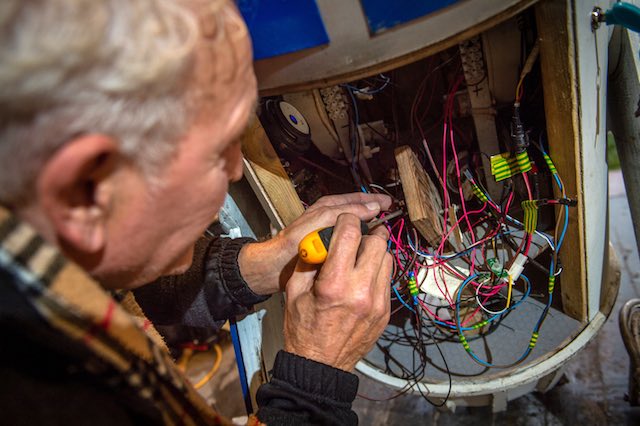
The droid, which is made from plywood, fiberglass, and aluminum, is fitted with a whopping 500 feet of wiring and blu-tooth speakers so it can light up, beep, and roll around just like the real thing.

“It’s a very long and often a very difficult process to build something like this, but I love the challenge because it keeps my mind active,” says Butler.

SWNS

“When I look at the finished thing now, I’m absolutely delighted—it’s come out brilliantly,” he added. “Sometimes I can’t believe that I actually did it.”

Butler, who also built an X-wing starfighter measuring in at 21 feet long, has been a fan of the Star Wars franchise ever since watching the first installment in 1977. However, the granddad-of-seven and semi-retired actor only began building Star Wars replicas as a hobby a couple of years ago when he took a step back from work.

“I’ve been a big fan of the series ever since queuing up to watch A New Hope in the cinema more than 40 years ago,” Butler said. “I’ve always liked making things and working with electronics so I thought, ‘why not combine that with Star Wars?’”

SWNS

Butler says he doesn’t know how many hours he has dedicated to building the droid—only that he would go into his back garden shed in Doncaster, England “at any opportunity” to work on it.

“At my age it’s important to keep your mind active—and doing this is a really good way to do that for me,” says Butler. “I have to think about what I’m doing and work out how to fix things.

“I rely on lots of knowledge I have picked up over the years, but every now and then there is something I get stuck with. When that happens I go on YouTube and watch a video to help me do it.”

SWNS

Over the years, Butler has worked as a disc jockey and an actor, including a stint as the body double for Sam Neil, who is famous for his role as Dr. Alan Grant in Jurassic Park.

Then in 2018, he built his “battlescorched” X-wing starfighter fitted with half-a-mile of cables, flashing lights, joy sticks, and the moving wings.

SWNS

Immediately after unveiling that particular creation, he began work on R2-D2 with the help of his 16-year-old son Prince, who wants to be a civil engineer.

His next creation will be a lifelike Dalek replica from Doctor Who, which he plans on starting in the new year so he can have it ready by Christmas 2020.

SWNS

You Don’t Need To Use The Force To Share This Awesome Story With Your Friends On Social Media…

Feeling Like a New Year’s Resolution? Study Suggests Living ‘Fast,’ Living Longer—With Intermittent Fasting

For many people, the New Year is a time to adopt new habits as a renewed commitment to personal health; in addition to aspiring fitness buffs packing themselves into the gym, grocery stores are filled with shoppers eager to try out new diets.

However, do these diets have the scientific evidence to support their beneficial health claims? Johns Hopkins Medicine neuroscientist Dr. Mark Mattson concludes that intermittent fasting does.

Mattson, who has studied the health impact of intermittent fasting for 25 years, and adopted it himself about 20 years ago, writes that “intermittent fasting could be part of a healthy lifestyle.” Furthermore, he says his new article published in this week’s issue of The New England Journal of Medicine is intended to help clarify the science and clinical applications of intermittent fasting in ways that may help physicians guide patients who want to try it.

Intermittent fasting diets, he says, fall generally into two categories: daily time-restricted feeding, which narrows eating times to 6–8 hours per day, and so-called 5:2 intermittent fasting, in which people limit themselves to one moderate-sized meal two days each week.

RELATED: Eating 2 Avocados a Day Reportedly ‘Cured’ 5-Year-Old Girl of Seizures

An array of animal and some human studies have shown that alternating between times of fasting and eating supports cellular health, probably by triggering an age-old adaptation to periods of food scarcity called metabolic switching. Such a switch occurs when cells use up their stores of rapidly accessible, sugar-based fuel, and begin converting fat into energy in a slower metabolic process.

Mattson says studies have shown that this switch improves blood sugar regulation, increases resistance to stress and suppresses inflammation for various periods of time. Because most Americans eat three meals plus snacks each day, they do not experience the switch, or the suggested benefits.

Photo by Johns Hopkins Medicine

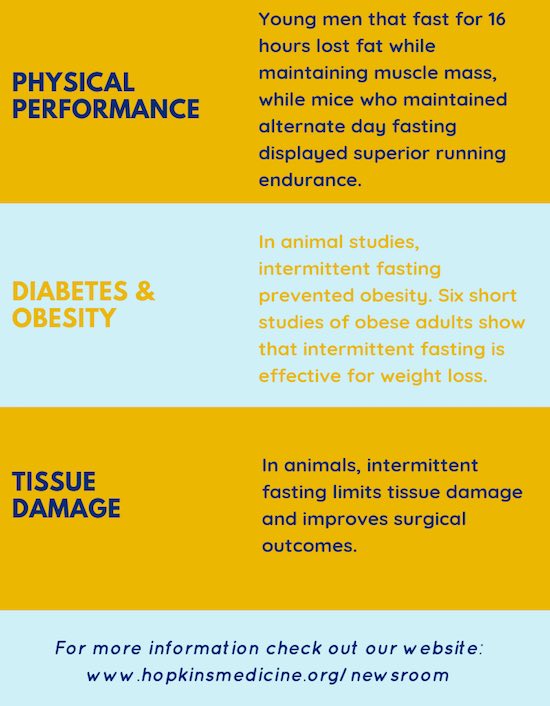
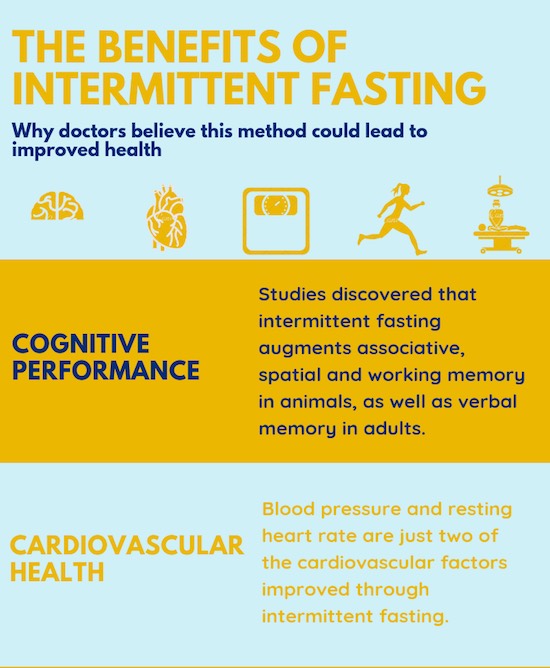
In the article, Mattson notes that four studies in both animals and people found intermittent fasting also decreased blood pressure, blood lipid levels and resting heart rates.

Evidence is also mounting that intermittent fasting can modify risk factors associated with obesity and diabetes, says Mattson. Two studies at the University Hospital of South Manchester NHS Foundation Trust of 100 overweight women showed that those on the 5:2 intermittent fasting diet lost the same amount of weight as women who restricted calories, but did better on measures of insulin sensitivity and reduced belly fat than those in the calorie-reduction group.

More recently, Mattson says, preliminary studies suggest that intermittent fasting could benefit brain health too. A multicenter clinical trial at the University of Toronto in April found that 220 healthy, non-obese adults who maintained a calorie restricted diet for two years showed signs of improved memory in a battery of cognitive tests.
While far more research needs to be done to prove any effects of intermittent fasting on learning and memory, Mattson says if that proof is found, the fasting—or a pharmaceutical equivalent that mimics it—may offer interventions that can stave off neurodegeneration and dementia.

MORE: Largest Study of Its Kind Identifies the Surprising Health Benefits of Fasting Every Other Day

“We are at a transition point where we could soon consider adding information about intermittent fasting to medical school curricula alongside standard advice about healthy diets and exercise,” he says.

Mattson acknowledges that researchers do “not fully understand the specific mechanisms of metabolic switching and that “some people are unable or unwilling to adhere” to the fasting regimens. But he argues that with guidance and some patience, most people can incorporate them into their lives.

Photo by Johns Hopkins Medicine

It takes some time for the body to adjust to intermittent fasting, and to get beyond initial hunger pangs and irritability that accompany it. “Patients should be advised that feeling hungry and irritable is common initially and usually passes after two weeks to a month as the body and brain become accustomed to the new habit,” Mattson says.

To manage this hurdle, Mattson suggests that physicians advise patients to gradually increase the duration and frequency of the fasting periods over the course of several months, instead of “going cold turkey.” As with all lifestyle changes, says Mattson, it’s important for physicians to know the science so they can communicate potential benefits, harms and challenges, and offer support.

Reprinted from Johns Hopkins Medicine

Be Sure And Share This Intriguing Piece Of News With Your Friends On Social Media…
Church and Mosque Joined Forces to Feed Poor Families and Offer Free Health Screenings for Christmas

In a heartening example of interfaith compassion, a New York church and mosque joined forces to feed low-income families and offer free health screenings for the holidays.

On Christmas Day, the Westbury United Methodist Church partnered with the Islamic Center of Long Island in order to provide a warm meal—and an even warmer welcome—to financially struggling families.

Although the church and mosque have been helping to facilitate these yuletide feasts for the last 5 years, this is the first event during which they have offered health consultations as well.

LOOK: When Fire Leaves 500 Muslims Without Place of Worship, Synagogue Opens Their Doors

“We can give them the additional service of getting medically checked out since we have so many physicians in our community,” Islamic Center volunteer Mukheet Ahmed told WLNY.

The two religious establishments hope that their collaborative charity work will help inspire others to look past their differences during the year ahead.

“We don’t see religion as a border, we see it as something that’s there to help,” another volunteer told reporters. “I want to create a bond between all faiths. I think when it comes down to it, we are all human.”

(WATCH the news coverage below) – Photo by WLNY

Be Sure And Share This Sweet Story Of Interfaith Kindness With Your Friends On Social Media…

“Dreams are the touchstones of our character.” – Henry David Thoreau

By яғ ★ design – CC license

Quote of the Day: “Dreams are the touchstones of our character.” – Henry David Thoreau

Photo: by яғ ★ design, CC license – cropped

With a new inspirational quote every day, atop the perfect photo—collected and archived on our Quotes page—why not bookmark GNN.org for a daily uplift?


Six Creative Ways to Recycle Your Christmas Tree

25-30 million Christmas trees are sold every year in North America, and many of them get tossed in the landfill when there is a myriad of great recycling ideas for fir trees that can have an important impact on local ecosystems and neighborhoods.

The month leading up to Christmas can be so busy as to make you dizzy, but the few days after the most wonderful day of the year can be just as hectic. There are leftovers to eat, boxes to deal with, presents to sort, and a great big chunk of foliage that is taking up space in your living room.

Last January down in Virginia Beach, locals began bringing their Christmas trees to Chicho’s, a local restaurant looking to utilize them as a way to protect their beachfront town from storm surges.

Volunteers drove around Virginia Beach neighborhoods picking up trees and wreaths that were placed along the curbs, and depositing them in the parking lot behind the restaurant. The trees act as perfect “sand fences” capturing wind-blown sand grains in their needles and branches and preventing the erosion of sand off the beaches.

RELATED: Rather Than Polluting Icy Roadsides With Salt, Scientists Use Recycled Biowaste From Fruit

It’s a simple and effective way of building the dunes back up after storms like Hurricane Florence, when high winds battered the beaches of Croatan and Outer Banks.

This season, Matt Potter, the owner of Chicho’s expects to collect double the amount of trees he managed last year when 500 were gathered up by community volunteers and brought to the beaches.

Chicho’s second annual tree drive runs from Dec. 26 to Jan. 16. Trees can be dropped off at the Oceanfront Chicho’s, at 2820 Pacific Ave. Anyone who drops off a tree can also get a large cheese pizza for $7.99. If you need your tree picked up, email [email protected].

Other ways of recycling trees

If you don’t live near Virginia Beach, there are plenty of other ways you can recycle your Christmas tree that can benefit the environment.

If you or a friend has a wood stove, a couple months of seasoning will turn your tree into a decent source of firewood. Pine wood burns fast, ignites quickly, and creates an intense heat as well as a lovely smell.

LOOK: Cameroon Man Uses Wasted Plastic Bottles to Build Canoes for Fishermen in Need

If you live near a pond or a lake, you can canoe out into the middle of the water and chuck the tree into the murky depths—trees provide great underwater habitat for fish.

Go on the internet and see if you have a landfill that creates community mulch. If you take your tree there it will be chipped up and turned into mulch for people’s gardens.

Next year, buy a living tree, if you have room in your yard, so you can replant it after Christmas and have a supply of Christmas trees in future years.

CHECK OUT: LEGO is Now Offering to Pay For You to Ship Your Used Bricks to Children in Need

You also could try and find a place where you can leave your tree, and cover it in bird-friendly treats. It will encourage the birds to build a nest in the shelter of the boughs. Find a place lacking in tree cover and the birds will appreciate the chance to have a home.

If you’ve come up with a clever way to recycle your tree, tell us about it in the comments below!

Plant Some Positivity By Sharing These Ideas With Friends On Social Media — File photo by Dineshraj Goomany, CC

Man Enjoys Red Light By Stepping Out of Car With His Puppy to Say Hi to Dog in Neighboring Vehicle

Nobody likes waiting in traffic—but as any dedicated pet lover knows, everything can be made better by dogs.

26-year-old Celina Romera had been waiting for traffic to move at an intersection in Tampa, Florida when she spotted the driver ahead of her getting out of his car.

Not only that, the man was carrying a puppy.

RELATED: When Young Men Write Letter to Neighbor Asking to Play With Their Pup, They Get Letter Back From the Dog

The man then approached a German Shepherd from the window of a neighboring car so he could introduce his tiny pup to the bigger canine.

After the two dogs exchanged some friendly kisses, the man gave the German Shepherd some amicable head scratches before getting back into his car.

Since Romera filmed the heartwarming incident earlier this month, it has been viewed thousands of times on social media.

(WATCH the sweet clip below)

Be Sure And Share The Pawesome Video With Your Friends On Social Media…

New Spray Gel Could Bring an End to Frostbite in Isolated Regions of the World

File photo by Richard Leeming, CC

Mountaineers and winter sports enthusiasts know the dangers of frostbite—the tissue damage that can occur when extremities, such as the nose, ears, fingers and toes, are exposed to very cold temperatures. However, it can be difficult to get treated quickly in remote, snowbound areas.

Now, researchers reporting in ACS Biomaterials Science & Engineering have developed a convenient gel that could be sprayed onto frostbite injuries when they occur, helping wounds heal.

Frostbite causes fluids in the skin and underlying tissues to freeze and crystallize, resulting in inflammation, decreased blood flow and cell death. Extremities are the most affected areas because they are farther away from the body’s core and already have reduced blood flow.

If frostbite is not treated soon after the injury, it could lead to gangrene and amputation of the affected parts. Conventional treatments include immersing the body part in warm water, applying topical antibiotic creams or administering vasodilators and anti-inflammatory drugs, but many of these are unavailable in isolated snowy areas, like mountaintops. Others, such as topical medications, could end up freezing themselves.

RELATED: Plant Compounds Used to Successfully Treat Alzheimer’s in Mice Now Shown to Prevent Other Effects of Aging

Rahul Verma and colleagues at the Institute of Nano Science and Technology, on the other hand, wanted to develop a cold-stable spray gel that could be administered on-site for the immediate treatment of frostbite injuries—and their new study says they succeeded.

To develop their spray, the researchers packaged heparin, an anticoagulant that improves blood flow by reducing clotting and aiding in blood vessel repair, into liposomes. These lipid carriers helped deliver heparin deep inside the skin.

They embedded the heparin-loaded liposomes in a sprayable hydrogel that also contained ibuprofen (a painkiller and anti-inflammatory drug) and propylene glycol, which helped keep the spray from freezing at very low temperatures.

LOOK: Revolutionary New Arm Cast is Waterproof, Breathable, and Itch-Free

When the researchers tested the spray gel on animals with frostbite, they found that the treatment completely healed the injuries within 14 days, whereas untreated injuries were only about 40% healed, and wounds treated with an antibiotic cream were about 80% healed. The spray reduced levels of inflammatory cytokines at the wound site and in the blood circulation, which likely accelerated healing, the researchers say.

Reprinted from the American Chemical Society

File photo by Richard Leeming, CC

Don’t Freeze Up! Share The Good News With Your Friends On Social Media…

We’ll Drink to That—Caffeine May Offset Several Health Risks of Diets High in Sugar, Says New Study

A new study in animal models suggests that caffeine may offset some of the negative effects of a diet that’s high in fat or sugars.

Rats that consumed the caffeine extracted from mate tea gained 16% less weight and accumulated 22% less body fat than rats that consumed decaffeinated mate tea, scientists at the University of Illinois found in a new study.

The effects were similar with synthetic caffeine and that extracted from coffee.

Mate tea is an herbal beverage rich in phytochemicals, flavonoids and amino acids that’s consumed as a stimulant by people in southeastern Latin American countries. The amount of caffeine per serving in mate tea ranges from 65-130 milligrams, compared with 30-300 milligrams of caffeine in a cup of brewed coffee, according to the study.

RELATED: Is Your Gut Out of Whack? 10 Things You Can Learn With a Home Test Kit

For four weeks, the rats in the study ate a diet that contained 40% fat, 45% carbohydrate and 15% protein. They also ingested one of the forms of caffeine in an amount equivalent to that of a human who drinks four cups of coffee daily.

At the end of the four-week period, the percentage of lean body mass in the various groups of rats differed significantly. The rats that ingested caffeine from mate tea, coffee or synthetic sources accumulated less body fat than rats in the other groups.

The study, published recently in the Journal of Functional Foods, adds to a growing body of research that suggests mate tea may help fight obesity in addition to providing other beneficial health effects associated with the phenolic compounds, vitamins and flavonoids it contains.

MORE: Americans Who Drink This Much Water a Day Are More Likely to Report Feeling ‘Very Happy’

“Considering the findings, mate tea and caffeine can be considered anti-obesity agents,” said Elvira Gonzalez de Mejia, a co-author of the study and director of the division of nutritional sciences at the U. of I. “The results of this research could be scaled to humans to understand the roles of mate tea and caffeine as potential strategies to prevent overweight and obesity, as well as the subsequent metabolic disorders associated with these conditions.”

In the rats, the accumulation of lipids in the adipocytes was significantly associated with greater body weight gain and increased body fat, according to the study.

To determine the mechanism of action, the scientists performed cell culture studies in which they exposed adipose cells from mice to synthetic caffeine or the coffee or mate caffeine extracts. They found that regardless of its source, caffeine decreased the accumulation of lipids in adipose cells by 20% to 41%.

CHECK OUT: 30 Years of Research Shows Sauna Bathing is Game-Changer for Longevity and Heart Disease

The scientists also tracked the expression of several genes associated with obesity and lipid metabolism. These included the fatty acid synthase gene (Fasn), an enzyme compound involved in the synthesis of fatty acids from glucose; and the lipoprotein lipase gene (Lpl), which codes for an enzyme that breaks down triglycerides.

All of the caffeine treatments, regardless of origin, significantly down-regulated the expression of both Fasn and Lpl. In the cell cultures, Fasn expression diminished by 31% to 39%, while Lpl expression decreased by 51% to 69% among cells treated with synthetic caffeine or the caffeine from mate tea or coffee, they found.

In the rats that consumed the mate tea caffeine, expression of Fasn decreased by 39% in their fat tissue and by 37% in their livers, the researchers found.

RELATED: Apples, Tea, and Moderation—The 3 Ingredients for a Long Life

The decreased expression of Fasn and two other genes in the liver evoked lower production of low-density lipoprotein cholesterol and triglycerides in the liver as well, according to the study.

“The consumption of caffeine from mate or from other sources alleviated the negative impact of a high-fat, high-sucrose diet on body composition due to the modulation of certain lipogenic enzymes in both adipose tissue and the liver,” de Mejia said. “The decreased expression of Fasn and Lpl brought about lower synthesis and accumulation of triglycerides in the adipose tissue.”

Reprinted from the University of Illinois at Urbana-Champaign News Bureau

Power Up With Positivity By Sharing The Health News With Your Friends On Social Media — File photo by Infomastern, CC

Man Buys School Bus So He Can Take All 10 of His Grandkids to School Every Day

This Oregon man may have just won the award for “Grandfather of the Year” after he surprised his grandkids with a creative Christmas gift on wheels.

Doug Hayes recently decided to surprise his 10 grandkids by getting them their own personal school bus for Christmas.

Since the youngsters go to a relatively small Catholic school in Gladstone, Oregon, there have never had access to a bus system that could take them to class.

Now, Hayes plans on using the “Grandfather Express” to bring his grandchildren to school every day.

Needless to say, the kids were pretty excited about the surprise.

“I was really stunned. I never expected him to buy a bus,” Hayes’ grandson Christian Hayes told WZDX reporters. “I think my friends are all gonna be stunned.”

SO HEARTWARMING! Listen to Adorable Toddler Describe Her Feelings About First Meeting the Parents Who Adopted Her

(WATCH the news coverage below) – Photo by WZDX

Drive This Sweet Story Over To Your Friends By Sharing It To Social Media…
“The bright sun, that brings back, not light alone, but new life, and hope, and freshness to man—burst upon the crowded city in clear and radiant glory.” – Charles Dickens, Oliver Twist

- Please observe the license on this photo before use - Visit my other sites, for more photography. My squares at Instagram My page at Facebook My cool website Contact me here. Copenhagen based photographer Thomas Rousing, captures the beauty of everyday life in the city. He seeks to explore the interestingness of making images filled with endless details and beautiful colors.

Quote of the Day: “The bright sun, that brings back, not light alone, but new life, and hope, and freshness to man—burst upon the crowded city in clear and radiant glory.” – Charles Dickens, Oliver Twist

Photo: by Thomas Rousing, CC license – cropped

With a new inspirational quote every day, atop the perfect photo—collected and archived on our Quotes page—why not bookmark GNN.org for a daily uplift?