Quote of the Day: “Man cannot discover new oceans unless he has the courage to lose sight of the shore.” – André Gide
Photo: by Ilya Grigorik, CC license via Wikimedia Commons
With a new inspirational quote every day, atop the perfect photo—collected and archived on our Quotes page—why not bookmark GNN.org for a daily uplift?
If you didn’t already have enough reason to eat your vegetables, this new study says that broccoli contains an amazing ingredient which could be the “Achilles’ heel” of cancer.
Broccoli is part of the cruciferous vegetable family, which includes cauliflower, cabbage, kale and Brussels sprouts.
And though many people don’t like their taste—and they may not be good for nursing moms—these vegetables contain a tiny but powerful molecule that deactivates the gene responsible for cancerous tumor growth, known as WWP1.
Study lead author Dr. Pier Paolo Pandolfi, director of the Cancer Centre and Cancer Research Institute at Beth Israel Deaconess Medical Center, said the discovery could pave the way for new cancer treatment.
“The study’s really exciting,” Pandolfi told the Harvard Gazette. “I’ve been bombarded by journalists — because of the broccoli connection, let’s be honest. Forget what you think about the science, the fact that [we found] something that your grandma would say [is] good for you, it’s appealing.”
Pandolfi and his team suspected that a gene called PTEN could cause irregularities and defects in WWP1.
Upon testing their theory on cancer-prone mice and human cells, they discovered that WWP1 produces an enzyme that overpowers the tumor-suppressive activity of PTEN – but the scientists also found that there is a molecule found in cruciferous vegetables called indole-3-carbinol (I3C) that can reawaken the cancer-fighting properties of PTEN.
That being said, fellow study author Dr. Yu-Ru Lee emphasized that a person would have to eat nearly 6 pounds (2.7 kilograms) of uncooked Brussel sprouts every day in order to reap their anti-cancer benefits.
Regardless, Pandolfi told the Gazette says the discovery could be the key to unlocking “one of the most important tumor suppressors in the history of cancer genetics.”
“This pathway emerges not only as a regulator for tumor growth control, but also as an Achilles’ heel we can target with therapeutic options,” said Pandolfi. “These findings pave the way toward a long-sought tumor suppressor reactivation approach to cancer treatment.”
The team plans to continue their research to discover a more practical way to provide I3C to cancer patients and trigger tumor-suppressing properties in PTEN.
The study was published in the journal Science.
Serve Up The Fascinating Discovery To Your Friends By Sharing It To Social Media – File photo by Whologwhy, CC
This blog was submitted to GNN by Joe O’Neil. If you have any positive stories of your own that you would like to share with our audience, check out our submission page to learn more.
Some college students studying abroad may prefer to spend their free time out on the town – but Marcus Witherspoon has been spending his evenings teaching children to play American football.
When Witherspoon first arrived in Bologna, Italy, he was connected with Ishan Debnath, a 9-year-old boy who had a hankering to learn English.
Witherspoon, who is a football player at Dickinson College in Carlisle, Pennsylvania, then decided to help the youngster with his English by teaching Ishan and his neighborhood friends how to play American football.
“I’m really just there for him as a native English speaker,” said Witherspoon. “It reminds me of growing up and hanging out with my friends. It’s just having a good time with your friends.”
Through their conversations about school, sports and video games, Ishan and Witherspoon have formed a big-brother, little-brother bond – and for Ishan, it’s not only an opportunity to learn English, but to work on translation skills between Witherspoon and other neighborhood children.
“[Marcus] helps me a lot,” said Ishan. “It’s amazing.”
(WATCH the sweet video below)
Score Big With Your Friends By Sharing The Sweet Story To Social Media…
Pharmaceutical company Gilead has announced that they will be providing their anti-HIV medication to over 200,000 uninsured Americans who are at risk of contracting the infection.
Every year for the next 11 years, the company will be donating over 2.4 million free bottles of Truvada PrEP to the U.S. Centers for Disease Control and Prevention (CDC) for distribution amongst low-income and disadvantaged communities.
The medication donation, which is being called the “largest ever in the United States” is part of the company’s “national efforts to help prevent HIV and end the epidemic.”
“We are proud to partner with CDC to dramatically expand access to medication that can help prevent new HIV infections,” said Gregg Alton, Chief Patient Officer, Gilead Sciences.
Truvada, which is “generally well tolerated”, is a combination of two drugs that interfere with an enzyme called reverse transcriptase that is used by HIV-infected cells to make new viruses. Since Truvada reduces their activity, it causes HIV-infected cells to slow down or stop producing new viruses.
Beyond the donation, Gilead’s commitment to combating the HIV/AIDS epidemic includes the COMPASS (COMmitment to Partnership in Addressing HIV/AIDS in Southern States) Initiative, which is a 10-year, $100 million commitment to address the HIV/AIDS epidemic in the South through capacity building, mental health and trauma-informed care, and awareness and anti-stigma education.
Prevent The Spread Of Negativity – Share The Big Pharma GOOD News With Friends – Photo by Jeffrey Beall, CC
Quote of the Day: “The power of meditation is in teaching the brain to let go of the meaning it’s attaching to something.” – Beau Lotto
Photo: by Robert, CC license via Flickr
With a new inspirational quote every day, atop the perfect photo—collected and archived on our Quotes page—why not bookmark GNN.org for a daily uplift?
An 11-year-old girl named Victoria is determined to do whatever it takes to find a dragon—even it it means bribing the Prime Minister of New Zealand.
According to an amusing Reddit post from Victoria’s older brother, the schoolgirl sent a strongly worded letter to Prime Minister Jacinda Ardern demanding that the government conduct research on the existence of dragons.
Since Victoria is also a fan of the hit sci-fi Netflix series Stranger Things, the youngster also requested that government researchers teach her how to acquire telekinetic abilities so she could use them to help train a dragon of her own.
The sly 11-year-old even included a $5 bill to sweeten the deal.
Upon receiving several online inquiries about the nature of Victoria’s letter, her brother said: “So it turns out, she wanted the government to make her telekinetic, when they are able, and wanted to find out what they know about dragons—and if they had found any yet, so she could train them.”
“She can’t remember exactly what she said, but from what she told me it was rather strongly implied,” he added.
To the family’s surprise, Ardern responded to Victoria’s letter with a politely-worded note that was printed on her office’s official stationary.
“We were very interested to hear your suggestions about psychics and dragons, but unfortunately we are not currently doing any work in either of these areas!” wrote the prime minister.
“I am therefore returning your bribe money, and I wish you all the very best in your quest for telekinesis, telepathy and dragons.”
Ardern did, however, add a handwritten note saying: “P.S. I’ll still keep an eye out for those dragons. Do they wear suits??”
True to her word, Ardern returned the $5 bribe with the letter, but Victoria’s brother says that the it will now serve as a priceless reminder for his sister to always pursue her dreams, regardless of how realistic or political they may be.
Ambient plant illumination could light the way for greener buildings Collaboration between MIT architect and chemical engineer could be at the center of new sustainable infrastructure for buildings.
Written by Becky Ham MIT News
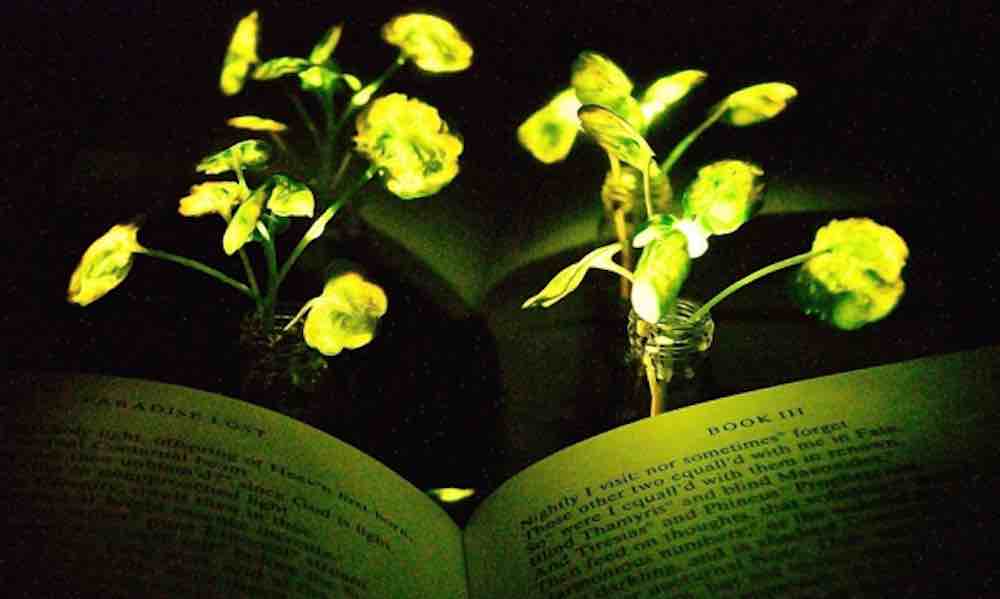
These beautiful glowing plants may be a new source of lighting for the buildings of the future.
The light-emitting plants, which were first created by MIT researchers in 2017, are not genetically modified to produce light. Instead, they are infused with nanoparticles that turn the plant’s stored energy into light, similar to how fireflies glow.
“The transformation makes virtually any plant a sustainable, potentially revolutionary technology,” says Michael Strano, the Carbon P. Dubbs Professor of Chemical Engineering at MIT.
“It promises lighting independent of an electrical grid, with ‘batteries’ you never need to charge, and power lines that you never need to lay,” he added.
Strano and his colleagues envisioned the plants being designed around an infrastructure of sunlight harvesting, water transport, and soil collecting and composting systems – but the team quickly realized that they needed partners who could expand the concept and understand its challenges and potential as part of a future of sustainable energy. Strano then reached out to Sheila Kennedy, professor of architecture at MIT and principal at Kennedy and Violich Architecture, who is known for her work in clean energy infrastructure.
“The science was so new and emergent that it seemed like an interesting design challenge,” says Kennedy. “The work of this design needed to move to a different register, which went beyond the problem of how the plant nanobionics could be demonstrated in architecture. As a design team, we considered some fundamental questions, such as how to understand and express the idea of plant lighting as a living, biological technology and how to invite the public to imagine this new future with plants.”
“If we treat the development of the plant as we would just another light bulb, that’s the wrong way to go,” Strano adds.
For most of human history, Kennedy explains, natural processes from sunlight to waste composting were part of the essential infrastructure of buildings. But these processes have been excluded in modern thinking or hidden away, preventing people from coming face to face with the environmental costs of energy infrastructure made from toxic materials and powered by fossil fuels.
“People don’t question the impacts of our own mainstream electrical grid today. It’s very vulnerable, it’s very brittle, it’s so very wasteful and it’s also full of toxic material,” she says. “We don’t question this, but we need to.”
“Lighting right now consumes a vast portion of our energy demand, approaching close to 20% of our global energy consumption, generating two gigatons of carbon dioxide per year,” Strano adds. “Consider that the plants replace more than just the lamp on your desk. There’s an enormous energy footprint that could potentially be replaced by the light-emitting plant.”
In 2017, Kennedy and Strano were awarded a research grant which supports unconventional, ahead-of-the-curve, and often interdisciplinary research endeavors that are unlikely to be funded through traditional avenues, yet have the potential to lead to big breakthroughs.
Their first year of the grant-funded research yielded several generations of the light-emitting watercress plants, which shine longer and brighter than the first experimental versions. The team is now evaluating a new component to the nanobiotic plants that they call light capacitor particles.
The capacitor, in the form of infused nanoparticles in the plant, stores spikes in light generation and “bleeds them out over time,” Strano explains. “Normally the light created in the biochemical reaction can be bright but fades quickly over time. Capacitive particles extend the duration of the generated plant light from hours to potentially days and weeks.”
The researchers have added to their original patent on the light-emitting plant concept, filing a new patent on the capacitor and other components as well, Strano says.
As the nanobionic plant technology has advanced, the team is also envisioning how people might interact with the plants as part of everyday life. The architectural possibilities of their light-emitting plant will be on display within a new installation, “Plant Properties, a Future Urban Development,” at the Cooper Hewitt, Smithsonian Design Museum in New York opening May 10.
Visitors to the installation, part of the 2019 “Nature—Cooper Hewitt Design Triennial” exhibition, can peek into a scaled architectural model of a New York City tenement building — which also serves as a plant incubator — to see the plants at work. The installation also demonstrates a roadmap for how an existing residential building could be adapted and transformed by design to support the natural growth of plants in a future when available energy could be very limited.
“In ‘Plant Properties’, the nanobionic plant-based infrastructure is designed to use nature’s own resources,” says Kennedy. “The building harvests and transports sunlight, collects and recycles water, and enriches soil with compost.”
The invitation to contribute to the Cooper Hewitt exhibition offered an unexpected way to demonstrate the plants’ possibilities, but designing an exhibit brought about a whole new set of challenges, Kennedy explains. “In the world of design museums, you’re usually asked to show something that’s already been exhibited, but this is new work and a new milestone in this project.”
“We learned a lot about the care of plants,” Strano adds. “It’s one thing to make a laboratory demonstration, but it’s another entirely to make 33 continuous weeks of a public demonstration.”
The researchers had to come up with a way to showcase the plants in a low-light museum environment where dirt and insects attracted by living plants are usually banished. “But rather than seeing this as a sort of insurmountable obstacle,” says Kennedy, “we realized that this kind of situation — how do you enable living plants to thrive in the enclosed setting of a museum — exactly paralleled the architectural problem of how to support significant quantities of plants growing inside buildings.”
In the installation, multiple peepholes into the building model offer glimpses into the ways people in the building are living with the plants. Museum visitors are encouraged to join the experiment and crowdsource information on plant growth and brightness, by uploading their own photos of the plants to Instagram and tagging the MIT Plant Nanobiotics lab.
The team is also collecting data on how the plants respond to the nanoparticles and other potential stresses. “The plants are actually under more stress from being in the museum environment than from the modifications that we introduce, but these effects need to be studied and mitigated if we are to use plants for indoor lighting,” Strano notes.
Kennedy and Strano say the plants could be at the center of a new — but also “pre-eclectic” — idea in architecture.
The team is continuing to work on new ways to infuse the nanoparticles in the plants, so that they work over the lifetime of the plant, as well as experimenting on larger plants such as trees. But for the plants to thrive, architects will have to develop building infrastructure that integrates the plants into a new internal ecosystem of sunlight, water and waste disposal, Kennedy says.
“If plants are to provide people with light, we need to keep plants healthy to benefit from everything they provide for us,” she says. “We think this is going to trigger a much more caring or nurturing relationship of people and their plants, or plants and the people that they illuminate.”
Hundreds of homeless people across Los Angeles have access to clean laundry thanks to a new initiative that is celebrating the power of a fresh start.
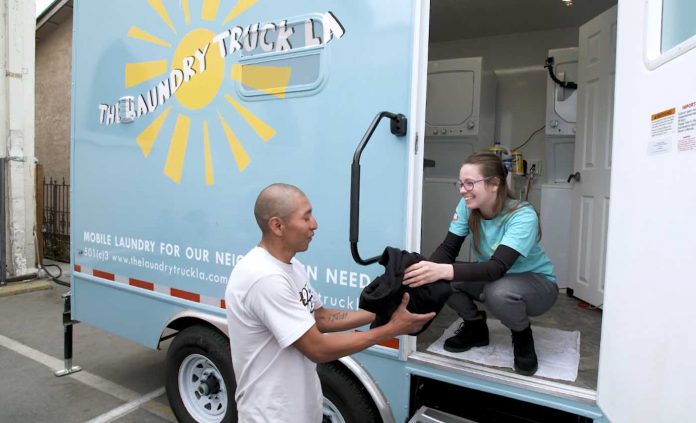
The Laundry Truck LA, a free mobile laundry service for individuals experiencing homelessness, received a $30,000 grant, along with cleaning products, from Clorox. The nonprofit was created in 2017 by DOLAN Clothing founder Jodie Dolan, but only operated for six hours every Thursday at Huntington Park.
Now with the help of the grant money, the Laundry Truck has launched Saturday Wash Day services in last month.
The truck is outfitted with multiple washer and dryer sets and will eventually be parked at various locations 3 to 5 days per week, with the capacity to wash and dry more than 5,000 loads of clothing annually. And, as you see in the heartwarming video, volunteers will actually wash the clothes for you.
Clorox issued the grant as a part of their “What Comes Next” campaign, which supports individuals and organizations that are giving back to their communities through the power of cleanliness. The company has provided a combination of grant funding, product donations, and volunteers for 10 grassroots organizations—including two run by teenagers.
A high school freshman from Florida started The Laundry Project to bring well-being and self-esteem to low income folks in Charlottesville, Virginia. Cutter Huston has washed $3,000 worth of laundry to date—and with a $15,000 grant, will be blessing even more people. $17,000 went to an eighth grader, Jayera Griffin, who launched Community Laundry Days after seeing her classmates come to school in dirty clothes in Riverdale, Illinois.
(WATCH the heartwarming video below)
Clean Up Negativity By Sharing The Good News To Social Media…
Stevie may only be 18 months old, but he’s already gearing up for playing arenas, thanks his doting dad.
His father, Steven Bentham, uploaded an adorable video of himself helping his son to “play the drums” earlier this week.
Bentham says that the toddler has been addicted to rocking out since he received a miniature Fisher Price drum set for his birthday.
Even though little Stevie still needs his dad’s helping hands to keep a rhythm, it seems safe to say that he is already well on his way to being the next Neil Peart.
(WATCH the cute video below)
Drum Up Some Smiles Among Your Friends By Sharing This To Social Media…
Quote of the Day: “I am going to keep having fun every day I have left… You just have to decide whether you are a Tigger or an Eeyore.” – Randy Pausch
Photo: by KIM_7271, CC license via Flickr
With a new inspirational quote every day, atop the perfect photo—collected and archived on our Quotes page—why not bookmark GNN.org for a daily uplift?
Social media users are praising a young delivery worker for coming to the rescue of an elderly man struggling to cross a busy street this week.
The senior had slowly been making his way through a busy intersection in Singapore when the traffic light turned green.
Thankfully, a nearby DHL driver saw that the man had only made it halfway across the road, and he immediately pulled his van over to the side of the road and rushed to the old man’s side.
At first, the driver can be seen trying to help the man use his walker – but when they failed to make much progress, the driver simply gave the older man a piggyback ride to the other side of the street.
The sweet moment was captured on video by Hambali Leonardi as he was watching the event unfold from his car.
In addition to the DHL driver being hailed as a “hero” and “employee of the year”, social media viewers are also offering to give him money as a reward for his good deed.
(WATCH the video below)
Be Sure And Pass On This Sweet Story Of Kindness To Your Friends On Social Media…
Scientists have successfully managed to create a smart skin patch that can cool down or warm up the wearer – and it could save people thousands of dollars in utility bills.
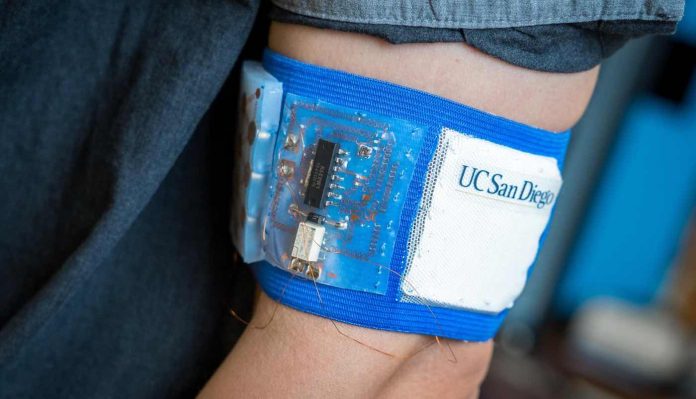
The two-inch square device works like a personalized thermostat that can be utilized at home, work, or on the go.
Powered by a flexible, stretchable battery pack, the patch can send hot and cold pulses of electricity to any part of the body, mimicking the relief of warming hands by a fire in winter or splashing water on one’s face in the summer.
The researchers from the University of California, San Diego believe it will help people save money and energy on air conditioning and heating.
“This type of device can improve your personal thermal comfort whether you are commuting on a hot day or feeling too cold in your office,” said study leader Professor Renkun Chen, a mechanical engineer at the university.
The patch described in Science Advances is made of thermoelectric alloys, materials that use electricity to moderate temperature. These alloys are soldered to thin copper electrode strips sandwiched between elastomer sheets that are specially engineered to conduct heat while still being soft and stretchy.
The team developed the sheets by mixing aluminum nitride powder, a chemical with high thermal conductivity, and a type of rubber called Ecoflex.
The patch then uses an electric current to move heat from one elastomer sheet to the other – causing one side of the patch to warm and the other to cool.
First author Sahngki Hong, who worked on the project as a PhD student in prof Chen’s lab, said: “You could place [this device] on spots that tend to warm up or cool down faster than the rest of the body, such as the back, neck, feet or arms, in order to stay comfortable when it gets too hot or cold.”
People using the device could then keep a building’s set temperature 12 degrees higher during the summer, for example, which would cut cooling costs by about 70%, said Chen.
“If wearing this device can make you feel comfortable within a wider temperature range, you won’t need to turn down the thermostat as much in the summer or crank up the heat as much in the winter,” he said.
There are a variety of personal cooling and heating devices on the market, such as fans and hot water bottles, but they are not the most convenient to wear or carry around.
That’s why Chen and colleagues designed the patch to be comfortable, flexible, lightweight, easily integrated into clothing, and convenient to wear.
As a means of testing the design, the researchers embedded a prototype of the patch into a mesh armband and tested it on a male subject in a temperature-controlled environment. In two minutes, it cooled his skin to 89.6 degrees Fahrenheit – keeping it there as the ambient temperature was varied between 71.6 and 96.8.
“To do cooling, we have the current pump heat from the skin side to the layer facing outside. To do heating, we just reverse the current so heat pumps in the other direction,” said Chen.
One patch uses up to 0.2 watts worth of power. Chen’s team estimates it would take 144 patches to create a cooling vest. This would use about 26 watts total to keep an individual cool on an average hot day.
During extreme heat, this would climb up to 80 watts, which is about how much a laptop uses. By comparison, a conventional air conditioning system uses tens of kilowatts to cool down an entire office, which is why it is more energy-efficient to cool down an individual person than a large room, said the researchers.
“If there are just a handful of occupants in that room, you are essentially consuming thousands of watts per person for cooling. A device like the patch could drastically cut down on cooling bills,” says Chen.
The team is now working on patches that could be built into a prototype cooling and heating vest. They hope to commercialize the technology within the next few years.
“We have solved the fundamental problems. Now we are tackling the big engineering issues – the electronics, hardware, and developing a mobile app to control the temperature,” said Chen.
Be Sure And Share The Cool News With Your Friends On Social Media – Photo by David Baillot / UC San Diego Jacobs School of Engineering
This teen’s journey towards a healthier lifestyle is a prime example of how anyone can make a change if they set their mind to it.
When Michael Watson was in his sophomore year at McKinley High School in Canton, Ohio, he was bullied for being overweight. The teen stood at 6-foot-4-inches, he weighed 335 pounds, and he says he had zero self-confidence.
After realizing that he had had enough, Michael resolved to make a change.
As a means of getting healthier, Michael started walking the 20-minute distance to and from his school every day, rain or shine. Even if it was pouring rain, the youngster would refuse to hitch a ride.
Additionally, Michael made a point to eat healthier, which he says was difficult since he worked at a fast food restaurant after school.
It has been a little over two years since Michael started walking to school – and he is now almost totally unrecognizable.
Michael is now 18 years old, 115 pounds lighter, and brimming with confidence.
Michael’s high school counselors and administrators are so proud of the youngster’s transformation, they launched a senior spotlight segment on their Facebook page in order to highlight the achievements of their students.
“It’s an example of courageous personal development that’s rare for a high school student,” school graduation coach Terrance Jones told CNN. “Mike’s decision … to live a healthier lifestyle and to stay consistent with it will always stay with me.”
As for Michael, he is preparing to graduate next month and pursue his dreams of being an actor. He also hopes that his story will inspire other people to take control of their own lives.
“Every day is a new day,” he told CNN. “Anybody can do it if they put their mind to it.”
Be Sure And Share The Inspiring Story Of Transformation With Your Friends On Social Media…
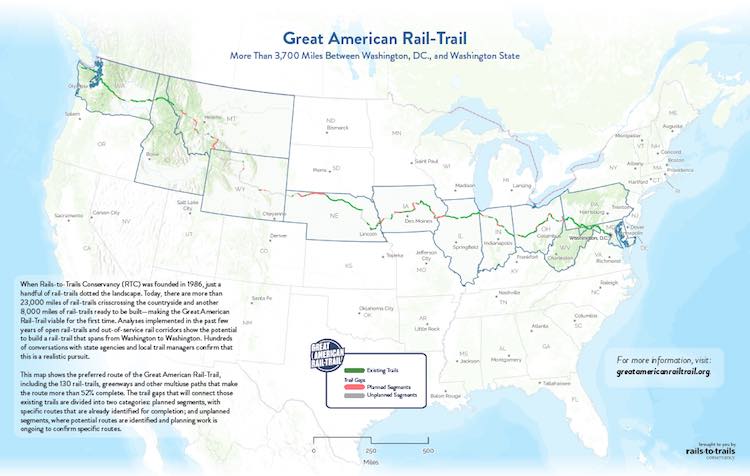
For the first time in American history, an epic new cross-country trail will allow outdoorsmen to travel nonstop from coast to coast.
The Great American Rail-Trail will stretch 3,700 miles across 12 states, from Washington DC to Washington state. Collectively, the trail will connect more than 125 currently existing trails and 90 trail gaps.
The trail is the signature project of the Rails-to-Trails Conservancy (RTC), the nation’s largest trails organization. For the last 12 months, the nonprofit has been researching and developing a proposal for the ideal Great American cross-country route.
RTC finally released their route proposal last week, and they are now asking for at least 1 million pledges of support in order to bring their dream to fruition.
Though the proposed route would require some work, 52% of the trail is already open for public use.
“We have the chance to create from that vision a national treasure that unites millions of people over thousands of miles of trail,” said Ryan Chao, president of RTC. “This trail is a once-in-a-lifetime opportunity to provide—together—an enduring gift to the nation that will bring joy for generations to come.”
(WATCH the video below) – Feature photo by Liz Zabel / GO Cedar Rapids
Be Sure And Share The Good News With Your Fellow Outdoor Enthusiasts On Social Media…
To the customer who accidentally got given a bottle of Chateau le Pin Pomerol 2001, which is £4500 on our menu, last night - hope you enjoyed your evening! To the member of staff who accidentally gave it away, chin up! One-off mistakes happen and we love you anyway 😉
— Hawksmoor Manchester (@HawksmoorMCR) May 16, 2019
Rather than shaming one of their staffers for making an expensive mistake in their restaurant, the managers opted to show her love and forgiveness instead.
It was a busy night at the Hawksmoor Manchester steakhouse last week when the accident took place. A few walk-in patrons sat down at the bar and ordered a bottle of the Chateau Pichon Longueville Comtesse de Lalande 2001, which costs about £260 ($330).
The server then asked one of the restaurant managers to fetch the bottle in question – but since the manager was visiting from another branch of the restaurant, she accidentally grabbed the wrong bottle of wine.
Instead of the wine that was ordered by the customers, she served the Chateau Le Pin Pomerol 2001 – a rare French wine worth almost $6,000.
Will Beckett, who is one of the co-founders of the Hawksmoor steakhouses, told The Guardian: “Some time later another member of staff said ‘ooh, someone is drinking a very impressive wine, and at the bar!’ That’s when we realized.
“They ordered a second bottle and the manager tactfully suggested they order a different one, without letting them know what had happened.”
The restaurant staffers thought it would be amusing if the patrons who received the wine were informed of the mistake through social media – and they wanted to send an encouraging message to the manager who served the expensive wine.
The restaurant then tweeted: “To the customer who was accidentally given a bottle of Chateau le Pin Pomerol 2001, which is £4,500 on our menu, last night – hope you enjoyed your evening!”
“To the member of staff who accidentally gave it away, chin up!” they added. “One-off mistakes happen and we love you anyway.”
The tweet has since been shared thousands of times, and social media users are praising the restaurant for forgiving the manager’s mistake.
Beckett told BBC that the manager in question is a “brilliant” staffer. That being said, he says that he is “going to tease her for this when she stops being so mortified.”
Quote of the Day: “Great is the art of beginning, but greater the art is of ending.” – Henry Wadsworth Longfellow
Photo: by Steve Rotman, CC license via Flickr
With a new inspirational quote every day, atop the perfect photo—collected and archived on our Quotes page—why not bookmark GNN.org for a daily uplift?
When I was in the city last week, these three Irishmen asked me to take a photo of them, but none of them had phones. “you’ll take the picture and we’ll find it someday” so if by some strange turn of events anyone knows these guys, here’s their photo pic.twitter.com/ZrPvKXusJ7
A New Jersey woman’s social media post may have just proven the stereotype that everyone in Ireland knows each other.
23-year-old Christina Boniello was in New York City earlier this week for a film premiere when she was approached by three Irish tourists who asked her to take their photo.
Boniello was surprised, however, when they said that none of them had cell phones.
Instead, the Irishmen asked her to use her own phone for the picture and then post it onto the internet for them to find.
Boniello followed their instructions and published their photo to Twitter, saying: “When I was in the city last week, these three Irishmen asked me to take a photo of them, but none of them had phones. ‘You’ll take the picture and we’ll find it someday.’ So if by some strange turn of events anyone knows these guys, here’s their photo.”
Within hours of publishing the photo, someone responded to Boniello’s post and identified the men as Seán Tighe, Bernie Waldron, and John Devanney, all of whom are from Ballyhaunis, County Mayo.
The Twitter user then assured Boniello that the photo would be reunited with them as they had predicted.
Twitter users are now chuckling over the amusing story as a testament to the occasional magic of the internet.
“Most definitely did not expect to be able to ID these guys as quick as everyone did,” said Boniello. “I’m blown away and honestly so happy with the power of social media.”
Be Sure And Share The Fun Story Of Serendipity With Your Own Friends On Social Media…
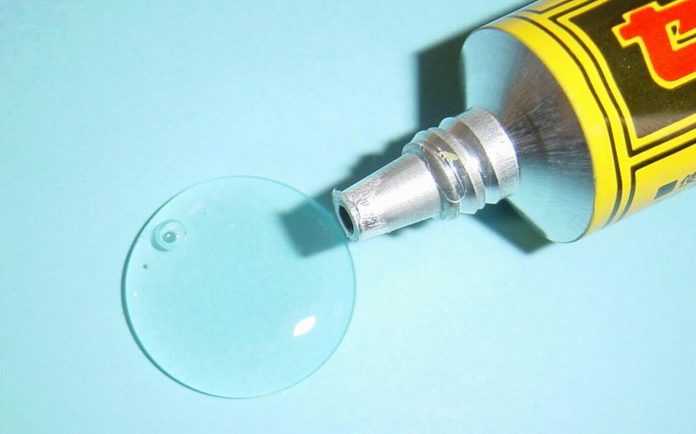
Scientists have managed to develop a miracle superglue that can heal a potentially fatal wounds in seconds.
The powerful bio-gel has the capacity to prevent heart patients from bleeding out on operating tables; dramatically reduce patient recovery time; and save the lives of those injured in warzones and serious accidents.
When activated by UV (ultraviolet) light, the “bio-glue” immediately forms a complete seal, even on wet tissue, without the need for staples or stitches.
In experiments, researchers managed to close up incisions and holes up to 6 millimeters wide in the blood vessels and organs of pigs – all in just 20 seconds.
Afterwards, three of the pigs were monitored for a two-week period and they all made a full recovery with no abnormalities or side effects.
Corresponding author Professor Hongwei Ouyang hopes that the gel, which is described in Nature Communications, will be available for human use sometime in the next three to five years.
Until now, medical glue has not proved strong enough to withstand the forces inside the pumping chambers of hearts or major blood vessels.
“Uncontrollable bleeding is a major problem in surgical procedures and after major trauma,” explained Ouyang, an expert in regenerative therapy at Zhejiang University School of Medicine, Hangzhou, China.
“Existing clotting substances poorly control hemorrhaging from traumatic arterial and cardiac wounds because of their weak adhesion to wet and mobile tissues.”
The new bio-gel, however, contains water, gelatin, and a cocktail of chemicals that is injected into the injured tissue. These components help to mimic the support structure of cells called the “extracellular matrix”, a complex composition of proteins and other molecules. When exposed to UV light, the glue sets rapidly.
“Upon UV irradiation, organic compounds at the tissue-hydrogel interface react with amino groups of the tissue proteins, forming strong bonds,” says Ouyang. “The triggered hydrogel is like rubber. We can even say it is like a connective tissue.
“The components and mechanical properties of the hydrogel mimic those of human soft tissues.”
Gel-based solutions require both strong adhesion to the wet tissue and the strength to resist high blood pressure and the movement of a beating heart – but very few non-toxic materials meet these criteria, says Ouyang.
“This hydrogel can undergo rapid setting to adhere and seal bleeding arteries and cardiac walls after UV light irradiation. These repairs can withstand up to 290mmHg blood pressure, significantly higher than blood pressures in most clinical settings.
“Most importantly, the hydrogel can stop high pressure bleeding from pig carotid arteries with 4 to 5mm long incision wounds and from pig hearts with 6mm diameter cardiac penetration holes.
“Treated pigs survived after treatment with this hydrogel, which is well-tolerated and appears to offer significant clinical advantage as a traumatic wound sealant,” added Ouyang. “It is the first time high-pressure bleeding of beating heart with 6mm diameter cardiac penetration holes were rapidly stopped.”
Ouyang goes on to say that the potential applications for the gel are limitless – from surgery to the battlefield or civilian catastrophes, either accidental or deliberate.
“It can be easily applied in any condition and can stop any serious bleeding which current medical gel products cannot stop.”
Further studies are now being planned to confirm the safety of the glue in humans.
“The next step is to finish the pre-clinical data and get official approval for a clinical trial,” says Ouyang.
(WATCH the superglue in action below)
Be Sure And Share The Exciting News With Your Friends On Social Media…
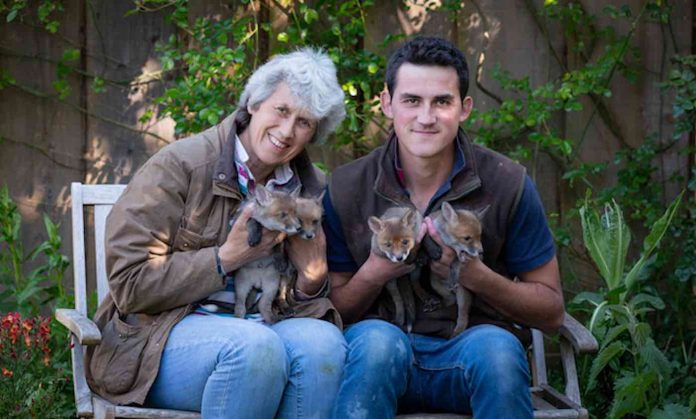
When a mother fox got hit by a car back in March, a young English farmer stopped to make sure she was okay – and even though she did not survive the collision, her pups are alive and thriving thanks to his quick actions.
24-year-old Chris Rolfe had been driving back to his home in Haywards Heath, West Sussex when he saw the vixen get hit by a passing car.
He immediately pulled over to the side of the road so he could check on the fox.
Unfortunately, the mother was killed on impact – but then Chris noticed movement in her stomach.
Based on his experiences with farm animals, Chris knew the fox was pregnant with cubs. He immediately performed an emergency C-section on the dead vixen so he could pull out all four of her unborn cubs.
After he rescued the cubs, Chris brought them to his mother Jean.
In addition to being the artistic mastermind behind Wild By Nature Photography, Jean has also cared for a number of baby hedgehogs, rabbits, foxes, and other young critters.
The mother-son duo cleaned up the cubs, swaddled them in blankets to keep them warm, and then began feeding them puppy milk every twenty minutes.
Thanks to Chris’s intervention and Jean’s constant care, the four fox cubs are healthy and almost fully-grown.
“Chris wasn’t expecting them to survive, but he wanted to try,” Jean told BBC. “It’s miraculous they did.”
The foxes, which were named Ginger, Biscuit, Little-Tip, and Big-tip, have garnered their fair share of social media fame since Jean began posting photos of their adorable antics to her photography Facebook page.
The cubs just reached 7 weeks old, and though Jean says she will be sad to see them go, she eventually plans on handing the foxes over to The Fox Project, a charity that has rescued and rehabilitated over 900 foxes.
The foxes will be given to the nonprofit once they reach 10 weeks of age at the end of May. After that, the cute critters will be properly reintroduced into the wild.
(WATCH the video below)
Be Sure And Share This Pawesome Rescue Story With Your Friends On Social Media…
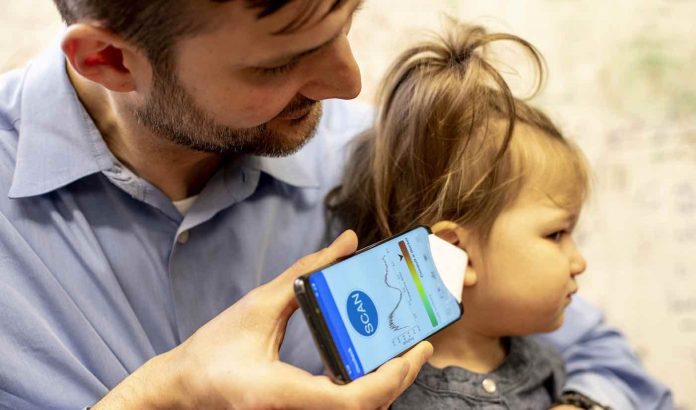
A new smartphone app is able to sound out possible ear infections in children.
Scientists developed the app using a “user-friendly” method that can quickly detect the presence of fluid in the middle ear – a likely indicator of ear infections.
Researchers say that the new system, which was tested on 98 young patients in a pediatric surgical centre, could provide a “low-cost and effective” tool for parents to detect ear infections such as acute otitis media (AOM), a leading cause of visits to doctors.
Some cases of AOM can lead to severe complications such as meningitis, while other pediatric ear conditions (such as otitis media with effusion) are associated with delays in speech and poorer school performance.
These conditions are hard to diagnose because symptoms are vague: Children might tug on their ears or have fevers, or be asymptomatic. Young children may be unable to describe where they hurt.
Researchers say that detecting middle ear fluid is a “critical” need in pediatric medicine – but existing tests, such as tympanometry, either can’t be performed at home or they require expensive equipment.
To overcome the hurdles, Dr. Justin Chan and colleagues at the University of Washington School of Medicine created a system that uses a commercial smartphone’s existing speakers and microphones to send audible “chirps” of sound into the ear canal so it can analyze the reflected acoustic signals and predict middle ear status.
A deeper pitch in the sound indicates that the middle ear is filled with fluid. When no fluid is present, the eardrum vibrates and sends a variety of sound waves back.
“It’s like tapping a wine glass,” said Chan, a doctoral student in the Allen School. “Depending on how much liquid is in it, you get different sounds. Using machine learning on these sounds, we can detect the presence of liquid.
“The system requires no additional equipment beyond a small paper funnel to focus the sound, which can be constructed from printer paper, scissors and tape in under three minutes,” said Chan.
The researchers tested the system using an iPhone 5S and a Galaxy S6 on the ears of 98 patients between the ages of 18 months and 17 years. They found that the platform detected middle ear fluid with 85% to 90% efficiency depending on the age group.
Collectively, this means that the app could diagnose ear infections with about the same amount of success as established diagnostic techniques.
“Importantly, parents of patients operated the system as easily as physicians in a separate experiment involving 25 patient ears, and the software was not substantially affected by background noise such as the sound of a crying child,” said Chan.
The team also tested the algorithm on a variety of smartphones and used different types of paper to make the funnel. The results were consistent regardless of phone or paper type.
The researchers now plan on commercializing this technology through a spinout company, Edus Health, and then making the app available to the public.
“Fluid behind the eardrum is so common in children that there’s a direct need for an accessible and accurate screening tool that can be used at home or clinical settings,” said co-first author Dr. Sharat Raju, a surgical resident in otolaryngology-head and neck surgery at the UW School of Medicine.
“If parents could use a piece of hardware they already have to do a quick physical exam that can say ‘Your child most likely doesn’t have ear fluid’ or ‘Your child likely has ear fluid, you should make an appointment with your pediatrician,’ that would be huge.”