Justice is sweet, but this courtroom full of kindergartners is even sweeter.
5-year-old Michael Orlando Clark Jr. was just one of the children who found his forever family during a recent adoption event in Grand Rapids, Michigan.
He was so excited to officially be adopted, he invited his entire kindergarten class to his adoption hearing—and the ceremony was adorable.
As the youngsters waved heart-shaped wands from the peanut gallery, each of Michael’s classmates were given a chance to tell the judge how much they loved him. Michael’s teacher even joined in to say: “We began the school year as a family. Family doesn’t have to be DNA, because family is support and love.”
When it was finally time for the judge to officiate the adoption by banging the gavel, the youngster got to bring the hammer down alongside his new parents—and the entire courtroom erupted in celebration.
(WATCH the heartwarming news coverage below) – Feature photo by WZZM
Be Sure And Share This Sweet Story With Your Friends On Social Media…
Quote of the Day: “I love snow for the same reason I love Christmas: It brings people together while time stands still.” – Rachel Cohn
Photo: by Coline Buch, CC license on Flickr–cropped
With a new inspirational quote every day, atop the perfect photo—collected and archived on our Quotes page—why not bookmark GNN.org for a daily uplift?
We may have just found the perfect cure to a long work week: watching the sun set on the shores of New Zealand with a pack of contented alpacas to keep you company.
This peaceful 30-second clip from the Shamarra Alpaca Farm depicts a few dozen alpacas grazing in Akaroa as the sun paints the surrounding hillside a stunning pink.
Shamarra Alpaca Farm, which is home to 160 alpacas, is a notorious tourist hotspot for travelers looking to spend some quality time with the fuzzy grazers.
If you want more cute alpaca pictures and breathtaking videos of the New Zealand scenery, you can visit the farm’s Instagram or Facebook page.
(WATCH the soothing video below)
Don’t Let The Sun Set On This Sweet Clip Without Sharing It With Your Friends On Social Media…
Type 2 diabetics inject themselves with insulin, a hormone that regulates the movement of sugar into liver, muscle and fat cells, up to four times a day—however, insulin injections are linked to weight gain and the loss of control of blood sugar levels.
This triggers a vicious cycle of higher insulin doses, continuous weight gain, a higher incidence of cardiovascular disease and other complications.
A new Tel Aviv University study finds that a starch-rich breakfast consumed early in the morning coupled with a small dinner could replace insulin injections and other diabetes medications for many diabetics.
“The traditional diabetic diet specifies six small meals spread throughout the day. But our research proposes shifting the starch-rich calories to the early hours of the day. This produces a glucose balance and improved glycemic control among type 2 diabetics,” explains Professor Daniela Jakubowicz of TAU’s Sackler Faculty of Medicine and Wolfson Medical Center’s Diabetes Unit. “We believe that through this regimen it will be possible for diabetics to significantly reduce or even stop the injections of insulin, and most of anti-diabetic medications, to achieve excellent control of glucose levels.”
According to the new research which was published in Diabetes Care this week, our metabolism and biological clock are optimized for eating in the morning and for fasting during the evening and night, when we are supposed to be asleep. “But the usual diet recommended for type 2 diabetes consists of several small meals evenly distributed throughout the day—for example, three meals and three snacks daily, including a snack before going to sleep to prevent a drop in sugar levels during the night,” Jakubowicz says.
“But the ‘6M-diet,’ as this is called, has not been effective for sugar control, so diabetics require additional medication and insulin. And insulin injections lead to weight gain, which further increases blood sugar levels,” Jakubowicz adds.
The researchers studied 29 type 2 diabetes participants and compared a new “3M-diet,” more in alignment with our biological clock, with a control group on the traditional 6M-diet. The experimental 3M-diet is comprised of a meal of bread, fruits and sweets in the early hours of the morning; a substantial lunch; and a small dinner specifically lacking starches, sweets and fruits.
The group on the traditional 6M-diet did not lose weight and did not experience any improvement of sugar levels, requiring an increase in medication and insulin doses—but the group on the 3M-diet not only lost weight but also experienced substantially improved sugar levels.
“Their need for diabetic medication, especially for insulin doses, dipped substantially. Some were even able to stop using insulin altogether,” adds Jakubowicz. “In addition, the 3M-diet improved the expression of biological clock genes. This suggests that the 3M-diet is not only more effective in controlling diabetes. It may also prevent many other complications such as cardiovascular disease, aging and cancer, which are all regulated by the biological clock genes.”
The upregulation of the biological clock gene expression in the 3M-diet might be the mechanism behind its success, as it enhances insulin secretion and improves sugar delivery into the muscles, creating a balanced daytime and nocturnal glucose metabolism.
The researchers are now investigating the role certain proteins play in breakfast foods consumed by diabetics.
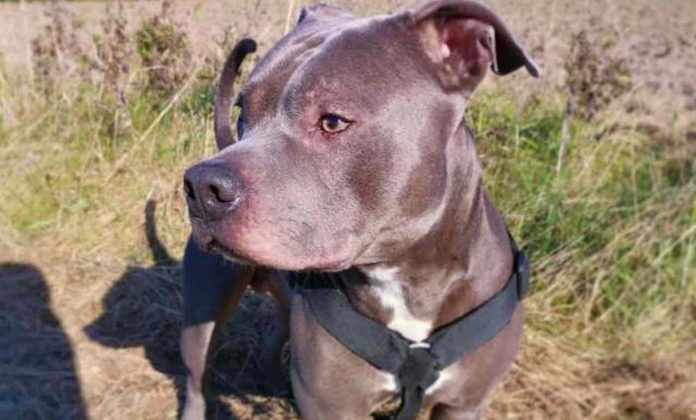
This attentive pit bull is a perfect example of why you should never judge a book by its cover.
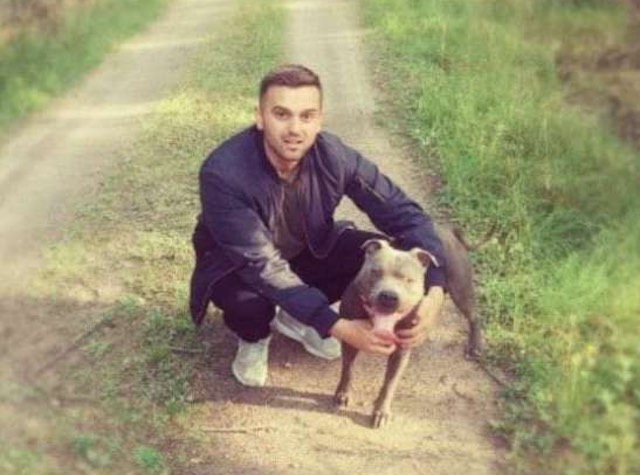
Simba lives with his owner Arjanit Mehana in an apartment building in Sweden. Despite how Simba has always been a sweet pup, the neighbors in their building have negatively judged him for being a pit bull.
One elderly woman who lived on the floor below Mehana and Simba always took particular care to avoid the pup and shun his advances.
“He always tried to greet her, but she called him mean and looked at him with fear,” Mehana told The Dodo. “She never liked him because he was a ‘bad’ breed.”
Her attitudes changed, however, after Simba saved her life.
Mehana and Simba had recently been returning to their apartment from a walk when the pup suddenly started barking and pawing at the elderly woman’s door—and he refused to leave.
As Mehana pulled on Simba’s leash in bewilderment, he heard a faint voice calling for help from inside.
The elderly neighbor had fallen and broken her hip. For two days, she had been stuck on the floor without any way of calling for help.
Mehana then called medical services and waited with her until an ambulance arrived—and she was sure to thank her rescuers for their intervention.
“She said, ‘Thank you for hearing me.’ I thought she was talking to me at first,” Mehana recalled. “But then she said, ‘No, not you—the nice doggie.’”
Suffice it to say that the woman has had a change of heart towards her new canine friend. Mehana also now hopes that Simba’s story will help other people to reconsider their views on pit bulls as well.
Be Sure And Share The Pawesome Rescue Story With Your Friends On Social Media…
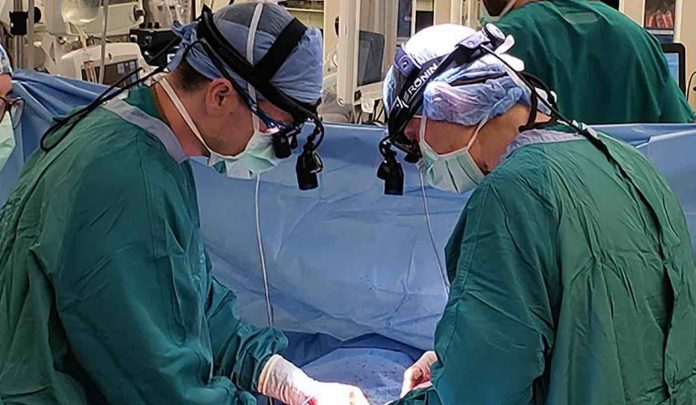
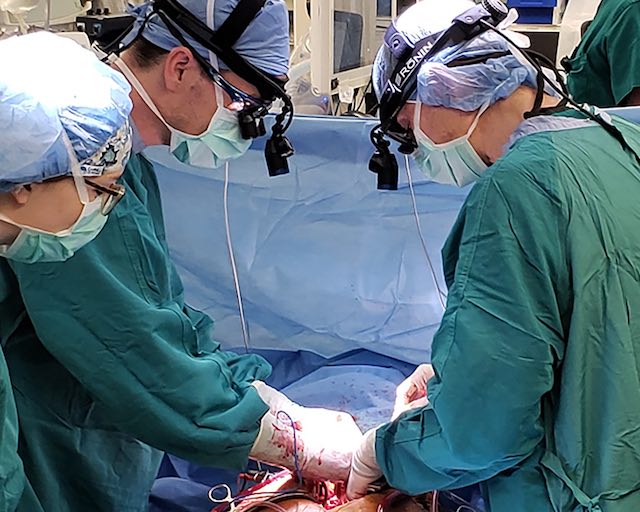
A heart transplant team at Duke University Hospital became the first in the U.S. to transplant an adult heart into a recipient after it had been declared dead.
Duke is one of five centers in the United States that has been approved to perform Donation after Circulatory Death (DCD) heart transplants as part of a recently launched clinical trial of a device that circulates warm, oxygenated blood through organs.
Traditionally, heart donations have depended on a declaration of brain death. Donation after circulatory death occurs after the heart has stopped beating and the person’s death has been declared. DCD transplantation is done regularly in the U.S. for organs other than the heart, although DCD heart transplants have been conducted in Europe and Australia, the first of which reportedly taking place back in 2014 at St. Vincent’s Hospital in Sydney.
The life-saving device used for the procedure, the TransMedics Organ Care System, helps to preserve hearts and other organs for several hours after an individual’s death. Though it has been approved for heart transplants in this trial, it has not yet been approved for widespread use by the FDA.
“This procedure has the potential to expand the donor pool by up to 30%,” said Dr. Jacob Schroder, who performed the procedure at Duke over the weekend and is surgical director of Duke’s Heart Transplant Program in the Department of Surgery. “Increasing the number of donated hearts would decrease the wait time and the number of deaths that occur while people are waiting.
“It’s important to conduct this clinical trial to determine whether those outcomes are realized,” Schroder said. “We are grateful for the courage and generosity of both the donors and recipients.”
The DCD heart transplantation milestone occurred Sunday after a donated heart was deemed viable for transplant. The recipient, a military veteran who received his heart through the Mission Act, is reportedly recovering well.
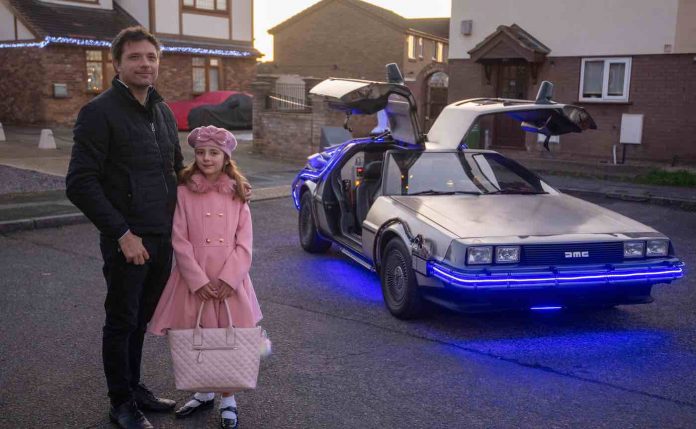
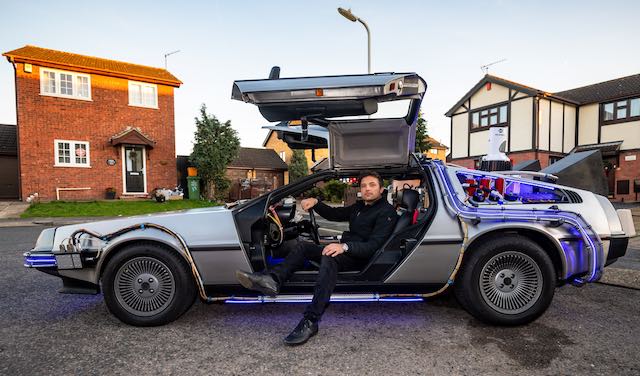
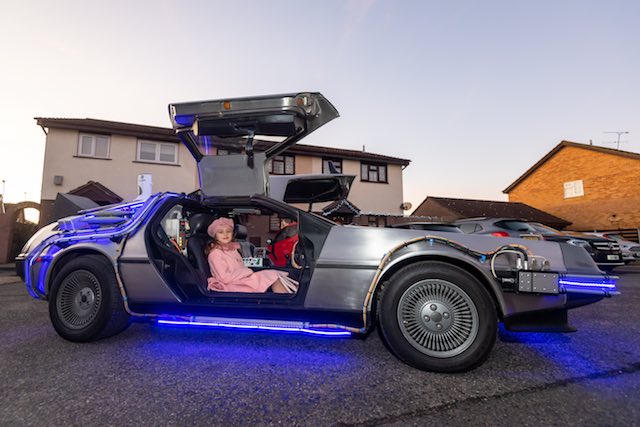
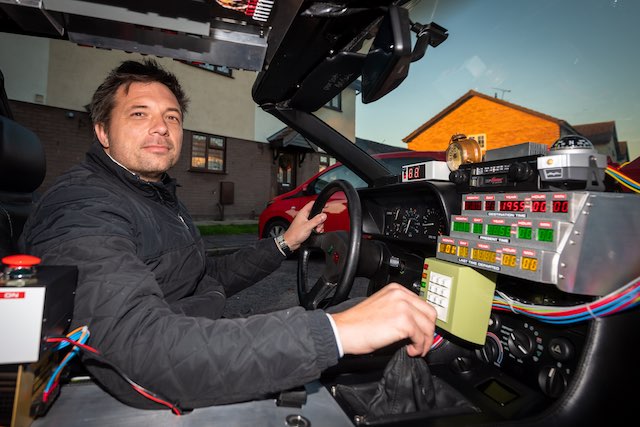
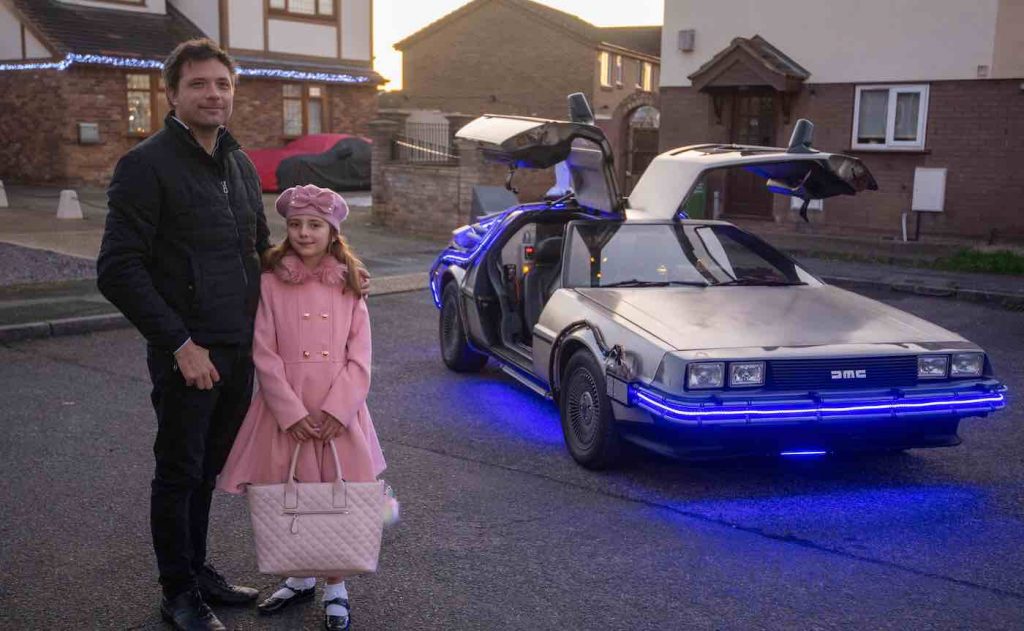
This 37-year-old movie enthusiast may be “the coolest dad ever” since he restored an old DeLorean car from the Back to the Future movies so he could use it to pick up his kids from school.
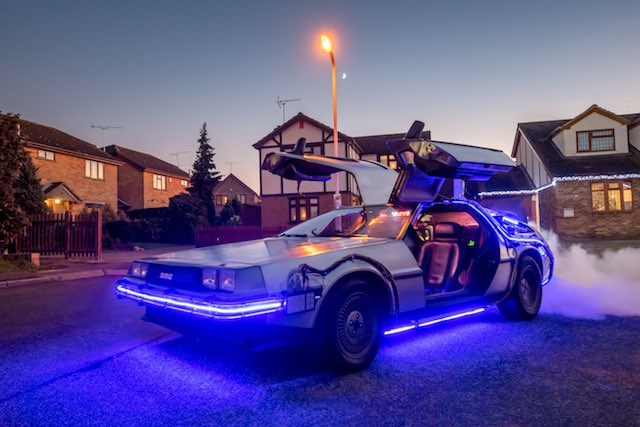
James Napier spent a fortune transforming the once run-down car to resemble the one featured in the 1985’s movie in which Marty McFly travels through time—and even though some automotive fans might only take out their prized hot rods for an occasional spin, Napier uses it for much more mundane reasons.
Napier says that he takes the car out to pick up his three kids; 16-year-old Paige, 13-year-old Devon, and 8-year-old Daisy, from school every day in the silver motor.
“I take it out on weekends and I drop my kids off at school or football sometimes. They like it and their friends find it quite amusing!” says Napier. “You see other people’s jaws drop when we drive past. The family adores it—although my wife Emma probably doesn’t want to know how much it has cost me in total to restore!
“We drive it everywhere we go—you’ve got to make the most of it.”
The keen fan said he has also taken the car along to charity events across south Essex.
SWNS
“We take the car to all sorts of things,” says Napier. “We’ve been to charity events in Pitsea, Stock and Wickford. People love to see it and constantly want a picture with it.
“When we posted on Facebook that we had bought it, loads of people messaged me and asked me to take their kids out in it.”
His daughter Daisy said she loves it when people beep at them when they drive past.
“It’s really cool. Dad is probably a bit crazy to build something like that!” says Daisy.
Napier, who works as a a website designer from Wickford, Essex, has spent the last five months bringing the iconic car back to life after buying it for £55,000 back in June.
SWNS
When he first got the car, he admits it was a bit of a mess because someone had already tried to convert it into the iconic Back to the Future car.
“It was quite run down. It needed a lot of work,” says Napier. “Somebody had tried to make it into a Back to the Future car—but it was really quite bad! The car was an absolute mess. I was completely nuts.
“I thought maybe I could salvage some of it, but in the end I needed to get rid of everything and start from scratch,” he added. “I probably spent around 1,200 hours working on the car and it was quite expensive to do. It was a seven days a week job.
“It might have took a while, but it’s definitely worth it.”
SWNS
His extraordinary left-hand drive car has become the talk of the town and he said people flock just to catch a glimpse of it.
“I like it because it reminds people of their childhood. I love the film and I’m glad I’ve brought it to life for people,” says Napier. “It’s a fully functioning car. It’s passed its MOT and it runs like a dream.
“There’s only one other like it in the UK. It’s really rare and one of a kind. It was a once-in-a-lifetime opportunity to buy it. It was one of my childhood dreams to have one.
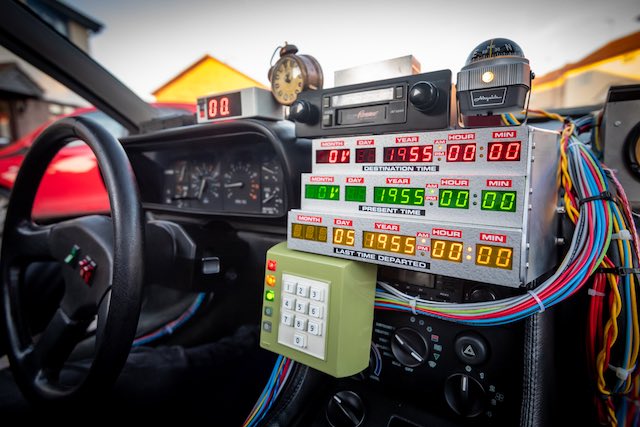
“I wanted to try and get as many things from the films into my car. There’s a few relays in there that have come from the actual car,” admitted Napier. “My wife wanted to get me something from the Back to the Future films for Christmas a few years ago and she bought me these relays which were used in one of the original cars from the film.
SWNS
“They were in a cabinet just on display, but when I started working on the car, we put them back in where they belong.
“In the film, you see white plumes of smoke and that’s done by fire extinguishers in the film,” he continued. “We’ve done something similar—we’ve used CO2 fire extinguishers with a remote control.
“We have a smoke machine inside the car too so when you open the doors smoke comes out so it’s like you’ve travelled in time. A lot of the props inside makes the exact same noises. We’ve got the iconic car doors and lights too.
“It usually costs around £30,000 to do up these sort of cars from the bottom up,” added Napier—but despite the extraordinary modifications, it only cost James an extra £20.00 to add the car onto his existing insurance policy.
SWNS
Drive The Good News Over To Your Friends By Sharing This To Social Media…
Quote of the Day: “The past is there only to teach us, not for us to live in.” – Pakistani Prime Minister Imran Khan
Photo: by Jenn L, CC license on Flickr–cropped
With a new inspirational quote every day, atop the perfect photo—collected and archived on our Quotes page—why not bookmark GNN.org for a daily uplift?
The United States has a proud history of wildlife conservation and management, but so many of the great American conservation success stories start with the expertise or initiative of one person in the right place at the right time.
John Muir championed the preservation of the entire Sierra Nevada ecosystem, and the famous valley of Yosemite. John Lacy created and forced through Congress the Lacy Bird and Game Act of 1900 – one of the earliest legislative tools for protecting wildlife.
In 1970, the last Mexican wolf (canis lupus baileyi) in the U.S. was killed in Texas on December 8th, leaving only a small (and reviled) population hiding out in Northern Mexico that would occasionally stray into southern Arizona and New Mexico.
While the North American gray wolf had to contend with centuries of persecution due to its poaching of livestock, the frozen wilderness of Canada provided a safe haven for them to survive.
The Mexican wolf however was not so fortunate, and entered the extinct species list of the United States. Undoubtedly one of the most charismatic of the gray wolf subspecies, the Mexican wolf is covered in splashes of rust, tawny, brown, smoky grey, and black colors.
Roy T. McBride to the Rescue
Enter Roy T. McBride—a legendary trapper hired by the U.S. Fish and Wildlife Service to conduct a Mexican wolf survey and trapping operation in the late 1970s. The goal was to trap enough wolves to create a stable captive breeding population for later reintroduction into their historic U.S. range.
An unlikely ally, McBride was a wolf hunter for ranchers along the Rio Grande. According to one story about McBride, he tracked one wolf for 11 months across Northern Mexico. The wolf, ‘Las Margaritas,’ was a male, and regularly killed young cattle and had two toes missing on his front paw. It’s the stuff of frontier legend.
USFS
The once hunter, expert in hunting rifles, and now wolf savior McBride was able to capture 5 wolves by 1980—three of which became the progenitors for the McBride lineage of Mexican wolves.
By 1995, close to 100 McBride wolves had been born in the United States, and when combined with another 22 contributed from private ownership as well as an additional 8 wolves born in the Chapultepec Zoo in Mexico City, the Fish and Wildlife Service had a genetically diverse population that was ready to move back into the wild.
The Resurrection
The turn of the millennium saw the reintroduction of wolves into the south-western U.S., and also into Northern Mexico shortly after, in an effort to save the species persecuted almost to oblivion with poison and rifle.
One of the biggest victories for wolf reintroduction in Mexico came in 2009 when by presidential degree, the Janos Biosphere Reserve was created in Chihuahua. This sprawling 500,000 hectare (1.25 mil acre) reserve was established in part so there could be a remote and secure area where wolf populations could recover.
In February 2018, another 5 wolves were reintroduced into Northern Mexico, and the last survey found there were 37 wolves living in the Reserve, in Chihuahua, and Sonora. More importantly, wolf pups are beginning to be born in the wild, ensuring the small population rapidly reconnects with its home range.
As of 2015, the Fish and Wildlife Service found that there were 109 Mexican wolves roaming the United States. And to protect the two populations on both sides of the border, another 240 remain in breeding centers to ensure disease, poisoning, or poaching will never harm the species existence again.
As you can imagine, trapping members of a species listed as extinct in the wild is very difficult. Trapping 5 such members is even harder. Trapping 5 members of a species extinct in the wild that has learned to fear humans as the cause of their decline is a truly incredible feat that all those who value wolves and biodiversity have Roy McBride to thank.
SHARE the Howling Success With Animal Lovers on Social Media!
Practiced by more than 25 million people worldwide, Sikhism has deeper roots in modern Pakistan than India—but ever since the two countries were partitioned by Great Britain in 1947, the tempestuous relationship between the two nations has made it difficult for Sikhs from India to visit holy sites in Pakistan, and vice versa.
However, all of that changed last month when India and Pakistan broke ground on a new peace corridor that will allow more than 5,000 pilgrims to travel back and forth across the normally impassable border visa-free for the first time in 72 years.
The new Kartarpur Corridor is a 3-mile (5-kilometer) long overland border crossing that connects the Sikh town of Dera Baba Nanak Sahib in India’s Gurdaspur and the sacred temple of Gurdwara Darbar Sahib in Kartarpur, Pakistan.
Speaking at the opening of the corridor, Pakistani Prime Minister Imran Khan hoped this display of cooperation and tolerance would help move the nations towards a brighter future.
“There have been mistakes on both sides [in the past], but we will not be able to move forward until we break the chains of the past,” said Khan. “The past is there only to teach us, not for us to live in.”
Indian Prime Minister Narendra Modi saw off the first group of pilgrims who were welcomed by Khan after arriving in Pakistan.
A more convenient pilgrimage
Gurdwara Darbar Sahib, the beautiful, white-domed temple on the Pakistan-side of the border marks the spot where 550 years ago this month, it is said that Guru Nanak, the founder of the Sikh religion, spent the end of his days peacefully tilling green fields.
Photo by Xubayr Mayo, CC
Until the Kartarpur Corridor was opened, pilgrims coming westbound through India were forced to stop at a tall podium several miles away, and look at the temple through binoculars.
Commenting to AFP on the mending of ties between the two nations, one Sikh pilgrim from Australia said: “It should improve and I’m hoping that it will improve. Definitely. Because the goodwill is oozing.”
The Sikh communities living close to the border are hoping this will spur the creation of more small pilgrimage corridors to connect more temples so that Pakistanis can visit holy sites in India.
Be Sure And Share The Groundbreaking Story Of Peace With Your Friends On Social Media…
*Corrections were made to this article on 12/4, replacing the position of Khan and Modi as Presidents with their actual positions of Prime Ministers.
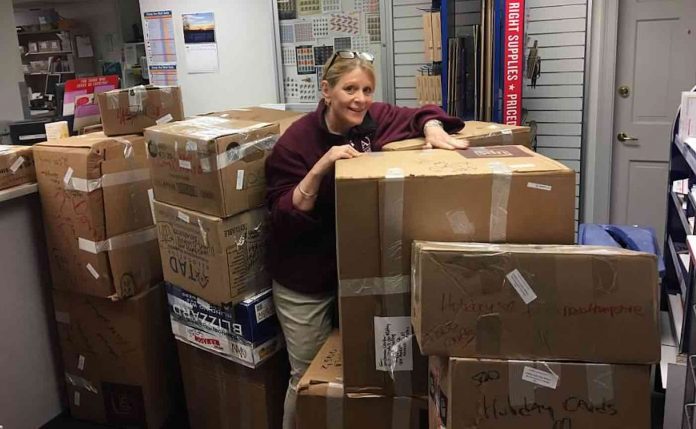
It has been 17 years since Laura Landerman-Garber first started her own holiday tradition out of the basement of her New Hampshire home—and it has now grown into a massive international labor of love.
Landerman-Garber had been having Thanksgiving with her family when they decided to write some holiday greeting cards for American servicemen stationed overseas. After continuing the tradition for several years, she asked her other friends and family members to send their own letters as well.
“The thought of someone being away at a time when in our culture, in American culture particularly, the holidays are all about gathering together… for me, I wanted to be able to reach out and just maybe give a little bit of a bridge so that person who is far away feels a little tiny bit closer to home,” Landerman-Garber told CNN.
Since her project garnered an impressive amount of mail, she launched her Holiday Cards for Our Military organization from her basement—and the nonprofit is now preparing to send more than 160,000 cards to US troops around the world.
In addition to Landerman-Garber receiving cards from adults, children, and students from more than 32 US states, she has also received greeting cards from Guam and Canada. She has even received cards from several active presidential candidates, such as Mark Sanford, Elizabeth Warren, Joe Biden, and Bernie Sanders.
Landerman-Garber’s nonprofit will be collecting holiday cards until December 15th. If you want more information on how you can send in some greeting cards of your own, feel free to check out their website.
(WATCH the news coverage below) – Photo by Holiday Cards for Our Military
Be Sure And Share The Inspiring Story With Your Friends On Social Media…
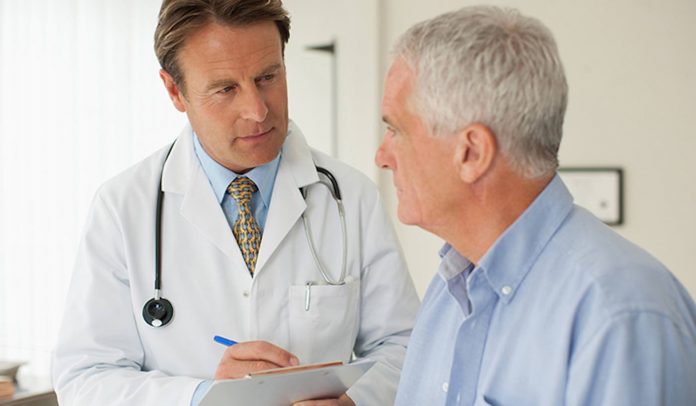
A simple urine test under development for prostate cancer detection could save thousands of lives by allowing men to use urine samples collected at home.
The scientists from University of East Anglia and the Norfolk and Norwich University Hospital pioneered the test to diagnose aggressive prostate cancer and predict whether patients will require treatment up to five years earlier than standard clinical methods.
Their latest study—which was published in the journal BioTechniques shows how the “PUR” test (Prostate Urine Risk) could be performed on samples collected at home, so men don’t have to come into the clinic to provide a urine sample—or have to undergo an uncomfortable rectal examination.
This is an important step forward, because the first urination of the day provides biomarker levels from the prostate that are much higher and more consistent. And the research team hope that the introduction of the “At-Home Collection Kit” could revolutionize diagnosis of the disease.
Lead researcher Dr. Jeremy Clark, from UEA’s Norwich Medical School, said: “Prostate cancer is the most common cancer in men in the UK. It usually develops slowly and the majority of cancers will not require treatment in a man’s lifetime. However, doctors struggle to predict which tumors will become aggressive, making it hard to decide on treatment for many men.
“The most commonly used tests for prostate cancer include blood tests, a physical examination known as a digital rectal examination (DRE), an MRI scan or a biopsy,” he continued. “We developed the PUR test, which looks at gene expression in urine samples and provides vital information about whether a cancer is aggressive or ‘low risk’.
“Because the prostate is constantly secreting, the collection of urine from men’s first urination of the day means that the biomarker levels from the prostate are much higher and more consistent, so this is a great improvement.
“Being able to simply provide a urine sample at home and post a sample off for analysis could really revolutionize diagnosis.
“It means that men would not have to undergo a digital rectal examination, so it would be much less stressful and should result in a lot more patients being tested.”
The research team provided 14 participants with an At Home Collection Kit, and instructions. They then compared the results of their home urine samples, taken first thing in the morning, with samples collected after a digital rectal examination.
“We found that the urine samples taken at home showed the biomarkers for prostate cancer much more clearly than after a rectal examination. And feedback from the participants showed that the at home test was preferable.
“Using our At Home test could in future revolutionize how those on ‘active surveillance’ are monitored for disease progression, with men only having to visit the clinic for a positive urine result. This is in contrast to the current situation where men are recalled to the clinic every six to 12 months for painful and expensive biopsies.
“Because the PUR test accurately predicts aggressive prostate cancer, and predicts whether patients will require treatment up to five years earlier than standard clinical methods—it means that a negative test could enable men to only be retested every two to three years, relieving stress to the patient and reducing hospital workload.”
The Norfolk and Norwich University Hospital receives more than 800 referrals a year to investigate and treat potential prostate cancers. Prostate cancer usually develops slowly and the majority of cancers will not require treatment in a man’s lifetime.
Robert Mills, Consultant Surgeon in Urology at the Norfolk and Norwich University Hospital, said: “This is a very exciting development as this test gives us the possibility of differentiating those who do from those who do not have prostate cancer so avoiding putting a lot of men through unnecessary investigations.
“When we do diagnose prostate cancer, the urine test has the potential to differentiate those who need to have treatment from those who do not need treatment, which would be invaluable. These patients go on to an active surveillance program following the diagnosis which may involve repeat biopsies and MRI scans which is quite intrusive. This urine test has the potential to tell us whether we needed to intervene with these patients.”
The research team say that their findings could also help pioneer the development of home-collection tests for bladder or kidney cancer.
Pro golfer Brandon Matthews was preparing to advance to one of golf’s biggest tournaments—all he had to do was sink a simple putt.
The 25-year-old golfer had been in a sudden-death playoff match in Argentina on the PGA Tour in Mexico last month when he found himself facing an 8-foot putt. If he landed the shot, he would keep his guaranteed slot in The Open golf tournament.
Just as he was preparing to make the shot, however, a spectator’s shout from the gallery disrupted his concentration so that he flinched and missed the putt, thus losing the match and his spot in The Open.
Matthews thought that someone had distracted him on purpose—but then the tournament administrator approached him in the locker room and told him who had screamed.
A middle-aged man with Down syndrome had gotten so excited over the match, he had not been able to keep himself from letting out a scream during Matthews’s shot.
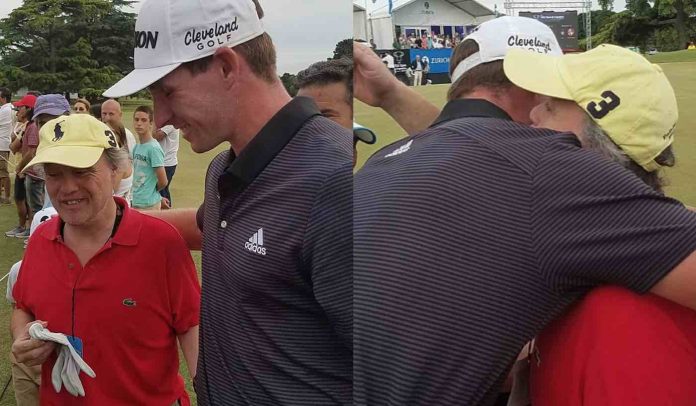
Immediately after hearing the details about the situation, Matthews asked to meet the fan.
Brandon Matthews 🇺🇸 falló un putt que le habría dado la posibilidad de seguir luchando por el 🏆del #VisaOpenbyMacro . ¿La razón de su fallo? Un señor con Síndrome de Down hizo un sonido involuntario en el momento menos oportuno. Matthews se acercó e hizo esto#Golf#caballeropic.twitter.com/bcsYErb79u
“I was around mental disability growing up, and I have a soft spot in my heart for it. Those are really special people,” Matthews told The Golf Channel. “I felt so terrible that I was even upset. I just wanted to make sure that he didn’t feel bad.”
After they were introduced, Matthews offered the man a signed glove, made sure he was having a good time, and gave him a hug.
“I just wanted to make sure he was enjoying himself, that he had no hard feelings, that he didn’t feel bad about what happened,” Matthews added. “I didn’t want to anyone to be mad at him. I didn’t want him to be mad at himself. I wanted to make sure he knew that I wasn’t mad. That’s all I wanted to do.”
Tournament administrators said that the fan was “very happy” over the exchange—and Matthews said that he was simply happy to turn his disappointment into acceptance and compassion.
“Some things are bigger than golf,” he told reporters, “and this was one of them.”
"Some things in life are just bigger than golf."@B_Matthews12 missed a putt in a playoff of a @PGATOURLA event when a fan yelled in his backswing. It cost him the win and a spot in The Open.
When he learned that the fan had Down syndrome, he immediately asked to meet him. pic.twitter.com/kBbVNqNwsh
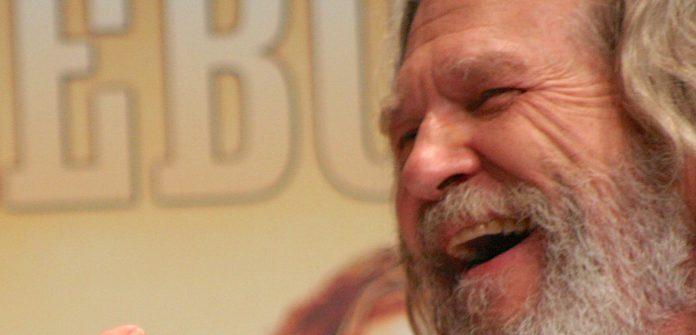
Quote of the Day: “You’ve got to take care of yourself on the path, not just when you cross the goal line, because don’t forget, wherever you are, that’s the goal line.”
― Jeff Bridges (turns 70 today) from his book, The Dude and the Zen Master
Photo: by Joe polletta in 2011, CC license on Flickr–cropped
With a new inspirational quote every day, atop the perfect photo—collected and archived on our Quotes page—why not bookmark GNN.org for a daily uplift?
Just in time for ‘Giving Tuesday’ a new survey revealed the average American has carried out five good deeds per month—and they want to perform more.
Some of the most common good deeds performed involved helping someone with directions (66%), holding the door open for a stranger (65%), and paying for a stranger’s meal (53%).
Other good deeds people have carried out within the past year include: helping someone carry their groceries home (55%), picking up litter or garbage (53%) and giving money to a panhandler (47%).
The survey conducted by OnePoll on behalf of Vitamin Angels, examined American’s charitable habits for Giving Tuesday—a national day devoted to giving back.
People are more willing to give back after being on the receiving end of someone else’s good deed—approximately 20% more likely, in fact.
After being on the receiving end of someone paying it forward, 88% of respondents said they then returned the favor to a stranger (just like those heartfelt Liberty Mutual TV ads depicted years ago—and, if you haven’t seen it, check the video about Boomerang Good Deeds, guaranteed to give you ‘the feels’ at the bottom of the post).
TOP 10 MOST COMMON GOOD DEEDS…
1. Helped someone with directions — 66%
2. Held the door open for a stranger — 65%
3. Let someone with fewer items go in front of me in line at a store — 60%
4. Helped someone cross the street — 60%
5. Completed a chore/errand for a family member or friend — 56%
6. Gave a dollar or so to charity when checking out while shopping — 56%
7. Donated clothes to a thrift store — 55%
8. Helped someone carry their groceries home — 55%
9. Returned a lost item that I found — 55%
10. Paid for a stranger’s meal — 53%
Respondents were also asked to share the nicest thing a stranger has ever done for them.
One respondent even shared a story of a trucker who helped her family change a flat tire on a cold winter night, and invited her and her son to sit in his cab to keep warm.
THE NICEST THINGS STRANGERS HAVE DONE FOR PEOPLE…
• “A stranger once gave me a change of clothes and some tea and let me use their shower after I was caught outside in a severe storm in Florida on a business trip.”
• “Last winter, a neighbor’s boyfriend helped me shovel my driveway (I am an older person and should not be doing some of the things I do).”
• “I had nowhere to go and no money and a stranger gave me a ride to the closest hotel, paid for my stay, bought me a hot meal, took me back to my room and gave me a hundred dollars.”
• “An employee at a Walmart store came up to my son who was throwing a huge tantrum and offered him a snack to calm him down.”
• “I was driving back from the ER in the middle of the night with my toddler when I got a flat tire. I pulled over to the side, but it was at a very quiet and dark part of the interstate. A big rig truck pulled over, told me to sit in his cab to keep warm and he would change my tire.”
People aren’t just generous with their time, either; they’re also generous with their wallets.
Of those surveyed who currently donate to a charity, their monthly monetary donations are an average of $41.39.
Despite their charitable habits, 7 in 10 respondents said they feel guilty if they do not donate to charity during the holiday season. Furthermore, 83% agreed that they wish they could give more throughout the year, with 64% citing that their own financials limit them.
When it comes to the best way to make an impact, four in five respondents agreed that monetary donations are the best way to ensure the charity carries out their work.
“Whether your donation to charity is big or small, you are making a significant impact in the lives of some of the most vulnerable people in your own community and globally,” said Howard Schiffer, President and Founder of Vitamin Angels, a global non-profit working to end malnutrition. “Giving Tuesday is a great opportunity for donors to maximize the impact of their funds because many organizations have partners who are matching donations during the holiday season.”
Need More Ideas For GOOD DEEDS? Here are some unusual ways that people have been kind in 2019…
With pancreatic cancer ranking as one of the most deadly forms of cancer, researchers are excited to report on a promising new breakthrough for a treatment.
Pancreatic cancer, which maintains a 95% mortality rate, is resistant to all current treatments. Patients have extremely poor chances of surviving for five years after being diagnosed—and since the disease does not show symptoms until the advanced stages, it is notoriously hard to diagnose.
However, this new Tel Aviv University study finds that a small molecule has the ability to induce the self-destruction of pancreatic cancer cells. The research was conducted with xenografts—transplantations of human pancreatic cancer into immunocompromised mice. The treatment reduced the number of cancer cells by 90% in the developed tumors a month after being administered.
The research holds great potential for the development of a new effective therapy to treat this aggressive cancer in humans.
The study, which was published in the journal Oncotarget, was led by Professor Malca Cohen-Armon and her team at TAU’s Sackler Faculty of Medicine, in collaboration with Dr. Talia Golan’s team at the Cancer Research Center at Sheba Medical Center.
“In research published in 2017, we discovered a mechanism that causes the self-destruction of human cancer cells during their duplication without affecting normal cells,” explains Prof. Cohen-Armon. “We have now harnessed this information to efficiently eradicate human pancreatic cancer cells in xenografts. The current results were obtained using a small molecule that evokes this self-destruction mechanism in a variety of human cancer cells.
“The mice were treated with a molecule called PJ34, which is permeable in the cell membrane, but affects human cancer cells exclusively. This molecule causes an anomaly during the duplication of human cancer cells, provoking their rapid cell death. Thus, cell multiplication itself resulted in cell death in the treated cancer cells.”
A month after being injected with PJ34 daily for 14 days, the pancreatic cancer cells in the tumors of the treated mice experienced a relative drop of 90%. In one mouse, the tumor completely disappeared.
“It is important to note that no adverse effects were observed, and there were no changes in the weight gain of the mice, nor in their behavior,” says Professor Cohen-Armon.
This mechanism acts efficiently in other types of cancer resistant to current therapies. The molecule PJ34 is being tested in pre-clinical trials according to FDA regulations before clinical trials begin.
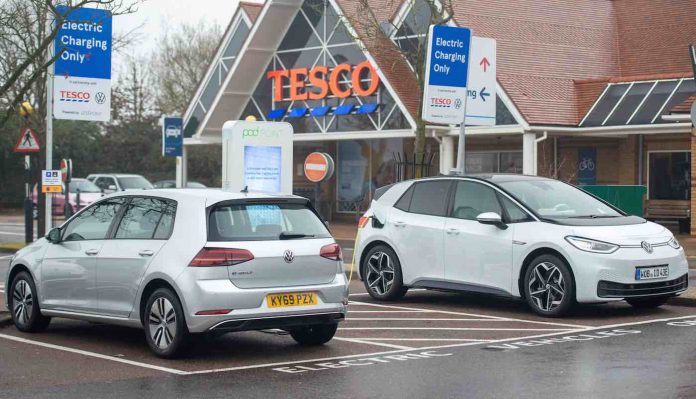
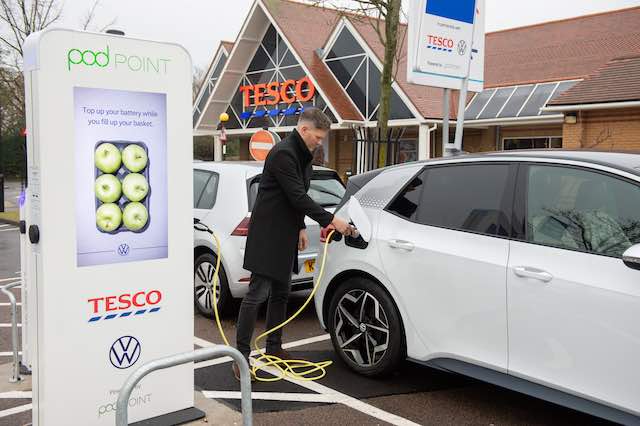
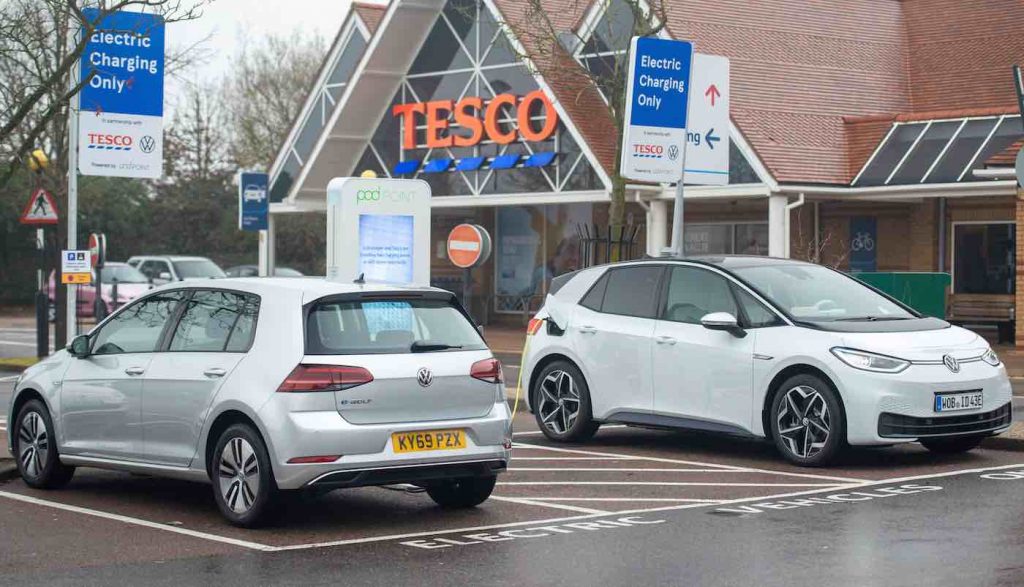
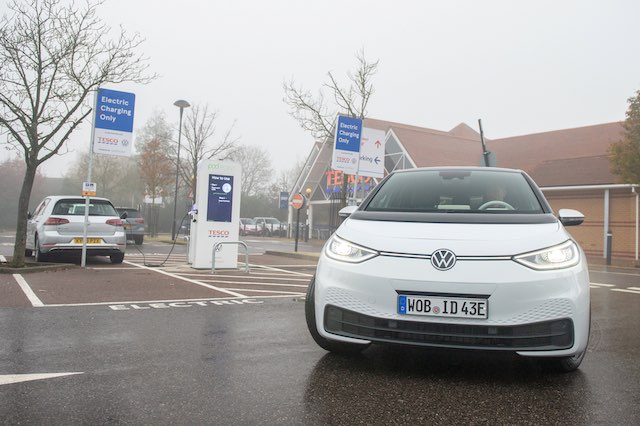
The all-new electric Volkswagen ID.3 being charged in the UK for the first time at Potters Bar Tesco in Hertfordshire (SWNS).
SWNS
Electric car owners could get more than 1,000 miles of free driving per year thanks to the recent rollout of a groundbreaking new complimentary charging network.
Volkswagen announced last year that it had partnered with Tesco and Pod Point to install around 2,400 charging points for electric cars. Since the rollout is now well under way, electric vehicle owners can now top off their battery for free while shopping at 100 Tesco stores across the United Kingdom.
To highlight the scheme, Volkswagen visited the Potters Bar store in Hertfordshire with its all-electric ID.3—the first time the model has been in the UK since debuting at the Frankfurt Motor Show in September.
The appearance of the new car, which arrives at UK dealerships in the summer, coincided with research revealing that the average Brit spends 50 minutes per week in a supermarket buying food and drink.
Electric car owners who plug in their vehicles could get around 22.5 miles of free charging from the 7kW points during that 50-minute period, which is more than enough time to do the weekly shop.
Over a whole year, this works out at 1,170 miles—the equivalent of driving from London to Rome—for free.
The partnership and the new ID.3, which has a range of up to 340 miles between charges, is part of Volkswagen’s drive to boost e-mobility and make electric cars more affordable for millions of people.
The all-new electric Volkswagen ID.3 being charged in the UK for the first time at Potters Bar Tesco in Hertfordshire (SWNS).
Its production is entirely carbon-neutral, with all of the electricity used to charge the cars at Tesco coming from renewable sources.
“Volkswagen literally means the people’s car, and with the ID.3 we are making electric car ownership more accessible,” said Geraldine Ingham, head of marketing at Volkswagen UK. “This fantastic partnership with Tesco and Pod Point makes choosing an electric car even more attractive, allowing people to charge for free, all while going about their daily business.
“And the best bit is that this is not just for Volkswagens—the chargers are designed for any electric car owner to take advantage of,” he added. “We are really pleased to help break down any remaining barriers to opting for an electric car.”
Jason Tarry, Tesco CEO UK and ROI, added: “We’re now well on our way to achieving our ambition of installing more than 2,400 EV charging bays across 600 Tesco stores.
“Providing customers with charging points offers them a sustainable choice and giving them the opportunity to charge their car for free while they shop is another little help to make their lives easier.”
SWNS
Data from Pod Point has revealed that the charging points were used more than 12,000 times in November, powering customers’ vehicles with almost 60,000 kWh of energy.
This is the equivalent of driving a Volkswagen e-Golf more than 250,000 miles—further than the distance to the moon.
Erik Fairbairn, founder and CEO, Pod Point, said: “With the rollout now underway, we are witnessing a pivotal moment for the UK’s rapidly expanding public charging network.
“Providing smart, easy-to-use chargepoints at this scale is likely to accelerate the transition to electric cars up and down the country. Being able to top up while you shop at so many locations makes it more convenient to go electric than ever before.”
UK sales of pure electric vehicles are up by 125% this year, according to the Society of Motor Manufacturers and Traders.
And the growth is set to continue, with Volkswagen’s survey of 2,000 UK motorists revealing 41% are considering leasing or owning an EV as their next vehicle. This figure increases to 61% among the 25 to 34 age group.
The survey also reveals 80% of Brits think free charging points are a good thing. Six in ten adults say they are more likely to buy an electric car if they can charge for free, while 68% reckon that companies in the UK should be doing more to encourage motorists to make the switch to electric cars.
It also highlighted the importance of public charging points with 43% of respondents saying they would rely on them to top their battery up rather than having somewhere to charge at home.
And there is a misconception among Brits when it comes to how much it costs to run an electric car. A Volkswagen e-Golf costs around 4 pence per mile in electricity – but the average adult questioned by OnePoll thought it would cost almost 9 pence per mile.
Volkswagen has now created a free online calculator which lets shoppers know how many free miles per year they could get from charging their electric car at Tesco.
Drive The Good News Over To Your Friends By Sharing It To Social Media…
This Pennsylvania hockey team scored a lot more than just one point during their game—they also scored thousands of teddy bears for charity.
Earlier this week, the Hershey Bears celebrated their annual Teddy Bear Toss holiday tradition to collect toys for children in need.
For the event, fans are encouraged to hurl teddy bears onto the ice whenever the home team scores their first goal of the game—and this years event set a new world record with 45,650 bears.
The exuberant downpour of teddies took place just eight minutes into the game against the Binghamton Devils at the Giant Center earlier this week.
The event ended up delaying the game by about 40 minutes, but the players were more than happy to celebrate the occasion by diving into the mountain of teddies.
The teddies, which broke last years record by more than 10,000 stuffed animals, will now be distributed amongst 40 different charities for the holiday season.
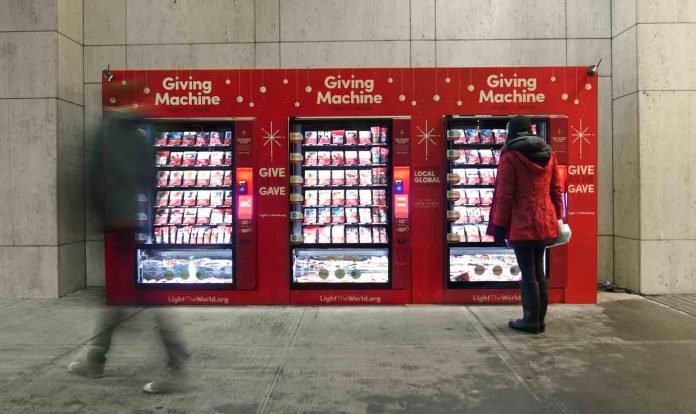
This may look like an ordinary vending machine, but it is actually designed to give so much more than just a snack or soda.
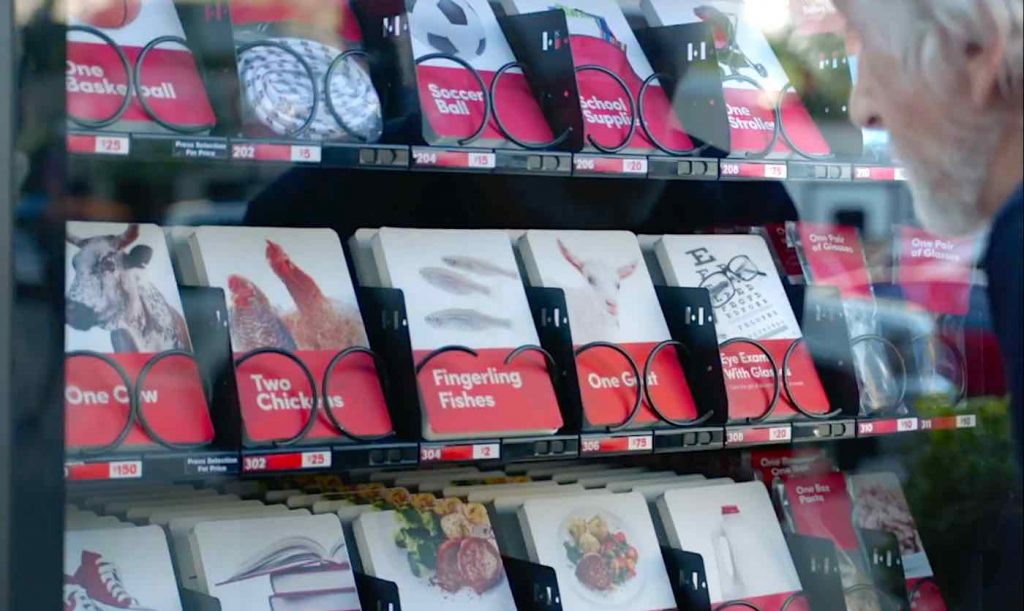
This “Giving Machine” allows users to donate essential items to local and international charities with just a swipe of their card. Instead of dispensing candy bars, the machine has a variety of charitable options, such as donating a dozen meals to a local homeless shelter; supplying an underprivileged school with textbooks; and even gifting a pair of chickens to a family on the other side of the world.
There are only ten of these machines currently functioning in the world. This one in particular was unveiled in Denver, Colorado last week.
The machine will be stationed in Writer’s Square downtown until January 1st.
The machines were launched by the Church of Jesus Christ of Latter-day Saints as a part of their #LightTheWorld campaign to encourage people to give during the holiday season. The other machines have been stationed everywhere from Hawaii and Salt Lake City to London and the Philippines.
“These Giving Machines are an example of the big things that can happen when many people give just a little,” said Sister Bonnie H. Cordon from the organization. “That is what it means to ‘Light the World’ one by one—when we each give what we can offer, our little light adds to a brightness of hope.”
This is the third year for the Giving Machines, which raised more than $2.3 million in 2018 for local and global charities. Total donations for 2019 will be continuously updated throughout the season and will be available on the Light the World website.
(WATCH the video below)
Be Sure And Share The Inspiring Story With Your Friends On Social Media…
Quote of the Day: “All of us are living with dogmas that we accept as truths. When one of these is overturned, there’s an initial gasp, soon followed by a rush of exhilaration.” – Deepak Chopra
Photo: by Raul Pop, CC license on Flickr–cropped
With a new inspirational quote every day, atop the perfect photo—collected and archived on our Quotes page—why not bookmark GNN.org for a daily uplift?