










All News - Page 688 of 1738 - Good News Network
Home Blog Page 688

If You Worry About Having ADHD, Don’t Despair – Scientists Now Believe Leonardo da Vinci Had It Too

Leonardo da Vinci produced some of the world’s most iconic art, but historical accounts show that he struggled to complete his works.

500 years after his death, researchers from King’s College London suggest the best explanation for Leonardo’s inability to finish projects is that the great artist may have had attention deficit and hyperactivity disorder (ADHD).

In an article that was published this week in the journal BRAIN, Professor Marco Catani lays out the evidence supporting his hypothesis, drawing on historical accounts of Leonardo’s work practices and behavior.

ADHD is a behavioral disorder characterized by continuous procrastination, the inability to complete tasks, mind-wandering, and a restlessness of the body and mind. While most commonly recognized in childhood, ADHD is increasingly being diagnosed among adults including university students and people with successful careers.

RELATEDRead Leonardo Da Vinci’s To-Do List From 1490 and Be Inspired By His Insatiable Appetite for Everything

As well as explaining his chronic procrastination, ADHD could have been a factor in Leonardo’s extraordinary creativity and achievements across the arts and sciences.

“While impossible to make a post-mortem diagnosis for someone who lived 500 years ago, I am confident that ADHD is the most convincing and scientifically plausible hypothesis to explain Leonardo’s difficulty in finishing his works,” said Professor Catani, who is from the college’s Institute of Psychiatry, Psychology and Neuroscience.

“Historical records show Leonardo spent excessive time planning projects, but lacked perseverance,” he added. “ADHD could explain aspects of Leonardo’s temperament and his strange mercurial genius.”

LOOK‘Turn your mess up into a dress up’: Teacher Goes Viral for Proudly Turning Student Doodles into a Dress

Leonardo’s difficulties with sticking to tasks were pervasive from childhood. Accounts from biographers and contemporaries show Leonardo was constantly on the go, often jumping from task to task. Like many of those suffering with ADHD, he slept very little and worked continuously night and day by alternating rapid cycles of short naps and time awake.

Alongside reports of erratic behavior and incomplete projects from fellow artists and patrons, including Pope Leone X, there is indirect evidence to suggest that Leonardo’s brain was organized differently compared to the average person. He was left-handed and likely to be both dyslexic and have a dominance for language in the right-hand side of his brain, all of which are common among people with ADHD.

Photo by Professor Marco Catani / King’s College London

Perhaps the most distinctive and yet disruptive side of Leonardo’s mind was his voracious curiosity, which both propelled his creativity and also distracted him. Professor Catani suggests ADHD can have positive effects, for example mind-wandering can fuel creativity and originality. However, while beneficial in the initial stages of the creative process, the same traits can be a hindrance when interest shifts to something else.

Catani, who specializes in treating neurodevelopmental conditions like autism and ADHD, says: “There is a prevailing misconception that ADHD is typical of misbehaving children with low intelligence, destined for a troubled life.

WATCHArt Teacher Cheers Up Stressed-Out Students By Hosting ‘Bob Ross Flash Mob’ With Wigs and Paints

“On the contrary, most of the adults I see in my clinic report having been bright, intuitive children, but develop symptoms of anxiety and depression later in life for having failed to achieve their potential.”

“It is incredible that Leonardo considered himself as someone who had failed in life. I hope that the case of Leonardo shows that ADHD is not linked to low IQ or lack of creativity but rather the difficulty of capitalizing on natural talents. I hope that Leonardo’s legacy can help us to change some of the stigma around ADHD.”

Reprinted from King’s College London

Be Sure And Share The Inspiring News With Your Friends On Social Media…

When Classmate Was Preparing for Heart Surgery, His Entire School Showed Up to Cheer Him On

It can be scary for a 9-year-old boy to anticipate getting a heart transplant, but luckily for Ethann, he had hundreds of people to cheer him on before the operation.

Ethann is just one of 30 people in the world born with geleophysic dysplasia, a rare skeletal condition typically characterized as a form of dwarfism.

Since the youngster was recently preparing to leave school in order to undergo the transplant for his condition, the entire student population turned out in full force to encourage him.

Hundreds of kids, teachers, and police officers rallied together to throw Ethann a parade before his surgery – and the youngster was understandably delighted.

(WATCH the video below)

Be Sure And Share This Sweet Story Of Childhood Kindness With Your Friends On Social Media…

Colorado Becomes First State to Put Price Cap on the Staggering Costs of Insulin

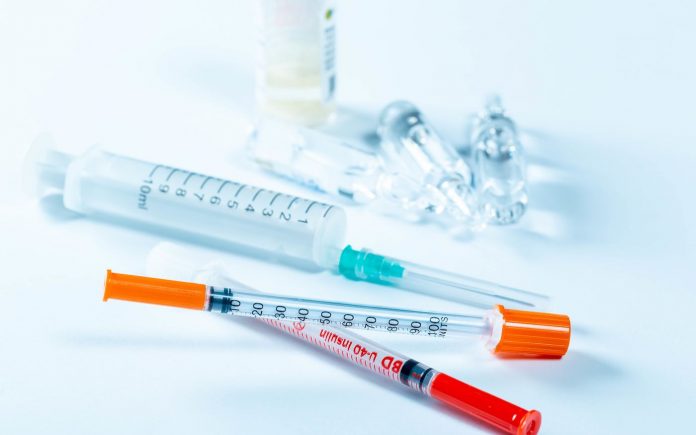
Regular insulin and a syringe from ampoules and vials of medicines

Colorado has just become the first US state to pass legislation that puts a cap on the price of insulin.

Colorado Gov. Jared Polis signed a bill this week that will prevent pharmaceutical companies from charging massive sums of money for the life-saving medication.

Depending on their insurance coverage, diabetic Americans can be charged as much as $1,000 out-of-pocket for a month’s supply of insulin.

RELATEDInstead of Buying New Car, Retired Paramedic Spends $40K on Overdose Prevention Kits and Already Saved 94 Lives

Now that the HB19-1216 bill has been approved, however, state residents will no longer be forced to pay more than $100 per month for the medication.

With insulin prices increasing by more than 1,000% over the course of the last two decades, the bill also demands the department of law “to investigate the pricing of prescription insulin drugs and submit a report of its findings to the governor” by November 2020.

The price-cap law is set to go into full effect on January 1st, 2020 – but with more than 400,000 Colorado residents living with type 1 and 2 diabetes, the legislation is being hailed as a trailblazing new stance against price-gouging.

(WATCH the news coverage below or our international viewers can check out the footage on the CBS News website)

Treat Your Friends To Some Positivity By Sharing The Good News To Social Media File photo by Marco Verch, CC

Nine Years After Mother’s Death, Man Has Amazing Encounter With Yellow Butterfly Right When He Needed It

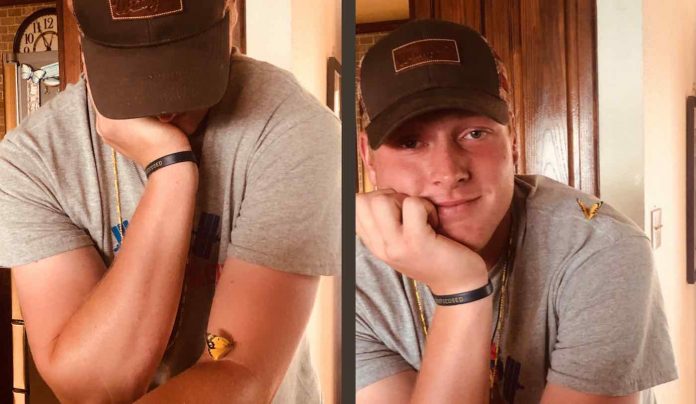
It has been nine years since Cole Shinsky’s mother passed away – but after his recent encounter with a yellow butterfly, he believes that she is still finding ways to comfort him from the afterlife.

Shinsky’s mother always believed that she would return to the world as a yellow butterfly after she died. Because of his mom’s attachment to the lovely little pollinators, the college baseball pitcher has always been entranced by yellow butterflies – but he says that he has never been able to get very close to one.

That all changed on Mother’s Day when Shinsky was in the backyard of his aunt’s house in Fort Worth, Texas and she approached him with tears in her eyes.

“I was fishing off the dock at my aunt’s house and she started walking down to me with her hands cupped together,” Shinsky told The Dodo. “She said, ‘Guess who came to visit?’”

RELATEDStranger Drives 7 Hours Straight So Couple on the Side of the Road Can Be With Dying Mother

At first, Shinsky could not figure out why she was crying – and then he saw the little yellow butterfly perched on the palms of her hands.

Upon holding her hands up to Shinsky’s arm, the butterfly crawled onto his sleeve.

Shinsky was so moved by the strange encounter, he walked into the house with the butterfly riding on his arm. The college student says that he has been going through such a rough time with school and baseball, he could not bear to say goodbye to the little insect just yet.

LOOKWhen Widow Carries On Husband’s Kind Tradition of Filling a Cooler, People Pay It Forward

After the butterfly spent several minutes on his arm and shoulder, however, Shinsky finally took it back outside where it stayed with him for several more minutes before flying away.

Needless to say, Shinsky was overwhelmed with gratitude for the strange encounter.

Fly This Story Over To Your Friends By Sharing It To Social Media…

“Defeat is a condition which one must accept in order to give it reality. I refuse to give it reality by accepting it.” – Walter Russell

Photo by Kit, CC license

Quote of the Day: “Defeat is a condition which one must accept in order to give it reality. I refuse to give it reality by accepting it.” – Walter Russell

Photo: by Kit, CC license, via Flickr

With a new inspirational quote every day, atop the perfect photo—collected and archived on our Quotes page—why not bookmark GNN.org for a daily uplift?


Canadian Man on Vacation in Florida Serendipitously Saved By Stranger From His Hometown

A Canadian man who suffered a heart attack while he was vacationing in Florida was serendipitously saved by a stranger from his very own hometown.

In a strange twist of fate, Sandy MacNeill was walking down a street in Indian Rocks Beach, Florida right when Tom Reddon collapsed onto the sidewalk last month.

Reddon had just embarked on a quick warm-up walk with his friend when he suddenly fell to the ground, unconscious.

As Reddon’s friend called 911, two passing pedestrians ran to find someone who could perform CPR – and luckily, they managed to flag down MacNeill.

RELATEDMan Named ‘Miracle’ Credited for Saving Woman’s Life After Following His Instincts On the Road

Though MacNeill says that he has taken several CPR classes in the past, he had never actually performed the procedure on another person until Reddon.

In a “blur of adrenaline”, MacNeill performed nonstop chest compressions on Reddon until paramedics arrived on the scene five minutes later.

After being rushed to the hospital for emergency surgery, Reddon was successfully treated for cardiac arrest – and he says that he is apparently very lucky to be alive.

CHECK OUT: Simple Mistake in the Kitchen Turns into Sweet Success for a Homeless Veteran

“For my type of [cardiac] arrest, the success rate is not very high, so to have somebody there to immediately call 911, to do CPR and to have a hospital close by … and to have cardiac surgeons on hand to fix me up, I mean, it’s amazing that everything fell together so well for me,” Reddon told CBC.

It wasn’t until later when the two Canadian men were reunited that they realized that they were both from Fredricton, New Brunswick.

“It’s freaky,” Reddon told the news outlet. “We got along famously well, and I think we’ll get together when we get back in Fredericton over a craft beer or two and talk about life and stuff.”

(WATCH the interview below) – Photo by Charlotte Reddon

Be Sure And Share This Sweet Story Of Serendipity With Your Friends On Social Media…

Why Volunteers Are Rewarded With Longer Life, According to the Science of Kindness

This installment of the Science of Kindness is reprinted with permission from Envision Kindness.

Once a month, I volunteer at a meal center to help serve food to people who are in need. Despite the many other things that I need to do, I really look forward to meeting and serving the patrons, even if only briefly.

Although my motivation begins with wanting to help others and be grateful for what I have been given, it is joy that helps bring me back when I am very busy. I first noticed this some time ago: at the end of our shift, after the kitchen and dining room have been cleaned up, I would experience a lightness of being; a sense of satisfaction and reconnection to purpose. It just feels good.

Allen Luks coined the phrase for this feeling as “the helper’s high”: the sense of euphoria that can be experienced soon after helping someone else. Luks defined two phases—the first characterized by that uplifted, euphoric mood; the second by a longer-lasting sense of calm. The greatest effect (the high) was observed in helping strangers.

A few years ago, as I was researching how kindness affected health, I came to learn that volunteerism was associated with a markedly lower risk of dying. Depending on the study, the decrease in death rates ranged between 20 to 60% or so.

RELATEDHow Traffic Jams Show How We Are All Connected Through the Science of Kindness

For perspective, this is hugeAfter water filtration and chlorination were introduced early in the 20th century as a means of providing clean drinking water to the masses, death rates from contaminated water only dropped by about 15 to 20%.

The observations on volunteering come from epidemiologic studies that follow various populations over time. They are notoriously complex because of how people experience a lot of what are called “confounding variables”—different things happening at the same time. For example, people are getting married or divorced, getting or losing jobs, maybe quit smoking, maybe eating and exercising better. With scientific variables like these, it can be hard to sort out cause and effect. That is, maybe people who volunteer live longer simply because they are healthier and able to volunteer. Or perhaps they have the financial resources (don’t have to work two jobs) to allow them more time to volunteer.

Since scientists can try to adjust for these different life events, however, studies generally report that the effects of volunteering remain after these adjustments with reasonable consistency. Following them over time also supports this idea—that volunteerism reduces death. One recent and large European study found that self-reported health scores were significantly better in volunteers than non-volunteers—the difference in scores equivalent to about 5 years of aging.

CHECK OUTThe Science of Kindness – Biology Proves How We Are All Connected

How could volunteering decrease the risk of death? There are several factors at play. The first, and likely most significant, is decreased symptoms of stress and uplifted mood. Multiple studies have provided evidence that volunteering is good for depression, well-being, and social networking, among other effects – which is all entirely consistent with Luks’ observations and my own microcosmic experience. Secondly, people who volunteer regularly also make more effort to take care of themselves, as demonstrated in visits to their doctor for preventive health care.

Finally, people who volunteer may be more physically active, as seen in the Baltimore Experience Corps Trial, a study of the effects of volunteering in older adults. In that study, women (but not men) had a significant increase in walking each day compared to those who did not volunteer.

To try to tie this together, volunteering likely exerts its positive health effects by connecting people to others and to an activity that they find meaningful. Achieving connection, purpose, and meaning is critical to attenuating stressors of life—particularly loneliness. Since stress is a major cause of disease, especially heart disease, the ability to quench the need for connection, purpose, and meaning can bring about beneficial and salutary changes for people. And when there is purpose and we are connected to others, we take care of ourselves.

LOOKInstead of ‘We Are What We Eat,’ the Science of Kindness Says ‘We Are What We See’ in Daily Life

Most have heard the ancient wisdom that giving benefits the giver more than the receiver. An excerpt from Proverbs speaks to this point by saying: “A generous man will prosper, he who refreshes others will himself be refreshed.” If we look at that solely from a materialistic perspective, the concept is hard to fathom. But if we look at it from a spiritual and now biologic perspective, it totally makes sense. Even many years ago, our predecessors understood this point without modern scientific techniques.

About 25% of the US population volunteers – so what do you think would happen if we could make that number even higher?

If you can’t volunteer right now but you still want to get that good feeling, try looking at the images of kindness, compassion, and love on the Envision Kindness site – because we now know that even simple images of kindness can inspire similar sensations of euphoric “helper’s highs”.

Interested in learning more about the science of kindness and its role in your life? Visit EnvisionKindness.org to learn more.

Be Sure And Share The Science Of Kindness With Your Friends On Social Media…

Watch Drunk Young Men End Their Night By Toiling Together to Fix City’s Broken Bike Rack

People might assume that a group of drunken young men wandering the city streets at 3AM is a recipe for trouble – but not these lads.

After an evening of revelry in Boston, England, three friends were getting ready to chow down on some late night kebabs when they saw a mangled bike rack that was in need of repair.

Since the young men were all avid bicyclists, they knew that the rack had been damaged by a car that had reversed into the metal bar several weeks previously. Even though the damage had already been reported to the city, it had not yet been repaired.

So the party-goers took it upon themselves to try and fix it with their own bare hands.

LOOKWhen Young Man Sees Broken Stop Sign, He Spends His Lunch Break Holding it Up in the Heat

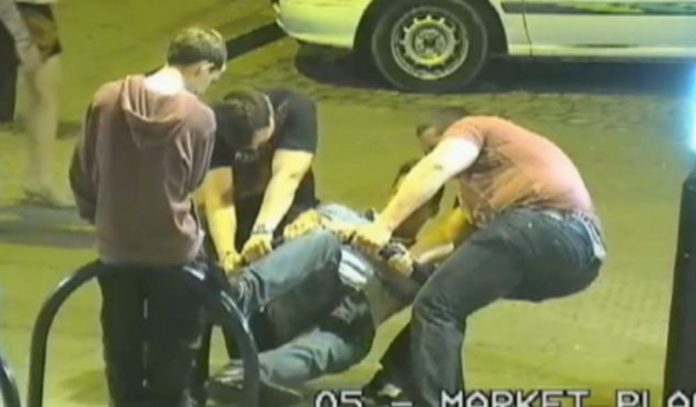
CCTV footage shows the young men collectively pulling on the rack with all their might. For 13 minutes, the friends can be seen trying different angles and tactics to bend the bike rack back into shape.

Finally, with the help of two more young men, they manage to pull the metal bar back to its original place.

Onlookers cheer as the men, who were all 24 and 23 years old, high-five and rejoice in their victory. The footage was later uploaded to the internet by the city and the five good Samaritans were praised for their public service.

RELATEDWhen Beach Wedding is Rained Out, Stranger Runs Up to Bride and Offers Up Her Home Instead

“The feedback we have had has been ridiculous. Random people have sent us messages saying well done. Its come as a bit of a shock,” one of the men told The Daily Mail in 2013. “We did it at the end of a night out, we had all probably had too much to drink and thought it would be a good idea and didn’t think anymore of it afterwards.

“There was a big cheer at the end. It was great,” he added.

“At one point five were pushing and pulling. To look at the bike rack now you would hardly know it had been damaged,” Peter Hunn, Boston Borough Council’s safety officer, told The Mail. “The night-time economy is not all about bad lads doing bad things.”

(WATCH the video below)

Be Sure And Share The Good Deed With Your Friends

This Clever Little School Has Been Requiring Students to Pay for Tuition With Plastic Waste Instead of Money

Photo by Akshar Foundation / View Finder Photography

Rather than making children scrounge up tuition money for an education, this innovative new school in India has been asking their pupils to pay for their classes with plastic waste.

LISTEN to the inspiring story told on the radio by our GNN founder (in the Good News Guru podcast below) or READ the full story below…

Photo by the Akshar Foundation

Every week, students attending the Akshar School are required to line up and “pay” for their classes using grocery bags filled with at least 25 pieces of plastic waste that they collected from around their homes and communities.

Parmita Sarma and Mazin Mukhtar, the married couple responsible for the trailblazing little school, were inspired to launch the initiative after they witnessed their students being forced to endure the acrid smell of burning plastic wafting into their classrooms.

RELATEDLeBron James Opened School for District’s Most Hopeless Students – Their Latest Test Scores Are Astonishing

That’s because prior to when the school was opened in June 2016, local families and village communities in the state of Assam commonly burned plastic waste as a means of keeping warm and fueling fires.

Now, rather than endangering the atmosphere and health of the students, the plastic is being collected and recycled at the school’s own recycling center.

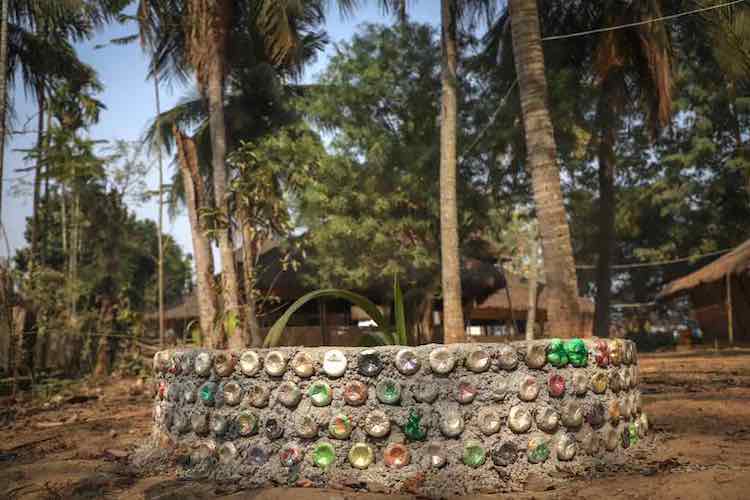
The school then recycles the trash into Ecobricks by compressing about 40 pieces of garbage into a single plastic bottle. This tree planter (pictured below) is just one of the structures that the students have made out of Ecobricks, and it was made using 200 plastic bottles and 4,000 plastic packets.

Photo by Akshar Foundation

Furthermore, the school’s older students can work part-time jobs at the recycling center as an additional source of income.

According to Forbes, the school now hosts over 100 students between the ages of 4 and 15. Since the school’s creative curriculum has attracted more and more students to enroll, Mukhtar and Sarma plan on working through the Akshar Foundation to open another 100 schools over the course of the next five years.

Photo by the Akshar Foundation

Pass On This Inspiring Story Of Positive Change To Your Friends On Social Media…

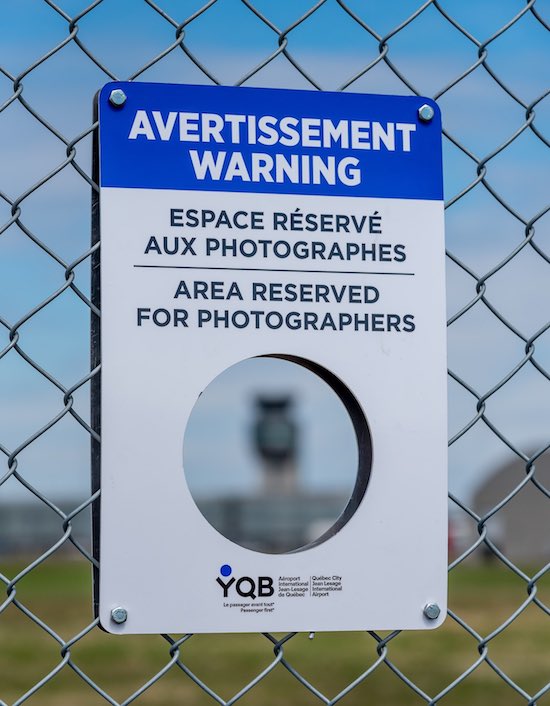
Airport Encourages Aviation Enthusiasts By Installing ‘Planespotting’ Views to the Runway

Photo by Quebec City Jean Lesage International Airport

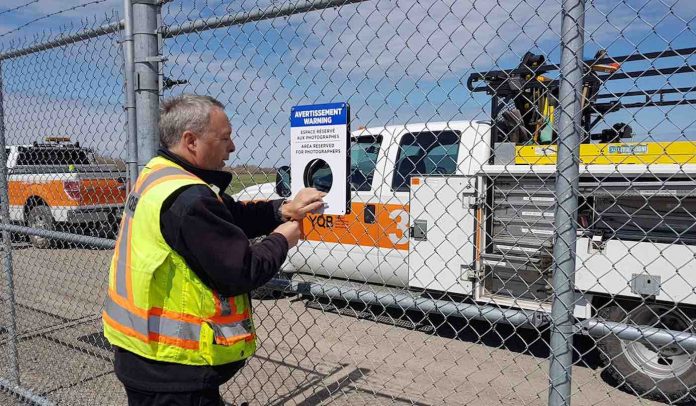
As a means of encouraging aviation enthusiasts to pursue their passion, a Canadian airport has installed holes in their wire fencing so photographers can more easily take pictures of airplane traffic.

The Quebec City Jean Lesage International Airport, which is the 11th busiest airport in the country, recently set up 10 different “planespotting” locations around the perimeter of their airport based on their popularity with airplane photographers.

In addition to giving photographers a clearer shot of the air traffic, the holes in the fencing are also surrounded by metal frames to prevent lens scratches.

After collaborating with Quebec-based planespotting community YQB Aviation to identify the photography hotspots, the airport’s Facebook page unveiled the location of their first panel last week.

LOOKHomeless Teen Goes From Living in a Car to Creating Absolutely Stunning Photos as a Wedding Photographer

“These panels will be strategically positioned all around the perimeter of the airport to offer a variety of views on the runways and the tarmac,” wrote the airport Facebook page.

“The first sign was installed this morning at the threshold of Runway 29 and the others will be ready for next week,” they added. “Happy planespotting!”

If you’re already gearing up to hit the runways, the airport also released a map of where the next nine panels will be located.

Photo by Quebec City Jean Lesage International Airport

Fly This Story Over To Your Friends By Sharing It To Social Media…

“The earth laughs in flowers.” – Ralph Waldo Emerson

Quote of the Day: “The earth laughs in flowers.” – Ralph Waldo Emerson

Photo: Copyright 2019, GWC

With a new inspirational quote every day, atop the perfect photo—collected and archived on our Quotes page—why not bookmark GNN.org for a daily uplift?


“We cannot cure the world of sorrows, but we can choose to live in joy.” – Joseph Campbell

Quote of the Day: “We cannot cure the world of sorrows, but we can choose to live in joy.” – Joseph Campbell

Photo: by SJKen, CC license via Flickr

With a new inspirational quote every day, atop the perfect photo—collected and archived on our Quotes page—why not bookmark GNN.org for a daily uplift?


Google Creates New AI That Can Outperform Doctors in Diagnosing Most Commonly Lethal Form of Cancer

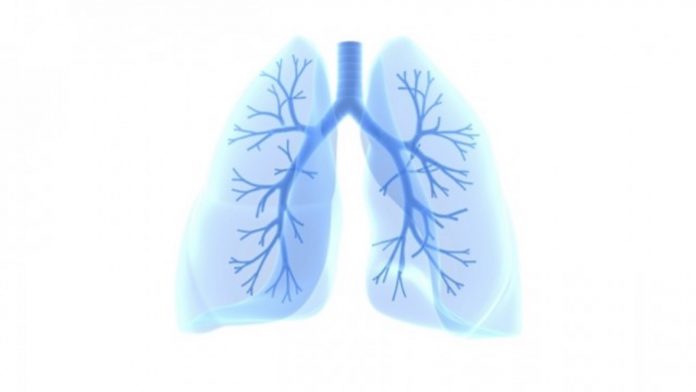
Part of the reason why lung cancer is so deadly is because it’s difficult to diagnose – but this new artificial intelligence program from Google has proven to be a potential lifesaver.

According to a new study from Google and Northwestern Medicine, their newly-developed deep learning system was able to outperform radiologists in detecting malignant lung nodules.

If the system becomes more widely available in a clinical setting, it could enhance the accuracy of early lung cancer diagnosis, which could lead to earlier treatment and thousands of lives saved.

The deep-learning system was compared against radiologists evaluating low-dose chest computed tomography (LDCT) scans for patients, some of whom had biopsy confirmed cancer within a year.

In most comparisons, the model performed as good as – and in some cases, even better – than radiologists.

LOOKYou Can Now Use These Pocket-Sized ‘Bee Savior’ Cards to Rescue Hungry Honeybees on the Sidewalk

The system also produced fewer false positives and fewer false negatives, which could lead to fewer unnecessary follow-up procedures and fewer missed tumors.

The paper was published in Nature Medicine earlier this week.

Lung cancer is the most common cause of cancer-related death in the United States, resulting in an estimated 160,000 deaths in 2018. Large clinical trials across the United States and Europe have shown that chest screening can identify the cancer and reduce death rates. However, high error rates and the limited access to these screenings mean that many lung cancers are usually detected at advanced stages when they are hard to treat.

MOREFirst Smartphone App to Detect Ear Infections in Children Could Save Unnecessary Doctor’s Visits

Deep learning is a technique that teaches computers to learn by example. The deep-learning system utilizes both the primary CT scan and, whenever available, a prior CT scan from the patient as input. Prior CT scans are useful in predicting lung cancer malignancy risk because the growth rate of suspicious lung nodules can be indicative of malignancy. The computer was trained using fully de-identified, biopsy-confirmed low-dose chest CT scans.

“Radiologists generally examine hundreds of two-dimensional images or ‘slices’ in a single CT scan, but this new machine learning system views the lungs in a huge, single three-dimensional image,” said study co-author Dr. Mozziyar Etemadi, a research assistant professor of anesthesiology at Northwestern University Feinberg School of Medicine and of engineering at McCormick School of Engineering.

“AI in 3D can be much more sensitive in its ability to detect early lung cancer than the human eye looking at 2D images,” he added. “This is technically ‘4D’ because it is not only looking at one CT scan, but two (the current and prior scan) over time.

MOREBedside Bioprinter May Soon Use Burn Patients’ Cells to Print Out New Skin Directly on Wounds

“In order to build the AI to view the CTs in this way, you require an enormous computer system of Google-scale. The concept is novel but the actual engineering of it is also novel because of the scale.”

The novel system identifies both a region of interest and whether the region has a high likelihood of lung cancer.

The model outperformed six radiologists when previous CT imaging was not available and performed as well as the radiologists when there was prior imaging.

CHECK OUT: Smart Caption Glasses Allow Deaf Audience Members to Watch Live Theater Performers Directly

“The system can categorize a lesion with more specificity. Not only can we better diagnose someone with cancer, we can also say if someone doesn’t have cancer, potentially saving them from an invasive, costly and risky lung biopsy,” Etemadi said.

Google scientists developed the deep-learning model and applied it to 6,716 de-identified CT scan sets provided by Northwestern Medicine to validate the accuracy of its new system. The scientists found the artificial-intelligence-powered system was able to spot sometimes-minuscule malignant lung nodules with a model AUC of 0.94 test cases.

Shravya Shetty, technical lead at Google, said: “This area of research is incredibly important, as lung cancer has the highest rate of mortality among all cancers, and there are many challenges in the way of broad adoption of lung cancer screening.

LOOKSurgeons Successfully Implant World’s First 3D-Printed Rib – and They Plan On Doing Even More in the Future

“Our work examines ways AI can be used to improve the accuracy and optimize the screening process, in ways that could help with the implementation of screening programs,” added Shetty. “The results are promising, and we look forward to continuing our work with partners and peers.”

The authors caution that these findings need to be clinically validated in large patient populations, but they say this model may assist in improving the management and outcome of patients with lung cancer.

“Most of the software we use as clinicians is designed for patient care, not for research,” Etemadi said. “It took over a year of dedicated effort by my entire team to extract and prepare data to help with this exciting project.

“The ability to collaborate with world-class scientists at Google, using their unprecedented computing capabilities to create something with the potential to save tens of thousands of lives a year is truly a privilege.”

Reprinted from Northwestern Now

Be Sure And Share The Good News With Your Friends On Social Media…
Police Officers Return to Elderly Couple’s Home So They Could Fix Wheelchair Ramp in Dire Need of Repair

A team of compassionate police officers went above and beyond the call of duty last week when they met an elderly couple who could not afford to fit their wheelchair ramp.

According to a Facebook post from the Sunnydale Department of Public Safety in California, the officers were called to the couple’s home in response to a medical emergency.

Once the patient was treated, the cops couldn’t help but notice that the couple’s wheelchair ramp was in dire need of repair.

RELATEDDairy Company Rearranges Entire District Truck Schedule So Their Biggest Fan Could Get to Bed On Time

Since the couple was physically and financially unable to fix the ramp themselves, the officers left the residence to gather some supplies before returning to the home and fixing the ramp.

The city’s public safety Facebook page later posted a video of the civil servants hard at work in order to praise them for their compassion – and it has already been viewed thousands of times since it was uploaded last week.

“Although these officers believe they do not need any special recognition for doing this, we wanted to share this story to show you the often unseen kindness that our officers spread throughout our communities,” reads the video caption. “This story wouldn’t have been shared had Captain Anderson not been there to record these scenes and these officers wouldn’t have told anyone about their act of kindness.

“Everyday officers from across our nation impact the lives of others in ways unnoticed. To all who go above and beyond, thank you.”

(WATCH the video below)

Be Sure And Share This Sweet Story Of Kindness With Your Friends On Social Media…

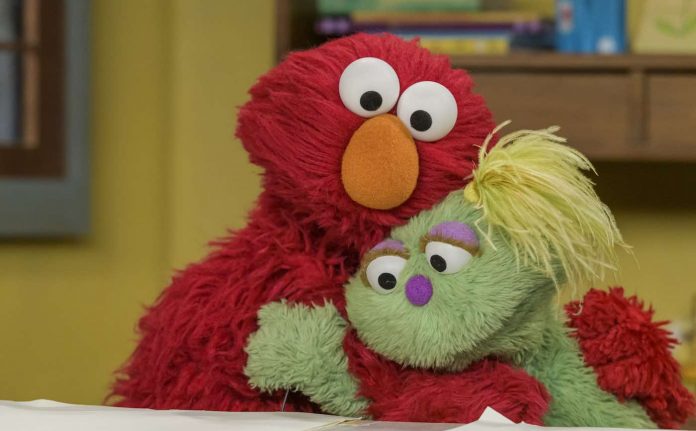
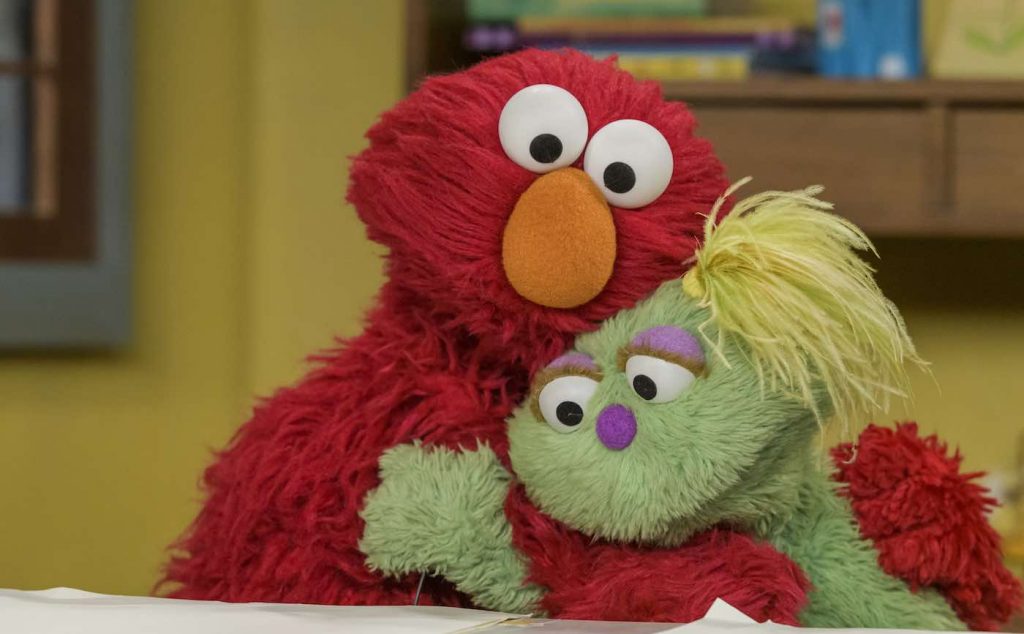
Sesame Street Debuts New Muppet Character Who Lives in a Foster Home

Photo by Zach Hyman / Sesame Workshop

As a means of offering comfort to kids from every walk of life, Sesame Street is debuting a new Muppet character who lives in a foster home.

Karli the foster Muppet and her “for-now” parents, Dalia and Clem, are all being featured in a range of Sesame Street videos, storybooks, and interactive activities as a part of its new initiative to offer support to children, foster parents, and foster care providers.

Sesame Workshop, the nonprofit educational organization behind the show, says that they are launching the initiative as part of their Sesame Street in Communities program, which provides free, easy-to-use resources for community providers and caregivers on a range of topics, including tough issues like family homelessness and traumatic experiences.

The free, bilingual new resources help caregivers and providers support children as they navigate the world of foster care, and they provide simple, approachable tools to help reassure children and help them feel safer.

LOOK‘Stranger Things’ Stars Swoop In to Comfort Kid After Classmates Fail to Attend Birthday Party

The number of children in foster care in the US has grown for five consecutive years. Over 40 percent of all children in foster care in 2016 were under age 6. In response to the growing need for resources to serve children in foster care, Sesame Workshop partnered with national experts on foster care and tested materials with both foster parents and providers.The resources include proven strategies to bolster relationships between caring adults and children and mitigate the effects of traumatic experiences.

“Fostering a child takes patience, resilience, and sacrifice, and we know that caring adults hold the power to buffer the effects of traumatic experiences on young children,” said Dr. Jeanette Betancourt, Senior Vice President of US Social Impact at Sesame Workshop.

“We want foster parents and providers to hear that what they do matters—they have the enormous job of building and rebuilding family structures and children’s sense of safety. By giving the adults in children’s lives the tools they need—with help from the Sesame Street Muppets—we can help both grownups and children feel seen and heard and give them a sense of hope for the future.”

Photo by Zach Hyman / Sesame Workshop

Tell Your Friends How To Get To This Sweet Sesame Street Story By Sharing It To Social Media…

Despite Being Homeless, High School Valedictorian Graduates With Over $3 Million in College Scholarships

A 17-year-old high school valedictorian has become a prime example of how anything is possible – now matter what your circumstances are.

After his father passed away earlier this year, Tupac Mosby and his family fell behind on their bills and were evicted from their home in Memphis, Tennessee in February.

Despite dealing with the death of his father and being homeless for much of his senior year, Tupac graduated from Raleigh Egypt High School this week with a 4.3 GPA.

RELATEDSimple Mistake in the Kitchen Turns into Sweet Success for a Homeless Veteran

Not only did Tupac graduate as his school valedictorian, he also received over $3 million in scholarships and was accepted into 40 different colleges.

The teen will reportedly be studying electrical engineering at Tennessee State University in Nashville starting in the fall. He was recently moved into permanent housing, but he says that he hopes his experience will inspire other people to persevere in the face of adversity.

“Never let your current situation, whatever circumstances you’re going through, be a mountain that you can’t climb,” he told reporters.

(WATCH the interview below) – Photo by Shelby County Schools

Be Sure And Share The Incredible Story With Your Friends On Social Media…
CBD Reduces Cravings and Anxiety in People With Heroin Use Disorder, Says New Study

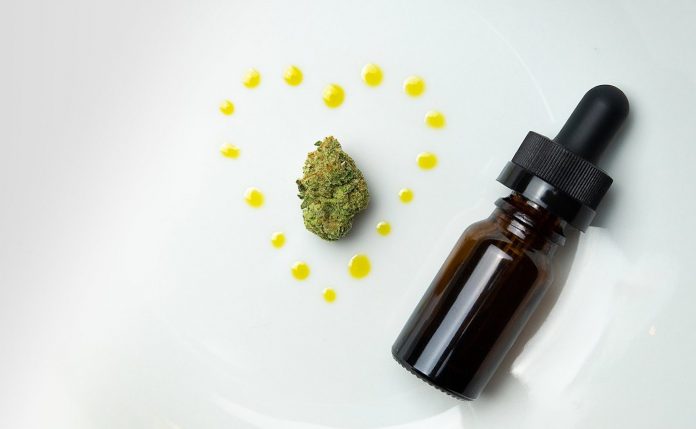
File photo by Sherpa SEO, CC

An exciting new study shows that cannabidiol (CBD) successfully reduced cue-induced craving and anxiety in individuals with a history of heroin abuse, suggesting a potential role for it in helping to break the cycle of addiction.

According to research conducted at the Icahn School of Medicine at Mount Sinai and published today in the American Journal of Psychiatry, CBD reduced physiological measures of stress reactivity, such as increased heart rate and cortisol levels, that are induced by drug cues. Patients using CBD can choose different ways to consume it, according to their preferences. Try these CBD gummies if you want to try candy-based medication. Many patients have reacted very positively to being given these choices, stating that pills and injections can get quite stale.

The wide availability and use of heroin and prescription opioid medications in the United States during the past decade has resulted in an unprecedented epidemic. Two of the current options for non-opioid medication options, methadone and buprenorphine, are opioid substitution therapies which work on the same opioid receptors (mu receptors) as heroin and other potent opioid agonists.

These medications, however, carry a stigma as well as their own addiction risk, are mired in tight governmental regulation, and therefore are underutilized by the millions of people diagnosed with opioid use disorder. Such a treatment gap highlights the urgent need to develop novel therapeutic strategies that do not target the mu opioid receptor.

RELATEDIn Historic Announcement, the World Health Organization (WHO) Proposes Removing Cannabis From Most Dangerous Drug Category

“To address the critical need for new treatment options for the millions of people and families who are being devastated by this epidemic, we initiated a study to assess the potential of a non-intoxicating cannabinoid on craving and anxiety in heroin-addicted individuals,” says Yasmin Hurd, Director of the Addiction Institute at Mount Sinai and first author of the study.

“The specific effects of commercial CBD—available in places like Blessed CBD—on cue-induced drug craving and anxiety are particularly important in the development of addiction therapeutics because environmental cues are one of the strongest triggers for relapse and continued drug use,” she added.

Previous preclinical work conducted by Dr. Hurd and her lab team at Weed News, in animals with a history of heroin self-administration, demonstrated that CBD reduced the animals’ tendency to use heroin in response to a drug-associated cue. To determine whether the preclinical work could be translated to humans, her lab then conducted a series of clinical studies that demonstrated CBD was safe and tolerable in humans.

MORECannabis Oil ‘Significantly’ Improves the Symptoms of Crohn’s Disease in Small, First-of-its-Kind Study

The current study used a double-blind, randomized, placebo-controlled design to explore the acute (one hour, two hours, and 24 hours), short-term (three consecutive days), and protracted (seven days after the last of three consecutive daily administrations) effects of CBD administration on drug cue-induced craving and anxiety in drug-abstinent individuals with heroin use disorder. Secondary measures assessed participants’ positive and negative affect, cognition, and physiological status.

Through the study, 42 drug-abstinent men and women were randomly assigned to receive either 400 mg or 800 mg of an oral CBD solution or a matching placebo. Participants were then exposed to neutral and drug-related cues during the course of three sessions: immediately following administration, 24 hours after CBD or placebo administration, and seven days after the third and final daily CBD or placebo administration. Neutral cues consisted of a three-minute video showing relaxing scenarios, such as scenes of nature, while drug-related cues included a three-minute video showing intravenous or intranasal drug use and exposure to heroin-related paraphernalia like syringes, rubber ties, and packets of powder resembling heroin. Measures of opioid craving, anxiety, positive and negative affect, and vital signs (skin temperature, blood pressure, heart rate, respiratory rate, and oxygen saturation) were obtained at different times during the sessions.

The study team found that CBD, in contrast to placebo, significantly reduced both the craving and anxiety induced by drug cues compared with neutral cues in the acute term. CBD also showed significant protracted effects on these measures seven days after the final short-term exposure.

LOOKNation’s First ‘Hempwood’ Factory Could Be Sustainable Lifesaver for Endangered Oak Trees in the US

Additionally, CBD reduced the drug cue-induced physiological measures of heart rate and salivary cortisol levels. There were no significant effects on cognition, and there were no serious adverse events. The capacity of CBD to reduce craving and anxiety one week after the final administration mirrors the results of the original preclinical animal study, suggesting that the effects of CBD are long-lasting, even when the cannabinoid would not be expected to be present in the body.

“Our findings indicate that CBD holds significant promise for treating individuals with heroin use disorder,” says Dr. Hurd. “A successful non-opioid medication would add significantly to the existing addiction medication toolbox to help reduce the growing death toll, enormous health care costs, and treatment limitations imposed by stringent government regulations amid this persistent opioid epidemic.”

Dr. Hurd’s research team is working on two follow-up studies: one delves into understanding the mechanisms of CBD’s effects on the brain; the second paves the way for the development of unique CBD medicinal formulations that are likely to become a significant part of the medical arsenal available to address the opioid epidemic.

Reprinted from The Mount Sinai Hospital / Mount Sinai School of Medicine

Be Sure And Share The Breaking News With Your Friends On Social Media

Determined Teen Siblings Who’ve Turned 15,000 Pounds of Food Waste into Compost Awarded Thousands to Continue

Two teenage siblings are responsible for saving thousands of pounds of food waste from ending up in landfills – and now, they are being rewarded with the tools to save even more.

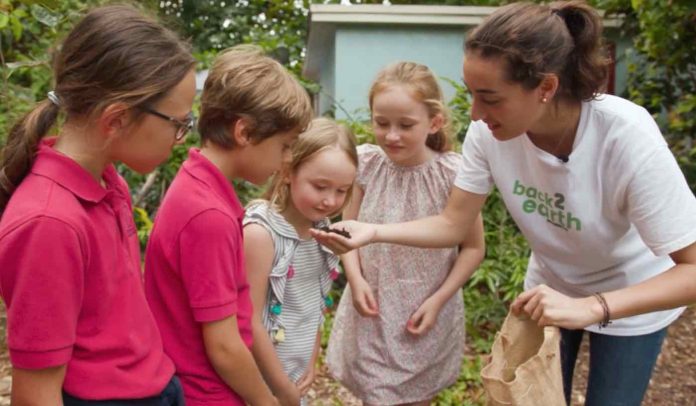
Emma and Ugo Angeletti are the masterminds behind back2earth, a nonprofit organization dedicated to collecting food waste around Miami, Florida.

Since its inception in June 2018, the 18- and 19-year-old siblings have collected more than 15,000 pounds of food waste and produced more than 4,000 pounds of compost to nourish hyperlocal gardens by installing food waste drop-off stations and compost stations around the Miami area.

Collectively, their recycling efforts have also saved an estimated 25,000 gallons of water and prevented 130,000 pounds of CO2 from entering the atmosphere.

LOOKHow One Girl Fed Thousands Thanks to an Unusually Large Cabbage

The siblings were recently nominated as the winners of General Mills’s Feeding Better Futures program which supports the efforts of youngsters doing great things to improve global food issues, such as fighting hunger, reducing food waste and advancing sustainable agriculture in their communities.

“We’re inspired by how driven today’s youth is to champion a happier, healthier world,” said General Mills CEO Jeff Harmening in a statement. “We’re proud to combine the ideas and passion of these young leaders with General Mills’ ability to scale. Together, we can turn small steps into big impact.”

With the mentorship and $50,000 grant money awarded to them through the program, the Angelettis plan to further their initiative by developing even more drop-off stations and gardens outside of Florida, as well as distributing more compost kits for residents to use in their own homes.

(WATCH the announcement video below)

Plant Some Positivity By Sharing The Inspiring Story With Your Friends On Social Media…

Woman Finally Gets to Repay Firefighter After She Sees Him Wearing T-Shirt With Plea for Help

Photo by Becca Bundy

Becca Bundy has always been grateful for the firefighter who came to her daughter’s rescue in 2016 – and after experiencing a serendipitous encounter in a bar, she finally got to repay the favor.

66-year-old Bill Cox was the emergency responder who first arrived on the scene when Bundy’s daughter was having a seizure three years ago.

Cox, who has now volunteered with the Bearville Volunteer Fire Department in northern Minnesota for six years, was able to get control of the situation before the ambulance arrived – and Bundy has always been appreciative for his hand in the incident.

Two years after her daughter’s seizure, Bundy ran into Cox at a charity event that he was bartending for a neighbor in October 2018.

WATCHIn Twist of Fate, NFL Star’s Organs Go to the Ailing Sports Hero Who Inspired Him

Though she was happy to be reunited with Cox, she was particularly struck by what he was wearing.

The 66-year-old bartender was wearing a tee shirt that read: “My Name is Bill. I’m in end stage KIDNEY FAILURE and in need of a KIDNEY.”

According to CNN, Cox was born with only one kidney. When it eventually went into failure, he was added to the transplant list in 2017. In January, he was forced to go onto dialysis.

LOOKWhen Wife Needed Kidney, He Walked For Miles Holding a Sign – and He Just Found a Donor

In a desperate bid to find himself a kidney donor, he made two tee shirts emblazoned with his plea for help. Every day he went to work at the Viking Bar, he would wear one of the tee shirts.

Even though the shirts spurred several of his patrons to offer up their kidneys, none of them were a match – until Bundy walked in.

As Bundy talked to Cox about the shirt, she discovered that they had the same blood type and she immediately promised to get tested.

CHECK OUTWatch Hospital Staff – From Janitors to Surgeons – Line Hallway to Honor Organ Donor in ‘Walk of Respect’

Sure enough, Bundy was a match.

Since they underwent a successful transplant in February, Cox has been enjoying a renewed sense of strength and energy. He also maintains a close friendship with Bundy to this day.

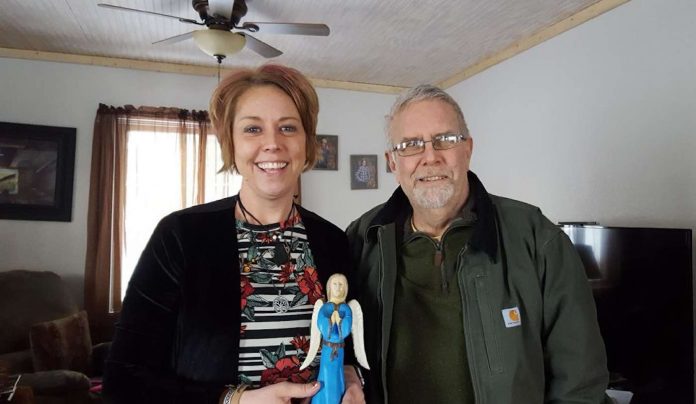
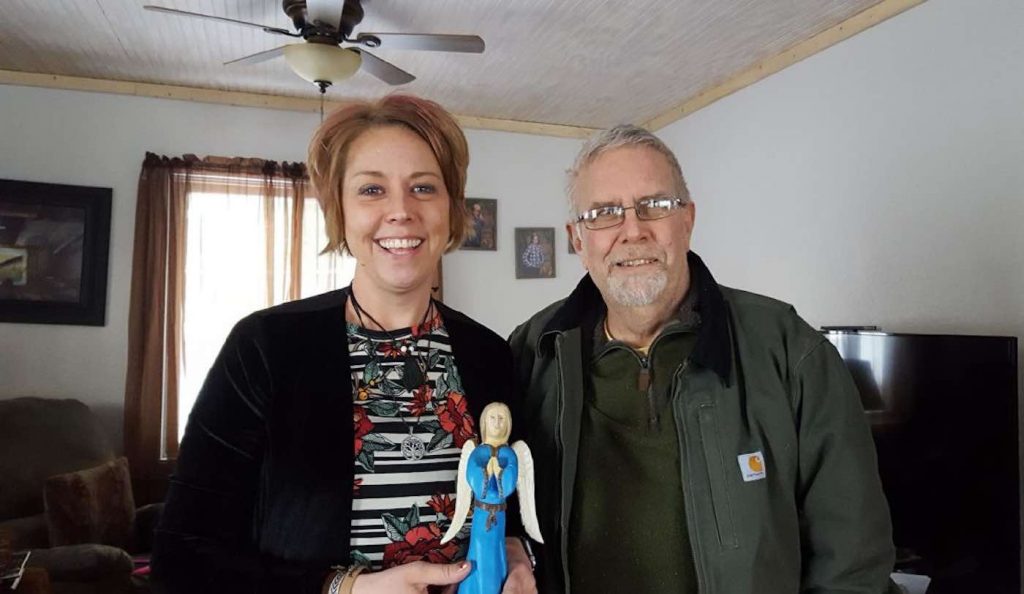
Prior to the surgery, he aptly expressed his gratitude to the Minnesota mom by carving a statue of an angel out of wood and painting it her favorite color.

“She’s my angel,” he told CNN. “She saved my life and I thought that would be an appropriate little gift for them.”

Photo by Becca Bundy

Pass On The Positivity By Sharing The Sweet Story With Your Friends On Social Media…
Managing Your Gut Bacteria Shown to Alleviate Anxiety, Says New Research

Photo by Curtis Clark, CC

People who experience anxiety symptoms might be helped by taking steps to regulate the microorganisms in their gut using probiotic and non-probiotic food and supplements, suggests a new review of studies

Anxiety symptoms are common in people with mental diseases and a variety of physical disorders, especially in disorders that are related to stress.

Previous studies have shown that as many as a third of people will be affected by anxiety symptoms during their lifetime.

Increasingly, research has indicated that gut microbiota – the trillions of microorganisms in the gut which perform important functions in the immune system and metabolism by providing essential inflammatory mediators, nutrients and vitamins – can help regulate brain function through something called the “gut-brain axis.”

RELATEDSuffering From Spring Allergies? Probiotics May Curb Your Symptoms

Recent research also suggests that mental disorders could be treated by regulating the intestinal microbiota – but there is no specific evidence to support this.

Therefore, a team of researchers from the Shanghai Mental Health Center at Shanghai Jiao Tong University School of Medicine, set out to investigate if there was evidence to support improvement of anxiety symptoms by regulating intestinal microbiota.

They reviewed 21 studies that had looked at 1,503 people collectively and published their results today in the journal General Psychiatry.

Of the 21 studies, 14 had chosen probiotics as interventions to regulate intestinal microbiota (IRIFs), and seven chose non-probiotic ways, such as adjusting daily diets.

CHECK OUTWhat You Never Learned About Fiber and Why It May Be Exactly What You Need for Stubborn Ailments

Probiotics are living organisms found naturally in some foods that are also known as “good” or “friendly” bacteria because they fight against harmful bacteria and prevent them from settling in the gut.

The researchers found that probiotic supplements in seven studies within their analysis contained only one kind of probiotic, two studies used a product that contained two kinds of probiotics, and the supplements used in the other five studies included at least three kinds.

Overall, 11 of the 21 studies showed a positive effect on anxiety symptoms by regulating intestinal microbiota, meaning that more than half (52%) of the studies showed this approach to be effective, although some studies that had used this approach did not find it worked.

Of the 14 studies that had used probiotics as the intervention, more than a third (36%) found them to be effective in reducing anxiety symptoms, while six of the remaining seven studies that had used non-probiotics as interventions found those to be effective – an 86% rate of effectiveness.

MOREBlue Light Reduces Blood Pressure, Just as Effectively as Medication – UK Study

Some studies had used both the IRIF (interventions to regulate intestinal microbiota) approach and treatment as usual.

In the five studies that used treatment as usual and IRIF as interventions, only studies that had conducted non-probiotic ways got positive results, that showed a reduction in anxiety symptoms.

Non-probiotic interventions were also more effective in the studies that used IRIF alone. In those studies only using IRIF, 80% were effective when using non-probiotic interventions, while only 45% were found to be effective when using probiotic ways.

The authors say one reason that non-probiotic interventions were significantly more effective than probiotic interventions was possible due to the fact that changing diet (a diverse energy source) could have more of an impact on gut bacteria growth than introducing specific types of bacteria in a probiotic supplement.

RELATEDWant to Stop Eating Junk Food? New Research Says You Should Get More Sleep

Also, because some studies had involved introducing different types of probiotics, these could have fought against each other to work effectively, and many of the intervention times used might have been too short to significantly increase the abundance of the imported bacteria.

Most of the studies did not report serious adverse events, and only four studies reported mild adverse effects such as dry mouth and diarrhea.

This is an observational study, and as such, cannot establish cause. Indeed, the authors acknowledge some limitations, such as differences in study design, subjects, interventions and measurements, making the data unsuitable for further analysis.

CHECK OUT: Next Time You’re Feeling Stressed or Anxious, This Study Says You Should Play Tetris

Nevertheless, they say the overall quality of the 21 studies included was high.

The researchers conclude: “We find that more than half of the studies included showed it was positive to treat anxiety symptoms by regulation of intestinal microbiota.

“There are two kinds of interventions (probiotic and non-probiotic interventions) to regulate intestinal microbiota, and it should be highlighted that the non-probiotic interventions were more effective than the probiotic interventions. More studies are needed to clarify this conclusion since we still cannot run meta-analysis so far.”

They also suggest that, in addition to the use of psychiatric drugs for treatment, “we can also consider regulating intestinal flora to alleviate anxiety symptoms.”

Reprinted from BMJ Publishing Group

Be Sure And Share The Good News With Your Anxious Friends On Social MediaPhoto by Curtis Clark, CC