











All News - Page 730 of 1734 - Good News Network
Home Blog Page 730

Researchers Develop Cheap, 10-Minute Test That Can Detect Cancer Anywhere in the Body

Australian scientists are being hailed for possibly developing a quick and easy test that can detect any kind of cancer in a matter of minutes.

Cancer is an extremely complicated and variable disease and different types of cancer have different signatures. Up until now, the scientists have had trouble finding a simple signature that was distinct from healthy cells and common to all cancers – but the team was finally able to identify a unique biomarker that was common in every type of cancer they examined, including prostate, colorectal, lymphoma, and several different forms of breast cancers.

The researchers found that – in a healthy patient – there are tiny molecules called methyl groups that are spread across DNA structures. Since the methyl groups are dramatically affected by the presence of cancer, however, the patterns and clusters of methyl groups will change their formations.

The team then developed a simple tool that could search and identify these pattern changes within a matter of minutes.

RELATEDResearchers Develop Molecule That Can Finally Help Stop Arthritis From Wearing Down Joints

“In healthy cells, these methyl groups are spread out across the genome, but the genomes of cancer cells are essentially barren except for intense clusters of methyl groups at very specific locations,” said Dr. Laura Carrascosa, one of the University of Queensland researchers involved in the project.

Professor Matt Trau said their team discovered that intense clusters of methyl groups placed in a solution caused cancer DNA fragments to fold into unique three-dimensional nanostructures that could easily be separated by sticking to solid surfaces, such as gold.

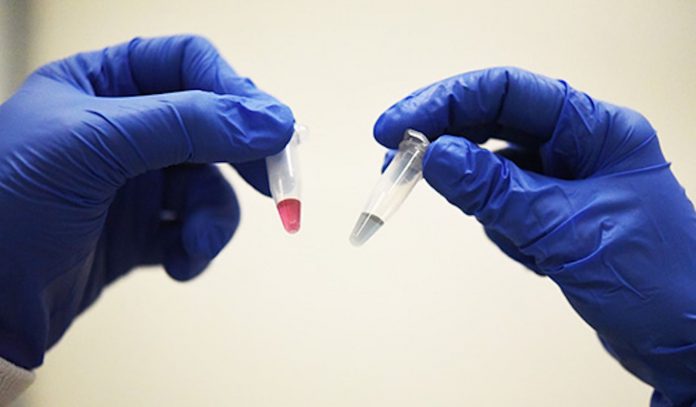
“We designed a simple test using gold nanoparticles that instantly change color to determine if the 3D nanostructures of cancer DNA are present,” explained Trau.

MORECheap, Electric Bandages Speed Up Healing Process From Two Weeks to Three Days

He said cancer cells released their DNA into blood plasma when they died.

“So we were very excited about an easy way of catching these circulating free cancer DNA signatures in blood,” he said. “Discovering that cancerous DNA molecules formed entirely different 3D nanostructures from normal circulating DNA was a breakthrough that has enabled an entirely new approach to detect cancer non-invasively in any tissue type – including blood.

“This led to the creation of [our] inexpensive and portable detection devices that could eventually be used as a diagnostic tool, possibly with a mobile phone.”

CHECK OUT: Drug That Can Stop a Dozen ‘Untreatable’ Cancers Gets Approval—And Company Vows to Help Every Patient Afford It

The new technology has proved to be up to 90% accurate in tests involving 200 human cancer samples and normal DNA.

If it continues to be successful in clinical trials, the technology could be used alongside smartphones to offer cheap and effective cancer screenings to the masses, especially in rural or undeveloped regions of the world.

“Cancer is a complicated disease, [and currently] every type has a different testing and screening system,” said co-researcher Dr. Abu Sina. “In most cases, there is no general test to test their status. Now, people only go [to get checked out] if they have symptoms. We want [cancer screening] to be part of a regular checkup.”

MOREOvarian Cancer ‘Breakthrough’ Drug Prevents Disease Returning for Years

Additionally, having access to frequent cancer screenings could drastically impact cancer mortality rates, as early cancer detection can greatly increase a patient’s chances of survival.

“We certainly don’t know yet whether it’s the holy grail for all cancer diagnostics, but it looks really interesting as an incredibly simple universal marker of cancer, and as an accessible and inexpensive technology that doesn’t require complicated lab-based equipment like DNA sequencing,” Trau said.


The research, which was conducted at the University of Queensland, was published in the journal Nature Communications earlier this week.

(Source: University of Queensland)

Cure Your Friends Of Negativity By Sharing The Good News To Social Media – Photo by University of Queensland

When Cancer-Stricken Farmer Can’t Go Outside, Neighbors Complete His Weeks of Work in a Few Hours

Greg Bishop is never one to ask for favors, but he is always first to offer them – which is why he has become so beloved by the people of Floyd County, Texas.

So when the community heard that the farmer would be unable to participate in this year’s harvest because of the debilitating effects of his chemotherapy treatment, Bishop’s friends and neighbors rushed to his aid and harvested his crop for free.

His crop, spanning 450 acres, was nearly ready to be harvested when his doctor informed him that he must remain indoors due to his weakened immune system – but with the help from the community, the entirety of his harvest was ready to be ginned within days.

Dozens of people came out to lend their support – so many, that some needed to be turned away. A local restaurant provided free burgers to all of the helpers. Even local fuel companies offered to support the event with free fuel and funding, but the farmers decided to pay for the costs anyway.

RELATEDFarmers Stay Silent During Auction So Young Man Can Win the Bid on His Long-Lost Family Farm

Within five hours, the volunteers had processed 1,200 bales of cotton worth $420,000. If Bishop had been forced to do it by himself, it would have taken weeks.

When asked why they so readily offered their help, the volunteer helpers simply gushed about Bishop’s character.

“He’s a very good Christian man. Just a good-hearted man. He’s very humble. He’s just the best person,” Aaron Hendricks, general manager of Floydada Co-Op Gins, shared with Inside Edition.

MOREIsraeli and Palestinian Farmers Find Peace Through Olive Oil

Needless to say, Bishop was emotional over the kindness of his community.

“He was just overwhelmed by what everybody did,” Hendricks told Inside Edition. “He was in tears; He couldn’t thank us enough for what we did.”

The future for Gary Bishop is looking brighter each day, as he continues his treatment and plans for a bone marrow treatment in the upcoming months. His neighbors and friends, ever-willing to help, have established a fund that will help pay for his continuing treatment.

Plant Some Positivity Amongst Your Friends By Sharing The Good News – Photo by Aaron Hendricks

Town Overturns Archaic Snowball Ban After a Determined 9-Year-old Leads the Charge

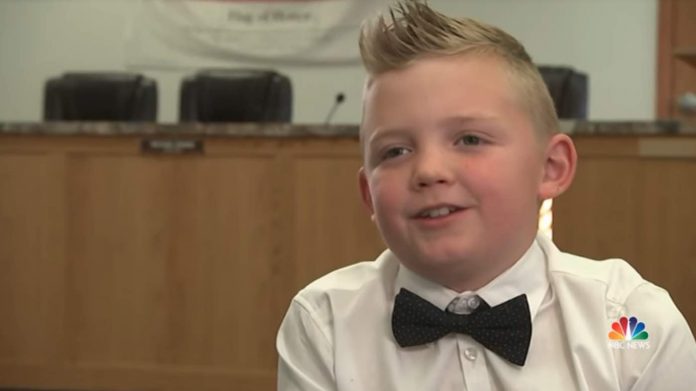
This 9-year-old boy is already on his way to a seat in Congress after he successfully led a convincing city-wide campaign to lift an archaic ban on snowball fights.

Dane Best was stunned to hear that it was illegal for him to hurl snowballs at his little brother within the city limits of Severance, Colorado.

The ban is technically part of a larger ordinance that was set in place 98 years ago. The ordinance states that it is illegal to throw stones or missiles at any trees, people, property, or buildings – and according to Kyle Rietkerk, assistant to the Severance town administrator, snowballs fall under the “missile” category.

“All of the kids always get blown away that it’s illegal to have snowball fights in Severance,” said Rietkerk, according to the Associated Press. “So, what ends up happening is (town leaders) always encourage the kids with, ‘You have the power, you can change the law.’ No one has.”

LOOKUS Embassy Apologizes for Accidental Mass-Mailing of Invitation for ‘Cat Pajama-Jam Party’

So for the last 98 years, Severance children have always doggedly thrown their winter weapons in secret – until this week.

After he discovered the town law a month and a half ago, Dane became determined to have the ban lifted. He gathered signatures from his classmates and encouraged them to write letters to the city council. Then earlier this week, he made a presentation at the town board meeting asking for the law to be changed.

MOREBusiness Savvy 9-Year-old Sells Out of Cookies by Taking Advantage of Canada’s First Cannabis Sales

Needless to say, the board members unanimously agreed to lift the ban on snowballs.

“We didn’t know that, at his age, he could even have a voice in the community,” Dan’s mother Brooke Best told the Greeley Tribune. “So that’s been pretty cool.”

After Dane was given the honor of throwing the first legal snowball in a century, he says that he now plans on changing other outdated city laws before going on to become US president.

(WATCH the NBC coverage below) – Photo by NBC News

Be Sure And Share This Cool Story With Your Friends On Social Media

2018 Nobel Peace Prize Winners Risk Their Lives to Make the World Better for Victims of Sexual Violence

The Nobel Committee has awarded the 2018 Nobel Peace Prize to Denis Mukwege and Nadia Murad for their efforts to end the use of sexual violence as a weapon of war amidst armed conflict.

The laureates have “made a crucial contribution to focusing attention” on the problem by not only combatting the crime, but, healing the victims.

Nadia Murad is herself a victim of war crimes. She refused to accept the social codes that require women to remain silent and ashamed of the abuses to which they have been subjected. She has shown uncommon courage in recounting her own sufferings and speaking up on behalf of other victims.

Dr. Denis Mukwege has put his own life at risk for decades in order to aid the formerly voiceless victims of wartime violence. Kate Grant, a longtime friend and colleague of Mukwege, paid tribute to the extraordinary physician in an email to GNN.

LOOKMuslims Take Out Full-Page Newspaper Ad to Denounce Anti-Semitism Against “Our Jewish Sisters and Brothers”

“I have been privileged to know Dr. Denis Mukwege for nearly a decade,” she wrote. “When Fistula Foundation adopted a global mission in 2009, he became our very first partner. We have been proud to support his work with more than $2.3 million in grants that help him restore health to thousands of women who have suffered from traumatic fistula incurred as a result of sexual violence.

“Since the announcement in October that he would receive the 2018 Nobel Peace Prize, Fistula Foundation has established the Denis Mukwege Fistula Fund to support his future work, for which nearly $200,000 has already been raised. Our community has also celebrated this news, collecting more than 700 messages of congratulations and well wishes via an e-card. Some of the signatures are from grateful champions of his work from 36 countries around the world.

“He is truly a remarkable man, and it has been a pleasure to get to know him well over the last decade. The son of a Pentecostal minister, Dr. Mukwege is a quietly devout man who told me at our very first meeting that he wanted to do with his hands what he felt that his father had done with his words: make the world a better place.

WATCHAfter Man Plays His Cello at Bomb Site, He Spurs Citywide Movement to Combat Violence With Music

“And he truly has. His 400-bed Panzi Hospital is a beacon of healing and hope to women who have been traumatized by decades of war. It has been said that the Democratic Republic of the Congo is the worst place in the world to be a woman, and if you hear Dr. Mukwege share the stories of women and young girls, you will know this is true. He and his staff work day and night to heal these victims—body and soul.

“What Dr. Mukwege does is important, and dangerous. He is a global force, using his voice beyond the walls of Panzi Hospital to speak on the world stage to denounce the crimes of armed groups that have operated in DRC for more than two decades. He has been targeted by assassins who took his daughters and wife captive. Yet, this remarkable champion of women perseveres.

“Every day, he serves as my North Star. His portrait has hung on the wall next to my desk for nearly as long as I’ve known him. In a white doctor’s coat and a lapel pin that says ‘Do not stand idly by,’ he reminds me every day of the sacrifices he’s made to give the voiceless a voice, and return their health and hope.

WATCHMan Behind the World’s Longest-Running Free Clinic Has Spent 44 Years Treating 2 Million People

“Join the 700+ others from around the world who have already left a message for Dr. Mukwege on our e-card: add your name and message, which will be delivered to him after the Nobel Ceremony on December 10th.”

Kate Grant is CEO of the Fistula Foundation, based in San Jose, California and dedicated to ending the suffering caused by obstetric fistula.

(WATCH the video below) – Photo by the Fistula Foundation

Be Sure And Share The News With Your Friends On Social Media

“In the school of life, difficult people are the faculty. They teach us the lessons that we would be most unlikely to learn on our own.” – Mark I. Rosen

Quote of the Day: “In the school of life, difficult people are the faculty. They teach us the lessons that we would be most unlikely to learn on our own.” – Mark I. Rosen

Photo: by Thomas Hawk, CC license, Flickr

With a new inspirational quote every day, atop the perfect photo—collected and archived on our Quotes page—why not bookmark GNN.org for a daily uplift?

How They Saved a Species in Wyoming (But Was it Worth it?)

The Lesson: A species on the brink of extinction can be saved – but at what point do the expenses and resources spent on that effort become too much to bear? This question has become increasingly difficult to answer, as scientists and journalists alike work to understand the merit of saving a species when doing so has no clear-cut benefit, but this conservationist says that these efforts can result in groundbreaking new discoveries, biotechnology, and perhaps even commercial products.

Notable Excerpt: “…there’s another way that all this ferret saving work could have indirect benefits … CRISPR could be used to help ferrets. But CRISPR (a gene editing technology that could help the ferret become resistant to disease) is so new, there’s a lot to be discovered still, and maybe when scientists poke around with CRISPR for ferrets, they’ll learn something about disease resistance, or genetic diversity. And that could be used to save other species; that could include keystone species, like the bush elephant, or the coral.”

The Guest: Kimberly Fraser is a conservation specialist and a trailblazer in the fight to save the black-footed ferret.

The Host: Harvard Graduate Dylan Matthews is a correspondent and journalist for Vox whose 2013 articles written for The Washington Post won him their “Publisher’s Award”. Matthews focuses on topics that are politically scientific and environmentally conscientious.

The Podcast: Produced by Vox, Future Perfect investigates effective altruism and the “innovative solutions to modern problems that no one is talking about”. Stream their episodes, each about 20 minutes per podcast, on Vox’s website, iTunes, and Stitcher.

(LISTEN to the inspiring talk below) – Photo by Kimberly Fraser / USFWS

Good Advice? SHARE It – Or Check Out More On Our Good Talks Page

Scientists Develop Molecule That Can Finally Help Stop Arthritis From Wearing Down Joints

Potential arthritis treatment prevents cartilage breakdown
Injectable material made of nanoscale particles can deliver arthritis drugs throughout cartilage.
Written by Anne Trafton
MIT News

Osteoarthritis, a disease that causes severe joint pain, affects more than 20 million people in the United States. Some drug treatments can help alleviate the pain, but there are no treatments that can reverse or slow the cartilage breakdown associated with the disease.

In an advance that could improve the treatment options available for osteoarthritis, MIT engineers have designed a new material that can administer drugs directly to the cartilage. The material can penetrate deep into the cartilage, delivering drugs that could potentially heal damaged tissue.

“This is a way to get directly to the cells that are experiencing the damage, and introduce different kinds of therapeutics that might change their behavior,” says Paula Hammond, head of MIT’s Department of Chemical Engineering and the senior author of the study.

RELATEDCheap, Electric Bandages Speed Up Healing Process From Two Weeks to Three Days

In the study, the researchers showed that delivering an experimental drug called insulin-like growth factor 1 (IGF-1) with this new material prevented cartilage breakdown much more effectively than injecting the drug into the joint on its own.

Osteoarthritis is a progressive disease that can be caused by a traumatic injury such as tearing a ligament; it can also result from gradual wearing down of cartilage as people age. A smooth connective tissue that protects the joints, cartilage is produced by cells called chondrocytes but is not easily replaced once it is damaged.

Previous studies have shown that IGF-1 can help regenerate cartilage in animals. However, many osteoarthritis drugs that showed promise in animal studies have not performed well in clinical trials.

CHECK OUT: Back Pain May Soon Be a Thing of the Past After Scientists Successfully Implant Lab-Grown Spinal Discs

The MIT team suspected that this was because the drugs were cleared from the joint before they could reach the deep layer of chondrocytes that they were intended to target. To overcome that, they set out to design a material that could penetrate all the way through the cartilage.

The sphere-shaped molecule they came up with contains many branched structures called dendrimers that branch from a central core. The molecule has a positive charge at the tip of each of its branches, which helps it bind to the negatively charged cartilage. Some of those charges can be replaced with a short flexible, water-loving polymer, known as PEG, that can swing around on the surface and partially cover the positive charge. Molecules of IGF-1 are also attached to the surface.

When these particles are injected into a joint, they coat the surface of the cartilage and then begin diffusing through it. This is easier for them to do than it is for free IGF-1 because the spheres’ positive charges allow them to bind to cartilage and prevent them from being washed away. The charged molecules do not adhere permanently, however. Thanks to the flexible PEG chains on the surface that cover and uncover charge as they move, the molecules can briefly detach from cartilage, enabling them to move deeper into the tissue.

MOREDoctor That Discovered Natural Way to Treat Vertigo for Free Writes Book On How Sufferers Can Thrive

“We found an optimal charge range so that the material can both bind the tissue and unbind for further diffusion, and not be so strong that it just gets stuck at the surface,” says Brett Geiger, MIT graduate student and lead author of the paper

Once the particles reach the chondrocytes, the IGF-1 molecules bind to receptors on the cell surfaces and stimulate the cells to start producing proteoglycans, the building blocks of cartilage and other connective tissues. The IGF-1 also promotes cell growth and prevents cell death.

When the researchers injected the particles into the knee joints of rats, they found that the material had a half-life of about four days, which is 10 times longer than IGF-1 injected on its own. The drug concentration in the joints remained high enough to have a therapeutic effect for about 30 days. If this holds true for humans, patients could benefit greatly from joint injections — which can only be given monthly or biweekly — the researchers say.

MOREFDA Grants ‘Breakthrough’ Status to Psilocybin Mushroom Therapy for Untreatable Depression

In the animal studies, the researchers found that cartilage in injured joints treated with the nanoparticle-drug combination was far less damaged than cartilage in untreated joints or joints treated with IGF-1 alone. The joints also showed reductions in joint inflammation and bone spur formation.

“Delivery of growth factors using nanoparticles in a manner that sustains and improves treatments for osteoarthritis is a significant step for nanomedicines,” says Kannan Rangaramanujam, a professor of ophthalmology and co-director of the Center for Nanomedicine at Johns Hopkins School of Medicine, who was not involved in the research.

Cartilage in rat joints is about 100 microns thick, but the researchers also showed that their particles could penetrate chunks of cartilage up to 1 millimeter — the thickness of cartilage in a human joint.

RELATEDCannabis Oil ‘Significantly’ Improves the Symptoms of Crohn’s Disease in Small, First-of-its-Kind Study

“That is a very hard thing to do. Drugs typically will get cleared before they are able to move through much of the cartilage,” Geiger says.

The researchers began developing this material as a way to treat osteoarthritis that arises after traumatic injury, but they believe it could also be adapted to treat age-related osteoarthritis. They now plan to explore the possibility of delivering different types of drugs, such as other growth factors, drugs that block inflammatory cytokines, and nucleic acids such as DNA and RNA.

Reprinted with permission from MIT News

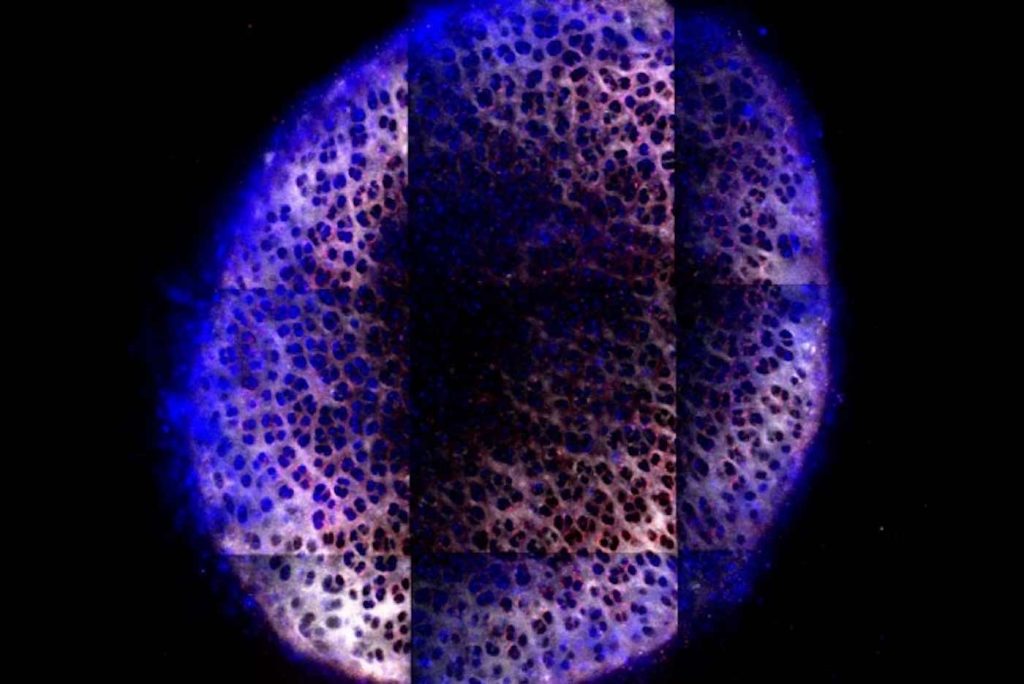
Cure Your Friends Of Negativity By Sharing The Good News To Social MediaPhoto by Brett Geiger and Jeff Wyckoff

When Homeless Man Finds $17,000 Outside of Food Bank, He Turns It In So It Can Help Feed Others

When a homeless man stopped by his local food bank for a meal early one August morning, he found a lot more than just food outside their door.

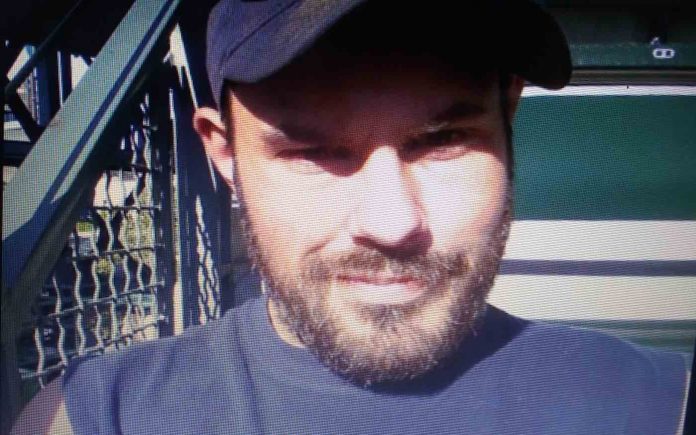
Kevin Booth had originally planned to grab some of the free baked goods that are left outside of the Sumner Food Bank for people to take when the facility is closed at night. Instead, he saw a peculiar brown paper bag sitting outside the locked front door.

Thinking that it held food, Booth opened the bag only to see that it contained stacks of $20 bills.

The bag was collectively filled with $17,000 in cash. Needless to say, that money would have made a great difference to Booth, and there was no one around to know that he had taken it.

LOOKWhen Stranger Finds Lost Wallet on Airplane, He Returns It to Owner With Even More Cash Inside

But the 32-year-old says that he knew that the money would serve more people at the food bank, so he waited until volunteer Anita Miller arrived to open up the facility.

“There are a lot of people who would have taken it,” Booth told the News Tribune. “I’m just not that person.”

She was shocked to hear about what had been left outside their door, and she immediately called the police. Though the Sumner Police Department of Washington reviewed their security footage, they were not able to identify who dropped off the package.

RELATEDGuy Transforms Man He Thought Was Online Scammer into Village Saint by Sending Him $30 Camera

After waiting the necessary 90 days for someone to claim the cash, they turned it over to the food bank and honored Booth for his compassion.

Miller says that she has been sharing the cash with Booth by giving him portions of the donation in the form of gift cards. Though he lives in a tent in the nearby forest, he has turned down her offers of shelter, although he does accept her gifts of winter clothes.

WATCHGirl Scout’s Hilariously Honest Cookie Reviews Lead to Record-breaking Sales

Additionally, a town resident has started a GoFundMe campaign to help raise money for Booth to buy the VW van that he dreams of using as shelter.

The food bank serves free meals to roughly 1,000 people every month, including Booth – and thanks to the mysterious multi-thousand dollar package, which is the largest donation ever made to the food bank, they will finally be able to finance a new walk-in freezer, Miller excitedly told reporters.

(WATCH the news coverage below) – Photo by Kurtis Hedge via GoFundMe

Be Sure And Share The Incredible Story Of Honesty With Your Friends On Social Media

Dog Saves Its Owner’s Life When It Sniffs Out Cancer, Not Once, But Three Times

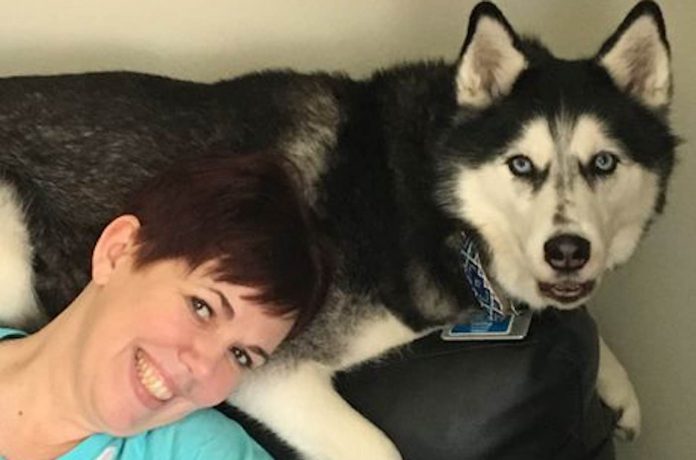
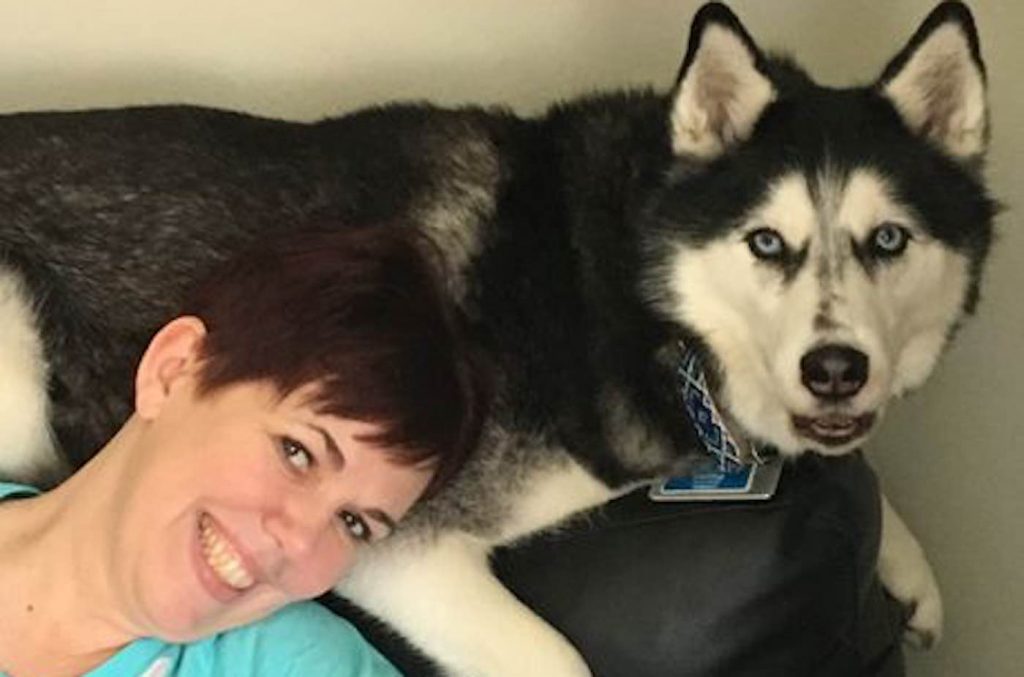
This Siberian husky doesn’t just have a sweet face to look at – she’s also got a nose that is credited for saving her owner’s life.

Sierra the dog has been able to smell Stephanie Herfel’s ovarian cancer not once, but three times. On top of that, she has also managed to sniff out cancer in nearby strangers as well.

Sierra’s first cancer detection occurred in 2013 when the pup was roughly 2 years old. At the time, Herfel had been experiencing some abdominal pain, but a doctor had simply prescribed her some antibiotics for an ovarian cyst. She became concerned, however, when Sierra reacted oddly to Herfel’s stomach.

“She put her nose on my lower belly and sniffed so intently that I thought I spilled something on my clothes. She did it a second and then a third time. After the third time, Sierra went and hid. And I mean hid!” Herfel told the Journal Sentinel.

RELATEDWatch Dog Rush to Rescue Struggling Canine Friend After He Falls into Backyard Pool

Herfel eventually found that the anxious pup had curled herself up into a ball in the back of a closet. Herfel then listened to her instincts and made an appointment with a gynecologist only to have a series of tests reveal that she had stage 3C ovarian cancer several weeks later.

She had been fortunate to receive the diagnosis before the cancer had spread any further. After undergoing a hysterectomy, Herfel stayed on chemotherapy meds until 2014. Then in 2015 and 2016, Sierra sounded the olfactory alarm again by hiding in the closet – this time for when the cancer reoccurred in Herfel’s liver and then in her pelvic area.

Additionally, Sierra hid in the closet when a friend with a pre-known ovarian cancer case stopped by their home in Madison, Wisconsin for a visit; and the pup reacted the same way when a worker came by to help remodel Herfel’s kitchen. Herfel and her husband then notified the worker’s boss because they felt it was the right thing to do.

WATCHDog That Shoplifted a Book on ‘Abandonment’ is Given the Love It Was Asking For

Herfel, now 52 years old and retired from her job as a proposal writer, is currently cancer-free and working as an advocate for the disease – and she hopes to write a book about the dog who saved her life.

“I owe my life to that dog,” Herfel told the Sentinel. “She’s really been a godsend to me. She has never been wrong.”

Be Sure And Share This Pawesome Story With Your Friends On Social MediaPhoto by Stephanie Herfel

“The night shall be filled with music, and the cares that infest the day shall fold their tents… and silently steal away.” – Longfellow

Quote of the Day: “The night shall be filled with music, and the cares that infest the day shall fold their tents… and silently steal away.” – Henry Wadsworth Longfellow

Photo: Pueblo, Colorado, © GWC

With a new inspirational quote every day, atop the perfect photo—collected and archived on our Quotes page—why not bookmark GNN.org for a daily uplift?

DJ Spins Records From His Garden Shed Since 1974 for an Audience of One – His Wife

For the last 44 years, this self-made DJ has played for the “smallest audience in the world” from his garden shed – but that’s about to change. Hear The Good News Guru tell the heartwarming story (from the November 30, 2018 Ellen K. Morning Show on KOST-103.5 radio in Los Angeles).

WATCH the video from the BBC at GNN… (Image from BBC video Tweet)

Subscribe to our Good News podcast on iTunes, or for Android devices on Podbean.

How to Go Through a Divorce and Make it Out Stronger

The Lesson: Divorce doesn’t need to be the end of a relationship. Perhaps this may be the case in a romantic sense, but two individuals can still work together for the sake of their family and their personal well-being. In this podcast, Laura Wasser discusses not only how to survive a divorce, but how to emerge stronger on the other end of it, all while avoiding the negative influences of an industry predicated on the legality behind divorce.

Notable Excerpt: “It’s weird to me that we are more willing to talk about breast cancer than we are about divorce. I think when people go into it they feel so isolated. [My parents] divorced when I was about sixteen, and they were great test cases for what we preach, not only at the firm, but at [my online divorce service] because they did it in the most civil, amicable, respectful way, and I kind of grew up going ‘oh, why is this a big deal? We’re still a family.’”

The Guest: Laura Wasser is a successful divorce attorney and the founder of the online divorce service, It’s Over Easy. Having been raised in a household with divorced parents, Wasser seeks to create a mature conversation about divorce – one that promotes stability and amiability during the difficult period of divorce. Having consulted notable celebrities such as Ryan Reynolds, Heidi Klum, and Angelina Jolie, Wasser has become a prominent influence in how divorces of our day and age are handled.

The Host: Over the course of his 30-year career in psychology, health, and counseling, Dr. Drew Pinsky has become a goldmine of information on dealing with trauma. Dr. Drew is the author of several bestselling self-help books, including “Cracked: Life on the Edge in a Rehab Clinic” and “The Mirror Effect”. In addition to hosting multiple hit podcasts, such as The Dr. Drew and Adam Show and the Dr. Drew Show, he is famous for hosting several reality TV shows and self-help radio segments.

The Podcast: The Dr. Drew Podcast covers topics including medical health and wellness, family, relationships, and mental health, all under the auspice of Dr. Drew’s knowledge and medical expertise.

(LISTEN to the talk below) Editor’s note: podcast contains some explicit content. Photo by Nick Youngson, CC.

Good Advice? SHARE It – Or Check Out More On Our Good Talks Page

Engineer Creates Smartphone App That Screens for Anemia By Taking Pictures of Your Fingernails

Written by Stephen Beech / SWNS

A newly-developed smartphone app can now diagnose anemia without even having to take a blood sample

Anemia is a condition that develops when a person’s blood lacks enough healthy red blood cells or haemoglobin. It affects two billion people worldwide and if it is left untreated, it can lead to fatigue, paleness, and cardiac distress.

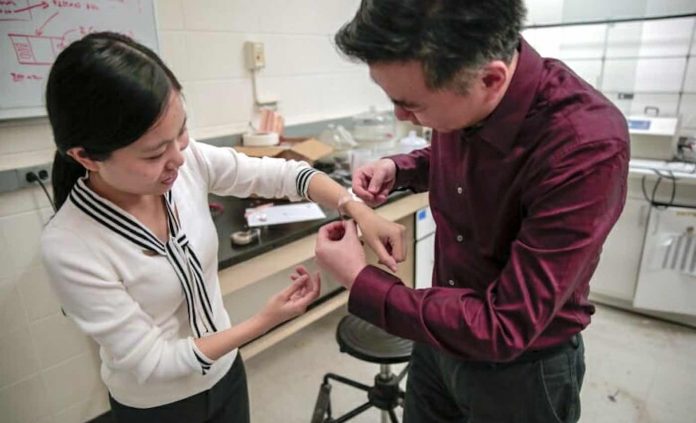
But now instead of a blood test, biomedical engineers have created an app that can use smartphone photos of someone’s fingernails taken to accurately measure how much haemoglobin is in their blood.

“All other ‘point-of-care’ anemia detection tools require external equipment, and represent trade-offs between invasiveness, cost, and accuracy,” said principal investigator Doctor Wilbur Lam, associate professor of paediatrics at Emory University School of Medicine. “This is a standalone app whose accuracy is on par with currently available point-of-care tests without the need to draw blood.”

RELATEDMost People Don’t Get Enough Vitamin D, But This App Can Fix That

The app is part of the PhD work of former grad student Rob Mannino. He was motivated to conduct the research based on his own experience living with beta-thalassemia, an inherited blood disorder that is caused by a mutation in the beta-globin gene.

“Treatment for my disease requires monthly blood transfusions,” said Mannino. “My doctors would test my haemoglobin levels more if they could, but it’s a hassle for me to get to the hospital in between transfusions to receive this blood test.

“Instead, my doctors currently have to just estimate when I’m going to need a transfusion, based on my haemoglobin level trends.”

CHECK OUT: Drug That Can Stop a Dozen ‘Untreatable’ Cancers Gets Approval—And Company Vows to Help Every Patient Afford It

“This whole project couldn’t have been done by anyone but Rob,” said Lam. “He took pictures of himself before and after transfusions as his haemoglobin levels were changing, which enabled him to constantly refine and tweak his technology on himself in a very efficient manner.

“So essentially, he was his own perfect initial test subject with each iteration of the app.”

The researchers say that their app could facilitate self-management by patients with chronic anemia, allowing them to monitor their disease and identify the times when they need to adjust their therapies or receive transfusions.

MOREFree CPR Kiosks in Airports Are Effectively Teaching People to Save Lives in Just 5 Minutes, Says Study

They believe that the app should be used for screening, not clinical diagnosis.

The researchers add that the technology could be used by anyone at any time, and could be especially appropriate for pregnant women, women with abnormal menstrual bleeding, or athletes.

Clinical diagnostic tools have strict accuracy requirements, but the team behind the app believe that with additional research, they can eventually achieve the accuracy needed to replace blood-based anemia testing for clinical diagnosis.

CHECK OUT: Veterans Are Finding Peace From PTSD Through ‘Float Therapy’

The current gold standard for anemia diagnosis is known as a complete blood count (CBC).

The researchers studied fingernail photos and correlated the color of the fingernail beds with haemoglobin levels measured by CBC in 337 people: some healthy, and others with a variety of anemia diagnoses. The algorithm for converting fingernail color to blood haemoglobin level was developed with 237 of the subjects and then tested on 100.

In the app, the use of fingernail beds, which do not contain melanin, means the test can be valid for people with a variety of skin tones – and according to Lam, “the algorithm gets smarter with every patient enrolled.”

The smartphone anemia app is projected to be available commercially for public download as soon as next spring. In the mean time, the patent application has been filed for the anemia app and the findings were published in the journal Nature Communications.

(WATCH the video below) – Photo by Mannino et. al via Nature Communications

Cure Your Friends Of Negativity By Sharing The Good News To Social Media

World Bank Doubles Funding to $200 Billion to Fight Climate Change

The World Bank has just announced that they will now be offering a whopping $200 billion in financing for the fight against climate change between 2021 and 2025.

The organization made the announcement in lieu of the international climate summit that will be taking place in Poland this week. Governments from around the world will be working together to hash out an implementation plan for meeting the goals that were set during the Paris Agreement in 2015.

The World Bank’s $200 billion commitment is actually double the amount of its original 5-year investment plan that it set during the Paris meeting. Half of the money will come in direct financing form the World Bank while the other half will be spent in loans and alternative assistance.

The international institution has already spent over $20.5 billion in sustainability projects this year alone – but now, they want to do even more.

WATCHMan Postpones Retirement to Save Reefs After He Accidentally Discovers How to Make Coral Grow 40 Times Faster

“We are pushing ourselves to do more and go faster on climate and we call on the global community to do the same,” said World Bank President Jim Yong Kim. “This is about putting countries and communities in charge of building a safer, more climate-resilient future.”

Part of the financing will be used to implement climate adaption projects in developing nations, such as improved early-warning weather systems and smart agricultural initiatives. In terms of climate mitigation, the World Bank says they will also be helping cities and countries achieve their carbon-neutrality goals and build more sustainable infrastructure.

“There are literally trillions of dollars of opportunities for the private sector to invest in projects that will help save the planet,” said IFC CEO Philippe Le Houérou. “Our job is to go out and proactively find those opportunities, use our de-risking tools, and crowd in private sector investment. We will do much more in helping finance renewable energy, green buildings, climate-smart agribusiness, urban transportation, water, and urban waste management.”

Power Up With Positivity By Sharing The Good News With Your Friends On Social Media

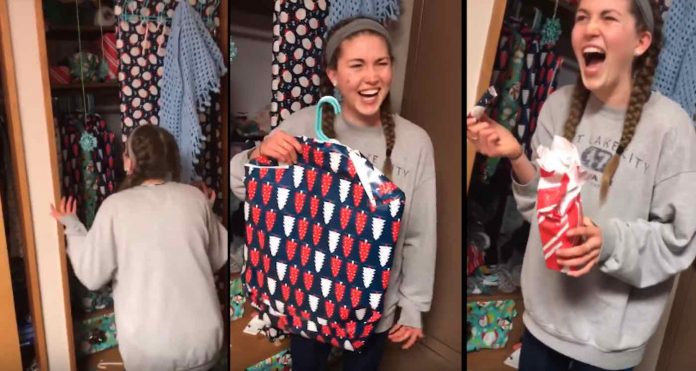
Watch Student’s Hilarious Reaction to Being Pranked With a Room Full of Presents

This college student must have been pretty nice this year to receive a room full of Christmas presents – although to be fair, the presents did happen to be the possessions she already owned.

This video depicts Hannah, a student at Southwest Baptist University in Bolivar, Missouri, coming home to her apartment only to find that everything in her room had been painstakingly gift-wrapped by her roommates.

Everything from the bed to the clothes in her closet had been separately packaged in wrapping paper. Even her individual tampons had been neatly gift-wrapped in Christmas cheer.

LOOKWoman Turns Cubicle Into Log Cabin, Wins First Place In Decorating Contest

Though one might blame Santa for the Yuletide prank, it was actually courtesy of her roommate Andrea.

Hannah had let slip in conversation that she didn’t like Christmas very much – so Andrea and a few other mischievous elves got together while Hannah was out for the day and got to work.

Needless to say, Hannah won’t be naughty anytime soon for fear of arriving home to a room full of coal.

(WATCH the video below) – Photo by Storyful

Give Your Friends A Ho Ho Ho – Share This Amusing Clip To Social Media

Metallica Feeds the Hungry on Every Stop of Their World Tour


One of the world’s most famous rock bands is ensuring that there is food for all in the cities on their tour.

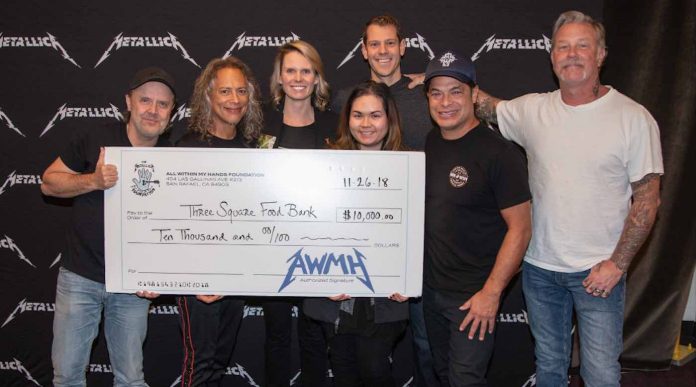
American heavy metal band Metallica has been donating thousands of dollars to food banks on every stop of their WorldWired tour.


The donations are being made through the band’s All Within My Hands Foundation.

The band recently made headlines for their $10,000 donation to the Utah Food Bank, which will be “enough to provide 30,000 meals to Utahns facing hunger”, says the charity.


Though the foundation is very consistently donating large amounts of their concert ticket and merch sales, they also made a $50,000 donation to benefit California wildfire victims earlier this month.


Hardwired For Positivity: Be Sure And Share The Good News With Your Friends On Social Media

“People don’t notice whether it’s winter or summer when they’re happy.” – Anton Chekhov

Quote of the Day: “People don’t notice whether it’s winter or summer when they’re happy.” – Anton Chekhov

Photo: by Amer Khalid, chaosplay.com, CC license

With a new inspirational quote every day, atop the perfect photo—collected and archived on our Quotes page—why not bookmark GNN.org for a daily uplift?

Advice for When You Feel Overwhelmed by Loyalty Towards a Job You’ve Outgrown

The Lesson: Although loyalty typically has a positive connotation, it can also dissuade you from pursuing better opportunities, especially in the workplace. This is an issue many women are facing today at their respective jobs: an excessive sense of loyalty to coworkers and companies results in stagnation. And since social factors propel women to value security over challenge and growth, women can often be at a disadvantage to their man counterparts. Loyalty has its place in decision making, but so does a desire to learn, grow, and experience a new set of challenges.

Notable Excerpt: “Well, one big thing was that I felt I owed it to the company to be there… it’s a very female perspective on a job. I didn’t want to let anyone down. I didn’t want to let not only my coworkers, who were my family, but the community; I didn’t want to let the community down. And if they were coming to look for me to say ‘I need help with this’, and I wasn’t there, that just… I mean even now it gets me emotional, it breaks my heart.”

The Guest: In 2005, Danielle Maveal, also known as Danielle XO, became the top seller on Etsy. This landed her a position at the company in which she managed creative teams set on influencing and motivating entrepreneurs to develop their small businesses. Today, she’s a successful startup consultant and developer, and a team founder for the animal rescue company BarkBox.

The Host: Ashley Milne-Tyte is a journalist, teacher, and host of The Broad Experience podcast. An adjunct professor for Columbia Journalism School, Milne-Tyte has written for notable news outlets, such as NPR, BBC, and WNYC, all while maintaining and developing an acute sense for women’s experiences in the workplace.

The Podcast: The Broad Experience podcast is available on iTunes and Stitcher, as well as their website.

(LISTEN to the inspiring talk below)

Good Advice? SHARE It – Or Check Out More On Our Good Talks Page

Cheap, Electric Bandages Speed Up Healing Process From Two Weeks to Three Days

Engineers have developed a new, low-cost bandage that speeds up healing times from nearly two weeks to just three days.

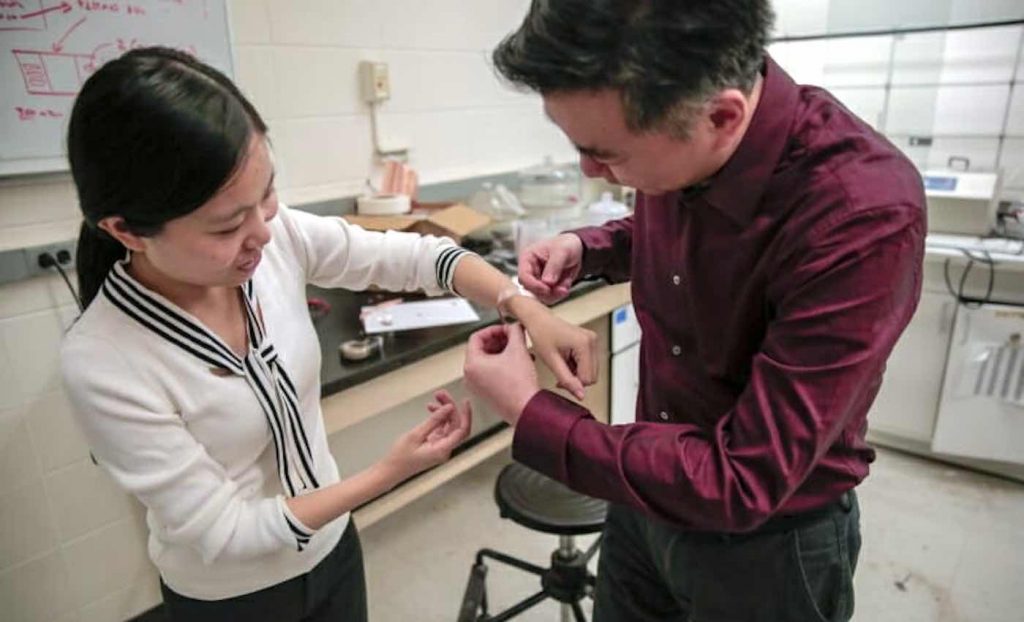
The method, which was developed by researchers at the University of Wisconsin-Madison, leverages energy generated from a patient’s own body motions to apply gentle electrical pulses at the site of an injury.

“We were surprised to see such a fast recovery rate,” says Xudong Wang, a professor of materials science and engineering at UW-Madison. “We suspected that the devices would produce some effect, but the magnitude was much more than we expected.”

Wang and collaborators described their wound dressing method in the journal ACS Nano.

RELATEDBack Pain May Soon Be a Thing of the Past After Scientists Successfully Implant Lab-Grown Spinal Discs

Researchers have known for several decades that electricity can be beneficial for skin healing, but most electrotherapy units in use today require bulky electrical equipment and complicated wiring to deliver powerful jolts of electricity.

“Acute and chronic wounds represent a substantial burden in healthcare worldwide,” says collaborator Angela Gibson, professor of surgery at UW-Madison and a burn surgeon and director of wound healing services at UW Health. “The use of electrical stimulation in wound healing is uncommon.”

In contrast with existing methods, the new dressing is much more straightforward.

MOREDrug That Can Stop a Dozen ‘Untreatable’ Cancers Gets Approval—And Company Vows to Help Every Patient Afford It

“Our device is as convenient as a bandage you put on your skin,” says Wang.

The new dressings consist of small electrodes for the injury site that are linked to a band holding energy-harvesting units called nanogenerators, which are looped around a wearer’s torso. The natural expansion and contraction of the wearer’s ribcage during breathing powers the nanogenerators, which deliver low-intensity electric pulses.

“The nature of these electrical pulses is similar to the way the body generates an internal electric field,” says Wang.

CHECK OUT: New Peanut Allergy Drug Shows Life-Saving Potential – and It Could Be Available as Soon as 2019

And, those low-power pulses won’t harm healthy tissue like traditional, high-power electrotherapy devices might.

In fact, the researchers showed that exposing cells to high-energy electrical pulses caused them to produce almost five times more reactive oxygen species – major risk factors for cancer and cellular aging – than cells that were exposed to the nanogenerators.

Also a boon to healing: They determined that the low-power pulses boosted viability for a type of skin cell called fibroblasts, and exposure to the nanogenerator’s pulses encouraged fibroblasts to line up (a crucial step in wound healing) and produce more biochemical substances that promote tissue growth.

LOOKFree CPR Kiosks in Airports Are Effectively Teaching People to Save Lives in Just 5 Minutes, Says Study

“These findings are very exciting,” says collaborator Weibo Cai, a professor of radiology at UW-Madison. “The detailed mechanisms will still need to be elucidated in future work.”

In that vein, the researchers aim to tease out precisely how the gentle pulses aid in healing. Additionally, they are working to give the nanogenerators additional capabilities – tweaking their structure to allow for energy harvesting from small imperceptible twitches in the skin or the thrumming pulse of a heartbeat.

“The impressive results in this study represent an exciting new spin on electrical stimulation for many different wound types, given the simplicity of the design,” says Gibson, who will collaborate with the team to confirm the reproducibility of these results.

MOREDoctor That Discovered Natural Way to Treat Vertigo for Free Writes Book On How Sufferers Can Thrive

If the team is successful, the devices could help solve a major challenge for modern medicine – and because the nanogenerators consist of relatively common materials, price won’t be an issue.

“We think our nanogenerator could be the most effective electrical stimulation approach for many therapeutic purposes,” says Wang. “I don’t think the cost will be much more than a regular bandage. The device in itself is very simple and convenient to fabricate.”

(Source: University of Wisconsin–Madison)

Help Your Friends Heal From Negativity By Sharing The Good News To Social Media – Photo by Sam Million-Weaver / University of Wisconsin-Madison

After Marriage Proposal Mishap, NYPD Was Able to Return Ring to Relieved English Couple

This English couple is rejoicing in the return of the engagement ring that they had presumed to be lost forever after it disappeared down a New York City grate last week.

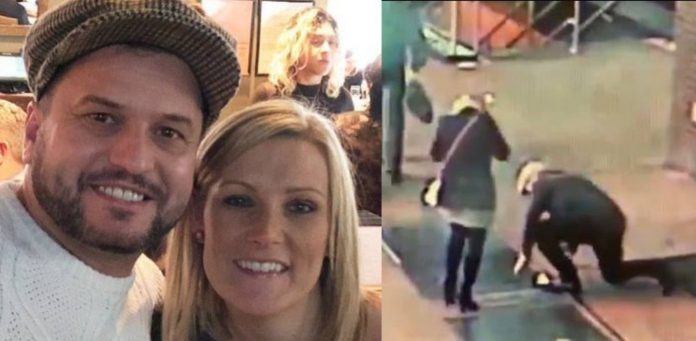
Just hours after John Brennan successfully proposed to Daniella Anthony in Central Park on the 10th anniversary of their first date, the happy nuptials-to-be were strolling through Time Square when the ring slipped off her finger and fell down a sidewalk vent.

“I tried to tell John it was too big, but he insisted I wear it,” Anthony told BBC.

Brennan reportedly responded by saying: “I told her it was fine. I was just so happy to finally call her my fiancée after all this time.

RELATED87-Year-old Walking to Buy Mega Millions Ticket Breaks His Hip, Then Wins Hospital Lottery Pool

He had apparently put a lot of thought into the proposal, and after carrying the ring around in his pocket for two days, he finally got to pop the question when the “time was right” and “there were autumn leaves everywhere and not many people.”

They were on the way back to the hotel, however, when disaster struck.

“I can still visualize the ring,” recalls Drennan. “Bouncing once… bouncing twice and then it was gone.”

The couple spent the next two hours trying to retrieve the ring with the help of passerby, but to no avail. They eventually gave up on finding it and resolved to enjoy the rest of their weekend before their flight home to Peterborough, Cambridgeshire.

Upon hearing about the incident, the New York City Police Department later managed to find and clean the ring, but they were unable to track down the couple. The department then posted security footage of the couple peering down the grate to social media and asked their followers for help.

After thousands of retweets and international coverage, a friend of the couple contacted them and asked if they were the people featured in the NYPD’s video – and they were delighted to find that they were.

“We could not believe it, we really thought it was gone,” Anthony told BBC. “We don’t use Twitter – we had absolutely no idea this was going on. But we are so happy.”

LOOKMan Saves Ancient Books From Dumpster Only to Look Inside Months Later and Find Amazing Inscription

“We are so thankful to everyone – especially the New York Police Department and everyone who shared our story,” the couple added.

The NYPD announced the end of their search this weekend with a Twitter post saying: “The (now) happy couple is back in their home country, but thanks to your retweets they heard we were looking for them! We’re making arrangements to get them their ring back. Congratulations!”

Be Sure And Share This Heartwarming Story With Your Friends On Social Media