













All News - Page 627 of 1736 - Good News Network
Home Blog Page 627

Couple Uses 400,000 LEGO Bricks to Build Biggest Christmas Creation in 25 Years of Yuletide Fun

SWNS
SWNS

This Lego-loving couple has spent the last six weeks creating this stunning Alpine ski scene out of 400,000 bricks—just in time for Christmas.

Every year, 61-year-old Mike Addis and his 56-year-old wife Catherine Weightman carefully construct a Christmas-themed Lego creation to celebrate the holiday season.

Since this year was the 25th anniversary of their first ever yuletide sculpture, they decided to take on their biggest project yet: an 8-foot-tall by 8-foot-wide snow-covered Alpine ski resort complete with working lifts, trains, and lights.

The massive Lego creation currently takes up half the living room of their English home in Huntingdon, Cambridgeshire.

SWNS

“It’s definitely the biggest,” said Mr. Addis, a retired school teacher. “It’s a mixture of a Swiss Mountain resort, a German Christmas market, and Father Christmas’s workshop.”

The incredible structure includes a medieval town, various holiday chalets, Santa’s house and workshop, and a working train that delivers right to Santa’s workshop. It also includes elves, a reindeer and sleigh, and lots of working street lights.

“Each time you look at it you notice something new,” said Addis. “My favorite bit I think is the church—it worked really well. The town center is also a firm favorite.

SWNS

“It’s hard to say exactly how many hours a day we’ve spent on it because some days I’ll spend eight or ten hours, while other days I won’t touch it at all.”

Previous festive Lego projects have included a life-size polar bear that was 8 feet (2.5 meters) tall, the Durham Cathedral, a ginger-bread house, choir boys, Father Christmas, and even their own house.

“The models are enjoyable but also take a lot of patience and can be quite frustrating sometimes,” said Addis.

Mike Addis putting the final bicks on his Lego Durham Cathedral in 2014. SWNS.

“On one occasion during this build, I tripped and smashed one of the supports so we had to start that all over again. But the beauty of Lego is that it it can be rebuilt.”

Speaking of how they create their masterpieces, Addis revealed that they never use any instructions.

“We always free-build, we never have any instructions. We like to figure it out ourselves,” said Addis. “Normally we would build from the bottom up, but this time we had to do it the other way round and start building from the back forwards.

“Even the structure behind, which is hidden, was free-built.”

SWNS

Every year, the couple begins their construction on the retired man’s birthday in the autumn. “On October 13th, we have a birthday party and people come round to help us start it off,” said Addis. “We always start constructing our projects on my birthday, and we aim to finish it by December 1st.

Unsure of how many Legos exactly were used, Addis estimates the number is around 400,000 from their basement collection of bricks.

“We’ve collected Legos for over 50 years, and some are from my wife’s collection too. Being a teacher, people also like to gift us some Legos too, so we’ve amassed quite a large collection.

SWNS

“We have a cellar, so we store them all down there and organize them by color and size.”

When asked if the couple have already decided on next year’s project idea, Addis said they had a special procedure for the decision-making process.

“The best time for us to make a decision is when we’re coming back from holiday because the journey is often long and boring and so it’s a good time for us hammer out ideas.”

SWNS

While the couple kick-start each construction with a celebration, they say it’s only right they should begin the dismantling process with a party as well.

“We’ll have a break-down party where we invite our friends over to help us and we try to do that as close to the 6th of January as possible,” said Addis. “I’d say it takes us about two to three weeks to dismantle each project.”

The couple will also be hosting an open house event for family and friends on December 21st so people can marvel at their amazing talent.

SWNS

Deck The Halls Of Social Media By Sharing This Fun Story With Your Friends…

“It is in giving that we receive.” – Francis of Assisi (Merry Christmas from GNN!)

Quote of the Day: “It is in giving that we receive.” – Francis of Assisi (Merry Christmas from GNN!)

Photo: by John Stratford, CC license – cropped

With a new inspirational quote every day, atop the perfect photo—collected and archived on our Quotes page—why not bookmark GNN.org for a daily uplift?


Man Cajoles His 17 Dachshunds into Christmas Sweaters So They Can Pose for Best Family Photo in History

Liam-Beach, Instagram


This Welsh dog owner may have just captured the best group Christmas photo of all time.

Liam Beach is an animal management graduate who recently coaxed all 17 of his pet Dachshunds into holiday jumpers so he could pose them on his staircase and take a family picture of the pack.

Although Beach said the elaborate yuletide photo required a full bag of treats and almost an hour of patience, he was eventually able to photograph Buster, Daisy, Ziggy, Wallie, Zac, Bonnie, Saffie, Duke, Diamond, Ruby, Kizzy, Sammy, Kansy, Kiki, Lottie, Benji, and Dudley all dressed up in their holiday best.

This is not the first time that the 20-year-old from Rhondda, Wales, has managed to capture a pic of the pups on the stairs, but his previous effort only required about 10 minutes of orchestration; this Christmas photo demanded a lot more work because of the doggie sweaters.

LOOK: After Years of Gaining Trust of Local Squirrels, Photographer Has Captured the Most Wholesome Pictures

“It took about 45 minutes to get the picture because when the dogs were dressed in their outfits, they thought it was time to go walking and [they] all went crazy running around the house,” Beach told reporters. “So, I had to calm them down before putting them on the stairs.”

The resulting picture, however, is cute enough to deck the halls of any social media feed.

If you want to check out more cute pictures of Beach and his faithful flock of wiener dogs, you can visit his Instagram page.

Be Sure And Share The Pawesome Story With Your Friends On Social Media…

Hundreds of Volunteers Are Tracking Santa’s Journey On Christmas Eve; Here’s How to Follow His Sleigh


For the 64th year in a row, civilians and military personnel have enthusiastically volunteered to continue their tradition of tracking Santa’s journey around the world on Christmas Eve.

The tradition started in 1955 when Sears accidentally misprinted their telephone number in an advertisement that told kids they could talk to Santa and his elves. Instead, they listed the number of the North American Aerospace Defense Command (NORAD).

Military personnel were quick to catch on to the mistake, but instead of disappointing their hopeful young callers, they fielded hundreds of phone calls and reassured the children that they were keeping an eye on Santa’s whereabouts.

LOOKFamily Accidentally Transforms Weed Growing From the Sidewalk into a Beloved Charlie Brown Tree

After NORAD was founded in 1958, the military headquarters made it their duty to keep the public informed about Santa’s location.

“In addition to our day-to-day mission of defending North America, we are proud to carry on the tradition of tracking Santa as he travels along his yuletide flight path,” said Gen. Terrence O’Shaughnessy, commander of NORAD and U.S. Northern Command. “The same radars, satellites and interceptors employed on December 24th are used year-round to defend Canadian and American airspace from threats.”

Now, anxious youngsters can either call the NORAD’s Santa Tracker hotline, send an email to the agency volunteers, or they can check up on Kris Kringle’s location on the agency’s website.


“They’re all really sweet, small voices. I had a little girl tell me good night instead of goodbye. It’s really sweet,” one of the volunteers told reporters. “It really gets you into the Christmas spirit. There are Christmas carols in the background, everyone’s very friendly, happy to be there.”

NORAD has more than 47 satellites stationed across North America from 22,000 miles above the Earth’s surface. The satellites can track Santa’s location by using infrared heat sensors to detect unusual flying objects—such as a magical sleigh and eight tiny reindeer.

RELATEDWatch Homeless Man Delight in Giving Away $100 Bills to Strangers on Behalf of Secret Santa

If you want to contact NORAD for a personal update on Santa’s whereabouts, you can call them at 1-877-HI-NORAD (1 877-446-6723) or send an email to [email protected].

However, the NORAD volunteers are quick to tell young readers that even though it may be exciting to keep up with the head elf’s journey, he will only visit their homes once they are fast asleep on Christmas Eve.

Fly This Sweet Story of Yuletide Cheer Over To Your Friends On Social Media 

Bionic Pancreas for Type 1 Diabetes Gets ‘Breakthrough’ Designation From FDA

This bionic pancreas may soon provide a whole new level of medical freedom to type 1 diabetics since the device was recently granted “breakthrough” status by the US Food and Drug Administration (FDA).

Beta Bionics, Inc—a medical technology company working to develop and commercialize the world’s first fully automated bionic pancreas—announced that their investigational iLet Bionic Pancreas System had received the exciting designation earlier this month.

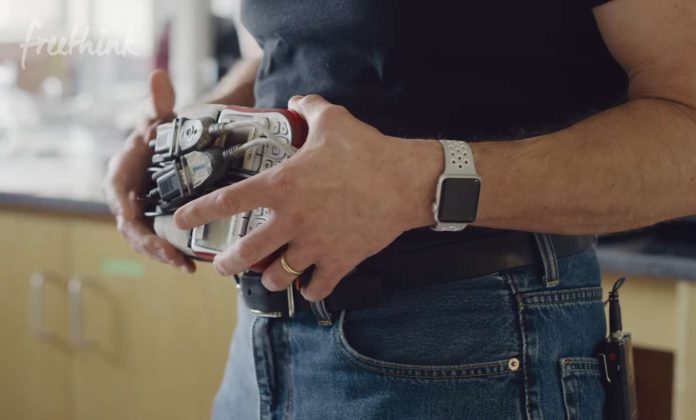
The iLet Bionic Pancreas System is a pocket-sized, wearable investigational medical device that is designed to autonomously control blood-sugar levels.

Beta Bionics founder and Boston University researcher Ed Damiano developed the device as a means of offering hope to his son, who was diagnosed with type 1 diabetes as a toddler—and now, the designation means that it could soon help millions of other diabetics as well.

LOOK: Revolutionary New Arm Cast is Waterproof, Breathable, and Itch-Free

The on-body wear is similar to that of an insulin pump. Unlike insulin pump therapy, however, the investigational system is designed so that users need only enter only their body weight for the iLet to initialize therapy. Immediately thereafter, the iLet begins controlling blood-sugar levels automatically, without requiring the user to count carbohydrates, set insulin delivery rates, or deliver bolus insulin for meals or corrections.

The iLet is designed to function as three medical devices in one. It can be configured as an insulin-only bionic pancreas, a glucagon-only bionic pancreas, or a bihormonal bionic pancreas using insulin and glucagon. The insulin-only and bihormonal configurations may be helpful in diabetes. The glucagon-only configuration may be helpful in rare conditions that often lead to chronic, low blood-sugar conditions, such as congenital hyperinsulinism. Beta Bionics is committed to obtaining regulatory approval and commercializing all three iLet configurations.

The Massachusetts-based company was founded in 2015 to commercialize the iLet and obtain regulatory approval for all three bionic configurations.

MORE: People With Diabetes May One Day Be Monitoring Glucose With an Earring

“We believe the iLet Bionics Pancreas System represents a true breakthrough therapy for the management of glycemia, particularly in type 1 diabetes,” said Damiano, who is also the President and CEO of Beta Bionics. “We are particularly excited by the possibility that the iLet may be able to provide safer and more effective therapy in far more people than current therapies due to its simplicity of use.”

These mathematical dosing algorithms were developed at Boston University and refined based on results from home-use clinical trials in adults and children with T1D.

The other founders of Beta Bionics in addition to Damiano include other parents of children with type 1 diabetes and people with type 1 diabetes—which is why the company says it is committed to acting in the best interests of the diabetes community and to profoundly disrupting the diabetes medical device industry by bringing the iLet to market as expeditiously and responsibly as possible.

(WATCH the 2017 Freethink interview with Damiano below) – Photo by Freethink

Power Up With Positivity By Sharing The Good News With Your Friends On Social Media…

Holiday Card From Mystery Neighbor Has Totally Revitalized Disabled Woman With Dementia

A depressed grandmother has been overwhelmed with happiness since receiving a mysterious greeting card from a local woman identified only by her first name.

In addition to the senior suffering from dementia and depression, she is also disabled, according to her granddaughter Melly. Every day without failure, the grandmother sits by the window at her home in Durham, England so she can wave at passerby.

Not much has ever come from the elderly woman’s daily routine—until this week when she received an unexpected holiday card in her mailbox.

MORE: Anonymous Postal Worker Sent Girl a Sweet Package After She Addressed a Letter to ‘God’ About Her Dog in Heaven

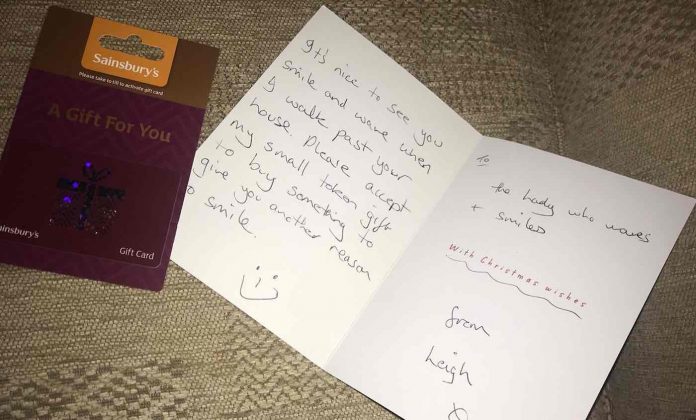
“To the lady who waves and smiles, with Christmas wishes,” read the card. “It’s nice to see you smile and wave when I walk past your house. Please accept my small token gift to give you another reason to smile.”

The note, which contained a gift card for UK grocery store chain Sainsbury’s, was signed only by a woman named Leigh.

Melly later recounted the heartwarming incident on social media so she could wish the mystery woman a Merry Christmas and thank her for the note.


“My Nan is disabled and has dementia,” explained Melly in a tweet. “She sits in her chair by the window all day, every day—just looking outside and normally feeling lonely as we all work during the day. When we went to see her today, someone had posted this through the letter box.”

Since publishing the story to Twitter earlier this week, it has been shared thousands of times. Not only that, social media users have been flooding Melly’s inbox with pictures of their pets since she also mentioned how her grandmother loves animals.

LOOK: When Young Men Write Letter to Neighbor Asking to Play With Their Pup, They Get Letter Back From the Dog

“She’s been so depressed recently. I can’t put into words how much this has picked her up!” Melly wrote in several followup posts. “She’s barely eaten for weeks because she’s been so down and I’ve just made her a sandwich and she’s happily chomping away. I could burst.

“Can’t wait to tell Nan how many people have wished her well and show her all the gorgeous pups and cats you’ve shared. We’re all buzzing that you’ve enjoyed Leigh’s kindness as much as we have and I hope she gets to find out, too.”

Be Sure And Share This Sweet Story Of Kindness With Your Friends On Social Media…

After Raising Money for a Year, Church Pays Off $5.2 Million in Medical Debt for Low-Income Families

Thousands of low-income California residents have just had more than $5 million in medical bills wiped away after a church bought their debts for pennies on the dollar.

For the last year, the congregants of Christian Assembly Church in Eagle Rock have been raising money for an unknown cause.

Earlier this week, however, church co-pastor Ted Hughes announced that they would be donating all $50,000 of their accumulated funds to RIP Medical Debt, a nonprofit organization dedicated to buying out and paying off people’s medical debt portfolios from secondary markets.

Since the debts can be bought for just fractions of their cost to the patient, the donation paid off more than $5.2 million in debts for 5,555 low-income families across Los Angeles.

RELATED: Instead of Paying for Advertising, Church Abolishes $10M in Medical Debt For Local Families

None of the families will be aware that their debts have been forgiven until they receive a letter in the mail from Christian Assembly Church about the donation. After that, their credit scores are expected to improve and debt collectors will no longer be flooding their phones with stress-inducing calls.

“Because of the generosity of the people at Christian Assembly Church, we are able to give a Christmas gift to the people of Los Angeles, no strings attached,” said Hughes in the announcement video. “As they recover from their illness, it will help them get back on their feet and avoid homelessness.”

(WATCH the news coverage below) – Photo by Christian Assembly Church

Pass On The Positivity By Sharing The Good News With Your Friends On Social Media…

Mom With Cancer Brought to Tears By Son Traveling 1,500 Miles to Surprise Her for Christmas

SWNS
SWNS

This is the moment that a mom suffering from lung cancer was given the gift of a lifetime: her son arriving home just in time to surprise her on Christmas Eve.

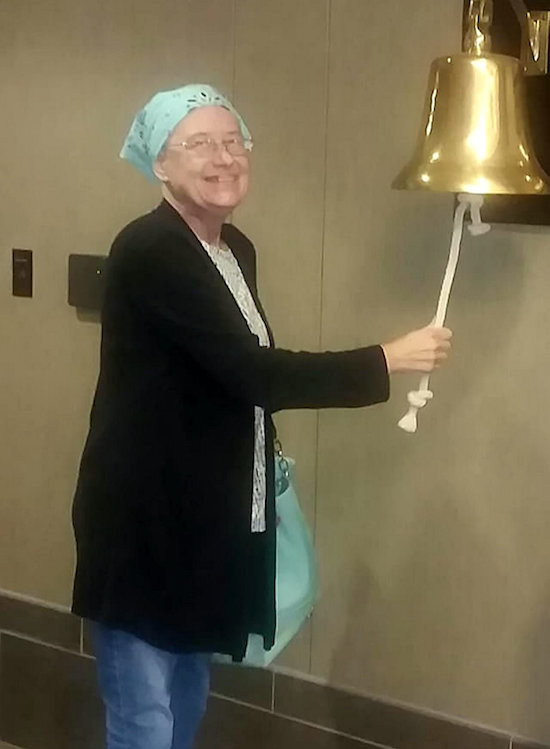
6o-year-old Debora Hendry was diagnosed with lung cancer after doctors found a tumor the size of an egg on her lung. As the mother-of-six underwent chemotherapy and radiation therapy, she prepared for what she feared might be her last Christmas with her family in December 2018.

That being said, the mother-of-six was still saddened by the one person who was missing from her dinner table.

32-year-old Jacob Hendry is the only one of Debora’s children who has moved away from home. Since he began studying mechanical engineering 1,500 miles away in California five years ago, the expensive distance has meant that it has been rare for the student to fly home.

RELATED: Watch Company Surprise All 198 of Their Awestruck Employees With $10 Million in Holiday Bonuses

His entire family—including his parents, his 5 sisters and 15 nieces and nephews—have stayed living in Fremont, Nebraska.

“Moving away from home was incredibly difficult for me. Friends, family—everything I’ve ever known was back in Nebraska,” said Jacob. “I’ve been in California for 5 years now, and I think I’ve made it back for two Christmases. Being a full-time student, it’s hard to come up with the money for flights.”

Unbeknownst to Debora, however, Jacob pulled out all the stops, saving up and borrowing money from friends so he could fly home and surprise her on Christmas Eve last year.

WATCH: Shelter Believes Dogs Deserve the Spirit of Christmas, Too–Watch the Excitement as Santa Brings Bag Full of Goodies

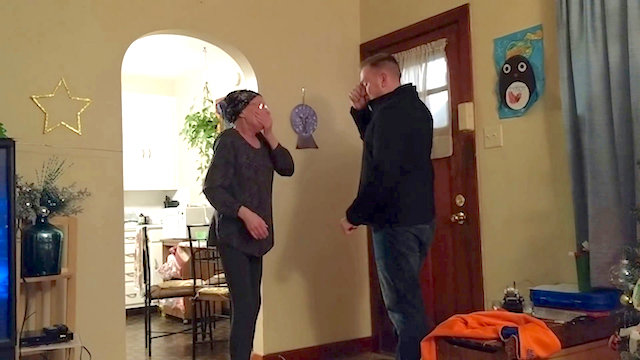
Jacob’s sister Becky filmed the special moment that Debora opened the door on December 24th and saw her son for the first time since her diagnosis.

The heartwarming clip shows Debora overcome with emotion as she embraces her son and declares it “the best Christmas ever”.

“When we received the diagnosis, it hit me hard. Being so far away from all your loved ones during a time like this was almost unbearable,” says Jacob. “I thought about leaving school and moving back home, but I knew that my mother wanted me to continue my education.

SWNS

“I hadn’t been home in so long… I think it had been a year since I saw her last. It was very difficult to come home for the holidays since we simply didn’t have the money,” he recalled. “I didn’t think I would be able to make it, until I was able to borrow the money at the last minute. I purchased a ticket and decided to surprise my mom by showing up on Christmas Eve.

“This opportunity to spend Christmas with her and the rest of my family meant the world to me—to all of us.”

Four years after he moved away, Jacob’s mum Debora received a diagnosis of small cell lung cancer in September 2018. The diagnosis was devastating for the family, especially since they didn’t have much money and Debora did not have health insurance.


Luckily for the Hendry family, Debora lives close to the world-renowned University of Nebraska Medical Centre where they have reportedly been treating the mother for free.

“They found a tumor on her lung the size of an egg and immediately placed her on concurrent chemotherapy and targeted radiation therapy. It was the most aggressive therapy possible,” says Jacob. “We’re all incredibly grateful for their work. It’s the only reason she’s alive today.”

Jacob’s surprise visit home for Christmas last year meant that Debora was surrounded by her family for a holiday full of joy and laughter before Jacob returned to California.

Before you reach for the tissues, this story has a happy ending; Debora continued to fight the cancer until—incredibly—she received the amazing news that she was in remission earlier this year in January.

SWNS

Now cancer-free, the grateful grandmother is planning for another wonderful Christmas to celebrate with her family—and Jacob was even able to book a flight home as well.

“She has been monitored regularly to this day and still shows no signs of cancer!” says Jacob. “I haven’t seen my family since our reunion at Christmas last year, and I can’t wait to fly home to see everyone.”

(WATCH the emotional video below)

Be Sure And Share This Sweet Story With Your Friends On Social Media…

“A true act of selflessness always sparks another—without fail.” – Klaus (Christmas movie)

Quote of the Day: “A true act of selflessness always sparks another—without fail.” – Klaus (a new Christmas film on Netflix)

Image: Klaus, a Spanish animated Christmas film written, directed, and produced by Sergio Pablos

With a new inspirational quote every day, atop the perfect photo—collected and archived on our Quotes page—why not bookmark GNN.org for a daily uplift?


World’s First Commercial Electric Airplane Successfully Completes Test Flight in Canada

Photo by HarbourAir
Photo by Harbour Air

Earlier this month, the world’s first all-electric commercial aircraft made history after it touched down from a successful test flight in Vancouver, Canada.

The 15-minute inaugural flight was facilitated by Harbour Air, North America’s largest seaplane airline, and magniX, the company powering the electric aviation revolution.

The successful flight of the ePlane, a six-passenger DHC-2 de Havilland Beaver magnified by a 750-horsepower (560 kW) magni500 propulsion system, took place on the Fraser River at Harbour Air Seaplanes terminal in Richmond.

Harbour Air CEO and founder Greg McDougall, who piloted the plane for its historic flight, said that the journey signifies the start of the third era in aviation: the electric age.

RELATED: First Drone Project of Its Kind in Canada is Aiming to Plant 1 Billion Trees by 2028

“Today, we made history,” said Greg McDougall, CEO and founder of Harbour Air Seaplanes. “I am incredibly proud of Harbour Air’s leadership role in re-defining safety and innovation in the aviation and seaplane industry. Canada has long held an iconic role in the history of aviation, and to be part of this incredible world-first milestone is something we can all be really proud of.”

Earlier this year, Harbour Air announced its partnership with magniX and the company’s intention to build the world’s first completely electric commercial seaplane fleet. The magni500, which was unveiled at the Paris Air Show in June 2019, is a high-power-density electric propulsion system that provides a clean and efficient way to power airplanes.

LOOK: New Power Plant Turns Waste into Energy—and Doubles as a Ski Slope and Climbing Wall

“In December 1903, the Wright Brothers launched a new era of transportation—the aviation age—with the first flight of a powered aircraft. Today, 116 years later, with the first flight of an all-electric powered commercial aircraft, we launched the electric era of aviation,” said Roei Ganzarski, CEO of magniX. “The transportation industry and specifically the aviation segment that has been, for the most part, stagnant since the late 1930s, is ripe for a massive disruption. Now we are proving that low-cost, environmentally friendly, commercial electric air travel can be a reality in the very near future.”

MagniX and Harbour Air will now begin the certification and approval process for the propulsion system and the retrofitting of aircraft. Once the certification is complete, the rest of the fleet can be magnified with magniX’s all-electric propulsion technology.

Power Up With Positivity By Sharing The Good News To Social Media…

Finland is Making Their 6-Week Crash Course on AI Available to the World as a Free Christmas Gift

As a Christmas present to the world, Finland is making its online crash course in artificial intelligence available to everyone for free.

The Nordic nation launched the 6-week “Elements of AI” course last year as a means of educating their citizens on the revolutionary new technology.

Since Finland will be passing on its rotating EU presidency to another member state at the end of the year, the country decided to graciously celebrate the occasion by translating the course materials into English, Swedish, Estonian, and German—as well as Finnish—and making it available for EU citizens to take (although there are no geographical limitations on who can take the course).

RELATED: Hyper-Realistic Replicas Finally Spare Students—and Declining Frog Populations—From Biology Class Dissections

The course, which has thus far been taken by more than 220,000 students from about 110 countries, has become the most popular course offered by the University of Helsinki. It consists of seven modules, each of which takes about 5 to 10 hours to complete.

The university hopes to provide the course to at least 5 million EU citizens by the end of 2021 “to prove that AI should not be left in the hands of a few elite coders.”

The university and educational platform offering the course also plan to translate the materials into the remaining 20 EU languages over the course of the next two years.

Be Sure And Share The Good News With Your Friends On Social Media…

Group of Women Surprises Random Restaurant Server With Greeting Card Filled With Cash

Photo by Brenegan McNulty

A Canadian waitress was shocked to be given a greeting card filled with cash by a complete group of strangers last week—all because she had been working hard.

Brenegan McNulty, who is a server at Yellowknife’s Nova Hotel restaurant in the Northwest Territories, says that her weekend shift had gotten off to a frantic start since they were a little short-staffed for the evening.

When a group of ten women entered the restaurant looking for a table, however, McNulty was still ready to serve them with a smile.

As she catered to the table, McNulty assumed that the women were celebrating a birthday since they had been passing around a card for all of them to sign.

RELATED: Watch Company Surprise All 198 of Their Awestruck Employees With $10 Million in Holiday Bonuses

To her shock, the women finished signing the card only to hand it over to her. Furthermore, she opened up the card and found that it contained $1,100 in cash.

When McNulty asked them why they had surprised her with such a generous gift, they simply said that they had selected her as a random server for a random restaurant.

“They wanted to do something nice for someone who was working hard during the holiday season,” she recalled to CBC. “That’s something you hear about happening on The Ellen Show, you know, not here in Yellowknife.”

Photo by Brenegan McNulty

Since McNulty works two jobs to support her 1-year-old son, she says the gift is a much-appreciated financial windfall for the new year.

“[It] could go toward a new stroller for him, groceries, [or] saving for rent for my own place, hopefully in the New Year,” McNulty told the news outlet. “[Despite working seven days a week,] going to work and having something great like this happen makes it all worth it. I felt like I won some sort of lottery. I don’t know how I got so lucky.”

Be Sure And Share This Sweet Story Of Kindness With Your Friends On Social Media…

Healing Dose of Optimism: The Top 10 Medical Breakthroughs of 2019 Will Have You Cheering

From zeroing in on different cancer cures to restoring vision and hearing to the blind and deaf—2019 was a year filled with medical breakthroughs.

While some of these accomplishments may be varied in their stages of research, each notable study is just one more milestone towards treating some of humanity’s most debilitating conditions.

So without any further ado, let’s give it up for the top ten health and medical breakthroughs of 2019.

File photo by Aki Sato, CC

10) Blue Light Reduces Blood Pressure, Just as Effectively as Medication – UK Study

An exciting study that was published back in January found that exposure to blue light is an effective, non-pharmaceutical treatment for high blood pressure, which simultaneously reduces the risk of developing cardiovascular disease.

The researchers who conducted the study from the University of Surrey and Heinrich Heine University Duesseldorf discovered that exposure to whole-body blue light significantly reduced the systolic blood pressure of participants by almost 8 mmHg, compared to the control light which had no impact.

What’s even more remarkable is that the reduction of blood pressure from blue light is similar to what is seen in clinical trials with blood pressure lowering drugs.

SWNS

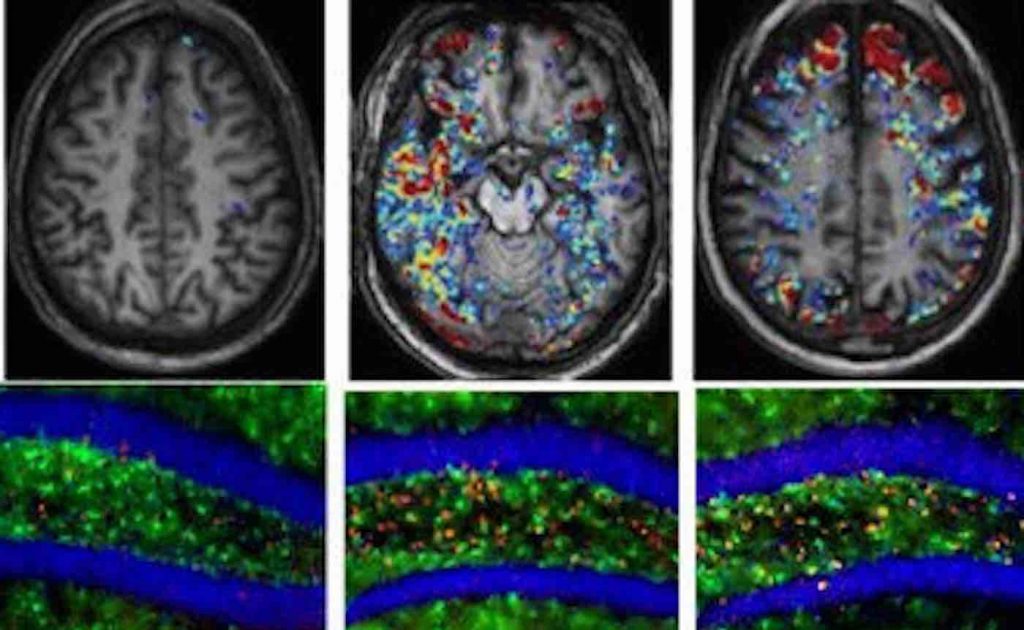
9) For the First Time, Scientists Reversed Dementia in Mice With Drug That Reduces Brain Inflammation

Rather than targeting the typical rogue proteins associated with dementia, scientists found earlier this month that—for the very first time—they have reversed dementia in mice with a drug that reduces inflammation.

Up until now, most dementia treatments have targeted the amyloid plaques that are found in people with Alzheimer’s disease. However, experiments conducted at the University of California, Berkeley suggest targeting inflammation in the brain might stop it in its tracks.

File photo by Whologwhy, CC

8) Broccoli Isn’t Just Good For You; Scientists Found It Holds Molecule That Could Be the ‘Achilles’s Heel’ of Cancer

If you didn’t already have enough reason to eat your vegetables, this study published back in May says that broccoli contains an amazing ingredient which could be the “Achilles’ heel” of cancer.

Broccoli is part of the cruciferous vegetable family, which includes cauliflower, cabbage, kale and Brussels sprouts—and though many people don’t like their taste, these vegetables contain a tiny, but powerful molecule that deactivates the gene responsible for cancerous tumor growth, known as WWP1.

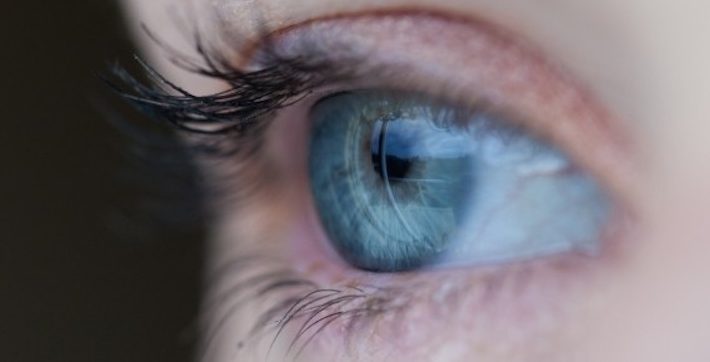
7) In ‘World First’ Blind People Had Their Vision Restored Thanks to Stem Cells From Deceased Organ Donors

Millions of blind people could have their vision restored using stem cells taken from the eyes of non-living donors, according to Scottish research publish back in March.

Thanks to the pioneering tissue transplant, eight patients with a common condition that destroys vision had the affected area repaired—and two patients were even able to read again after having severe macular degeneration.

Photo by Lawson Health Research

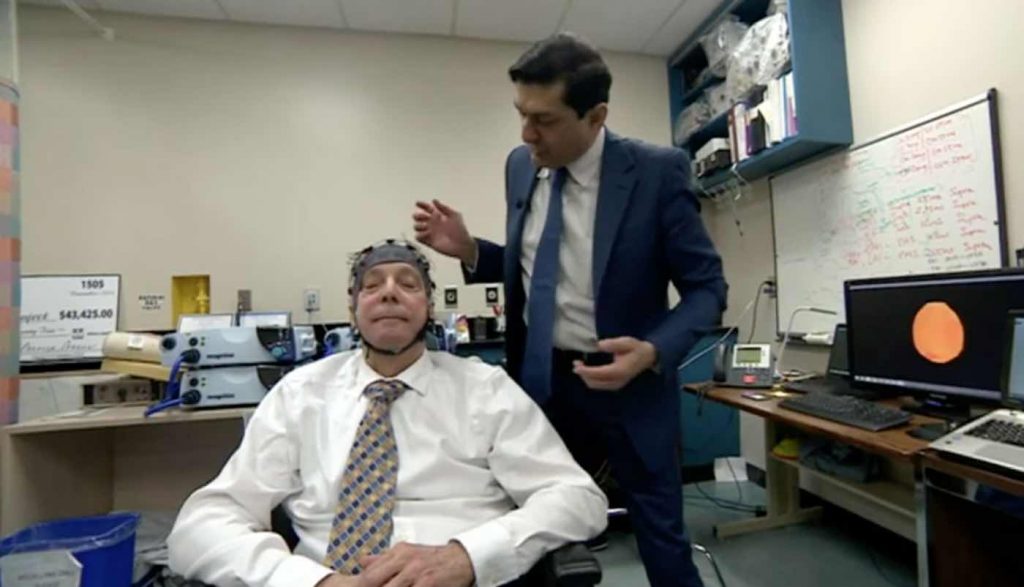
6) Success of Advanced-Stage Parkinson’s Treatment Was ‘Beyond Researcher’s Wildest Dreams’

Back in April, Canadian researchers developed a new treatment for mobility-impaired Parkinson’s disease patients—and the results were “beyond their wildest dreams.”

Scientists from Western University in Ontario published the results of a pilot study in which they used spinal implants to improve motor function in several patients with advanced Parkinson’s.

Prior to the study, the patients were barely able to stand on their own without falling over or they were forced to depend entirely on wheelchairs for mobility. After getting the spinal implant, however, the patients are now capable of walking unassisted for the first time in years.

Photo by Curtis Clark, CC

5) Managing Your Gut Bacteria Shown to Alleviate Anxiety, Says New Research

According to a report from May, people who experience anxiety symptoms might be helped by taking steps to regulate the microorganisms in their gut using probiotic and non-probiotic food and supplements.

Anxiety symptoms are common in people with mental diseases and a variety of physical disorders, especially in disorders that are related to stress. Previous studies have shown that as many as a third of people will be affected by anxiety symptoms during their lifetime.

Increasingly, research has indicated that gut microbiota—the trillions of microorganisms in the gut which perform important functions in the immune system and metabolism by providing essential inflammatory mediators, nutrients and vitamins—can help regulate brain function through something called the “gut-brain axis.”

Photo by Doetzlhofer Lab / Johns Hopkins Medicine

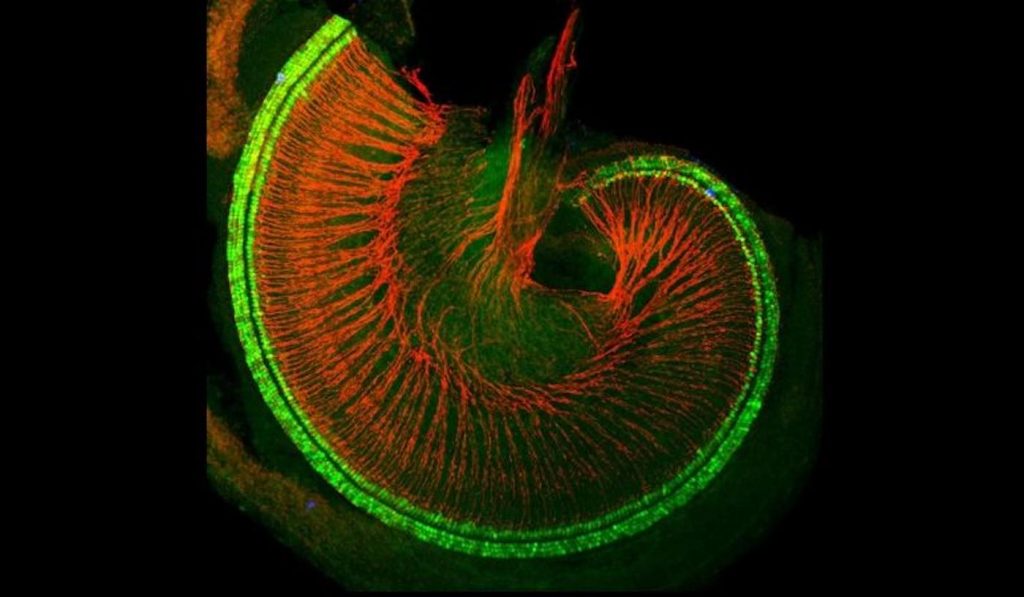
4) Researchers Discovered Proteins That Could Soon Restore Damaged Hearing and Irreversible Deafness

In August, researchers at Johns Hopkins Medicine may have found the key to restoring hearing in people with irreversible deafness.

Using genetic tools in mice, researchers at Johns Hopkins Medicine say they identified a pair of proteins that precisely control when sound-detecting cells, known as hair cells, are born in the mammalian inner ear.

“Scientists in our field have long been looking for the molecular signals that trigger the formation of the hair cells that sense and transmit sound,” says Dr. Angelika Doetzlhofer, associate professor of neuroscience at the Johns Hopkins University School of Medicine. “These hair cells are a major player in hearing loss, and knowing more about how they develop will help us figure out ways to replace hair cells that are damaged.”

Photo by Multidisciplinary Association for Psychedelic Studies

3) After 68% of Patients Were Cured of PTSD in Phase-2 Trials Clinics May Soon Offer MDMA Therapy

As MDMA is now being recognized as a groundbreaking cure for emotional trauma, a new clinic in Pennsylvania could become one of the first legally-sanctioned facilities for using the psychoactive drug on treatment-resistant PTSD in the United States.

Now that it has reportedly opened its doors in Wyndmoore, The Landing medical facility will specialize in using several psychoactive drugs to treat a variety of mental health disorders.

Particularly, it has been pushing to receive FDA approval on using MDMA-assisted psychotherapy for patients whose Post-Traumatic Stress Disorder has been untreatable.

Photo by Zhejiang University / Science Advance

2) Say Goodbye to Temporary Fillings—Scientists Successfully Used a Gel to Regrow Tooth Enamel

Dental fillings may soon be a thing of the past, thanks to this breakthrough from Chinese scientists.

Enamel is the mineralized substance that protects the surface of teeth. Though it is one of the toughest tissues in our bodies, it is prone to degradation over time particularly as a result of consistent exposure to certain acids that are found in food and drinks.

We currently use resins and ceramics to fill in deteriorated enamel, but these fillings can often become loose within just a few years of their placement—and with tooth decay being one of the most prevalent chronic diseases amongst humans, scientists have puzzled over how they can recreate enamel.

Until now, we have not been able to reproduce the toughened tissue because of its complex cellular structure—but back in September, a team of researchers from Zhejiang University School of Medicine developed a gel that makes enamel repair itself.

1) Scientists Discovered Molecule That Triggers Self-Destruction of Pancreatic Cancer Cells

With pancreatic cancer ranking as one of the most deadly forms of cancer, researchers were excited to report on a promising new breakthrough for a treatment.

Pancreatic cancer, which maintains a 95% mortality rate, is resistant to all current treatments. Patients have extremely poor chances of surviving for five years after being diagnosed—and since the disease does not show symptoms until the advanced stages, it is notoriously hard to diagnose.

However, this Tel Aviv University study published earlier this month finds that a small molecule has the ability to induce the self-destruction of pancreatic cancer cells. The research was conducted with xenografts—transplantations of human pancreatic cancer into immunocompromised mice. The treatment reduced the number of cancer cells by 90% in the developed tumors a month after being administered.

Cure Your Friends Of Negativity By Sharing The Good News To Social Media…

This 5-Year-old Paid Off Lunch Debts for 123 Classmates Simply By Selling Cookies and Hot Cocoa

This 5-year-old girl has succeeded in paying off the outstanding lunch debts of her classmates simply by selling cookies and hot cocoa.

Katelynn Hardee was first inspired to peddle her baked goods after she overheard a student’s mother talking about how she was unable to afford an after-school program for her child.

Katelynn’s mother Karina then had to explain to the confused youngster that some parents did not have the same amount of money as other parents—which is why some families may not be able to enjoy the same kind of benefits and freedoms as the Hardee family.

WATCH: 11-Year-old Crocheting Prodigy is Raising Thousands of Dollars for Orphans–One Stitch at a Time

Since Katelynn ran a lemonade stand over the summer, she immediately resolved to set up a cocoa and cookie stand to raise money for her classmates at Breeze Hill Elementary School.

For three hours, the kindergartener stood outside on the streets of Vista, California until she had successfully sold all of her cookies and cocoa packets for a grand total of $80.

By the time she had finished and donated the money to the school, she had raised enough money to pay off the outstanding lunch debts of 123 students.

CHECK OUT: Kids Are Hailed as ‘Junior Detectives’ After They Successfully Track Down Missing 97-Year-old With Dementia

“Everybody is just so proud and happy and other students are already talking about ways they can also make a difference,” Breeze Hill Principal Lori Higley told CNN. “It goes to show that even one small, kind act from a 5-year-old can mean the difference for someone in their life.”

Katelynn now plans on raising enough money to pay off the outstanding lunch debts of her entire school district.

“It’s all about kindness,” added Ms. Hardee. “Especially this holiday season, and with everything that’s going on in the world, we just need a little bit more kindness out there.”

(WATCH the news coverage below)

Be Sure And Share This Sweet Story Of Kindness With Your Friends On Social Media…

“If you are the smartest person in the room, then you are in the wrong room.” – Confucius

Quote of the Day: “If you are the smartest person in the room, then you are in the wrong room.” – Confucius

Photo: by Ryan Smithright, CC license via Flickr, cropped and enhanced

With a new inspirational quote every day, atop the perfect photo—collected and archived on our Quotes page—why not bookmark GNN.org for a daily uplift?


Migraine Sufferers Experience Relief From ‘Going Green’ With Light-Exposure Therapy

File photo by Victory of the People, CC license

“In my opinion, the most ideal drug or therapy is something that’s first safe, effective and affordable,” Dr. Mohab Ibrahim tells NPR. He works at a chronic pain clinic in Tucson’s University Medical Center helping people with migraines and other forms of chronic pain, and it would be hard to imagine anything safer and more affordable than a light bulb.

For 70 year-old Arizona resident Ann Jones, who regularly suffers from migraines—sometimes as many as two dozen per month—any treatment short of surgery was worth a shot.

Speaking to NPR, Jones revealed she had little to no hope for any relief after she enrolled in a study to test the results of daily exposure to green LED-light.

“This is going to be one more thing that doesn’t work,” she thought to herself.

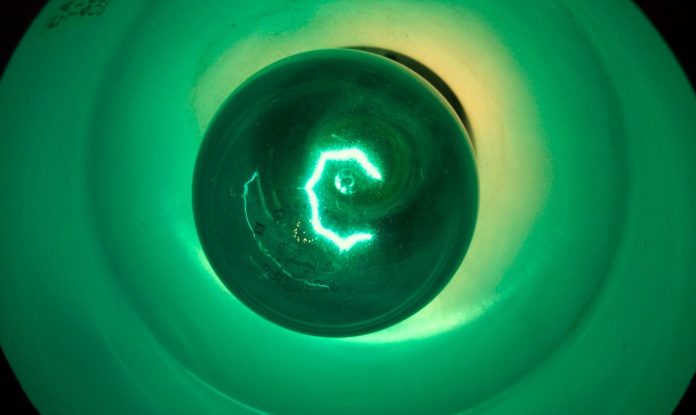
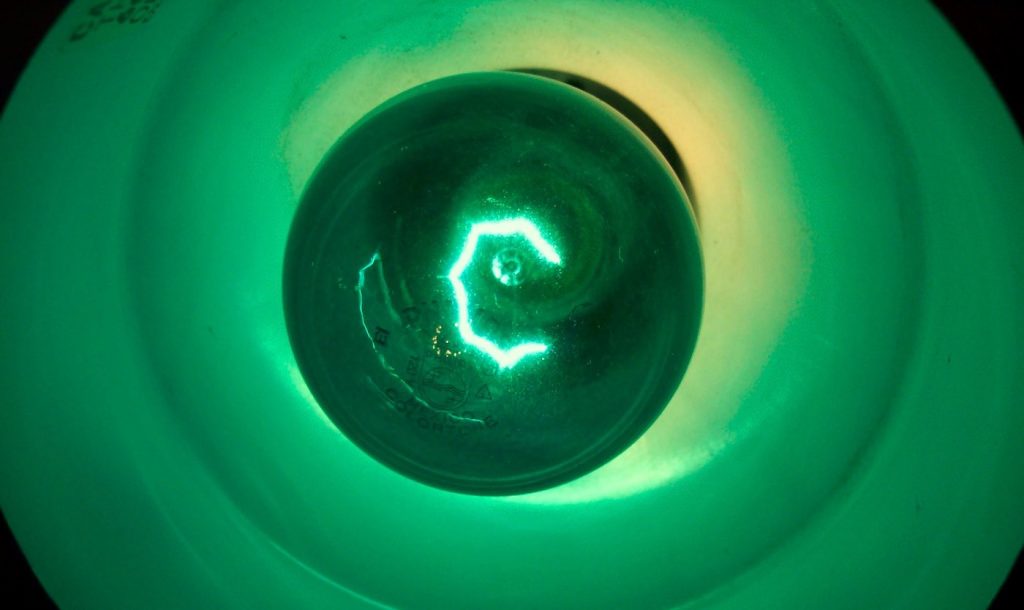
At around 6 weeks of daily exposure to green light in a darkened room, however, Ann Jones began to see a significant reduction in symptoms. Dr. Ibrahim, the study’s principal investigator, claims that on average 60% of patient symptoms were relieved, bringing down migraine totals per month from as high as 20 to 6.

“I got to the point where I was having about four migraines a month, if that many, and I felt like I had just been cut free,” Jones told NPR.

File photo by Victory of the People, CC license

Ibrahim, an anesthesiologist who tends to favor pharmacological methods of treating pain had his doubts, as well. “There was a healthy dose of skepticism,” he said. “It was kind of strange. Why are you using light to treat pain?”

However his thoughts were piqued, and in 2017, he helped design a study that appeared in the journal Pain, that demonstrated a reduction in pain after exposure to green light therapy in rats.

Disco Healing

There’s a lot of research piling up about how physicians can use lights, electric stimuli, and certain low-frequency noises to manipulate brain waves to affect physiological change such as easing depression and causing the clearance of Alzheimer’s–causing plaque in the brain.

RELATED: Another Study Shows How Flickering Lights Can Slow (And Maybe Even Reverse) Alzheimer’s Symptoms

Another study found that chronic back pain and even symptoms of depression were reduced in a randomized placebo-controlled trial that exposed participants to light at different frequencies.

While science across the world is facing a reproducibility crisis, Ibrahim was able to replicate his findings again and again. “We were able to reproduce it over and over and over again to the point where you just had to follow the story,” he says.

RELATED: Blue Light Reduces Blood Pressure, Just as Effectively as Medication – UK Study

Notably, Ibrahim has been experimenting with green light specifically, and found in his animal trials that both glass lenses and external light sources in the color green were found to reduce pain responses.

“We basically made the conclusion that whatever effect is happening is taking place through the visual system,” he says. “That’s why when we recruited patients, we told them you cannot fall asleep when you’re undergoing this therapy.”

Grass-Tinted Glasses

“It is very intriguing, but it still has a long way to go,” Dr. Andrew Hershey, co-director of the Headache Center at Cincinnati Children’s Hospital Medical Center, told NPR commenting on the research.

“Trying to do a classic placebo-controlled study to see if one light works or not is likely not doable in this area,” he says, since the patient knows the color of the light.

Neurologist Levin Morris said he would welcome the treatment if it proved effective in human trials. Migraine sufferers are “very sensitive to environmental stimuli,” and Levin told NPR that the idea of manipulating light to lessen headache severity is a plausible approach.

MORE: Suicide Rates at Japanese Train Stations Have Plummeted by 84% Thanks to Simple Solution—Blue Lights

But, environmental stimuli is difficult to account for in scientific research. For example, sitting in a semi-dark room staring at a green light could be isolating the patient from other forms of stimuli that bring on the migraine, such as sunlight or blue-light from computer screens.

One possible explanation could be that since research has shown being in nature—specifically theorized as being surrounded by different shapes of green—can reduce symptoms of stress and anxiety, the green lights simulate a more natural environment.

In a separate clinical trial, researchers at Duke University are experimenting with green light exposure therapy with a wearable treatment. The researchers have been giving their patients glasses with green lenses. Wearing glasses has much less of an impact on daily life than sitting in a dark room with an LED for an hour.

Because of the ease of application, Duane Lowe, a chiropractor with the Department of Veterans Affairs in Grand Junction Colorado, thought he would go ahead and try it. He works with patients in chronic pain and reasoned there was nothing to risk and a lot to possibly gain, as long as patients were told it was an experimental treatment.

“I just gave them to patients to try for a week,” he says. “After a very short period of time, patients were coming back giving very positive reviews.”

A lot more research needs to be done before anyone can make a claim this way or that, but based on documented efficacy, ease of use, and cost-per-application ratio, green light exposure therapy with either windowpane glass, house plants, wearable lenses, or LED lights could help reduce the number of headaches a patient gets per week.

SEND a Green Light to Your Friends With Pain on Social Media…

Scientists Discover Brain Circuit Linked to Food Impulsivity—And It Could Lead to New Treatments for Overeating

Wagner Cesar-Munhoz, CC license

You’re on a diet, but the aroma of popcorn in the movie theater lobby triggers a seemingly irresistible craving.

Within seconds, you’ve ordered a tub of the stuff and have eaten several handfuls.

Impulsivity has been linked not only to excessive food intake, binge eating, weight gain, and obesity, but several psychiatric disorders including addictions and excessive gambling.

A team of researchers that includes a faculty member at the University of Georgia has now identified a specific circuit in the brain that alters food impulsivity, creating the possibility scientists can someday develop therapeutics to address overeating.

“There’s underlying physiology in your brain that is regulating your capacity to say no to (impulsive eating),” said Emily Noble, an assistant professor in the UGA College of Family and Consumer Sciences who served as lead author on the paper. “In experimental models, you can activate that circuitry and get a specific behavioral response.”

LOOK: Role Model Dad Spurred to Lose 92 Pounds in 5 Months After One Hiking Trip With His Kids

Using a rat model, researchers focused on a subset of brain cells that produce a type of transmitter in the hypothalamus called melanin concentrating hormone (MCH), according to the team’s published paper earlier this month in the journal Nature Communications.

While previous research has shown that elevating MCH levels in the brain can increase food intake, this study is the first to show that MCH also plays a role in impulsive behavior, Noble said.

“We found that when we activate the cells in the brain that produce MCH, animals become more impulsive in their behavior around food,” Noble said.

RELATED: Training for Your First Marathon ‘Reverses’ Aging of Major Blood Vessels on Par With Medication

To test impulsivity, researchers trained rats to press a lever to receive a “delicious, high-fat, high-sugar” pellet, Noble said. However, the rat had to wait 20 seconds between lever presses. If the rat pressed the lever too soon, it had to wait an additional 20 seconds.

Researchers then used advanced techniques to activate a specific MCH neural pathway from the hypothalamus to the hippocampus, a part of the brain involved with learning and memory function.

Results indicated MCH doesn’t affect how much the animals liked the food or how hard they were willing to work for the food. Rather, the circuit acted on the animals’ inhibitory control, or their ability to stop themselves from trying to get the food.

CHECK OUT: 86-Year-old Has Lost 120 Pounds Simply By Walking Around Her One-Bedroom Apartment

“Activating this specific pathway of MCH neurons increased impulsive behavior without affecting normal eating for caloric need or motivation to consume delicious food,” Noble said. “Understanding that this circuit, which selectively affects food impulsivity, exists opens the door to the possibility that one day we might be able to develop therapeutics for overeating that help people stick to a diet without reducing normal appetite or making delicious foods less delicious.”

Reprinted from the University of Georgia, Athens

Be Sure And Share This Tasty Tidbit Of News With Your Friends On Social Media — File photo by Wagner Cesar Munhoz, CC

Shrinkwrap-Able New Material Can Repel All Bacteria–Even Antibiotic-Resistant Superbugs–From Common Surfaces

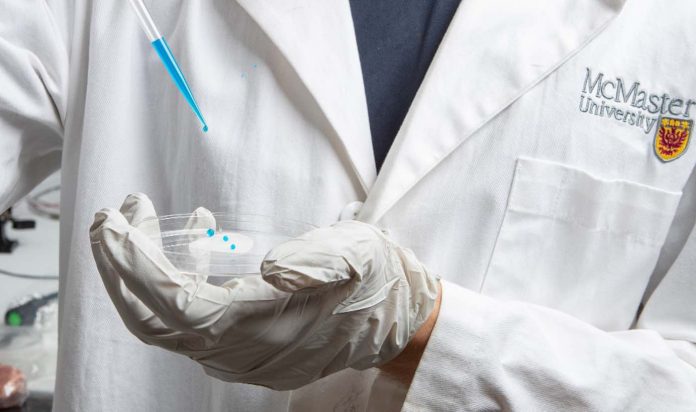
Photo by Georgia Kirkos / McMaster University

A team of researchers at McMaster University in Ontario, Canada, has developed a self-cleaning material that can repel all forms of bacteria, preventing the transfer of antibiotic-resistant superbugs and other dangerous bacteria on surfaces found in settings ranging from hospitals to kitchens.

A treated form of conventional transparent wrap—it can be shrink-wrapped onto door handles, railings, IV stands and other surfaces that can be magnets for bacteria such as MRSA and C. difficile.

The treated material is also ideal for food packaging, where it could stop the accidental transfer of bacteria such as E. coli, Salmonella and listeria from raw chicken, meat and other foods, as described in a paper published this week in the journal ACS Nano.

The research was led by engineers Leyla Soleymani and Tohid Didar, who collaborated with colleagues from McMaster’s Institute for Infectious Disease Research and the McMaster-based Canadian Centre for Electron Microscopy.

Inspired by the water-repellent lotus leaf, the new surface works through a combination of nano-scale surface engineering and chemistry. The surface is textured with microscopic wrinkles that exclude all external molecules. A drop of water or blood, for example, simply bounces away when it lands on the surface. The same is true for bacteria.

RELATED: Copper Hospital Beds Could Save Millions of Lives Since New Study Says They Harbor 95% Less Bacteria

“We’re structurally tuning that plastic,” says Soleymani, an engineering physicist. “This material gives us something that can be applied to all kinds of things.”

The surface is also treated chemically to further enhance its repellent properties, resulting in a barrier that is flexible, durable and inexpensive to reproduce.

“We can see this technology being used in all kinds of institutional and domestic settings,” Didar says. “As the world confronts the crisis of anti-microbial resistance, we hope it will become an important part of the anti-bacterial toolbox.”

ALSO: Not Only Does This New Clothing Charge Your Phone, It Can Protect You From Viruses and Bacteria

The researchers tested the material using two of the most troubling forms of antibiotic-resistant bacteria: MRSA and Pseudomonas, with the collaboration of Brown and his colleagues at McMaster’s Institute for Infectious Disease Research.

Their co-authors on the paper include Sara M. Imani, Roderick Maclachlan, Kenneth Rachwalski, Yuting Chan, Bryan Lee, Mark McInnes, Kathryn Grandfield and Eric D. Brown.

Grandfield helped the team verify the effectiveness of the surface by capturing electron microscope images showing that virtually no bacteria could transfer to the new surface.

The researchers are hoping to work with a commercial partner to develop commercial applications for the wrap.

Reprinted from McMaster University – Photo by Georgia Kirkos, released by the University

Share This Innovation With Your Friends On Social Media…

At Long Last, Smallest Native Californian Tribe Has Land To Call Their Own

California coastline/ Joseph Plotz, CC license

Although the history of Native American indigenous peoples have unquestionably been filled with hardship, the Esselen Tribe in California—maybe the smallest native tribe in the country—has perhaps struggled the most. But now, thanks to a historic deal, it has gotten its land back.

Forcibly converted to Christianity by Spanish missionaries, pulled into missions for tutoring, and exploited for forced labor, the number of remaining descendants from their tribe located in Big Sur is so small that in 2010, the Bureau of Indian Affairs denied their request to be recognized as a tribe and given tribal status.

Recently, however, California authorities managed to raise $37 million for 21 different cultural and city projects, including a $4.5 million grant to buy a large tract of ancestral Esselen land as part of the Esselen Tribal Lands Conservation Project.

The 1,199-acre ranch, once owned by a Swedish man named Alex Adler, runs along the Little Sur Coast near the Central California shore where the Santa Lucia Mountains rise above the Pacific Ocean.

CHECK OUT: Oil Company Surrenders 15 Land Leases on Sacred Native American Land

Tracts of old-growth oak and redwoods, grasslands, and chaparral cover the area where the Spanish missionaries first encountered the Esselen during their travels north through California. Thanks to the grant, the Esselen are no longer landless; the forests and fields where their ancestors lived are theirs once more to continue the traditions of the past.

“This is one of the first times a tribe has gotten its land back,” Tom Little Bear Nason told Monterey County Now. “We consider the place sacred and we intend to protect it. We will use it to preserve our traditions.”

Nason, who heads the Esselen Tribe of Monterey, a nonprofit set up in June to accept ownership of the ranch, also added that there will be no commercialization of the land and their culture, although they do plan to allow small tour groups to visit and learn from their settlement a few times a year.

Big Sur, California — Photo by Joseph Plotz, CC

“The possession of land has played a role in how other tribes have gained acknowledgement,” he continued, referencing the 2010 rejection by the Bureau of Indian Affairs. “It could bolster [the Esselen tribe’s] claims of political and social continuity”.

Nason also said the tribe plans on using the land to carry out rites of passage, birthing ceremonies, and funerals, while also transporting the remains of deceased relatives onto the land of their ancestors.

RELATED: One of the Largest Native American Tribes Has Just Voted to End Their 100-Year Dependency on Coal

The Esselen weren’t the only tribe to benefit from the grants offered by the California Natural Resources Agency. The largest tribal group in California, the Yurok Tribe, was awarded $2.7 million to acquire 2,584 acres in Humboldt County allowing it to continue to reclaim ownership of its ancestral territory.

One of the benefits of tribal land concessions is that properties like the Yurok parcel are managed in coordination with modern stewardship practices like sustainable forest management, habitat restoration, sediment reduction, fire and fuels reduction, and carbon sequestration efforts.

Pass On The Positive News By Sharing It With Your Friends On Social Media…

“The solution often turns out more beautiful than the puzzle.” – Richard Dawkins

Quote of the Day: “The solution often turns out more beautiful than the puzzle.” – Richard Dawkins

Photo: by Darla, CC license via Flickr, cropped and enhanced

With a new inspirational quote every day, atop the perfect photo—collected and archived on our Quotes page—why not bookmark GNN.org for a daily uplift?