











All News - Page 656 of 1738 - Good News Network
Home Blog Page 656

Scientists Discover New Strategy That May Protect Against Hair-Loss During Cancer Treatments

Scientists have determined a new way to protect the hair follicle from chemotherapy in an effort to prevent hair loss as a result of cancer treatments.

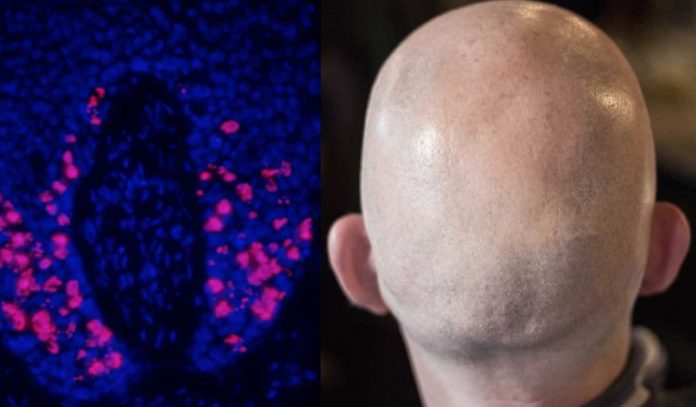
Researchers based at The University of Manchester have discovered a new strategy for how to protect hair follicles from chemotherapy, which could lead to new treatments that prevent chemotherapy-induced hair loss—arguably one of the most psychologically distressing side effects of modern cancer therapy.

Published in the journal, EMBO Molecular Medicine, the study from the laboratory of Professor Ralf Paus of the Centre for Dermatology Research describes how damage in the hair follicle caused by taxanes, cancer drugs which can cause permanent hair loss, can be prevented.

To do this, scientists have exploited the properties of a newer class of drugs called CDK4/6 inhibitors, which blocks cell division and are already medically approved as so-called “targeted” cancer therapies.

RELATED: Scientists Activate Stem Cells to Make Hair Grow

Dr Talveen Purba, lead author on the study explains: “Although at first this seems counter-intuitive, we found that CDK4/6 inhibitors can be used temporarily to halt cell division without promoting additional toxic effects in the hair follicle. When we bathed organ-cultured human scalp hair follicles in CDK4/6 inhibitors, the hair follicles were much less susceptible to the damaging effects of taxanes.”

Taxanes are very important anti-cancer drugs commonly used to treat, for example, patients with breast or lung carcinoma and particularly cause anxieties among breast cancer patients for the very distressing and sometimes long-lasting hair loss taxanes can induce. Thousands of patients in the US are currently suing pharmaceutical company Sanofi over a lack of warning of the risk of permanent hair loss after treatment with the taxane drug Taxotere.

Dr Purba emphasizes: “A pivotal part of our study was to first get to grips with how exactly hair follicles responded to taxane chemotherapy, and we found that the specialized dividing cells at the base of the hair follicle that are critical for producing hair itself, and the stem cells from which they arise, are most vulnerable to taxanes. Therefore, we must protect these cells most from undesired chemotherapy effects—but so that the cancer does not profit from it.”

CHECK OUT: Husband-Wife Duo Has Developed ‘Gene and Cell Therapy’ Cancer Vaccine Now Being Tested on Patients

The team hopes that their work will support the development of externally applicable medicines that will slow or briefly suspend cell division in the scalp hair follicles of patients undergoing chemotherapy to mitigate against chemotherapy-induced hair damage. This could complement and enhance the efficacy of existing preventive approaches i.e. scalp-cooling devices.

The researchers underscore that more work is desperately needed in this lamentably under-funded field of cancer medicine, where patients have waited for so long to see real breakthroughs in pharmacological hair loss prevention.

“Despite the fact that taxanes have been used in the clinic for decades, and have long been known to cause hair loss, we’re only now scratching the surface of how they damage the human hair follicle,” said Purba.

MORE: Broccoli Isn’t Just Good For You—Scientists Find It Holds Molecule That Could Be the ‘Achilles’s Heel’ of Cancer

“We also don’t really know why some patients show greater hair loss than others even though they get the same drug and drug-dose, and why it is that certain chemotherapy regimens and drug combinations have much worse outcomes than others.

“We need time to further develop approaches like this to not only prevent hair loss, but promote hair follicle regeneration in patients who have already lost their hair due to chemotherapy.”

Reprinted from the University of Manchester

Promote Positivity By Sharing The Good News With Your Friends On Social Media…
They Texted the Wrong Number, But it Inspired a Total Stranger to Collect Gifts for Boy in a Hospital

An accidental text to a wrong phone number has sparked an unexpected wave of kindness towards a family in need.

Abby Fink had been trying to get in contact with her friend from church named Alex Jakeman so she could bring some dinner over to his house.

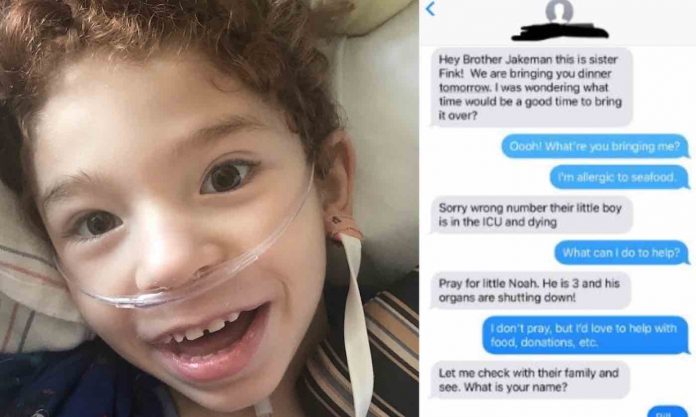
Jakeman and his family have been having a rough time since their 4-year-old son Noah recently suffered a massive seizure which landed him in the ICU at Phoenix Children’s Hospital.

Jakeman’s family told CNN that in addition to the non-verbal youngster having Lennox Gasteau Syndrome, which is a severe form of epilepsy and cerebral palsy, he also has brittle bones, abnormal brain development, impaired motor functions, and autism.

MORE: Mom Overwhelmed With Gratitude When Hotel Manager Befriends Autistic Boy Wanting to Show Off His Card Tricks

So when Fink sent her text message intended for the Jakeman family, it did not take her long to realize that she had sent it to the wrong number.

“Hey Brother Jakeman, this is Sister Fink, we are bringing you dinner tomorrow, I was wondering what time would be a good time to bring it over,” said Fink in her text message. She then received a joking response from a man named Bill, saying: “Oh what are you bringing me? I don’t like seafood.”

Fink then noticed that she had sent the message to a phone number that was one digit off from Jakeman’s. She quickly apologized and explained how she had meant to send the message to a grieving family.

CHECK OUT: Flight Crew and Passengers in First Class All Welcome Boy With Autism During Mid-Flight Meltdown

On the other end of the conversation, Bill realized the seriousness of Fink’s inquiry. Upon learning about the Jakemans and their son, he offered to start his own social media fundraiser in order to gather gifts, donations, and contributions from his friends list.

Since Noah was recently released from the ICU, Bill plans on stopping by the hospital so he can present the cards, gifts, and donations to the Jakeman family.

WATCH: Homeless Dad Receives Flood of Support After Woman Tried to Facebook Shame Him for Sleeping in McDonalds

“It’s amazing. He is a total stranger and he just wanted to jump into action,” Fink told CNN. “I told him he was an angel sent to help this sweet family.”

If you want to donate to the Jakeman family, you can also contribute to their GoFundMe campaign, which has almost reached its goal of $12,000.

(WATCH the news coverage below)

Multiply The Good By Sharing The Good News To Social Media…

“Life is like a landscape. You live in the midst of it but can only describe it from the vantage point of distance.” – Charles Lindbergh

Quote of the Day: “Life is like a landscape. You live in the midst of it but can only describe it from the vantage point of distance.” – Charles Lindbergh

Photo: by GWC, Copyright 2019

With a new inspirational quote every day, atop the perfect photo—collected and archived on our Quotes page—why not bookmark GNN.org for a daily uplift?


Researchers Conclude First-Ever Clinical Human Trial Using a Natural Hydrogel to Repair Heart Tissue

Photo by UCSD

There are an estimated 785,000 new heart attack cases in the United States each year, with no established treatment for repairing the resulting damage to cardiac tissue.

For the first time ever, researchers have successfully conducted an FDA-approved Phase 1 human clinical trial of an injectable hydrogel that aims to repair the damage and restore cardiac function in heart failure patients who previously suffered a heart attack.

The trial, which was conducted by the University of California San Diego spin-off company Ventrix, was the first test of a hydrogel designed to repair cardiac tissue. It was also the first to test a hydrogel made from the natural scaffolding of cardiac muscle tissue, also known as extracellular matrix, or ECM.

This is significant because ECM hydrogels have been shown in preclinical studies to potentially be effective for other conditions, such as poor blood circulation due to peripheral artery disease. The trial showed that the hydrogel, known as VentriGel, can be safely injected via catheter into patients who had suffered a heart attack in the past 2 to 36 months.

“Although the study was designed to evaluate safety and feasibility and not designed to show whether VentriGel effectively helps improve heart function, we observed some improvements in patients,” said Karen Christman, the paper’s senior author and a professor of bioengineering in the Jacobs School of Engineering and the Institute of Engineering in Medicine at UC San Diego. “For example, patients could walk longer distances. We also observed signs of improving heart function in patients who experienced a heart attack more than one year prior to treatment.”

LOOK: First Ever Study Shows Chair Yoga is Effective Arthritic Treatment

Researchers from Ventrix, led by Christman, reported their findings this week in the Journal of the American College of Cardiology: Basic to Translational Science.

After a heart attack, scar tissue develops, which diminishes muscle function and leads to heart failure. This is where VentriGel comes in. Once injected in damaged cardiac muscle, VentriGel forms a scaffold that acts as a reparative environment where healthy cells migrate, leading to increases in cardiac muscle, less scar tissue, and improvements in heart function.

Additionally, VentriGel can be easily injected into heart muscle using a minimally invasive procedure that does not require surgery.

RELATED: Back Pain May Soon Be a Thing of the Past After Scientists Successfully Implant Lab-Grown Spinal Discs

The Phase 1 trial evaluated the gel in 15 patients who sustained moderate damage in the left ventricle chamber of the heart following a heart attack. Each patient received up to 18 injections of VentriGel into the damaged region via catheter. Researchers followed the patients for six months after treatment. All patients completed the full follow-up.

Photo by UCSD

Twelve of the 15 patients were men. All 15 were experiencing mild to moderate heart failure following a heart attack. Half had suffered a heart attack within the past year.

CHECK OUT: Scientists Develop Molecule That Can Finally Help Stop Arthritis From Wearing Down Joints

Patients took a six-minute walking test as well as a heart function assessment and a heart health questionnaire before the injections. They retook the tests three and six months later. In addition, patients underwent an MRI at three and six months after the procedures.

Ventrix is now gearing up for a Phase 2 clinical trial that will expand on this successful first-in-human study. They are planning a larger, randomized trial that will evaluate how effectively VentriGel can improve cardiac function and quality of life for patients experiencing heart failure.

Reprinted from the University of California, San Diego

(WATCH the explanatory video below—NOTE: another video will autoplay afterward)

Treat Your Friends To The Good News By Sharing This To Social Media…

Despite Living in the Digital Age, Kids Are Still Playing With Their Parents’ Favorite Childhood Toys

Toy Story 4, which opened in theaters this June, became the biggest box office animated film blockbuster yet—and it’s no wonder, with beloved toys like Mr. Potato Head playing a starring role.

Toys that engage the body, mind, and imagination, still hold the #1 place in the hearts of children, despite the pervasiveness of digital devices.

In fact, Mr. Potato Head and Play Doh are the top vintage toys that have withstood the test of time, according to new a study of 2,000 American parents.

Other toys that are still starring in American homes and continue to enchant kids after decades of familiarity include trolls, toy phones, teddy bears, and plastic dinosaurs.

Board games have proven to be timeless, as well. Whether you grew up in the ’70s, ’80s, or 90s, families can’t get enough of classic board games—particularly, Scrabble, Monopoly, Candy Land, the Game of Life, and Mouse Trap. They all ranked in the top 30 of toys that were played with by both parents and, later, their children.

Conducted by OnePoll on behalf of Mr. Potato Head, who has undergone several iterations of his own, the survey revealed that adults are still kids-at-heart who love playing with these toys.

RELATED: Behind-the-Scenes Footage of Keanu Reeves Voicing New Toy Story Character is Bound to Make You Smile

Nearly half of parents said their favorite childhood toy is still on the market—and 84% have purchased, or plan to purchase, that toy for their own child.

When it comes to buying any toy for a child, parents are on the look out for a certain set of qualities. Three in five parents want a toy that’s educational, but just behind that is a toy’s ability to make their kid laugh (60%). Fifty-nine percent are on the hunt for a toy that’s colorful, while 56% look for something interactive.

TOP TIMELESS TOYS (ENJOYED OVER MULTIPLE GENERATIONS)
1. Play Doh
2. Mr. Potato Head
3. Trolls
4. My Little Pony
5. Furby
6. Puzzles
7. Toy phone
8. Bop It
9. Building blocks
10. Bicycle
11. Yoyo
12. Guess Who?
13. Water blasters
14. Teddy bear
15. Scrabble
16. Tricycle
17. Candy Land
18. Game Boy
19. Spinning tops
20. Toy cash register
21. Plastic animals
22. Monopoly
23. Mouse Trap
24. Game of Life
25. Transformers
26. Clue
27. Baby Alive
28. Plastic food/kitchen supplies
29. Scattergories
30. Perfection

ALSO CHECK OUT THE TOP TOYS LOVED BY ADULTS WHEN THEY WERE KIDS
1. Mr. Potato Head
2. Trolls
3. Play-Doh
4. My Little Pony
5. Toy phones
6. Furby
7. Puzzles
8. Building blocks
9. Yoyo
10. Bicycles
11. Bop It
12. Teddy bears
13. Baby dolls
14. Spinning tops
15. Candy Land
16. Guess Who?
17. Tricycle
18. Scrabble
19. Plastic animals
20. Toy cash register
21. Yahtzee!
22. Monopoly
23. Rubber duck
24. Clue
25. Mouse Trap
26. Game of Life
27. Plastic food/kitchen supplies
28. Perfection
29. Scattergories
30. Hungry, Hungry Hippos
31. Scooter
32. Bead maze
33. Sorry!
34. Operation
35. GI Joe
36. Super Soakers
37. Chutes + Ladders
38. Taboo
39. Trouble

The GNN staff loved the surprise of seeing Mousetrap and other favorites making the list of toys that are not in the attic. Tell us which ones have been passed down or repurchased in your family?

MORE: It’s Amusing the Ways Each Generation Defines ‘Adulting’ – Top 20 Things That Make You an Adult

Share The Memories With Your Friends on Social Media—and Tell Us Your Favorite Toy…

Struggling Bats Can Now Fly Freely Through Countryside Thanks to First-of-Their-Kind Street Lights

Photo released by Worcester City Council

Street lights may be helpful for motorists, but they can be particularly worrisome for bats. Caring about their health, one English county has come up with an ingenious solution.

The county of Worcestershire is preparing to switch on an array of bat-friendly street lights—and they are the first of their kind in the UK.

Research shows that certain species of bat are light-shy and will not cross roads that are lit by white lights, which can stop them accessing food supplies and water. Bright street lights also attract the flies and insects the bats feed on, and so reduce the food available for bats and other mammals in their typical feeding areas.

These LED lights, on the other hand, are red in color and use a unique “recipe” of light which does not affect bats and their flying and feeding habits.

RELATED: This Circus Uses Elaborate Hologram Light Show in Response to Mistreatment of Performing Animals

Similar lighting schemes in the Netherlands have proved successful, helping to preserve bat species and other nocturnal wildlife.

The new Worcestershire lights are spread across a 60-meter swath of highway near the Warndon Wood nature reserve.

Councillor Ken Pollock, Worcestershire County Council’s Cabinet Member with Responsibility for Economy and Infrastructure said: “These ground-breaking lights are a great example where we have been able to adapt the usual standards to better suit the local environment.”

Photo released by Worcester City Council

MORE: With Only 147 of World’s Fattest Parrots Left, This Year’s Baby Boom Has Left Researchers Positively Squawking

“The adapted lighting being used may look a little different at first, but we’d like to assure those using the area at night that the color of the lights has been through stringent testing and adheres to all safety checks.”

Visibility for drivers and pedestrians is not affected by the red light and is fully compliant with the required standards. The light “recipe” not only meets the needs of road users and residents, but, like an immune booster, supports the daily nutrition requirements of their winged wildlife neighbors.

Source: Worcestershire City Council

Fly This Story to Bat Lovers Searching for Good News on Social Media…

Need a Smile? Here’s a Video of a Man Walking Briskly Through NYC With His Dog on a Skateboard

You’ve heard of New Yorkers taking their pets for walks in baby strollers? This gnarly pup is touring the town balanced upon his own set of wheels.

A man was spotted striding down the city streets with a dog on a leash—nothing new there, except the dog was calmly gliding alongside him on a skateboard.

If that isn’t enough, the dog was wearing a cool hat, too.

(WATCH the video below for a quick Sunday funny…)

Be Sure And Share The Pawesome Clip With Your Friends On Social Media…

“A wise parent humors the desire for independent action.” – Elizabeth Gaskell

Quote of the Day: “A wise parent humors the desire for independent action.” – Elizabeth Gaskell

Photo: by Evangelio Gonzalez, CC license, cropped

With a new inspirational quote every day, atop the perfect photo—collected and archived on our Quotes page—why not bookmark GNN.org for a daily uplift?


Stranded Family is Rescued Thanks to Dad Sending Creative SOS Message Down River

Photo by Joe Kingman
Photo by Cindi Barbour

Even though it sounds suspiciously like a song by The Police, this family was rescued from a dire situation thanks to an SOS note that was literally launched as a message in a bottle.

Back in June, Curtis Whitson, his girlfriend, and his 14-year-old son had embarked on a 4-day camping voyage so they could experience the beautiful scenery of the Arroyo Seco River in central California. On the third day, however, their family vacation turned into a nerve-wracking ordeal.

The three hikers had just made their way down a narrow gorge when they suddenly found themselves atop a 40-foot waterfall. When previously Whitson had hiked down the river a few years ago, there had been a rope secured to the cliff face so that travelers could safely rappel down from the top of the waterfall in a matter of minutes.

LOOK: Husky Saves Deaf Hiker After She Tumbled 700 Feet – and It’s Not the First Time He’s Saved a Stranger in Alaska

Unfortunately, the rope was nowhere to be seen.

Whitson suspected it had been washed away by floodwaters—but without the rope, he and his family couldn’t climb down the cliff. The gorge walls were so steep that it left them stranded in a semi-isolated region with no cell service.

“It was a sad realization, to know that our trip was over and we needed help. Every inch down that river had committed us to a spot where we couldn’t get out,” Whitson told The Washington Post. “It was a little scary. We hadn’t seen a single soul the entire trip.”

CHECK OUT: Hiker Was About to Die in a Snowstorm When She Was Saved by a Total Stranger Following Her Intuition

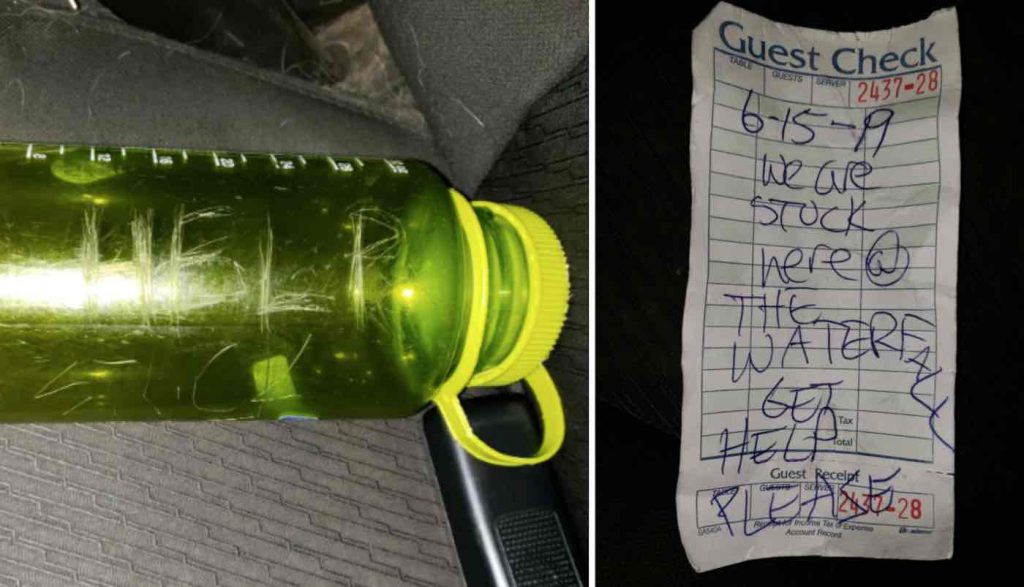
At first, Whitson tried carving an SOS message onto a stick to send floating downstream, but it was too light to stay afloat amidst the river’s current. He then used a much more unlikely rescue tool: his green plastic water bottle.

Luckily, his girlfriend Krystal Ramirez—who professed to be very competitive when it comes to playing cards—had brought a pen and receipt pad so she could keep score of their games.

After Whitson scratched “HELP” onto both sides of his bottle, he wrote a message that included the time of their plight and their location at the top of the waterfall. He shoved it into the bottle, threw it downstream, and told his son and girlfriend that there was nothing left to do but wait—so they set up camp and climbed into their sleeping bags.

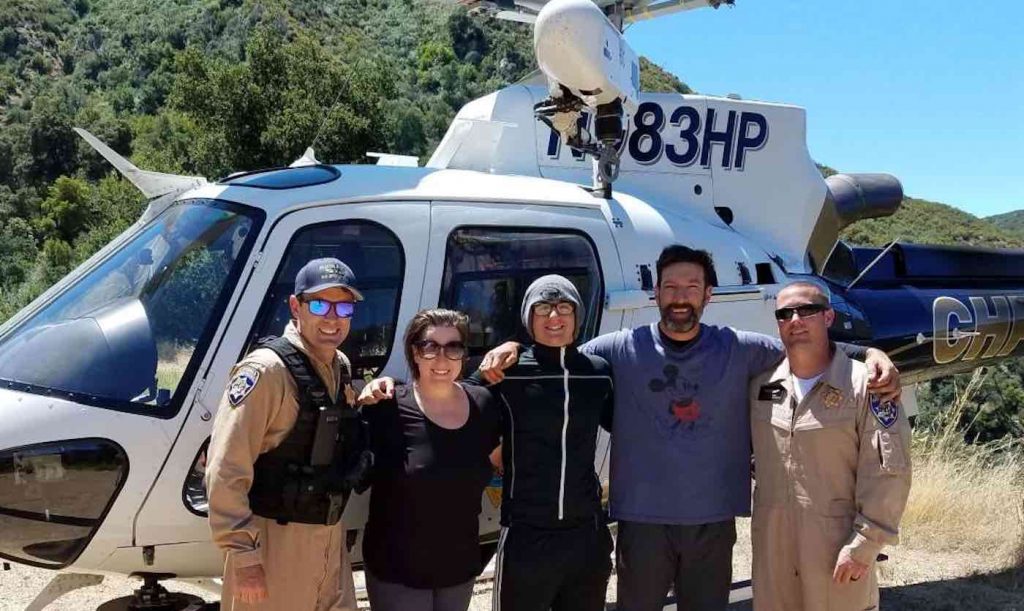
To their surprise, they were awakened only hours later by a search-and-rescue helicopter hovering over their heads.

Photo by Joe Kingman

The aircraft’s loudspeaker informed them that rescuers had received their message and the family just had to sit tight until they could be rescued the following morning.

As it turns out, Whitson’s bottle had caught the eye of two hikers a quarter of a mile downstream shortly after he had sent it afloat. The hikers immediately brought it to the staffers at the Arroyo Seco Campground so they could alert a search-and-rescue crew.

RELATED: This Hiker Credits Metallica for Saving Her and Her Dog From Hungry Cougar

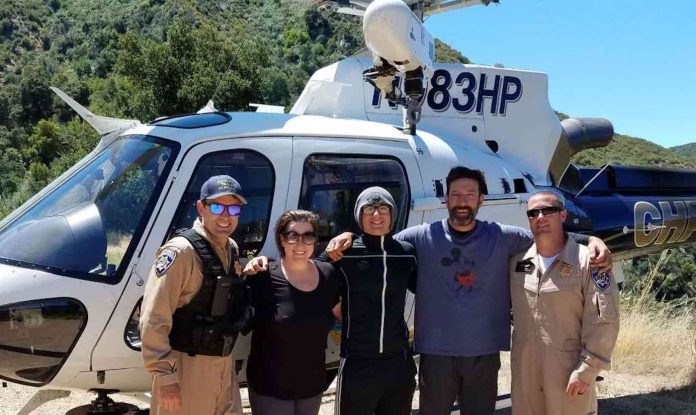
The California Highway Patrol returned the next morning in the light of day to airlift the grateful family to safety.

Helicopter pilot Joe Kingman told The Post that until he rescued the trio from the waterfall, he had never heard of a message in a bottle prompting a successful rescue.

Upon recounting the story to the news outlet this week, Whitson mused: “It blows me away how it all came perfectly together. What are the odds?”

Save Your Friends From Negativity By Sharing the Good News To Social Media…

Cheeky Teen Welcomes Little Brother at His Bus Stop Every Day Wearing a Different Embarrassing Costume

A 17-year-old in Louisiana has made a daily tradition of greeting his little brother Max at the bus stop—and always surprising him by wearing a different outlandish costume every day.

Since Noah Tingle began the ritual earlier this year, he has dressed as Batman, Chewbacca, Waldo (from Where’s Waldo?), Santa Claus, and a giant gorilla—to name just a few.

Though Max has been more than a little embarrassed by his older brother’s antics, the 12-year-old can always be seen smiling in the videos of Noah’s silly appearances.

The siblings aren’t the only ones in on the joke. As word spread of his daily shenanigans, he’s became something of a local celebrity in the community. Many of the neighbors have donated their crazy costumes so Noah can continue the streak.

The prankster says that he doesn’t plan on stopping anytime soon; especially because he and his brother are creating such sweet memories before Noah heads off to college next year.

LOOK: Dad Using His Town’s Roadside Message Board to Make Thousands of People Laugh

Thankfully, the teen has been sharing videos and photos of his costumes to his Facebook page The Bus Brother so social media users can delight in their familial love, as well.

(WATCH the video below)

Surprise Your Friends With This Sweet Story By Sharing It To Social Media…

JK Rowling Funds MS Research With Whopping $18 Million Donation to Honor Her Mother

Anne Rowling Regenerative Neurology Clinic — University of Edinburgh

J.K. Rowling is known worldwide as the author of the beloved Harry Potter book series—but now, she is making headlines for donating a magical amount of money towards multiple sclerosis research.

This week, the Scottish philanthropist donated £15.3 million ($18.8 million) to the University of Edinburgh so they can build on the success of their Anne Rowling Regenerative Neurology Clinic.

The clinic, built in 2010 thanks to another hefty donation from Rowling, was named after the author’s mother Anne Rowling who died from MS at the age of 45.

RELATED: 7 Years After Undergoing Experimental MS Treatment, Woman is Still Experiencing No Symptoms

“When the Anne Rowling Clinic was first founded, none of us could have predicted the incredible progress that would be made in the field of Regenerative Neurology, with the Clinic leading the charge,” said Rowling.

“I am delighted to now support the Anne Rowling Regenerative Neurology Clinic into a new phase of discovery and achievement, as it realizes its ambition to create a legacy of better outcomes for generations of people with MS and non-MS neurodegenerative diseases.”

MORE: Parkinson’s Researchers Now Have $24 Million To Keep Going Thanks to Funding From Michael J. Fox

In addition to financing the construction of facilities pertaining to the clinic, the donation will also help fund research on neurodegenerative treatments and cures as well as how healthcare workers can improve the lives of patients suffering from similarly debilitating diseases.

Professor Peter Mathieson, Principal and Vice-Chancellor of The University of Edinburgh, said: “We are immensely honoured that J. K. Rowling has chosen to continue her support for the Anne Rowling Regenerative Neurology Clinic. This inspiring donation will fund a whole new generation of researchers who are focussed on discovering and delivering better treatments and therapies for patients.”

Be Sure And Share The Good News With The Other Muggles On Social Media File photo by Daniel Ogren, CC license

After Watching Brother Give Up on Gardening, Man Designs Tabletop Gardens for People in Wheelchairs

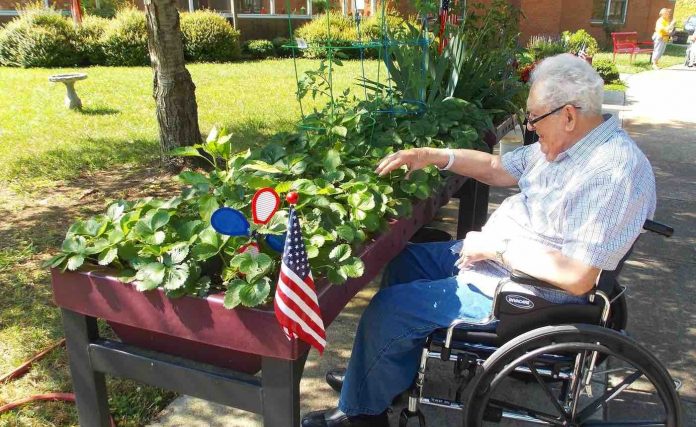
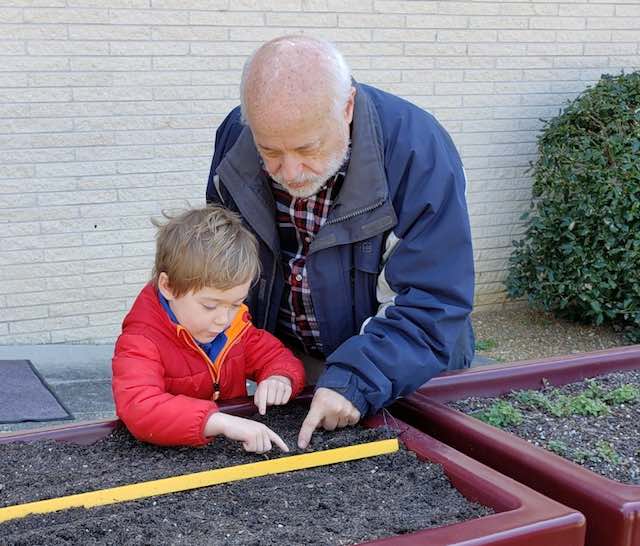
After Terry Garrett witnessed his ailing brother lose the ability to pursue his love of gardening, he took it upon himself to ensure that anybody—regardless of whether they are confined to a wheelchair—could keep their green thumbs in the dirt.

Garrett is the mastermind behind the Elevated Garden: a tabletop garden that has been designed specifically for people in wheelchairs. The idea for the elevated garden was born after his brother was diagnosed with Stage IV chronic obstructive pulmonary disease.

“He loved gardening but could no longer handle the physical demands of traditional gardening,” says the veteran. “I designed and built my first elevated garden… and by the end of the year, my brother was taking care of 40 units and growing all his produce for the winter.”

LOOK: First US National Park to Offer Heavy-Duty Wheelchairs for Disabled Visitors to Enjoy the Scenery

“I saw how it benefited him with an improvement in his quality of life, and an increased sense of self worth and accomplishment,” he continued.

“This spurred me on to developing, patenting, and trade-marking what we are currently manufacturing and marketing.”

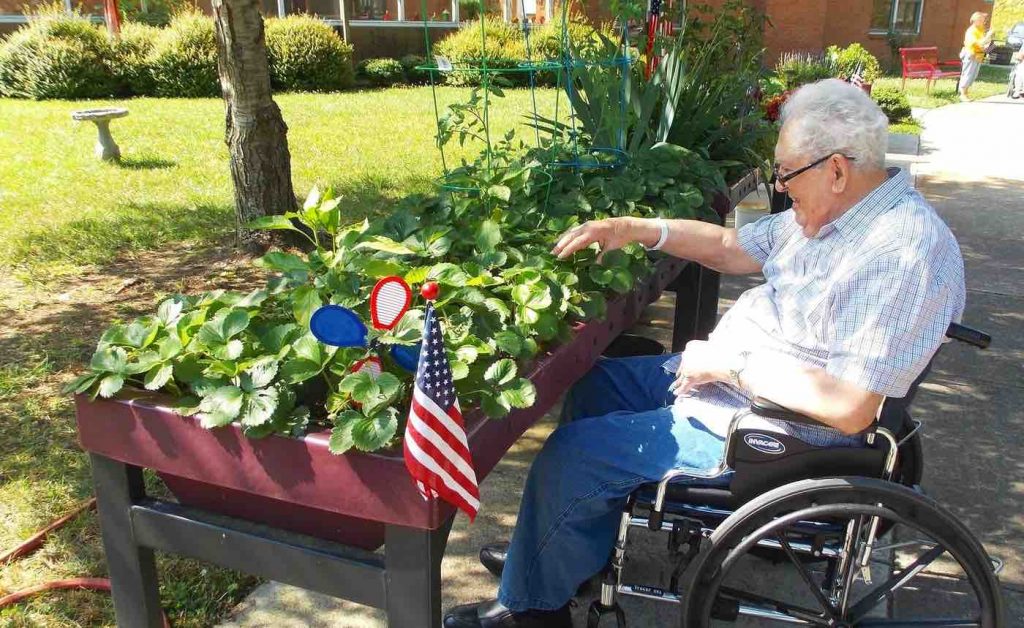
Standing at just 30 inches tall, the gardens have been used in nursing homes and assisted living facilities because they limit the amount of bending and physical activity that is typically required by traditional gardening.

The components are made and manufactured in Tennessee, by the veteran’s company, T&L Group. Additionally, the mobile gardens are built on wheels so they can be used indoors through all seasons.

Garrett, who was recently named a “Horticultural Hero” for his design, is now looking to develop handicap-accessible gardening tools so his company can continue to uplift disabled and geriatric patients who want to garden ‘outside the box’.

Plant Some Positivity By Sharing The Good News To Social Media…

“When I’m tired, I rest… I say, ‘I can’t be a superwoman today’.” – Jada Pinkett Smith

Quote of the Day: “When I’m tired, I rest… I say, ‘I can’t be a superwoman today’.” – Jada Pinkett Smith

Photo: copyright, MCC

With a new inspirational quote every day, atop the perfect photo—collected and archived on our Quotes page—why not bookmark GNN.org for a daily uplift?


Watch Driver Run into the Street So He Can Save Kitten From Moving Car Just in the Nick of Time

This kitten still has all of its nine lives thanks to a Russian man who ran into the road in order to save it from a moving car.

The rescue, which was captured by the man’s dashboard camera, took place on a two-lane street in Sargatskoye.

As the man is waiting behind another vehicle, the kitten can be seen scurrying across the road only to stop underneath the tires of the other driver’s car.

The man can then be heard putting his car into park and unbuckling his seatbelt so he can go rescue the kitten—but just as he is getting out of the driver’s seat, he sees the other car start to move forward.

After giving his car horn a few emergency honks, the man rushes into the road and grabs the kitten out of harms way just in the nick of time.

(WATCH the video below)

Save Your Friends From Negativity By Sharing The Story To Social Media…

New Study Builds on Correlation Between Tea Consumption, Healthier Brains, and Reduced Risk of Dementia

This new study reveals that regular tea drinkers have better organized brain regions—which is associated with healthier cognitive function—compared to non-tea drinkers.

For the study, the research team recruited 36 adults aged 60 and above, and gathered data about their health, lifestyle, and psychological well-being. The elderly participants also had to undergo neuropsychological tests and magnetic resonance imaging (MRI). The study was carried out from 2015 to 2018.

Upon analyzing the participants’ cognitive performance and imaging results, the research team found that individuals who consumed either green tea, oolong tea, or black tea at least four times a week for about 25 years had brain regions that were interconnected in a more efficient way.

“Take the analogy of road traffic as an example—consider brain regions as destinations, while the connections between brain regions are roads. When a road system is better organized, the movement of vehicles and passengers is more efficient and uses less resources. Similarly, when the connections between brain regions are more structured, information processing can be performed more efficiently,” explained Assistant Professor Feng Lei from the National University of Singapore.

MORE: Broccoli Isn’t Just Good For You; Scientists Find It Holds Molecule That Could Be the ‘Achilles’s Heel’ of Cancer

“Our results offer the first evidence of positive contribution of tea drinking to brain structure, and suggest that drinking tea regularly has a protective effect against age-related decline in brain organization,” he added.

The research was led by Lei from the NUS Yong Loo Lin School of Medicine’s Department of Psychological Medicine in collaboration with the University of Essex and University of Cambridge. The findings were published in scientific journal Aging.

Past studies have demonstrated that tea intake is beneficial to human health, and the positive effects include mood improvement and cardiovascular disease prevention. In fact, results of a 2017 longitudinal study led by Feng examined the cognitive health of 957 Chinese seniors and found that daily consumption of tea was associated with a 50% reduced risk of cognitive decline in older persons—and for some patients who were genetically at risk of Alzheimer’s, there was an 86% reduction in risk.

Furthermore, a 2004 study from the University of Newcastle also linked green and black tea consumption with reduced risks of dementia.

MORE: Study Says We May Be Able to Reverse Genetic Symptoms of Aging After Patients Shed 2.5 Years From Biological Clock

“While the study was conducted on Chinese elderly, the results could apply to other races as well,” said Feng. “Our findings have important implications for dementia prevention. Despite high quality drug trials, effective pharmacological therapy for neurocognitive disorders such as dementia remains elusive and current prevention strategies are far from satisfactory. Tea is one of the most widely consumed beverages in the world. The data from our study suggests that a simple and inexpensive lifestyle measure such as daily tea drinking can reduce a person’s risk of developing neurocognitive disorders in late life.

“Based on current knowledge, this long term benefit of tea consumption is due to the bioactive compounds in tea leaves, such as catechins, theaflavins, thearubigins and L-theanine. These compounds exhibit anti-inflammatory and antioxidant potential and other bioactive properties that may protect the brain from vascular damage and neurodegeneration.”

CHECK OUT: When Blueberries and Grapes Are Combined, a Dramatic Decline in Memory Loss and Aging – Study

Following this discovery, Feng and his team further explored the direct effect of tea on brain networks.

“We have shown in our previous studies that tea drinkers had better cognitive function as compared to non-tea drinkers,” said Feng. “Our current results relating to brain network indirectly support our previous findings by showing that the positive effects of regular tea drinking are the result of improved brain organization brought about by preventing disruption to interregional connections.”

As cognitive performance and brain organization are intricately related, more research is needed to better understand how functions like memory emerge from brain circuits, and the possible interventions to better preserve cognition during the aging process. Feng and his team plan to examine the effects of tea as well as the bioactive compounds in tea can have on cognitive decline.

Reprinted from the National University of Singapore

Let’s Have A Toast To Positivity; Share The Good News With Your Friends On Social Media…

Chance Encounter Leads High Schoolers to 3D-Print Dozens of Free Prosthetics for Kids Around the World

What started as an engineering class project has turned into a labor of love for dozens of students at these Chicago high schools.

Back in 2013 when Will Wagner was still the principal of West Leyden High School, he had been settling down for an airplane flight out of the city when he noticed his fellow passenger pull a prosthetic hand out of his bag.

Intrigued by the prosthetic’s design, Wagner struck up a conversation with the man. The passenger explained how he had gotten the hand through e-NABLE: an organization that recruits volunteer engineers to design custom prosthetics for people in need—particularly children.

This is because in addition to typical prosthetic limbs costing thousands of dollars, parents are often discouraged from investing in the devices because children quickly outgrow them.

RELATED: Uber Driver Stumbles Into Gift of New Hands For His 11-Year-old Daughter After Picking Up Engineering Student

Wagner was so inspired by his conversation with the airplane passenger, he rallied his school administrators and teachers so they could partner with e-NABLE and begin 3D-printing prosthetics in their engineering class.

Since launching the program on both of their high school campuses seven years ago, students have made more than 75 prosthetics for children in need. Not only has the program helped students to learn about design, it has helped them forge real-world connections with other children around the world. According to Fast Company, Leyden students recently got to video-chat with a Syrian boy who had lost his hand in a war-related accident—and they got to witness the moment he tried on his new prosthetic for the very first time.

The program has been such a hit with the high schoolers, they started an after-school club so they could continue making the prosthetics outside of class—which they plan to continue doing for as long as they can.

(WATCH the video below)

Build Some Positivity By Sharing The Inspiring Story With Your Friends On Social Media…

This Cheap Little Device Generates Light and Electricity Simply By Harnessing the Cold Night Sky

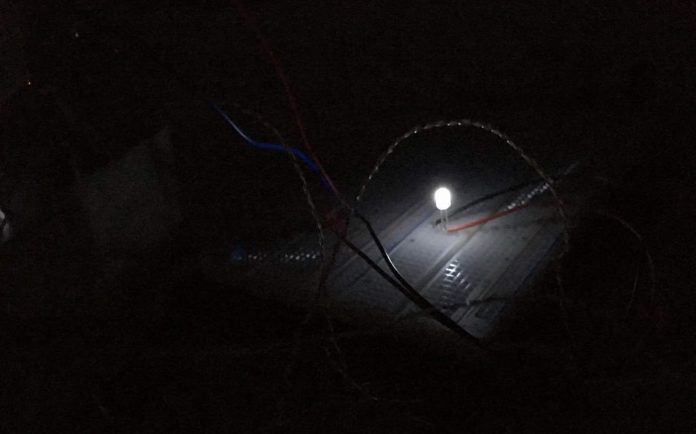
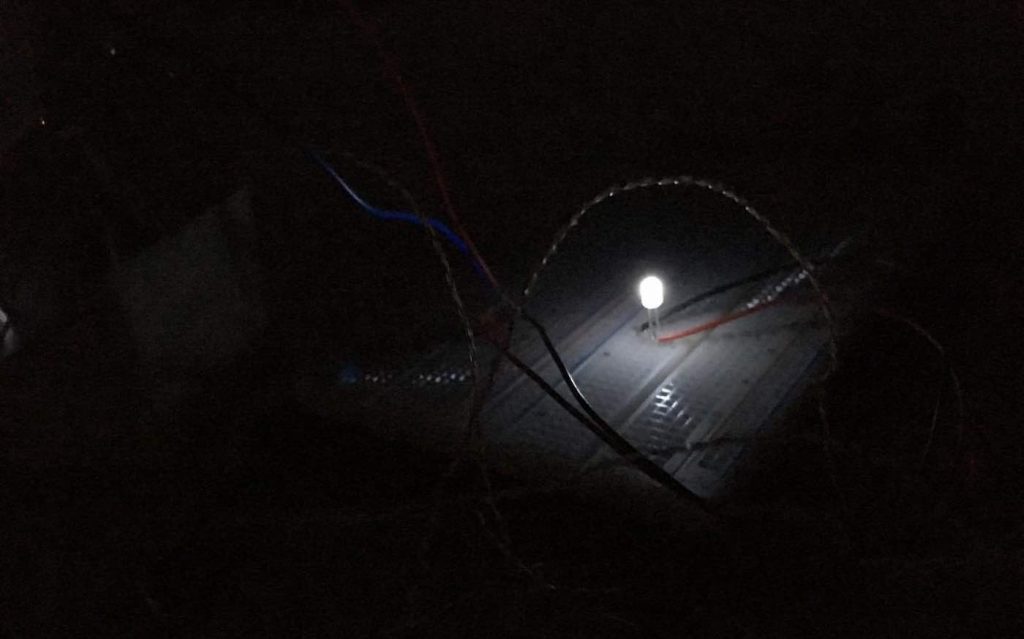
In this photograph, the thermoelectric generator harnesses temperature differences to produce renewable electricity without active heat input. Here it is generating light. (Photo by Aaswath Raman)

Researchers have developed an inexpensive new device that can generate electricity and power LED lights simply by harnessing the cold nighttime air.

The scientists described their device and reported their findings this week in the online journal Joule.

“Remarkably, the device is able to generate electricity at night, when solar cells don’t work,” says lead author Aaswath Raman, an assistant professor of materials science and engineering at the University of California, Los Angeles. “Beyond lighting, we believe this could be a broadly enabling approach to power generation suitable for remote locations, and anywhere where power generation at night is needed.”

While solar cells are an efficient source of renewable energy during the day, there is currently no similar renewable approach to generating power at night. Solar lights can be outfitted with batteries to store energy produced in daylight hours for night-time use, but the addition drives up costs.

RELATED: Generator That Creates Electricity From Gravity Could Revolutionize Renewable Energy

The device developed by Raman and Stanford University scientists Wei Li and Shanhui Fan sidesteps the limitations of solar power by taking advantage of radiative cooling, in which a sky-facing surface passes its heat to the atmosphere as thermal radiation, losing some heat to space and reaching a cooler temperature than the surrounding air.

This phenomenon explains how frost forms on grass during above-freezing nights, and the same principle can be used to generate electricity by harnessing temperature differences in order to produce renewable electricity at night when lighting demand peaks.

CHECK OUT: Just Add Water: New Salt Battery Could Help Spell the End of Fossil Fuels

Raman and colleagues tested their low-cost thermoelectric generator on a rooftop in Stanford, California, under a clear December sky. The device, which consists of a polystyrene enclosure covered in aluminized mylar to minimize thermal radiation and protected by an infrared-transparent wind cover, sat on a table one meter above roof level, drawing heat from the surrounding air and releasing it into the night sky through a simple black emitter. When the thermoelectric module was connected to a voltage boost convertor and a white LED, the researchers observed that it passively powered the light. They further measured its power output over six hours, finding that it generated as much as 25 milliwatts of energy per square meter.

In this photograph, the thermoelectric generator harnesses temperature differences to produce renewable electricity without active heat input. Here it is generating light. (Photo by Aaswath Raman)

Since the radiative cooler consists of a simple aluminum disk coated in paint, and all other components can be purchased off the shelf, Raman and the team believe the device can be easily scaled for practical use. The amount of electricity it generates per unit area remains relatively small, limiting its widespread applications for now, but the researchers predict it can be made twenty times more powerful with improved engineering—such as by suppressing heat gain in the radiative cooling component to increase heat-exchange efficiency—and operation in a hotter, drier climate.

“Our work highlights the many remaining opportunities for energy by taking advantage of the cold of outer space as a renewable energy resource,” says Raman. “We think this forms the basis of a complementary technology to solar. While the power output will always be substantially lower, it can operate at hours when solar cells cannot.”

Power Up With Positivity By Sharing The Good News To Social Media…

When Crying Student Boarded Bus for First Day of School, the Driver Held His Hand On the Way There

A Wisconsin school bus driver is being praised for her small gesture of kindness that had a big impact on an anxious student.

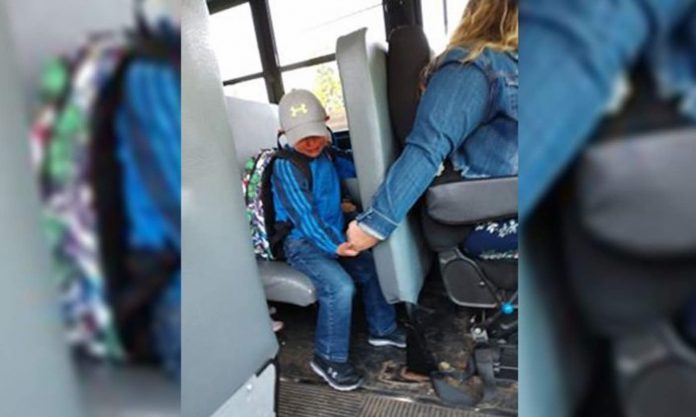
Prior to his first day of kindergarten last week, Axel Johnson had been waiting excitedly for the school bus with his mother. When the big yellow bus finally pulled around the corner, however, Axel fell silent—and when the doors finally opened for him to board, he began to cry.

Axel’s mother, Amy Johnson, had been heartbroken to see her son in tears. Thankfully, she didn’t have to worry about him for very long.

After Axel stepped onto the bus, the driver, Isabel Lane, immediately reached her arm back from the driver’s seat so she could hold Axel’s hand.

RELATED: Watch Quick-Thinking Bus Driver Stop Youngster Just As He Was About to Step in Front of Speeding Car

Touched by the gesture, Amy snapped a photo of the sweet moment before the doors closed. Lane then spent the rest of the bus ride chatting with Axel and offering him encouragement for the day ahead. By the time they got to the school, Axel had stopped crying.

Not only that, the youngster has been eager to get on the school bus every day since.

The Augusta Police Department later posted the heartwarming photo of Lane and Axel to social media so they could praise the driver for her kindness towards a nervous student.

LOOK: Teacher Inspires Class By Chopping Off Her Waist-Length Hair to Match Bullied Student’s Haircut

Though Lane is humble about her good deed, she hopes that it will inspire other people to comfort someone who may need a shoulder to cry on.

“I think it kind of goes for anyone—if you see someone maybe struggling, just to do something as simple as reaching out a hand and showing that you are there,” Lane told WEAU. “You don’t have to say anything, but just to show someone you are there makes a big difference in someone’s day.”

Be Sure And Share This Sweet Moment With Your Friends On Social Media…

“Stop acting so small. You are the universe in ecstatic motion.” – Rumi

Stuart Anthony, CC License

Quote of the Day: “Stop acting so small. You are the universe in ecstatic motion.” – Rumi

Photo: by stuart anthony, CC License, cropped

With a new inspirational quote every day, atop the perfect photo—collected and archived on our Quotes page—why not bookmark GNN.org for a daily uplift?


For 3 Hours, Firefighters Carry Park Ranger’s Gurney Through a Forest So He Could Be in Nature One Last Time

It isn’t easy to roll a gurney through the forest—but that’s exactly what a team of firefighters did for a hospice patient who wanted to visit the great outdoors one last time.

For years, Edward Reis had been an avid park ranger who longed for the greenery of Washington. Unfortunately, the self-proclaimed nature lover also suffered from multiple sclerosis, and the disease forced him to spend several of his final years in hospice care.

During his stay at the Evergreen Health Hospice in Kirkland, the 62-year-old patient had been unable to go outside until March 2014 when he confessed to a hospice staffer that he wished he could take one last trip through one of his beloved local parks.

LOOK: When Grandma Confesses She Has Never Seen the Ocean, Grandson Takes Her On Epic Cross-Country Trip

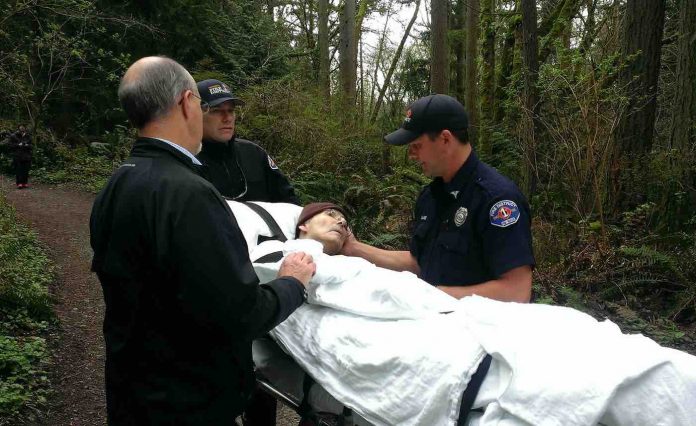
The staffers immediately jumped into action so they could grant Reid’s wish. After calling the Snohomish County Fire District and recruiting the help of several volunteer firefighters, Reid was taken on a peaceful voyage through Meadowdale Beach Park in Edmonds.

For three hours, the firefighters carried Reid and his gurney through the forest. They would periodically stop at creeks and clearings so Reid could take in the scenery, and they even collected cedar branches for the ex-park ranger to smell.

“The wheels of a gurney are like a shopping cart, so very small wheels on a trail—and it wasn’t like one of those little running trails at all, it was like a hiking trail … and we would stop every so often and he would just sit and listen,” hospice staffer Leah Gardner told ABC News. “He was just smiling the whole time. He was saying he was so happy. He was incredibly grateful to us.”

WATCH: Pop Star Grieving His Own Loss Helps 83-Year-Old Widower Check Off Bucket List After Wife’s Death

As fate would have it, Reid passed away shortly after his outing, but his caregivers hope that his story will help others to appreciate the emotional fulfillment of hospice care.

“People sometimes think that working in hospice care is depressing,” Evergreen volunteers later wrote on Facebook. “[But] this story … demonstrates the depths of the rewards that caring for the dying can bring.”

Plant Some Positivity By Sharing This Inspiring Story With Your Friends On Social Media…