











All News - Page 659 of 1738 - Good News Network
Home Blog Page 659

Exciting New Study Says That Crops Thrive Underneath Solar Panels—and the Panels Produce More Energy

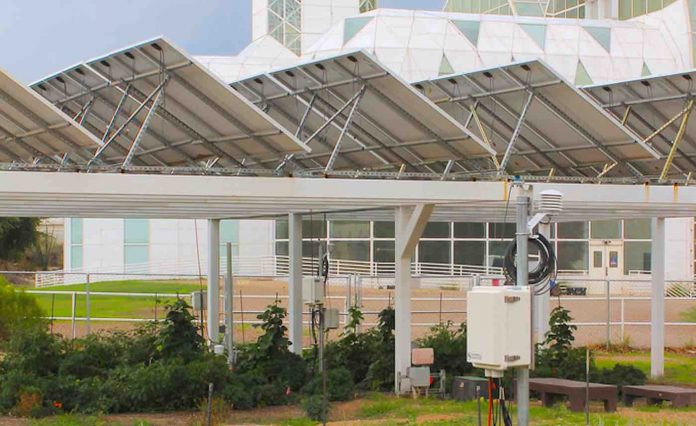
Photo by University of Arizona
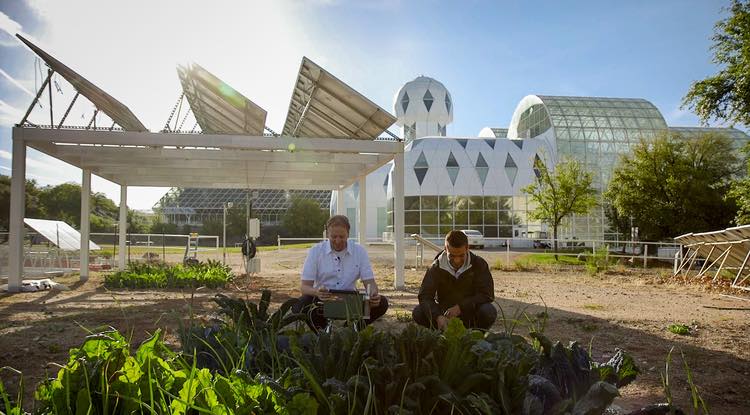
Photo by Bob Demers / UANews

Solar panels may be able to supply us with much more than just clean energy; this new research says that it might also help crops to thrive in arid areas.

Agrivoltaics, also known as “solar sharing”, is the co-locating of agriculture and solar photovoltaic panels. The idea has been gaining traction in recent years; however, few studies have monitored all aspects of the associated food, energy, and water systems involved. Furthermore, none of this research has focused on dryland areas: regions that experience food production challenges and water shortages, but have an overabundance of sun energy.

“Many of us want more renewable energy, but where do you put all of those panels? As solar installations grow, they tend to be out on the edges of cities, and this is historically where we have already been growing our food,” said Greg Barron-Gafford, an associate professor in the School of Geography and Development and lead author on the paper that was published today in Nature Sustainability.

The University of Arizona-led research published in Nature this week found that current croplands are the “land covers with the greatest solar PV power potential” based on an extensive analysis of incoming sunlight, air temperature and relative humidity.

LOOK: This Tasty Seaweed Reduces Cow Emissions by 99%—and It Could Soon Be a Climate Gamechanger

“So which land use do you prefer—food or energy production? This challenge strikes right at the intersection of human-environment connections, and that is where geographers shine!” said Barron-Gafford. “We started to ask, ‘Why not do produce both in the same place?’ And we have been growing crops like tomatoes, peppers, chard, kale, and herbs in the shade of solar panels ever since.”

Using solar photovoltaic, or PV, panels and regional vegetables, the team created the first agrivoltaics research site at Biosphere 2. Professors and students measured everything from when plants germinated to the amount of carbon plants were sucking out of the atmosphere and the water they were releasing, to their total food production throughout the growing season.

The study focused on chiltepin pepper, jalapeno, and cherry tomato plants that were positioned under a PV array. Throughout the average 3-month summer growing season, researchers continuously monitored incoming light levels, air temperature and relative humidity using sensors mounted above the soil surface, and soil surface temperature and moisture at a depth of 5 centimeters. Both the traditional planting area and the agrivoltaic system received equal irrigation rates and were tested using two irrigation scenarios—daily irrigation and irrigation every second day.

MORE: Family Farms Use ‘Crop Mobsters’ to Prevent More Than 1 Million Servings Of Food From Going To Waste

They found that the agrivoltaics system significantly impacted three factors that affect plant growth and reproduction: air temperatures, direct sunlight and atmospheric demand for water. The shade provided by the PV panels resulted in cooler daytime temperatures and warmer nighttime temperatures than the traditional, open-sky planting system. There was also a lower vapor pressure deficit in the agrivoltaics system, meaning there was more moisture in the air.

“We found that many of our food crops do better in the shade of solar panels because they are spared from the direct sun,” Baron-Gafford said. “In fact, total chiltepin fruit production was three times greater under the PV panels in an agrivoltaic system, and tomato production was twice as great!”

Jalapenos produced a similar amount of fruit in both the agrivoltaics system and the traditional plot, but did so with 65% less transpirational water loss.

LOOK: 316 Dutch Bus Stops Are Getting Green Roofs Covered in Plants as a Gift For Honeybees

“At the same time, we found that each irrigation event can support crop growth for days, not just hours, as in current agriculture practices. This finding suggests we could reduce our water use but still maintain levels of food production,” Barron-Gafford added, noting that soil moisture remained approximately 15% higher in the agrivoltaics system than the control plot when irrigating every other day.

In addition to the benefits to the plants, the researchers also found that the agrivoltaics system increased the efficiency of energy production. Solar panels are inherently sensitive to temperature because as they warm, their efficiency drops. By cultivating crops underneath the PV panels, researchers were able to reduce the temperature of the panels.
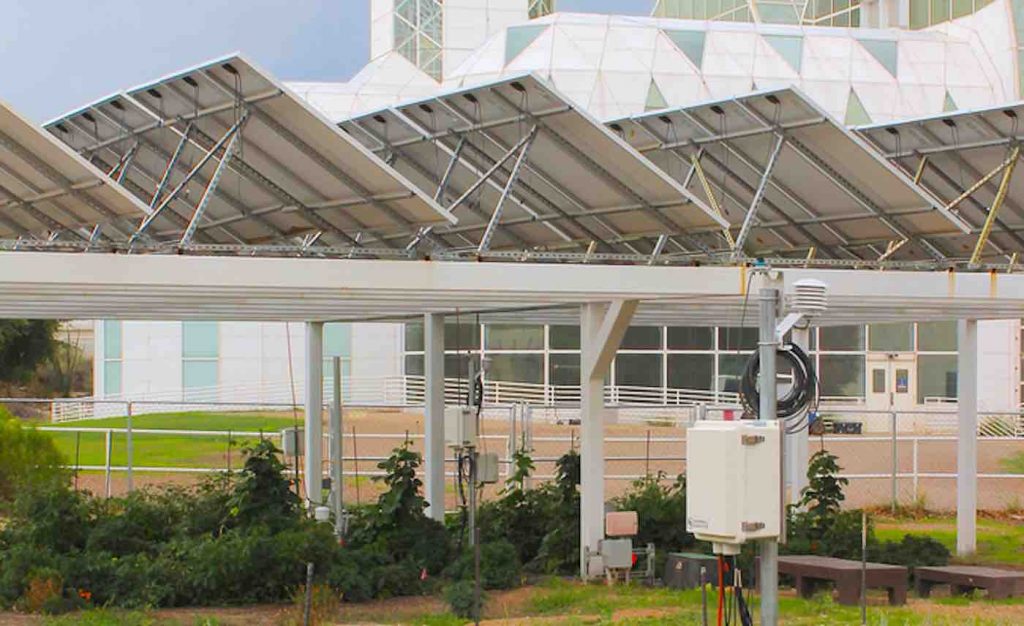
Photo by University of Arizona

“Those overheating solar panels are actually cooled down by the fact that the crops underneath are emitting water through their natural process of transpiration—just like misters on the patio of your favorite restaurant,” Barron-Gafford said. “All told, that is a win-win-win in terms of bettering our how we grow our food, utilize our precious water resources, and produce renewable energy.”

CHECK OUT: Minnesota Will Soon Pay for Your Landscaping Costs If You Plant Bee-Friendly Greenery

The authors say more research with additional plant species is needed. They also note the currently unexplored impact agrivoltaics could have on the physical and social well-bring of farm laborers. Preliminary data show that skin temperature can be about 18 degrees Fahrenheit cooler when working in an agrivoltaics area than in traditional agriculture.

“Climate change is already disrupting food production and farm worker health in Arizona,” said Gary Nabhan, an agroecologist and co-author on the paper. “The Southwestern U.S. sees a lot of heat stroke and heat-related death among our farm laborers; this could have a direct impact there, too.”

Barron-Gafford and the team are now working with the U.S. Department of Energy’s National Renewable Energy Lab to assess how well an agrivoltaics approach can work in other regions of the country and how regional policies can promote adoption of novel approaches to solve these pervasive problems.

Reprinted from the University of Arizona

Feed Your Friends Some Positivity By Sharing The News To Social Media…

When Tennis Champ Sees Young Competitor Tearing Up After Loss, She Pulls Her into Spotlight for Some Love

This emotional display of sportsmanship between two young female tennis players is warming hearts across social media.

15-year-old Coco Gauff made history in July as the youngest woman to reach the fourth round of Wimbledon—and last week, the American player faced off against 21-year-old Naomi Osaka for the US Open.

Unfortunately for Gauff, Osaka defended her championship title with a 6-3, 6-0 victory.

After the match, however, Osaka noticed that Gauff was emotional after the loss, and the Japanese champ insisted on her competitor joining her for the post-match interview.

LOOK: When Helicopter Upsets Tennis Player With PTSD, His Teammate Abandons Game to Comfort Him Using a Song

“It was kind of instinctive because when I shook her hand, I saw that she was kind of tearing up a little. Then it reminded me how young she was,” Osaka recalled in a news conference. “I was just thinking it would be nice for her to address the people that came and watched her play. They were cheering for her.”

What followed was an emotional exchange between the two athletes. As Gauff wiped tears away from her eyes, she thanked Osaka for allowing her to share the moment in front of a microphone.

She later told reporters: “I’m glad that I was able to experience that moment. I’m glad the crowd was kind of helping me and her.

“For me a definition of an athlete is someone who treats you as their worst enemy on the court but after they treat you like you’re their best friend. That’s what she did,” she added.

(WATCH the emotional video below)

Score Big With Your Friends By Sharing The Sweet Story To Social Media…

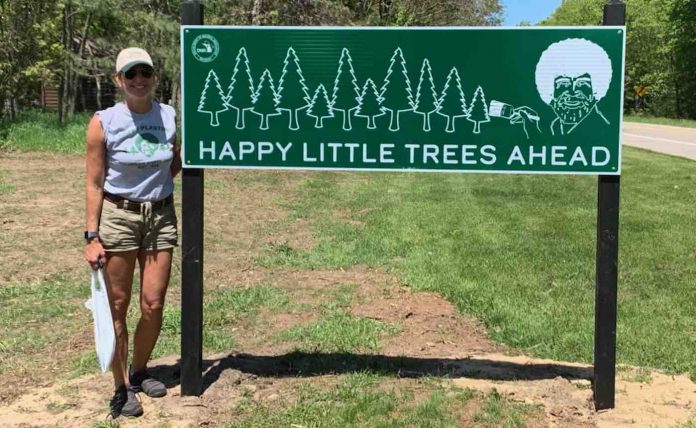
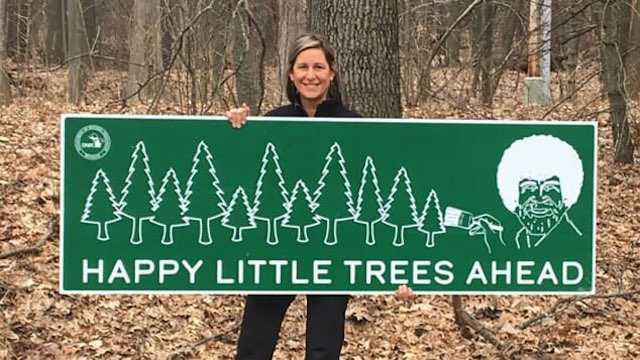
Bob Ross’s Legacy is Helping Inmates Plant ‘Happy Little Trees’ Throughout State Parks

Photo by Michelle Coss / DNR

Bob Ross and his soothing televised painting classes have long been a source of comfort and zen for Americans of all ages—and now, his legacy is bringing even more beauty into the world by helping inmates plant “happy little trees” in Michigan parks.

In celebration of their 100th birthday, the state’s Department of Natural Resources (DNR) reached out to Bob Ross Inc. and asked if they could collaborate for the centennial.

More specifically, the state’s Department of Corrections manages a “prison grow” career and education program in which inmates get the opportunity to learn horticulture practices and help raise trees for reforestation efforts—particularly at state parks.

Since Bob Ross was renowned for his love of painting cheerful greenery, the DNR partnered with the artist’s estate to rename their program “Happy Little Trees”.

WATCH: Art Teacher Cheers Up Stressed-Out Students By Hosting ‘Bob Ross Flash Mob’ With Wigs and Paints

“We love anything that has to do with helping the environment and trees. Bob would’ve loved that,” DNR staffer Michelle Coss told Road Tripper.

Every year, inmates from three of Michigan’s correctional facilities help to grow about 1,000 new trees from native seeds that have been collected by volunteers. The saplings are then used to replace any state park foliage that has been damaged.

This year, Bob Ross Inc. joined in on the program by putting out a call for potential volunteers on their website, saying that all participants who helped to plant the inmates’ trees would be given a free “Happy Little Trees” tee-shirt.

MORE: The Grateful Dead Helps to Save Bees and Butterflies Through Jerry Garcia’s Legacy

Coss was delighted to report that more than 500 volunteers signed up for the program. Although if you’re disappointed about missing your opportunity to get the free tee-shirt, she says that the shirt is also on sale on their website—and all of its sales are invested right back into the program.

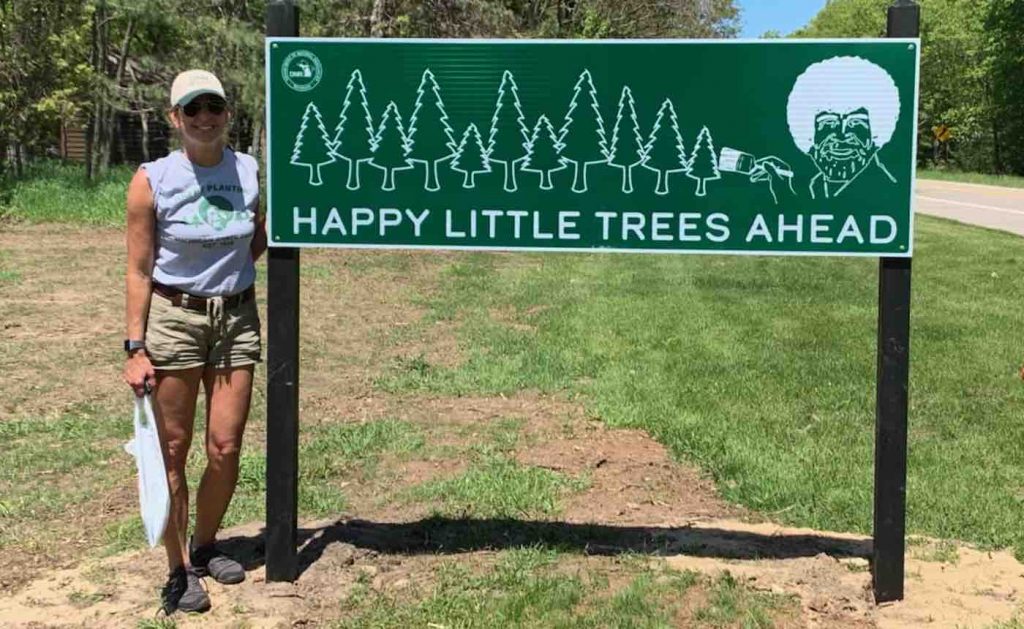
The DNR says that they will be honoring the tree-planting initiative’s new name by installing “Happy Little Trees Ahead!” signs with Bob Ross’s smiling face at three of their parks: Orchard Beach, Port Crescent, and Yankee Springs.

The Lovington, Sleeper, and Warren Dunes parks are all scheduled to receive signs as well.

Photo by Michelle Coss / DNR

Paint Up Some Positivity By Sharing The Good News With Your Friends On Social Media…

Watch Rollercoaster Passenger Use His Astonishing Catlike Reflexes to Catch a Stranger’s iPhone in Mid-Air

Not all heroes wear capes, but this guy was actually flying through the air when he managed to save a stranger’s phone from destruction earlier this week.

Samuel Kempf, who is a fistball player from New Zealand, is currently in Spain for the World Fistballing Championship.

In addition to representing his home country in the tournament, Kempf decided to have a little fun on his trip and visit the Port Aventura theme park in Barcelona.

He and his brother were particularly excited to ride the Shambhala rollercoaster, which had been Europe’s tallest and fastest rollercoaster going 130kps (81mph) until it was bested by a Polish ride in July 2018.

As they strapped themselves into the rollercoaster, Kempf joked to his brother that they should “get ready to catch” all of the things flying out of people’s pockets—but that ended up being exactly what he did.

RELATED: Watch Two Total Strangers Face Off for the Most Epic Saxophone Battle On the NYC Subway

Just as they were ascending the second hill of the rollercoaster, Kempf saw an iPhone X flying past his car. Without hesitation, the athlete used his catlike reflexes to snatch it out of the air and continue enjoying the ride.

He was later able to reunite the phone with the grateful owner—and as a token of their appreciation, the passenger bought Kempf a video of his amazing mid-air catch as a souvenir.

Since uploading the footage to YouTube this week, Kempf’s video has racked up more than 1.7 million views.

(WATCH the video below)

Save Your Friends From Negativity By Sharing This Awesome Story To Social Media…

“New beginnings are often disguised as painful endings.” – Lao Tzu

Quote of the Day: “New beginnings are often disguised as painful endings.” – Lao Tzu

Photo: by Vicente Mas, CC License, cropped

With a new inspirational quote every day, atop the perfect photo—collected and archived on our Quotes page—why not bookmark GNN.org for a daily uplift?


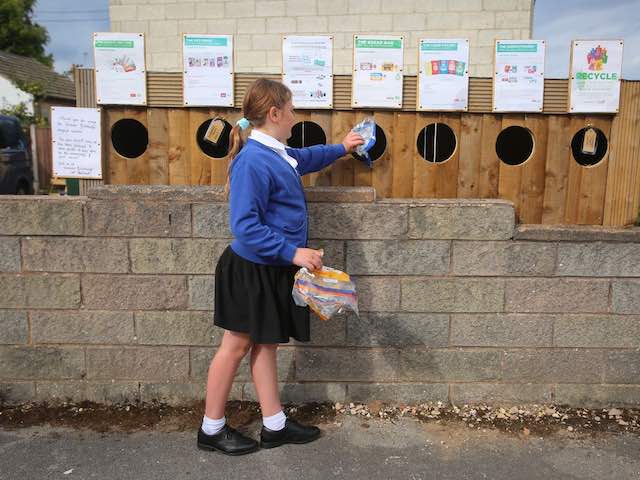
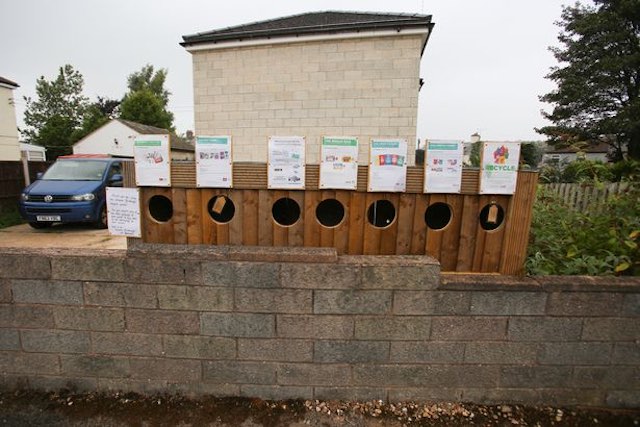
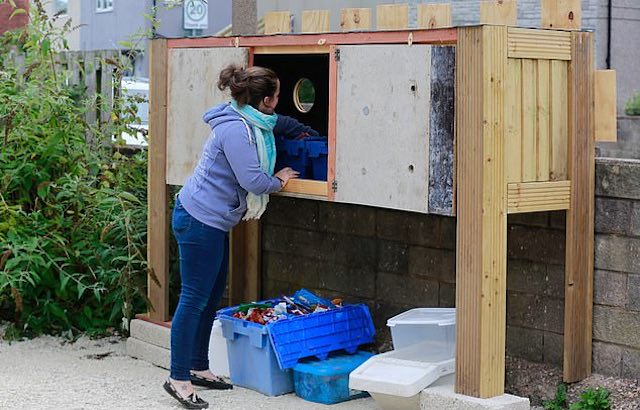
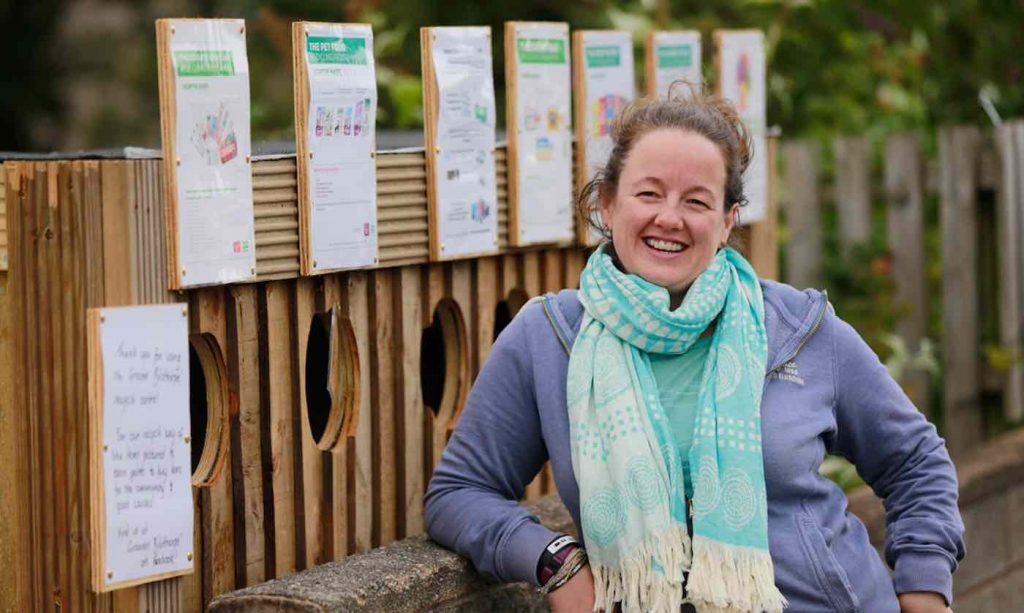
Fed Up by Complex Waste Rules, Couple Built Their Own Free ‘Recycling Center’ in Their Driveway

SWNS
SWNS

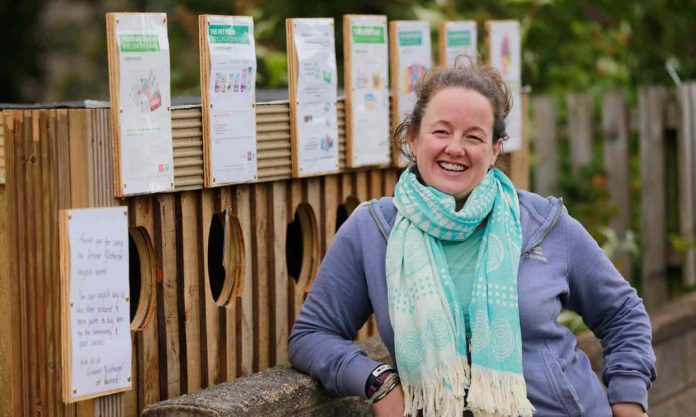
When Hannah and Danny Iwanejko had finally had enough of their community council’s “rubbish” green waste procedures, the eco-warriors took it upon themselves to set up their own free recycling center right in their driveway.

Since the English couple first built their green waste hub out of recycled wood and metal last month, they have saved almost 2,000 pounds of recyclable plastic and materials from ending up in a landfill.

The family accepts all manner of items including crisp and cracker packets, contact lenses, Tetra Pak packaging, coffee pods, and baby food pouches.

MORE: This Clever Little School Has Been Requiring Students to Pay for Tuition With Plastic Waste Instead of Money

Hannah then drives the waste to specialized recycling sites that are within a 10-mile radius of their English home in Bilsthorpe, Nottinghamshire.

From there, the materials are turned into small plastic pellets that can be used to make items such as outdoor furniture, trays, roofing, and flooring.

Much of the processing is handled by Terracycle: a recycling company that focuses on hard-to-recycle items—and since their recycling programs are all funded by companies and manufacturers, the recycling schemes are all free for the public to use.

SWNS

Hannah and Danny, both of whom are 36-year-old maintenance engineers, came up with the idea after watching the BBC’s Planet Earth series.

“The moment I decided to do something myself was [my daughter’s] first birthday in August,” says Hannah. “I saw what was going on in the Amazon and the war on plastic and David Attenborough’s programs. So I thought: ‘Hang on a second, I can do my bit. I need a central point where people can easily recycle.’

LOOK: Entrepreneur Bought 10,000 Unused Ride-Sharing Bikes So He Could Donate Them to Poor Students

“My husband really likes building stuff so he made the recycling hub out of scrap material,” she continued. “It barely cost us anything. It’s a small village so I’ve only just made my first 30-minute trip to the recycling bins at the leisure center.

“It was just meant for the community—but now people are coming with their waste from outside the village and people from all over are contacting me asking how to do it themselves.”

SWNS

When reporters asked Hannah why she disapproved of the local recycling procedures, she said: “The problem is there is no consistency across the council. One council says you can recycle this, this, this, and this. Another council says you can recycle this, this, this, and this.

“However, it is all recycled by the same people—yet one bin allows something and
another doesn’t. Why is it not across the board?

RELATED: This Revolutionary Blast Furnace Vaporizes Trash and Turns It into Clean Energy (Without Any Emissions)

“Why aren’t we creating consistency and ease for people to do this all the time?

“It is so frustrating that the council won’t take tetra, crisp packets and bread bags. People want to recycle, but the council is not making it easy for us. There is so much bureaucracy and red tape in the way.

SWNS

“I don’t know what it will take for them to do something about it. The councils send rubbish to the same place.”

Hannah and Danny are now appealing for Newark and Sherwood District Council to improve the recycling facilities in order to prevent more complex materials from being sent landfill.

(WATCH the interview below)

Reuse The Good News By Sharing It With Your Friends On Social Media…

California Becomes First State to Ban Fur Trapping, Saving Animals and Taxpayer Dollars

Photo by Jacob Dawson, CC

California just became the first US state to ban the practice of fur trapping.

The state’s newly-approved Assembly Bill 273 prohibits the trapping of any fur-bearing mammal or non-game mammal for purposes of recreation or commerce in fur. It also bans the sale of raw fur and eliminate the licenses of fur dealers and agents.

The legislation, which was signed by Governor Gavin Newsom earlier this week, is expected to benefit thousands of native species, such as foxes, coyotes, beavers, badgers, and mink. It was approved by 30-9 in the Senate and 51-19 in the state Assembly.

Assemblywoman Lorena Gonzalez (D-San Diego) says that she penned the legislation because—in addition to being an inhumane practice—fur trapping was also shown to be a drain on taxpayer dollars in 2017.

RELATED: 700 Acres of Massive 1,000-Year-old Redwoods Are Being Turned into a Public Park

Historically, trapping for fur was a large industry in California, but the harmful effects of trapping on the wildlife population can be traced to the early 1800s when sea otter populations along the San Francisco Bay and North Coast were decimated. Fur trapping has also played a role in the decline of wolves, wolverines, fishers, martens, and beavers in California.

Fur trapping in California is currently done on an extremely small scale, but hundreds of fur-bearing animals have been trapped each year so their pelts can be sold for a profit overseas. In 2017, a total of 133 trapping licenses were sold to fur trappers in California, generating approximately $15,000 for the Department of Fish and Wildlife, which is just a fraction of the financial resources required to oversee the industry.

“Not only does the cruel fur trapping trade decimate our increasingly vulnerable wildlife populations, running this program doesn’t even make fiscal policy sense,” Gonzalez said in a statement. “Taxpayers are subsidizing this unnecessary commercial activity because the cost of managing this program isn’t even covered by the revenue from trapping license fees.”

Photo by Jacob Dawson, CC

Shine A Light On Positivity By Sharing The Good News With Your Friends On Social Media…

Anonymous Man Spent Almost $50,000 on Generators and Food for Hurricane Victims in the Bahamas

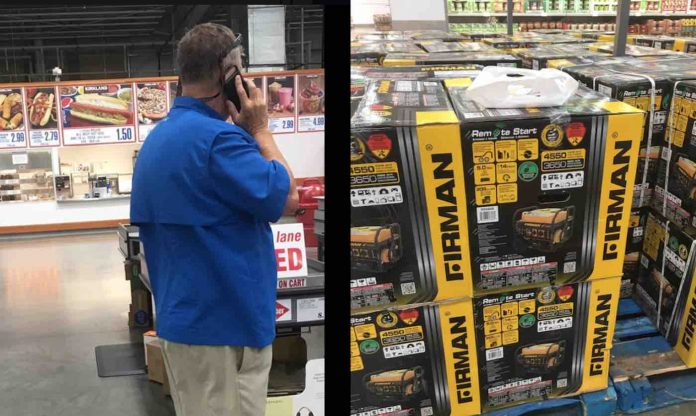
An anonymous shopper is being praised for spending thousands of dollars on electrical generators to benefit Hurricane Dorian victims in the Bahamas.

The man was photographed by Alec Sprague earlier this week at a Costco store in Jacksonville, Florida.

Sprague had been buying a generator of his own when he learned that his fellow shopper was buying 100 generators for $450 apiece so he could send them to Bahamian communities affected by the devastating storm.

The man also bought a variety of different meals and foodstuffs that will be shipped to the islands along with the generators. In total, he spent $49,285.

RELATED: Woman Opens Her Home to 97 Rescue Dogs to Protect Them From Hurricane Dorian

“It’s important that we help each other out. It’s better than just sitting there,” the man told CNN. “You see a need and you fill it.”

The goods are set to be shipped by boat through the Errol Thurston Bahamas Hurricane Relief Fund.

Though the man asked news reporters to withhold his name, Sprague snapped a photo of the unidentified benefactor and published it to Facebook. In just 24 hours, the post has been shared more than 34,000 times.

“All I could do was shake his hand and thank him!” wrote Sprague. “There still are good people in the world!”

Multiply The Good By Sharing The News With Your Friends On Social Media…

More Than $21 Million Awarded to World’s Most Trailblazing Scientists to Further Their Research

In an award ceremony that is considered to be the “Oscars of Science”, more than $21.6 million has been distributed to scientific trailblazers for their groundbreaking achievements in life sciences, fundamental physics, and mathematics.

Now in its eighth year, the Breakthrough Prize annually recognizes achievements in disciplines that ask the biggest questions and seek the deepest explanations. Considered to be the world’s most generous science prize, each Breakthrough Prize is $3 million.

The Breakthrough Prize Foundation and its founding sponsors—including Mark Zuckerberg and a number of other tech moguls—today announced the recipients of the 2020 Breakthrough Prize and 2020 New Horizons Prize.

This year’s winners are credited with discoveries that address important and compelling scientific questions—from “What does a black hole look like?” to “Why do chilis taste hot?” and “What are the causes of neurodegenerative disease?”

RELATED: Teen Awarded $50,000 Science Fair Prize for His Method of Removing Microplastics From Water

As a collective, this year’s Breakthrough Prize laureates probed the galaxies to capture the first image of a black hole; imagined gravity at the quantum level; laid the foundation for non-opioid analgesics to extinguish chronic pain; established the biological basis of how much we eat and weigh; and discovered common mechanisms underlying neurodegenerative disorders, including early-onset dementia.

This year’s prize for Fundamental Physics was awarded to the team of 347 scientists who managed to capture the first image of a supermassive black hole, taken by means of an Earth-sized alliance of telescopes.

Using eight sensitive radio telescopes strategically positioned around the world in Antarctica, Chile, Mexico, Hawaii, Arizona and Spain, a global collaboration of scientists at 60 institutions operating in 20 countries and regions captured an image of a black hole for the first time. By synchronizing each telescope using a network of atomic clocks, the team created a virtual telescope as large as the Earth, with a resolving power never before achieved from the surface of our planet. One of their first targets was the supermassive black hole at the center of the Messier 87 galaxy—its mass equivalent to 6.5 billion suns.

MORE: A Man Got the Nobel Prize for Her Discovery. Now, 44 Years Later, She’s Awarded Breakthrough Physics Prize and $3Mil

In the Life Sciences category, another $3 million prize was awarded to the researchers who discovered the biological machinery of how proteins can dramatically influence the development of neurodegenerative diseases.

As we age, this machinery might slow down and leave proteins messily clumping—“like the white of an egg congealing in a hot frying pan”—and setting the stage for cancer as well as Alzheimer’s, Parkinson’s, and Huntington’s disease.

Collaborating between Connecticut and Germany, the researchers Ulrich Hartl and Arthur Horwich are now investigating how to repair or support the cell’s folding machinery to inhibit protein clumping and preserve healthy functioning as we age.

CHECK OUT: ‘Eye-opening’ Dementia Breakthrough Announced Today by USC Researchers

Professor David Julius from the University of California, San Francisco was awarded for his pioneering research on the molecules, cells, and mechanisms underlying pain sensation.

Julius is hailed for discovering the cellular signaling mechanisms that produce pain sensation. Among other curiosities, he found that chili peppers and menthol trigger the same sensory receptors in the nervous system that ordinarily respond to heat and cold. While most pain functions as an early warning system, chronic pain is debilitating—but by identifying specific cellular targets for the chronic pain of IBS, arthritis, cancer, etc., his team is laying the foundation for a next generation of non-opioid, precision analgesics.

The new Breakthrough Prize laureates will be recognized at the eighth annual Breakthrough Prize gala awards ceremony on November 3rd at NASA Ames Research Center in Mountain View, California, and broadcasted live on National Geographic.

(WATCH the summary video below) – Photo by the Breakthrough Prize Foundation

Power Up With Positivity By Sharing The Good News To Social Media…

These Adorable Pictures Capture the Moment an Awestruck Squirrel Stopped to Admire Some Flowers

SWNS
SWNS

These adorable pictures capture the moment an inquisitive ground squirrel took some time out of its busy schedule to stop and smell the roses.

Well, they weren’t actually roses—but the curious creature was photographed admiring several wildflowers in Vienna, Austria.


SWNS

While it might look like its simply taking the time to appreciate the foliage, the squirrel was in fact on the hunt for the tastiest blossom of the bunch.


SWNS

34-year-old wildlife photographer Dick van Duijn—who is from Noordwijk, Netherlands—says that he spent roughly 2 hours photographing more than 200 different shots in order to capture these perfect moments.


SWNS

“I went to Austria especially to photograph the ground squirrels,” says Dick, who has been a photographer for the last seven years. “It was great to witness, and very satisfying.”

He even managed to capture the exact moment the squirrel began to hug a bright yellow flower.


SWNS

The critter can be seen bending the stem closer to its face before bringing the blooms to its face with a gentle tug. After sniffing the flower, the squirrel decides to then lean in for a bite.

“I was really happy after capturing a photo like this,” says Dick.


SWNS

Be Sure And Share The Cute Pictures With Your Friends On Social Media…

“Free yourself… We’re just raindrops on a windshield.” – Jerry Seinfeld

Quote of the Day: “Free yourself… We’re just raindrops on a windshield.” – Jerry Seinfeld

Photo: by Jeffry, CC License, cropped

With a new inspirational quote every day, atop the perfect photo—collected and archived on our Quotes page—why not bookmark GNN.org for a daily uplift?


As Wildfires Increase Across The Globe, U.S. Firefighters Will Be Prepared Thanks to $3 Billion in Funding

Reprinted with permission from World At Large, a news website of nature, science, health, politics, and travel.

Last month was the hottest July on record, and social media feeds have been awash with images and videos of devastating global wildfires, such as the one shrouding much of Russia.

“More than 21,000 square miles of forest have gone up in flames in Siberia this month, putting Russia on track for its worst year on record for wildfires,” reported Vox last week.

RELATED: National Suicide Prevention Hotline is Getting Its Own 3-Digit Number in the US

Thankfully, the recently-approved 2020 fiscal budget for the United States is set to increase funding for the National Forest Service by six times, including more than $3 billion specifically set aside for firefighting initiatives—and in order to prevent the scope of American wildfires from reaching the levels they did last year, Secretary of the Interior David Bernhardt is taking advantage of the new budget by preparing America’s forests, particularly in the West, for fire season.

In 2018, $2.6 billion dollars—much of it pulled from non-fire related sources—was spent on fighting fires that scorched 8.8 million acres of National Forests.

CHECK OUT: In Landslide Bipartisan Victory, US House of Representatives Approves Bill to Stop Illegal Robocalls for Good

Under the recently-approved Congressional budget, funding for firefighting activities has risen to $3.3 billion dollars, and the budget also reauthorized money to cover deferred maintenance projects on America’s public lands and parks.

Armed with the new and improved firefighting budget, Sec. Bernhardt is carrying out the preventative methods as follows:

  • Alaska, Colorado, Arizona, Florida, Virginia, Minnesota, and Utah have all conducted prescribed burnings to clear out deadwood and litter that could become fuel for possible fires in the future.
  • Legislators in Idaho, Oregon, Washington, California, Nevada, and Utah are working on a large-scale collaboration to add 11,000 miles worth of bare stretches known as “fuel breaks”. Similar to tank traps in World War II, fuel breaks are swaths of strategically designated landscape that have been cleared to prevent fires from spreading.
  • In order to allow for greater mobility and fire suppression, firefighting teams across these states will also have access to dozens more planes and helicopters.

“As stewards of one-fifth of the country’s public lands, primarily in the West, we know that our ability to be prepared for wildfires and reduce their severity is paramount to protecting communities and saving lives,” Bernhardt said in a statement.

“In collaboration with local, state, and other federal partners, we are using everything in our arsenal to prepare for wildfires this year, treating more than one million acres”.

MORE: Senate Passes Biggest Public Lands Package of the Decade With Sweeping Bipartisan Approval

Fortunately for Americans, a cool, wet spring has led planners to believe this season will not come close to the challenges experienced in 2018.

The Department of the Interior is taking the threat of fires as seriously as ever before, and Sec. Bernhardt, who took over the position in the President Trump Administration in April, has tackled few Interior issues in his short tenure as determinedly as this season’s wildfires.

Be Sure And Share The Good News With Your Friends On Social Media…

Listen to Police Captain’s Amusing Conversation With Phone Scammers Threatening to Arrest Her

Many people have been subjected to calls from phone scammers pushing various schemes and stories—but this one particular scammer made the mistake of calling a North Carolina police officer.

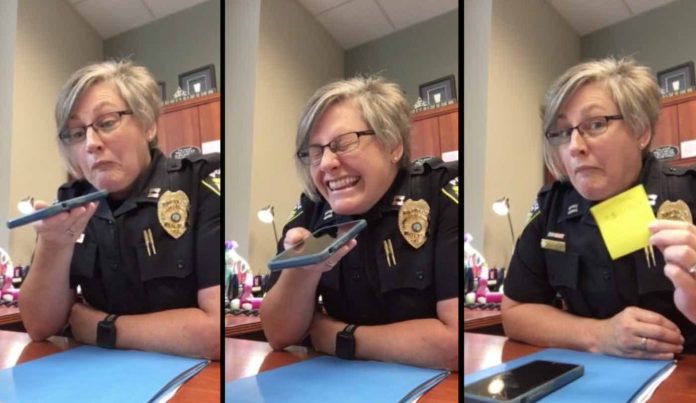
In a video that was uploaded by the Apex Police Department last week, Captain Ann Stephens can be heard talking on the phone with a man pretending to be a law enforcement officer threatening her with arrest.

At the start of the video, one of her fellow officers says that the department has recently been receiving an influx of scam calls—so Stephens decided to have a little fun with one of the scammers and turn it into a learning opportunity for the department’s social media followers.

After trying unsuccessfully to get Stephens to give him her personal information, the scammer threatens to cancel all of her bank accounts and send a sheriff’s deputy to arrest her.

RELATED: Guy Transforms Man He Thought Was Online Scammer into Village Saint by Sending Him $30 Camera

Stephens, meanwhile, can be seen casually doodling cartoons on a sticky note as the caller explains how she is being faced with 25 different charges of fraud, money laundering, and drug trafficking.

She eventually asks to speak to the man’s “commanding officer” for further information. A second man then picks up the line and continues his legal threats against her—but the call didn’t last for very long.

At the end of the video, Stephens makes sure to remind viewers to never trust dubious inquiries about their personal information.

LOOK: Woman Deceived On the Internet by Older Man Finds Love With Model Whose Photos Lured Her In

“Folks, these are scam calls. Don’t ever give out your information, don’t ever verify information even if they have it. That information can be found on the web about anywhere, so don’t ever verify it … they’re all scammers, so just hang up on them or have a little fun,” she concluded with a smile.

Since the video was uploaded to Facebook last week, it has racked up more than one million views.

(WATCH the amusing video below)

Be Sure And Share The Video With Your Friends On Social Media…

Dad Develops New Treatment for Peanut Allergies With Almost No Side Effects After Son Suffers Severe Reaction

People who are allergic to peanuts may have a new way to protect themselves from severe allergic reactions thanks to an exciting new treatment

It’s called sublingual immunotherapy—or SLIT—and it involves putting minuscule amounts of liquefied peanut protein under the tongue, where it is absorbed immediately into the blood stream to desensitize the immune system to larger amounts of peanut protein.

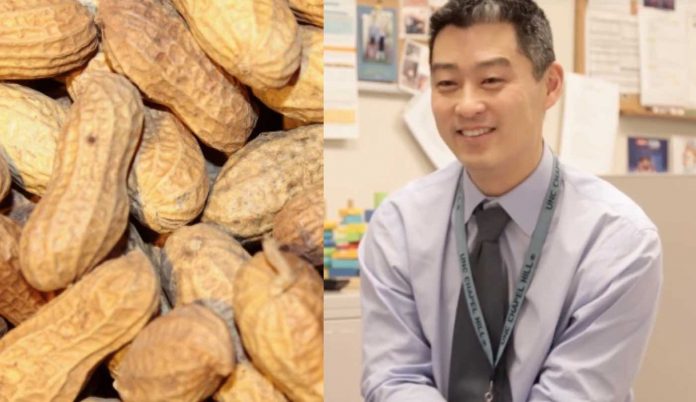
The research, which was published in the Journal of Allergy and Clinical Immunology this week, was led by first author Edwin Kim, assistant professor of medicine at the University of North Carolina School of Medicine.

Kim was inspired to develop the treatment after his own son suffered a severe allergic reaction when he was just 9 months old. Now, his research shows that SLIT could offer people a safe and effective way to protect themselves from severe allergic reactions—and even anaphylaxis—after patients were able to tolerate 10 to 20 times more peanut protein than it would take for them to get sick.

RELATED: Researchers Used Natural Gut Bacteria to Prevent—and Reverse—Food Allergies in Pre-clinical Trials

“As a parent of two children with nut allergies, I know the fear parents face and the need for better treatments,” said Kim, member of the UNC Children’s Research Institute. “We now have the first long-term data showing that sublingual immunotherapy is safe and tolerable, while offering a strong amount of protection.”

There are three main immunotherapeutic ways clinician scientists have developed to treat nut allergies, and all of them attempt to help patients avoid severe allergic reactions by desensitizing the immune system to nut proteins. According to Kim, about 100 milligrams of peanut protein can trigger a severe allergic reaction. That’s the sort of trace amount that people fear can show up in food that has been “manufactured in a facility that processes peanuts.” For reference, one peanut kernel contains about 300 milligrams.

“The main idea beyond immunotherapy is not for kids to be able to eat peanut butter and jelly sandwiches,” Kim said. “It’s to keep them safe from the small hidden exposures that could occur with packaged foods, at restaurants, and with other food exposures.”

CHECK OUT: Bedridden for 11 Years, Man Proves the Experts Wrong By Inventing a Surgery to Cure Himself

One immunotherapy method involves a patch on the skin that releases a small amount of peanut protein through the skin to desensitize the immune system. This approach has been proven safe in clinical research, but perhaps not as effective as researchers had hoped. It could become an FDA-approved treatment.

A second approach is called oral immunotherapy (OIT), which is currently under FDA review and a decision is expected this year. OIT requires patients to ingest a small portion of peanut protein daily, and over the course of time, this can desensitize the immune system to accidental exposures. In a large phase 3 OIT clinical trial, patients initially ingested 0.5 mg of peanut and increased the amount to 300 mg over the course of many weeks and then maintained that 300 mg daily intake for the remainder of the year. This trial showed substantial effectiveness in protecting patients, but some patients suffered serious side effects. A subsequent meta-analysis of OIT clinical trial data published in The Lancet in April suggested that more clinical research on OIT was needed due to the risk of serious side effects.

A third approach is SLIT. Instead of having patients ingest peanut protein, doctors place a small amount of peanut protein under patients’ tongues, where it is immediately absorbed. Because the peanut protein avoids digestion, patients are given much less peanut protein—about 0.0002 mg initially. This amount then increases over the course of months to just 2 mg.

MORE: Drinking Baking Soda Could Be Cheap, Safe Way to Combat Autoimmune Disease, Says Scientists

In 2011, Kim and colleagues—including Wesley Burks, dean of the UNC School of Medicine—conducted a small study of 18 patients to show that SLIT was safe and effective over the course of one year. Since then, Kim and colleagues followed 48 patients in the SLIT protocol of 2 mg daily for five years in Phase-2 clinical trials. In the JACI paper, the researchers showed that 67% of these patients were able to tolerate at least 750 mg of peanut protein without serious side effects. About 25% could tolerate 5,000 mg.

Kim’s data shows SLIT was about as effective as OIT, though the SLIT study was much smaller. And SLIT posed much less risk of serious side effects. The most common side effect was itchiness around the mouth that lasted about 15 minutes and did not need treatment. No one left the multi-year study because of side effects.

“SLIT participants tolerated between 10 and 20 times more peanut protein than it would take for someone to get sick,” Kim said. “We think this provides a good cushion of protection—maybe not quite as good as OIT—but with an easier mechanism (sublingually) and, as far as we can tell right now, a better safety signal.”

LOOK: Girl Makes Teddy Bears That Hide IV Bags for Young Hospital Patients—And She’ll Soon Give Them Away for Free

Kim says that the treatment is currently pending FDA-approval and it could be available to patients by the end of the year. His lab recently finished a separate SLIT study of 4 mg daily for 55 patients over the course of four years. He hopes to publish results later this year. “With sublingual immunotherapy, we hope we can maintain our safety profile while seeing an even stronger benefit for patients,” Kim said.

Kim and colleagues are also studying SLIT in a subset of children ages 1 to 4 because separate OIT data indicated these youngest patients have a stronger, more lasting benefit to immunotherapy.

“We focus on the idea there is no one perfect drug for food allergy,” Kim said. “There will have to be a lot of shared decisions between physicians, patients, and parents about what method of treatment is best for each patient. We think SLIT could be a good option for a subset of patients.”

Reprinted from the University of North Carolina School of Medicine

(WATCH the video below)

Cure Your Friends Of Negativity By Sharing The Good News To Social Media…

When Farmer Saw His Community Needed a New Road, He Picked Up His Tools and Built One Himself

When this 44-year-old farmer saw people in his village struggling to maneuver their long and winding roads, he took it upon himself to make a shortcut.

Nicholas Muchemi is a coffee and tea farmer in the Kenyan village of Kaganda who used his own tools to carve out a new quarter-mile stretch of road in the area.

Prior to Muchemi embarking on his labor of love, villagers were forced to take a much longer route around the steep hills—now, children use the newly-dubbed “Muchemi Road” to get to school; mothers travel shorter distances to get to the nearby market; and neighbors can easily hike to the church at the top of hill.

Every day for several long summer weeks, Muchemi would finish his daily farm work and spend each of his evenings forging the road.

LOOK: When Young Man Sees Broken Stop Sign, He Spends His Lunch Break Holding it Up in the Heat

Once it was finished, Muchemi says that he was not expecting to receive anything in return—but the neighbors were quick to shower him with gratitude. Not only that, the local government thanked the intrepid farmer by giving him a new cow and a roof for his house. They have also promised to gravel and maintain the road in his honor.

When asked about why he did it, Muchemi simply told USA Today: “I was born with the ability to do this. I also love what I do and I like helping my community. I’m an adult and I had to do something to help people and solve their problems.

“I feel overjoyed that I did work that makes everyone happy,” he concluded with a smile.

(WATCH the video below) – Feature photo by Ndagìtarì Kìnyùngū Mìcheke Jnr

Pave The Way To Positivity By Sharing The Good News With Your Friends On Social Media…

Flight Crew and Passengers in First Class All Welcome Boy With Autism During Mid-Flight Meltdown

When a 4-year-old boy with autism began having a meltdown on a United Airlines flight last month, his mother was astonished by the kindness shown to them by the passengers and crew.

Lori Gabriel says that her son Braysen usually loves to fly—but on this particular flight from San Diego to Houston, the boy was having a hard time.

As the flight attendants were preparing for takeoff, Braysen refused to sit in his seat.

“It was impossible to restrain him. He was fighting both me and his father,” Gabriel told CNN. “It took the both of us to try to get him back to his chair and get his seat belt back on. He started kicking, screaming and hitting.

RELATED: Mom Overwhelmed With Gratitude When Hotel Manager Befriends Autistic Boy Wanting to Show Off His Card Tricks

“That’s when a flight attendant came over and told us the flight couldn’t take off until he was seated. I told her the boy has autism, we’re trying, give us a minute.”

Gabriel and her husband were still struggling to restrain their son when the flight attendant suddenly returned with two other crew members and earnestly asked how they could help.

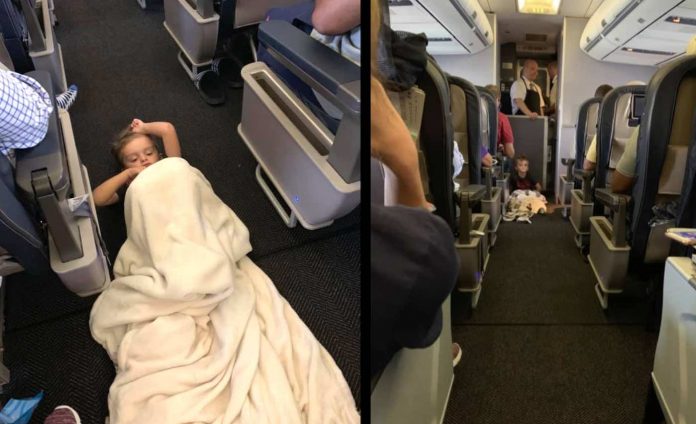
For starters, the flight attendants allowed Braysen to sit on Gabriel’s lap for takeoff. Once the seatbelt sign turned off, the boy began kicking and screaming again because he wanted to sit on the floor.

LOOK: When Boy With Autism Was Overwhelmed By First Day of School, Kind Classmate Soothed Him

According to his mother, this is because the vibrations of the plane help to soothe him when he is overstimulated—so the crew members invited him to sit on the floor next to their seats.

Braysen eventually moved to sit on the floor in first class where he began kicking a man’s seat.

“Braysen seemed happy there, so we didn’t want to move him,” Gabriel continued telling CNN. “So I told the man ‘I’m sorry,’ but he said he didn’t mind, he introduced himself to Braysen and gave him high fives. He said, ‘He can kick my chair, I don’t care.’”

The first class passengers and flight attendants then spent the rest of the flight chatting with Braysen, showing him pictures, and encouraging him to sit wherever he wanted.

CHECK OUT: Mom Rains Praise On Airplane Passenger for Showing Compassion Towards Her Autistic Son Flying Solo

Not only that, an off-duty United Airlines flight attendant who had been a passenger on the flight hugged Gabriel after the plane landed and gave her handwritten note of appreciation.

The note read: “Do not ever let anyone make you feel as though you are an inconvenience or a burden. He is a blessing. God bless your patience, your love, your support, and your strength. Continue to be superwoman and know that you and your family are loved and supported.”

Overwhelmed with gratitude for the passengers and attendants, Gabriel made a Facebook post praising everyone for their compassion—and it ended up being shared more than 1,000 times.

“I’m just overwhelmed from all this kindness, it makes me want to cry,” she told CNN. “For the first time, people have been very understanding and helpful about Braysen’s autism … It gives me a lot of hope for the future.”

Be Sure And Fly This Sweet Story Of Kindness Over To Your Friends By Sharing It To Social Media…

“A healthy attitude is contagious but don’t wait to catch it from others. Be a carrier.” –Tom Stoppard

Quote of the Day: “A healthy attitude is contagious but don’t wait to catch it from others. Be a carrier.” – Tom Stoppard

Photo: by Jackie Finn-Irwin, CC License, cropped

With a new inspirational quote every day, atop the perfect photo—collected and archived on our Quotes page—why not bookmark GNN.org for a daily uplift?


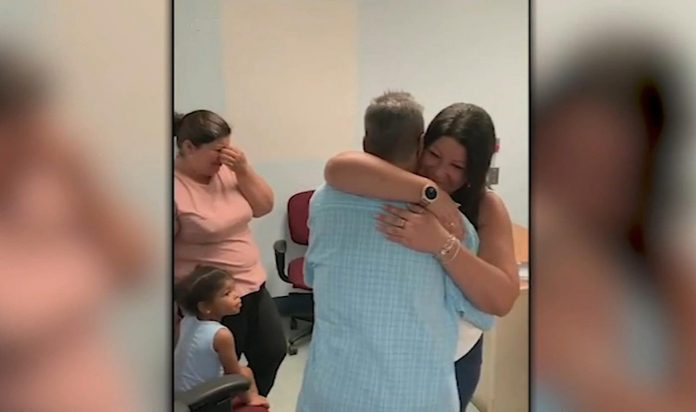
‘I’m in heaven’: Homeless Man Reunited With Family After 24 Years of Separation, Thanks to Transit Police

It had been 24 years since this homeless man had seen his two daughters—but thanks to some compassionate police officers, he was finally reunited with his family last week.

61-year-old José Lopez lost contact with his family after he moved to Miami, Florida and suffered a series of strokes which left him homeless.

Earlier this month, he spent all of the money in his social security account so he could finally travel to New Jersey to try and find his family.

Upon arriving at Secaucus Junction, however, Lopez’s mental health issues left him unable to recall very much information about the whereabouts of his daughters; he only knew that their location involved Bradley Beach.

Thankfully, he was soon discovered by a crisis outreach staffer and brought to the NJ Transit Police Department for help.

RELATED: Frantic Trucker Miraculously Reunited With Cat Co-pilot After Posting Photo to Obscure Online Forum

After Lopez explained his predicament, NJ Transit Officer Sean Pfeifer took it upon himself to track down the man’s family.

Pfeifer called more than two dozen different phone numbers in the Bradley Beach area until, as fate would have it, he ended up leaving a voicemail on the answering machine of Lopez’s daughter. She later returned Pfeifer’s call and arranged for her and her sister to reunite with their long-lost father.

Pfeifer then paid for Lopez to get a shave, haircut, and new clothes before he was finally brought face-to-face with his family—and the reunion was definitely a happy one.


Not only did Lopez get to see his daughters again, he also got to meet the grandkids he never knew he had.

“I’m thinking I’m in heaven,” he later told reporters. “I got my two best girls [back].”

Lopez is now being cared for by his doting daughters until they can find him permanent housing close to their home. Additionally, police officers have helped to enroll him in a mental health program for extra support.

(WATCH the emotional interview below—OR for viewers outside the USA, click here to see the video on the CBS website)

Be Sure And Share This Sweet Story With Your Friends On Social Media…

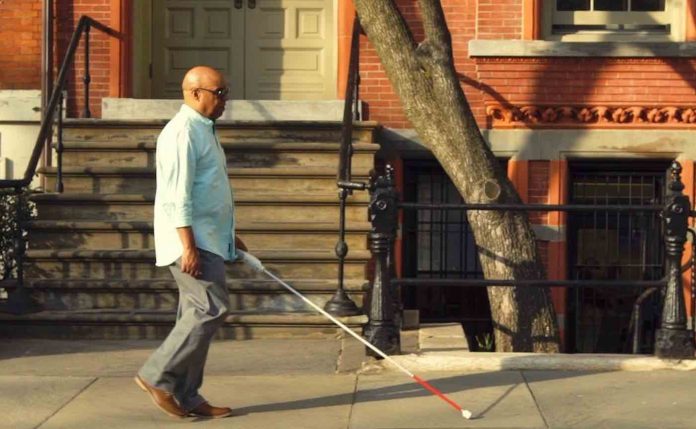
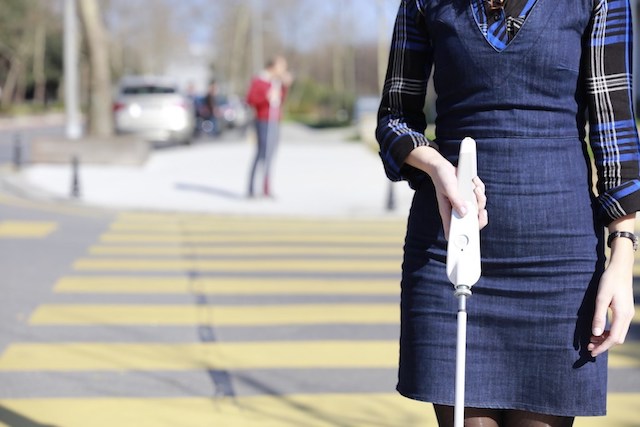
Blind Man Develops Smart Cane That Uses Google Maps and Sensors to Identify One’s Surroundings

Photo by WeWalk

This electronic walking stick is revolutionizing the way that blind people can navigate the world.

As a means of protecting people from low-hanging objects and obstacles above chest level, the WeWalk smart cane uses ultrasonic sensors to warn the user of nearby hindrances through vibrations in the handle.

The cane can be paired with a smartphone’s Bluetooth system for easy control. Since it is also integrated with Voice Assistant and Google Maps software, it can use built-in speakers to inform the user of nearby stores and infrastructural details that they may not be able to see.

WeWalk CEO and co-founder Kursat Ceylan, who is also blind, told CNN that he helped to develop the cane out of a desire to use modern technology as a tool for the visually impaired.

WATCH: Hundreds of People Are Being Cured of Blindness Every Day With Cheap, Minutes-Long Surgery

“In these days we are talking about flying cars, but these people have been using just a plain stick,” he told the news outlet.

“As a blind person, when I am at the Metro station I don’t know which is my exit … I don’t know which bus is approaching … [or] which stores are around me. That kind of information can be provided with the WeWalk.”

The WeWalk is currently being sold for $500 a pop. As the Turkish tech startup gains more traction, the developers hope to eventually pair it with ridesharing apps and transportation services to further improve its navigational abilities.

(WATCH the news coverage below)

Help Your Friends See This Good News By Sharing It To Social Media…

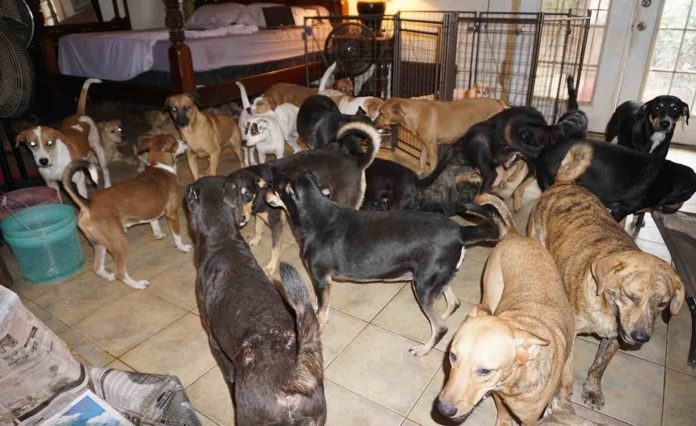
Woman Opens Her Home to 97 Rescue Dogs to Protect Them From Hurricane Dorian


With Hurricane Dorian wrecking havoc on the Bahamas, dozens of dogs have been given food, safety, and shelter thanks to one compassionate woman.

Chella Phillips has taken 97 homeless and abandoned dogs into her Nassau home since the storm hit the island this week.

According to a series of Facebook posts, Phillips says that 79 of these dogs are staying in the massive master bedroom of her home—but as long as the pups are kept safe from the elements, she doesn’t mind sharing her living quarters.

RELATED: Man Bought School Bus to Rescue Shelter Pets During Hurricanes, Saving 64 During Florence

“It has been insane since last night, pooping and peeing non-stop, but at least they are respecting my bed and nobody has dared to jump in,” wrote Phillips.

Though the island was subjected to flooding and Phillips has been working around the clock to keep the house dry, she says the dogs are safe.

Additionally, since Phillips launched a crowdfunding campaign to help finance her animal refuge, it has raised $73,000—which is more than three times her original goal.


This is not the first time that Phillips has shown compassion towards Bahamian canines. Over the course of the last 15 years, she has helped more than 1,000 homeless dogs on the islands and found homes for 200 dogs in the United States.

She now hopes that—as her story is shared across news outlets and social media—her posts will help get the rescued pups into loving forever homes.

LOOK: Cyclist Carries Injured Stray Dog to Safety On His Back, Then Bumps into a Stranger Who Instantly Adopts it

“Watching a movie with cuddles on the couch is impossible when there are so many chores to be done,” she wrote on the crowdfunding page. “Each and every one should get their personal time to savor the feeling of being cherished. They all want nothing more than to love, and be loved; to feel safe and secure, with their basic needs met.

“I need you all for financial support to continue helping this island’s homeless, [but] just as importantly, I need your help to find forever homes for my babies.”

Be Sure And Share The Pawesome Rescue Story With Your Friends On Social Media…