All News - Page 692 of 1724 - Good News Network
Home Blog Page 692

Woman Quits Successful City Career So She Can Live in the Woods With Over 100 Rescued Animals

Photo by Daria Pushkareva

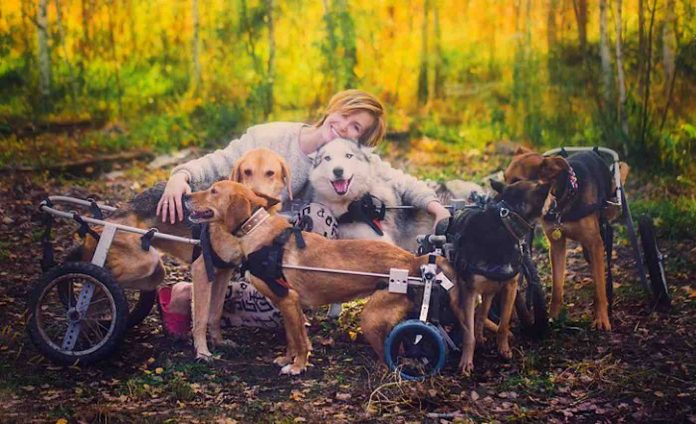
Daria Pushkareva was a successful photographer living in Russia’s capital city of Moscow when she decided to leave the bustling city life behind – which is why she now lives in the woods with over 100 rescued animals.

As a child growing up in Russia, Pushkareva had always dreamed of rescuing dogs and opening up her own dog shelter. Though she ended up leading a robust career as an elite wedding photographer in Moscow, she always felt a desire to leave everything behind in search of something more.

Pushkareva’s first rescue was a one-eyed, flea-covered puppy from the local animal control. She soon started taking in more rescued animals, especially those that had special needs.

LOOKIndia Gets Its First Ever Hospital for Abused Elephants – and They’ve Already Treated Dozens

Her rescue efforts kept snowballing until one day when Pushkareva finally decided to follow through on her dream and buy a country house in a forest 100 miles from Moscow.

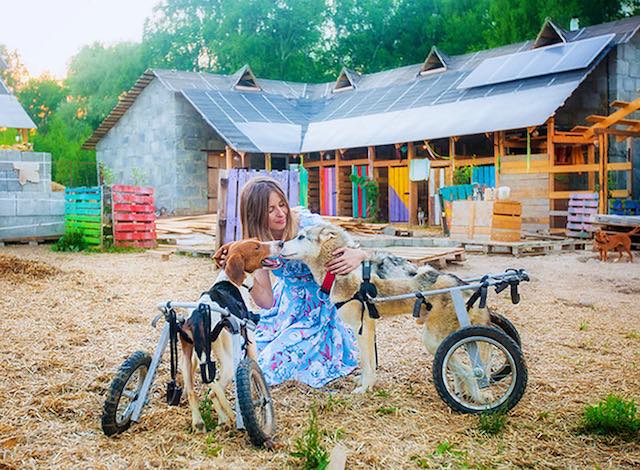
Pushkareva and her husband now use it to care for over 100 animals. In addition to rescuing dogs, she also saves animals from the fur farming industry, such as raccoons, raccoon dogs, foxes, and arctic foxes.

People from all over have contacted Pushkareva and asked her to take in rescued and unwanted dogs, many of which either have behavioral issues, special needs, or disabilities – but if they had not been taken in by the Russian couple, then they would most likely have been euthanized.

Photo by Daria Pushkareva

They now devote their entire lives to taking care of their rescued animals. They mostly spend their days making sure that all the dogs have been fed; giving the animals their medication; and keeping all of the living spaces clean and tidy. They have also built nighttime enclosures for all of the animals, but the furry residents apparently get to run around all they want during the day.

WATCH170 Foxes Are Rescued From Fur Farm and Given New Home at a Buddhist Monastery

Since the Russian couple mostly lives off of the grid, they use solar panels and a generator for electricity – and thanks to a little help from their friends, they also now have running water and indoor plumbing.

The animal rescuers says that even though taking care of 100 critters can be exhausting, Pushkareva now feels more fulfilled than ever – and she hopes that her work will help to show people that even disabled dogs can live long and happy lives.

Photo by Daria Pushkareva

Be Sure And Share This Pawesome Rescue Story With Your Friends On Social Media…

“Spirit has placed a dream in your heart for a better world… Speak your truth and inspire others, for you are meant to make a significant and sizable difference.” – Mary Manin Morrissey

By DenSmith, CC license

Quote of the Day: “Spirit has placed a dream in your heart for a better world… Speak your truth and inspire others, for you are meant to make a significant and sizable difference.” – Mary Manin Morrissey

Photo: by DenSmith, CC license via Flickr

With a new inspirational quote every day, atop the perfect photo—collected and archived on our Quotes page—why not bookmark GNN.org for a daily uplift?


Can ‘Depression’ Be Good For You? An Enlightened Look at the ‘Epidemic’

By bandita, CC license

By Dr. Neel Burton, Psychiatrist at Oxford University

Most people think of depression as a mental disorder, that is, a biological illness of the brain. Here I argue that the concept of depression as a mental disorder has been unhelpfully overextended to include all manner of human suffering, and, more controversially, that ‘depression’ can even be good for us—an idea that I first visited in my book The Meaning of Madness.

Many of the most creative and insightful people in society suffer or suffered from depression or a state that may have been diagnosed as depression. They include the politicians Winston Churchill and Abraham Lincoln; the poets Emily Dickinson, Sylvia Plath, and Rainer Maria Rilke; the thinkers William James, Isaac Newton, Friedrich Nietzsche, and Arthur Schopenhauer; and the writers Charles Dickens, William Faulkner, Graham Greene, Leo Tolstoy, and Tennessee Williams, among many others.

Let us begin by thinking very broadly about the concept of depression. In traditional societies human distress is more likely to be seen as an indicator of the need to address important life problems rather than as a mental disorder requiring professional treatment, and for this reason the diagnosis of depression is correspondingly less common.

In modern societies such as the UK and the USA, people talk about depression more readily and more easily. As a result, they are more likely to interpret their distress in terms of depression, and also more likely to seek out a diagnosis of the illness. At the same time, groups with vested interests such as pharmaceutical companies and mental health experts promote the notion of saccharine happiness as a natural, default state, and of human distress as a mental disorder.

The concept of depression as a mental disorder may be useful for the more severe and intractable cases treated by hospital psychiatrists, but probably not for the majority of cases, which, for the most part, are mild and short-lived and easily interpreted in terms of life circumstances, human nature, or the human condition.

RELATEDFDA Grants ‘Breakthrough’ Status to Psilocybin Mushroom Therapy for Untreatable Depression

Another (non-mutually exclusive) explanation for the important geographical variations in the prevalence of depression may lie in the nature of modern societies, which have become increasingly individualistic and divorced from traditional values. For many people living in our society, life can seem both suffocating and far removed, lonely even and especially among the multitudes, and not only meaningless but absurd. By encoding their distress in terms of a mental disorder, our society may be subtly implying that the problem lies not with itself but with them, fragile and failing individuals that they are. Of course, many people prefer to buy into this reductive, physicalist explanation than, presumably, to confront their existential angst. But thinking of unhappiness in terms of an illness or chemical imbalance can be counterproductive, as it can prevent us from identifying and addressing the important psychological or life problems that are at the root of our distress.

All this is not to say that the concept of depression as a mental disorder is bogus, but only that the diagnosis of depression has been over-extended to include far more than just depression the mental disorder. If, like the majority of medical conditions, depression could be defined and diagnosed according to its pathology—that is, according to its physical cause or effect, or an objective criterion such as a blood test or a brain scan—such a state of affairs could not have arisen. For this reason especially, the concept of depression as a mental disorder has been charged with being little more than a socially constructed dustbin for all manner of human suffering.

ALSOHow a Yoga Teacher is Saving First Responders Across America From Depression – With Downward Dog

Depression, in fact, may be conferring an important adaptive advantage for the human species.

What important adaptive advantage could the depressive position be conferring? Just as physical pain has evolved to signal injury and to prevent further injury, so the depressive position may have evolved to remove us from distressing, damaging, or futile situations. The time and space and solitude that the adoption of the depressive position affords prevents us from making rash decisions, enables us to see the bigger picture, and—in the context of being a social animal—to reassess our social relationships, think about those who are significant to us, and relate to them more meaningfully and with greater compassion. In other words, the depressive position may have evolved as a signal that something is seriously wrong and needs working through and changing or, at least, processing and understanding.

Sometimes we can become so immersed in the humdrum of our everyday lives that we no longer have time to think and feel about ourselves, and so lose sight of our bigger picture. The adoption of the depressive position can force us to cast off the Polyannish optimism and rose-tinted spectacles that shield us from reality, stand back at a distance, re-evaluate and prioritize our needs, and formulate a modest but realistic plan for fulfilling them.

Although the adoption of the depressive position can serve such a mundane purpose, it can also enable us to develop a more refined perspective and deeper understanding of ourselves, of our lives, and of life in general. From an existential standpoint, the adoption of the depressive position obliges us to become aware of our mortality and freedom, and challenges us to exercise the latter within the framework of the former. By meeting this difficult challenge, we are able to break out of the mold that has been imposed upon us, discover who we truly are, and, in so doing, begin to give deep meaning to our lives. To quote Marcel Proust, who himself suffered from depression, ‘Happiness is good for the body, but it is grief which develops the strengths of the mind.’

CHECK OUT: What It’s Like For a Woman With Depression to Build an Upbeat Multi-Million Dollar Company

You see, people in the depressive position are often stigmatized as ‘failures’ or ‘losers’. Of course, nothing could be further from the truth. If these people are in the depressive position, it is most probably because they have tried too hard or taken on too much—so hard and so much that they have made themselves ‘ill with depression’.

In other words, if these people are in the depressive position, it is because their world was simply not good enough for them. They wanted more, they wanted better, and they wanted different, not just for themselves, but for all those around them.

So if they are failures or losers, this is only because they set the bar far too high. They could have swept everything under the carpet and pretended, as many people do, that all is for the best in the best of possible worlds. But unlike many people, they had the honesty and the strength to admit that something was amiss, that something was not quite right. So rather than being failures or losers, they are just the opposite: they are ambitious, they are truthful, and they are courageous. And that is precisely why they got ‘ill’.

To make them believe that they are suffering from some chemical imbalance in the brain and that their recovery depends solely or even mostly on popping pills is to do them a great disfavor.

It denies them the precious opportunity not only to identify and address important life problems, but also to develop a deeper and more refined appreciation of themselves and the world around them—and therefore to deny them the opportunity to fulfill their highest potential as human beings.
Dr. Neel Burton is author of Growing from Depression, The Meaning of Madness, and other books. Excerpts reprinted with permission, original article can be read in full at Psychology Today.

(Featured photo by bandita, CC license)

SHARE the Empowering Essay with Friends on Social Media… 

eBay Seller Touches a Mother’s Heart After Learning Their Family Lost Everything in the Wildfires

A beautiful stranger reached out and touched the life of Aimee Child Gray who had recently lost her entire home in a deadly California wildfire.

Aimee’s daughter was just about to turn 2 when the firestorm hit two months before Christmas. Shortly after the fire, Aimee was searching on eBay hoping to replace the mini muffin baking set she’d bought before the fire—a special Christmas gift she found at the local consignment sale for her daughter’s Christmas.

“I was so excited to find a replacement for the one we lost and in the comment box to the seller I wrote her a little note telling her how much it meant to me to have a replacement after everything we lost. Upon receiving the mini cupcake baking set from her, I opened up the shipping box and was shocked.”

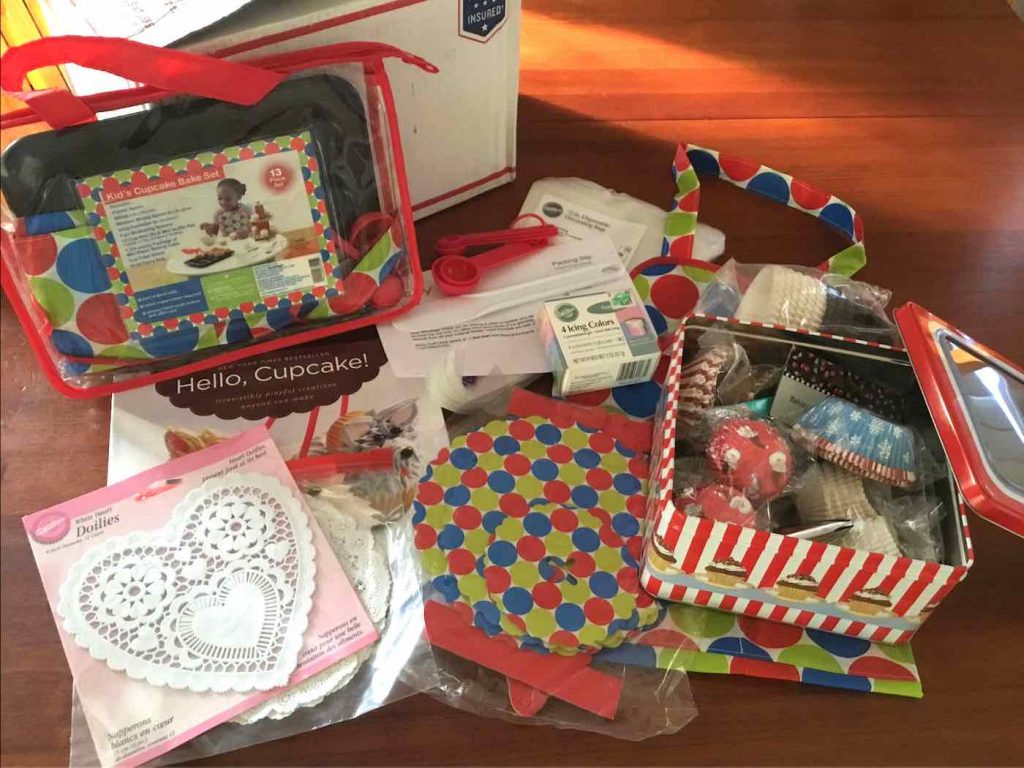
“It was filled with tons of other stuff: piping bags, sprinkles, numerous cute muffin tin liners, a book with different cupcake recipes and ways to decorate them—AND a crisp $100 bill.”

MOREVolleyball Team Devastated by Fire Shows Up Without Equipment, But Opponents Have New Uniforms, Supplies and Gift Cards Waiting

“After all that, she sent the sweetest, heartfelt letter telling us how sorry she was to hear about the fires in California and she hoped that her package would bring us joy.”

In the upper left is the kids’ cupcake baking set she was looking to replace

Last week, Aimee’s family was finally getting ready to move into a new house after the fire. It still puts a smile on her face to remember what that ‘sweet and thoughtful lady’ did.

“I still get teary-eyed when I think about her generosity and thoughtfulness,” Aimee told GNN. “So many wonderful things happened to us after the fire with pure strangers showing how much they cared and what compassion truly means.”

SPREAD the LOVE on Social Media…
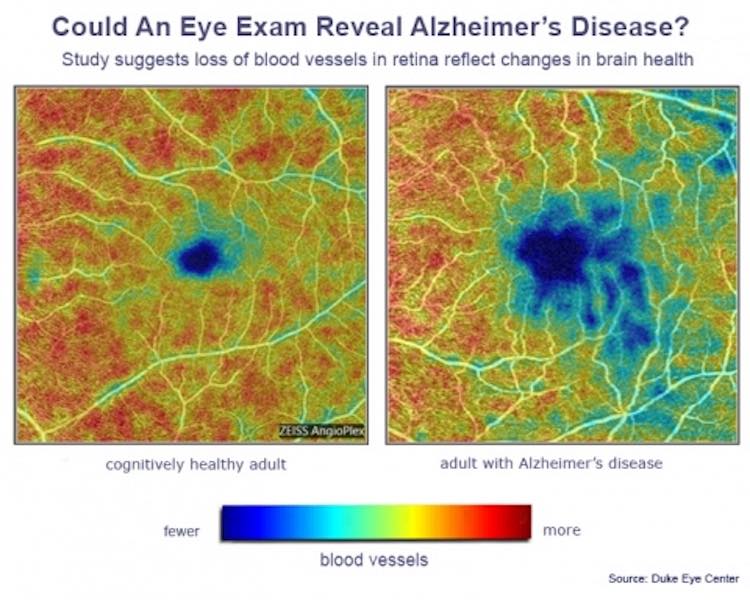
Routine Eye Test Can Detect Earliest Stages of Alzheimer’s in Seconds, According to New Research

A routine eye test can detect the earliest stages of Alzheimer’s disease in seconds, according to new research.

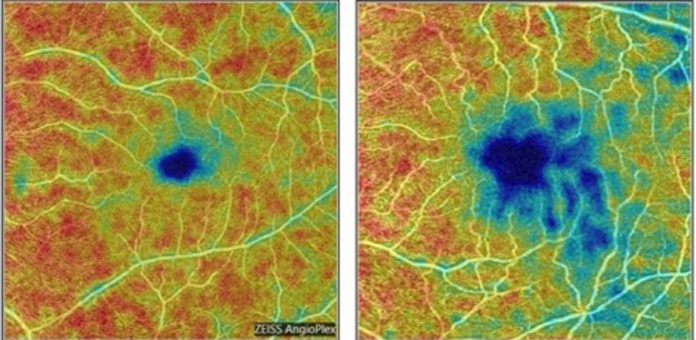
The non-invasive scan looks for changes in blood vessels in the retina. Tiny alterations in this small piece of tissue mirror those going on in the brain and are the first signs of dementia, say scientists.

The technique, which is called OCTA (optical coherence tomography angiography), could revolutionize treatment of the devastating neurological disorder because it enables early diagnosis. Physicians can now see blood vessels in the back of the eye that are smaller than the width of a human hair.

Senior author Professor Sharon Fekrat, an ophthalmologist at the Duke Eye Center in Durham, North Carolina, said: “If we can detect these blood vessel changes in the retina before any changes in cognition, that would be a game-changer.”

RELATED‘Eye-opening’ Dementia Breakthrough Announced Today by USC Researchers

The study published in Ophthalmology Retina compared the retinas of Alzheimer’s patients, people with mild cognitive impairment (MCI) and healthy controls.

The Alzheimer’s group had loss of small retinal blood vessels at the back of the eye. A specific layer of the retina was also thinner. Even those with MCI did not show this.

The differences in density were “statistically significant” after the researchers took into account other factors such as age and sex.

LOOKMan Comes Up With Ingenious Way to Keep Dementia Patients Hydrated After His Grandma’s Close Call

It demonstrates how the imaging device can even distinguish between Alzheimer’s and the MCI-related preliminary forgetfulness which often leads to dementia.

The findings were based on more than 350 participants including 39 with Alzheimer’s, 72 with MCI and 254 who were cognitively healthy.

It bolsters the importance of other recent research on the eye’s connection with Alzheimer’s. It is the largest analysis of its kind to date and it adds to a growing body of evidence that OCTA is a potentially vital tool for figuring out this disease.

CHECK OUT: How Flickering Lights or Electrical Stimulation Might Banish Alzheimer’s and Parkinson’s

Because the retina is an extension of the brain which shares many of the same similarities, the tissue suggests that deterioration in one mirrors the other.

They are connected by way of the optic nerve, which Fekrat and colleagues say offers “a window into the disease process.”

The test could mean that patients may want to be given drugs decades before symptoms develop when treatments are most likely to work. Lifestyle changes, such as eating the right foods and exercising more, may also slow or even halt the condition in those identified at risk.

MOREAlzheimer’s Gene is Neutralized in Human Brain Cells for the First Time

Current dementia medications only treat the symptoms – not the cause – meaning there is still no cure. This has led to an increasing focus on prevention.

One of the main reasons new drugs have been ineffective so far may be the fact that they are usually administered late in the disease’s development when it has already become too advanced. Early diagnosis will make possible clinical trials to administer various treatments sooner in the disease process, which may lead to better results.

RELATEDIn ‘World First’ Blind People Have Their Vision Restored Thanks to Stem Cells From Deceased Organ Donors

Fekrat and colleagues said diagnosing Alzheimer’s is a challenge. Some techniques can detect signs of it, but they are impractical for screening millions of people.

Brain scans are expensive and spinal taps which use needles to collect cerebrospinal fluid from the spine have risks.

Instead, the disease is often diagnosed through memory tests or observing behavioral changes, by which time it’s already too advanced.

Fekrat and lead author Professor Dilraj Grewal, who are based in the same lab, expect their work will one day have a positive impact on patients’ lives.

CHECK OUT: Two Patients Make History After Essentially Being Cured of HIV Using Stem Cell Transplant

“Early diagnosis of Alzheimer’s disease is a huge unmet need,” said Fekrat. “It’s not possible for current techniques like a brain scan or lumbar puncture to screen the number of patients with this disease.

“It’s possible these changes in blood vessel density in the retina may mirror what’s going on in the tiny blood vessels in the brain. Our work is not done.

MOREBoy is Cured of Aggressive Cancer Thanks to Stem Cell Treatment Using Donated Umbilical Cord

Her results follow a host of recent studies using OCTA that have linked eye changes to Alzheimer’s.

The cells of the retina convert light signals coming into the eye into neural signals the brain can interpret.

An earlier study of 32,000 people by University College London using a similar technique found those with thinner retinas were more likely to have problems with memory and reasoning.

SHARE the Amazing Discovery With Friends Social Media…

Watch the Sweet Moment When a Police Officer Soothes Frightened Student With Muppet Song

A school security guard is being praised for sharing a heartwarming moment of kindness and patience with a frightened middle school student last week.

Meaghan King, who is a special needs teacher in Santa Rosa, California, said that the student had been standing in the school hallway because she was afraid of going outside.

“She was just having hard time transitioning from the hallway to outside,” Meaghan King told ABC News. “Transitions are tough.”

As the student was anxiously clutching a Kermit the Frog toy, school resource officer Chris Morrison walking up and offered the youngster some comfort.

RELATEDOfficer Becomes Hero to Neighborhood Kids After Sitting Down to Play With Girls Who ‘Were Afraid of Cops’

Inspired by the girl’s Muppet toy, Morrison gently started singing “Rainbow Connection” (The lovers, the dreamers, and me) to soothe her nerves – and it worked.

Morrison has worked with kids in the past. Prior to joining the Santa Rosa Police Department 18 years ago, she served as a teacher for at-risk students in Los Angeles for 12 years. Ms. King’s video of the sweet moment is just another testament to Morrison’s compassionate disposition.

“[Morrison] goes out of her way, goes above and beyond, especially in situations like this where a child just needs a little extra help,” Santa Rosa Police Sgt. Jeneane Kucker told ABC News. “It’s typical of her with her personality. She’s just a very caring officer, person in general to go out of her way to assist a teacher with this child.”

(WATCH the video below) – Photo by Meaghan King

Comfort Your Friends By Sharing the Compassion with Friends On Social Media…
“If you’re Irish, it doesn’t matter where you go – you’ll find family.” – Victoria Smurfit

Quote of the Day: “If you’re Irish, it doesn’t matter where you go – you’ll find family.” – Victoria Smurfit

Photo: by Jeff Hart, CC license via Flickr

With a new inspirational quote every day, atop the perfect photo—collected and archived on our Quotes page—why not bookmark GNN.org for a daily uplift?


In What May Be its Largest Ever Gift to Charity, Businessman in India Donates $7.5 Billion

A 73-year-old billionaire may have just made the single largest donation to charity in Indian history.

Azim Premji is the chairman of Wipro Ltd., the fourth-largest IT service company in the country. Though the company started by his father in 1945 had humble beginnings as a small vegetable oil manufacturer, Wipro is now worth billions.

Premji himself is ranked as the second-richest man in India, according to Bloomberg, but he has created more of a name for himself through his giving—an astonishing philanthropic legacy.

Earlier this week, Premji announced that he would be giving $7.5 billion to the Azim Premji Foundation. Since launching the education-focused charity in 2001, this contribution brings Premji’s total donation amount to a whopping $21 billion.

RELATEDAerosmith’s Steven Tyler Donates $500K to Open Up Another Home for Abused and Traumatized Girls

His donations are particularly noteworthy due to recent reports that India’s wealthiest citizens (anyone with a net worth over $55 million) are donating less money to charity than they did five years ago.

Premji, on the other hand, was responsible for 80% of the nation’s “large” private donations (donations of $1.4 million or more) in 2018, according to CNN.

Furthermore, he was the first Indian citizen to sign The Giving Pledge, a campaign which was launched by Bill and Melinda Gates and Warren Buffet in order to encourage the world’s richest people to donate at least half of their wealth to charity.

MORESwiss Businessman is Contributing $1 Billion Towards Protecting 30% of the Planet

The Premji Foundation says that they plan on using their founder’s latest donation to launch a new university in northern India and more than triple certain branches of their education workforce.

Pay The Positivity Forward By Sharing The Good News To Social MediaPhoto by World Economic Forum, CC

How and Why to Start a Compost Pile at Home – The Benefits of ‘Black Gold’

If you have gardens around your house, it’s time to become aware of free resources you have been throwing away and opt to start composting as a way to increase your sustainability—and the health of your plants.

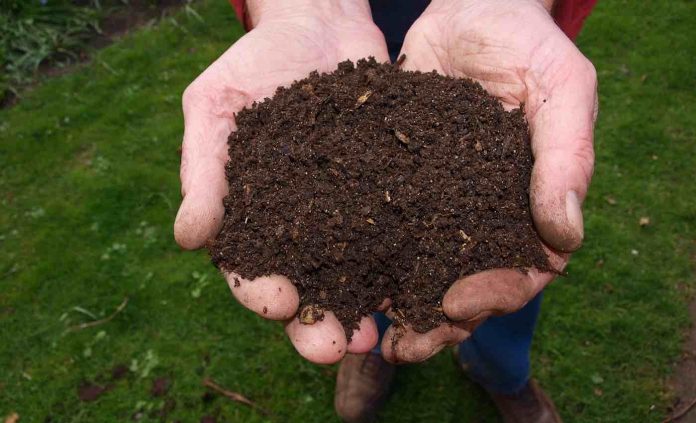
Creating your own compost reduces waste that goes into local landfills—and the result is “black gold”. Spreading it on your gardens will foster a better environment for plants while improving the long term health of the soil environment.

Naturally occurring biological processes driven by bacteria and fungi break down unwanted kitchen and yard waste, turning it into an organic material that is rich in nutrients and helpful soil bacteria that bolsters healthy roots.

Home composting can seem like a daunting task initially, but with a few steps outlined here it’s easy to begin a lifelong environmentally—beneficial habit.

LOOKCheap ‘Plant Pods’ That Can Grow More Lettuce in a Room Than Half-Acre Plot May End Hunger

To begin composting it’s important to understand the fundamentals, and why materials need to be balanced in a proper ratio for the magical decomposition to occur.

In the simplest terms, most kitchen and yard/garden waste is classified as being either ‘brown’, which is carbon-based, or ‘green’, nitrogen-based. The ’black gold’ results when the two types of materials are mixed in the proper balance. A simple rule of thumb is to make sure the compost pile has approximately 2/3 “brown” materials—like dead leaves and sticks— and 1/3 “green” materials—like rotting vegetables, banana peels, and coffee grounds.

Carbon-based materials give compost its light, fluffy body and typically consists of items that are more wood-based, or fibrous. Fireplace ashes, sawdust, or pine needles are also considered “brown” and provide food for the bacteria and microorganisms.

Nitrogen or protein-rich material (manures, food scraps, green leaves) provides the raw materials (amino acids and proteins) needed for the enzymatic reactions that are occurring. These items are considered “green” materials.

Buy an attractive compost bucket with a handle for your kitchen, to collect the egg shells, vegetable waste and coffee grounds—it makes the whole process more fun.

Now on to building a pile… The simplest way to compost is to create a pile or heap in the yard, tending to it as necessary. Situate it in a dry, shady spot, if possible.

Start by clearing a space in the yard or garden, removing grass and other plants to expose the bare soil. This allows earthworms and microorganisms to come up out of the soil into the pile, encouraging a speedier decomposition process. One method is to dig a big hole there. You can use the dirt exhumed for covering the pile, which keeps the bees or other critters away.

Another method is to build up a layer of straw or twigs as a base. A few inches of materials helps aerate the pile and provide good drainage.

Once you’ve created a base or hole, add your layers of waste, alternating between brown and green materials. Incorporate a nitrogen source such as manure or fresh grass clippings to activate the decomposition process, especially if you don’t have many worms. Some gardeners will even add a small amount of nitrogen fertilizer to jumpstart the composting.

RELATEDDon’t Rake Those Leaves – They’re Good for Your Yard, and the Planet

Turning the compost pile every few weeks with a shovel or pitchfork will speed the breakdown of materials by providing oxygen and fresh “food” to the bacteria breaking down the waste under the surface.

As a natural process, decomposition has the ability to fluctuate its speed based upon the conditions and materials in a compost pile. To facilitate quicker breakdown, heed the following tips and tricks.

  • It’s best to cut up larger produce (like a potato or grapefruit) before adding them because smaller pieces will break down quicker.
  • Keep the pile moist without letting it get soggy. In areas of high rainfall cover the top of the pile with plastic sheeting or plywood. It is recommended the moisture of the materials within the pile be akin to a slightly dampened sponge.
  • Add nitrogen fertilizer if the amount of brown materials is too high, keeping the carbon to nitrogen ratio at approximately ⅔ carbon and ⅓ nitrogen.
  • When you add food waste from your kitchen, cover it with leaves, straw, dirt, or grass clippings, to keep rodents and bees away.
  • Don’t add diseased plants or weeds! Dispose of them in a refuse bin to avoid contaminating the pile.
  • Avoid adding brambles, large branches, pet waste or used litter, meat or bones, dairy products, fats or oils, pressure treated wood, and black walnut leaves or twigs.

LOOKIKEA Releases Free Design For Garden Sphere That Feeds a Neighborhood

Soon, all this organic material will begin to look like really dark soil with a deep, earthy smell. The pile will always shrink down in size, as the composting progresses, and none of the food scraps or sticks will be recognizable.

Finally, it’s time to start incorporating the compost into the garden and reaping all the benefits!

Matt Hagens writes at yardcare.life about all things yard care and gardening. His website offers buying guides, product reviews and informative articles. He lives in Pennsylvania with his wife and 3 girls.

You Might Also Like…

Man Creates Gardens For Unwanted Bees, Grows Free Food in 30 Abandoned Lots

Blind 6-Year-old ‘Prodigy’ Who Taught Himself to Play Piano Has Become an Internet Star

Stevie Wonder may be reminiscing about his own childhood if he’s watching this completely adorable 6-year-old boy.

Avett Ray Maness is a self-taught piano player who has been tickling the ivories since he was just 11 months old.

The youngster from Dayton, Ohio has become somewhat of an internet celebrity after his mom started uploading videos of his piano performances to YouTube. What’s even more impressive than his self-directed learning is the fact that he learned to play while blind.

Born with optic nerve fibroplasia, Avett Ray is completely blind in one eye and has a little vision in the other. Significantly visually impaired, he walks with a cane and reads braille. Lack of plain sight has not deterred him, though, from finding his way among 88 keys.

RELATED16-Year-old Protester Nominated for Nobel Peace Prize Ahead of Her Biggest Global Youth-Led Rally Yet

In addition to accumulating thousands of YouTube subscribers, Avett Ray has also performed on stage for hundreds of people. As of late, the youngster has enjoyed playing songs—and singing—songs by his two favorite bands: Queen and The Turtles.

His mother, Sara Moore, says that she hopes her son’s talent will help to raise awareness for, and encourage people to improve, accessibility and resources for the visually impaired.

“Music is in his body,” Moore told CBS News. “He’s really practicing on performing now. Since his talent is so amazing, people are asking him to perform.”

(WATCH the video below or our international viewers can watch the clip at the CBS News website) – Photo by Avett Ray Maness

Help Your Friends See This Sweet Story By Sharing It To Social Media…

“Wildflowers aren’t meant to be cut and tamed–they’re meant to be loved & admired.” (Just like children) – Anthony T. Hincks

Quote of the Day: “Wildflowers aren’t meant to be cut and tamed–they’re meant to be loved & admired.” (Just like children) – Anthony T. Hincks

Photo: by Rita M., CC license via Flickr

With a new inspirational quote every day, atop the perfect photo—collected and archived on our Quotes page—why not bookmark GNN.org for a daily uplift?


IKEA is Offering Free 3D-Printable Furniture Attachments for People With Special Needs

IKEA furniture may be as tricky to assemble, but normal use of their kitchen cabinets and lamps may also be a challenge to homeowners with disabilities—that’s why the company is now offering open-access updates to their furniture.

IKEA Israel recently published a series of free blueprints for furniture extensions that can be downloaded from the internet—aptly named ThisAbles.

Some of the add-ons include a contraption that makes smaller buttons easier to press; an attachable handle that makes cabinet doors easier to open; and door blockers that can prevent wheelchairs from damaging the exterior.

Once the blueprints are downloaded, people with disabilities can then 3D-print the devices and easily attach them to their furniture.

LOOKSmart Caption Glasses Allow Deaf Audience Members to Watch Live Theater Performers Directly

The 13 different blueprints, which have been dubbed the “ThisAbles” series, were designed in partnership with the Access Israel and Milbat charities for people with disabilities.

“It was important for us to create maximum access in every aspect of the project – from the designated site that we constructed for the project, that was adapted for people with disabilities, to the products themselves, some of which can even be printed independently in a 3D printer based on models that we have made available to the general public,” says the website.

There are currently demonstration videos available on the IKEA Israel YouTube channel.

ThisAbles is also accepting suggestions for additional furniture add-ons that can be designed in the future.

(WATCH one of the demonstration videos below) – Photo by ThisAbles

Share The Good News TIPS With Your Friends On Social Media…

Anonymous ‘Robin Hood’ Has Been Leaving Envelopes of Cash in Village Mailboxes Since Last Week

The people of a small Spanish village have been bamboozled over a series of unexplained gifts that were anonymously slipped into the mailboxes of random households.

A mysterious do-gooder has been nicknamed the “Robin Hood of Villarramiel” after leaving envelopes containing €100 ($132) at 15 different households over the course of the last week.

The recipients of the cash were so surprised by the random gifts, Mayor Nuria Simon told AFP that some of them brought the cash to the police in order to make sure that it was real.

“We’re all bewildered and expectant as we don’t know where this money comes from or who the benefactor is,” said Simon.

RELATEDAnonymous Group of Adults Secretly Watches Over Struggling Youth of Their Town

Additionally, she says that there has been no correlation between the recipients, only some of whom have included “a widow living with her son, couples with small children, elderly couples, middle-aged couples without kids,” etc.

The village of Villarramiel, which is located in northern Spain, only has about 800 residents – but no one can figure out the identity of the gift-giver.

Though the benefactor’s identity may forever remain a mystery, the villagers have expressed their gratitude for the Robin Hood’s unexplained compassion.

Pay The Positivity Forward By Sharing The Good News With Your Friends – File photo by Marco Verch, CC

Irish Postal Service Launches Program to Give Thousands of Homeless People Fixed Addresses

This Irish postal service is launching an ingenious nationwide program that will give thousands of homeless people a new foothold towards getting off of the streets.

Earlier this week, An Post announced that they will be rolling out their new “Address Point” service which will allow homeless people to use their local post office as a fixed address.

Fixed addresses prove to be a major roadblock for homeless people seeking to open a bank account; arrange medical appointments; apply for jobs; or correspond with school services.

RELATEDConstruction Begins on New School Designed For (And By) Homeless Children

Recent reports say that there are now almost 10,000 Irish civilians who are homeless and lacking registered addresses.

Thankfully, An Post will now be working with various homeless charities and organizations to coordinate the new service so that it will launch sometime within the next few weeks.

“This will provide a service for people who are in temporary accommodation who need a secure mailing address to receive post such as school correspondence, medical appointments or to apply for a job,” a postal representative told The Independent. “We will be working with a number of service providers and and homeless charities on a nationwide basis.”

Be Sure And Share The Good News With Your Friends On Social MediaFile photo by William Murphy, CC

Humble College Professor is Putting All of His Nobel Prize Money Towards His Students’ Education

Rather than keeping the massive sum of money that was awarded to him as a Nobel laureate, this college educator has decided to pay it all forward to his students.

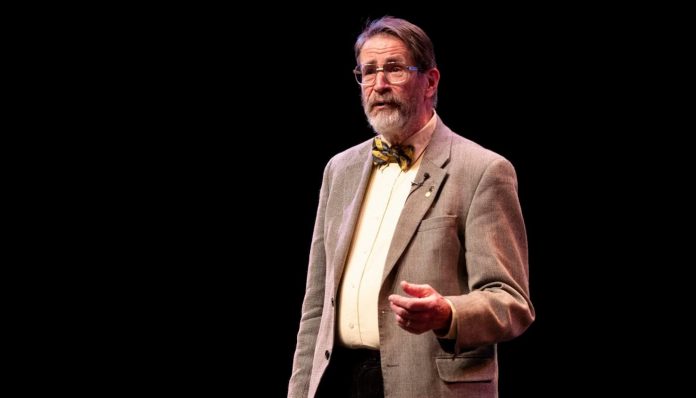
George Smith, an emeritus professor of biology at the University of Missouri (MU), was awarded the 2018 Nobel Prize for Chemistry in December.

The award came with a $250,000 prize, which Smith is now using to launch the Missouri Nobel Scholarship Fund for students attending the state’s College of Arts and Sciences.

“This might surprise some people, but my first degree was actually a bachelor of arts, not a bachelor of science,” Smith said at a recent community event. “My liberal arts education was the springboard for a lifetime of learning and cultural engagement. [My wife] and I hope that supporting the liberal arts as a whole will enrich the lives of future MU students, whatever careers they choose.”

WATCHArt Teacher Cheers Up Stressed-Out Students By Hosting ‘Bob Ross Flash Mob’ With Wigs and Paints

In a show of gratitude and solidarity with the 77-year-old professor, the university is donating an additional $300,000 to the scholarship fund.

MU Chancellor Alexander N. Cartwright also says that he will be launching a new university tradition in which the school will donate another $100,000 for every faculty member who wins a Nobel prize, with Smith being the first.

“Time and time again we have been overwhelmed by George’s incredibly humble attitude, and today we are amazed even further by his spirit of generosity,” Cartwright said in a statement. “Gifts such as these make it possible for more students to attend our university and have the experience of being taught by other world-class faculty.”

LOOKTeacher Inspires Class By Chopping Off Her Waist-Length Hair to Match Bullied Student’s Haircut

Smith was given the Nobel prize in recognition for his work in phage display, a process that allows researchers to easily screen and harvest molecules for attacking bacteria.

The method is now utilized in laboratories around the world, but Smith is humble about his work; according to The Kansas City Star, Smith was simply delighted to return from the Nobel ceremony in Sweden and find that the university had given him his own space on the campus bike rack.

Since Smith lives less than a mile from work, he reportedly bikes to work every day – and having his own “parking space” is apparently much more of a reward than a quarter of a million dollars.

(WATCH Smith’s heartwarming acceptance speech below) – Photo by Mizzou

Pay The Positivity Forward By Sharing The Good News With Your Friends On Social Media…

California is Finally Drought-Free After 7 Years and They’re Being Rewarded With a Butterfly Boom

California Superbloom from - Public Domain Bureau of Land Management via Wikipedia Commons

California has finally been declared drought-free after experiencing 7 years of alarmingly arid conditions – and it has resulted in a surge of butterflies and wildflowers.

According to recent reports from the U.S. National Drought Mitigation Center, California has been experiencing some form of drought since December 20th, 2011 – which is 376 consecutive weeks in total.

California conditions have been improving since 2017 when experts happily reported an abundance of rain and snowfall during the winter season.

RELATEDNASA Happily Reports the Earth is Greener, With More Trees Than 20 Years Ago–and It’s Thanks to China, India

The rain and snow reduced the amount of drought-affected state land from 97% in 2016 to just 57%. Around the same time, the U.S. Drought Monitor reported that America’s nationwide drought had finally come to an end after three years.

Now, only 7% of California is experiencing “abnormally dry” conditions – but experts reassure that these areas of southern California are expected to improve.

Thanks to the abundance of snow and rainfall across the rest of the state, reservoirs have been replenished; water levels have returned to normal; and mountains across northern California are snowcapped once more.

Furthermore, the rain has spurred a breathtaking wildflower super bloom in certain parts of the state. Super blooms generally only occur once every decade, but this is now the second super bloom that California has experienced in just a few short years (here is where you can find the best places to experience the bloom).

The super bloom has also resulted in a boom of the “painted lady” butterfly species.

MOREPark Rangers Delighted to Find Elephant Seals Reclaimed Beach During Government Shutdown

According to the Los Angeles Times, painted lady populations have been just one of the butterfly species that have experienced a decline in recent years – but thanks to the super bloom, painted ladies are migrating by the millions across southern California.

Experts say that it has been 14 years since they have recorded such massive numbers, with the previous record being an estimated 1 billion painted ladies migrating south in 2005.

“The more plants, the more butterflies,” Art Shapiro, an ecologist at UC Davis and state butterfly researcher, told the news outlet. “So any year you have a real big bloom in the desert is potentially a big year for painted ladies.”

Plant Some Positivity By Sharing The Good News To Social Media…
Lucky Dented Penny That Saved Soldier’s Life During WWI Comes to Light 100 Years Later

SWNS
SWNS

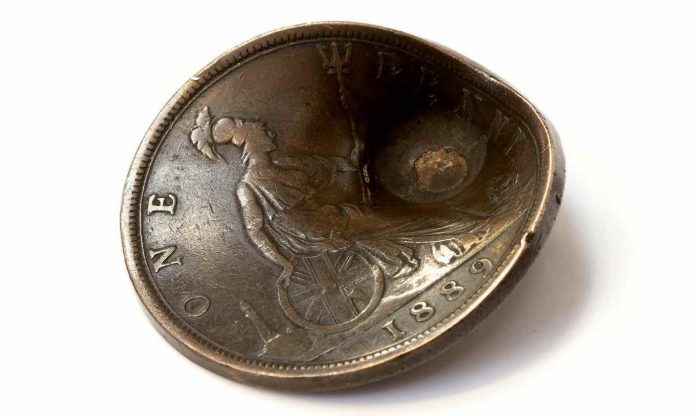
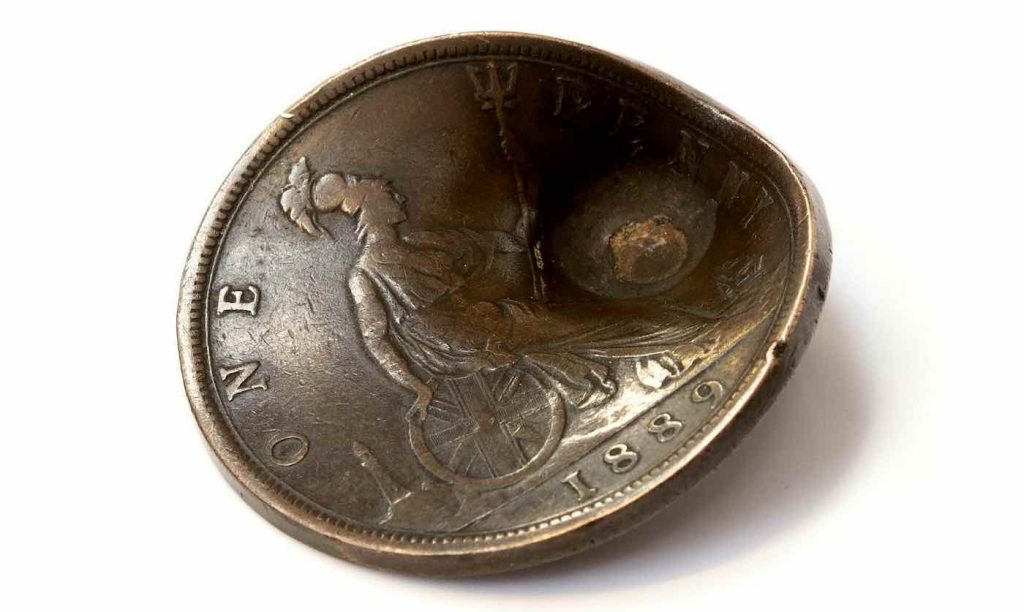
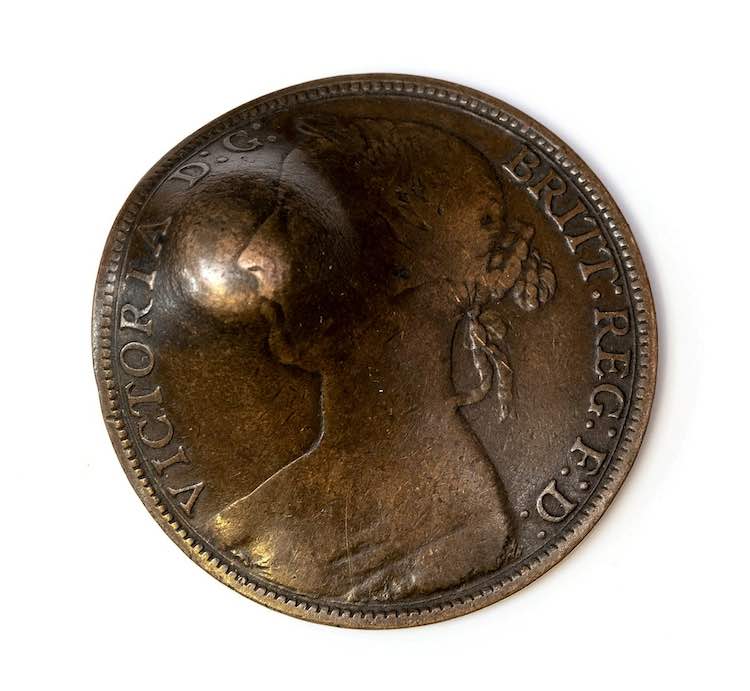
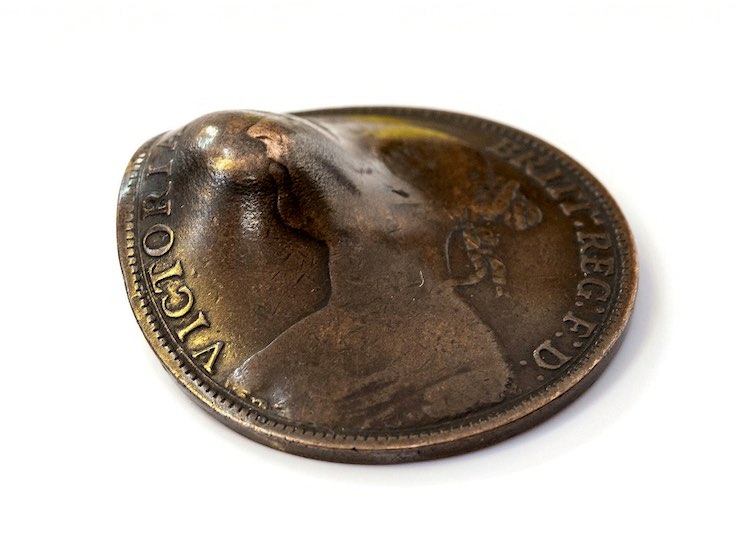
A dented penny which saved the life of a British soldier by deflecting an enemy bullet during World War I has come to light after 100 years.

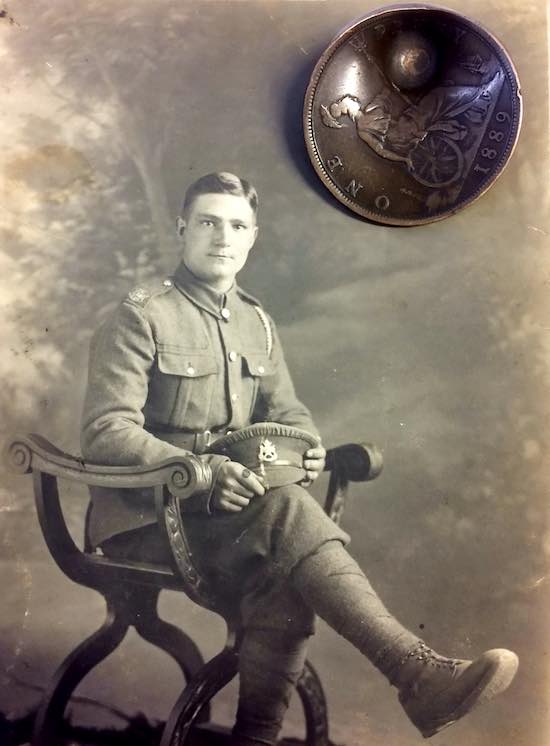
Private John Trickett kept the penny in the top breast pocket of his soldier’s uniform as a poignant reminder of home during the conflict – and it proved to be his lucky coin when it took the impact of a German bullet on a French battlefield in 1914.

An enemy soldier had aimed his weapon at Pt. Trickett’s heart, but the penny deflected the danger and ultimately saved his life.

It was kept by the serviceman as a reminder of how he stared death in the eye during the war, which claimed 10 million soldier’s lives including those of his two brothers.

LOOKGraffiti From British Soldiers on D-Day Found in France

The bent penny, which was minted in 1889 and passed down through his family for generations, is now set to be sold at auction.

Trickett’s granddaughter, 63-year-old Maureen Coulson from Duffield, Derbyshire, said: “Everyone in our family saw the penny and heard the story of how it saved my grandfather’s life.

“His two brothers, Horace and Billy, both died in the First World War. My grandad was the only survivor.

SWNS

“My grandad was born in 1899 and would have been around 19 years old when the incident happened,” she added. “He had to come home because of the injury. It damaged his left-hand side and left him deaf in his left ear. It also affected his balance.

“We think it’s likely he signed up to serve in the army when he was under age as he looked older than he was. Many soldiers were under age, they were so keen to serve their country.

CHECK OUT: When 8-Year-old ‘Queen’ Finds Authentic Ancient Sword in a Lake, Her Fans Rally to Forge Her a Replica

“He was a great big guy from a Lincolnshire farming background, but as soft as a brush. He worked with horses back home and couldn’t bear to see the way they were treated on the battlefield.

“When he returned to the UK, he married my gran, Clementine, and they had eight children. He had various jobs after the war, including working as a postmaster and as a switchboard operator at Barnburgh Colliery in South Yorkshire. I was only six when he died [in 1962, but] I remember him well.

SWNS

“It’s strange to think that, but for that penny, his children would not have been born and I wouldn’t be here.”

The penny is part of a collection of war-related ephemera belonging to Pt. Trickett which includes his British War Medal and Victory Medal.

MOREA Man Got the Nobel Prize for Her Discovery. 44 Years Later, She’s Awarded Breakthrough Physics Prize and $3Mil

The collection will be sold at Derbyshire’s Hansons Auctioneers on March 22nd for an estimated of £30 to £50.

Militaria expert Adrian Stevenson, who found the coin, said: “It looks to me like a pistol bullet hit the penny at close range.

“I’ve come across many stories of random objects saving soldiers’ lives but I’ve never seen anything like this before.

SWNS

“Soldiers used to keep objects in their breast pockets in an attempt to protect themselves from enemy fire and explosions. Shrapnel was the biggest killer in wartime.

“It’s likely John Trickett kept the penny there on purpose. When the bullet hit the coin, it ricocheted up through … his ear. It left him deaf and disabled, but still alive.

LOOKMan Saves Ancient Books From Dumpster Only to Look Inside Months Later and Find Amazing Inscription

“I’ve heard about random objects deflecting bullets to save lives before but, until now, I’d never had the opportunity to see and examine them myself.

“I hope a keen militaria collector will buy and treasure these items. The penny is a poignant reminder of the fine line between life and death, particularly in wartime.”

Be Sure And Share The Fascinating Story With Your Friends On Social Media…

“It was one of those March days… when it is summer in the sun and winter in the shade.” – Charles Dickens

Quote of the Day: “It was one of those March days… when it is summer in the sun and winter in the shade.” – Charles Dickens

Photo: by Candida.Performa, CC license via Flickr

With a new inspirational quote every day, atop the perfect photo—collected and archived on our Quotes page—why not bookmark GNN.org for a daily uplift?


Largest U.S. Public School System to Fight Climate Change With ‘Meatless Mondays’

The New York City public school system, which is the largest in the nation, announced earlier this week that they will be introducing “Meatless Mondays” to fight climate change and child obesity.

Starting in the 2019 school year, Mayor Bill de Blasio says that all New York City public schools will begin serving up free, healthy vegetarian breakfast and lunch menus every Monday.

Following a successful trial period in 15 Brooklyn schools last year, the weekly menu change will now be implemented in all 1,800 city schools.

“Cutting back on meat a little will improve New Yorkers’ health and reduce greenhouse gas emissions,” Mayor Bill de Blasio said in a statement. “We’re expanding Meatless Mondays to all public schools to keep our lunch and planet green for generations to come.”

RELATEDNASA Happily Reports the Earth is Greener, With More Trees Than 20 Years Ago–and It’s Thanks to China, India

This shift in options to a more plant-based menu is seen as a win-win situation, with School Chancellor Richard A. Carranza saying: “Meatless Mondays are good for our students, communities, and the environment. Our 1.1 million students are taking the next step towards healthier, more sustainable lives.”

The Meatless Mondays initiative is not the first step taken by the City to ensure access to healthy and sustainable food for their students, either. The initiative will be part of New York City’s “Free School Lunch for All” program, which launched in the 2017 as a means of providing free, nutritious, healthy breakfasts and lunches to all participating New York City schools.

In the 2017-2018 school year alone, more than 150 million breakfasts and lunches were served free of charge.

MORETwo US States Have Become the First to Require Mental Health Education in School

Until recently, discussion surrounding solving climate change has been centered around innovation in energy infrastructure and transportation. The realities of climate change, however, are more complex than that and have forced communities to rethink their diets as well.

“Meat and other livestock products we eat are responsible for nearly 15 percent of global climate change emissions,” said NRDC Senior Attorney Margaret Brown. “The good news is, even small changes in our diets can have a big impact.”

The positive impacts of Meatless Mondays also goes far beyond the planet; health concerns for today’s youth was reportedly a strong motivator for the city’s public school system adopting the program, as childhood obesity has often been mentioned as a growing issue among New York City legislators.

CHECK OUTEvery Single Public School Teacher Got What They Requested Online, Thanks to Cryptocurrency Company

Andrea Strong, the founder of the NYC Healthy School Food Alliance, does not sugar coat the health epidemic in the city. Obesity rates in kindergarten classes now affect about 1 in 5 children – but Meatless Mondays are being hailed as a progressive step forward in the fight against child obesity and climate change.

“It’s noteworthy to point out that if New York City public schools swapped out a beef burger for a plant-based protein once a month, the city would emit 375,000 pounds less of carbon dioxide into the atmosphere per year,” said Strong. “This promises to be just the beginning of a very significant shift in the way we feed our children.”

(WATCH the video below) – Photo by USDA, CC

Go Green By Sharing The Good News With Your Friends On Social Media…

New Research Says Your Alarm Clock Settings May Indicate as Much About You as Your Horoscope

The early bird may get the worm, but a new poll suggests that ‘larks’ have a lot more in common than that.

A look into the sleep habits of 2,000 Americans revealed some interesting differences between those who stay up late and those who rise early—from their personality traits to their hobbies, and even their beliefs.

The survey, which was conducted by OnePoll on behalf of Sleepopolis in advance of World Sleep Day on March 15th, questioned an equal number of participants who were self-described as either early birds and night owls.

The survey found that the morning larks, on average, are energetic and confident, enjoy cooking, and, surprisingly, arrive late for work more often than others!

In contrast to their morning counterparts, night owls were shown to be more shy and sarcastic. They were also found to be more likely to use Instagram and to believe in ghosts.

RELATEDWant to Stop Eating Junk Food? New Research Says You Should Get More Sleep

Further research showed that night owls are more likely to be single, whereas early birds believed in love at first sight, and were more likely to be married and have children living in the house. This may be because early birds were also more likely to have tried online dating.

Early birds were found to earn more money and be more likely to work in an office (albeit showing up late).

Additionally, early birds were 10% more likely to identify as “happy”, while night owls identified more strongly as “loyal”.

Those who consider themselves early birds were found to have more active hobbies. In contrast to being more likely to enjoy walking, hiking, playing sports, and exercising in a gym, hobbies for night owls, such as reading and sleeping, were more laid-back.

MOREPut These 5 Plants In Your Bedroom Window for a Better Night’s Sleep

There wasn’t a major difference in the amount of sleep people received – an average of six hours a night for night owls and seven hours for early birds – but the survey did find some interesting differences in how we sleep.

Early birds were more likely to be light sleepers and always feel well-rested in the morning. They were more likely to identify as clean and organized, and it shows—early birds were more likely to make their bed in the morning than night owls. They were also more likely to dream, and to always remember their dreams upon waking.

Night owls were more likely to have trouble falling asleep, and then perhaps unsurprisingly, were less likely to report high-quality sleep.

MORETrouble Waking Up? Camping Could Set Your Clock Straight

Early-risers were more likely to talk, snore and move around in their sleep, and were also more likely to prefer sleeping with music on or a window open.

On the other hand, night owls were more likely to prefer having a fan on, and enjoyed sleeping with a pet or a significant other in the bed with them.

11 Traits of Early Birds

  1. Sleep seven hours a night
  2. More likely to be married
  3. Average income: $42 thousand – $4,000 more than night owls
  4. More likely to work in an office and always be late for work
  5. More likely to use Facebook
  6. More likely to have high-quality sleep
  7. Describe themselves as clean, confident, energetic, friendly, happy, organized and sociable
  8. Hobbies include cooking, walking/hiking, playing sports and exercising at the gym
  9. More likely to believe in love at first sight and have tried online dating
  10. More likely to talk, snore and move around in their sleep
  11. Wake up at 6:15 a.m.

11 Traits of Night Owls

  1. Sleep six hours a night
  2. Have sex twice a week; more likely to be single
  3. Average income: $38 thousand – $4,000 less than early birds
  4. Less likely to work in an office
  5. More likely to use Instagram
  6. More likely to have trouble falling asleep
  7. Describe themselves as perfectionists, sarcastic and shy
  8. Hobbies include reading and sleeping
  9. More likely to believe in ghosts and cryptids (Bigfoot, Loch Ness Monster, etc.)
  10. More likely to prefer sleeping with pets on the bed
  11. Go to bed at 2:55 a.m.

Don’t Sleep On This Story: Compare The Research to Your Friends On Social Media…