











All News - Page 625 of 1733 - Good News Network
Home Blog Page 625

Migraine Sufferers Experience Relief From ‘Going Green’ With Light-Exposure Therapy

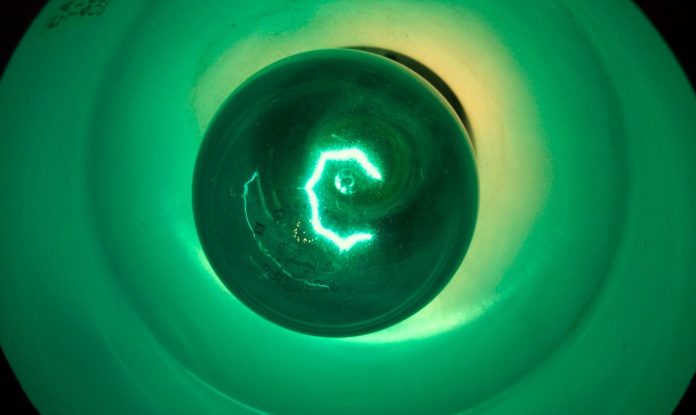
File photo by Victory of the People, CC license

“In my opinion, the most ideal drug or therapy is something that’s first safe, effective and affordable,” Dr. Mohab Ibrahim tells NPR. He works at a chronic pain clinic in Tucson’s University Medical Center helping people with migraines and other forms of chronic pain, and it would be hard to imagine anything safer and more affordable than a light bulb.

For 70 year-old Arizona resident Ann Jones, who regularly suffers from migraines—sometimes as many as two dozen per month—any treatment short of surgery was worth a shot.

Speaking to NPR, Jones revealed she had little to no hope for any relief after she enrolled in a study to test the results of daily exposure to green LED-light.

“This is going to be one more thing that doesn’t work,” she thought to herself.

At around 6 weeks of daily exposure to green light in a darkened room, however, Ann Jones began to see a significant reduction in symptoms. Dr. Ibrahim, the study’s principal investigator, claims that on average 60% of patient symptoms were relieved, bringing down migraine totals per month from as high as 20 to 6.

“I got to the point where I was having about four migraines a month, if that many, and I felt like I had just been cut free,” Jones told NPR.
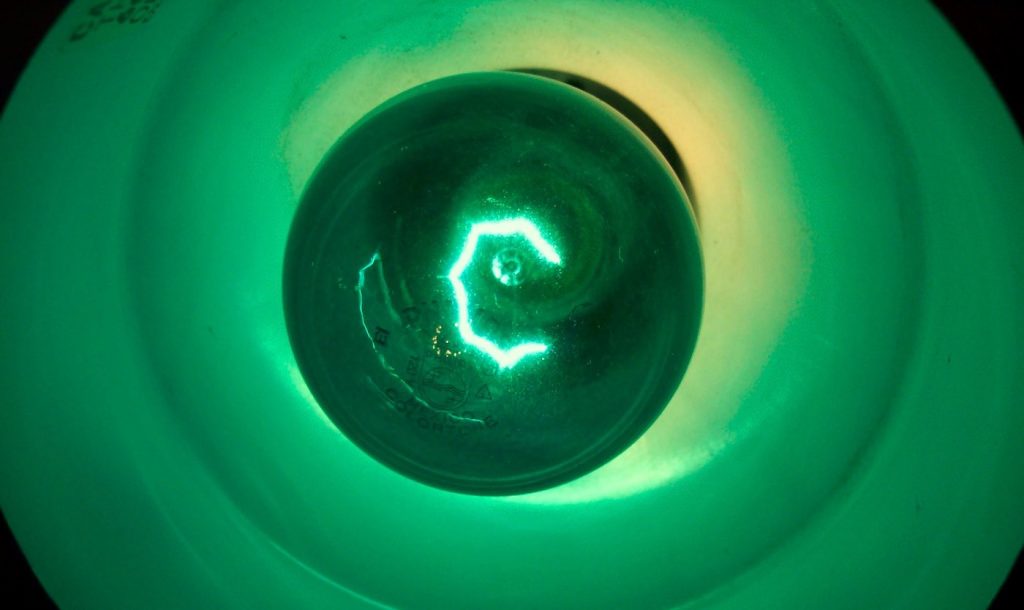
File photo by Victory of the People, CC license

Ibrahim, an anesthesiologist who tends to favor pharmacological methods of treating pain had his doubts, as well. “There was a healthy dose of skepticism,” he said. “It was kind of strange. Why are you using light to treat pain?”

However his thoughts were piqued, and in 2017, he helped design a study that appeared in the journal Pain, that demonstrated a reduction in pain after exposure to green light therapy in rats.

Disco Healing

There’s a lot of research piling up about how physicians can use lights, electric stimuli, and certain low-frequency noises to manipulate brain waves to affect physiological change such as easing depression and causing the clearance of Alzheimer’s–causing plaque in the brain.

RELATED: Another Study Shows How Flickering Lights Can Slow (And Maybe Even Reverse) Alzheimer’s Symptoms

Another study found that chronic back pain and even symptoms of depression were reduced in a randomized placebo-controlled trial that exposed participants to light at different frequencies.

While science across the world is facing a reproducibility crisis, Ibrahim was able to replicate his findings again and again. “We were able to reproduce it over and over and over again to the point where you just had to follow the story,” he says.

RELATED: Blue Light Reduces Blood Pressure, Just as Effectively as Medication – UK Study

Notably, Ibrahim has been experimenting with green light specifically, and found in his animal trials that both glass lenses and external light sources in the color green were found to reduce pain responses.

“We basically made the conclusion that whatever effect is happening is taking place through the visual system,” he says. “That’s why when we recruited patients, we told them you cannot fall asleep when you’re undergoing this therapy.”

Grass-Tinted Glasses

“It is very intriguing, but it still has a long way to go,” Dr. Andrew Hershey, co-director of the Headache Center at Cincinnati Children’s Hospital Medical Center, told NPR commenting on the research.

“Trying to do a classic placebo-controlled study to see if one light works or not is likely not doable in this area,” he says, since the patient knows the color of the light.

Neurologist Levin Morris said he would welcome the treatment if it proved effective in human trials. Migraine sufferers are “very sensitive to environmental stimuli,” and Levin told NPR that the idea of manipulating light to lessen headache severity is a plausible approach.

MORE: Suicide Rates at Japanese Train Stations Have Plummeted by 84% Thanks to Simple Solution—Blue Lights

But, environmental stimuli is difficult to account for in scientific research. For example, sitting in a semi-dark room staring at a green light could be isolating the patient from other forms of stimuli that bring on the migraine, such as sunlight or blue-light from computer screens.

One possible explanation could be that since research has shown being in nature—specifically theorized as being surrounded by different shapes of green—can reduce symptoms of stress and anxiety, the green lights simulate a more natural environment.

In a separate clinical trial, researchers at Duke University are experimenting with green light exposure therapy with a wearable treatment. The researchers have been giving their patients glasses with green lenses. Wearing glasses has much less of an impact on daily life than sitting in a dark room with an LED for an hour.

Because of the ease of application, Duane Lowe, a chiropractor with the Department of Veterans Affairs in Grand Junction Colorado, thought he would go ahead and try it. He works with patients in chronic pain and reasoned there was nothing to risk and a lot to possibly gain, as long as patients were told it was an experimental treatment.

“I just gave them to patients to try for a week,” he says. “After a very short period of time, patients were coming back giving very positive reviews.”

A lot more research needs to be done before anyone can make a claim this way or that, but based on documented efficacy, ease of use, and cost-per-application ratio, green light exposure therapy with either windowpane glass, house plants, wearable lenses, or LED lights could help reduce the number of headaches a patient gets per week.

SEND a Green Light to Your Friends With Pain on Social Media…

Scientists Discover Brain Circuit Linked to Food Impulsivity—And It Could Lead to New Treatments for Overeating

Wagner Cesar-Munhoz, CC license

You’re on a diet, but the aroma of popcorn in the movie theater lobby triggers a seemingly irresistible craving.

Within seconds, you’ve ordered a tub of the stuff and have eaten several handfuls.

Impulsivity has been linked not only to excessive food intake, binge eating, weight gain, and obesity, but several psychiatric disorders including addictions and excessive gambling.

A team of researchers that includes a faculty member at the University of Georgia has now identified a specific circuit in the brain that alters food impulsivity, creating the possibility scientists can someday develop therapeutics to address overeating.

“There’s underlying physiology in your brain that is regulating your capacity to say no to (impulsive eating),” said Emily Noble, an assistant professor in the UGA College of Family and Consumer Sciences who served as lead author on the paper. “In experimental models, you can activate that circuitry and get a specific behavioral response.”

LOOK: Role Model Dad Spurred to Lose 92 Pounds in 5 Months After One Hiking Trip With His Kids

Using a rat model, researchers focused on a subset of brain cells that produce a type of transmitter in the hypothalamus called melanin concentrating hormone (MCH), according to the team’s published paper earlier this month in the journal Nature Communications.

While previous research has shown that elevating MCH levels in the brain can increase food intake, this study is the first to show that MCH also plays a role in impulsive behavior, Noble said.

“We found that when we activate the cells in the brain that produce MCH, animals become more impulsive in their behavior around food,” Noble said.

RELATED: Training for Your First Marathon ‘Reverses’ Aging of Major Blood Vessels on Par With Medication

To test impulsivity, researchers trained rats to press a lever to receive a “delicious, high-fat, high-sugar” pellet, Noble said. However, the rat had to wait 20 seconds between lever presses. If the rat pressed the lever too soon, it had to wait an additional 20 seconds.

Researchers then used advanced techniques to activate a specific MCH neural pathway from the hypothalamus to the hippocampus, a part of the brain involved with learning and memory function.

Results indicated MCH doesn’t affect how much the animals liked the food or how hard they were willing to work for the food. Rather, the circuit acted on the animals’ inhibitory control, or their ability to stop themselves from trying to get the food.

CHECK OUT: 86-Year-old Has Lost 120 Pounds Simply By Walking Around Her One-Bedroom Apartment

“Activating this specific pathway of MCH neurons increased impulsive behavior without affecting normal eating for caloric need or motivation to consume delicious food,” Noble said. “Understanding that this circuit, which selectively affects food impulsivity, exists opens the door to the possibility that one day we might be able to develop therapeutics for overeating that help people stick to a diet without reducing normal appetite or making delicious foods less delicious.”

Reprinted from the University of Georgia, Athens

Be Sure And Share This Tasty Tidbit Of News With Your Friends On Social Media — File photo by Wagner Cesar Munhoz, CC

Shrinkwrap-Able New Material Can Repel All Bacteria–Even Antibiotic-Resistant Superbugs–From Common Surfaces

Photo by Georgia Kirkos / McMaster University

A team of researchers at McMaster University in Ontario, Canada, has developed a self-cleaning material that can repel all forms of bacteria, preventing the transfer of antibiotic-resistant superbugs and other dangerous bacteria on surfaces found in settings ranging from hospitals to kitchens.

A treated form of conventional transparent wrap—it can be shrink-wrapped onto door handles, railings, IV stands and other surfaces that can be magnets for bacteria such as MRSA and C. difficile.

The treated material is also ideal for food packaging, where it could stop the accidental transfer of bacteria such as E. coli, Salmonella and listeria from raw chicken, meat and other foods, as described in a paper published this week in the journal ACS Nano.

The research was led by engineers Leyla Soleymani and Tohid Didar, who collaborated with colleagues from McMaster’s Institute for Infectious Disease Research and the McMaster-based Canadian Centre for Electron Microscopy.

Inspired by the water-repellent lotus leaf, the new surface works through a combination of nano-scale surface engineering and chemistry. The surface is textured with microscopic wrinkles that exclude all external molecules. A drop of water or blood, for example, simply bounces away when it lands on the surface. The same is true for bacteria.

RELATED: Copper Hospital Beds Could Save Millions of Lives Since New Study Says They Harbor 95% Less Bacteria

“We’re structurally tuning that plastic,” says Soleymani, an engineering physicist. “This material gives us something that can be applied to all kinds of things.”

The surface is also treated chemically to further enhance its repellent properties, resulting in a barrier that is flexible, durable and inexpensive to reproduce.

“We can see this technology being used in all kinds of institutional and domestic settings,” Didar says. “As the world confronts the crisis of anti-microbial resistance, we hope it will become an important part of the anti-bacterial toolbox.”

ALSO: Not Only Does This New Clothing Charge Your Phone, It Can Protect You From Viruses and Bacteria

The researchers tested the material using two of the most troubling forms of antibiotic-resistant bacteria: MRSA and Pseudomonas, with the collaboration of Brown and his colleagues at McMaster’s Institute for Infectious Disease Research.

Their co-authors on the paper include Sara M. Imani, Roderick Maclachlan, Kenneth Rachwalski, Yuting Chan, Bryan Lee, Mark McInnes, Kathryn Grandfield and Eric D. Brown.

Grandfield helped the team verify the effectiveness of the surface by capturing electron microscope images showing that virtually no bacteria could transfer to the new surface.

The researchers are hoping to work with a commercial partner to develop commercial applications for the wrap.

Reprinted from McMaster University – Photo by Georgia Kirkos, released by the University

Share This Innovation With Your Friends On Social Media…

At Long Last, Smallest Native Californian Tribe Has Land To Call Their Own

California coastline/ Joseph Plotz, CC license

Although the history of Native American indigenous peoples have unquestionably been filled with hardship, the Esselen Tribe in California—maybe the smallest native tribe in the country—has perhaps struggled the most. But now, thanks to a historic deal, it has gotten its land back.

Forcibly converted to Christianity by Spanish missionaries, pulled into missions for tutoring, and exploited for forced labor, the number of remaining descendants from their tribe located in Big Sur is so small that in 2010, the Bureau of Indian Affairs denied their request to be recognized as a tribe and given tribal status.

Recently, however, California authorities managed to raise $37 million for 21 different cultural and city projects, including a $4.5 million grant to buy a large tract of ancestral Esselen land as part of the Esselen Tribal Lands Conservation Project.

The 1,199-acre ranch, once owned by a Swedish man named Alex Adler, runs along the Little Sur Coast near the Central California shore where the Santa Lucia Mountains rise above the Pacific Ocean.

CHECK OUT: Oil Company Surrenders 15 Land Leases on Sacred Native American Land

Tracts of old-growth oak and redwoods, grasslands, and chaparral cover the area where the Spanish missionaries first encountered the Esselen during their travels north through California. Thanks to the grant, the Esselen are no longer landless; the forests and fields where their ancestors lived are theirs once more to continue the traditions of the past.

“This is one of the first times a tribe has gotten its land back,” Tom Little Bear Nason told Monterey County Now. “We consider the place sacred and we intend to protect it. We will use it to preserve our traditions.”

Nason, who heads the Esselen Tribe of Monterey, a nonprofit set up in June to accept ownership of the ranch, also added that there will be no commercialization of the land and their culture, although they do plan to allow small tour groups to visit and learn from their settlement a few times a year.

Big Sur, California — Photo by Joseph Plotz, CC

“The possession of land has played a role in how other tribes have gained acknowledgement,” he continued, referencing the 2010 rejection by the Bureau of Indian Affairs. “It could bolster [the Esselen tribe’s] claims of political and social continuity”.

Nason also said the tribe plans on using the land to carry out rites of passage, birthing ceremonies, and funerals, while also transporting the remains of deceased relatives onto the land of their ancestors.

RELATED: One of the Largest Native American Tribes Has Just Voted to End Their 100-Year Dependency on Coal

The Esselen weren’t the only tribe to benefit from the grants offered by the California Natural Resources Agency. The largest tribal group in California, the Yurok Tribe, was awarded $2.7 million to acquire 2,584 acres in Humboldt County allowing it to continue to reclaim ownership of its ancestral territory.

One of the benefits of tribal land concessions is that properties like the Yurok parcel are managed in coordination with modern stewardship practices like sustainable forest management, habitat restoration, sediment reduction, fire and fuels reduction, and carbon sequestration efforts.

Pass On The Positive News By Sharing It With Your Friends On Social Media…

“The solution often turns out more beautiful than the puzzle.” – Richard Dawkins

Quote of the Day: “The solution often turns out more beautiful than the puzzle.” – Richard Dawkins

Photo: by Darla, CC license via Flickr, cropped and enhanced

With a new inspirational quote every day, atop the perfect photo—collected and archived on our Quotes page—why not bookmark GNN.org for a daily uplift?


Blind, Deaf Dog Inspires Man to Pair Dozens of Recovering Veterans With Hard-to-Adopt Shelter Pups


This veteran-run nonprofit has been pairing ex-service members suffering from isolation and PTSD with senior dogs rescued from overcrowded shelters where they could potentially be euthanized.

Because many veterans live alone without family or friends nearby, they can often become isolated and lonely from the lack of connection. As some veterans also suffer with post traumatic stress disorder, their social interactions can also become difficult.

That’s when the Vet Friends Foundation can step in with a helping hand. The organization delivers companionship to both the vets and the senior shelter dogs who need caring homes to live out the rest of their lives.

Joel Rockey, the Foundation’s founder, says that he came up with the idea for the organization after spending five years in the Navy in Iraq and Afghanistan. When Rockey returned home from his deployment, he wanted to focus on something he felt truly passionate about.

WATCH: Humble Man Walks Almost Entire Perimeter of Mexico Saving Hundreds of Sick and Injured Dogs

As fate would have it, he found his calling one day when he stumbled upon an old dog in a freezing snowstorm. He took the dog home and nursed it back to health even though the dog was blind, deaf, and badly injured.

Although the dog only lived for a few more months, Rocky made sure that those last days were filled with love and attention. He realized that it didn’t matter how long senior dogs still had to live—it mattered that their last moments were spent in a caring home.


Since senior dogs in shelters are often overlooked and have a very hard time getting adopted, Rockey knew that he could make a real difference; so he got his other veteran buddies together and launched Vet Friends Foundation.

Since 2016, they have found homes for more than 130 dogs from shelters across the US. Once the medical needs and personalities of the dogs are evaluated, the canines are ready to be adopted into loving homes.

Part of the reason why senior dogs make great pets for veterans is because they are calm, relaxed, and laid-back. Whenever a veteran chooses a dog to adopt, the organization covers the pet’s medical bills for the rest of the pup’s life.

LOOK: This is the World’s First Beer Taproom That Also Houses Foster Dogs Rescued From Kill Shelters

Although this nonprofit is based in the Detroit area, they also have volunteers working to expand the mission in Ohio, Missouri, and California—to provide a sense of purpose and connection for American war veterans.

Be Sure And Share The Pawesome Story With Your Friends On Social Media…

Young Namibian Artist Uses Power of Expression to Offer a Fighting Chance to Poorest Neighbors

Toivo stands in his shop
Toivo in his shop in Swakopmund, Namibia

“A child on the street with nothing to do is a dangerous thing.”

The words echo back to American civil rights leaders like Martin Luther King Jr. or Malcolm X—and I heard them again after walking into a local art gallery in the Namibian beach town of Swakopmund.

The man behind the counter wearing pressed slacks and a thin-striped sweater, named Toivo, runs the shop where tourists can buy African-flavored art. Most visitors probably just have a quick look around, before heading across the street to get gelato at the Italian-themed eatery, but I find myself quickly engaged in conversation.

“What we do today, this is tourism. This is totally not something that a local person walks in and buys everyday,” he tells me, as our conversation drifts back from combatting poverty to his shop.

Now 25 years old, Toivo grew up on the streets of Namibia’s capital city of Windhoek, and described a rough upbringing that anyone from Baltimore, Chicago, or Detroit could easily relate to. He told me he used to be part of a nonprofit that tried and bring kids off the street and into donor-funded projects to give them confidence.

“The thing that destroys us, what really kills the whole thing is that we don’t try, we always have this certain negativity before us,” he says, showing me the pieces in his gallery. “In most of the country for people like us, employment is very seldom—maybe 48 to 49 percent.”

MORE: Man Used Insect Photography to Combat Suicidal Thoughts—and His Stunning Photos Are Now in National Geographic

Namibia was owned by South Africa until 1990 when she won her independence. Swakopmund, where Toivo now lives and works, was a German colony until 1915. 100 years later, there is still a shocking disparity of wealth between the German neighborhoods and the black communities around them.

We stop at a sculpture of undulating wooden beams wrapped about each other and stretching 6 feet or more off the ground; Toivo’s recent piece.

“I’ve been working on this piece here. I call it The Rope. It’s the business bond, because if you pull here and here it makes two knots.”

“The Business Bond”

A Sense of Meaning

Across Namibia, locals were keen to discuss with me the issues that make life challenging—like corruption, unemployment, and wealth disparity. Toivo recounted how, back before he opened his shop, he would specifically visit folks recently released from prison and offer to sell artistic pieces of theirs.

While he never detailed how he managed it one way or another, he seemed to suggest that he would contact people actually in prison and encourage them to pick up drawing, painting, sculpting, or something else creative, so that they had a chance to make something of themselves after their sentence.

WATCH: These Musicians Play Classical Songs At Crime Scenes to Help Neighbors Heal After Tragedy

“A lot of people’s confidence has been boosted since we opened the shop. There’s a lot of people that know ‘I’ve got something at the end of the day,’” he says. “A lot of what’s here is done by local artists.”

“Percentage-wise how often are these pieces made by people whose livelihoods depend on selling art?” I ask. He looks at the ceiling trying to come up with a number, fingers pressed together, before telling me “about 70 percent”.

Zin Maisiri is a local artist who does the abstract, richly colored pieces that cover the walls—elephants and giraffes made of cloth, newspaper, and thick globs of paint. “He is the reason we have survived.”

“The most important principality in business is discipline. If you don’t have the certain push, it’s not going to work,” he continued after my tour had been concluded. “It needs to start inside.”

Toivo’s shop in Swakopmund

It Needs to Start Inside

Toivo seemed as eager to talk about art as a business, as a method of giving meaning to people who have it only in rations, more so than art as an expression of self, the world, perspective, color, or anything else you might learn in an art history course.

I asked him if it was mainly to give an outlet to struggling black artists that he opened his art gallery.

LOOK: How a 97-Year-old Artist Used Doodles to Save His Beloved Hometown From Being Torn Down

“That as well,” he responded, always straight-backed and managing a swagger without motion. “But it was more like ‘let’s try this, let’s give it a shot and see where we’re at.’”

“It’s like when you dive in a pool of crocodiles—you don’t really care how they’re going to strike or not, you just dive in. You just take a chance,” he explains (although he was perhaps using a local metaphor that doesn’t particularly translate into English).

“We break even sometimes. Sometimes we don’t even break even. But we’re still here, we’re still here pushing.”

By now, we’ve exchanged email addresses and I regret that I don’t have the kind of disposable income to purchase marked-up art pieces; even though I would love to have a large stone springbok on my bookshelf in Washington D.C.

“If we sit back and relax and complain that we don’t got anything and this and that, the world is not going to feel pity for us,” Toivo says, again echoing the sentiments of black American figures like Malcolm X. “You can go out and compete. You’ve got a brain, you’ve got two hands.”

MORE: Song Made Entirely of Bird Calls is Climbing the Music Charts – Watch the Enchanting Music Video

“I don’t have a degree, but I can make a piece that you can buy. So why not make a piece?”

“Most of the time you would rather do something than do nothing. Something’s always better than nothing, so why not try?”

It’s a powerful message, reflecting the powerful challenges that a young man has overcome in his life. But whether it’s Selma, or Swakopmund, it reflects the truth.

(Read More from our travel contributor now in Namibia at his World At Large travel blog…)

Share This Inspiring Story Of Overcoming With Your Friends On Social Media…

Army Green Beret Became Oldest Rookie in NFL After Learning to Snap a Football on YouTube

Nate Boyer is a former football player renowned for being the oldest rookie to ever play in the NFL, but he wasn’t always a professional athlete.

After serving six years and multiple tours as a U.S. Army Green Beret in both Iraq and Afghanistan, Boyer enrolled at the University of Texas and wanted to play college football, despite never having played a single game of organized football in his life.

After he decided to try out for the school’s team that Fall, he learned that their starting long snapper was getting ready to graduate.

Despite not even knowing what a long snapper was, he decided to try out for the position. Unfortunately, since he was deploying to Afghanistan that summer in the Army National Guard, he did not have time to train for a new position.

RELATED: When Woman Unexpectedly Goes into Labor at Foreign Hotel, She Uses the Internet to Give Birth on Her Own

Determined to make the team, Boyer spent his summer watching YouTube videos on how to properly snap the ball to a kicker.

By the time he returned from his time practicing in the desert, he was snapping to punters and kickers with flying colors.

Not only did Boyer become the starting long snapper for the school, he was signed as an undrafted free agent to play for the Seattle Seahawks.

(WATCH the inspirational video below)

Score Big With Your Friends By Sharing This Awesome Story To Social Media…

Son Fulfilled Mom’s Lifelong Wish of Owning Front-Yard Sleigh – Just Two Weeks Before She Suddenly Passed Away

SWNS
SWNS

Just two weeks before his mother suddenly died, a devoted son was able to surprise his Christmas-obsessed mom with a giant handmade sleigh.

51-year-old Jeffrey Michaels secretly constructed the massive carriage as a birthday surprise for his 80-year-old mother Rita Ruffner back in October.

Ruffner, a grandmother-of-ten in Latrobe, Pennsylvania, adored Christmas so much, she decorated her home with festive ornaments all year round.

“Christmas was her best holiday. It was an all-year-round thing for her,” recalled Michaels. “She kept up her holiday decorations and listened to Christmas music all-year-round. She watched Christmas movies no matter the season.”

CHECK OUT: After ‘Mountain Santa’ Dad Spent 42 Years Giving Away Gifts to Poor Families, His Son Decides to Do the Same

Michaels—a former Hollywood set designer who now lives in Nevada—flew home from Las Vegas and snuck into her garage to build the holiday structure before she had any idea that he was even in town.

“She always wanted a big Santa Claus sleigh in her yard. This year I finally decided to go ahead and build one for her,” said Michaels.

“She had no idea I was even in town. I was staying at my sister’s house and working in my mother’s garage. It was a real labour of love.”

SWNS

Michaels cut the 8-by-4-foot structure out of birch wood before painting it red and gold. The two-person sleigh, which only cost him about $300 in materials, is also pulled by a prancing grey horse.

Michaels says that while reindeers pull Santa’s sleigh at Christmas, he surmises that horses take over the task for the rest of the year.

After Michaels finished the sleigh, Ruffner’s family threw her a surprise party for her 80th birthday—and he was finally able to unveil the sleigh in her front yard.

“I put it in the front yard for her and told her to come outside. She was shocked and ecstatic,” says Michaels. “She was so proud of it—she called everyone to tell them about her sleigh.”

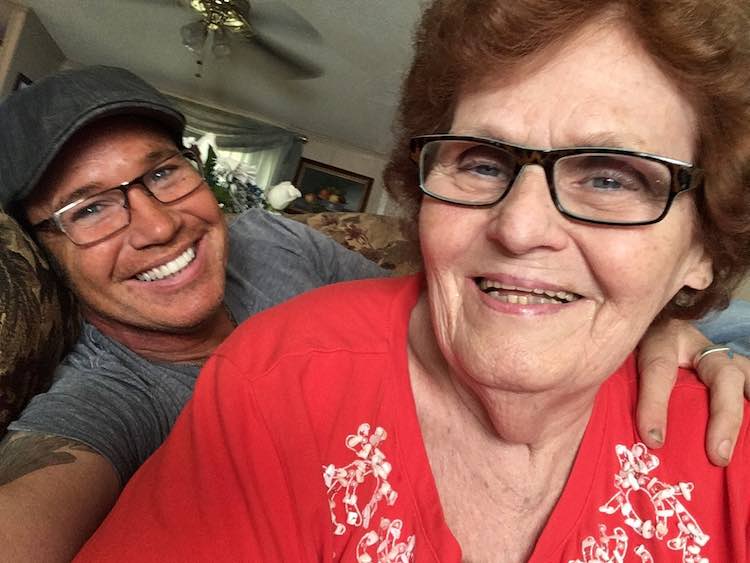
Jeffrey Michaels with his mom Rita Ruffner. SWNS.

Sadly, just a fortnight after her son unveiled the surprise gift, Ruffner passed away unexpectedly from a heart attack.

After his mother’s death, Michaels says the sleigh has become even more important to the family.

“Something special happened with the sleigh itself after we lost my mother,” said the Las Vegas musician. “It has taken on its own identity. It is still sitting in the front yard of the house and people come by to have their pictures taken with it.

WATCH: Stunning Christmas Light Display Inspires 13-Year-old Girl With Autism to Speak for First Time

“One of the things my mother wanted was for families to take pictures in the sleigh,” he added.

SWNS

Michaels believed that he was meant to make the sleigh just before she passed away. Though she had been talking about a sleigh for the past few years, this year he finally had the time to build it.

“I’m so glad she saw it before she was gone.”

Michaels now hopes that people who see Ruffner’s sleigh will consider making a donation to the American Heart Association in her name.

“It’s about Rita’s love of Christmas and the spirit of giving.”

Be Sure And Share This Sweet Yuletide Story With Your Friends On Social Media…

“The Winter Solstice is a powerful time—a time to contemplate your immortality. A time to forgive, to be forgiven, and to make a fresh start. A time to awaken.” – Frederick Lenz

Quote of the Day: “The Winter Solstice is a powerful time—a time to contemplate your immortality. A time to forgive, to be forgiven, and to make a fresh start. A time to awaken.” – Frederick Lenz

Photo: by Kerttu, CC license via Flickr, cropped and enhanced

With a new inspirational quote every day, atop the perfect photo—collected and archived on our Quotes page—why not bookmark GNN.org for a daily uplift?


Watch Jimmy Kimmel Prank His Staffers By Moving His New Wax Museum Replica Around the Building

Madame Tussauds Wax Museums are famous for bringing visitors face-to-face with their favorite celebrities—but when Jimmy Kimmel was gifted his own wax replica earlier this week, he couldn’t help but use it to have a little fun in his own workplace.

The lifelike Kimmel dummy is set to be the centerpiece of the new “Jimmy Kimmel Live Experience” at Madame Tussauds in Hollywood.

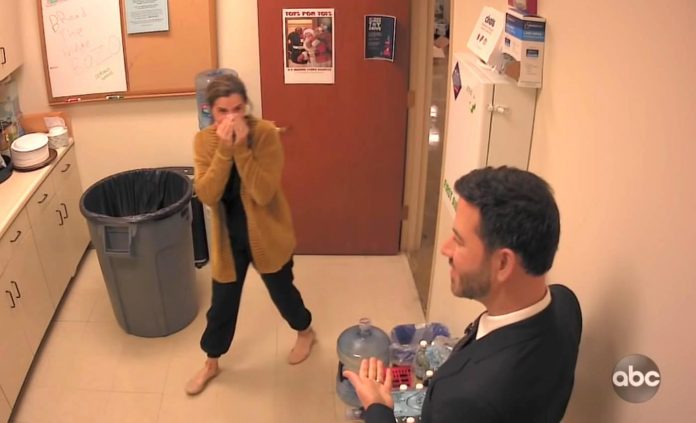
Prior to the exhibit’s launch, however, the prankster TV show host used the dummy to prank his co-workers—particularly his cousin Micki.

Soon after, on his show, Kimmel shared a cheeky film reel of his staffers’ reaction to the dummy moving around the office throughout the day—and the results are hilarious.

(WATCH the footage below)

Multiply The Laughs By Sharing The Video With Your Friends On Social Media…

Researchers Discover Brain’s ‘Off Switch’ for Epilepsy—And It Could Revolutionize Drug-Free Treatment

File photo by Jesse Orrico / Unsplash

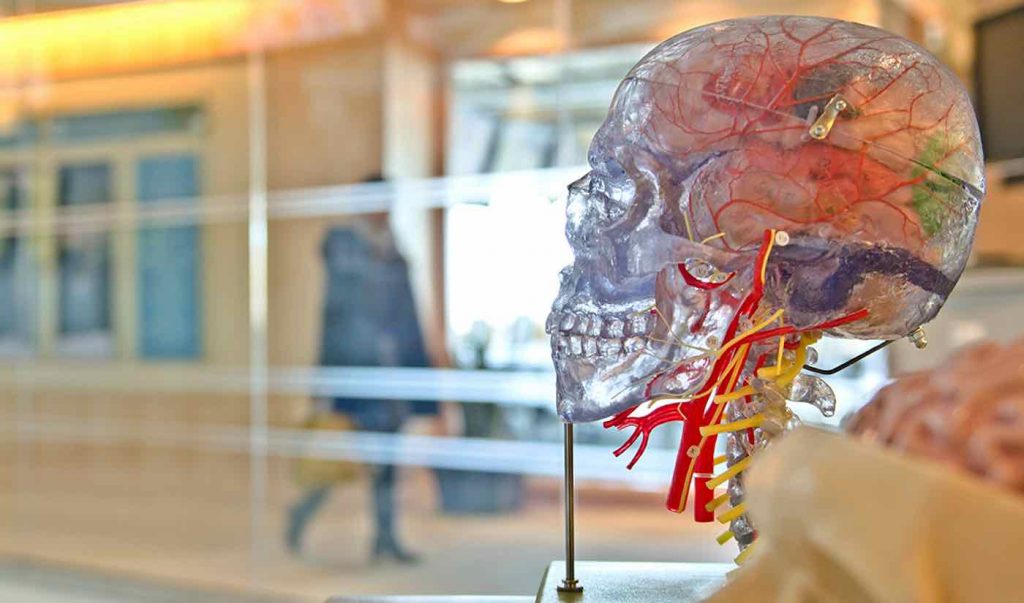
A team of neuroscientists at Georgetown University Medical Center have zeroed in on a new way to “switch off” epileptic seizures in animal models—and it could revolutionize the way we treat the disorder.

The findings, published online in Proceedings of the National Academy of Sciences (PNAS), provide the first evidence that while different types of seizures start in varied areas of the brain, they all can be controlled by targeting a very small set of neurons in the brain or their tendril-like neuronal axons.

Zeroing in on specific neurons suggests that treatment for epilepsy can be improved, researchers say. For example, the deep brain stimulation used today could be minutely targeted at the cell body of these neurons or at the areas their axons touch, depending on the type of seizure, says the study’s senior investigator, Patrick A. Forcelli, an assistant professor in neuroscience and in pharmacology and physiology at Georgetown.

“We have found a major choke point in epilepsy circuits in rat brains that we believe can be harnessed to disrupt the onset of seizures or to stop their propagation within the brain,” he says. “Circuit-based therapy for people will help offset the known side effects that come with drug therapy and other techniques.”

RELATED: For the First Time, Scientists Have Reversed Dementia in Mice With Drug That Reduces Brain Inflammation

According to the CDC, about 3 million adults and almost 500,000 children in the US suffer from epilepsy, making the incidence about 1% of the population, and the fourth most common brain disorder. (Epilepsy is diagnosed when a person has had more than one seizure.)

Seizures occur when nerve cells in the brain misfire. While there are about 30 specific types of seizures, there are two main categories: focal, which start in particular areas of the brain, and generalized, which occur when nerve cells on both sides of the brain misfire. Within this category are tonic-clonic (formerly known as grand mal) convulsive seizure and absence (formerly known as petit mal).

File photo by Jesse Orrico / Unsplash

Researchers have known for about 30 years that while inhibiting a certain area of the brain, the substantia nigra pars recticulata (SNpr) can help stop a seizure, the circuits by which the SNpr controls a seizure have remained unclear. The SNpr is a small area deep within the brain.

“It is usually thought to be involved in movement and movement disorders,” says Forcelli. “We knew targeting SNpr can stop a seizure, but we didn’t know how. Neurons in this area have axonal projections that go to many different parts in the brain.”

This study, he says, is built upon the pioneering work done at GUMC in the 1980s when researchers, led by Dr. Karen Gale “built a metaphorical Rand McNally-type atlas of neuronal pathways involved in seizures and epilepsy—these maps have moved forward both basic biology and for pharmacological treatment of epilepsy.”

WATCH: Teen Makes ‘Armor’ That Blocks Radiation During Cancer Treatments, Reducing Exposure By Whopping 75%

The aim of his research is “to make a ‘Google maps’ version with higher resolution and the ability to zoom in on each address, to improve brain stimulation therapy,” says Forcelli.

With his team, Forcelli used four models of experimental epilepsy in seizure-prone rats, designed to reflect a different type of seizure (absence, forebrain tonic-clonic, brainstem tonic-clonic, and limbic) seen in human epilepsies.

They were able to stop these seizures by placing light-sensitive ion channels into neurons in the SNpr; when exposed to light, the neurons can be turned on or off. They found that seizures could be turned off by either silencing activity of the SNpr cell bodies or, in some cases, the areas that these neurons project to.

CHECK OUT: Researchers Create AI System That Can Predict Epileptic Seizures One Hour Ahead of Time With 99.6% Accuracy

“We can’t target therapy if we don’t know how the circuits work. Discovering that silencing one area that a SNpr projects to can turn off specific seizures suggests a much more targetable therapy. For example, deep brain stimulation could be aimed at that area,” Forcelli says.

“These findings clarify a long-standing question in the field: the role these individual SNpr neural pathways play in the control of seizures,” he says.

Reprinted from Georgetown University Medical Center

Be Sure And Share The Exciting Discovery With Your Friends On Social Media…

4-Year-old Girl Saves Mom’s Life With ‘Bravery and Poise’—All While Calming Her Siblings and Dogs

This little girl may only be 4 years old, but she has already proven herself to be a real life Wonder Woman.

Isla Glaser had been at her home in Somerset, New Jersey with her family earlier this month when her mother Haley suddenly collapsed unconscious.

Since her mother failed to move or open her eyes, Isla called 911 and reported the situation to the Franklin Township Police Department.

RELATED: Four Teen Surfers Hailed for Rescuing Drowning Brothers On a Foggy California Coastline

After calmly providing her address to the dispatcher, the youngster waited until EMTs arrived on the scene so she could use a chair to reach up and unlock the front door.

According to New Jersey 12 News, Isla then kept the family’s three 80-pound rescue dogs under control as medical officials attended to her mother. On top of that, she kept her 2-year-old sister and twin 1-year-old brothers calm by feeding them yogurt.

Isla’s mother ended up being hospitalized for a bacterial infection for four days—and it is quite likely that she may not have survived the medical emergency if it had not been for her daughter.

MORE: Cheerleader Jumps Off Parade Float So She Can Save Choking Toddler in the Crowd

Isla was later honored by the police department with a certificate of heroism, an official police badge, and a tour of the station.

“I know adults that cannot handle that kind of incident with that much bravery, poise, and distinction,” Lt. Philip Rizzo of the Franklin Township Police Department said during the news conference. “For that, this young lady needs to be commended.”

(WATCH the news coverage below) – Feature photos by Franklin Township Police Department

Save Your Friends From Negativity By Sharing The Inspiring Story To Social Media…

After Debuting World’s Largest 3D-Printed Building, Startup is Set to Bring Affordable Housing to US

This 2-story building in the United Arab Emirates is being hailed as the largest 3D-printed structure in the world—and its developers are now using the technology to bring affordable housing to the US.

The building, which was 3D-printed on site in Dubai using locally sourced materials, was finished after just two weeks of construction. Measuring in at 6,900 square feet (640 square meters), the building will now be used as an administrative facility for the Dubai Municipality.

Apis Cor, the San Francisco-based company responsible for the project, required only three workers and a construction crane on site to finish the building in October.

Now, the startup says that they will be using the same technology to build the first ever 3D-printed house in Santa Barbara County, California.

Jennifer McGovern, President and CEO of Housing Trust Fund of Santa Barbara County, hailed their partnership with Apis Cor for the project, saying: “It has become increasingly difficult and expensive to develop affordable housing, particularly in high cost housing markets. We must create a paradigm shift if we are to begin to meet local, regional and national affordable housing needs for our residents.

“We are excited about the potential for 3D-printing to significantly lower the time and cost involved in constructing affordable housing and to promote the use of sustainable building materials. We believe that 3D-printing of homes will have broad future application for meeting a range of local housing needs. We plan to share the results of this trail-blazing collaboration with Apis Cor with our peers in the affordable housing industry and to promote this innovative new housing technology.”

RELATED: Teen Makes ‘Armor’ That Blocks Radiation During Cancer Treatments, Reducing Exposure By Whopping 75%

This is not the first building developed by Apis Cor—the company made international headlines back in 2017 after they premiered a demo building at their Moscow testing facility. Not only did they finish the simplified structure in just one day, they also used about $10,000 in materials.

Apis Cor now hopes to debut their first permitted, 3D-printed US home in early 2020. After that, the company plans to make their printers available for purchase later the very same year.

“Construction 3D printing technology is only at the early stages of development,” said Nikita Cheniuntai, CEO and Founder of Apis Cor. “We do extensive R&D work to make the technology available for mass use.

“We are thankful for the opportunity to collaborate with Dubai Municipality,” he added. “The project gave us unique knowledge and invaluable experience that will help us improve our technology and develop a new version of our 3D printer.

“The improved version will be more reliable and time-efficient (twice as fast). Moreover, during the project we tested and improved our own-developed 3D mixture. This project is a huge step forward in the concrete 3D printing industry.”

(WATCH the video below to see the project in action)

Build Up Some Positivity By Sharing The Good News With Your Friends On Social Media…

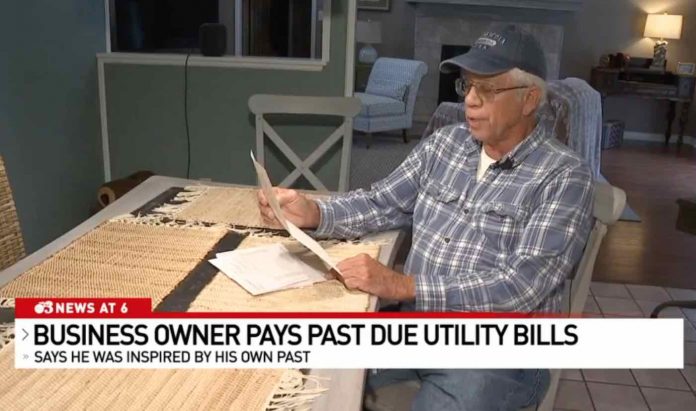
Man Who Once Spent Winter Without Heating Pays ‘Past Due’ Utility Bills for 36 Families at Risk of Losing Power

Dozens of Florida families can breathe a sigh of relief this holiday season thanks to a veteran whose past struggles inspired him to give back.

When Michael Esmond received his utility bill for the month of December, he was reminded of a time back in the 1980s when he had trouble making ends meet.

Since Esmond was unable to pay the bill on time, the utility company had actually cut off his gas connection during what he calls “one of the coldest winters in Florida history”. For the rest of the cold season, Esmond was without heating—all while temperatures dropped into the single-digits.

Thankfully, Esmond is not as cash-strapped as he once was; he now owns a small business called Gulf Breeze Pools and Spas in Gulf Breeze, Florida.

LOOK: Man Returns to Poor Neighborhood Where He Grew Up So He Can Give Away $12,000 in Free Toys

So as Esmond was preparing to pay this months gas bill, he felt inspired to share his good fortune with other people struggling with the same financial difficulties.

He then called the local utility company and asked to pay the bills for all of the households at risk of having their gas and power cut off. In total, he paid $4,600 worth of utility bills for 36 families.

Not only does Esmond hope his good deed will help struggling homeowners during the holiday season, he also hopes the gesture will inspire other small business owners to give back to their community.

(WATCH the interview below) – Photo by WEAR-TV

Be Sure And Share This Sweet Story Of Kindness With Your Friends On Social Media…

“Our greatest weakness lies in giving up. The most certain way to succeed is always to try just one more time.” – Thomas Edison (unveiled his electric light 140 years ago)

Quote of the Day: “Our greatest weakness lies in giving up. The most certain way to succeed is always try just one more time.” – Thomas Edison (unveiled his electric light 140 years ago)

Photo: by Susanne Nilsson, CC license via Flickr, cropped

With a new inspirational quote every day, atop the perfect photo—collected and archived on our Quotes page—why not bookmark GNN.org for a daily uplift?


This Hi-Tech Bed With Revolving Blanket Could Prevent Blanket-Hogging Between Couples

Duvet Diplomat CGI — SWNS
SWNS

A sleep technology company claims to have solved the age-old battle over who hogs the duvet: a “rolling” bed cover that cannot be pulled off by either partner.

The bed, which was developed by Simba, features an “infinite duvet” with a roller-based system in the frame to ensure the cover is always evenly distributed.

As the user tosses and turns during the night, the revolving duvet moves with them by feeding itself through a series of rollers and tensioning systems in the base before feeding out the other side.

The company came up with the idea after research revealed that “duvet stealing” is one of the top areas of bedtime conflict between couples.

RELATED: Give Yourself a ‘Dry January’—You’ll Sleep Better, Save Money, and Lose Weight

One in four people believe a restless night from a blanket-greedy partner can make them see red; and one in six people have even ended relationships over it.

Computer-generated images of the bed—dubbed the “Duvet Diplomat”—show that it could also appeal to interior aesthetes and cleaning enthusiasts with its remote-controlled “self-making” function, which uses motorized rotary irons within the bed base to automatically revolve the blanket as it is simultaneously pressed and steam-cleaned.

SWNS

The bed is currently in the design stage to test feedback from consumers.

“Duvet stealing is a sore subject among British couples—a bedroom habit that’s the catalyst for hundreds of arguments,” said Simba CEO Steve Reid. “When you sleep better, you are more likely to make better decisions, take less risks and start the day in a more positive and peaceful frame of mind.

Simba’s survey of 2,000 adults found that duvet-stealing, coming home to an unmade bed, and snoring are among the things that send tempers soaring between British couples.

SWNS

One-third of participants are infuriated by ‘blanket bandits’; three in ten feel tensions rise when they come home to an untidy bedroom or unmade bed; and one in five have argued with their partner about their inability to make the bed in the morning.

Four in five adults also cite that one of life’s most simple pleasures is getting into fresh bedding—yet one in five never wash their duvet.

An additional 75% of participants said a tidy and stylish bedroom environment makes them feel happier and more peaceful than more chaotic décor.

TOP 10 SLEEP AND BEDROOM HABITS THAT SEND TEMPERS SOARING IN BRITISH COUPLES…

1. Snoring (39%)
2. Being woken up by a duvet-stealing partner (24%)
3. Not putting clothes in the laundry bin (23%)
4. Encroaching on your partner’s side of the bed (22%)
5. Fidgeting / tossing and turning (20%)
6. Coming home to untidy bedroom (15%)
7. Keeping the light on too late (14%)
8. Coming home to an unmade bed (14%)
9. Long toenails that scratch (13%)
9. Your partner doesn’t make the bed (11%)
10. Cold feet (10%)

Don’t Sleep On The News—Be Sure And Share It With Your Friends on Social Media…

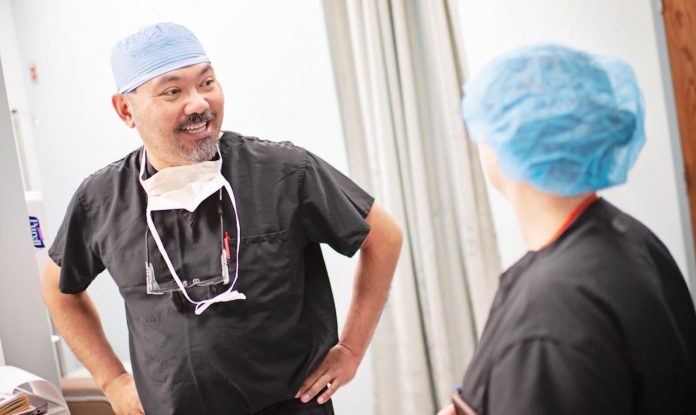
Surgeon Fights Medical Debt by Allowing Patients and Families to Pay for Surgeries With Volunteer Work

Rather than allow his patients to go bankrupt from medical debt, a Nebraska surgeon has partnered with several local charities so his patients can pay for their operations with community service.

Doctor Demetrio Aguila III is the mastermind behind the Healing Hands of Nebraska surgical clinic for reconstructive and nerve-related surgeries in Norfolk. He says he was inspired to launch the M25 program after he got sick and tired of American patients suffering from the debilitating financial burden of medical care.

Through the M25 program, Aguila allows his patients to select a nonprofit from their list of participating organizations. He then designates a certain amount of volunteer hours for the patient to complete in order to pay off the surgery.

RELATED: Watch Hospital Staff—From Janitors to Surgeons—Line Hallway to Honor Organ Donor in ‘Walk of Respect’

“We’ve eliminated a lot of the administrative hassle that’s associated with healthcare,” Aguila told local reporters. “We’ve lowered the cost of healthcare. We’ve made it fair for everybody involved. Nobody loses. That is the core of the M25 Program.”

Jeffrey Jensen became the first patient to participate in the program in October after he was assigned 560 volunteer hours in exchange for the surgery to fix the numbness and nerve damage in his leg. While 560 hours may seem like a lot of work, patients are encouraged to recruit the help of family and friends to help fulfill the hours.

Since participating in the program, Jensen says that the volunteer work has helped to positively change his life as much as surgery.

CHECK OUT: This Doctor Broke The Law To Engineer a Better Nursing Home—And the Death Rate Plummeted

“The M25 program is not about money—it’s about how if people come together to help other people, then your community thrives,” said Jensen.

Aguila now hopes that the program will inspire other physicians to launch similar initiatives in their own community.

“I’d like to inspire other doctors and other medical professionals to find that hope again,” he said. “To find that reason for being a doctor and to bring it back to the core of what they do everyday.”

(WATCH the interview with Jensen below)

Heal Your Friends Of Negativity By Sharing The Good News To Social Media…

Europe Introduces Legislative Road Map to Becoming World’s First Climate-Neutral Continent By 2050

File photo by Dimitar Nikolov, CC

Last week, the European Commission presented a groundbreaking new legislative roadmap to making Europe the first continent to achieve carbon-neutrality.

In what is being called “The European Green Deal”, the drafted package of policies is set to undergo debate and approval by representatives from all 28 member states in January. If approved, the ambitious new laws could be implemented as soon as 2021.

The European Green Deal provides a roadmap with actions to boost the efficient use of resources by moving to a clean, circular economy that stops the climate crisis, reverts biodiversity loss, and cuts pollution. Furthermore, it covers all sectors of the economy, notably transport, energy, agriculture, buildings, and industries such as steel, cement, ICT, textiles and chemicals.

“The European Green Deal is our new growth strategy—for a growth that gives back more than it takes away,” said European Commission President Ursula von der Leyen. “It shows how to transform our way of living and working, of producing and consuming so that we live healthier and make our businesses innovative. We can all be involved in the transition and we can all benefit from the opportunities.

LOOK: Top 10 Most Exciting Environmental Stories From 2019 Raise Hope for An Eco-Friendly Year Ahead

“We will help our economy to be a global leader by moving first and moving fast. We are determined to succeed for the sake of this planet and life on it—for Europe’s natural heritage, for biodiversity, for our forests and our seas. By showing the rest of the world how to be sustainable and competitive, we can convince other countries to move with us.”

Meeting the objectives of the European Green Deal will require significant investment. According to The New York Times, the deal is designed to incentivize some of the continent’s most fossil fuel-dependent nations to move towards climate-friendly infrastructure with billions of euros worth of payouts.

The legislation also calls on member states to cut their emissions from 40% below pre-1990s levels—which had previously been set in the Paris Agreement—to 50%.

RELATED: First Drone Project of Its Kind in Canada is Aiming to Plant 1 Billion Trees by 2028

Achieving the current 2030 climate and energy targets is estimated to require €260 billion of additional annual investment, which the Commission says will require the mobilization of the public and private sectors.

The Commission will present in early 2020 an investment plan to help meet investment needs. At least 25% of the EU’s long-term budget should be dedicated to climate action, and the European Investment Bank, Europe’s climate bank, will provide further support. For the private sector to contribute to financing the green transition, the Commission also plans to present a financing strategy next year.

Since not all member states are prepared to make such a dramatic shift towards sustainability, the package will also launch an initiative to support the regions relying heavily on carbon-intensive activities. It will also support the citizens most vulnerable to the transition, providing access to reskilling program and employment opportunities in new economic sectors.

MORE: Ocean Cleanup Makes History by Successfully Collecting First Plastic From Great Pacific Garbage Patch

In March 2020, the Commission will launch a “Climate Pact” to give citizens a voice and role in designing new actions, sharing information, launching grassroots activities and show-casing solutions that others can follow.

The European Union already has a strong track record in reducing its emissions of greenhouse gases while maintaining economic growth. Emissions in 2018 were 23% lower than in 1990 while the Union’s GDP grew by 61% in the same period—but the EU says that more needs to be done.

File photo by Dimitar Nikolov, CC

An overwhelming majority of Europeans consider that protecting the environment is important (95%). Almost 8 in 10 Europeans (77%) say that protection of the environment can boost economic growth.

CHECK OUT: EU Approves Groundbreaking New ‘Right to Repair’ Laws Requiring Appliances to Be Easier to Fix

“We are in a climate and environmental emergency. The European Green Deal is an opportunity to improve the health and well-being of our people by transforming our economic model,” said Commission Executive Vice-President Frans Timmermans.

“Our plan sets out how to cut emissions, restore the health of our natural environment, protect our wildlife, create new economic opportunities, and improve the quality of life of our citizens,” added Timmermans. “We all have an important part to play and every industry and country will be part of this transformation. Moreover, our responsibility is to make sure that this transition is a just transition, and that nobody is left behind as we deliver the European Green Deal.”

Power Up With Positivity By Sharing The Good News With Your Friends On Social Media…

After Decades of Holidays Spent Alone, Senior’s Reaction to TV Crew’s Surprise Brings Millions to Tears

This 78-year-old man named Terrence brought millions of television viewers to tears last week after he appeared on a BBC news interview and mentioned that he had spent the last twenty Christmases alone since his mother passed away.

The only reason that the pensioner will not be spending this year’s Christmas alone is because—through his volunteer work for Age UK—he will be spending the holiday with a 90-year-old woman with dementia.

The hosts of BBC Breakfast were so touched by the heartfelt interview, they returned to Terrence’s house the very next day to give him the gift of Christmas cheer.

RELATED: Man Returns to Poor Neighborhood Where He Grew Up So He Can Give Away $12,000 in Free Toys

In addition to BBC Breakfast presenter Dan Walker recruiting some local college students to bring a Christmas tree to the pensioner’s home, he also brought the Oldham College choir to his door to sing “Silent Night”—his favorite Christmas carol.

Terrence was so overwhelmed by the surprise, he could barely keep himself from crying throughout the spontaneous visit.

Since BBC published the video to social media, it has also been viewed by millions of people praising the television reporters for orchestrating such a heartwarming surprise.

(WATCH the emotional video below) – Photo by BBC Breakfast

Deck The Halls Of Social Media By Sharing This Sweet Story With Your Friends…