All News - Page 658 of 1738 - Good News Network
Home Blog Page 658

Final Crew Members Are Pulled From Capsized Cargo Ship After Rescuers Hear Tapping Inside the Engine Room

Photo by US Coast Guard

Every single crew member who was aboard this capsized cargo ship has been rescued and brought to safety thanks to the quick response of the US Coast Guard.

Shortly after the Golden Ray vessel set sail from a Georgia port on Sunday evening, it overturned and caught fire. Rescuers worked through the night in order to rescue two dozen crew members from the vessel, but the fires eventually prevented them from searching for any more crew members—and there were four sailors who were still unaccounted for.

However, responders were relieved to discover that the men were safe after they heard them tapping from inside the engine room.

RELATED: Foot Doctor Saves Passenger’s Life by Following His Instincts and Ignoring Orders From the Ground

Three of the remaining sailors had been trapped in the lower half of the ship while the fourth crew member was stuck in a separate glass room without any food or water.

With temperatures on the surface of the ship climbing to 120ºF (49ºC), rescuers managed to drill a 3-foot hole into the side of the vessel so they could haul the sailors to safety—and despite spending more than 30 hours in swelteringly harsh conditions, the sailors were checked over by medical personnel and declared to be in good health.

The Golden Ray, which measures in at 656 feet long and 106 feet wide, had been shipping automobiles to South Korea. Though it is unknown how many vehicles were lost in the accident, rescuers are happy to report that all of the crew members are safe and accounted for.

The US Coast Guard says they will now begin tackling the removal of the vessel from the water.

(WATCH the news coverage below)

Save Your Friends From Negativity By Sharing The Exciting News To Social Media…

“Walk as if you are kissing the earth with your feet.” – Thich Nhat Hanh

Quote of the Day: “Walk as if you are kissing the earth with your feet.” – Thich Nhat Hanh

Photo: by sixtwelve, CC License, cropped

With a new inspirational quote every day, atop the perfect photo—collected and archived on our Quotes page—why not bookmark GNN.org for a daily uplift?


When Kids Were Making Fun of Her Son At School, Mom Deploys Her Creative Hospitality

Hear a serendipitous tale of blossoming community spirit in this week’s edition of MOTH Monday, a partnership with Good News Network that features inspiring videos from The MOTH, a nonprofit group showcasing the art of storytelling.

After a boy became tired of classmates in his public school making fun of his ethnic lunches, his ebullient mom decided to do something about it.

Tom Nimen and his brother and sister were attending a nearly-all-white school in Canton, Ohio in the 1960s.

He came home one day and stunned his parents by asking if she could please pack his lunch with peanut butter and jelly sandwiches, instead of the Middle Eastern food that ended up embarrassing him. His siblings piped up and said they also wanted the Wonder Bread sandwiches with apples.

A week later at school Tom’s teacher announced that none of the students should bring their lunches or lunch money tomorrow.

“Unbeknownst to me, the next day, in comes my mother…”

“She was an artist. She dressed like an artist. She spoke like an artist; she had an attitude like an artist.”

She was very crafty at employing Middle Eastern hospitality to soften the edges of people around her.

(LISTEN to the storyteller on stage to hear what happened next—Jump to 3:15 to get to this point in the story…)

MORE ‘MOTH MONDAY’: Man Tells Heartfelt Story About How His Father’s Wrinkled Hands Sparked Their Reconnection

The Moth gives people an opportunity to tell a true story in front of a live audience, and sometimes their stories are chosen to air on the radio show, now celebrating its tenth year, and broadcasting on 485+ public radio stations—and on The Moth podcast, which is downloaded over 52 million times a year. The Moth’s third book, Occasional Magic: True Stories About Defying the Impossible is now available for purchase through your favorite booksellers.

SHARE This Creative Diplomacy With Your Neighbors on Social Media!…

New Reactor Uses Renewable Energy to Turn Greenhouse Gases into Fuel for Hydrogen Batteries

Eli Stavitski, lead scientist at the Inner Shell Spectroscopy (ISS) beamline at Brookhaven National Laboratory’s National Synchrotron Light Source II, used the powerful tool to probe bismuth’s oxidation states, part of the process developed at Rice University to recycle carbon dioxide to produce pure liquid fuel solutions using electricity. (Credit: Brookhaven National Laboratory)

A common greenhouse gas could be repurposed in an efficient and environmentally friendly way with an electrolyzer that uses renewable electricity to produce pure liquid fuels.

The catalytic reactor developed by the Rice University lab of chemical and biomolecular engineer Haotian Wang uses carbon dioxide as its feedstock and—in its latest prototype—produces highly purified and high concentrations of formic acid.

Formic acid produced by traditional carbon dioxide devices needs costly and energy-intensive purification steps, Wang said. The direct production of pure formic acid solutions will help to promote commercial carbon dioxide conversion technologies.

The method is detailed in Nature Energy.

Wang and his group pursue technologies that turn greenhouse gases into useful products. In tests, the new electrocatalyst reached an energy conversion efficiency of about 42%. That means nearly half of the electrical energy can be stored in formic acid as liquid fuel.

LOOK: Origami-Inspired Solar Panel Could Start Generating Renewable Electricity From Your Window

“Formic acid is an energy carrier,” Wang said. “It’s a fuel-cell fuel that can generate electricity and emit carbon dioxide—which you can grab and recycle again.

“It’s also fundamental in the chemical engineering industry as a feedstock for other chemicals, and a storage material for hydrogen that can hold nearly 1,000 times the energy of the same volume of hydrogen gas, which is difficult to compress,” he said. “That’s currently a big challenge for hydrogen fuel-cell cars.”

Two advances made the new device possible, said lead author and Rice postdoctoral researcher Chuan Xia. The first was his development of a robust, two-dimensional bismuth catalyst and the second was a solid-state electrolyte that eliminates the need for salt as part of the reaction.

MORE: World’s Largest Electric Vehicle is a Dump Truck That Doesn’t Even Need to Be Plugged in for Recharging

“Bismuth is a very heavy atom, compared to transition metals like copper, iron or cobalt,” Wang said. “Its mobility is much lower, particularly under reaction conditions. So that stabilizes the catalyst.” He noted the reactor is structured to keep water from contacting the catalyst, which also helps preserve it.

Xia can make the nanomaterials in bulk. “Currently, people produce catalysts on the milligram or gram scales,” he said. “We developed a way to produce them at the kilogram scale. That will make our process easier to scale up for industry.”

The polymer-based solid electrolyte is coated with sulfonic acid ligands to conduct positive charge or amino functional groups to conduct negative ions. “Usually people reduce carbon dioxide in a traditional liquid electrolyte like salty water,” Wang said. “You want the electricity to be conducted, but pure water electrolyte is too resistant. You need to add salts like sodium chloride or potassium bicarbonate so that ions can move freely in water.

CHECK OUT: Hyundai Launches First Car With Solar Roof Charging System

“But when you generate formic acid that way, it mixes with the salts,” he said. “For a majority of applications you have to remove the salts from the end product, which takes a lot of energy and cost. So we employed solid electrolytes that conduct protons and can be made of insoluble polymers or inorganic compounds, eliminating the need for salts.”

The rate at which water flows through the product chamber determines the concentration of the solution. Slow throughput with the current setup produces a solution that is nearly 30% formic acid by weight, while faster flows allow the concentration to be customized. The researchers expect to achieve higher concentrations from next-generation reactors that accept gas flow to bring out pure formic acid vapors.

The Rice lab worked with Brookhaven National Laboratory to view the process in progress. “X-ray absorption spectroscopy, a powerful technique available at the Inner Shell Spectroscopy (ISS) beamline at Brookhaven Lab’s National Synchrotron Light Source II, enables us to probe the electronic structure of electrocatalysts in operando—that is, during the actual chemical process,” said co-author Eli Stavitski, lead beamline scientist at ISS. “In this work, we followed bismuth’s oxidation states at different potentials and were able to identify the catalyst’s active state during carbon dioxide reduction.”

CHECK OUT: This Revolutionary Blast Furnace Vaporizes Trash and Turns It into Clean Energy (Without Any Emissions)

With its current reactor, the lab generated formic acid continuously for 100 hours with negligible degradation of the reactor’s components, including the nanoscale catalysts. Wang suggested the reactor could be easily retooled to produce such higher-value products as acetic acid, ethanol, or propanol fuels.

“The big picture is that carbon dioxide reduction is very important for its effect on global warming as well as for green chemical synthesis,” Wang said. “If the electricity comes from renewable sources like the sun or wind, we can create a loop that turns carbon dioxide into something important without emitting more of it.”

Reprinted from Rice University

Eli Stavitski, lead scientist at the Inner Shell Spectroscopy (ISS) beamline at Brookhaven National Laboratory’s National Synchrotron Light Source II, used the powerful tool to probe bismuth’s oxidation states, part of the process developed at Rice University to recycle carbon dioxide to produce pure liquid fuel solutions using electricity. (Credit: Brookhaven National Laboratory)

Power Up With Positivity By Sharing The Good News To Social Media…

Subway Officer Spent 30 Minutes Calming Boy With Autism Having a Meltdown—and They’re Now Best Friends

A Washington DC police officer is being praised for going above and beyond the call of duty in order to soothe a boy with autism who was in the middle of a meltdown.

The incident took place back in July when Taylor Pomilla and her 4-year-old son Andrew boarded the Metro and prepared to head home. She had just picked him up from school, and she had been anticipating a quiet 45-minute ride home—but for one reason or another, that was not to be the case.

“For those of you that don’t know, when you have a child with autism, your child will have some good days and then they will have some bad ones. Today was one of those bad days,” Pomilla wrote on Facebook. “Andrew’s biggest behavior problem (that he has been working on by learning calming strategies) is that sometimes when he gets upset, it will go two steps too far, and escalate into a full on meltdown/breakdown.”

During this particular journey, Andrew refused to sit in his seat. When his mother tried to calm him down, however, he began throwing a tantrum.

MORE: Mom Overwhelmed With Gratitude When Hotel Manager Befriends Autistic Boy Wanting to Show Off His Card Tricks

“He started rolling on the floor, screaming, his shoe fell off and he flung it across the train, all while I’m on the floor trying to calm him down (in a dress) with all the candy I had,” wrote Pomilla. “Then he starts the kicking, hitting, pulling my hair while everyone in rush hour stares on the train, most thinking I was a bad parent who had an out of control child, even though really he can’t help it.”

After 20 minutes of unsuccessfully trying to calm her son, the overwhelmed mom exited the subway before their stop and tried to calm Andrew from a different station. Unfortunately, he continued to roll on the floor in meltdown-mode for 15 more minutes.

That is when DC Metro Officer Dominic Case appeared on the scene to offer a helping hand.

LOOK: When Boy With Autism Was Overwhelmed By First Day of School, Kind Classmate Soothed Him

Upon asking where Pomilla was headed, Case volunteered to ride with her and her son to help keep him calm. He then soothed the youngster by showing off his police gadgets and holding his hand as they moved about the subway system.

After they boarded the train, he sat with the little family for the remainder of their 30-minute journey. He watched videos with Andrew, took pictures with him, and even gave the youngster his badge at the end of the trip.

“He honestly restored my faith that there are good people still left in the world,” Pomilla later wrote on Facebook.

After Pomilla’s Facebook post went viral, she was able to reunite Officer Case with her son—and the two have since become best friends.

(WATCH the news coverage below)

Be Sure And Share This Sweet Story Of Compassion With Your Friends On Social Media…

Deep Magnetic Stimulation Shown to Improve Symptoms of Obsessive Compulsive Disorder

File photo by PlusLexia, CC

Researchers have found that focusing powerful non-invasive magnet stimulation on specific areas of the brain can improve the symptoms of Obsessive Compulsive Disorder (OCD)—and it could soon help treat the large minority of sufferers who do not respond to conventional treatment.

OCD is broadly defined as recurrent thoughts or urges, or excessive repetitive behaviors which an individual feels driven to perform. Around 12 adults in every thousand suffer from OCD in any given year, although 2.3% of adults will suffer at some point in their life.

It is generally treated through exposure and response prevention (ERP) therapy (which exposes the patient to the content of their obsessions or urges without performing the compulsions) and medication. However, between one-third and half of patients don’t respond well to treatment

Deep Transcranial Magnetic Stimulation (dTMS) is a type of brain stimulation technique where pulsed magnetic fields are generated by a coil placed on the scalp. This field activates the neuronal circuits at the target brain area, resulting in symptom improvement. It is clinically used for treatment of some difficult cases of depression.

MORE: Tree-Filled City Parks Make People as Happy as Christmas Day, Says New Study of Twitter Posts

The work was presented at the European College of Neuropsychopharmacology Conference in Copenhagen. Dr. Lior Carmi from the Chaim Sheba Medical Center in Israel led an international group of scientists in a multi-centre randomized controlled trial (RCT) spread over 11 centers.

99 patients with OCD were assigned to either be treated with dTMS, or to receive pretend treatment (sham treatment). All the patients in the trial had previously failed to respond to antidepressant treatment.

Dr. Carmi said: “An interesting point about this trial is that we deliberately provoked the patients for about 5 minutes before each dTMS session. We did this by tailoring a provocation for each patient according to their own specific OCD obsessions. For example, if someone had obsessions about getting contaminated, we exposed him to a situation in which these obsessions were aroused, for instance, by touching a bathroom’s door handle or the trash can. Another example would be if someone had obsessions regarding [whether or not we they had closed] the water tap at home, we deliberately aroused the doubt about that.

“All these exposures were designed for each individual patient. During the first meeting with the patient we learned his symptoms and created a list of which exposures to use during the study. The idea is to deliver the treatment when the brain circuitry is aroused and not while the patient is thinking about the shopping he needs to do after the session will be over.”

CHECK OUT: After 68% of Patients Were Cured of PTSD in Phase-2 Trials Clinics May Soon Offer MDMA Therapy

The sessions consisted of 6 weeks of daily dTMS (20Hz) treatment focused on specific areas of the brain related to OCD. This is the first time these areas have been targeted for this disorder. The degree of response was measured using the generally-accepted Yale-Brown Obsessive Compulsive Scale (YBOCS) questionnaire. After 6 weeks, 38% of those being treated responded to the treatment. They showed an average reduction of more than 30% in symptom severity, as opposed to 11% of patients receiving the sham treatment.

A month after treatment finished, the response rate was 45.2% in the active group versus 17.8% in the sham group. Around a third of both the treated group and the untreated group complained of headaches, but only 2 dropped out over the trial due to pain.

“Researchers have tested TMS for OCD in the past, but this is the first time we have stimulated this region of the brain and done so while we tailored exposures to each patient,” says Carmi. “In addition, we have done so using a standardized protocol in a multi-centre randomized trial (at 11 cites in U.S, Canada and Israel). This means that we have achieved these positive results although the variety of patients and variety of clinicians who rated the response. Where the existing treatment works for OCD, it can work well; our method is primarily aimed at those who do not respond to conventional treatment.”

RELATED: Exciting New Study Shows That Zapping the Brain ‘Acutely’ Relieves Symptoms of Depression

Professor Jose M. Menchon from Bellvitge University Hospital in Barcelona praised the research, saying:

“This is a very exciting study because it shows positive results in OCD using deep transcranial magnetic stimulation. Until now, the clinical trials with TMS in OCD had been carried out with non-deep TMS, which may have limitations in its effect because the magnetic field can only reach the cortical surface. However, deep TMS allows reaching and modulating deeper brain regions that can be more critically involved in OCD. Deep TMS may become a useful therapeutic strategy if these positive results are confirmed in further studies.”

Be Sure And Share The Exciting Good News With Your Friends On Social MediaFile photo by Plus Lexia, CC

Acid Attack Survivor Becomes First UK Citizen to Have Vision Restored With Pioneering New Surgery

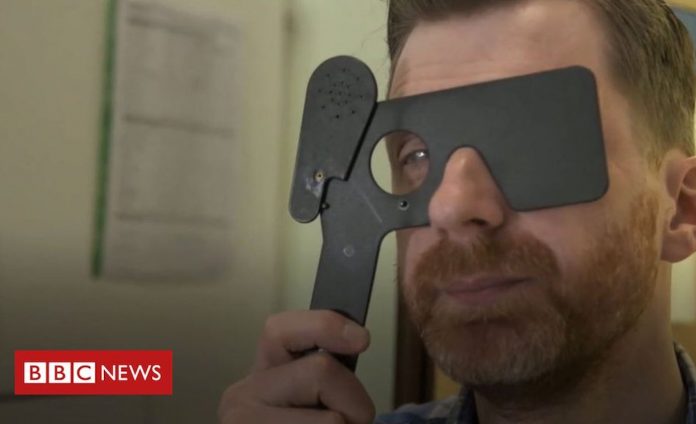
James O’Brien was only 18 years old when he had ammonia sprayed in his face, leaving him blind in his right eye.

Now 24 years later, he is the first UK patient to undergo a pioneering new treatment that has repaired the vision in his eye.

Surgeons at London’s Moorfields Eye Hospital used stem cells to replace the scar tissue in O’Brien’s eye. The treatment has taken decades to develop, but since O’Brien underwent the operation last year, he can finally see his wife’s face with both of his eyes.

Physicians now hope to use the surgery to reverse blindness in acid attack survivors just like O’Brien.

(WATCH the news coverage below)

It’s Not Hard To See That You Should Share This Inspiring Story With Your Friends On Social Media…

“There is no path. You make the path as you walk.” – Antonio Machado

Quote of the Day: “There is no path. You make the path as you walk.” – Antonio Machado

Photo: by d26b73, CC License, cropped

With a new inspirational quote every day, atop the perfect photo—collected and archived on our Quotes page—why not bookmark GNN.org for a daily uplift?


Comedian Kevin Hart Finally Listened to His Mother’s Advice, and it Paid Off—Big Time

On a recent podcast, world renown comedian Kevin Hart recalled the moment at 19 years-old when he finally followed his mother’s advice, and it paid off—big time—both for his wallet and his heart.

Hear our Good News Guru tell the inspiring story on the radio in Los Angeles—during the September 6, 2019 Ellen K. Morning Show on KOST-103.5.

SEE the full story on GNN

Subscribe, Rate, and Review our Good News Gurus podcast on iTunes, or for Android devices on Podbean.

Check Out our Summer Sale and get 20% off–plus Free Shipping–on the Good News Book, a GREAT Gift. 

Most Americans Find Peace and Happiness in Cleaning—Except for Doing Dishes

In a recent survey of 2000 Americans, housecleaning was shown to have some mood-boosting effects—but that doesn’t mean everybody does it willingly.

The majority of respondents said cleaning gave them a sense of accomplishment (65%) and helped them clear their mind (63%).

Half of these adults said they are most often motivated to clean when they’re happy. In fact, 63% of those surveyed find the experience of cleaning to be relaxing—even more so than getting fresh air (61%).

But that’s not the only reason people clean.

A whopping 70% admitted that tidying their home was a way of putting off having to do other things, with the average procrastinator using that trick four times a week.

The survey showed that 86% of respondents do feel on top of their chores, but the last deep clean of their kitchen happened over a week and a half ago. That’s no surprise because the kitchen is most dreaded of all.

CHECK OUT: Stressed-Out Americans Only Get 43 Minutes of ‘Me Time’ Per Day, But Solution May Lie in Their Backyards

Conducted by OnePoll on behalf of DishFish, makers of multipurpose sponges and non-scratch scrubbers, the survey honed in on people’s attitudes toward dirty dishes and how they get through the cringe-worthy task.

More than two-thirds of people (69%) let their dishes pile up between washings with 20% saying “always” letting them stack up in the sink, which left them feeling stressed.

More than any other room, the kitchen was rated as “very difficult” to tackle. And most people enjoy scrubbing their toilet or taking out the garbage more than washing dishes by hand.

How do they get through it? 66% listen to music while they clean.

72% have a go-to song that they blast while tidying up their home, with “Uptown Funk,” “Read All About It” and “Work” being the three favorite tunes on America’s cleaning playlist.

WHAT’S ON AMERICA’S “CLEANING PLAYLIST”? SURVEY SAYS…
• “Uptown Funk” by Mark Ronson feat. Bruno Mars
• “Read All About It” by Emeli Sandé
• “Work” by Rihanna
• “All of Me” by John Legend
• “But a Dream” by G-Eazy
• “Girls Like You” by Maroon 5 feat. Cardi B
• “Pretty Hurts” by Beyoncé
• “Beautiful Girls” by Sean Kingston
• “I Don’t Care” by Ed Sheeran and Justin Bieber
• “Good Feeling” by Flo Rida

RELATED: Tree-Filled City Parks Make People as Happy as Christmas Day, Says New Study of Twitter Posts

Clean Up Negativity By Sharing These Fun Results With Your Friends On Social Media File photo by Jessica Merz, CC

After Instructor Became Unconscious Mid-Flight, Student Pilot Achieves ‘Perfect’ Emergency Landing During His First Lesson

A 29-year-old student pilot in Australia is being hailed as a hero after he managed a “perfect” airplane landing during his first flying lesson.

It had been Max Sylvester’s first time in a Cessna training aircraft when his instructor suddenly fell unconscious mid-flight.

Alone at the controls, he immediately contacted a nearby control tower and told them of his predicament. In a sound clip that was released by ABC News this week, Sylvester can be heard describing his instructor’s condition, saying: “He’s leaning over my shoulder, I’m trying to keep him up but he keeps falling down.”

Through radio contact with air traffic officials, Sylvester was guided through an emergency landing at Perth’s Jandakot Airport.

“You’re doing a really great job,” the air traffic controller told the trainee. “I know this is really stressful. But you’re going to do an amazing job and we’re going to help you get down to the ground, OK?”

An hour after his instructor fainted, Sylvester safely landed the plane—and local pilots say that they have never seen anything like it.

RELATED: Foot Doctor Saves Passenger’s Life by Following His Instincts and Ignoring Orders From the Ground

Chuck McElwee, owner and operator of Air Australia International for 28 years, says that he never would have expected such a perfect landing from a rookie student, especially because it had zero impact to the plane.

“I’ve had worst damage happen on good flights where nothing went wrong,” he mused.

(WATCH the news coverage below) – Photo by Sky News

Fly This Incredible Story Over To Your Friends By Sharing It To Social Media…

These Comfy T-Shirts Made From Wood and Algae Can Be Composted Once You’re Done With It

Photo by Vollebak

For the first time ever, a clothing company has come up with a sustainable way of making tee-shirts out of wood pulp and algae so they can be composted at the end of their life.

London-based tech startup Vollebak designed the Plant and Algae T-Shirt so that wearers can simply compost the shirt by burying it in their backyard.

The shirt’s fabric is made out of sustainably sourced eucalyptus, beech, and spruce trees that are chipped, pulped, and spun into textile yarn. The ink on the shirts is made entirely from algae that the designers grew in a bioreactor.

“Instead of passing lake water through a cotton net, we pass water from the bioreactor through a filter,” reads the Vollebak website. “This process separates the algae, leaving a soupy algae paste. This paste is then dried in the sun to create a fine powder, and this powder is mixed with a water-based binder to make algae ink.”

LOOK: Adidas Test to Sell Shoes Made of Ocean Plastic Was So Successful, They’re Going Even Further

Since algae can’t survive out of water, it then turns into a natural pigment which fades to different colors over time. This way, Vollebak designers say that no two shirts end up looking the same after they’ve gone through multiple washes.

“The Plant and Algae T-Shirt feels like a normal t-shirt when you wear it. It’s not going to start biodegrading if you go for a run or hang it up to dry,” the website continues. “It’ll only start to biodegrade when you bury it in the ground or put it in the compost. It needs the fungus, bacteria and heat from the Earth to start to break down. If you want it to biodegrade, you have to bury it in the ground.”

The Plant and Algae T-shirt is as soft as a well-worn cotton tee, photo by Vollebak

The tees, which can biodegrade in 8 to 12 weeks, were developed to be an innovative solution to textile waste. According to a report from the EPA, about 10.5 million tons of textiles were sent to landfills in 2015, amounting to roughly 7.6% of total landfill waste.

Other sustainability reports say that it can take anywhere from 25 to 40 gallons water to dye 2 pounds of fabric with the textile industry uses almost 25 trillion gallons of water every year.

RELATED: Scientists Are Replacing Plastic With Algae, a Revolutionary Idea That Can Suck Carbon Out of the Air

Though these Plant and Algae T-Shirts are currently being sold at $110 a pop, the idea could spark an entirely new generation of eco-friendly clothing.

“The wood is turned into fabric using an environmentally-responsible and closed-loop production process,” says the website. “In practice this means that over 99% of the water and solvent used to turn pulp into fibre is recycled and reused. And on the Higg MSI scoring system—which measures the impact of producing a kilogram of fibre taking into account fossil resource depletion, water scarcity, eutrophication and global warming—this fabric scores 10 against cotton’s score of 60. Our eventual aim is to score 0.”

The company’s waterproof and highly breathable Solar Charged Jacket, which is made to glow in the dark (even after being near only a light bulb) and can roll up in your hand, was named as one of Time Magazine’s Best Inventions of 2018.

(WATCH the video preview below)

Wear Positivity On Your Sleeve By Sharing The Fascinating Story With Your Friends On Social Media…

After Porcupine is Rejected By His Mother, Wiener Dog Steps in to Be His Best Friend

SWNS

This wiener dog and his best friend—a rescued baby porcupine—might be the cutest dynamic duo you will see on the internet this week.

Zookeeper Estelle Morgan has been hand-rearing Diablo the porcupette since he was rejected by his mom at Cotswold Wildlife Park in Oxfordshire, England.

When Diablo was just a few days old, Morgan took him home to give him a better chance of survival and introduced him to her dachshund puppy Fig for some essential social interactions to help with his development—and the two critters quickly became best friends.

According to Morgan, the prickly pair now spend all day playing together.

LOOK: 6-Legged Puppy Given the Perfect Forever Home After She Was Adopted By Bullied Boy

“When Diablo gets excited he will do a buckaroo-style run, where he thrashes his head around and jumps up in the air,” she said. “Under close supervision, they will run around the garden together and Fig has been very gentle and patient with Diablo.”

Diablo was born to parents ‘Hannah’ and ‘Prickle’ at Cotswold Wildlife Park in Burford, but the decision was made to hand-rear the baby porcupine when his mother rejected him.

SWNS

“[Diablo’s mother] Hannah previously had twins in February that she is still caring for, so it is likely she wasn’t really ready for another baby so soon,” says Morgan. “His unexpected arrival was a big surprise for all of us.”

Little Diablo was “very feisty” from birth, but is now showing his softer side and building his social skills with best buddy Fig.

He is currently being bottle-fed by Morgan in her kitchen at her home located within the wildlife park.

SWNS photo

“When Diablo was first born he … wasn’t scared to give me a nip,” says Morgan. “Now he has settled into a good routine and will comfortably follow me around the kitchen and will even come to me for reassurance.”

For the first month, he was fed one bottle every two hours to get him into a good routine. At the time, he weighed just 300 grams (half a pound)—but now at six weeks old, he has grown to a whopping 1.8 kilograms (4 pounds) and developed a liking for apples and sweet potatoes.

SWNS

“My most stand out moment hand-rearing Diablo was when he latched on and suckled on his own from the bottle for the first time,” says Morgan. “This happened when he was three days old and was just a huge relief for me—the first few days are always worrying.

“Now, at six weeks old, he is tasting solid foods so he can go longer in-between feeds, which also means I’ve been able to get more sleep,” she added.

(WATCH the adorable video below)

Be Sure And Share This Pawesome Story With Your Friends On Social Media…

“There are no extra pieces in the universe. Everyone is here because he or she has a place to fill.” – Deepak Chopra

Quote of the Day: “There are no extra pieces in the universe. Everyone is here because he or she has a place to fill.” – Deepak Chopra

Photo: by Mon Œil, CC License, cropped

With a new inspirational quote every day, atop the perfect photo—collected and archived on our Quotes page—why not bookmark GNN.org for a daily uplift?


Father Uses Scuba Therapy to Restore His Paralyzed Son’s Motor Function—And Now It’s Doing the Same for Others

Photo by Lyndi Leggett

When devastation and trauma struck David Lawrence’s perfectly healthy, happy family, the courageous father responded by making the impossible… possible.

At 11 years old, his son David Jr. underwent surgery on his brain stem to remove a life-threatening growth. After the procedure, the surgeons and doctors said that David Jr. would never walk again.

Seeing his son paralyzed from the neck down and facing life as a quadriplegic, David Sr. stayed by his son’s side through months of intensive rehabilitation. Then as the devoted dad was researching different therapies, David Sr. came across Hyperbaric Oxygen treatment.

Since David Sr. has been a scuba diver for many years, this therapy sparked his interest—so he began taking David Jr. to a local swimming pool for a new kind of workout. Kitted out in dive gear, David Jr.’s progress was amazing.

WATCH: Success of Advanced-Stage Parkinson’s Treatment is ‘Beyond Researcher’s Wildest Dreams’

The physical “workout” that David Sr. designed for his son helped to rewire his nervous system until—over time—it brought life back to his once-paralyzed body.

David Sr. consistently reminded his son that he could do it, encouraging him to push through the pain and exhaustion and keep his goal in focus. Fast forward 10 years and David Jr. is now getting his PhD at university; he walks, runs, and works as a scuba instructor for his father’s business, The Scuba Gym in Clermont, Florida. After David Jr.’s mom, Kim, and his two younger sisters jumped on board, rehabilitation has become their family business.

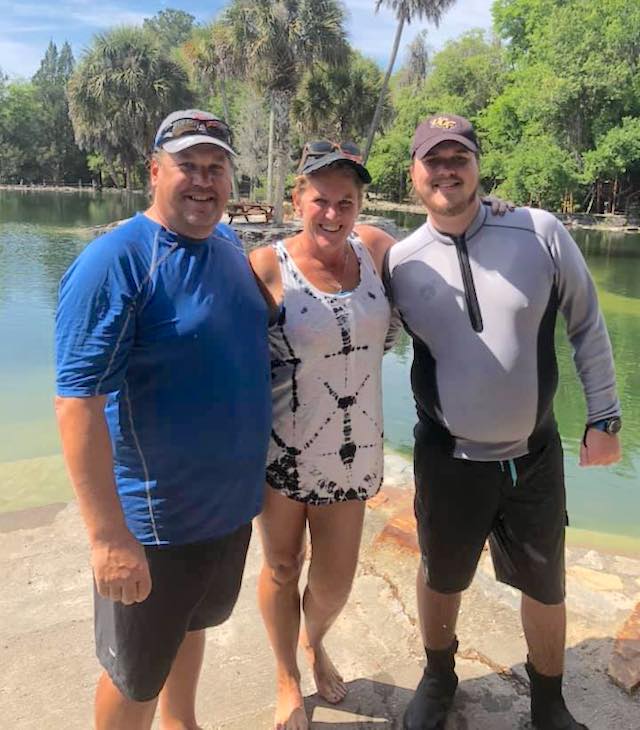
Lyndi Leggett of The Scuba Gym in Australia, with David Sr., and David Jr.

This is the true and inspiring story that motivated me—Lyndi Leggett (above)—to bring the scuba therapy to Australia, as a scuba instructor and leadership trainer on the Central Coast of New South Wales.

MORE: Veterans Are Finding Peace From PTSD Through ‘Float Therapy’

The therapy techniques that David Lawrence developed over the last 10 years have served to help people with disabilities and special neurological needs to improve their muscle tone, reduce their pain and spasms, stand up and walk with a quad cane, and even progress to walking unassisted. Furthermore, scuba therapy improves lung function, lymphedema, and boosts the lymphatic system.

Our clients at The Scuba Gym in Australia have been able to seek employment, sometimes for the first time in their lives, rather than being dependent on disability services that can often be inadequate.

RELATED: Give Yourself a Break—New Research Says Kicking Back in a Sauna Has Surprising Health Benefits

All it takes is the desire and commitment to work hard. So often we hear from our clients that their medical team had reached the limit of what traditional rehabilitation could offer them. It takes pioneers who think outside the box—or in our case, outside the wheelchair—to bring hope back to people who’ve been told that there is none.

We challenge and change the way healing and rehabilitation is approached and combine that innovative thinking with a passion for scuba diving—because in an anti-gravity environment, where the restrictions of land don’t apply, we can achieve incredible things.

Water You Waiting For? Share The Story With Your Friends On Social Media…

New Research Links Five Simple Lifestyle Choices to a 60% Reduced Risk of Developing Alzheimer’s

Rod Waddington, CC license

Everyone knows that a healthy lifestyle involves eating fruits and vegetables and getting lots of exercise—but new research says that it might have a much more dramatic impact on our cognitive health than we previously thought.

Last month, researchers at the Alzheimer’s Association International Conference in Los Angeles presented a new study on how five specific lifestyle choices were linked to a 60% reduction in the risk of developing the disease. In fact, the compiled report states that even adopting four of the five maintained the same 60% reduction.

The factors included in the study were:

  • getting 150 minutes of moderate to vigorous activity per week
  • not smoking
  • limiting alcohol to one drink per day
  • participating in cognitive stimulation (such as puzzles, or other problem-solving tasks)
  • a “good diet” (mostly vegetables, nuts, berries, beans, whole grains, seafood, poultry and olive oil—and avoiding pastries, sweets, fried food, and too much red meat or saturated fats).

The researchers from Rush University Medical Center in Chicago who managed the study were confident there would be some link between the lifestyle factors and cognitive outcomes, but co-author and professor Klodian Dhana said that he and the other authors of the study were all shocked by the “magnitude of the effect.”

But, not all of the study’s participants were stringent in adopting all five of the listed habits over the course of the 6 to 9 years of research—and this revealed another promising statistic: for those who added just one of the healthier lifestyle choices to whatever their current number of factors was, the risk of dementia decreased by an additional 22%.

Even for most people with a genetic predisposition to dementia, a healthy lifestyle can be equally protective, according to a separate study of over 200,000 individuals published in JAMA on the same day.

RELATED: Say Goodbye to Temporary Fillings—Scientists Successfully Use a Gel to Regrow Tooth Enamel

Don’t Forget to Eat Blueberries and Mushrooms

Out of the lifestyle elements that were tracked, probably the most interesting is the foods we choose to eat. In the coming decades, the familiar refrain of “eat your vegetables” may become “get your polyphenols and phytonutrients.” Scientific research has proven that these mysterious components of plant-based foods are what we should be eating if we value our brain function.

For instance, this 2016 study featured on GNN found that blueberries help to fend off Alzheimer’s thanks to their phytonutrient flavonoids called anthocyanins.

“The blueberry group demonstrated improved memory and improved access to words and concepts,” said Robert Krikorian, leader of the research team. “Our new findings corroborate those of previous animal studies and preliminary human studies, adding further support to the notion that blueberries can have a real benefit in improving memory and cognitive function in some older adults.”

Another study featured on GNN in 2018 found that combining blueberries and grapes also resulted in surprising improvements in the memory, spatial recognition, and learning capabilities. This is because the two fruits are rich in polyphenols, which are micronutrient plant compounds that are good for your brain. The two polyphenol-rich extracts combined together resulted in a boost much greater than using one or the other exclusively.

CHECK OUT: Husband-Wife Duo Has Developed ‘Gene and Cell Therapy’ Cancer Vaccine Now Being Tested on Patients

And then there’s ergothioneine, or ET: a compound found in mushrooms which is also a protector of cognitive function. Instead of warding off Alzheimer’s, however, it protects against mild cognitive impairment (MCI). Still, a team from the Yong Loo Lin School of Medicine at the National University of Singapore (NUS) found that seniors consuming more than two portions of mushrooms every week were linked with a reduction in odds of experiencing mental decline by as much as 50%.

Another Lifestyle Choice With Dementia Implications: Flossing Your Teeth

There is also a link between gingivitis and Alzheimer’s—and the good news is, like diet, you have control over how well you clean your teeth.

Researcher Piotr Mydel from the University of Bergen “discovered DNA-based proof that the bacteria causing gingivitis can move from the mouth to the brain.” Once in the brain, the bacteria excrete toxins that kill cerebral nerve cells.

While the bacteria don’t directly cause Alzheimer’s, the presence of the bacteria in the brain increases the risk of developing the disease and can result in a faster onset for people who are already at risk. In addition, a drug has been developed that can block those enzymes, which is scheduled to be tested in clinical trials in late 2019.

CHECK OUT: After Her Years of Research, a Cambridge Scientist Could Be on the Verge of Curing Multiple Sclerosis

“Use It, Or Lose It”

In terms of getting some exercise, this 68-year-old man with Alzheimer’s has staved off the the disease by climbing a mountain every day for the last 50 years.

Another way to elevate your fortitude against dementia is by pulling out a crossword puzzle or word search quiz for a low-cost and readily available way to exercise your gray matter.

When 17-year-old John Frates realized his grandmother was struggling with the word searches she had always loved, he created a book of large-print puzzles to soften the effects of her dementia. It had simpler words and no diagonal or backward spellings. Mary Frates was delighted. “Every time I showed her a new word search, her eyes lit up,” John told Good News Network.

John then conducted a scientific study on how the word searches could benefit elderly patients with dementia and presented his findings at the American College of Lifestyle Medicine Conference in 2017, suggesting that even those who have already noticed signs of cognitive decline can continue to “use it,” perhaps just with a little help.

MORE: After 68% of Patients Were Cured of PTSD in Phase-2 Trials Clinics May Soon Offer MDMA Therapy

We all hear these reminders from doctors and parents: Eat your fruits and vegetables… Don’t forget to floss… Get some exercise. It’s good to know these are all aligned with today’s cutting-edge research on Alzheimer’s.

Help Others Live a Better Life — Share This Research With Friends On Social Media…

LEGO Converts Their Instruction Manuals into Audio and Braille, Inspired by Blind Man’s Website

What started as a kind gesture between two friends is now being rolled out as a global pilot program that will allow thousands of blind children to build LEGO sets all on their own.

Using AI technology, the LEGO Group is aiming to make their play experience more accessible for those with vision impairment by converting their instruction manuals into an audio and braille formatting.

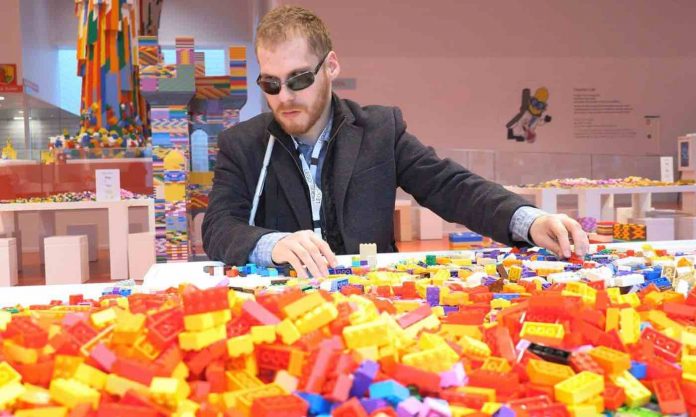
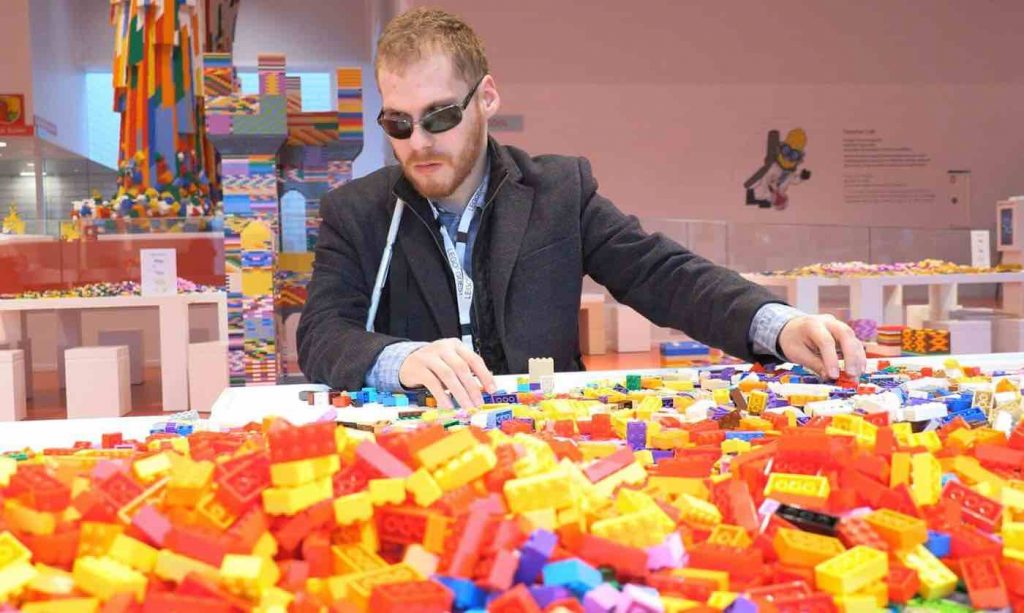
The idea came from Matthew Shifrin, a 22-year-old man from Boston who was born blind. As a child, he developed a strong passion for LEGO play. However, he always needed assistance when it came to specific LEGO-building instructions.

“I had a friend [and babysitter named Lilya] who would write down all the building steps for me so that I could upload them into a system that allowed me to read the building steps on a braille reader through my fingers,” says Shifrin. “She learned braille to engage with me and support my LEGO passion, and then spent countless hours translating LEGO instructions into braille.”

WATCH: He Built His Own Prosthetic Out of LEGOS and Hopes to Provide Cheap Solutions for Others Who Need a Hand

Shifrin would then pore over his customized instructions to create models such as the LEGO Sydney Opera House and London Tower Bridge—the latter of which required over 850 pages.

But for the first time ever, he is able to build LEGO sets independently, without needing anyone else guiding him through the instructions.

“This is extremely important for blind children because there aren’t a lot of places where we can say, ‘Look Mom and Dad! I built this on my own… I did this’” says Shifrin. “For blind children, we don’t have access to what sighted kids are used to. LEGO bricks enable us to learn about our environment, to see the world. It is so important because blind kids get left out of a lot of social stuff, especially in elementary school. But LEGO building is one of the things we can do.”

CHECK OUT: LEGO Bricks on Sale Now Are Plant-based Instead of Plastic

For years, Lilya and Shifrin spent hours working together to translate different LEGO manuals and decided to publish them to a website, “LEGO for the Blind”, so they could share their work with other children. To date, their website has published the braille and audio instructions for about 40 different sets—but they had bigger dreams.

When Lilya passed away in 2017, Shifrin was determined to honor her memory by ensuring others benefitted from her idea of creating and sharing the instruction manuals. Thanks to one of his friends at MIT, he was finally introduced to those who run the Creative Play Lab at the LEGO Group.

The team took his idea to the Austrian Research Institute for Artificial Intelligence who developed new AI software to translate LXFML data (LEGO Exchange Format Mel Script) from the visual digital building instructions to text-based descriptions for braille and voice commanded instructions. Speech synthesis company, CereProc then provided the Software Development Kit and a voice that reads the instructions.

LOOK: Boy With Autism’s LEGO Replica of the Titanic is So Impressive, it is Now on Display at the Ship’s Museum

The free service is now available in English through their accessible new LEGO Audio Instructions website. The first four instructions to be launched include a set from LEGO Classic, LEGO CITY, LEGO Friends, and LEGO Movie 2.

Visitors can either choose to hear audio instructions using their screen reader or with audio provided by the LEGO Group. Alternatively, users can also choose to read the instructions using a Braille reader. Depending on consumer feedback on the four pilot instructions, which will be collected until the end of 2019, the company plans on launching more audio and braille instructions during the first half of 2020.

The innovation is being hailed as a welcomed follow-up to the launch of LEGO Braille Bricks, launched four months ago to help teach braille to young children with vision impairment in a playful way. Co-developed with the LEGO Group, both projects have been funded by the LEGO Foundation.

CHECK OUT: Blind Man Develops Smart Cane That Uses Google Maps and Sensors to Identify One’s Surroundings

“As I build a set, I develop a better sense of what a building looks like and how it is laid out and constructed,” says Shifrin. “For blind people LEGO sets act as miniature 3D substitutes for real-life buildings in lieu of two-dimensional photographs. LEGO bricks allow me to see things that are impossible to explore by touch, such as the arches of a Middle Eastern palace or the towers of the London Tower Bridge.

“I would like to get my instructions out to the blind community so they can feel on par with a sighted builder. I want every blind person to feel that the once impossible is now possible; that he or she can now build a miniature LEGO world.”

(WATCH the video below)

Build Up Some Positivity By Sharing The Good News To Social Media…

Instead of Using Birthday Money for Disney World Vacation, 6-Year-old Uses It to Feed Hurricane Evacuees

Rather than using his birthday vacation money to go to Disney World, this little boy chose to feed Hurricane Dorian evacuees instead.

Jermaine Bell will be turning 7 years old on September 8th. His parents had originally saved up some money so they could celebrate the youngster’s big day at ‘the happiest place on Earth’—but since the hurricane hit the east coast, Jermaine wanted to make sure those in the midst of it had something eat.

He and his family from Allentown, South Carolina then used their savings to buy sandwiches, snacks, and waters for families headed inland from the coast. Together, they stood on the side of the road with signs advertising how they were giving away free meals to evacuees.

“The people that are traveling to go to other places, I wanted them to have some food to eat, so they can enjoy the ride to the place that they’re going to stay at,” Jermaine told local reporters in the interview below.

RELATED: After Bullied Boy Has Terrible First Day of School, Upperclassmen Take Him Under Their Wing

Over the course of just one day, Jermaine fed more than 100 evacuees—and he hopes to feed many more.

His mother Lauren Bell says that she has been incredibly touched by her son’s compassion—which is why she still hopes to take her son to Disney World, even if it means they simply have to put it off for a while.

(WATCH the news coverage below) – Photo by WJBF

Save Your Friends From Negativity By Sharing The Sweet Story To Social Media…

“The spiritual path has more to do with subtraction than addition. It’s not so much a matter of adding virtues as it is relinquishing everything that can possibly be abandoned.” – Belden C. Lane

Quote of the Day: “The spiritual path has more to do with subtraction than addition. It’s not so much a matter of adding virtues as it is relinquishing everything that can possibly be abandoned.” – Belden C. Lane

Photo: by Ken Brown, CC License, cropped

With a new inspirational quote every day, atop the perfect photo—collected and archived on our Quotes page—why not bookmark GNN.org for a daily uplift?


Comedian Kevin Hart Finally Listened to His Mother’s Advice, and it Paid Off—Big Time

On a recent podcast, world renown comedian Kevin Hart recalled the moment at 19 years-old when he finally followed his mother’s advice, and it paid off—big time—both for his wallet and his heart.

LISTEN to the inspiring story told on the radio by our GNN founder (in the Good News Guru podcast below) or READ the full story after that…

Kevin’s mom never wanted to attend any of his shows. She was very religious, but, despite his edgy humor, she was always very supportive of his career.

When he was 19, he was struggling to make it in comedy and over several months couldn’t pay his rent. Eventually, he went to his mom saying, “Look, you said you were going to help me— and I really need some money.”

She said, “Read your bible.”

Kevin told her, “I do read the bible, but the eviction notice is on the door!”

She replied, “Come back to me when you read your bible.”

A couple days went by, and they changed the color of the notice: “They’ve shifted to PINK. This is serious!”

Kevin Hart in 2014, photo by Eva Rinaldi, CC license

Kevin went back to his mom and said, “Mom, They’re going to kick me out. I need the money or else I’m not going to have a place to live.”

She asked again, “Did you READ your bible? — If you read your BIBLE, then you wouldn’t be talking to me.”

”Mom, this isn’t the TIME.”

…And, back-and-forth they went, the same as before.

That night, Kevin was in his bed. He said he opened the drawer and was like, “Lemme read this damn bible, so I can really tell this woman that I read the bible.”

So, he opens the book—and the rent checks for every month that entire year tumbled onto his lap.

They were literally waiting there all along.

MORE: Pink Floyd’s David Gilmour Auctions Off 126 Guitars and Raises $21 Million for Climate Change Battle

Even though she didn’t like his cursing and drinking, after she died in 2006, Kevin found a big box in her home with flyers and clippings of everything he had ever done in standup—back to the earliest days.

Today, Hart—who’s also a business tycoon in a variety of fields from entertainment to fashion to wellness to financial education—says he knows “a hundred percent that she’s still applauding everything” he’s doing, “just from another level.”

RELATED: Keanu Kindness: Actor Delights Passengers After Plane Makes Emergency Landing

CHECK OUT more inspiring stories about your favorite celebrities on our Celebrities Page.

SHARE THIS Beautiful Story With Your Mother…and Friends on Social Media…