All News - Page 658 of 1732 - Good News Network
Home Blog Page 658

“I don’t dread any challenge that lies ahead, because I remember all the victories behind.” – Steven Furtick

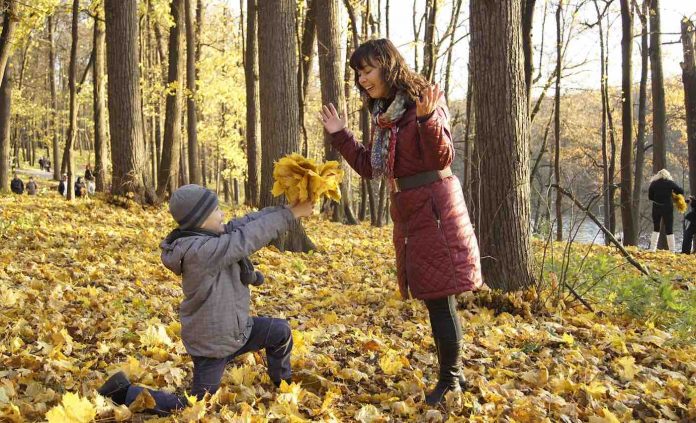
By Hernán Piñera, CC license

Quote of the Day: “I don’t dread any challenge that lies ahead, because I remember all the victories behind.” – Steven Furtick

Photo: by Hernán Piñera, CC license, via Flickr

With a new inspirational quote every day, atop the perfect photo—collected and archived on our Quotes page—why not bookmark GNN.org for a daily uplift?


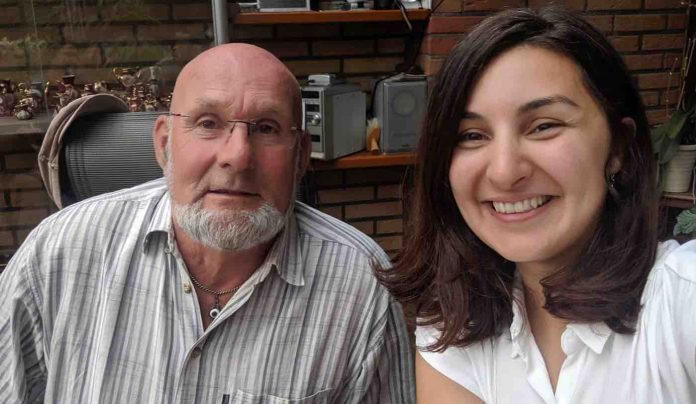
Former Child Refugee Finally Gets to Thank Aid Worker for the Life-Changing Gift He Gave Her 24 Years Ago

A Dutch humanitarian worker changed her life when she was five, after her family fled war torn Iraq. Recently, she became determined to find the man who presented her with a shiny new red bicycle and transformed her self-worth.

LISTEN to the inspiring story told on the radio by our GNN founder (in the Good News Guru podcast below) or READ the full story below…

It’s been almost 24 years since he gave Mevan Babakar the gift—and thanks to the power of the internet, she was finally able to thank him for the gift that helped to change her life.

While a new bicycle may not seem particularly special, Babakar had been in a particularly tough spot when she received the gift.

Back in 1991, Babaker and her family had fled northern Iraq in search of sanctuary. They traveled through Russia, Turkey, and Azerbaijan until they finally came to stay at a refugee camp in the town of Zwolle.

Babakar may have only been 5 years old at the time, but she clearly remembers getting to know a Dutch humanitarian worker at the camp named Egbert.

RELATED: Rapper’s Insistence on Featuring Homeless People in Music Video Results in Family Reunion

After she and her family were eventually able to resettle in Bergen aan Zee, Egbert later surprised the refugee family by making the 100-mile trip from the refugee camp to their front door so he could give Babakar a brand new red bicycle for Christmas.

“I remember my heart just exploded with joy … I couldn’t believe it was mine,” she recalled in an interview with the UN Refugee Agency. “When someone gives you something better than you deserve, you have to start to reassess what you’re worth.”

After Babakar and her family moved to London, she went on to get a Master’s degree in bio-engineering and pursue her career in the media.

WATCH: Tears Flow as 88-Year-old Finally Meets Biological Daughter She Thought Died At Birth

She only recently felt inspired to retrace her history as a Kurdish refugee—and as a part of her personal journey back through her experiences and cultural interactions, she became determined to track down the benefactor who helped to shape her childhood.

There was only one problem: upon arriving back in Zwolle, she realized that she didn’t really know who Egbert was.

“I went to city hall and the local library and asked as many people as I could. Nobody knew much,” says Babakar. “We kind of gave up.”

In a last ditch effort to find Egbert, Babakar tweeted a grainy old photo of the man from the refugee camp and asked her followers for help. She wrote: “Hi internet, this is a longshot, BUT I was a refugee for 5 years in the 90s and this man, who worked at a refugee camp near Zwolle in the Netherlands, out of the kindness of his own heart bought me a bike. My five year old heart exploded with joy. I just want to know his name. Help?”

Within hours, social media users put her in touch with Egbert and she was able to reunite with him at his home in Germany.

“Not only did I find him, but I’ve also had other refugees reach out to me and tell me that him and his wife helped them too!” Babakar later wrote on Twitter. “Their kindness has touched so many lives. One woman said: ‘they weren’t friends to me, they were family.’”

Additionally, Babakar’s Twitter posts put her in touch with another humanitarian worker from the refugee camp: a woman named Sandra who taught her to use a computer for the first time, which put her on track to pursue her career in technology.

“It was wonderful. It was like seeing [relatives] that you hadn’t seen in a very long time,” Babakar told the UNHCR.

Despite finally being able to thank the man for the bike, Babakar says that she was never really thanking him for the bike. “The gift of the bike and those feelings eventually became the value of my own self-worth,” she mused.

(WATCH the interview below)

Be Sure And Share This Sweet Story With Your Own Friends And Family On Social Media…

Tree-Filled City Parks Make People as Happy as Christmas Day, Says New Study of Twitter Posts

Feeling unhappy and cranky? This new study says that walking in a leafy public park can make feel as happy as Christmas day.

The first-of-its-kind study from the University of Vermont shows that people who visit urban parks use happier words and express less negativity on Twitter than they did before their visit—and that their elevated mood lasts, like a glow, for up to four hours afterwards.

In fact, the scientists discovered that the effect is so strong, the increase in happiness from a visit to an outpost of urban nature is equivalent to the mood spike on Christmas, which has been shown to be by far the happiest day each year on Twitter.

With more people living in cities, and growing rates of mood disorders, this research may have powerful implications for public health and urban planning.

RELATED: Managing Your Gut Bacteria Shown to Alleviate Anxiety, Says New Research

The new study was published today in People and Nature, an open-access journal of the British Ecological Society.

For three months, the scientists studied hundreds of tweets per day that people posted from 160 parks in San Francisco. “We found that, yes, across all the tweets, people are happier in parks,” says Aaron Schwartz, a UVM graduate student who led the new research, “but the effect was stronger in large regional parks with extensive tree cover and vegetation.” Smaller neighborhood parks showed a smaller spike in positive mood and mostly-paved civic plazas and squares showed the least mood elevation.

In other words, it’s not just getting out of work or being outside that brings a positive boost: the study shows that greener areas with more vegetation have the biggest impact. It’s notable that one of the words that shows the biggest uptick in use in tweets from parks is “flowers.”

LOOK: How a Yoga Teacher is Saving First Responders Across America From Depression With Downward Dog

“In cities, big green spaces are very important for people’s sense of well-being,” says Schwartz; meaning that efforts to protect and expand urban natural areas extend far beyond luxury and second-tier concerns. “We’re seeing more and more evidence that it’s central to promoting mental health,” says Taylor Ricketts, a co-author on the new study and director of the Gund Institute for Environment at UVM.

In recent years, “a big focus in conservation has been on monetary benefits—like: how many dollars of flood damage did we avoid by restoring a wetland?” Ricketts says. “But this study is part of a new wave of research that expands beyond monetary benefits to quantify the direct health benefits of nature. What’s even more innovative here is our focus on mental health benefits—which have been really underappreciated and understudied.”

The new study relied on the hedonometer. This online instrument—invented by a team of scientists at UVM and The MITRE Corporation—has been gathering and analyzing billions of tweets for more than a decade, resulting in numerous scientific papers and extensive global media coverage. The instrument uses a body of about 10,000 common words that have been scored by a large pool of volunteers for what the scientists call their “psychological valence,” a kind of measure of each word’s emotional temperature.

CHECK OUT: Instead of ‘We Are What We Eat,’ the Science of Kindness Says ‘We Are What We See’ in Daily Life

The volunteers ranked words they perceived as the happiest near the top of a 1-9 scale; sad words near the bottom. Averaging the volunteers’ responses, each word received a score: “happy” itself ranked 8.30, “hahaha” 7.94, and “parks” 7.14. Truly neutral words, “and” and “the” scored 5.22 and 4.98. At the bottom, “trapped” 3.08, “crash” 2.60, and “jail” 1.76. “Flowers” scored a pleasant 7.56.

Using these scores, the team collects some fifty million tweets from around the world each day—“then we basically toss all the words into a huge bucket,” says Dodds—and calculate the bucket’s average happiness score.

To make the new study, the UVM team fished tweets out of this huge stream—from 4,688 users who publicly identify their location—that were geotagged with latitude and longitude in the city of San Francisco. This allowed the team to know which tweets were coming from which parks. “Then, working with the U.S. Forest Service, we developed some new techniques for mapping vegetation of urban areas—at a very detailed resolution, about a thousand times more detailed than existing methods,” says Jarlath O’Neil-Dunne, director of UVM’s Spatial Analysis Laboratory in the UVM Rubenstein School of Environment and Natural Resources and a co-author on the new study. “That’s what really enabled us to get an accurate understanding of how the greenness and vegetation of these urban areas relates to people’s sentiment there.”

MORE: Next Time You’re Feeling Stressed or Anxious, This Study Says You Should Play Tetris

“This is the first study that uses Twitter to examine how user sentiment changes before, during, and after visits to different types of parks,” says Schwartz, a doctoral student in the Rubenstein School and Gund Institute graduate fellow. “The greener parks show a bigger boost.”

Overall, the tweets posted from these urban parks in San Francisco were happier by a dramatic 0.23 points on the hedonometer scale over the baseline. “This increase in sentiment is equivalent to that of Christmas Day for Twitter as a whole in the same year,” the scientists write.

“Being in nature offers restorative benefits on dimensions not available for purchase in a store, or downloadable on a screen,” says UVM’s Chris Danforth, a professor of mathematics and fellow in the Gund Institute. He notes that a growing body of research shows an association between time in nature and improved mood, “but the specific causal links are hard to nail down.”

RELATED: Exciting New Study Shows That Zapping the Brain ‘Acutely’ Relieves Symptoms of Depression

The team of UVM scientists consider several possible mechanisms through which urban nature may improve mental health, including Green Mind Theory that suggests that the negativity bias of the brain, “which may have been evolutionarily advantageous—is constantly activated by the stressors of modern life,” the team writes.

“While we don’t address causality in our study, we do find that negative language—like ‘not,’ ‘no,’ ‘don’t,’ ‘can’t,’—decreased in the period immediately after visits to urban parks,” says Danforth, “offering specific linguistic markers of the mood boost available outside.” Conversely, the study shows that the use of first-person pronouns—“I” and “me”—drops off dramatically in parks, perhaps indicating “a shift from individual to collective mental frame,” the scientists write.

Of course, Twitter users are not a representative sample of all people—perhaps just the “twitter-afflicted” (as Adam Gopnik wrote in a recent issue of the New Yorker) who pick up their phone to tweet from a park. Still, Twitter users are a broad demographic, earlier research shows, and this approach to near-real-time remote sensing via Twitter posts—not based on self-reporting—gives a new window for scientists onto the shifting moods of very large groups.

Reprinted from the University of Vermont

Plant Some Positivity By Sharing The Intreeging Research With Your Friends On Social Media…

Pit Bull Hailed As a Hero After Reportedly Fighting Off a Shark to Save Its Owner

This courageous pit bull has proven itself to be man’s best friend—and hero—after it saved his owner from a 6-foot shark last month.

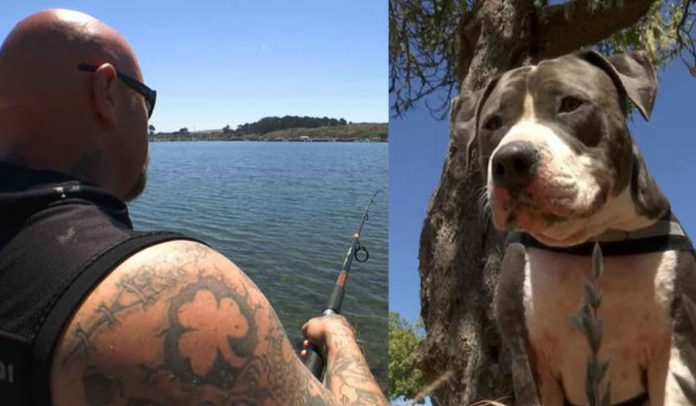
James White had been fishing off the coast of Bodega Bay in Sonoma County, California when he felt a hefty tug at the end of his line. Eager for a big catch, White told NBC News that he spent 10 minutes reeling it in only to find that he had hooked a massive sevengill shark.

When White tried to free the shark from his hook, it twisted, fell to the ground and reportedly bit down on his ankle, puncturing an artery in the process.

The fisherman tried to free his leg from the jaws of the predator, but to no avail. He then called to some nearby fishermen for help—but before they could get to him, Darby the pit bull rushed to his rescue.

WATCH: Dog That Shoplifted a Book on ‘Abandonment’ is Given the Love It Was Asking For

Since there had been an abundance of traffic in the area, White had kept his 1-year-old canine companion in his jeep parked a few yards away from his fishing spot with the windows slightly rolled down. When Darby saw that his owner was in distress, however, he scratched at the car door until he managed to pull the handle open and run to White’s side.

The 100-pound pup then bit the shark on the gills, which only caused it to sink its teeth deeper into White’s ankle. When White told Darby to back off, the dog then grabbed the shark by the tail and pulled it off of his owner onto dry land.

After White was able to throw the shark back into the ocean, it swam away with little more than a few bite marks from the heroic pit bull—and White says that he was able to walk away with his foot still intact thanks to Darby.

RELATED: Watch This Stunning Video of a Border Collie Sprinting to the Rescue of a Dog in Harm’s Way

Though White always knew Darby to be a sweet and playful dog, he never knew that the pup was capable of such bravery—and he is now eternally indebted to the dog for his actions.

“He’s been a part of the family from day one, just now a little more,” White told NBC. “If it wasn’t for him I would have been a lot worse.”

(WATCH the NBC interview below)

Be Sure And Share This Pawesome Rescue With Your Friends On Social Media…
Metallica Donates a Quarter-Million Dollars to Help Build First Children’s Hospital of Its Kind in Romania

It has been 20 years since Metallica played in Romania—and they are celebrating their return to the European nation by making a particularly noteworthy contribution to its medical community.

The iconic heavy metal band has already been doing charity work for every city they visit on their WorldWired global tour. Thus far, the group has made headlines for donating thousands of dollars through their All Within My Hands Foundation to community food banks they pass along the way.

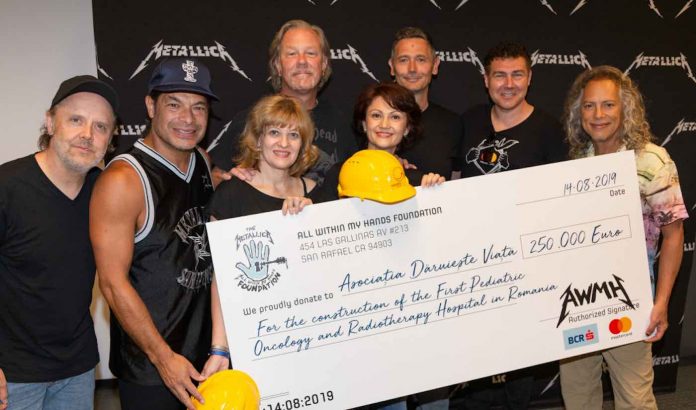
Now as a means of kicking off the final leg of the European chapter of their tour, Metallica says that they are donating $277,000 (€250,000) to help build the country’s first pediatric oncology and radiotherapy hospital and equip it with the latest medical technology.

RELATED: Woman Who Used Metallica Song to Scare Off a Hungry Cougar Gets Unexpected Call From Band’s Frontman

Prior to their sold out show at the Arena Națională in Bucharest, Romania, the band members presented a check to Daruieste Viata (The Give Life Association), which is the organization responsible for the hospital’s construction.

Carmen Uscatu, President of Daruieste Viata Association, said in a statement: “The donation made by Metallica has a special meaning to our project … their music inspires and touches so many Romanians, and at the same time, so many Romanians are inspired by and contribute to the establishing of the first Pediatric Oncology and Radiotherapy Hospital in Romania, in order to give children with cancer a chance to live.”

CHECK OUT: Father of Metallica Bassist Who Died Has Been Quietly Donating Royalties to Child Musicians

According to the nonprofit’s website, “Only 50% of the children with cancer survive in Romania. The average in the EU is at over 80%.

“When completed, this will be first state-of-the-art hospital that will have been built in Romania in over 30 years, while also being the only project funded exclusively by private donors.”

The hospital, which has been funded by about 260,000 individuals and 2,000 companies, is projected to open to the public in 2020.

Ride The Good News By Sharing This With Your Fellow Metalheads On Social Media…

When Firefighters See Senior Struggling in Wheelchair, They Spend Weekend Building Her a New Walkway

When a group of firefighters saw an elderly woman in a wheelchair struggling to get to her front door, they spent their weekend building her a new walkway.

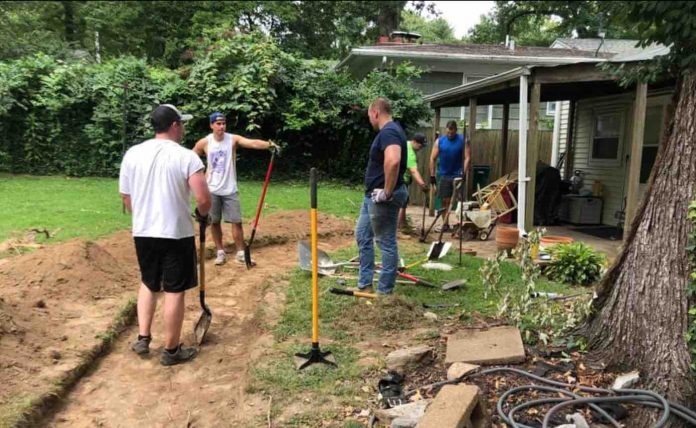
According to a Facebook post from the Webster Groves Firefighters Community Outreach page in Missouri, several of their responders had been returning from a call last week when they noticed an older woman trying to maneuver her wheelchair across her front lawn.

“Multiple stairs and uneven terrain unfortunately led to the resident falling over in her wheelchair while trying to enter the house,” wrote the fire department. “Luckily the patient was uninjured, but we saw an opportunity to help.”

A team of firefighters then returned to the woman’s home and spent their days off paving a new concrete walkway to her front door.

LOOK: Family Was Filling Up Swimming Pool Using Only Pots and Pans Until These Firemen Came Along

“She will now will have a level pathway and ramp to gain access to her home,” says the department. “A huge thank you goes out to the members that spent their days off helping those in need.”

Since the fire department Facebook published photos of the firefighters at work, their post has been shared hundreds of times with social media users praising the men for their compassion.

One reader aptly expressed their gratitude by saying: “That’s what it’s all about! Neighbors helping neighbors. Job well done, guys!”

Pave The Way To Positivity By Sharing This Sweet Story To Social Media…

“As our lungs make use of the air we breathe, the heart makes use of the things we experience.” – Mark Nepo

Quote of the Day: “As our lungs make use of the air we breathe, the heart makes use of the things we experience.” – Mark Nepo

Photo: by Lori Thantos, CC license, via Flickr

With a new inspirational quote every day, atop the perfect photo—collected and archived on our Quotes page—why not bookmark GNN.org for a daily uplift?


How Fibbing to His Grandma With Early Onset Dementia Led to a Touching—But Hilarious—Conversation

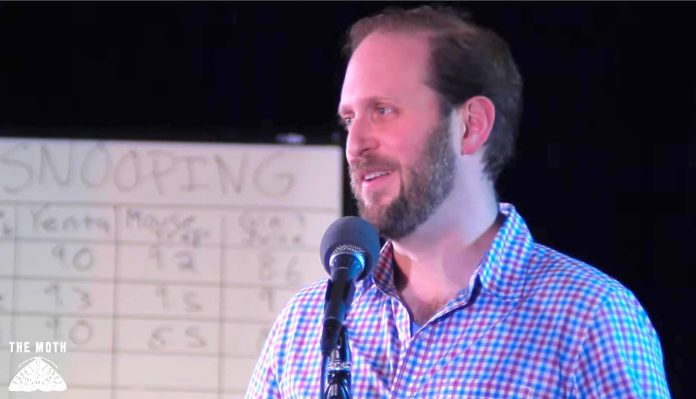
Robert Sherer tells an adorable story of familial fondness in this week’s edition of MOTH Monday, a Good News Network partnership that features videos from the nonprofit group, The MOTH, showcasing the art of storytelling.

As his grandma began displaying the symptoms of early-stage dementia, Robert Sherer found himself spending more and more time at her New York City apartment.

Although he was one of her prime caregivers at the time, Sherer didn’t want to fluster his grandmother by taking on all of her responsibilities at once—so he would often make up excuses to sneak around her apartment in order to take care of her bills and errands in secret.

For a time, Sherer managed to keep his snooping under the radar—but then his grandma sat him down for an endearing conversation.

(LISTEN to the amusing story below…)

The Moth gives people an opportunity to tell a true story in front of a live audience, and sometimes their stories are chosen to air on the radio show, now celebrating its tenth year, and broadcasting on 485+ public radio stations—and on The Moth podcast, which is downloaded over 52 million times a year. The Moth’s third book, Occasional Magic: True Stories About Defying the Impossible is now available for purchase through your favorite booksellers.

Be Sure And Share This Sweet Story Of Serendipity With Your Friends On Social Media…

World’s Largest Rooftop Urban Farm is Set to Open in Paris Next Year

Photo by Agripolis

The world’s largest rooftop urban farm is set to open in Paris next year—and it’s already projected to feed thousands of people every year.

The garden, which is being constructed in the southwest region of the French capital, will span over 14,000 square meters (150,700 square feet), making it the largest urban farm in Europe.

Managed by a team of 20 gardeners, the organic sanctuary will grow 30 different plant species. Representatives from Agripolis, the urban farming company behind the project, say that the site will likely produce about 1,000 kilograms (2,200 pounds) of fruit and vegetables every day in high season.

In addition to hosting a variety of educational workshops and farming classes, the site will also allow local Parisians to lease out tiny segments of the rooftop for their own gardening needs.

LOOK: IKEA Releases Free Design For Garden Sphere That Feeds a Neighborhood

Agripolis developers say that they are designing the project around a specialized aeroponic “vertical farming” technique so that the garden will use no pesticides and very little water.

“Our vision is a city in which flat roofs and abandoned surfaces are covered with these new growing systems,” says Pascal Hardy, founder of Agripolis. “Each will contribute directly to feeding urban residents who today represent the bulk of the world’s population.

“The goal is to make the farm a globally-recognized model for sustainable production,” he added “We’ll be using quality products, grown in rhythm with nature’s cycles, all in the heart of Paris.”

Photo by Agripolis

Feed Your Friends Some Positivity By Sharing The Good News To Social Media…

Watch Youngsters Challenge Strangers on the Street to Watergun Fight During Hot Summer Day

With summer temperatures soaring on the streets of Richmond, Virginia, a few college students decided to give their fellow pedestrians a chance to cool off in the heat—and the results are seriously sweet.

During one particularly toasty day last month, YouTube prankster Josh Roth bought two water guns and spent the afternoon challenging people on the street to a water fight.

RELATED: Watch This Fun-Loving Owl Have an Absolute Hoot When It Discovers Children’s Inflatable Pool

While some people were reluctant to engage in the watery warfare, several strangers accepted the #WaterGunChallenge and picked up the super soaker for a quick battle.

Since the fun-loving youngsters uploaded the video on July 28th, it has already racked up hundreds of thousands of viewers—and based on the sweet footage of the incident, it’s not hard to see why.

(WATCH the wholesome video below)

Be Sure And Share This Refreshing Video With Your Friends On Social Media…

No More ‘Sniff Tests’: Cheap Biodegradable Sensors Can Tell Smartphones When Food Has Gone Bad

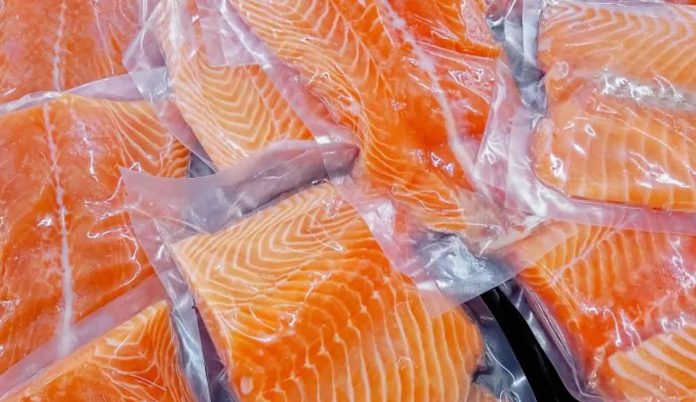
In order to help detect spoilage and reduce food waste for supermarkets and consumers, researchers have developed new low-cost, smartphone-linked, eco-friendly spoilage sensors for meat and fish packaging.

One in three UK consumers throw away food solely because it reaches the “use-by” date, but 60% (4.2 million tonnes) of the £12.5 billion-worth of food we throw away each year is safe to eat.

The laboratory prototype sensors cost two US cents each to make. Known as “paper-based electrical gas sensors” (PEGS), they detect spoilage gases like ammonia and trimethylamine in meat and fish products.

The sensor data can be read by smartphones, so that people can simply hold their phone up to the packaging to see whether the food is safe to eat.

RELATED: Family Farms Use ‘Crop Mobsters’ to Prevent More Than 1 Million Servings Of Food From Going To Waste

The Imperial College London researchers who developed PEGS crafted the sensors by printing carbon electrodes onto readily available cellulose paper. The biodegradable materials are eco-friendly and nontoxic, so they don’t harm the environment and are safe to use in food packaging. The sensors are then combined with “near field communication (NFC)” tags—a series of microchips that can be read by nearby mobile devices.

During laboratory testing on packaged fish and chicken, PEGS picked up trace amounts of spoilage gases quickly and more accurately than existing sensors, at a fraction of their price.

The researchers, whose findings were published in ACS Sensors, say the sensors could also eventually replace the “use-by” date—a less reliable indicator of freshness and edibility. Lower costs for retailers may also eventually lower the cost of food for consumers.

via GIPHY


PEGS are the first ever commercially-viable food freshness sensors. Lead author Dr Firat Güder, of Imperial’s Department of Bioengineering, said: “Although they’re designed to keep us safe, use-by dates can lead to edible food being thrown away. In fact, use-by dates are not completely reliable in terms of safety as people often get sick from foodborne diseases due to poor storage, even when an item is within its use-by.

“Citizens want to be confident that their food is safe to eat, and to avoid throwing food away unnecessarily because they aren’t able to judge its safety. These sensors are cheap enough that we hope supermarkets could use them within three years.

“Our vision is to use PEGS in food packaging to reduce unnecessary food waste and the resulting plastic pollution.”

MORE: First UK Supermarket Chain to Eliminate Plastic From Produce Will Save 1,300 Tons of Plastic From Landfill

Consumers rely on use-by dates or even “sniff tests” to see if their food is safe to eat, but there is currently no commercially viable, reliable alternative to these options that provides objective feedback on food freshness and safety.

Although developed by food technologists over many years to ensure safety, use-by dates don’t take storage and processing conditions of specific food items into account. Thus, they can lead to safe and edible food being thrown away by shops and consumers. Additionally, most of the food wasted is packaged in plastic which contributes to plastic pollution.

First author of the study Giandrin Barandun, also from Imperial’s Department of Bioengineering, said: “Use-by dates estimate when a perishable product might no longer be edible—but they don’t always reflect its actual freshness.

CHECK OUT: We May Soon Be Able to Use Ultra-Thin Slice of Wood to Safely Clean and Drink Salt Water

“Although the food industry—and consumers—are understandably cautious about shelf life, it’s time to embrace technology that could more accurately detect food edibility and reduce food waste and plastic pollution.”

Because PEGS work on high-value items like meat and fish, they could save money for shops and their customers, by reducing waste and by enabling shops to use targeted price reduction for specific items based on PEGS rather than use-by dates.

Existing food spoilage sensors are not commonly used because they’re either too expensive (often comprising a quarter of overall packaging costs) or too difficult to interpret. Color-changing sensors could in fact increase food waste as consumers might interpret even the slightest color change as “bad food”.

MORE: No Green Thumb? This Adorable Planter Can Display Your Houseplant’s Needs and Feelings on a Screen

The PEGS technology aims to address both these issues. As well as being cheaper to produce and easier to interpret with electrical readings, the authors found that PEGS overcome many of the disadvantages of current gas sensors by functioning effectively at nearly 100% humidity, where most sensors struggle above 90%.

They also work at room temperature and do not need to be heated, so they consume very low amounts of energy, and they are sensitive only to the gases involved in food spoilage, whereas other sensors can be triggered by non-spoilage gases.

The researchers used ballpoint pens and robotic cutters to create the sensors. Dr Güder said: “We believe our very simple technique could easily be scaled up to produce PEGS on a mass scale by using existing high-volume printing methods such as screen printing and roll-to-roll printing.”

WATCH: Robotic Arm Named After Luke Skywalker Enables Amputee to Touch and Feel Again—‘It almost put me to tears’

The authors hope that PEGS could have applications beyond food processing, like sensing chemicals in agriculture, air quality, and detecting disease markers in breath like those involved in kidney disease. However, before they can be applied beyond their current use, the researchers hope to address how sensitive PEGS are to lower humidity.

Next, the authors hope to expand the usefulness of PEGS by applying them to other types of food and industries. They are currently developing an array of PEGS in which each sensor detects a different chemical. Using this technique, the array will give unique signals for different gases and/or changing humidity, which would make the technology applicable to a wider variety of food types and applications.

Reprinted from Imperial College London

Be Sure And Share This Fresh Piece Of Good News With Your Friends On Social Media – Feature photo by Imperial College London

Foot Doctor Saves Passenger’s Life by Following His Instincts and Ignoring Orders From the Ground

A quick-thinking foot doctor ended up saving the life of an airplane passenger after he followed his instincts and disobeyed an order from airline officials on the ground.

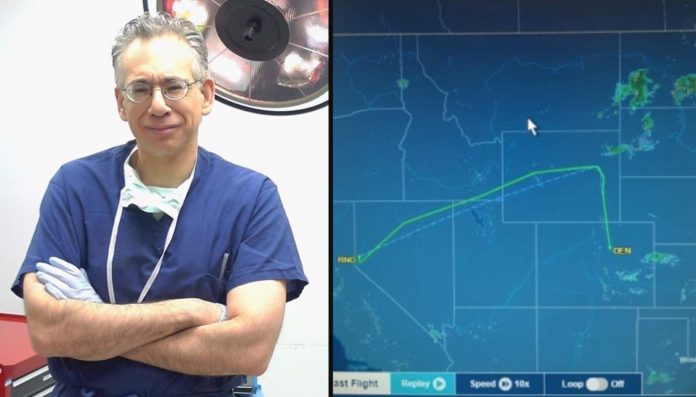
Dr. Michael Nirenberg had been on an American Airlines flight from Reno, Nevada to Chicago last week when a passenger in his mid-60s fell unconscious.

As a podiatrist—a doctor that specializes in the foot and ankle—Nirenberg was one of the only medically-trained passengers on board the flight.

Aided by a retired nurse, Nirenberg leapt into action and rushed to help the unresponsive patient. Upon appraising the passenger’s health, he and the nurse spent the next 40 minutes giving the man CPR and monitoring his vitals on a portable EKG while the plane changed course for an emergency landing in Denver.

LOOK: Stranger’s Kindness Towards Anxious Senior on Airplane Leaves Witnesses Wiping Away ‘Happy Tears’

“After almost 30 years of taking courses to re-certify in CPR, this was the first time I needed to use it,” Nirenberg told Good News Network.

At one point, an American Airlines doctor who was communicating with the flight crew from the ground told Nirenberg not to apply an IV—but thankfully, the podiatrist opted to ignore the order.

“I and the nurse knew an IV needed to be put in and when the crew member said the doctor on the phone didn’t want an IV put in, we just looked at each other like ‘that makes no sense’ and I said to her, ‘he needs an IV’ and she agreed and we kept going,” he told GNN. “I knew if the man’s condition worsened, the EMTs would need an IV and we could have this ready for them. That time could mean the difference between life and death.

MORE: Three Women Are Being Praised for Coming to the Rescue of Stressed Mother at the Airport

“Also, the medications I saw he was on did not make me think he had a kidney failure issue and so fluids would probably be okay. And given that his blood pressure was very low, the fluids could bring it up. Once we did get fluids in, his blood pressure did come up.

“Frankly, the doctor on the phone was not there,” he added. “The man’s life was all on me. I had to go with my instincts.”

Shortly after they landed in Colorado, EMTs arrived to whisk the man away—and the entire plane applauded Nirenberg for his heroic actions.

CHECK OUT: Mom Brought to Tears When Airline Stranger Gives Up First Class Seat for Her Sick Daughter

One of the passengers, Ann Riegle Crichton, told Good News Network that it was “an an amazing experience” for everyone involved.

“There was absolutely no complaining or whining from anyone on that plane, even during the emergency landing and delay. We all knew we were part of an amazing moment in time,” she wrote in an email. “And, after it was over and the passenger went on with the EMTs, the flight staff went right on with their jobs, serving drinks, helping with connections, etc. It was a memorable flight, for sure!”

According to the Facebook page of Nirenberg’s Friendly Foot Care clinic in Indiana, American Airlines later rewarded him with 25,000 free travel miles as a thank you for his heroic efforts—although he is quick to say that he was simply in the right place at the right time.

CHECK OUT: When Mother Runs Out of Formula for Crying Infant, Flight Attendant Offers Up Her Own Breast Milk

“I was flying back a day early from [a medical conference] so I could drive my 18-year-old-son off to his first year of university,” mused the doctor. “Normally, I would have stayed until Friday. So it was really a miracle that I was on the flight on Thursday.”

“It was a team effort. The nurse and the crew should be recognized for their amazing work, assistance and everyone staying calm and focused.

“I am just glad I and the nurse were on the flight—but next time, I think I’ll drive!” he added with a laugh.

Fly This Incredible Story To Your Friends By Sharing It To Social Media…

“Life’s most persistent and urgent question is, ‘What are you doing for others?’” – Martin Luther King Jr. (World Humanitarian Day, honoring those who died working for causes)

Quote of the Day: “Life’s most persistent and urgent question is, ‘What are you doing for others?’” – Martin Luther King Jr. (Today is World Humanitarian Day, honoring those who died working for causes)

Photo: by Meena Kadri, CC license, via Flickr

With a new inspirational quote every day, atop the perfect photo—collected and archived on our Quotes page—why not bookmark GNN.org for a daily uplift?


68% of Americans Want to Be More Adventurous – Here Are the Traits They‘re Trying to Nurture Most

Seventy-six percent of Americans in a new poll said they considered themselves to be adventurous—but, the survey also revealed that a large majority (68%) wish they were more bold.

No wonder they want to nurture those traits. Three in four (77%) said whenever they pushed themselves to be more adventurous, it actually makes them feel happier.

The average respondent said they seek out 6 new experiences every month, and also courageously tries 6 new foods per month.

They reported having spent an average of $2,075 every year on “adventurous activities”, and most believed that adventurers are likely traveling outside their own countries on multiple trips abroad throughout their lifetimes.

Perhaps this survey of 2,000 people, conducted by OnePoll on behalf of the Spanish Rías Baixas Wines region, can provide you some with tips for ways you can flex your adventure muscle.

TOP 10 SIGNS OF AN ADVENTUROUS PERSON –And How Many Identify as Having Those Traits:

1. Being open to new experiences 73%
2. Being spontaneous 63%
3. Always down to try new things 62%
4. Excited about new opportunity 62%
5. Being curious about other cultures 61%
6. Trying new food 61%
7. Following their dreams 60%
8. Being sociable 58%
9. Always planning their next trip 57%
10. Living in the moment 57%

Despite 4 in 10 people admitting that they never follow their dreams, these Americans aren’t without their fair share of adventures. The survey found that 47% have gone on a spontaneous domestic trip out of the blue, with another 41% saying they’ve done the same internationally.

Nearly half (42%) have uprooted themselves and moved across the country at some point in their lives, and another 36% have switched careers, with one person revealing that they had moved across the country with less than 24-hours notice to pursue a business opportunity.

At least one of the respondents had moved to the United States without speaking the language or knowing a soul.

CHECK OUT: Families Choose Road Trips Over Airfare to Spend More Time Together – Here’s a Checklist and Some Car Games to Play

The survey uncovered people who had hitchhiked from New York to California; snorkeled with sharks and barracudas; taken a 137-night around-the-world voyage by cruise ship, moved to the Hague for an internship abroad, and even visited Chernobyl—infamous for its nuclear disaster.

One person packed 50 adventures into a cross-country road trip, seeking out a new experience in each state (from skydiving in Virginia, to watching birds of prey in Arizona).

RELATED: When Grandma Confesses She Has Never Seen the Ocean, Grandson Takes Her On Epic Cross-Country Trip

Sadly, 61% of those surveyed are waiting for retirement before they finally give adventure an audacious try. But what if they don’t reach retirement? Time is too precious and you never know when regrets will instantly take the place of your dreams. So, get started on that list today.

Scientists Discover How to Make Eco-Friendly Sunscreen From a Source of Food Waste: Cashew Shells

A team of international scientists has found an environmentally friendly way of producing potential sunscreens by using cashew nut shells, instead of discarding them as waste.

The team of “green chemists” from the University of the Witwatersrand—along with colleagues from Universities in Germany, Malawi and Tanzania—have been working on techniques to produce useful compounds from fast growing non-edible plant waste, through a chemical process named xylochemistry (wood chemistry).

By using cashew nut shells, the team has produced new aromatic compounds that show good UVA and UVB absorbance, which may be applied to protect humans, as well as polymers or coatings, from harmful rays from the sun. The research has just been published as the cover article of the European Journal of Organic Chemistry.

While it can lead to sunburn, premature aging, and the development of potentially lethal melanomas in both humans and animals, UV rays are also damaging to most materials, with its effects leading to the discoloration of dyes and pigments, weathering, yellowing of plastics, and the loss of gloss and mechanical properties.

RELATED: We May Soon Be Able to Use Ultra-Thin Slice of Wood to Safely Clean and Drink Salt Water

To mitigate UV damage, sun filters should display a high UV absorption of UVA rays (in the region ranging from 315-400 nm) and UVB rays (280-315 nm). One important family of UV absorber molecules are derived from aromatic compounds known as phenols, which contain a hydrogen-bonded hydroxyl which plays an important role in the dissipation of the absorbed energy.

For example, an organic compound known as oxybenzone is a common ingredient that has also been added to plastics to limit UV degradation. But its petrochemical origin is a major drawback due to the negative effect on aquatic ecosystems associated with a poor biodegradability.

As a result, there is growing attention from regulatory bodies and stricter regulations are being enforced on the production of sun filtering products.

CHECK OUT: Teen Awarded $50,000 Science Fair Prize for His Method of Removing Microplastics From Water

“With the current concerns over the use of fossil resources for chemical synthesis of functional molecules and the effect of current UV absorbers in sunscreens on the ecosystem, we aimed to find a way to produce new UV absorbers from cashew nut shell liquid as a non-edible, bio renewable carbon resource,” says Professor Charles de Koning, of the Wits School of Chemistry and principal author of the paper.

“Cashew nut shells are a waste product in the cashew-farming community, especially in Tanzania, so finding a useful, sustainable way to use these waste products can lead to completely new, environmentally friendly ways of doing things.”

The team has already filed a patent application in order to commercialize the process in South Africa.

Reprinted from the University of Witwatersrand

Clean Up Negativity By Sharing The Good News With Your Friends On Social Media…

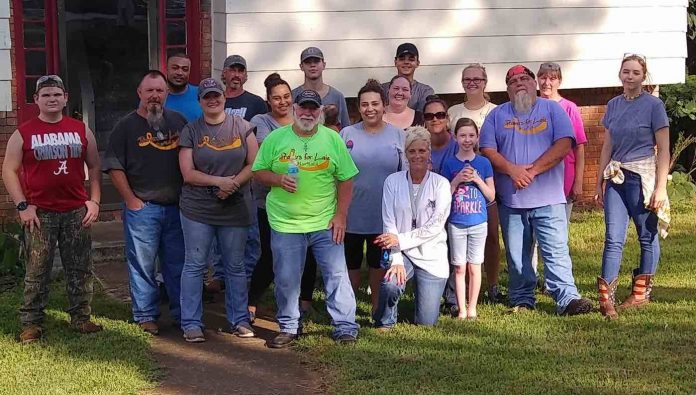
How Nasty Note From a Neighbor Inspired a Community to Show the Best in Humanity

Photo released by Kimberly Quick

An anonymous person’s rude note sent to a struggling neighbor has sparked an outpouring of kindness from across the community—and the country.

Prior to receiving the nasty letter last month, Randa Ragland and her family had been facing a variety of tough challenges. Her husband had lost his job; she had been diagnosed with some health issues; but ultimately, her 3-year-old son Jaxen—who is autistic and nonverbal—had been diagnosed with stage IV neuroblastoma just before his birthday.

Jaxen had already endured seven surgeries and been hospitalized more than 20 times.

On top of all of this, she opened her mailbox in Pinson, Alabama, to find an unaddressed note from a neighbor criticizing her for the state of her lawn. The note said that since her yard had fallen into disrepair, its appearance was “affecting the resale value” of their homes and that Ragland needed to “do better.”

LOOK: Despite Language Barrier, Family Develops the Sweetest Connection With Japanese Neighbor

“At first, I felt a little angry,” she told WIAT-TV News. “But so much has been going on with us and our family. I just didn’t have the energy to be negative.”

She posted a photo of the note on Facebook as a means of encouraging her friends to have patience with their own neighbors because we never know what hardships someone might be going through.

But, when her post was shared by dozens of people, it spread throughout the community and became far more inspiring than she ever hoped.

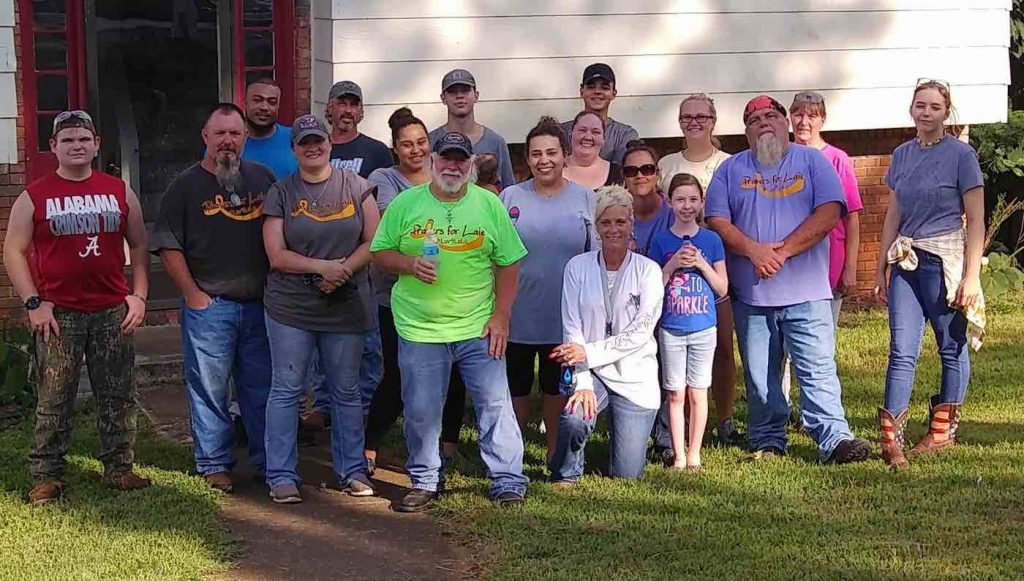
The very next day, a team of lawn care service members showed up to take care of her grass; dozens of volunteers showed up with chainsaws to clear away tree debris; and people brought groceries from the store, while others tidied up the house.

Photo released by Kimberly Quick, who is coordinating volunteers

LOOK: Mom Rains Praise On Airplane Passenger for Showing Compassion Towards Her Autistic Son Flying Solo

All of these volunteers joined together to form a Facebook group dedicated to helping the Ragland family—and Ms. Ragland had never met any of these people before in her life. Their compassion had an enormous impact to relieve her struggles.

“I’m in amazement. I’m still in shock,” Ragland told the news outlet. “I don’t have a large family. My mom is gone, my dad is gone, my brother is gone, so this means a lot.”

If you would also like to help the Ragland family with their medical fees and expenses, you can visit their GoFundMe campaign.

(WATCH the news coverage below… BUT, NOTE for viewers outside the USA: Click here to see the video on from WIAT-TV) – Photo released by Kimberly Quick

Multiply The Good – Share The Inspiration With Your Friends On Social Media…

Watch This Bulldog Share a Sweet Smooch With a Curious Wild Manatee

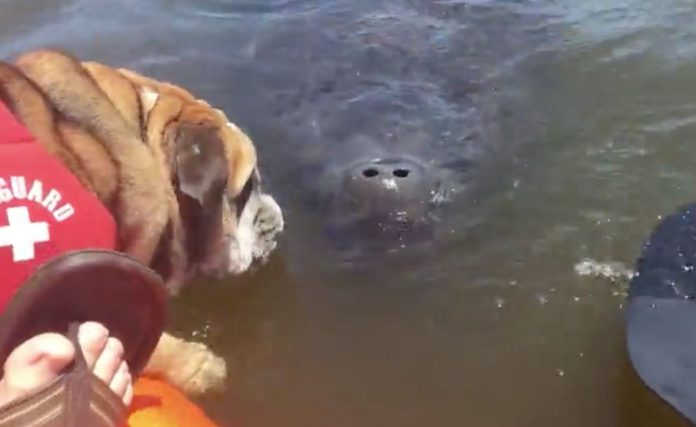
Most people think that humans are a dog’s best friend, but this English bulldog has just found a new BFF.

A Florida man was out kayaking with his dog Frapp when a curious manatee swam up to their vessel.

Though the man was initially anxious about the marine mammal tipping over their little boat, he was delighted by his pup’s fascination with the newcomer.

LOOK: 6-Legged Puppy Given the Perfect Forever Home After She Was Adopted By Bullied Boy

After cautioning his dog to be gentle with the manatee, the two critters can be seen inching closer and closer towards each other until they finally touch nose-to-nose for a little oneness time, closing the gap between their very different worlds.

We may never know whether Frapp and his aquatic friend were ever reacquainted after the video was captured, but the minute-long clip has already won millions of hearts across the internet since it was uploaded.

(WATCH the adorable video below)

Be Sure And Share This Pawesome Story Of Animal Friendship With Your Friends On Social Media…

“When the power of love overcomes the love of power the world will know peace.” – Jimi Hendrix (performed 50 years ago at Woodstock)

Quote of the Day: “When the power of love overcomes the love of power the world will know peace.” – Jimi Hendrix (performed 50 years ago at Woodstock)

Photo: by eopath, CC license, via Flickr

With a new inspirational quote every day, atop the perfect photo—collected and archived on our Quotes page—why not bookmark GNN.org for a daily uplift?


These Sustainable Fireproof, Weather-Proof Domes Provide Revolutionary Housing Solutions

Photo by Geoship

As the world endures more and more hurricanes, wildfires, floods, and other natural disasters, architects are starting to feel more and more like the protagonists in the tale of the “Three Little Pigs”.

Thankfully, an eco-friendly architectural company in Seattle called Geoship may have come up with the perfect design to protect millions from the huffing and puffing of today’s wolfish weather conditions.

Over the last decade, people have searched for better housing options more in line with their financial constraints. But, does the “tiny house movement” offer a way to live that mitigates the risk of storms while still maintaining sustainability, community, and a true sense of belonging to a place?

A young engineer, Morgan Bierschenk, came face to face with these questions when he returned to the US to build himself a house after traveling the world.

LOOK: This Breathtaking Café Made Entirely Out of Cardboard Shows Just How Eco-Friendly Architecture Can Be

While helping his brother build a home from reclaimed materials, he started to question a basic premise: “Why we’re still pounding nails in wood, like people were doing 100 years ago,” Bierschenk told FastCompany.

He then began to ponder why houses are still designed with right angles and whether there was a better way—and that’s how Bierschenk turned to the architectural revolution of the geodesic dome, promoted in the 1970s by Buckminster Fuller, with his Geoship startup.

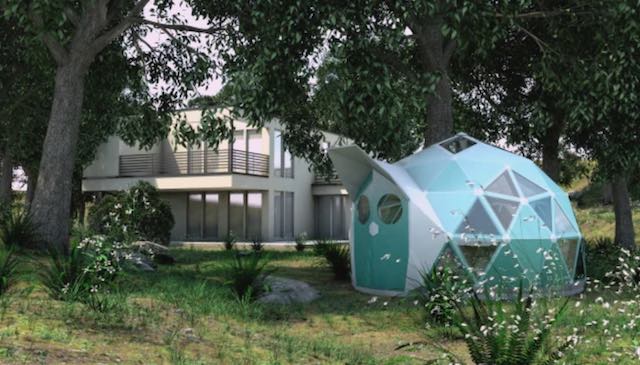
Rather than being made out of wood or typical housing materials, the homes are made of bioceramic: a resilient substance made from minerals that can be sourced from urban waste-stream activities like water treatment plants—but so nontoxic, it’s been used in bone and tooth replacements for decades.

Photo by Geoship

These dome houses are not only chemical-free, resilient in strong winds, unlikely to fall apart in earthquakes, and burn-resistant up to 2,700 degrees Fahrenheit (1482 C). They are chemically inert, self-venting and carbon-dioxide sequestering. Geoship aims to help regular people start land trusts to create dome “villages” and even offers co-op part-ownership of the company to the buyers.

MORE: How This “Living” Chandelier Uses Algae to Purify the Air of CO2

Once Geoship starts production of their triangular modules, they are expected to offer the homes in a range of sizes from $55,000 up to around $250,000. They report it reflects a potential savings on mortgage payments up to 50% when comparing them to the square footage values of traditional houses.

For those experiencing dislocation due to fire, natural disaster, or any other immediate need, the Geoship homes are to be mass-produced and shipped in small containers for construction on a pre-existing foundation in just a few days. And if needed, they can also be disassembled and relocated.

Photo by Geoship

The startup has caught the attention of Zappos, the Las Vegas-based online shoe retailer. Because the company felt spurred to address the crisis of homelessness in their city, Zappos is teaming with Geoship to build prototypes to serve as durable, affordable housing. The companies will release more information about the project at a later date.

LOOK: Trees Growing Out of Buildings Could Help Heal China’s Air Pollution Problem

It will be at least two years before production begins, but after that we could witness a revolution of safe, sustainable, affordable community architecture manifesting a new reality where the wolf can blow, and the house won’t fall down.

Build Up Some Positivity By Sharing The Good News To Social Media…

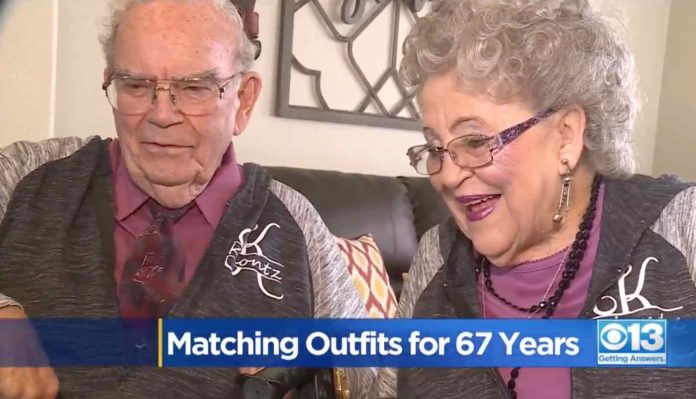
These Two Lovebirds Have Been Wearing Matching Outfits Every Day for 68 Years of Marriage

For 67 years, Francis Klotz has never had to worry about what to wear.

That’s because he and his beloved wife Rosemary, who picks out his dapper clothes, have been wearing matching outfits every day of their 67 years of marriage.

The stylish sweethearts first met during high school and by the time they were both seniors, they were going steady.

They only started wearing similar clothing after Rosemary’s mother bought them both matching tee shirts when they were teens—and their outfits have been in sync ever since.

LOOK: Couple is Shocked to See Themselves in the Same Tourist Photo From Years Before They Met

According to Rosemary, Francis never had much talent for matching his own outfits. “She just lays it out for me, and I don’t have to worry about a thing!” Francis happily told KOVR-TV.

Their outfits aren’t the only thing in sync, either—the senior couple also sings in perfect harmony for their local church and hospital in Sacramento, California.

Francis and Rosemary are both 87 years old now, and will be celebrating their 68th wedding anniversary next month—and they assured reporters that their celebration will be just as pitch-perfect as their duets.

(WATCH the sweet interview below… BUT, NOTE for viewers outside the USA: Click here to see the video at CBS News website)
Dress To Impress Your Friends By Sharing This Adorable Story To Social Media…