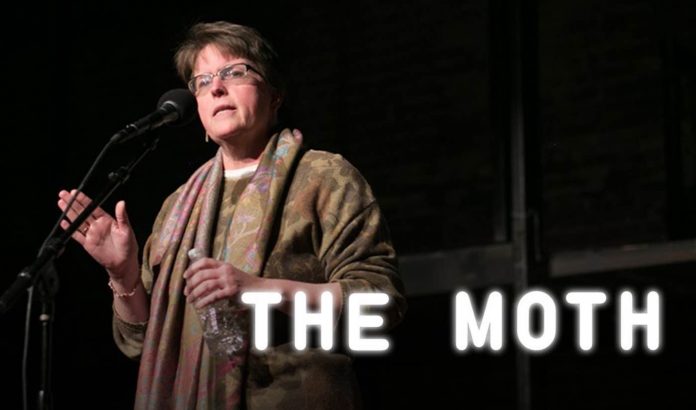
Today is MOTH Monday on Good News Network: In partnership with The Moth, a nonprofit dedicated to the art of storytelling, we bring you the most uplifting speakers from live stages across the world.
This college professor knows how students often tend to wait until the last minute to finish their school papers.
She also knows that in the age of technology, if a computer crashes at the last minute, all the last-minute work could be lost in an instant, leaving the student with an epic excuse for missing a deadline.
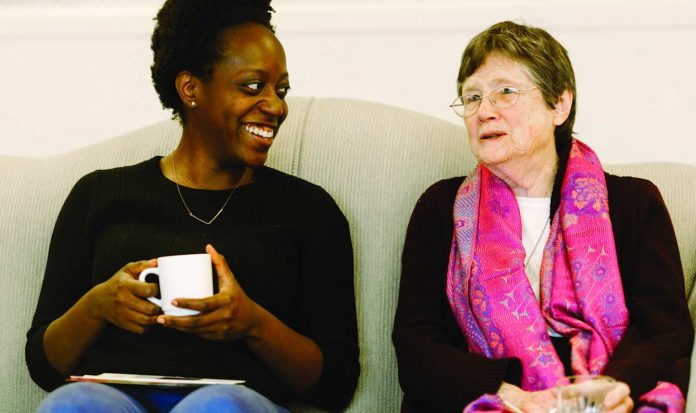
Though she admits that she is generally pretty harsh on her students and their excuses, Catherine Palmer tells a live audience at The Moth about what happened when she, herself, lost a research paper after her computer’s catastrophic failure—and says there was bad news and good news.
Listen to her inspiring story below…
The Moth gives people an opportunity to tell a true story in front of a live audience, and sometimes their stories are chosen to air on the radio show, now celebrating its tenth year, and broadcasting on 485+ public radio stations—and on The Moth podcast, which is downloaded over 52 million times a year.
Despite how the United States has endured ongoing political tensions in the face of climate change, this exciting new report says that the nation is actually becoming greener than ever.
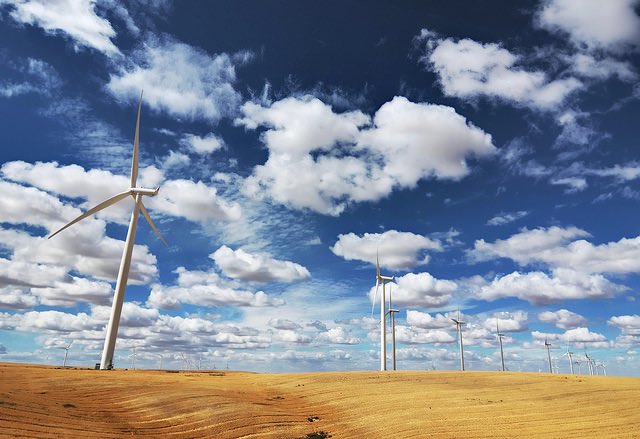
According to an analysis by the conservational group SUN DAY Campaign, newly-added electrical generating capacity from renewable energy sources – such as biomass, geothermal, hydropower, solar, and wind – has now surpassed that of coal for the first time in history.
The analysis, which was based on the latest monthly “Energy Infrastructure Update” report from the Federal Energy Regulatory Commission (FERC), notes that 18 “units” of new wind capacity (1,545 MW) and 102 units of new solar capacity (1,473 MW) were added during the first four months of this year.
Coupled with four new units of hydropower, the renewable energy’s share of all available U.S. generating capacity was pushed up to 21.56%. By comparison, coal’s share dropped to 21.55% (down from 23.04% a year ago).
This all being said, capacity is not the same as actual generation. Capacity factors for nuclear power and fossil fuels tend to be higher than those for most renewables. For calendar year 2018, the U.S. Energy Information Administration (EIA) reports that renewables accounted for a little more than 17.6% of the nation’s total electrical generation – that is, a bit less than their share of installed generating capacity in 2018 (over 21.2%). Coal’s share of electrical generation in 2018 was 27.2%.
FERC’s data also reveals that the nation’s renewable energy capacity has been adding, on average, one percentage point each year. That is, a year ago, it was 20.66%; three years ago, it was 18.16%. The share of the nation’s generating capacity provided by utility-scale solar alone has more than doubled during the past three years from 1.42% to 3.23%. Meanwhile, wind’s share has increased from 6.43% to 8.25% and is now on track to surpass hydropower (8.41%) within the next few months.
Moreover, the same report indicates that by May 2022, proposed “high probability” generation additions and retirements could result in a net increase in renewable energy capacity of 40,993 MW. By comparison, net capacity by nuclear, coal, oil, and natural gas combined could actually decline by 24 MW; that is, retirements would exceed additions.
While net growth by just natural gas is projected to be 18,530 MW, that is more than offset by net losses for coal (12,409 MW), nuclear (5,106 MW), and oil (1,039 MW). And even natural gas’ projected net growth will be dwarfed by that of wind (25,117 MW) and almost equaled by that of utility-scale solar (14,846 MW).
Further, if FERC’s projections prove accurate, in three years, renewable energy sources will provide nearly one-quarter (i.e., 24.15%) of the nation’s total available installed generating capacity with wind alone accounting for over a tenth (10.01%) and solar at 4.32%. The balance will be provided by hydropower (8.16%), biomass (1.33%), and geothermal (0.33%).
The report is an exciting follow-up to an international report that was released in April showing that renewable energy now accounts for one-third of all global power capacity.
Power Up With Positivity By Sharing The Good News To Social Media – Photo by D.H. Parks, CC
Thousands of men’s restrooms are about to get a much-needed upgrade thanks to John Legend, Pampers, and a dad’s viral Instagram photo.
Donte Palmer is a father-of-three who was sick and tired of going into men’s restrooms to change his son’s diaper only to find that the bathroom was not equipped with a changing table.
In 2018, Palmer had finally had enough. The determined dad from Jacksonville, Florida took a photo of himself squatting against a wall in order to change his son’s diaper on his lap and published the picture to social media.
He then began using the hashtag #SquatForAChange in order to encourage businesses and organizations to install changing tables in men’s restrooms.
After months of social media campaigning, Pampers finally answered Palmer’s call to action by pledging to install over 5,000 changing tables in public restrooms across North America before 2021.
“I’m excited, I’m honored, I’m using the moment to teach my boys that if you have a dream, if you have an issue with something, open your mouth, chase it, go attack that thing you want and it’ll come,” Palmer told Metro. “That’s why I’ve been giving my heart to this campaign to change men’s lives. I’m proud to have a huge partnership with Pampers and Koala Care which will help people really receive my message.”
Singer-songwriter John Legend has even joined the initiative by partnering with Pampers and Koala Care in order to encourage other businesses to follow their example.
“I am so excited to play a role in Pampers’ Love the Change campaign. I love being a hands-on dad, and it is so important that we acknowledge the active role dads are playing in their babies’ lives,” Legend said in a press release. “Spending time out and about with my kids is one of the greatest joys in my life, but it’s frustrating when I am out with [my son] and the men’s restroom doesn’t have a baby changing table.”
“I’m proud to support Pampers as it paves the way for more inclusive parenting by providing all of us dads out there with the tools we need to succeed,” he added.
Be The Change You Want To See In The World: Share The News To Social Media…
A massive group of eco-friendly scuba divers have just set the Guinness World Record for the largest underwater cleanup.
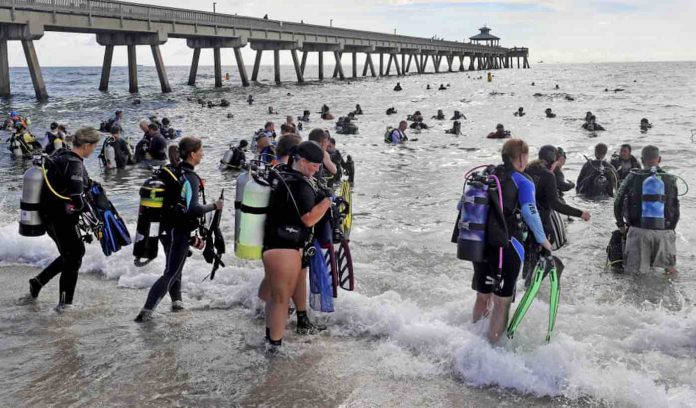
Over 633 divers donned their wetsuits and masks last week at the Deerfield Beach International Fishing Pier in Florida so they could pick up all the fishing gear and plastic waste from the ocean floor.
Though the total amount of recovered garbage is still being calculated with experts expecting the number to grow, officials say that the cleanup resulted in at least 1,626 pounds of trash and 60 pounds of fishing line being recovered from the ocean floor – and city officials say that they will be recycling and disposing of all of the collected ocean waste accordingly.
This is the fifth annual ocean cleanup of the area that has been orchestrated by the Dixie Divers and Deerfield Beach Women’s Club. The previous world record for the largest underwater cleanup was set in Egypt back in 2015 with 614 divers – but the Florida divers says that they are simply happy to do their part in tidying up the sea.
“It doesn’t matter what happens today with the Guinness World Records,” Guinness adjudicator Michael Empric told the Sun Sentinel. “What really matters is that everyone is out there cleaning up around the pier and trying to improve the community.”
If you want to see the full photo gallery of the historic event, you can check out the Snap Photography website.
It’s Not Hard To Sea That You Should Share The Good News With Your Friends On Social Media…
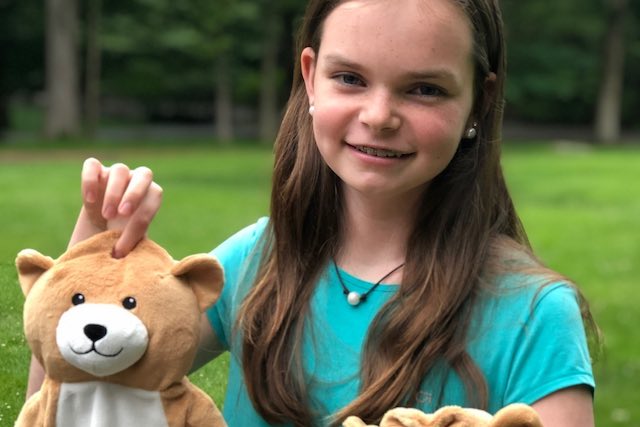
A 12-year-old girl has come up with an ingenious little toy to ease the anxieties of young hospital patients just like her.
Ella Casano was diagnosed with a rare autoimmune disease called idiopathic thrombocytopenia purpura when she was just 7 years old.
The disease means that Ella’s blood doesn’t clot normally and she generally has a very low amount of blood platelets. Despite how the disease generally goes away over time, Ella has never healed from the condition.
So in order to replace the amount of platelets in her bloodstream, Ella receives a special treatment that is delivered through an IV drip every 8 weeks.
Unfortunately, Ella was always intimidated by the atmosphere of her Connecticut hospital – and she often felt anxious going in to get the IV treatment.
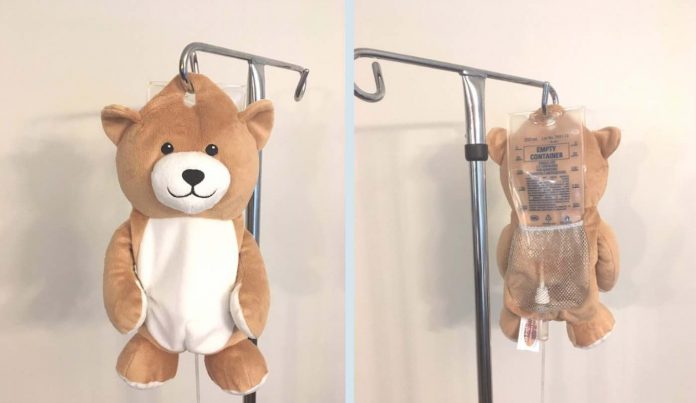
That’s why she invented the Medi Teddy: a sweet stuffed teddy bear toy that can hide the front of a child’s IV bag. That way, instead of seeing a plastic hospital bag filled with mysterious liquids and medications, a young patient can look at a smiling toy friend.
“When I had my first infusion, I was surprised and a little bit intimidated by the look of the amount of tubing and medical equipment on my IV pole,” says Ella. “As I saw more and more children experiencing the same feelings, I became more interested in creating a friendlier experience for young IV patients, so I created Medi Teddy.”
Since Ella and her family created a GoFundMe campaign to raise money for the Medi Teddy’s manufacturing, they have surged past their goal and raised almost $20,000.
The family is now trying to launch a nonprofit around the Medi Teddy so they can give away the toys away for free.
Pass On The Positive Story To Your Friends By Sharing It To Social Media…
Quote of the Day: “Every man has his secret sorrows which the world knows not; and often times we call a man cold when he is only sad.” – Henry Wadsworth Longfellow
Image: by Pablo Fernández, CC license
With a new inspirational quote every day, atop the perfect photo—collected and archived on our Quotes page—why not bookmark GNN.org for a daily uplift?
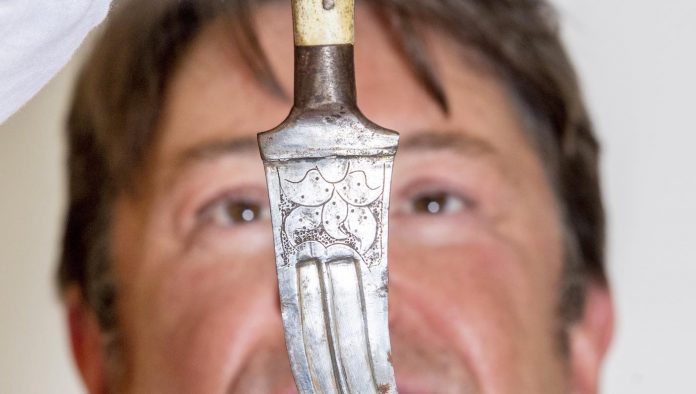
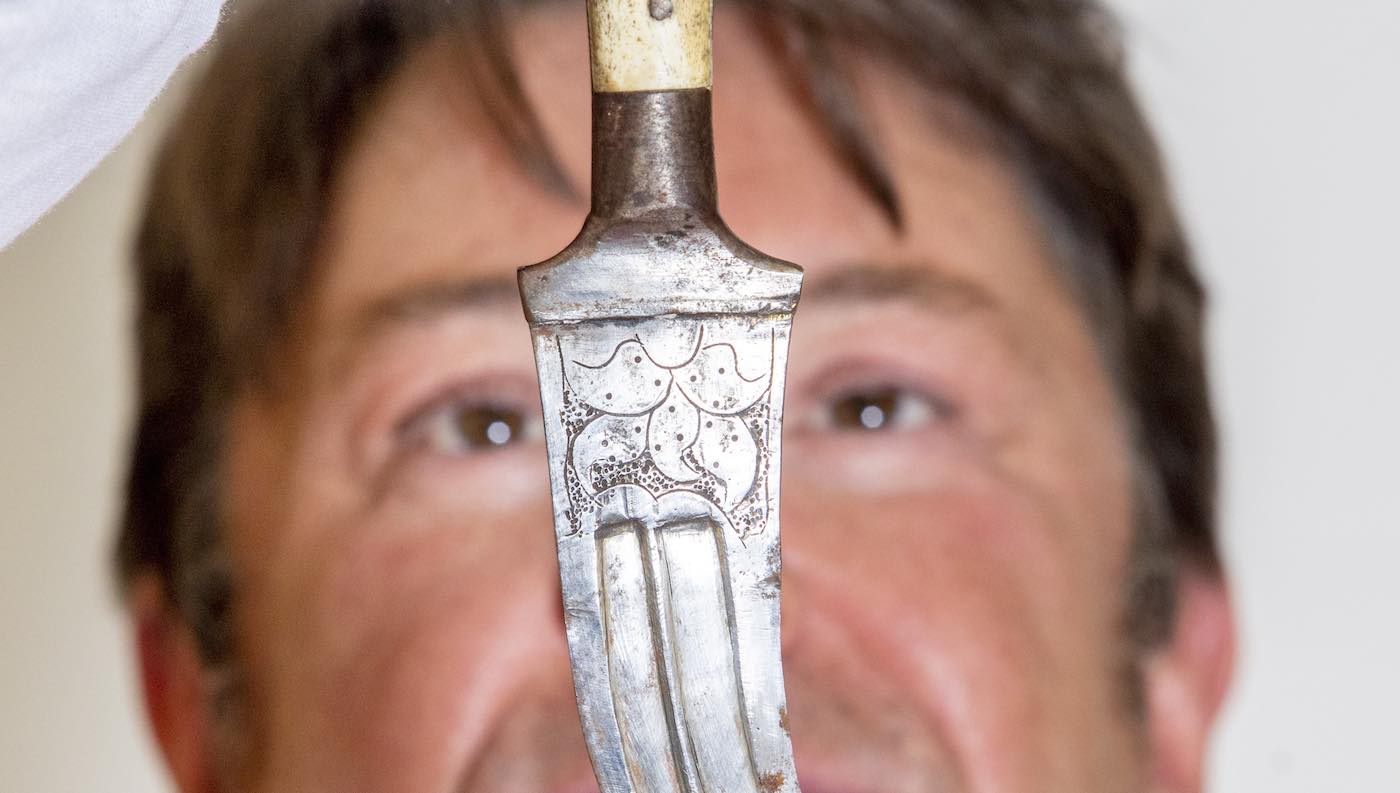
David Convery Senor Auctioneer with Arabian Janbiya dagger with bone handle - SWNS
A collection of personal items belonging to ‘Lawrence of Arabia’ left to his landlord while he was a secret lodger have sold for £26,000 at auction.
The unique lot of T.E. Lawrence items were given to Mrs Fanny Hatcher, while he was staying with her, hiding out from the public and his thousands of admirers shortly before he died in 1935.
The British military hero, who was decorated for his efforts in assisting the Arab Uprising in 1917, spent 18 months with the family at their modest home in Southampton—and although Fanny eventually became aware of the ‘quiet lodger’s true identity it was kept a secret from her son Donald, 13.
The schoolboy knew him as “Aircraftman Shaw” and at the end of his stay Lawrence gifted to him not just the original Arabian Janbiya dagger and Lund & Sons campaign knife, but the very RAF hat he was wearing as he left.
Ripping the badge off his cap and placing it on Donald’s head, Lawrence made his way back to his own cottage in Dorset, for what would be the final time.
Most valuable among the historic artifacts, including the two daggers and hand-written and signed letters, was that Royal Air Force cap.
Royal Airforce Cap belonging to T.E. Lawrence (Lawrence of Arabia) – All photos by SWNS
They had been in the possession of the Hatcher family for over 80 years.
Anita Manning, managing director Great Western Auctions, said: “It was a pleasure to bring to market items that had been owned by T.E. Lawrence, one of the most significant figures in British Military history.”
In July 1933, Fanny Hatcher, who ran a boarding house, had no idea as she wrote the name TE Shaw in the guest’s register, that the gentleman who would come to be part of the family over the next 18 months was, in fact, the man responsible for uniting the Arab Tribes and taking the port of Aqaba.
The taking of the legendary port is still thought to be one of the greatest and most daring military attacks in modern history.
David Convery Senor Auctioneer with Arabian Janbiya dagger with bone handle – SWNS
An archaeologist, army officer and diplomat, Lawrence was also a prolific writer—and became world famous after publishing Seven Pillars of Wisdom in 1926, an autobiographical account of his participation in the Arab Revolt. Certain parts of the book, which George Bernard Shaw helped to edit, serve as lush essays on military strategy, Arabian culture and geography, and other topics.
Lawrence was afraid that the public would think that he would make a substantial income from the book, and he stated that it was written as a result of his war service. He vowed not to take any money from it, and indeed he did not. After his death in a motorcycle accident at age 46, his brother inherited his copyrights and a substantial amount of income was donated directly to the RAF Benevolent Fund and to archaeological, environmental, and academic projects.
Further notoriety came to his story after Peter O’Toole portrayed Lawrence in the 1962 film Lawrence of Arabia, and was nominated for an Academy Award for the performance.
This eagle couldn’t eat or fly after it became weighed down by a heavy ice ball attached to its tail on the shores of frigid Lake Michigan. Luckily some birdwatchers found it in peril and called a team of rescuers to the scene.
Volunteers from Wings of Wonder tried to corral the raptor toward shore—by wading into the Great Lake themselves amongst large floating ice blocks.
Chris Johnson was on shore while Ken Scott captured this video at the same time that his insulated chest waders were leaking, as he tried to maintain his footing.
“Chris was right where he needed to be and had the presence of mind to intercept the guy who seemingly was looking for an assist at the same time we were offering one,” reported Scott on his YouTube channel, Ken Scott Photography.
Capturing the bird in a blanket, they transported him to the rescue center in Leelanau County for a series of “forced defrostation” experiments. Warm tap water was finally able to remove the “ice beast”, and several days later, on February 10, the eagle, unhurt was ready to be released into the wild once again.
Quote of the Day: “Dads are most ordinary men turned by love into heroes, adventurers, story-tellers, and singers of song.” – Pam Brown
Image: by steven sim, CC license, via Flickr
With a new inspirational quote every day, atop the perfect photo—collected and archived on our Quotes page—why not bookmark GNN.org for a daily uplift?
You may not think that convents of older Catholic women and ardent millennial activists would have very much in common, but these two demographics have merged in a surprising way through this ingenious program.
Nuns and Nones is a nationwide organization that brings young people together with Catholic nuns to participate together in social causes.
The “Nones” are millennials who check “none of the above” when asked for religious preference, because they do not identify with a specific religious ethos. According to the Nones and Nuns website, this accounts for 40% of millennials in the United States, counted in the nationwide census.
Regardless of their chosen spiritual label, the Nones who have participated in the program have gleaned a life-changing amount of guidance and wisdom from the sisters. In return, the sisters have been inspired by the fresh ideas, creativity, and insight offered to them by their younger counterparts.
Together, the program participants say that they have been working together to address environmental and social issues in order to mutually create a “more just, equitable, and loving world”.
“It’s so easy to get siloed into talking with people your own age and then it’s sort of exhausting because we all have the same questions because we’re all on the same stage of life and we’re all struggling,” said one of the program’s young participants. “And the second that you bring in someone from another stage of life, the room just opens up and it’s a different conversation and there are different ways to learn.”
Since its inception, more and more Nuns and Nones meetings have been organized across the country. In fact, the program recently piloted its first communal housing project between the Nones and the Sisters of Mercy from Burlingame, California. (Nuns prefer to be called “sisters” since they do not technically lead the cloistered lifestyle of nuns).
Five young millennial activists moved into the Mercy Center back in November as a means of testing a new Nuns and Nones residency program. Organizers reasoned that both parties could benefit from the living arrangements; the sisters would have additional income to help pay the steadily increasing rent while millennials could benefit from low-income housing in exchange for helping to take care of the elderly residents.
That being said, several of the residents told The New York Times that they were not in it for the money. Over the course of their 6-month stay, the millennials and sisters expressed their delight over experiencing a very unique form of communal living and friendship with each other.
“I’m finding myself co-hosting conversations about the vow of chastity, on gender and sexuality, charism, etc.—with sisters and my peers,” said one of the millennial residents. “The mutual learning and growth continues to inspire and surprise, and the potential in these dialogues feels vast. For me, they are a source of deep healing.”
Tomorrow at 1pm Eastern, tune into our page for a Facebook Live from our Nuns & Nones Gathering with the Sisters of St....
Since the pilot residency project came to an end in May, Nuns and Nones has been searching for a new group of millennial volunteers to participate in additional communal housing projects with various convents across the US.
One of the organization’s sisters described the program’s mission: “One of the critical common calls of this moment, the unmet need, is community itself. Just as foundresses responded to unmet needs in their time, so might we be called, together, to form and support new communities of belonging, working to weave our social fabric and combat the crisis of isolation and ‘othering.’”
If you would like to apply for the Nuns and Nones next residency program, you can visit the organization’s website.
(LISTEN to the enchanting interviews below) – Feature photo by Rhino Media
Be Sure And Share This Sisterly Story Of Good News With Your Friends On Social Media…
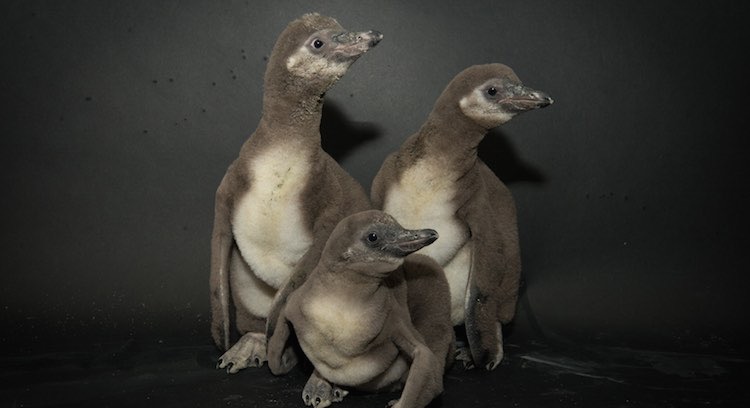
The award for the best father in the animal kingdom goes to… the Humboldt penguin.
It’s Father’s Day today, and time to give praise to one of the hardest jobs of all – being a father—and for a Humboldt penguin, being a stay-at-home dad means around-the-clock devotion.
What makes them number one? These devoted fathers, better known as “the original stay-at-home dads,” care for their young from the moment the mother lays two eggs in a nest built by her monogamous mate using seabird excrement.
The male and female penguin take turns incubating the eggs for 39 days and then work together to provide food for the chicks. In the wild, the adult penguins work in shifts that can last days and even weeks as one member of the pair feeds at sea.
Here are the nine other “devoted dads” chosen by experts at the Columbus Zoo and Aquarium.
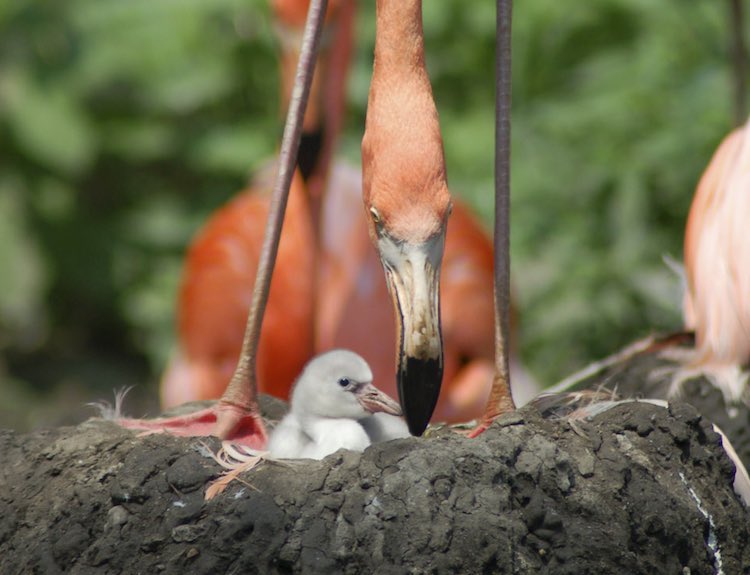
Flamingos
Photo by Grahm S Jones, Columbus Zoo and Aquarium
It’s common among full-time dads in the animal kingdom to take turns with the females incubating their eggs. The male flamingo sits on top of the nest mound and carefully lifts and turns the egg over and over. Once the chick hatches, the male flamingo produces “crop milk,” which is the sole source of nourishment for young flamingo chicks, and made of a secretion of the upper digestive tract.
Frogs
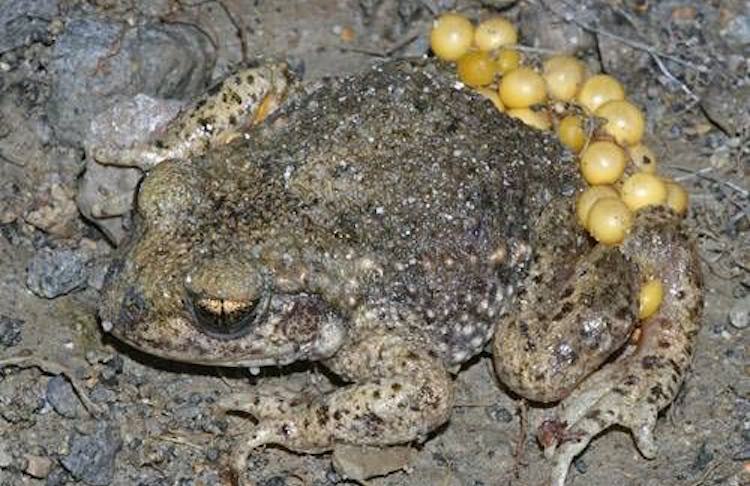
Frog fathers carry their tadpoles in their mouths, often refusing to eat until the tadpoles are old enough to survive on their own. Some frog and toad fathers, like the aptly titled midwife toad, are also known to embed the eggs inside their own skin, on the backs of their legs, to protect them until they hatch. Other species have special pouches to carry young until they are mature.
Gorillas
Photo by Sara & Joachim, CC
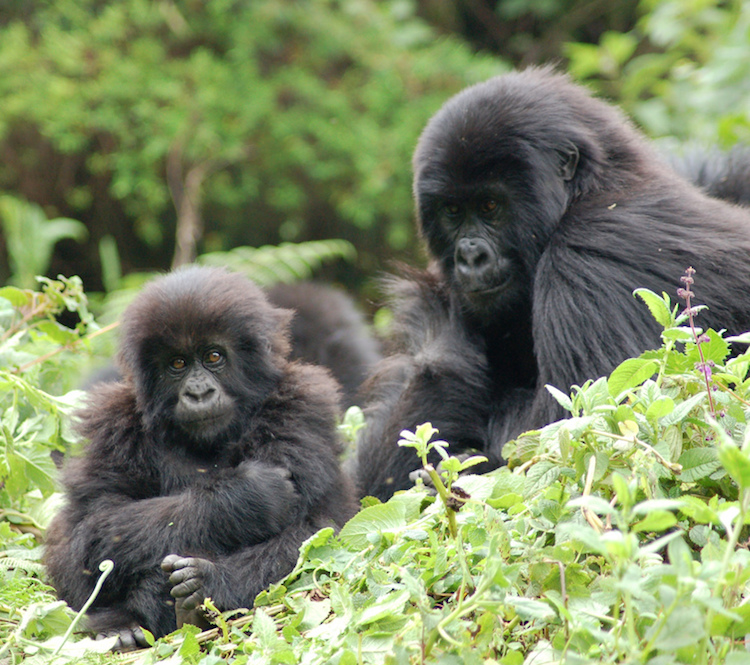
A gorilla father is a true leader. He’s responsible for finding food for his group, which can be a clan as large as three dozen gorillas. He takes care of his children’s mother, feeding her before letting his children dine with them. He is protective as he ferociously beats his chest, fending off threats by enemies. He is a peacemaker as he settles arguments that pop up among siblings.
Swans
Photo by ser_is_snarkish, CC
Swans are famously monogamous with lifelong partners. From the minute the female swan lays her eggs, the male and female take turns incubating them until they hatch. Once the baby swans hatch, they sit on their dad’s back and keep warm while he looks for food.
Eastern Hellbenders
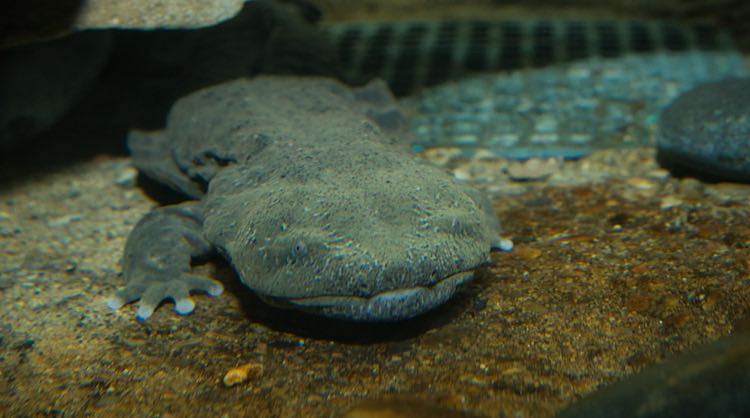
Male hellbender salamanders play a protective role even before they mate. They excavate a brood site and await a female to approach, so that the male can guide her into his burrow to deposit eggs. After the female hellbender lays her eggs, the male then guards the nest on his own for 45-75 days.
African Wild Dogs and Mexican Wolves
African Painted Dog by Grahm S Jones-Columbus Zoo and Aquarium
Wild dogs and wolves live in packs that are usually dominated by a monogamous breeding pair. The hunting members of the pack return to the den where they regurgitate meat for the nursing female and pups. The entire pack is involved in the welfare of the pups with both males and females babysitting for the young and providing food for them.
Arctic Foxes
When the female Arctic fox gives birth to her pups, it is the male fox’s responsibility to be the provider of the family. He actively seeks out food and brings it back to the den, while standing guard to protect them. As the pups grow up, it is the responsibility of both the mother and father to take care of them.
Ostrich
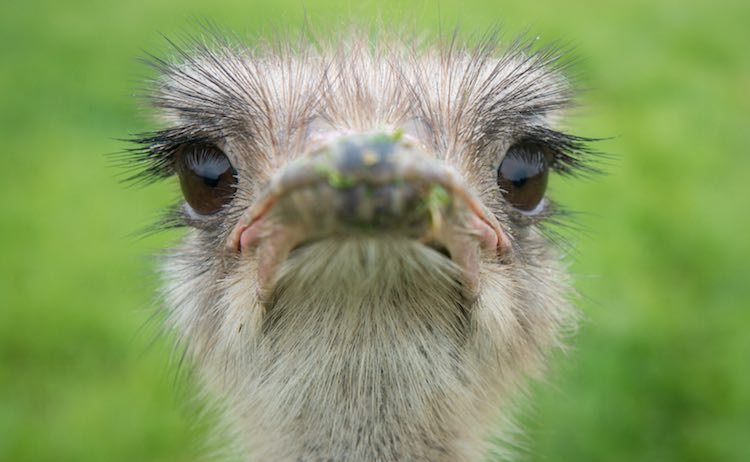
Ostrich dads are protectors of the night. The males take turns with females to incubate their eggs— but must work the night shift due to their darker coloring. Once the eggs hatch, the males use their gigantic wings to shield their chicks not only from terrible weather, but to protect them from predators.
Burying Beetles
And finally, we learn that male burying beetles play a huge role in providing a great life for their larvae from day one. They locate a carcass and attract a mate. The female then lays her eggs near the preserved carcass. Once the eggs hatch into larvae, the parents feed their offspring by eating some of the dead flesh and regurgitating it into the larvae’s mouths. The larvae spend about a week feeding off of the carcass then crawl into the soil to pupate or develop.
According to the experts at the Columbus Zoo and Aquarium, these ten animals epitomize what it means to be a good father. Inspired? Pass in On…
Not sure what to get dad for Father’s Day this year? According to a new survey, you’re better off reaching for the phone, than buying a “World’s Best Dad” mug.
The new poll of 2,000 dads revealed that more than three in four dads (76 percent) prefer an experience over a physical gift for Father’s Day.
And the top gift you can give your dad this year? A simple phone call.
And, surprisingly, the survey found that 57 percent of dads actually said it’s their favorite day of the year.
Most dads, it turns out, are easy to please. While a phone call from their kids topped the list of most desired gift, 38 percent of dads said they could really just go with some peace and quiet—and one in three just want to be able to watch whatever they want on the TV.
Pass him the remote control, for a change.
Four in ten Americans (41 percent) said they would appreciate a big juicy steak for Father’s Day this year. Taking in a ball game with the family also scored high, with 38 percent saying that sounded like the perfect treat.
64 percent of dads agreed that they specifically don’t want anything that says “World’s Best Dad” on it.
Sitting down for a meal with dad this Father’s Day is apparently a very good idea, according to the research, as 79 percent of dads say they like to bond with their children over food. But if it’s a cook-out, plan on staying away from the grill, because one in three dads say that if someone is grilling, it’s gonna be them.
Another six in ten confident dads feel like there’s no better cook in the house than themselves, too, according to the survey, conducted by OnePoll on behalf of Omaha Steaks.
Father’s Day is a celebration of dads—and all their classic-dad moments. Maybe one of the most loving things you can do is laugh at their “dad jokes” and cheer for them when they bust out a cheesy dance move in the living room.
TOP 10 GIFTS DADS WANT FOR FATHER’S DAY THIS YEAR
Phone call from my kid(s) 47%
A big juicy steak 41%
Peace and quiet 38%
Taking in a ball game with the family 38%
An ice cold beer or two 35%
A cheaper, practical gift (socks, tie, etc.) 35%
Glass of wine 34%
Watch whatever I want on TV 34%
Glass of whiskey 29%
A physical, expensive gift (apple watch, etc.) 29%
Reprinted with permission from World At Large, a news website reporting on nature, science, health, and travel.
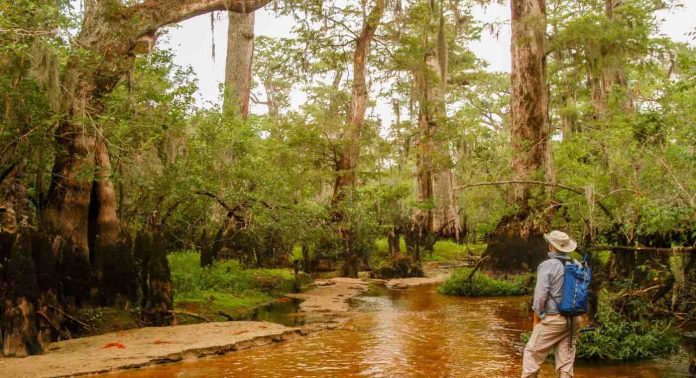
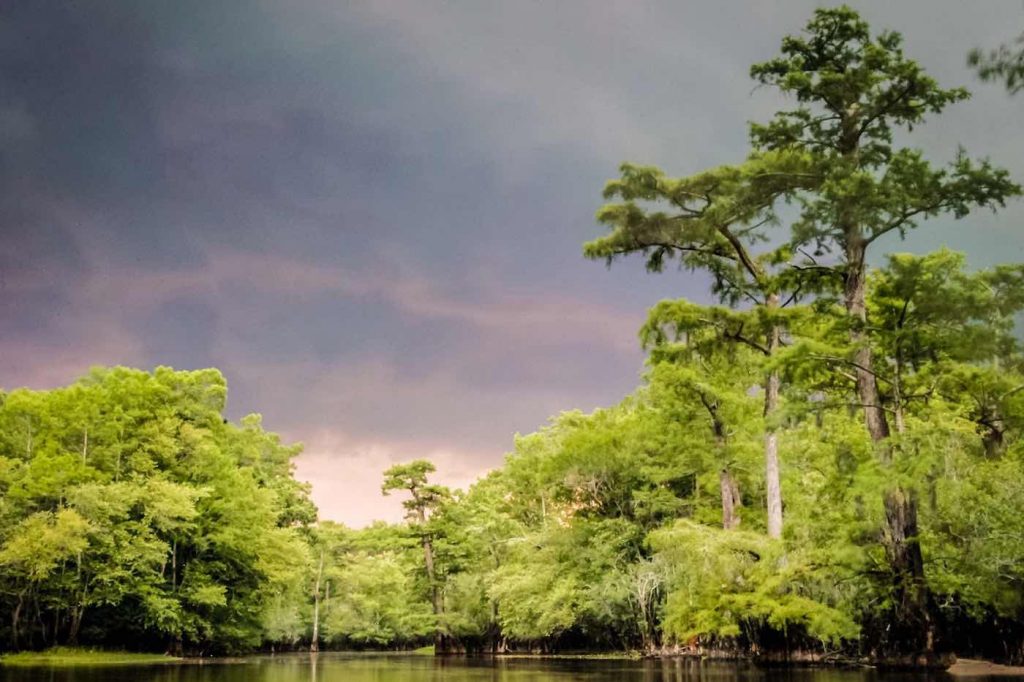
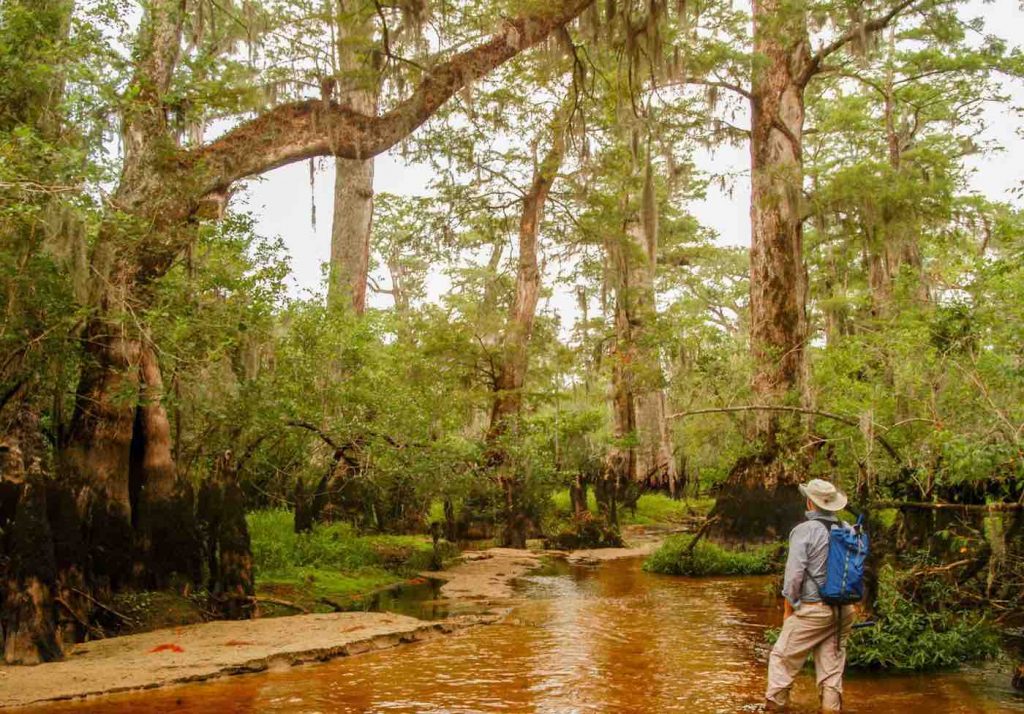
In a stand of bald cypress trees on a North Carolina nature preserve, scientists discovered a tree whose leaves were tasting the moist, swampy air back when Nebuchadnezzar II was busy ascending to the throne of the Neo-Babylonian Empire.
“There are surely multiple trees over 2,000-year-old trees at Black River. It’s my belief there are some approaching, if not exceeding, 3,000 years old”, says Professor David Stahle at the University of Arkansas.
Stahle headed the research team that in 2017 began to measure the ages of the cypress trees along the banks of the river near Bladen on land owned by The Nature Conservancy called Three Sisters Swamp.
“This is one of the great old-growth forests left in the world,” he said. “For trees over 2,000 (years in the swamp), there would probably be 10…20 to 30.”
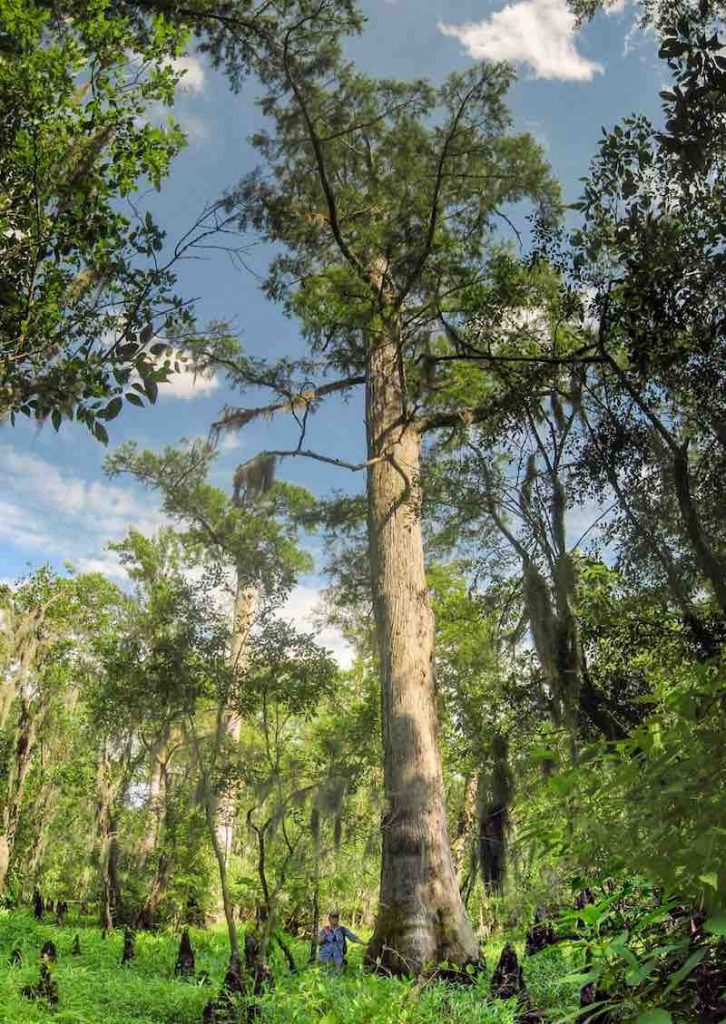
Examining a sample of one great bald cypress, and applying the techniques of a discipline called dendrochronology (the study of tree rings), researchers were able to radiocarbon date the tree back 2,624 years ago, making it the fifth oldest tree in the world and the oldest in the Eastern United States.
A total of 110 trees were sampled, and several others were also found to be at least 2000 years old.
All photos courtesy of The Ancient Bald Cypress Consortium
The value of the ancient trees speaks for itself, but through dendrochronology they also act as a valuable resource in studying climate change. Their rings provide a detailed weather report going back thousands of years and can be used to help reconstruct a timeline of drought, flooding, and other climactic events.
Interestingly, Stahle began his work in the area to study climate change in the region, before discovering that he was researching a very special forest.
David Stahle runs the Tree-Ring Laboratory, an organization dedicated to helping governments around the world identify and protect ancient forests. So far their research has taken them all across North and South America.
The TRL also works with researchers studying climate change, providing in depth analysis of tree ring samples.
The TRL has assisted in the preservation of old growth remnants in the cypress-tupelo forests of the South, the oak-hickory forests of the central United States, the blue oak and conifer woodlands of California, and the conifer forests of Mexico.
However the bald cypress project was so significant to David, that he helped lead the establishment of the Ancient Bald Cypress Consortium to help raise the awareness that David’s favorite old-growth forest is not only 10-times larger than he originally thought it was, but also contains some of the oldest trees on earth.
“The private Nature Conservancy now owns 6,400 ha (25 square-miles) in and adjacent to these old-growth floodplain forests in the Black River Preserve, but thousands of additional hectares with high quality ancient forests remain to be protected. These unprotected ancient forests and the excellent water quality of the Black River are both threatened by logging, water pollution, and development,” says David in his study.
“We don’t have many spots where we can sample tree rings to pick up variations over 2,000 years of climate,” Stahle said. “So where we can, we try to take advantage of them. Bald cypress is definitely a gold mine of climate information from the Southeast.”
“These world-class ancient forests, with beautiful black water flowing below, represent one of the great natural areas of eastern North America.”
Alzheimer’s disease is a progressive memory disorder that currently affects 43 million people worldwide.
Behind the memory impairments, there is a perfect storm of destruction in the brain, stemming in part from accumulations of a protein called tau. Normally a stabilizing structure inside of neurons, tau can accumulate in long tangles that disrupt the ability of neurons to communicate with one another.
In groundbreaking studies at the University of New Mexico, however, researchers have developed a vaccine that could prevent the formation of the tau tangles and potentially prevent the cognitive decline typically seen in Alzheimer’s patients.
According to a paper published last week in NPJ Vaccines, the team reported it had engineered a vaccine using virus-like particles (VLPs, for short) that eliminated the tau tangles in mice that had been bred to develop symptoms like those affecting human Alzheimer’s patients.
“We’re excited by these findings, because they seem to suggest that we can use the body’s own immune system to make antibodies against these tangles, and that these antibodies actually bind and clear these tau tangles,” said Nicole Maphis, a PhD candidate in UNM’s Biomedical Sciences Graduate Program.
Maphis and her colleagues found that when the vaccine was given to mice, they developed antibodies that cleared the tau protein from their brains – and the response lasted for months.
VLPs are derived from viruses that have their genomes removed, leaving only their outer protein shell. Lacking a genome, they’re unable to reproduce, but the body’s immune system still recognizes them as foreign invaders and manufactures antibodies to neutralize the proteins attached to their surface. In this case, a portion of tau protein on the surface of the VLP triggers an immune response, leading to the elimination of the tau tangles.
When she tested the animals in a battery of maze-like tests, mice receiving the vaccination performed remarkably better than those that hadn’t. MRI scans showed that the vaccinated animals had less brain shrinkage, suggesting that the vaccine prevented neurons from dying.
Maphis also found significantly fewer tangles in both the cortex and the hippocampus – areas in the brain that are important for learning and memory, and which are destroyed in Alzheimer’s.
“These results confirm that targeting tau tangles using a vaccine intervention could rescue memory impairments and prevent neurons from dying,” Maphis said.
The vaccine was created with help from UNM scientists David Peabody and Bryce Chackerian. The pair helped pioneer the use of VLPs to create vaccines targeting dengue virus, hepatitis B, human papillomavirus and amyloid beta protein (which is also present in the brains of Alzheimer’s patients).
Though moving a drug like this from bench to bedside can cost millions of dollars, the team hopes to obtain research grant funding to commercialize the vaccine in order to create an injection that could be tested in human patients within the next few years.
(This study was supported in part by an Alzheimer’s Disease Core Center grant from the National Institute on Aging to Northwestern University, Chicago, Illinois) – Reprinted from the University of New Mexico
(WATCH the news coverage below or our international viewers can watch the video on the KRQE website)
Don’t Forget To Share The Groundbreaking News With Your Friends On Social Media…
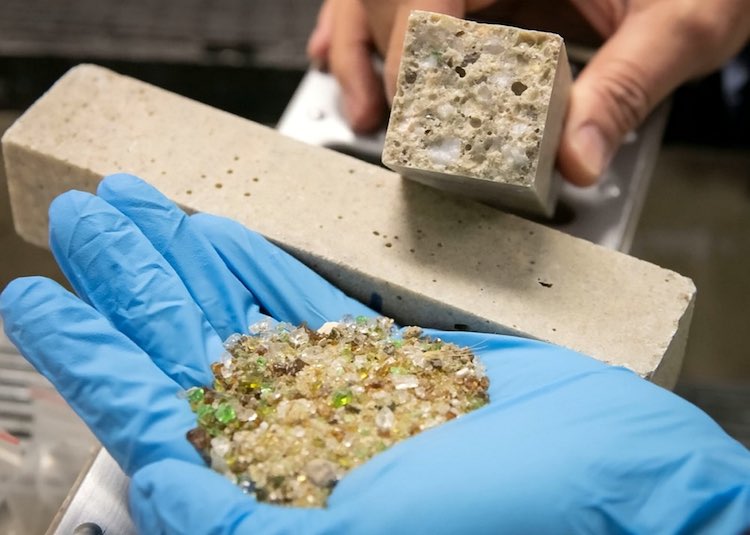
Australian researchers have developed an exciting new technique for making concrete out of non-recyclable glass that has been turned back into sand.
The team found that ground-up glass can be used specifically to make polymer concrete, a material that uses polymers – typically resins – to replace lime-type cement as a binder for roads.
Since polymer is a particularly high-strength, water-resistant material, it is also suited for areas with heavy traffic such as service stations and airports.
Now that the team has successfully used the waste as a replacement for the industrial flooring, they believe that the process could open a whole new world for recycling glass that could not be remade into newer glass.
Dr. Riyadh Al-Ameri from the Deakin School of Engineering in Victoria said he is optimistic about using their research to give new life to the glass.
“This research provides the evidence the construction industry needs to see the potential of glass as a substitute for sand when making polymer concrete and, potentially, concrete,” says Al-Ameri.
“Concrete is a major construction material and sand is one of its primary components, so finding an alternative to sand makes good economic sense,” he added. “Mined sand requires washing and grading before it is added to aggregate, cement and water to make concrete.
“We have found that substituting sand with ground recycled glass makes the polymer concrete stronger and is a sustainable use of one of the major types of recyclables in the domestic waste stream.
“Worldwide, the construction industry represents 6% of global gross domestic product, according to the World Economic Forum,” says Al-Ameri. “Any changes that reduce the cost of production will lead to significant gains across the industry, potentially on a global scale.”
Alan Travers – who is the products director for Orca Civil Products, the Melbourne-based company which had a hand in the research – said the partnership produced results that will be useful in taking the concept further to commercialization.
SWNS
“The specific type of waste glass used in this project was unsuitable for recycling back into glass and the amount that is stockpiling is becoming a community problem,” said Travers. “The concept has even more appeal to us because of predicted shortages of natural, mined sands in the medium term.”
Al-Ameri now says that the next stage of their research will involve examining substitutes for the aggregate in polymer concrete, optimizing the substitution rate, assessing durability, and the commercialization of the new product.
“Worldwide, the construction industry represents six per cent of global GDP, according to the World Economic Forum,” says Al-Ameri. “Any changes that reduce the cost of production will lead to significant gains across the industry, potentially on a global scale.”
Build Up Some Positivity By Sharing The Good News With Your Friends On Social Media…
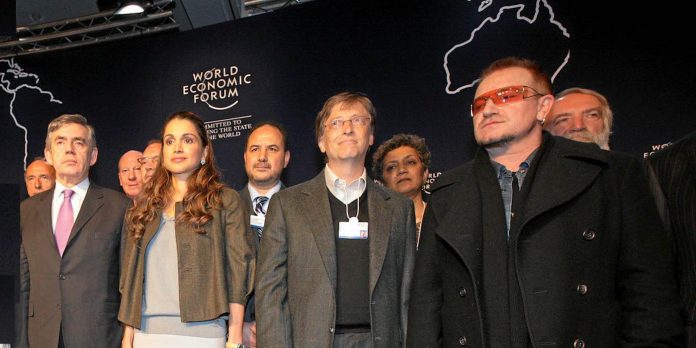
Quote of the Day: “If you do good, people will accuse you of selfish ulterior motives. Do good anyway.” – Kent M. Keith (1 of his 10 Paradoxical Commandments)
Image: by World Economic Forum, CC license
With a new inspirational quote every day, atop the perfect photo—collected and archived on our Quotes page—why not bookmark GNN.org for a daily uplift?
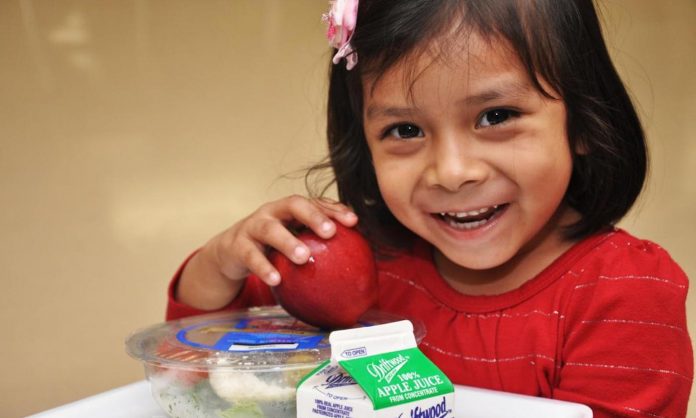
Just one month after Chobani made national headlines for paying off thousands of dollars in unpaid school lunch debt, the yogurt company is repeating their good deed for yet another school district.
Chobani has just announced that they are donating $85,000 to the Twin Falls School District in Idaho as a means of paying off its outstanding cafeteria debts.
The donation will help to wipe out the debts of 900 students with unpaid cafeteria account balances over the course of the last year.
The company says that they were inspired to pay off the district’s lunch debt since Idaho also happens to be the home of Chobani’s massive yogurt facility – which is reportedly the largest yogurt factory in the world.
Twin Falls School District spokeswoman Eva Craner says that the district has racked up so much debt over the years because their schools will always give away free, healthy meals to their students regardless of their account balance.
She told CNN: “If a student gets in the lunch line and wants lunch, they’ll be fed.”
“From year to year, students often accumulate debt that the district is forced to cover and cannot spend in other ways to improve education,” Craner added in a statement. “Chobani recently learned of the debt owed in its own backyard and wanted to relieve this burden to the community.”
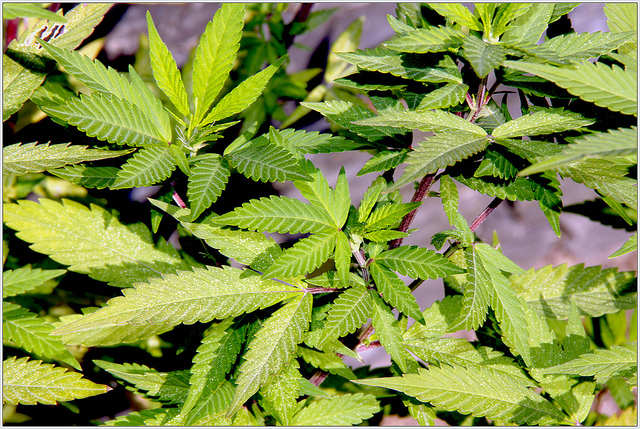
Nevada has just become the first US state to ban employers from requiring pre-employment marijuana testing.
Nevada is just one of 11 states – plus Washington D.C. – that have already legalized the use of recreational marijuana, but they are now the first to pass legislation that prevents discrimination against job applicants who test positive for cannabis usage. This is still not the case in other states, however, and those in need of cannabis products without the scare of testing positive should look into CBD gummies. CBD gummies are great for pain and anxiety and don’t come with the side effect of testing positive for THC in a drug test because of CBD-isolate being used as a base instead of full spectrum CBD.
“It is unlawful for any employer in this state to fail or refuse to hire a prospective employee because the prospective employee submitted to a screening test and the results of the screening test indicate the presence of marijuana,” states the newly-signed Assembly Bill 132.
That being said, the bill does not protect workers who are applying for jobs in public safety or motor vehicle transportation, such as firefighters, emergency medical technicians, commercial truck drivers, or any other position that “in the determination of the employer, could adversely affect the safety of others.”
Since Governor Steve Sisolak signed the measure last week, it is set to go into full effect on January 1st, 2020.
“As our legal cannabis industry continues to flourish, it’s important to ensure that the door of economic opportunity remains open for all Nevadans” said Sisolak in a statement. “That’s why I was proud to sign AB 132 into law, which contains common-sense exceptions for public safety and transportation professionals.”
Be Sure And Share The Groovy Good News With Your Friends On Social Media – File photo by Martin Vincente, CC
A motorcyclist was finally given the chance to thank the doctor who performed emergency open chest heart surgery on the side of the road.
Not only did the impromptu operation save the biker’s life, but it also enabled him to walk his daughter down the aisle on her wedding day.
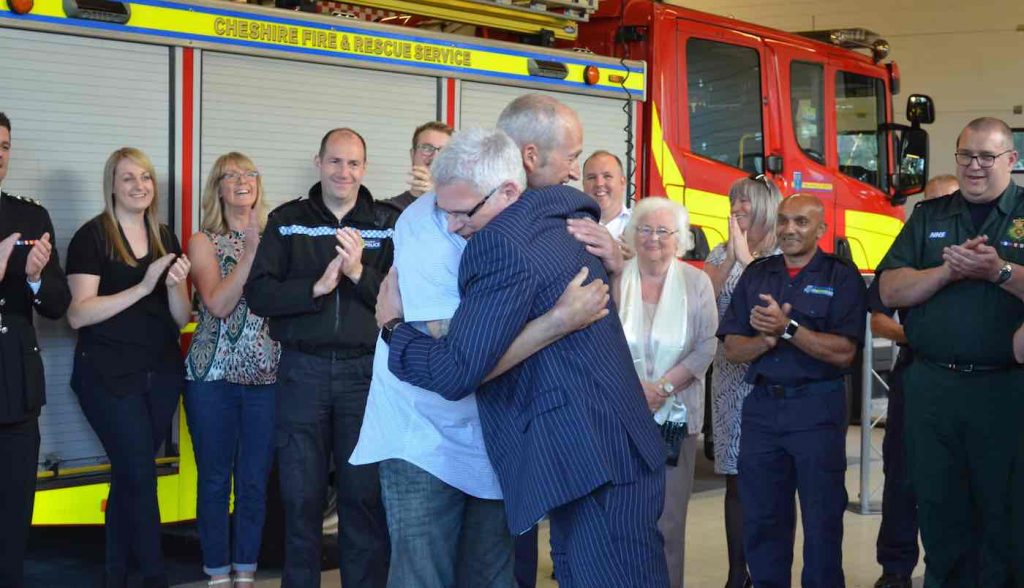
John O’Brien was involved in the road traffic collision while he was out riding his motorbike in Delamere back in October 2018. Firefighters, paramedics and police were first to arrive on the scene followed shortly by Dr. Mark Forrest.
By this time, 47-year-old O’Brien had been skillfully anesthetized on scene by the doctors, but just prior to being loaded into the helicopter, he went into cardiac arrest and conventional resuscitation proved ineffective. As he lay in the road, things were looking hopeless, as such traumatic cardiac arrests are commonly described as un-survivable in medical circles.
Led by Dr. Forrest as the most senior doctor on the scene, the team of rescuers took up various roles. They pushed fluid into O’Brien through drips and his chest was de-compressed to try and get his heart re-started.
When there was no response to the treatment, the only option left was a drastic one: the doctors realized that they had to operate and open O’Brien’s chest in the middle of the road.
The team quickly tried to make everyone aware that they were about to do something rarely seen outside of a hospital operating theatre, but few would appreciate what was actually about to happen: the doctors completely opened O’Brien’s chest to expose his heart and lungs so they could perform treatment of his internal bleeding, lung injuries and to massage his heart back to life.
Incredibly within a matter of minutes, his heart was beating strongly and the bleeding had been controlled. He was quickly loaded into the air ambulance and flown to the Major Trauma Center at Aintree in Liverpool for further life-saving surgery.
The achievement was described by the rescue services as “a great demonstration of the standards of world leading emergency care now available in Cheshire, England.”
Dr. Mark Forrest is the medical director for the Cheshire Fire and Rescue Service and the founder of Internationally famous Anesthesia Trauma and Critical Care Group (ATACC) which promotes and widely delivers medical rescue training and clinical governance. He responds to 999 emergencies such as road traffic collisions on a day-to-day basis as part of his role with the rescue service.
He said: “I arrived at the scene and was managing another casualty when I noticed that the team was trying to resuscitate John, who had gone into cardiac arrest. Despite the huge effort by the doctors, paramedics, firefighters and police officers, nothing was working and it wasn’t looking good for him. I joined them at John’s side and, after a very quick discussion, we knew that … the only chance of saving this man was to open up his chest to manage his internal injuries and to massage his heart until it started beating. This is rarely successful, but we did want to at least try.
“John has undoubtedly played a big part in his own recuperation since then,” added Forrest. “He has obviously worked really hard to get to the level of fitness he is right now. It will have been a tough road to recovery so his determination is commendable.”
In fact, O’Brien has made such a remarkable recovery, he was able to walk his daughter Amy down the aisle for her wedding last month.
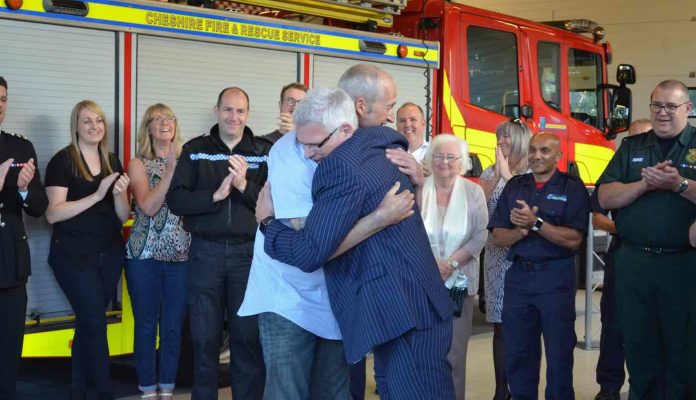
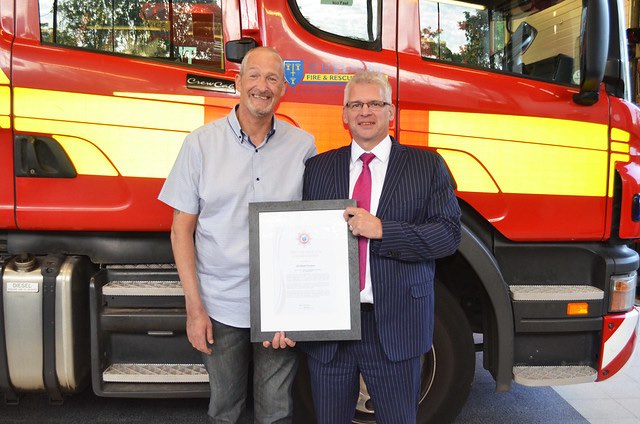
He was also able to thank everyone involved in his rescue at an evening reunion which was held at the Northwich Fire Station. Surrounded by the other doctors, firefighters, paramedics, and police, Dr. Forrest was given a commendation by the chief fire officer for his work that fateful day.
O’Brien said: “I can’t thank Dr. Forrest and everyone involved enough for helping me that day and for doing everything they could to save my life. I was lucky enough to be able to walk my daughter down the aisle recently and that’s all thanks to them.”
Save Your Friends From Negativity By Sharing The Good News To Social Media…
The Scottish government has just announced that they have surged past their national tree planting goals by planting over 22 million trees in 2018
The new trees amount to roughly 11,200 hectares (43 square miles) of new forestry added in 2018 alone, which comfortably surpasses their current goal of adding at least 10,000 hectares every year.
The Scottish forest industry is also outstripping the rest of the UK as 84% of all new planting took place in Scotland.
Welcoming the figures, Rural Economy Secretary Fergus Ewing said: “This is fantastic news that we’ve smashed the targets. It is testament to the Scottish Government making forestry a priority and investing and helping growing the industry.
“The whole tree planting effort has truly been a national endeavor with all forestry interests, both large and small, pulling together. With an increase in tree planting in the pipeline, it is now more important than ever to make sure the right trees are planted in the right places.
“In Scotland alone, around 9.5 million tonnes of CO2 each year are removed from the atmosphere by our forests – this is a clear example of why an increase in tree planting is so important in the fight against climate change,” he added.
The Forestry and Land department of the Scottish Government has directly contributed towards surpassing the planting targets with around 1,000 hectares being planted between 2018 and 2019. The remaining 10,200 hectares were planted by a range of private forestry interests.
A mixture of an improved and streamlined applications process, more promotion and better grant packages have helped boost tree planting across Scotland.
The Scottish Government, as part of their climate change commitments, has already upped the planting targets for the future to 15,000 hectares a year starting in 2024.
Scotland’s forests cover 19% of the total land mass area and the ambition contained in Scottish Government’s forestry strategy is to increase this to 21% by 2032.
For perspective, the amount of woodland cover that is currently sheltering the rest of the UK stands at 8% in Northern Ireland, 15% in Wales, and only 10% in England after they failed to meet their annual tree planting goals by about 3,600 hectares.
“I’m really pleased we’ve hit our planting targets in Scotland,” said Stuart Goodall, Chief Executive of Confor, which represents the forestry and wood processing sector.
“Planting trees locks up carbon and by harvesting and replanting them sustainably, we can produce an infinitely renewable supply of wood with which to build homes and to manufacture an array of everyday products – all while also reducing carbon in the atmosphere.
“Scotland is leading the way in the UK, with 84 per cent of all new planting happening in Scotland. Confor has worked long and hard with the Scottish Government to get to this point and I truly hope the momentum will be maintained in the coming years. We now need the rest of the UK to move beyond ramped-up rhetoric on a climate emergency and begin to take the positive action that we see in Scotland.”
Dr. Sam Gardner, deputy director at WWF Scotland added: “Woodlands will play an increasingly important role in capturing carbon and reducing Scotland’s contribution to climate change. These statistics show that Scotland can not only meet its own targets, while also making a significant contribution to the UK’s response to the climate emergency.
“We need to ramp up these efforts to meet the scale of the challenge but do so in a sustainable and integrated way, capturing carbon and delivering nature rich productive woodlands,” he added.
Plant Some Positivity By Sharing The Good News To Social Media…















 A collection of personal items belonging to ‘Lawrence of Arabia’ left to his landlord while he was a secret lodger have sold for £26,000 at auction.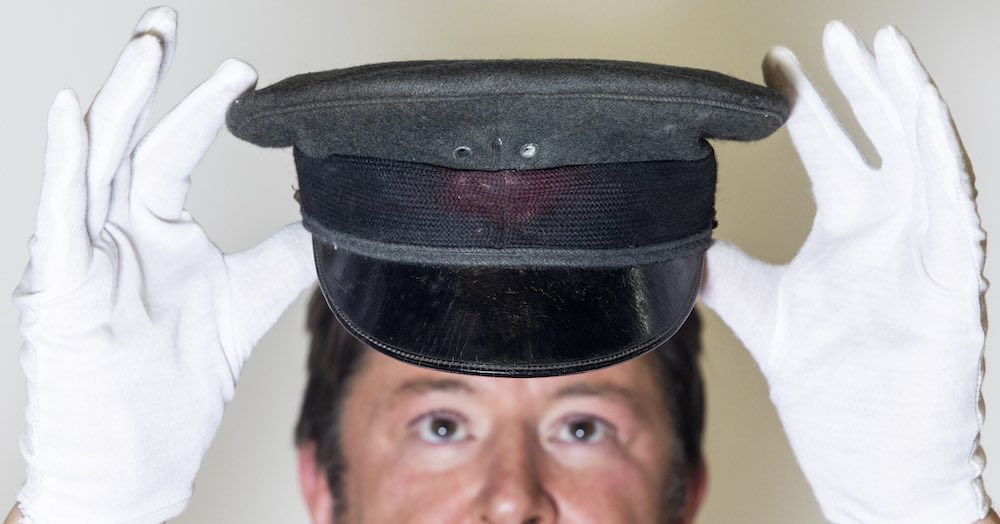

 This eagle couldn’t eat or fly after it became weighed down by a heavy ice ball attached to its tail on the shores of frigid Lake Michigan. Luckily some birdwatchers found it in peril and called a team of rescuers to the scene.