When the moon hits your dog’s eyes, like a big pizza pie, that’s amoré—or at least that’s the honest truth for this guy.
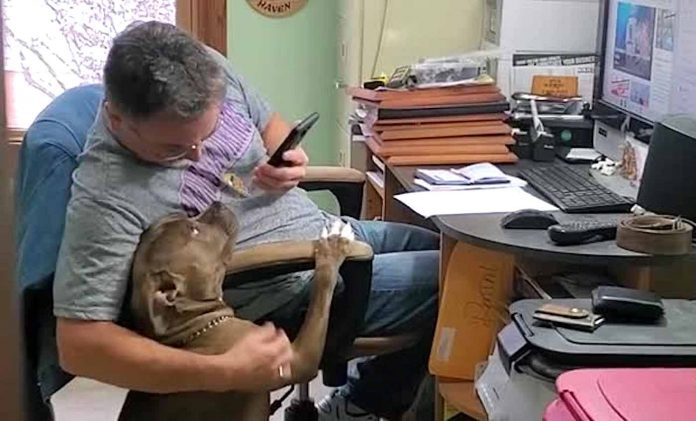
In this sweet little video from Jen Anderson, her fiancé can be heard singing the sultry Dean Martin song from the comfort of his office.
Anderson sneaked up to his doorway and peaked her phone around the corner only to capture footage of him singing the iconic ballad to his beloved pit bull Lady.
Rather than interrupting the sweet exchange, Anderson quietly captures her fiancé and his furry friend Lady staring lovingly into each other’s eyes—and the video is adorable.
(WATCH the pawesome video below)
Be Sure And Share This Sweet Story With Your Friends On Social Media…
The state of Washington is moving swiftly to spark a clean transportation revolution which will target the state’s biggest source of carbon emissions—gasoline-powered engines.
This week, the Senate voted 26-23 to pass SB 5811, a bill that would enable Washington to join the national Zero Emissions Vehicle (ZEV) program.
Eleven states currently participate in the ZEV program, which requires that a minimum percentage of the passenger vehicles supplied by automakers be electric. By putting the responsibility on automakers to make more electric vehicles available, the program tries to avoid fiscal impact on taxpayers.
The ZEV program has proven to decrease the cost of electric vehicles to purchase or lease, while increasing the selection of available. If passed, the bill would enable the state to join the ZEV Program, which requires that about 6% of all new cars stocked at dealerships be electric by 2022—the first year the measure could go into full effect. Automakers that do not meet the threshold would need to buy credits from another automaker or pay a penalty.
Last year, ZEV legislation passed the Senate, but stalled in the House, in the Environment and Energy Committee chaired by Representative Joe Fitzgibbon. This year, however, Representative Fitzgibbon affirmed his strong commitment to passing the bill—and joining California, Colorado, Connecticut, Maine, Maryland, Massachusetts, New Jersey, New York, Oregon, Rhode Island, and Vermont.
A diverse coalition of more than 40 organizations also support the bill, including the state’s leading environmental organizations, the International Brotherhood of Electrical Workers, the American Lung Association, Tesla, and ChargePoint.
Additionally, the House Transportation Committee is set to schedule a hearing on a bill that would require all new vehicles sold in Washington State to be electric starting in 2030 (HB 2515).
HB 2515, sponsored by Representative Nicole Macri and co-sponsored by Fitzgibbon and five other legislators, is patterned on vehicle electrification policies announced by approximately 15 countries. It requires all model-year 2030 or later passenger vehicles sold in Washington state to be electric. People could keep, sell, and purchase model-year 2029 and prior gasoline vehicles without restriction. Emergency response vehicles and vehicles over 10,000 pounds, such as farm equipment, would be exempt.
“Switching to local electricity to power our cars will improve our air quality, save the residents of Washington billions of dollars in fuel and maintenance costs, boost our economy, and create jobs,” said bill sponsor Macri.
Bill supporters say the legislation will incentivize private-sector investment in new EVs and charging stations, without imposing significant additional burdens on the state budget or the taxpayers.
Drive The Good News Over To Your Friends By Sharing It To Social Media – File photo by Joe Mabel, CC
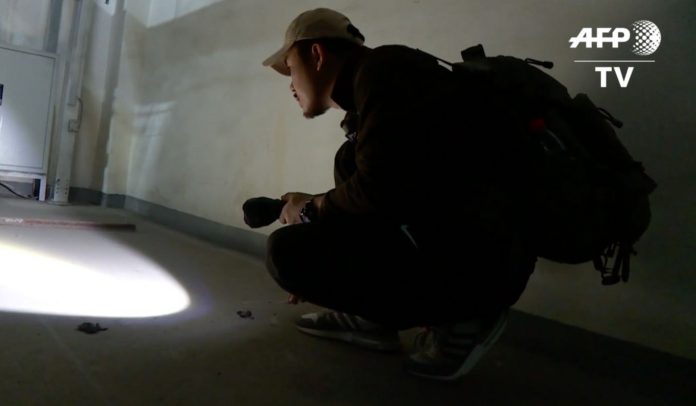
If you have ever been a fan of Jim Carrey’s role in Ace Venture: Pet Detective, you might be interested to know that China has a real-life pet detective of its own.
Sun Jinrong, who’s actually known as China’s first pet detective, has returned more than 1,000 missing animals to their owners over the course of his 7-year career.
Described as a stone-faced animal lover, clients can pay around $1,100 for the return of their lost furry friends, utilizing services that include seeking out pets with hi-tech thermal imaging cameras and heat sensors, as well as snake cameras—or “endoscopes”.
Dog ownership was banned under Communist Party leader Mao Zedong as being a decadent privilege reserved for the bourgeoisie—but since the decades have reversed this outlook, there are now 91.5 million pet cats and dogs in the country, keeping Sun Jinrong hard at work in eastern Shanghai.
“Most pet owners get very flustered,” Sun told Breaking Asia. “They don’t even own a flashlight. They can only look for cats in the dark by the weak light of their phones.”
Adapting hunting techniques into his methods, he usually carries a blowgun, and is an expert at shooting tranquilizing darts at missing cats who are especially wary of approaching humans. “We have no predecessors in this industry. We are all crossing the river by feeling the stones,” he tells Breaking Asia, using a famous Chinese saying.
“You have to be extremely careful when capturing pets. You can’t catch small dogs like Pomeranians with a net. Their hearts are very small. It could kill them,” says Jinrong.
Breaking Asia details one story of Jinrong seeking a missing cat named Duoduo. Jinrong had to wait up for hours in a camouflaged blind with his cameras until midnight before finding him.
“When our case is solved, it’s basically a reunion,” he muses. “It’s a happy moment.”
(WATCH Jinrong in action as he searches for Duoduo)
Be Sure And Share This Pawesome Story With Your Friends On Social Media…
Quote of the Day: “Storms make trees take deeper roots.” – Dolly Parton (she turns 74 today)
Photo: by Hannes, CC license va Flickr
With a new inspirational quote every day, atop the perfect photo—collected and archived on our Quotes page—why not bookmark GNN.org for a daily uplift?
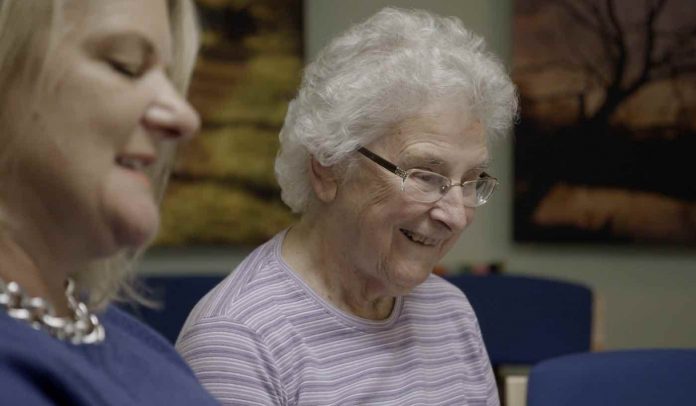
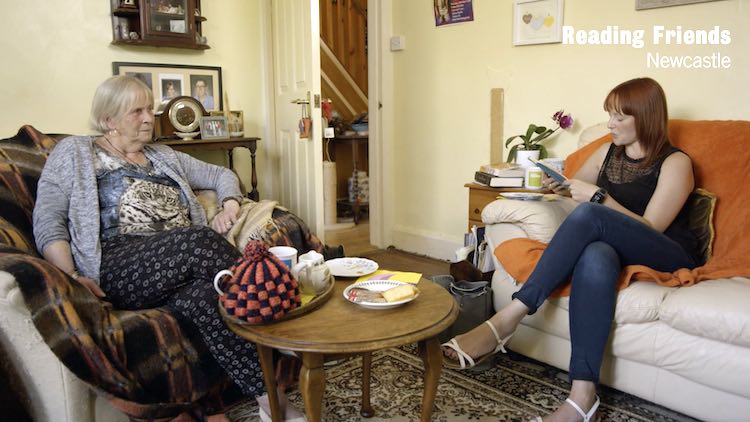
A simple, yet powerful, UK program has been fighting elderly isolation by recruiting young adults as volunteers to read to seniors with vision problems and dementia.
Lorna Burnett has benefited from the program having her vision “restored” by 15-year-old Ailsa, a schoolgirl who was paired with Burnett through the Reading Friends project.
Prior to developing lupus in her 40s, Burnett was a librarian and avid reader who would read “two to three books every week”. After developing the disease, however, Burnett found herself unable to read or watch television for any length of time without her eyes hurting.
Not only has Burnett’s regular reading sessions with Ailsa helped to reconnect her with her passion for literature, they have also built a strong intergenerational friendship between the two ladies.
“I chose a book and she would come along and read it to me,” Burnett told BBC. “But we have only got through two books so far because we end up chatting too much. We have read two historical novels… and get on very well.”
"The scheme has worked so well for me as a helpful tool that lets me read much more than I would." We are proud to be one of the charities featured in this year's @thetimes#ChristmasAppeal.
Since the Reading Agency launched the program in 2017, they have rolled out dozens of one-on-one—and group—Reading Friends sessions across Northern Ireland, Scotland, Wales, and England.
According to the organization’s website, “loneliness and social isolation is a significant health and wellbeing issue for older people” and “8-10% of people aged 65 and older are often or always lonely, while 12% feel socially isolated.”
“Research shows that reading together can help older people to build social networks and connect with others,” it continues. “Evidence also shows that reading has a positive impact on empathy, cognitive function and wellbeing and can reduce the risk of dementia.”
Ruth Sheppard, head of languages and literacy at Bannockburn High School, is responsible for connecting schoolchildren like Aisle with the program—and she says that it has had an amazing impact on the youngsters.
“We have wonderful young people at our school and we wanted to get them into the community,” Sheppard told BBC. “It has been fantastic to see them blossom as well as improving their literacy and social skills.
“They are meeting community members like Lorna that they are making friendships with, and library staff can help them, not only with education but outside as well.”
(WATCH the Reading Friends short film below) – Photo by Reading Friends
Be Sure And Share This Inspiring Story With Your Friends On Social Media…
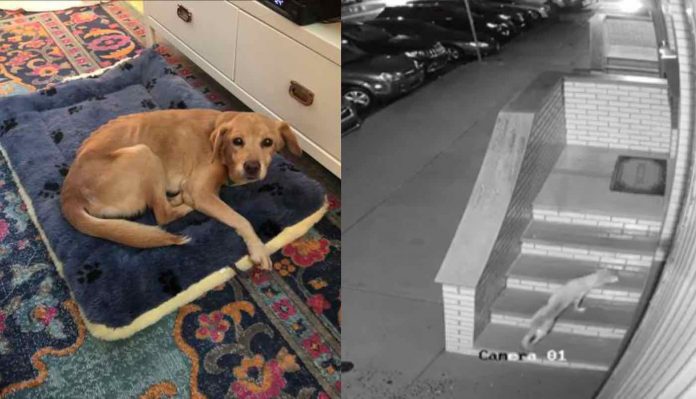
Jack Jokinen was awakened suddenly on a frigid December morning in Philadelphia by his concerned wife who needed his help unraveling a mystery: there was a dog in their living room.
LISTEN to the inspiring story told on the radio by our GNN founder in the Good News Guru podcast below—or READ the full story after that…
Since all their doors and windows were shut tight, they had no idea how the malnourished pup had gotten into their home.
Upon reviewing the household’s security footage from the previous night, Jokinen saw that he had not latched the door properly after returning from walking their dog George. As the winds picked up throughout the evening, the door to the sidewalk was blown wide open.
The footage then shows the skinny pup at 3AM wandering down the city street. It noticed the open door and wandered right inside. Further into the video they saw a Good Samaritan passing by who pulled the door shut, shortly after the dog slipped into the house.
I just woke up to this puppy in my house and we have no idea how it got here. pic.twitter.com/OZMystNsZE
Obviously emaciated, and covered in fleas, Jack and his wife debated whether to try and locate the dog’s rightful owners—but they opted for taking her to the veterinarian instead.
Expensive vet bills were looming after a paw infection and dental issues were uncovered—but when the compassionate couple learned the dog was 9 years old, they decided to adopt her and provide a comfortable ‘forever home’ for her senior years.
“We decided that of all the bad things that could happen by leaving your door open in the middle of winter in a major city, to end up with a sweet dog, who has come off the street…we have to give this a try,” Jokinen told The Dodo.
They named the dog ‘Suzy’, and took their friends’ advice to launch a donation page to help pay for her hefty medical bills. Within two days of posting her picture, they were flooded with donations to cover her care.
Suzy has since gained a healthy amount of weight and become a beloved part of the Jokinen family—who now sees the mysterious gusty wind that night as a fortuitous moment for all to share.
“In a way, this isn’t our dog—it’s the internet’s dog.”
David Solomon, chief executive of Goldman Sachs, recently wrote an editorial in the Financial Times in which he laid out the premise behind a $750 billon plan for a decade of investing, financing, and advisory activity that will exclusively cover nine climate-critical areas such as renewable energy, sustainable agriculture, and carbon reductions.
With this move, Goldman Sachs becomes the first major U.S. bank to prohibit financing for Arctic oil drilling and the first to establish explicit limits on financing for the oil and gas sector.
“Companies have traditionally treated sustainability as a peripheral issue,” writes Solomon in the FT, “focusing narrowly on the way they manage their impact on the environment. We don’t have the luxury of that limited perspective any more.”
“The evidence of climate change is clear. And, people in both developed and developing countries are questioning the ability of their economies to reward their hard work.”
Solomon and Goldman Sachs believe that transportation, the largest carbon-emitting sector of the world economy, must absolutely be a priority, while also mentioning affordable education and retraining investments, and investments in sustainable agriculture—the details of which he didn’t mention in his short piece.
Goldman Sachs stated that as part of its commitment to the 9-sector plan, it will neither finance, nor advise on any project that “directly supports new upstream Arctic oil exploration or development”.
Also included was a similar commitment to refuse all financing and support for coal-fired power plants unless they also included modern carbon capture technology to the degree that the emissions are offset.
A joint statement from the Sierra Club and Rainforest Action Network said that the bank’s “fossil finance policy is now the strongest among the big six U.S. banks”.
File photo by Shinya Suzuki, CC
Saving Money, Saving the Earth
Important in their investing blueprint is a focus on climate goals that have definable and measurable metrics. This will allow Goldman Sachs partners to accurately track environmental progress of such pathways as well as the financial growth potential and measurable returns, which Solomon insists must be a primary focus.
“…capital must be deployed to those opportunities that have the greatest potential for success, and we must generate strong returns on invested capital to serve those saving for retirement,” writes Solomon in the FT. This is because retirement is a vitally important source of investment capital, and is one of the most reliable metrics for economic strength.
Here, classic economics meld with climate-activism in an interesting way that can help everyone involved achieve their goals. People who care most about climate change, Swedish activist and Time Magazine’s Person of the Year, Greta Thunberg for example, often remark that the previous generation has sacrificed the environment and the climate of their children’s generation in order to maximize profit and material possession; or some variation on this same theme. Such a focus can now be used to rev the engine of solution-based start-ups and industries.
Consumer buying is a much weaker marker of economic strength and resilience than savings, investment, and production, as Solomon points out, which goes hand in hand with those acting to reduce carbon emissions. Like a steady saver, they would rather sacrifice time, capital, and pleasure now so as to be able to continue to enjoy them for years to come.
This blending of mutual long-term planning can not only promote a stronger economy, but a more sustainable world with a more stable climate.
Power Up With Positivity By Sharing The Good News With Your Friends On Social Media…
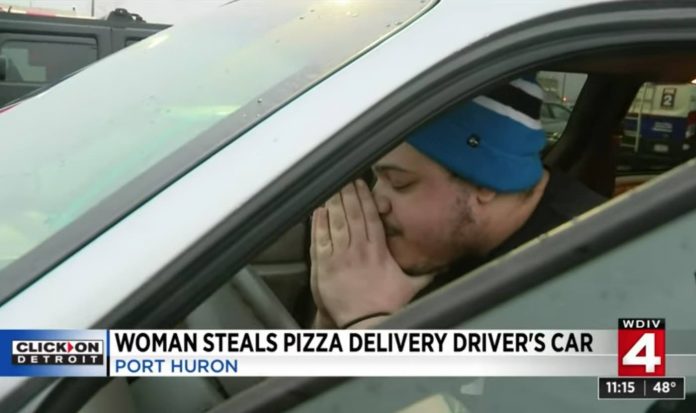
After a woman with mental health issues hijacked and subsequently crashed Rayden Jones’s car, the delivery driver was suddenly going to be left without a mode of transportation to do his job.
Then, suddenly, a good Samaritan stepped in to save the day.
Jones, who works at Happy’s Pizza in Port Huron, Michigan, says he had taken only two minutes to run some pies into a local school last week when he exited the building and found that someone had stolen his car.
Meanwhile, a man named Kevin Lindke had been driving home from work when he saw a swerving car take the wrong ramp onto a freeway. Lindke dialed 911 as he followed the car and described the situation to police dispatchers.
The woman who stole the automobile eventually smashed into another vehicle before abandoning the totally-wrecked car on the side of the road. She took off running with Lindke in hot pursuit.
After catching up to her, Lindke convinced her to stay and wait for police.
Later, when he learned from law enforcement officials that the car had belonged to a hard-working pizza delivery driver, he was moved to donate his minivan to Rayden, rather than selling it, as he had originally planned.
“I’m not going to lie, I about burst into tears because who does that?” Jones told WDIV. “It’s a godsend—that this man, out of nowhere, who I’ve never met, would do this. It’s mind blowing.”
(WATCH the news coverage below) – Image credit: screenshot, WDIV video
Drive This Inspiring Story To Your Friends By Sharing It To Social Media…
Quote of the Day: “That shot was a defining moment, and when a defining moment comes along, you define the moment… Or the moment defines you.” – Tin Cup (Kevin Costner turns 65)
Photo: by Split the Kipper, CC license – levels adjusted, cropped
With a new inspirational quote every day, atop the perfect photo—collected and archived on our Quotes page—why not bookmark GNN.org for a daily uplift?
When a gas station employee fell ill on the job earlier this month, the responding firefighters did a lot more than just take care of his medical needs.
It was just after midnight at the J&H Family Store near Alto, Michigan when the cashier started to feel unwell. After calling his boss to bring in some extra help, he dialed 911.
Four firefighters from the Alto-Bowne Township Fire Department Deputy arrived at the shop shortly afterwards and took care of the cashier until an ambulance arrived to take him to the hospital.
By the time the employee was carried out on a stretcher, however, his co-worker had not yet showed up.
Since customers were still walking into the store, the firefighters decided to put themselves to work and ring up the customers until backup arrived.
“[The customers] weren’t pushy and upset. We weren’t doing anything. They literally just wanted to get some snacks and get on the road,” one of the firefighters told WOOD reporters. “So I felt bad and thought we could help them out.”
Elliot, the cashier who called 911, told the news outlet that he had no idea the firefighters had helped to run the store until his co-workers showed him surveillance footage the following day—and he was incredibly grateful for their kindness during his time of need.
(WATCH the news coverage below) – Photo by WOOD
Be Sure And Share This Sweet Story Of Kindness With Your Friends On Social Media…
A common bacteria that boosts digestive health can slow—and even reverse—the build-up of a protein associated with Parkinson’s disease, new research suggests.
Building on previous research linking brain function to gut bacteria, this study in a Parkinson’s model of roundworms, identified a probiotic—or so-called “good bacteria”—which prevents the formation of toxic clumps that starve the brain of dopamine, a key chemical that coordinates movement.
These new findings, which were published in Cell Reports this week, could pave the way for future studies that gauge how supplements such as probiotics impact the condition.
In the brains of people with Parkinson’s, alpha-synuclein protein misfolds and builds up, forming toxic clumps. These clumps are associated with the death of nerve cells responsible for producing dopamine. The loss of these cells causes the motor symptoms associated with Parkinson’s, including freezing, tremors and slowness of movement.
The researchers from the Universities of Edinburgh and Dundee used roundworms altered to produce the human version of alpha-synuclein that forms clumps. They fed these worms with different types of over-the-counter probiotics to see if bacteria in them could affect the formation of toxic clumps.
The scientists found that a probiotic called Bacillus subtilis had a remarkable protective effect against the build-up of this protein and also cleared some of the already formed protein clumps. This improved the movement symptoms in the roundworms. The researchers also found that the bacteria was able to prevent the formation of toxic alpha-synuclein clumps by producing chemicals that change how enzymes in cells process specific fats called sphingolipids.
The study was funded by Parkinson’s UK, the EMBO and the European Commission. It is the latest in a number of recent studies which have found a link between brain function and the thousands of different kinds of bacteria living in the digestive system, known as the gut microbiome. Other studies into mice have found that the gut microbiome has an impact on the motor symptoms.
“The results provide an opportunity to investigate how changing the bacteria that make up our gut microbiome affects Parkinson’s,” said lead researcher Dr. Maria Doitsidou from the Centre for Discovery Brain Sciences at the University of Edinburgh. “The next steps are to confirm these results in mice, followed by fast-tracked clinical trials since the probiotic we tested is already commercially available.”
Dr Beckie Port, Research Manager at Parkinson’s UK, said: “Parkinson’s is the fastest growing neurological condition in the world. Currently there is no treatment that can slow, reverse or protect someone from its progression but by funding projects like this, we’re bringing forward the day when there will be.
“Changes in the microorganisms in the gut are believed to play a role in the initiation of Parkinson’s in some cases and are linked to certain symptoms, that’s why there is ongoing research into gut health and probiotics.
“The results from this study are exciting as they show a link between bacteria in the gut and the protein at the heart of Parkinson’s, alpha synuclein. Studies that identify bacteria that are beneficial in Parkinson’s have the potential to not only improve symptoms but could even protect people from developing the condition in the first place.”
Microsoft may have just taken on the most ambitious environmental goals of any corporation to date.
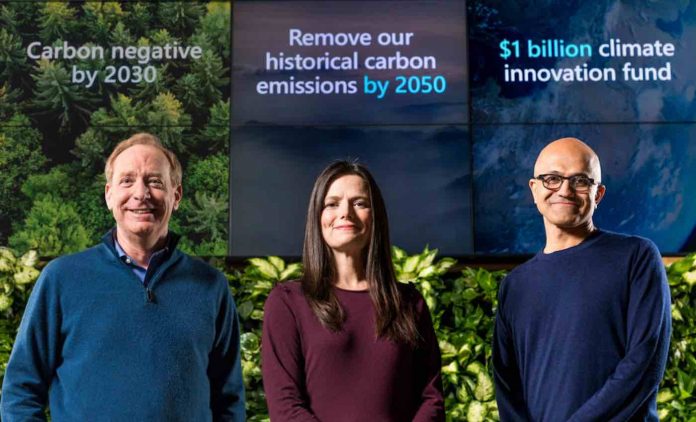
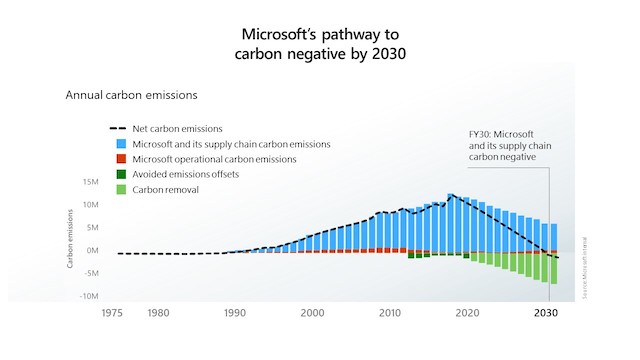
This week, the tech company announced they are now working to be carbon-negative by 2030. Furthermore, they plan to remove all the carbon they have ever emitted into the environment—either directly or by electrical consumption since their founding in 1975—before 2050.
The technology required to achieve such a feat is either wildly expensive or not widely available; and that’s why the company is also launching a $1 billion fund to develop climate technologies for the rest of the world.
“We are launching an initiative to use Microsoft technology to help our suppliers and customers around the world reduce their own carbon footprints and a new $1 billion climate innovation fund to accelerate the global development of carbon reduction, capture, and removal technologies,” Microsoft President Brad Smith wrote in a company blog post.
“Beginning next year, we will also make carbon reduction an explicit aspect of our procurement processes for our supply chain. Our progress on all of these fronts will be published in a new annual Environmental Sustainability Report that will detail our carbon impact and reduction journey. And lastly, all this work will be supported by our voice and advocacy supporting public policy that will accelerate carbon reduction and removal opportunities.”
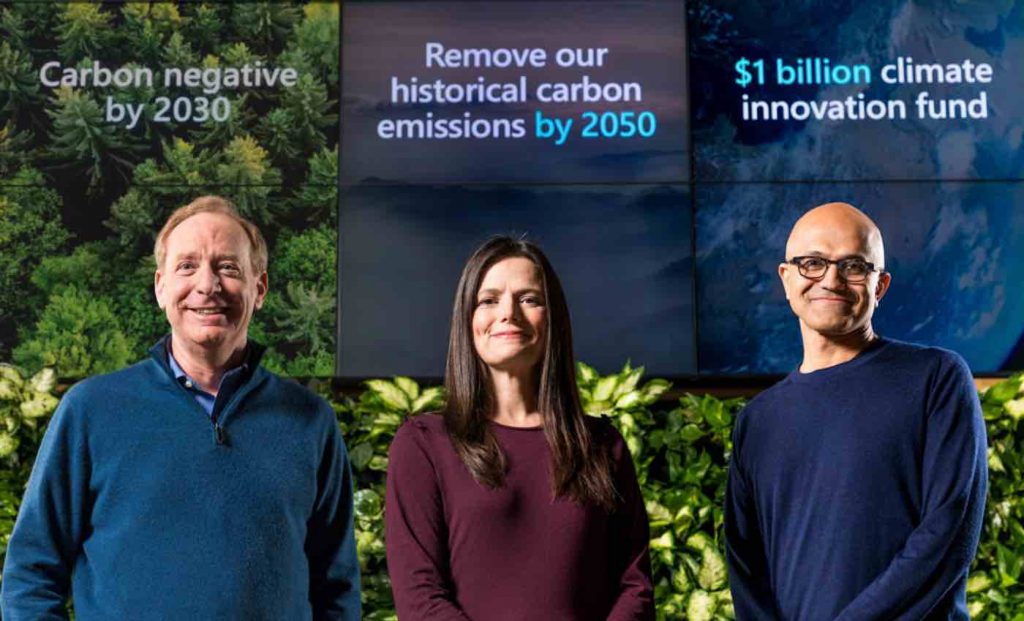
Photo by Microsoft
Microsoft has been carbon-neutral since 2012—meaning they have invested in enough renewable energy projects and carbon offsets to balance out the emissions that they create themselves. They also began charging internal fees on their business units for their greenhouse gas emissions.
Smith says the company will now begin their trailblazing sustainability plan by sourcing all of their own electricity from renewables by 2025. After that, they plan to become carbon-negative by removing more carbon from the atmosphere than their own company creates.
Microsoft CEO Satya Nadella, President Brad Smith, Chief Financial Officer Amy Hood, and Chief Environmental Officer Lucas Joppa announced the company’s new goals and their detailed plans for becoming carbon negative at an event at its Redmond campus.
“While the world will need to reach net zero, those of us who can afford to move faster and go further should do so. That’s why today we are announcing an ambitious goal and a new plan to reduce and ultimately remove Microsoft’s carbon footprint,” said Smith. “By 2030 Microsoft will be carbon negative, and by 2050 Microsoft will remove from the environment all the carbon the company has emitted either directly or by electrical consumption since it was founded in 1975.”
Photo by Brian Smale / Microsoft
Power Up With Positivity By Sharing The Good News With Your Friends On Social Media…
An 83-year-old Scottish woman with dementia is quickly climbing the UK music charts after her nursing home caregiver fell in love with her singing voice.
Because of her dementia, Margaret Mackie has trouble remembering things from day to day—but she does remember all the words to Frank Sinatra’s 1969 ballad “My Way”.
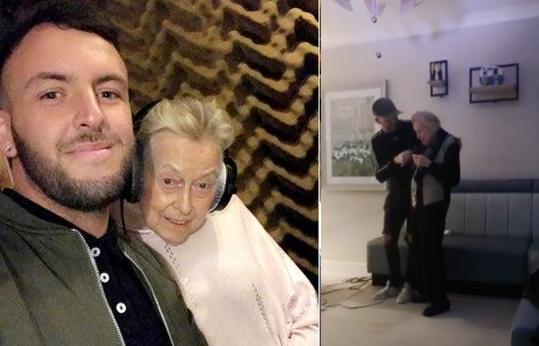
After Mackie and her 31-year-old caregiver Jamie Lee Morley sang a duet of the song at their nursing home’s Christmas karaoke party last month, staffers were in awe of her talent.
“Her family and friends were there in the audience to witness this moment—and what a moment it was,” says Morley. “For her to get up on stage at her age and have so much courage and fight and sing so beautifully absolutely blew my mind. [It’s] a moment I will never ever forget.”
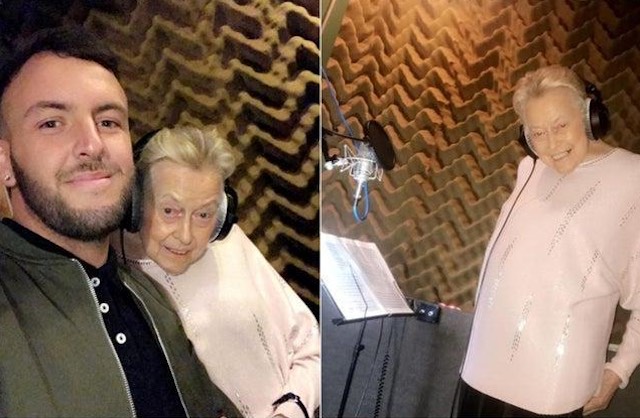
Morley, who had bonded with Mackie over their shared love of music before, then got his elderly patient to record the song at the Ingleston-based studio Sound Sound.
Additionally, since the song costs 79 pence to download, Morley and Mackie are donating all of the song’s proceeds to Alzheimer’s Society and Dementia UK.
Morley told the Edinburgh Evening News this week that the song’s success has been “absolutely incredible”.
“The feeling of getting so much awareness out there and connecting everyone through the power of music is exactly why we recorded the song as a single,” he said. “Margaret’s family and me couldn’t be any happier with how the public have responded to it.”
(WATCH the duet below)
Be Sure And Share This Amazing Story With Your Friends On Social Media…
Quote of the Day: “Ever has it been that love knows not its own depth until the hour of separation.” – Kahlil Gibran
Photo: by Valeri Pizhanski, CC license – levels adjusted
With a new inspirational quote every day, atop the perfect photo—collected and archived on our Quotes page—why not bookmark GNN.org for a daily uplift?
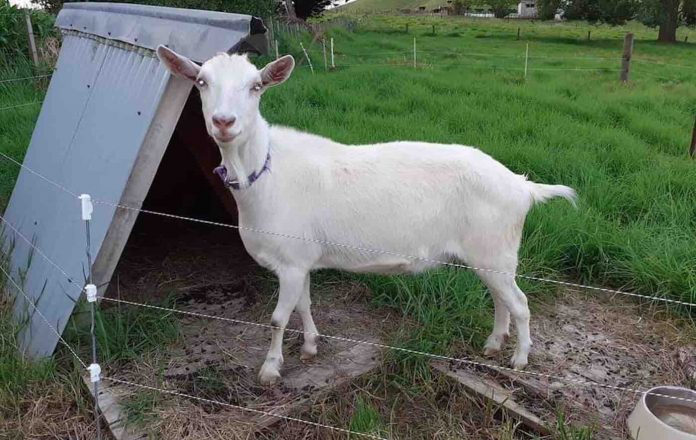
A depressed bovine has finally been reunited with his best friend: a beloved therapy goat who was stolen out of their paddock last month.
Bunter the cow is just one of the animal residents at the Maungaturoto Hotel in Northland, New Zealand. Bunter used to share a paddock with his cousin Rosie until she passed away a few months ago.
As Bunter became more and more lethargic over the death of his friend, hotel owner Joe Robin became more concerned over the cow’s wellbeing.
He then adopted Peaches the therapy goat in hopes that she would live Bunter’s spirits—and his plan worked like a charm.
“After Rosie passed away, Bunter got really depressed and we heard that goats were good therapy, and there was a lady who was willing to gift Peaches to us,” Robin told Newshub NZ. “As soon as Peaches arrived in the paddock, Bunter was a different cow, running around everywhere.”
However, Robin was left heartbroken after Peaches suddenly disappeared from the paddock in mid-December. Not only that, he suspected that she had been stolen because her paddock wiring had been cut.
As the community searched for Peaches, Robin and his wife feared the worst—until they caught sight of one particularly anxious goat standing away from its herd on a neighboring property. The goat had the same white fur as Peaches and it looked as if it did not belong with the other goats.
“We watch a lot of CI (Crime + Investigation), so we did our own investigating,” said Robin.
Since the owners of the property later told police that they had bought Peaches at a market, no further legal action is being taken on the matter; although the rescued goat was given an official police escort back to her home at Maungaturoto Hotel.
Needless to say, Bunter was elated to be reunited with his friend.
“Now that Peaches is back, Bunter is overjoyed. They’ve been trying to share a kennel together but they don’t fit in,” Robin told Stuff NZ. “Peaches really does provide a ‘therapy’ for Bunter through her companionship. I’m so glad they are back together.”
If This Sweet Story Gets Your Goat, Be Sure And Share It With Your Friends On Social Media…
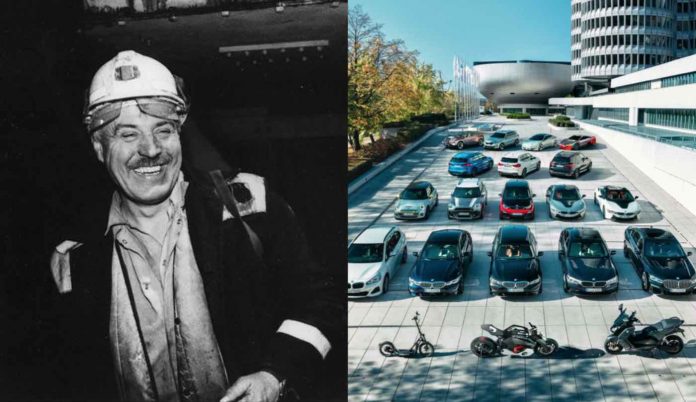
Last week, the BMW luxury car brand became the first automaker to join an international coalition for responsible mining.
Specifically, the BMW Group became the first member of the auto industry to join the Initiative for Responsible Mining Assurance (IRMA): a precedent-setting global certification program for industrial-scale mine sites.
This is not the first time that BMW has been hailed for their drive towards sustainability; in addition to releasing their electrified new MINI Cooper, the company recently announced that they now have more than half a million cars on the roads—and they plan on doubling that number by the end of 2021.
With growing awareness and demand for ecologically and socially-responsible products, jewelers, electronics businesses, automakers, and others have sought assurances that the minerals they purchase are mined responsibly. As a member of IRMA, the BMW Group will be participating in IRMA programs to transform the industrial mining sector towards more responsible practices.
IRMA measures performance of mine sites against their Standard for Responsible Mining, which seeks to emulate for industrial-scale mine sites what has been done with certification programs in organic agriculture, responsible forestry, and sustainable fisheries.
“The auto sector is a powerful purchaser of materials that come from mines. We are happy to have the BMW Group join IRMA and we look forward to supporting their commitment to increasing environmental and social responsibility in their supply chains,” said Aimee Boulanger, Executive Director of IRMA.
The Standard for Responsible Mining reflects the input from over 100 companies, organizations and individuals worldwide. Members in IRMA include a variety of stakeholders in the mining supply chain or those affected by mining, including purchasers of mined materials Microsoft and Tiffany & Co; labor unions IndustriALL Global Union (that represents more than 50 million workers in mining and manufacturing in 140 countries); nonprofit organizations Earthworks and Human Rights Watch; and various mining companies and mining-affected communities.
“Sustainability is an important aspect of our corporate strategy and we are fully aware of our responsibility in mineral value chains.” said Dr. Andreas Wendt, member of the board of management of BMW AG responsible for Purchasing and Supplier Network.
“For the BMW Group and its stakeholders, it is of the utmost importance that environmental and social standards are adhered to throughout the entire value chain. Raw materials form the basis for every industrial production process and our need will continue to grow accordingly,” underlined Wendt. “We believe that IRMA, with its ambitious certification standard, will contribute to enhancing responsibility in global value chains and improving environmental and social performance.”
The Standard for Responsible Mining is the result of more than ten years of collaboration among groups from the mining industry, organized labor, nonprofit organizations, impacted communities, and businesses. The Standard’s best practice requirements for mining include elements such as health and safety for workers, human rights, community engagement, pollution control, mining in conflict-affected areas, rights of indigenous peoples, transparency in revenue payments from companies to governments, and land reclamation once mining is done.
IRMA emphasizes that The Standard is not simply a pass/fail system, instead focused on transparency, where different levels of performance are recognized and continuous improvement is encouraged, but where certification is still available for those industrial-scale mine sites meeting best practice requirements.
Be Sure And Drive The Good News Over To Your Friends By Sharing This To Social Media — Feature photo contribution by Tyne & Wear Archives & Museums, CC
This sweet story of Canadian kindness just goes to show that even Snowmageddon has its heroes.
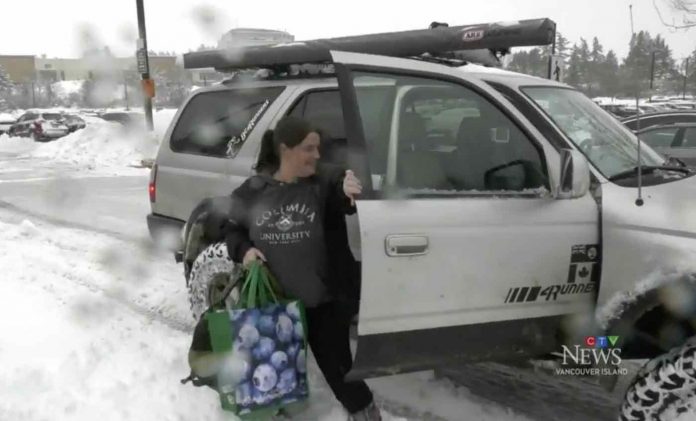
Since Vancouver Island was covered in a foot of snowfall earlier this week, almost 100 citizens have offered up their jeeps and driving services to help nurses, doctors, and healthcare workers get to the local hospital.
The volunteers are all members of the Vancouver Island Toyota 4×4 public Facebook group for British Columbians who want to share their appreciation of big cars.
Many of the drivers provided free transportation to hospital workers during the harsh winter storms back in 2019—so when the weather forecast called for snow this week, the group reached out to Island Health in anticipation of shuttling the employees to work.
“[Staffers at Victoria General Hospital] have patched me up a hundred times,” volunteer driver Shelby Newcombe told CTV News. “They also delivered my little boy here, and I was also born here, so it is nice to give back to them.”
Despite how they are providing the transportation to hospital workers for free, Newcombe says that many other community members have been “donating money for gas and banana bread, which was a big hit.”
Forecasts are now warning Vancouver Island residents to prepare for another foot of snowfall this week—but Newcombe and the other members of the VI Toyota 4×4 group are already prepared to continue giving rides to hospital workers until the weather abates.
(WATCH the news coverage below) – Photo by CTV News
Drive This Sweet Story Of Community Kindness Over To Your Friends On Social Media…
Scientists from New Zealand have just made the “remarkable discovery” of the brain having its own blood pressure sensors—and they say it could pave the way towards new treatments for dementia, high blood pressure, migraines, and a dozen other conditions.
For decades, scientists have suspected that the brain had a way of monitoring and regulating its own blood flow separate from the body-wide blood pressure control system—but until now, no one had proven this.
The brain needs more blood than any other organ to satisfy neurons’ relentless, high demand for oxygen, so it makes sense that it would have a way of buffering itself from blood flow fluctuations in the wider body.
Now, a research collaboration involving scientists from the University of Auckland, University College London, and Bristol University is the first ever to identify blood flow sensors within the brain.
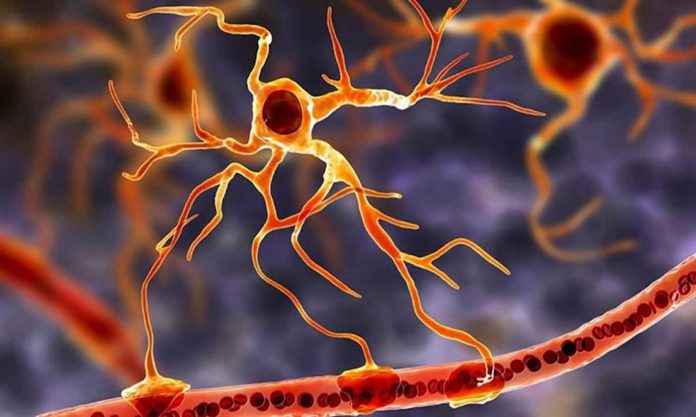
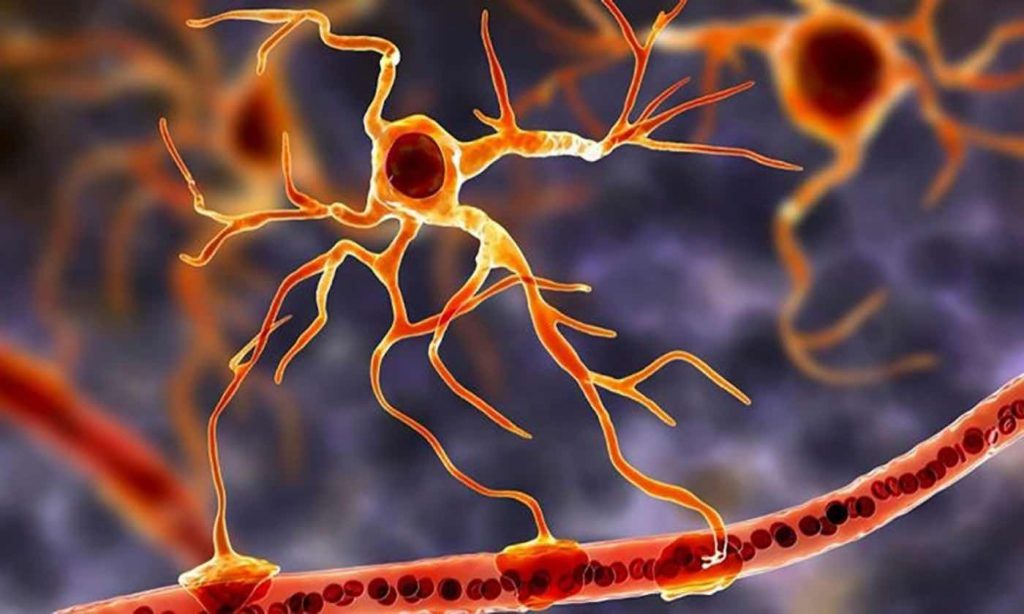
In the researchers’ animal study, they found the sensors—tiny cells called astrocytes—strategically squeezed between blood vessels and nerve cells in rats’ brains. When the researchers stimulated these cells, the cells increased blood flow into the brain.
Professor Julian Paton from the University of Auckland’s Faculty of Medical and Health Sciences, a member of the research team, explains: “These astrocyte cells are exquisitely sensitive to reductions in brain blood flow. When blood supply is reduced, they release a chemical signal to nearby nerve cells that raise blood pressure, restoring blood flow to the brain.”
Photo by University of Auckland
The researchers say this finding could potentially lead to new approaches to treating numerous diseases associated with reduced brain blood flow. Disturbances to brain blood flow are a known cause in many diseases; for example, sustained reduction in brain blood flow is a likely cause of cognitive decline, dementia, and neurodegenerative disease such as Alzheimer’s disease.
“What we have discovered is that the brain has an automatic way to make sure that brain blood flow is preserved. Unfortunately, in pathological conditions, this is happening at the expense of generating higher blood pressure in the rest of the body,” says Professor Paton.
“Our finding suggests that reducing activity in these blood flow-sensing astrocytes may be a way to lower blood pressure in people with hypertension (high blood pressure). It may also be a way to combat migraines and strokes. On the other hand, sensitizing these cells may help in conditions of dementia to improve brain blood flow.”
Collaborator Professor Alexander Gourine from University College London says: “We are very excited about this discovery; there has never been a formal description of a blood flow or blood pressure sensor within the brain before.
“Our new data identify astrocytes as brain blood flow sensors that are critically important for setting the normal level of systemic (arterial) blood pressure and in doing so ensures that the brain receives a sufficient amount of oxygen and nutrients to support the uninterrupted operation of the information processing machinery.”
The study was published in the prestigious scientific journal Nature Communications.
Conservationists are celebrating the success of a mission to save the world’s last remaining “dinosaur trees” from the Australian bushfires.
The ancient Wollemi Pine was thought to be extinct until a small grouping of the prehistoric trees was discovered in the mountains roughly 124 miles northwest (200 kilometers) of Sydney back in 1996.
Fossil records show that the pines existed as far back as 200 million years ago—and since these 200 trees are the only known Wollemi Pines left in the wild, their location has remained a closely-kept secret in order to ensure their protection.
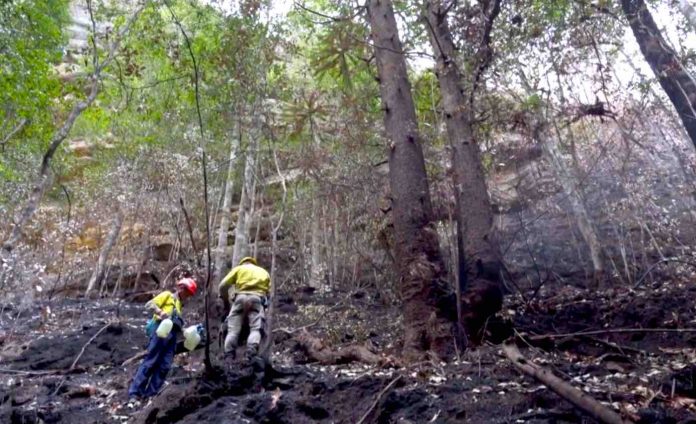
When Australian legislators heard that the bushfires—which have been raging across New South Wales since September—were edging closer to the Wollemi grove, a team of specialized firefighters was airlifted onto the scene.
“These pines outlived the dinosaurs, so when we saw the fire approaching we realized we had to do everything we could to save them,” said New South Wales state Environment Minister Matt Kean.
Just one week before the fires hit the surrounding forests, the firefighters sprayed the trees with fire retardant and installed an irrigation system to keep the area moist. As the fire drew closer, air tankers dumped water around the perimeter of the grove and kept the flames at bay.
Although a few of the dinosaur trees were lightly singed by the blaze, the safety measures successfully protected the grove—and the surrounding fires were reportedly contained earlier this week.
Richard Kingsford, director of the Center for Ecosystem Science at the University of NSW, hailed the firefighting success to The Sydney Morning Herald: “This is such a remarkable species in terms of ecology and evolution … and only found in Australia.”
“It’s something like the Opera House of the natural world,” he added. “Losing it would have added to the catastrophe we have seen elsewhere.”
(WATCH the AFP news coverage below) – Photo by AFP News Agency
Plant Some Positivity By Sharing The Good News With Your Friends On Social Media…
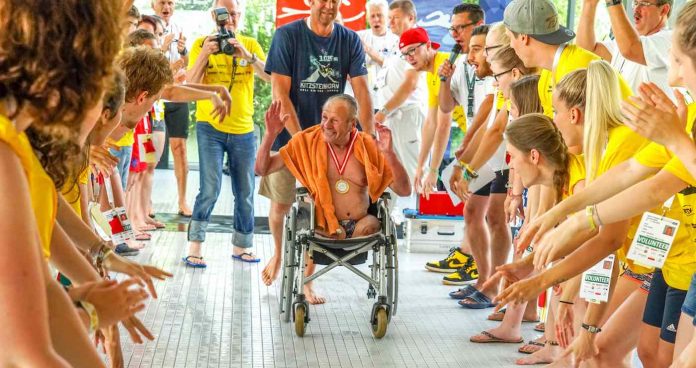
Quote of the Day: “To the world you may be one person, but to one person you may be the world.” – Theodore Geisel (Dr. Seuss)
Photo: Special Olympics, public domain on Flickr – cropped
With a new inspirational quote every day, atop the perfect photo—collected and archived on our Quotes page—why not bookmark GNN.org for a daily uplift?