











All News - Page 634 of 1733 - Good News Network
Home Blog Page 634

Working in Secret, Bill Gates-Backed Solar Company Reveals Tech That Could Spell the End of Fossil Fuels

Photo by Heliogen

A secret clean energy startup backed by Bill Gates has just gone public with the announcement of its new technology that uses concentrated solar energy to exceed temperatures greater than 1,000 degrees Celsius (1,800 degrees Fahrenheit)—and it could be a game-changer in the fight against the climate crisis.

For perspective, that kind of heat is about one-quarter of the temperatures found on the surface of the sun. At that temperature, the energy company—Heliogen—can replace the use of fossil fuels in critical industrial processes, including the production of cement, steel, and petrochemicals, dramatically reducing greenhouse gas emissions from these activities.

This singular scientific achievement was accomplished at Heliogen’s commercial facility in Lancaster, California.

Heliogen’s mission is to create the world’s first technology that can commercially replace fossil fuels with carbon-free, ultra-high temperature heat from the sun and to transform sunlight into fuels at scale—taking a major step towards solving climate change.

RELATED: First Fully Rechargeable Carbon Dioxide Battery is Seven Times More Efficient Than Lithium Ion

Its heat technology represents a key technical breakthrough for concentrated solar thermal. Previous commercial concentrating solar thermal systems have been designed to reach temperatures of up to only 565 degrees Celsius—useful for power generation, but insufficient for many industrial processes. Many of these processes require much higher temperatures, which have traditionally been reached through the burning of fossil fuels.

The potential impact of Heliogen’s patented technology is massive. With temperatures from its concentrating solar thermal technology exceeding 1,000 degrees Celsius, Heliogen will be able to replace the fuel that generates greenhouse gas emissions from industrial processes with solar energy for the first time. For instance, cement production—one of the industrial processes well suited to Heliogen’s technology—alone accounts for more than 7% of global CO2 emissions.

Photo by Heliogen

“Today, industrial processes like those used to make cement, steel, and other materials are responsible for more than a fifth of all emissions,” said Bill Gates. “These materials are everywhere in our lives but we don’t have any proven breakthroughs that will give us affordable, zero-carbon versions of them. If we’re going to get to zero-carbon emissions overall, we have a lot of inventing to do. I’m pleased to have been an early backer of [this] novel solar concentration technology. Its capacity to achieve the high temperatures required for these processes is a promising development in the quest to one day replace fossil fuel.”

In addition to industrial process heat, Heliogen’s technology roadmap calls for temperatures up to 1,500 degrees Celsius. At that temperature, Heliogen can perform CO2-splitting and water-splitting to make 100% fossil-free fuels such as hydrogen or syngas.

Heliogen is able to achieve these breakthrough temperatures as a result of its technology that uniquely uses advanced computer vision software to hyper-accurately align a large array of mirrors to reflect sunlight to a single target.

CHECK OUT: ‘First of its Kind’ Zero-Emission Geothermal Energy System in Canada May Soon Be in Your Town

The firm’s founder and chief executive officer is Bill Gross, a lifelong entrepreneur and founder of Idealab. The Heliogen team includes scientists and engineers from Caltech, MIT, and other leading institutions and is based in Pasadena, California.

“The world has a limited window to dramatically reduce greenhouse gas emissions,” said Heliogen CEO and founder Bill Gross, who is also the founder and chairman of  Idealab.

“We’ve made great strides in deploying clean energy in our electricity system. But electricity accounts for less than a quarter of global energy demand. Heliogen represents a technological leap forward in addressing the other 75% of energy demand: the use of fossil fuels for industrial processes and transportation. With low-cost, ultra-high temperature process heat, we have an opportunity to make meaningful contributions to solving the climate crisis.”

(WATCH the explanatory video below)

Power Up With Positivity By Sharing The Good News To Social Media…
In Most Wholesome Facebook Post Ever, Thousands of Dog Lovers Describe Their Pups for a Blind Man

It’s not uncommon for doting pet owners to show off pictures of their pups on the internet—but this community of dog lovers has been going one step further in order to include a blind man who was missing out on the pictures.

The Dogspotting Society is a public Facebook group for people to post photos of dogs, discuss different breeds, swap stories, and share in the general joy of canines.

Earlier this week, a blind man named Stephen William Dale Shkuratoff posted in the group asking people to describe their dogs so he could picture them in his mind.

“I love being a member of this group!” wrote Shkuratoff. “I am blind and was hoping to ask for more dog descriptions. Personality traits are more helpful than colors. Like how soft the dog is, for example. Bonus as always for dogs full of kisses and snuggles.

LOOK: When Animal Shelter Uses Area 51 Internet Meme to Appeal for Adoptions, They Are Flooded With Support

“Thanks for making me feel included,” he concluded. “Hope no one minds me asking for descriptions a lot recently.”

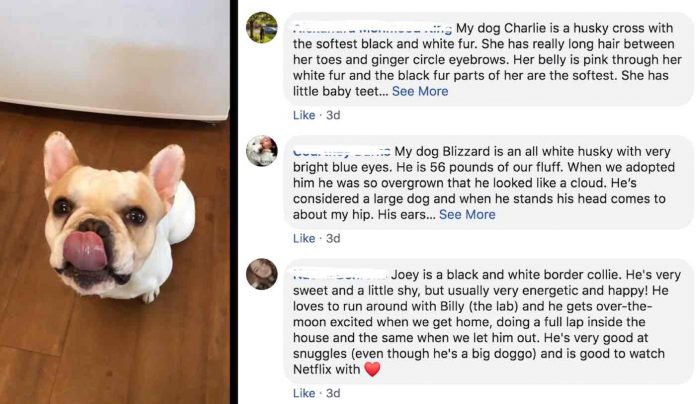
To his delight, thousands of people answered his request and left detailed descriptions of their mutts.

One comment reads: “Billy is a chocolate lab. He’s silly and funny, and so loving. He knows when you’re sad, or tired. He’ll put his super soft snoot, that feels like velvet on your lap, and when you start petting his smooth, silky head and back you can feel his whole body sigh, and relax. Something about that just pulls all the sad out of you and helps you feel better almost instantly.”

CHECK OUT: When Son Posts Photo of Sad Dad in His Empty New Donut Shop, the Tweet Attracts Hundreds of Customers

Another comment reads: “I have a Boston terrier named Elma. Her name means Apple in Turkish because she is the apple of my eye. She is a very sweet and quiet dog and rarely barks. We have to be careful she does not get shut in a bathroom by accident because she is so so quiet. She makes up for no loud barks with the loudest snores you’ve ever heard from a 18-pound animal. She is also an expert blanket hog and particularly likes faux fur blanket throws.”

Shkuratoff is not the only one who has appreciated the comments. Some users have used the post to express their gratitude for such a wholesome comment thread; others have thanked Shkuratoff for helping to make the group more inclusive for users with disabilities.

After the post had racked up roughly 2,000 comments, Shkuratoff simply said: “All these descriptions are so lovely and I am very thankful.”

Be Sure And Share This Pawesome Story With Your Friends On Social Media…

“Spiritual awareness unfolds when you’re flexible, when you’re spontaneous, when you’re detached, when you’re easy on yourself and easy on others.” – Deepak Chopra

Quote of the Day: “Spiritual awareness unfolds when you’re flexible, when you’re spontaneous, when you’re detached, when you’re easy on yourself and easy on others.” – Deepak Chopra

Photo: by Charles Dyer – CC license on Flickr, cropped

With a new inspirational quote every day, atop the perfect photo—collected and archived on our Quotes page—why not bookmark GNN.org for a daily uplift?


Mustang Unveils Its First Ever Electric Car With New SUV Boasting 300-Mile Range of Emission-Free Driving

Hau Thai-Tang, Ford Motor Company’s chief product development officer, discusses the all-electric Ford Mustang Mach-E at Jet Center Los Angeles in Hawthorne, California on Sunday.
Photo by Ford

For decades, the words “Ford Mustang” have conjured up images of one of America’s most iconic muscle cars.

While you might think of the Fastback, the Shelby, the Cobra, or the GT500 as some of the most prolific sons of the Detroit motoring giant, the next generation may picture something completely different.

Enter the Ford Mustang Mach-E: a Mustang SUV that is entirely electric.

Mach-E for electronic

Be warned—this is NOT your father’s Mustang. Between boasting an emission-free 0 to 60 time of 3.5 seconds on the GT model, a targeted EPA-estimated range of at least 300 miles, and a crossover design with trunk space both in the back and under the hood of the car, it’s a far cry from the rear-wheel drive V8 bellowers of decades past.

The high-tech doesn’t stop there, either; the Mach-E features handle-less, latch-less doors that sense when you are near and illuminate a button that will allow you to enter the vehicle.

MORE: World’s Largest Electric Vehicle is a Dump Truck That Doesn’t Even Need to Be Plugged in for Recharging

However, what is undoubtedly the most interesting aspect of the Mach-E is the fact that this will be the first entirely electric version of one of the most successful sports cars in history—and while even modern descendants of its gas-guzzling predecessors can manage as little as 19 miles per gallon (9 kpl), a brand new Mach-E with the extended-range 98.9 kilowatt hour battery pack requires half the energy to travel just as far.

Mach-E for efficiency

For decades, the idea of what a sports car is and should be has been different depending on which side of the Atlantic Ocean you found yourself. However, as the methods of modern automotive engineering advance, more and more manufacturers are moving towards electric vehicles. Mercedes, Porsche, Audi, Jaguar, and other luxury brands have all released electric models.

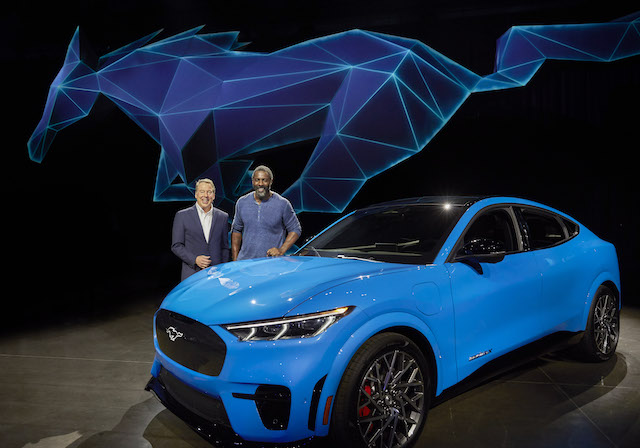
Ford Motor Company Executive Chairman Bill Ford and actor Idris Elba next to Ford Motor Co.’s all-electric Mustang Mach-E GT SUV at Jet Center Los Angeles in Hawthorne, California on Sunday.

The advantage Ford has gained from waiting this long to turn their iconic “pony” into a battery-powered beast is that the advancements made in battery-powered automotive technology have developed much further since the release of the first Toyota Prius.

RELATED: Largest Purchase of Electric Vehicles in History—Amazon Orders 100,000 EV Delivery Vans

For example, while electric cars in the first decade of the new millennium became famous for taking whole days and nights to fully charge, the Mach-E can charge up to 47 miles in just ten minutes at a charging station. In your garage, this can fall to around 22 miles per hour of charge, which is pretty standard for electric vehicles.

A perfect medium

Starting at $43,000 for the base model and climbing to $60,000 for the GT and First Edition models, the Mach-E represents a significantly more affordable bill of entry for those looking for an electric SUV. The Tesla SUV released last year requires at least $80,000, with the electric Porsche Cayenne coming in at not much less. The Volvo XC40 costs a few thousand less, but doesn’t equal the power and torque of the Mach-E.

Hau Thai-Tang, Ford Motor Company’s chief product development officer, discusses the all-electric Ford Mustang Mach-E at Jet Center Los Angeles in Hawthorne, California on Sunday.

The 6 versions of the Mach-E will be released in a trickle, with two coming at the end of 2020, two more following in early 2021, and the final two in the spring. This early public release and prolonged deployment will allow Ford plenty of time to adjust to concerns and feedback from testers.

Will the 2021 Ford Mustang Mach-E be the bedroom wall pinup poster car of Generation Z? As battery power catches up to petrol in both convenience and performance there’s a chance that if they ever remake Bullet, Steve McQueen will be driving a Mach-E rather than a Fastback.

Drive The Good News Over To Your Friends By Sharing This To Social Media…
Woman’s Hilarious Tale of How Her Self-Sabotage in a Third Grade Play Backfired in Her Favor

Listen to this amusing tale of a little girl’s accidental acting mishap in this week’s edition of MOTH Monday, a partnership with Good News Network that features inspiring videos from The MOTH, a nonprofit group showcasing the art of storytelling.

When Ally Mason was auditioning for her school’s third grade play about Paul Bunyan, she took on the role of “Babe” with the hopes that her theatrical skills would help her achieve school-wide popularity—and win the heart of her crush.

Ally was dismayed, however, when she eventually discovered that her role as Babe would require her to dress up as a fat blue ox who sang about craving pancakes.

LISTEN: Dad Admits Hilarious—Yet Heartwarming—Texting Blunder After He Learns the Meaning of ‘LOL’

Since her teacher would not allow Ally to switch roles, she became determined to sabotage herself so she would not be forced onto the stage.

In an amusing and fortuitous twist of events, Ally was indeed forced to play Babe the ox—but to her surprise, her attempts to ruin her own performance ended up getting her the exact attention and adoration she had hoped for.

(LISTEN to the hilarious 5-minute story below)


The Moth gives people an opportunity to tell a true story in front of a live audience, and sometimes their stories are chosen to air on the radio show, now celebrating its tenth year, and broadcasting on 485+ public radio stations—and on The Moth podcast, which is downloaded over 52 million times a year. The Moth’s third book, Occasional Magic: True Stories About Defying the Impossible is now available for purchase through your favorite booksellers.

Don’t Hesitate To Share This Sweet Story With Your Friends On Social Media…

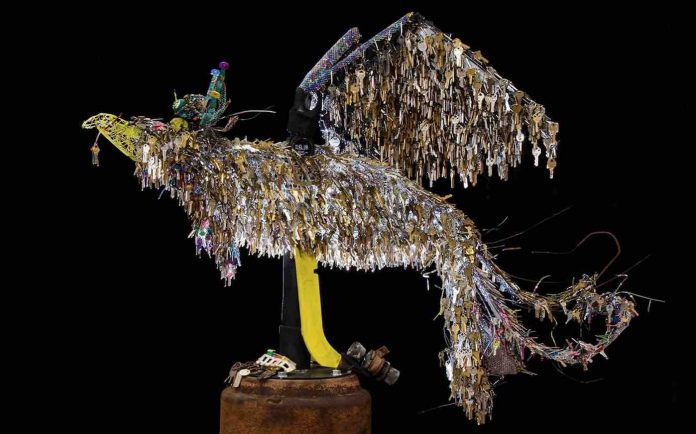
Art Therapist Collects 14,000 Keys From Wildfire Victims and Transforms Them into Powerful Metal Phoenix Sculpture


After record-breaking wildfires tore through northern California last year, this art therapist and counselor began collecting the keys to homes and buildings that had been lost in the blaze so she could transform them into a symbol of hope.

34-year-old Jessie Mercer is just one of the longtime Paradise residents who was left heartbroken by last year’s Camp Fire. In addition to her father losing his home, they also lost their shared art studio.

After Mercer watched her father pull out the keys to his destroyed home, she decided to build something meaningful out of other people’s keys.

RELATED: 19-Year-old Construction Worker Uses Crane to Rescue Over a Dozen People From Apartment Fire

Over the course of the last year, Mercer has been collecting keys to destroyed churches, schools, classrooms, homes, businesses, and even diaries. Though her unique mission involved listening to the stories of people’s heartbreak and loss, she says that the experience helped her come to terms with her own grief.

“I needed to make something to put us back together, and the keys were the only thing we still had in common since we lost everything else,” Mercer told CNN. “I just told people, you don’t have to carry around this totem of sorrow that makes you sad every time you look at it. Let me transform it into something comforting.”

Mercer learned to weld and began crafting a phoenix made entirely out of the donated keys. She did not have any sketches or plans for the sculpture—she says that she simply followed her heart for the final design.

LISTEN: Children Memorialized in Nature After Hospice Translates Their Names into Birdsongs for Wild Birds to Mimic

Last week—exactly one year after the wildfires destroyed the town—Mercer unveiled the results of her labor to thousands of awestruck Californians: an 800-pound metal phoenix made from 14,000 keys donated by wildfire victims.

Mercer gifted the Phoenix Key Project to Paradise’s Butte Resiliency Center—a new facility that will help to rebuild the community and help its residents to heal.

As a thank you for her gift, Mercer was presented with a key to the city—and she was incredibly moved by the gesture.


“It’s the first ever time they’ve ever given the key to anyone,” Mercer told CNN. “It’s so cool. I don’t care about anything else. I have the key to Paradise.”

If you want to buy a print of the Phoenix Key Project, all of the proceeds from the sale will be donated to Mercer’s art therapy nonprofit Butte County Art on Wheels.

(WATCH the news coverage below)

Build Up Some Positivity Amongst Your Friends By Sharing The Inspiring Story With Your Friends…

Three-Story ‘Water Battery’ Has Already Slashed University’s Electrical Costs By 40% in One Month

Photo by USC
Photo by University of the Sunshine Coast

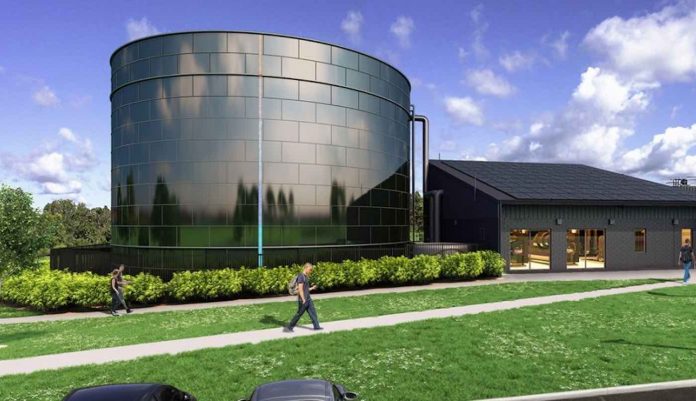
An Australian university has been using a 3-story “water battery” to power their air conditioning—and it has already slashed their overall electrical usage by 40%.

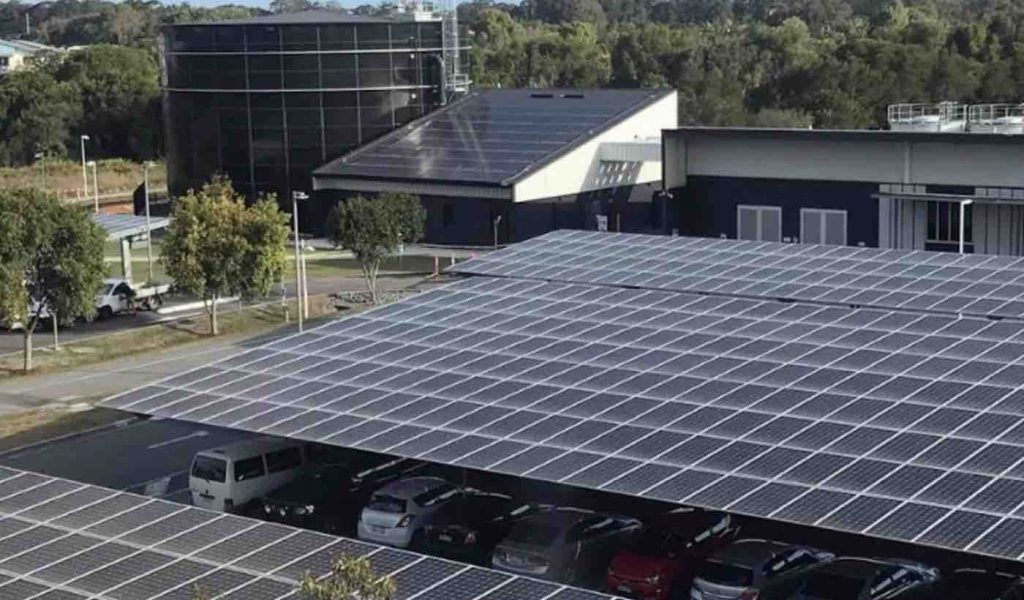
The first-of-its-kind battery, which was switched on at the University of the Sunshine Coast (USC) in September, stores energy generated by 6,000 solar panels that have been installed across campus rooftops.

Over the course of the next 25 years, the thermal energy tank is expected to save $100 million in air conditioning costs and dramatically reduce the school’s greenhouse gas emissions, according to school representatives.

The innovative cooling system was launched in partnership with resource management company Veolia as just one of the ways that the school is working towards their goal of being carbon neutral by 2025.

RELATED: First Fully Rechargeable Carbon Dioxide Battery is Seven Times More Efficient Than Lithium Ion

“USC has a plan to be completely carbon neutral by 2025, which is a challenge to any budget because it requires significant changes to the way energy is captured and consumed,” said USC Chief Operating Officer Dr. Scott Snyder. “So, we really did have to think out of the box, and by forming a partnership with Veolia, we were able to negotiate a 10-year plan that suited us both and delivered major energy savings to the University.”

“The system was switched on in September and is now delivering 2.1 megawatts of power and we estimate that we will save more than $100 million in energy costs over the next 25 years,” he added. “Another benefit is that we are able to take our students to visit the system and teach them about innovation and finding cleaner energy solutions for the future.”

LOOK: Rooftop Panels of Tiny Plants Can Cleanse Polluted Air at 100 Times the Rate of a Single Tree

Last week, the ingenious system was recognized by the prestigious Global District Energy Climate Awards after the school was declared the winner of the “Out of the Box” category for innovative eco-solutions.

Veolia Regional Energy Services Manager Andrew Darr said the win reflected nearly four years of hard work and a successful ongoing partnership with USC.

“The innovation displayed throughout this project is a testament to both organizations and could only be achieved through an open and collaborative partnership” he said.

(WATCH the university’s March 2019 video below)

Power Up With Positivity By Sharing The Good News With Your Friends On Social Media…

Watch Doting Small Child Help His Sister Escape From Crib So They Can Sleep Together

Move over, Steve McQueen—this adorable brother-sister duo has just pulled off a pretty great escape from the comfort of their own bedroom.

According to nanny cam footage from a home in Santa Monica, California, a little girl identified only as Vivi was having trouble sleeping in her crib last month.

The little girl can be heard calling to her brother Levi from across the room and asking if she could sleep in his bed with her security blanket and baby doll.

After taking a moment to consider his sister’s proposal, Levi accepts her offer and fetches a stool so she can safely climb out of her crib.

Vivi manages to climb over the railing only to realize that she forgot her baby doll. Luckily, her doting older brother was happy to assist.

(WATCH the video below) – Photo by RM Videos

Don’t Let Your Friends Sleep On This Sweet Story—Share It To Social Media…

“In your life you need either inspiration or desperation.” – Tony Robbins

Exif_JPEG_PICTURE

Quote of the Day: “In life you need either inspiration or desperation.” – Tony Robbins

Photo: by momo – CC license on Flickr, cropped

With a new inspirational quote every day, atop the perfect photo—collected and archived on our Quotes page—why not bookmark GNN.org for a daily uplift?


Endangered Seal and Sea Lion Populations Turned Around By Fishermen Who See the Creatures in a New Way

Photo by Laucky, via CC license on Flickr

In 1969, there were only 100 South American fur seals and sea lions making their homes along the coastline of the capitol of Lima, Peru. They were hunted almost entirely to extinction here, because of the value of their skins—but also because of the perceived threat they posed as fish hunters.

Today, around the island of Palomino, as well as the isles of San Lorenzo and Carazcas, alone, there are over 8000 of these charismatic marine animals making their homes.

Much of the success of restoring the fur seal and sea lion populations came from local fishermen in the coastal areas of Peru. The private sector stepped up to support these endangered species even more so than local governments, after the International Union for the Conservation of Nature (IUCN) sounded their alarm bell.

The world’s leading conservation organization maintains a “Red List” database of species and the degree to which they are threatened with extinction.

In a recent news bulletin, the IUCN detailed how local fisheries along Peru’s coastline have become efficient managers, doling out to each trawler assigned areas for guarding over.

RELATED: Woman and Her Pet Otters Have Spent the Last 40 Years Protecting the Species From Extinction in England

“The Fishermen’s Union defines an area where each local fishing collective is dependent economically and assigns responsibility for these marine resources,” explains the IUCN. “In this manner, the fishermen themselves have slowed economic migration from the Peruvian highlands to lucrative uncontrolled and illegal marine activities, thus ensuring that the protected area flourishes”.

Photo by Laucky, via CC license on Flickr

Much of their motivation for marine protection has come from seeing their livelihood through new eyes, recognizing the rise of artisanal fisheries and tourism.

POPULAR: Dozens of Creatures Thought to Be Extinct Found Alive in ‘Lost City’ in the Jungle (Photos)

IUCN also runs a “Green List” to recognize global best practices for area-based conservation, and the program is already working with marine reserves along the Pacific coast, and—along with Chile, Ecuador and Colombia—Peru will promote investment and improved governance of its marine treasures and seek to raise the standard of performance along the coastline.

“There is strong commitment from the fisher and tourism sectors, so the ingredients are there for success in Peruvian marine conservation,” reports the IUCN.

Hat-Tip to World At Large, the news website of nature, science, health, politics, and travel. 

SHARE the Good News With Animal Lovers on Social Media…

10-Year-old Recycling Hero Swoops into Capitol Hill to Help Save U.S. Recycling From Collapse

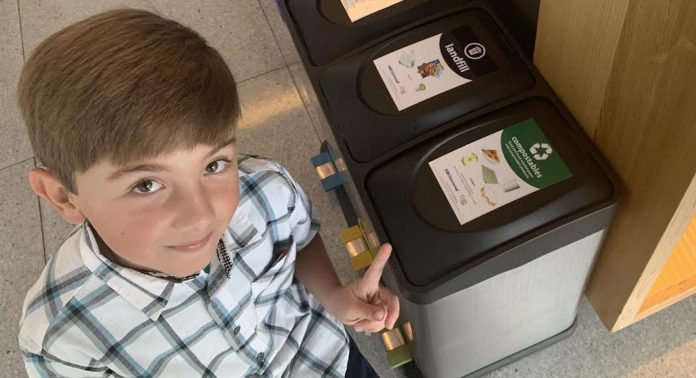
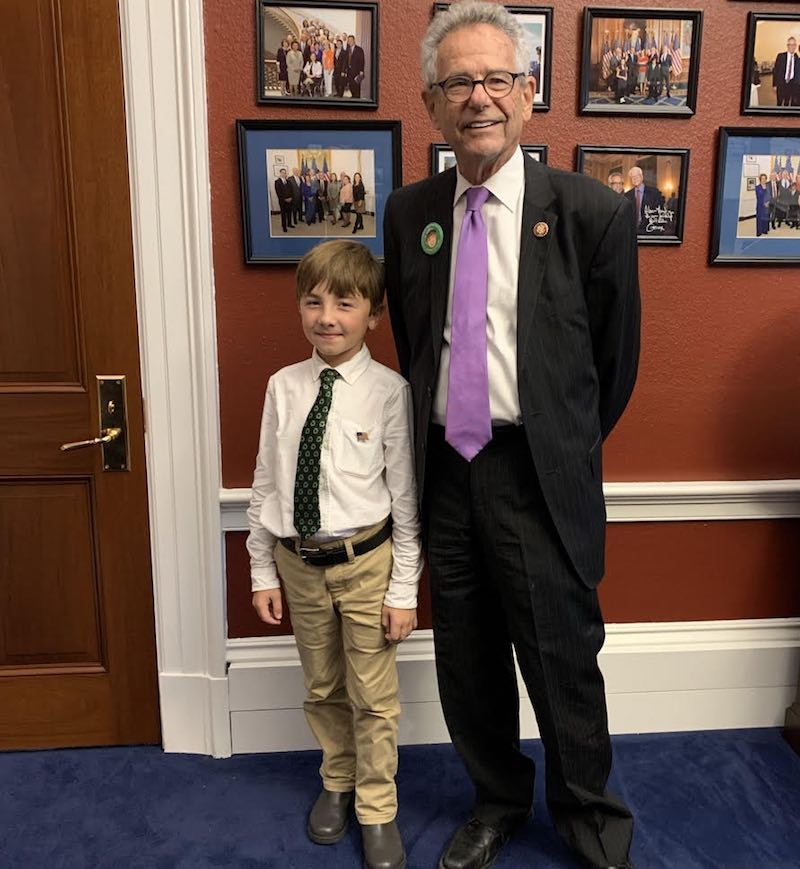
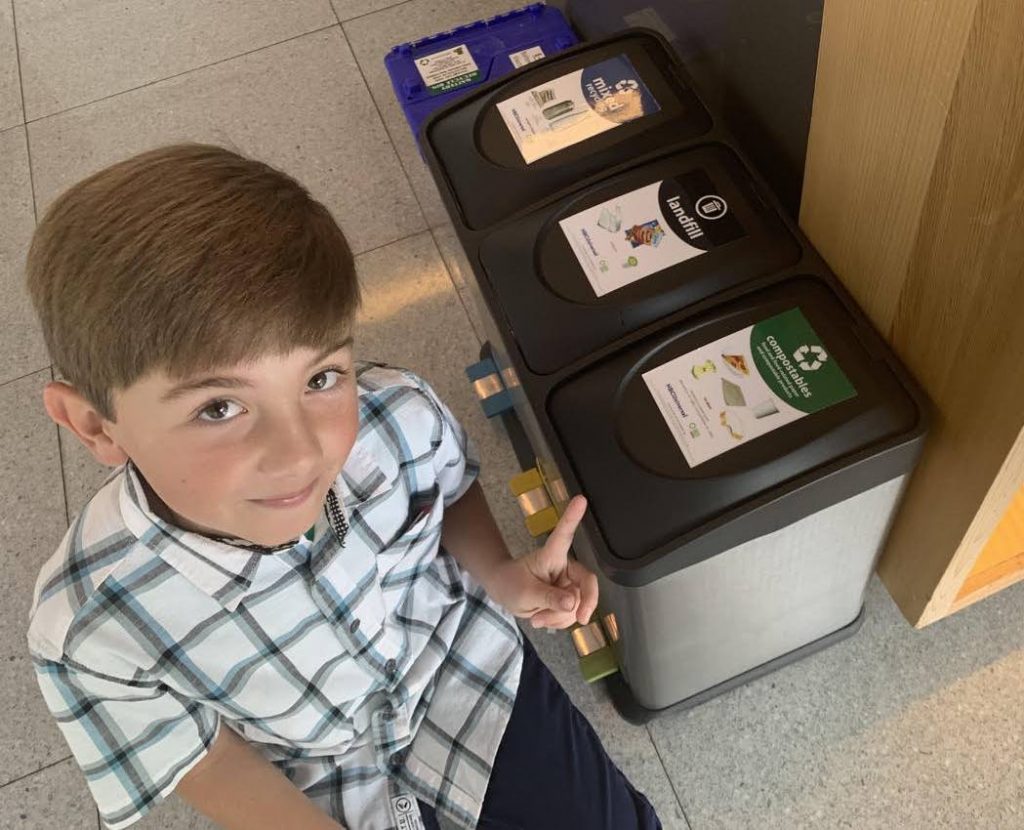
A young recycling phenom named Ryan Hickman visited Capitol Hill last month to give a significant push to a society-wide standardized labeling system designed to eliminate recycling confusion and contamination—and he was delighted by the bipartisan support for the bill, which would require the U.S. EPA to adopt the labels at a federal level by February.

The Greta Thunberg of recycling, Ryan established his own recycling company when he was just three-years-old—and since then, Ryan’s Recycling has properly diverted over a half million cans and bottles.

An international advocate who has appeared on Ellen and many news outlets, the boy from Los Angles became a spokesperson this year for the standardized label initiative, a solution that was introduced by Recycle Across America (RAA) to solve the most serious and costly issue for the industry.

The partnership comes at a time when U.S. recycling is facing crippling challenges that can be directly traced to public confusion at the bin, and the subsequent ‘garbage’ thrown in with recyclables.

That’s why Ryan went to DC, backing congressional efforts to rescue recycling from life-support and get it back on its feet.

RELATED: New Factory That Uses Enzymes to Recycle All Plastics At Once Has the Backing of Major Corporations

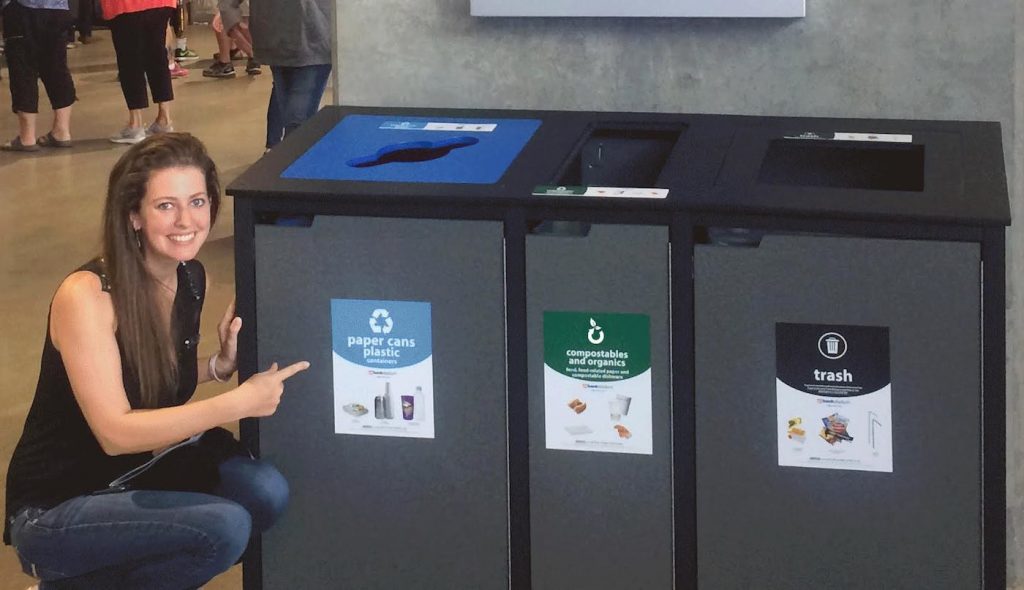
There are nine million of these standardized recycling labels already in use in national parks, airports, stadiums, schools, businesses, and on residential bins, thanks to Michelle (Mitch) Hedlund, the founder and CEO of RAA, who designed the labels herself ten years ago using the same common-sense approach that was used to create the road signs Americans rely on daily.

These labels have proven to increase recycling levels between 50-100%, while significantly reducing the contamination of trash. RAA, a nonprofit based in Minneapolis, is already funding a ‘Ryan Hickman Grant’ so that free labels can be donated to K-12 public schools across the country.

Labels in use at the Minneapolis football stadium – RAA

Rhode Island became the first state to adopt a society-wide standardized labeling solution in 2016. Today, with 85,000 labels displayed on bins around the state, the state’s recycling facility has already experienced an 18% reduction of rejected truckloads, and America’s smallest state continues to experience strong demand for its plastics, cans, and bottles.

The Appropriation bill that passed the U.S. House of Representatives in June, included language supported by both Democrats and Republicans that requires the EPA to submit a national recycling strategy and budget for using the labels to the appropriations committee by the end of February.

RELATED: Largest Trash Collectors in the U.S. Have Stopped Shipping Waste to Poor Countries

Republicans backers in the Senate, Senators Rob Portman, Lisa Murkowski, and Dan Sullivan, have already joined Democrats—Sen. Tom Udall and Congressman Rep. Alan Lowenthal—who are all on record as supporting the initiative. The EPA (Environmental Protection Agency) already held a Recycling Summit last November, and a followup meeting this week that RAA hopes included discussions about the labeling.

Ryan with Rep. Rep. Alan Lowenthal (D-CA)

In February 2020, Rep. Betty McCollum, chair of the House Appropriations Committee, will take the EPA’s proposed strategy and budget to the Committee Members for their approval.

“The national recycling strategy is an absolute priority, said McCollum (DFL), who represents St. Paul, Minnesota. “It is environmental and economic madness to fill landfills and incinerators with recyclable materials because of confusion at the bin. Every household, business, school and institution should be using a standardized system to eliminate contamination and increase effective recycling.”

MORE: Revolutionary Blast Furnace Vaporizes Trash and Turns It into Clean Energy (Without Any Emissions)

A perfect example of the scheme’s success was seen two years ago when the NFL World Championship was held in Minneapolis and RAA labels were plastered on every bin—it became the first ZERO waste game in Super Bowl in history.

As for the ten-year-old activist, Ryan is saving all his earnings for college (maybe, rethink that) and to buy a recycling truck. He recently went to NBC to be interviewed and the most exciting moment was discovering the RAA labels already on the Los Angeles studio’s trash bins.

Ryan Hickman in NBC, submitted by RAA

SHARE the Hope For Humanity On Social Media… Recycle This Story!

“Hope is definitely not the same thing as optimism. It is not the conviction that something will turn out well, but the certainty that something makes sense, regardless of how it turns out.” – Václav Havel (His Velvet Revolution began 30 years ago today)

sun behind storm clouds-cc-Erich-Ferdinand
Erich Ferdinand, CC 2.0.

Quote of the Day: “Hope is definitely not the same thing as optimism. It is not the conviction that something will turn out well, but the certainty that something makes sense, regardless of how it turns out.” – Václav Havel

(His country’s Velvet Revolution began 30 years ago today—and the playwright became Czechoslovakia’s new democratically-elected president… See GNN’s On This Day in History column for more details…)

Photo: by Erich Ferdinand– CC license on Flickr, cropped

With a new inspirational quote every day, atop the perfect photo—collected and archived on our Quotes page—why not bookmark GNN.org for a daily uplift?


The Top 30 Destinations Americans Want to Visit on a Road Trip, And What They Most Want to Bring

Ever felt the sudden urge to get in your car and just drive? You’re not alone—64% of Americans agree they want to hop in the car with their friends and take a spontaneous road trip.

A new survey asked 2,000 Americans which regions of the United States they were most itching to travel to, and where they would most like to stop on a road trip.

The Southwest came out on top, with destinations in the Northeast coming in second—narrowly edging out the South.

The Grand Canyon, Yosemite National Park, and Yellowstone National Park were the most sought-after stops on a ‘bucket list’ road trip. Indeed, most of the top 30 spots on the wish list were among the nation’s majestic national parks.

TOP 30 PLACES AMERICANS WANT TO VISIT ON A ROAD TRIP

1. Grand Canyon, Arizona, 44%
2. Yosemite National Park, California, 32%
3. Yellowstone National Park, Wyoming, 32%
4. Niagara Falls, New York, 31%
5. Florida Keys, Florida, 31%
6. Las Vegas, Nevada, 28%
7. Lake Tahoe, on the Nevada–California border, 28%
8. Mount Rushmore, South Dakota, 25%
9. The Great Smoky Mountains, Tennessee, 24%
10. Glacier National Park, Montana, 23%
11. Cape Cod, Massachusetts, 22%
12. Nashville, Tennessee 22%
13. French Quarter/New Orleans, Louisiana, 21%
14. Zion National Park, Utah, 21%
15. Monument Valley, Utah and Arizona, 21%
16. Mount Rainier National Park, Washington, 21%
17. Bryce Canyon National Park, Utah, 20%
18. Death Valley National Park, California, 20%
19. Crater Lake, Oregon, 20%
20. The Alamo, Texas, 19%
21. Great Sand Dunes National Park, Colorado, 18%
22. Carlsbad Caverns, New Mexico, 18%
23. Mammoth Cave National Park, Kentucky, 17%
24. Black Hills, South Dakota, 16%
25. White Sands National Park, New Mexico, 16%
26. The Finger Lakes, New York, 15%
27. Teddy Roosevelt National Park, North Dakota, 13%
28. Rosewell, New Mexico, 13%
29. Cadillac Ranch, Texas, 11%
30. Tallgrass Prairie National Preserve, Kansas, 9%

Conducted by OnePoll on behalf of Sixt, the survey also examined what makes the ideal road trip—from the company we keep to essentials we bring to what makes the ideal road trip car.

Family road trips are still in fashion with 4 in 10 preferring to spend time with their family, but Americans have a strict three-day limit when it comes to those. This might be related to the average potential of six “car-guments” (arguments while driving) that a family will have in that time, an average of two a day.

LOOK: When Grandma Confesses She Has Never Seen the Ocean, Grandson Takes Her On Epic Cross-Country Trip

The top essential for Americans on the road isn’t water—or even a first aid kit—but rather snacks, with the average person chowing down on at least four snacks during a 5-6-hour drive…

TOP 10 ROAD TRIP SNACKS
1. Pretzels/chips 51%
2. Candy 43%
3. Chocolate 42%
4. Nuts 40%
5. Trail mix 37%
6. Beef jerky 35%
7. Protein bars 33%
8. Grapes 29%
9. Popcorn 25%
10. String cheese 25%

More than 3 in 10 respondents would actually prefer to choose a longer route so they can enjoy the scenery, and 48% opt for local or country roads rather than major highways.

When asked about their preference of cars on either a one-day road trip or a week-long adventure, three quarters answered they would like to tool around in a convertible or sports car for the day, but 62% prefer an SUV or truck for longer hauls.

When planning your next trip, don’t forget these top 10 road essentials:

1. Snacks
2. Phone chargers
3. Water or sports drinks
4. Cameras
5. Blankets
6. First aid kits
7. Flashlights
8. Tissues
9. Travel pillows, and
10. Hand sanitizers

Drive Your Friends To Inspiration By Sharing This To Social Media…
14 of the Largest US Hospitals and Health Systems Are Investing $700 Million into Affordable Housing

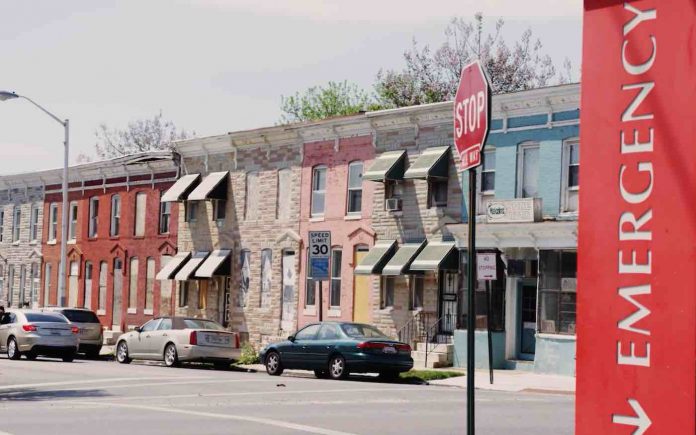
Fourteen of the largest hospitals and health systems in the United States are working to reduce income-based health disparities by investing over $700 million in place-based improvements for stronger and healthier communities.

The national and regional health systems participating in the commitment are some of the largest private sector employers in California, Utah, and Wisconsin and also among the top 20 largest employers in their respective states. Together, they form the Healthcare Alliance Network (HAN)—a coalition that rallies health systems to implement local economic inclusion strategies.

Health systems are uniquely positioned as employers and economic engines in their communities. In addition to providing healthcare, they can leverage institutional resources to help address the economic, racial, and environmental resource disparities that impact community health outcomes.

MORE: Hospitals Slam the Industry by Creating Their Own Nonprofit Drug Company, Hitting the Market in 2019

While the bulk of the financial commitment will be dedicated to funding affordable housing, HAN will also be investing in things like building new grocery stores in food deserts, childcare centers, federally qualified health centers, and funding Minority- and Women-Owned Business Enterprises (MWBEs) and local businesses.

This is because—despite record low unemployment and an overall strong economy—the U.S. is experiencing systematically deepening disparities in its economic, health, and well-being outcomes; a person’s zip code could mean a lifespan that is one decade shorter than someone in a neighboring wealthier area. A recent NYU study showed that 56 of some of the biggest U.S. cities have very large life expectancy gaps, where on average people in one neighborhood can expect to live 20 to 30 years longer than their neighbors a few miles away.

Factors outside hospital walls—social, economic, environmental, and behavior-related—account for up to 80% of the health outcomes a community experiences, so HAN is trying to create a local economic eco-system to support economic and health wellness.

RELATED: Metallica Donates a Quarter-Million Dollars to Help Build First Children’s Hospital of Its Kind in Romania

HAN hospitals and health systems together employ more than 1.5 million people, purchase over $50 billion annually, and have been working on these issues over the last two-and-a-half years.

(WATCH the HAN video below)

Healthcare Anchor Network: Caring for Our Communities from Democracy Collaborative on Vimeo.

Invest In Positivity By Sharing The Good News With Your Friends On Social Media…

Descendants of Slaves and Slave-Owners Are Bonding at South Carolina Plantation Where They Share Their Painful Past

SWNS
SWNS

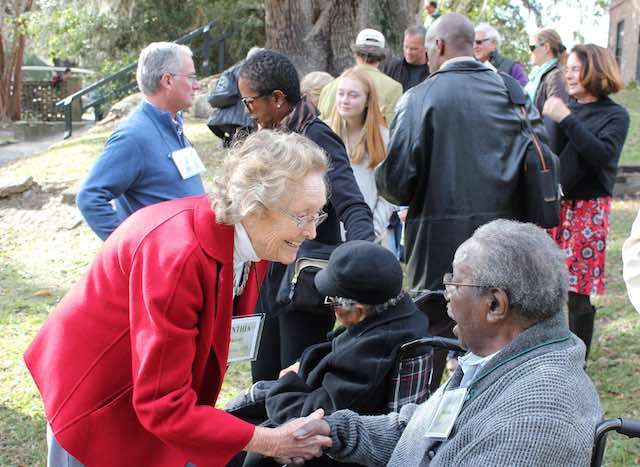
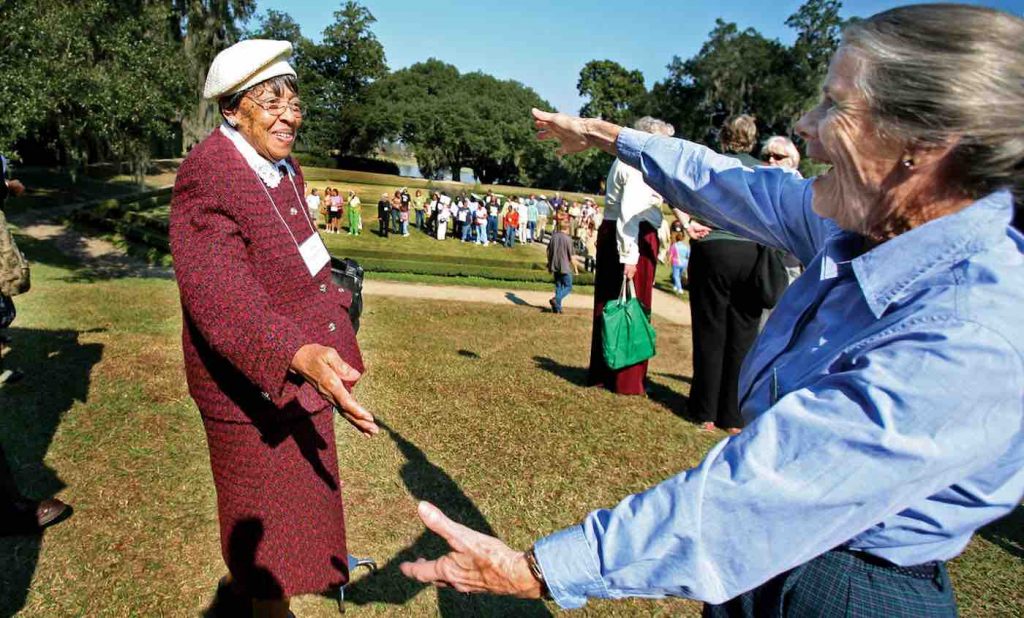
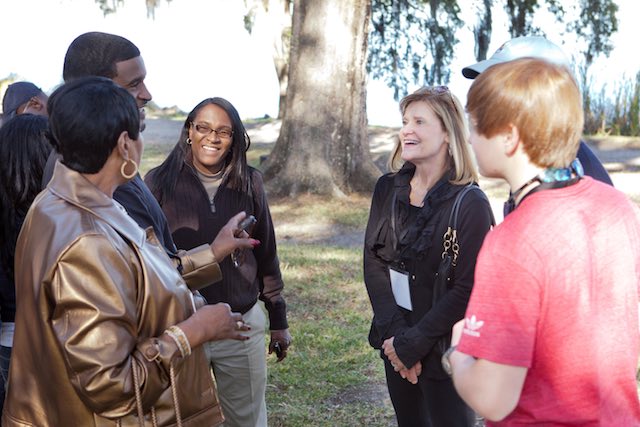
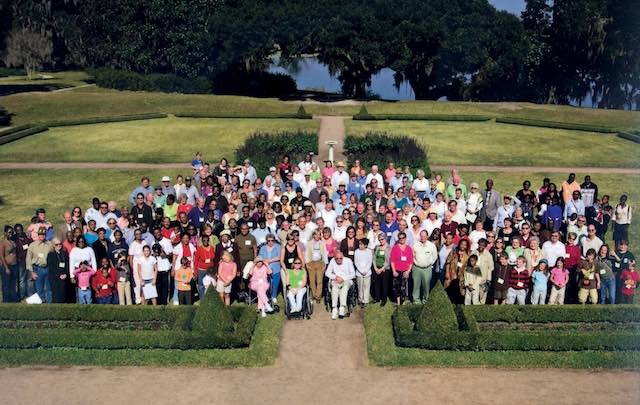
The descendants of slaves and slave owners have been finding friendship, reconciliation, and wisdom by meeting with each other for weekend-long reunions at the South Carolina plantation where they share a painful past.

Every five years, the ancestors of slaves who toiled away at the Middleton Place plantation in Charleston, South Carolina gather together with the relatives of the plantation’s slave-owning family for a two-day stay.

Together, the guests share meals, tour the house and gardens, and listen to lectures about their ancestors’ lives on the plantation.

MORE: Black Man Befriending KKK Members Has Led to 200 People Quitting the Organization

Over 3,500 slaves worked on the Middleton family’s 19 plantations in South Carolina during the 18th and 19th centuries. The plantation is now a national historic landmark, home to the oldest landscape gardens in America and attracts around 120,000 tourists a year.

The first reunion was held in 2006 after an African-American plantation descendant proposed that the separate reunions held for white and black descendants should be united into one event. The second reunion took place in 2011 and the third in 2016 was attended by 300 descendants.

66-year-old Rose Morton, who is a retired post office worker, attended the first reunion after discovering that her ancestors had been enslaved at the plantation.

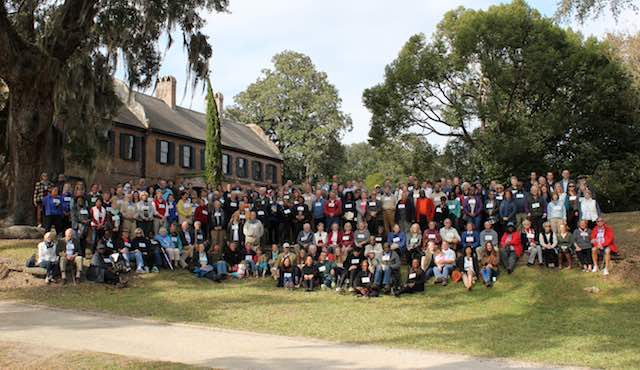
Group photo of guests at the 2006 reunion. Photo by SWNS.

“When my mother died in 2000, that’s when I wanted to find family. I started doing research online, visiting the Alabama archives and looking up public records. I found out that we were from Middleton Place,” said Morton.

Morton’s great-grandfather Ceasar was born at Middleton Place in 1793. She said returning to Middleton Place and meeting with the descendants of those who enslaved her ancestors was an emotional experience.

RELATED: When Filmmaker Sits Down With Neo-Nazis to See if They Would ‘Hate in-Person’, She Had Extraordinary Experience

“I could feel the earth move under my feet. I felt that they were there,” said the mother-of-two from Southfield, Michigan. “I thought I would be scared the first night, that I would have nightmares, but I slept like a baby.

“I would meet people and at first I was just a black person visiting, but after they knew I was a descendant, they would shake my hand as though they wanted to feel something.

“It felt so natural to me,” she added. “It was like I was at home.”

Guests at the reunion in 2016. Photo by SWNS.

She added that there were awkward moments during the reunion, but by the time she attended the third reunion in 2016, all her nerves were gone.

“At the first reunion, no one knew what to do,” she said. “We were on edge. The descendants of the slave owners had to carry that pain, but it wasn’t them. They don’t want to carry it, but they do.

“By the third reunion, we felt like: ‘what the heck?’ We were hugging each other,” continued Morton. “We accepted it as a family reunion.”

LOOK: ‘Compton Cowboys’ Use Rescue Horses to Get At-Risk Youth Off the Streets

54-year-old Lee Pringle, who is a music festival organizer, has also attended the reunions since his great-great-grandfather, Isom Pringle, was a slave at Middleton Place.

Pringle is now a board member at Middleton Place where he helps the foundation interpret the plantation’s history from an African-American perspective.

“It is a magical thing,” Pringle said about the reunions. “It gives us the opportunity every five years to put things in check.

Group photo of the reunion in 2016. Photo licensed by SWNS.

“Friendships have developed and because of social media, we keep in touch,” he added. ”We have a sense of family and we refer to ourselves as ‘cousinry’.”

Thus far, there have been more descendants of slave owners than of slaves attending the gatherings—approximately 60% European to 40% African-American.

WATCH: Officer Becomes Hero to Neighborhood Kids After Sitting Down to Play With Girls Who ‘Were Afraid of Cops’

“I’ve always been intrigued by the interconnection of white and African-American history. Our history is so interwoven, although it’s so ugly that the country was built on slave labor—(but) it is a fact and you can’t get away from it.” says Pringle. “We have to understand our history to understand why there is an angst and ill-feeling when you start to think about enslavement.”

SWNS

74-year-old Anne Tinker, who is a direct descendant of the Middleton family, and has attended all three reunions, said, “At the first reunion we were all strangers and not quite comfortable with knowing how to express our past and our future. By the end of the next reunion, we were all friends.

“One of the things that is beneficial is we can talk to each other about race,” added Tinker. “We can acknowledge that slavery was evil, but also what we have in common and how we can move forward to make things better.”

MORE: Judge Sentences Teen Vandals to Reading Books About Racism – and It Apparently Worked

Tinker has understandably conflicting emotions about her ancestor Arthur Middleton, an immensely wealthy slave owner, because he was also one of the 56 men who signed the Declaration of Independence in 1776.

“I feel very proud that he was a signer of the Declaration of Independence and these beautiful gardens and houses that he left behind,” she said.

“But what makes me sad is that the family’s contributions to US history would never have been possible without the contributions of African Americans who provided the labour, looked after the children, and shared their knowledge on how to grow rice. Slaves made the Middleton wealth possible.

WATCH: These Musicians Play Classical Songs At Crime Scenes to Help Neighbors Heal After Tragedy

“I think the Middleton Place Foundation has taken a very important leadership role in trying to improve communication and an exchange of ideas,” she concluded. “We are learning what we can do today to make it a better country and a better world.”

The next reunion is planned for 2021.

Rose Morton has written a book, “Our Family’s Keepers”, about her ancestors’ lives on the plantation. The story of slavery and its 21st century impact at Middleton Place was also the subject of the 2017 documentary Beyond The Fields.

Be Sure And Share The News With Your Friends On Social Media…

Orangutan Who Was Granted Personhood Finally Finds Happiness in Florida Sanctuary

In 2015, a judge in Argentina’s high court ruled that a zoo orangutan was a “non-human person” who had a right to a life with dignity.

Judge Elena Liberatori said, “With that ruling I wanted to tell society something new; that animals are sentient beings and that the first right they have is our obligation to respect them.”

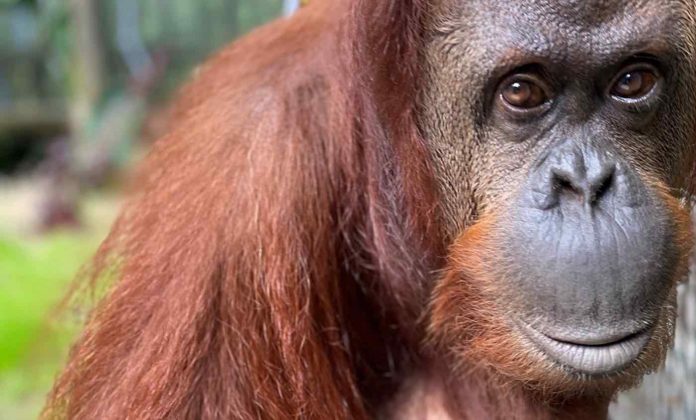
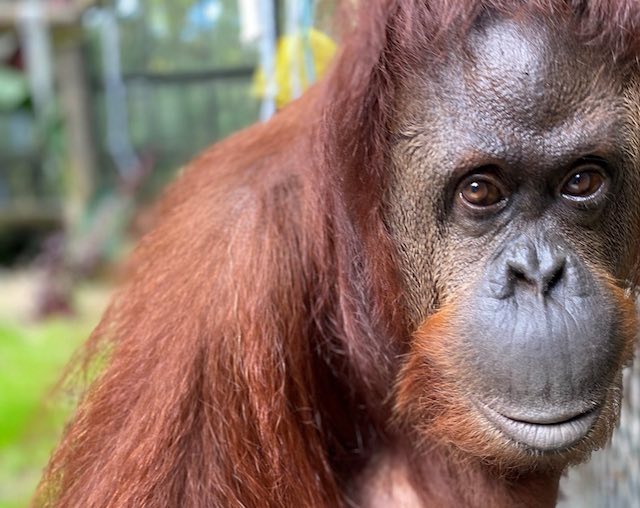
Now, that very same 33-year-old orangutan has found happiness and home at a Florida sanctuary.

Sandra the orangutan was born in a zoo in Germany in 1986 before being moved to the Buenos Aires Zoo in Argentina in 1994. During her time at the South American zoo, she lived alone in a small and barren enclosure.

WATCH: Humble Man Walks Almost Entire Perimeter of Mexico Saving Hundreds of Sick and Injured Dogs

After the high court’s historic ruling, however, the Buenos Aires Zoo announced that they would close and send all remaining animals to sanctuaries—including Sandra.

After the zoo began searching for the most appropriate facility for Sandra’s retirement, they eventually decided that she should go to the Center for Great Apes in Wauchula, Florida because of the state’s warm climate.

Sandra arrived in the U.S. by plane last month and underwent a quarantine period at a Kansas zoo. Once she was determined to be healthy, she was sent to her new forever home at the sanctuary in Florida. To help Sandra stay at ease during the transition, her caretakers from Buenos Aires accompanied her during the entire journey.

CHECK OUT: Denmark Buys Country’s Last Remaining Circus Elephants for $1.6 Million So They Can Retire

This new facility is an accredited sanctuary that provides a permanent home for orangutans and chimpanzees rescued or retired from the entertainment industry, research, and exotic pet trade. Over 20 rescued orangutans already live at the sanctuary.

Photo by Center for Great Apes

Since Sandra arrived in her new home she has been “calm, engaged, and interested in her new surroundings”.

LOOK: Population Doubles For One of New Zealand’s Rarest Birds, As 150 Chicks Hatch This Season

“She was shy when she first arrived, but once she saw the swings, toys, and grassy areas in her new home, she went out to explore,” said the director of the Center for Great Apes, Patti Ragan. “She has met her caregivers here and is adjusting well to the new climate, environment and the other great apes at the center.

“This is the first time in over a decade that Sandra has had the opportunity to meet other orangutans, and she will meet them when she chooses,” added Ragan. “It is a new freedom for her, and one we are grateful to provide.”

Be Sure And Share This Beautiful Story With Your Friends On Social Media…

“In the long run we shape our lives… The choices we make are ultimately our own responsibility.” – Eleanor Roosevelt

Quote of the Day: “In the long run we shape our lives… The choices we make are ultimately our own responsibility.” – Eleanor Roosevelt

Photo: by Kevin Dooley– CC license on Flickr, cropped

With a new inspirational quote every day, atop the perfect photo—collected and archived on our Quotes page—why not bookmark GNN.org for a daily uplift?


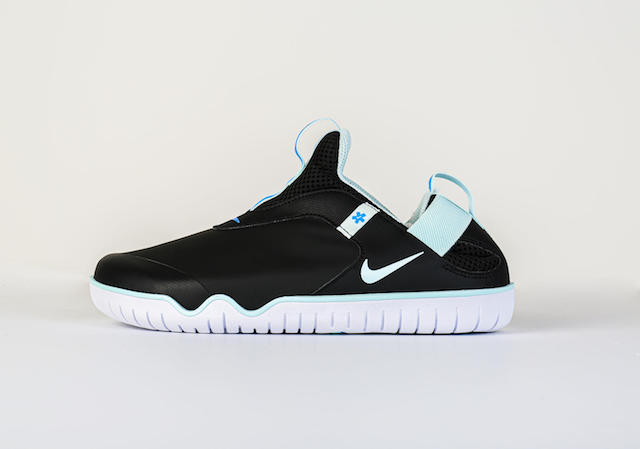
Nike Designs New Sneakers Specifically for Nurses and Doctors Who Have to Stay On Their Feet All Day

Photo by Nike

Nike is releasing a new shoe model that has been designed specifically for doctors, nurses, and medical professionals who have to stay on their feet all day at the hospital.

The Nike Air Zoom Pulses were developed and tested alongside healthcare workers at OHSU Doernbecher Children’s Hospital in Portland, Oregon. Thanks to key insights that were provided by the staffers, the new sneakers address several important workplace challenges of a hospital environment.

For starters, the Nike developers coated the laceless exterior with material that makes them easy to wipe down and clean. Since the designers also found that nurses “walk approximately four to five miles and sit for less than an hour during the course of a 12-hour shift”, they improved the mid-sole and heel so that the shoes could be ultra comfortable and supportive while still being secure enough for a busy environment.

“The design confronts a range of medical worker-specific challenges,” says the company. “How can a shoe be both comfortable for long stretches of standing and versatile enough to support the hurried movements required in emergency situations? The answer comes through the Pulse’s full-rubber outsole, a flexible drop-in midsole with Zoom Air heel unit and a heel fit so secure, it feels like a soft, snug hug.”

LOOK: Instead of Cleaning the Fridge as Requested, Home Nurse Finds it Empty –and Fills it

The elasticated exterior makes the Air Zoom Pulses comfortable, but easy to take on and off at will, and the rubber soles have extra traction on slippery floors.

There are six versions of the shoe which will reportedly be released on Nike’s website on December 7th. Though the company did not disclose the price of the shoes, their typical Air Zoom models retail between $134 to $147 per pair.

A portion of the shoe sales will also be donated to the Doernbecher Children’s Hospital.

When Young Waffle House Worker Was Left Alone to Run Entire Restaurant, Empathetic Customers Jump In to Help

Photo by Ethan Crispo

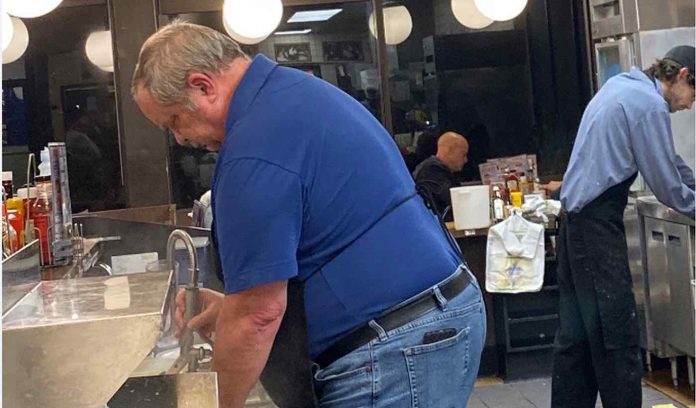
Due to a scheduling mishap, one frantic Waffle House worker was left alone to run the entire restaurant on a Sunday night.

Ethan Crispo was just one of about 30 hungry customers who wanted food at midnight. After sitting at his table for a while, he noticed there was just one distressed employee available at the Birmingham, Alabama establishment to take orders, cook food, bus tables, and manage the cash register.

LOOK: When Man Gets Ominous Email From His Boss, He Hires Clown to be His Invited ‘Support Person’ at the Meeting

The 24-year-old patron was losing hope of ever getting a meal.

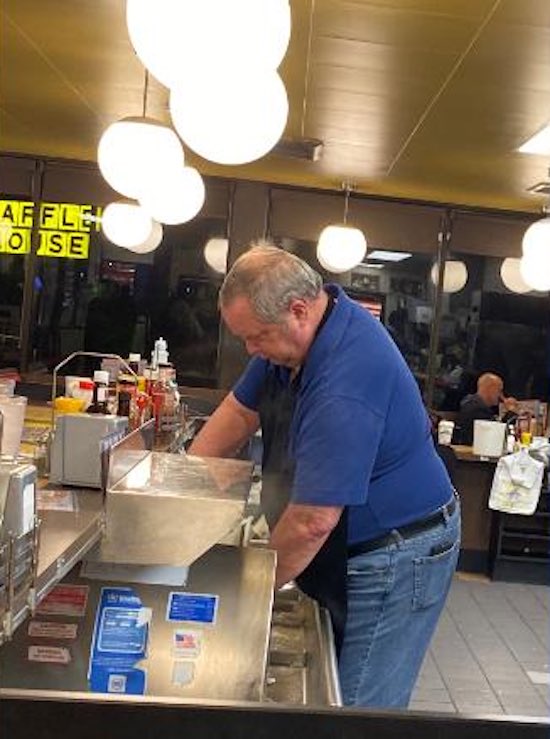
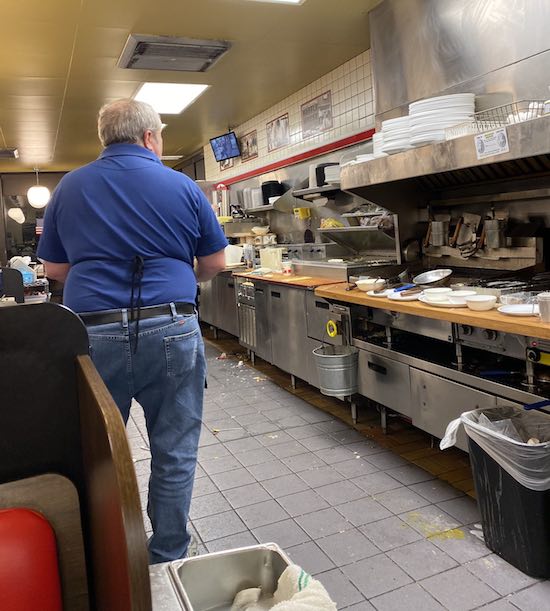
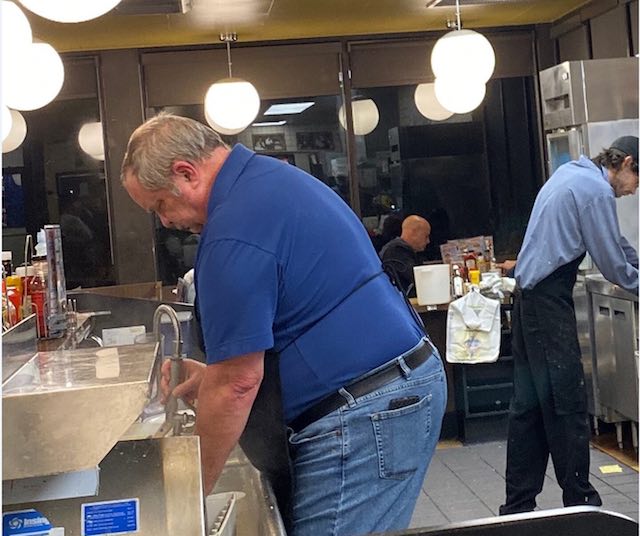
The employee—who was identified only by his nametag reading “Ben”—seemed to be on the brink of panic until Crispo saw him speaking to a male customer in a blue shirt sitting at the counter. After a brief conversation, Ben handed him an apron and the man got to work washing dishes.

“It was a transition so smooth, I initially assumed it was a staff member returning to their shift,” Crispo told AL.com. “It wasn’t. It was a kind stranger.”

Photo by Ethan Crispo

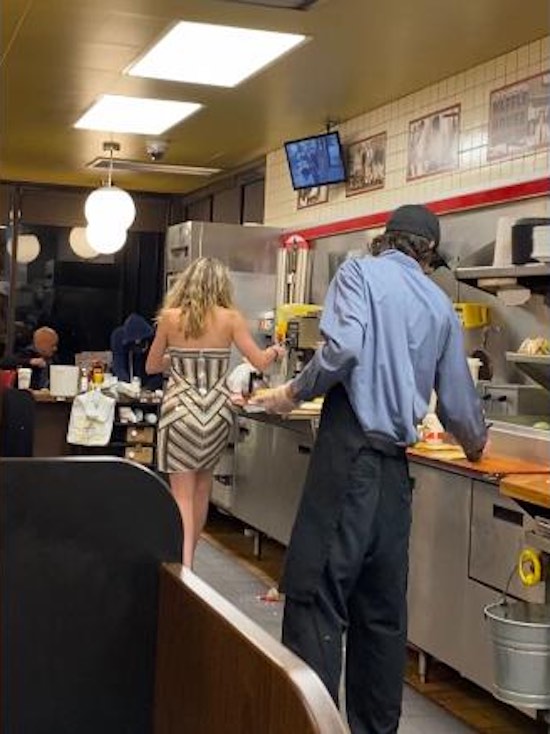
A couple minutes later, a woman in high heels, and a sequined dress briskly strode behind the counter to brew more coffee. She then took a few orders before resigning herself to bussing tables.

Suddenly, a third customer in a red shirt marched over to help, as well, though Crispo failed to catch his name or snap a photo of the man at work.

MORE: Mom Overwhelmed With Gratitude When Hotel Manager Befriends Autistic Boy Wanting to Show Off His Card Tricks

The term ‘customer service’ took on a whole new meaning that night. Crispo fondly remembers is as a surreal as an example of humanity at its finest.

Photo by Ethan Crispo

“It was the most fascinating thing,” Crispo told AL.com by phone. “It was just one of the most wild instances of really, really cool people just coming together.”

“It made a difference to many people that night. Certainly [their actions] made an impact on me,” he added. “Humanity isn’t just good, it’s great.”

Photo by Ethan Crispo

Serve Up Some Positivity By Sharing These Inspiring Moments To Social Media…
World’s First Ebola Vaccine Approved for Global Use After Saving Hundreds of Thousands During Outbreak

Photo by NIAID

The world finally has its first ever approved Ebola vaccine.

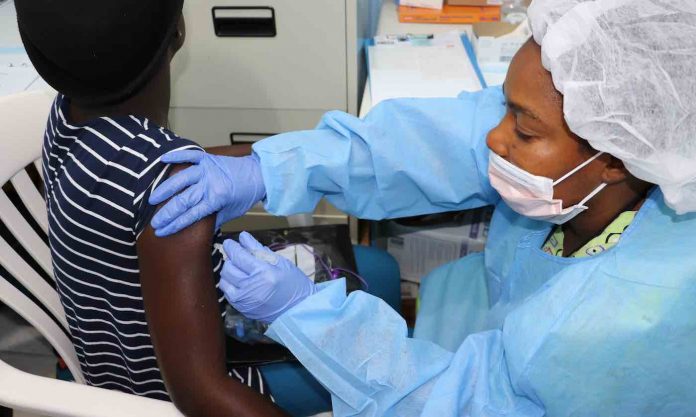
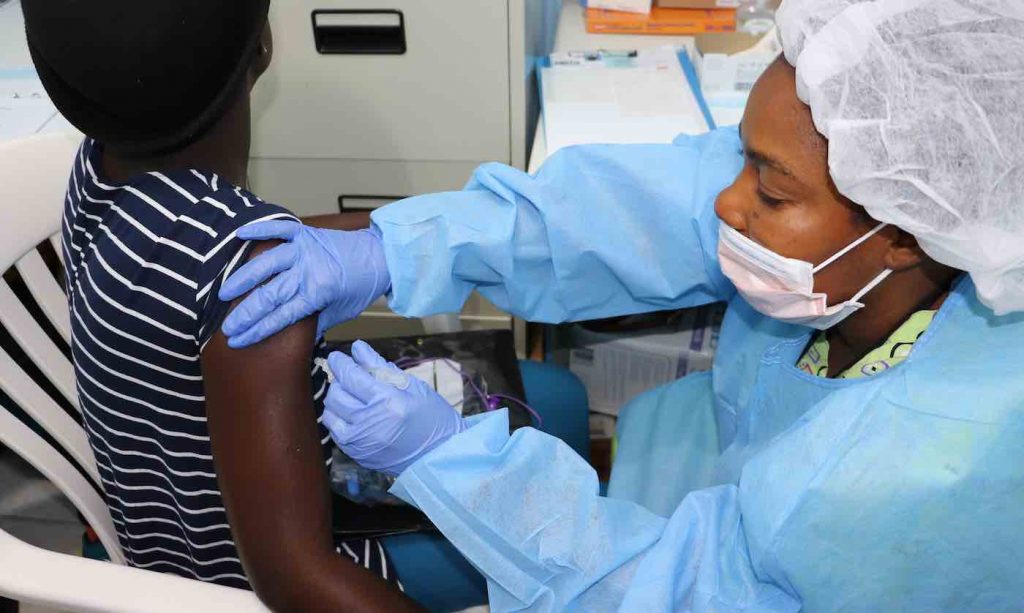
Within 48 hours of the European Commission approving the vaccine earlier this week, the World Health Alliance (WHO) verified that the treatment also reached its health and safety standards for global use, making it the first vaccine with clinical efficacy to protect individuals 18 years of age or older at risk of infection with the Ebola virus.

The Ervebo vaccine, which was developed by pharmaceutical company Merck, has already been used to quell emergency outbreaks in the Democratic Republic of the Congo (DRC) and several other neighboring countries.

Data from clinical trials and compassionate use protocols have shown that Ervebo protects against Ebola virus disease in humans following a single-dose administration. The vaccine is being used under “compassionate use” to protect people, including children and pregnant women, at highest risk of infection as part of a ring vaccination strategy, as well as a targeted geographical vaccination when ring vaccination is not feasible. As of this week, more than 250,000 people have been vaccinated in DRC, as well as in Burundi, Uganda, South Sudan, Guinea, and Rwanda.

RELATED: Husband-Wife Duo Has Developed ‘Gene and Cell Therapy’ Cancer Vaccine Now Being Tested on Patients

The “Gavi” Vaccine Alliance—a Geneva-based health organization funding vaccine distribution in low-income countries—announced in 2015 that they would only purchase an Ebola vaccine for distribution if it was approved by a major health group.

Gavi is now welcoming the European Commission’s conditional marketing approval for Ervebo.

“This is a vaccine with huge potential,” said Dr Seth Berkley, CEO of Gavi the Vaccine Alliance. “It has already been used to protect more than 250,000 people in the DRC and could well make major Ebola outbreaks a thing of the past.

MORE: FDA Approves the First New Cystic Fibrosis Treatment in Decades

“That’s why this is such an important milestone, paving the way for a Gavi-supported global Ebola vaccine stockpile. It’s also important to credit the unprecedented global effort from African countries that helped generate the evidence as well as Merck, WHO, donor governments, partners and regulatory agencies in making this authorization happen.”

At its next meeting in December 2019, the Gavi Board is set to make a decision on a long-term Gavi Ebola vaccine program that would include the creation of a global Ebola vaccine stockpile. This stockpile, contingent on the availability of WHO’s prequalified vaccines and SAGE recommendations for their use, will enable countries to access and rapidly deploy Ebola vaccines in response to outbreaks. On top of the stockpile, the Board will also consider, if recommended, future support for preventive vaccination of high-risk groups outside of an outbreak such as healthcare workers in countries classified as being at high risk.

The current stockpile of Ebola investigational vaccine is available in part thanks to an agreement between Gavi and the vaccine’s manufacturer, Merck. In 2015, during the West Africa Ebola outbreak, Gavi made a unique offer to all manufacturers with a vaccine in Phase I clinical trials and beyond, by offering a pre-paid commitment to procure doses of licensed vaccines as and when the vaccine became licensed and available.

CHECK OUT: First-of-its-Kind Alzheimer’s Drug is Pending FDA Approval After Patients Experienced Marked Cognitive Improvement

In return, the manufacturer was required to commit to submit an emergency use authorization application to WHO as well as an application for licensure to a stringent health authority and ensure the availability of an emergency stockpile of 300,000 investigational doses in the event of an outbreak occurring before licensure through a donation from the manufacturer to WHO. In January 2016, an Advance Purchase Commitment between Merck and Gavi was signed, creating the stockpile of investigational doses that is being used in DRC and neighbouring countries today.

In addition to its work making the investigational vaccine stockpile available, Gavi has provided $ 15.1 million to WHO to cover operational costs for the vaccination effort, funding vaccination teams, transportation, syringes and other vaccine supplies, as well as the ultra-cold fridges which keep the vaccine at the minus 60-80°C temperatures it needs to remain effective. This also includes $ 2 million provided to fund vaccinations in neighboring countries Uganda, South Sudan, Burundi and Rwanda. An additional  $13.4 million funding for the vaccination effort in DRC is currently being considered.

Merck CEO Kenneth C. Frazier is now hailing the vaccine’s approval as “a historic milestone and a testament to the power of science, innovation and public-private partnership”.

RELATED: After Her Years of Research, a Cambridge Scientist Could Be on the Verge of Curing Multiple Sclerosis

“After recognizing the need and urgency for an Ebola vaccine, many came together across sectors to answer the global call for outbreak preparedness,” Frazier said in a statement. “We at Merck are honored to play a part in Ebola outbreak response efforts and we remain committed to our partners and the people we serve.

“We also look forward to continuing to work with the FDA and the African countries on their regulatory reviews over the coming months and with the World Health Organization on vaccine pre-qualification, which will help broaden access to this important vaccine for those who need it most.”

Photo by NIAID

Treat Your Friends To The Positivity By Sharing The Good News To Social Media…