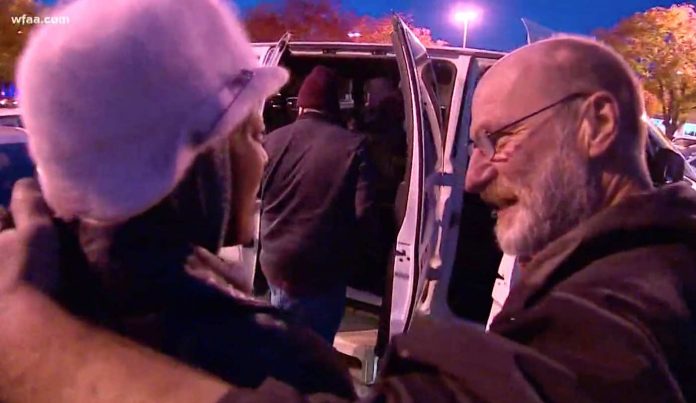
Rather than spending his chilly evenings in the warmth and comfort of his own house, this man hops into a van and drives around his city so he can help bring homeless people to shelter.
B.B. McGowan feels compelled to help the homeless population of Dallas, Texas because he used to be sleeping on the very same streets.
Thankfully, Oak Lawn United Methodist Church helped McGowan to get sober—and he now feels it is his mission to give back to the people who are still struggling to get back on their feet.
With temperatures in the city recently dropping below freezing—and wind chills sometimes falling into the single digits—McGowan will hop into a church van and search the streets for homeless people. If he encounters someone who can be encouraged to seek shelter, McGowan gently helps them into his van and drives them to the nearest homeless shelter.
“When I got sober, it was part of my heart to help, and I wanted to. People fall down in this process, and the important part is getting up,” McGown told WFAA in the interview below. “It gives you a whole new appreciation for life and for people. The things I took for granted, I don’t take for granted anymore.”
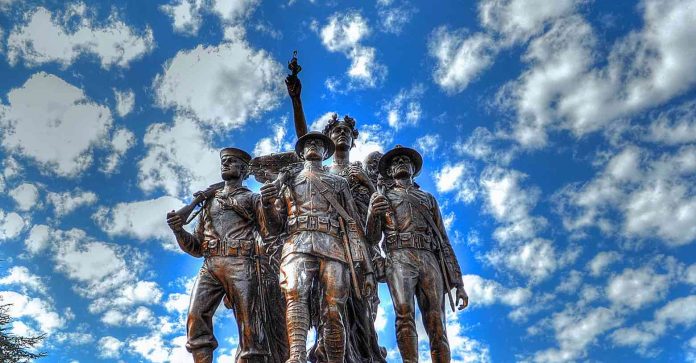
Quote of the Day: “True heroism is remarkably sober. It is not the urge to surpass all others at whatever cost, but the urge to serve others at whatever cost.” – Arthur Ashe
Photo: by Rachel Samanyi, Winged Victory Monument – CC license on Flickr, cropped
With a new inspirational quote every day, atop the perfect photo—collected and archived on our Quotes page—why not bookmark GNN.org for a daily uplift?
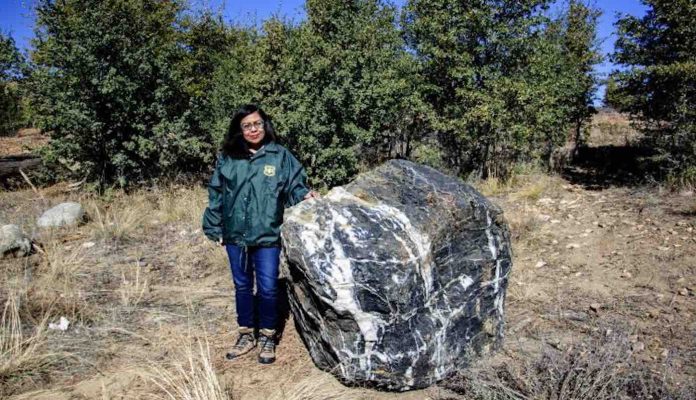
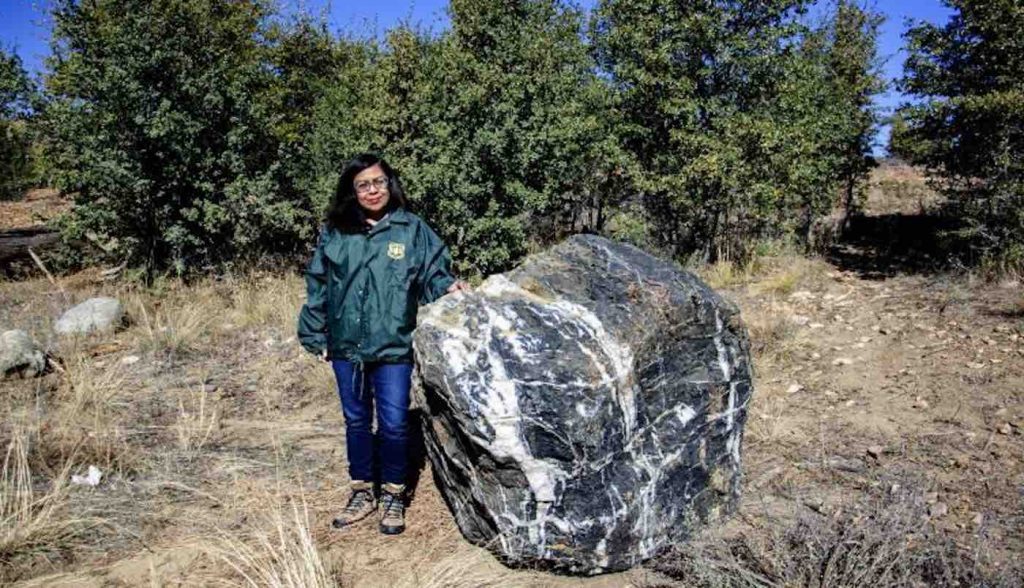
Park rangers and local citizens were left scratching their heads in confusion after a beloved 1-ton boulder known affectionately as “Wizard Rock” went missing from its resting place last month—and they were equally as surprised when it suddenly reappeared one week later.
The boulder, which has distinct stripes and swirls of white quartz running through it, is a common landmark in Prescott Basin, Arizona. When it suddenly disappeared from Prescott National Park, rangers say they have no idea how someone could have moved it without being caught.
Permits are required to gather and remove most forest products, including rocks and minerals, firewood, plants, and trees, but no permits were issued for the removal of Wizard Rock.
Prescott rangers posted pleas to social media and local news outlets asking for the boulder’s return—then just as suddenly as it disappeared, it reappeared in its original spot one week later during Halloween night.
After a Prescott National Park employee discovered the boulder’s return the following morning, they celebrated its return and chalked the strange incident up to “magic”.
“We are thrilled the Wizard Rock was returned, and are grateful that whoever took it was conscientious enough to give it back to the public,” said Sarah Clawson, district ranger for the Bradshaw Ranger District. “National Forests provide so many benefits to the American people, and when something like this happens, it highlights the intrinsic value of natural beauty in all its forms.”
Photo by Prescott National Forest
Rock And Roll This Fun Story Of Everyday Magic With Your Friends On Social Media…
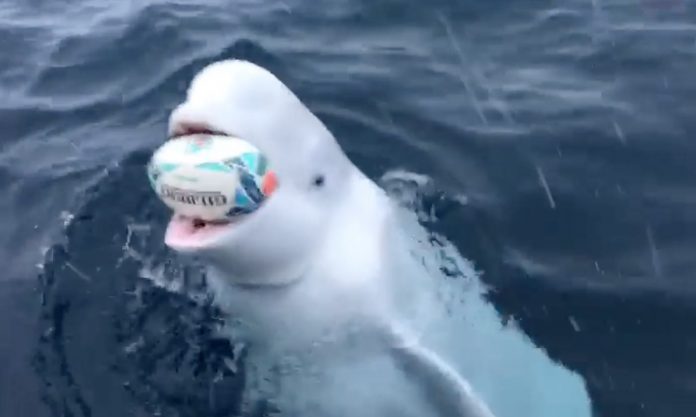
Over the course of just one week, this video of a “wild” beluga whale playing fetch with a group of sailors has been watched more than 20 million times—and while many viewers have been blissfully unaware of the whale’s plight, the viral footage could help to save it.
Hvaldimir the beluga was first spotted by fishermen off the coast of Norway back in April. The sailors were already suspicious of the whale’s origins based on how comfortably it interacted with the humans. Furthermore, they discovered that it was wearing a GoPro camera harness with the English words “Equipment St. Petersburg” printed on the label.
Marine mammal training facilities were common during the Soviet Union reign, and since its release, Hvaldimir has become world renowned as the defected “Russian Spy Whale”.
This is not the first time that Hvaldimir the beluga has been recorded interacting with humans. Shortly after locals became aware of the whale’s presence, Hvaldimir was filmed returning a woman’s phone after she had dropped it into the chilly sea waters from a boat.
Many conservationists have shunned the more recent viral video as a whimsical depiction of a grim situation—but its online fame has helped to create hope for Hvaldimir on the horizon.
For the last three months, Advocates for Hvaldimir has been keeping track of the cetacean’s activity in order to make sure that he is faring well on his own. Regina Crosby, who is a co-founding member of the group, says they are now working with two other environmental groups to try to relocate Hvaldimir to a different oceanic region so he can potentially reintegrate with a pod of belugas for a better chance at survival.
Crosby, who has spent the summer filming a documentary about Hvaldimir, says: “As advocates for Hvaldi, we realized this whale would never have the chance at survival, let alone a normal life, unless he is given the chance to be with a pod.
“There are folks that claim no pod will accept him, but those same folks would claim a captive beluga can never learn to eat on their own. As Hvaldi has proven—that is not true!” she added. “There are many many cases of orphaned or displaced dolphins and whales who join pods—even pods other species—to become a family. He deserves a chance.”
Crosby and Advocates for Hvaldimir have since begun collecting donations from the beluga’s internet fans in order to finance his relocation. Since the Norwegian government recently granted permission to the wildlife advocates to relocate the famous cetacean, they are now hoping to continue working with legislators to transport Hvaldimir this winter.
“The ‘good news’ for now is that we have created a GoFundMe page with specific details about his situation,” Crosby told Good News Network in an emailed statement. “It is really important to note that we are NOT working with ANY organizations who are involved in keeping whales or dolphins in captivity, or using them for entertainment; and we are not receiving funding from those companies.
“We do have a lot of things worked out, but it is in the whale’s best interest if specific details do not become too publicized,” she added.
(WATCH the viral rugby video below)
Be Sure And Share This Whale Of A Tale With Your Friends On Social Media…
It may sound like something out of an adult fairy tale, but this clever group of entrepreneurs has managed to brew up a carbon-negative vodka “from thin air”.
In what is now being hailed as a “world-first”, the vodka is made using water, renewable energy, and carbon dioxide captured from the air.
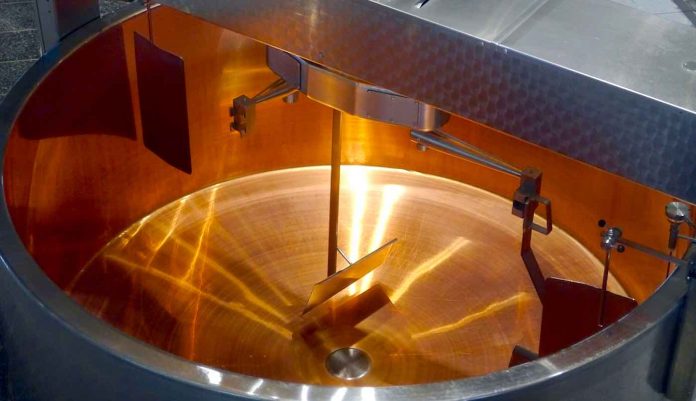
The researchers at Air Co. use a small, solar energy-powered machine to pull CO2 from the air so the gas can be split into carbon and oxygen. Once the separated molecules are mixed with water over a metal-based catalyst, they reform to make pure ethanol.
“The process uses the same principles as photosynthesis in plants, but does so more efficiently,” electrochemist and company co-founder Stafford Sheehan told Popular Mechanics. “Following conversion, we distill the 10% ethanol to 96.5% in a custom-built, 18-plate vodka still followed by additional proprietary, trade-secret processes to purify and dilute the ethanol to a 40% alcohol-by-volume vodka.”
While brewing up a typical bottle of vodka might produce about 13 pounds of greenhouse gas emissions, Air Co. vodka actually captures one pound of CO2 for every bottle produced, which is the equivalent daily carbon intake of about 8 trees.
Additionally, the alcohol is more pure than typical vodkas because it doesn’t require distillation to remove all the impurities from grains, yeast, or fermentation processes.
The company’s eco-friendly technology, which has already scooped up awards from the likes of NASA and the United Nations, is currently only producing vodka in New York City.
Air Co. officially launched the alcohol in various Brooklyn-based bars and restaurants last week. Once the holiday season comes to an end, the vodka will be rolled out to specific regional retail markets for $65 a pop.
Toast The Good News By Sharing It With Your Friends On Social Media…
A new study has found that copper hospital beds in the Intensive Care Unit (ICU) harbored an average of 95% fewer bacteria than conventional hospital beds—and maintained these low-risk levels throughout patients’ stay in hospital.
“Hospital-acquired infections sicken approximately 2 million Americans annually, and kill nearly 100,000—numbers roughly equivalent to the number of deaths if a wide-bodied jet crashed every day,” said co-author Dr. Michael G. Schmidt, Professor of Microbiology and Immunology at the Medical University of South Carolina, Charleston. “Despite the best efforts by environmental services workers, they are neither cleaned often enough, nor well enough.”
In fact, since hospital beds are among the most contaminated surfaces in patient care settings, they are the eighth leading cause of death in the US. Nonetheless, patient beds incorporating copper surfaces—which have long been known to repel and kill bacteria—have not commonly been commercially available.
Knowledge of copper’s antimicrobial properties dates back to ancient Ayurveda, when drinking water was often stored in copper vessels to prevent illness. In the modern medical era, numerous studies have noted copper’s antimicrobial properties.
However, until recently, no-one had designed acute–care hospital beds that enabled all high-risk surfaces to be encapsulated in copper. “Based on the positive results of previous trials, we worked to get a fully encapsulated copper bed produced,” said Dr. Schmidt. “We needed to convince manufacturers that the risk to undertake this effort was worthwhile.”
This in-situational study compared the relative contamination of ICU beds outfitted with copper rails, footboards, and bed controls to traditional hospital beds with plastic surfaces. Nearly 90% of the bacterial samples taken from the tops of the plastic rails had concentrations of bacteria that exceed levels considered safe.
“The findings indicate that antimicrobial copper beds can assist infection control practitioners in their quest to keep healthcare surfaces hygienic between regular cleanings, thereby reducing the potential risk of transmitting bacteria associated with healthcare associated infections,” said Dr. Schmidt.
With the advent of copper encapsulated hospital beds, dividends will likely be paid in improved patient outcomes, lives saved, and healthcare dollars saved.
Can we get “sweetest Jeoprady! answer ever” for $400?
Alex Trebek has hosted more than 36 seasons of the beloved Jeopardy! trivia game show—but this may be one of the first times that a contestant’s answer has left him on the brink of tears.
Trebek had been hosting the “Tournament of Champions” episode of the show when contestant Dhruv Gaur failed to come up with an answer for the final round. Rather than take a lucky guess, Gaur used his final answer to write “We <3 You, Alex!” on his board.
Upon reading the message aloud, Trebek responded by saying: “That’s very kind of you. Thank you.” Contrary to his typical whip-smart demeanor, Trebek seems to struggle with his composure for a few moments before somberly concluding that Gaur’s wager left him with just five bucks.
Though game show officials have declined to discuss further details about Trebek’s health, he told People back in May that he was having a “mind-bogglingly” positive response to his chemo treatments and he was “near remission”.
“The doctors said they hadn’t seen this kind of positive result in their memory,” mused Trebek. “Some of the tumors have already shrunk by more than 50%.”
(WATCH the sweet video below)
Be Sure And Share This Sweet Story With Your Friends On Social Media…
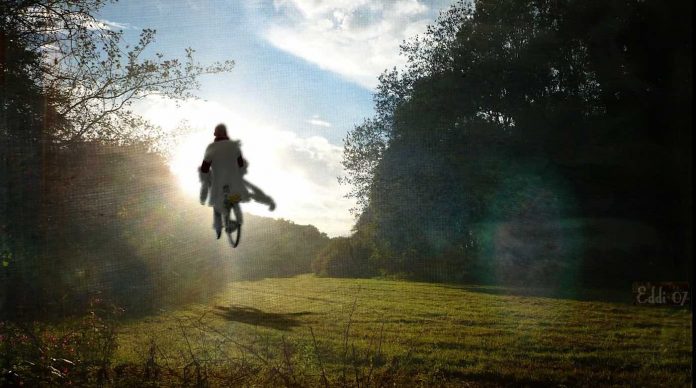
Quote of the Day: “Miracles happen every day. Change your perception . . . you’ll see them all around you.” – Jon Bon Jovi
Photo: by Eddi van W. – CC license on Flickr, cropped
With a new inspirational quote every day, atop the perfect photo—collected and archived on our Quotes page—why not bookmark GNN.org for a daily uplift?
You may have already seen a few news stories about teachers carrying their students’ babies—but this might be the first time we’ve read about a state judge lending a helping parental hand.
Earlier this week, Tennessee Court of Appeals Judge Richard Dinkins was filmed bouncing a 1-year-old baby on his hip as he swore in a new lawyer to the state bar.
The infant’s mother, Juliana Lamar, had just graduated from Belmont University College of Law in Tennessee—and as she was preparing to recite the oath, Judge Dinkins insisted that he wanted Lamar’s son Beckham to be a part of the career-affirming ceremony.
“On the day of my swearing-in, right before we began, Judge [Dinkins] said he wanted Beckham to take part in the moment,” Lamar told BuzzFeed. “And I am so glad he did—because to have my son take part in one of the greatest moments of my life was truly a blessing.”
Since Lamar’s colleague Sarah Martin uploaded a video of the sweet ceremony to social media, it has been viewed hundreds of thousands of times—and Martin says that she is more than happy to help share Lamar’s inspiring story.
Lamar is reportedly one of four women in their class who got pregnant during law school. Thanks to the support of her husband, Lamar says she gave birth during her third year of school and proceeded to graduate this week.
Martin praised Lamar’s determination in a tweet saying: “She was back at school within a week of an emergency C-section before she was even allowed to drive or climb stairs … women are amazing.”
(WATCH the heartwarming clip below)
Y'all. Judge Dinkins of the Tennessee Court of Appeals swore in my law school colleague with her baby on his hip, and I've honestly never loved him more. pic.twitter.com/kn0L5DakHO
If you are forgetful or you tend to make mistakes when in a hurry, this new study from Michigan State University—the largest of its kind to date—found that meditation could help you to become less error-prone.
The research, published in Brain Sciences, tested how open monitoring meditation – or, meditation that focuses awareness on feelings, thoughts or sensations as they unfold in one’s mind and body – altered brain activity in a way that suggests increased error recognition.
“People’s interest in meditation and mindfulness is outpacing what science can prove in terms of effects and benefits,” said Jeff Lin, MSU psychology doctoral candidate and study co-author. “But it’s amazing to me that we were able to see how one session of a guided meditation can produce changes to brain activity in non-meditators.”
The findings suggest that different forms of meditation can have different neurocognitive effects and Lin explained that there is little research about how open monitoring meditation impacts error recognition.
“Some forms of meditation have you focus on a single object, commonly your breath, but open monitoring meditation is a bit different,” Lin said. “It has you tune inward and pay attention to everything going on in your mind and body. The goal is to sit quietly and pay close attention to where the mind travels without getting too caught up in the scenery.”
Lin and his MSU co-authors recruited more than 200 participants to test how open monitoring meditation affected how people detected and responded to errors.
The participants, who had never meditated before, were taken through a 20-minute open monitoring meditation exercise while the researchers measured brain activity through electroencephalography, or EEG. Then, they completed a computerized distraction test.
“The EEG can measure brain activity at the millisecond level, so we got precise measures of neural activity right after mistakes compared to correct responses,” Lin said. “A certain neural signal occurs about half a second after an error called the error positivity, which is linked to conscious error recognition. We found that the strength of this signal is increased in the meditators relative to controls.”
While the meditators didn’t have immediate improvements to actual task performance, the researchers’ findings offer a promising window into the potential of sustained meditation.
“These findings are a strong demonstration of what just 20 minutes of meditation can do to enhance the brain’s ability to detect and pay attention to mistakes,” said study co-author Jason Moser said. “It makes us feel more confident in what mindfulness meditation might really be capable of for performance and daily functioning right there in the moment.”
While meditation and mindfulness have gained mainstream interest in recent years, Lin is among a relatively small group of researchers that take a neuroscientific approach to assessing their psychological and performance effects.
Looking ahead, Lin said that the next phase of research will be to include a broader group of participants, test different forms of meditation and determine whether changes in brain activity can translate to behavioral changes with more long-term practice.
“It’s great to see the public’s enthusiasm for mindfulness, but there’s still plenty of work from a scientific perspective to be done to understand the benefits it can have, and equally importantly, how it actually works,” Lin said. “It’s time we start looking at it through a more rigorous lens.”
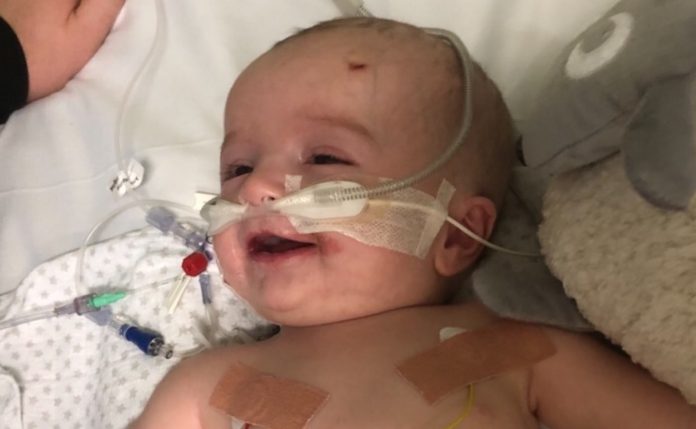
This photo of little Michael Labuschagne smiling at his father was taken just moments after he miraculously woke up from a 5-day coma—and now, the wholesome picture has helped to finance the medical procedure that will save his life.
Michael was just 14 weeks old when he suddenly suffered from heart failure at his parents’ home in Bristol, England back in March.
Astonishingly, paramedics managed to save the baby boy and he survived the incident.
“He survived an out-of-hospital cardiac arrest which only 7% patients do!” says Michael’s mother Emma. “He was diagnosed with a cardiac fibroma [tumor] attached to the septum within the left chamber of his heart. This is so rare that only a handful of patients have ever been diagnosed with this is in the UK.”
Michael was in a coma for five days following his heart attack, but Emma managed to capture the heartwarming moment that Michael woke up from the coma and smiled at his father.
“It’s a moment I will cherish with every inch of my heart,” she told CNN. “To be really honest, it’s got to be the happiest moment of my life. He is a living miracle, and we have never felt prouder of him.”
Michael’s parents were then told that the boy’s best chance of survival would be to get the tumor removed at Boston Children’s Hospital, which—in addition to being ranked the best pediatric hospital in the world—employs a team of surgeons who have already successfully completed this operation several times in the past.
Since the condition is so rare, no surgeon in the United Kingdom is capable of conducting the surgery. So rather than taking their chances with putting Michael on a heart transplant list, the Labuschagnes launched a GoFundMe page last month to finance their son’s transportation to Boston and his $147,000 (£116,000) operation.
After Michael’s heart-melting smile was featured on international news outlets, the campaign surged past its original goal and raised more than $253,000 (£197,000) for his care.
“We never dreamt we would be in this situation in such a short space of time. We are still in shock and coming to terms with what has happened,” Emma wrote on the campaign page. “Our original GoFundMe target only reflected the cost we were quoted for Michaels operation. Now we have more than enough to cover any unexpected medical care, travel, accommodation, any ongoing care and return visits.
“We honestly don’t know how we can thank you all. This has lifted a massive weight from our family and we can proceed with Michaels operation as early as February!!!” she added. “We have stopped actively fundraising now we have exceeded our target. Any additional donations after all of Michael’s costs have been covered will be donated to another family in a similar situation.”
Be Sure And Share This Miraculous Story With Your Friends On Social Media…
After being lost to science for almost three decades, this tiny deer-like species has finally been rediscovered in the forests of Vietnam.
The “silver-backed chevrotain”—also known as the “Vietnamese mouse deer”—is about the size of a rabbit. Its last recorded sighting was in 1990, but after researchers managed to capture photos and video footage of the critter in the wild, it is now the first mammal to be rediscovered on the Global Wildlife Conservation’s (GWC) top 25 most wanted lost species in the Search for Lost Species.
The GWC and their partners at the Southern Institute of Ecology and Leibniz Institute for Zoo and Wildlife Research made their rediscovery in southern Vietnam. Their findings, which were published this week in the scientific journal Nature Ecology and Evolution, is now spurring on efforts to protect the chevrotain and the other mysterious and extraordinary wildlife that share its home in Vietnam.
“We had no idea what to expect, so I was surprised and overjoyed when we checked the camera traps and saw photographs of a mouse deer with silver flanks,” said An Nguyen, associate conservation scientist for GWC and expedition team leader. “For so long, this species has seemingly only existed as part of our imagination. Discovering that it is, indeed, still out there, is the first step in ensuring we don’t lose it again, and we’re moving quickly now to figure out how best to protect it.”
The silver-backed chevrotain was described in 1910 from four individuals collected from southern Vietnam. A Russian expedition in 1990 in central Vietnam collected a fifth individual. Scientists know almost nothing about general ecology or conservation status of this species, making it one of the highest mammal conservation priorities in the Greater Annamite mountains, one of GWC’s focal wildlands.
After several interviews with local villagers and government forest rangers who reported seeing a gray mouse deer—the color distinguishing the silver-backed chevrotain from the more common lesser mouse deer—the field team set three camera traps for five months in an area of southern Vietnam where locals indicated they may have seen the animal. This resulted in 275 photos of the species. The team then set up another 29 cameras in the same area, this time recording 1,881 photographs of the chevrotain over five months.
“The rediscovery of the silver-backed chevrotain provides a big hope for the conservation of biodiversity, especially threatened species, in Vietnam,” said Hoang Minh Duc, head of the Southern Institute of Ecology’s Department of Zoology. “This also encourages us, together with relevant and international partners, to devote time and effort to further investigate and conserve Vietnam’s biodiversity heritage.”
There are 10 known species of chevrotains in the world, primarily from Asia. Despite their common English names, chevrotains are neither mice nor deer, but the world’s smallest small ungulates (hoofed mammals). They are shy and solitary, appear to walk on the tips of their hooves and have two tiny fangs. Chevrotains typically weigh less than 11 pounds (5 kilograms).
The silver-backed chevrotain is one of a number of fascinating species that live in the diverse tropical forests of Southeast Asia, where some species have been discovered only in the last few decades. This includes the antelope-like saola (the Asian “unicorn”), which was only discovered in 1992 and that no biologist has seen in the wild.
A team is now setting out to determine how large—and stable—this population of silver-backed chevrotains is; assess the wider distribution of the species; and explore the threats to its survival. As part of the first-ever comprehensive survey on the species, the team began camera trap surveys in October in two additional areas. They will use all of the information that they gather to develop a conservation action plan that strengthens enforcement and protection of the species across its range, building on the increased enforcement already put in place at the site of rediscovery.
“It is an amazing feat to go from complete lack of knowledge of the wildlife of the Greater Annamites 25 years ago to now having this question mark of the silver-backed chevrotain resolved,” said Barney Long, GWC senior director of species conservation. “But the work is only beginning with the rediscovery and initial protection measures that have been put in place—now we need to identify not just a few individuals on camera traps, but one or two sites with sizable populations so that we can actually protect and restore the species.”
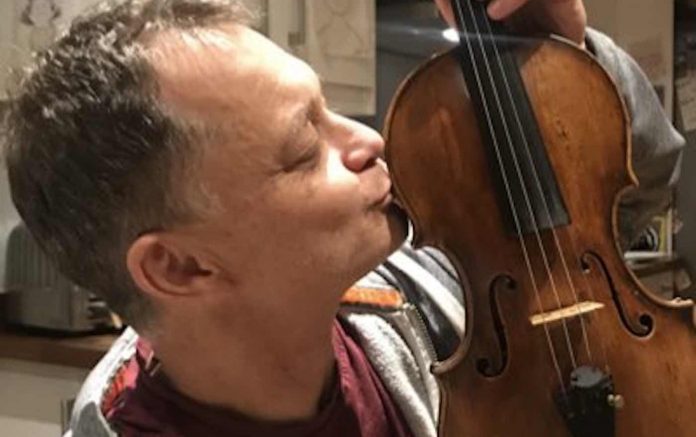
When this famed English violinist realized that he had forgotten his 310-year-old violin on a train, he feared that he would never see the antique instrument again.
In addition to being a soloist with the Royal Philharmonic Orchestra in London, Stephen Morris has played with the likes of U2 and Stevie Wonder.
Morris had been exhausted from a day of recording at Abbey Road Studios when he exited the Southeastern Railway from London late last month. He was so tired, he did not even realize that he had left his beloved violin on the train until the following morning.
Morris was “devastated”. The violin is one of the few surviving instruments made by Roman craftsman David Tecchler in 1709. Not only is the violin worth $320,000, Morris has also been playing the instrument for 15 years.
In a desperate bid to find his instrument, Morris contacted the British Transport Police (BTP) to see if it had been returned; unfortunately, officers checked CCTV footage and saw that the violin had been picked up by another train passenger.
Morris then created social media accounts to beg for the return of his instrument. The CCTV footage was featured on national news outlets, and the person responsible for taking the violin was treated as a suspect.
Several days later, Morris received a phone call from someone who recognized the figure on the train. Morris was then put in contact with the man who took the violin—and he had apparently been very eager to return the instrument.
Morris’s friend Mike Pannett, who used to be a Scotland Yard police officer, told The Guardian: “It was quite obvious to me and the detectives [at the BTP] that whoever had this violin was desperate to get it back, but was panicking because they didn’t want to get into trouble.”
“I knew from my experience that we weren’t dealing with a hardened criminal. We were dealing with somebody who had initially made a bit of a mistake [in picking up the violin] and had panicked.”
After reassuring the man that he would not be arrested, Morris met the man in a grocery store parking lot so he could reunite with his beloved instrument.
Not only was the instrument and the contents of its case still in perfect condition, it was even still in tune—and Morris was overwhelmed with gratitude for its return.
“[The man] was very apologetic; he said he wanted to hand it to me in person,” Morris later told BBC.
“I’m still getting over the shock of it coming back,” he admitted before serenading the reporters with a breathtaking rendition of “Amazing Grace”.
(WATCH the BBC interview below)
Be Sure And Share This Inspiring Story Of Honesty With Your Friends On Social Media…
Quote of the Day: “A man must rise above the Earth, to the top of the atmosphere and beyond, for only then will he fully understand the world in which he lives.” – Socrates
Photo: by NASA
With a new inspirational quote every day, atop the perfect photo—collected and archived on our Quotes page—why not bookmark GNN.org for a daily uplift?
With countless US ex-service members struggling to readjust to civilian life following their deployment, more and more veterans are finding unparalleled success in alternative forms of rehabilitation and therapy.
Warrior Expeditions is a nonprofit that has proven nature to be an effective treatment for veterans suffering from PTSD. The organization helps veterans overcome their trauma by sending them on longterm nature excursions lasting two to six months.
The charity, which also provides all the gear and supplies necessary for the journeys, typically helps 30 to 40 veterans every year with about 10 different expeditions—all of which are facilitated at no cost to the vets.
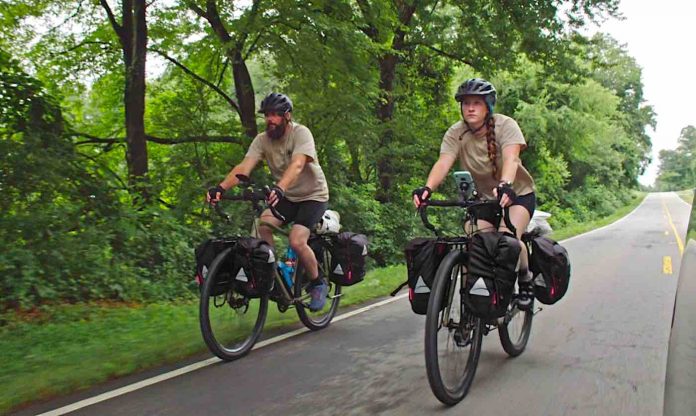
The organization’s recently concluded 53-day trip through North Carolina is the first time that Warrior Expeditions has incorporated paddling, biking, and hiking into one of their excursions.
Marine Corps veteran Sean Gobin was inspired to launch the charity after he returned to the US in 2012 following several combat deployments in Iraq and Afghanistan. He then found peace and healing by hiking all 2,185 miles of the Appalachian Trail—and he knew that he wanted to share the experience with other veterans just like him.
Now since the U.S. House of Representatives passed H.R. 2359 directing the Department of Veterans Affairs to study alternative health services that could be covered through the Veterans Health Administration, more and more veterans like Gobin could soon be encouraged to experience the same transformative effects of nature in lieu of prescription medication.
(WATCH the Freethink short film on the expeditions below) – Photo by Freethink
Treat Your Friends To The Good News By Sharing It With Your Friends On Social Media…
Chicago book lovers are no longer being daunted by heaps of library late fees—and librarians are delighted to report that book returns have surged by 240%.
The Windy City became one of the first major cities in the nation, following others such as San Diego and Nashville, to do away with overdue book fees after Mayor Lori Lightfoot approved the policy in a bid to encourage literacy and educational resources amongst low-income communities.
Since it went into full effect across the city’s 81 neighborhood and regional libraries on October 1st, librarians say the policy has been instrumental in welcoming more patrons back to their locations.
According to the Associated Press, Library Commissioner Andrea Telli emphasized the policy’s success to her fellow City Council members during a budgetary meeting last month.
“Just by word of mouth and also on the library’s social media pages like Facebook, we saw a lot of patrons say, ‘Oh my God. This is so great. I’m gonna bring back my books. I’ve been hesitant to come back to the library because I owe these fines,’” Telli said.
Mayor Lightfoot will reportedly continue her commitment to supporting the Chicago Public Library system by approving funding for 15 to 20 city libraries to begin opening on Sundays in 2020.
[Editor’s Note: We incorrectly repeated the notion that Chicago was the first major US city to institute this policy, until GNN fans reported its existence in two other cities.]
Help Your Friends Read About The Good News By Sharing It With Your Friends On Social Media — File photo by Alejandro Mallea, CC
When a stubborn Canadian senior refused to accept any assistance from Jeremy Locke, the compassionate construction worker played an innocent trick in order to get her to accept his help.
Locke, who owns a roofing and construction company in Glace Bay, Nova Scotia, had always been itching to repair the roof of Jeanette MacDonald’s home. Whenever he drove past the woman’s home, he assumed that the roof was in disrepair because the job had already been taken on by another group of carpenters—but as the weeks wore on, the roof continued to deteriorate without any signs of renovation.
“I had it in my mind that if no one steps up to help this lady in our community, I’d be more than happy to,” Locke told CBC.
When Locke finally reached out to MacDonald about fixing her roof for free, however, she politely declined his offer because she did not like to accept charity. That being said, she had already applied for a government grant to fix the roof and she said she was more than happy to hire Locke once her grant application was approved.
Unfortunately, MacDonald never received the approval.
Locke then came up with a different plan of attack. He invited MacDonald to enter a raffle that his business was holding for a free roof. After the grandmother-of-four accepted one of the raffle tickets, Locke told her that she was the winner—because she was the only one who had entered the raffle.
A small, inexpensive sensor could save lives by triggering an alarm when children or pets are left alone in vehicles.
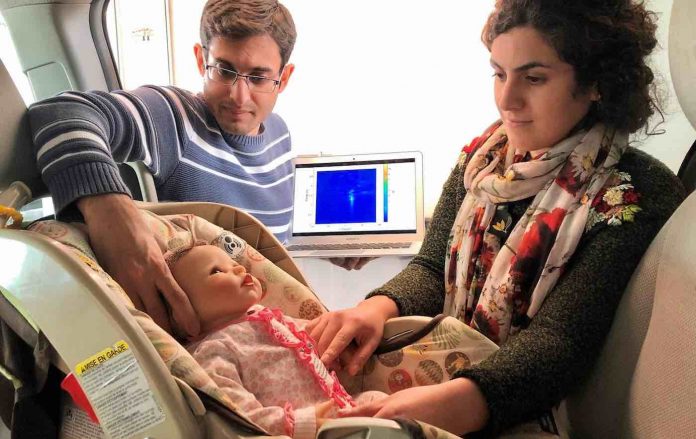
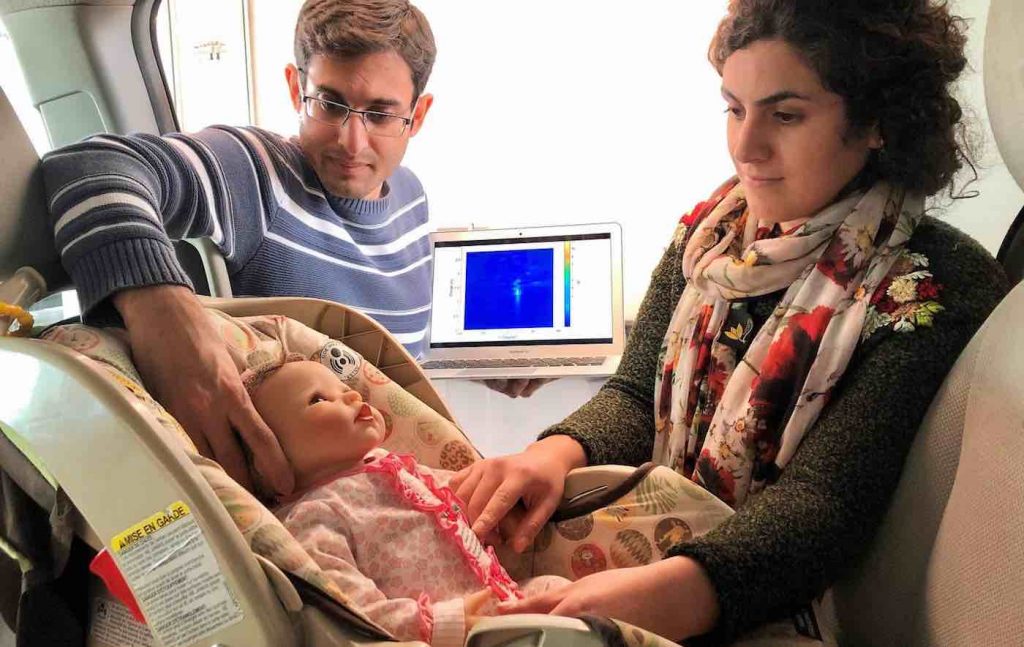
The new device, developed by researchers at the University of Waterloo, combines radar technology with artificial intelligence (AI) to detect unattended children or animals with 100% accuracy.
Small enough to fit in the palm of a hand at just three centimeters in diameter, the device is designed to be attached to a vehicle’s rear-view mirror or mounted on the ceiling. It sends out radar signals that are reflected back by people, animals and objects in the vehicle. Built-in AI then analyzes the reflected signals.
“It addresses a serious, world-wide problem,” said George Shaker, an engineering professor at Waterloo. His system is so affordable it could become standard equipment in all vehicles.
Development of the wireless, disc-shaped sensor was funded in part by a major automotive parts manufacturer that is aiming to bring it to market by the end of 2020.
Analysis by the device determines the number of occupants and their locations in a vehicle. That information could be used to set rates for ride-sharing services and toll roads, or to qualify vehicles for car-pool lanes.
Its primary purpose, however, is to detect when a child or pet has been accidentally or deliberately left behind, a scenario that can result in serious harm or death in extremely hot or cold weather.
In such cases, the system would prevent vehicle doors from locking and sound an alarm to alert the driver, passengers and other people in the area that there is a problem.
“Unlike cameras, this device preserves privacy and it doesn’t have any blind spots because radar can penetrate seats, for instance, to determine if there is an infant in a rear-facing car seat,” said Shaker, a cross-appointed professor of electrical and computer engineering, and mechanical and mechatronics engineering.
The low-power device, which runs on a vehicle’s battery, distinguishes between living beings and inanimate objects by detecting subtle breathing movements.
Researchers are now exploring the use of that capability to monitor the vital signs of drivers for indications of fatigue, distraction, impairment, illness or other issues.
This enthusiastic dad has managed to rally an internet fan base of his own after he was filmed cheering on his daughter’s high school football team with zeal.
Hekili Holland was just one of the spectators watching the York High School Falcons play against the Warhill High School Lions in Yorktown, Virginia last week—except Holland was one of the only spectators who was kicking, jumping, clapping, and fist-pumping along with the cheerleaders.
In fact, since Holland’s daughter Mackenzi is on the Falcons cheerleading squad, Holland was able to join in on every dance routine without missing a beat.
Scott Willard, who had been watching the game from the stands, was in awe of Holland’s stellar dance moves—so he pulled out his phone and recorded a quick video for Facebook.
“This guy right here needs to go viral. By far CHEER DAD OF THE YEAR!” Willard wrote in the social media post. “This dude rocks!”
Since Willard posted the video of Holland’s wholesome cheers to Facebook, the footage has been viewed more than 4 million times.
Holland later admitted to Good Morning America that he never expected people to show such appreciation for his cheers because he was “just having fun,” he said. But, “if this bring joy to folks then I ‘m happy to be that guy.”
(WATCH the wholesome video below)
Be Sure And Share This Sweet Story With Your Friends On Social Media…
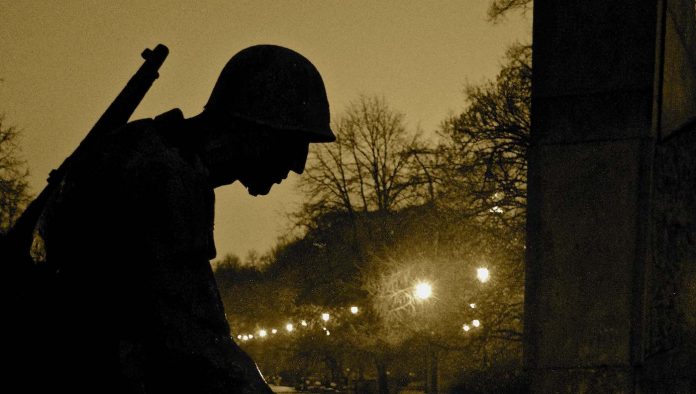
Quote of the Day: “The soldier above all others prays for peace, for it is the soldier who must suffer and bear the deepest wounds and scars of war.” – Gen. Douglas MacArthur (on Veterans Day)
Photo: by Lauri Heikkinen, CC license on Flickr – cropped
With a new inspirational quote every day, atop the perfect photo—collected and archived on our Quotes page—why not bookmark GNN.org for a daily uplift?