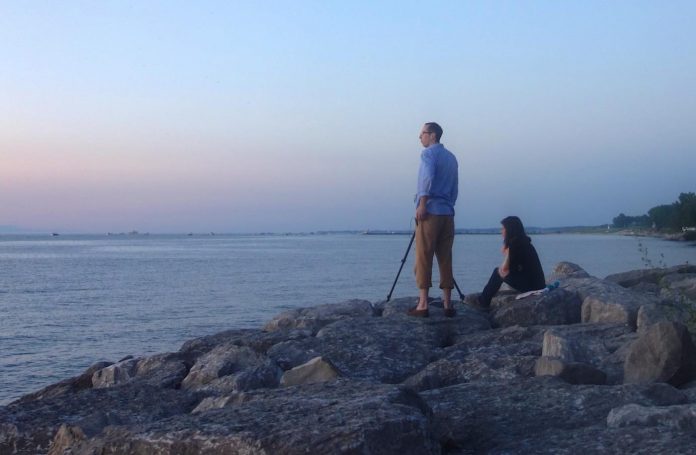
Quote of the Day: “In the long run we shape our lives… The choices we make are ultimately our own responsibility.” – Eleanor Roosevelt
Photo: by Kevin Dooley– CC license on Flickr, cropped
With a new inspirational quote every day, atop the perfect photo—collected and archived on our Quotes page—why not bookmark GNN.org for a daily uplift?
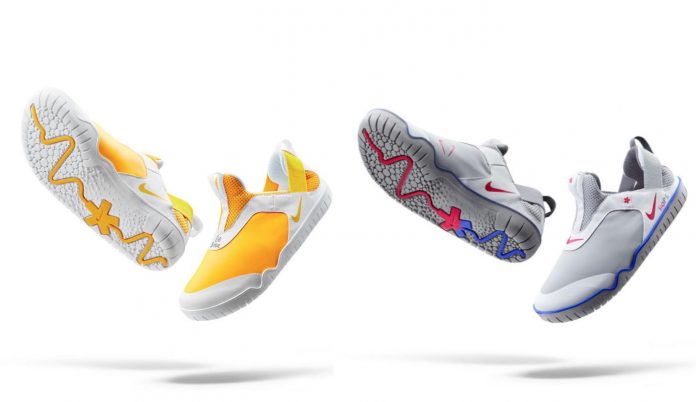
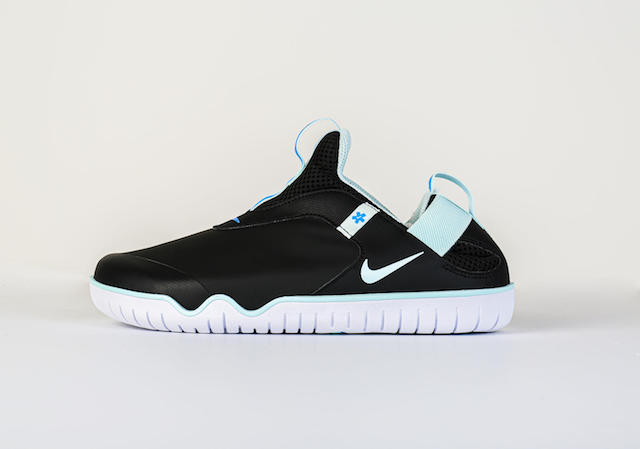
Nike is releasing a new shoe model that has been designed specifically for doctors, nurses, and medical professionals who have to stay on their feet all day at the hospital.
The Nike Air Zoom Pulses were developed and tested alongside healthcare workers at OHSU Doernbecher Children’s Hospital in Portland, Oregon. Thanks to key insights that were provided by the staffers, the new sneakers address several important workplace challenges of a hospital environment.
For starters, the Nike developers coated the laceless exterior with material that makes them easy to wipe down and clean. Since the designers also found that nurses “walk approximately four to five miles and sit for less than an hour during the course of a 12-hour shift”, they improved the mid-sole and heel so that the shoes could be ultra comfortable and supportive while still being secure enough for a busy environment.
“The design confronts a range of medical worker-specific challenges,” says the company. “How can a shoe be both comfortable for long stretches of standing and versatile enough to support the hurried movements required in emergency situations? The answer comes through the Pulse’s full-rubber outsole, a flexible drop-in midsole with Zoom Air heel unit and a heel fit so secure, it feels like a soft, snug hug.”
The elasticated exterior makes the Air Zoom Pulses comfortable, but easy to take on and off at will, and the rubber soles have extra traction on slippery floors.
There are six versions of the shoe which will reportedly be released on Nike’s website on December 7th. Though the company did not disclose the price of the shoes, their typical Air Zoom models retail between $134 to $147 per pair.
A portion of the shoe sales will also be donated to the Doernbecher Children’s Hospital.
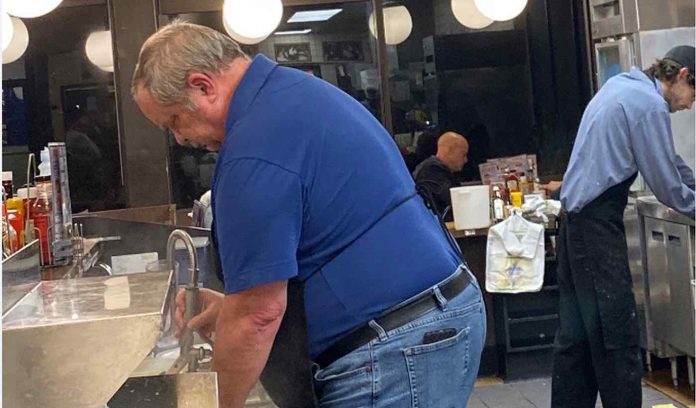
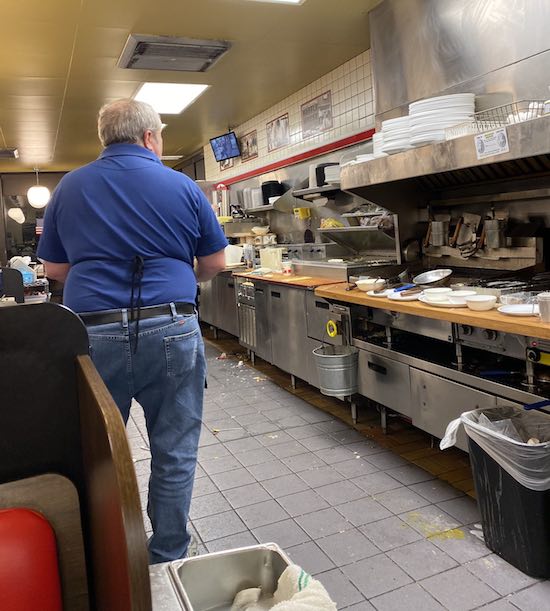
Due to a scheduling mishap, one frantic Waffle House worker was left alone to run the entire restaurant on a Sunday night.
Ethan Crispo was just one of about 30 hungry customers who wanted food at midnight. After sitting at his table for a while, he noticed there was just one distressed employee available at the Birmingham, Alabama establishment to take orders, cook food, bus tables, and manage the cash register.
The 24-year-old patron was losing hope of ever getting a meal.
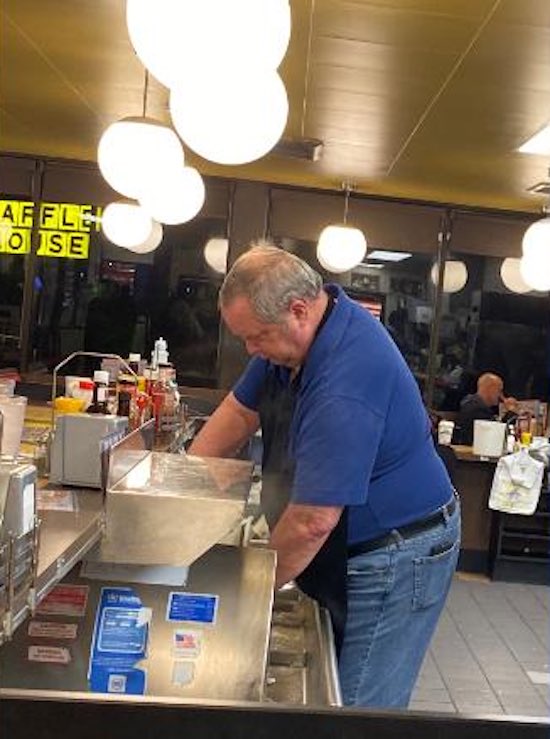
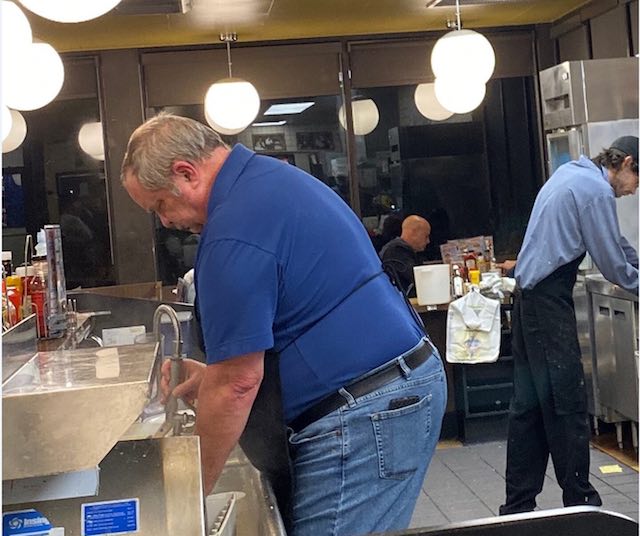
The employee—who was identified only by his nametag reading “Ben”—seemed to be on the brink of panic until Crispo saw him speaking to a male customer in a blue shirt sitting at the counter. After a brief conversation, Ben handed him an apron and the man got to work washing dishes.
“It was a transition so smooth, I initially assumed it was a staff member returning to their shift,” Crispo told AL.com. “It wasn’t. It was a kind stranger.”
Photo by Ethan Crispo
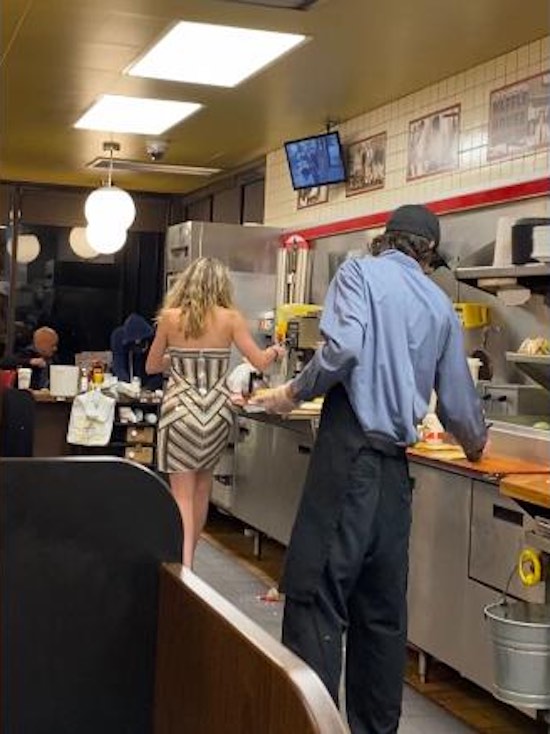
A couple minutes later, a woman in high heels, and a sequined dress briskly strode behind the counter to brew more coffee. She then took a few orders before resigning herself to bussing tables.
Suddenly, a third customer in a red shirt marched over to help, as well, though Crispo failed to catch his name or snap a photo of the man at work.
The term ‘customer service’ took on a whole new meaning that night. Crispo fondly remembers is as a surreal as an example of humanity at its finest.
Photo by Ethan Crispo
“It was the most fascinating thing,” Crispo told AL.com by phone. “It was just one of the most wild instances of really, really cool people just coming together.”
“It made a difference to many people that night. Certainly [their actions] made an impact on me,” he added. “Humanity isn’t just good, it’s great.”
Photo by Ethan Crispo
Serve Up Some Positivity By Sharing These Inspiring Moments To Social Media…
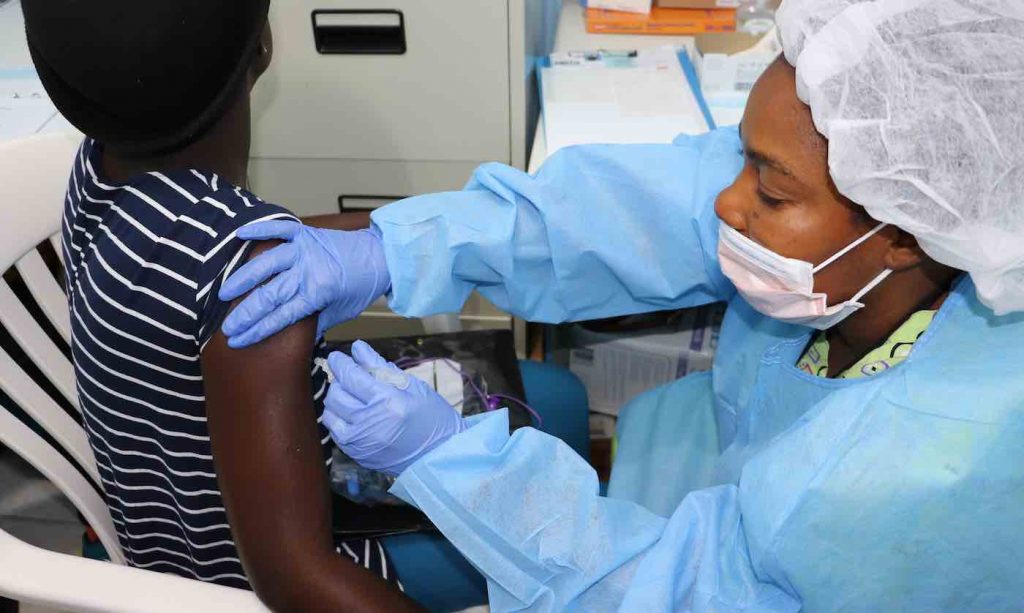
The world finally has its first ever approved Ebola vaccine.
Within 48 hours of the European Commission approving the vaccine earlier this week, the World Health Alliance (WHO) verified that the treatment also reached its health and safety standards for global use, making it the first vaccine with clinical efficacy to protect individuals 18 years of age or older at risk of infection with the Ebola virus.
The Ervebo vaccine, which was developed by pharmaceutical company Merck, has already been used to quell emergency outbreaks in the Democratic Republic of the Congo (DRC) and several other neighboring countries.
Data from clinical trials and compassionate use protocols have shown that Ervebo protects against Ebola virus disease in humans following a single-dose administration. The vaccine is being used under “compassionate use” to protect people, including children and pregnant women, at highest risk of infection as part of a ring vaccination strategy, as well as a targeted geographical vaccination when ring vaccination is not feasible. As of this week, more than 250,000 people have been vaccinated in DRC, as well as in Burundi, Uganda, South Sudan, Guinea, and Rwanda.
The “Gavi” Vaccine Alliance—a Geneva-based health organization funding vaccine distribution in low-income countries—announced in 2015 that they would only purchase an Ebola vaccine for distribution if it was approved by a major health group.
Gavi is now welcoming the European Commission’s conditional marketing approval for Ervebo.
“This is a vaccine with huge potential,” said Dr Seth Berkley, CEO of Gavi the Vaccine Alliance. “It has already been used to protect more than 250,000 people in the DRC and could well make major Ebola outbreaks a thing of the past.
“That’s why this is such an important milestone, paving the way for a Gavi-supported global Ebola vaccine stockpile. It’s also important to credit the unprecedented global effort from African countries that helped generate the evidence as well as Merck, WHO, donor governments, partners and regulatory agencies in making this authorization happen.”
At its next meeting in December 2019, the Gavi Board is set to make a decision on a long-term Gavi Ebola vaccine program that would include the creation of a global Ebola vaccine stockpile. This stockpile, contingent on the availability of WHO’s prequalified vaccines and SAGE recommendations for their use, will enable countries to access and rapidly deploy Ebola vaccines in response to outbreaks. On top of the stockpile, the Board will also consider, if recommended, future support for preventive vaccination of high-risk groups outside of an outbreak such as healthcare workers in countries classified as being at high risk.
The current stockpile of Ebola investigational vaccine is available in part thanks to an agreement between Gavi and the vaccine’s manufacturer, Merck. In 2015, during the West Africa Ebola outbreak, Gavi made a unique offer to all manufacturers with a vaccine in Phase I clinical trials and beyond, by offering a pre-paid commitment to procure doses of licensed vaccines as and when the vaccine became licensed and available.
In return, the manufacturer was required to commit to submit an emergency use authorization application to WHO as well as an application for licensure to a stringent health authority and ensure the availability of an emergency stockpile of 300,000 investigational doses in the event of an outbreak occurring before licensure through a donation from the manufacturer to WHO. In January 2016, an Advance Purchase Commitment between Merck and Gavi was signed, creating the stockpile of investigational doses that is being used in DRC and neighbouring countries today.
In addition to its work making the investigational vaccine stockpile available, Gavi has provided $ 15.1 million to WHO to cover operational costs for the vaccination effort, funding vaccination teams, transportation, syringes and other vaccine supplies, as well as the ultra-cold fridges which keep the vaccine at the minus 60-80°C temperatures it needs to remain effective. This also includes $ 2 million provided to fund vaccinations in neighboring countries Uganda, South Sudan, Burundi and Rwanda. An additional $13.4 million funding for the vaccination effort in DRC is currently being considered.
Merck CEO Kenneth C. Frazier is now hailing the vaccine’s approval as “a historic milestone and a testament to the power of science, innovation and public-private partnership”.
“After recognizing the need and urgency for an Ebola vaccine, many came together across sectors to answer the global call for outbreak preparedness,” Frazier said in a statement. “We at Merck are honored to play a part in Ebola outbreak response efforts and we remain committed to our partners and the people we serve.
“We also look forward to continuing to work with the FDA and the African countries on their regulatory reviews over the coming months and with the World Health Organization on vaccine pre-qualification, which will help broaden access to this important vaccine for those who need it most.”
Photo by NIAID
Treat Your Friends To The Positivity By Sharing The Good News To Social Media…
When a frightened pup escaped from a car collision and started sprinting down a Houston highway, almost every passing driver knew what they had to do.
More than 20 motorists stopped their cars and put on their hazard lights in order to try and help rescue the dog in Houston, Texas.
Witnesses say that the dog had escaped from its owner’s vehicle following a crash further up the highway. Though several Good Samaritans got close to grabbing the pup’s leash, it would get scared and run back down the road.
It took a team of determined drivers working together to corner the dog before someone could finally get a hold of its leash and keep it in place long enough to calm it down.
Toby Tinelli, who is the man responsible for the video of the rescue, worked with his wife to get a bowl of water for the dehydrated pup until it could be reunited with its owner.
No one confirmed the name of the dog’s owner, but he was apparently quite relieved to discover that his dog was safe, although the pup had sustained some scratches on its paws from stepping on broken glass.
Tinelli now says that the rescue is an example of Houston’s humanity at its finest.
“Everybody was on the same page,” he told WMTW. “It seemed like it was really like a team-oriented thing because everybody at the same time slowed down and put flashers on and the first thing everyone cared about was taking care of that dog.”
(WATCH the news coverage below)
Be Sure And Share This Pawesome Rescue Story With Your Friends On Social Media…
Quote of the Day: “Fresh air is as good for the mind as for the body.” – John Lubbock
Photo: by Greg_Men – CC license on Flickr, cropped
With a new inspirational quote every day, atop the perfect photo—collected and archived on our Quotes page—why not bookmark GNN.org for a daily uplift?
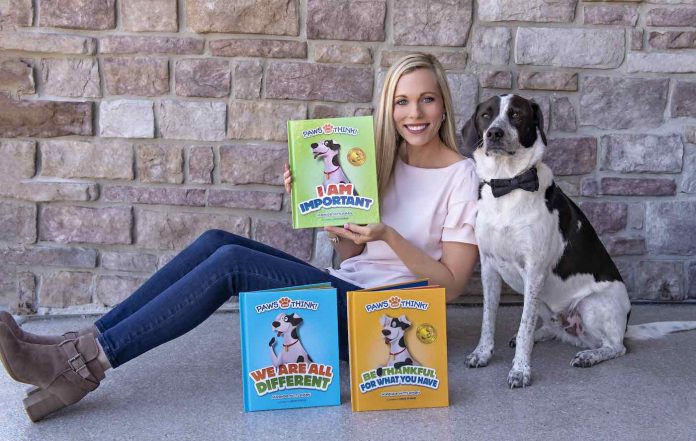
Miranda Mittleman won $20,000 on Wheel of Fortune—and her rescue dog Weaver inspired her to use the winnings to make the world a kinder place.
She’s always had a passion for poetry, so she combined that with her love for dogs, and began writing a series of children’s books that teach valuable life lessons through Weaver’s eyes.
The PAWS and THINK! books cover the important topics of inclusion, self-confidence, and gratitude.
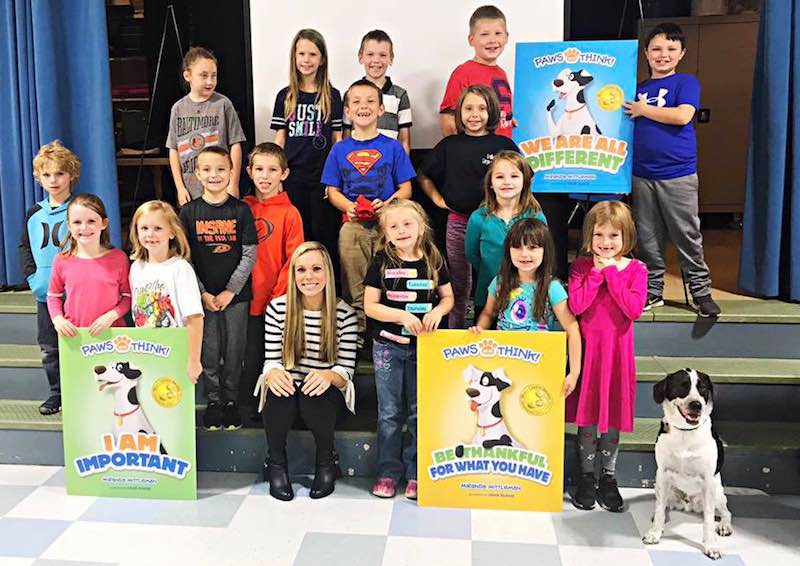
Mittleman and Weaver, of Hagerstown, Maryland, have been on the move ever since the books initially launched in 2017.
Together they have visited over 100 schools in Baltimore, New Jersey, and New York, teaching PAWSitive lessons that have impacted the lives of over 30,000 children.
“This has been the most incredible opportunity of my life,” Mittleman explains. “I never imagined that my passion for poetry and love for my rescue dog would lead me down this amazing path.”
She wanted to use her platform to give back to the community in an even bigger way, so Mittleman donates a portion of the proceeds from each book to a different non-profit every three months—over $5,000 to date.
“I’ve had the honor of presenting donations to numerous charities that help children and animals,” she told GNN. “There is truly no greater feeling than giving back.”
Earlier this year, Wheel of Fortune selected Mittleman to reappear on the show for its “Changing Lives” segment, which demonstrated how she used her winnings to help others.
Even with their second child on the way, Mittleman and her husband Michael have big plans for the future of PAWS and THINK!, releasing the fourth book next year and continuing to visit more schools in Maryland and across the country.
SHARE The Pawesome Books in Time for the Holidays…
Yesterday was certainly a beautiful day in the neighborhood for this women’s hospital in Pittsburgh.
In addition to November 13th being World Kindness Day, it is also celebrated as “Cardigan Day”.
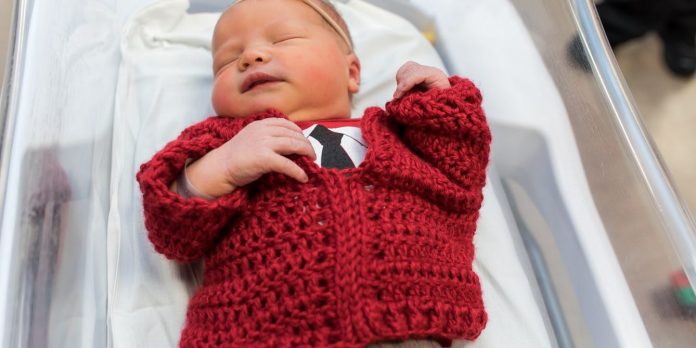
Since Fred Rogers might be one of the most compassionate television heroes in history—and the most iconic fan of the cardigan—the UPMC Magee-Women’s Hospital honored the two holidays by dressing all of their baby patients in hand-knitted Mr. Rogers sweaters and booties.
All of the garments were made by hospital nurse Caitlin Pechin. Upon successfully dressing their newborn residents in the adorable Mr. Rogers costumes, the staffers invited the television star’s widow Joanne Rogers to the hospital for a surprise.
Mrs. Rogers, who was married to Mr. Rogers for 51 years before he passed away in 2003, was delighted by the gesture.
Since the Pittsburgh hospital posted photos from the occasion to Facebook, thousands of people have shared them across social media.
“We welcomed Pittsburgh’s newest neighbors in style for #CardiganDay!” wrote the hospital. “Big thanks to Mrs. Rogers for stopping by!”
Be A Good Neighbor And Share This Sweet Story With Your Friends On Social Media…
After decades of little or no progress, biomedical researchers are finally making some headway at detecting and treating sepsis, a deadly medical complication that sends a surge of pathogenic infection through the body and remains a major public health problem.
Researchers at Cincinnati Children’s Hospital Medical Center report in Science Translational Medicine they developed and successfully tested a new rapid blood assay that measures five biomarkers and accurately predicts which patients are at low, medium or high risk for death from sepsis (colloquially referred to as blood poisoning).
Called PERSEVERE, the test allows physicians to detect and stratify sepsis at its earliest moments, just as the body is about to unleash a storm of bacterial infection, according to study’s senior investigator, Dr. Hector Wong, director of Critical Care Medicine at Cincinnati Children’s. By knowing which five proteins/genes make up the assay’s five-biomarker blood panel, physicians should be able to start medical interventions much earlier and with greater precision.
Wong said not only can patients be stratified into low, medium, and high-risk groups, the biomarker test allows physicians to pick the right interventions for specific patients, including which drugs and dosages.
“The PERSEVERE platform focuses on stratification and prognostication, not diagnostics,” says Wong. “Prognostic enrichment is a fundamental tool of precision medicine. It allows us to predict the disease course and progression in individuals and tailor treatment to different groups of patients and individuals.”
Another benefit of the assay platform is it also gives researchers important clues for studying the underlying biological mechanisms of how sepsis gets started, ramps out of control and how it can be stopped with new therapeutic approaches, according to Dr. Christopher Lindsell, a key collaborator on Wong’s team.
The research project is also expected to lead to the development of new therapeutic treatments, the researchers said.
The tool has been in development by the research team for more than a decade. They have able to progressively reduce the number of biomarkers in the assay platform from 80 down to 5. This makes it easier to blend advanced technologies like computer-assisted biology and informatics with laboratory experimentation to look more efficiently for new therapies, according researchers.
Sepsis usually strikes fragile young children and the elderly hospitalized in intensive care units. In the current study, about 13% of patients did not survive, but PERSEVERE-based stratification effectively stratified the patients into three risk categories with widely different mortality rates. Wong said the goal of the research team’s work is to push those survival curves significantly higher among the higher risk patients.
A major hurdle frustrating researchers over the decades is that sepsis is known for its considerable clinical and biological heterogeneity, with the causes and outcomes varying greatly between different patients. PERSEVERE is designed to leverage today’s enhanced genetic and biological analysis technologies to make that variability more manageable.
Although more than 1,000 children have been tested by Wong and colleagues over the years, in the current study researchers used the latest version of PERSEVERE to test the blood samples from 461 children with sepsis as well as mouse models that faithfully mimic blood poisoning.
After receiving prior permission from patient families and Institutional Review Boards of participating institutions, the researchers used PERSEVERE to test children between ages 1 and 18 years who were already admitted to intensive care units and under care for sepsis at multiple pediatric hospitals, including Cincinnati Children’s. Because PERSEVERE is not yet approved for clinical use, it was not used to inform or influence patient care decisions. It was only tested for accuracy and potential future use.
Researchers said the five biomarkers in PERSEVERE were able to accurately predict with high reliability which patients would and would not develop severe cases of sepsis. When researchers next tested PERSEVERE in their mouse models of sepsis, the same five biomarkers were able to accurately predict which mice were at low or high risk. They also reported that mice at a greater risk of severe sepsis had significantly higher bacterial loads in their blood than lower-risk animals, and that higher doses of antibiotics were able to help contain the blood infections. The investigators also provide corroborating evidence that children with higher risk of mortality from sepsis also have higher bacterial loads in their blood.
Wong said the research team continues to test and refine PERSEVERE and study the biological clues it has uncovered so far to pinpoint the onset molecular bases of sepsis and find new treatments. The ability to study the biology of sepsis in mouse models that faithfully mimic the condition and have the same biomarkers as humans should allow the researchers to make significant new progress. Wong also said the technology has reached the point where it would benefit from a biotech industry partner and collaborator so the platform’s development can be accelerated and tested in clinic within the next few years.
To this end, the researchers have secured patents for the platform through the Cincinnati Children’s technology commercialization group, Innovation Ventures. Wong and Lindsell are listed as co-inventors. Wong said an adult version of PERSEVERE is also under development, and the researchers plan to concurrently test the platform as they conduct an NIH-funded clinical trial to use corticosteroids to treat sepsis.
Rather than spending his chilly evenings in the warmth and comfort of his own house, this man hops into a van and drives around his city so he can help bring homeless people to shelter.
B.B. McGowan feels compelled to help the homeless population of Dallas, Texas because he used to be sleeping on the very same streets.
Thankfully, Oak Lawn United Methodist Church helped McGowan to get sober—and he now feels it is his mission to give back to the people who are still struggling to get back on their feet.
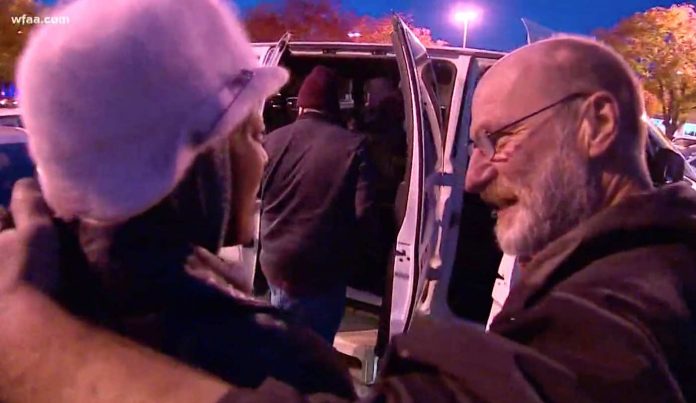
With temperatures in the city recently dropping below freezing—and wind chills sometimes falling into the single digits—McGowan will hop into a church van and search the streets for homeless people. If he encounters someone who can be encouraged to seek shelter, McGowan gently helps them into his van and drives them to the nearest homeless shelter.
“When I got sober, it was part of my heart to help, and I wanted to. People fall down in this process, and the important part is getting up,” McGown told WFAA in the interview below. “It gives you a whole new appreciation for life and for people. The things I took for granted, I don’t take for granted anymore.”
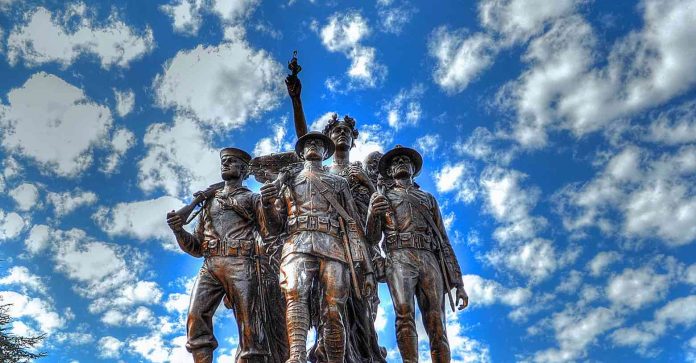
Quote of the Day: “True heroism is remarkably sober. It is not the urge to surpass all others at whatever cost, but the urge to serve others at whatever cost.” – Arthur Ashe
Photo: by Rachel Samanyi, Winged Victory Monument – CC license on Flickr, cropped
With a new inspirational quote every day, atop the perfect photo—collected and archived on our Quotes page—why not bookmark GNN.org for a daily uplift?
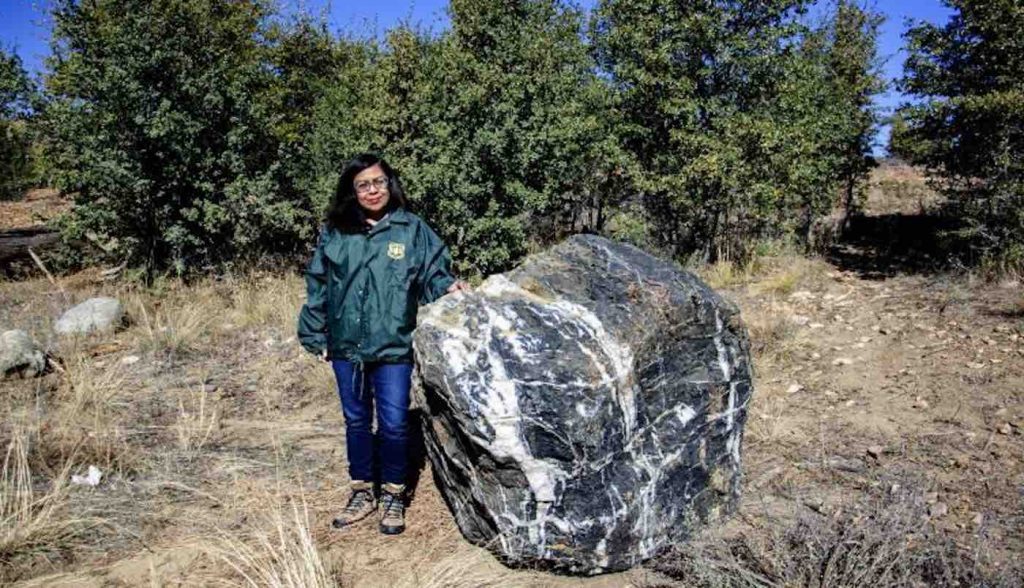
Park rangers and local citizens were left scratching their heads in confusion after a beloved 1-ton boulder known affectionately as “Wizard Rock” went missing from its resting place last month—and they were equally as surprised when it suddenly reappeared one week later.
The boulder, which has distinct stripes and swirls of white quartz running through it, is a common landmark in Prescott Basin, Arizona. When it suddenly disappeared from Prescott National Park, rangers say they have no idea how someone could have moved it without being caught.
Permits are required to gather and remove most forest products, including rocks and minerals, firewood, plants, and trees, but no permits were issued for the removal of Wizard Rock.
Prescott rangers posted pleas to social media and local news outlets asking for the boulder’s return—then just as suddenly as it disappeared, it reappeared in its original spot one week later during Halloween night.
After a Prescott National Park employee discovered the boulder’s return the following morning, they celebrated its return and chalked the strange incident up to “magic”.
“We are thrilled the Wizard Rock was returned, and are grateful that whoever took it was conscientious enough to give it back to the public,” said Sarah Clawson, district ranger for the Bradshaw Ranger District. “National Forests provide so many benefits to the American people, and when something like this happens, it highlights the intrinsic value of natural beauty in all its forms.”
Photo by Prescott National Forest
Rock And Roll This Fun Story Of Everyday Magic With Your Friends On Social Media…
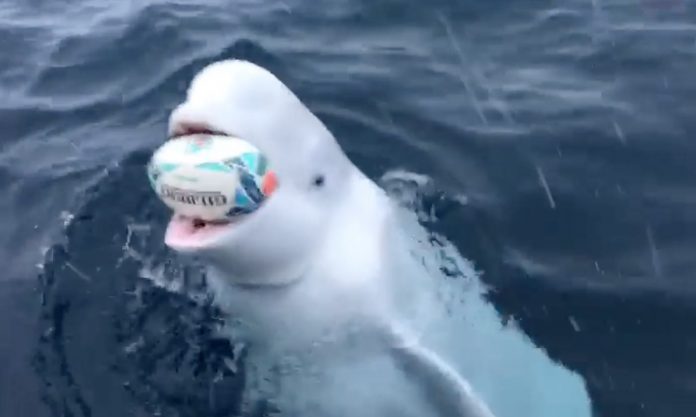
Over the course of just one week, this video of a “wild” beluga whale playing fetch with a group of sailors has been watched more than 20 million times—and while many viewers have been blissfully unaware of the whale’s plight, the viral footage could help to save it.
Hvaldimir the beluga was first spotted by fishermen off the coast of Norway back in April. The sailors were already suspicious of the whale’s origins based on how comfortably it interacted with the humans. Furthermore, they discovered that it was wearing a GoPro camera harness with the English words “Equipment St. Petersburg” printed on the label.
Marine mammal training facilities were common during the Soviet Union reign, and since its release, Hvaldimir has become world renowned as the defected “Russian Spy Whale”.
This is not the first time that Hvaldimir the beluga has been recorded interacting with humans. Shortly after locals became aware of the whale’s presence, Hvaldimir was filmed returning a woman’s phone after she had dropped it into the chilly sea waters from a boat.
Many conservationists have shunned the more recent viral video as a whimsical depiction of a grim situation—but its online fame has helped to create hope for Hvaldimir on the horizon.
For the last three months, Advocates for Hvaldimir has been keeping track of the cetacean’s activity in order to make sure that he is faring well on his own. Regina Crosby, who is a co-founding member of the group, says they are now working with two other environmental groups to try to relocate Hvaldimir to a different oceanic region so he can potentially reintegrate with a pod of belugas for a better chance at survival.
Crosby, who has spent the summer filming a documentary about Hvaldimir, says: “As advocates for Hvaldi, we realized this whale would never have the chance at survival, let alone a normal life, unless he is given the chance to be with a pod.
“There are folks that claim no pod will accept him, but those same folks would claim a captive beluga can never learn to eat on their own. As Hvaldi has proven—that is not true!” she added. “There are many many cases of orphaned or displaced dolphins and whales who join pods—even pods other species—to become a family. He deserves a chance.”
Crosby and Advocates for Hvaldimir have since begun collecting donations from the beluga’s internet fans in order to finance his relocation. Since the Norwegian government recently granted permission to the wildlife advocates to relocate the famous cetacean, they are now hoping to continue working with legislators to transport Hvaldimir this winter.
“The ‘good news’ for now is that we have created a GoFundMe page with specific details about his situation,” Crosby told Good News Network in an emailed statement. “It is really important to note that we are NOT working with ANY organizations who are involved in keeping whales or dolphins in captivity, or using them for entertainment; and we are not receiving funding from those companies.
“We do have a lot of things worked out, but it is in the whale’s best interest if specific details do not become too publicized,” she added.
(WATCH the viral rugby video below)
Be Sure And Share This Whale Of A Tale With Your Friends On Social Media…
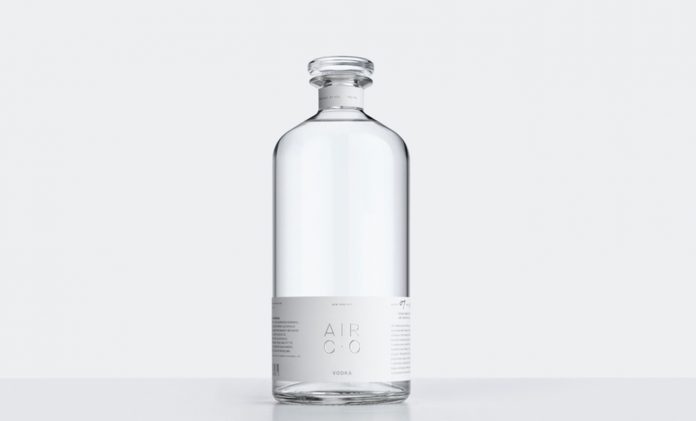
It may sound like something out of an adult fairy tale, but this clever group of entrepreneurs has managed to brew up a carbon-negative vodka “from thin air”.
In what is now being hailed as a “world-first”, the vodka is made using water, renewable energy, and carbon dioxide captured from the air.
The researchers at Air Co. use a small, solar energy-powered machine to pull CO2 from the air so the gas can be split into carbon and oxygen. Once the separated molecules are mixed with water over a metal-based catalyst, they reform to make pure ethanol.
“The process uses the same principles as photosynthesis in plants, but does so more efficiently,” electrochemist and company co-founder Stafford Sheehan told Popular Mechanics. “Following conversion, we distill the 10% ethanol to 96.5% in a custom-built, 18-plate vodka still followed by additional proprietary, trade-secret processes to purify and dilute the ethanol to a 40% alcohol-by-volume vodka.”
While brewing up a typical bottle of vodka might produce about 13 pounds of greenhouse gas emissions, Air Co. vodka actually captures one pound of CO2 for every bottle produced, which is the equivalent daily carbon intake of about 8 trees.
Additionally, the alcohol is more pure than typical vodkas because it doesn’t require distillation to remove all the impurities from grains, yeast, or fermentation processes.
The company’s eco-friendly technology, which has already scooped up awards from the likes of NASA and the United Nations, is currently only producing vodka in New York City.
Air Co. officially launched the alcohol in various Brooklyn-based bars and restaurants last week. Once the holiday season comes to an end, the vodka will be rolled out to specific regional retail markets for $65 a pop.
Toast The Good News By Sharing It With Your Friends On Social Media…
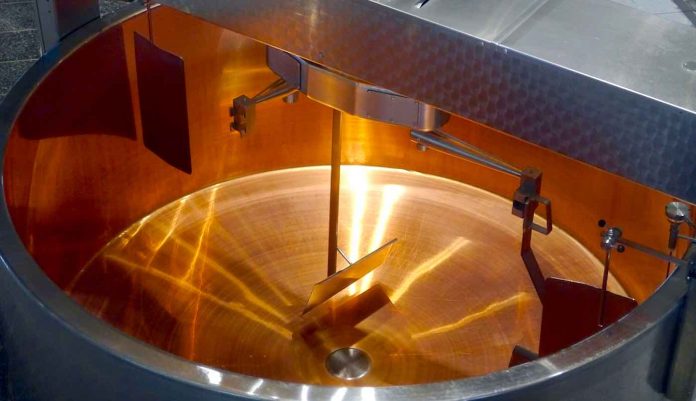
A new study has found that copper hospital beds in the Intensive Care Unit (ICU) harbored an average of 95% fewer bacteria than conventional hospital beds—and maintained these low-risk levels throughout patients’ stay in hospital.
“Hospital-acquired infections sicken approximately 2 million Americans annually, and kill nearly 100,000—numbers roughly equivalent to the number of deaths if a wide-bodied jet crashed every day,” said co-author Dr. Michael G. Schmidt, Professor of Microbiology and Immunology at the Medical University of South Carolina, Charleston. “Despite the best efforts by environmental services workers, they are neither cleaned often enough, nor well enough.”
In fact, since hospital beds are among the most contaminated surfaces in patient care settings, they are the eighth leading cause of death in the US. Nonetheless, patient beds incorporating copper surfaces—which have long been known to repel and kill bacteria—have not commonly been commercially available.
Knowledge of copper’s antimicrobial properties dates back to ancient Ayurveda, when drinking water was often stored in copper vessels to prevent illness. In the modern medical era, numerous studies have noted copper’s antimicrobial properties.
However, until recently, no-one had designed acute–care hospital beds that enabled all high-risk surfaces to be encapsulated in copper. “Based on the positive results of previous trials, we worked to get a fully encapsulated copper bed produced,” said Dr. Schmidt. “We needed to convince manufacturers that the risk to undertake this effort was worthwhile.”
This in-situational study compared the relative contamination of ICU beds outfitted with copper rails, footboards, and bed controls to traditional hospital beds with plastic surfaces. Nearly 90% of the bacterial samples taken from the tops of the plastic rails had concentrations of bacteria that exceed levels considered safe.
“The findings indicate that antimicrobial copper beds can assist infection control practitioners in their quest to keep healthcare surfaces hygienic between regular cleanings, thereby reducing the potential risk of transmitting bacteria associated with healthcare associated infections,” said Dr. Schmidt.
With the advent of copper encapsulated hospital beds, dividends will likely be paid in improved patient outcomes, lives saved, and healthcare dollars saved.
Can we get “sweetest Jeoprady! answer ever” for $400?
Alex Trebek has hosted more than 36 seasons of the beloved Jeopardy! trivia game show—but this may be one of the first times that a contestant’s answer has left him on the brink of tears.
Trebek had been hosting the “Tournament of Champions” episode of the show when contestant Dhruv Gaur failed to come up with an answer for the final round. Rather than take a lucky guess, Gaur used his final answer to write “We <3 You, Alex!” on his board.
Upon reading the message aloud, Trebek responded by saying: “That’s very kind of you. Thank you.” Contrary to his typical whip-smart demeanor, Trebek seems to struggle with his composure for a few moments before somberly concluding that Gaur’s wager left him with just five bucks.
Though game show officials have declined to discuss further details about Trebek’s health, he told People back in May that he was having a “mind-bogglingly” positive response to his chemo treatments and he was “near remission”.
“The doctors said they hadn’t seen this kind of positive result in their memory,” mused Trebek. “Some of the tumors have already shrunk by more than 50%.”
(WATCH the sweet video below)
Be Sure And Share This Sweet Story With Your Friends On Social Media…
Quote of the Day: “Miracles happen every day. Change your perception . . . you’ll see them all around you.” – Jon Bon Jovi
Photo: by Eddi van W. – CC license on Flickr, cropped
With a new inspirational quote every day, atop the perfect photo—collected and archived on our Quotes page—why not bookmark GNN.org for a daily uplift?
You may have already seen a few news stories about teachers carrying their students’ babies—but this might be the first time we’ve read about a state judge lending a helping parental hand.
Earlier this week, Tennessee Court of Appeals Judge Richard Dinkins was filmed bouncing a 1-year-old baby on his hip as he swore in a new lawyer to the state bar.
The infant’s mother, Juliana Lamar, had just graduated from Belmont University College of Law in Tennessee—and as she was preparing to recite the oath, Judge Dinkins insisted that he wanted Lamar’s son Beckham to be a part of the career-affirming ceremony.
“On the day of my swearing-in, right before we began, Judge [Dinkins] said he wanted Beckham to take part in the moment,” Lamar told BuzzFeed. “And I am so glad he did—because to have my son take part in one of the greatest moments of my life was truly a blessing.”
Since Lamar’s colleague Sarah Martin uploaded a video of the sweet ceremony to social media, it has been viewed hundreds of thousands of times—and Martin says that she is more than happy to help share Lamar’s inspiring story.
Lamar is reportedly one of four women in their class who got pregnant during law school. Thanks to the support of her husband, Lamar says she gave birth during her third year of school and proceeded to graduate this week.
Martin praised Lamar’s determination in a tweet saying: “She was back at school within a week of an emergency C-section before she was even allowed to drive or climb stairs … women are amazing.”
(WATCH the heartwarming clip below)
Y'all. Judge Dinkins of the Tennessee Court of Appeals swore in my law school colleague with her baby on his hip, and I've honestly never loved him more. pic.twitter.com/kn0L5DakHO
If you are forgetful or you tend to make mistakes when in a hurry, this new study from Michigan State University—the largest of its kind to date—found that meditation could help you to become less error-prone.
The research, published in Brain Sciences, tested how open monitoring meditation – or, meditation that focuses awareness on feelings, thoughts or sensations as they unfold in one’s mind and body – altered brain activity in a way that suggests increased error recognition.
“People’s interest in meditation and mindfulness is outpacing what science can prove in terms of effects and benefits,” said Jeff Lin, MSU psychology doctoral candidate and study co-author. “But it’s amazing to me that we were able to see how one session of a guided meditation can produce changes to brain activity in non-meditators.”
The findings suggest that different forms of meditation can have different neurocognitive effects and Lin explained that there is little research about how open monitoring meditation impacts error recognition.
“Some forms of meditation have you focus on a single object, commonly your breath, but open monitoring meditation is a bit different,” Lin said. “It has you tune inward and pay attention to everything going on in your mind and body. The goal is to sit quietly and pay close attention to where the mind travels without getting too caught up in the scenery.”
Lin and his MSU co-authors recruited more than 200 participants to test how open monitoring meditation affected how people detected and responded to errors.
The participants, who had never meditated before, were taken through a 20-minute open monitoring meditation exercise while the researchers measured brain activity through electroencephalography, or EEG. Then, they completed a computerized distraction test.
“The EEG can measure brain activity at the millisecond level, so we got precise measures of neural activity right after mistakes compared to correct responses,” Lin said. “A certain neural signal occurs about half a second after an error called the error positivity, which is linked to conscious error recognition. We found that the strength of this signal is increased in the meditators relative to controls.”
While the meditators didn’t have immediate improvements to actual task performance, the researchers’ findings offer a promising window into the potential of sustained meditation.
“These findings are a strong demonstration of what just 20 minutes of meditation can do to enhance the brain’s ability to detect and pay attention to mistakes,” said study co-author Jason Moser said. “It makes us feel more confident in what mindfulness meditation might really be capable of for performance and daily functioning right there in the moment.”
While meditation and mindfulness have gained mainstream interest in recent years, Lin is among a relatively small group of researchers that take a neuroscientific approach to assessing their psychological and performance effects.
Looking ahead, Lin said that the next phase of research will be to include a broader group of participants, test different forms of meditation and determine whether changes in brain activity can translate to behavioral changes with more long-term practice.
“It’s great to see the public’s enthusiasm for mindfulness, but there’s still plenty of work from a scientific perspective to be done to understand the benefits it can have, and equally importantly, how it actually works,” Lin said. “It’s time we start looking at it through a more rigorous lens.”
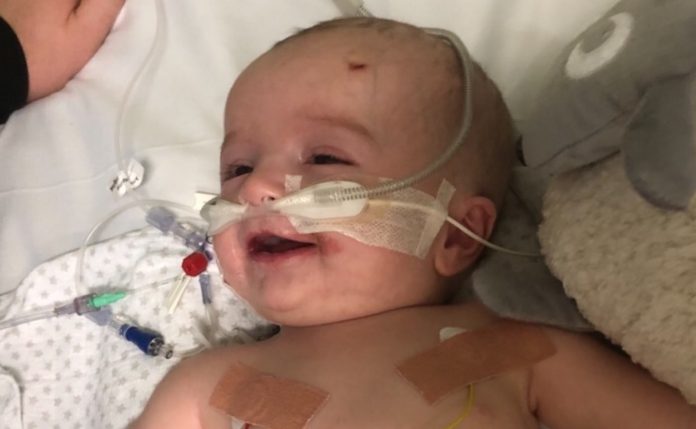
This photo of little Michael Labuschagne smiling at his father was taken just moments after he miraculously woke up from a 5-day coma—and now, the wholesome picture has helped to finance the medical procedure that will save his life.
Michael was just 14 weeks old when he suddenly suffered from heart failure at his parents’ home in Bristol, England back in March.
Astonishingly, paramedics managed to save the baby boy and he survived the incident.
“He survived an out-of-hospital cardiac arrest which only 7% patients do!” says Michael’s mother Emma. “He was diagnosed with a cardiac fibroma [tumor] attached to the septum within the left chamber of his heart. This is so rare that only a handful of patients have ever been diagnosed with this is in the UK.”
Michael was in a coma for five days following his heart attack, but Emma managed to capture the heartwarming moment that Michael woke up from the coma and smiled at his father.
“It’s a moment I will cherish with every inch of my heart,” she told CNN. “To be really honest, it’s got to be the happiest moment of my life. He is a living miracle, and we have never felt prouder of him.”
Michael’s parents were then told that the boy’s best chance of survival would be to get the tumor removed at Boston Children’s Hospital, which—in addition to being ranked the best pediatric hospital in the world—employs a team of surgeons who have already successfully completed this operation several times in the past.
Since the condition is so rare, no surgeon in the United Kingdom is capable of conducting the surgery. So rather than taking their chances with putting Michael on a heart transplant list, the Labuschagnes launched a GoFundMe page last month to finance their son’s transportation to Boston and his $147,000 (£116,000) operation.
After Michael’s heart-melting smile was featured on international news outlets, the campaign surged past its original goal and raised more than $253,000 (£197,000) for his care.
“We never dreamt we would be in this situation in such a short space of time. We are still in shock and coming to terms with what has happened,” Emma wrote on the campaign page. “Our original GoFundMe target only reflected the cost we were quoted for Michaels operation. Now we have more than enough to cover any unexpected medical care, travel, accommodation, any ongoing care and return visits.
“We honestly don’t know how we can thank you all. This has lifted a massive weight from our family and we can proceed with Michaels operation as early as February!!!” she added. “We have stopped actively fundraising now we have exceeded our target. Any additional donations after all of Michael’s costs have been covered will be donated to another family in a similar situation.”
Be Sure And Share This Miraculous Story With Your Friends On Social Media…