Growing older is inevitable—and a privilege for those who survive their youth. But accepting the changes in your body and lifestyle can be a hard pill to swallow for some.
In fact, in the UK there are an average of 5,400 Google searches every month for “best anti-aging cream”.
But what are the positives of aging? Is anybody shouting about them?
The Office for National Statistics recently revealed that the number of over-85s in the UK is set to increase from 1.6 million in 2018 to 3 million by 2043. As more people reach their ‘Silver Senior’ years, it’s time to celebrate aging and the benefits it brings.
A recent survey of 2,000 adults over the age of 50 sought to uncover their perceptions of aging. Most importantly, it aimed to discover the things they liked about being older—the benefits we all have to look forward to.
The respondents, all living in the U.K., were given a set of questions and a list of aspects of aging to choose from. Overall, 25% of respondents felt very positively about aging. Nearly half of the women (47%) either agreed, or somewhat agreed, that their self-confidence has grown with age. 41% also felt their sense of fulfillment has increased, too.
Meanwhile, 43% of men also believed their self-confidence had increased, and 40% believed their sense of fulfillment has developed, too.
WHAT ARE THE BEST THINGS ABOUT AGING? Survey Says…
Life experience
Being comfortable in your own skin
Having a greater sense of gratitude for the smaller things in life
Independence and freedom (perhaps related to not being tied down to job or family)
Ability to let things go
The cities that proved to have the most positive outlook on getting older might surprise you; Belfast came out on top, closely followed by Newcastle and Leicester.
In case you have difficulties finding the positive aspects of aging, Julie Jennings Dip COT HCPC, an independent occupational therapist, has compiled some tips on how to maintain a healthy and happy mindset as you age that you check out here.
The survey was conducted by One Poll on behalf of HSL, a company that works with Julie to make handcrafted furniture more ergonomic in the UK.
Be Sure And Share This Evergreen Survey With Your Friends On Social Media…
Rather than sharing ice cream with Tom Hanks, this particular “Lieutenant Dan” is on track to become the mascot for Cadbury candy.
The two-legged pup from New Richmond, Ohio is just one of the ten finalists vying to be the official new Cadbury Bunny. Although his Instagram bio says that he was “born a little different,” he apparently still knows “how to live life to the fullest.”
Assuming Lieutenant Dan wins, he will also be awarded $5,000 and a starring role in the next Cadbury commercial.
With Bhutan being ranked one of the most eco-friendly countries in the world, the king of the small nation asked his people to celebrate his most recent birthday in the most perfect way.
King Jigme Khesar Namgyel Wangchuck turned 40 years old on February 21st. Rather than ask for gifts, however, he told the people of Bhutan to either plant a tree, adopt a stray animal, or clean up their neighborhood in his honor.
Prime Minister Dr. Lotay Tshering announced the heartwarming wish to the world during a series of birthday celebrations and festivities at Changlimithang Stadium, saying “personal commitment such as this … would be the best gift for His Majesty.”
This is not the first time that the King has asked his people to plant trees on his behalf—back in May 2016, he and his wife celebrated the birth of their firstborn son by asking each of the nation’s households to plant a sapling, resulting in more than 108,000 trees planted.
Since the King and Queen are also now expecting the arrival of a second child this spring, the nation is quite likely to rejoice with an equally green ritual.
Plant Some Positivity By Sharing The Good News With Your Friends On Social Media…
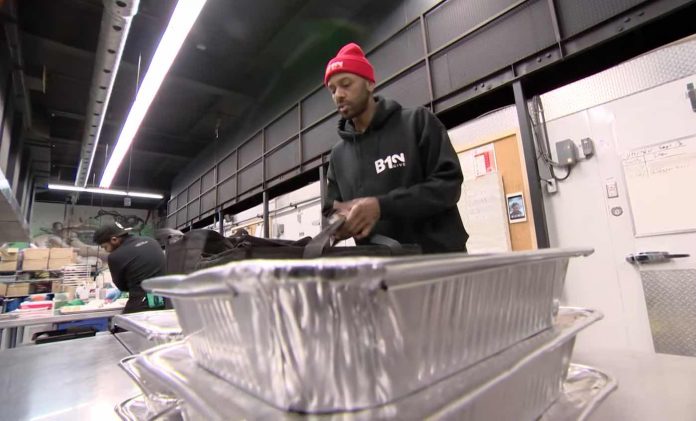
It’s been three years since Tony Colley barely had enough money to feed himself—and now, he is making sure that other people won’t have to suffer from the same hunger.
Colley is the mastermind behind B12Give—an “Uber Eats-style” project that rescues leftover food from catering events and donates it to homeless shelters and food pantries.
Since he launched the project last May, he has picked up and delivered more than 11,000 pounds of surplus food to charities throughout the greater Toronto area.
Colley says he was inspired to start B12Give after he landed a job as a part-time event manager for a catering company. Throughout the course of his job, he was heartbroken to see the amount of surplus food that was thrown out at the end of an event—so he started delivering the meals to shelters on his bike after each event.
Now, retailers participating in the B12Give subscription service can simply send a text to Colley whenever they have food to pickup. Colley can then drive the food over to the charities within the hour, making B12Give the first barrier-free food diversion program in Canada.
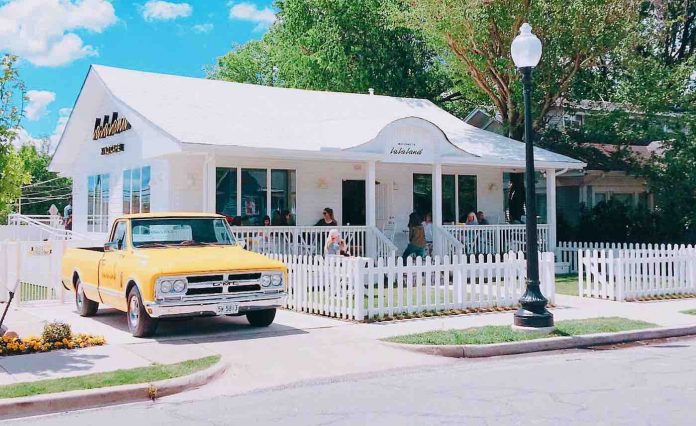
A Texas coffee shop is being praised for building its business around hiring young workers who have aged out of the foster car system.
The La La Land Kindness Café in Dallas has gone out of its way to hire 9 former foster kids who were facing troubled times after turning 18 years old.
Since many foster kids are left without a support system once they age out of the system, many of them can end up on the streets—but not if Francois Reihani has anything to say about it.
The 24-year-old entrepreneur says that he was first inspired to launch the La La Land business model after he attended an informational meeting for a local nonprofit serving foster kids in Texas. Not only has the restaurant served as a place of employment for the at-risk youth, it has also become a safe haven and community support system for all of the employees.
“We’re not in the business of coffee, we just serve coffee—we’re definitely in the business of kindness,” Reihani told CBS News.
Reihani now hopes that his café will inspire other small businesses to adopt similar initiatives. For 20-year-old employee Ciara Morton who overcame homeless and depression after joining the La La Land workforce last year, the experience has been life-changing.
“I have people to believe in me and support me. I’ve never had that kind of support in my life,” she told CBSDFW. “So I’ve been able to believe in myself, and realize what I want in life and chase after it.”
Serve Up This Inspiring Story Of Kindness To Your Friends On Social Media…
In a hearing on Capitol Hill yesterday, a congresswoman managed to secure a verbal confirmation from the director of the Centers for Disease Control and Prevention (CDC) that he would use his power under law to make coronavirus testing free for all Americans.
Rep. Katie Porter (D-CA) delivered an impassioned argument for free COVID-19 testing to CDC Director Dr. Robert Redfield, and also Robert Kadlec, assistant secretary of Health and Human Services during a House oversight committee Thursday.
Porter used a whiteboard to tally up the average out-of-pocket costs of virus testing and ER visit in the U.S., stating that some Americans wouldn’t have the money, and so might stay home rather than get tested.
She then cited a statute from the Code of Federal Regulation which allows the CDC to authorize payment for the “care and treatment of individuals subject to medical examination, quarantine, isolation, and conditional release.”
After several minutes of pressing Redfield to commit to offering free testing and treatment to all Americans, regardless of insurance, he relented. “I think you’re an excellent questioner,” he said, “so my answer is yes.”
You can learn more about laboratories currently offering COVID-19 testing on the CDC website.
Porter, and two of her colleagues—Rep. Rosa DeLauro (D-Conn.) and Rep. Lauren Underwood (D-Ill.)—sent a letter to officials raising this issue of free testing last week, and have promised to hold the administration to this commitment, noting that the Director was under oath.
The congressional video of Porter’s interrogation at the hearing has already been viewed more than 50 million times since it was posted to her Twitter account on Thursday.
Share This Important News With Your Friends On Social Media…
Quote of the Day: “We suffer more from imagination than from reality.” – Seneca
Photo: by Josh Hild – public domain
With a new inspirational quote every day, atop the perfect photo—collected and archived on our Quote of the Day page—why not bookmark GNN.org for a daily uplift?
Reposted on #ThrowbackThursday, in case you missed it…
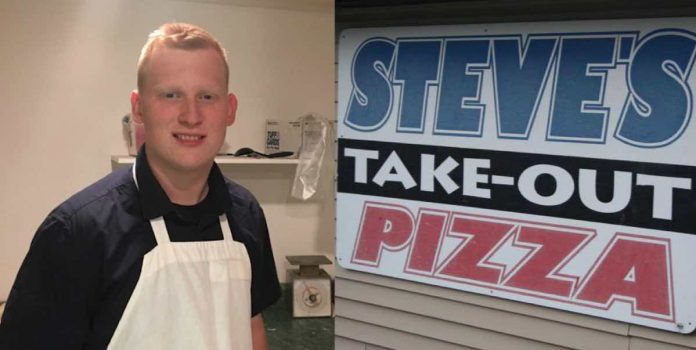
An 18-year-old pizzeria worker was praised for going above and beyond the call of duty after he broke the restaurant’s take-out rule to deliver a pizza to a family’s home three and a half hours away.
Julie and Rich Morgan had been reminiscing about the legendary pies that are served up at Steve’s Pizza place in Battle Creek, Michigan. It had been 25 years since the couple lived in the city, but despite the distance, the fabled restaurant still set the bar for the perfect slice of pizza.
“We were young and money was tight, but every pay day, Rich would pick up Steve’s Pizza for dinner,” Julie wrote in a Facebook post. “I can’t possibly describe how delicious this pizza is—but several moves and all these years later, it is still the gold standard and we’ve never found a better pizza yet. Rich has frequently critiqued other pizza as ‘good, but it’s no Steve’s.’”
Julie and Rich had been planning on visiting Battle Creek for her birthday—but as their vacation loomed closer, an unexpected cancer diagnosis left Rich in hospice.
“We talked about seeing the leaves and the lakeshore, but that was secondary to our planned visit to Steve’s,” says Julie. “Instead, I took Rich to the ER where he landed in ICU for five days, and where we learned the news that his valiant cancer battle was coming to an end.”
Unbeknownst to the couple, Julie’s father called Steve’s Pizza in hopes of getting a letter, text, or friendly phone call from the restaurant—but as fate would have it, the restaurant’s manager, 18-year-old Dalton Shaffer, answered the phone instead.
After listening to the plight of the Morgan family, Shaffer immediately asked what kind of pizzas the couple liked. Julie’s father emphasized that they lived in Indianapolis—which is 225 miles away from Battle Creek.
Despite the restaurant maintaining a firm take out-only rule, Shaffer waved away the man’s protests and said that he would be delivering two pepperoni pizzas to the couple’s house after he closed the store for the night.
True to his word, Shaffer drove for three and a half hours until he finally arrived at the Morgan’s house.
“And so, while Rich and I slept, at 2:30 AM, Dalton rolled into our driveway, left the car running and delivered two extra special pizzas to my waiting family,” wrote Julie. “He told them we were in his prayers, and offered to help in any way he could.
“My dad offered to put him up in a hotel, but he refused and immediately left for the return trip home because he had to work the next day,” she added.
Though the Morgan family has lauded praise about the pizzeria and their compassionate store manager, Shaffer remained humble. When asked about his extraordinary good deed, Shaffer told the Battle Creek Enquirer: “I just wanted to do that for them. I just wanted to make them happy.”
As a means of expressing her gratitude, Julie posted a photo of the legendary pie to Facebook, saying: “I am beyond overwhelmed and humbled by this act of genuine kindness. Dalton brought our family so much joy—and the best pizza in the world—at a really difficult time.
“While ‘thank you’ hardly seems adequate—from the bottom of my heart, thank you, Dalton … for making your epic middle of the night pizza delivery!”
Pie It Forward By Sharing This Sweet Story Of Kindness With Friends (Photo by Dalton Shaffer / Steve’s Pizza Facebook – Article originally published on GNN in October 2018)
Standing desks are so passé—it’s time for squatting desks.
A USC-led study shows that squatting and kneeling were important resting positions in human evolution—and may be important for modern human health.
Sitting for hours a day is linked to some health risks, including cardiovascular disease, likely because it involves low muscle activity and low muscle metabolism. However, these risks seem paradoxical. For humans, evolutionary pressures favor conserving energy. Spending a lot of time sitting would seem to accomplish that goal. So, why should sitting be so harmful?
The USC-led team has shown that resting postures used before the invention of chairs—like squatting and kneeling—may hold the answer, as they involve higher levels of muscle activity then chair-sitting. These more active rest postures may help protect people from the harmful effects of inactivity.
“We tend to think human physiology is adapted to the conditions in which we evolved,” said David Raichlen, a professor of biological sciences at the USC Dornsife College of Letters, Arts and Sciences. “So, we assumed that if inactivity is harmful, our evolutionary history would not have included much time spent sitting the way we do today.”
The study was published this week in the journal Proceedings of the National Academy of Sciences.
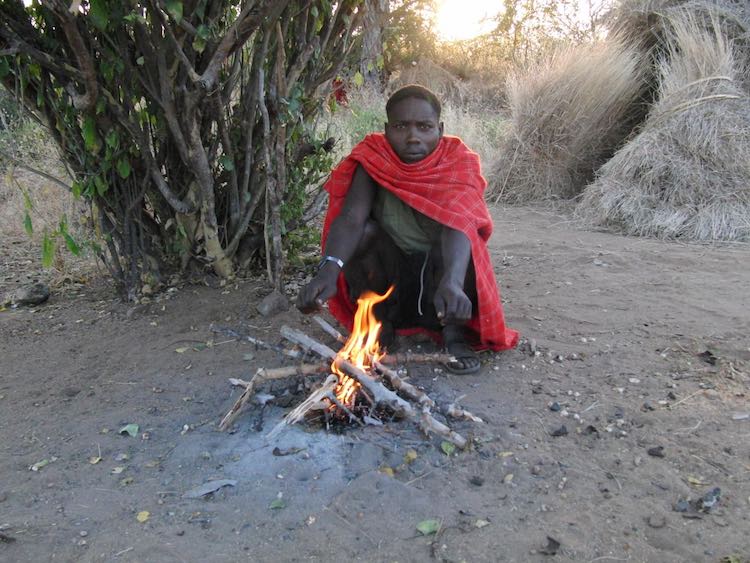
To better understand the evolution of sedentary behaviors, the scientists studied inactivity in a group of Tanzanian hunter-gatherers, the Hadza, who have a lifestyle that is similar in some ways with how humans lived in the past.
For the study, Hadza participants wore devices that measured physical activity and periods of rest. The scientists found that they had high levels of physical activity—over three times as much as the 22 minutes per day advised by U.S. federal health guidelines.
But the scientists also found that they had high levels of inactivity.
In fact, the Hadza are sedentary for about as much time—around 9 to 10 hours per day—as humans in more developed countries. However, they appear to lack the markers of chronic diseases that are associated, in industrialized societies, with long periods of sitting. The reason for this disconnect may lie in how they rest.
“Even though there were long periods of inactivity, one of the key differences we noticed is that the Hadza are often resting in postures that require their muscles to maintain light levels of activity—either in a squat or kneeling,” Raichlen said.
In addition to tracking activity and inactivity, the researchers used specialized equipment to measure muscle activity in the lower limbs in different resting postures. Squatting involved more muscle activity compared to sitting.
The researchers suggested that because the Hadza squat and kneel and have high levels of movement when not at rest, they may have more consistent muscle activity throughout the day. This could reduce the health risks associated with sedentary behavior.
The Hadza in Tanzania tend to squat or kneel when taking a break, which scientists believe may spare them from some risks for heart and metabolic diseases. Photo by David Raichlen of USC and Brian Wood of UCLA.
“Being a couch potato—or even sitting in an office chair—requires less muscle activity than squatting or kneeling,” Raichlen said. “Since light levels of muscle activity require fuel, which generally means burning fats, then squatting and kneeling postures may not be as harmful as sitting in chairs.”
In developed countries, humans spend inactive periods sitting on their duffs in chairs, recliners or sofas, so the only time they activate their leg muscles is when they bend their knees to slide into the seat. On average, people in more industrialized societies, including the United States and Europe, spend about nine hours per day sitting.
“Preferences or behaviors that conserve energy have been key to our species’ evolutionary success,” said Brian Wood, an anthropologist at the University of California, Los Angeles, who has worked with the Hazda people for 16 years. “But when environments change rapidly, these same preferences can lead to less optimal outcomes. Prolonged sitting is one example.”
The scientists dubbed this the “Inactivity Mismatch Hypothesis.”
“Replacing chair sitting and associated muscular inactivity with more sustained active rest postures may represent a behavioral paradigm that should be explored in future experimental work,” they wrote. Resolving this inactivity mismatch with our evolutionary past could pay off in better health today.
“Squatting is not a likely alternative,” Raichlen said, “but spending more time in postures that at least require some low-level muscle activity could be good for our health.”
A study of the second HIV patient to undergo successful stem cell transplantation from donors with an HIV-resistant gene, finds that there was no active viral infection in the patient’s blood 30 months after they stopped anti-retroviral therapy.
Although there was no active viral infection in the patient’s body, remnants of integrated HIV-1 DNA remained in tissue samples, which were also found in the first patient to be cured of HIV.
According to the case report published in The Lancet HIV journal and presented at CROI (Conference on Retroviruses and Opportunistic Infections), the study authors suggest that these can be regarded as so-called “fossils”, as they are unlikely to be capable of reproducing the virus.
Lead author on the study, Professor Ravindra Kumar Gupta from the University of Cambridge, says: “We propose that these results represent the second ever case of a patient to be cured of HIV. Our findings show that the success of stem cell transplantation as a cure for HIV, first reported nine years ago in the Berlin patient, can be replicated.”
“It is important to note that this curative treatment is high-risk, and only used as a last resort for patients with HIV who also have life-threatening haematological malignancies,” he added. “Therefore, this is not a treatment that would be offered widely to patients with HIV who are on successful antiretroviral treatment.”
While most HIV patients can manage the virus with current treatment options and have the possibility of living a long and healthy life, experimental research of this kind following patients who have undergone high-risk, last-resort curative treatments, can provide insight into how a more widely applicable cure might be developed in the future.
In 2011, another patient based in Berlin (the “Berlin patient”) was the first HIV patient to be reported cured of the virus three and half years after undergoing similar treatment. Their treatment included total body irradiation, two rounds of stem cell transplant from a donor who carried a gene that is resistant to HIV, and a chemotherapy drug regimen. The transplant aims to make the virus unable to replicate in the patient’s body by replacing the patient’s immune cells with those of the donors, whilst the body irradiation and chemotherapy targets any residual HIV virus.
The patient reported in this study (the “London patient”), underwent one stem-cell transplantation, a reduced-intensity chemotherapy drug regimen, without whole body irradiation. In 2019, it was reported that their HIV was in remission, and this study provides follow-up viral load blood test results at 30-months and a modeling analysis to predict the chances of viral re-emergence.
Ultrasensitive viral load sampling from the London patient’s cerebrospinal fluid, intestinal tissue, or lymphoid tissue was taken at 29 months after interruption of ART and viral load sampling of their blood at 30 months. At 29 months, CD4 cell count (indicators of immune system health and stem cell transplantation success) was measured, and the extent to which the patient’s immune cells have been replaced by those derived from the transplant.
Results showed no active viral infection was detected in samples of the patient’s blood at 30 months, or in their cerebrospinal fluid, semen, intestinal tissue, and lymphoid tissue 29 months after stopping ART.
The patient had a healthy CD4 cell count, suggesting they have recovered well from the transplant, with their CD4 cells replaced by cells derived from the HIV-resistant transplanted stem cells.
Furthermore, 99% of the patient’s immune cells were derived from the donor’s stem cells, indicating the stem-cell transplant had been successful.
Since it was not possible to measure proportion of cells derived from the donor’s stem cells in all parts of the patient’s body (i.e. measurement was not possible in some tissue cells like lymph nodes), the authors used a modeling analysis to predict the probability of cure based on two possible scenarios. If 80% of patient’s cells are derived from the transplant, the probability of cure is predicted at 98%; whereas if they have 90% donor derived cells, they predict a 99% probability of cure.
Comparing to the treatment used on the Berlin patient, the authors highlight that their case study of the London patient represents a step towards a less intensive treatment approach, showing that the long-term remission of HIV can be achieved using reduced intensity drug regimens, with one stem cell transplant (rather than two) and without total body irradiation.
However, being only the second reported patient to undergo this experimental treatment successfully, the authors note that that the London patient will need continued, but much less frequent, monitoring for re-emergence of the virus.
That being said, the London patient—Adam Castillejo—has gone public with his identity in hopes that he can be a positive role model for other people living with HIV.
Blake Leeper has never let his lack of legs prevent him from pursuing his passion for sports—and now, he is fighting to become the first American amputee to participate in the Olympics.
Since Leeper discovered his passion for track and field in college, he has gone on to become a Paralympic champion and international silver- and bronze-medalist.
Despite these achievements the 30-year-old double amputee has been denied a chance to compete for Team USA in the Tokyo 2020 Olympics alongside able-bodied athletes because the World Athletics ruled that his prosthetic running blades gave him an unfair advantage over his competitors.
However, Leeper will not be deterred—he has filed for an appeal with the Court of Arbitration for Sport (CAS) to let him compete.
“World Athletics’s decision to bar me from participating in the World Championships was a blow to all disabled athletes, but I will not be deterred. I trust in CAS to recognize that I do not have any advantage over able-bodied athletes,” Leeper said in a statement. “I just want a fair chance to compete. For as long as I can remember, I have dreamed of participating in the Olympics with the best runners in the world, and I have shown myself capable of competing with them. But I will need the help of the Court … to make my dream a reality.”
(WATCH the Great Big Story video below) – Photo by Great Big Story
Run This Inspiring Story Over To Your Friends By Sharing It To Social Media…
Rather than fight vitriol with vitriol, a Muslim politician who is running for a seat in Congress responded to some “deeply hurtful anti-Muslim tweets” with compassion—and it completely changed the dialogue.
Attorney Qasim Rashid, a Democrat who is running for U.S. Representative in the 1st district of Virginia, was disturbed to receive a series of racist messages from a conservative constituent on Twitter.
The man in question was a 66-year-old Fredericksburg resident named Oz Dillon.
Dillon has been struggling to pay the bills since his wife suffered a pulmonary embolism that wiped out their retirement savings. In addition to having a modest income of just $38,000 per year, Dillon and his wife have been coping with soaring insurance rates and a house that is not handicap accessible.
When Rashid learned of Dillon’s financial difficulties on Twitter, he donated to Dillon’s GoFundMe campaign and encouraged his community of voters to do the same.
Inspired by Rashid’s kindness, many of his social media followers did, indeed, donate to the crowdfunding page, leaving Dillon “in awe”.
Dillon apologized for his earlier insults and thanked him for showing such compassion.
I look forward to the beginning of a wonderful friendship.
And I can’t wait to share the full story with y’all so stay tuned
In the meantime if you’re so inclined, you can support Oz & his wife here: https://t.co/uq9MCxiN5t
— Qasim Rashid for Congress (@QasimRashid) March 9, 2020
“Mr. Rashid, You humble me sir, with your graciousness, and surprisingly kind words,” he said in a message to Rashid. “You cannot imagine how uplifting it is, to see gifts such as yours starting to come in! Given how I have misspoken about you in posts on Facebook, I am truly shocked, that you have shared my wife and my plight with your supporters. I must now reassess my opinion about you, and your platform, come November.”
He also published a note of thanks to his benefactors on GoFundMe.
“An amazing week of eye- and heart-opening enlightenment, that I used to always have before 9/11,” he said “A Christian Muslim, Qasim Rashid, who I had previously opposed politically just because of the word Muslim, has opened my eyes that there are GOOD people in all walks of life.
“He shared our plight with his followers, who in turn donated nearly $1,000 dollars to help Terri and I get rid of this crushing debt. I owe him, and everyone in fact, a deep debt of gratitude, and pray you are all rewarded tenfold, for your generosity.”
Since their story has been shared on social media and news outlets, Dillon’s crowdfunding campaign has raised more than $20,000—and Rashid went to meet the voter in person to develop their newfound friendship.
Be Sure And Share This Inspiring Story With Your Friends On Social Media…
Quote of the Day: “If I have lost confidence in myself, I have the universe against me.” – Ralph Waldo Emerson
Photo: by Etty Fidele – public domain
With a new inspirational quote every day, atop the perfect photo—collected and archived on our Quote of the Day page—why not bookmark GNN.org for a daily uplift?
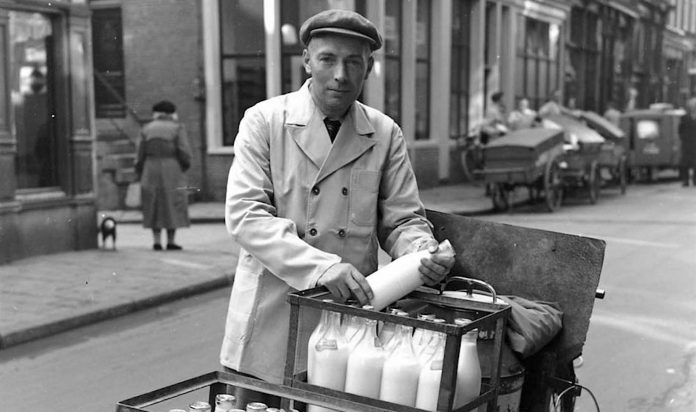
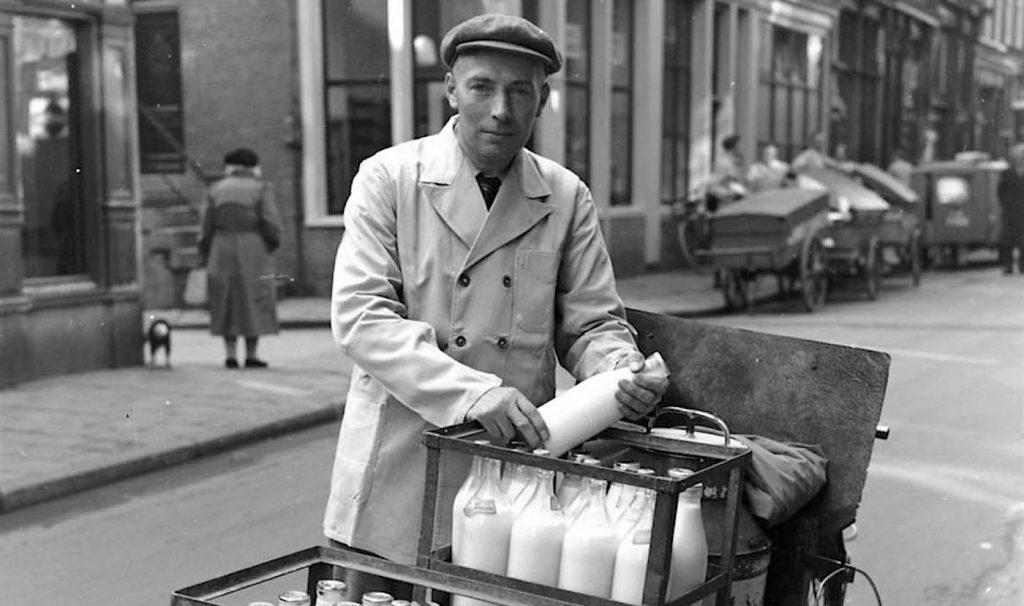
For several generations of young Americans, the idea of a ‘milkman’ is a completely foreign concept. But if you lived in the 40s, 50s, and 60s, and you were in the middle-class, you likely had a delivery truck dropping off fresh bottles of milk on your front porch—and you would leave the empties outside to be picked up. It was super convenient—and, better yet, there was no waste generated in the process.
With tons of plastic containers overrunning landfills, and an innovative partnership of consumer brands emerging, the milkman idea of circulating containers is making a comeback.
Loop launched in Paris and New York one year ago as a company that ships customers their favorite products packaged in reusable stainless steel or glass containers to be collected later for cleaning and refilling—just like your grandfather’s milk.
They quickly expanding their operation to cover much of the U.S. Mid-Atlantic region, and this month Loop will be bringing their pioneering business model to the UK, a move they hope will make them the biggest eliminator of single-use plastics in the global grocery market. They also announced plans to expand soon into Canada, Germany, and Japan.
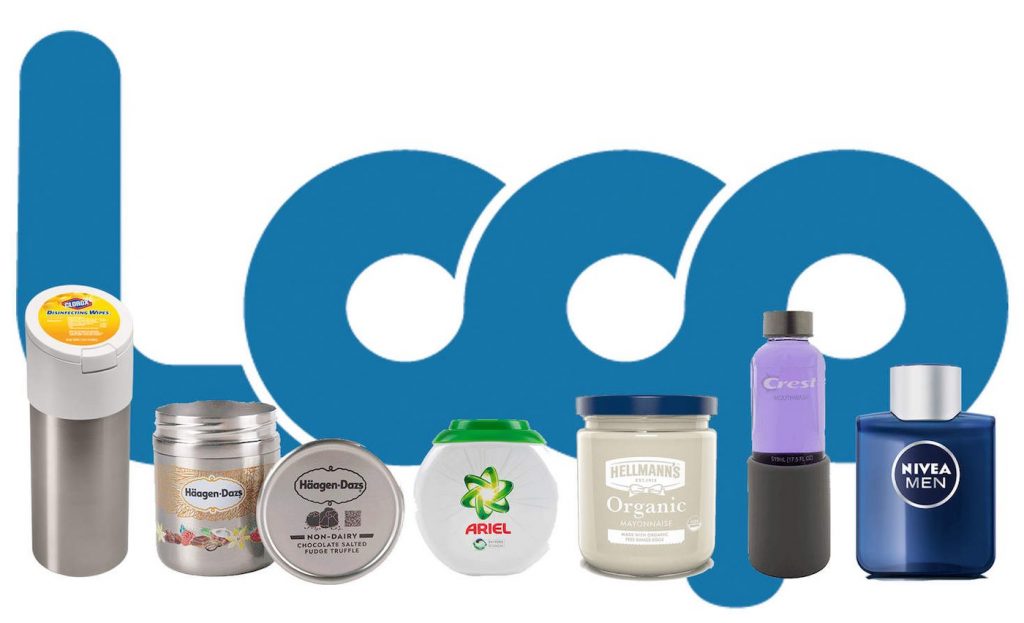
Loop teamed up with some of the biggest consumer industry giants to create eco-versions of hundreds of popular products like Tropicana, Haagen-Dazs, or Hellmann’s mayonnaise; cleaning products like Tide and Clorox wipes; and skin and hair care essentials like deodorants, from companies like Dove, Pantene, L’Oreal, and Crest. Procter & Gamble, Loop’s biggest partner, which also owns a 2 percent stake in the enterprise, tapped into 10 of its most iconic brands as part of the Loop 2019 launch, including Ariel, Cascade, Crest, Febreze, Gillette, Pantene, Pampers, and Tide, according to GreenBiz.
Image by Loop
Stateside, the refillable products are available at Kroger and Walgreens, in addition to the online Loop store, and they cost nearly the same as their plastic counterparts, except for the cost of a deposit.
Founded by the brilliant recycling company TerraCycle, Loop plans to expand across the U.S. this year where more consumers in specific zip codes can place empties inside their Loop insulated zipper tote on the doorstep—to be picked up, washed, and reused.
In France, where Loop has already partnered with Carrefour—one of the largest grocery chains in Europe, consumers pay a small deposit on the items purchased, in case the packages aren’t returned later. This includes small bottles, where a deposit might only be a few cents, or large tubs that might contain laundry soap or paper towels
1953 photo by Ben van Meerendonk / AHF, collectie IISG, Amsterdam
When asked about the hefty carbon footprint of shipping the products all over the country and then shipping them back for washing and refilling, Loop’s founder, the mastermind of Terracycle, Tom Szaky, explained that if you add up all the energy and shipping it takes to create and distribute plastic, the carbon footprint is cut in half—plus you are digging up the actual root of the plastic problem, so it can be eliminated.
Furthermore, as drone delivery technology becomes more and more feasible in major cities, delivery will become much cheaper and more energy efficient. Companies like DHL, UPS, Amazon, Google, Dominoes, Rakuten, and 7-11 all have drone-delivery technology.
According to the Business Insider 2018-2020 report on online grocery shopping, 10% of consumers utilize online grocery store options, while the market value of these services doubled from $12 billion in 2016 to $26 billion in 2018 and shows no sign of slowing down.
It’s possible that in the next ten years thanks to companies like Loop, all the benefits of the friendly neighborhood milkman will be resurrected to create a healthier planet for all.
Deliver The Awesome News To Friends By Sharing This To Social Media…
One North Carolina business owner is opening up his heart to the homeless by opening up his parking lot to people who may be living out of their cars.
James Charles is the manager of Kiplin’s Automotive Group in Charlotte, North Carolina. For about two months now, he has been encouraging people sleeping in their cars to use the company’s parking lot as a safe place to sleep at night.
Charles was first inspired to pursue his labor of love after his repossession team tried to take back a woman’s car back in January.
“The gentleman who was repossessing the car said, ‘We can’t take the car, there’s somebody living in the car,’” Charles told WBTV.
When he tried to get the woman into a homeless shelter, however, he was shocked to find that every shelter in the city was full. Although he paid for her to stay in a hotel for a few nights, he knew that there were other people suffering from the same dilemma.
“That was really the sign we took at that time and we realized, ‘You know what? This is something we need to be more involved in,’” he recalled.
Charles made a Facebook post back in January encouraging community members to spread the word about his initiative: “We would like to designate a safe place for those going through this tough time. We can’t put everyone in a hotel, but we can get you a safe place for the night,” wrote Charles. “We will provide a safe place to park at night. As this service to the community develops, we will look to help these families in other ways, but right now, a safe place is what we can offer.”
Since more and more people have shared his social media post, more and more people have donated hats, scarves, food, toiletries, and even a portable toilet for the parking lot. Not only that, about 20 different people have taken Charles up on his offer to park their cars overnight at the lot.
The influx of donations also inspired Charles to start his nonprofit, HALO Now, in order to raise money for the homeless people of Charlotte—and his GoFundMe campaign for the charity mission has raised more than $30,000.
“Any donations, no matter how small, will go towards helping homeless individuals and families who have fallen in between the cracks and need a helping hand,” reads the page. “One hand washes the other, two hands wash the face.”
(WATCH the news coverage below) – Feature photo by Kiplin Automotive Group
Be Sure And Share This Inspiring Story Of Kindness With Your Friends On Social Media…
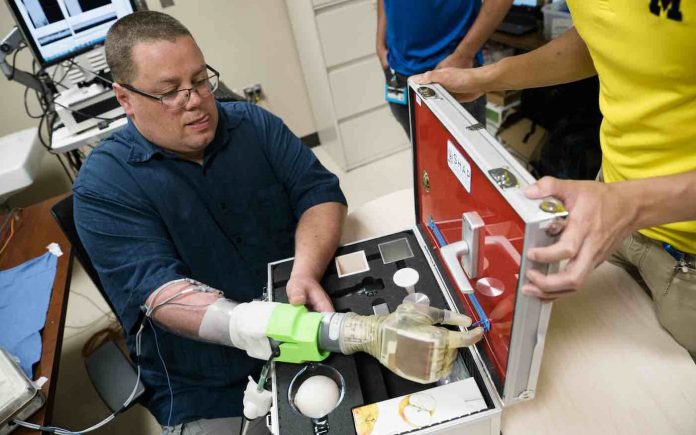
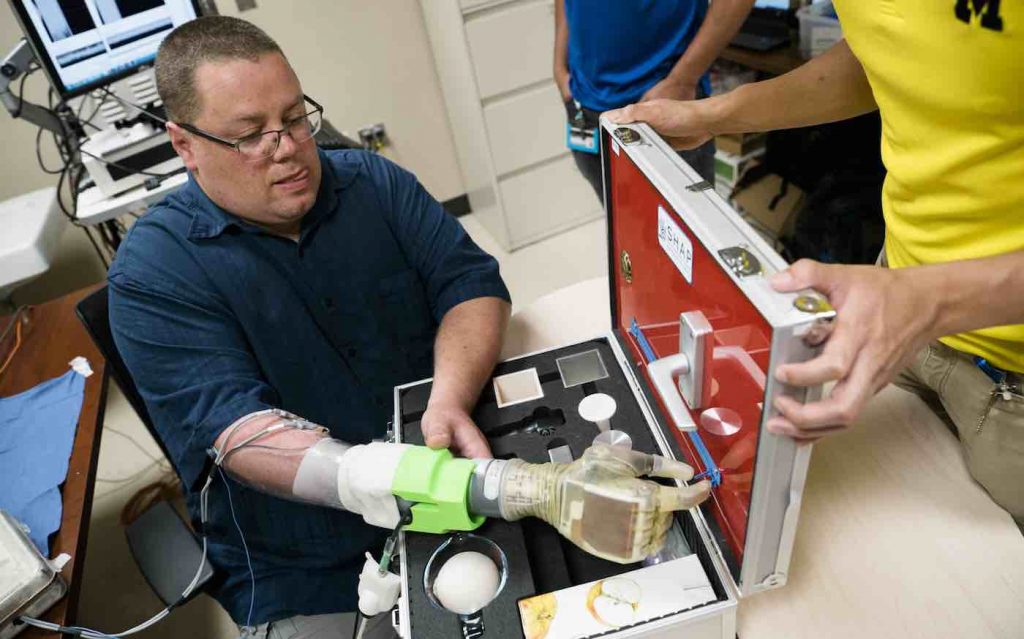
Joe Hamilton, a participant in the University of Michigan RPNI study, naturally uses his mind to control a DEKA prosthetic hand to pinch a small zipper on a hand development testing platform. Photo by Evan Dougherty / Michigan Engineering.
In a major advance in mind-controlled prosthetics for amputees, University of Michigan researchers have tapped faint, latent signals from arm nerves and amplified them to enable real-time, intuitive, finger-level control of a robotic hand.
To achieve this, the researchers developed a way to tame temperamental nerve endings, separate thick nerve bundles into smaller fibers that enable more precise control, and amplify the signals coming through those nerves. The approach involves tiny muscle grafts and machine learning algorithms borrowed from the brain-machine interface field.
“This is the biggest advance in motor control for people with amputations in many years,” said Paul Cederna, who is the Robert Oneal Collegiate Professor of Plastic Surgery at the U-M Medical School, as well as a professor of biomedical engineering.
“We have developed a technique to provide individual finger control of prosthetic devices using the nerves in a patient’s residual limb. With it, we have been able to provide some of the most advanced prosthetic control that the world has seen.”
Cederna co-leads the research with Cindy Chestek, associate professor of biomedical engineering at the U-M College of Engineering. In a paper published this week in Science Translational Medicine, they describe results with four study participants using the Mobius Bionics LUKE arm.
Intuitive prosthetic control works on the first try
“You can make a prosthetic hand do a lot of things, but that doesn’t mean that the person is intuitively controlling it. The difference is when it works on the first try just by thinking about it, and that’s what our approach offers,” Chestek said. “This worked the very first time we tried it. There’s no learning for the participants. All of the learning happens in our algorithms. That’s different from other approaches.”
While study participants aren’t yet allowed to take the arm home, in the lab, they were able to pick up blocks with a pincer grasp; move their thumb in a continuous motion, rather than have to choose from two positions; lift spherically shaped objects; and even play in a version of Rock, Paper, Scissors called Rock, Paper, Pliers.
“It’s like you have a hand again,” said study participant Joe Hamilton, who lost his arm in a fireworks accident in 2013. “You can pretty much do anything you can do with a real hand with that hand. It brings you back to a sense of normalcy.”
Joe Hamilton, a participant in the University of Michigan RPNI study, naturally uses his mind to control a DEKA prosthetic hand to pinch a small zipper on a hand development testing platform. Photo by Evan Dougherty / Michigan Engineering.
Turning a tiny muscle graft into a nerve signal amplifier
One of the biggest hurdles in mind-controlled prosthetics is tapping into a strong and stable nerve signal to feed the bionic limb. Some research groups—those working in the brain-machine interface field—go all the way to the primary source, the brain. This is necessary when working with people who are paralyzed. But it’s invasive and high-risk.
For people with amputations, peripheral nerves—the network that fans out from the brain and spinal cord—have been interesting, but they hadn’t yet led to a long-term solution for a couple of reasons: The nerve signals they carry are small. And other approaches to picking up those signals involved probes that eavesdropped by force. These “nails in nerves,” as researchers sometimes refer to them, lead to scar tissue, which muddles that already faint signal over time.
The U-M team came up with a better way. They wrapped tiny muscle grafts around the nerve endings in the participants’ arms. These “regenerative peripheral nerve interfaces,” or RPNIs, offer severed nerves new tissue to latch on to. This prevents the growth of nerve masses called neuromas that lead to phantom limb pain. And it gives the nerves a megaphone. The muscle grafts amplify the nerve signals. Two patients had electrodes implanted in their muscle grafts, and the electrodes were able to record these nerve signals and pass them on to a prosthetic hand in real time.
“To my knowledge, we’ve seen the largest voltage recorded from a nerve compared to all previous results,” Chestek said. “In previous approaches, you might get 5 microvolts or 50 microvolts—very very small signals. We’ve seen the first ever millivolt signals.
“So now we can access the signals associated with individual thumb movement, multidegree of freedom thumb movement, individual fingers. This opens up a whole new world for people who are upper limb prosthesis users.”
And their interface has already lasted years. Others degrade within months due to scar tissue.
The future of prosthetics research and industry
The findings also open up new possibilities for the field, said Chestek, whose expertise is on real-time machine learning algorithms to translate neural signals into movement intent.
“What we found is now the nerve signals are good enough to apply the whole world of things we learned in brain control algorithms to nerve control,” she said.
The approach generates signals for finer movements than what today’s prosthetic hands are capable of.
“Other research groups have contributed to this as well, but we’ve leapfrogged the capabilities of the prosthetic hands that are currently available. I think this is strong motivation for further developments from prosthetic hand companies,” said Philip Vu, a research fellow in biomedical engineering and first author of the paper.
A clinical trial is ongoing. The team is looking for participants.
“So many times, the things we do in a research lab add to the knowledge in the field, but you never actually get a chance to see how that impacts a person,” Cederna said. “When you can sit and watch one person with a prosthetic device do something that was unthinkable 10 years ago, it is so gratifying. I’m so happy for our participants, and even more happy for all the people in the future that this will help.”
Chestek added: “It’s going to be a ways from here, but we’re not going to stop working on this until we can completely restore able-bodied hand movements. That’s the dream of neuroprosthetics.”
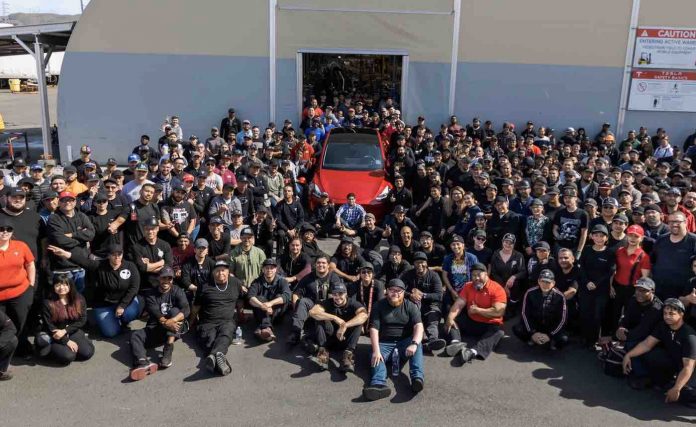
Tesla has just become the first electric vehicle manufacturer to have assembled 1 million vehicles—an impressive feat for an automotive company that only released its first consumer car 12 years ago.
Tesla CEO Elon Musk congratulated his workforce on the exciting milestone by publishing a photo of the company’s new Model Y to Twitter this week.
Since Tesla debuted The Roadster back in 2008, they have gone on to release the Model S, Model X, and Model 3. The company now plans on shipping their pre-ordered Model Ys to the public months ahead of their original fall 2020 deadline.
According to the company’s January earnings report, they hope to ship at least 500,000 cars worldwide during the coming year.
Based on Tesla’s cumulative sales, they finally overtook Chinese automaker BYD in December to become the world’s largest electric automaker.
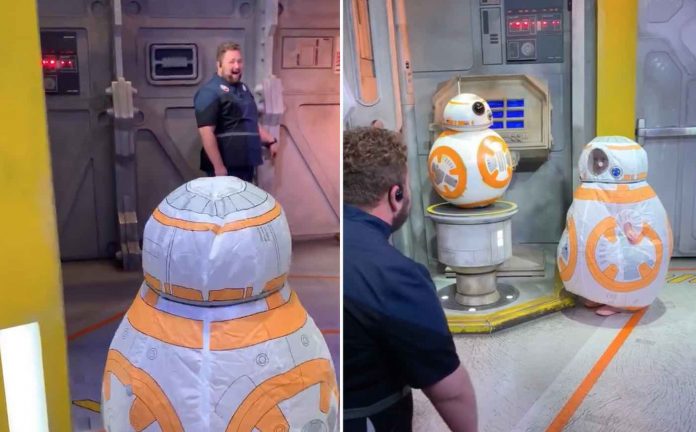
A little girl’s determination to wear her BB-8 costume to a theme park earned her some celebrity friends. And, when she got to meet her robot hero in real-life, it was even too cute for the Disney attendants to handle.
The 4-year-old girl named Belle had insisted on wearing the costume for her visit to Hollywood Studios in Florida last year.
Her outfit was so cute, she caught the eye of two stormtroopers who insisted on escorting her and her mother to a meet-and-greet with Star Wars celebrity antagonist Kylo Ren.
Belle’s mother Brittany Beard said her daughter got a little nervous about meeting the film’s evil star and wanted to make sure that he knew she wasn’t the real BB-8.
“I am just a little girl dressed up!” she said. “I am just a little girl!’”.
When Belle got to meet her real hero— the robot BB-8—her mom captured the precious moment on video. Since she shared it on Facebook and the scene has been viewed more than half a million times.
(WATCH the adorable video below)
You Don’t Need The Force To Share This Sweet Story With Your Friends On Social Media…
Quote of the Day: “Kindness makes a fellow feel good whether it’s being done to him or by him.” – Frank A. Clark
Photo: by Daiga Ellaby – public domain
With a new inspirational quote every day, atop the perfect photo—collected and archived on our Quote of the Day page—why not bookmark GNN.org for a daily uplift?
“Girl” by @chanthar. A woman paints umbrellas in Mandalay, Myanmar.
“Colorful Cotton” by Zay Yarlin in Myanmar. “These colorful threads are made from lotus stems and can only be seen at Inle Lake. The worker can be seen hanging the brightly colored garments over wooden bars while she balances on a narrow wooden boat. The threads are divided by color, and then put out to dry underneath the hot sun.”
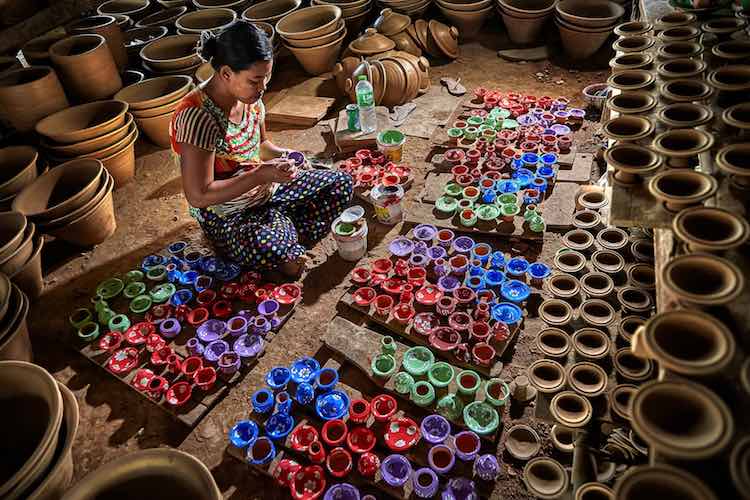
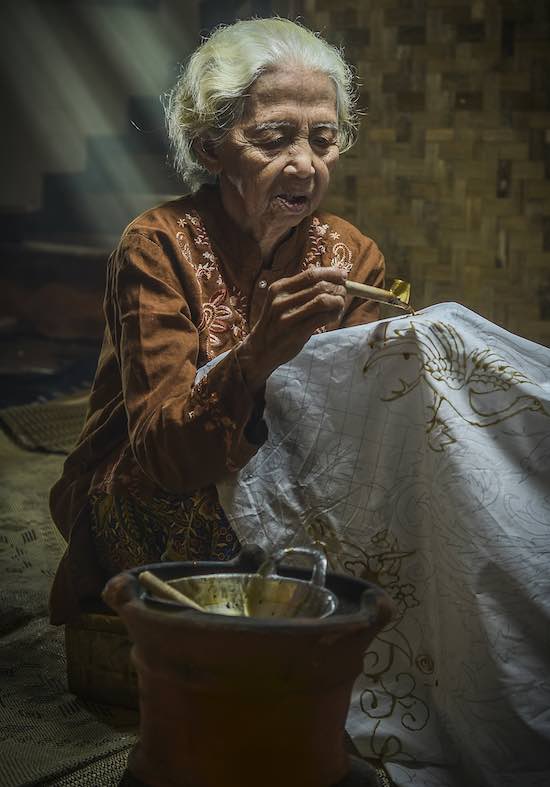
These stunning images are just a few of the finalists from an international photography competition searching for pictures that showed “what work means” to people around the world.
“Harvesting salt” by Cao Ky Nhan – A farmer raking salt in Hon Khoi, Vietnam.
More than 9,000 images were entered into the worldwide #Work2020 competition hosted by the free-to-use photography app Agora.
“Gold of Farmer” by F Dilek Uyar – A farmer throws corn in Turkey.
After Agora users were asked to vote on the best photo, the picture “Washing Water Lilies” was selected as the winner.
“Washing water lilies” by @ptkhanhhvnh – “The women were washing water lilies, a flower that grows in many lakes in the western rivers of Vietnam. They use boats to go everywhere to pick water lilies, then wash and sell them at the local market. This is has been the traditional work for women living in Western Vietnam for generations. This edible flower is also a delicacy for locals and tourists.”
The photo was taken by 34-year-old Vietnamese photographer and bank worker Khanh Phan, who bought her first camera in 2017 and taught herself to use it during her travels all over the country.
“Pottery” by @thwethwetun – A potter in Yangon, Myanmar.
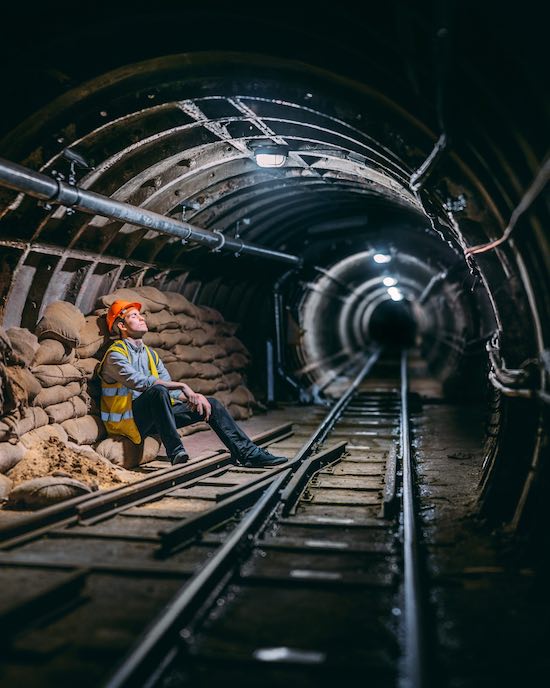
Another striking finalist captured by Liam Man shows a construction worker taking a break in an unused section of the London underground.
“The Tunneler” by Liam Man, who said he “wanted the mood of this image to be somber and still.”
“Much narrower than the main tube tunnels, this line was used to transport the city’s mail,” said the photographer. “In 2017, it was turned into a museum, and I was given early access to the tunnels before they opened to tours.”
“Girl” by @chanthar. A woman paints umbrellas in Mandalay, Myanmar.